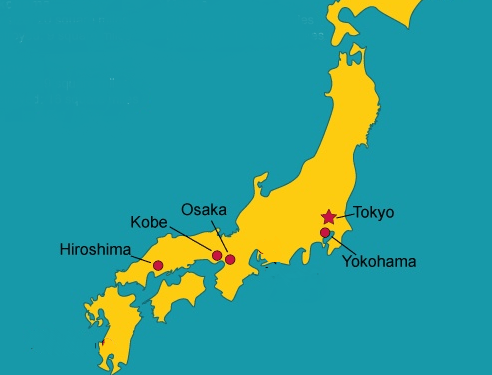
Nov. 2nd: From Kobe we sailed to Hiroshima arriving by 8:00 a.m. which gave us a full day to tour (the ship departed at 6:00 p.m.).
We last visited Hiroshima Peace Memorial Park and the Museum in 2002 (cruise stop). The Park was as we remembered but the Peace Memorial Museum had undergone two major renovations since our last visit. The first renovation was to the East Building (2013 – 2015) followed by a major renovation of the Main Building (2017 – 2019). We found the museum incredibly moving in 2002, but even more so since the renovations.
The following excerpt from an article written about the main building’s reopening captures the feeling you get when you enter:
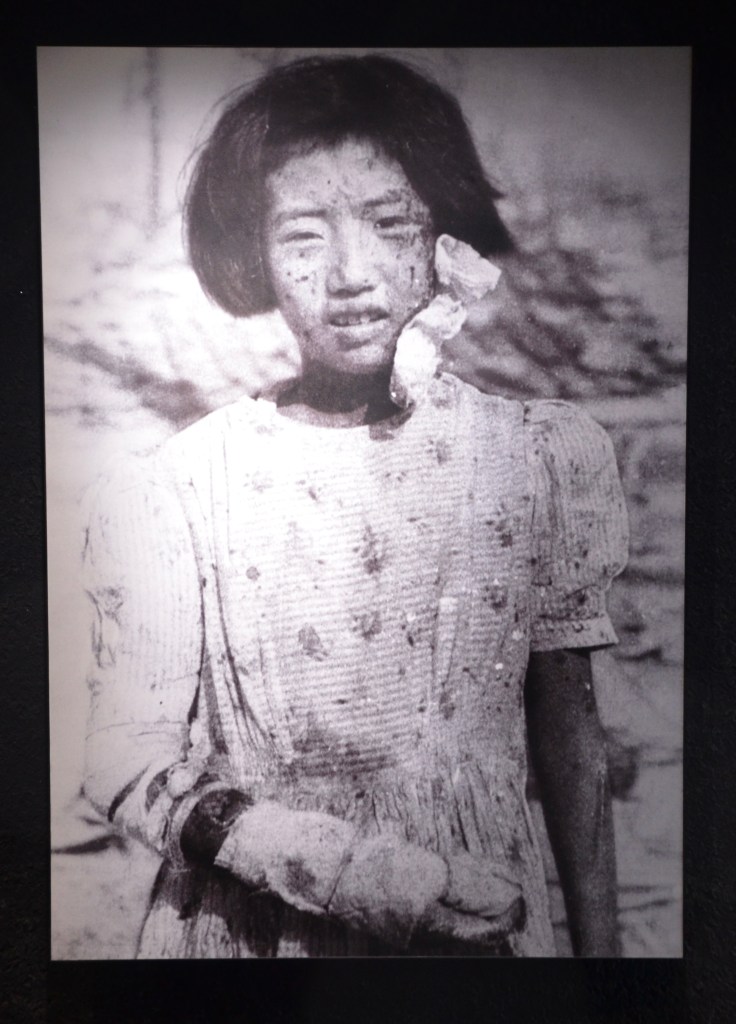
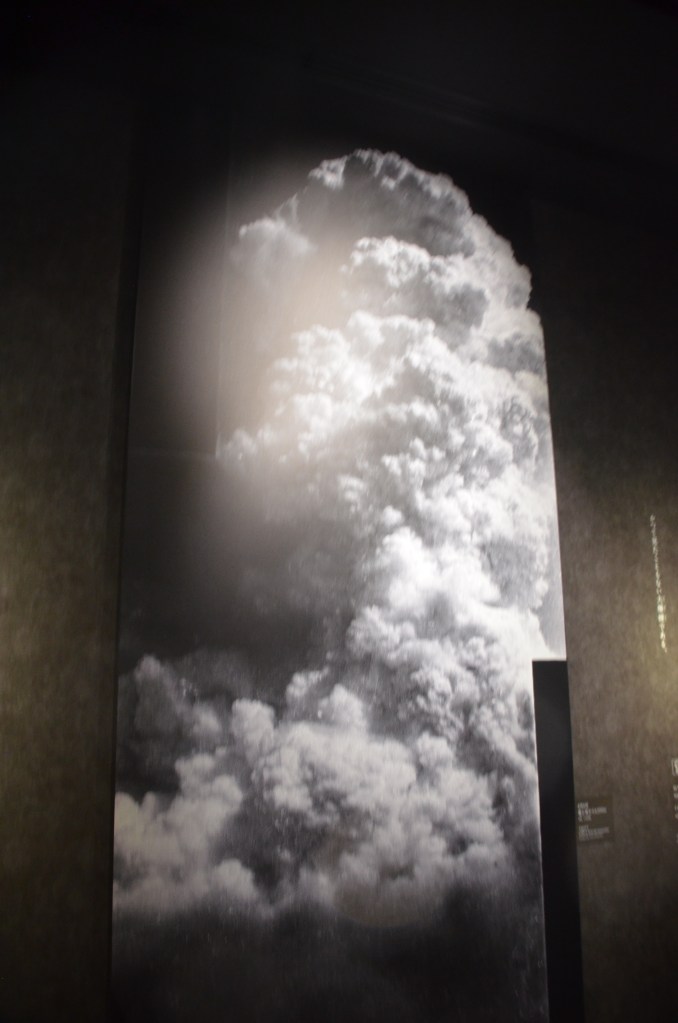
“The Main Building immediately sets the tone for visitors with a single black and white photograph of a young girl in bandages. Her expression is hard to pin down, caught in a moment that can’t be understood fully. The exhibits are divided into sections, each with a title carved into rough black stone and lit by single, soft spotlights to keep the visitor in semi-darkness, paralleling the darkness and uncertainty that followed the bombing. Large-scale black and white photos along with almost novel-like excerpts from eyewitnesses line the walls, each with a correlating English translation. The exhibits incorporate artwork and photos to tell the story of August 6 1945 from different perspectives, including a larger-than-life photograph of the mushroom cloud billowing before three people, barely noticeable for their size in comparison to the massive plume. Photos like this help to put the overwhelming size of the explosion into an easy-to-grasp perspective, and are further made poignant by the lighting and stark black walls around them.”
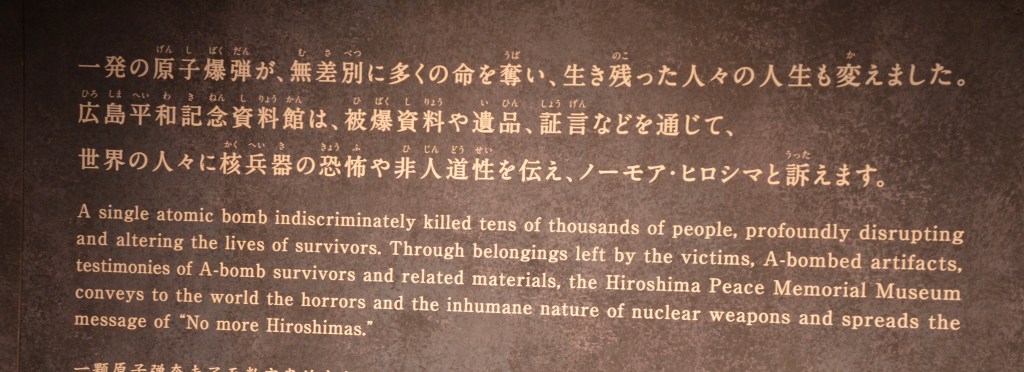
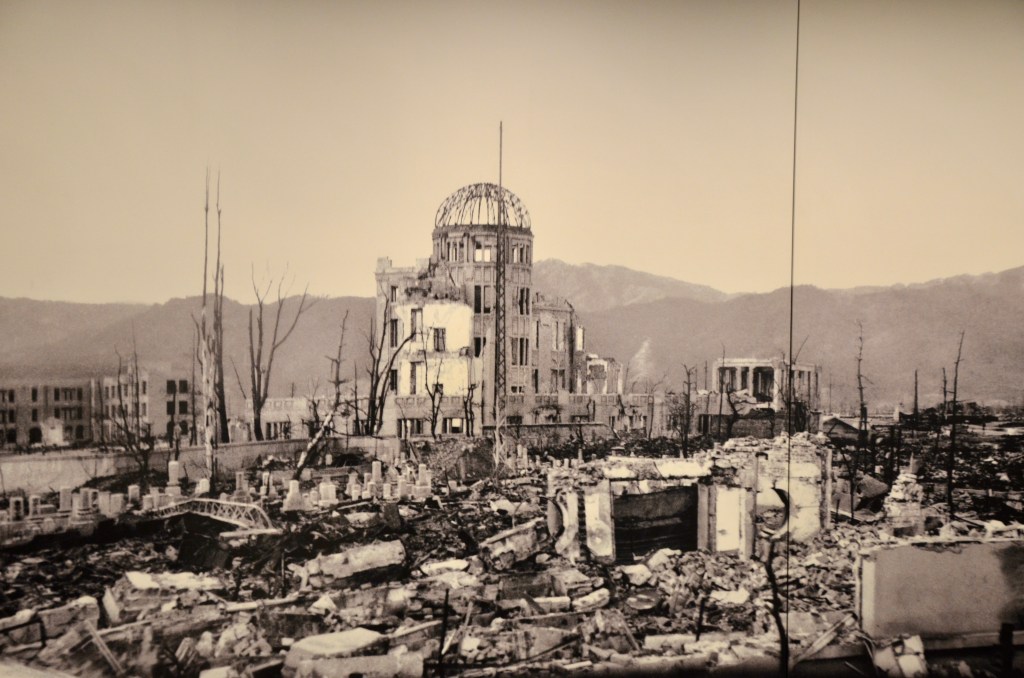
As mentioned in the article above, the Hiroshima Peace Memorial Museum mainly displays artifacts that remain from the atomic bombing, as well as excerpts from eyewitnesses in order to convey the harsh reality of the time, and the dangers of nuclear weapons. I have included just a couple of photos taken in the museum. We spent over two hours walking through the museum and as we exited the message “We must vow to do all in our powerthat never again will anyone have to face the tragedy that occurred in Hiroshima” became even more powerful in these uncertain times.
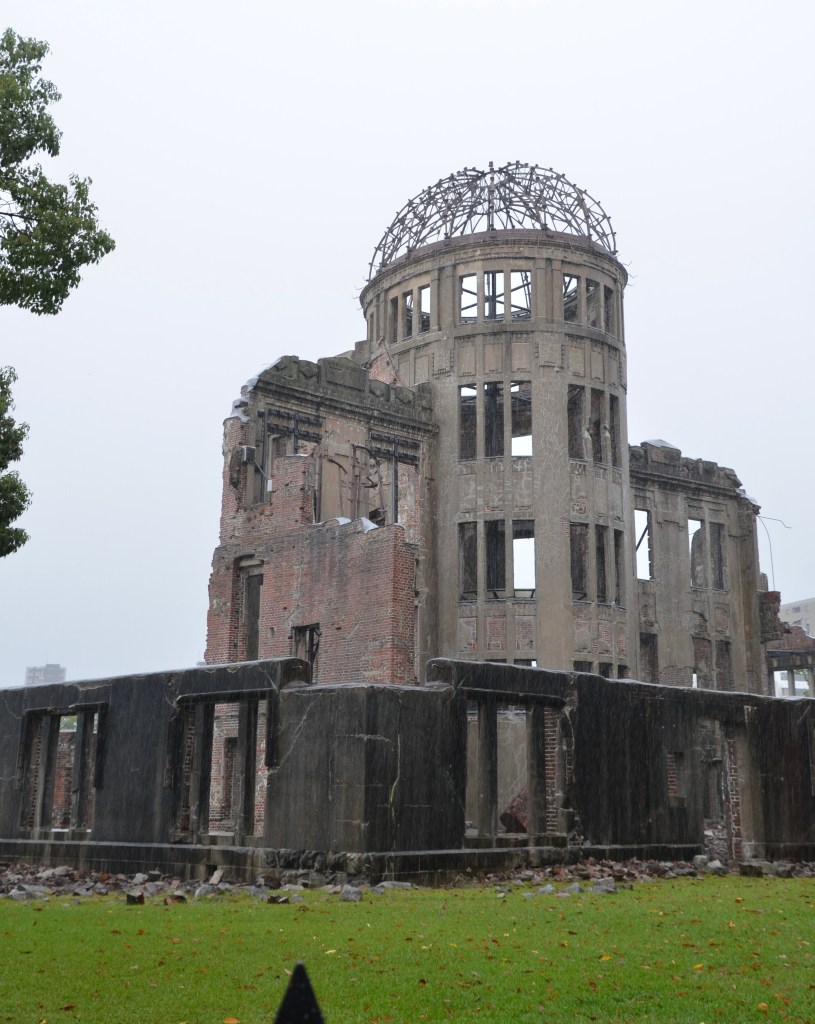
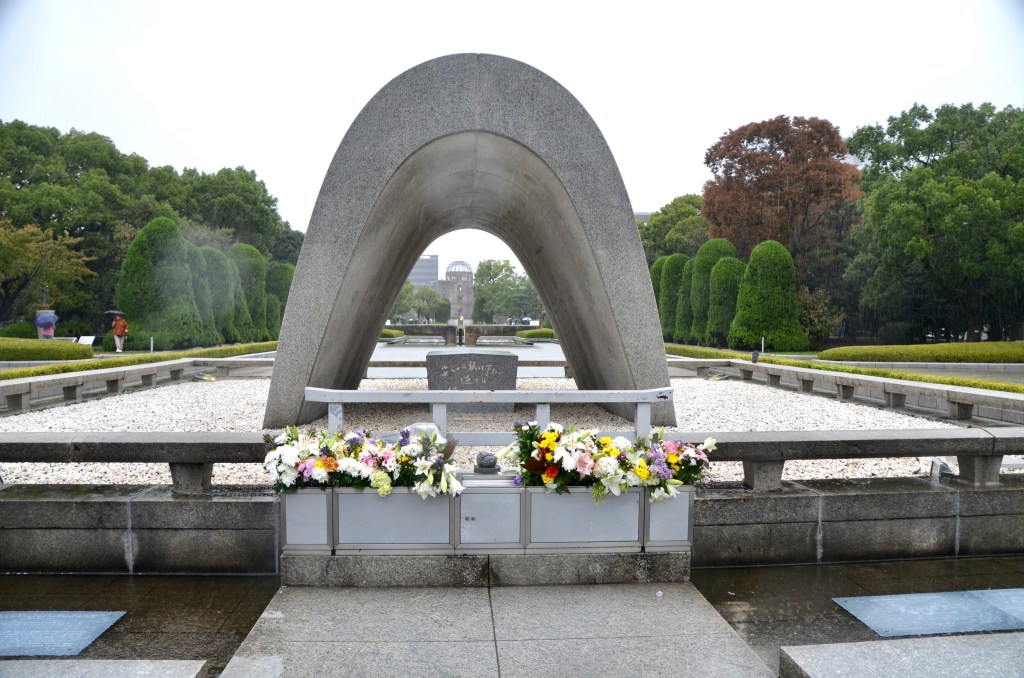
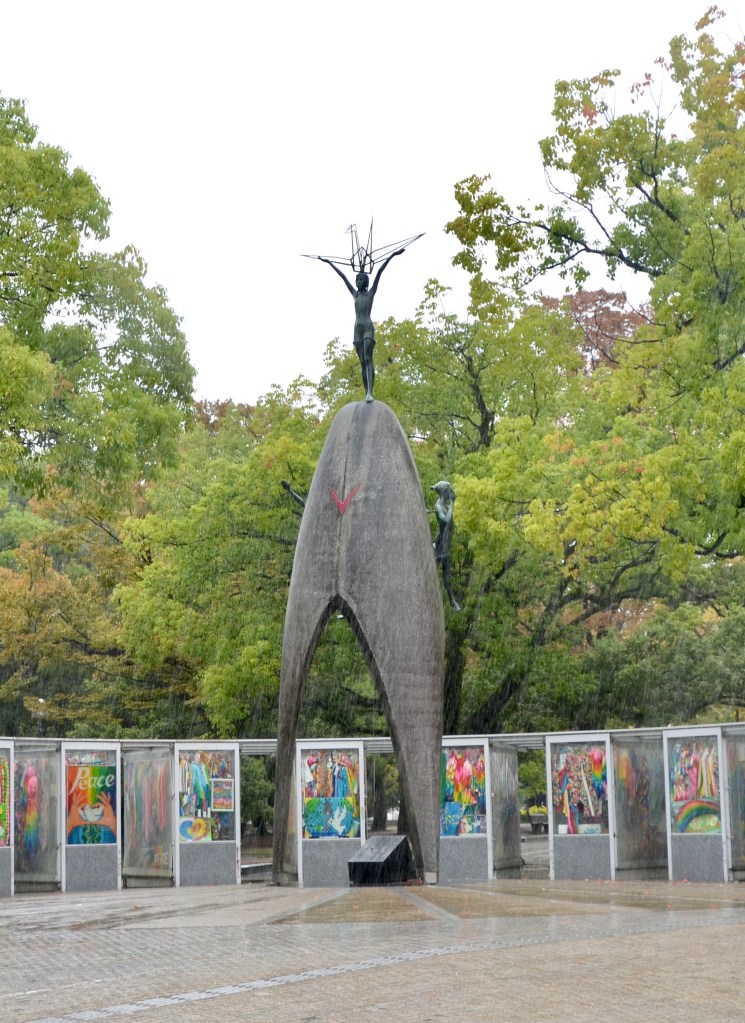
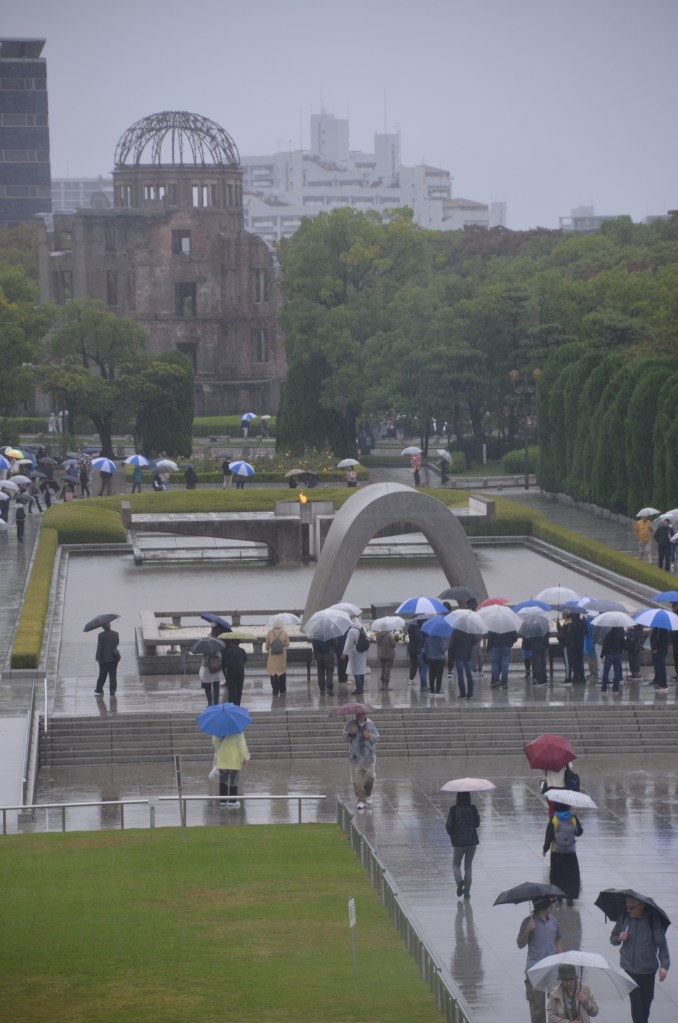
The A-Bomb Dome, also known as the Hiroshima Peace Memorial, is what remains of the former Prefectural Industrial Promotion Hall. When the bomb exploded, it was one of the few buildings to remain standing, and is a UNESCO World Heritage Site.Between the Museum and the A-Bomb Dome is the Cenotaph for the A-Bomb Victims. The Cenotaph is an arched tomb for those who died, either because of the initial blast or exposure to radiation. Below the arch is a stone chest holding a register of these names, of which there are over 220,000. Children’s Peace MonumentIt seemed appropriate that it rained as we walked the grounds of the Hiroshima Peace Memorial Park.This photo was taken from the Museum back towards the Cenotaph and the A-Bomb Dome
As we left the museum the skies cleared and we spent the afternoon on an island about 1/2 hour drive from Hiroshima Memorial Peace Park. Although the island is actually called Itsukushima, it is better known as Miyajima, which translates to “shrine island.”
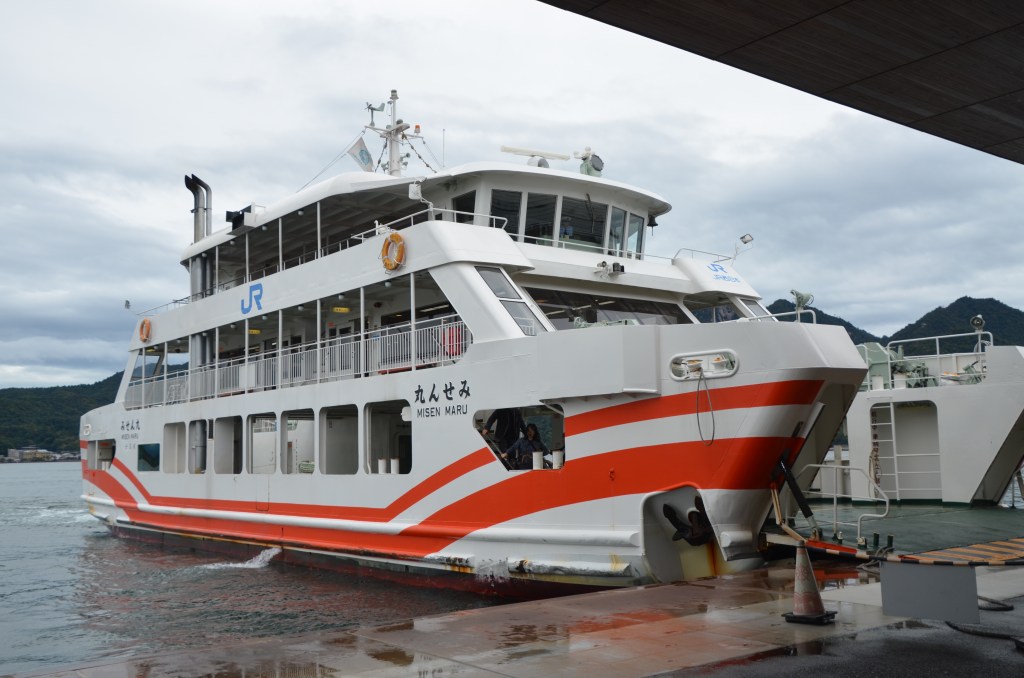
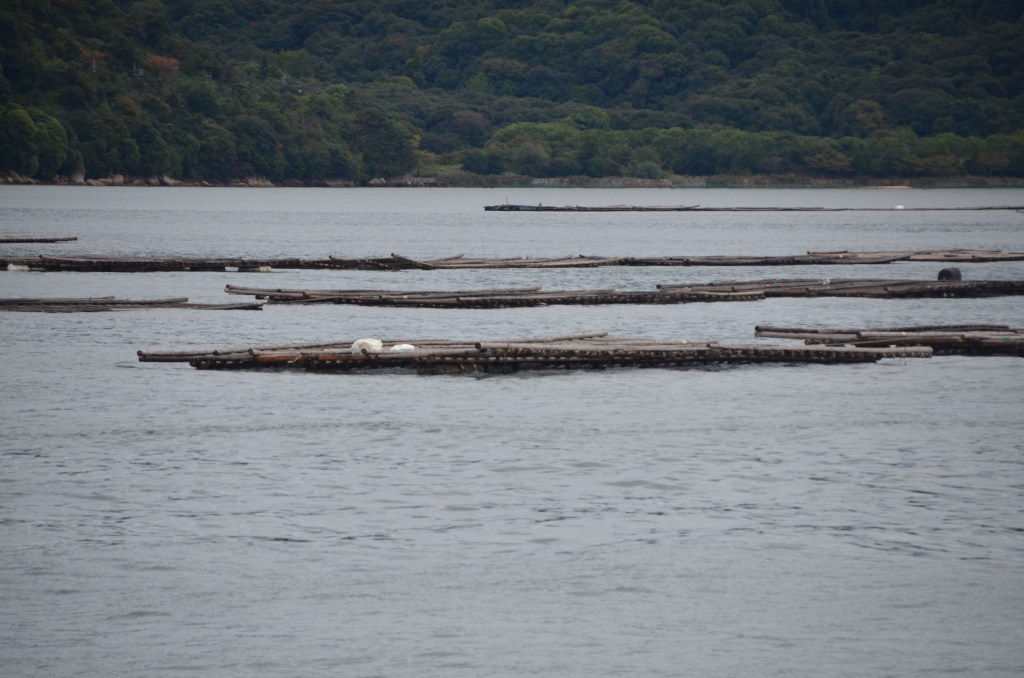
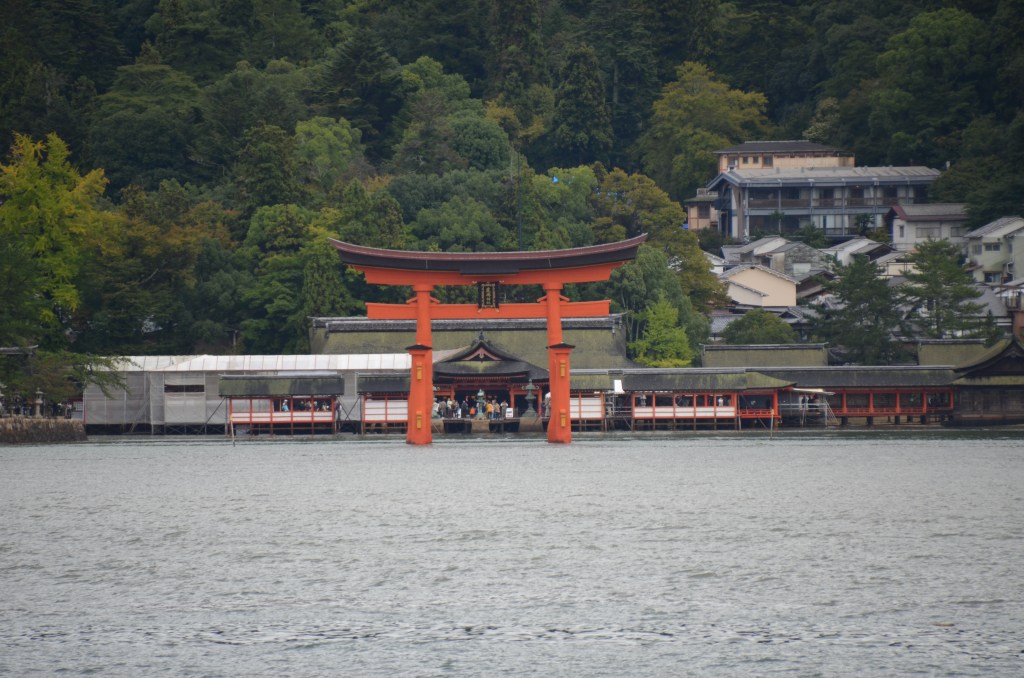
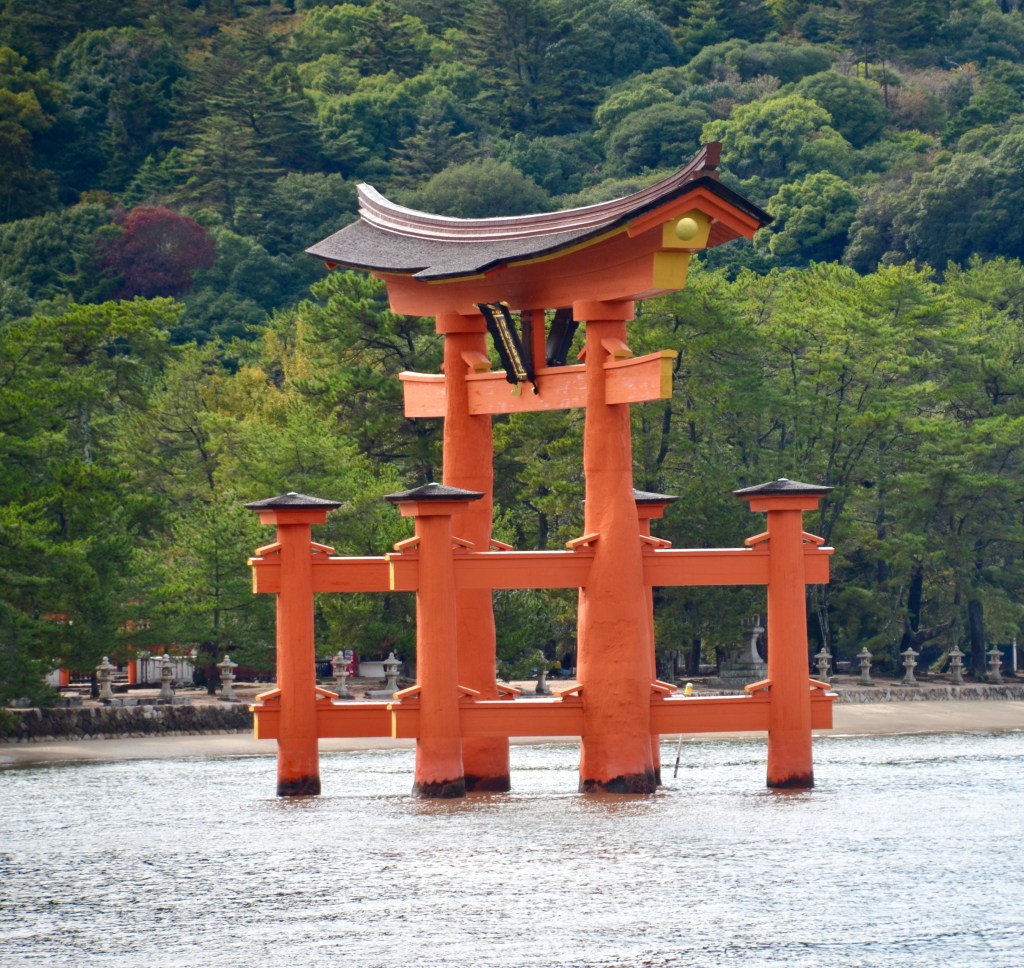
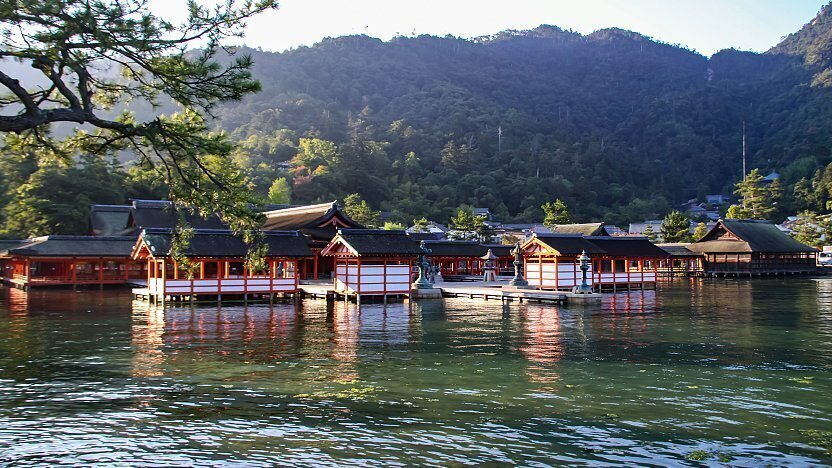
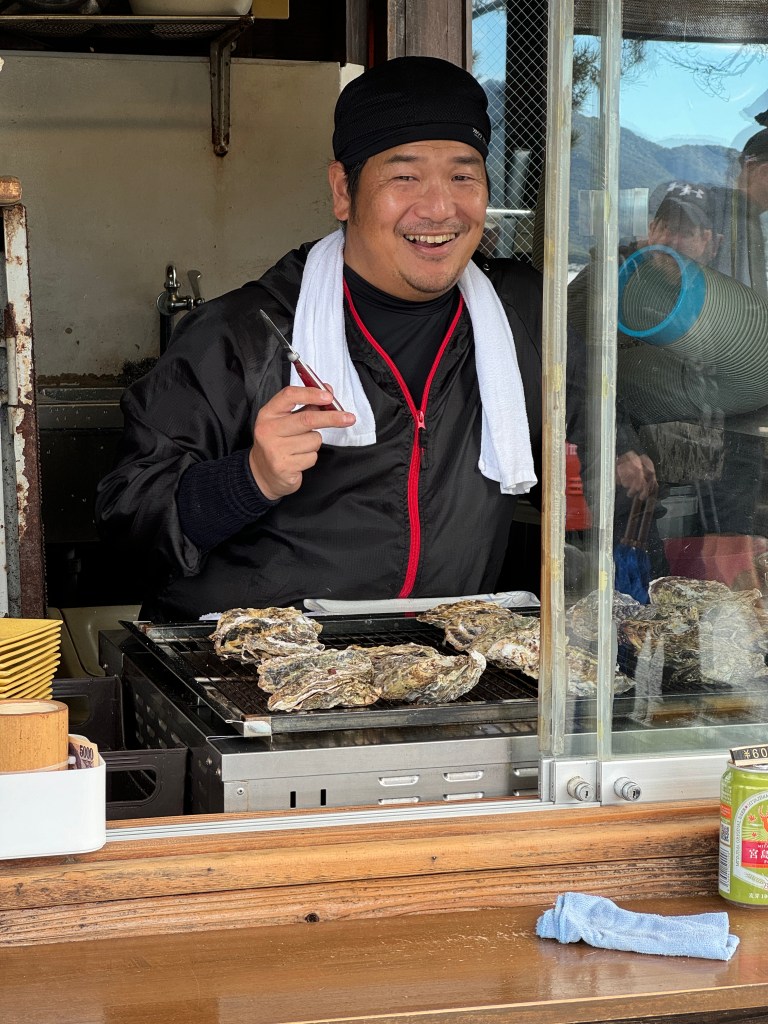
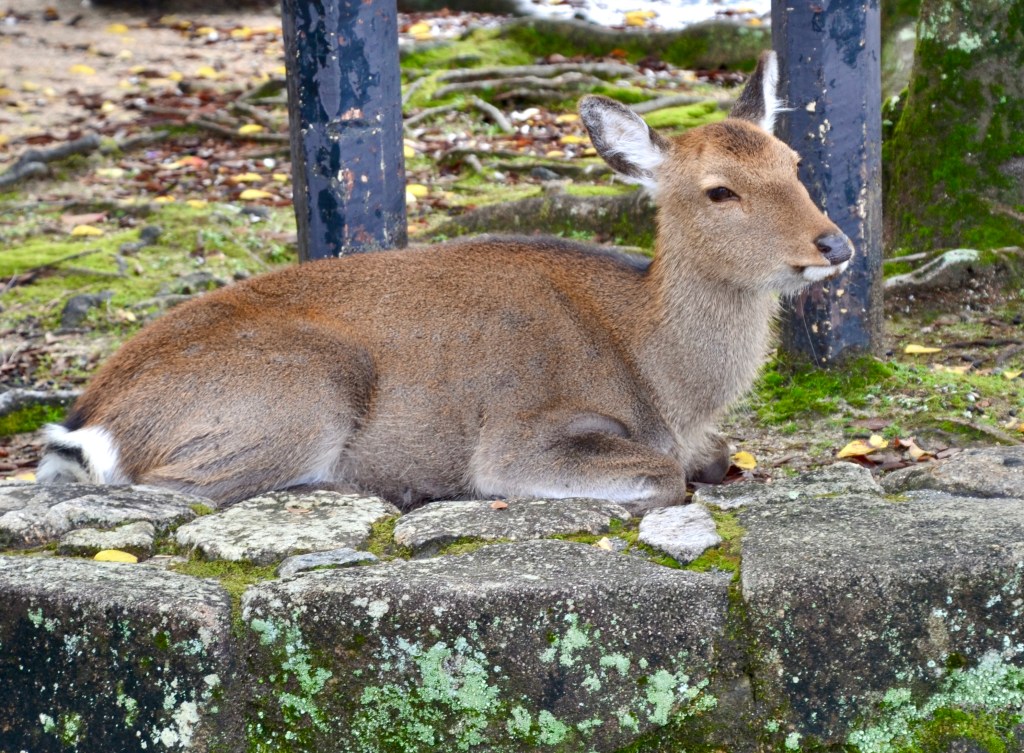
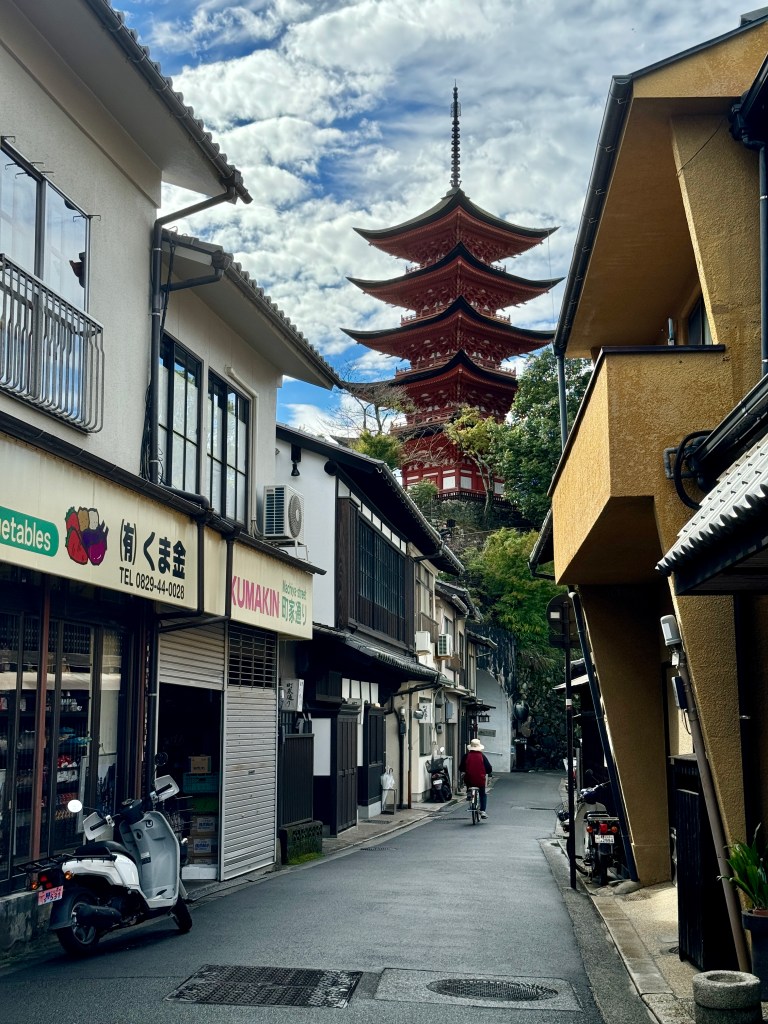
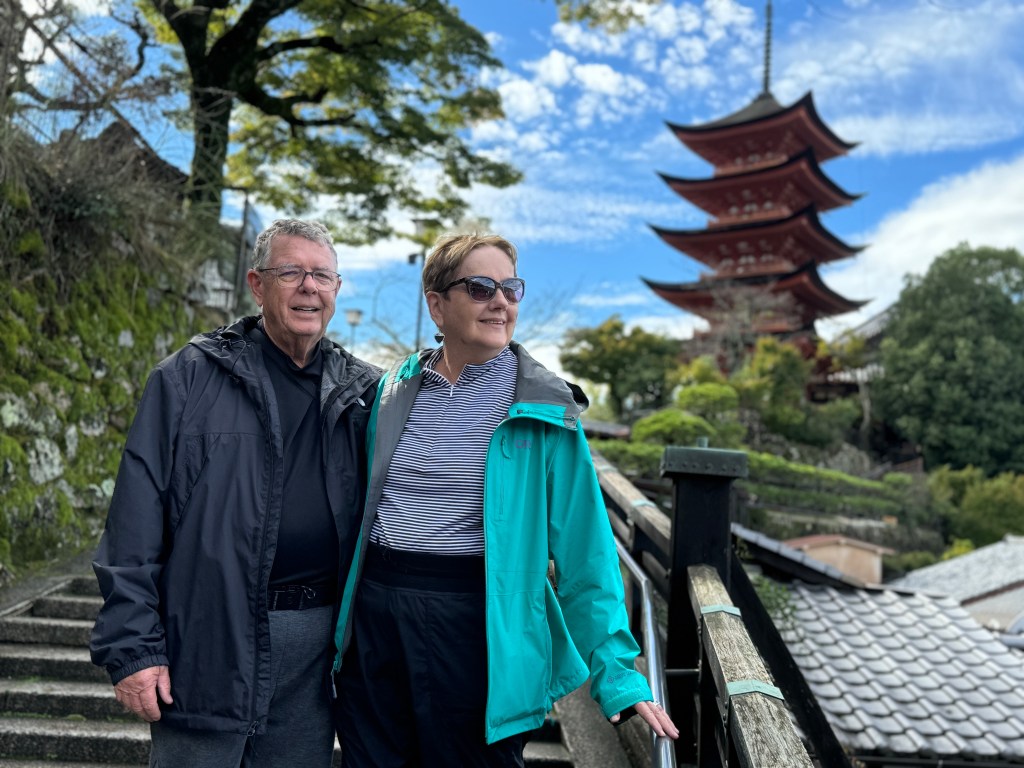
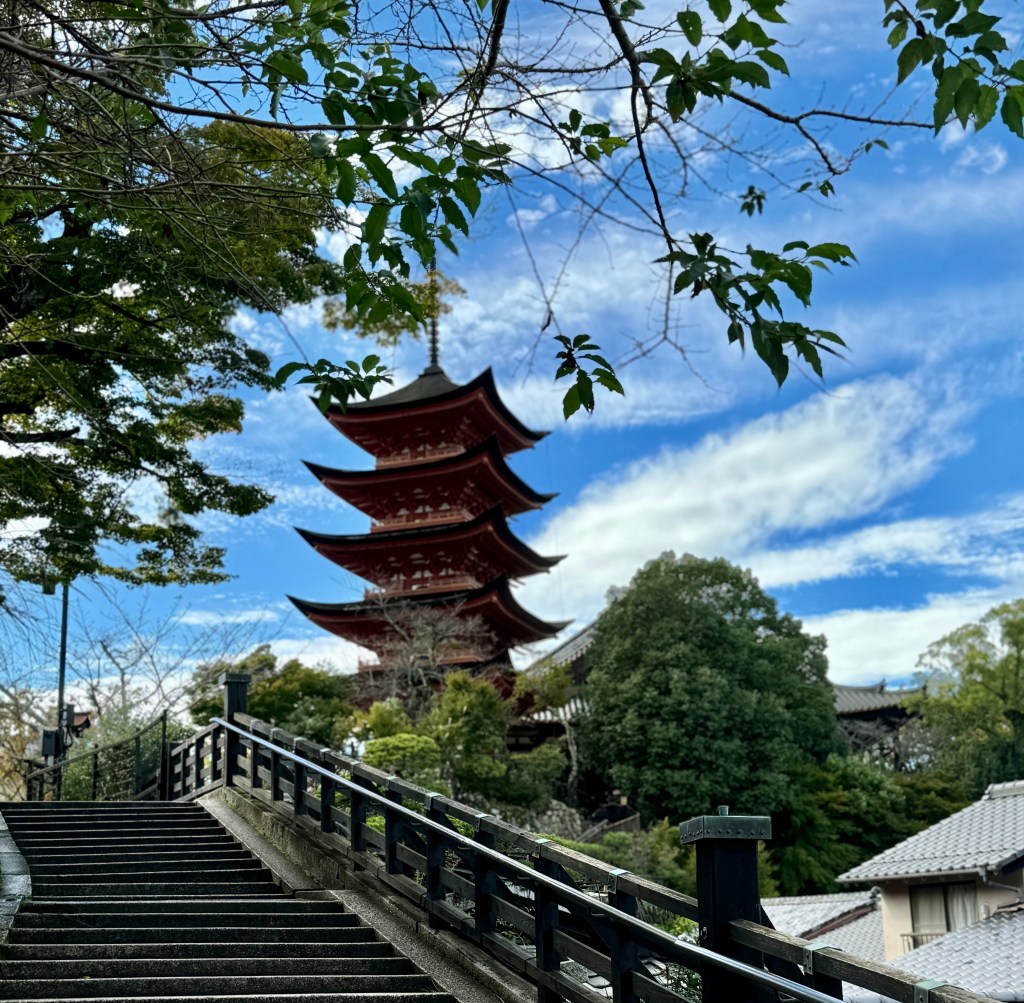
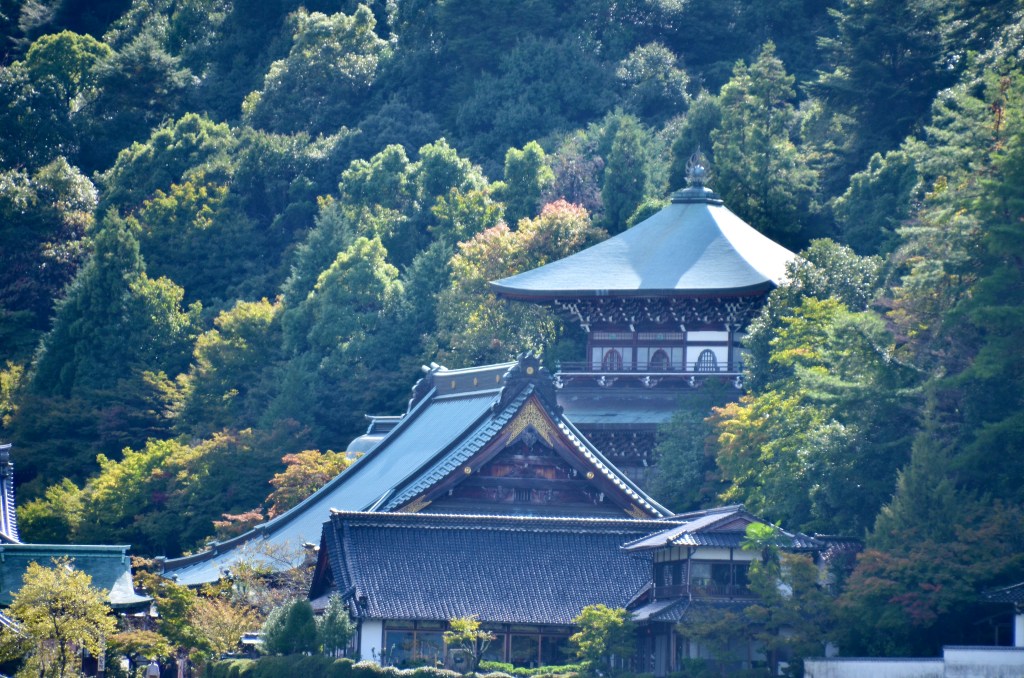
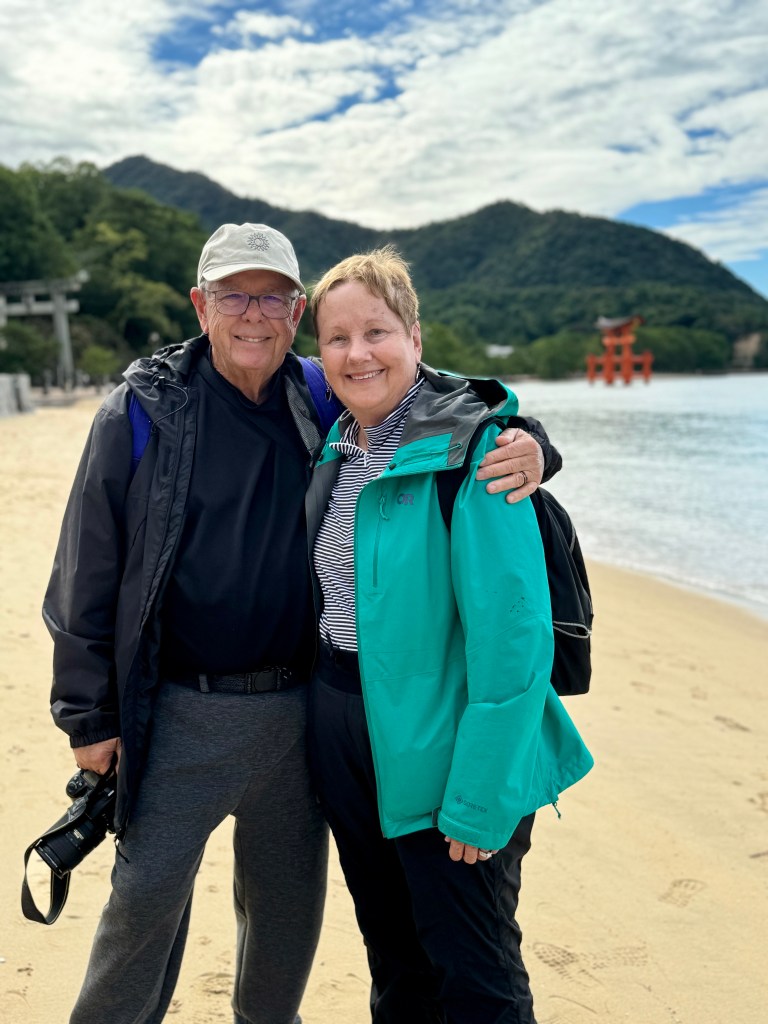
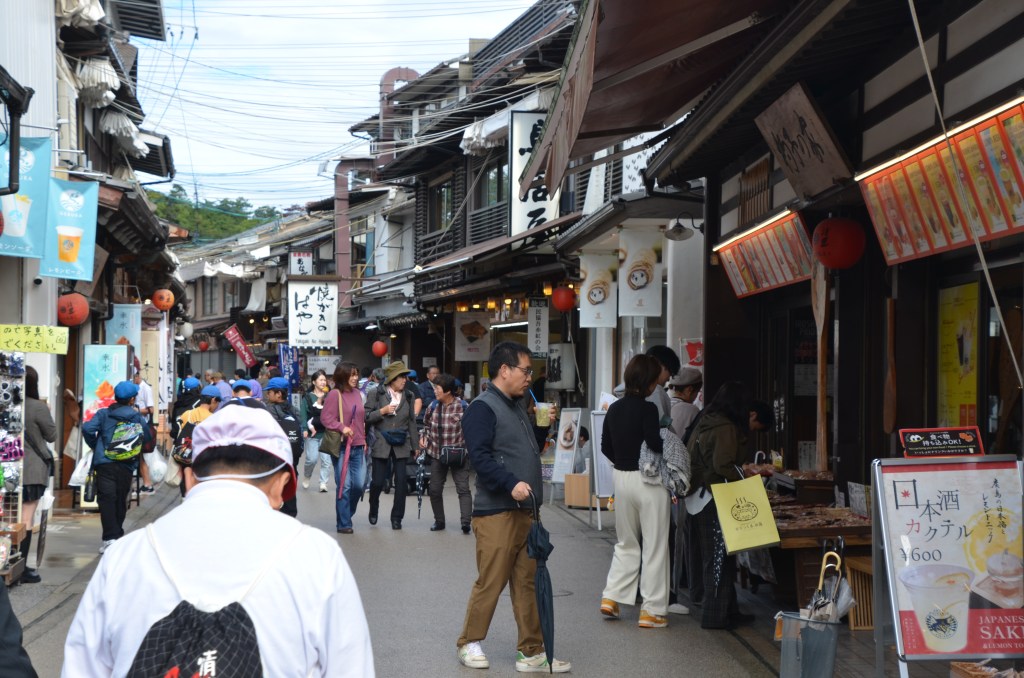
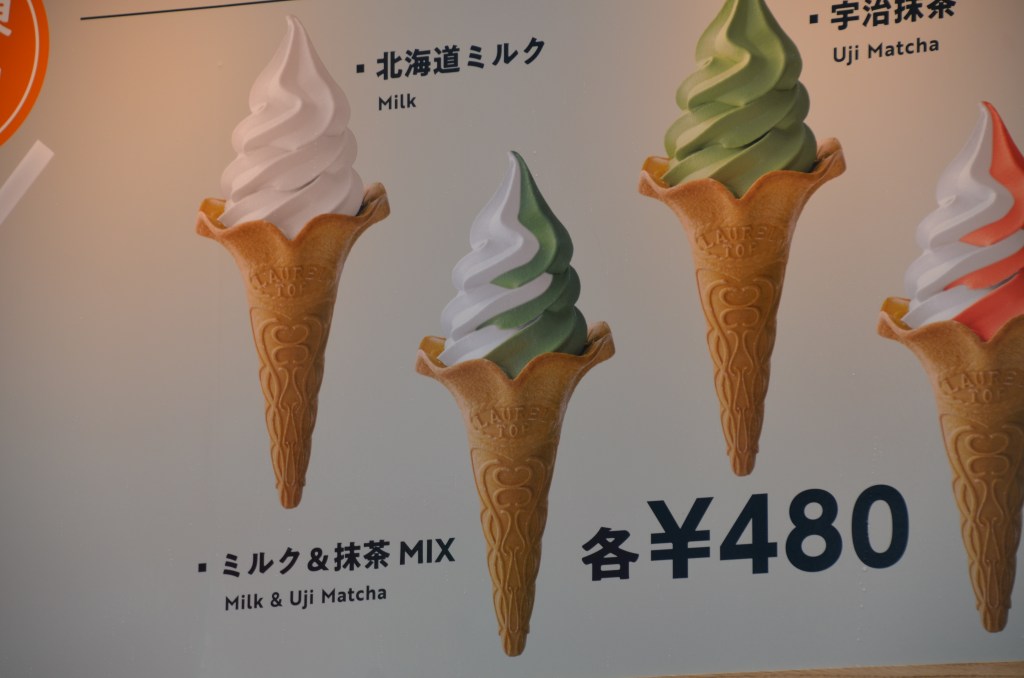
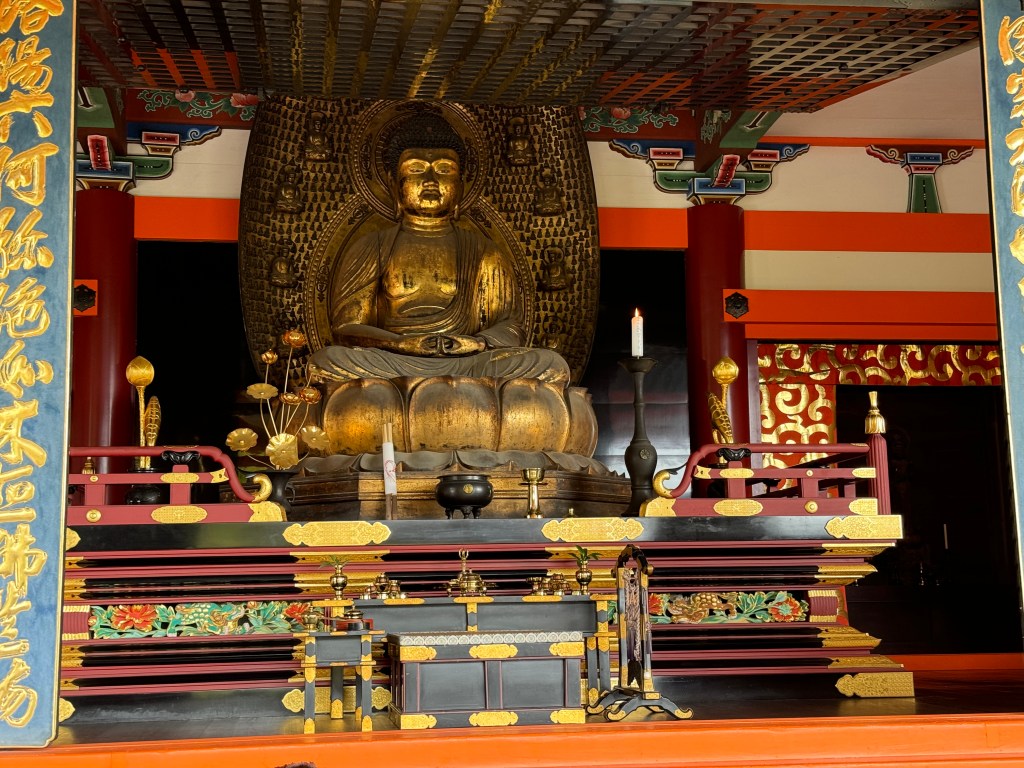
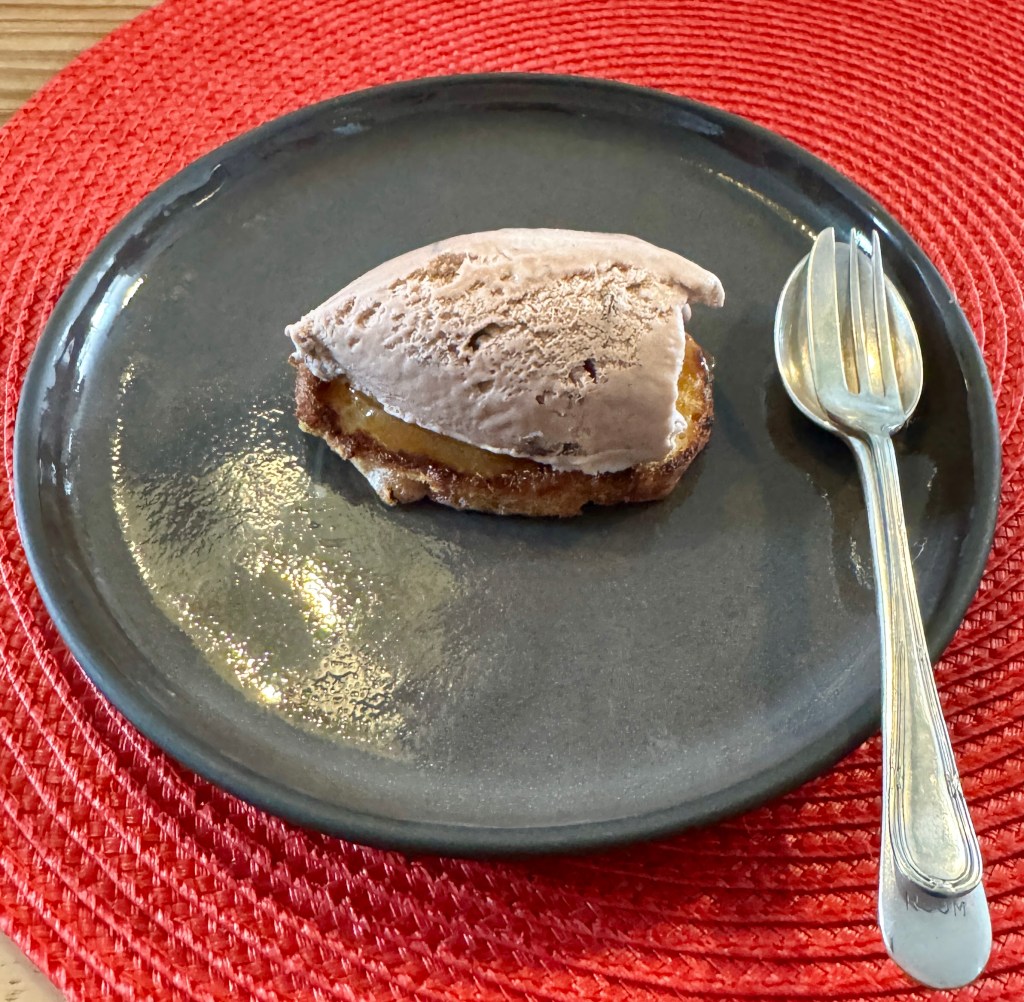
Ferry to the IslandIn Hiroshima Bay, oysters are cultivated on lines under rafts. We were told that oyster offspring spawn on top of their predecessors on the lines, creating a chain of up to ten meters long. A hook is attached to the chain and a crane on the boat pulls the oysters to the surface. The torii gate in the foreground with the Itsukushima Shinto Shrine behind the gate (at the water’s edge). The torii gate is unique as it appears to be floating in the bay during high tide.The torii gate is about 16.6 meters tall and weighs about 60 tons. At low tide, the water drains out of the bay and visitors walk around the gates. Itsukushima shrineOne of the many spots where oysters were for sale – we didn’t purchasebut interesting to watch the shucking.The Sika deer have long been considered sacred by the people of Miyajima. There are signs around the island advising visitors not to feed or touch the deerso they tend to ignore the visitors.The Five-Story Buddhist Pagoda on Miyajima Island was constructed in 1407. The tower is about 30 meters high and can be seen from all sightseeing spots on MiyajimaOur guide loved taking photos.We were told that the Japanese five-storied pagoda is Buddhist architecture and each story represents one of the five elements : earth, water, fire, wind and void (sky, heaven).Buildings around the pagodaOur tour mates talked us into another photoSmall stores & restuarants – always a shopping or eating opportunity and we had a lovely lunchI loved the Matcha Ice ( green tea) soft ice cream.
This was the last of the 3 tours which were organized by fellow passenger Jeff Lejfer. Thank you Jeff and Michele for including us in your tour group.
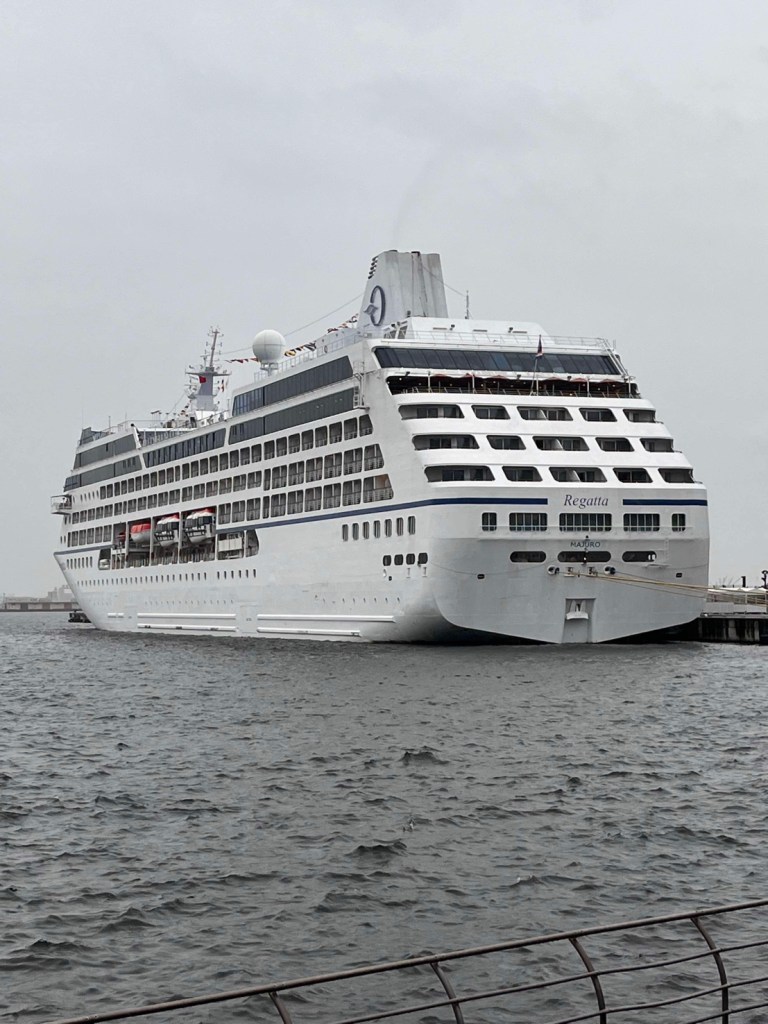
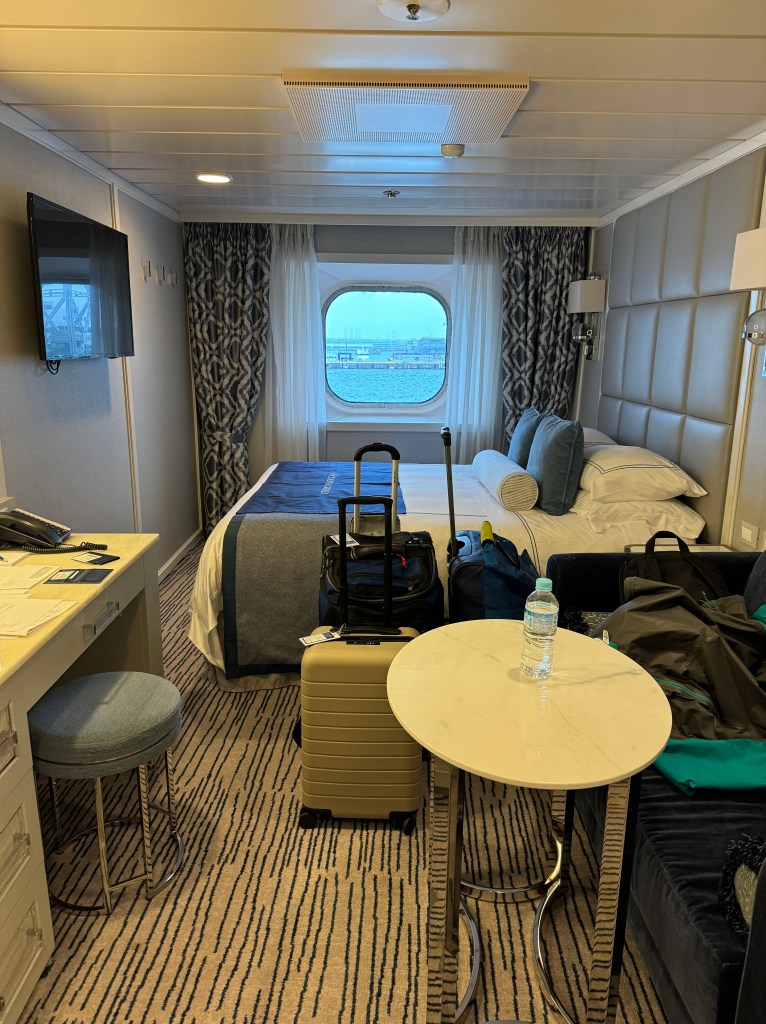
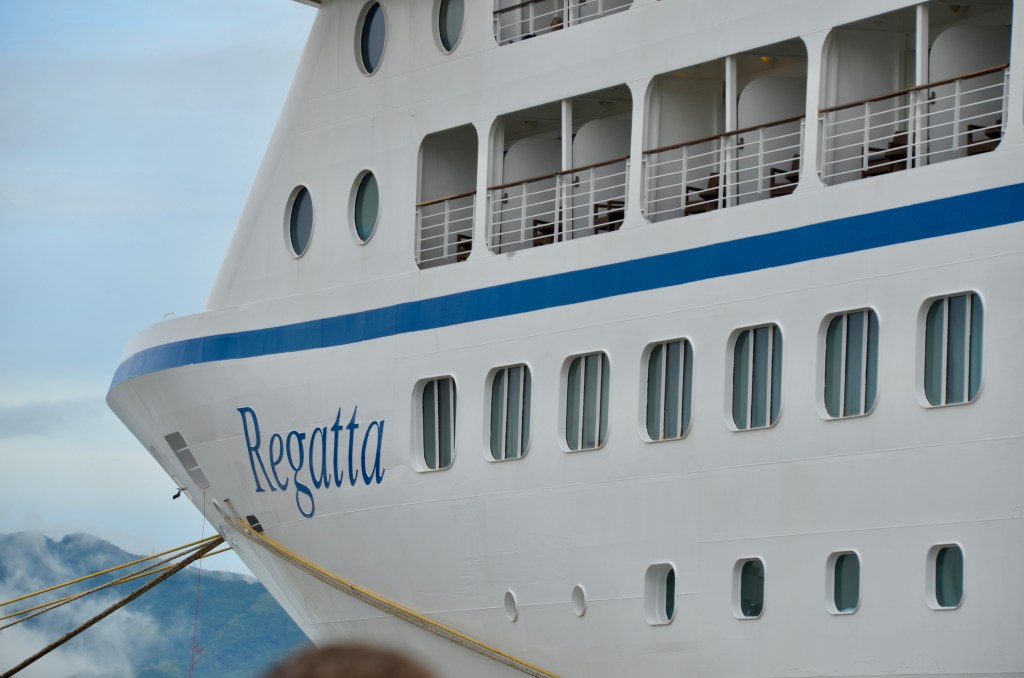
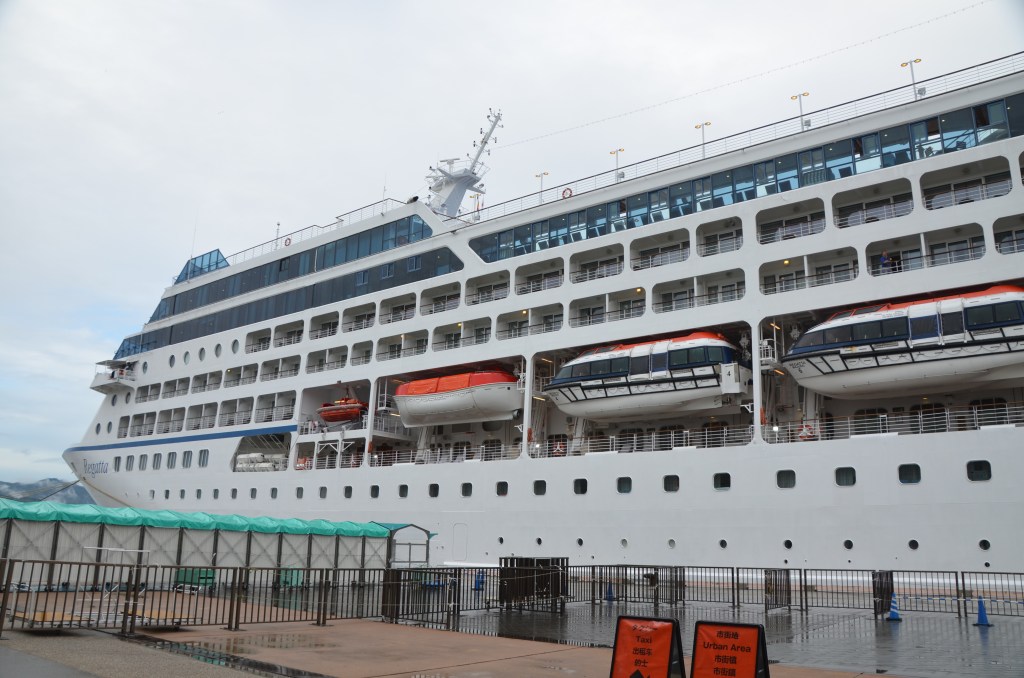
We boarded the Oceania Regatta on October 29th for a 16-day East Asia cruise. Regatta is one of Oceania’s smaller ships with only 670 passengers – it was fully booked for this cruise. This was our 5th cruise with Oceania but our first cruise in over 5 years.
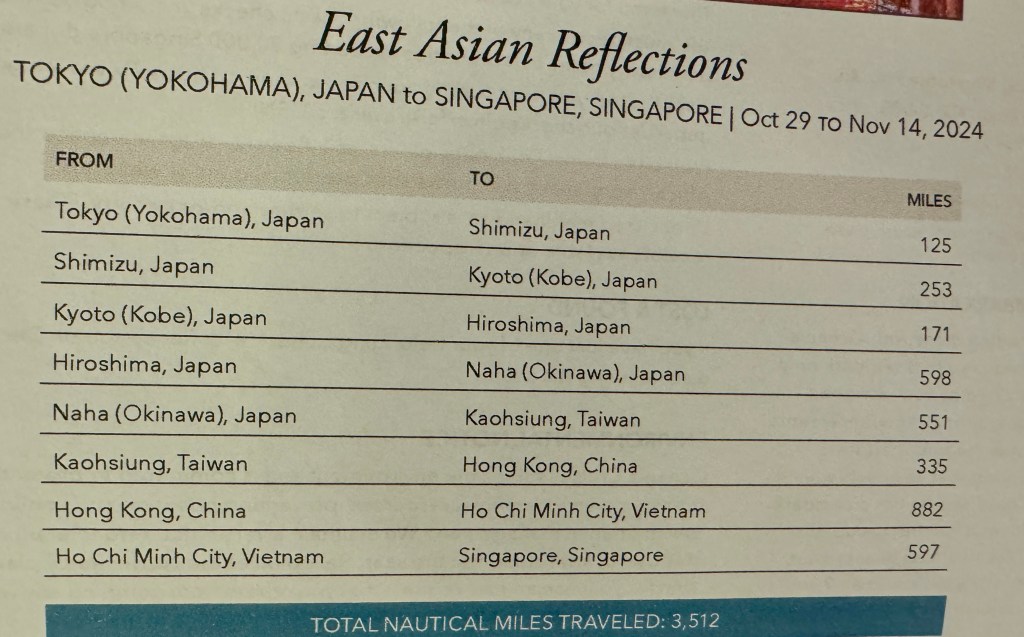
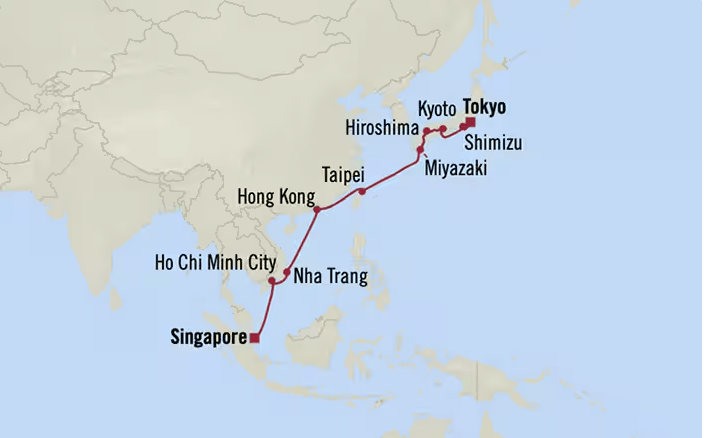
I posted our original itinerary in my first East Asia post, but the itinerary changed several times. Our first Vietnam stop was cancelled due to docking issues the day before we boarded the ship. The other changes were while we were onboard as there were two typhoons that caused some rough seas and port cancellations. Below is our final itinerary.
We did most of our excursions through private tours which were arranged ahead of time. I used Cruise Critic/Forums/Roll Call to find tours that we could join. I would rather do this than organize and post tours myself (I’ve done that in the past and it is a lot of work). Ship tours are geared to large groups (which have limitations) and tend to be much more expensive . We were lucky as we were able to pick up 4 private tours organized by a fellow passenger.
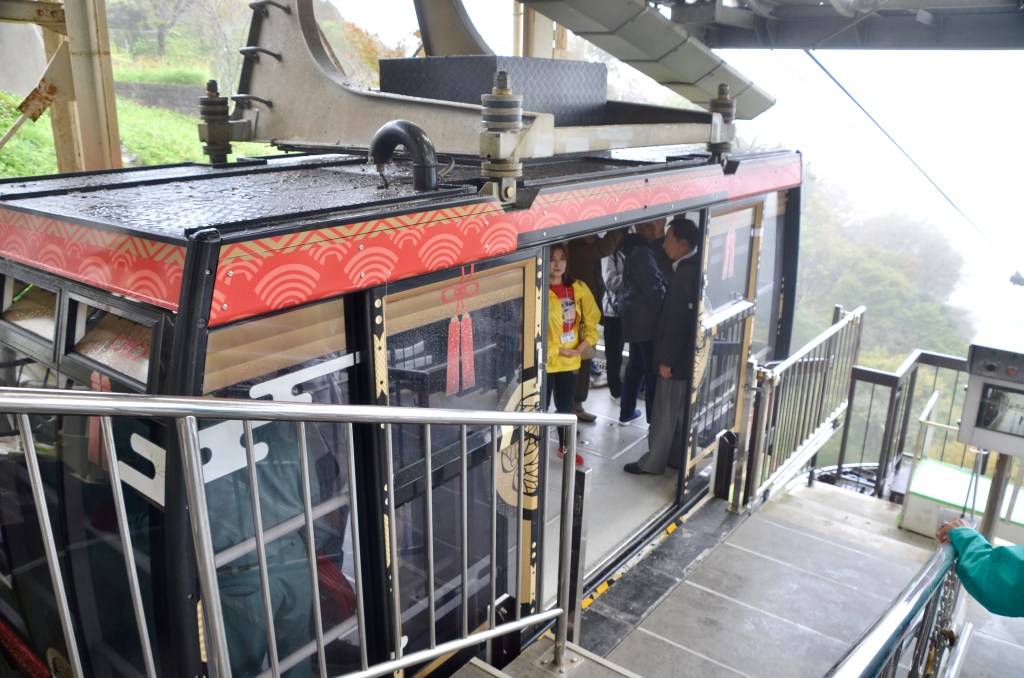
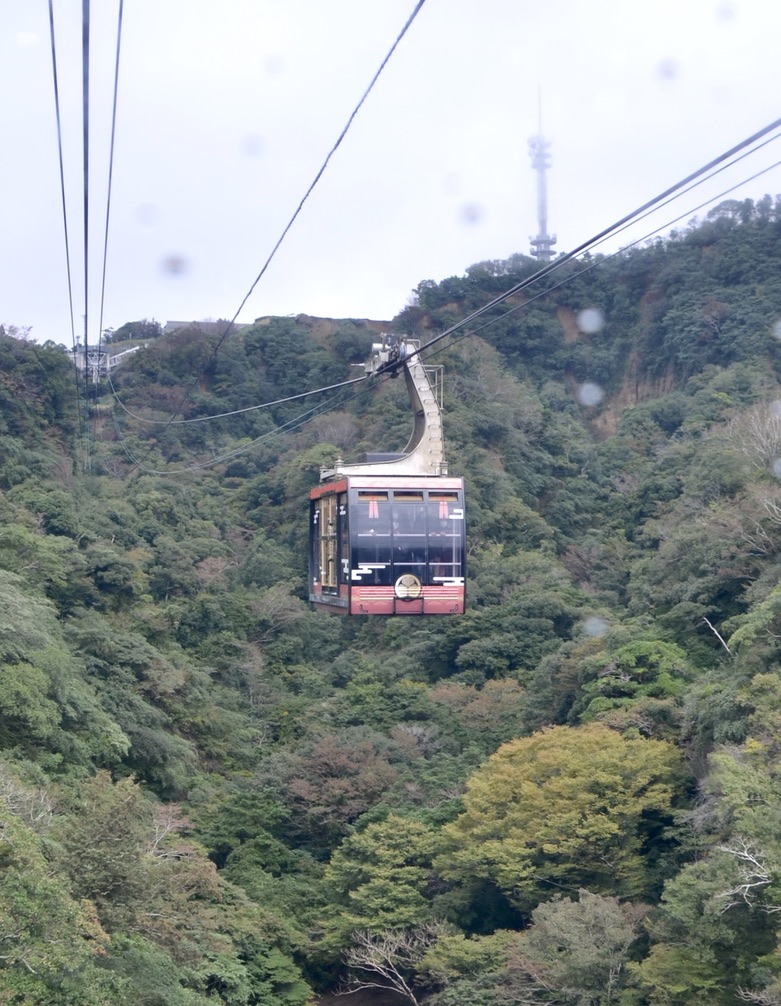
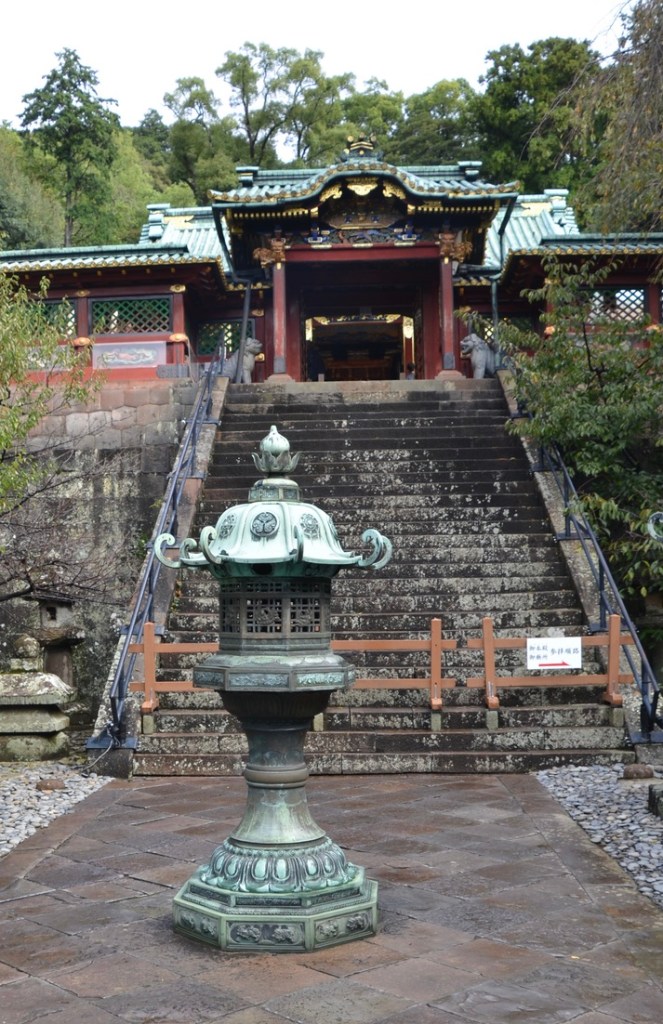
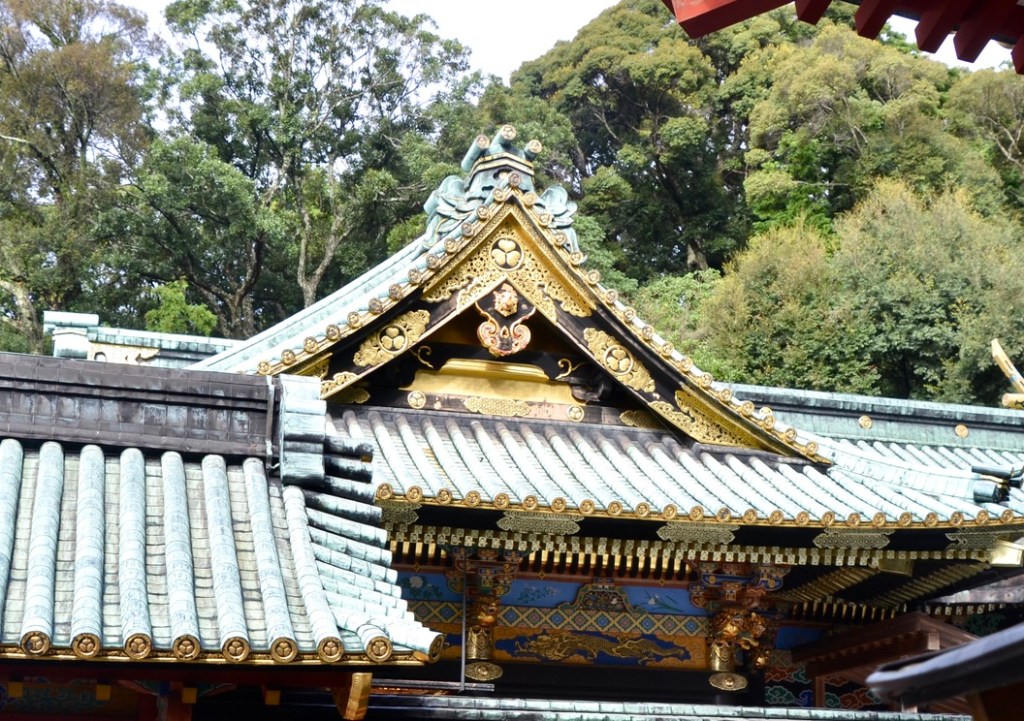
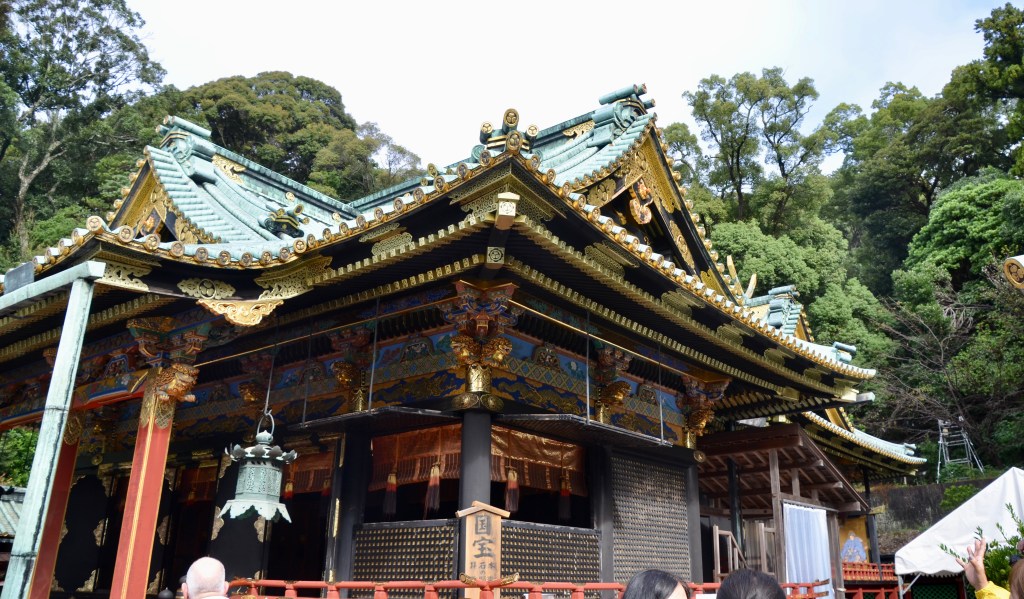
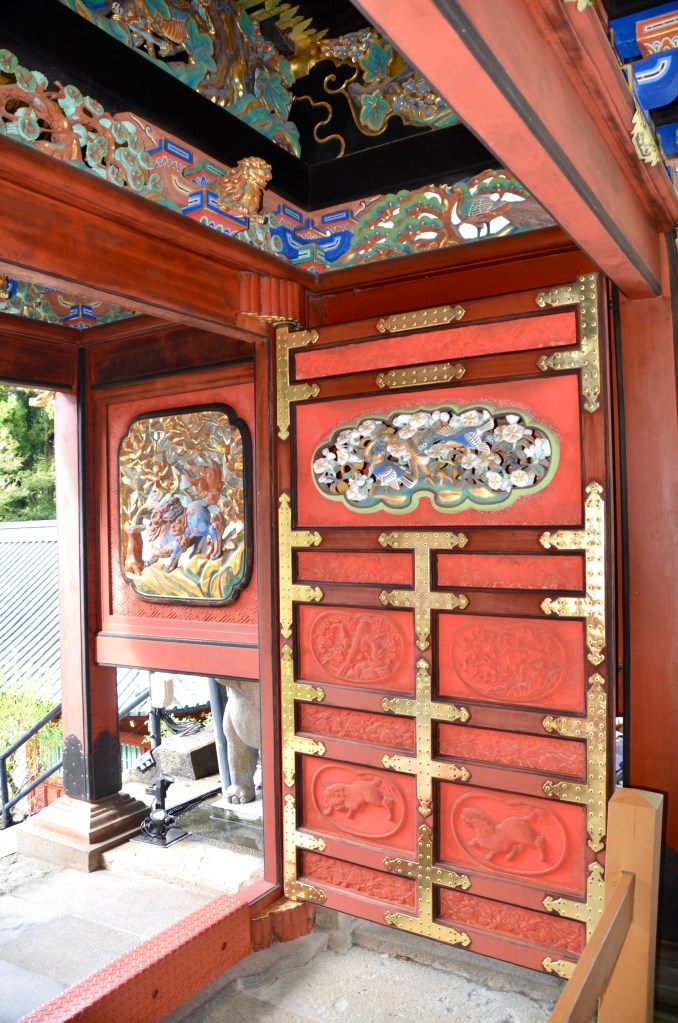
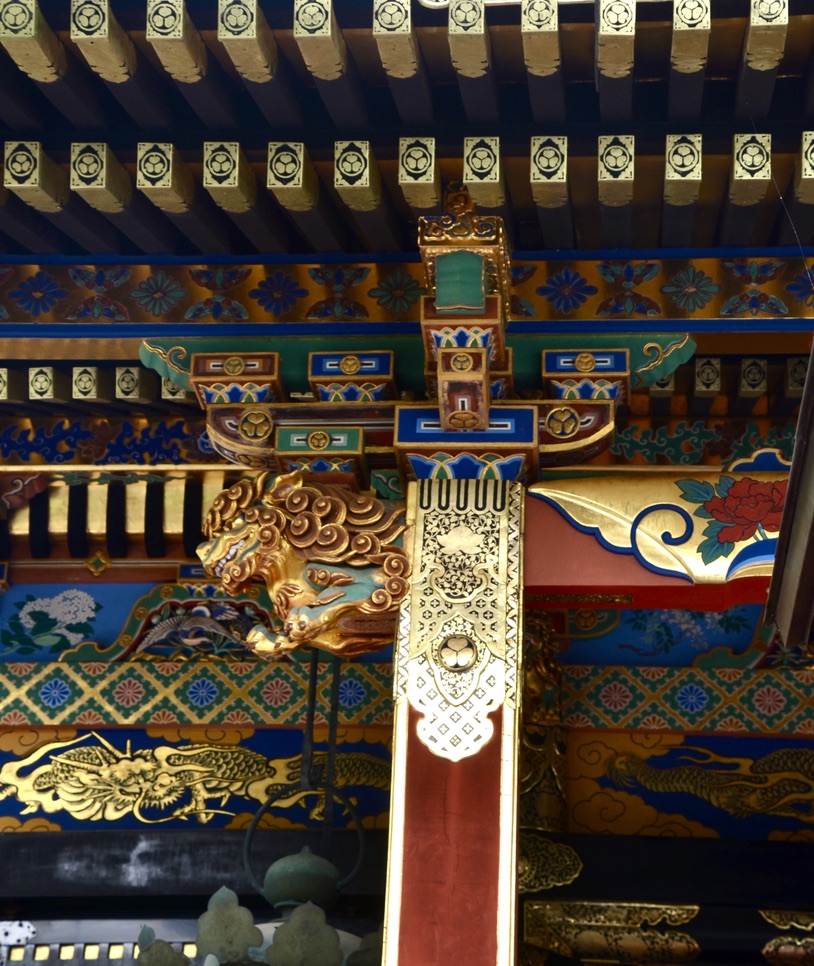
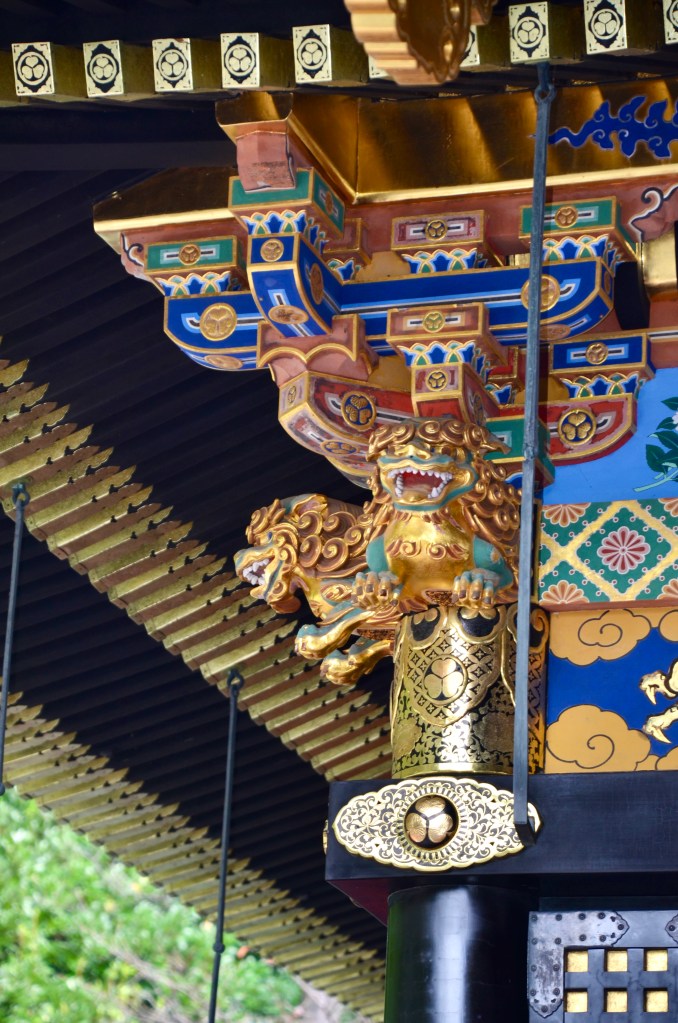
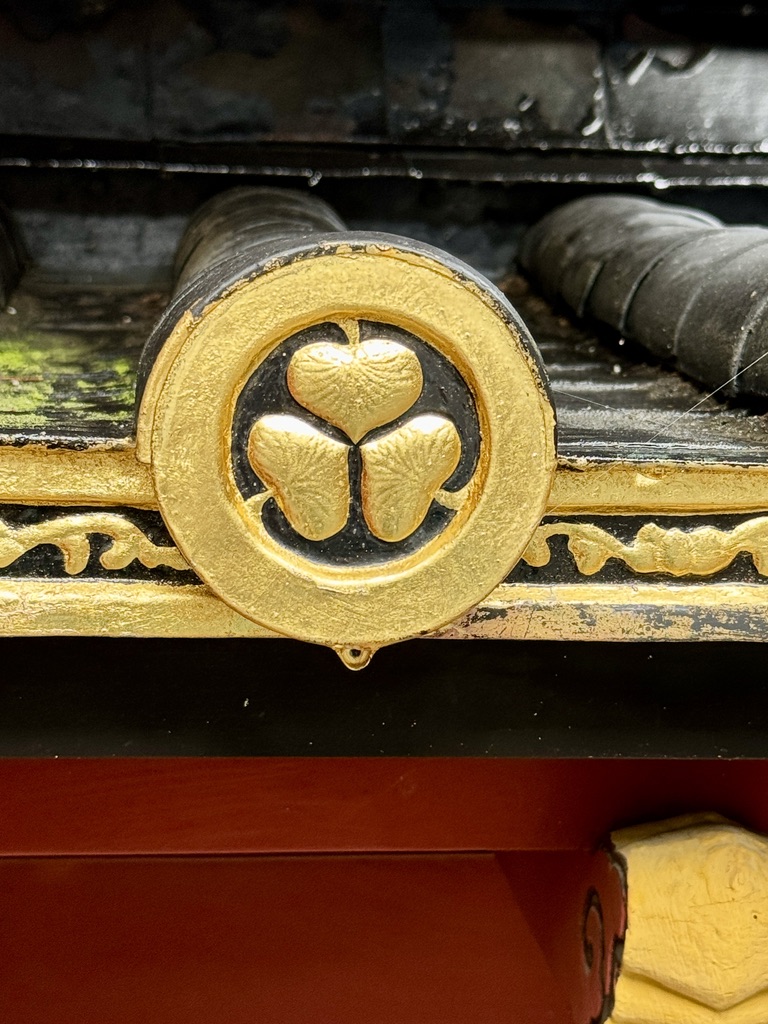
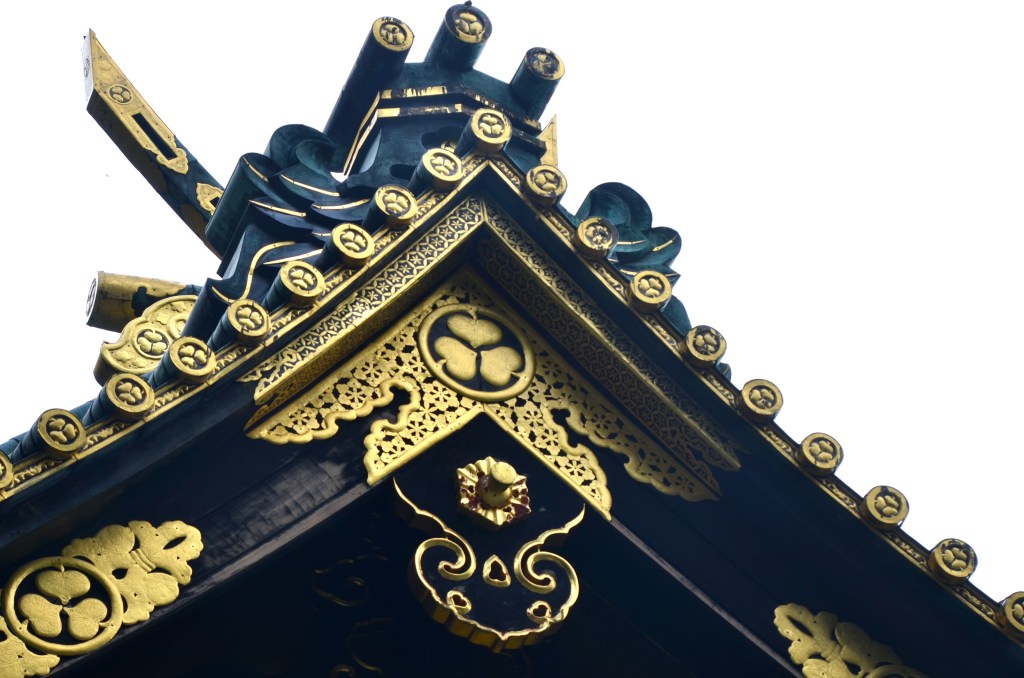
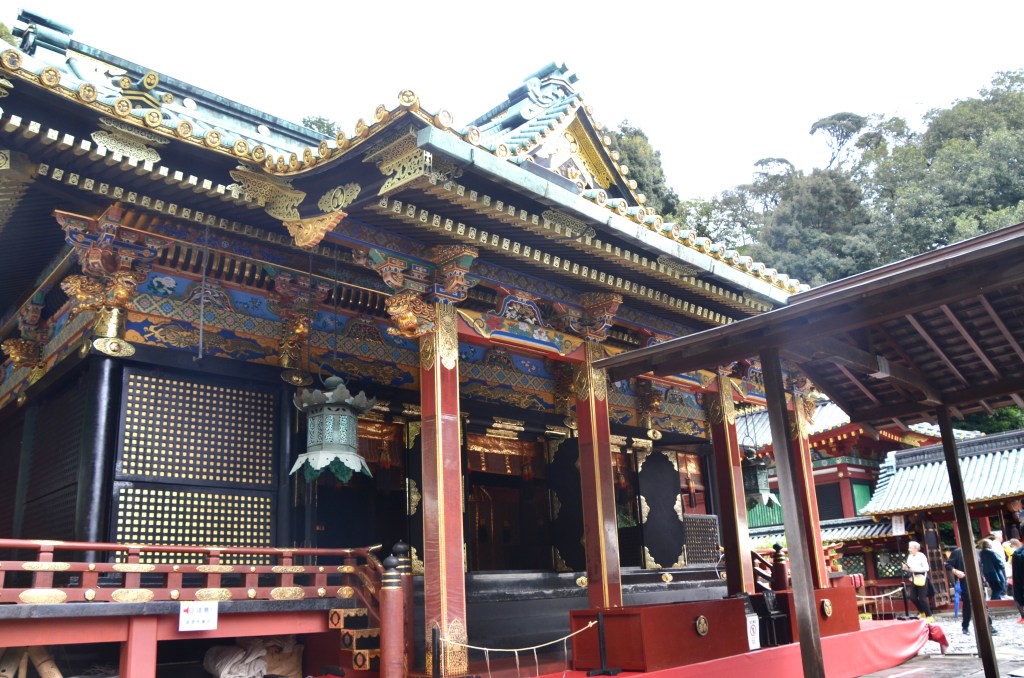
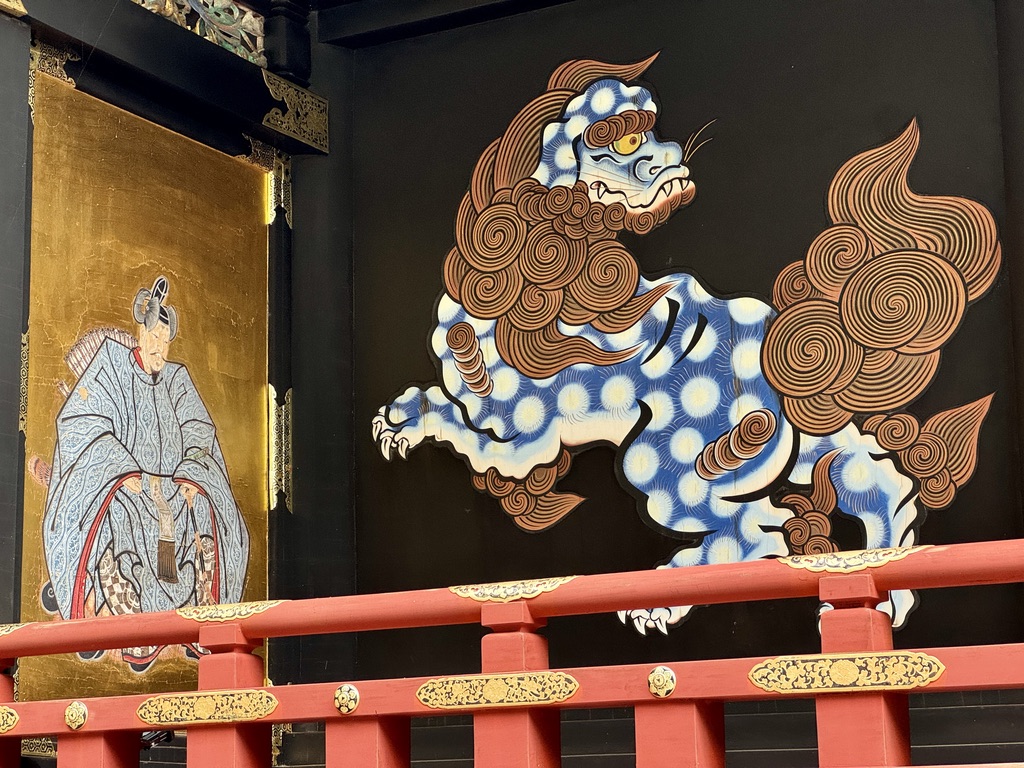
Our first port was Shimizu; we joined a tour organized by Ken (8 of us in our group). First stop was Nihondaira Ropeway that connects the summit of Nihon-daira and Kuno-zan Tosho-gu (5 minute ride). Kunozan Tosho-gu shrine is dedicated to the famous leader Tokugawa Ieyasu (1543-1616) who brought a long period of civil wars to an end and united all of Japan.
Family emblem
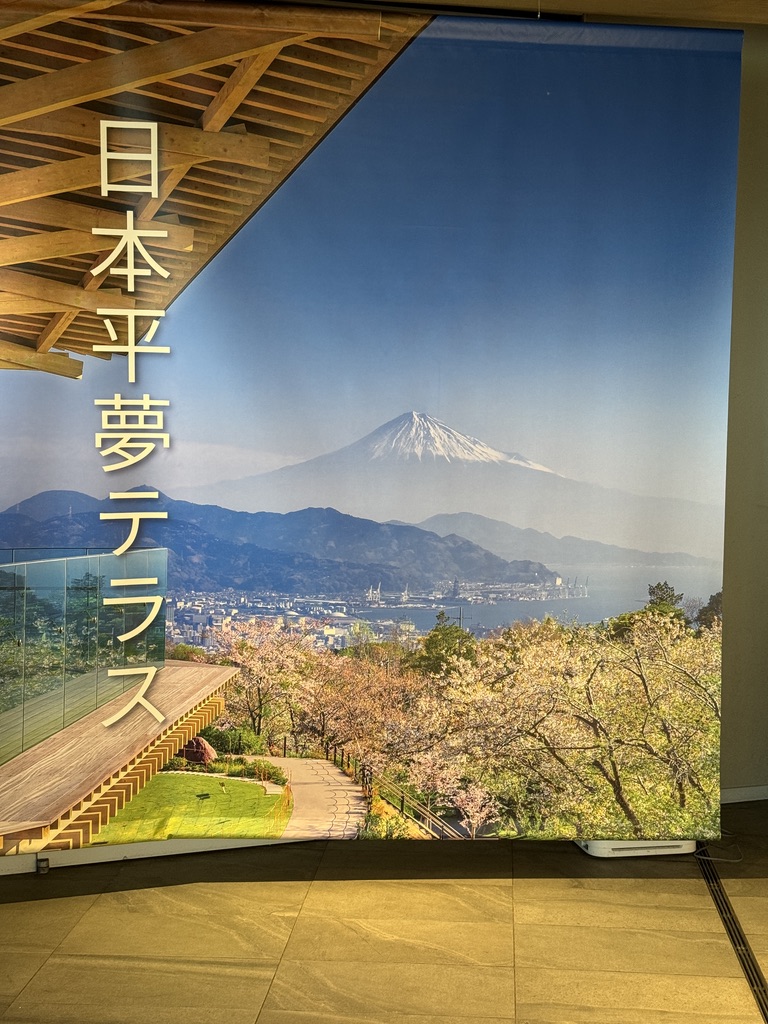
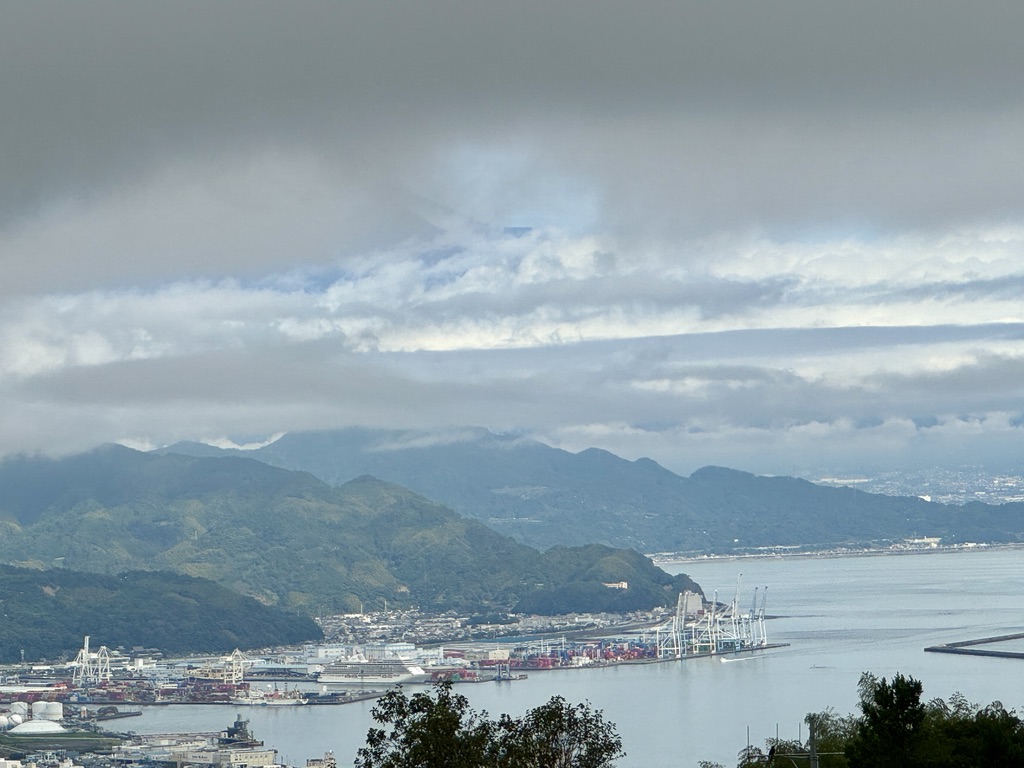
Next we stopped at Nihondaira Yume Terrace which has a 360-degree panoramic view of Mt. Fuji, the city of Shizuoka, Suruga Bay and the surrounding area from the observation corridor. As you will see in the photo below the top of Mt Fiji was not visible. There is no snow on top of Mt Fiji which is sad as that is its distinguishing feature.
Great vieing spot, but weather just didn’t cooperate. We didn’t see the top of Mt Fiji while we were at the viewing area, but saw it later with no snow on top.
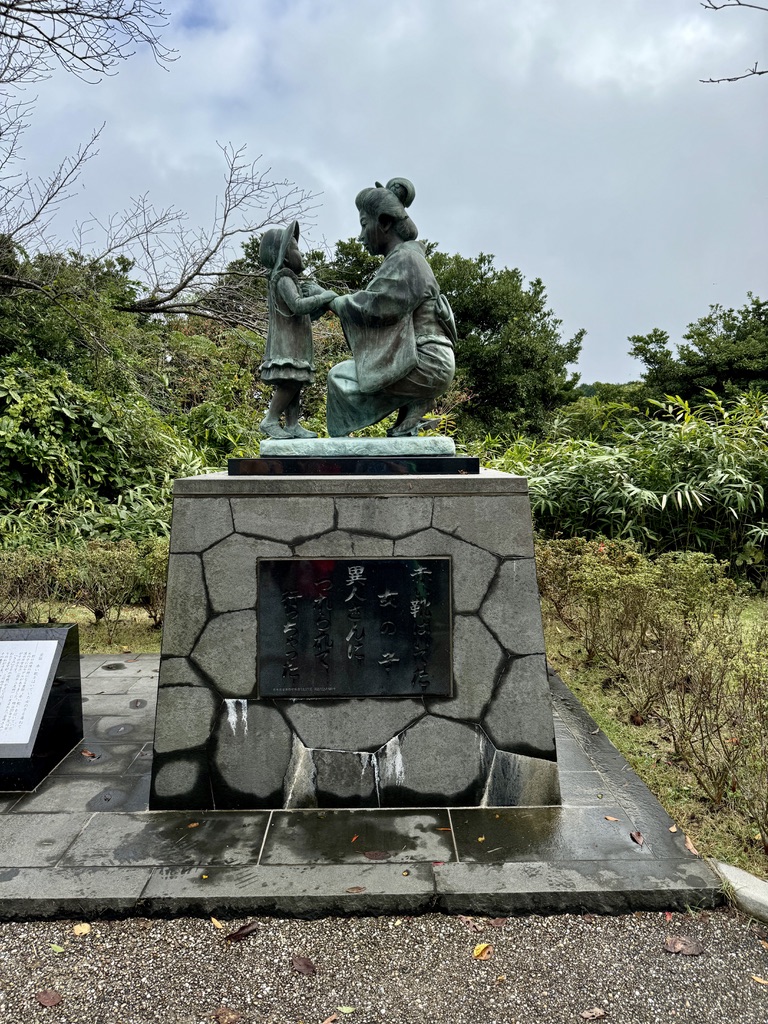
Mother and Child’s Statue of Akai Kutsu-No Onnanoko is a bronze statue of a girl and mother Shimizu-ku Shizuoka-shi, which became the model of the girl that appears in the famous Japanese nursery rhyme ”Akai Kutsu”.
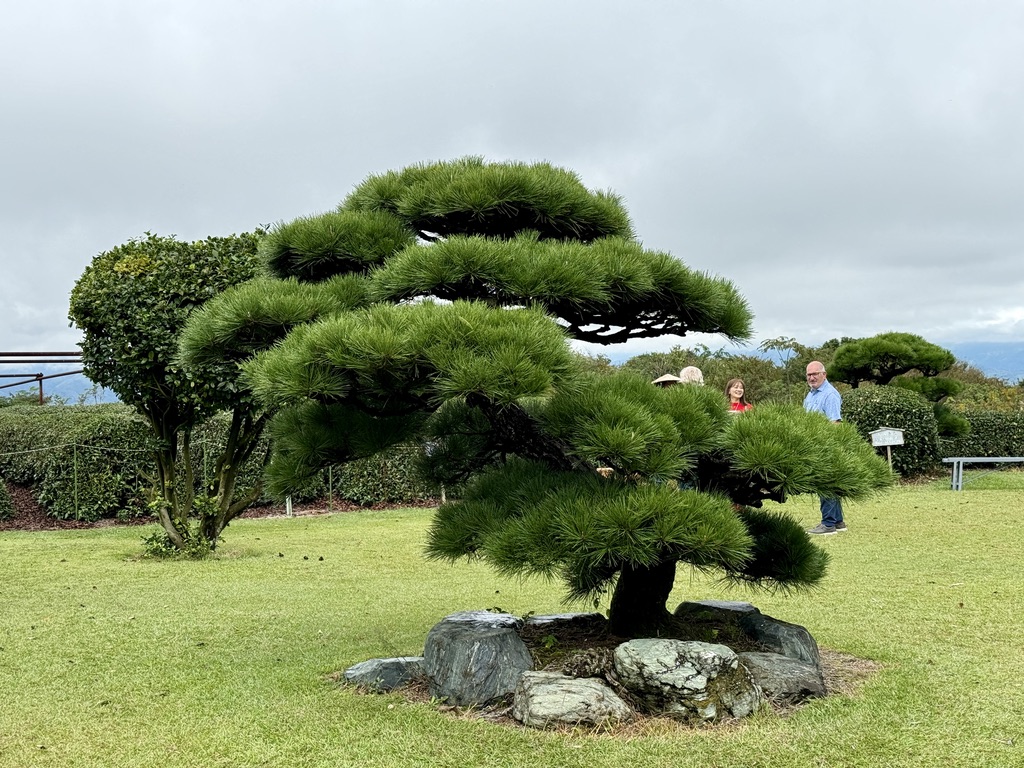
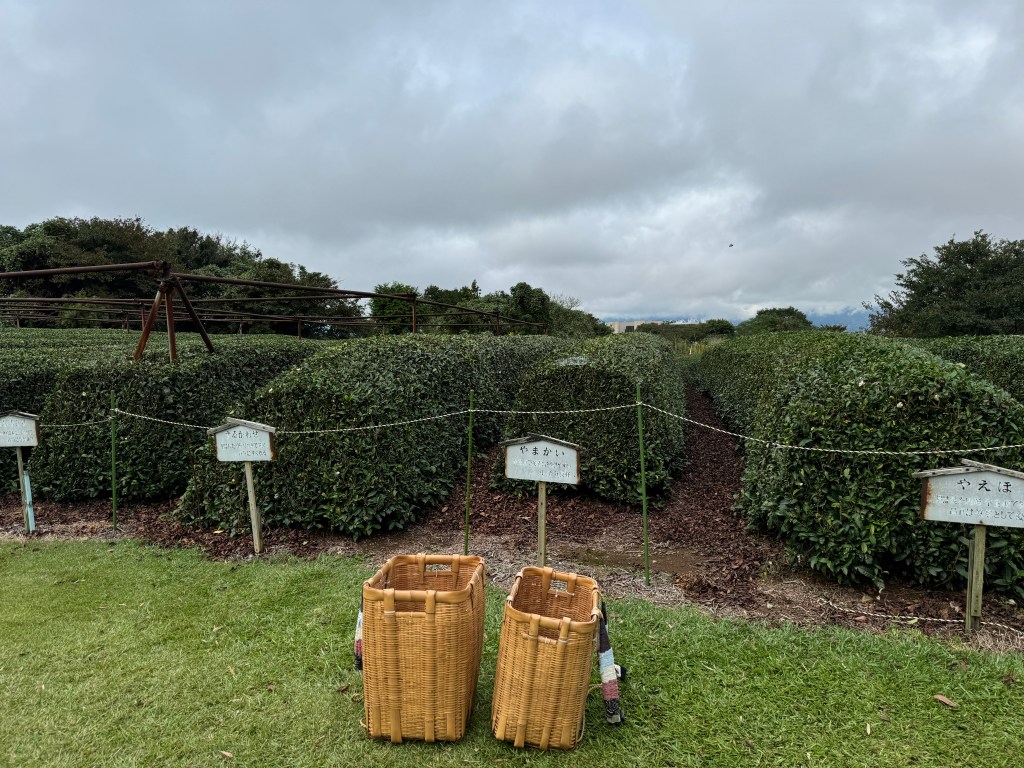
Dotted with tea plantations, Shizuoka remains as one of Japan’s largest and most prestigious tea producing regions. We stopped for tea at this plantation.Back on Board
October 31 – Nov. 1, Kobe. We arrived at Kobe port at 11:00 a.m. and left the next day at 7:00 p.m. This gave us time to do two tours, both with PinPoint (joined 6 other passengers). On October 31st we toured Kyoto which I covered in my previous post. On November 1st we toured Kobe and Osaka.
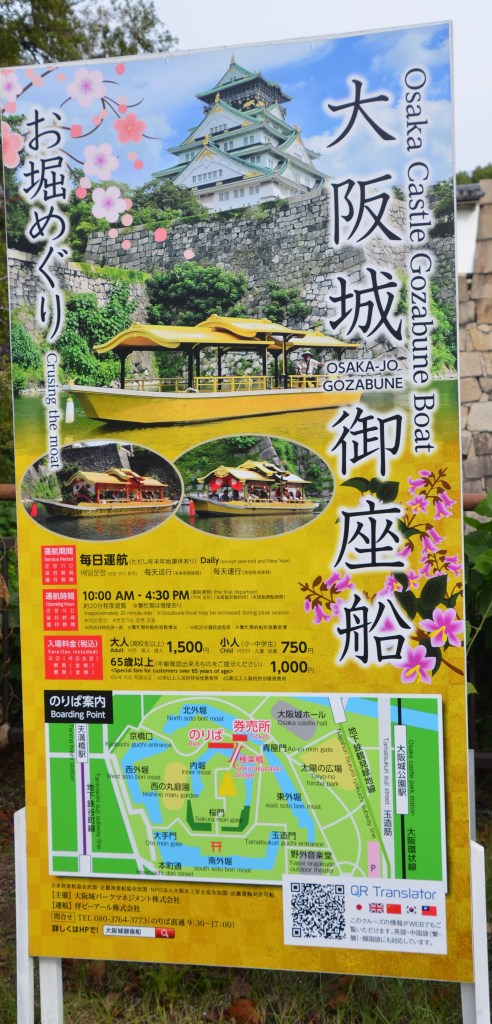
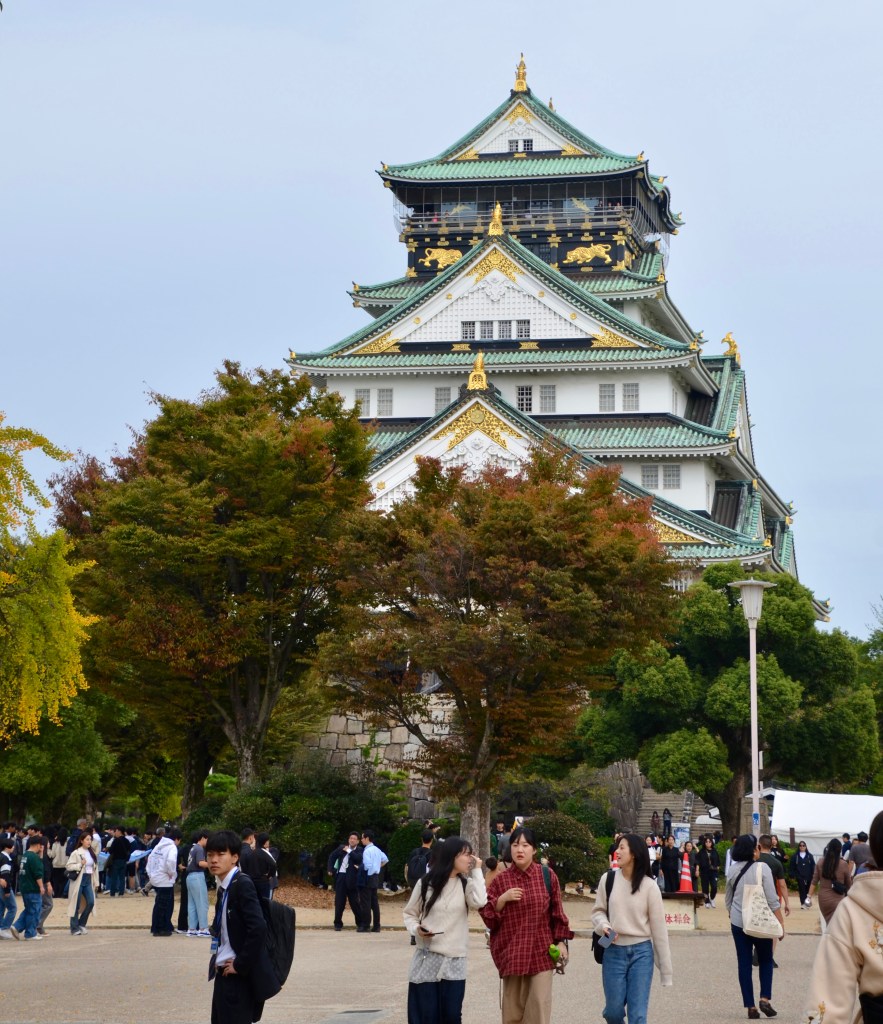
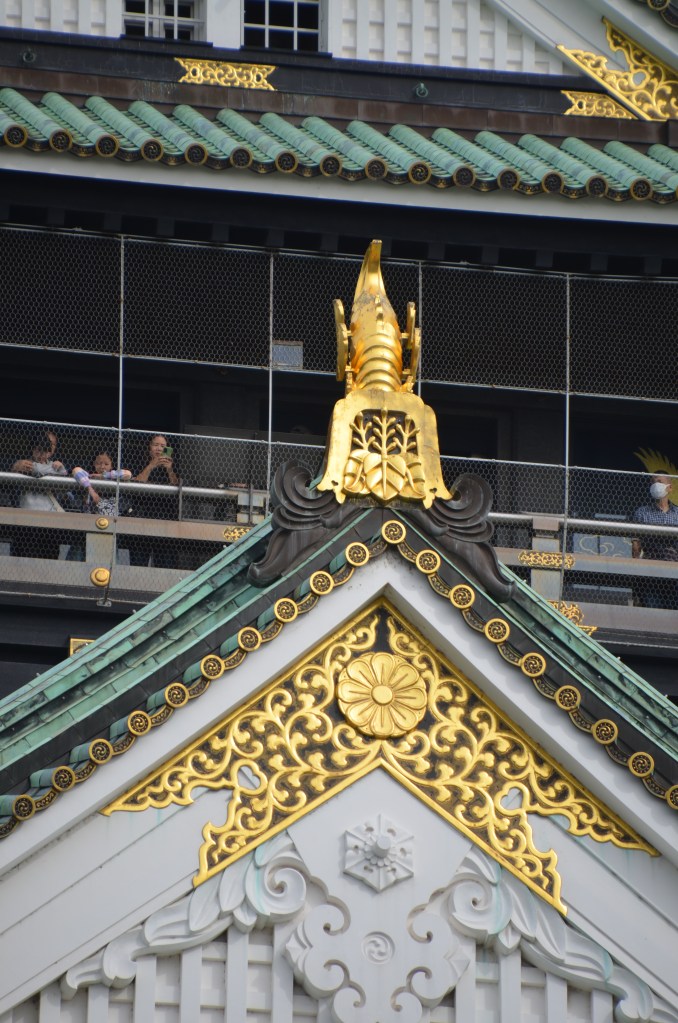
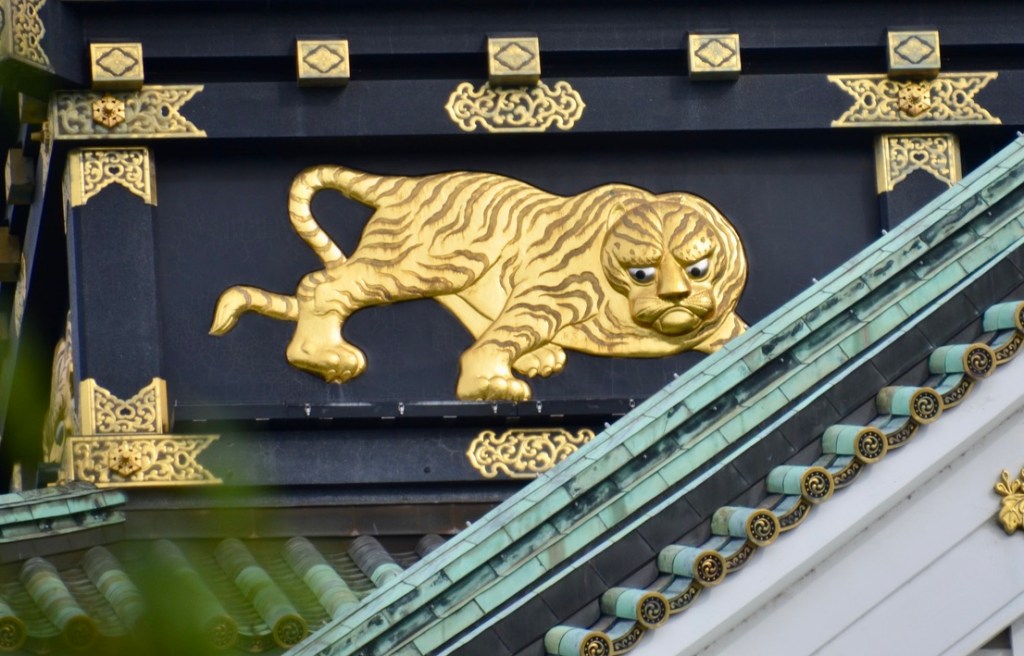
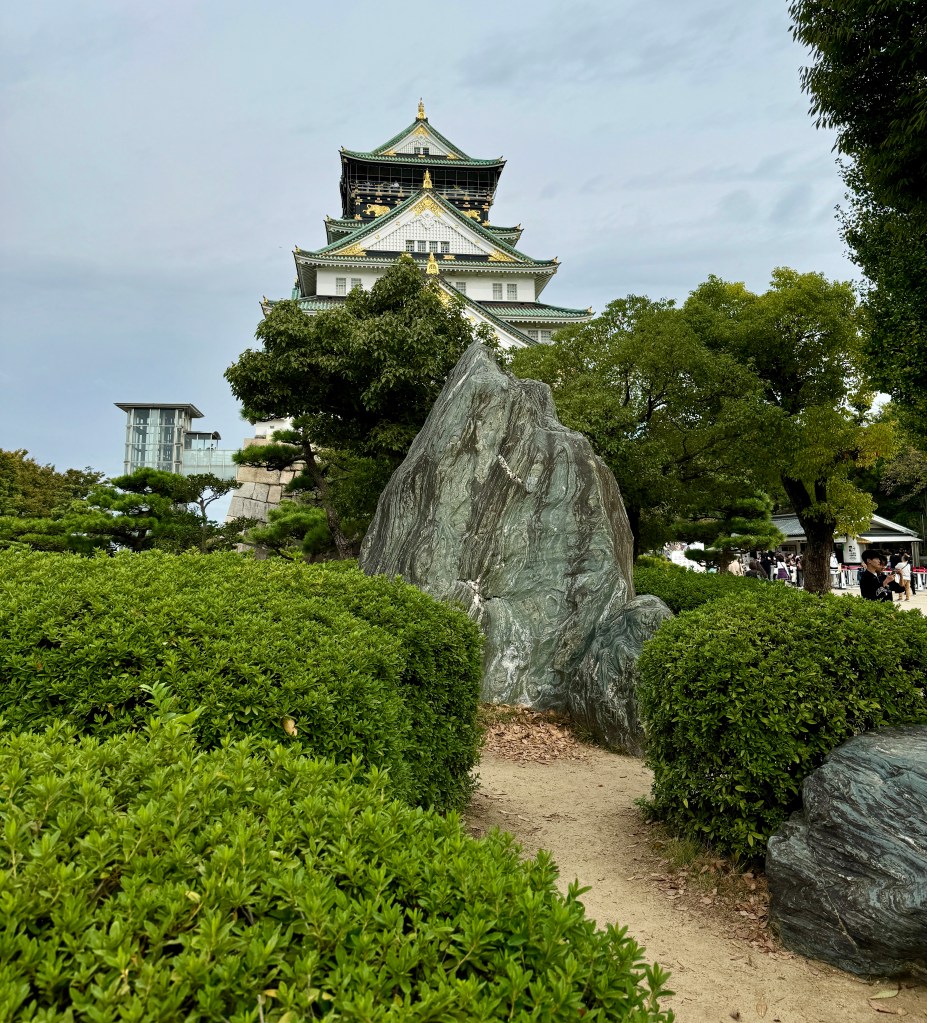
First stop Osaka Castle
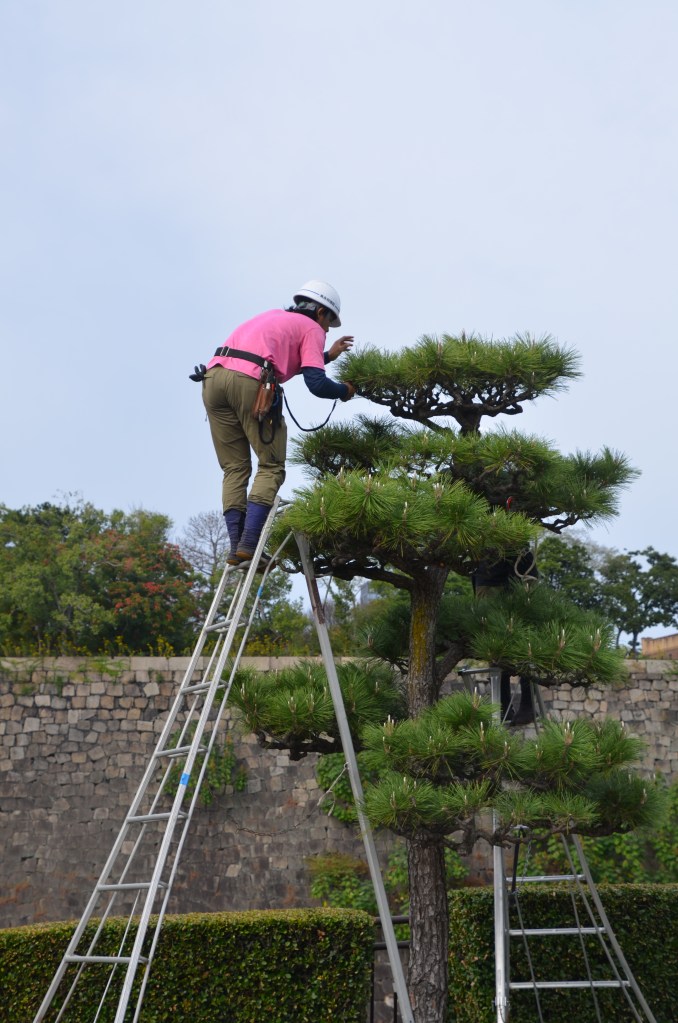
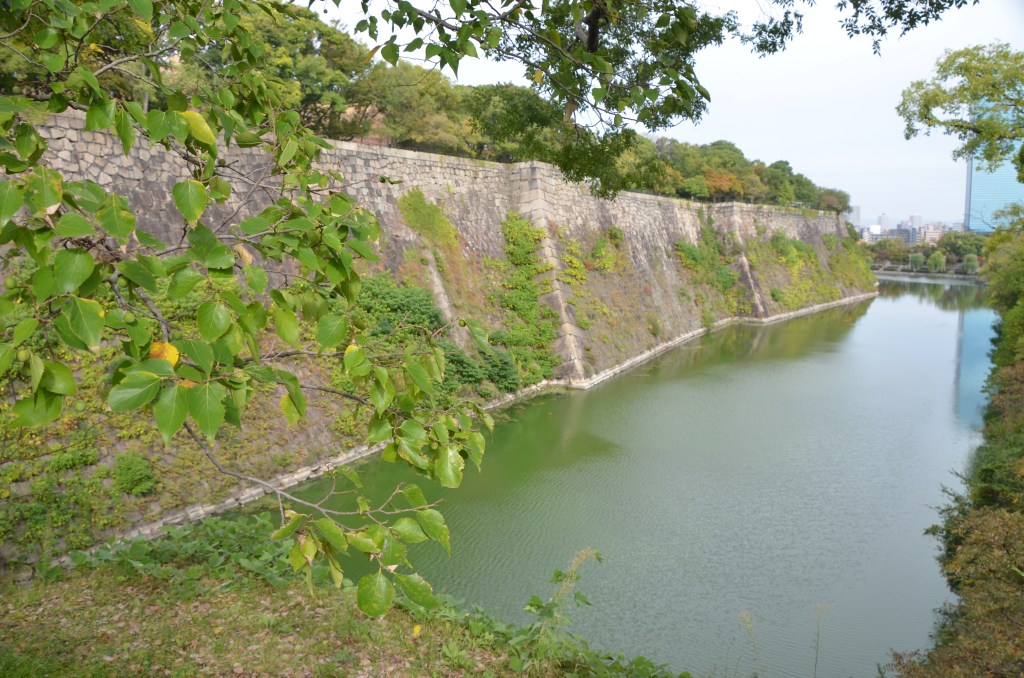
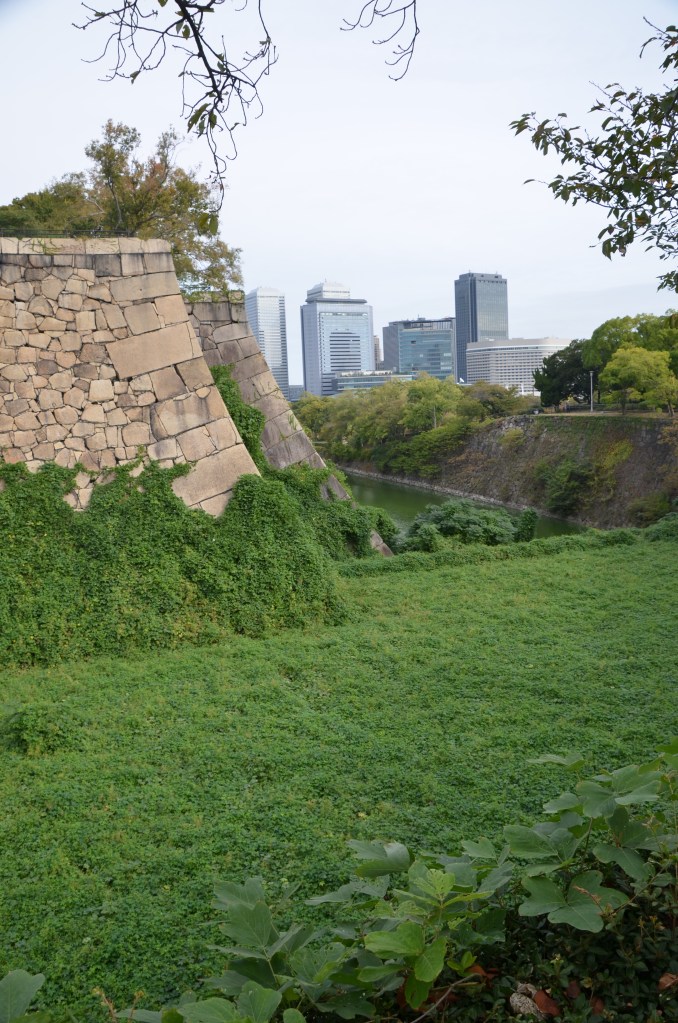
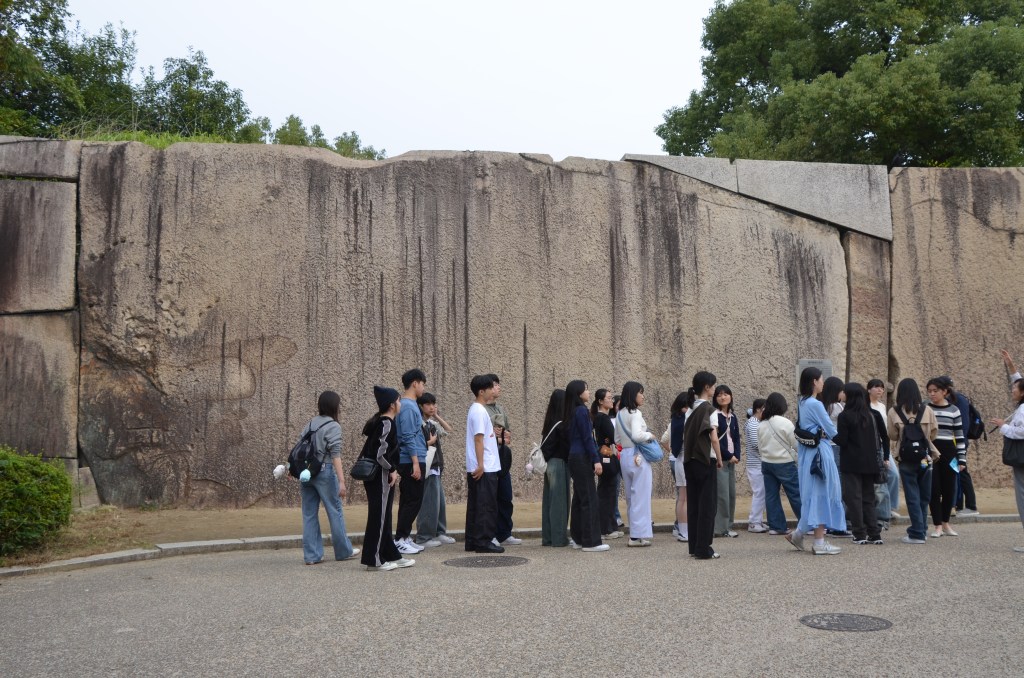
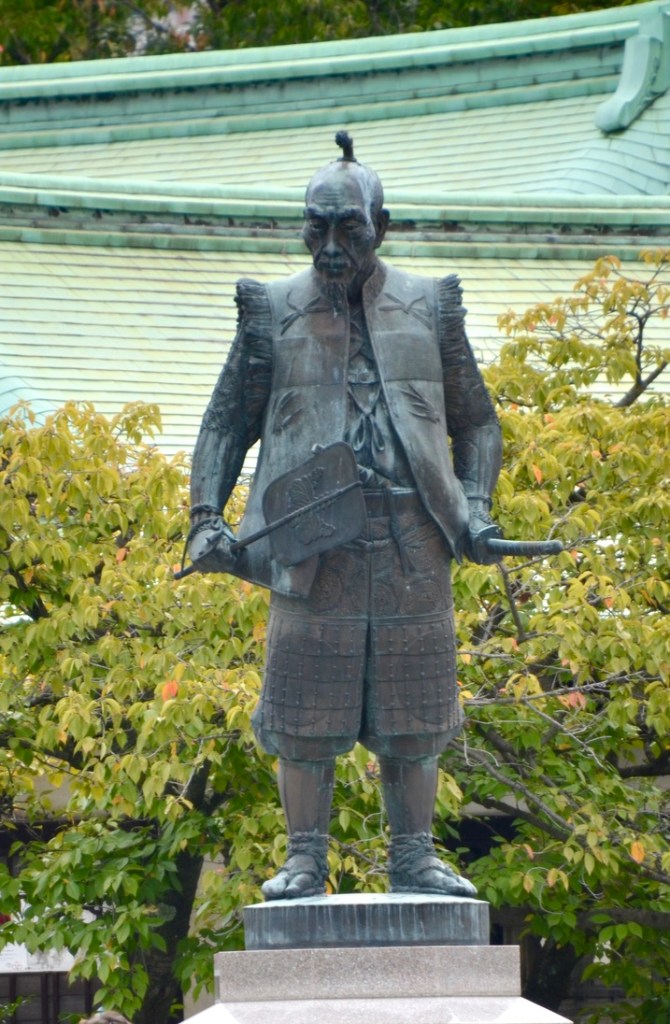
The grounds around the castle were beautiful. Interesting ladder used when they were trimming the treesThe stone wall is impressive in its sheer size with an estimated 500,000 to 1 million large stones used in its construction. The moat walls stand at up to 20 metres tall and 90 metres wide.Within the central core of the castle is a giant stone (called the octopus stone), the biggest single castle stone in Japan. It is 5.5 meters high, 11.7 meters wide and weighs about 108 tons.The black streaks are from the fires associated with the fighting at the castle in 1868.Statue of Samurai Toyotomi Hideyoshi who rose from a peasant background as a retainer of the prominent lord Oda Nobunaga to become one of the most powerful men in Japanese history.
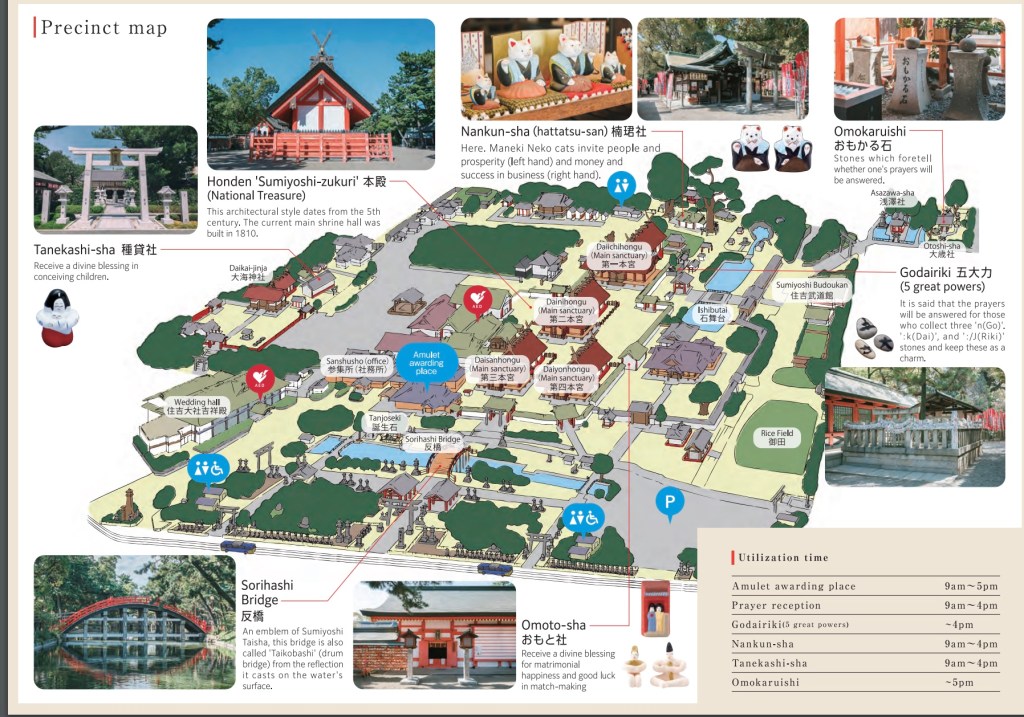
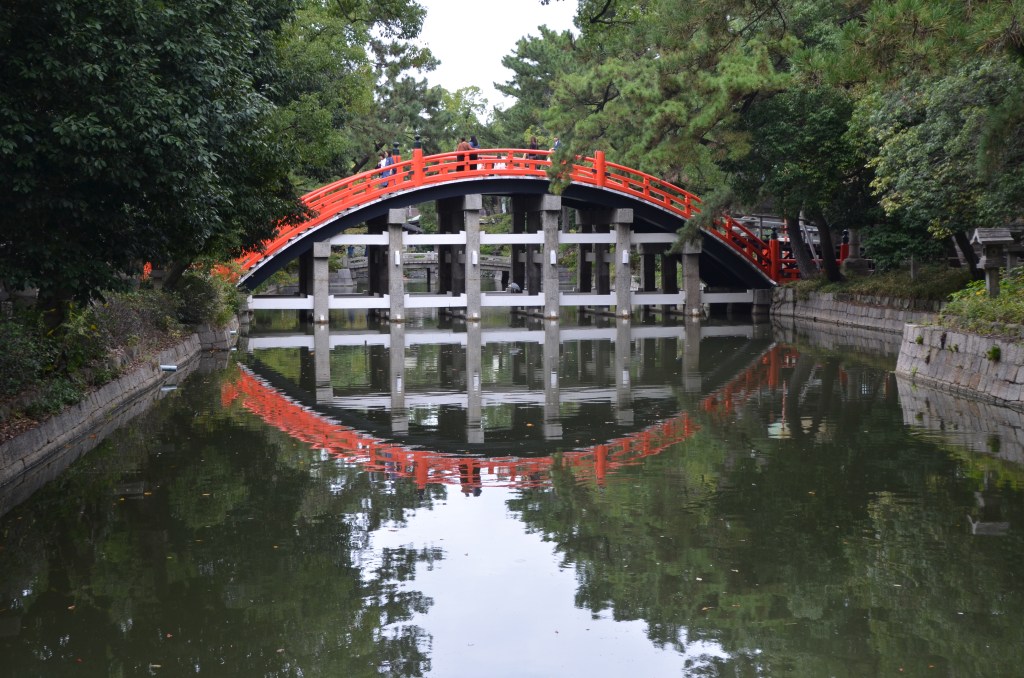
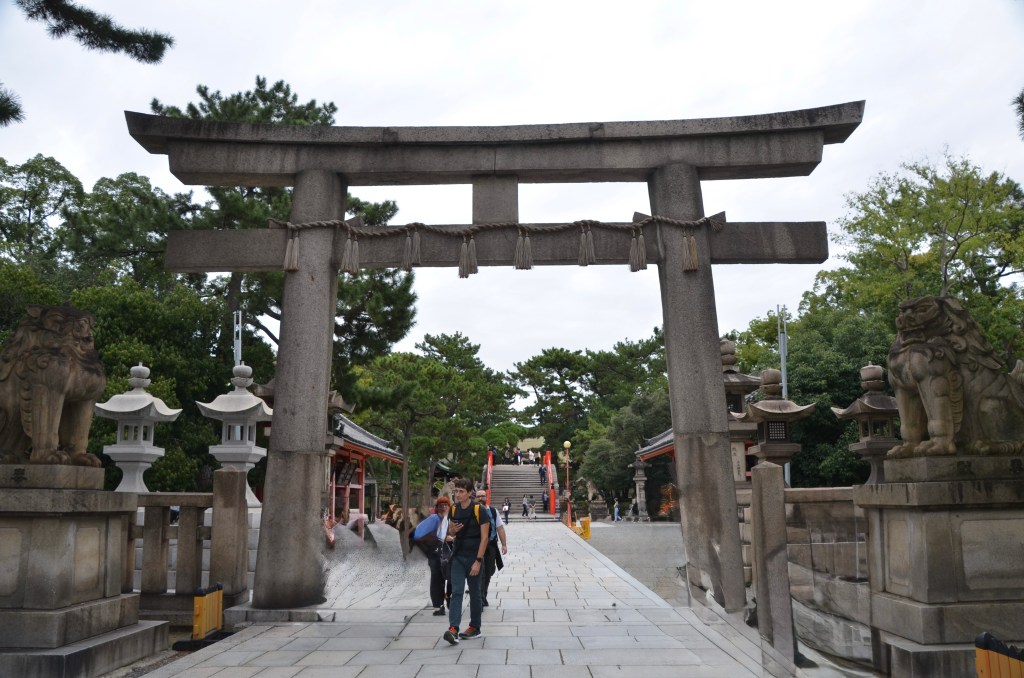
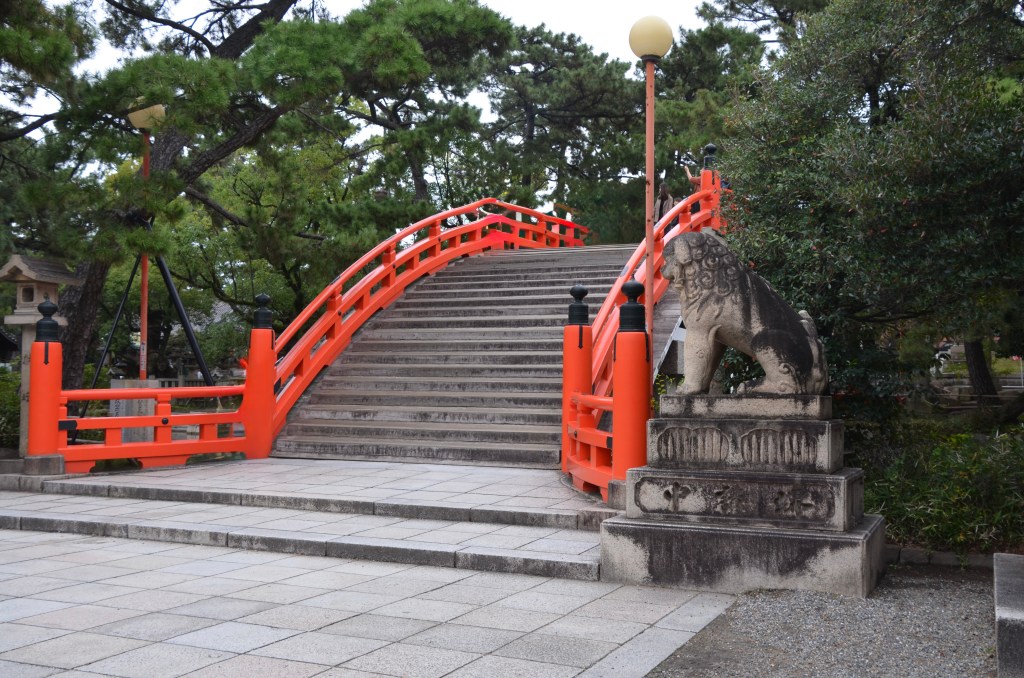
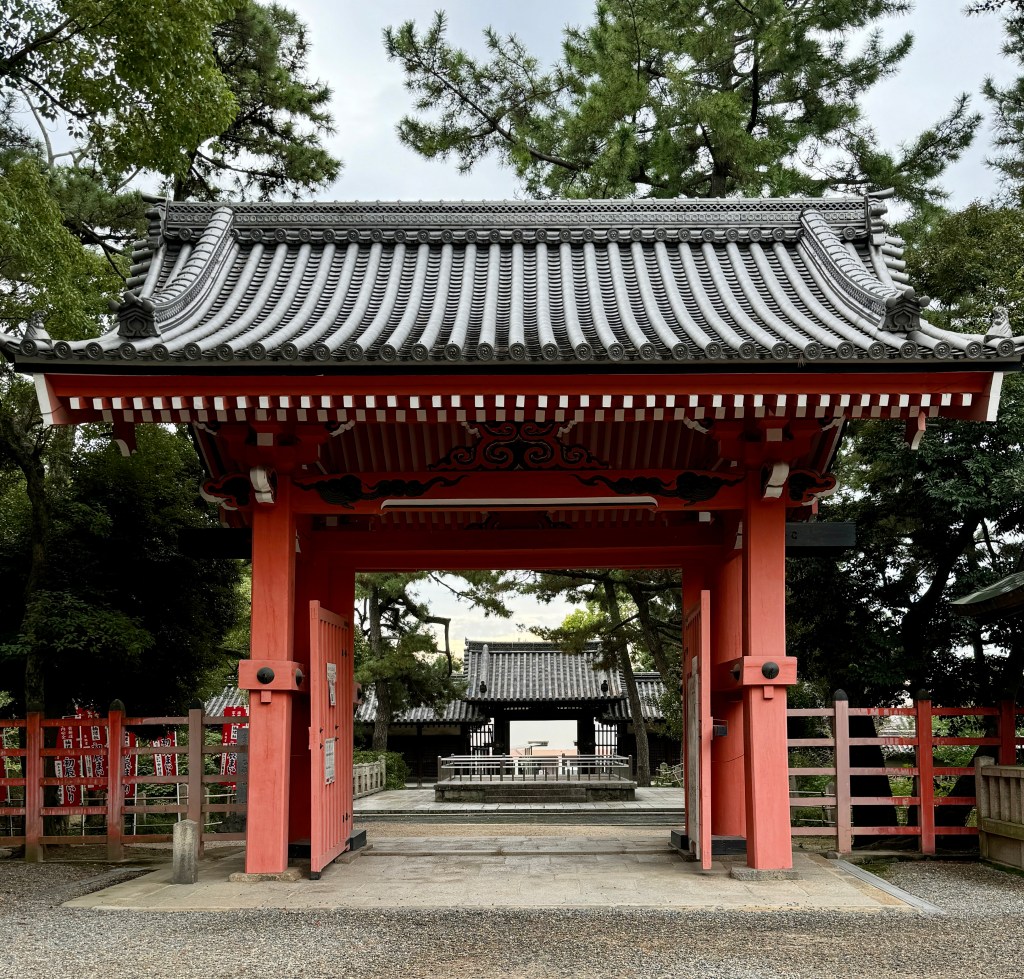
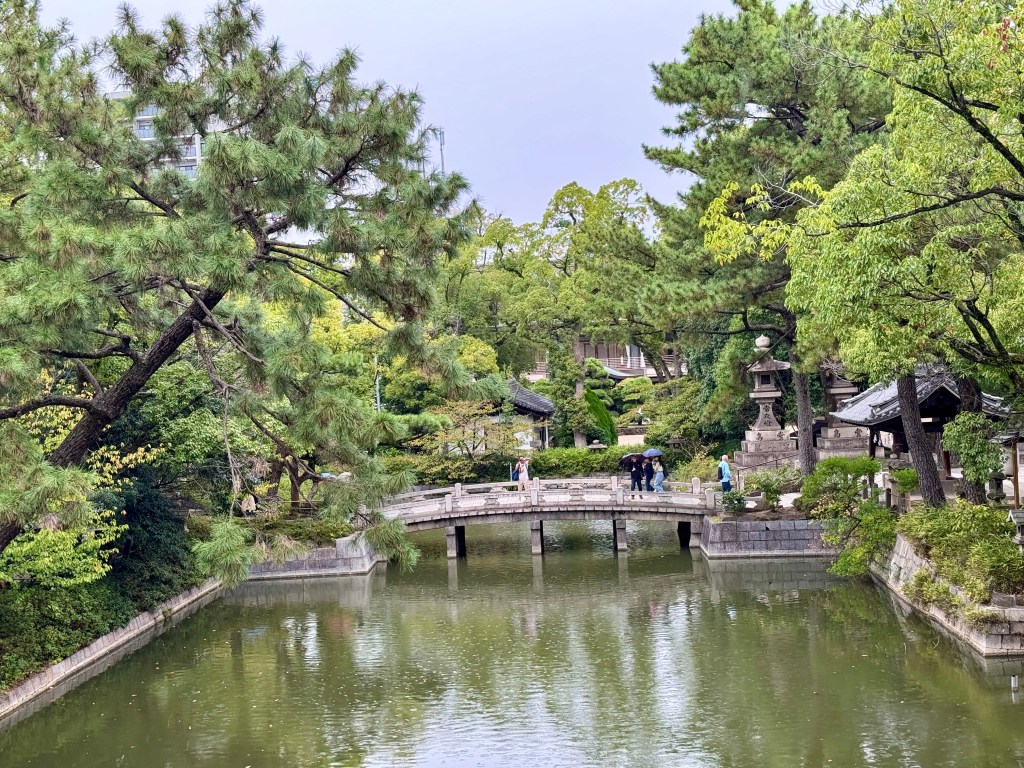
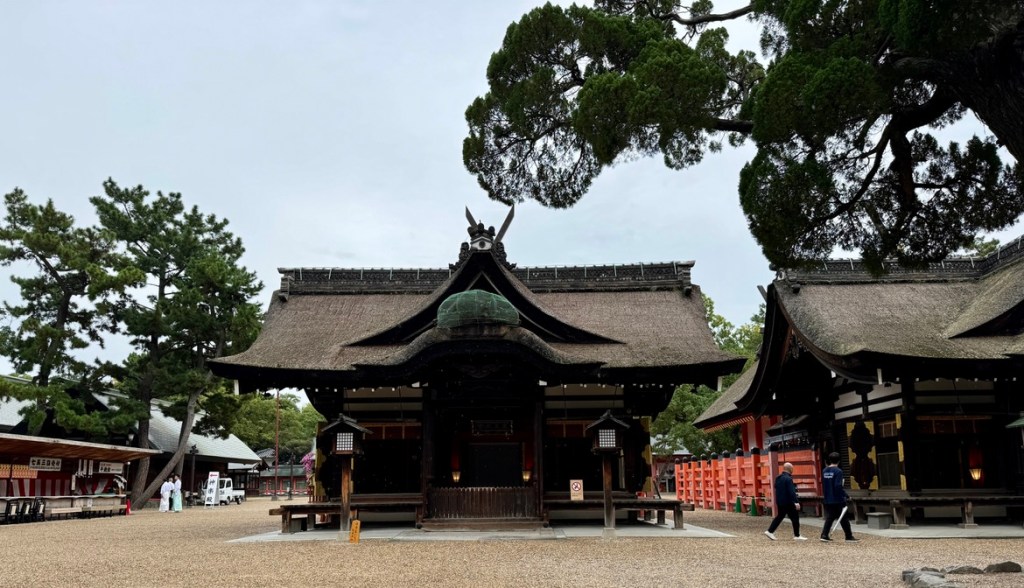
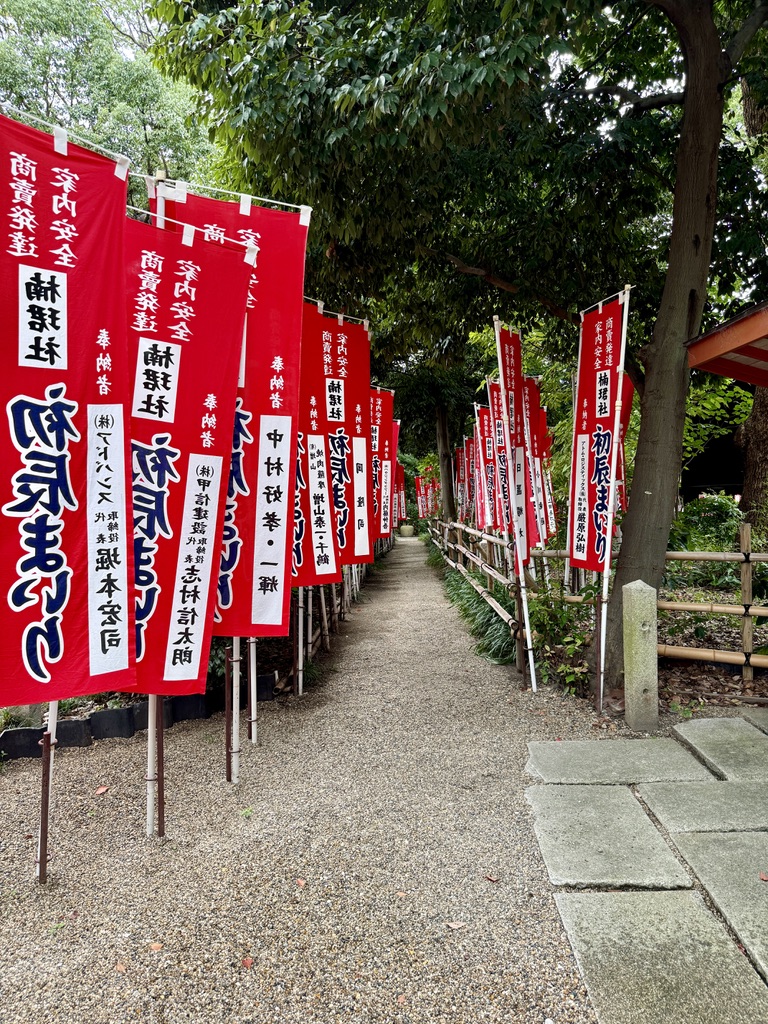
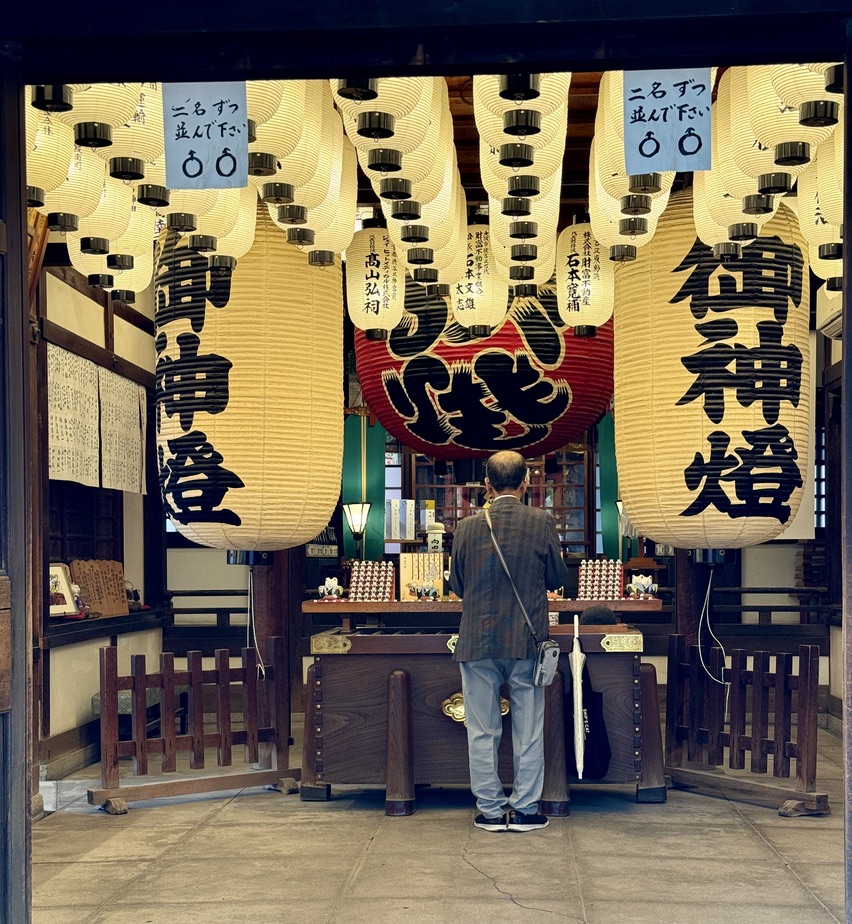
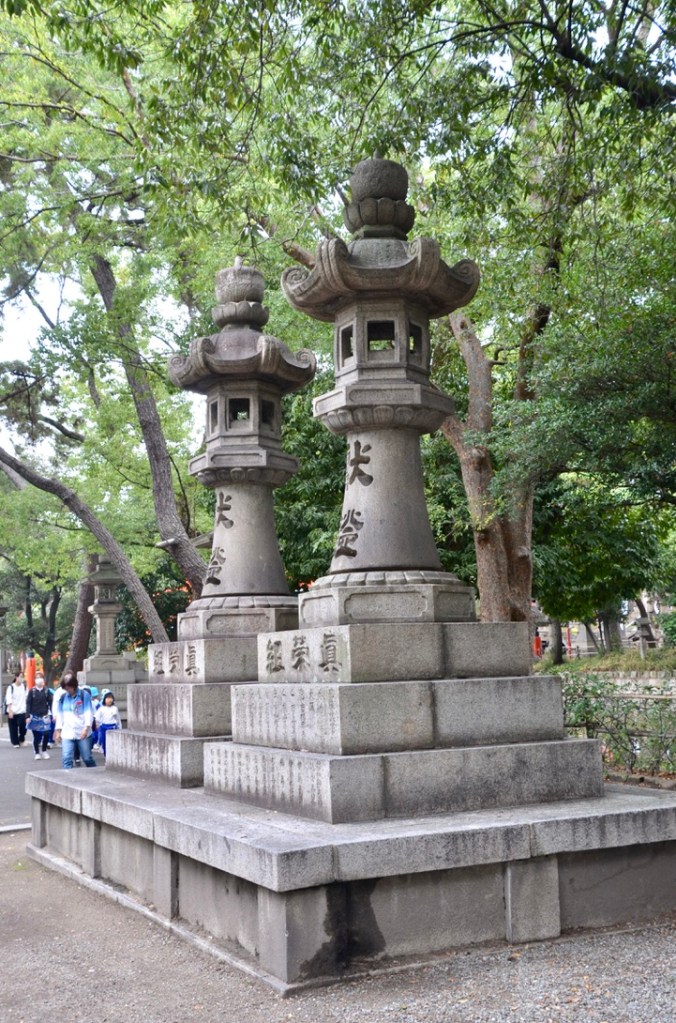
Osaka’s Sumiyoshi Taisya is one of Japan’s oldest shrines; it is an active place of worship where Japanese people come to perform various Shinto rituals, not a tourist-oriented shrine. We read that Sumiyoshi Taisha is the main and most famous of over two thousand Sumiyoshi shrines found across Japan. Sumiyoshi shrines cherish the kami (Shinto gods) who protect travellers, fishermen and sailors at sea. The shrines are therefore usually found close to harbours.
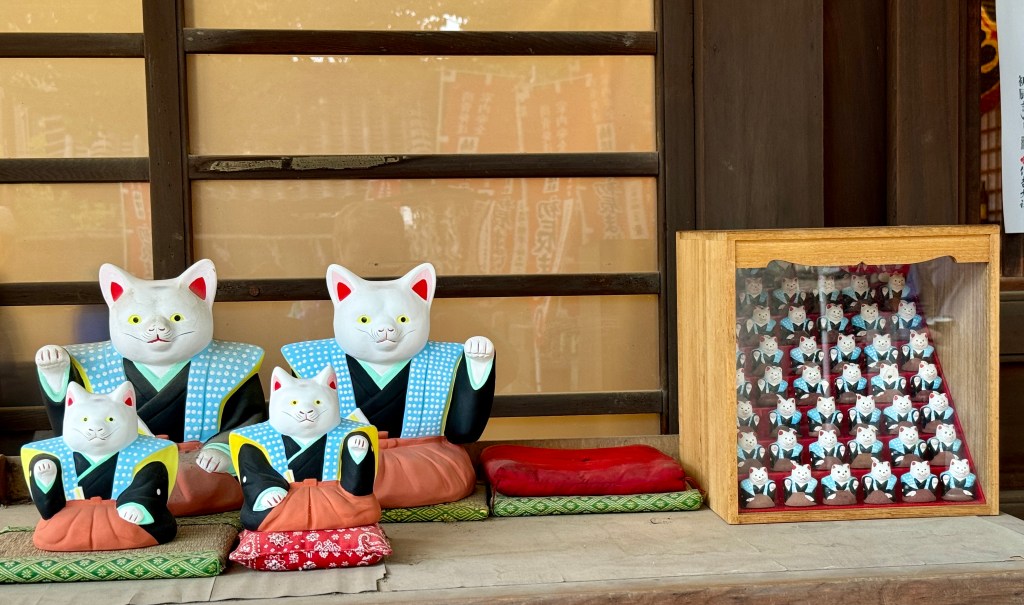
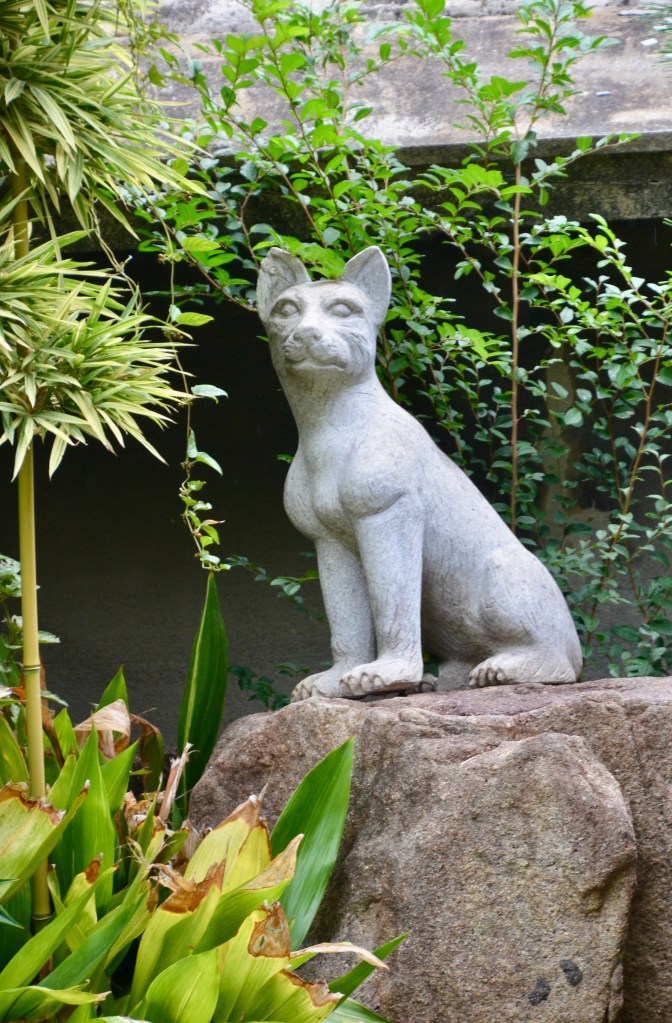
Similar to the columns, businesses/individuals pay to have their sign displayedThe clay cat figurines come in two types: one with the left paw raised and one with the right paw raised. Cats with the left paw raised are said to attract customers to businesses that display them, while those with a right paw raised are believed to bring financial wealth. Visitors who collect 48 small cats of a single type can exchange them for one larger cat. A pair of the larger left-pawed and right-pawed figurines, along with 48 more of the smaller figurines, can be traded for an even bigger cat. Obtaining a pair of left-pawed and right-pawed cats in the largest size is no small feat: it requires performing the Hattatsu Mairi every month for 24 years.
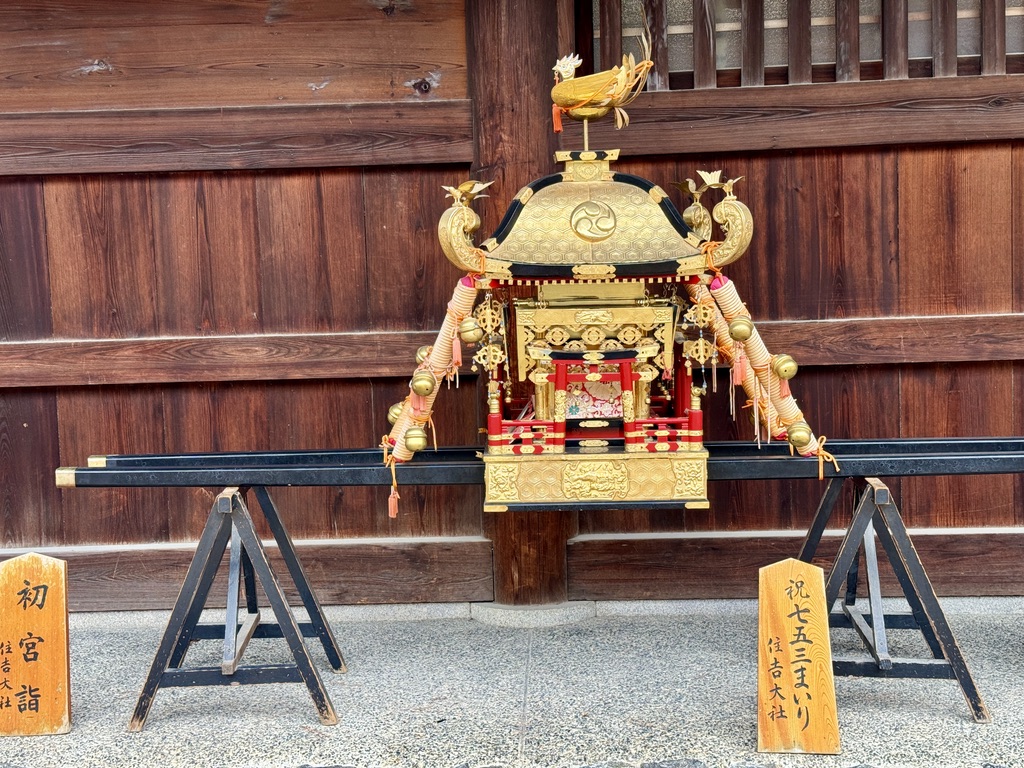
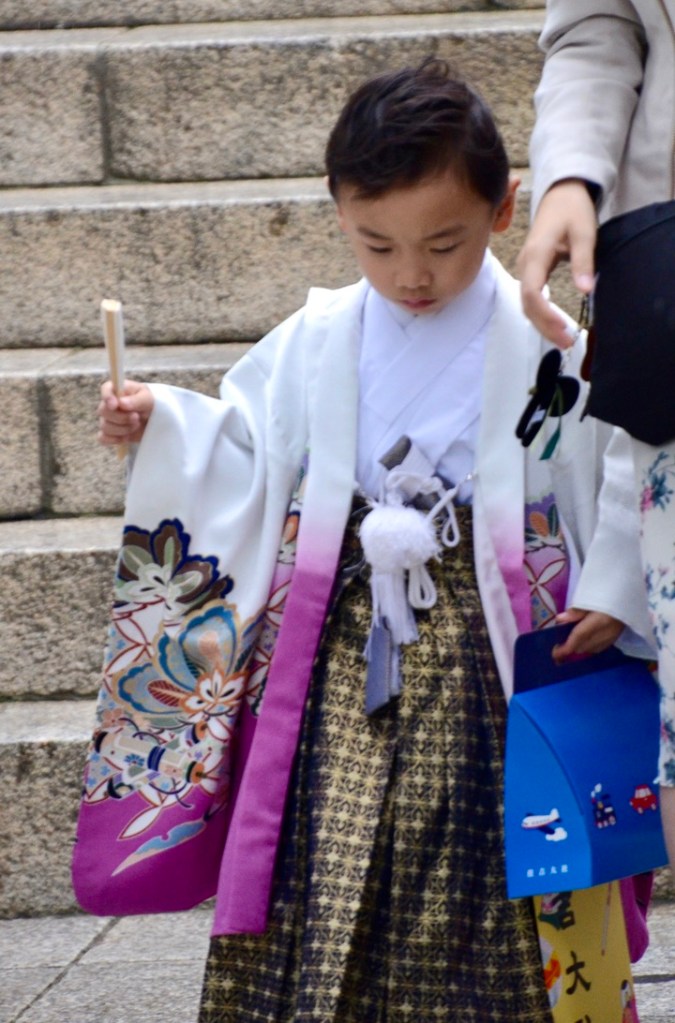
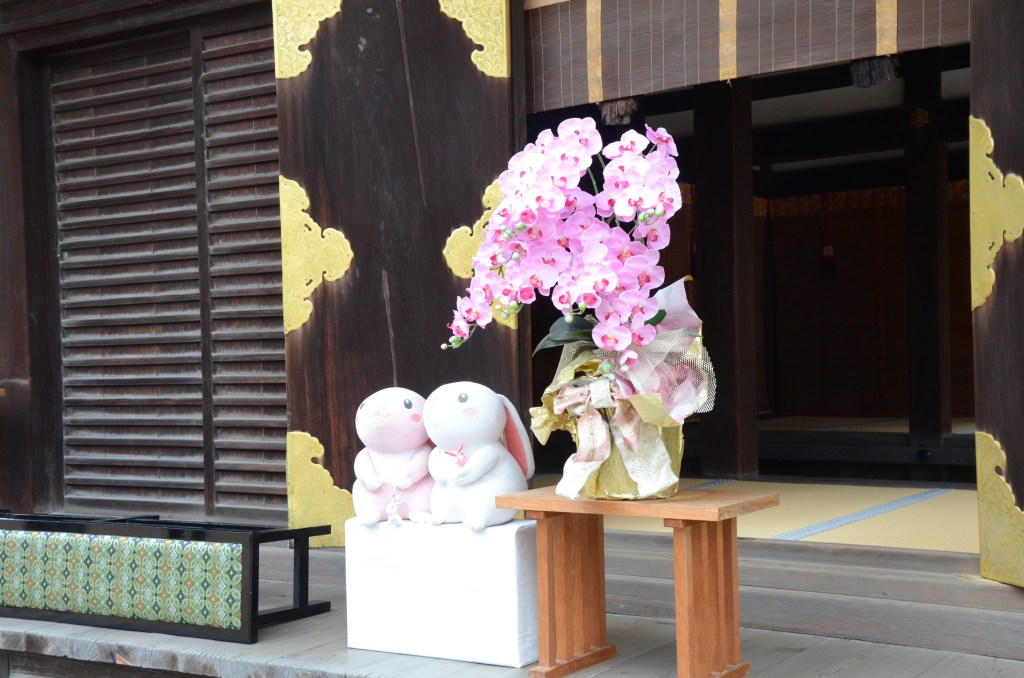
We were told that children who turn 3, 5 and 7 get dressed in kimono (and Hakama for boys) and go to a shrine with their family to pray for their continued good health and well-being. Below is one of the children we saw dressed up to go to the shrine. The flowers and rabbits were set up for pictures of the children.
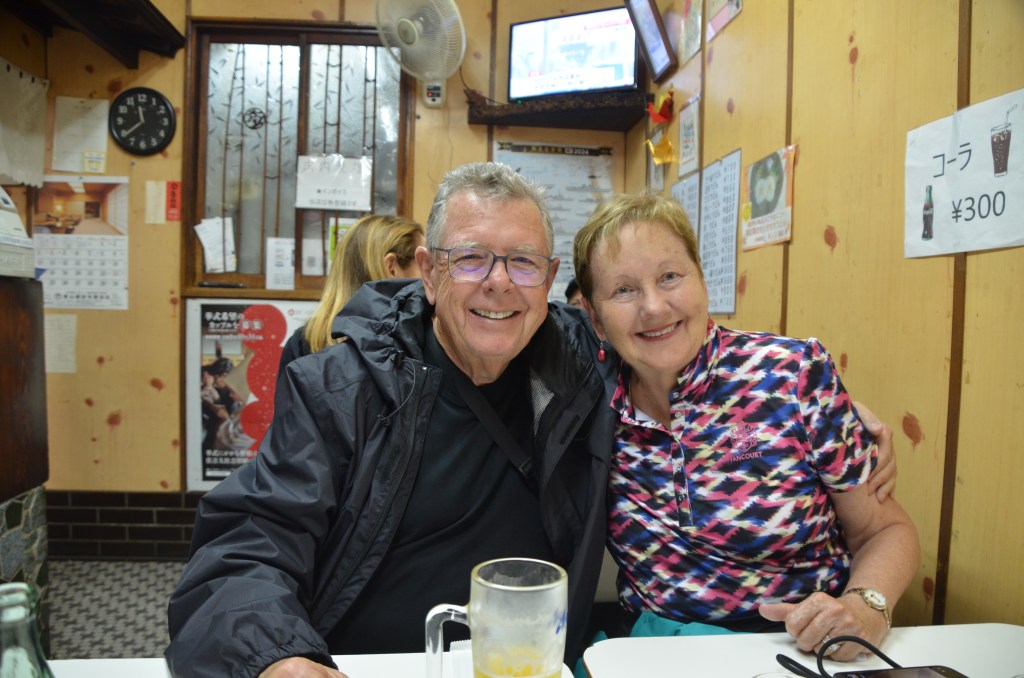
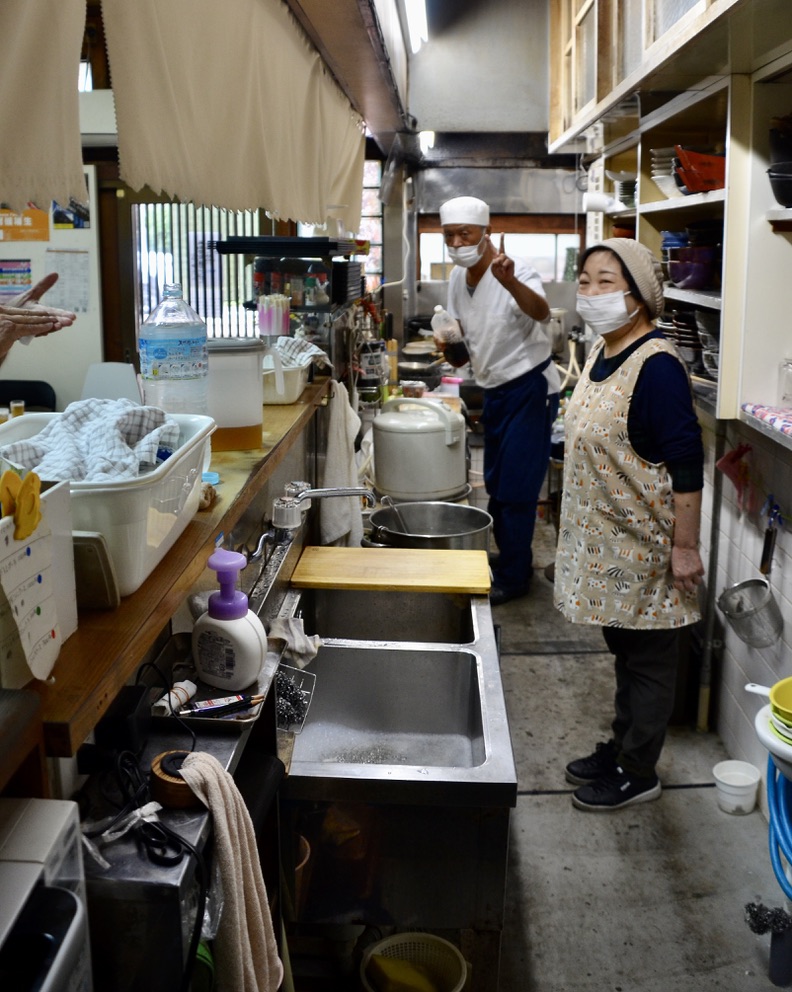
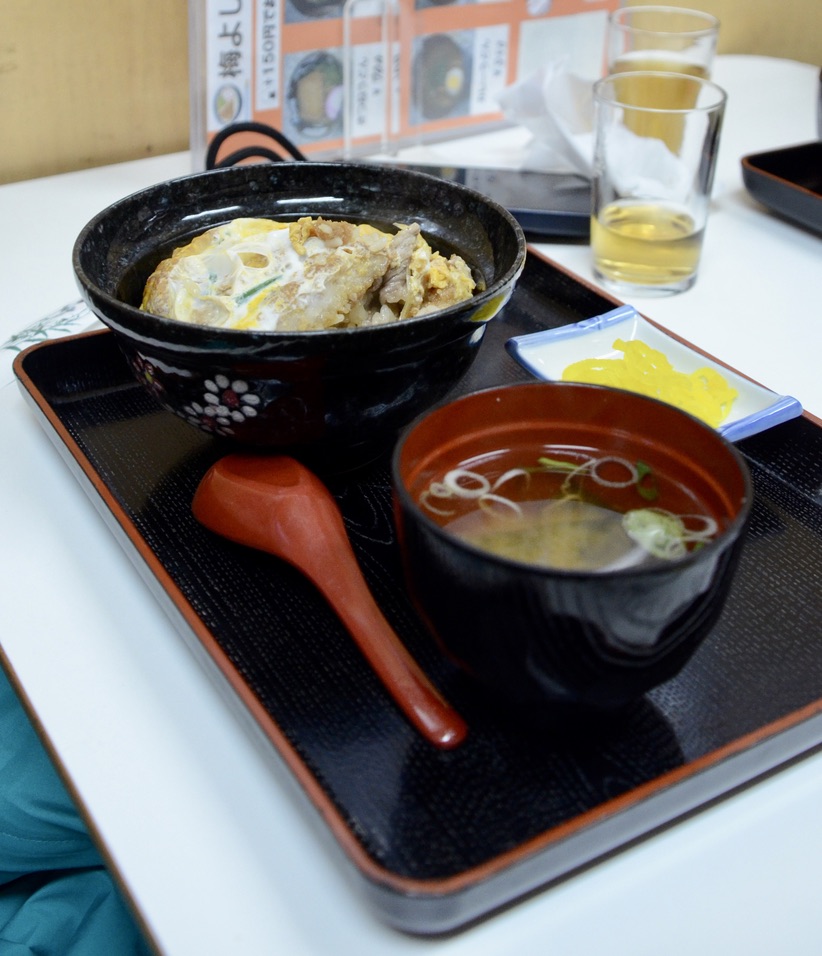
Very Small restaurant in Osaka – only 4 tables Our guides favourite spot – the owners were lovely.Specialty pork dish was really good
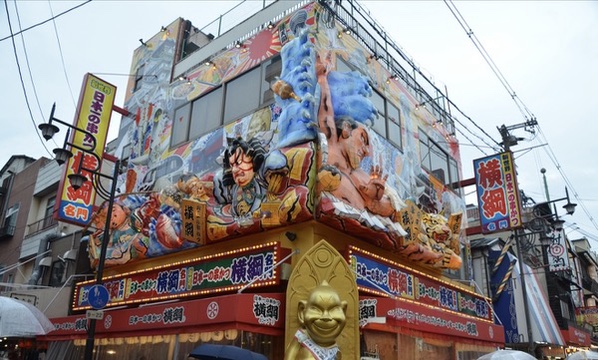
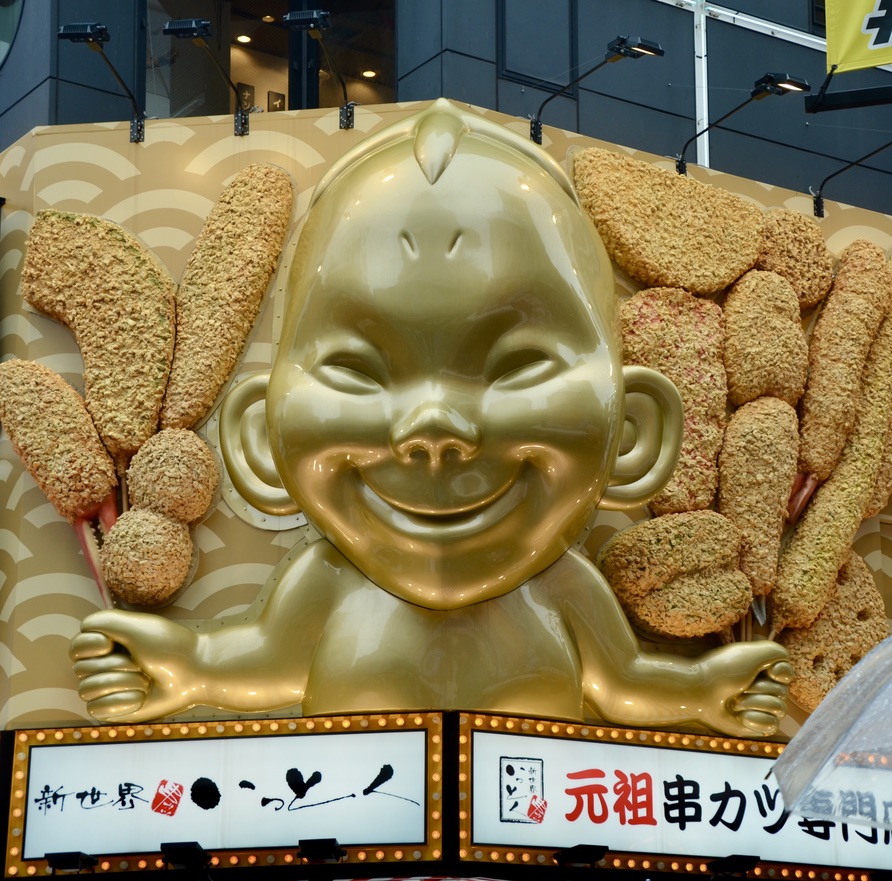
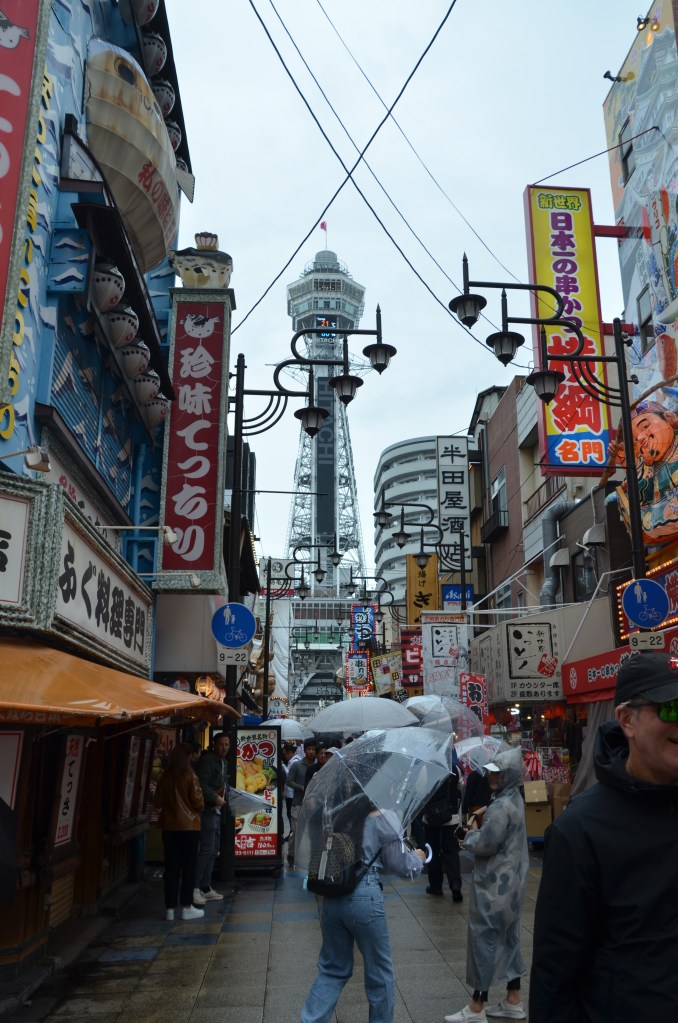
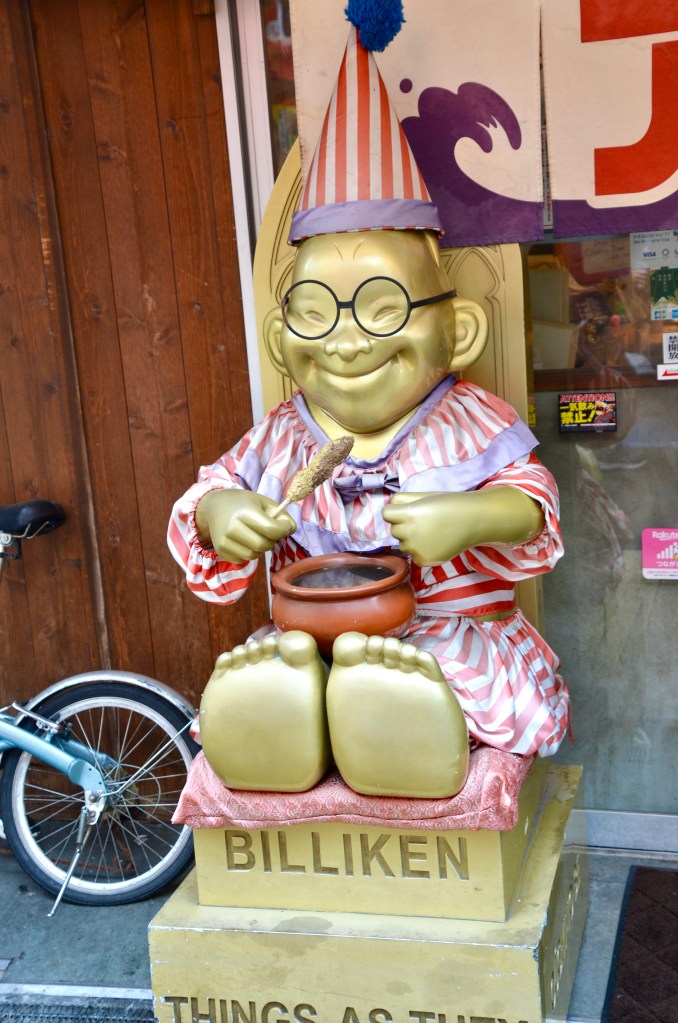
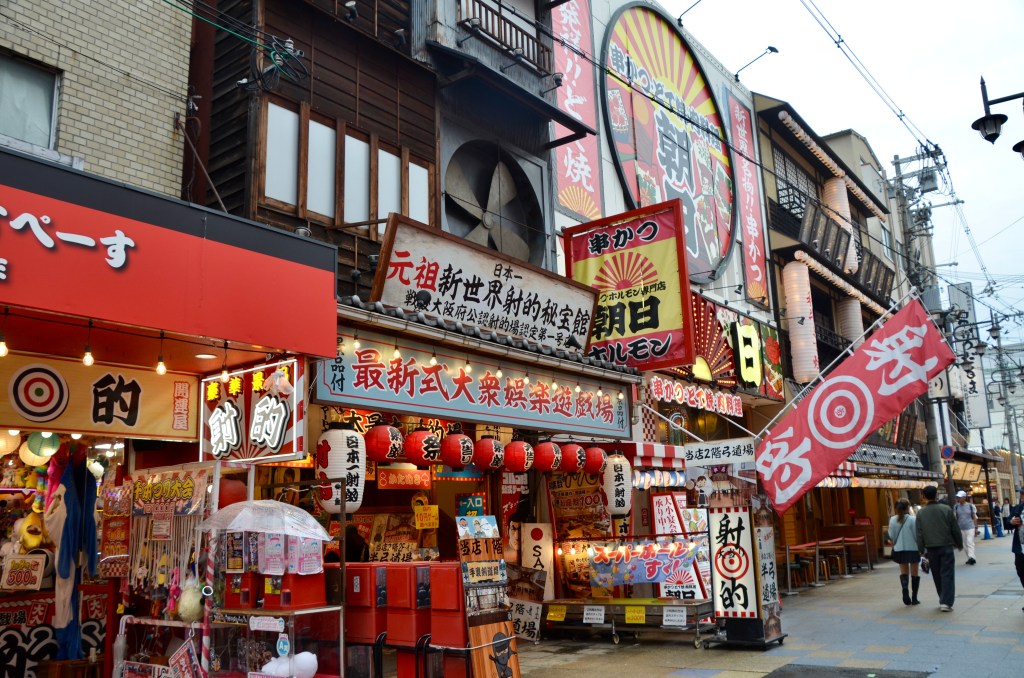
Our last stop was Osaka’s Shinsekai neighbourhood which was built to imitate Coney Island. It did feel a bit like an amusement area with colourful, retro storefronts, and food stalls.
Tsutenkaku Tower was constructed in 1912 to imitate the Eiffel Towerand then reconstructed in 1956 (after the war). It is 103 meters high.
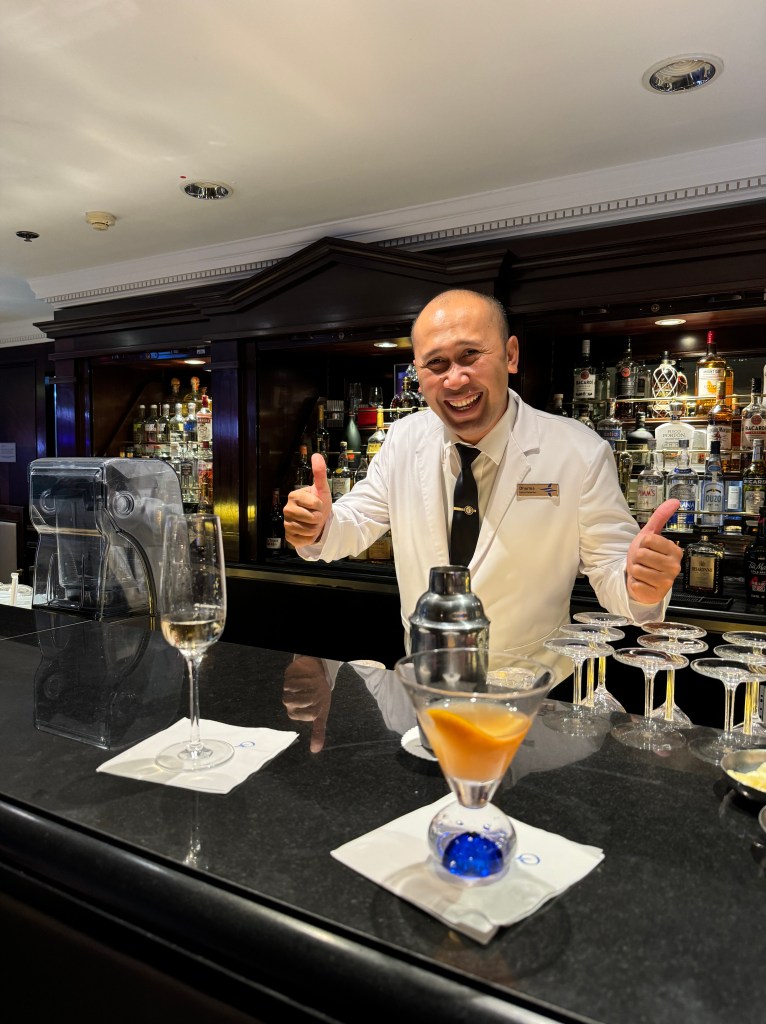
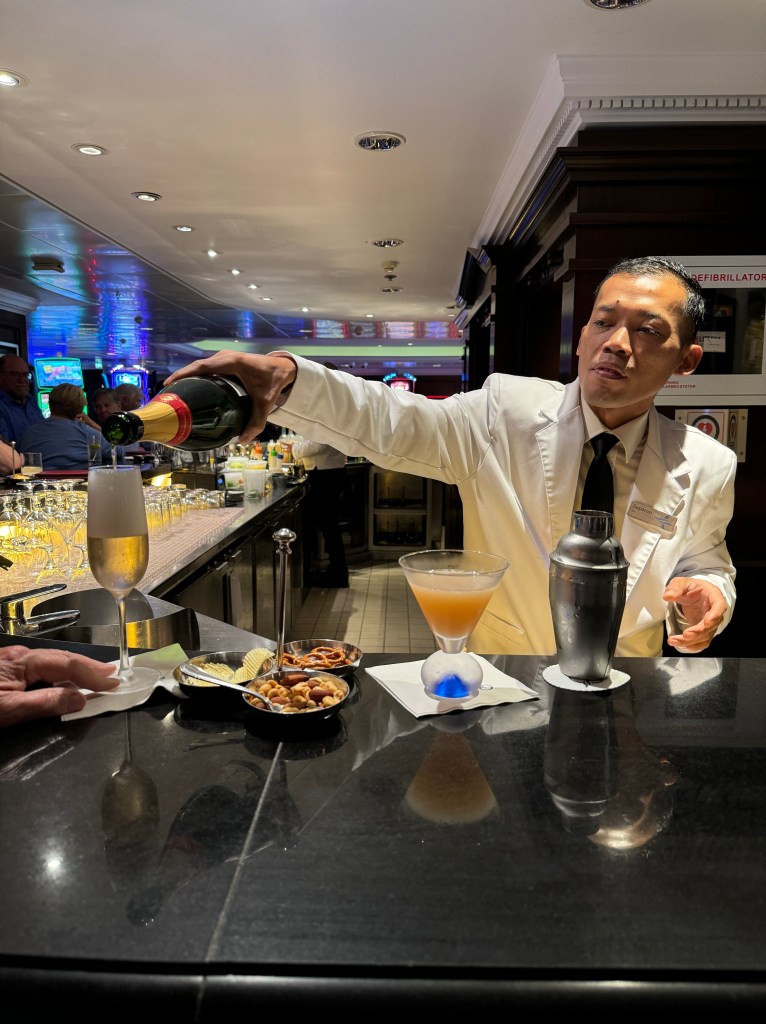
By day 4 on the ship we were into a comfortable routine. We would go to the Martini bar for pre-dinner drinks (for us that is 2 drinks) and to listen to the piano player (Tony was from Jeffrey’s Bay SA and we loved his music). We normally sat at the bar so we got to know the bar tenders plus there were “regulars” so it was fun to catch up on what others did on their tours. Then we would head to dinner at 6:30, sometimes eating with people we met at the bar and other times we would head to the dining room on our own and agree to a sharing table (which the hostess always suggested). We met some interesting people this way.
Dharma serving up Champagne for Larry and a Big O Martini for EvSuparno was so much fun
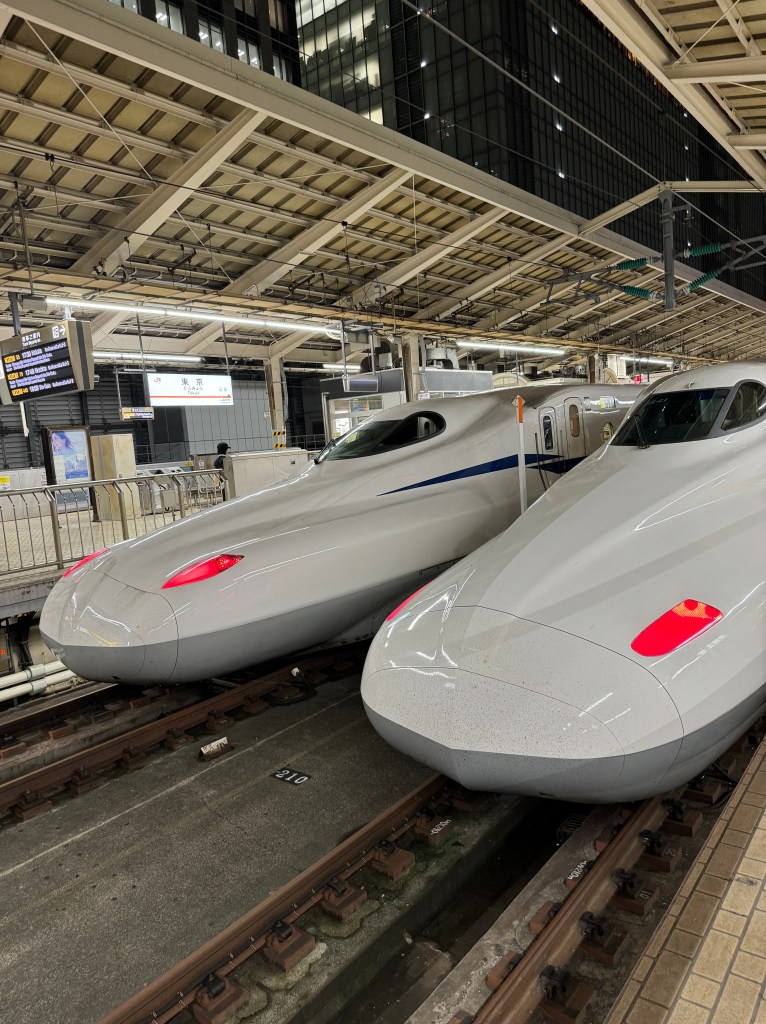
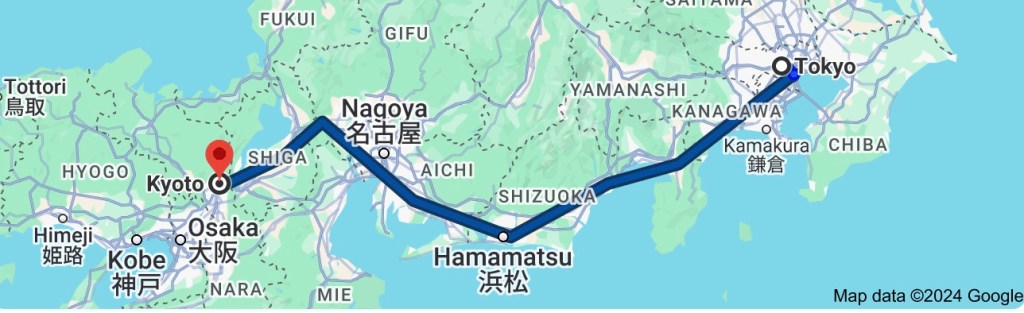
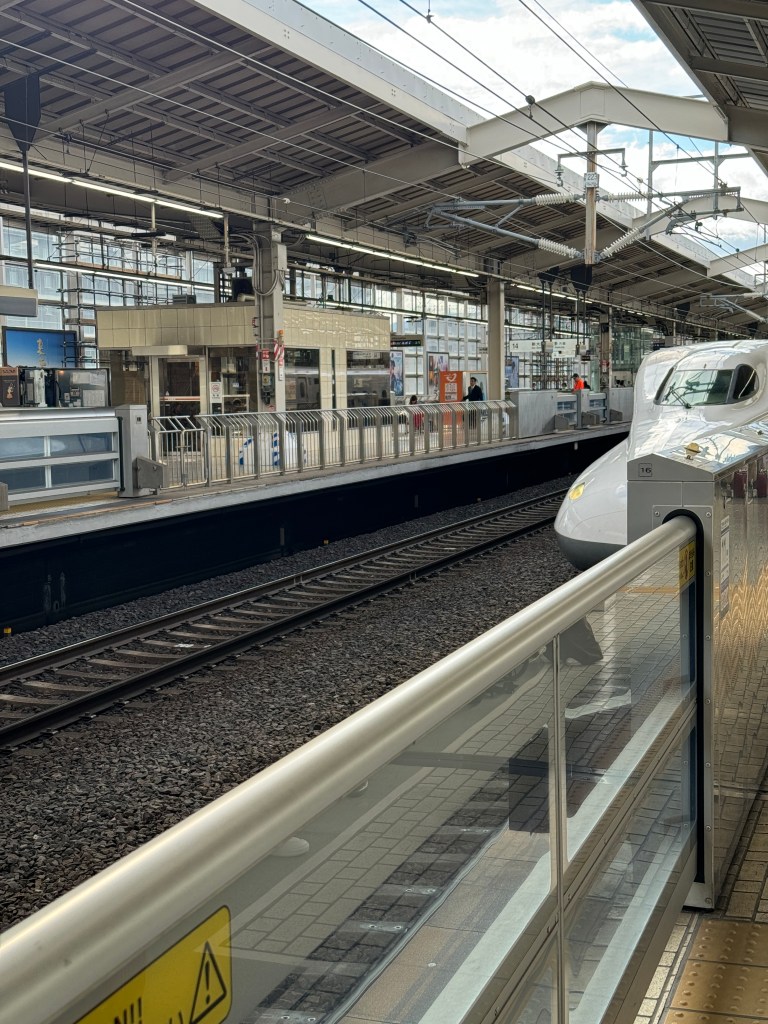
As I mentioned in my previous post, we travelled from Tokyo to Kyoto on October 26th and returned to Tokyo on October 27th. The distance between the two cities is approximately 450 km (280 miles) and it takes 2 hours and 15 minutes by the Shinkansen, Japan’s high speed bullet train. The bullet trains are operated by Japan Railways (JR) and run at speeds of up to 320 km/h. It is a very convenient and comfortable way to travel in Japan.
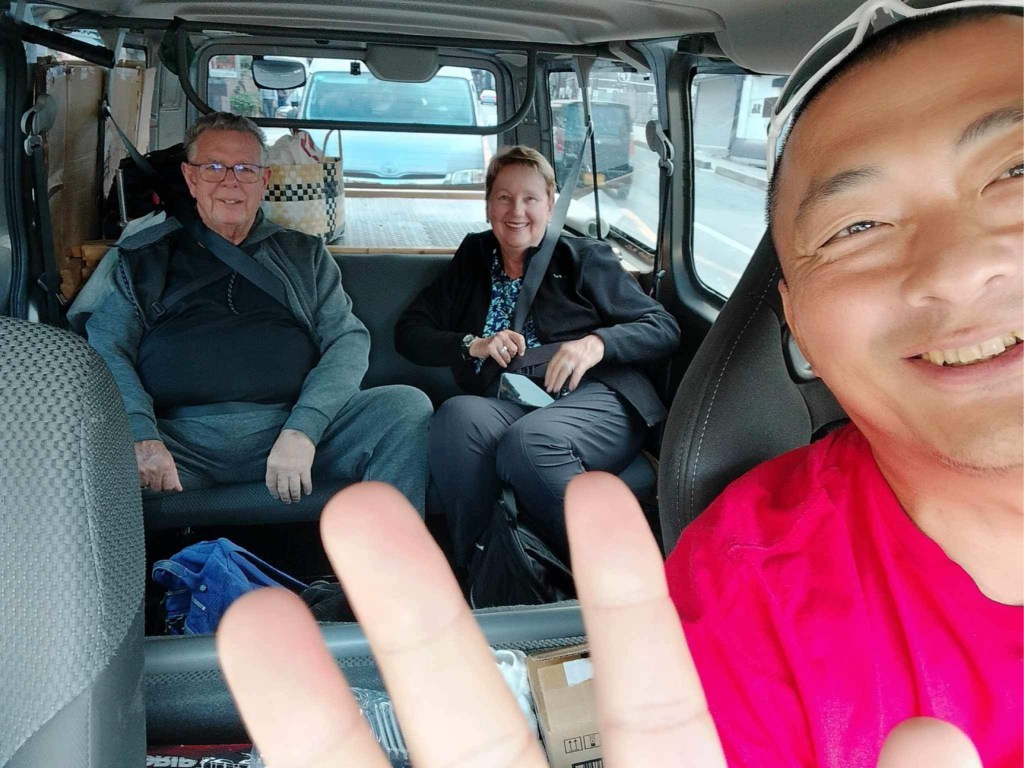
We were met at the Kyoto train station by Takashi, one of our “Elf guides”, and his friend Yuko. Takashi worked at Camp Tawingo for a year, and he has a high energy, enthusiastic camp vibe. Takashi drove from his home in the Kobe/Osaka area to meet us which worked perfectly as it was much easier to travel in the van than to take public transit or taxis, especially as we had so little time in Kyoto.
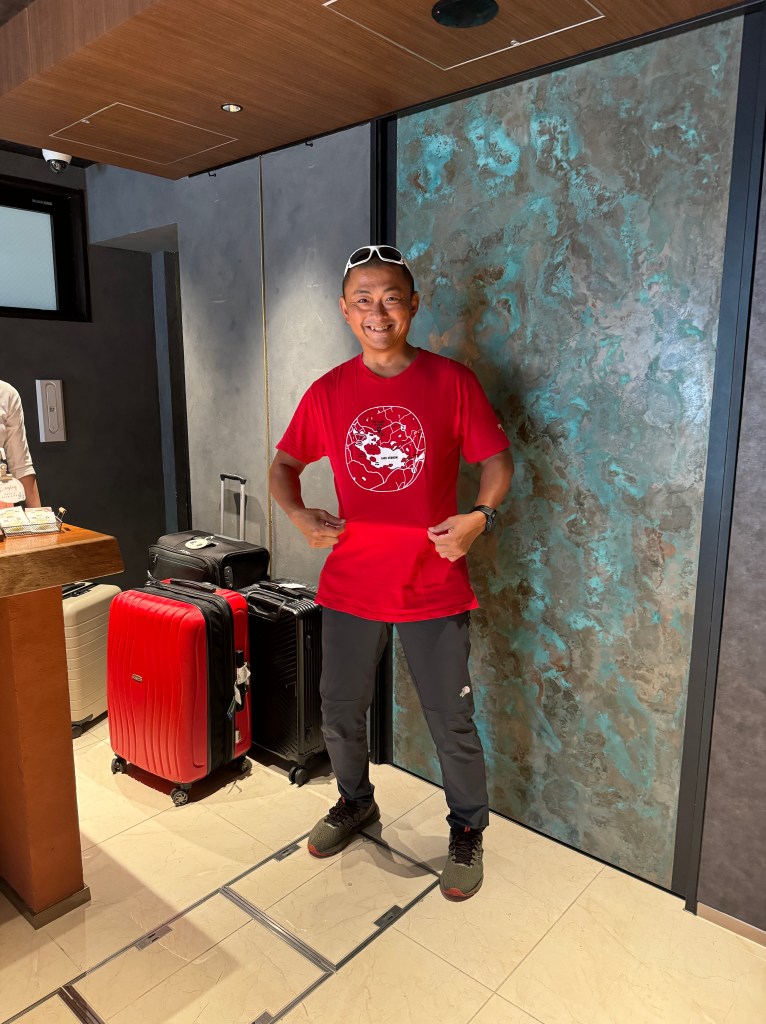
Great way to get around in Kyoto. Takashi wore his Tawingo T-shirt – a nice touch!Yuko and Takashi – always a smile
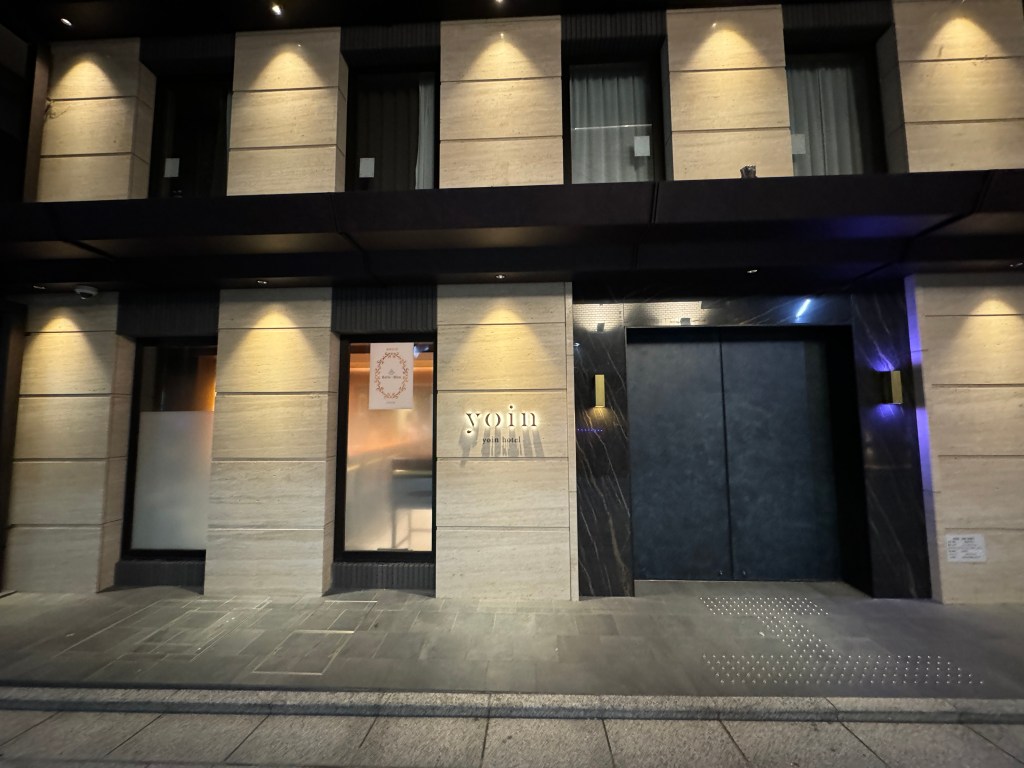
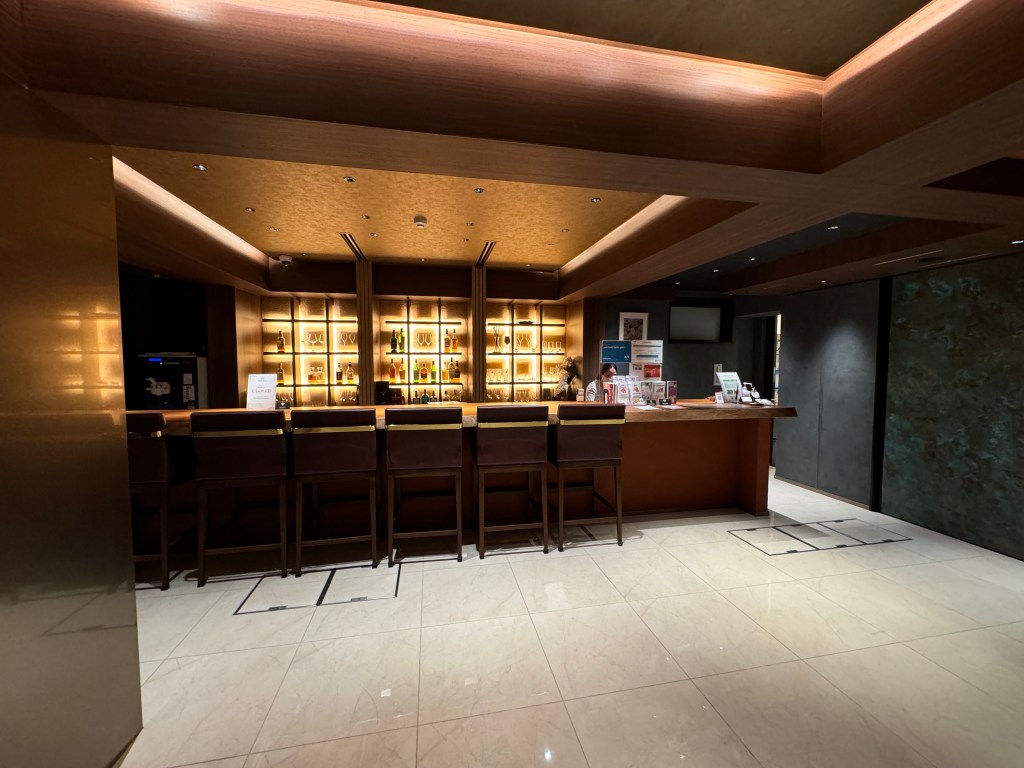
Our first stop was Hotel Yoin to drop off our luggage. Yoin is a small hotel in the historic Gion (geisha) quarter. It was a great location as we could walk to restaurants and wander the streets of the old town. Our room was large as was the bathroom and the bed was super comfortable. Although strange to comment on, we must say we loved the Japanese toilet at our hotel. Why you ask – it had a lid that raised when you entered the room, a heated seat, a “bidet menu”, a dryer, an automatic flush and a cleaning cycle. Larry really wants one – but it is not going to happen.
Very small lobby area – in some ways it was more like an upscale hostel.
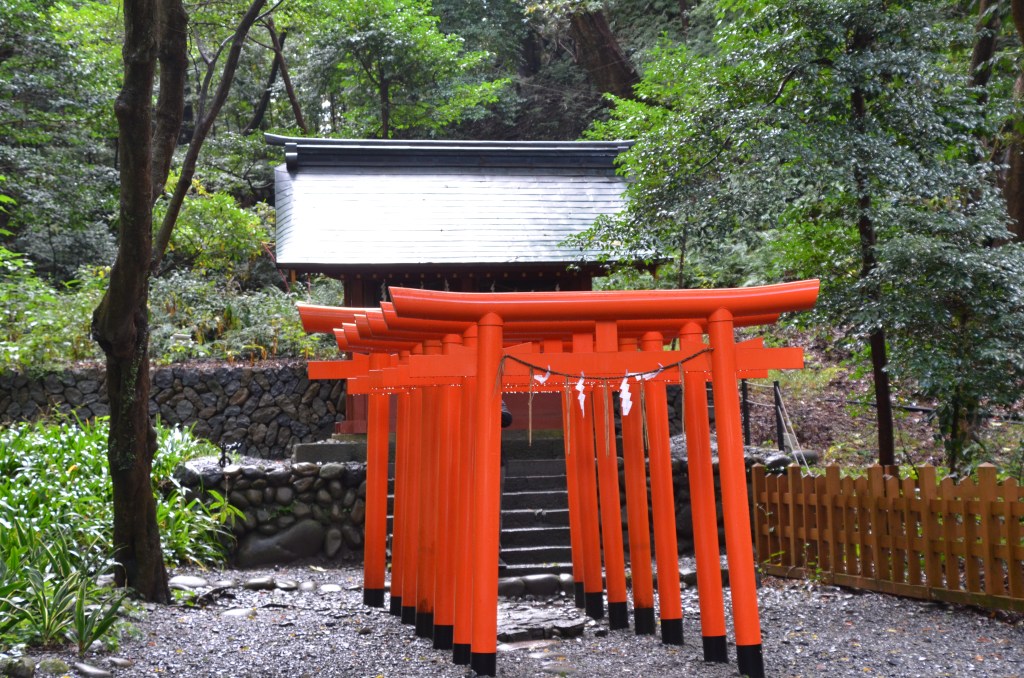
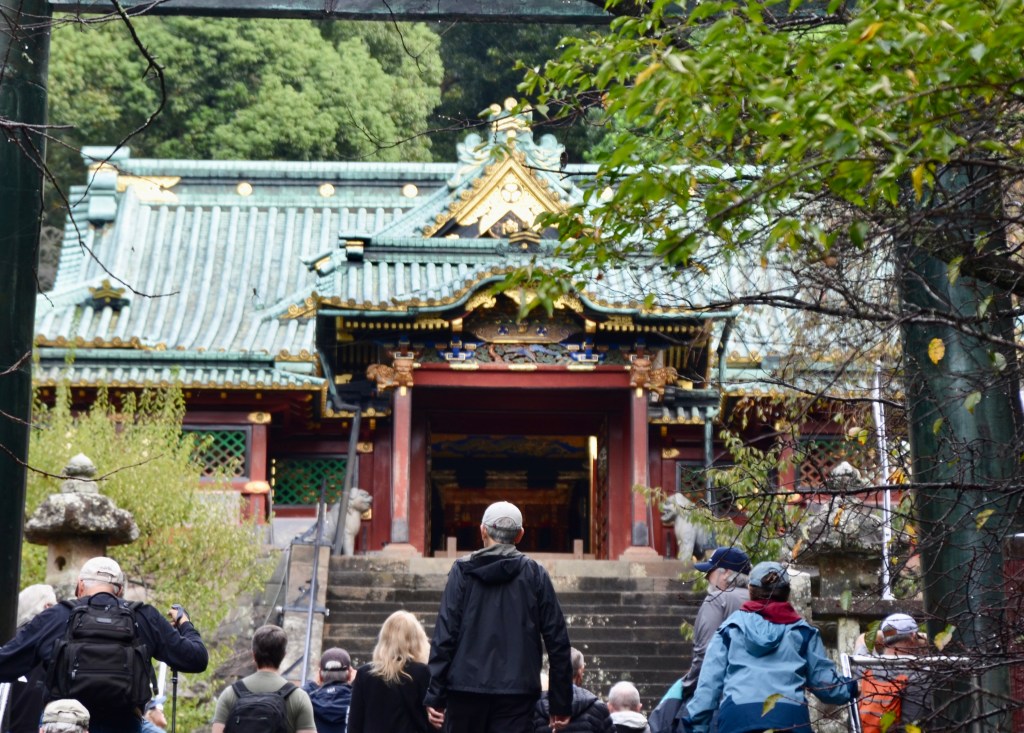
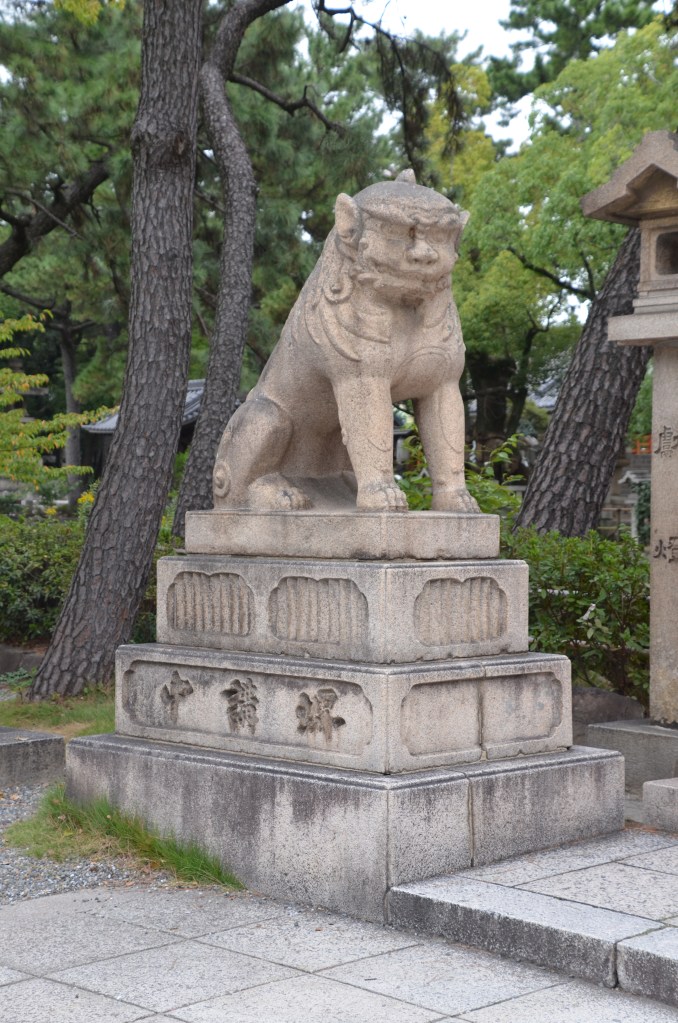
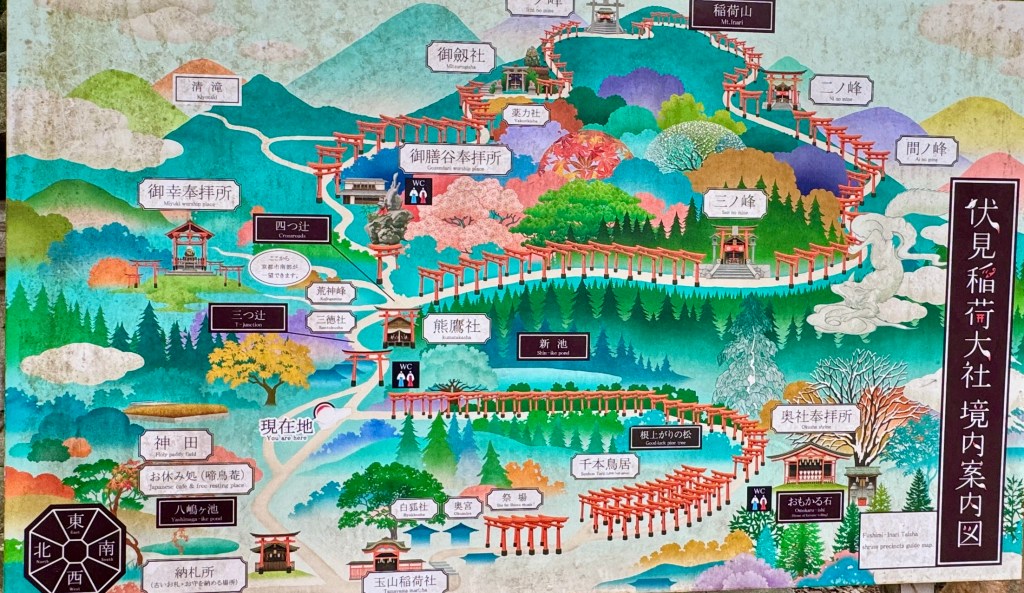
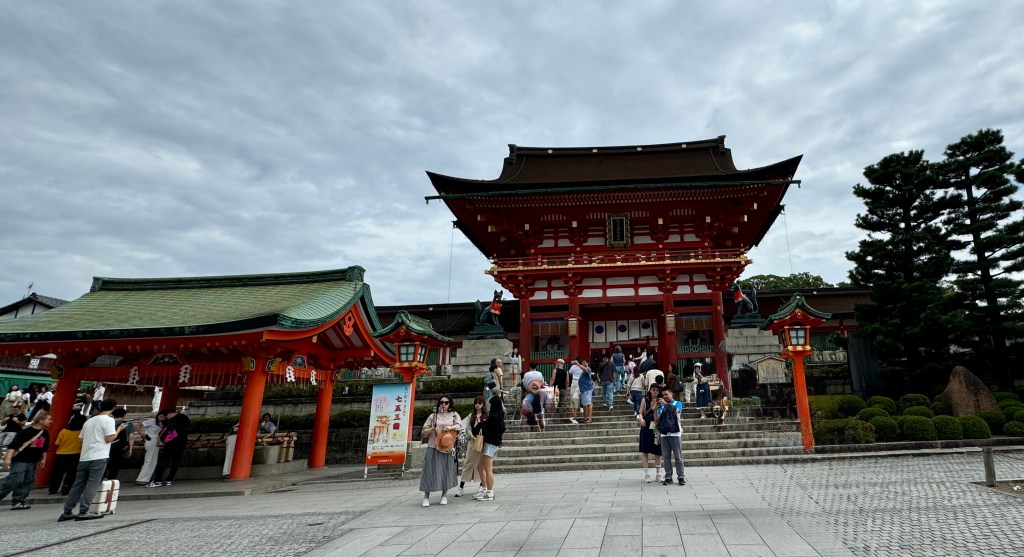
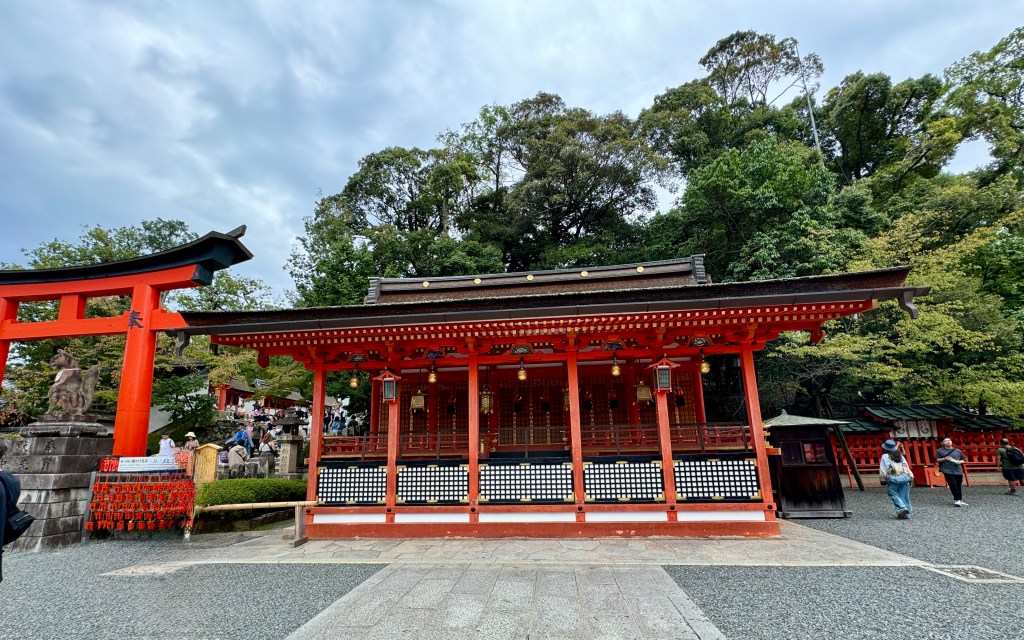
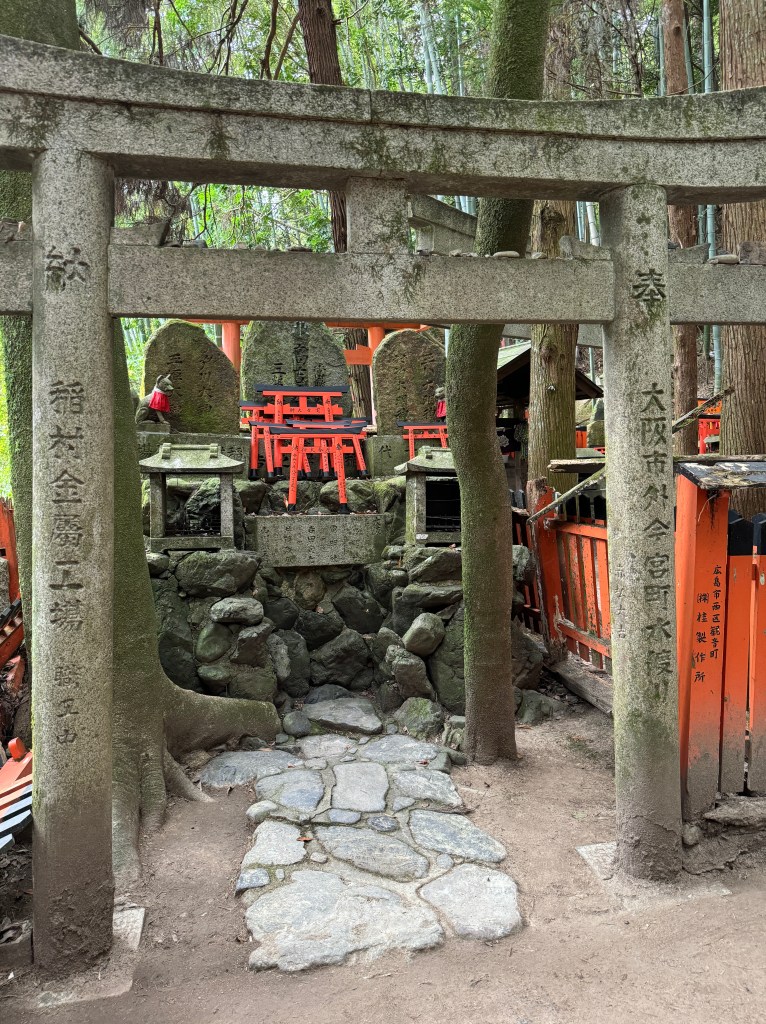
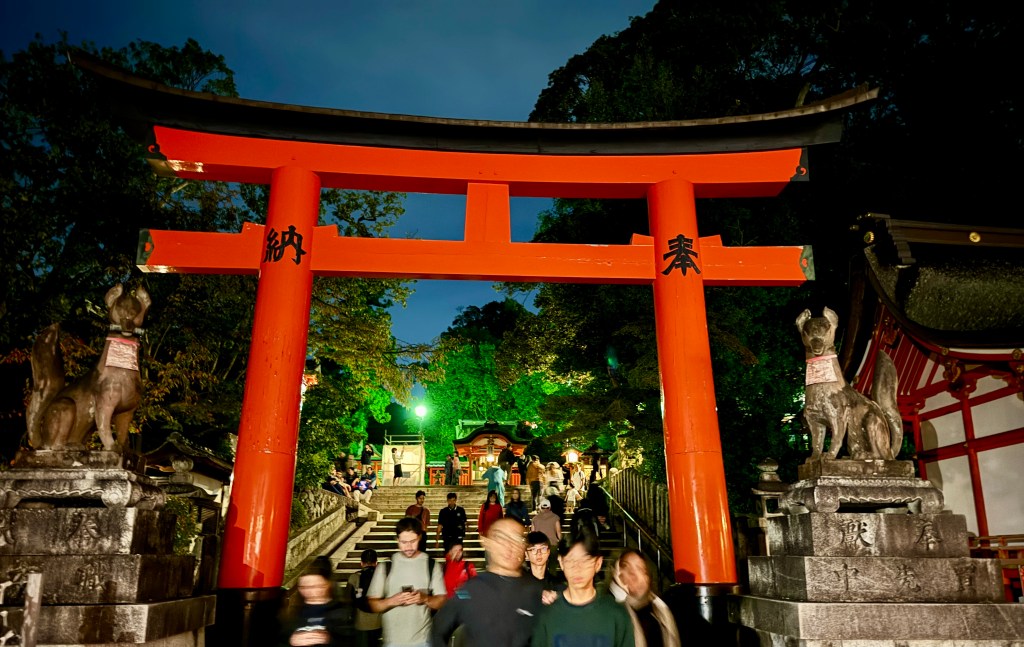
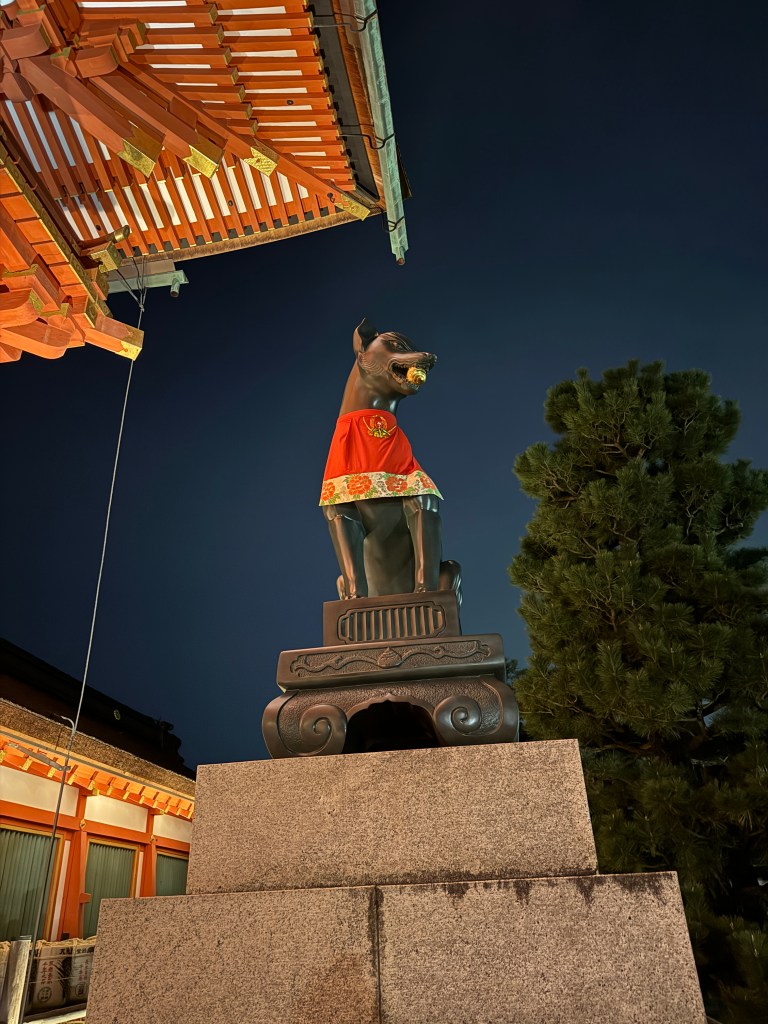
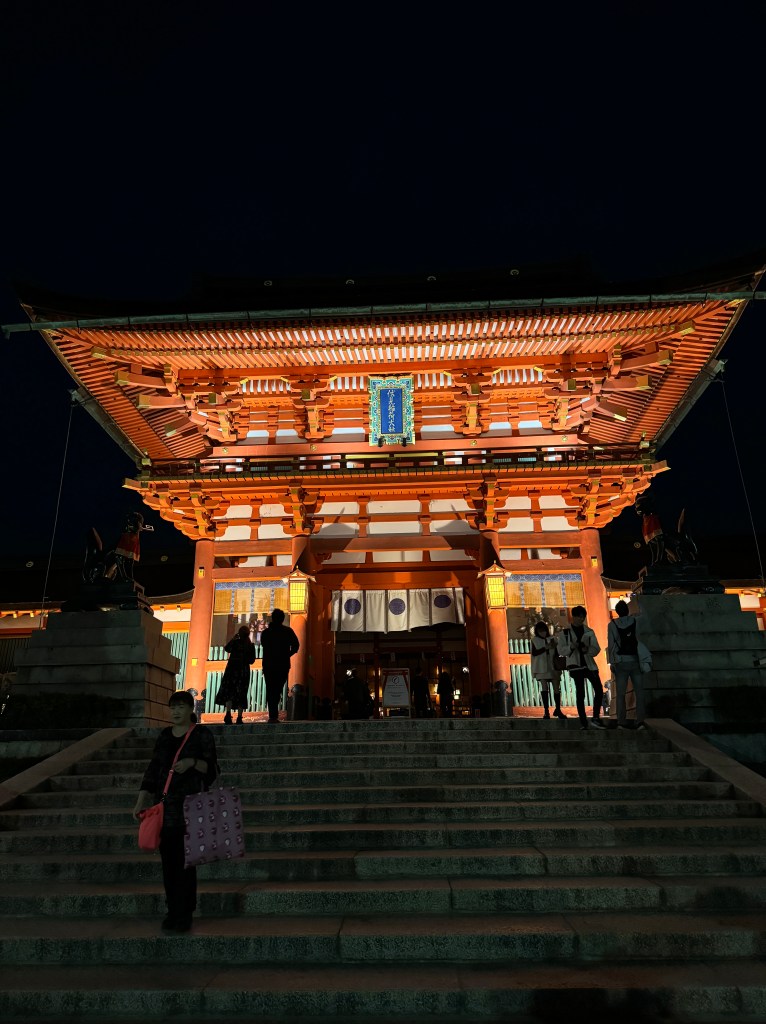
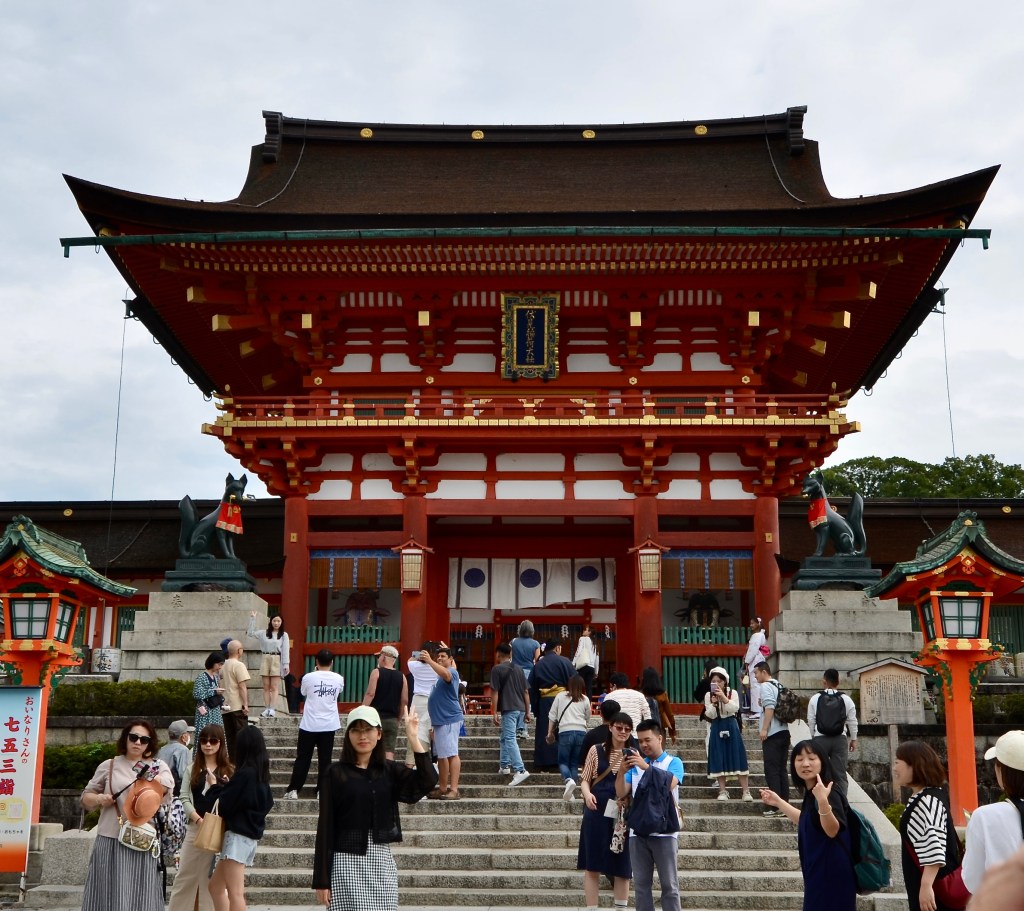
Next was a visit to Fushimi Inari Taisha which is a Shinto Shrine. We were told that Japanese Shinto Shrines typically have Torii gates at the entrance, a purification fountain near the entrance and usually have a guardian fox or lion at each side of the entrance. Unlike the Shinto Shrine, Japanese Buddhist Temples normally have a sanmon gate (which normally closes) and a pagoda nearby, there is a large incense burner in front of the temple and the temples are centered around Buddha.
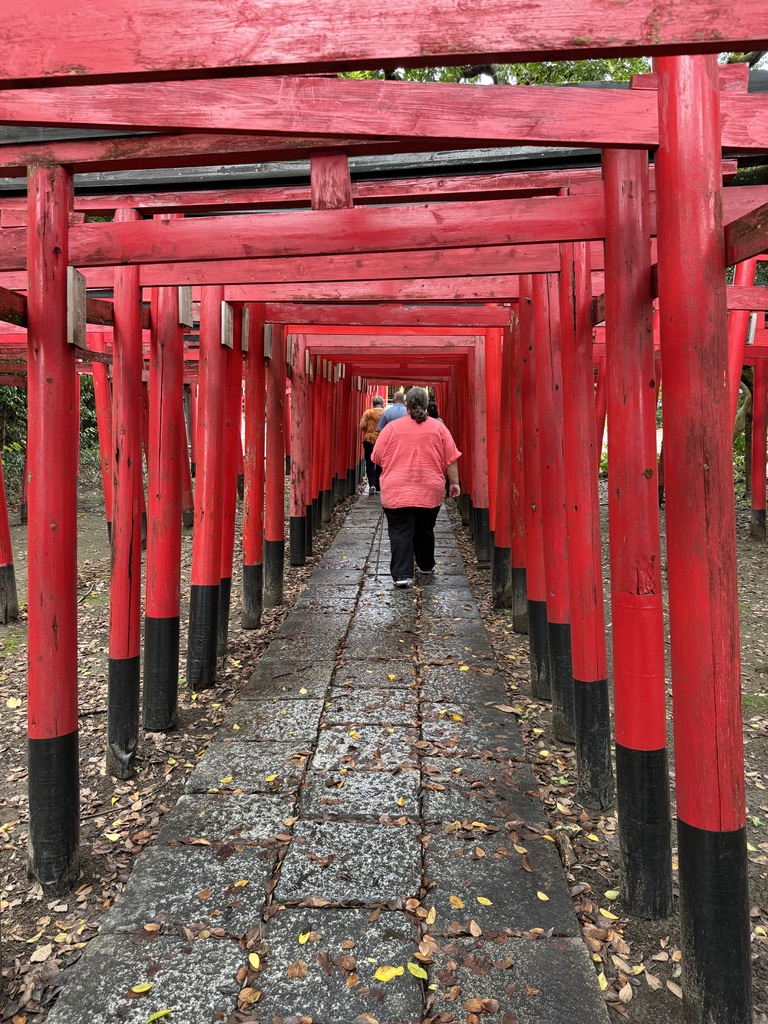
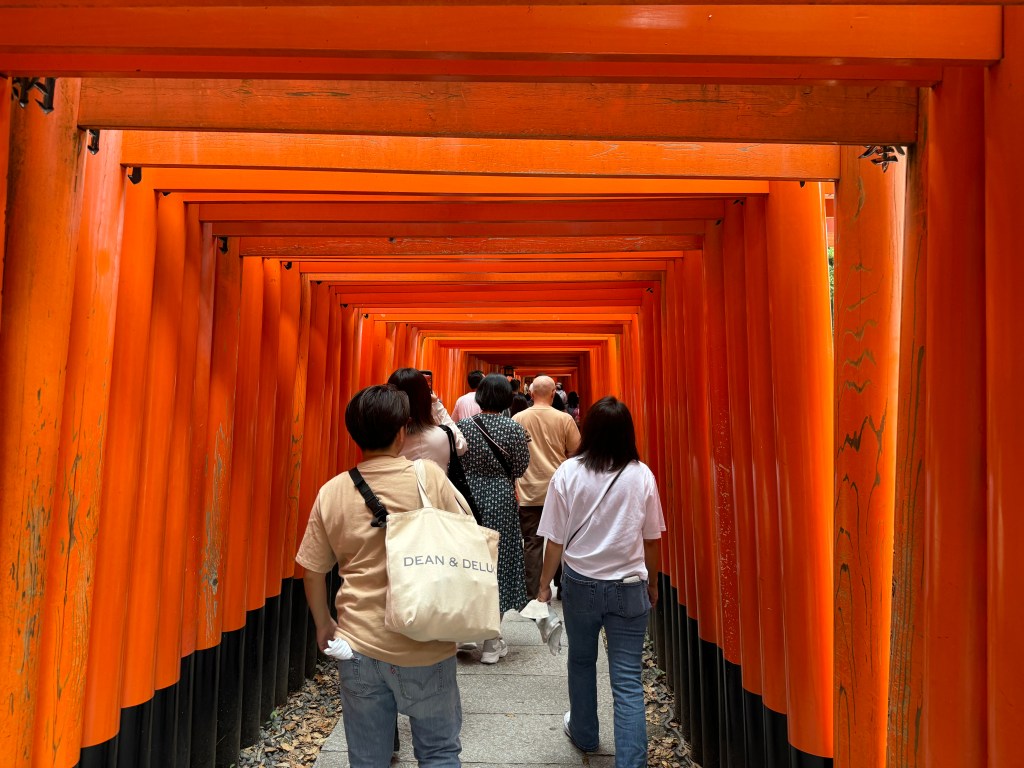
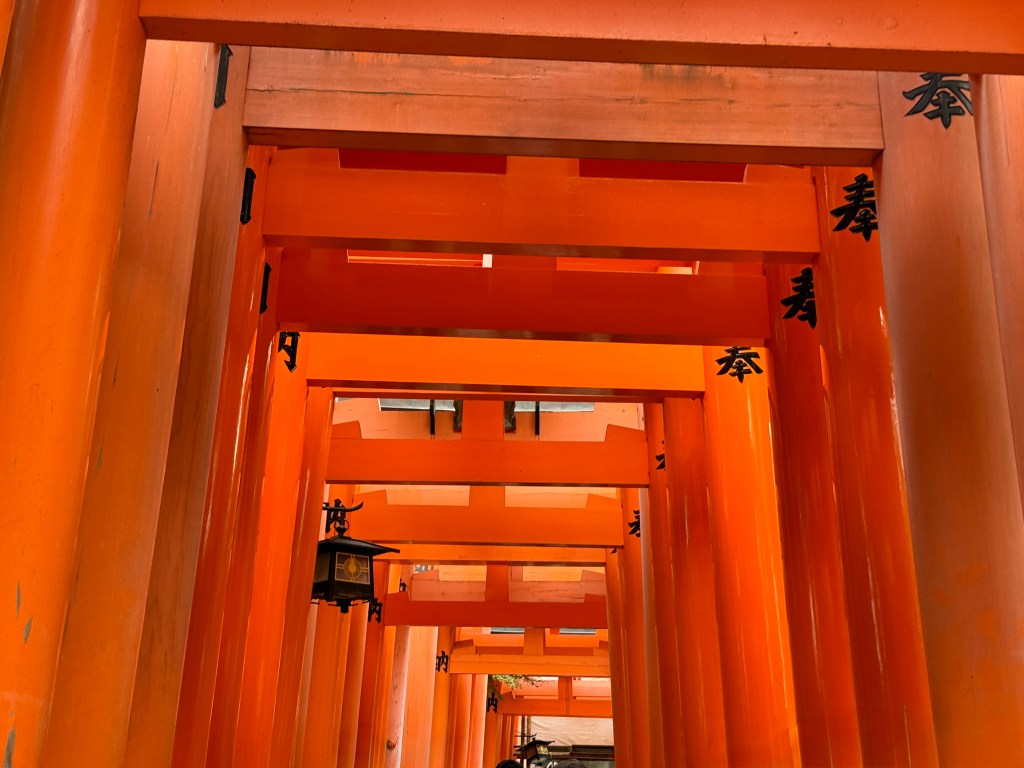
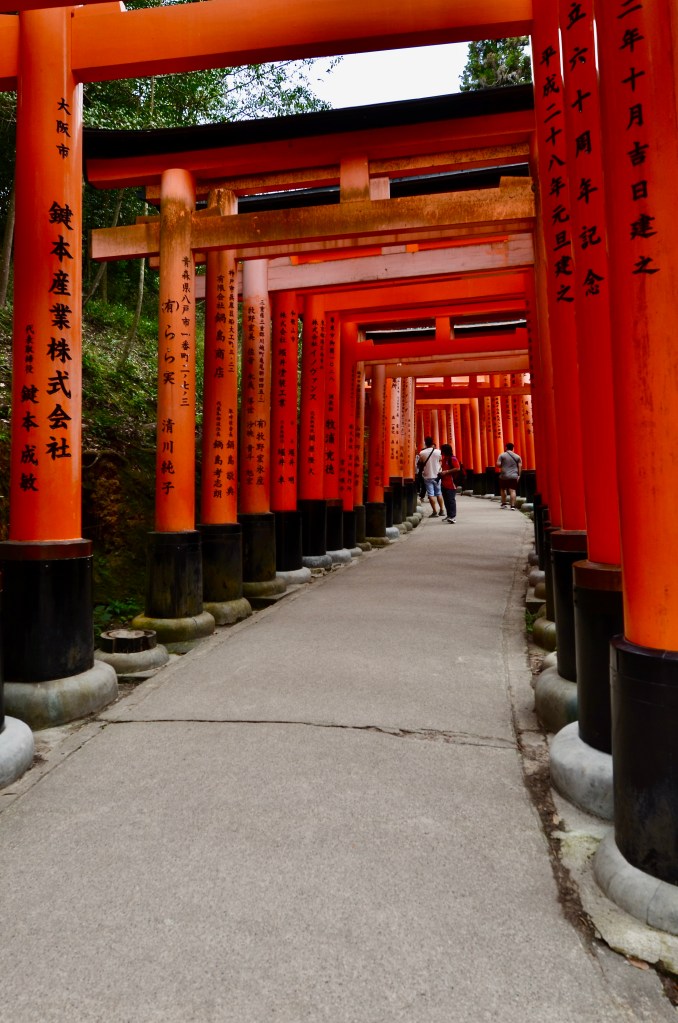
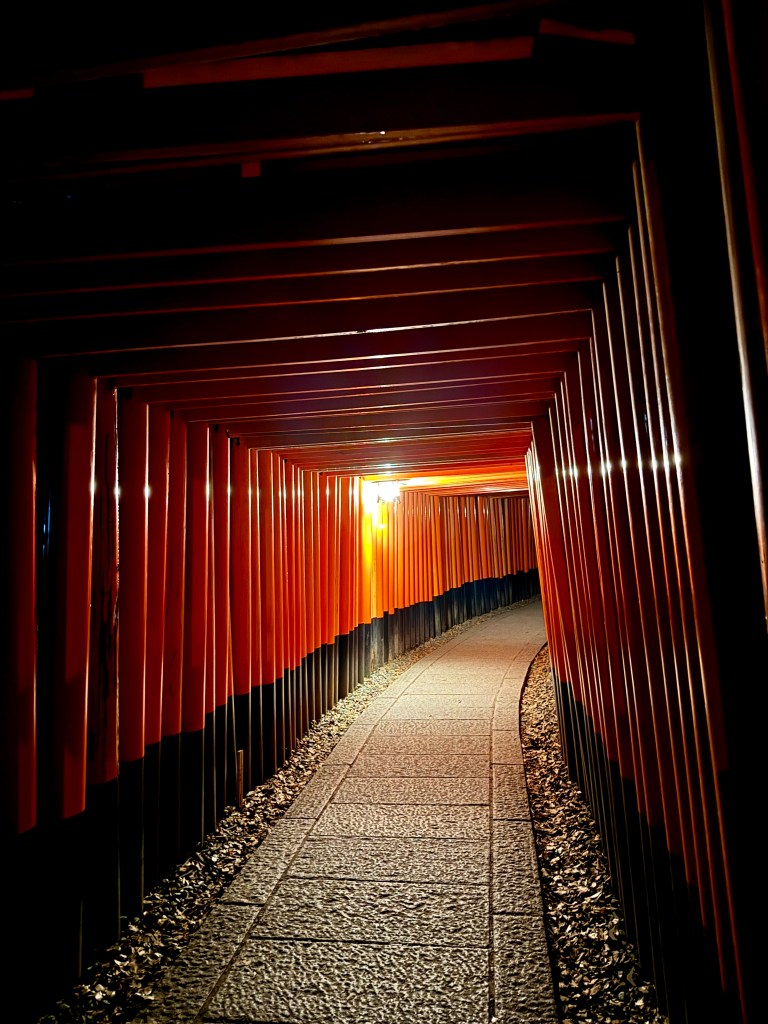
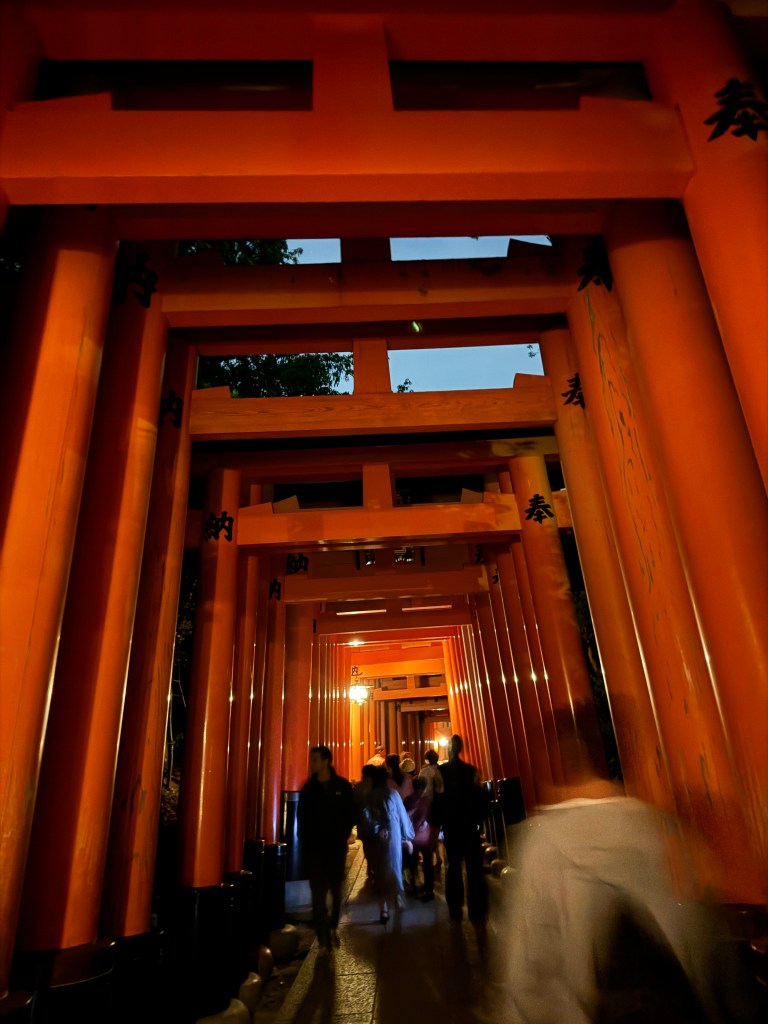
Fushimi Inari Taisha is famous for its thousands of vermilion (red orange) torii gates along its trail system. There are inscriptions on the gates – companies and individuals from all over Japan pay to have their name put on a torii gate because of their divine properties for business prosperity.
Unfortunately due to time constraints we only walked a portion of the trails.Name of the company/family sponsor is on the column
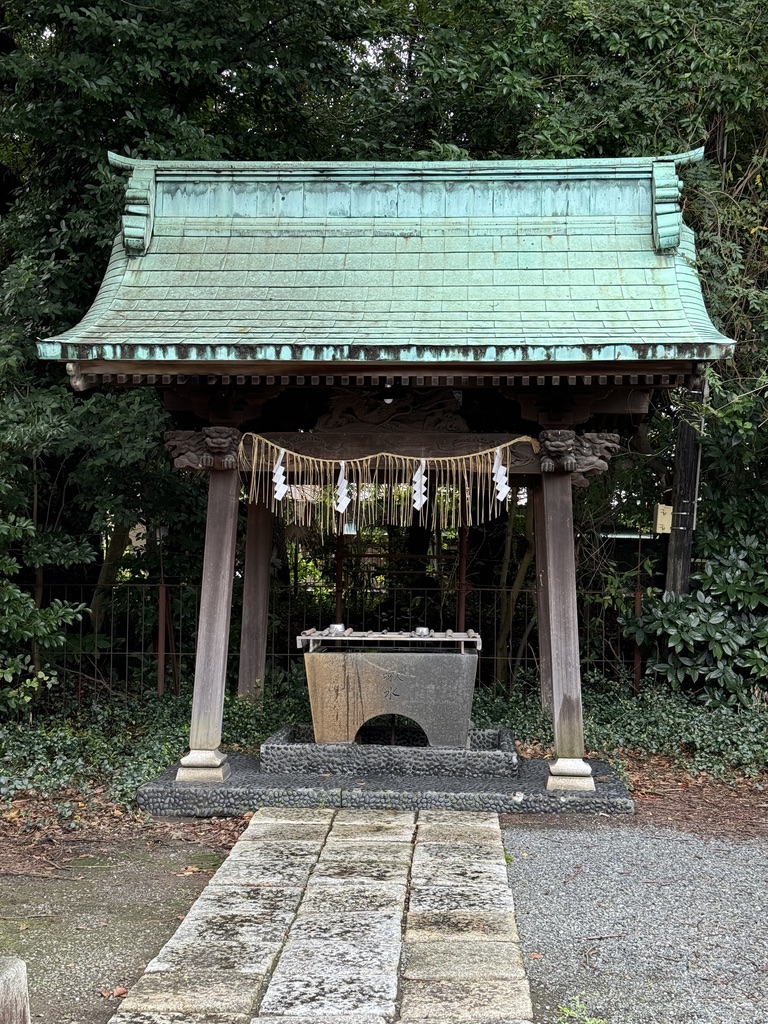
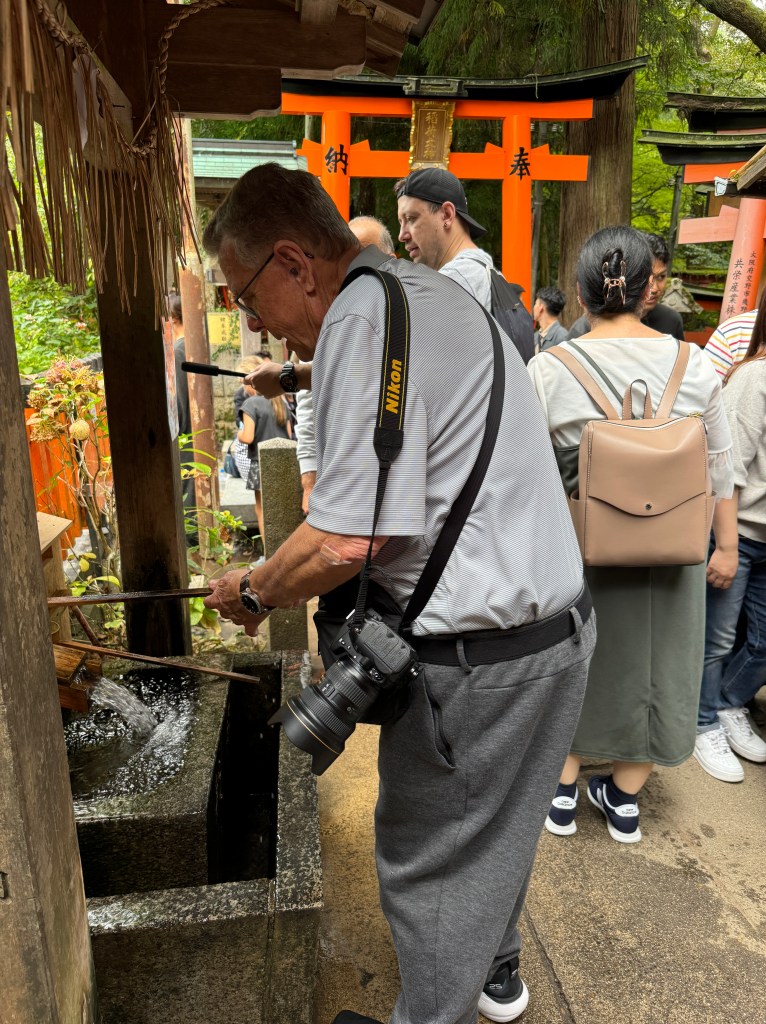
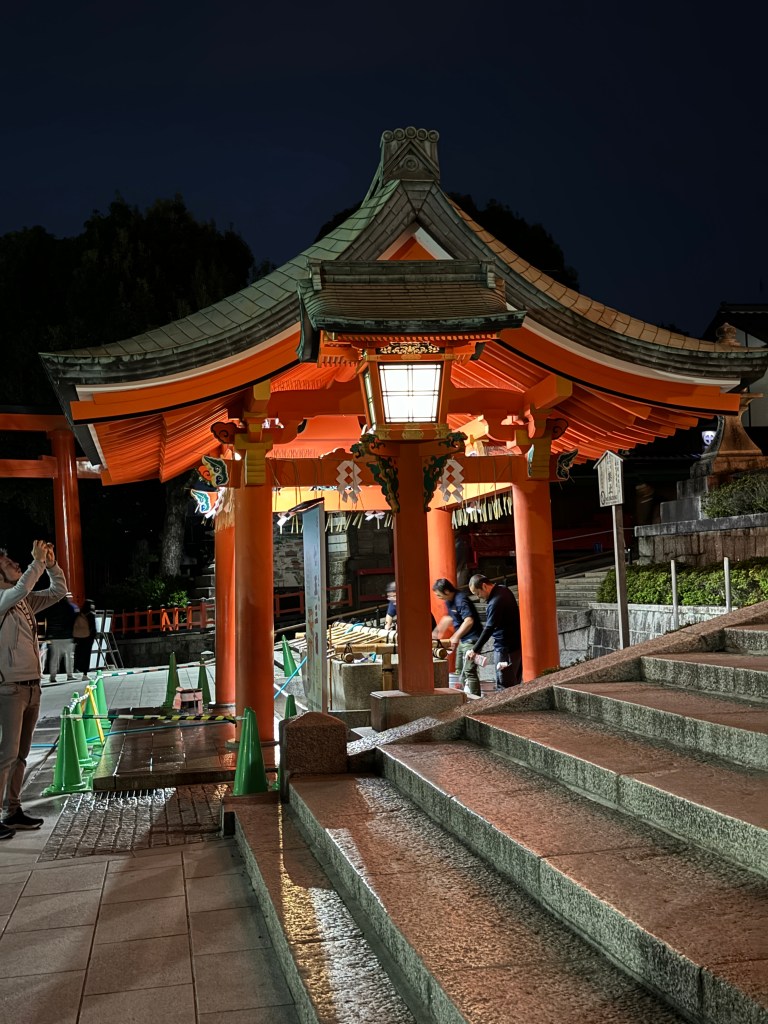
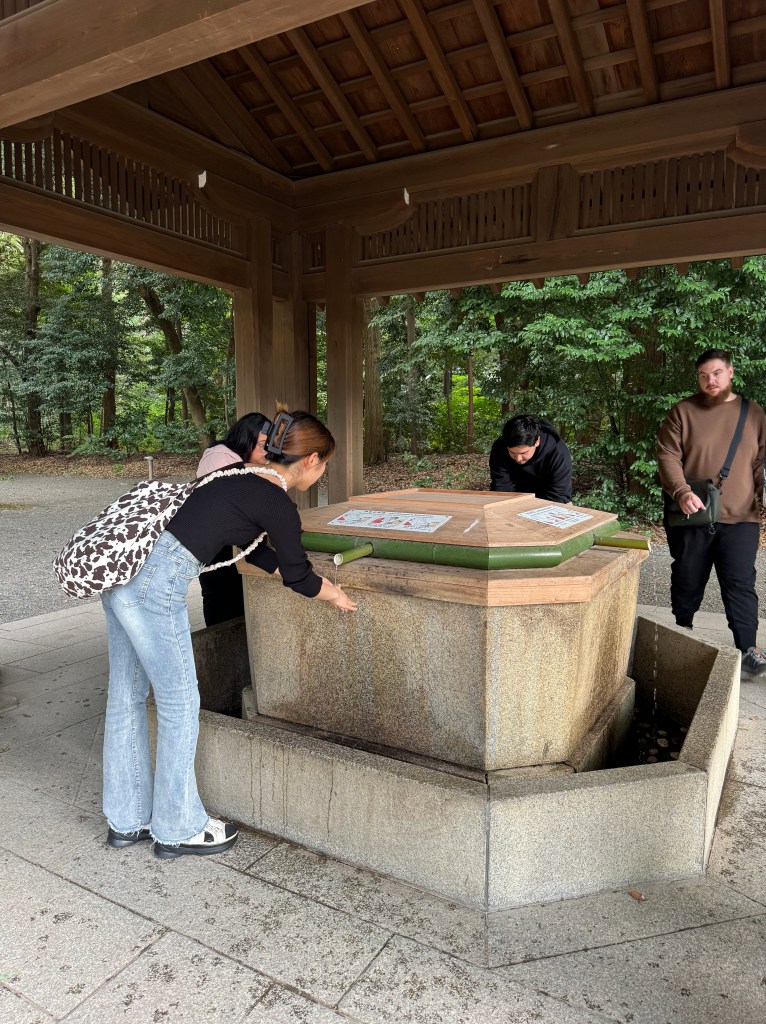
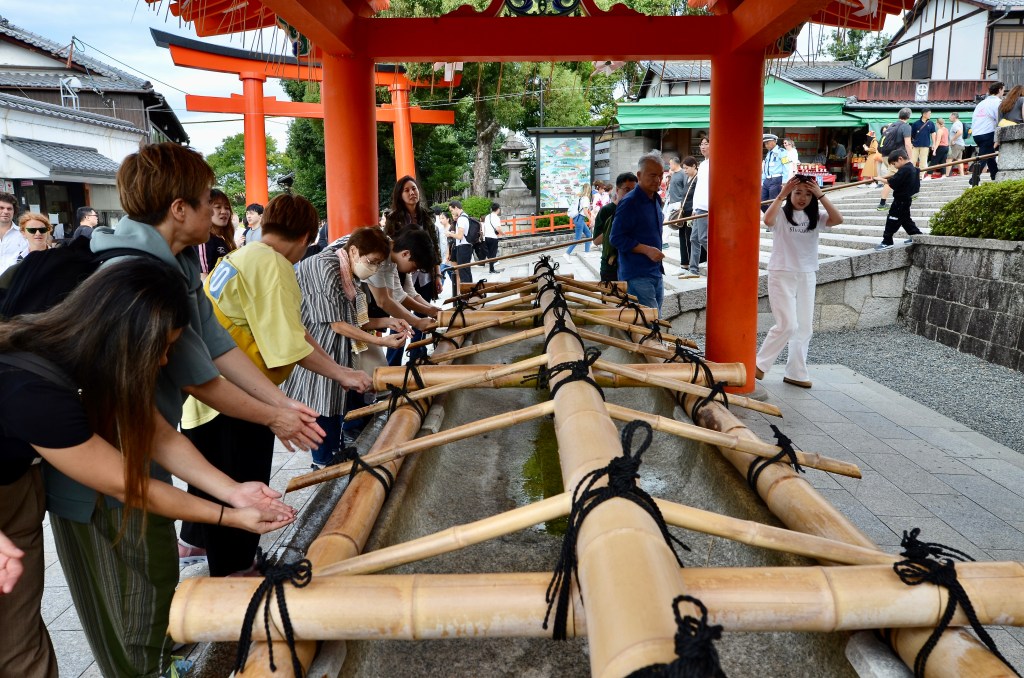
At the entrance to the Shrine was a Purification Fountain which serves to sympolically purify oneself before entering the shrine. Purity is very important in Shintoism, and Takashi explained the purification ritual:
Take the ladle with your right hand and pour a bit of water over your left hand
Next, hold the ladle in your left hand and pour a bit of water over your right hand
Finally, hold the ladle upright to tip the remaining water over the entire ladle to cleanse it as well (they no longer cleanse the mouth with the water)
Return the ladle to its original position, upside down.
Purification (hand washing) before entering the sacred area
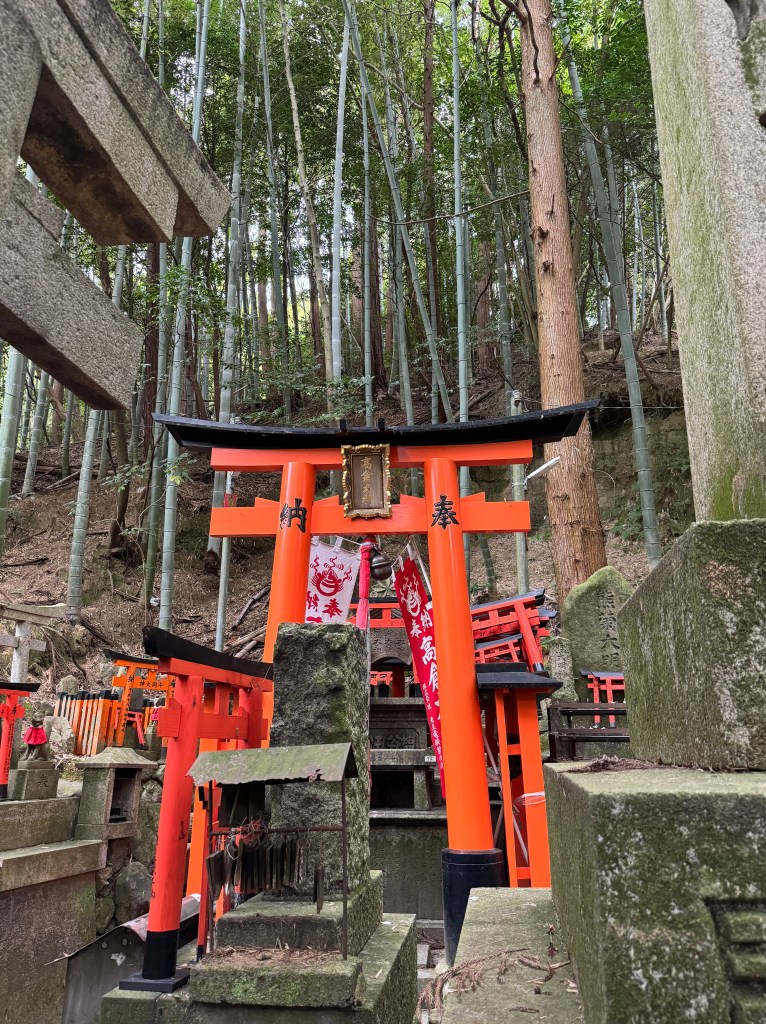
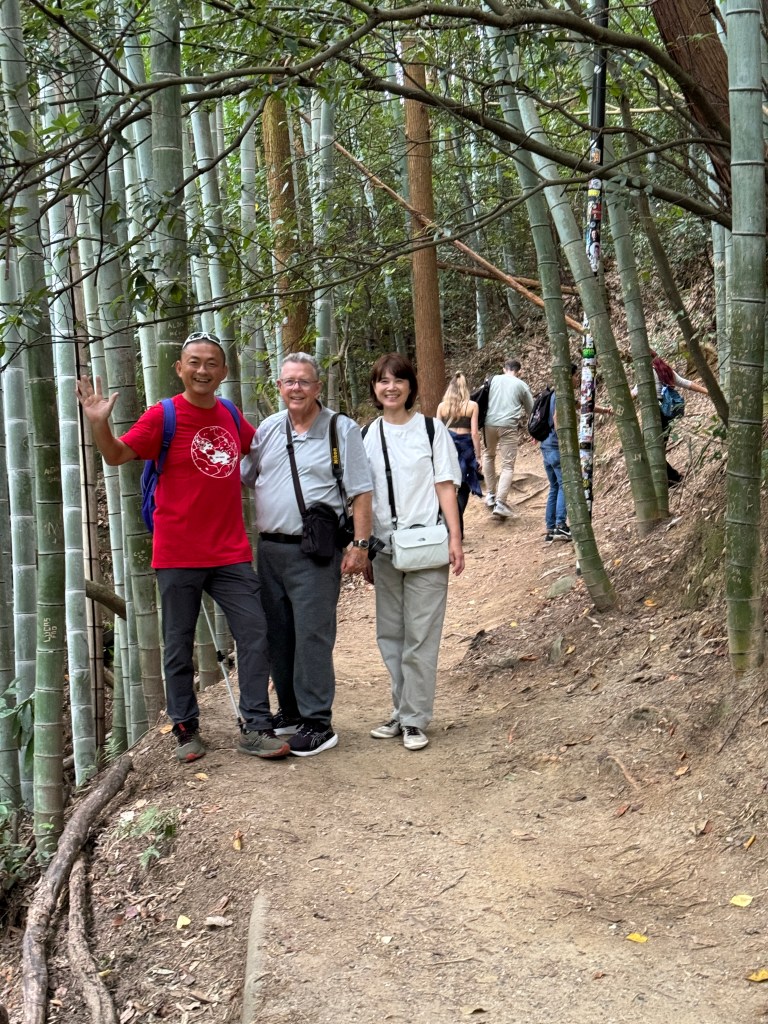
The trails lead into the wooded forest of the sacred Mount Inari, which stands at 233 meters and belongs to the shrine grounds. Fushimi Inari is the most important of several thousands of shrines dedicated to Inari, the Shinto god of rice.
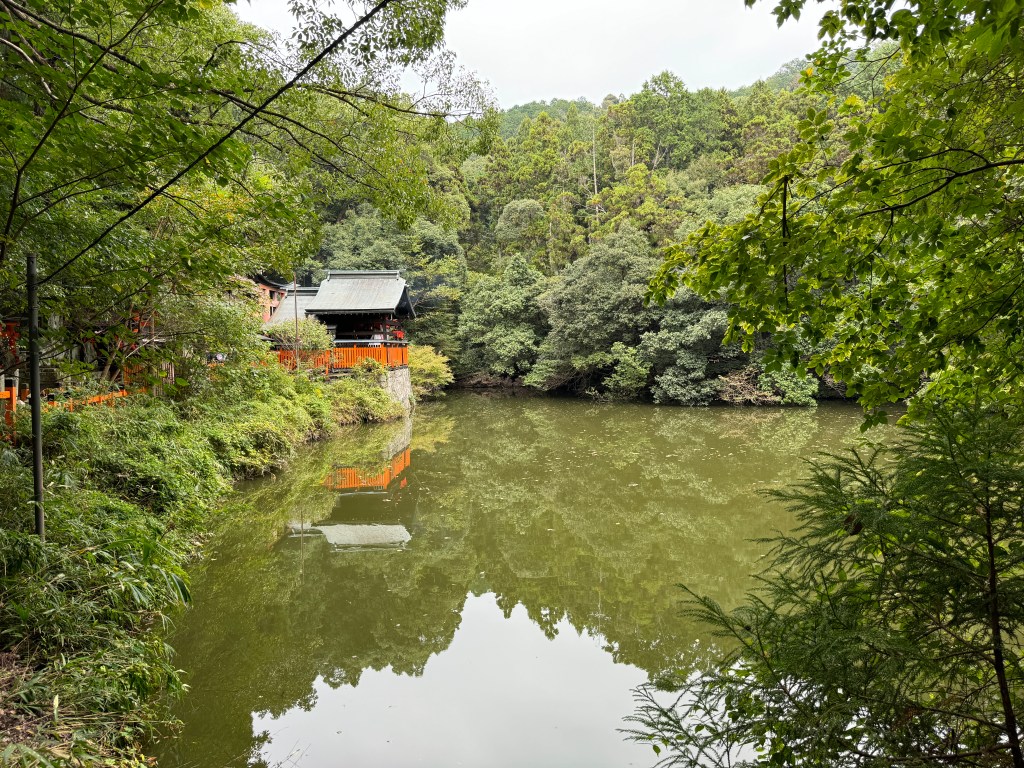
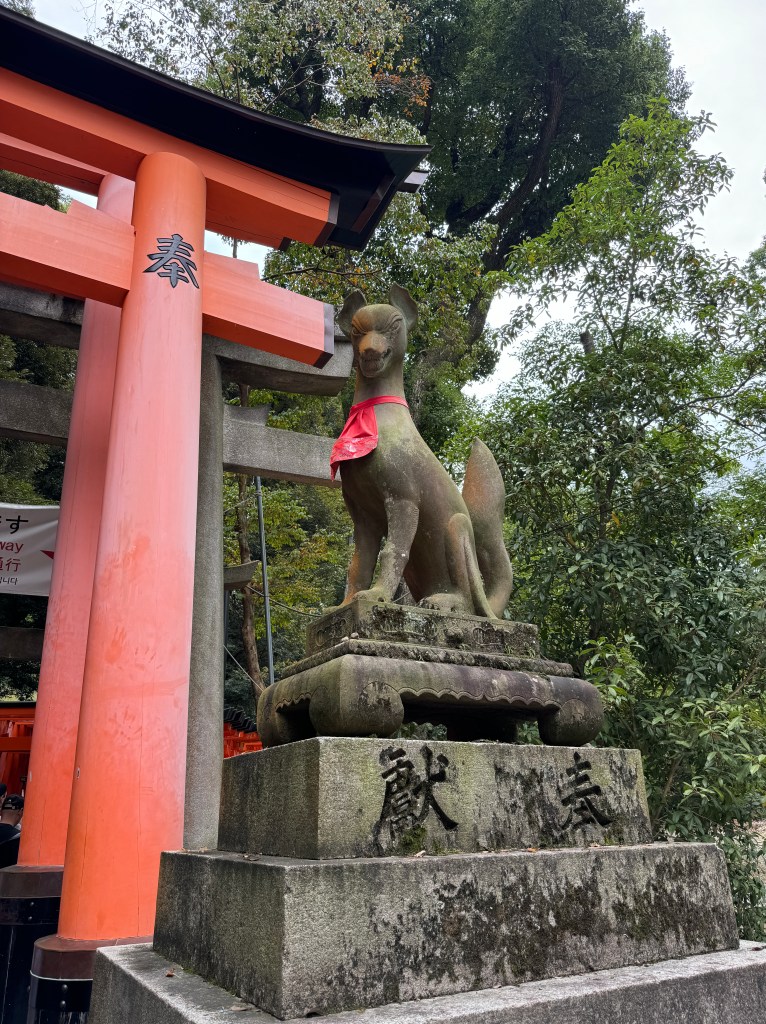
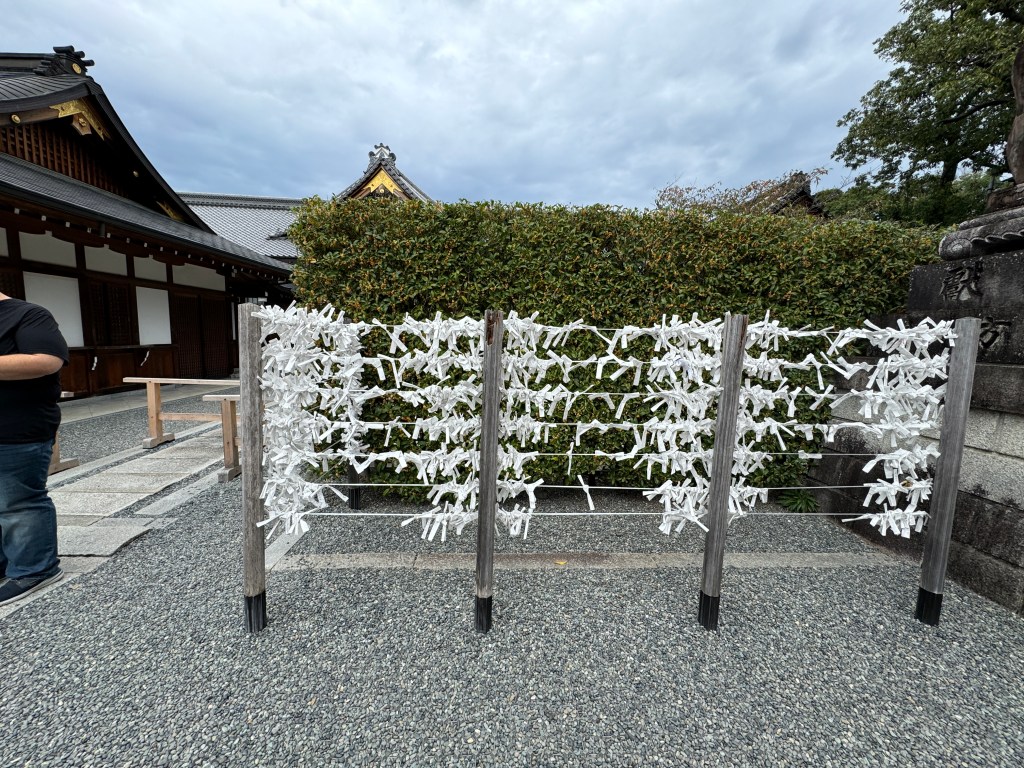
Takashi is definitely outgoing and lots of fun.Very peaceful walk along the trails. This is one of the ponds along the wayFox is thought to be Inari’s messengers, resulting in many fox statues throughout the shrine grounds. Shrine visitors can buy an omikuji or fortune, written on strips of paper that can be either good or bad. If you get a negative fortune, it is a common custom to tie the paper to a nearby pine tree branch or wire so the bad luck stays behind when you leave the shrine.
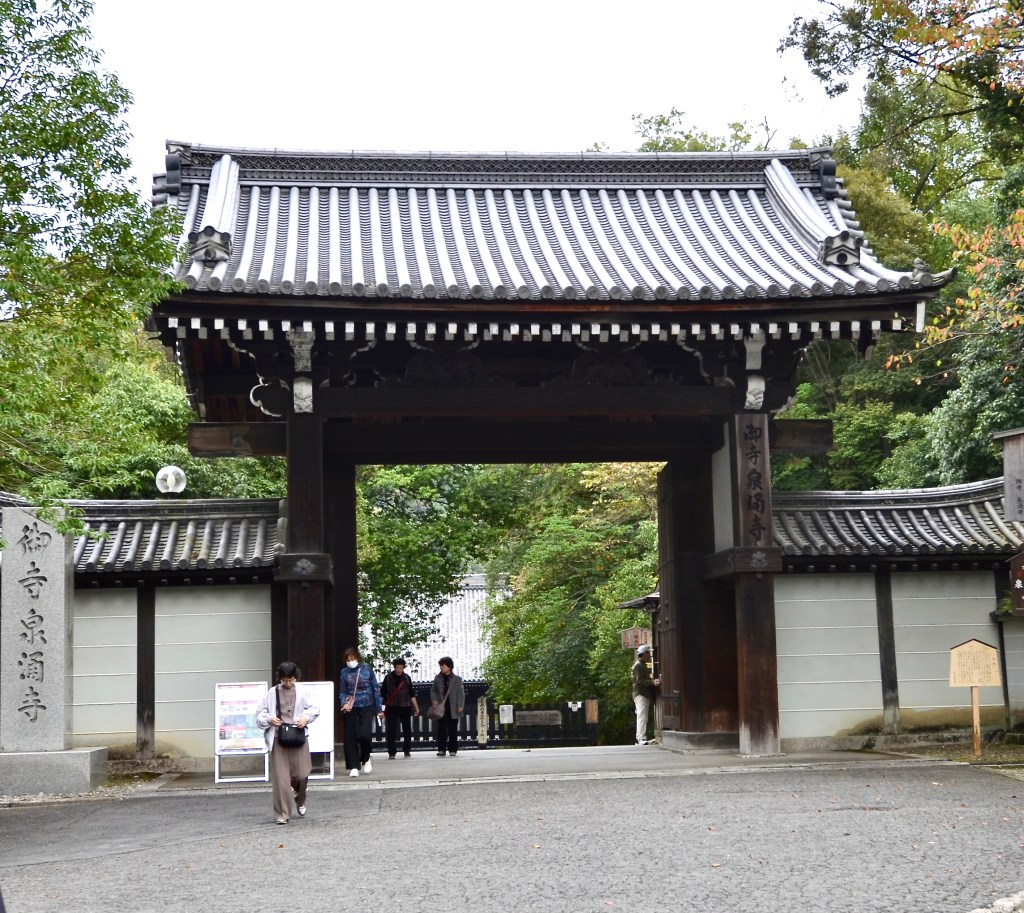
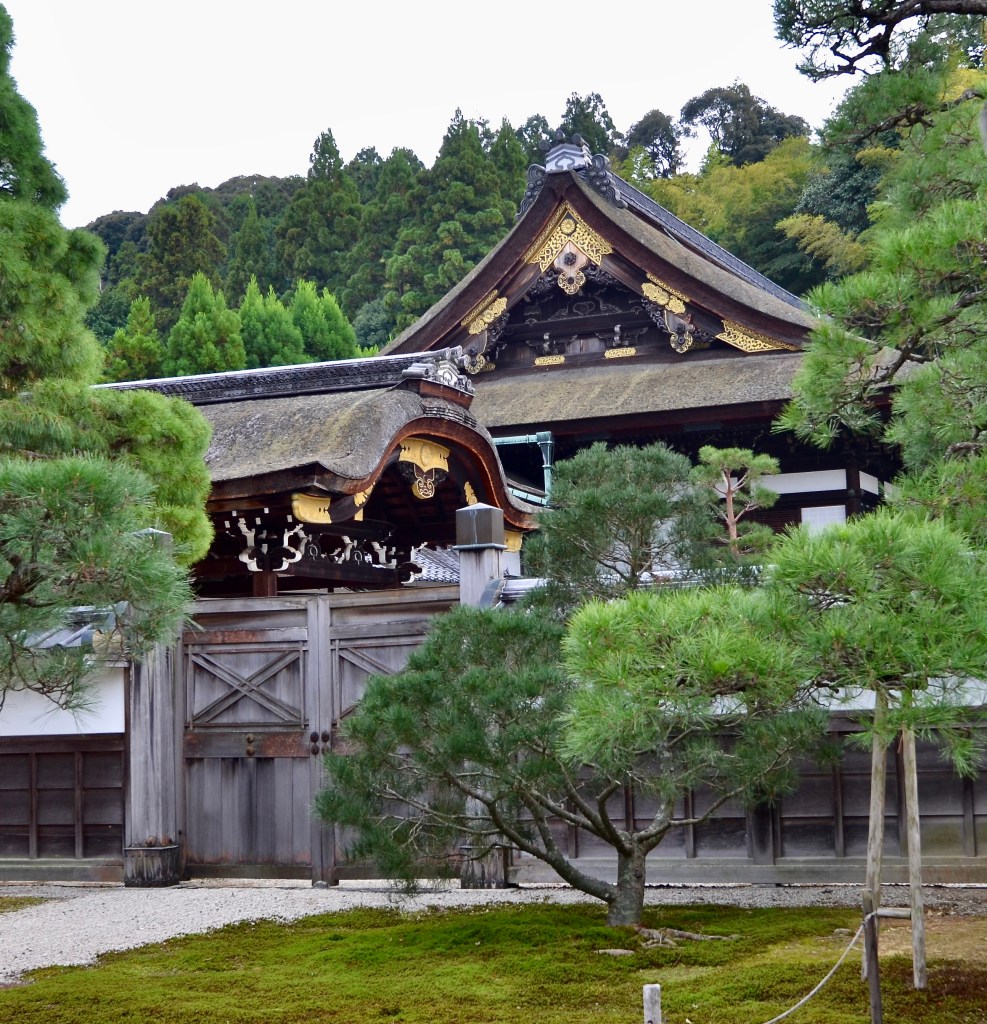
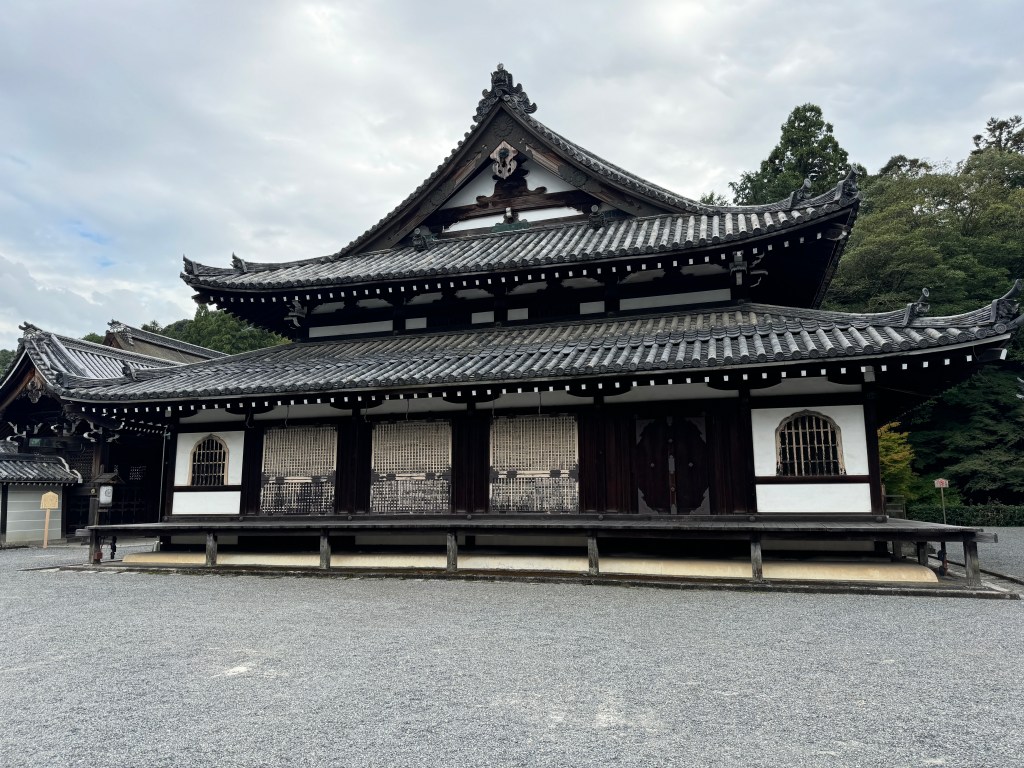
Next the Sennyu-ji Temple (a Buddhist temple) which is known as “a peaceful haven in Kyoto’s busy temple scene”. You will see from our photos that there were few visitors which made it special for us. We read that Sennyū-ji has played a vital role in Japan’s imperial history. The temple is known as a place of mourning for the Imperial family, with many imperial funerals conducted on its grounds. We wandered through the temple, but no photos were allowed inside the temple.
We got back to our hotel around 4:00 p.m. and had a brief rest before we met up with Takashi and Yuko again. They were staying at a nearby hotel. We walked through the historic Gion area on our way to dinner. We did see several geisha (impossible to get a picture as they walk by so quickly, but pleased to get a glimpse of these beautiful ladies). We were so glad that we stayed overnight as we were able to experience Kyoto after dark. After dinner Takishi made a quick stop at a pharmacy to purchase his favorite tooth brush for us – seemed a bit unusual but he said it was that special that we just had to have one. We haven’t used it yet but it will make us think of Takishi when we do.
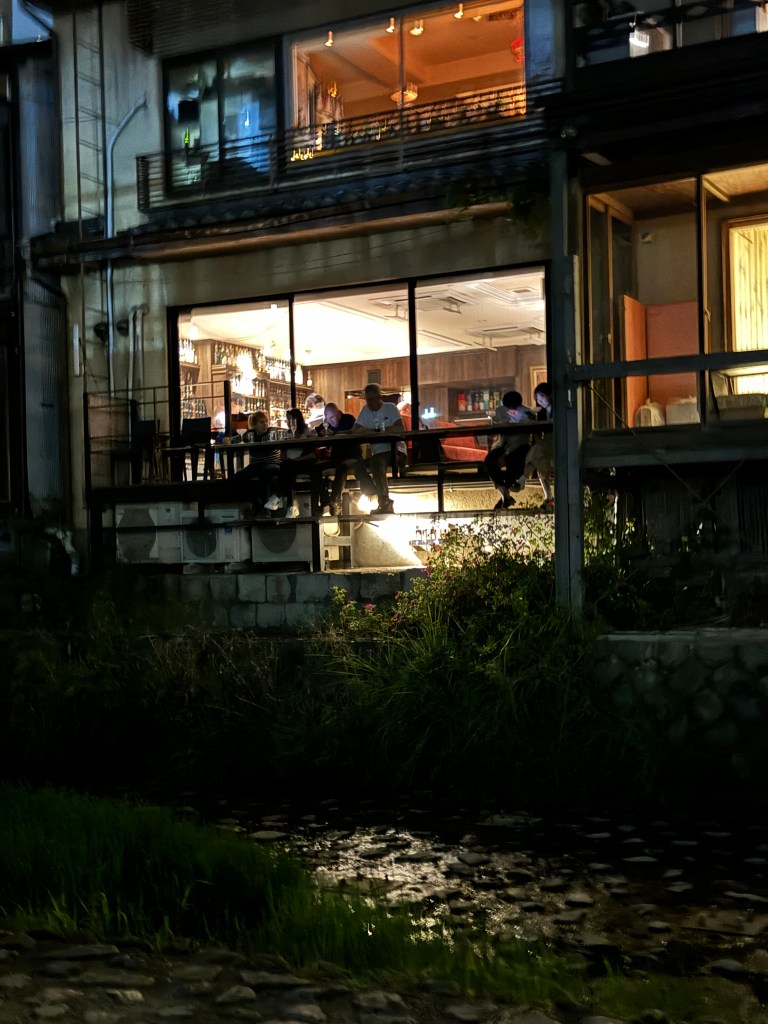
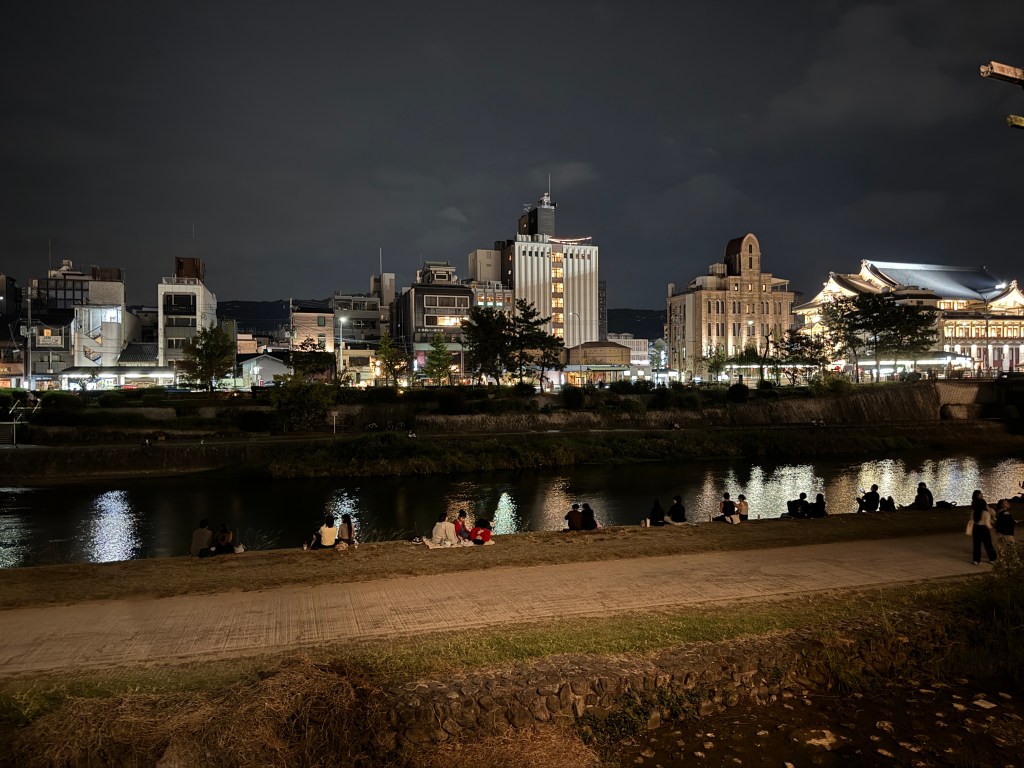
Love the SushiWe walked home along the river – beautiful. There were small restaurants and cafes that had entrances on the busy street but had cosy back rooms which had a view of the river.
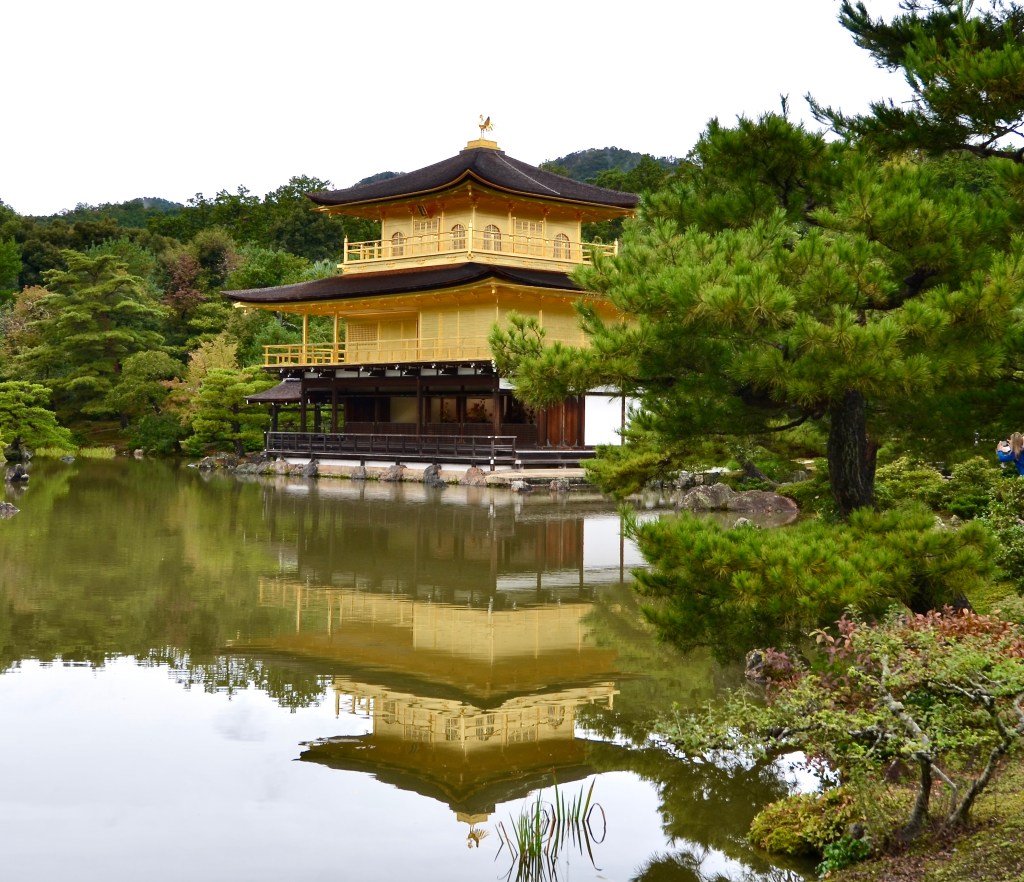
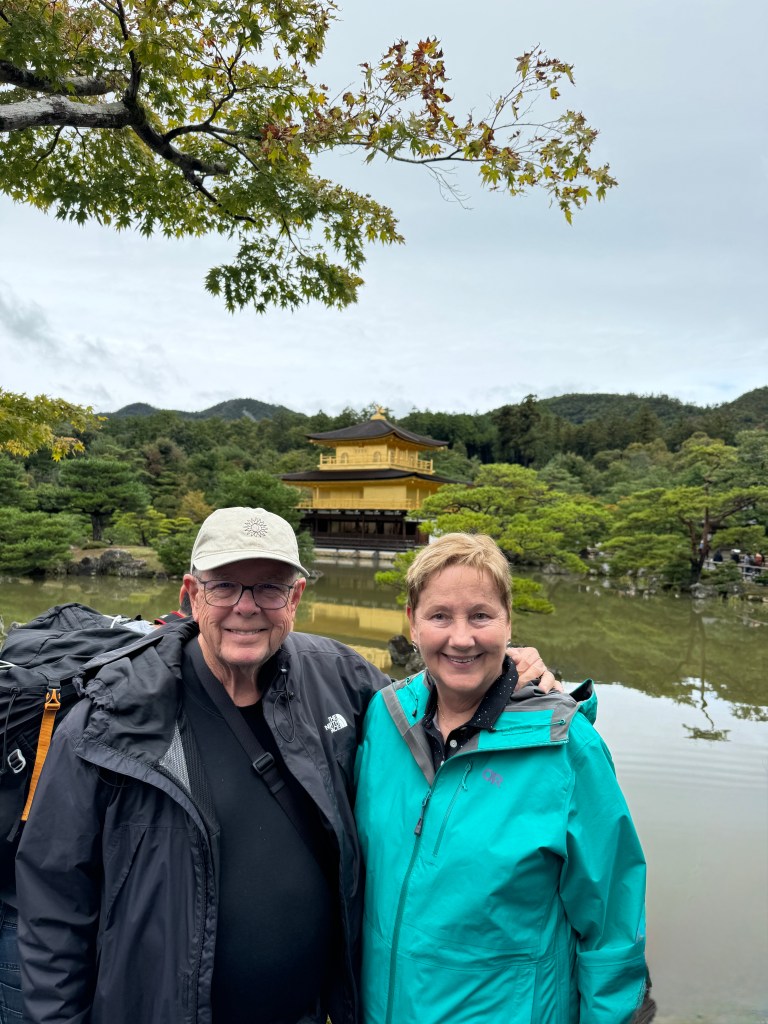
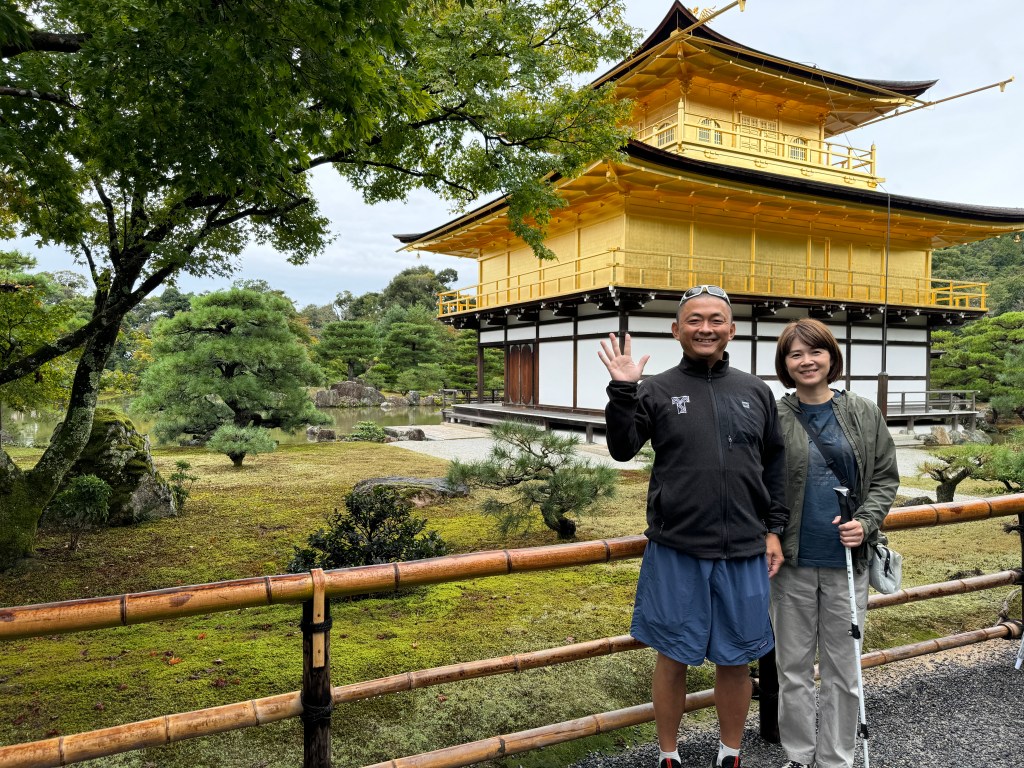
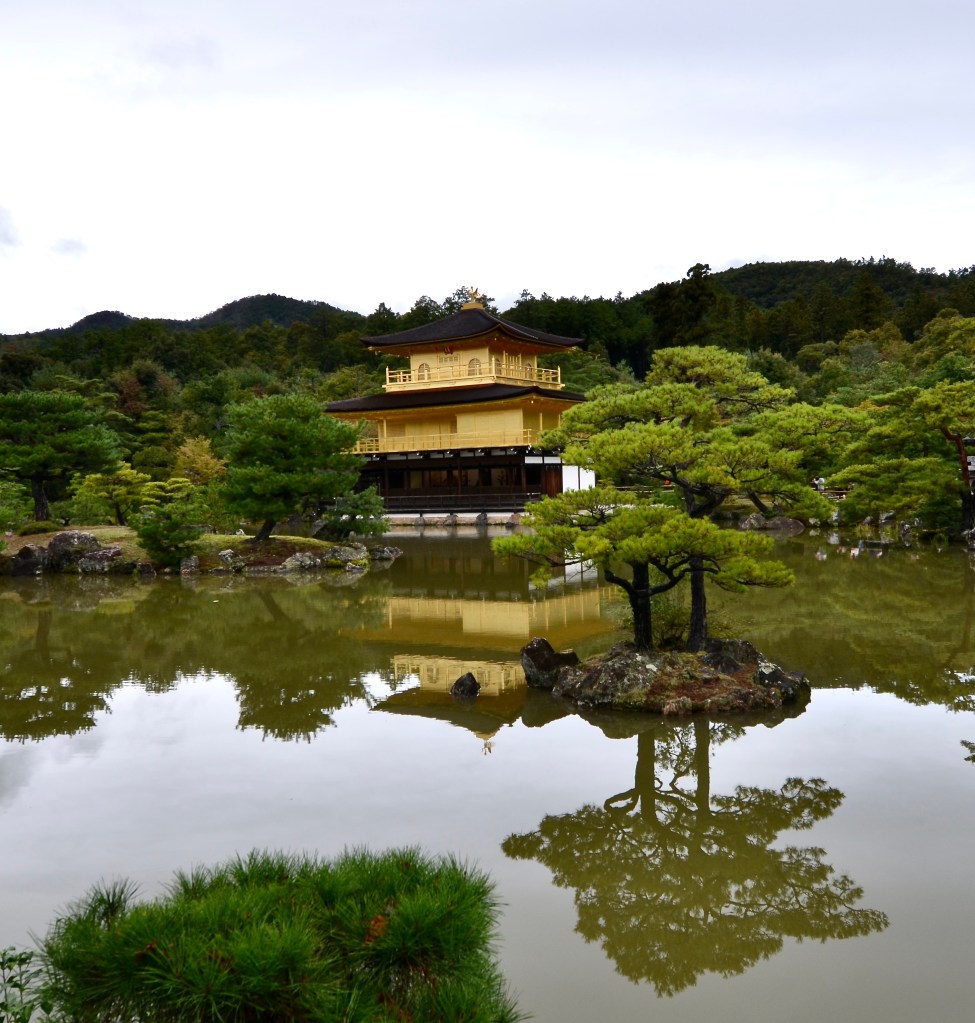
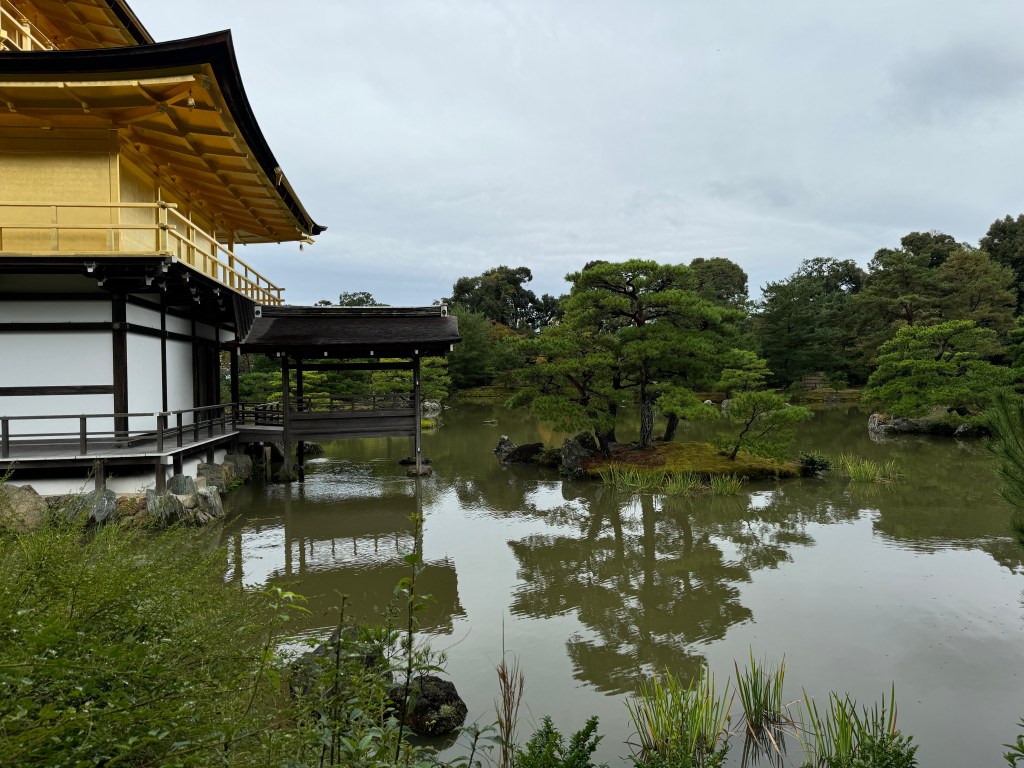
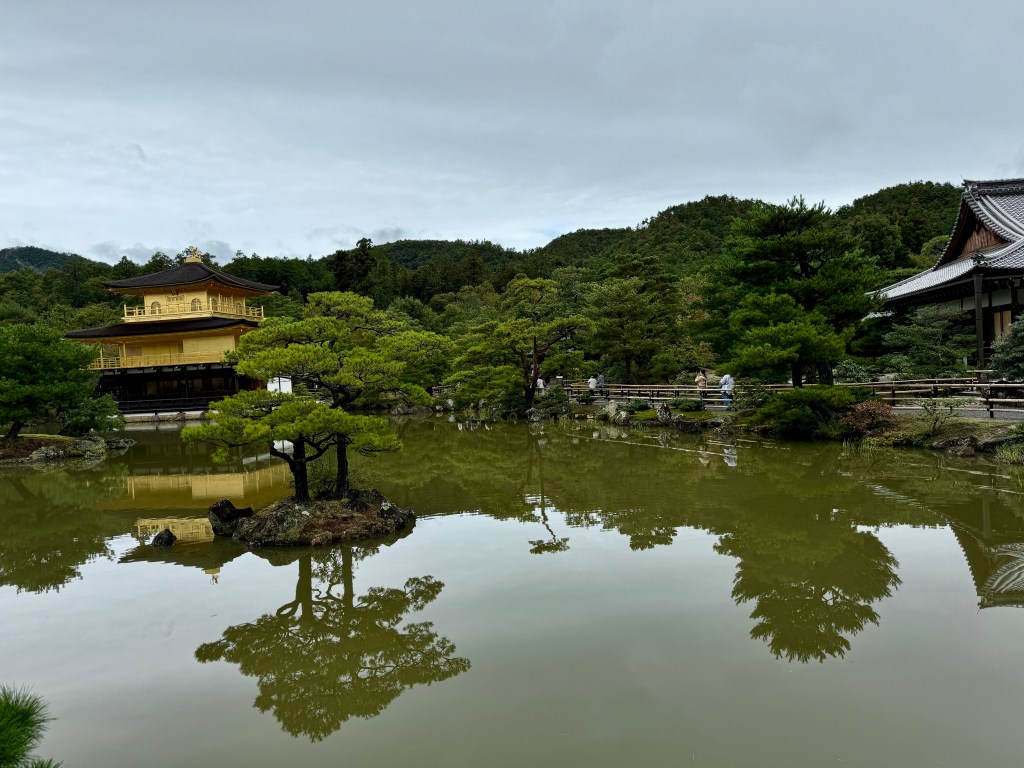
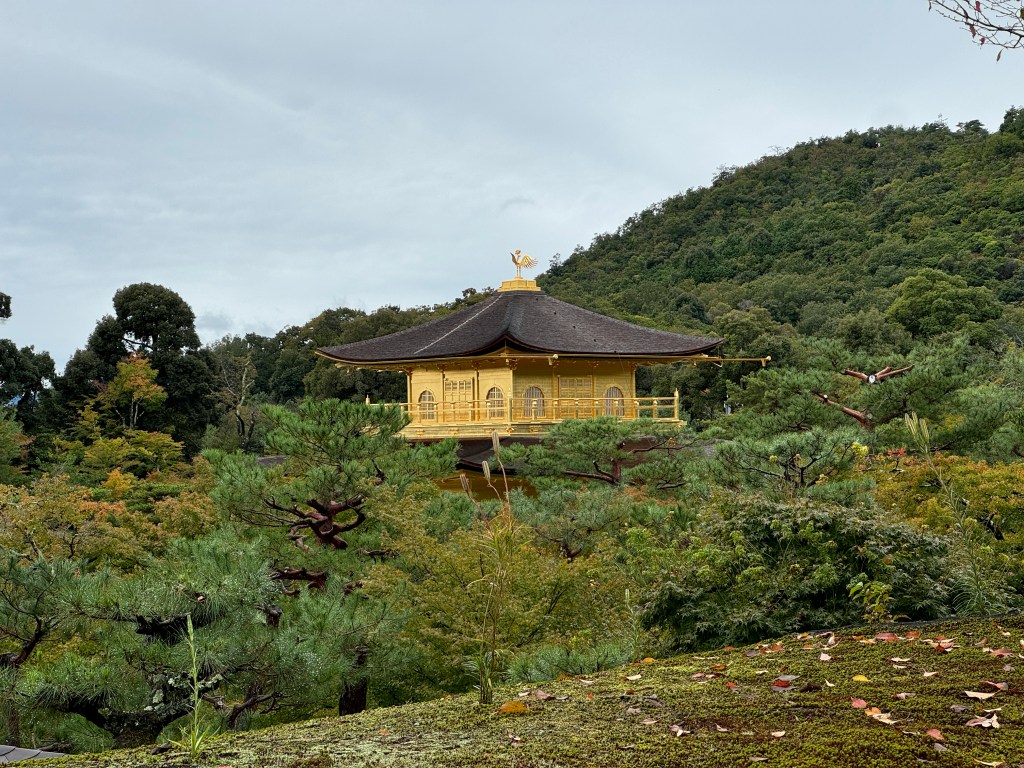
Day 2 in Kyoto: We visited Kinkakuji Temple, one of Kyoto’s most famous attractions. It was originally built in 1397 as a residence for shogun Ashikaga Yoshimitsu. The three-tiered pavilion is covered in gold leaf earning it the name Golden Pavilion. Now a UNESCO World Heritage Site, the Buddhist temple is considered a must-see destination for both the temple and the surrounding gardens. It was stunning and because we went early there were few tourists which made it even more enjoyable.
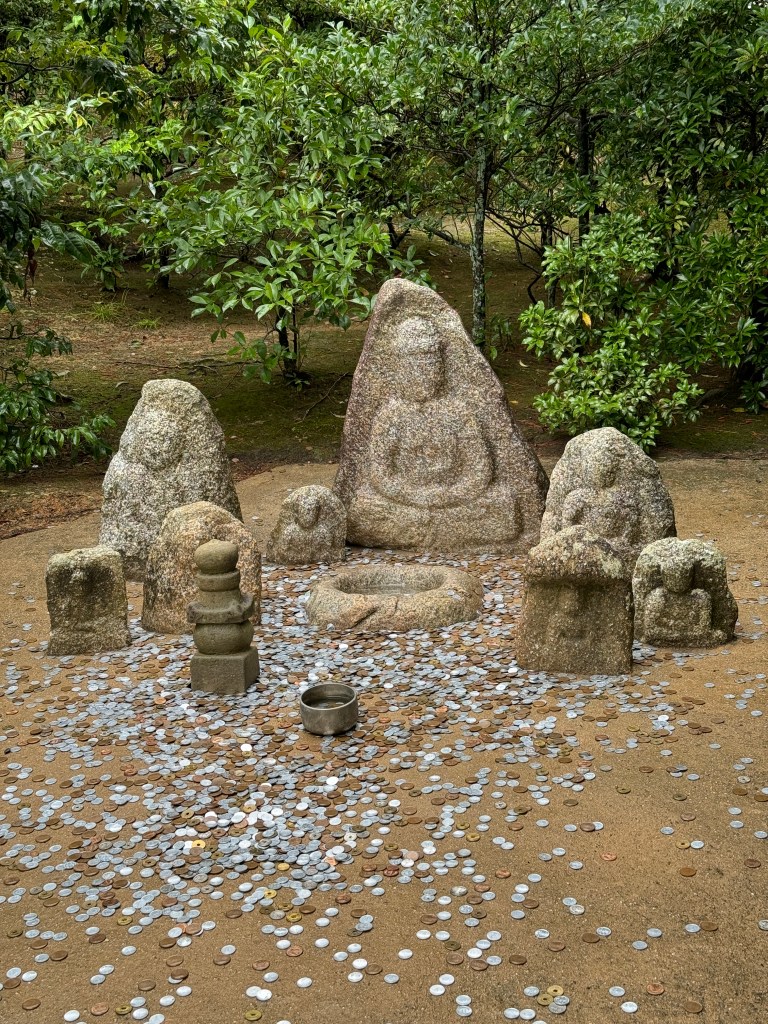
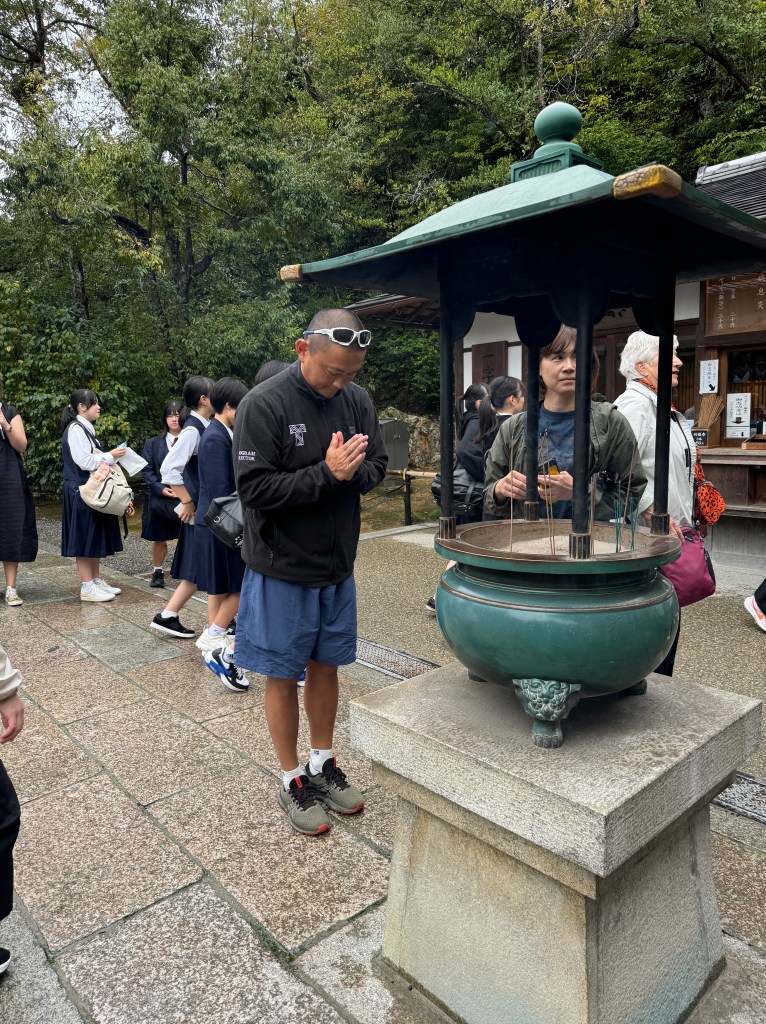
An incense stick is purchased, lit and put in the incense burner to make your offering.
More photos from day 2 in Kyoto.
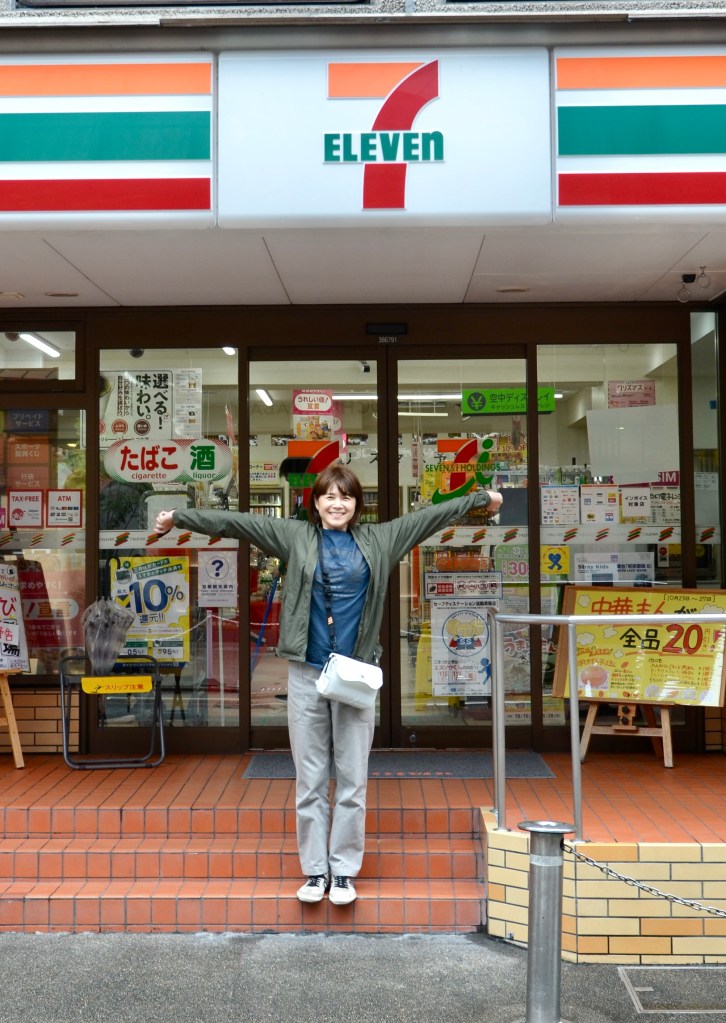
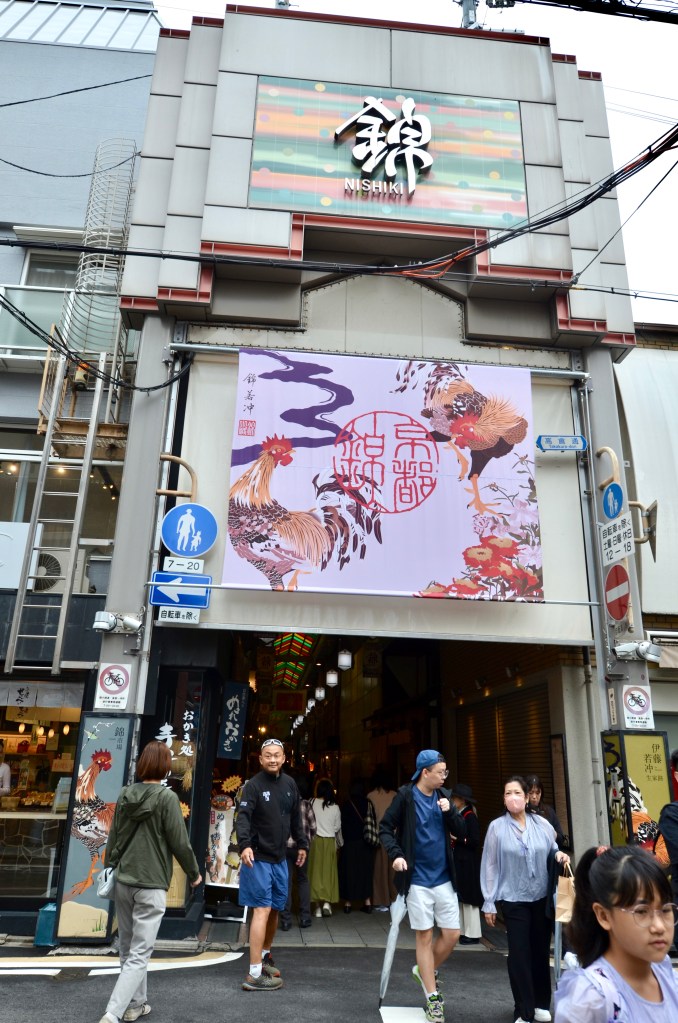
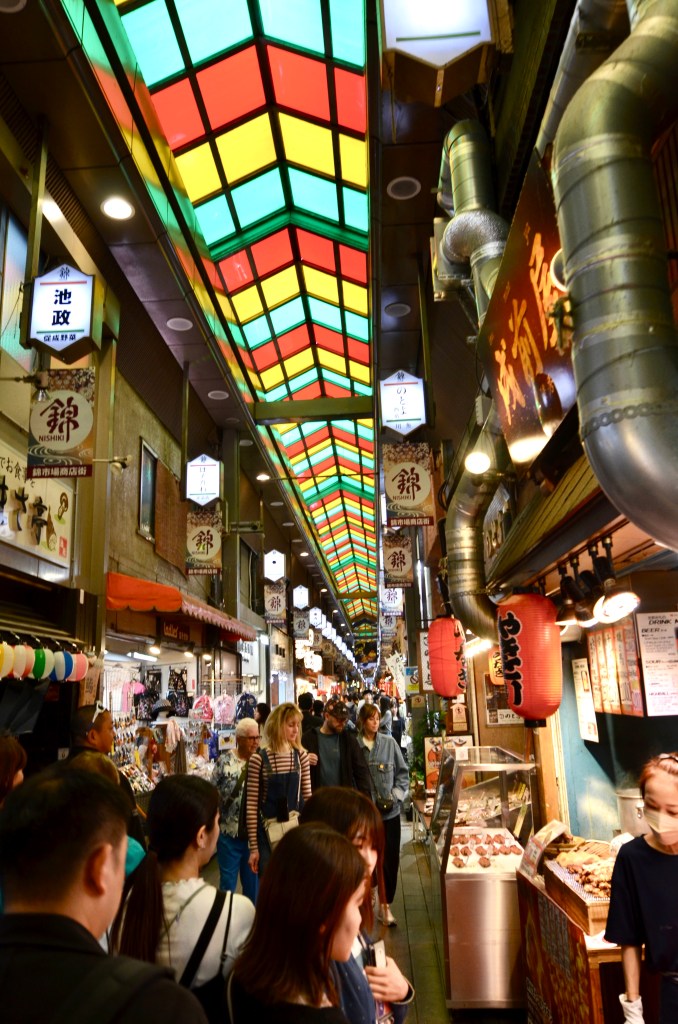
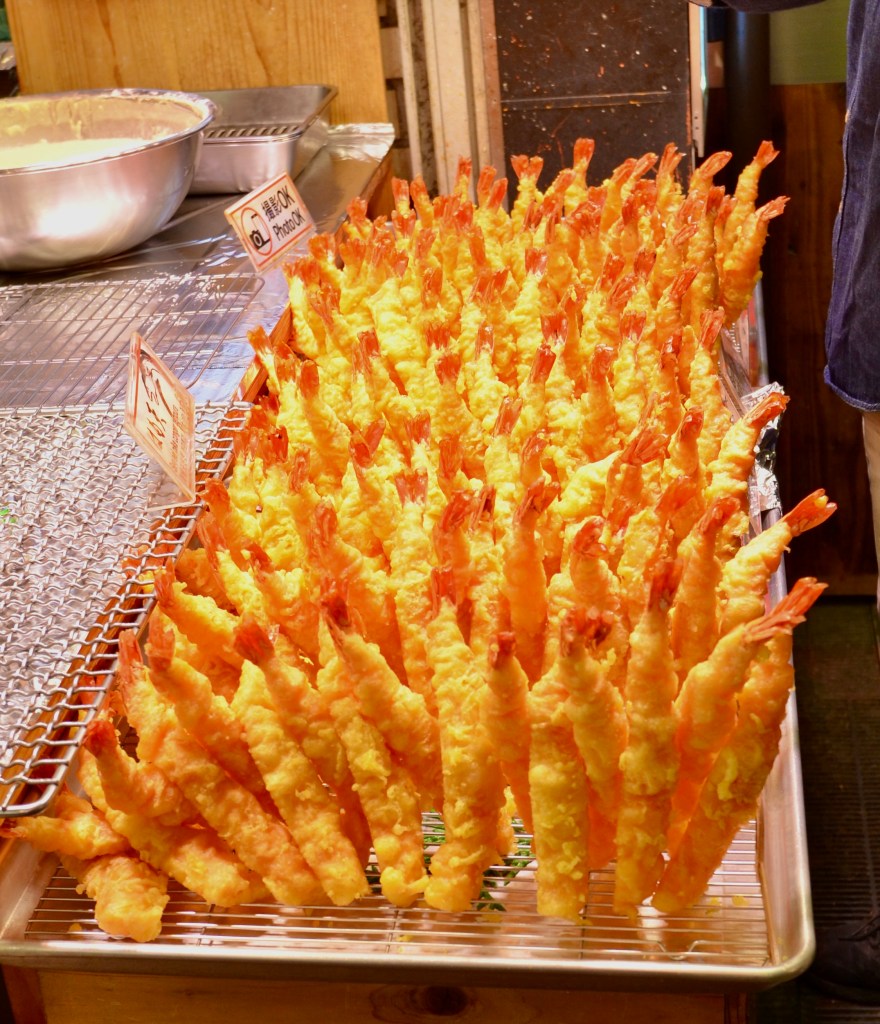
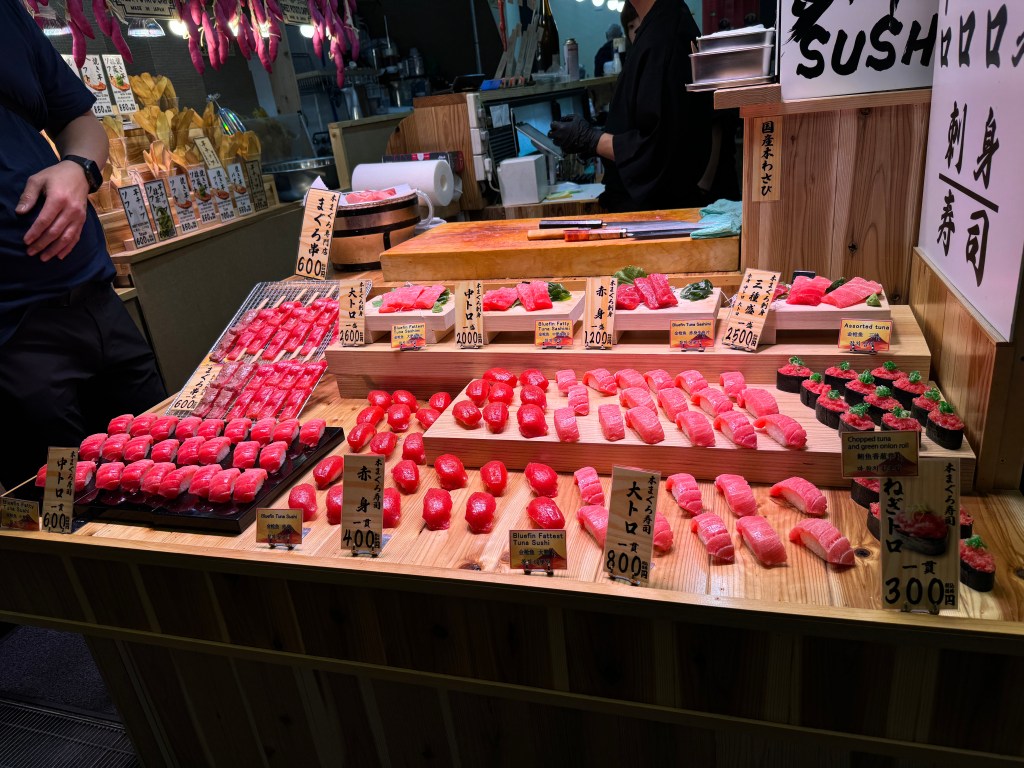
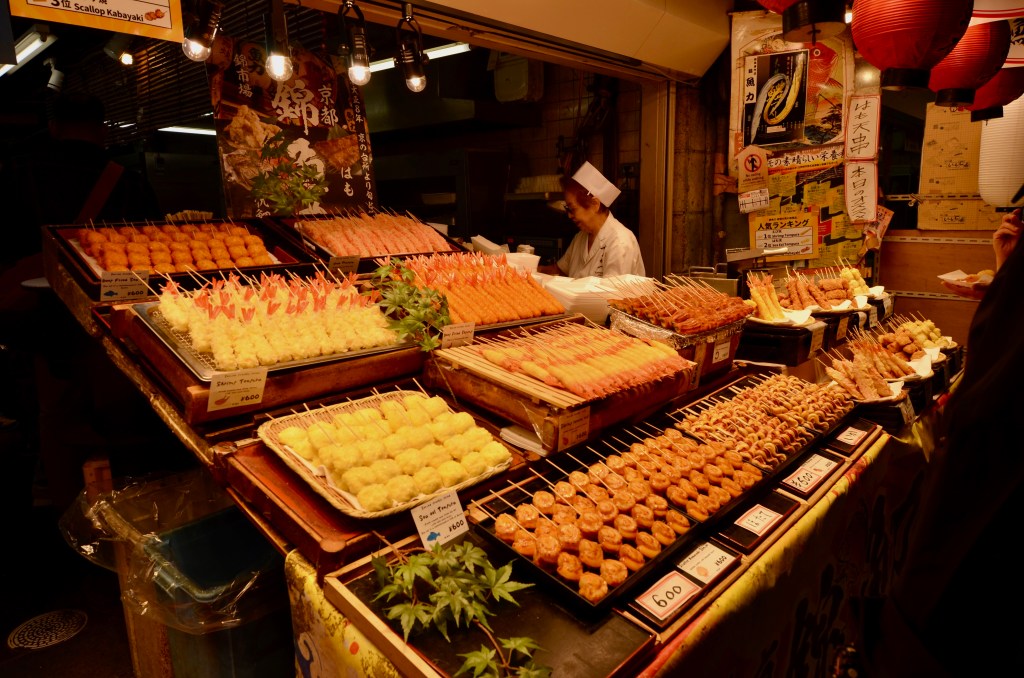
So many 7 Eleven stores in JapanWe love the marketsSo much sushi!
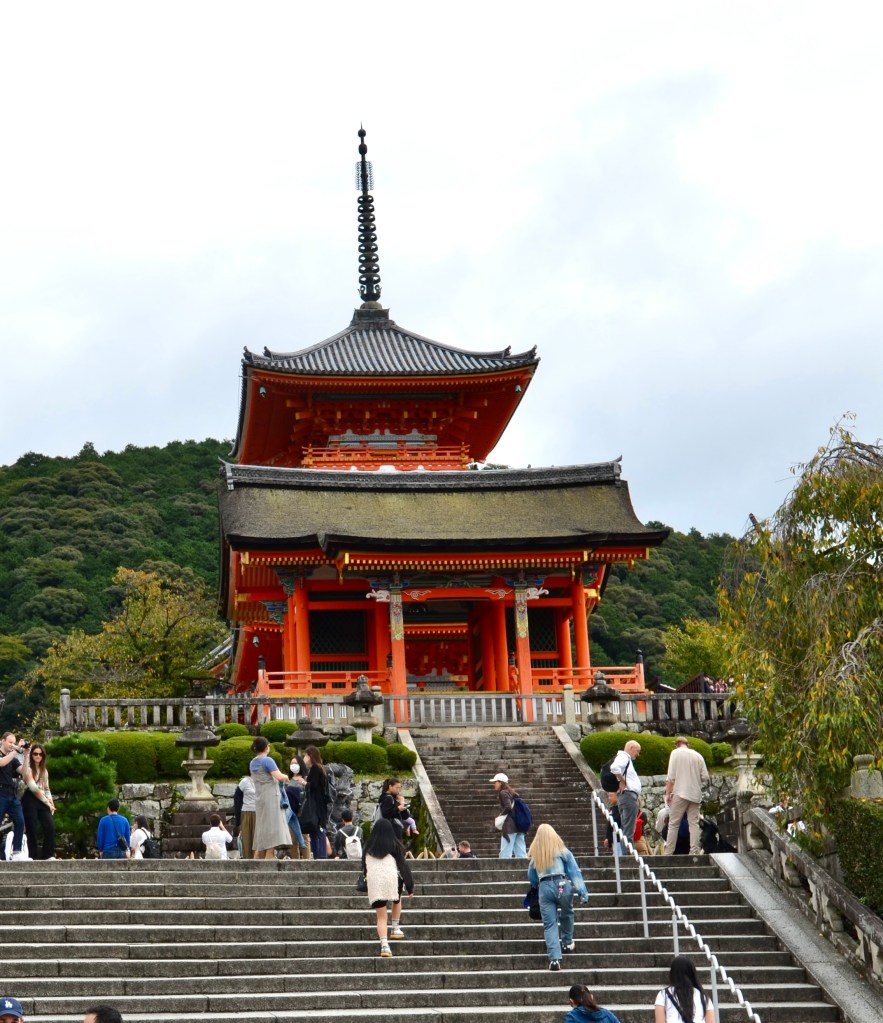
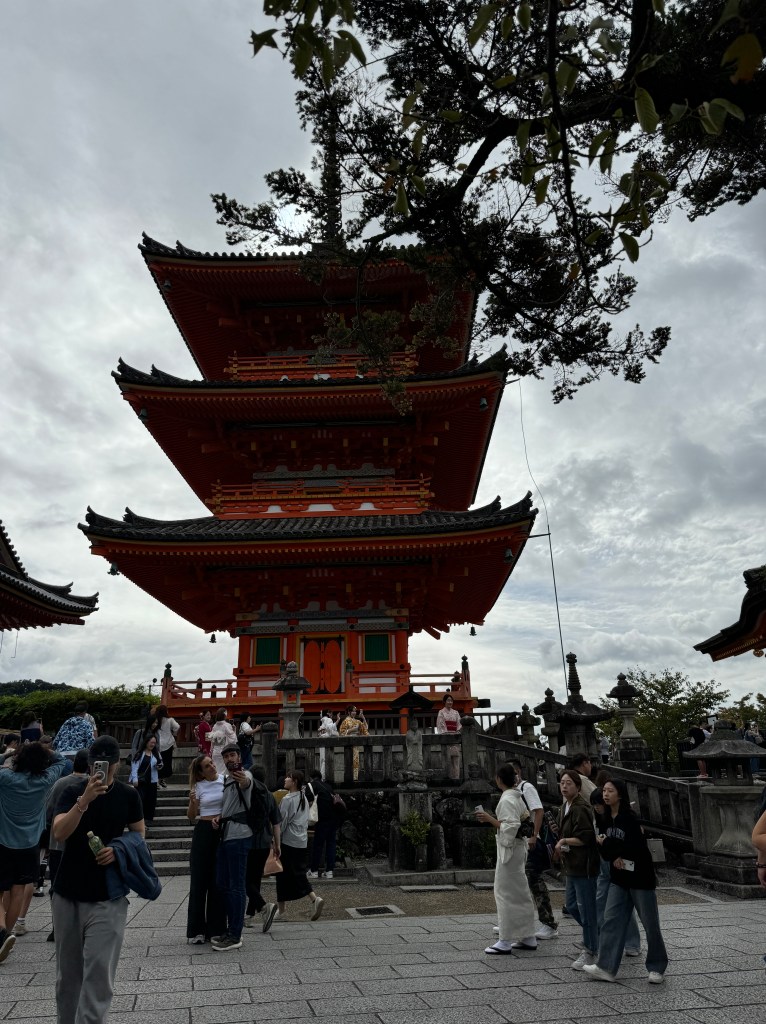
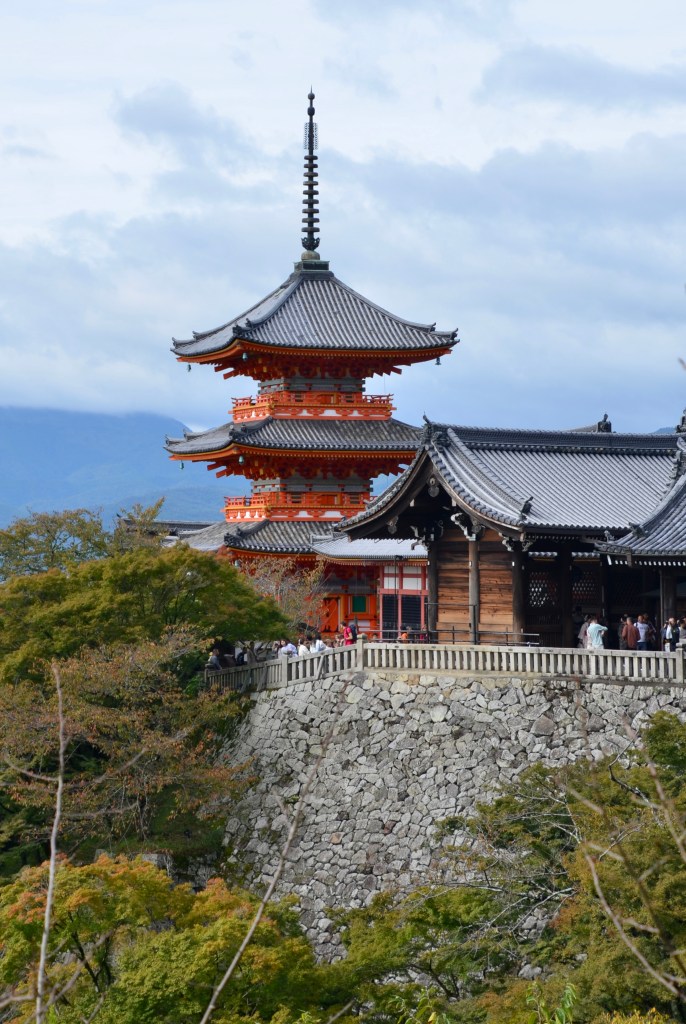
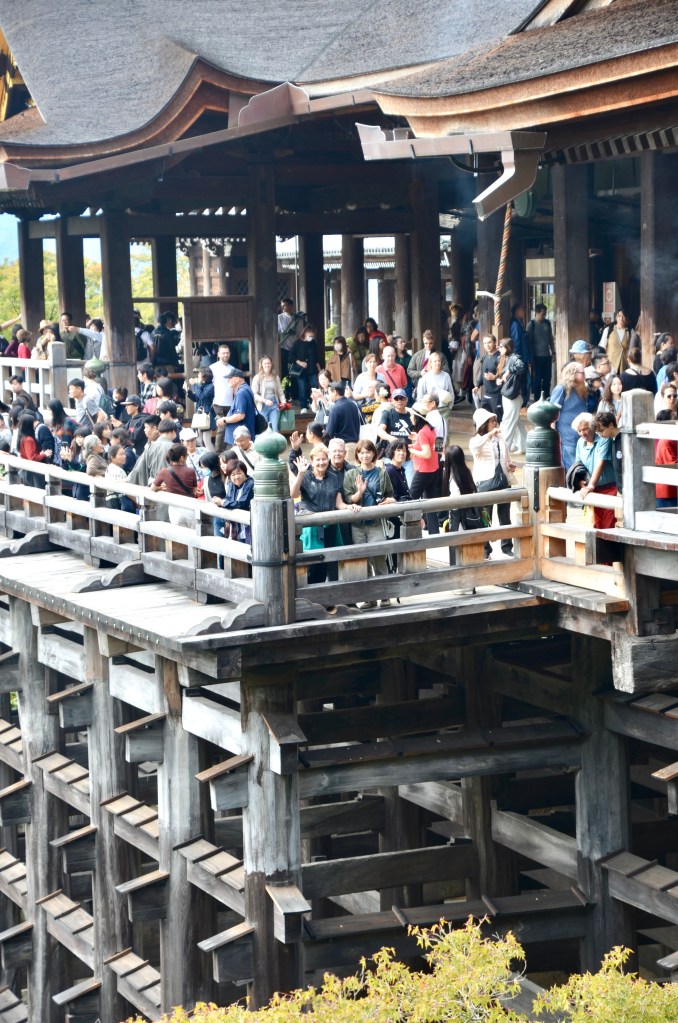
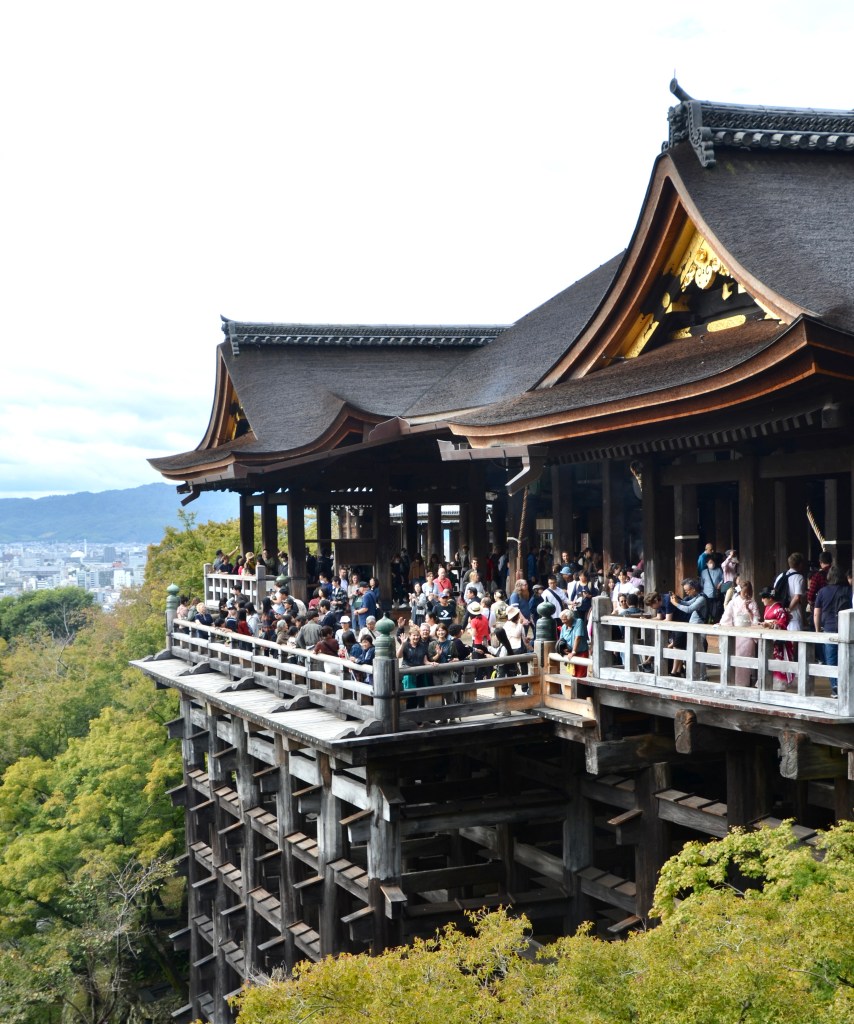
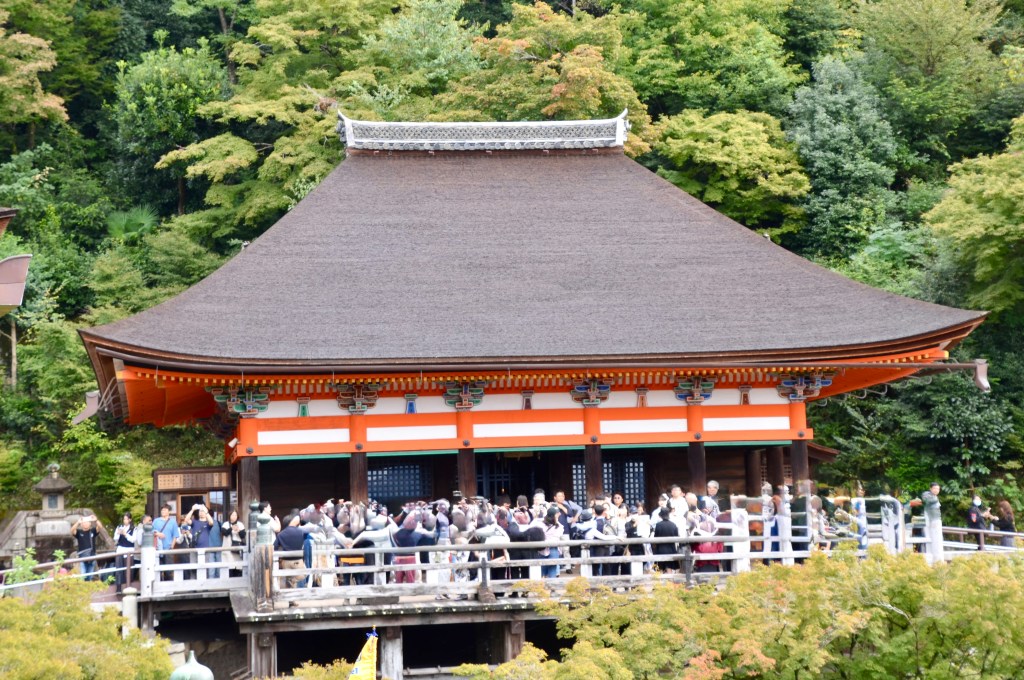
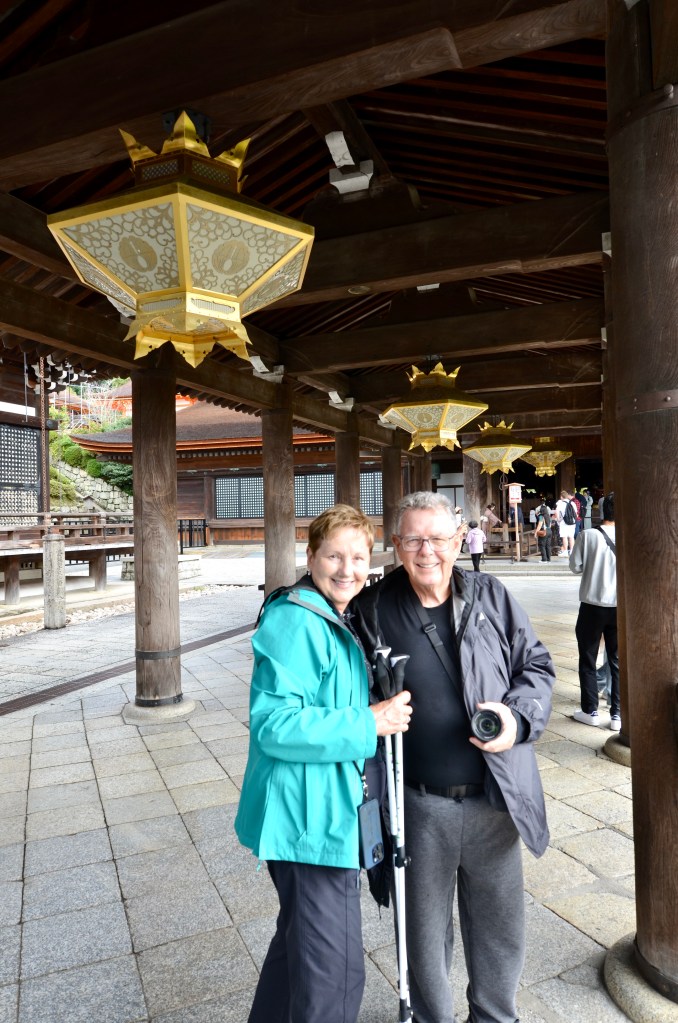
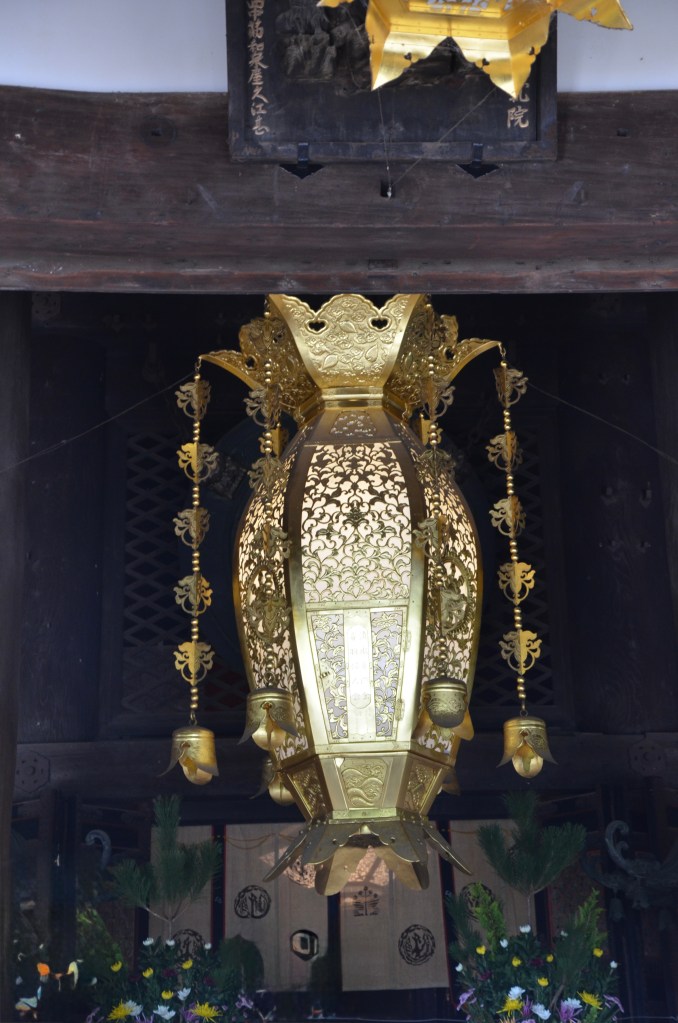
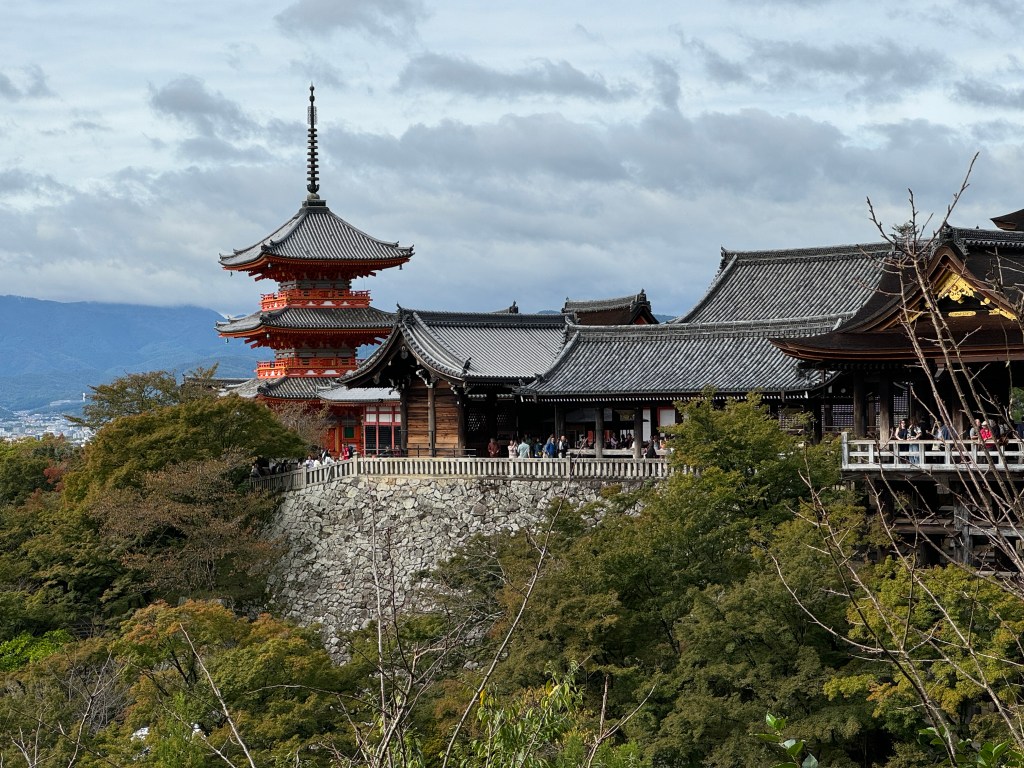
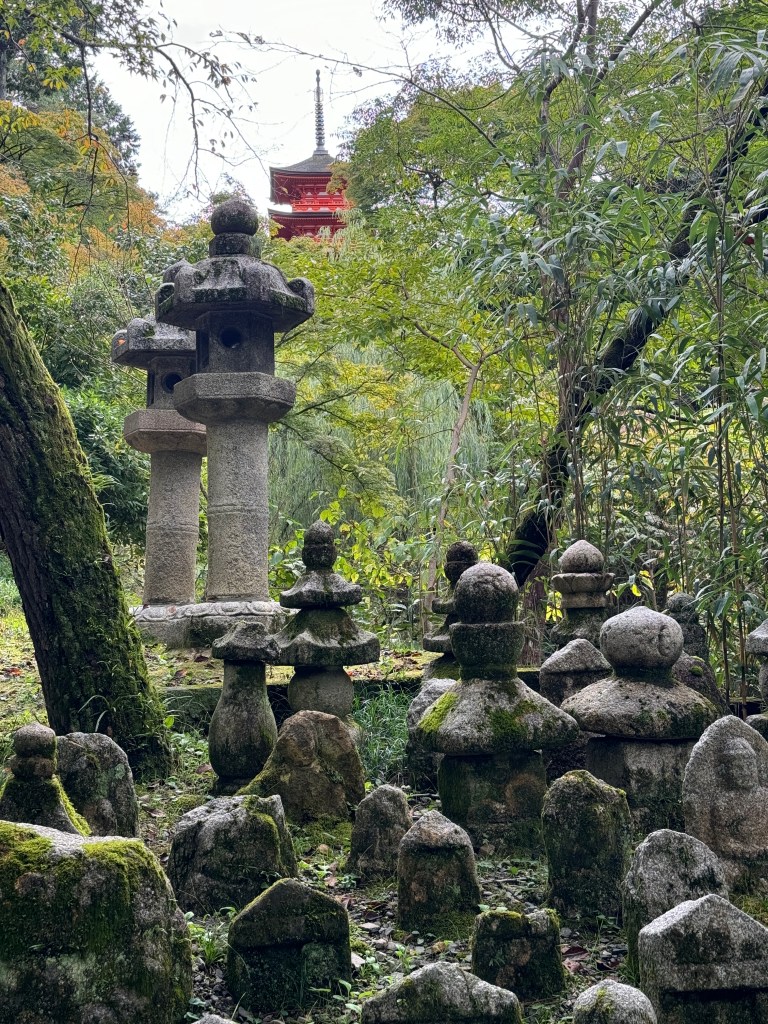
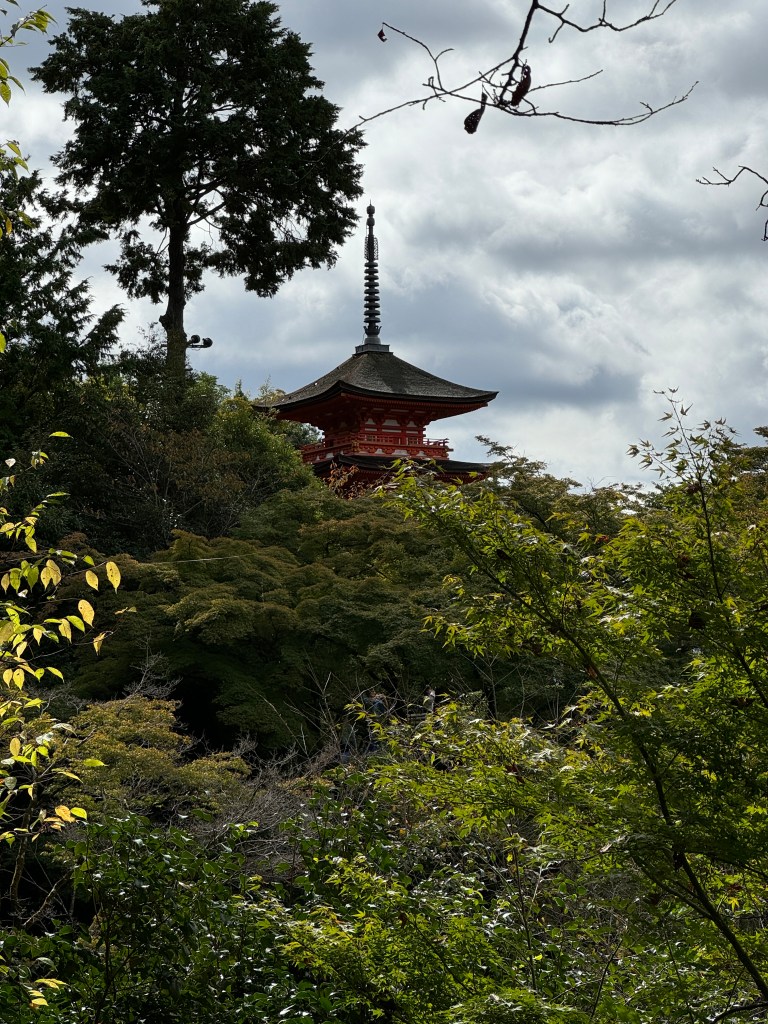
Kiyomizu Temple (“Pure Water Temple”) is one of the most popular Buddhist temples in Japan (lots of visitors when we were there). As you will see from the photos below, it is a large complex.
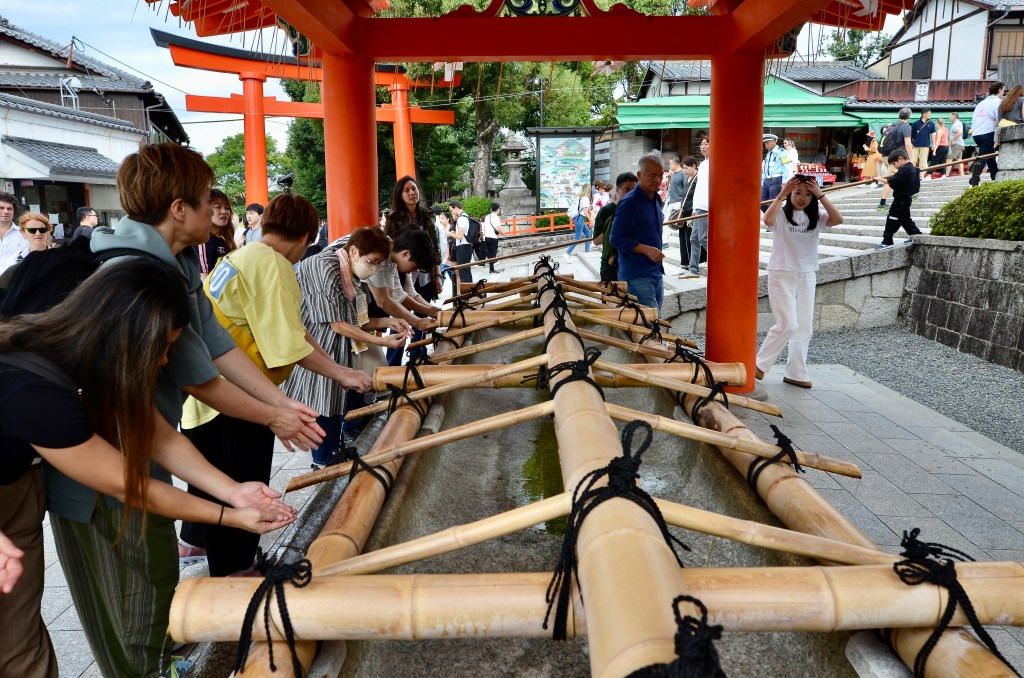
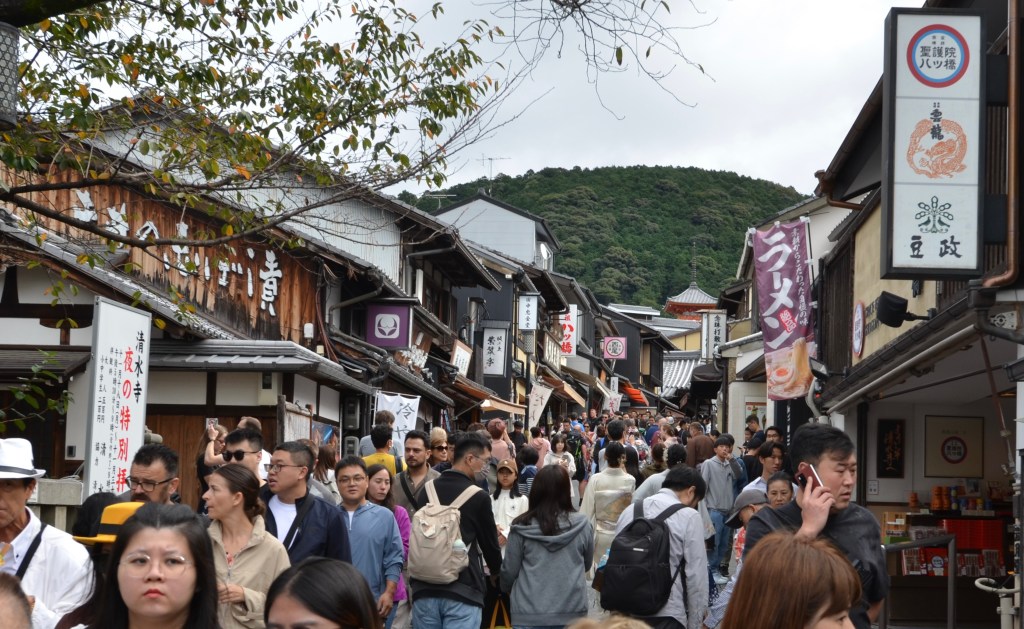
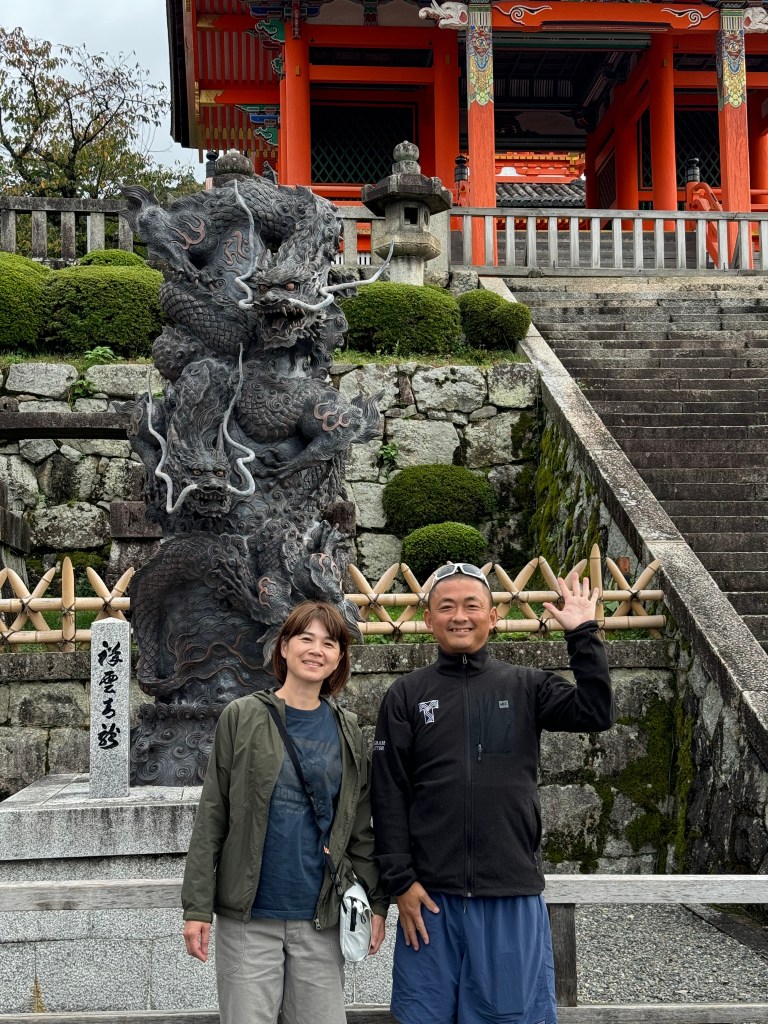
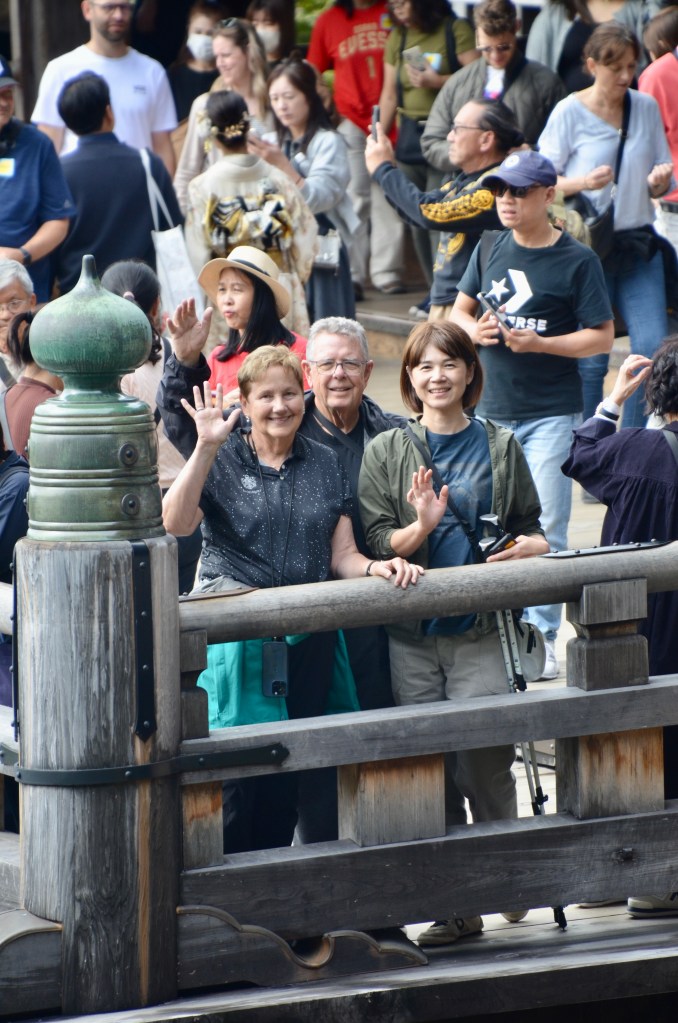
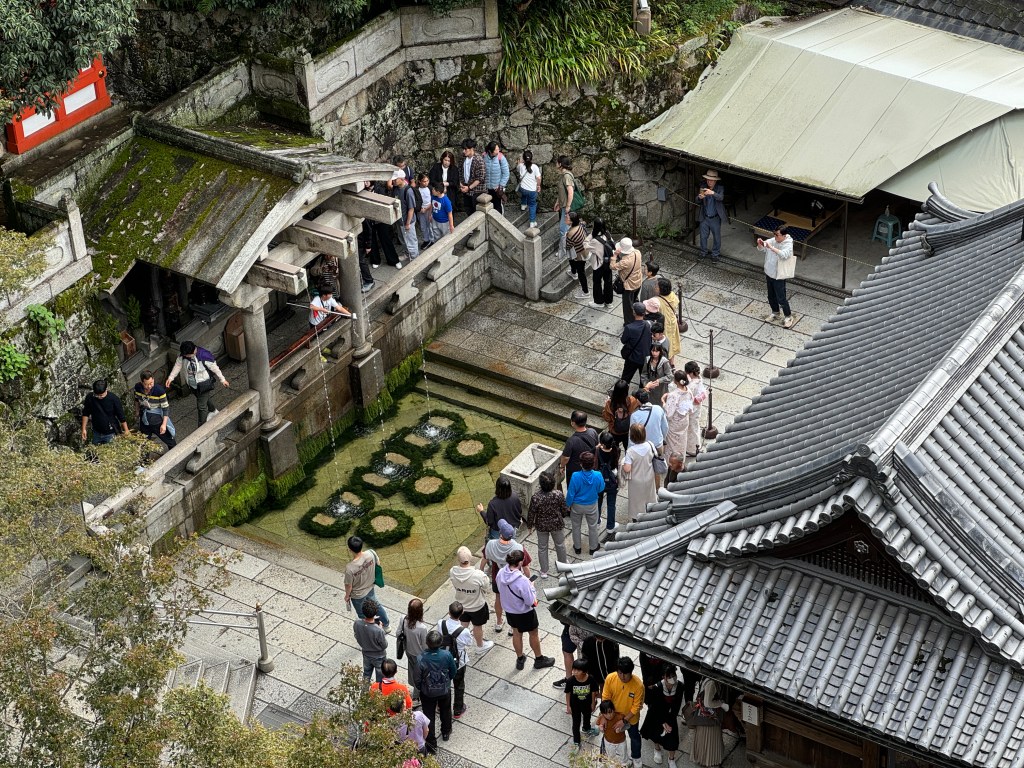
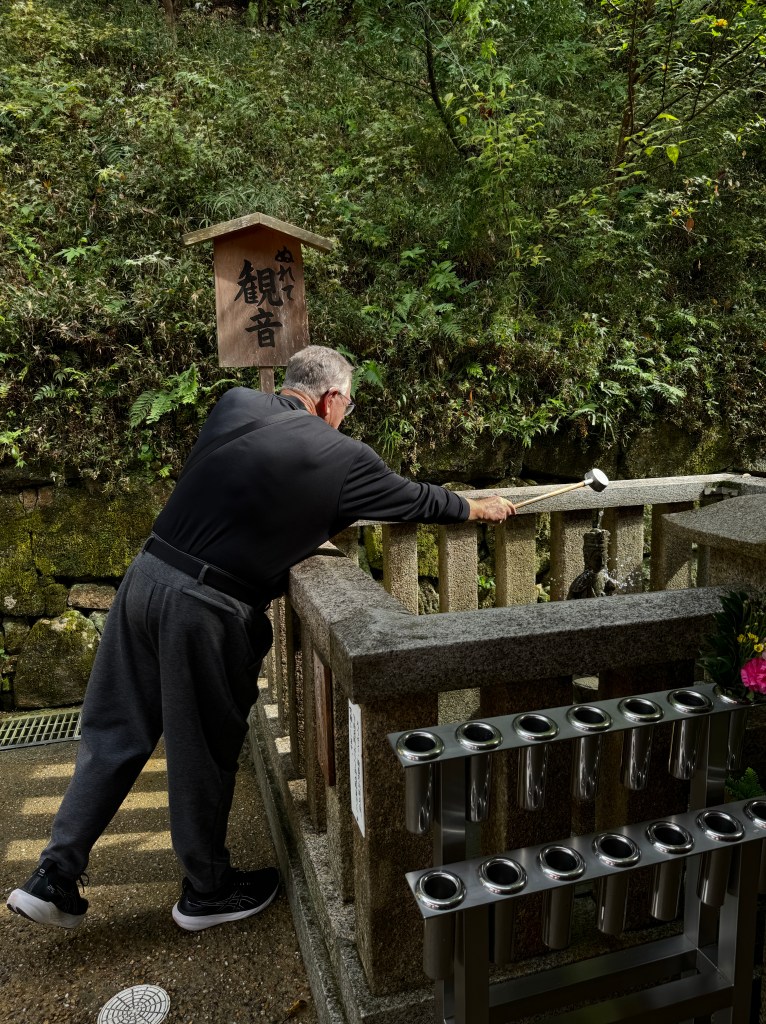
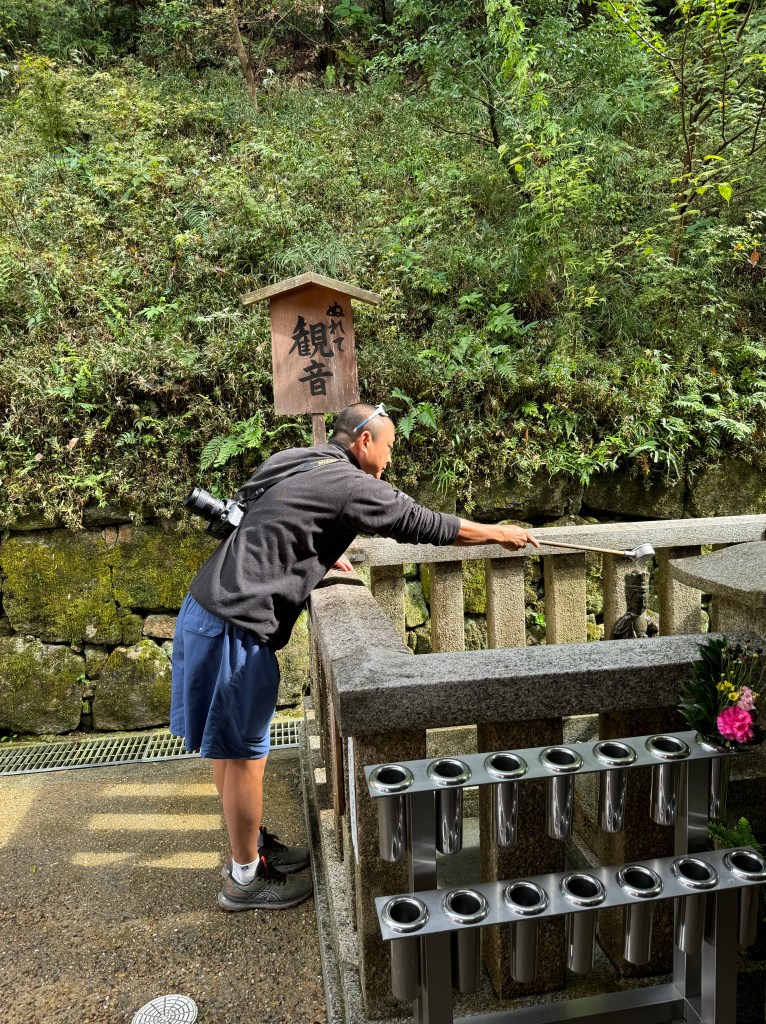
The street which leads up to Kiyomizu Temple is lined with shops, tea rooms, and restaurants. As you can see, it was very busy.The porch is comprised of 168 wooden pillars and over 400 cedar floorboards, all fitted together without the use of nails, relying instead on an interlocking-joint system.The temple’s wooden stage/platform is what the temple is most famous for. From the stage there is a panoramic view of KyotoTakashi took our photo from a balcony across from usThis is where Takishi was when he took our photo. It took him a bit to make his way through the crowds.Visitors lining up for the Purification Fountain at the Kiyomizu Temple
We had a sushi lunch before we headed back to Tokyo on the 3:00 p.m. Bullet train. Although too short a time in Kyoto, Takashi showed us so much! Thank you Takashi and Yuko.
We did visit Kyoto one more time as part of a private tour (PinPoint Tours) with 3 other couples from the ship.Below are the photos from our October 31st visit to Kyoto.
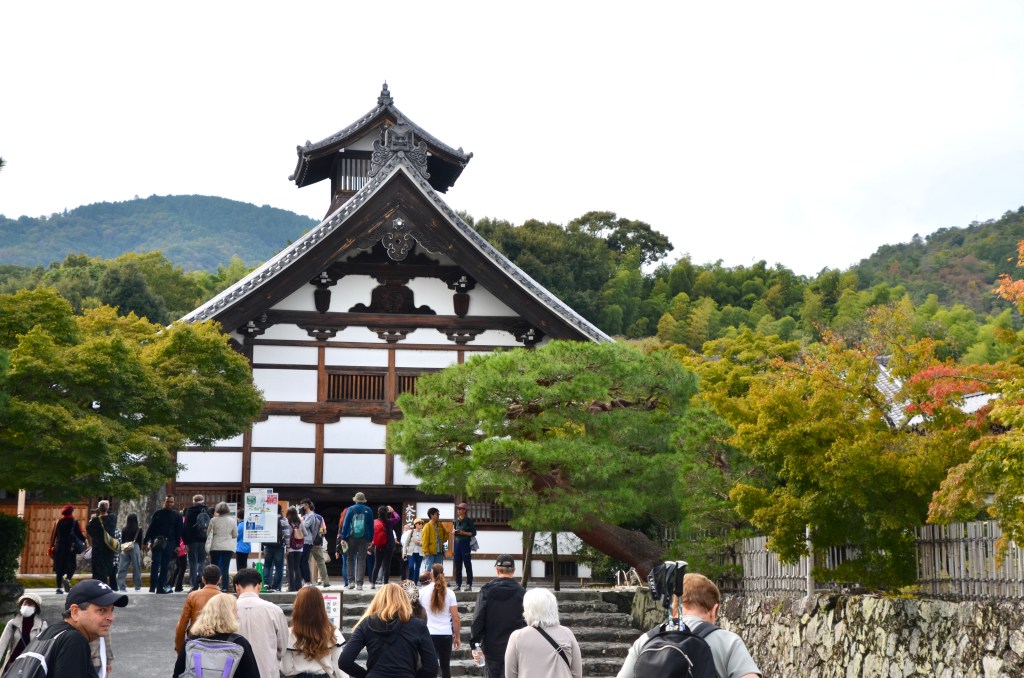
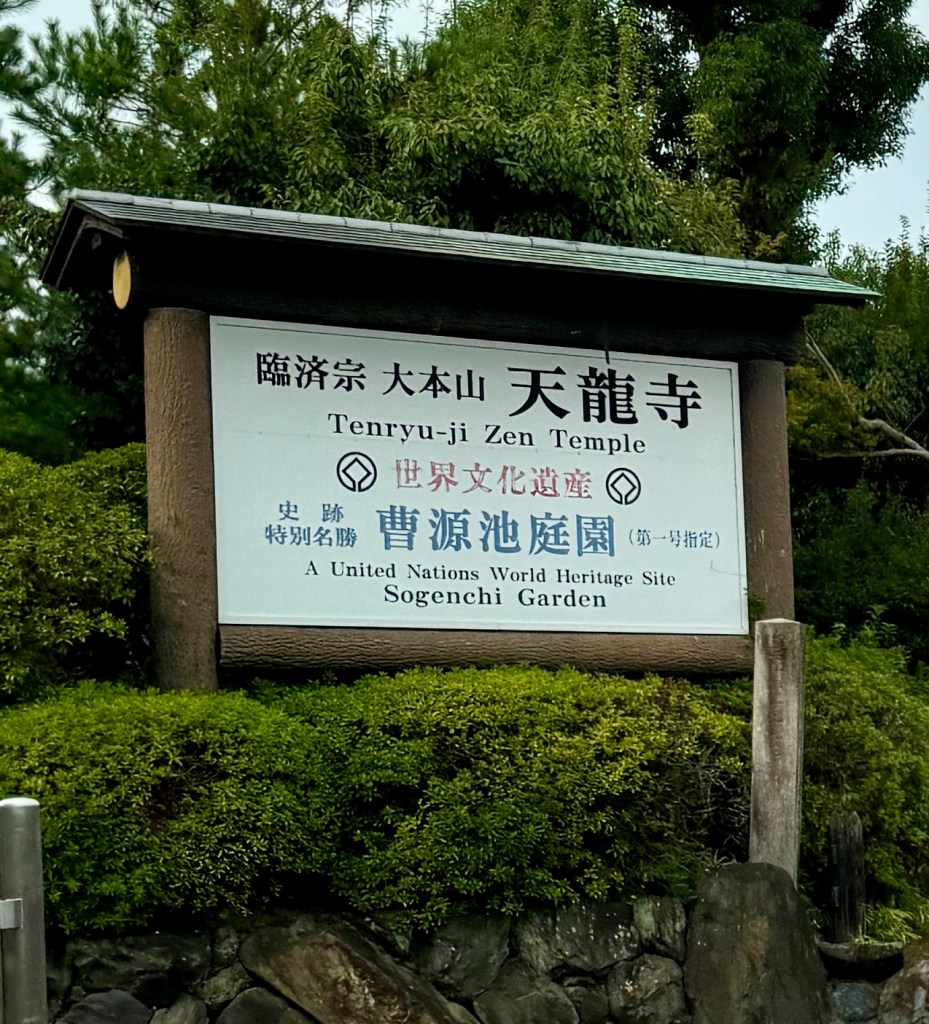
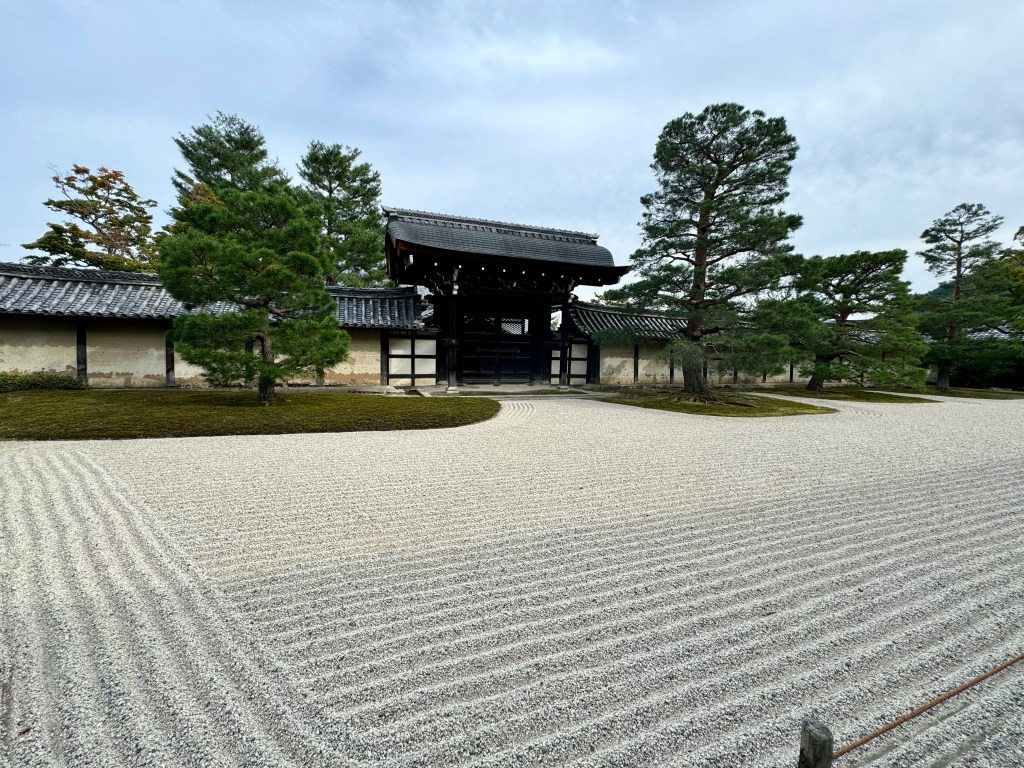
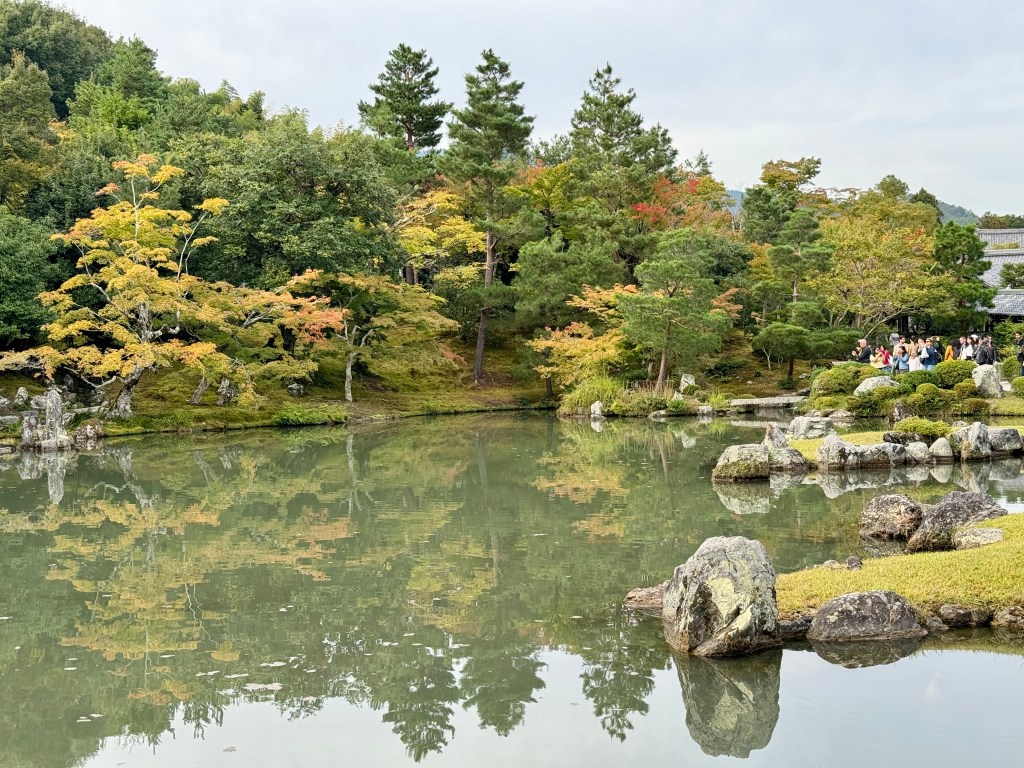
Sogenchi Teien is a garden located in the heart of Kyoto, and is part of the renowned Tenryu-ji Temple complex, a UNESCO World Heritage Site
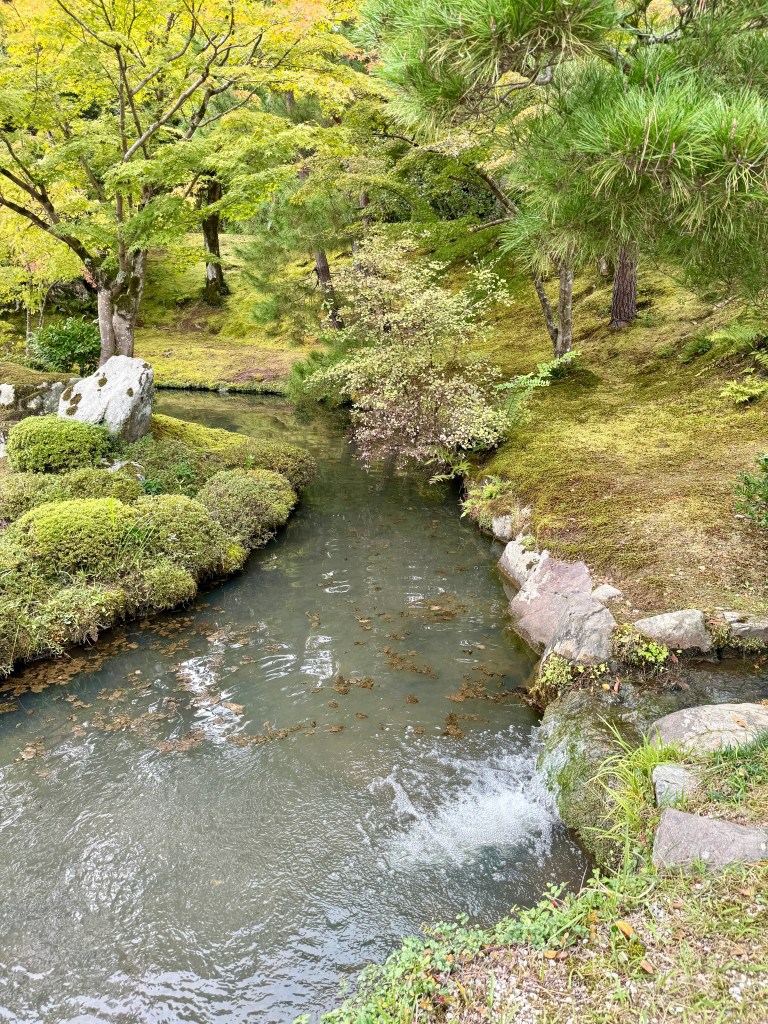
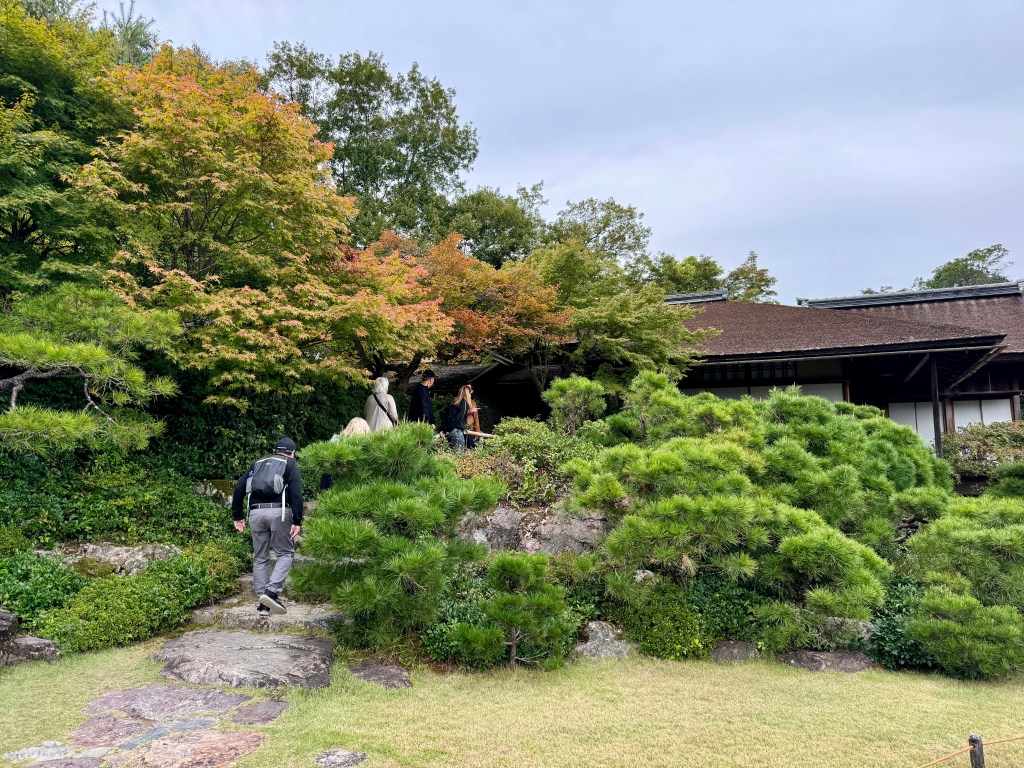
Built by the film star Okochi Denjiro in the early 1900’s to function as the actor’s estate, the Okochi Sanso garden began first with the small Buddhist shrine on the property. We wandered through the paths – very tranquil.
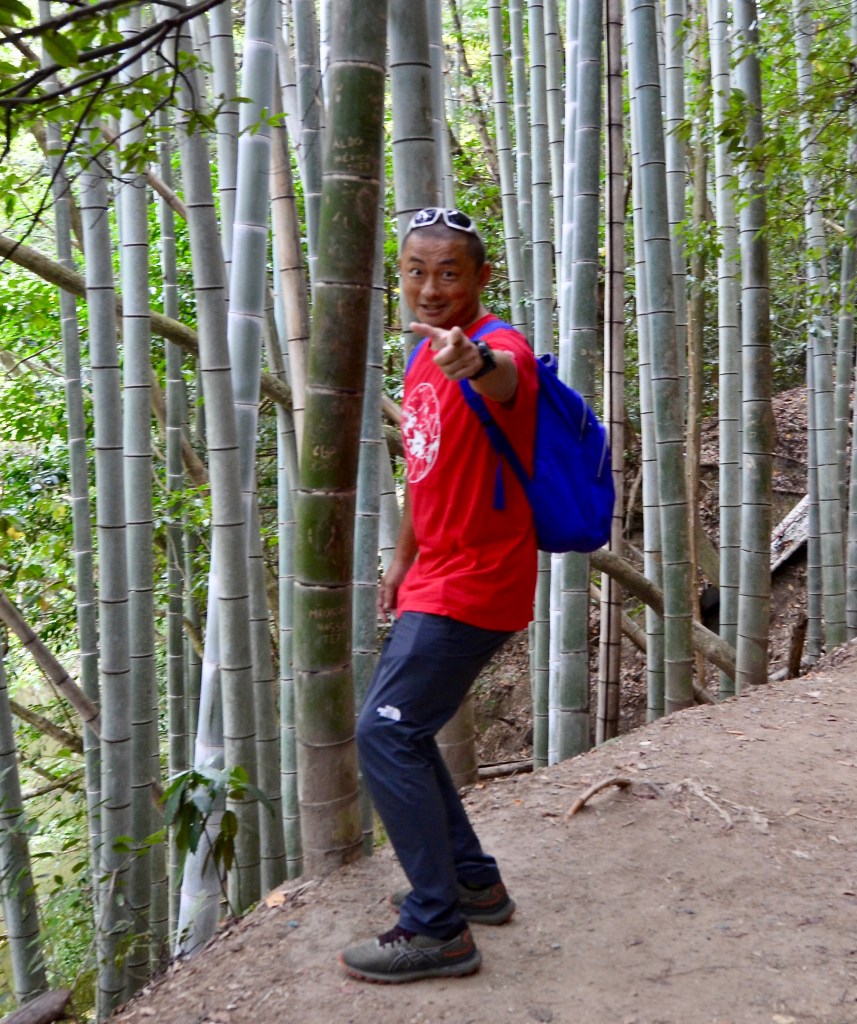
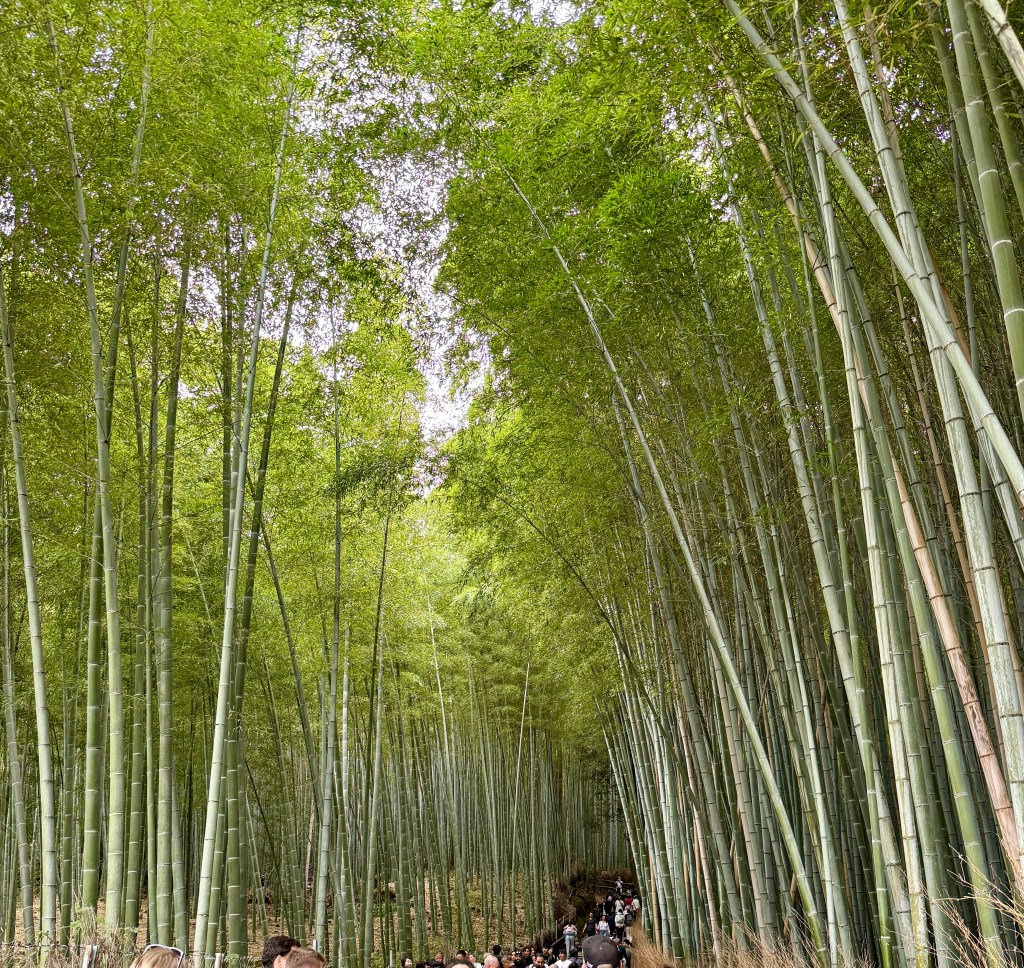
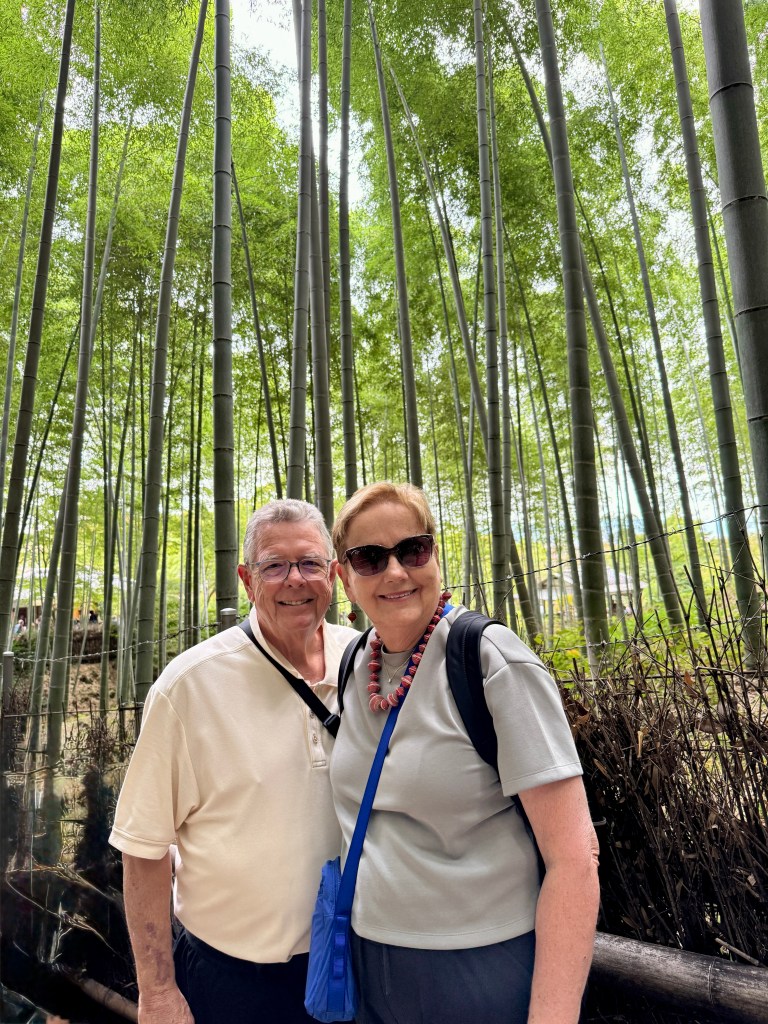
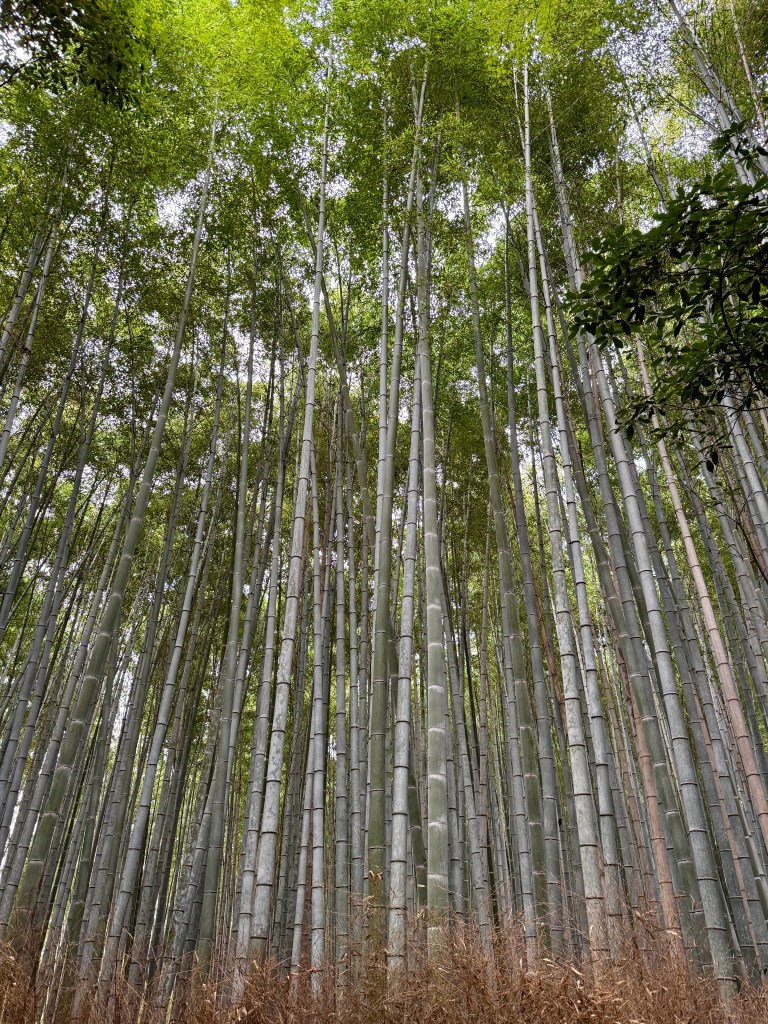
The Bamboo Forest, Arashiyama Bamboo Grove is a natural bamboo forest in Arashiyama. It was very busy, but worth seeing.
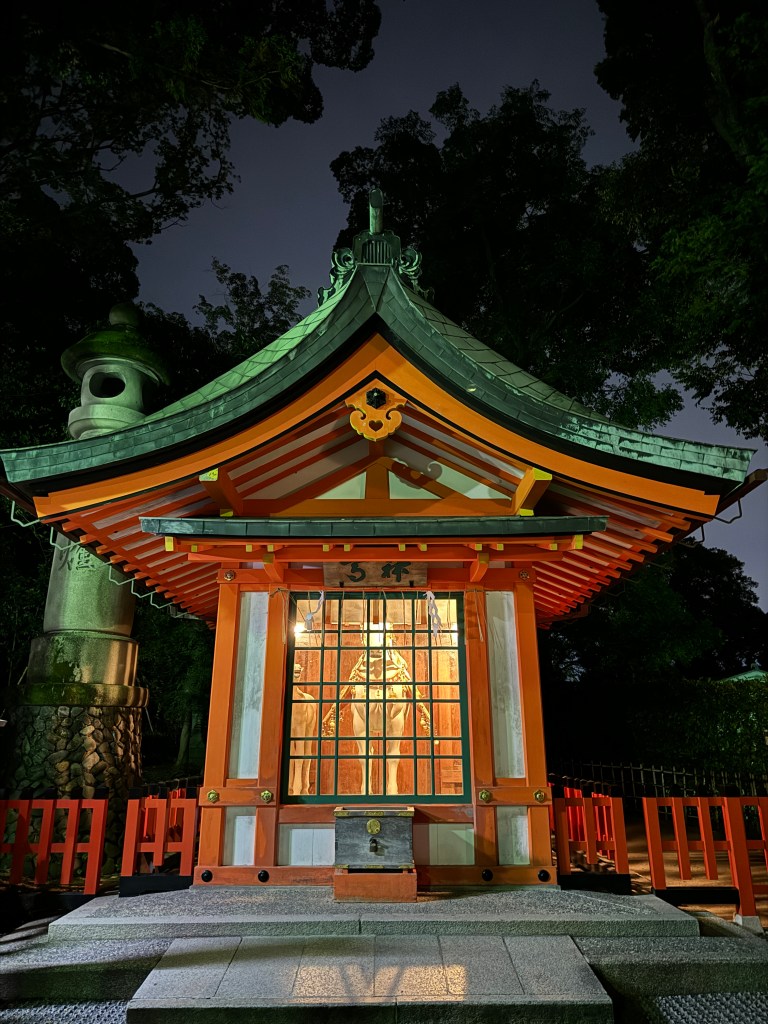
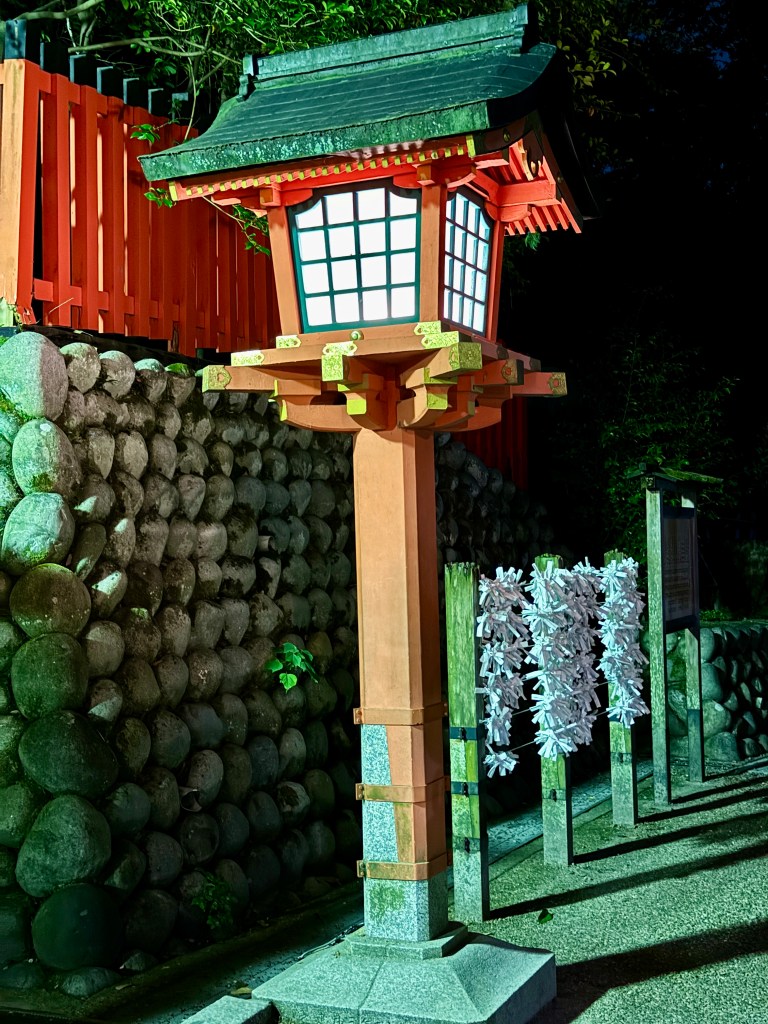
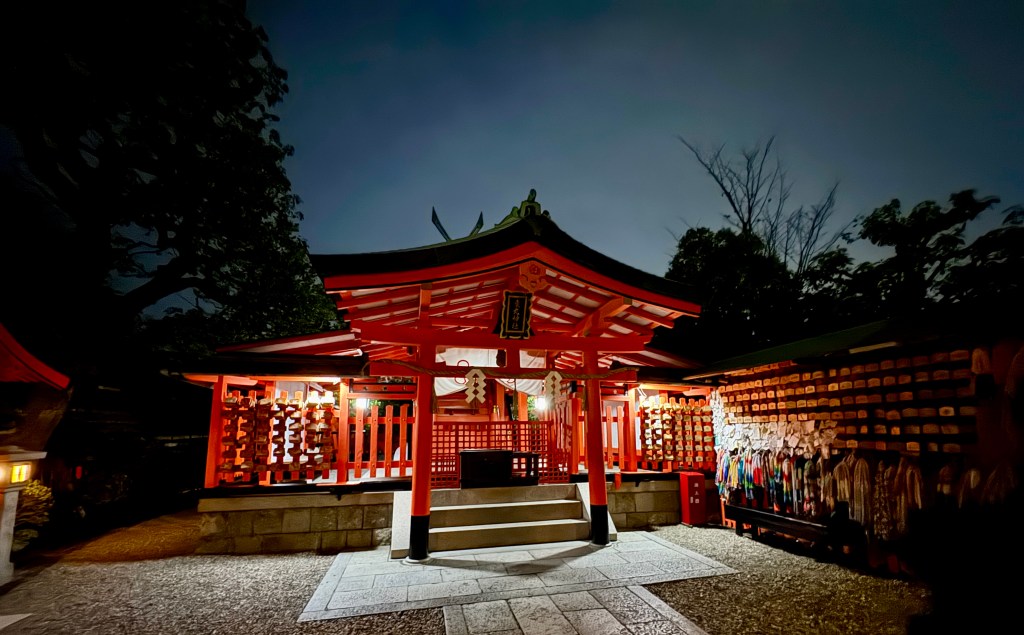
Fushimi Inari is open 24/7 and lanterns decorate the Senbon Torii section – feels very different at night – magical. This was our final stop before heading back to Kobe where the ship was docked overnight.
We would love to visit Kyoto again, but next time stay for 3-4 days.
We had a very active trip with little downtime, and also we had poor internet on the ship, so I had to wait until we got home to start our trip posts. Our first post is below – more to follow.
After a very long journey, we arrived in Tokyo at 7:00 a.m. on October 24th. It was so nice to be met at the airport by Masako, the first of the 6 “guides” Jorge organized for us. Masako dropped us at our hotel and we had a few hours of rest before our “touring” began with our next guide, Makiko.
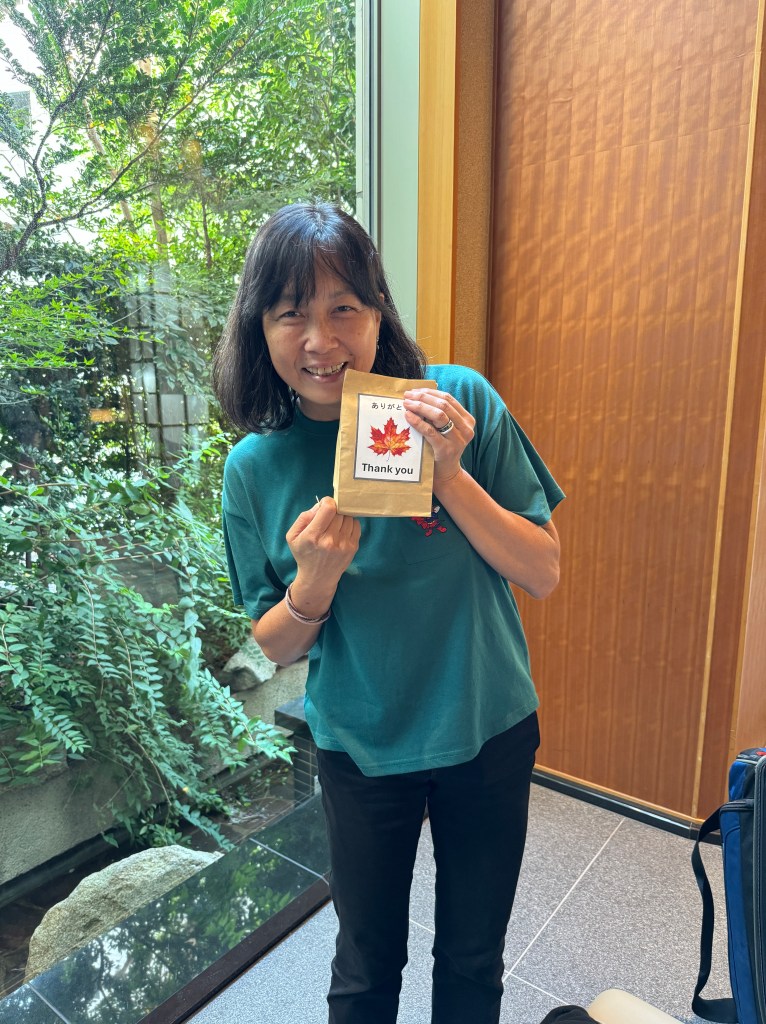
Masako picked us up at the airport and drove us to our hotel and then headed to work. We did a gift bag (maple syrup and maple fudge along with a Canadian pin and a thank you card) for each of our “guides”.Makiko met us at our hotel and was our first “tour guide”.
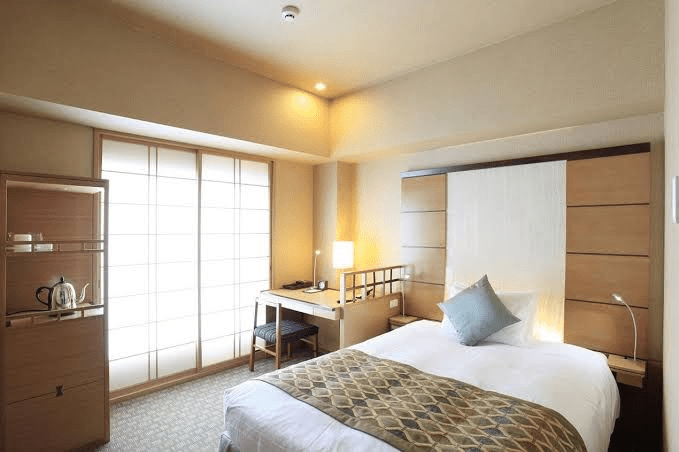
We were staying at the Niwa Hotel which is a small hotel in a quiet neighbourhood. The beds were really comfortable and the hotel staff friendly so it was a perfect location for us.
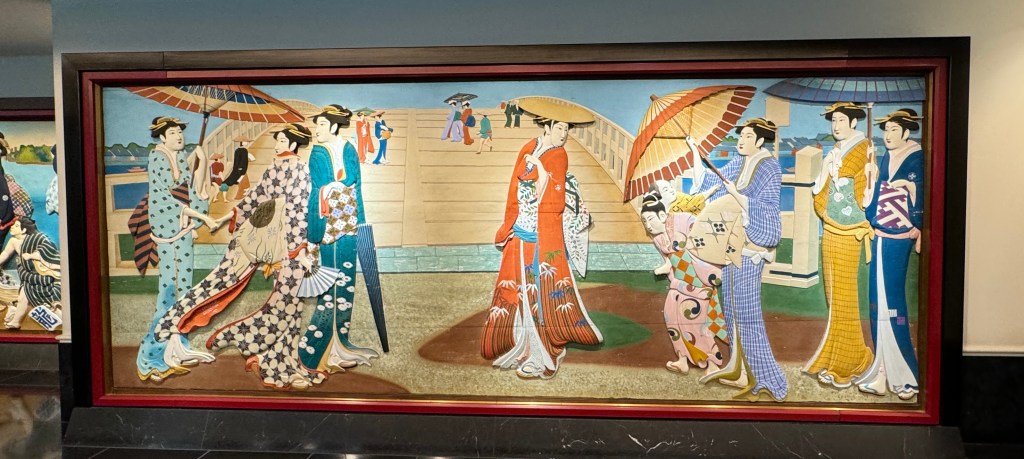
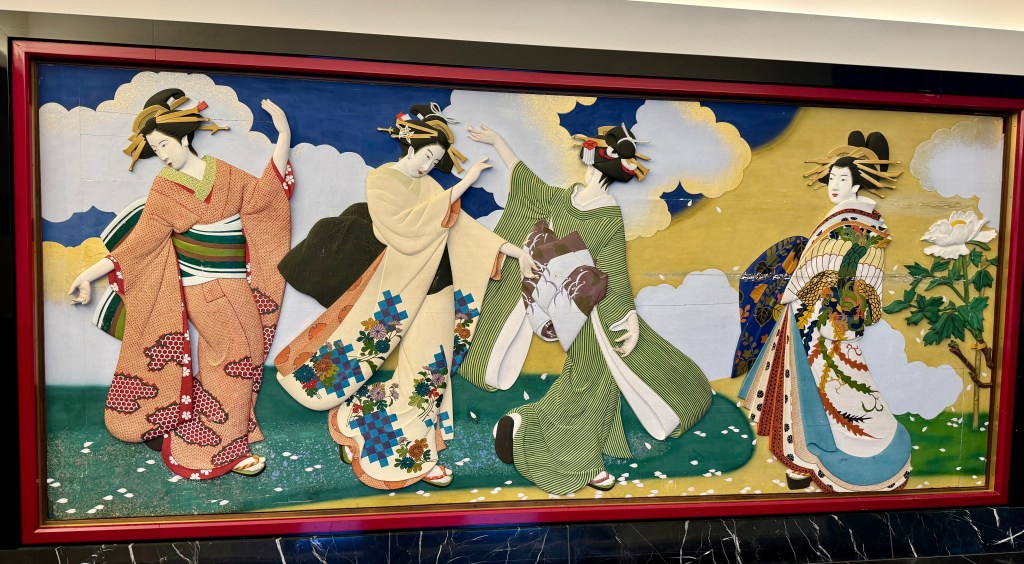
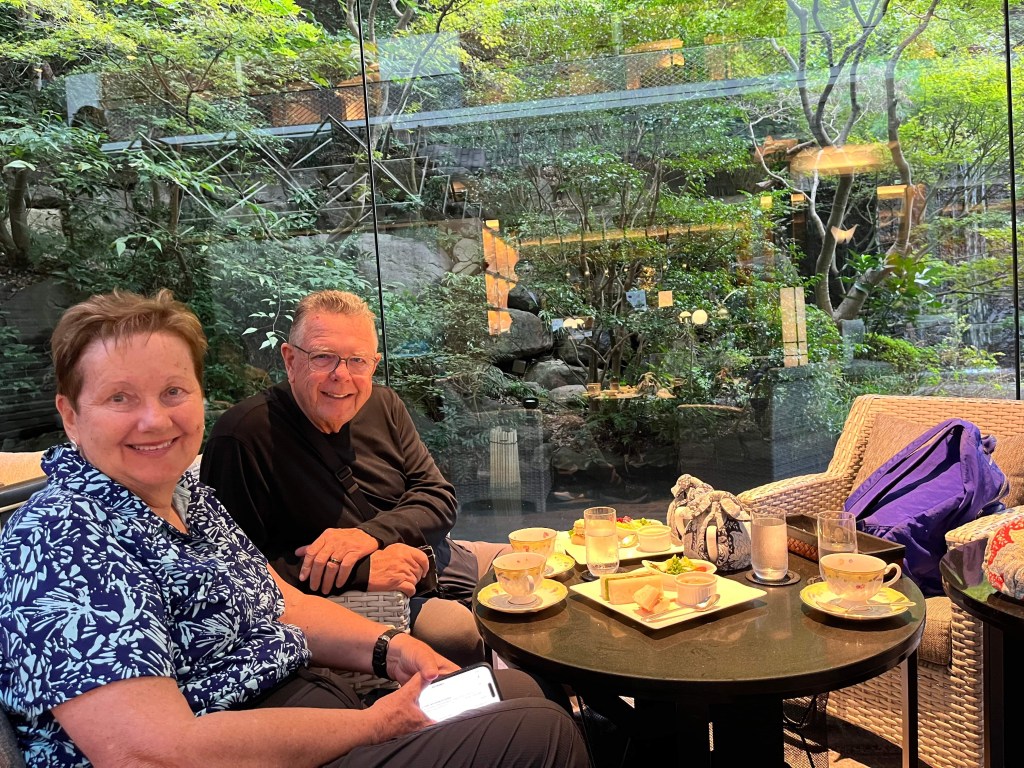
Makiko met us at our hotel at 2:00 and we headed out for tea at Hotel Gajoen, which is a very beautiful old hotel. It is known for its artwork and for the dignitaries and celebrities who have stayed there (rooms started at $1,100+ per night).
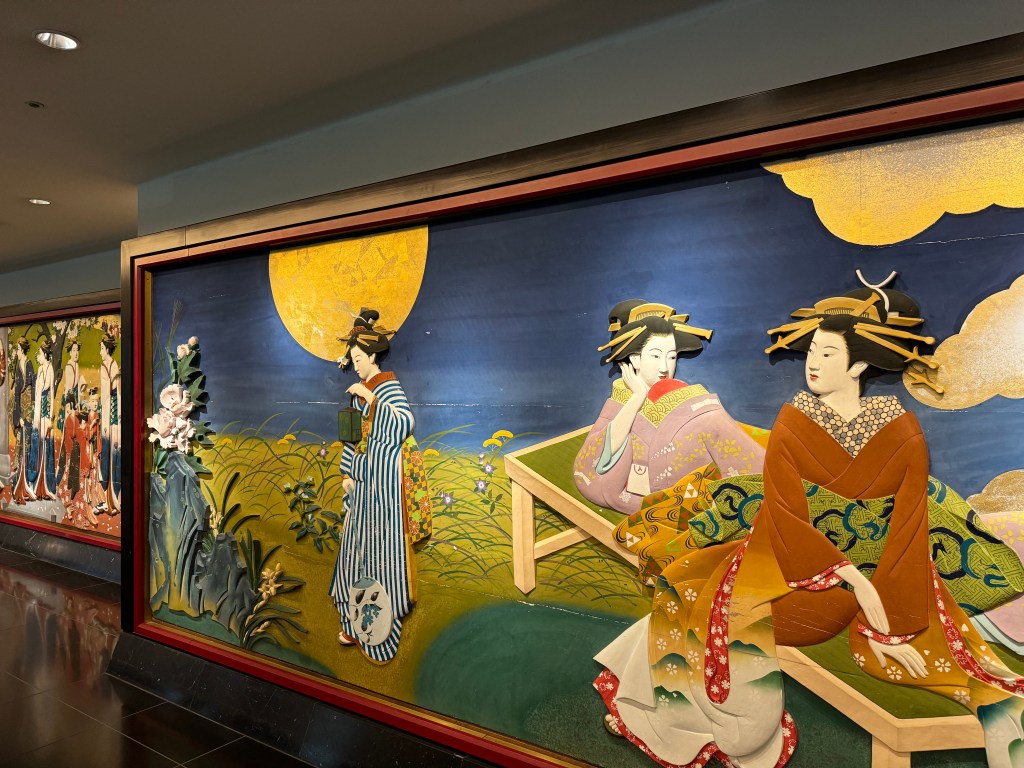
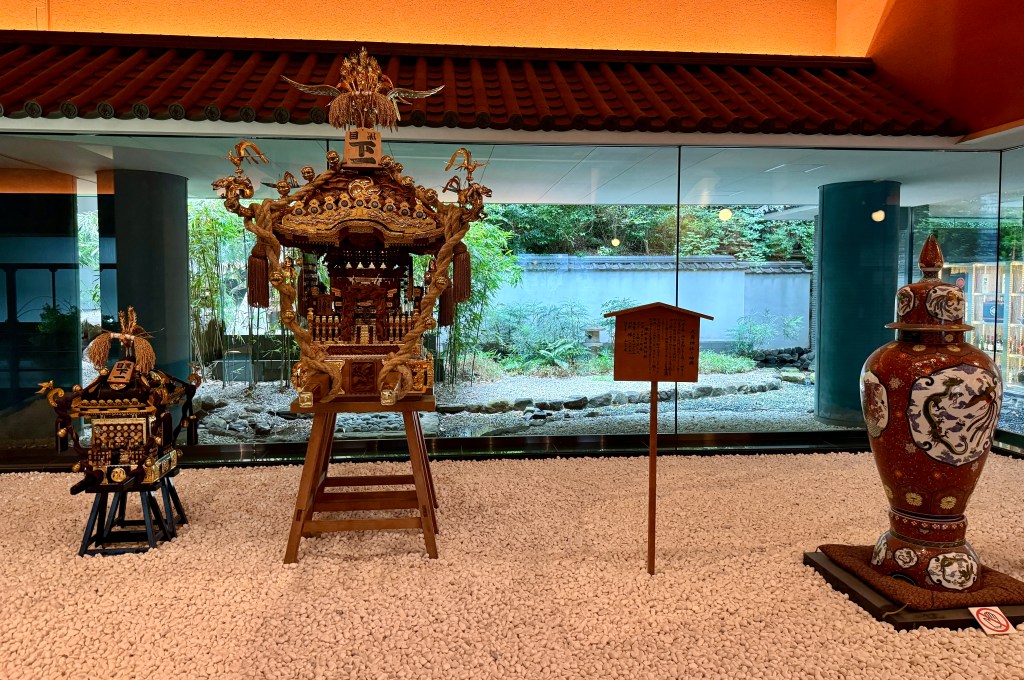
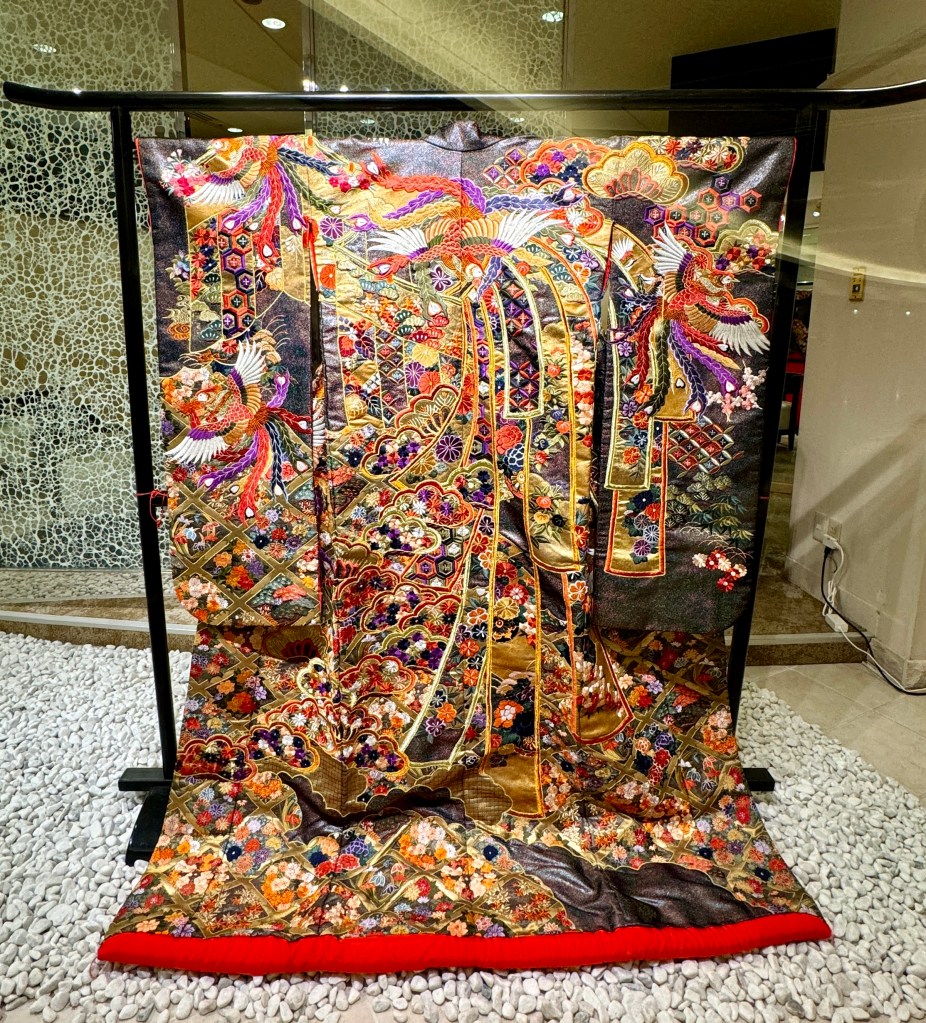
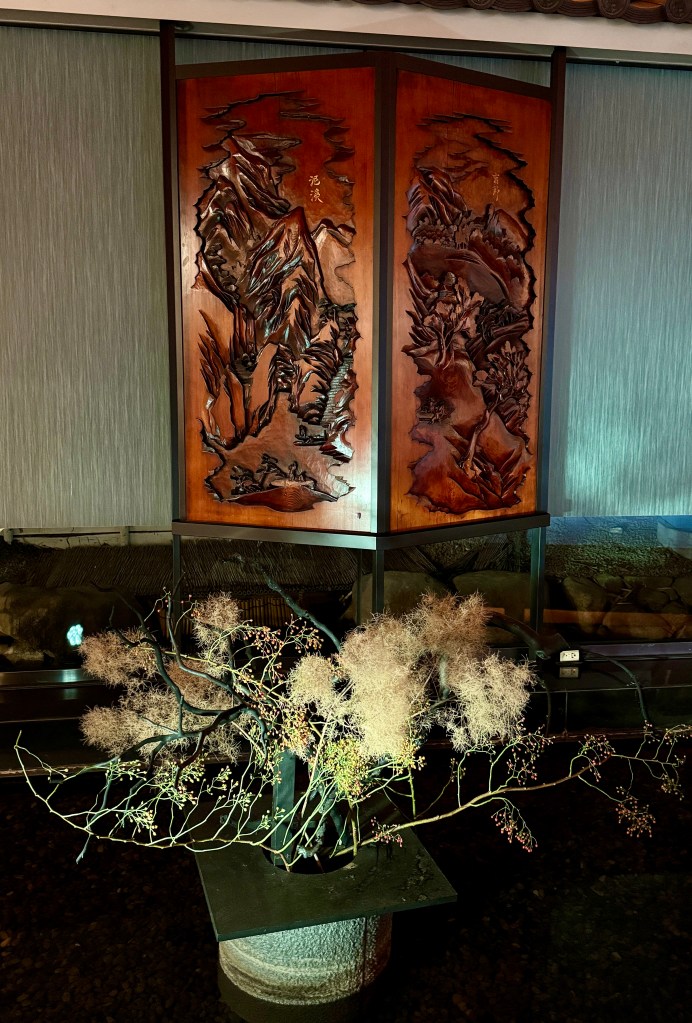
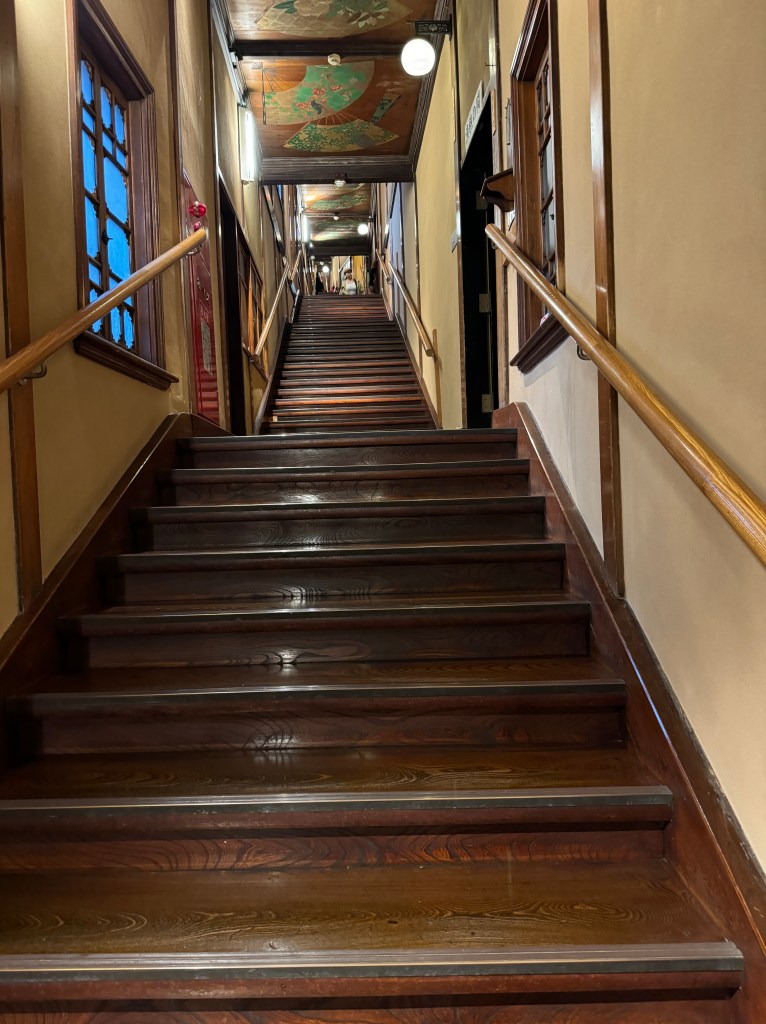
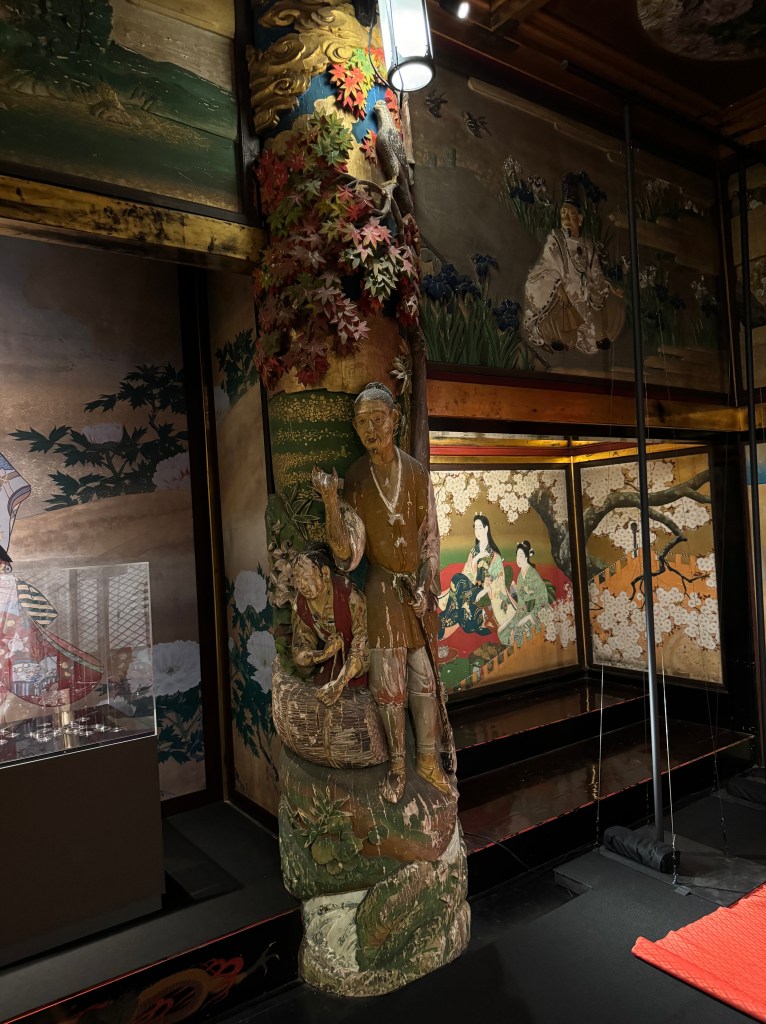
The founder of the hotel commissioned Japan’s top artists of the day to create murals, ceiling art and sculptures which adorn all areas of the hotel. There is also a beautiful outdoor garden and the Hyakudan Kaidan, a tangible cultural property, consisting of a wooden structure and a 100 stairs to a number of art exhibits.
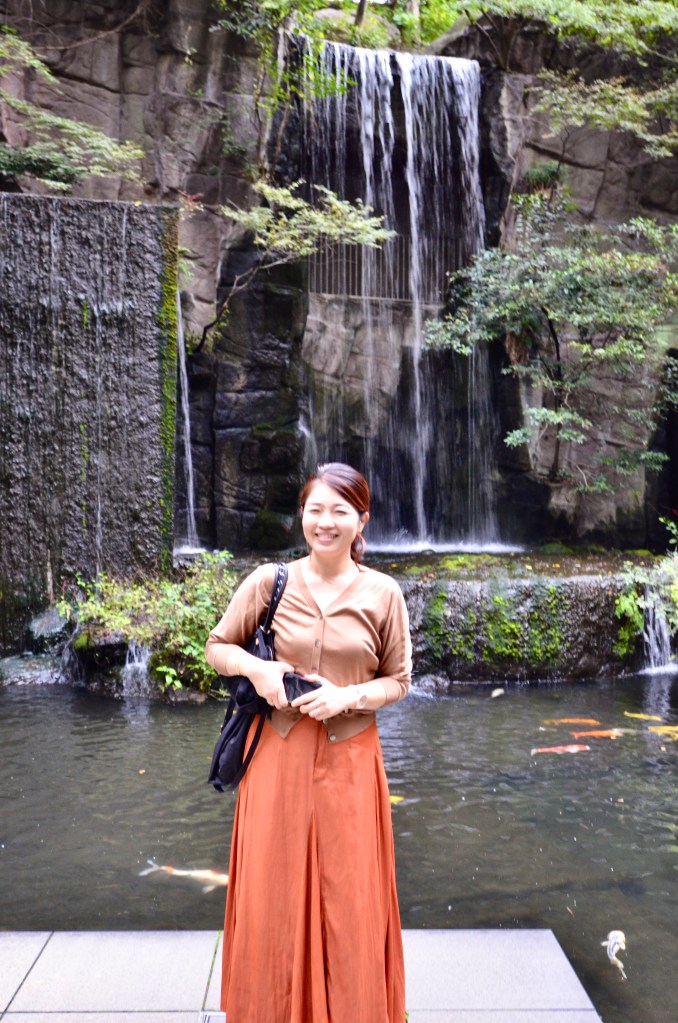
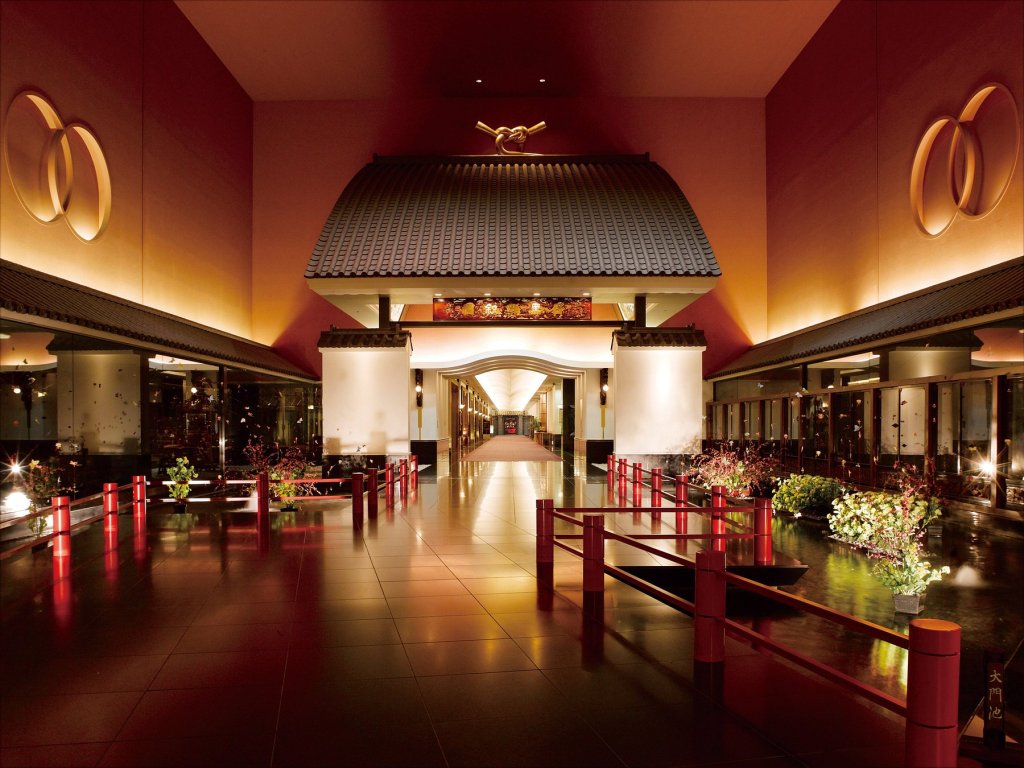
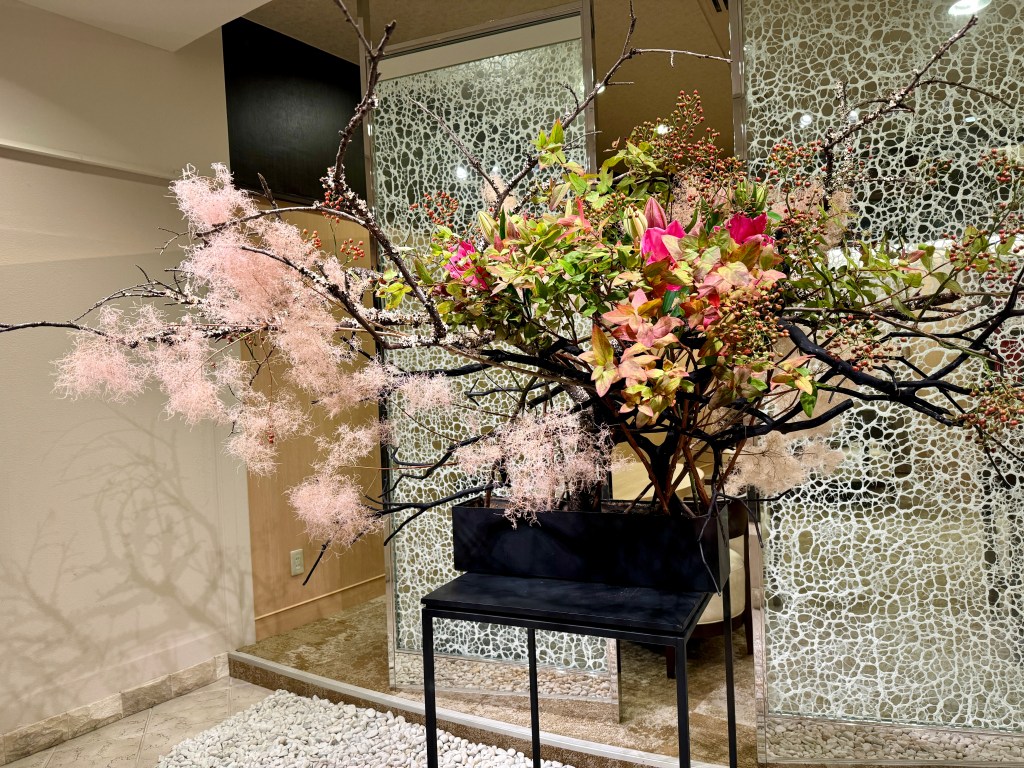
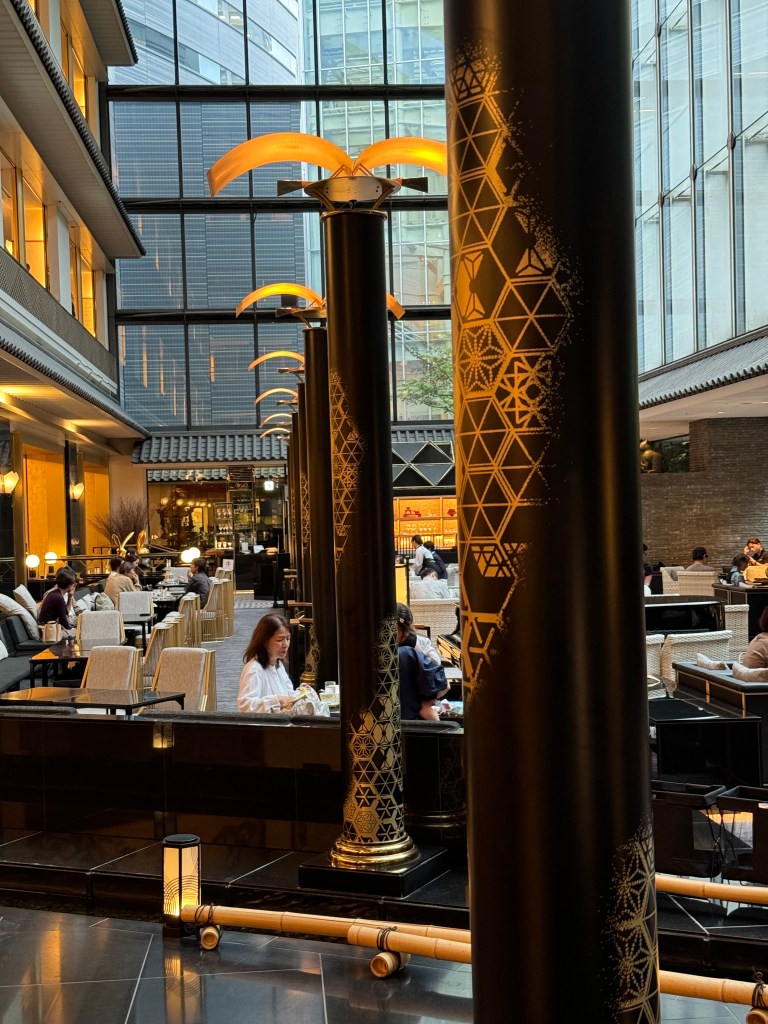
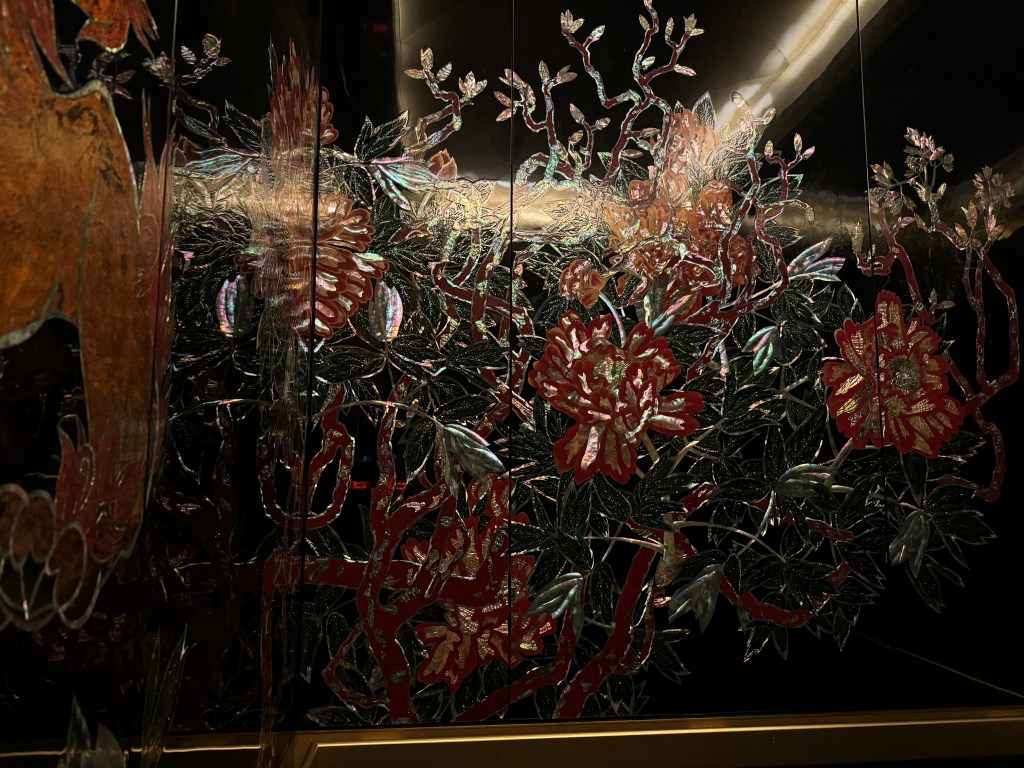
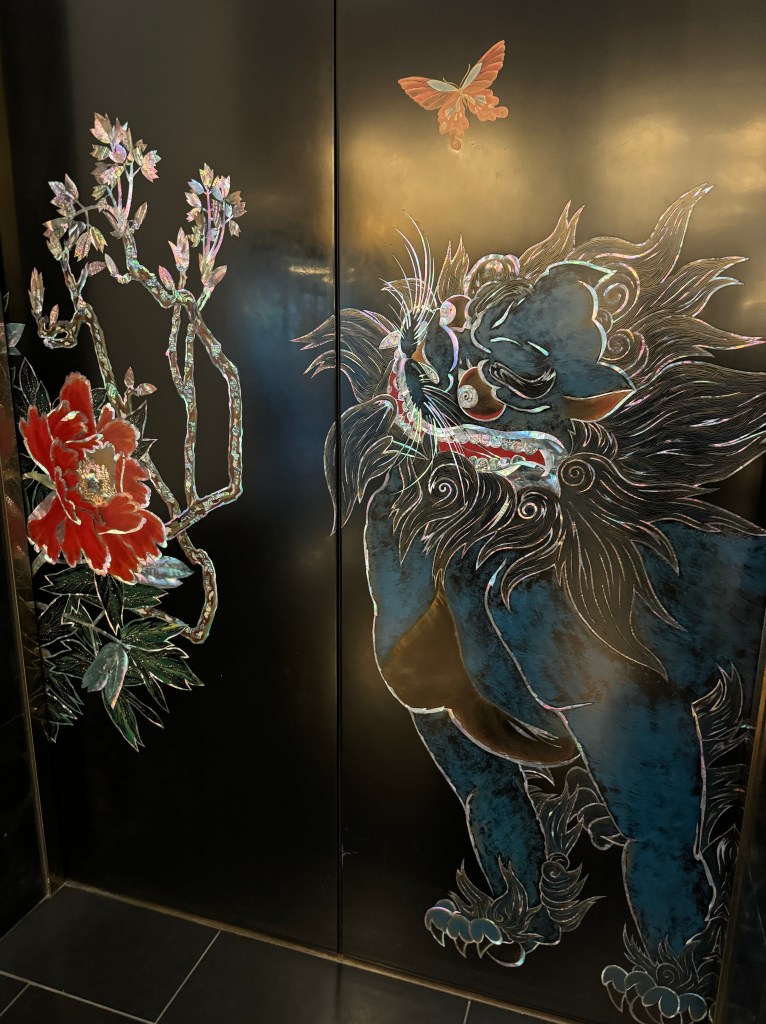
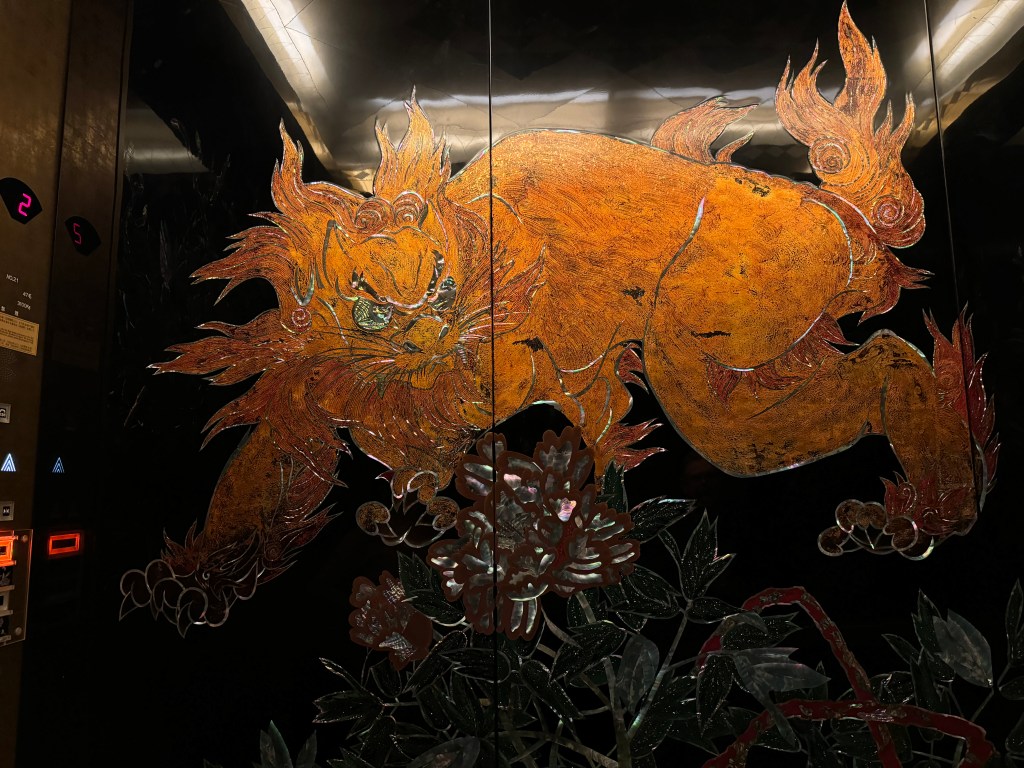
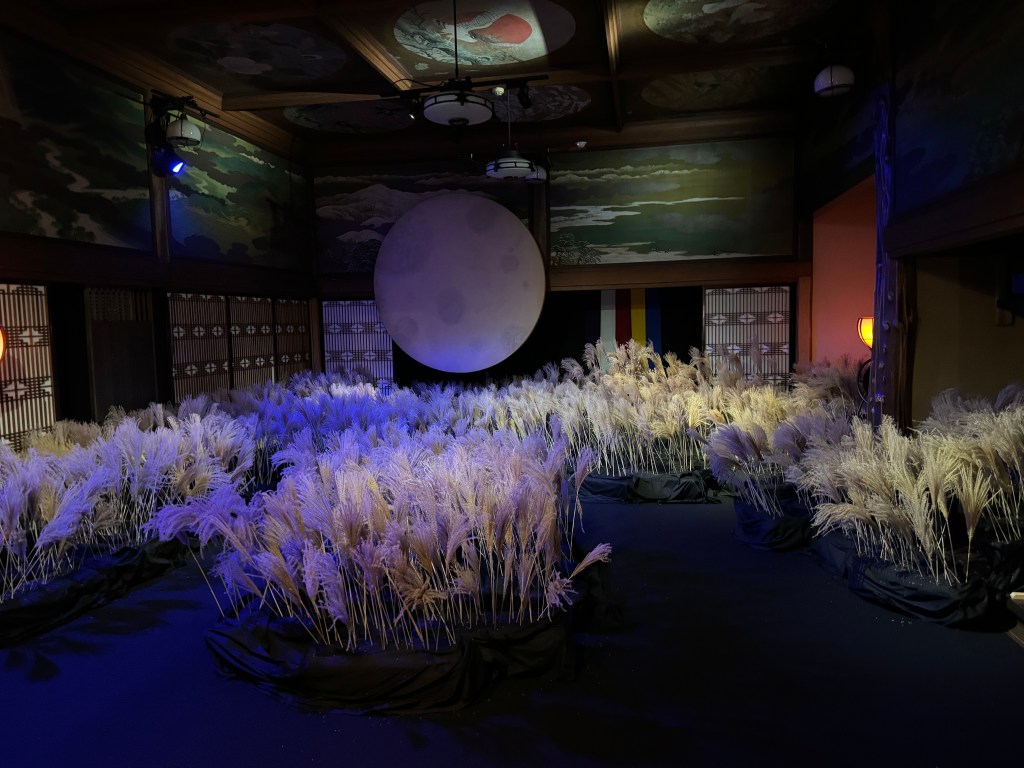
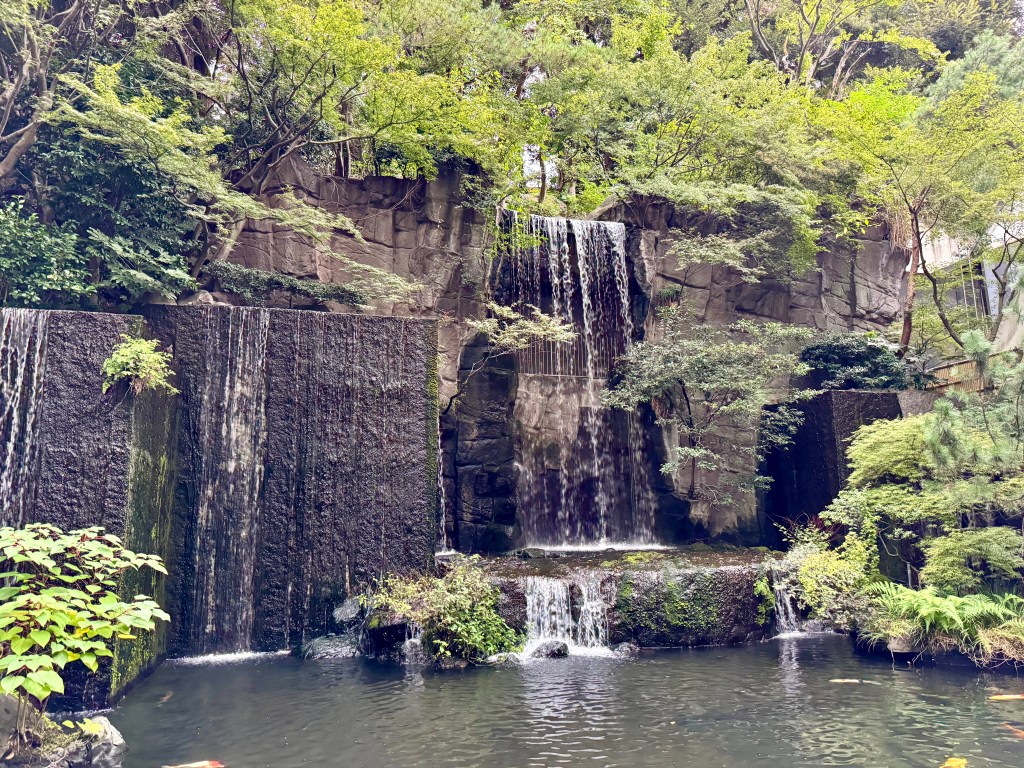
Entrance corridor of Hotel GajoenThe walls on the way to the hotel restaurant were adorned with beautiful tapestriesBeautiful spot for afternoon teaElevator doors and interior were beautifulI can’t imagine wearing this elaborate kimonoThe 100 stairs and a few rooms is all that is left of the original Gajoen building. It has been designated as a “tangible cultural property”.There were a few rooms off of the stairs. Most did not allow photos. The art works were varied and very interesting.This exibit is titled “One Hundred Aspects of the Moon”. The grasses swayed to the music – very peacefulWhere we had tea overlooked the waterfall and gardens at the Hotel Gajoen.
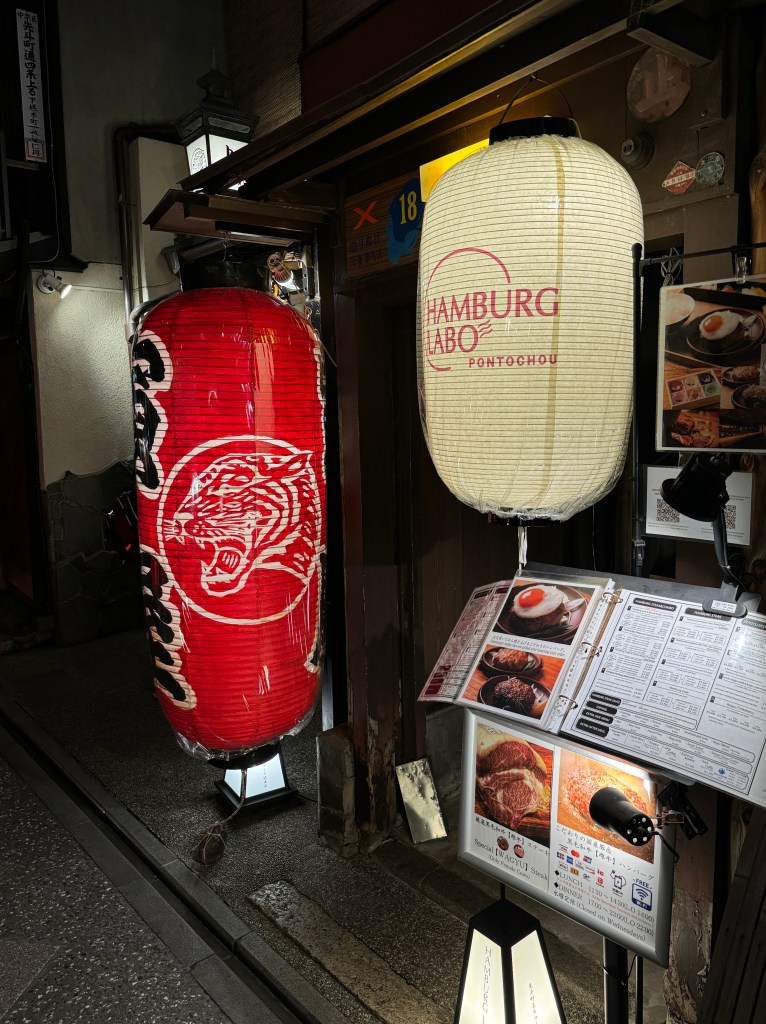
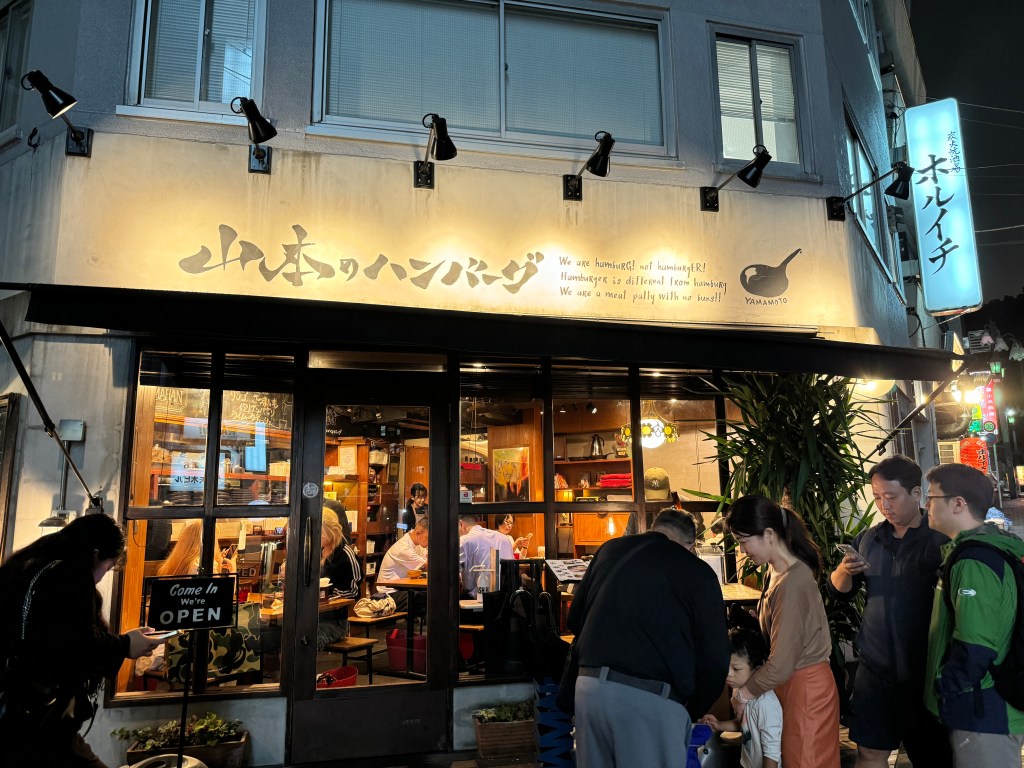
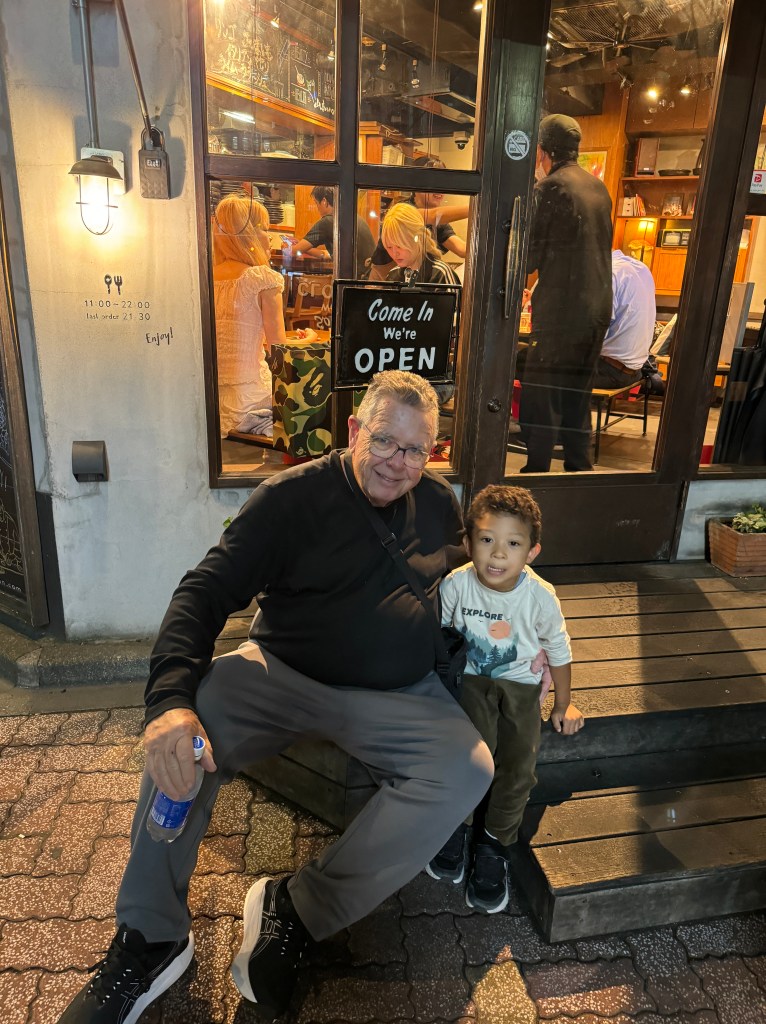
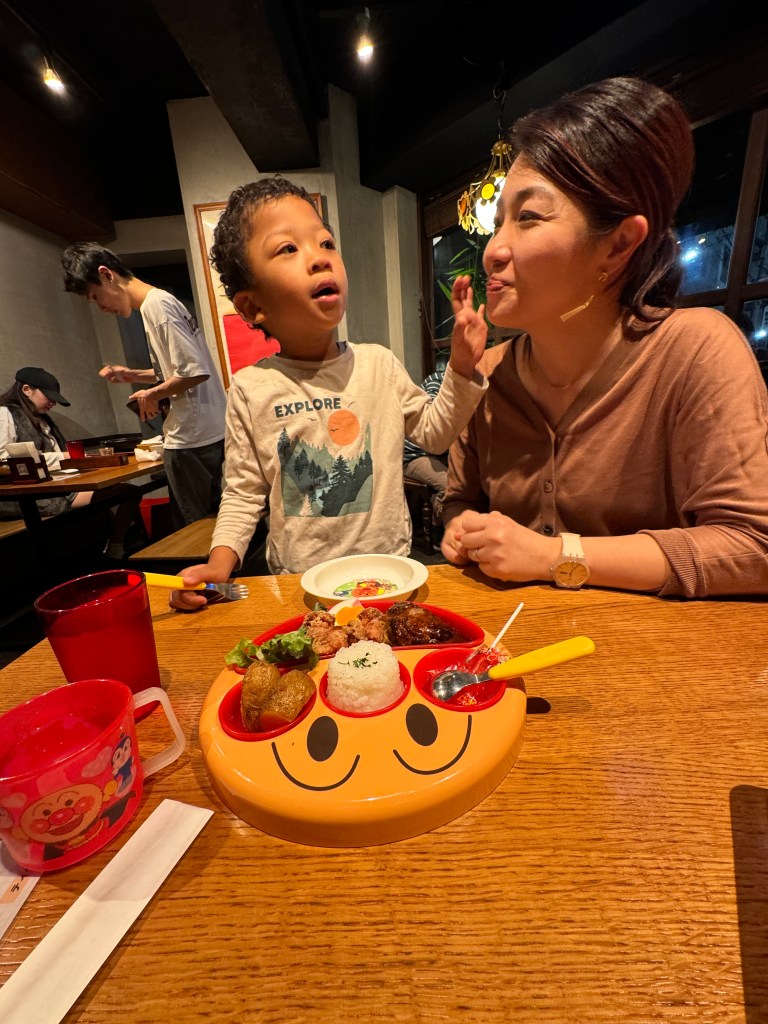
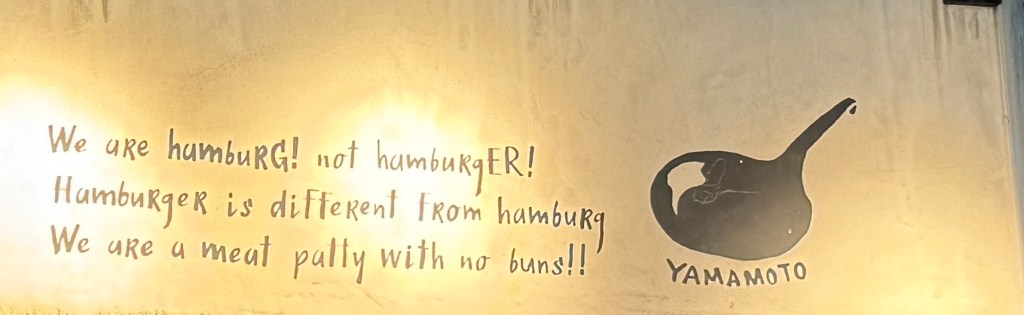
Makiko wanted us to see the area where she lives and shops and also wanted us to meet her son Kai (a high energy youngster who took a shine to Larry). The store she took us to reminded us of Whole Foods – well merchandised and it had everything you would need to make a meal and much more. Makiko’s apartment was small, but they made very good use of the space. We really enjoyed dinner with Makiko and Kai at a small local restaurant which served hamburg not hamburger as the sign states – there was a line-up to get in and an even longer line when we left.
Tokyo is one of the world’s most populous metropolis with a population of just over 14M residents (twice as much as Toronto) so we were happy to have help getting around. Our second guide was Rie, a University student who Masako arranged for us. With Masako’s help Rie organized some wonderful sites.
it was fun exploring Tokyo with Rie
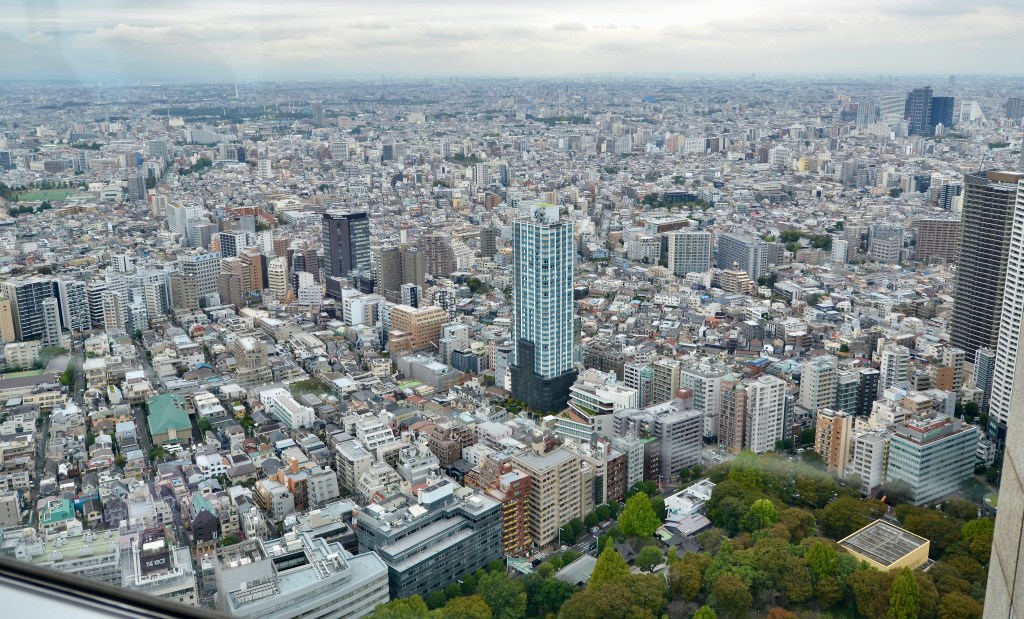
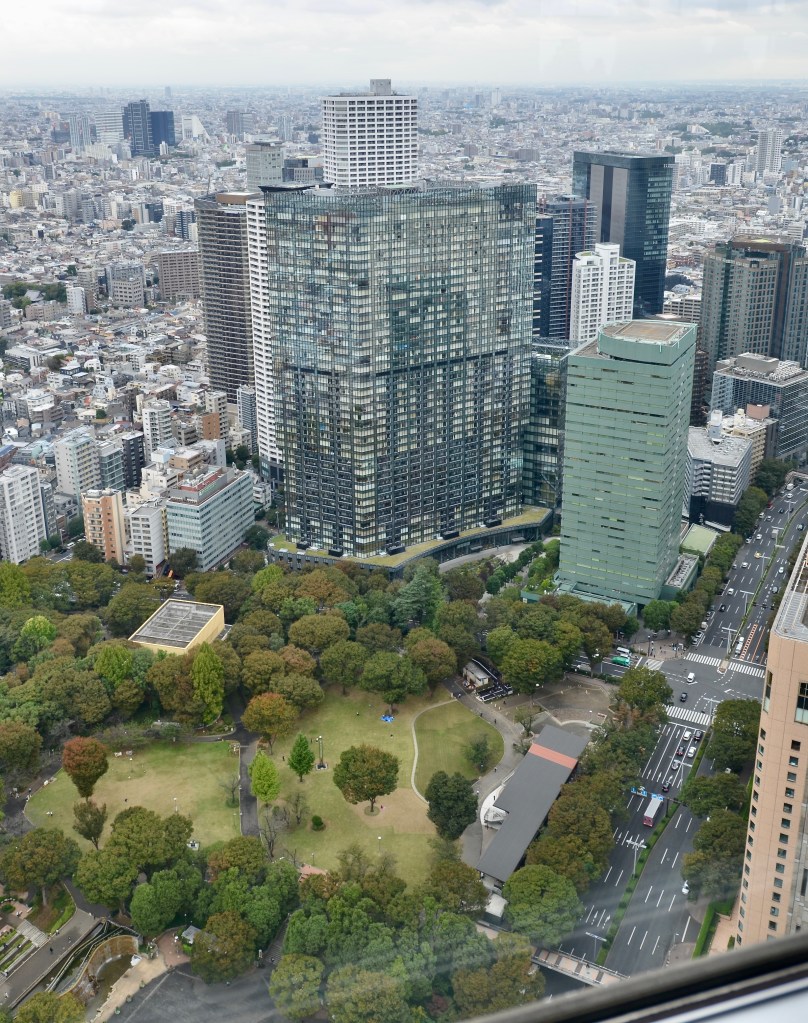
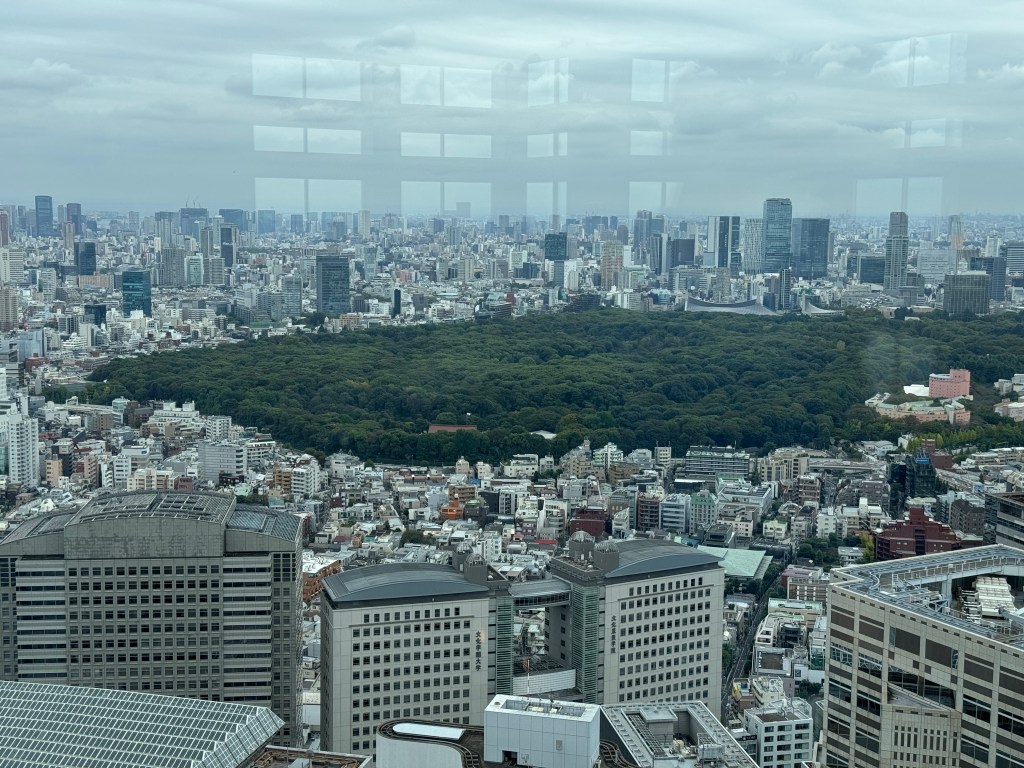
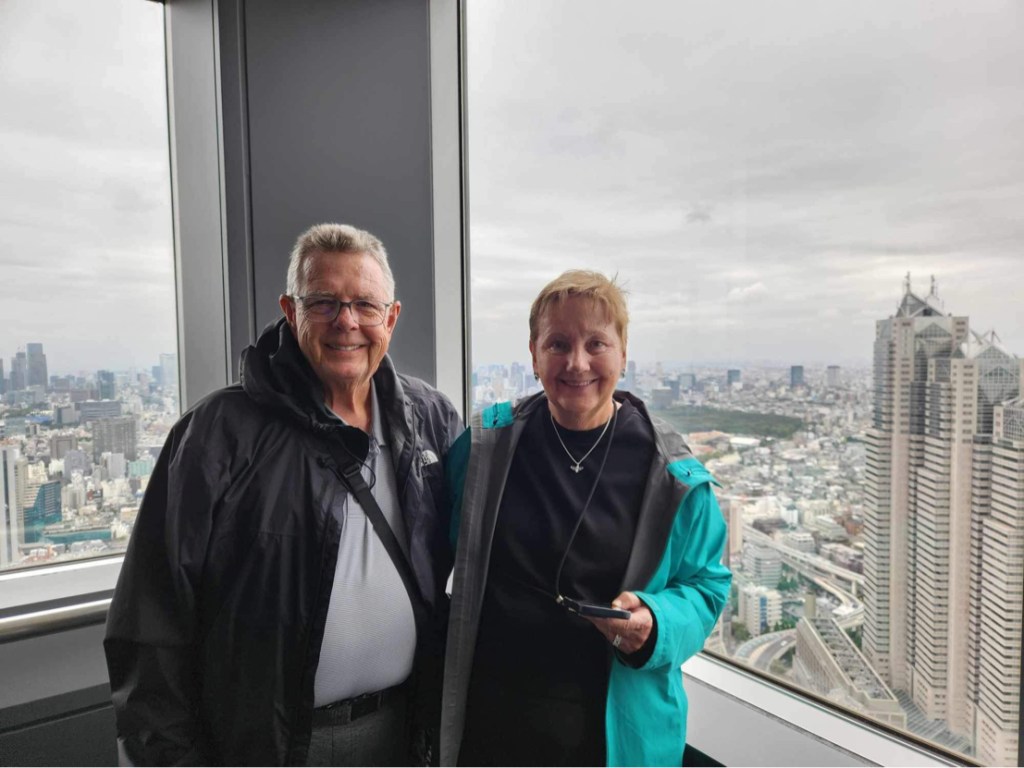
First stop with Rie was Tokyo Metropolitan Government Building No 1. It was a great spot to get a 360 view of the city from the 45th floor observatory.
Meiji Jingu Shrine is the green area amongst all of the highrises
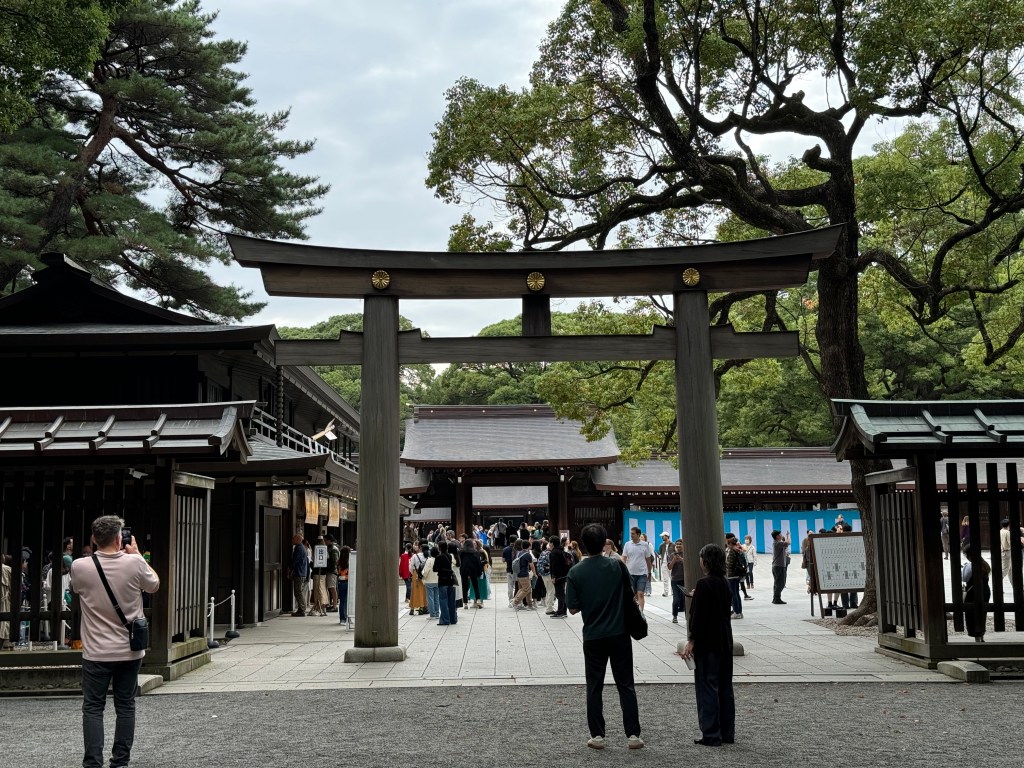
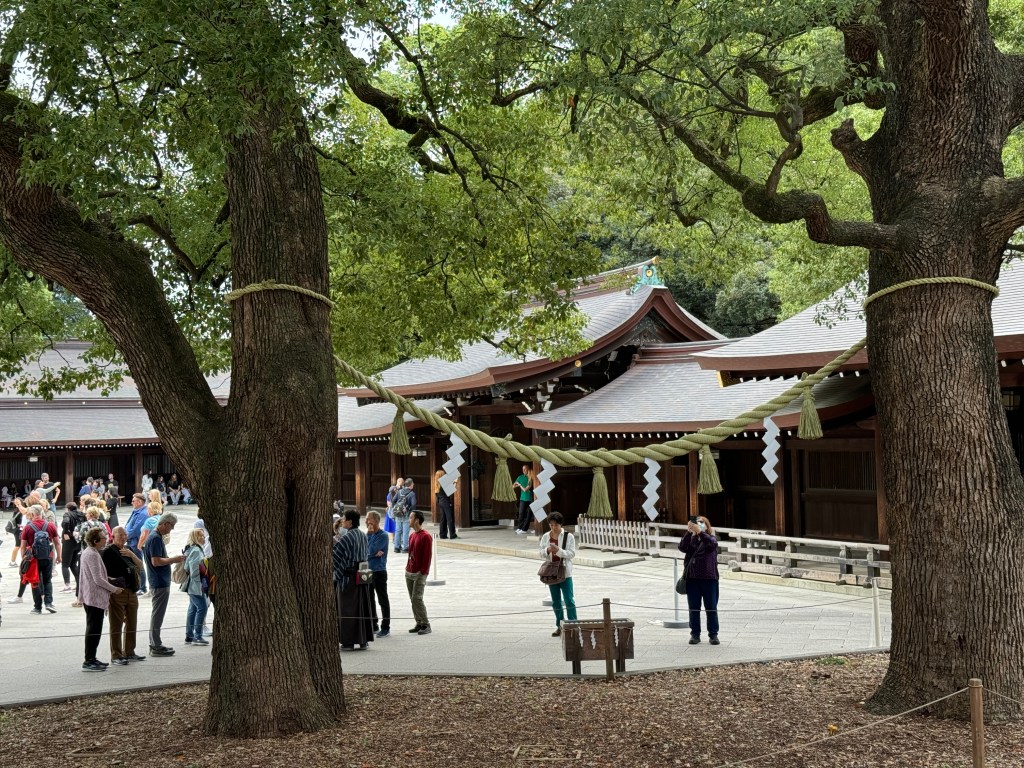
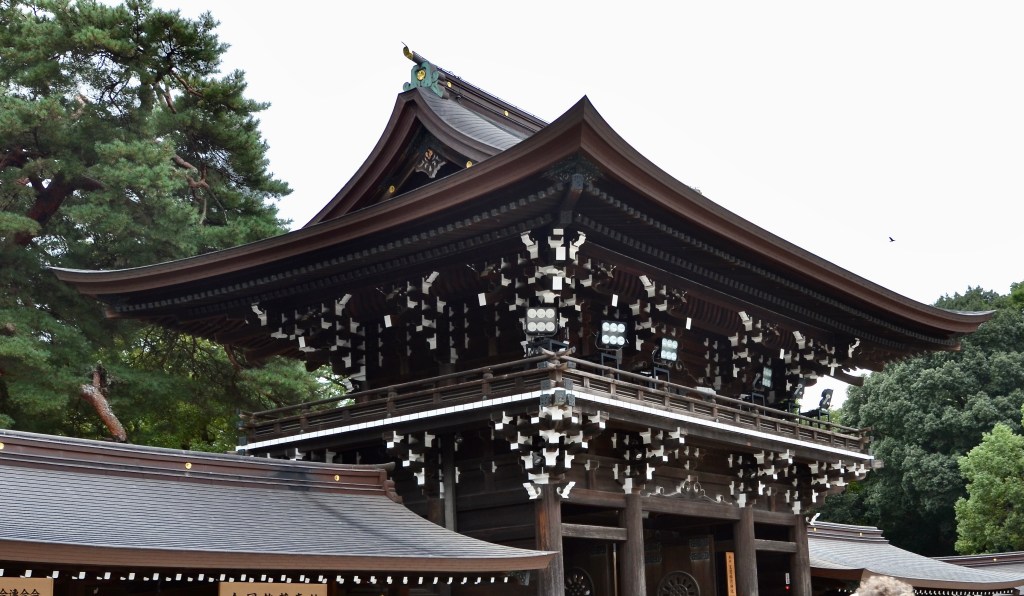
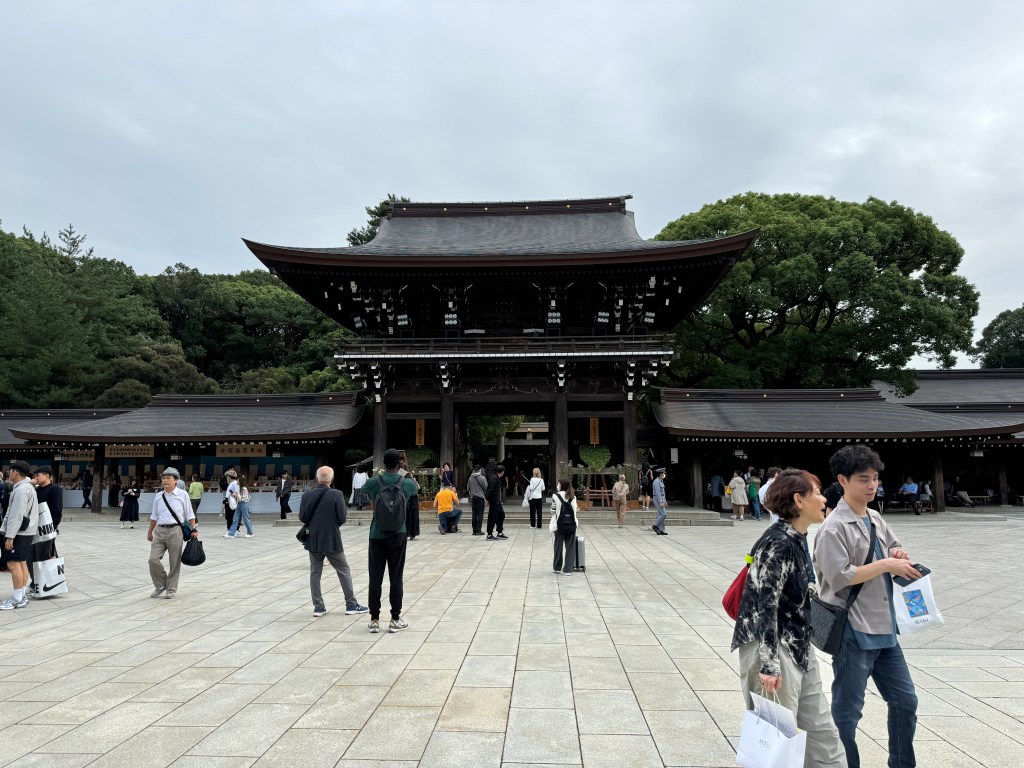
Next stop was the Meiji Jingu Shrine which is one of the Shinto shrines in Japan. It is located in the middle of Tokyo and has a vast land which is mostly forrest (70 hectares). We would often hear reference to Shinto which is Japan’s ancient original religion, and it is deeply rooted in the way of Japanese life. We were told that Shinto has no founder and no holy book but Shinto values harmony with nature and virtues such as a sincere heart.
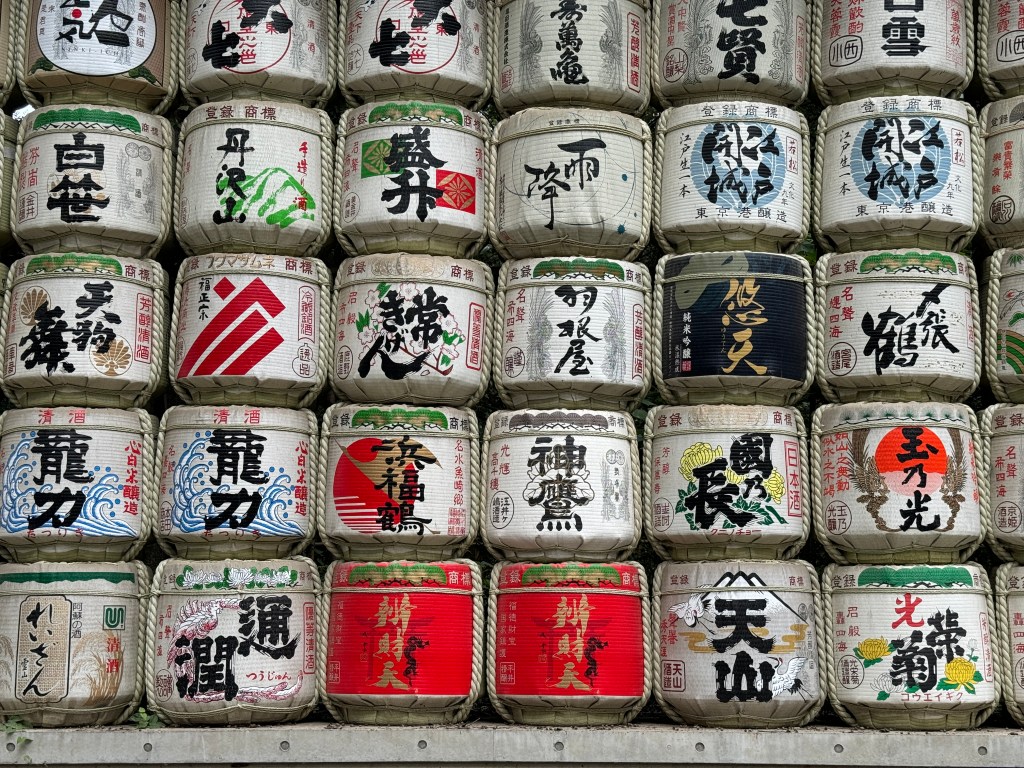
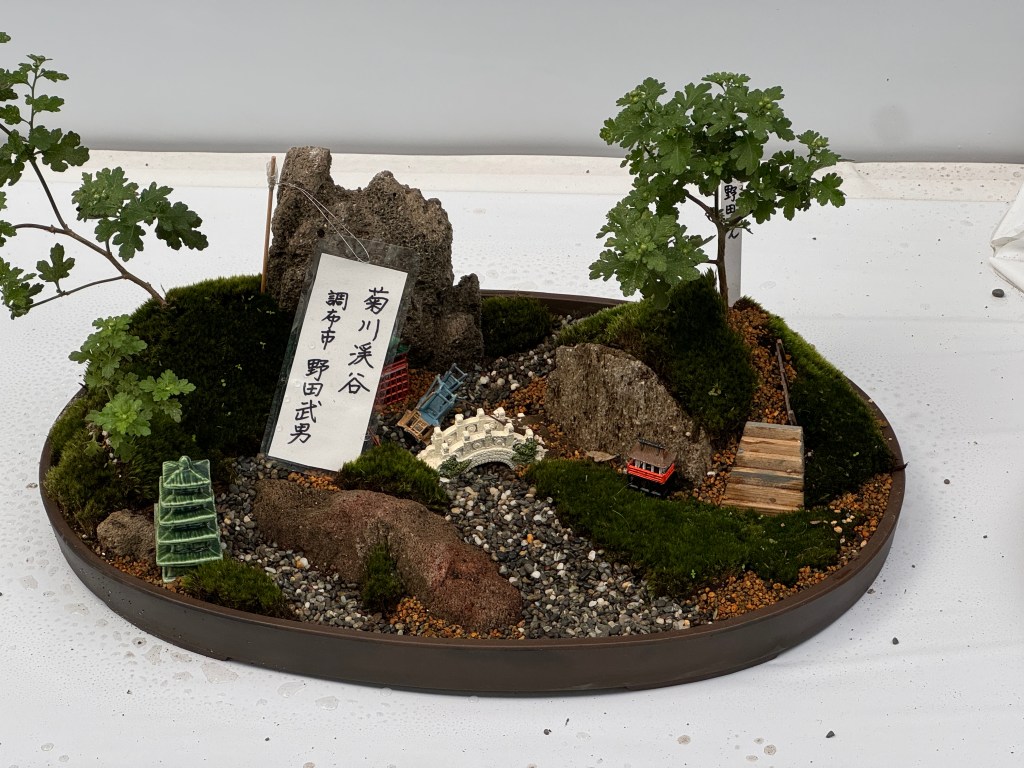
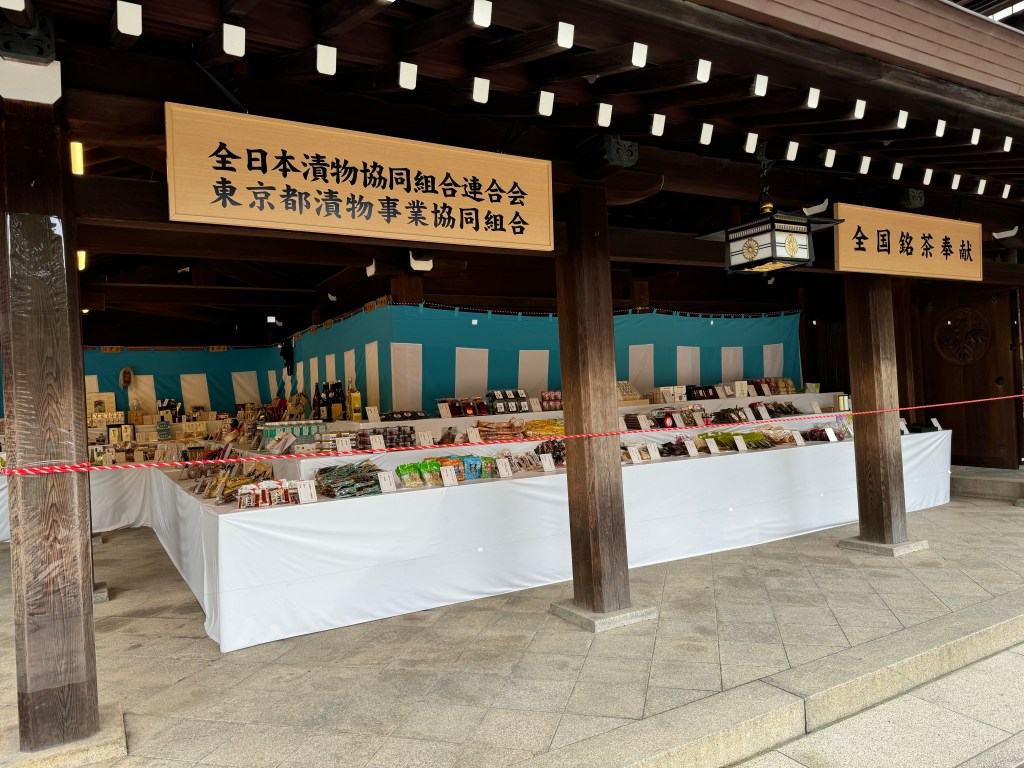
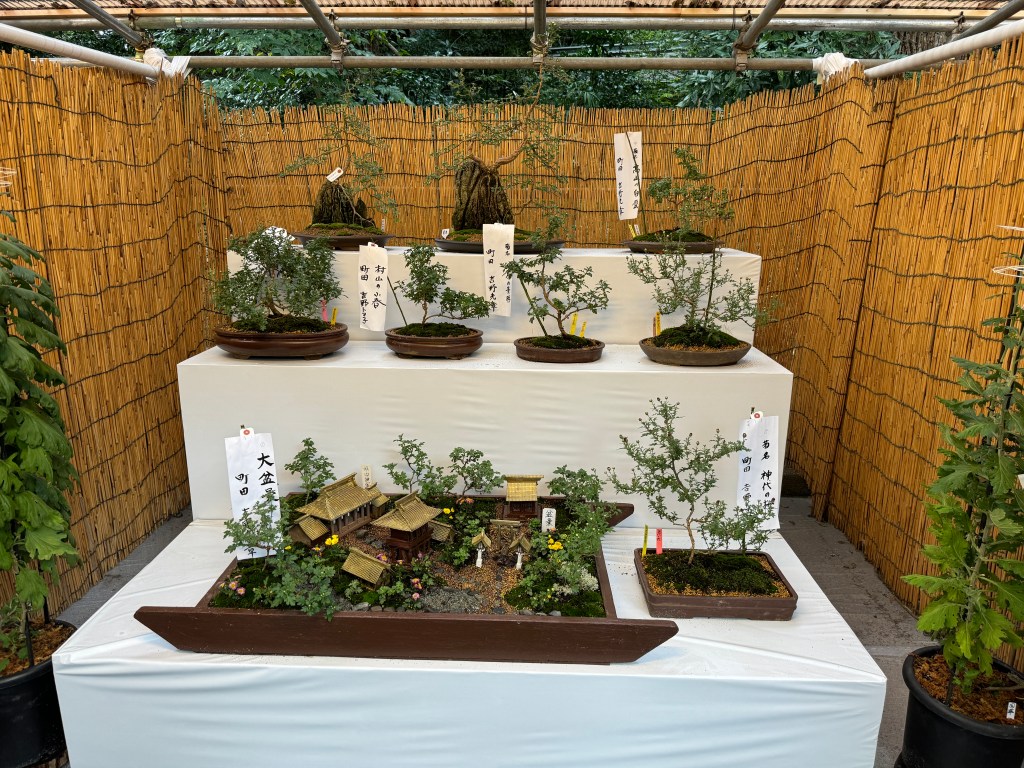
Torii-gate representing the gateway into the sacred areaPurification area where you wash your hands before entering the sacred areaDevine trees representing the good relationship between husband and wifeSake Barrels along the route to the ShrineMain SantuaryDisplays throughout the grounds
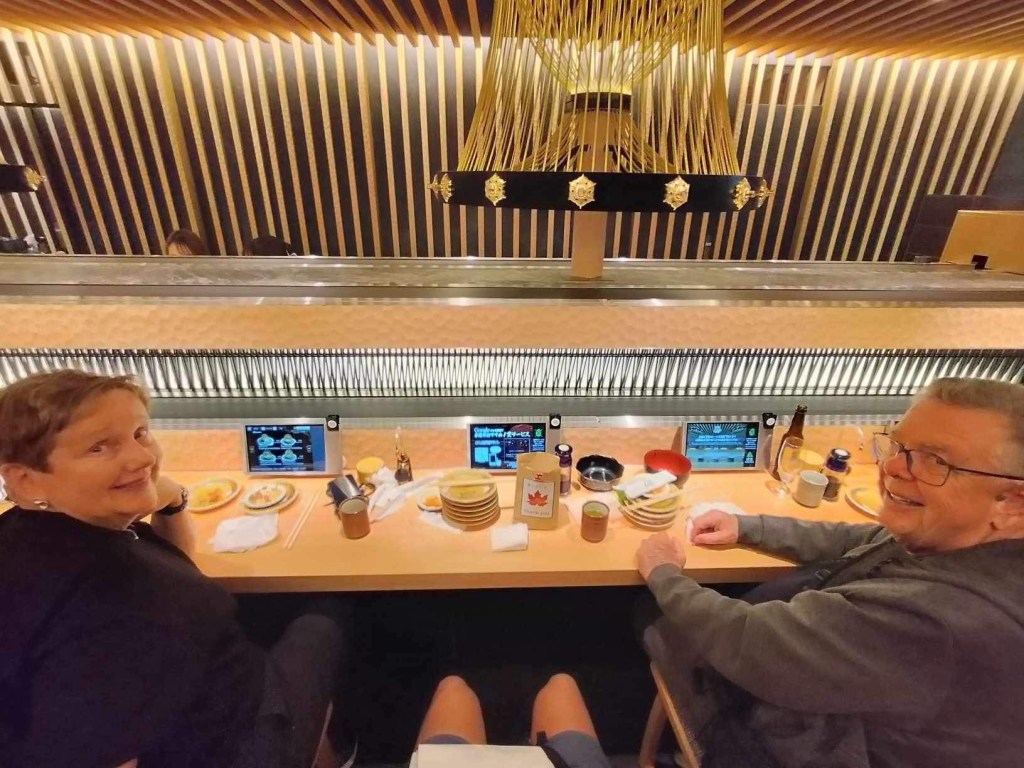
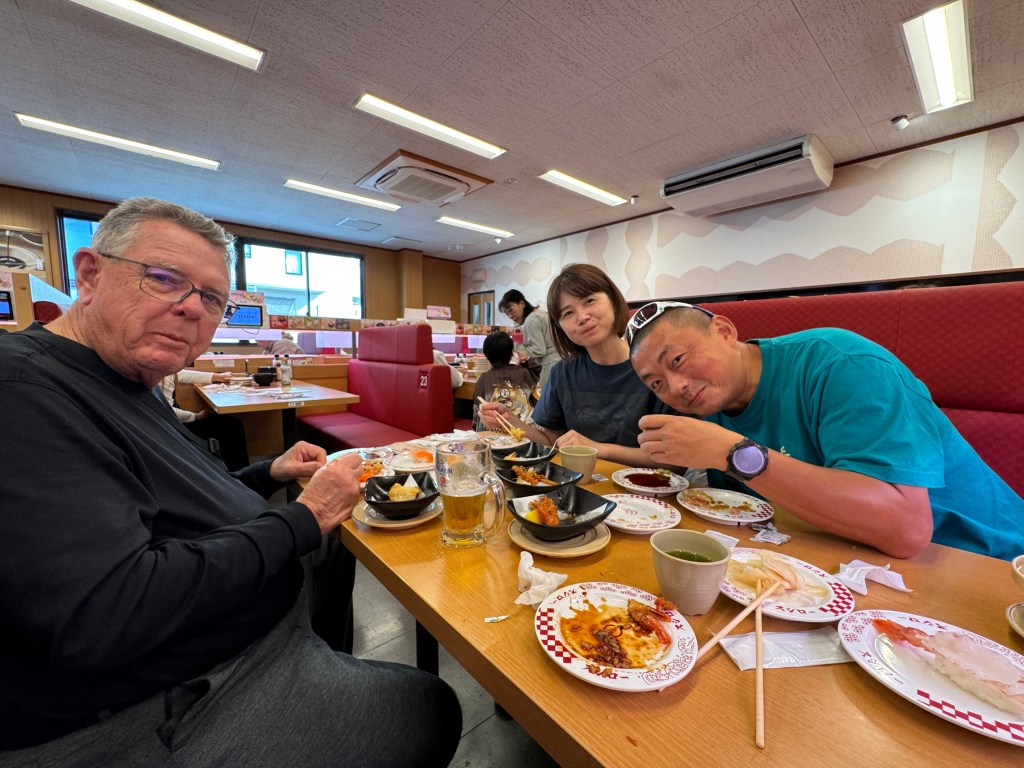
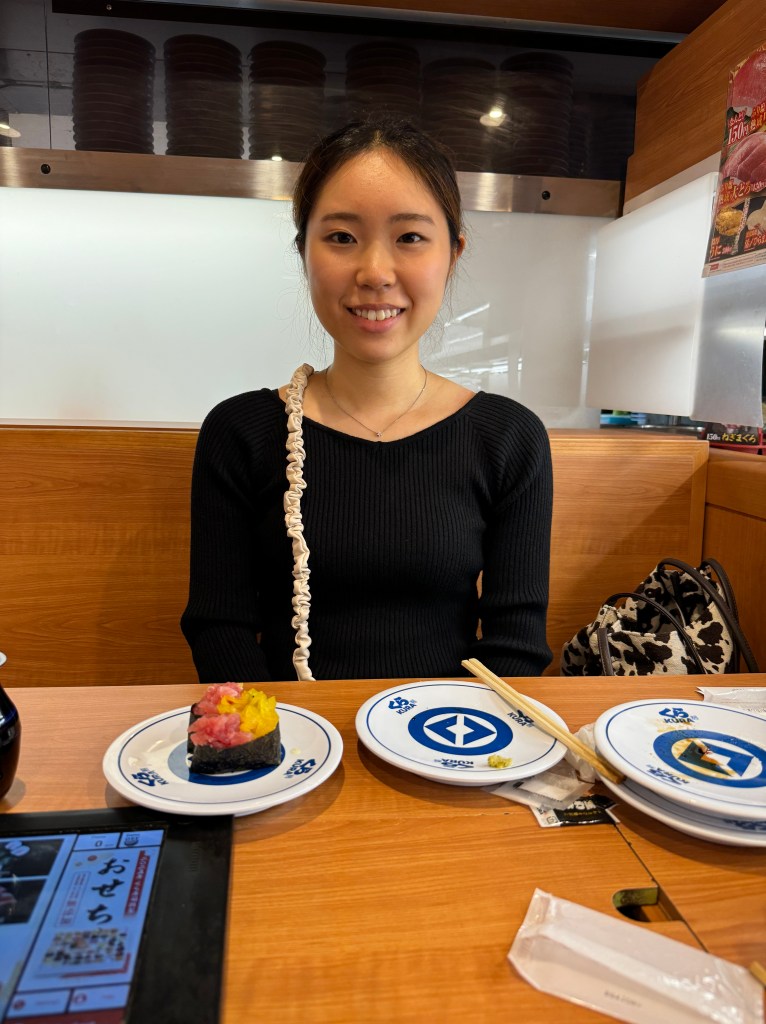
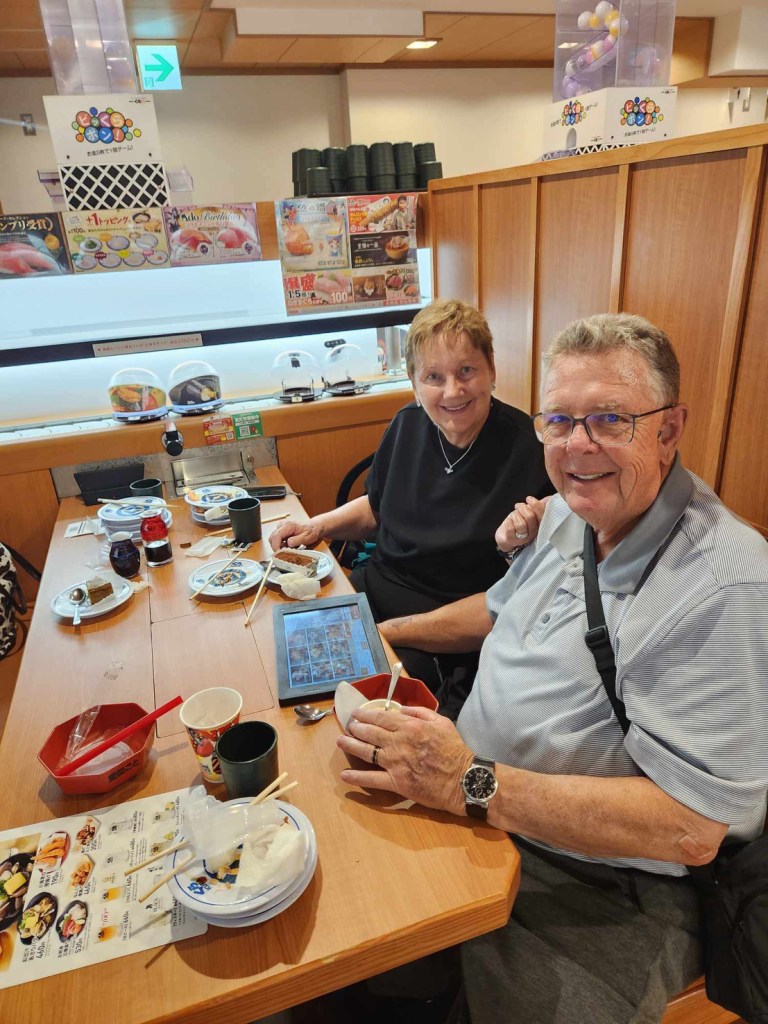
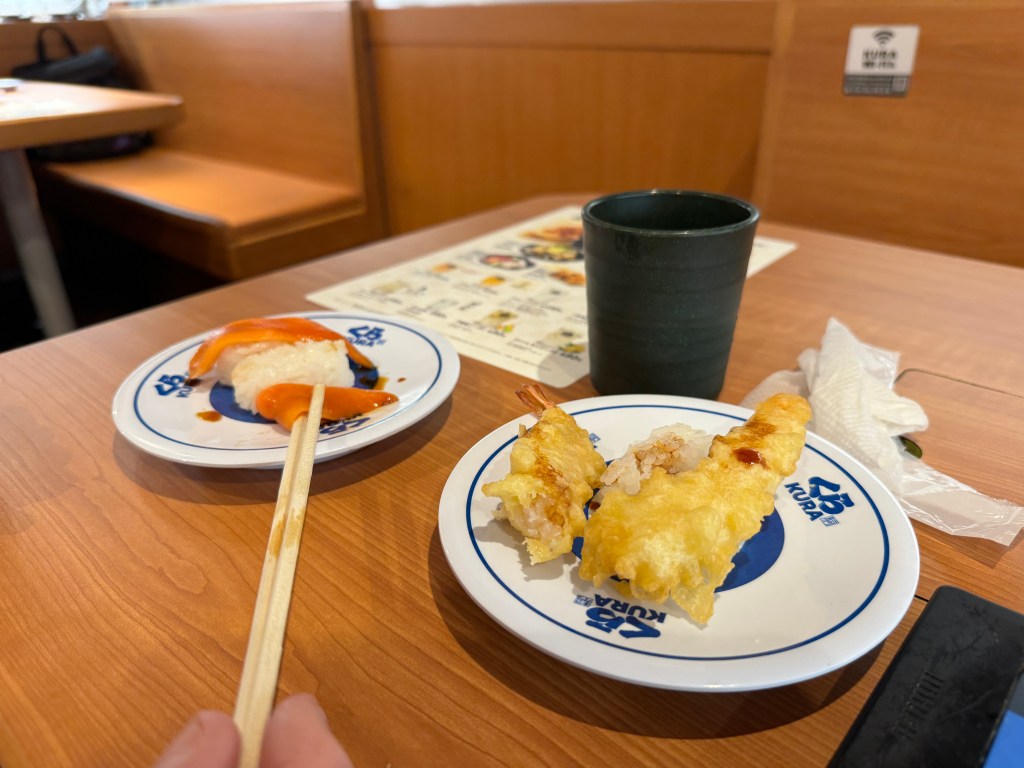
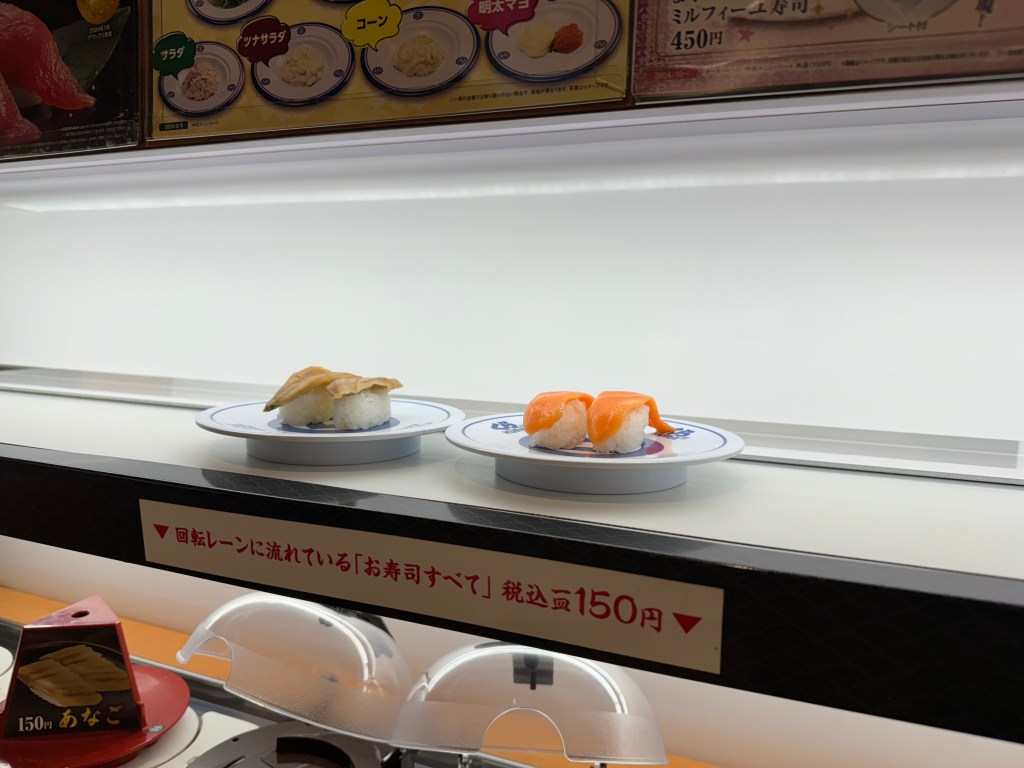
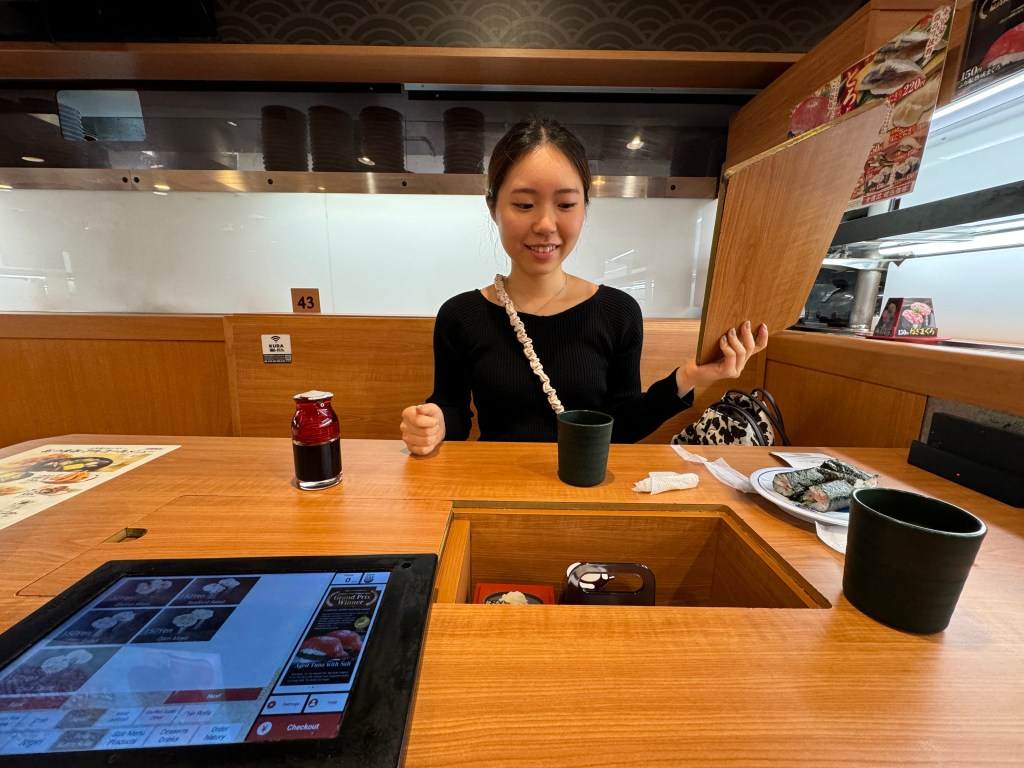
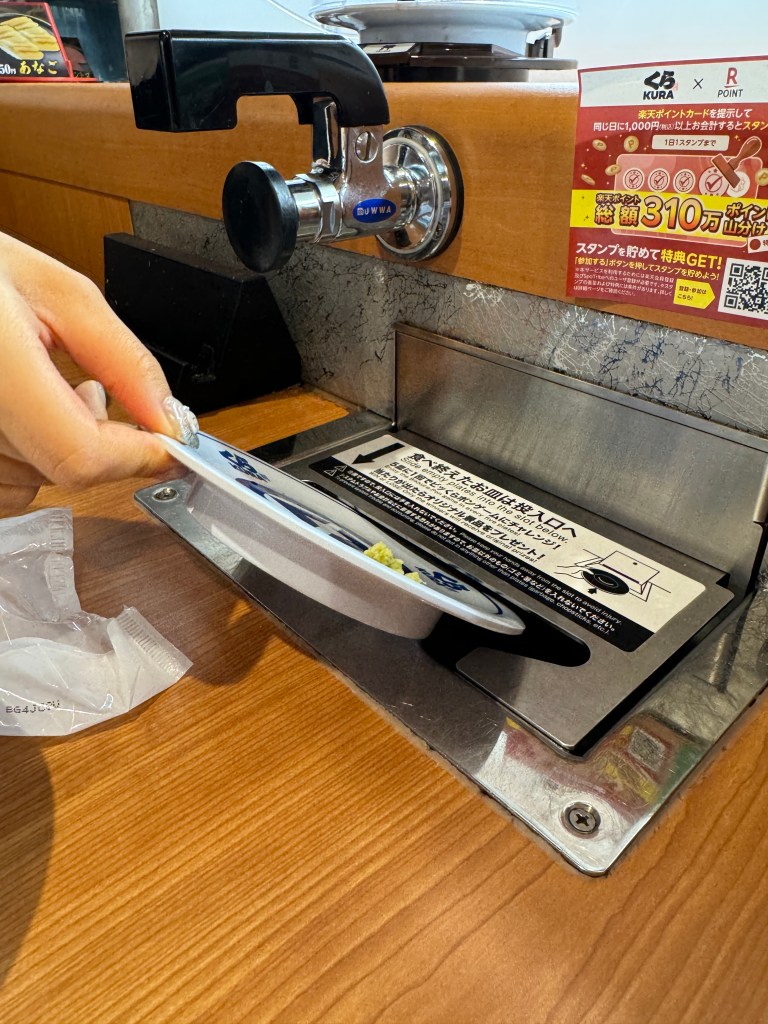
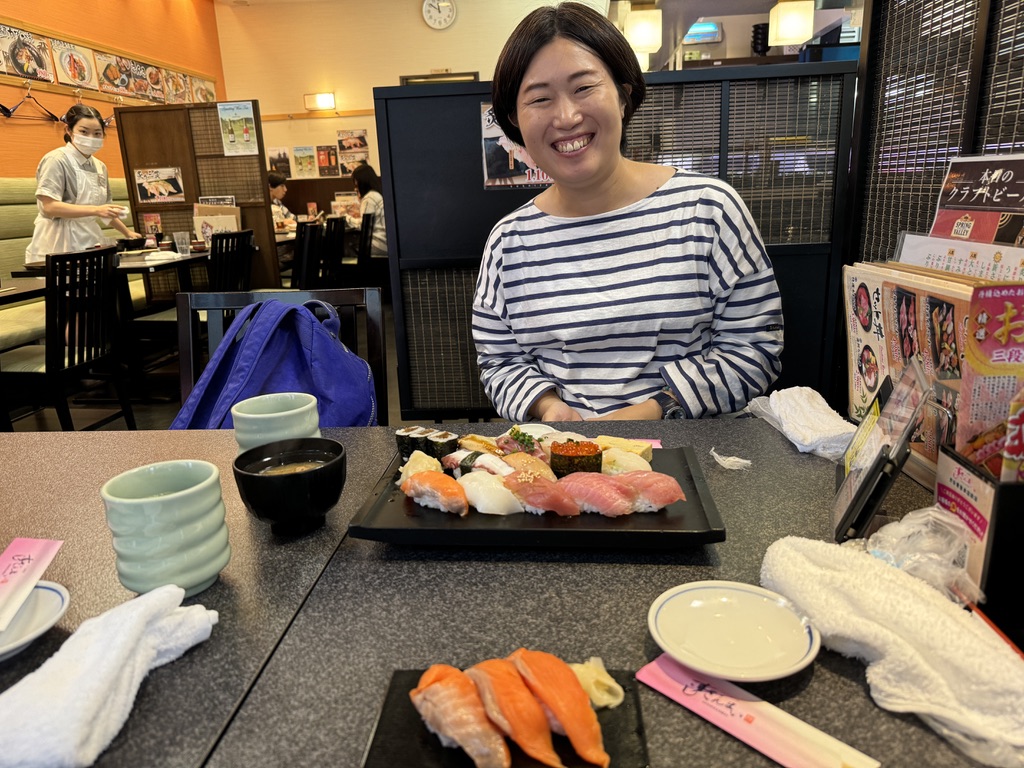
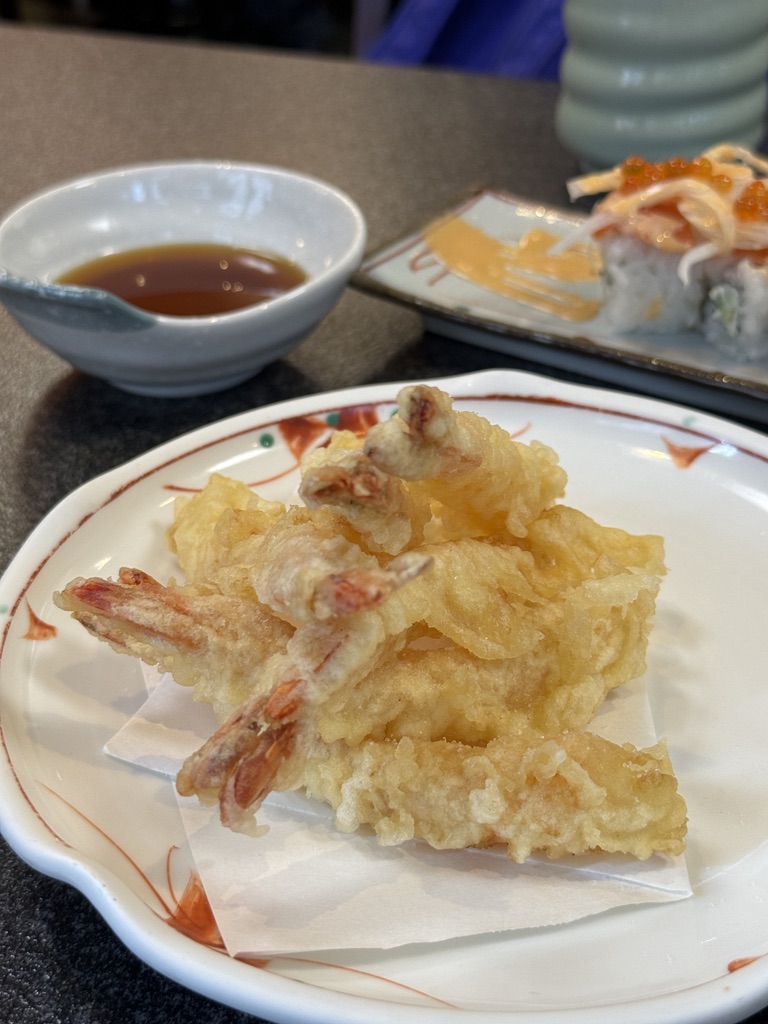
Next stop was a sushi lunch at Kura, a popular local sushi bar. It was quite the experience. There were no servers – we either ordered on an ipad or picked something from the conveyor belt. There was a hot water dispenser, tea cups and green tea powder at the table. When done, the dishes were slipped into a slot at the table. We then headed to cash and the person had our bill ready based on our table number.
The top conveyor belt delivered food we ordered, and the lower was food you could chose.Chop sticks and cups were in a compartment in the table. Thank goodness Rie was there to help us.
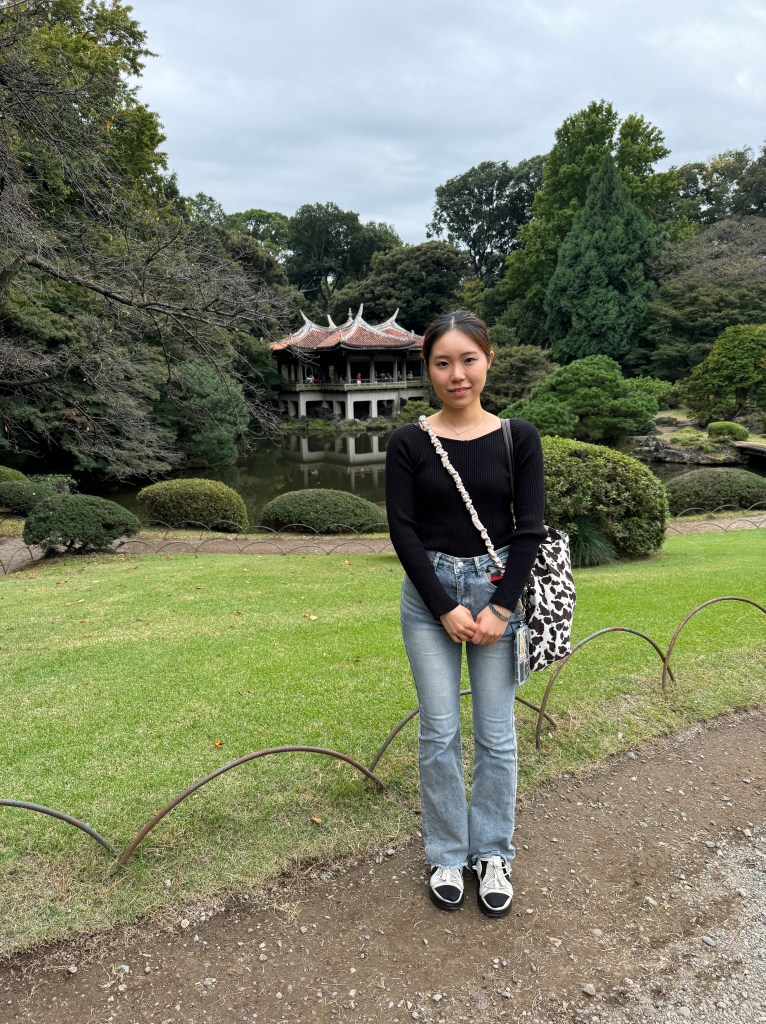
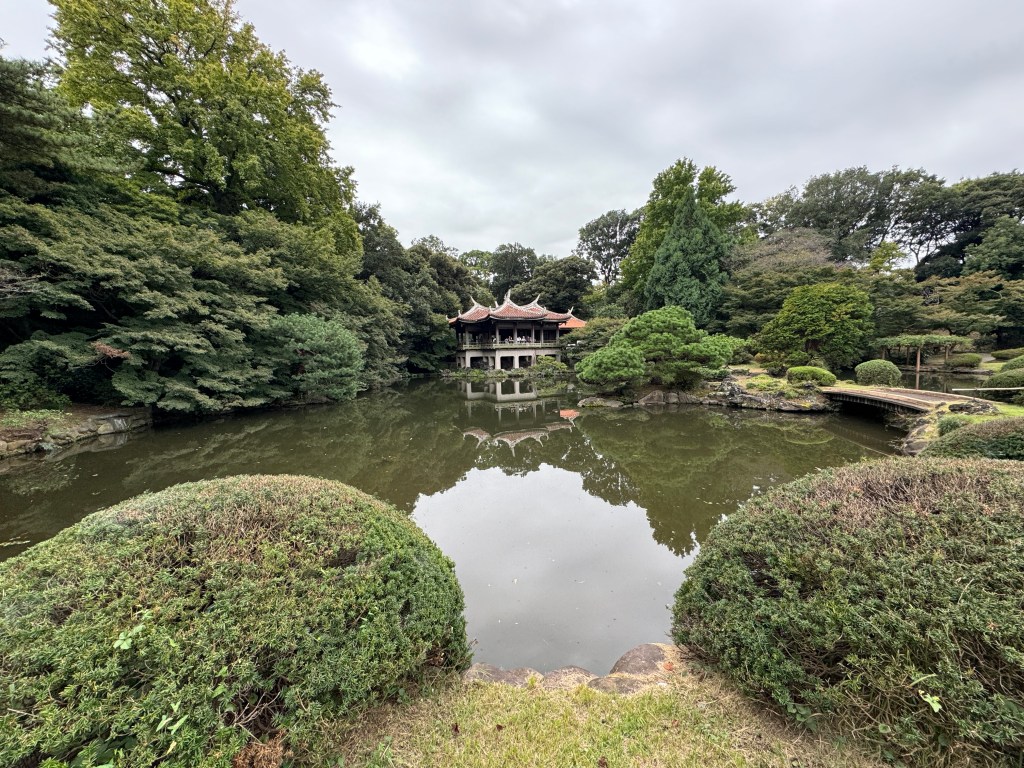
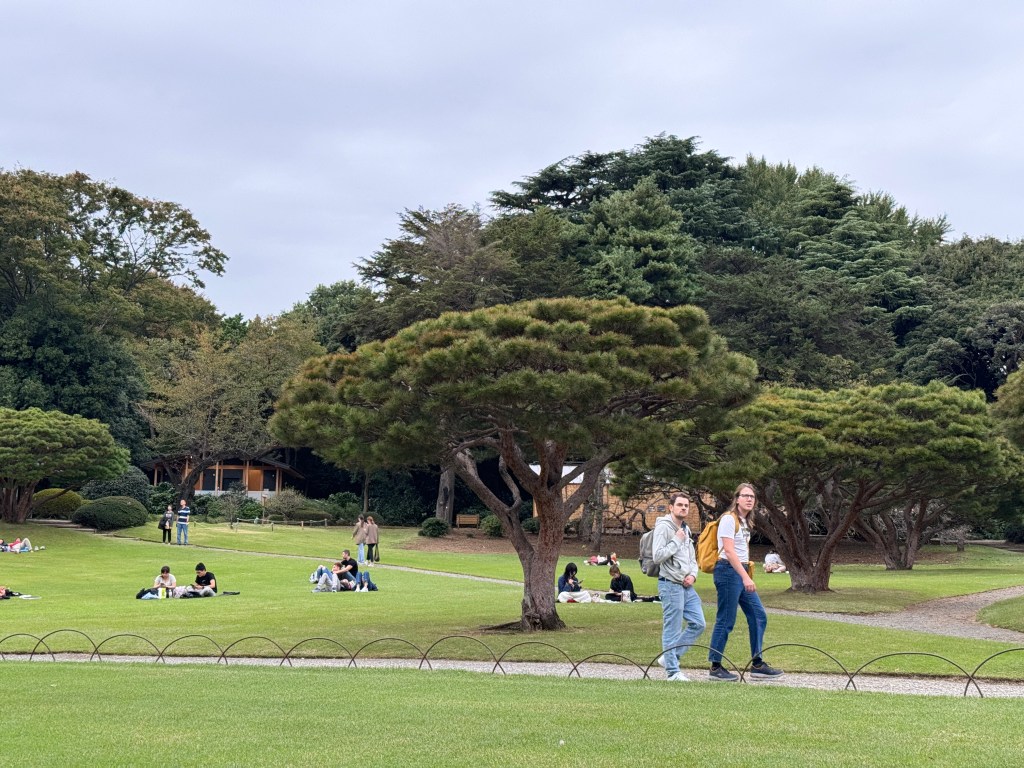
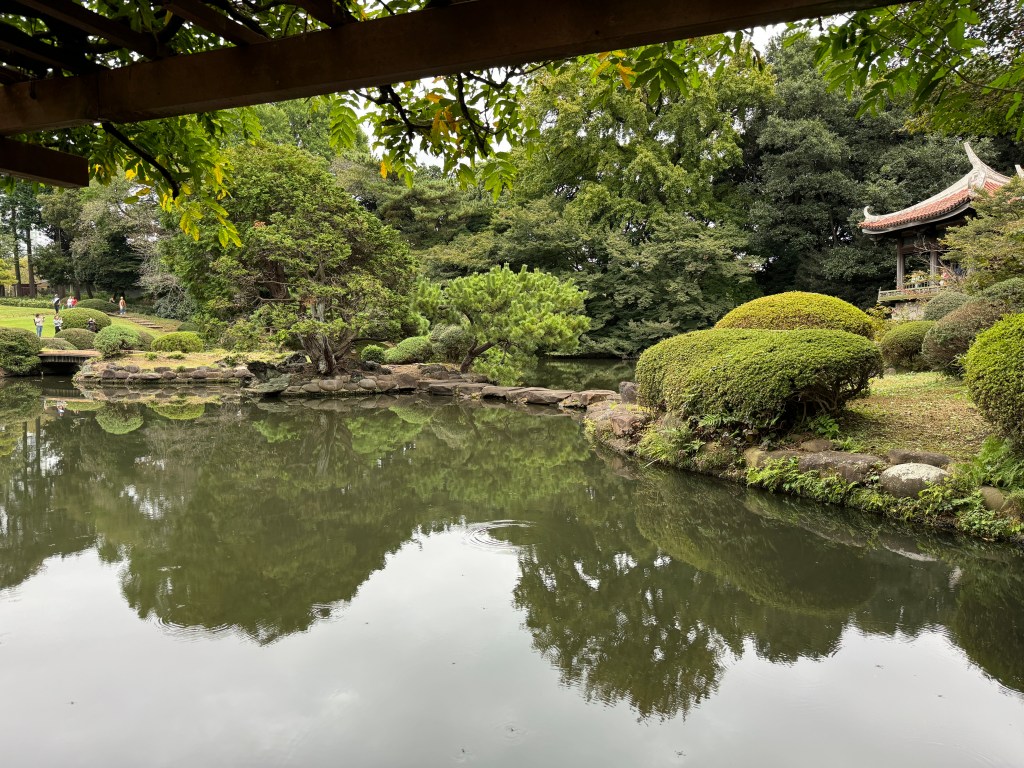
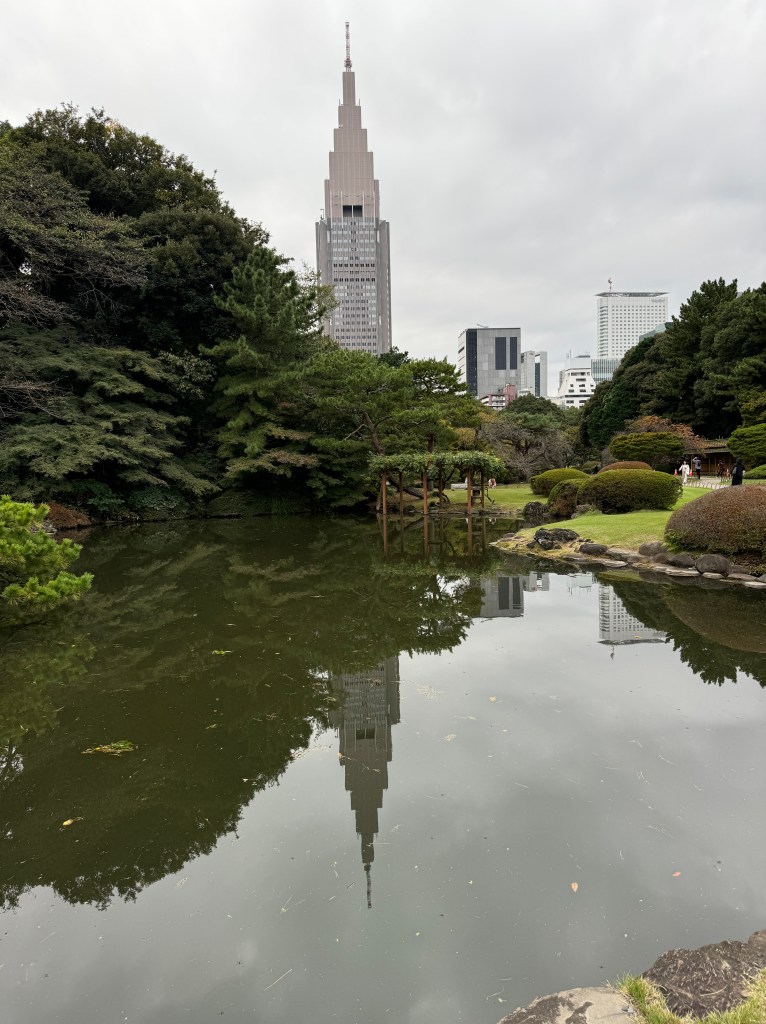
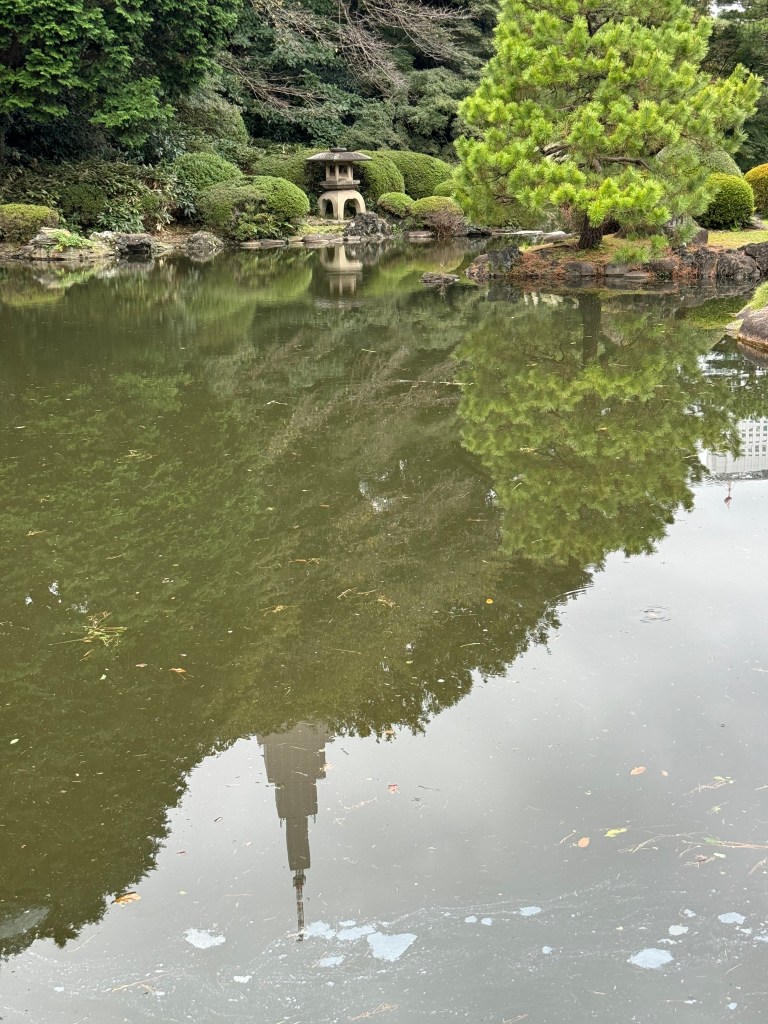
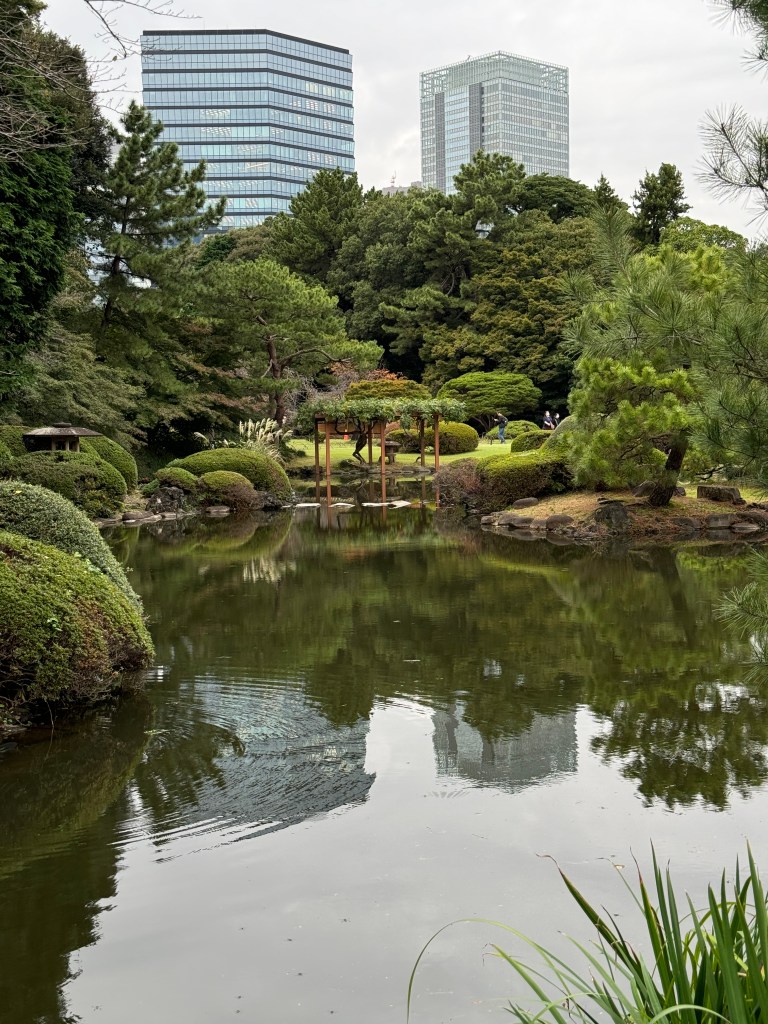
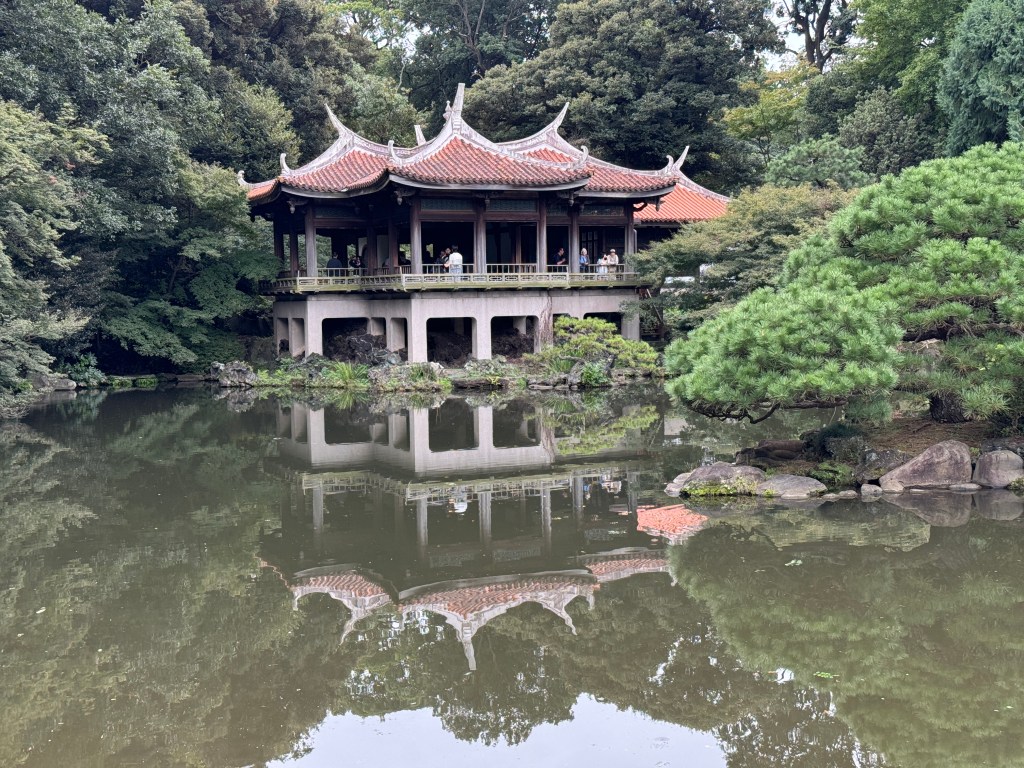
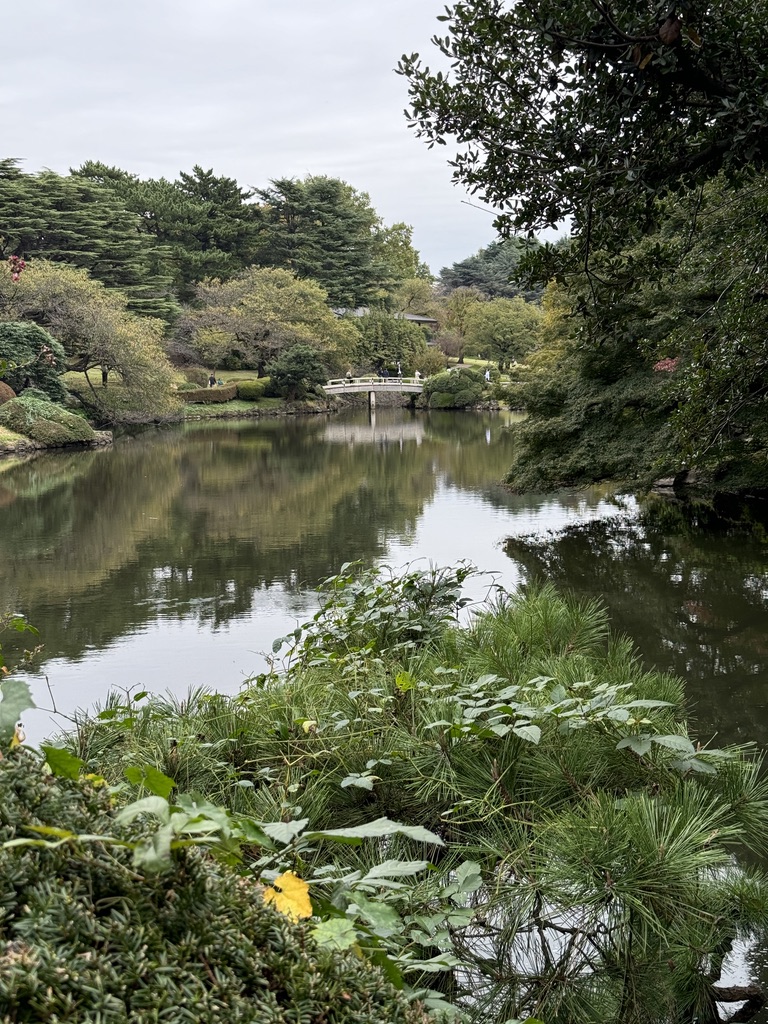
After lunch we went to Shinjuku Gyoen National Garden which is a public park originally built as the garden for the Imperial Household.
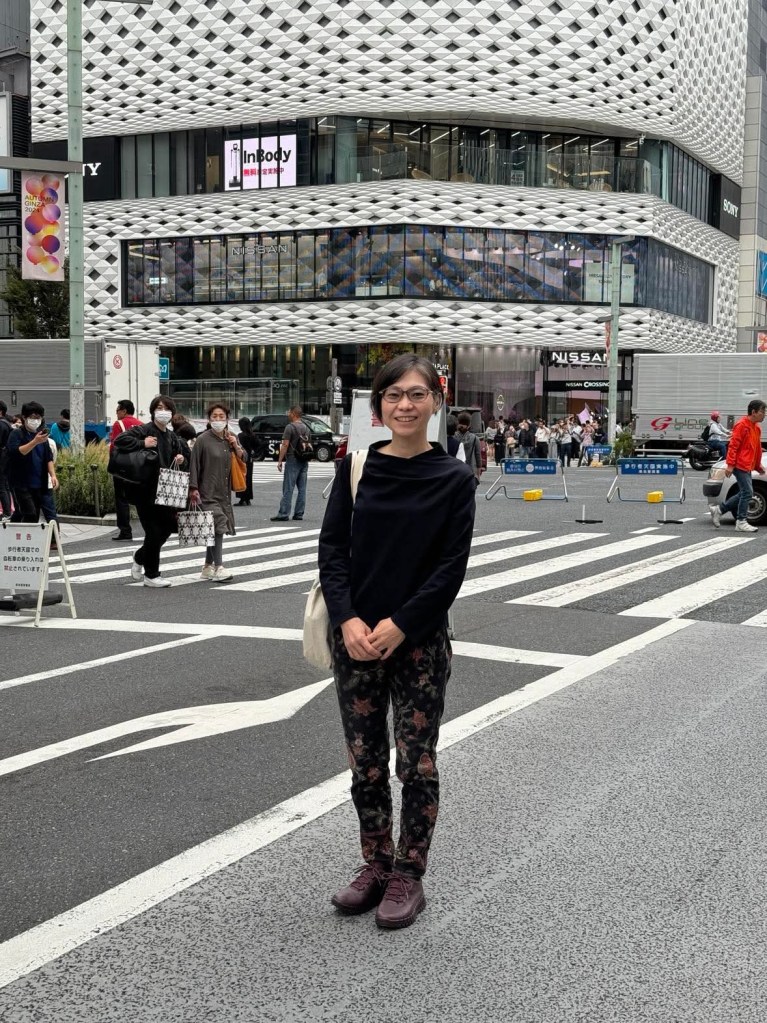
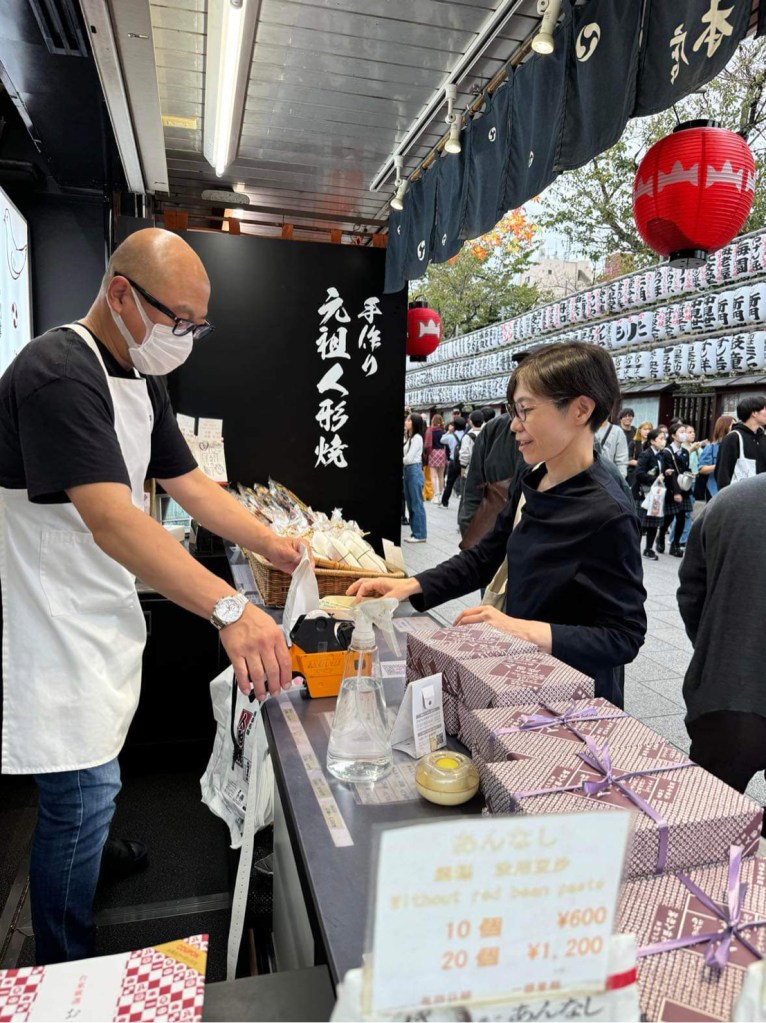
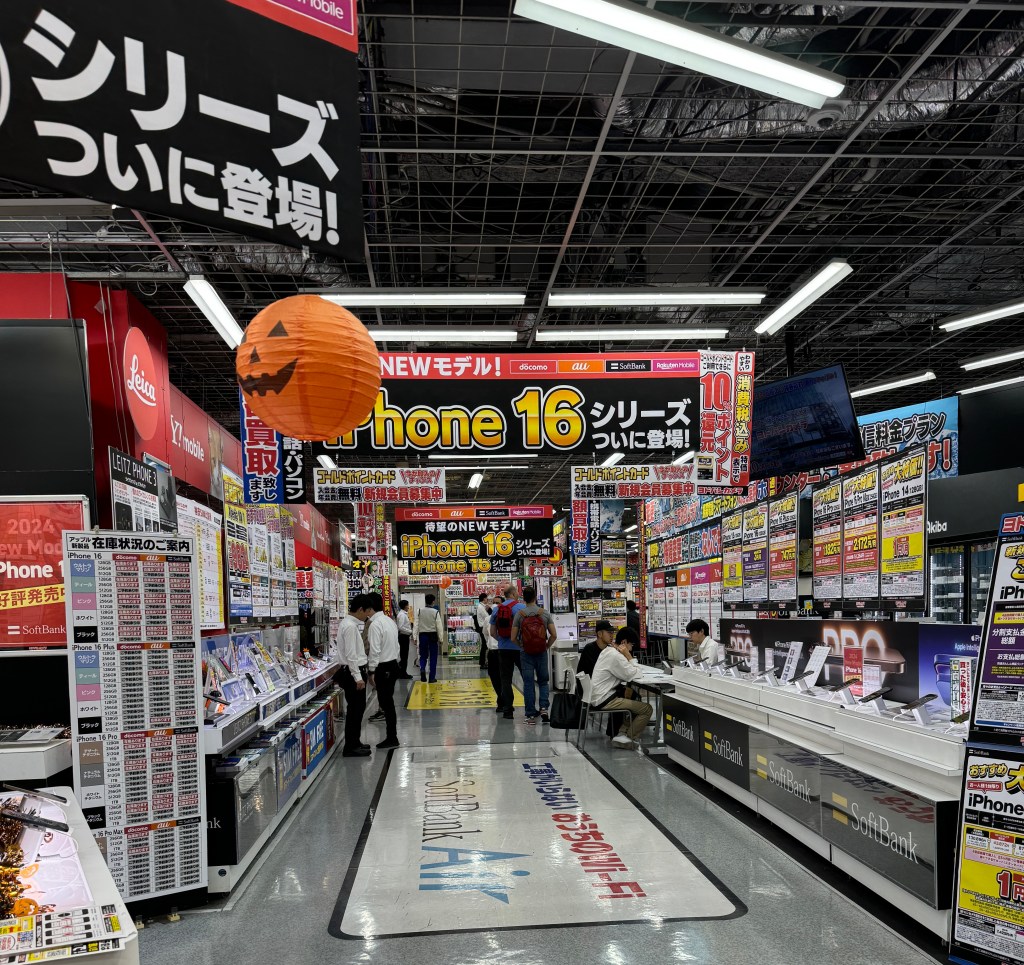
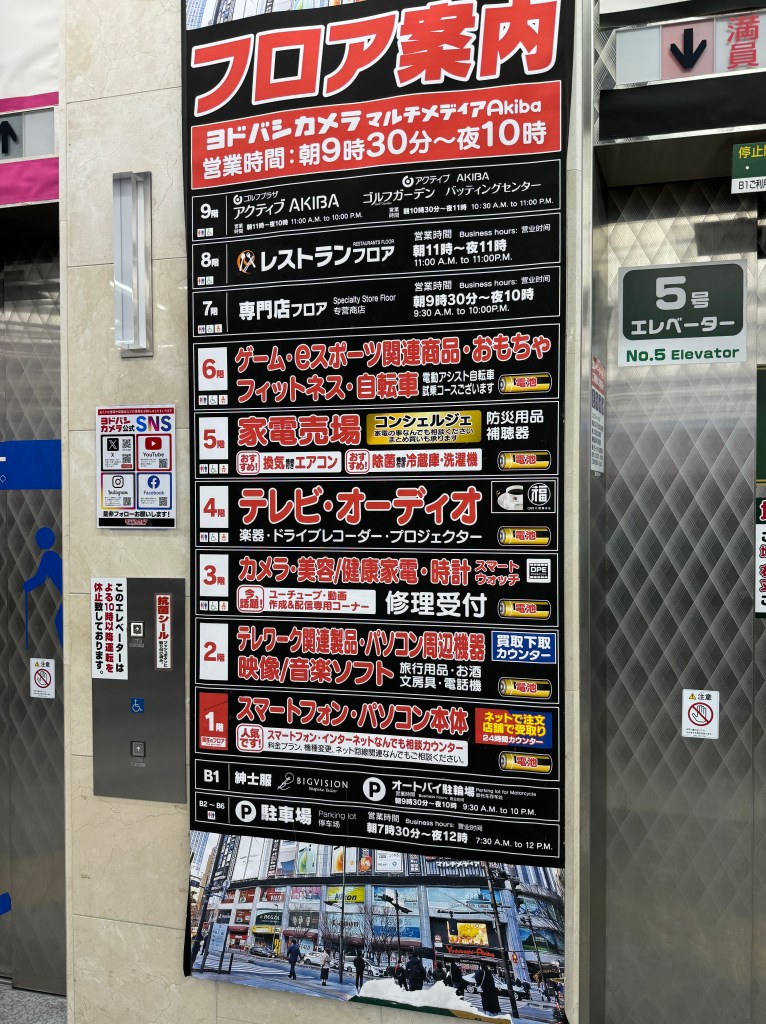
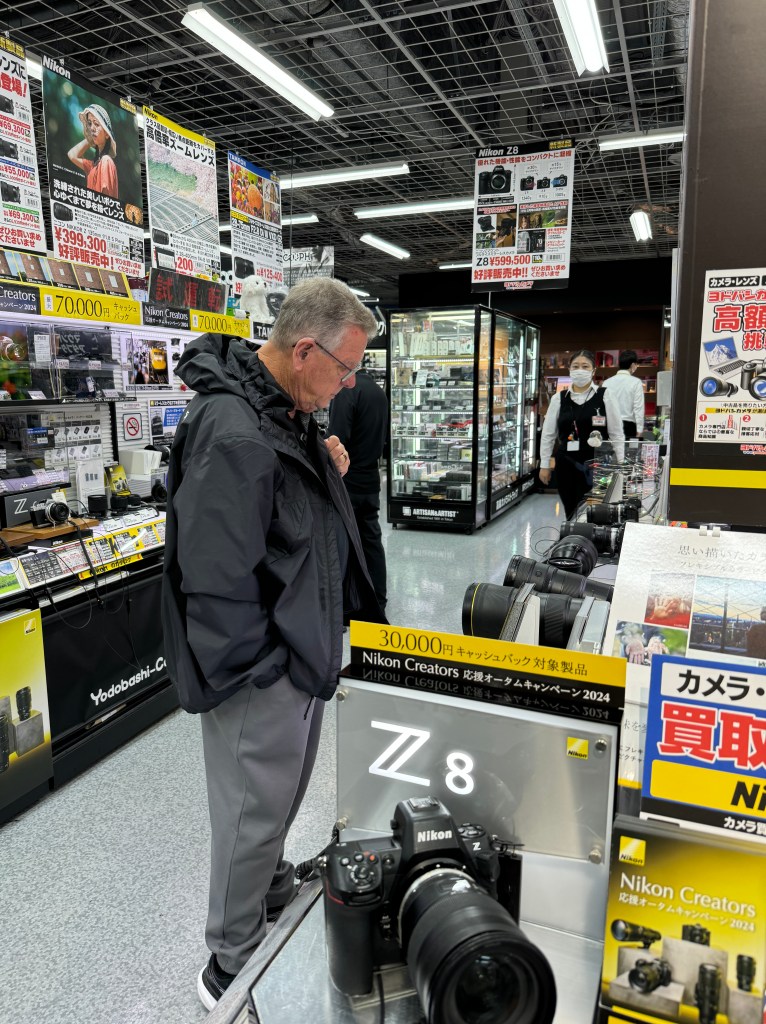
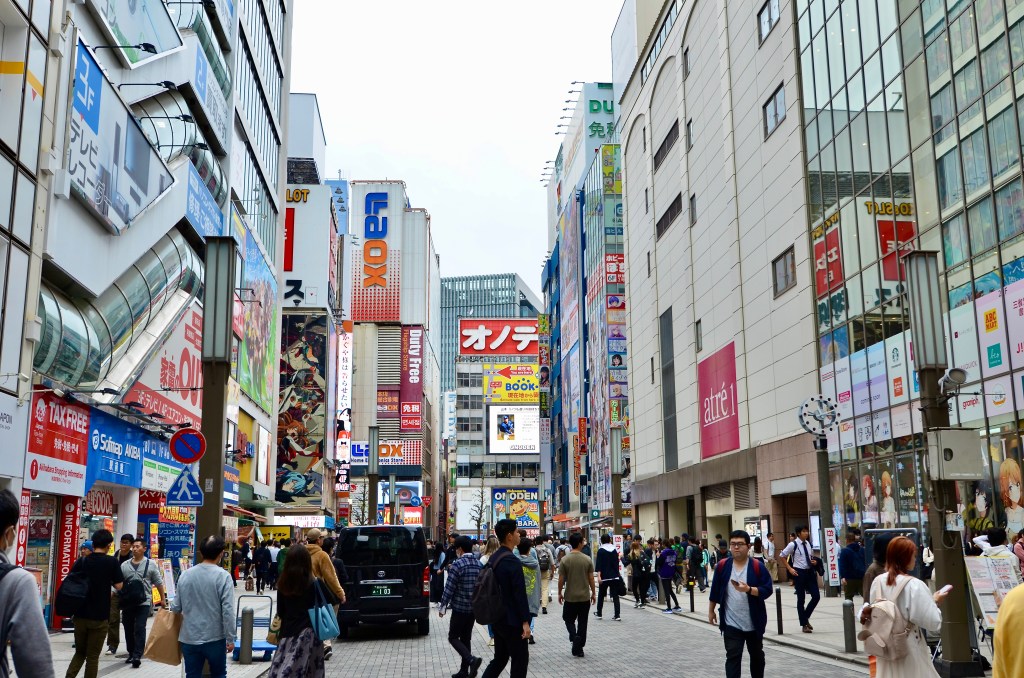
Our next guide was Shiori and our first stop was Akihabara, known as Tokyo’s vibrant and buzzing “Electric Town”. It is the hub for all things anime (a style of cartoon animation originating in Japan), video games, computers, cameras etc. We first visited Electric Town over 25 years ago and we were in awe of the TVs and cell phones. It is still bustling and overwhelming, but so much fun to walk around. Next was Tokyo’s high end Ginza area.
Shiori had a full day of activities planned for us.6 Floors of electronics, games etc. at Electric CityLarry enjoyed looking at the cameras – but not purchasesMany high end stores in Ginza.Interesting nameA very fancy futuristic Nissan
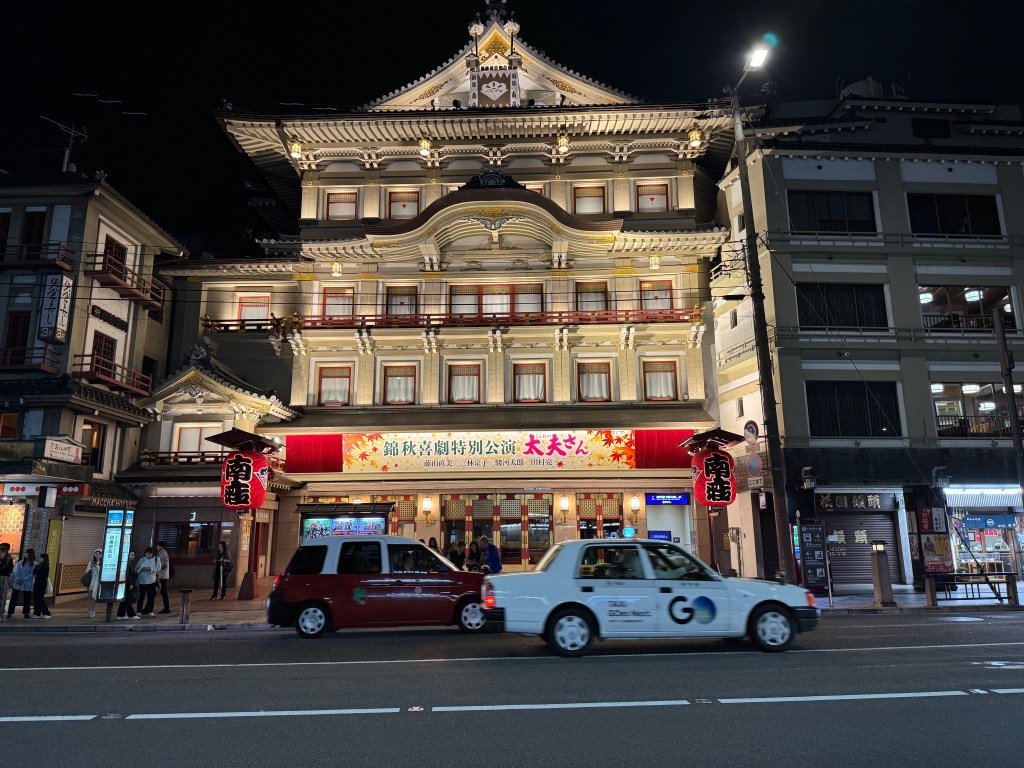
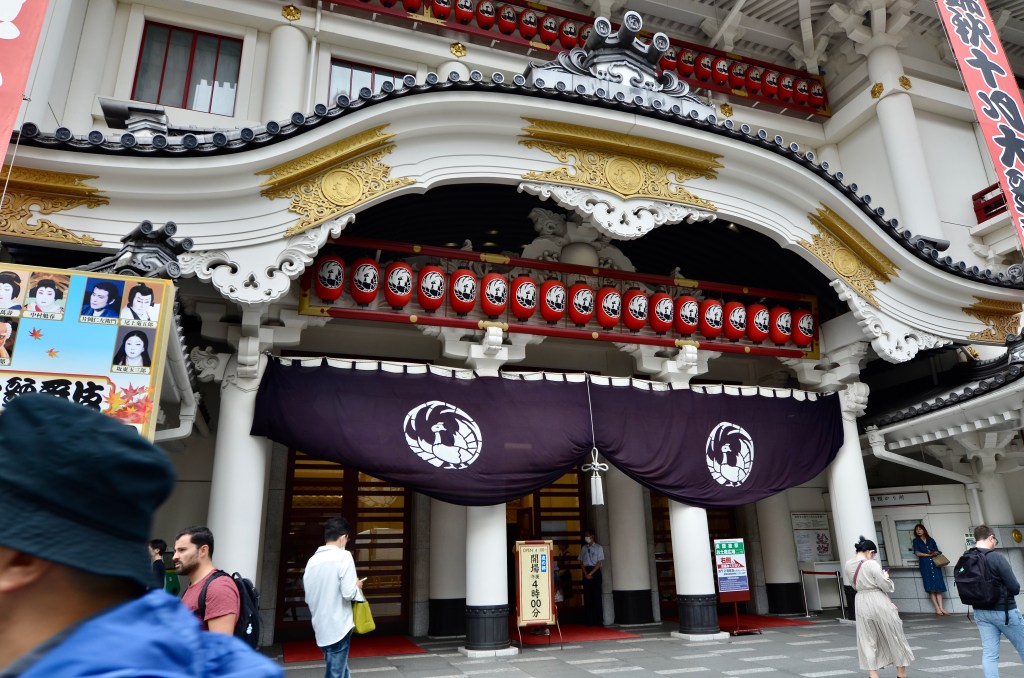
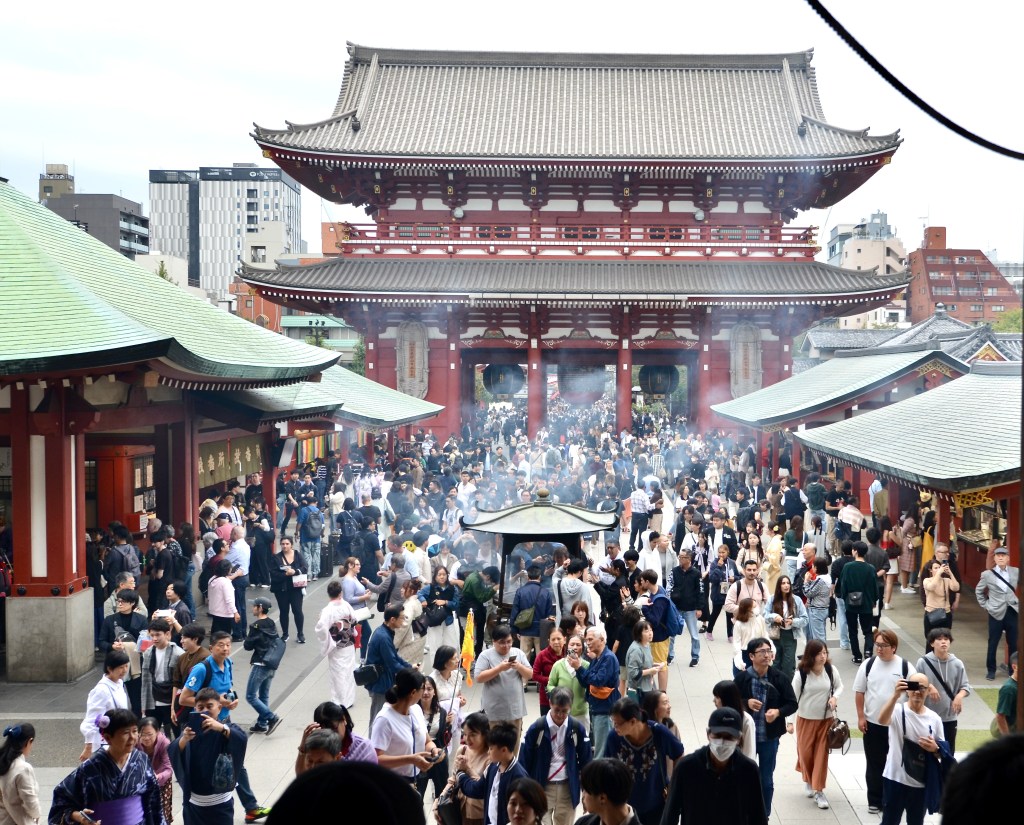
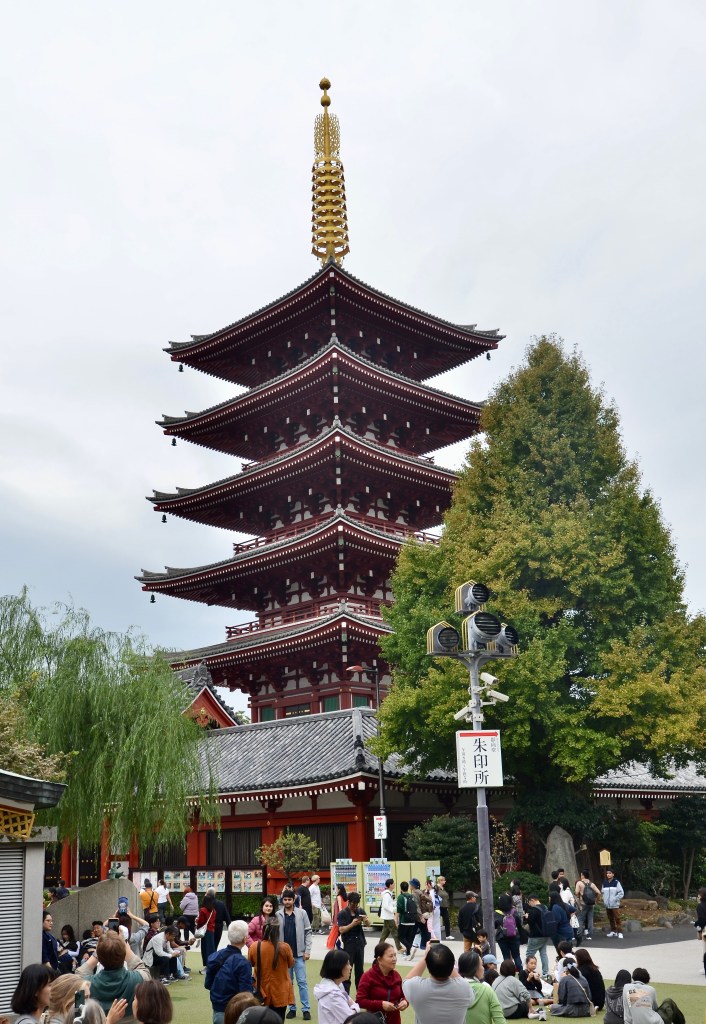
Next we went to Kabuki-za theatre and saw a one act play – thankfully we were given an ipad with the story line in English. It was a beautiful old theatre and a full house for the play. Our last stop was Asakusa which is famous for the Sensō-ji Buddhist temple which opened in 645 AD. As you will see from the photos below it was very busy.
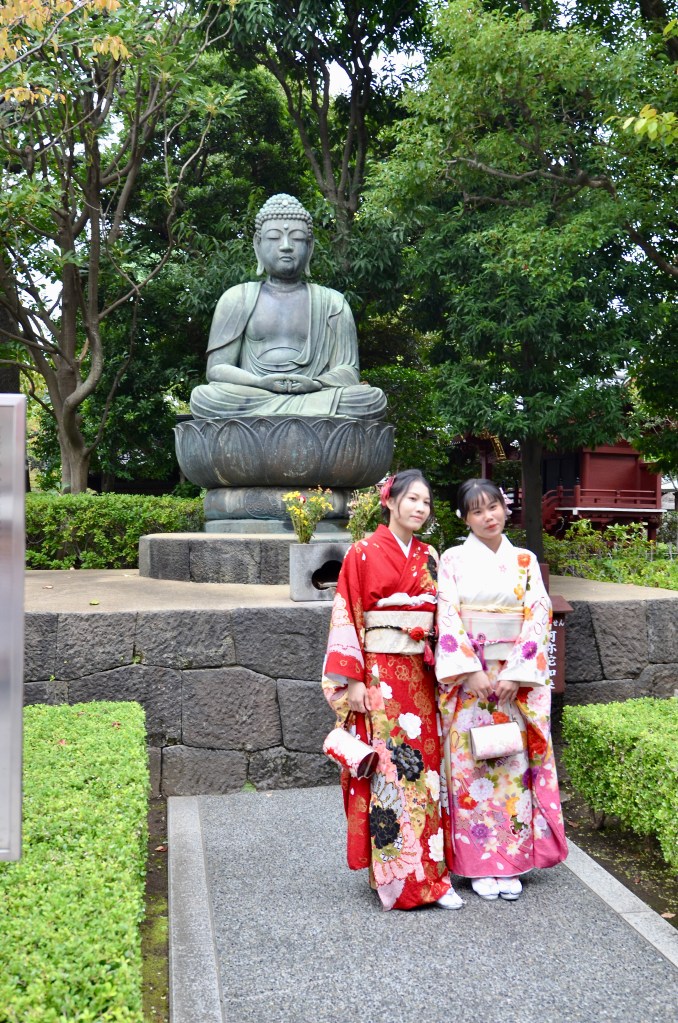
Kabuki-za TheatreSensō-ji Buddhist templeWashing of the hands before entering the templeAt the temples we often saw ladies dressed in kimonos. You could also rent kimonos.
On October 26th we took the Bullet Train to Kyoto, stayed overnight and returned the next evening. I will do a separate Kyoto post.
Now to finish our time in Tokyo. On October 29th we met Junko at our hotel and we toured in the morning before we headed to the cruise terminal in Yokohama
Junko was a Tawingo Camp alumni – we had an immediate connection.Our last sushi lunch in Toyko – so good!
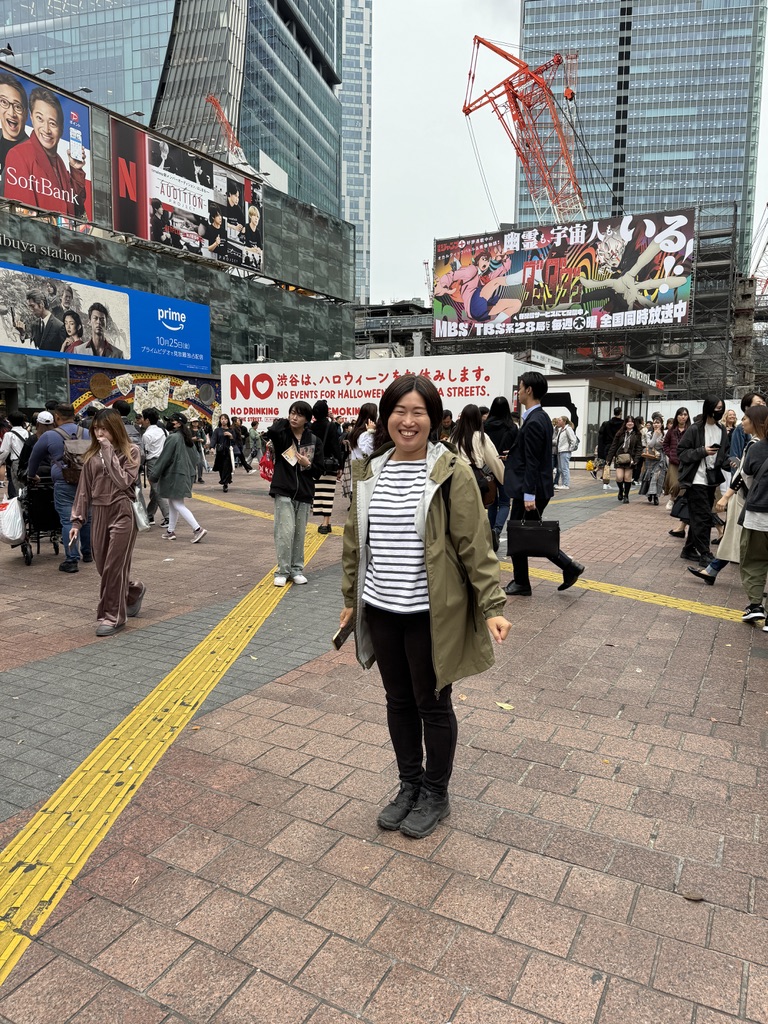
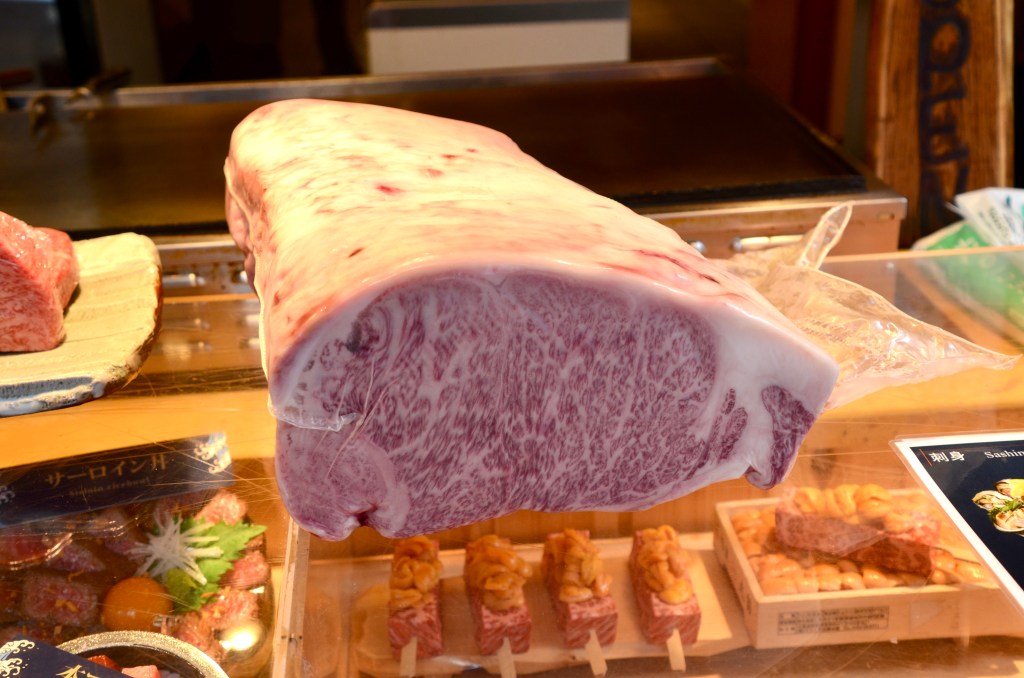
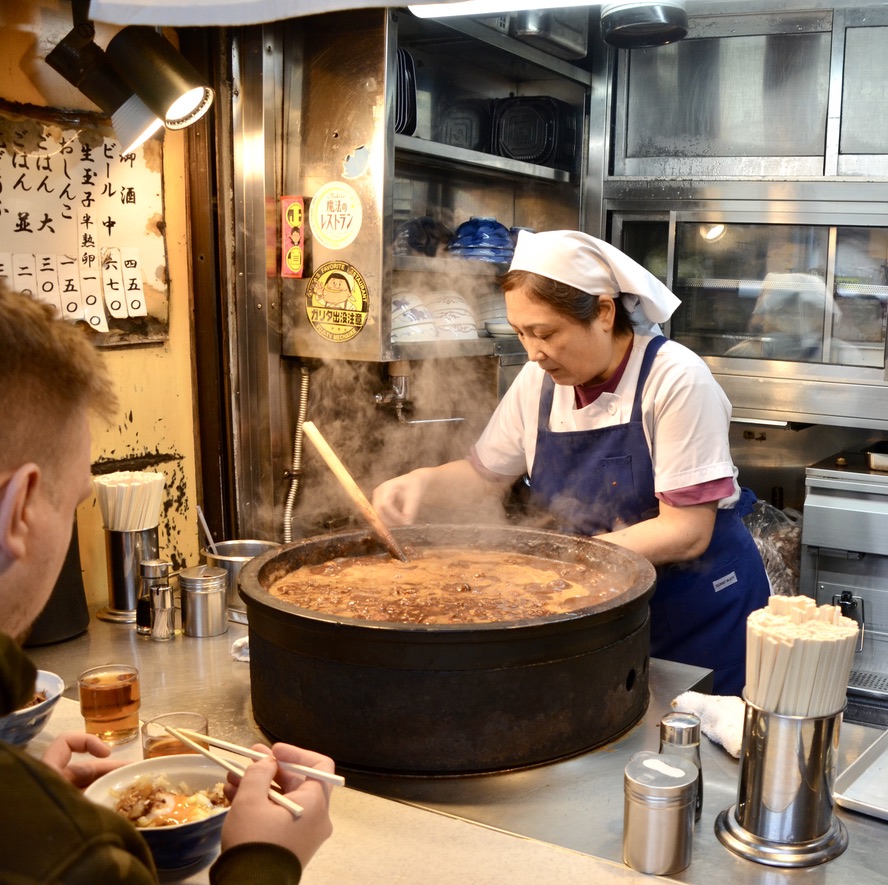
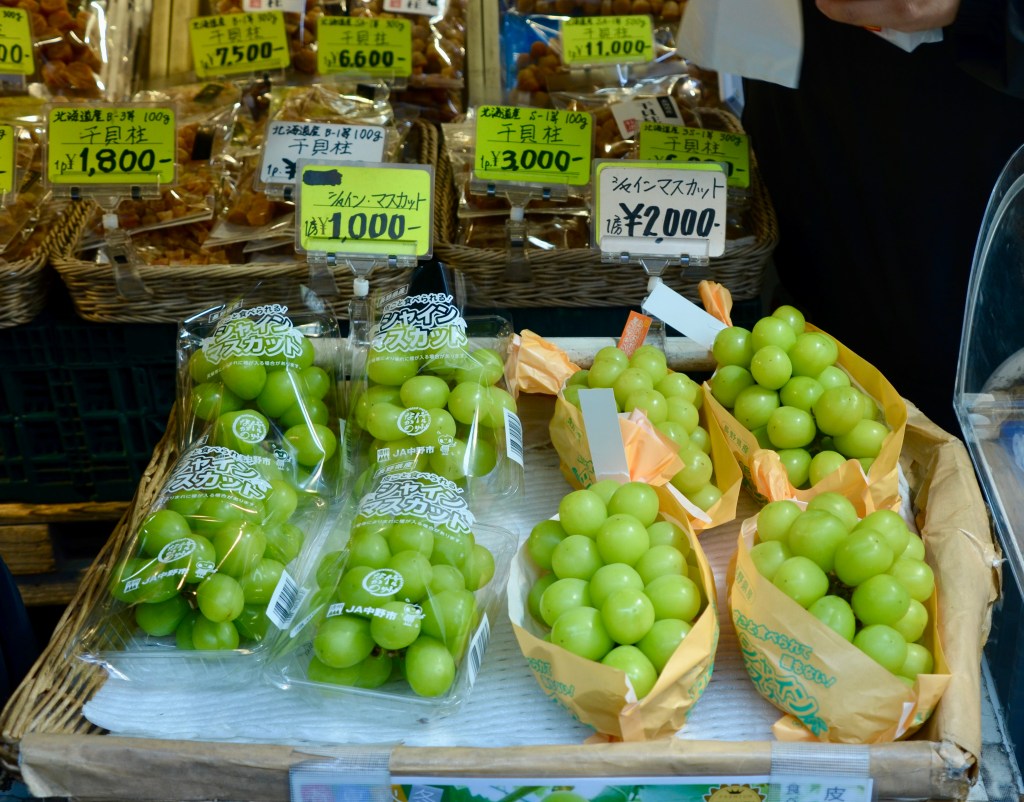
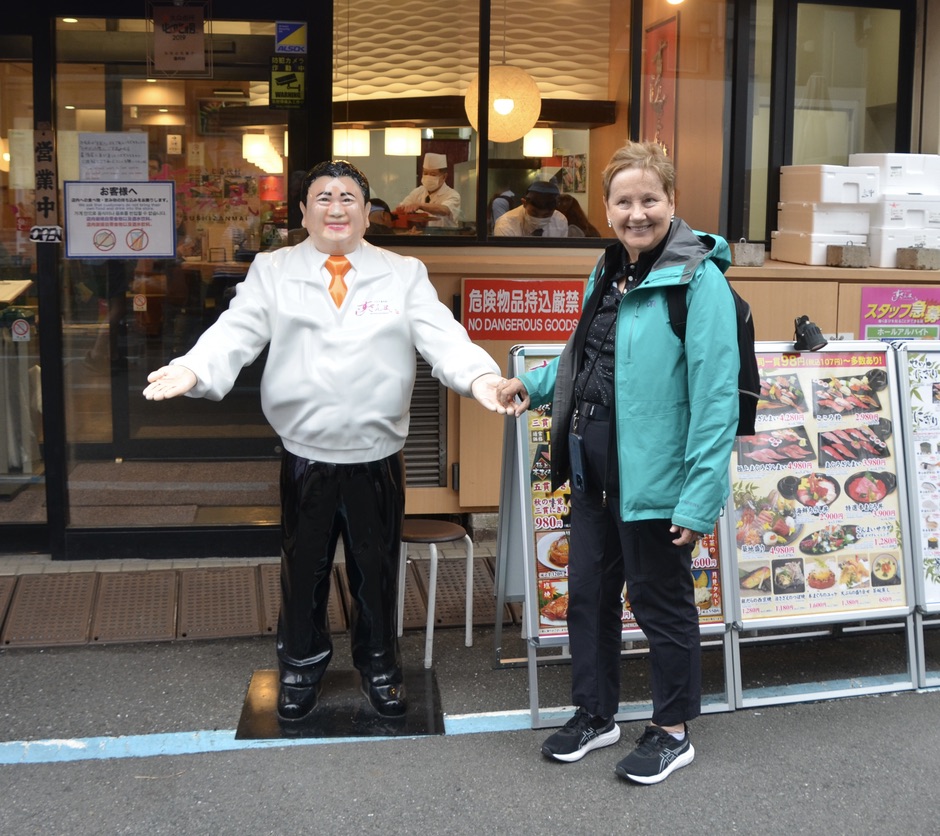
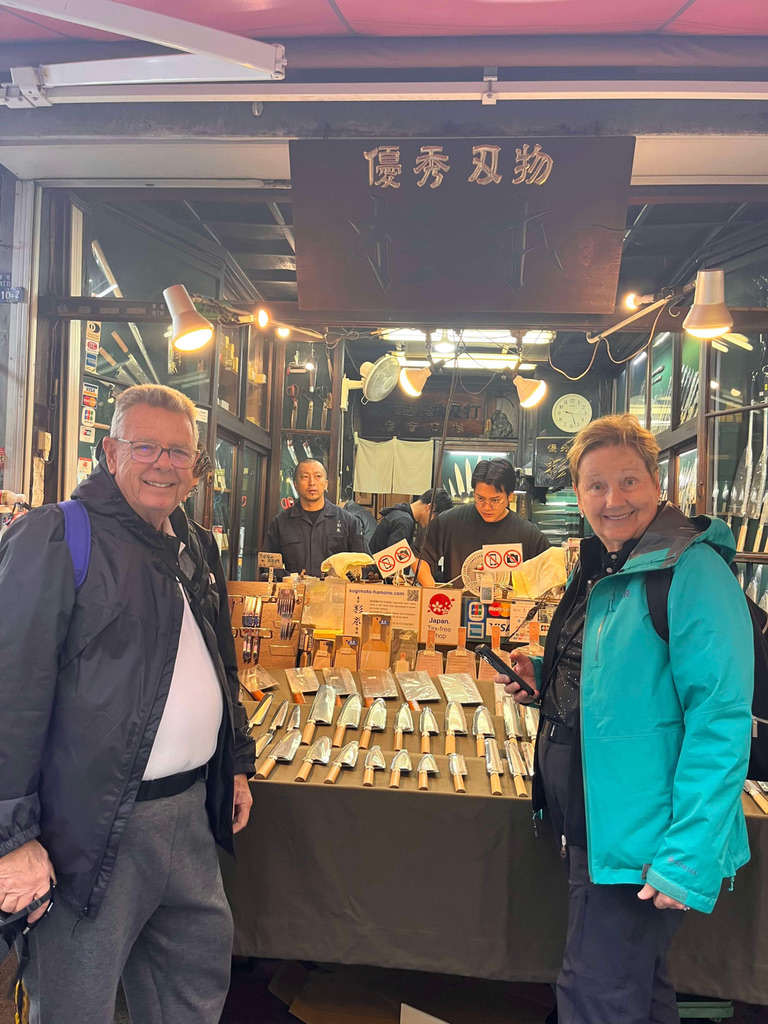
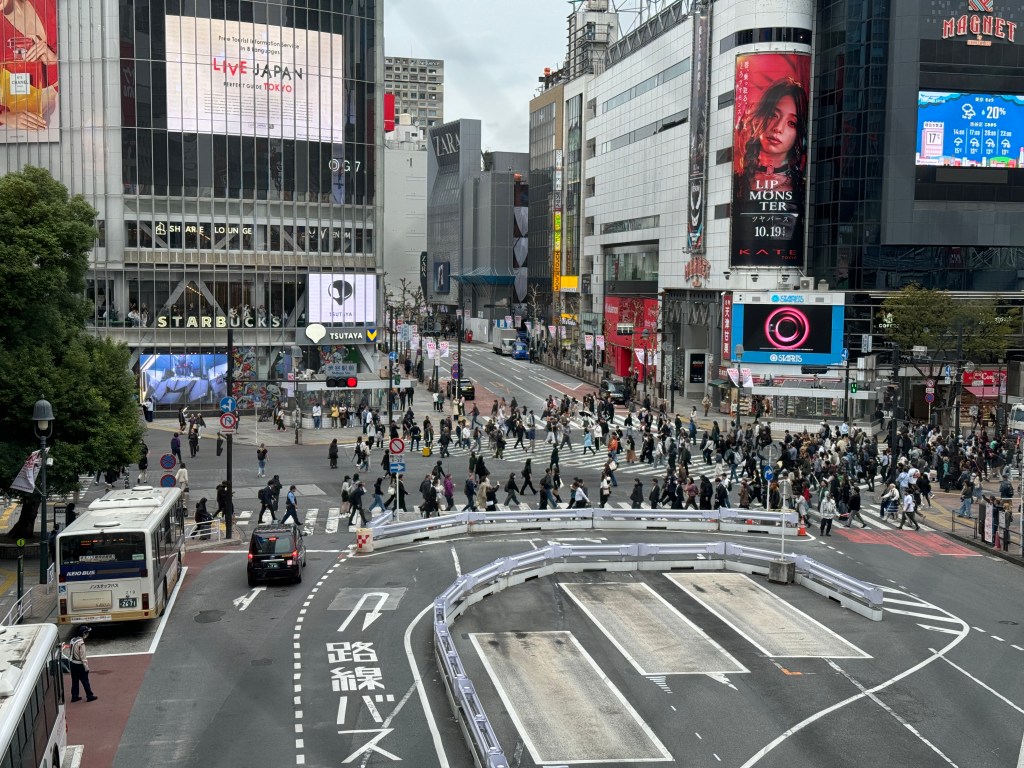
Thanks to Junko we squeezed in the busy market, lunch and the Shibuya Crossing before we headed to the cruise terminal in Yokohama.
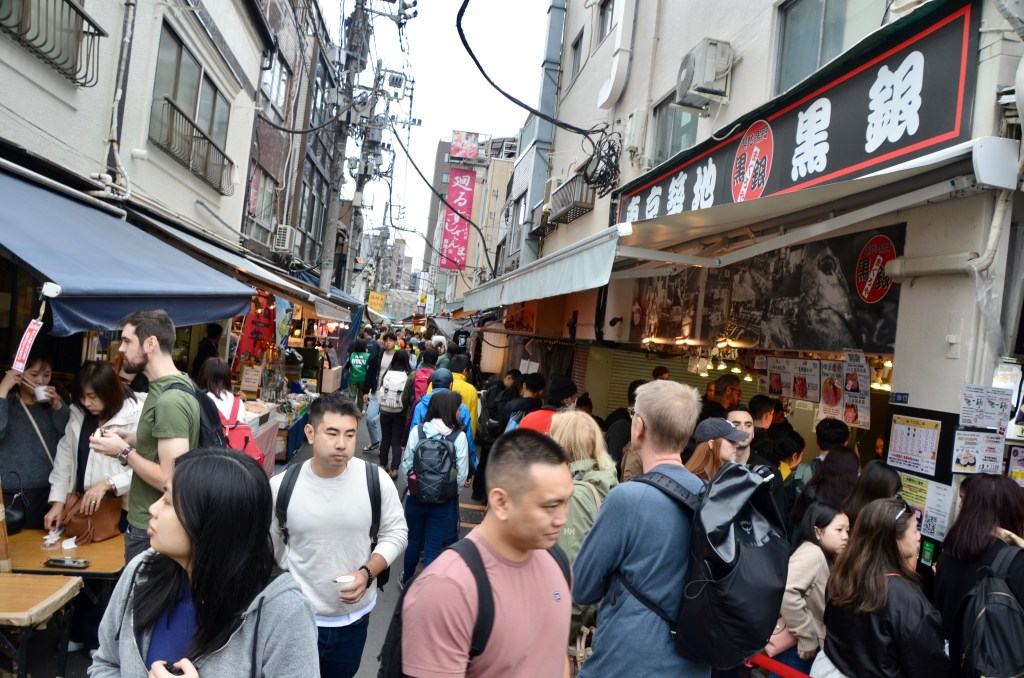
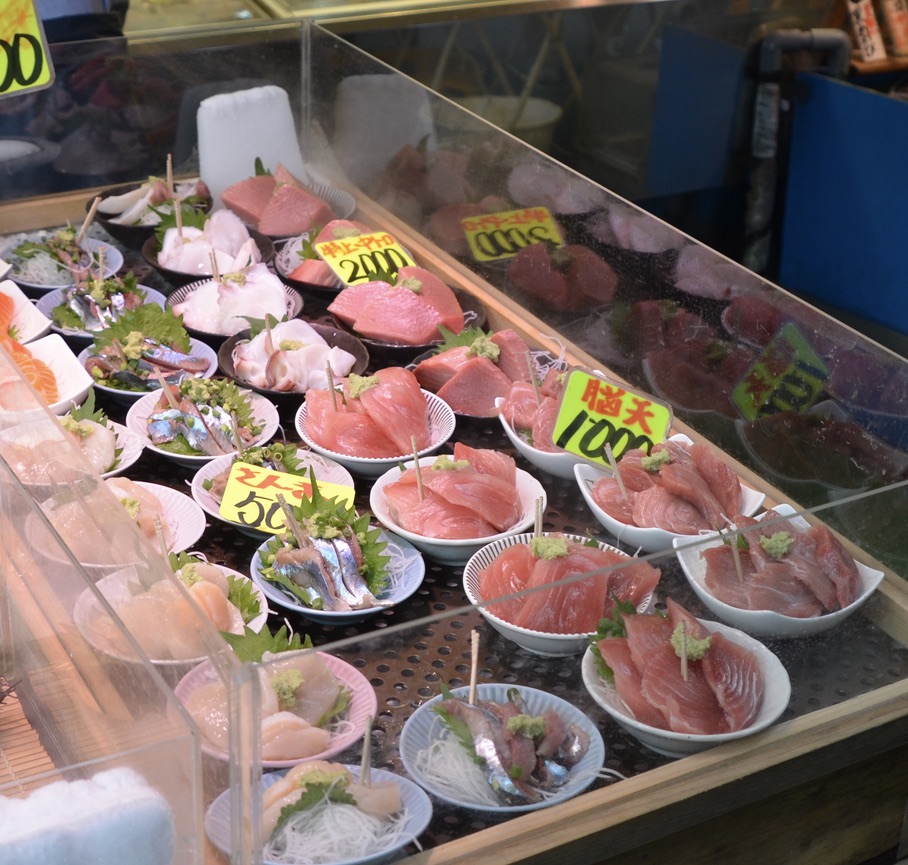
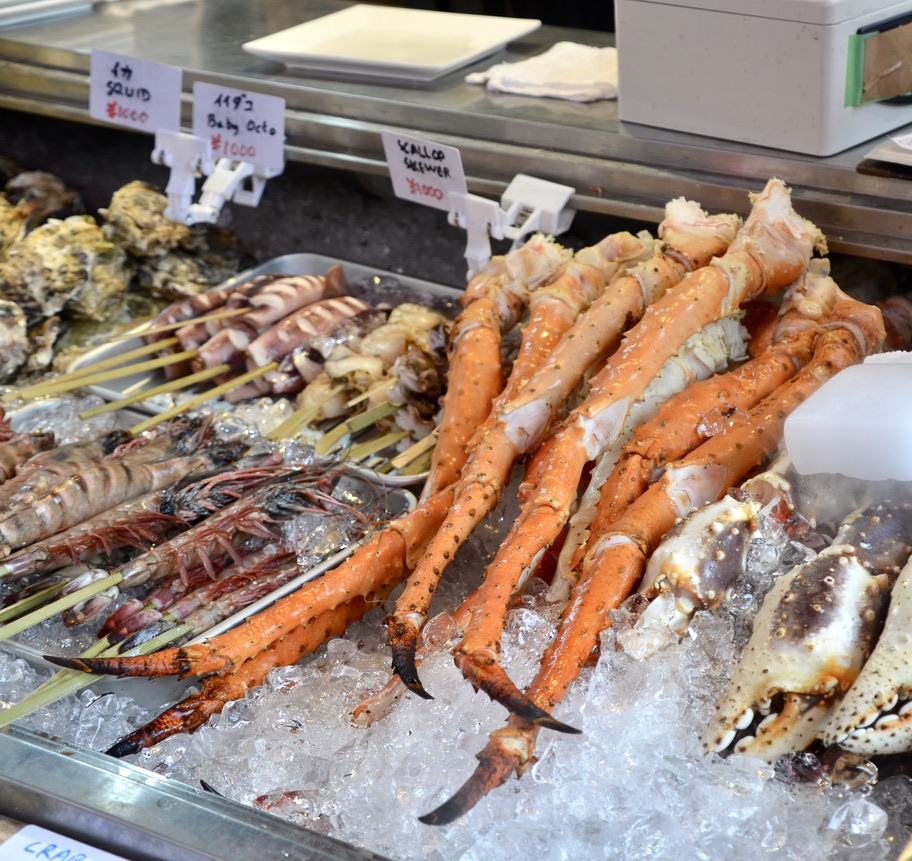
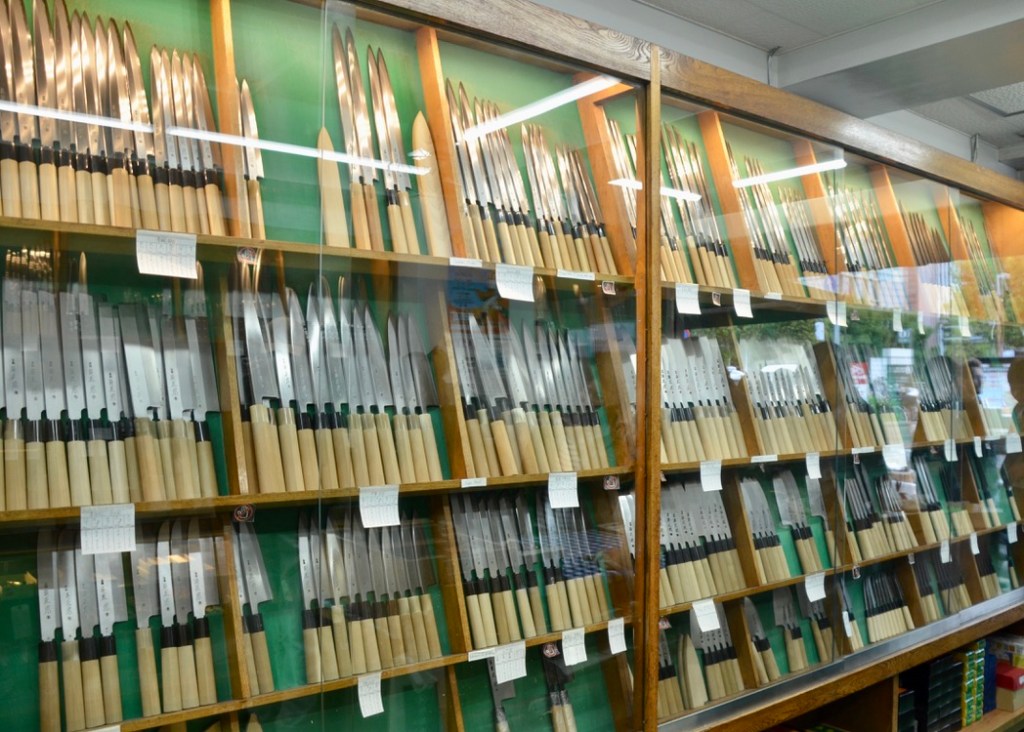
So many places to eat in the marketDelicious grapesOur lunch place – popular with the localsLarry was once again drawn into the knife shop – and yes he purchased again bringing the total knives purchased to 4
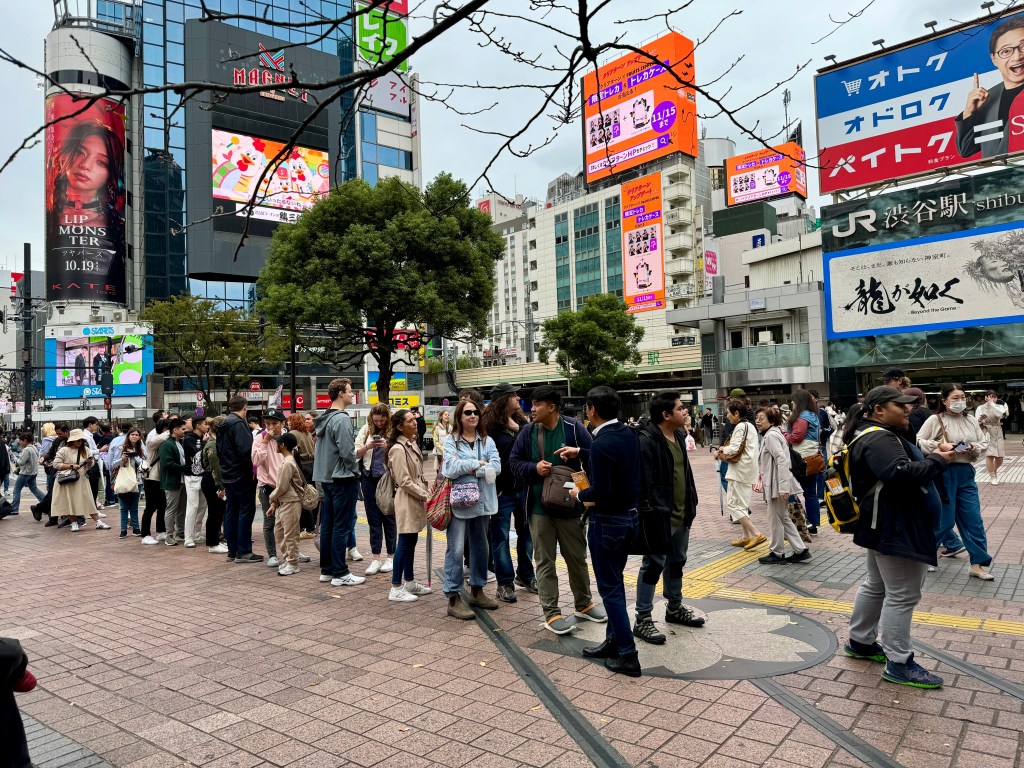
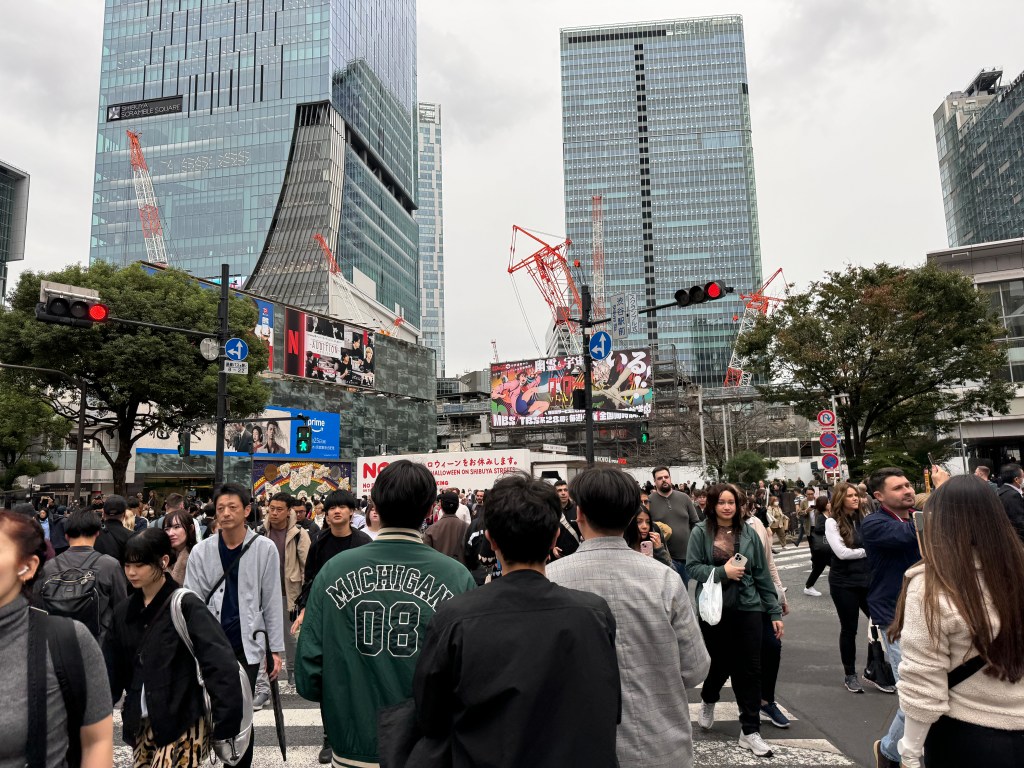
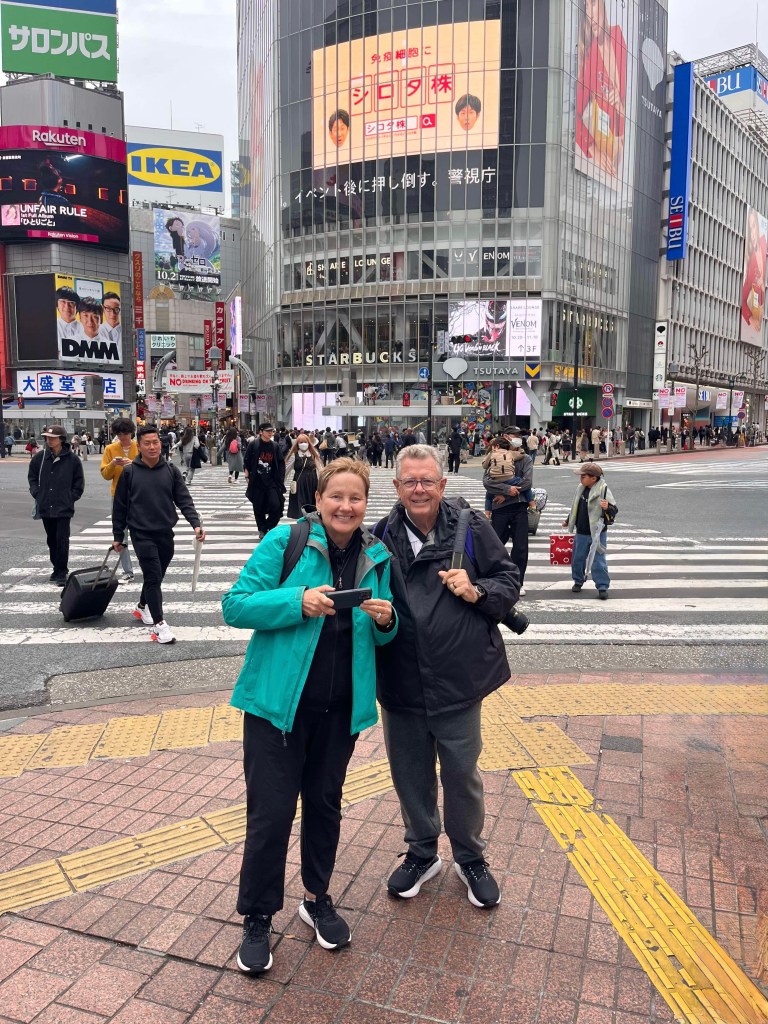
Our final stop – Shibuya Scramble Crossing. It is located in front of the Shibuya Station and stops vehicles in all directions to allow pedestrians to take over the entire intersection. This intersection is frequently recognized as “the busiest pedestrian intersection in the world”, but it seems to work as traffic jams rarely occur. The number of pedestrians crossing the intersection is said to be as much as 3,000 per green light (every 2 minutes). Although intimating when we first saw it, crossing was much easier than we thought.
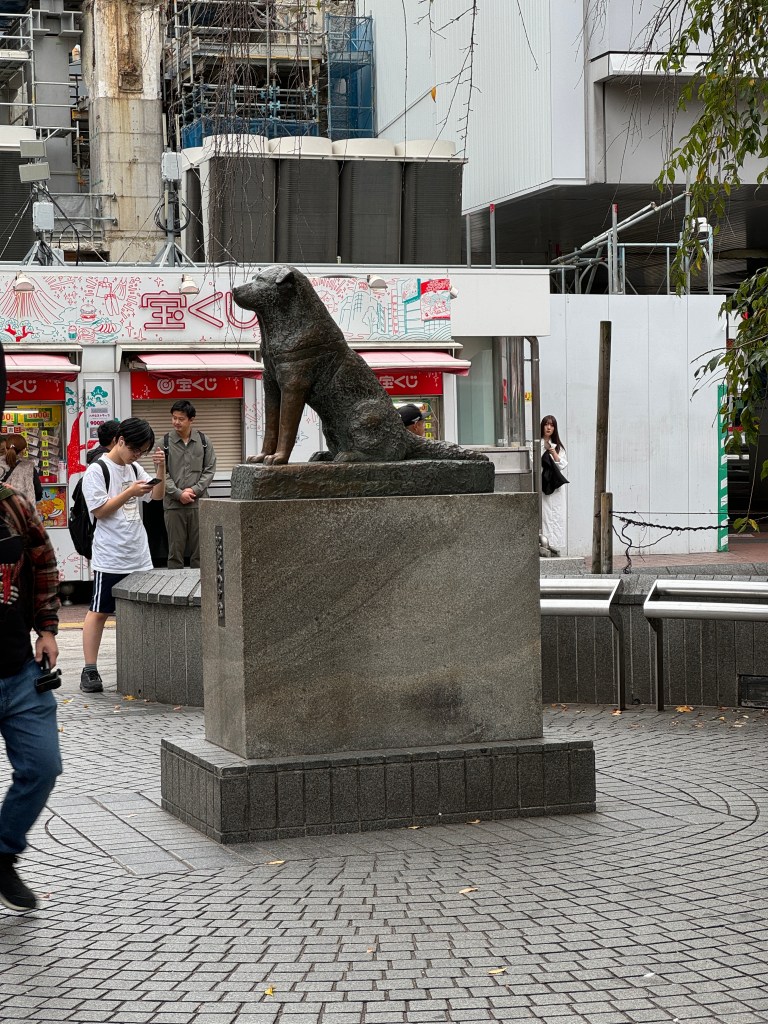
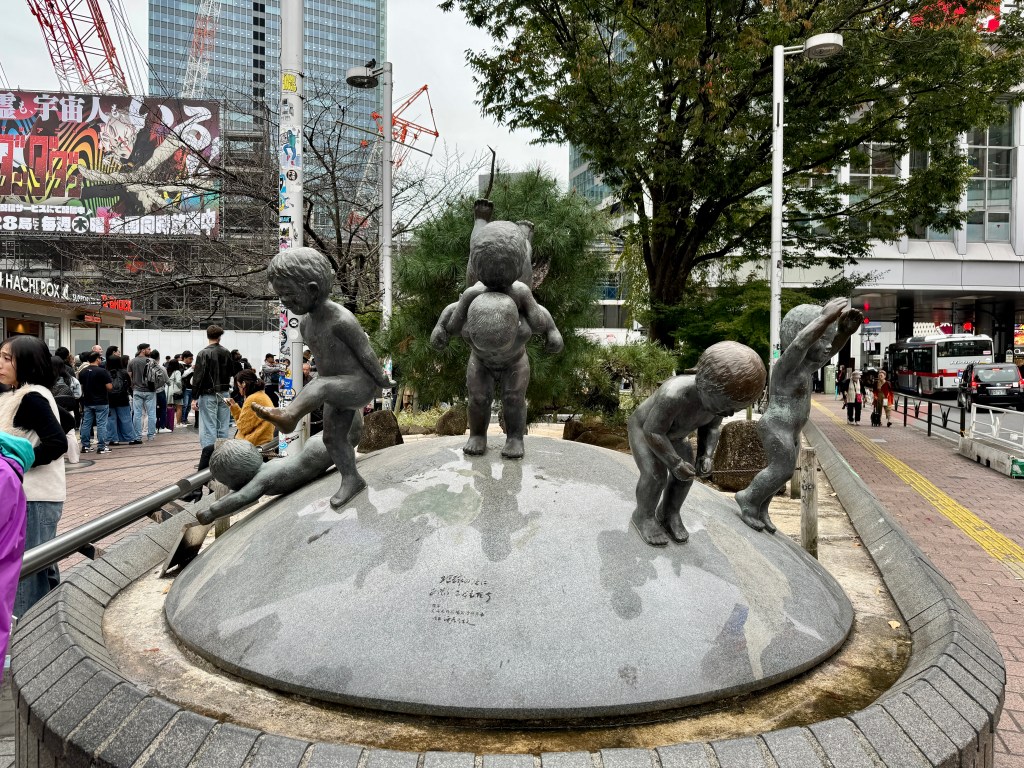
With Shibuya Crossing being so busy, the common meeting place for locals is the Hachiko Statue. Hachiko is the name of a dog that was born in 1923 and died in 1935 in Tokyo. The statue celebrates the animal’s loyalty to his owner. People were lined up to have their picture taken with the dog – rather than wait in line we just took a photo of the statue.
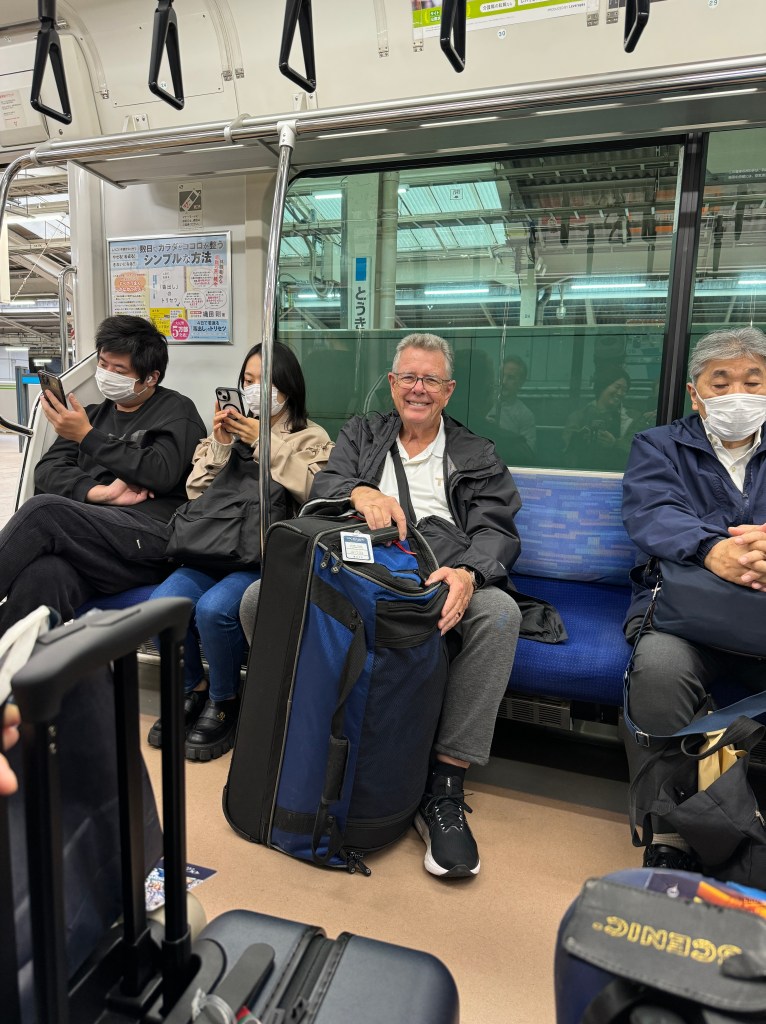
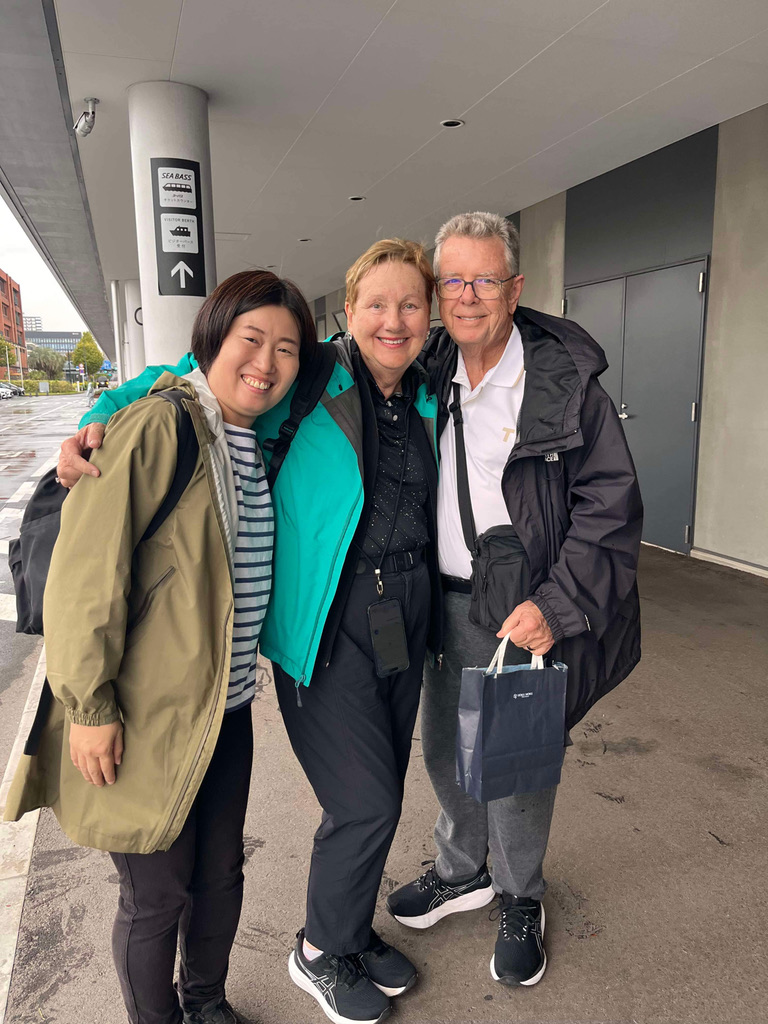
In the afternoon, Junko took us by transit to the cruise terminal in Yokohama. Shiori had dropped off homemade muffins at our hotel in the morning so we had a treat for our journey.
Below is the note that we sent to our wonderful “Elf guides” – they were truly so warm, welcoming and generous with their time. Our only regret is that we did not stay longer in Tokyo and Kyoto.
“When we discussed our “pre-cruise” time in Japan with Jorge, he told us that he had put together a group of friends and friends of friends to be our “unofficial guides”. What he didn’t mention is that it would be a “dream team”. Masako, Makiko, Rie, Shiori, Takashi (and Yuko) and Junko – our heartfelt thank you! You welcomed us with open arms, your hospitality was awesome and you took amazing care of us. We have had the honour of touring Tokyo and Kyoto with you – an experience we will never forget. We have so many amazing memories. We started this journey referring to the group as “Jorge’s Team”. We end our time in Tokyo and Kyoto referring to you as “ELF’s friends”. To our new friends Domo arigato gozaimasu! We hope that you will visit us in Huntsville in the future.“
On October 22nd we will fly to Tokyo via London. After 21 hours in the air and a 3 hour layover in London, we are scheduled to arrive in Tokyo at 7:00 a.m. on October 24th.
We will be spending 3 days in Tokyo and 2 days in Kyoto before boarding the Oceania Regatta cruise ship. The pre-cruise part of our trip was organized by Jorgi, our neighbour and friend (thank you Jorgi!). Jorgi’s planning package includes maps, a brief write-up on each of our 6 “guides” and a day-by-day draft itinerary – it is amazing! Jorgi’s guides are friends (or friends of friends) who Jorgi met through Camp Tawingo and/or through his time as President of the International Camping Fellowship – so needless to say these are outgoing, energetic guides. Jorgi has also connected us on Messenger through an Elf Travels in Japan group so we are already chatting – wow what a group! It will be a very busy time, but such a great way to start our trip. More to come on the pre-cruise part of our trip in subsequent posts.
On October 29th we will board the Oceania Regatta, for a 16 day cruise. We like the small size of the Regatta, with only 670 passengers. Our itinerary is shown below. Most of our excursions/tours on port days are with a small group (4 or 6 people including us) organized through private tour companies. We organized some excursions, and some were organized by other passengers and we just “hopped on” their tours.
DAY
PORT
ARRIVE
DEPART
Oct 29 Tue
Tokyo (Yokohama), Japan
Embark 1 PM
7 PM
Oct 30 Wed
Shimizu, Japan
7 AM
4 PM
Oct 31 Thu
Kobe, Japan
11 AM
Nov 1 Fri
Kobe, Japan
7 PM
Nov 2 Sat
Hiroshima, Japan
8 AM
6 PM
Nov 3 Sun
Miyazaki (Aburatsu), Cancelled due to cyclone in area Japan
9 AM
6 PM
Nov 4 Mon
Cruising the East China Sea
Nov 5 Tue
Taipei (Keelung),Kaohsiung Taiwan – change due to cyclone
Morning
Nov 6 Wed
Taipei (Keelung), Kaohsiung Taiwan – change due to cyclone
7 PM
Nov 7 Thu
Cruising the South China Sea
Nov 8 Fri
Hong Kong, China
7 AM
6 PM
Nov 9 Sat
Cruising the South China Sea
Nov 10 Sun
Nha Trang, Vietnam Cancelled
10 AM
5 PM
Nov 11 Mon
Saigon (Ho Chi Minh City), Vietnam
Morning
Nov 12 Tue
Saigon (Ho Chi Minh City), Vietnam
1 PM
Nov 13 Wed
Cruising the South China Sea
Nov 14 Thu
Singapore, Singapore
Disembark 8 AM
After the cruise we will spend 4 days in Singapore before flying home on November 17th/18th. Our flight on the 17th is not until 11:15 p.m. so we will have a full day in Singapore which will be nice. It also means we will be tired so we hope to sleep on the 14 hour first leg of our trip home.
Although I plan to update my blog throughout our trip, it will depend on our internet connections and our available time.
Thanks for following us on our East Asian Adventure.
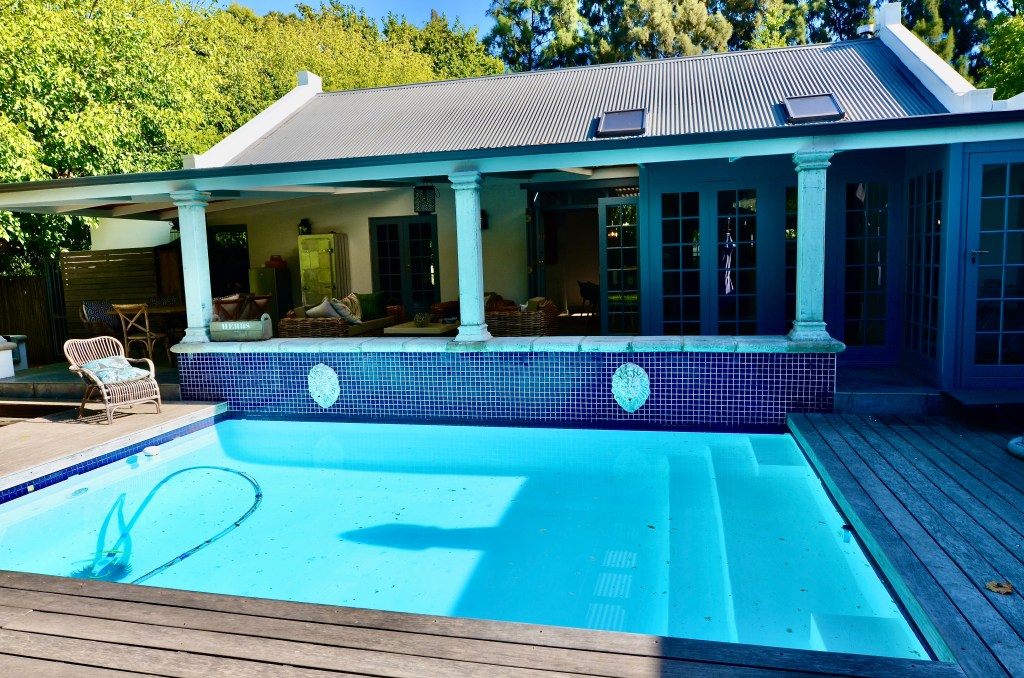
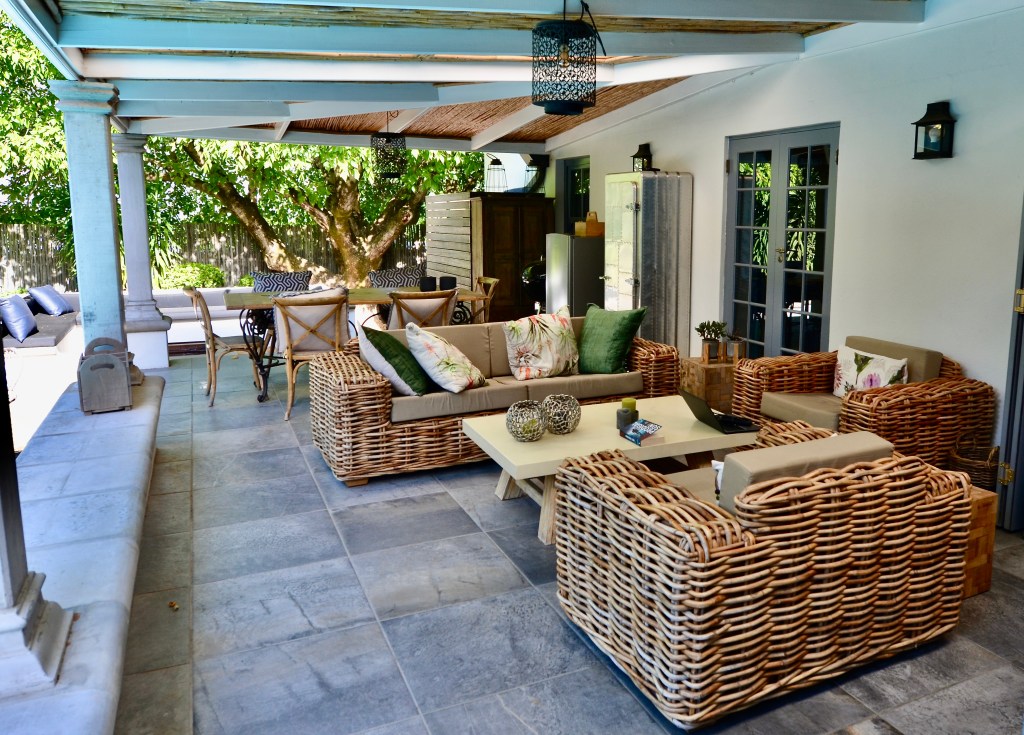
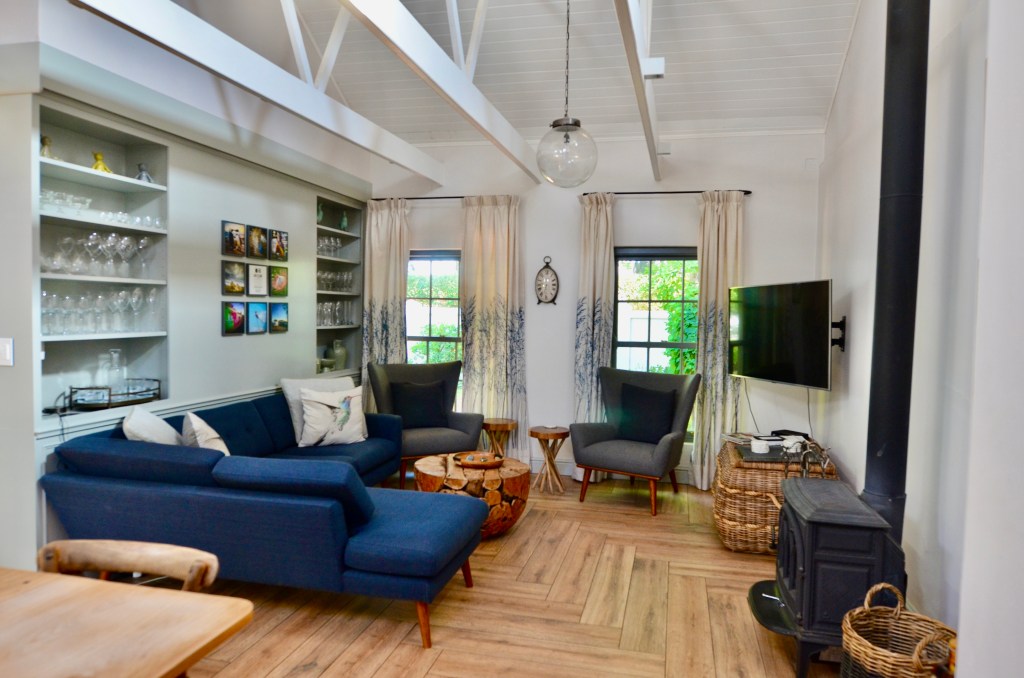
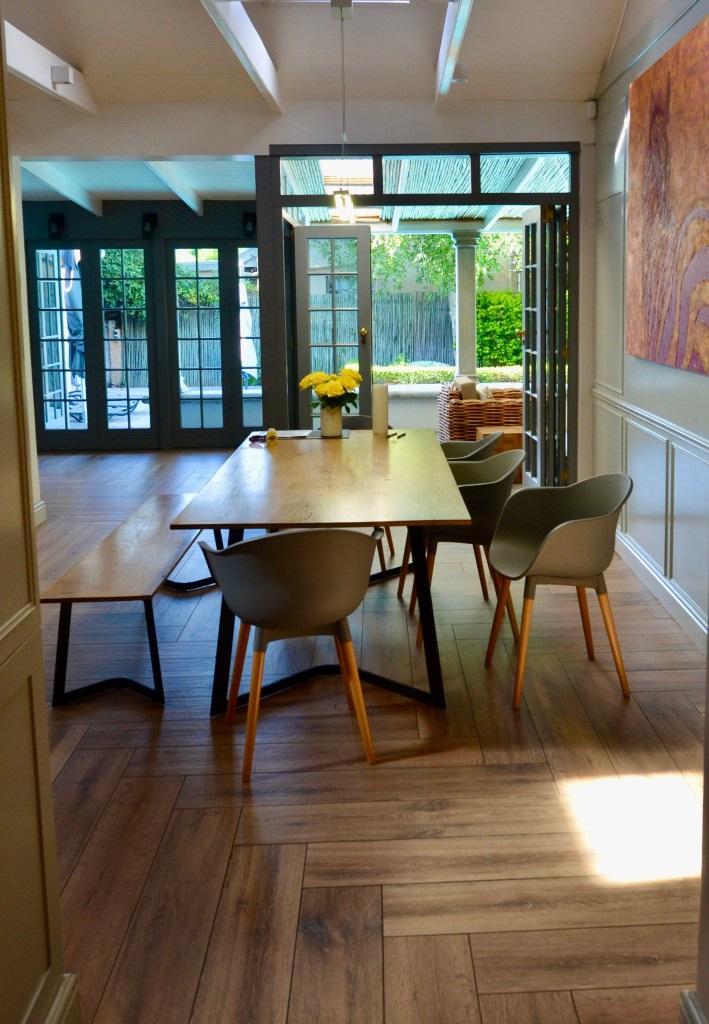
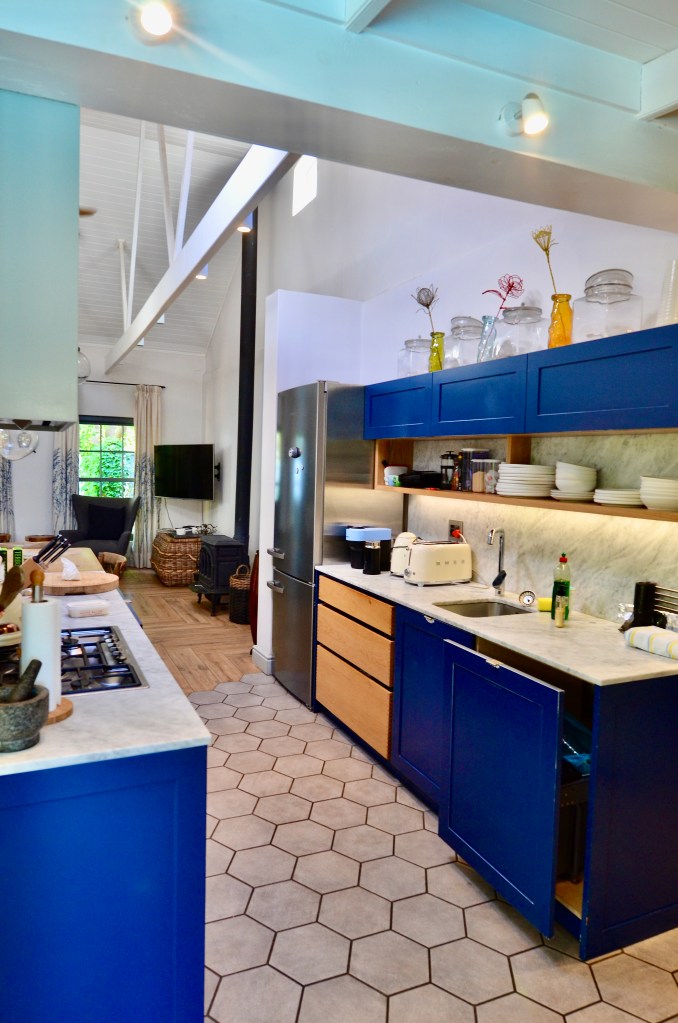
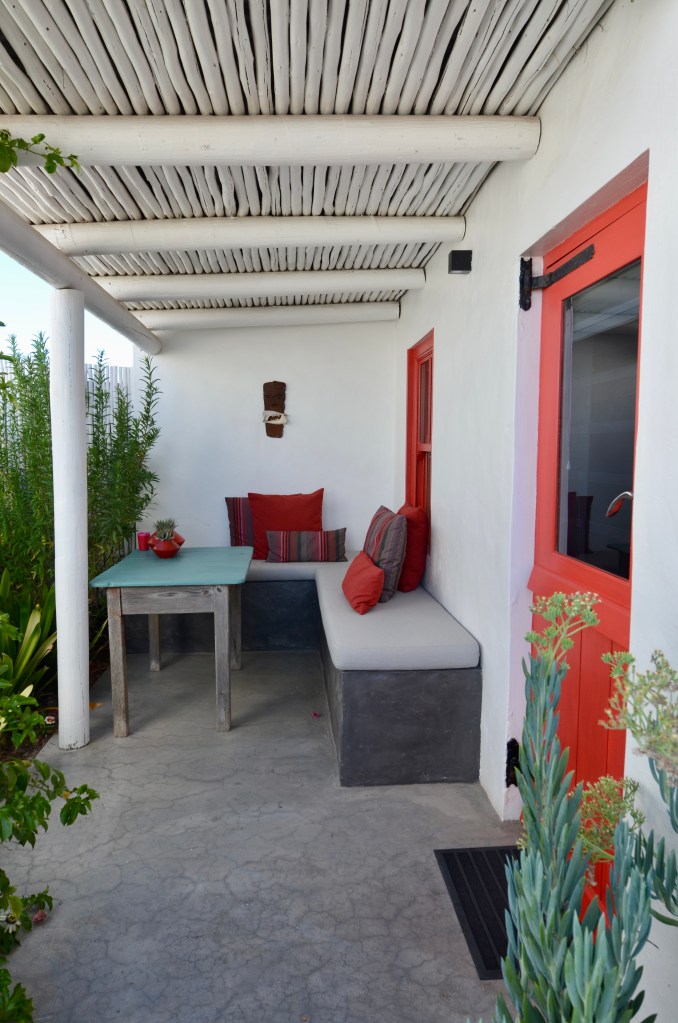
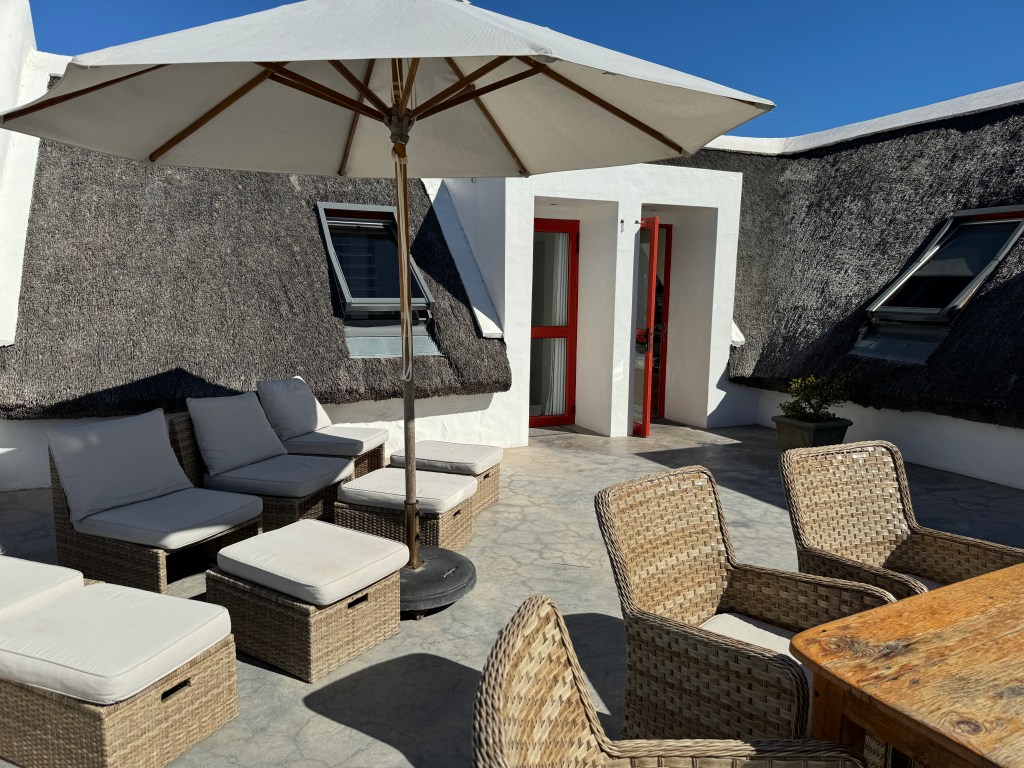
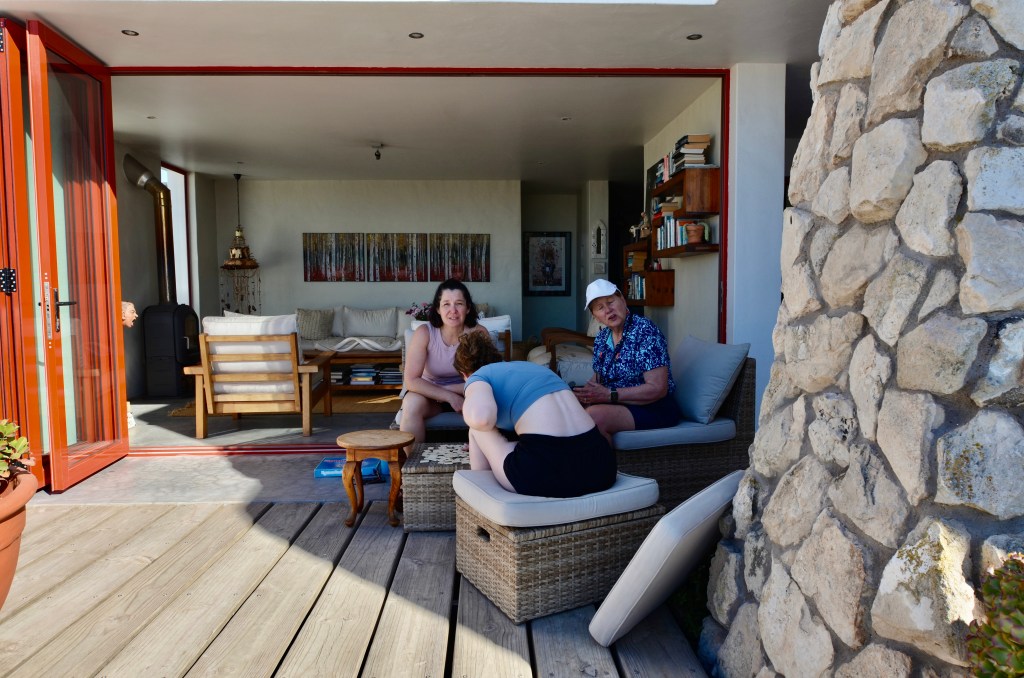
We spent our last two weeks in South Africa in Franschhoek. We rented De Villiers House, the same Airbnb as last year. We love the outdoor space, the well equipped kitchen, the very comfortable bed and the proximity to town.
We spend most of our time on the outdoor patio.
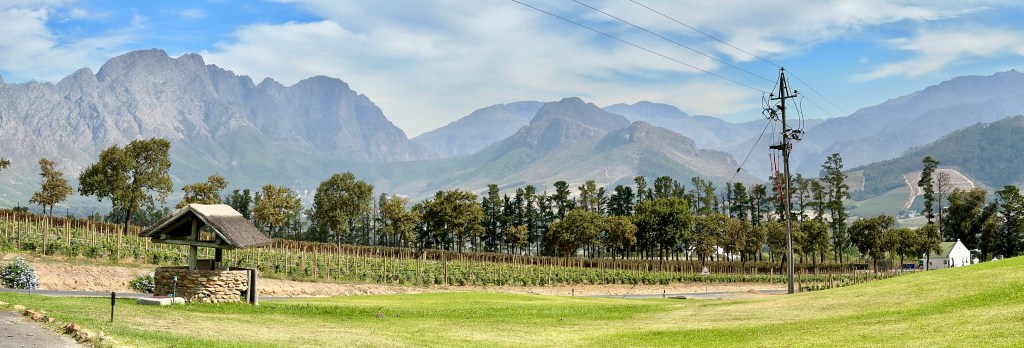
There are so many wonderful wineries in the Franschhoek and Stellenbosch area, both for food and scenery. We normally have lunch at a winery and then a light dinner at “home” – a very relaxing way to spend our last two weeks.
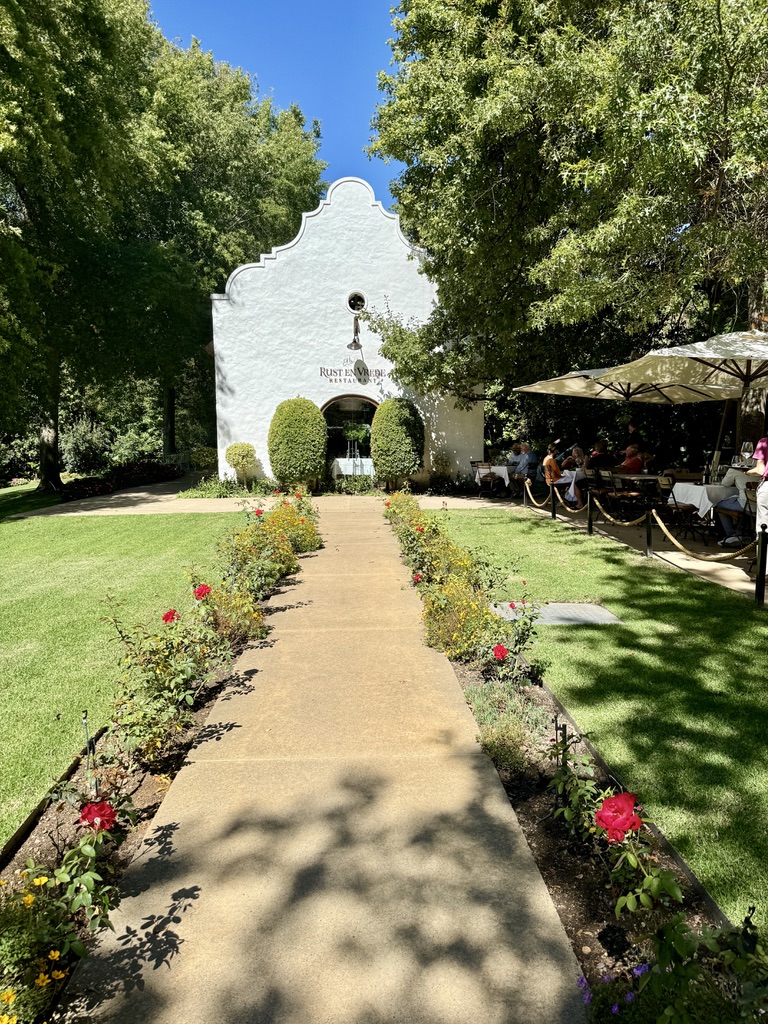
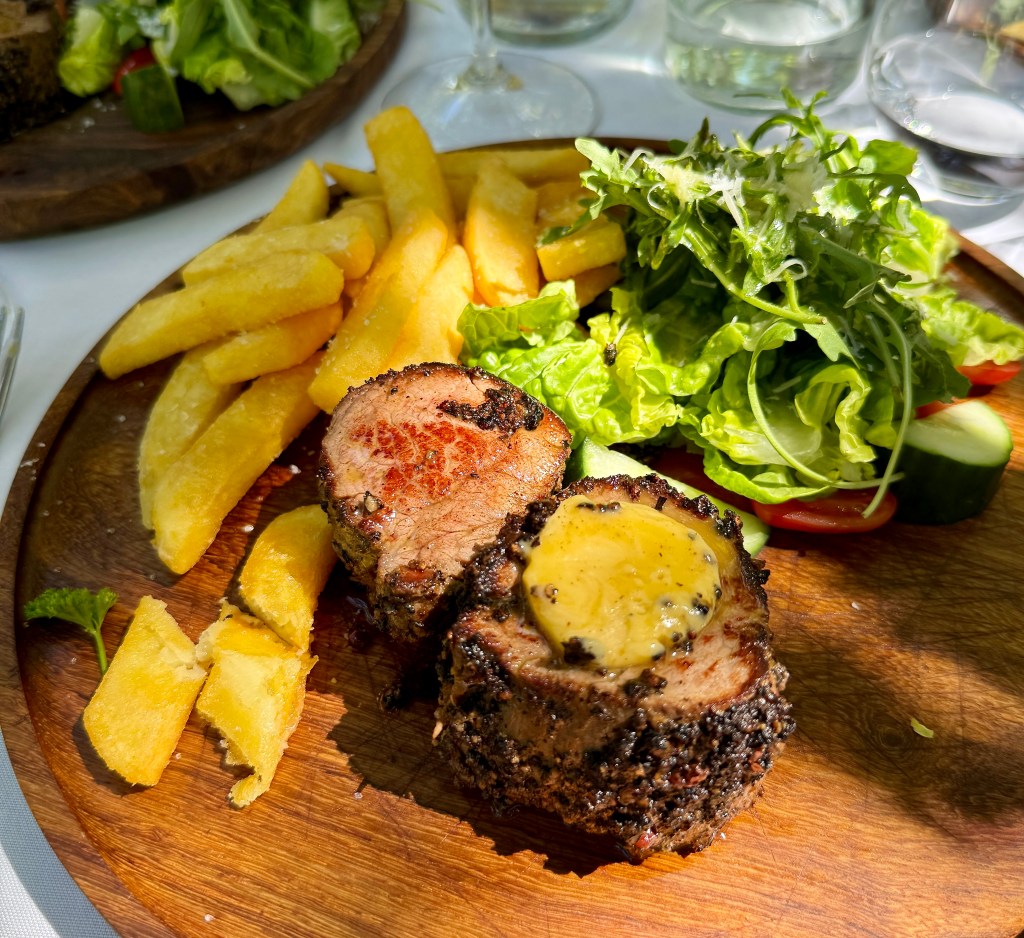
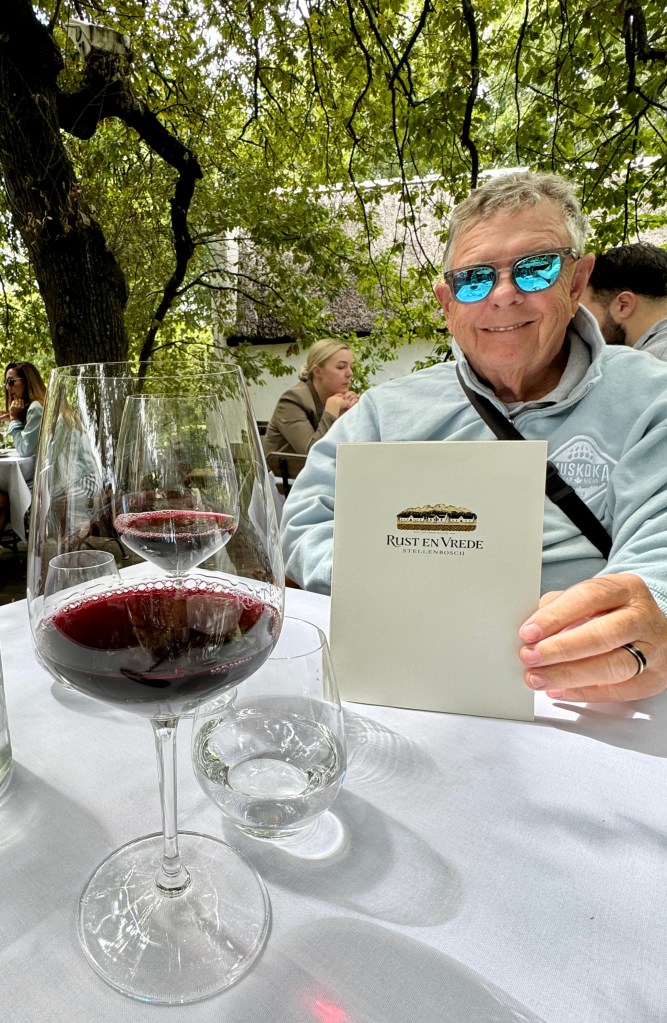
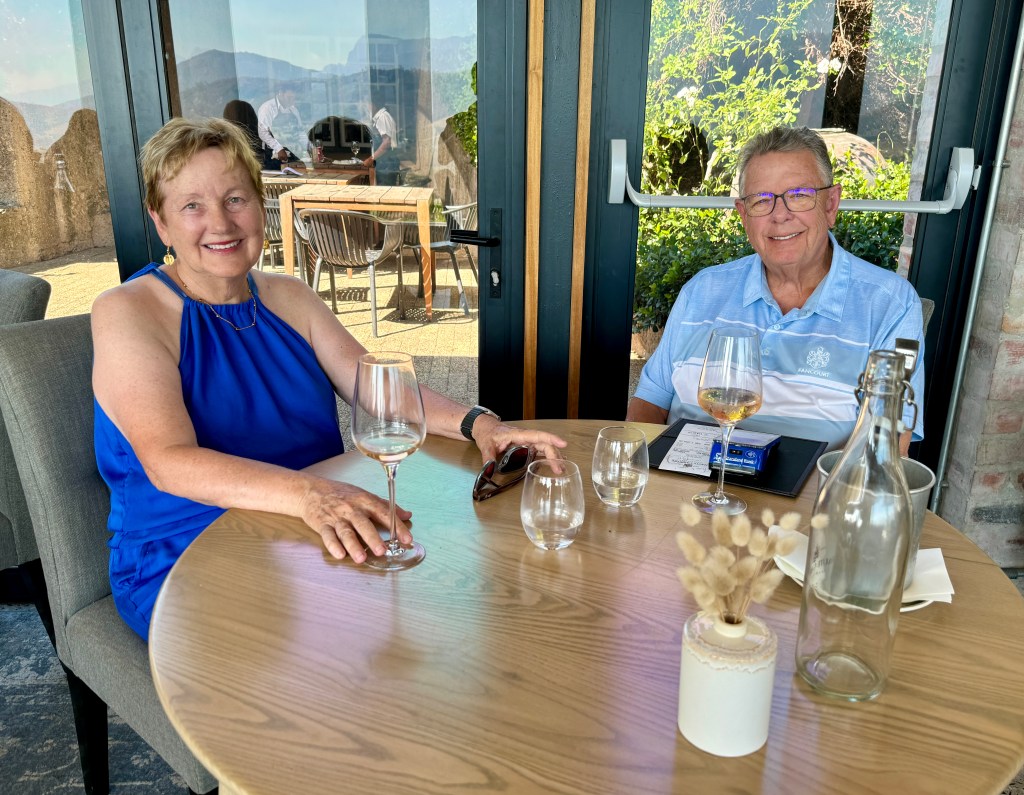
One of our favourite wineries is Rust en Vrede in Stellenbosch. The steak, frites, and wine are all delicious and the outdoor patio is so relaxing.
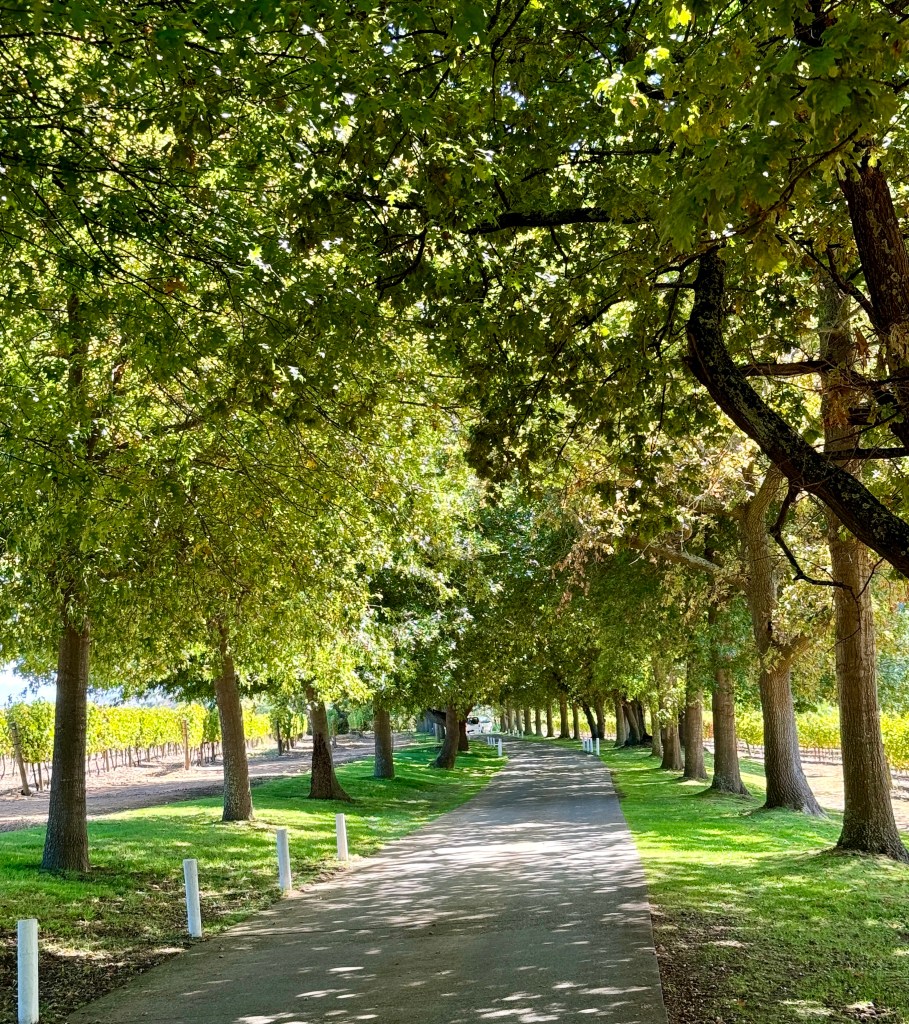
Entrance to Rust en VredeOur VW Polo was perfect for two and luggage or four and no luggage.Rust en Vrede
Margaret and John, friends from Oakville who have a home in Hout Bay, joined us for a few days. Wonderful lunches together, a fun euchre match, and many laughs.
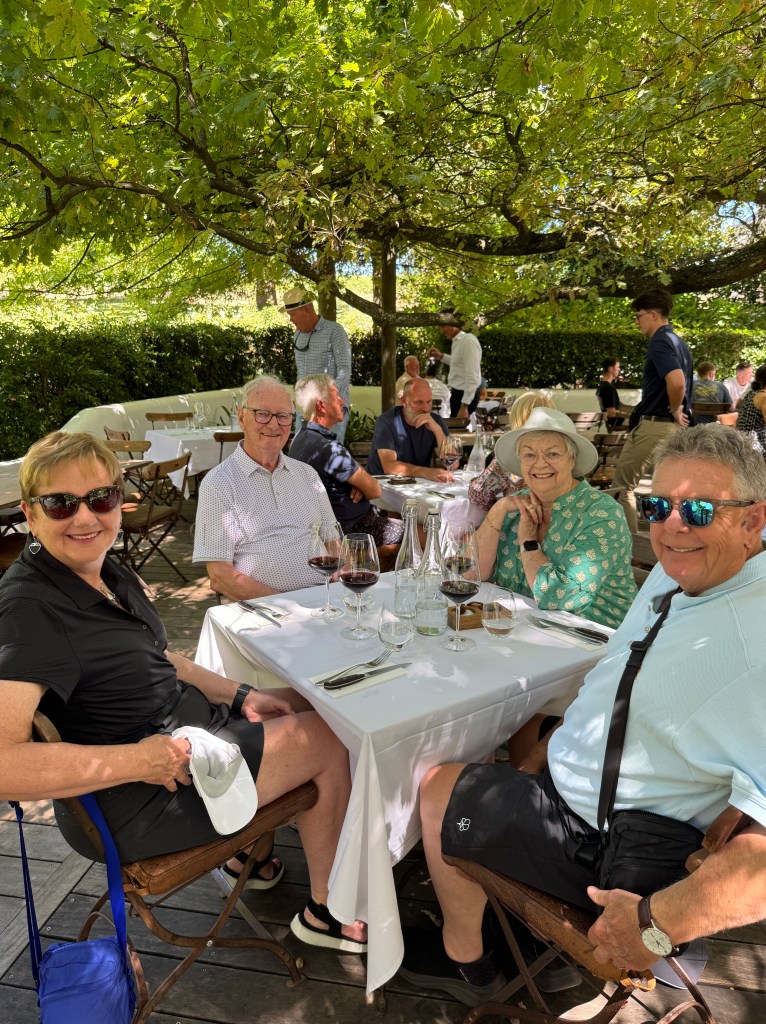
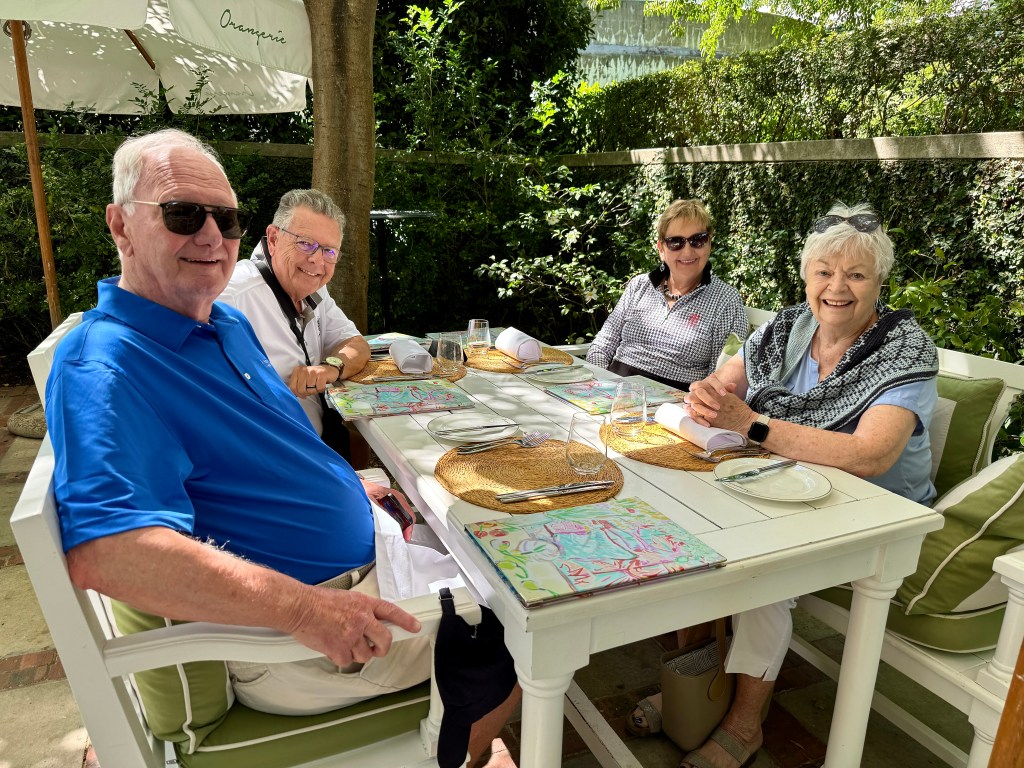
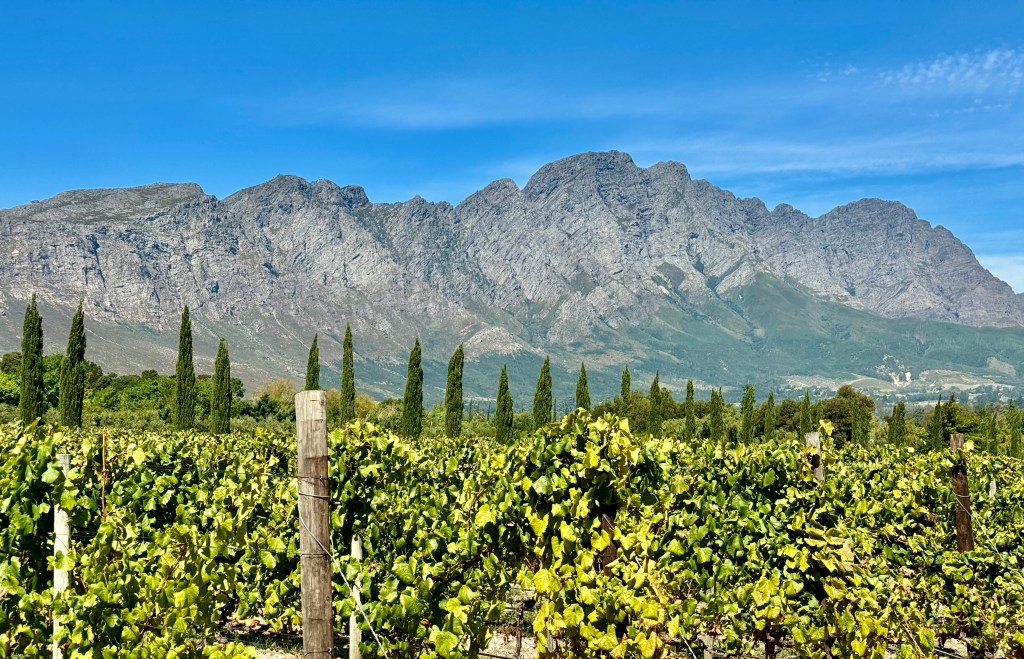
Rust en Vrede was one of the wineries we visited with John and Margaret Lunch with Margaret and John at Le Lude winery (Orangerie)in Franschhoek – arrived at 12:00 and left at 3:30 – very relaxing.Le Lude Vineyard
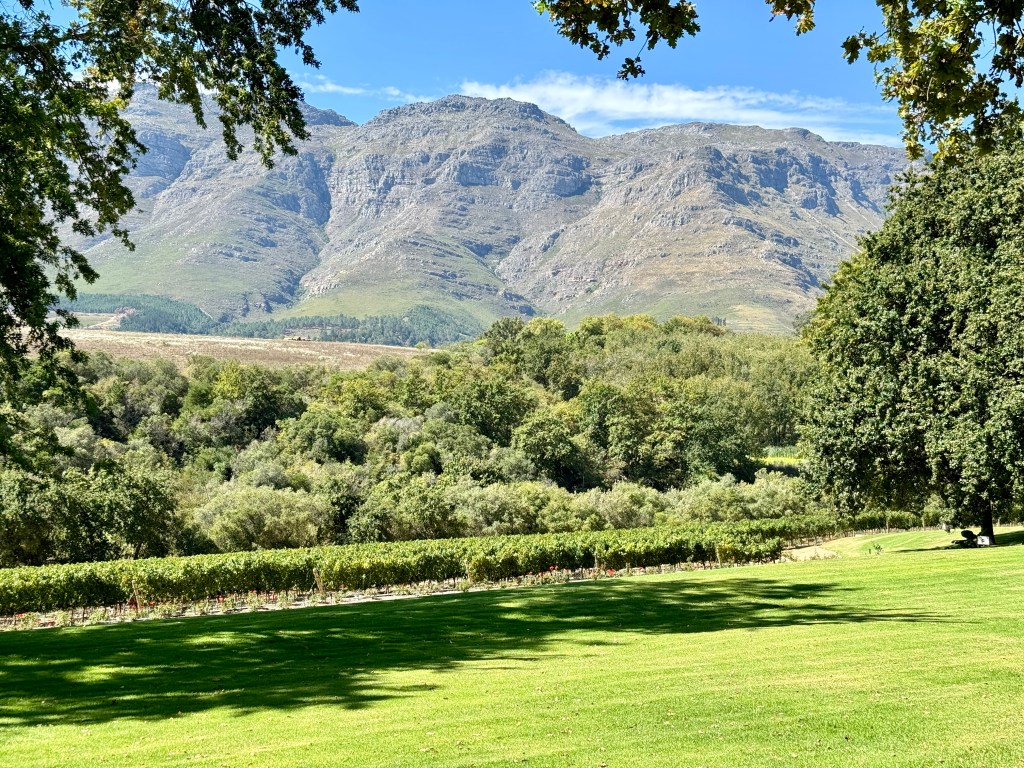
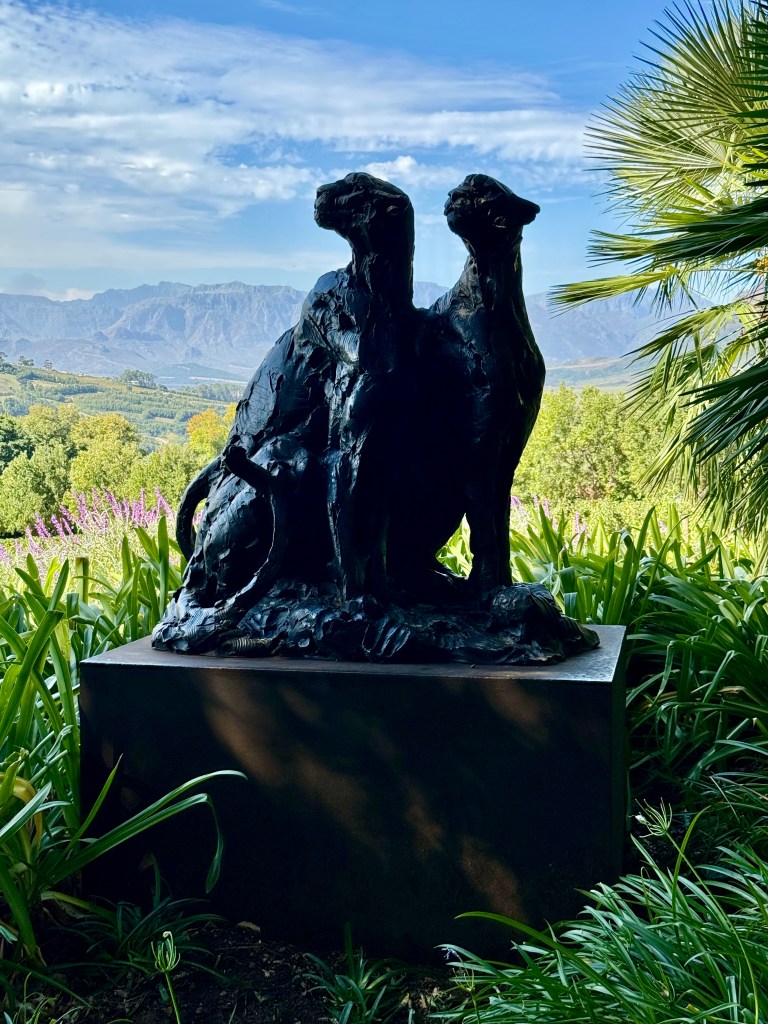
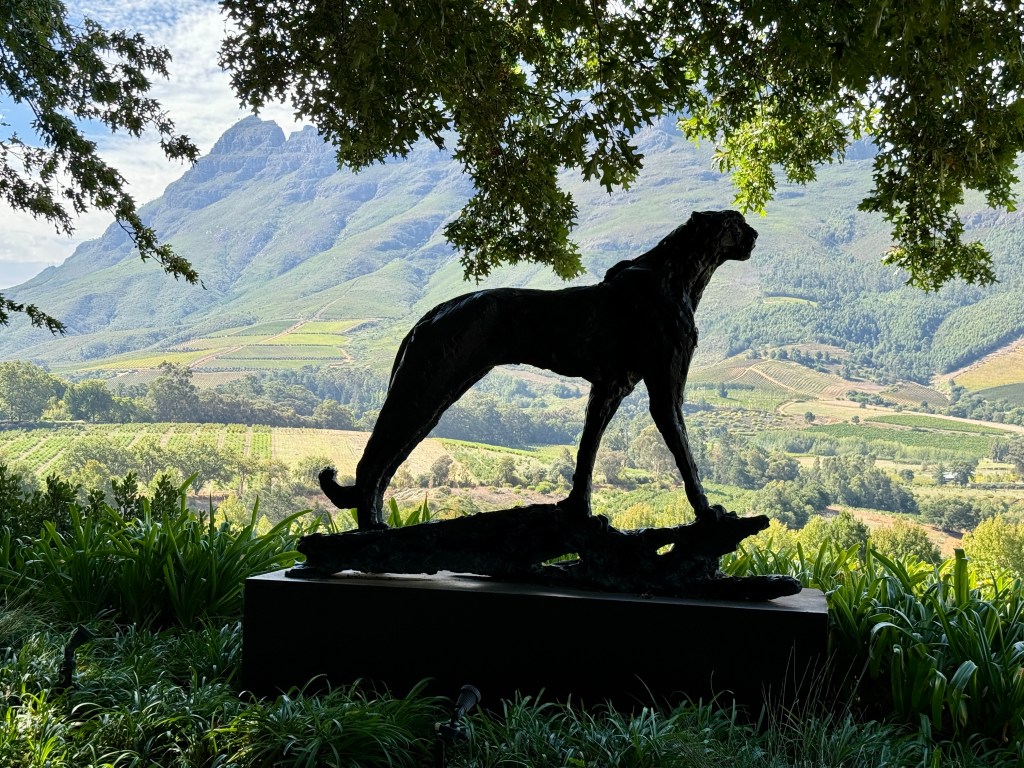
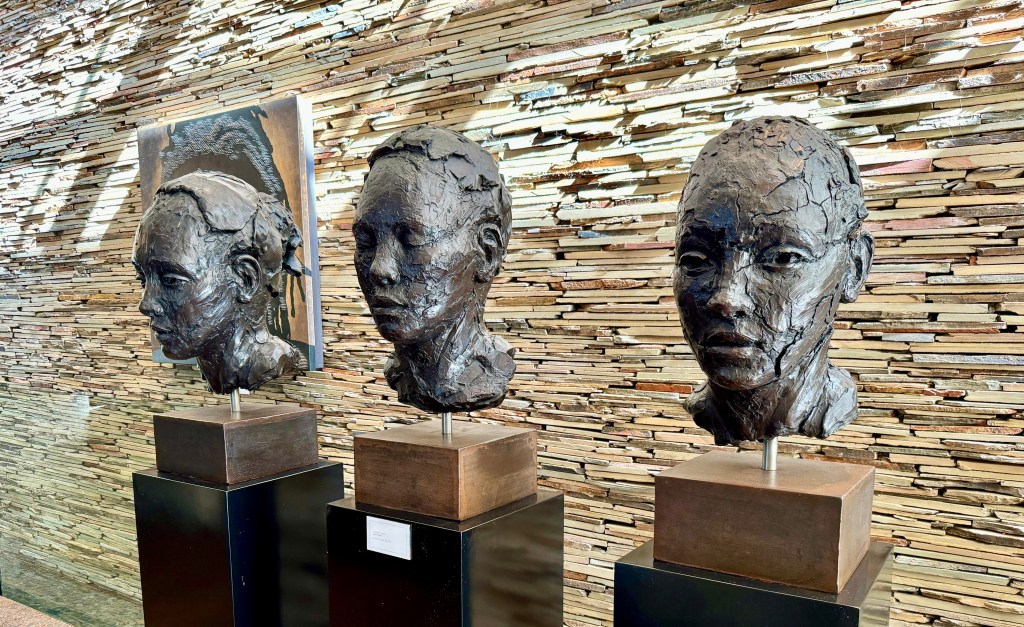
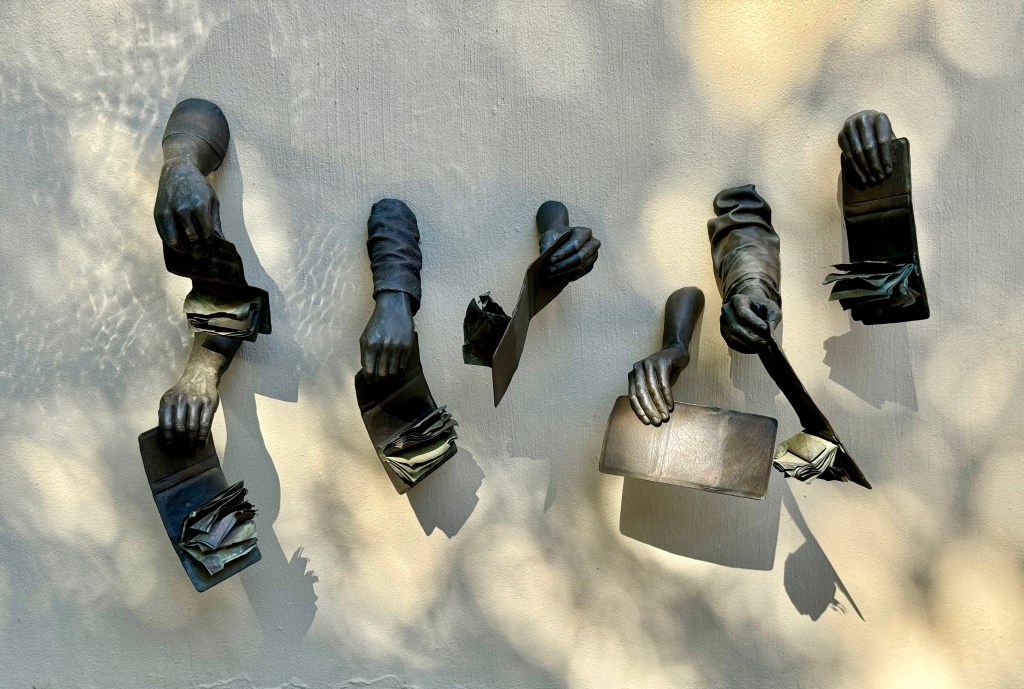
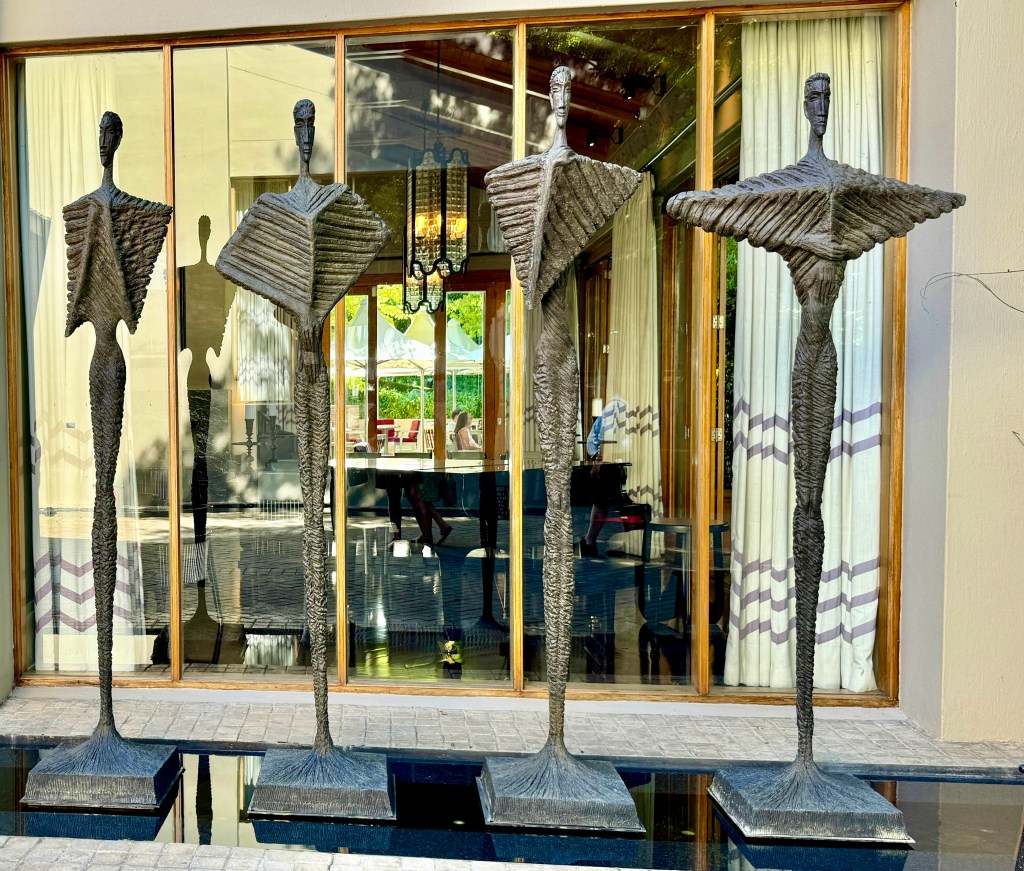
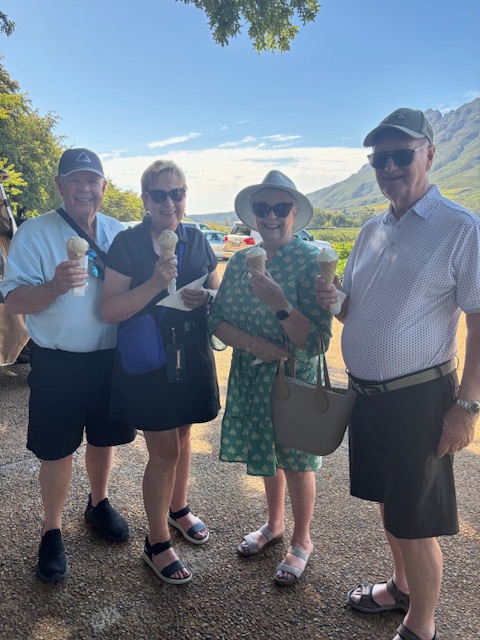
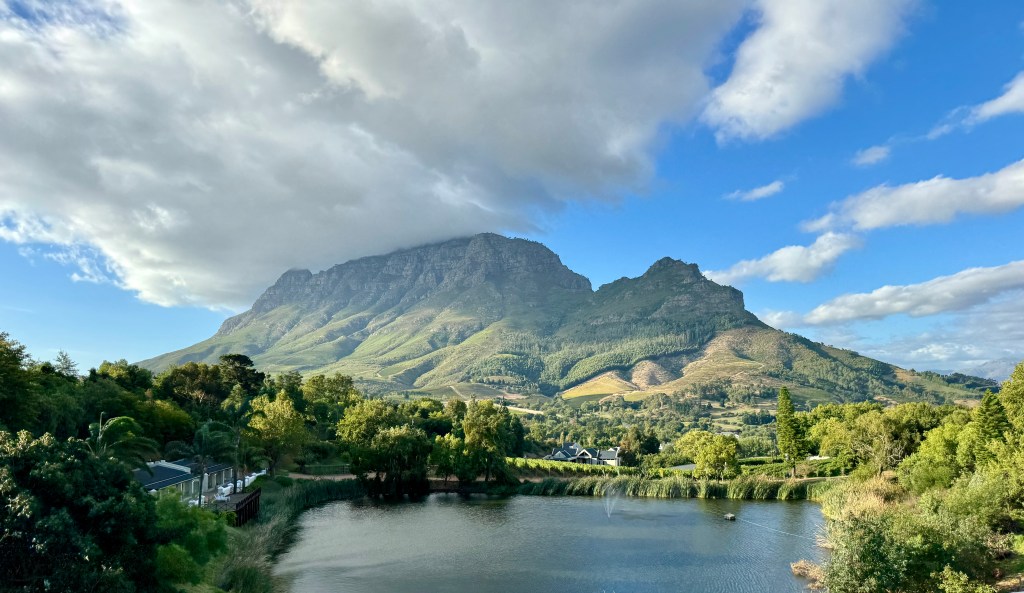
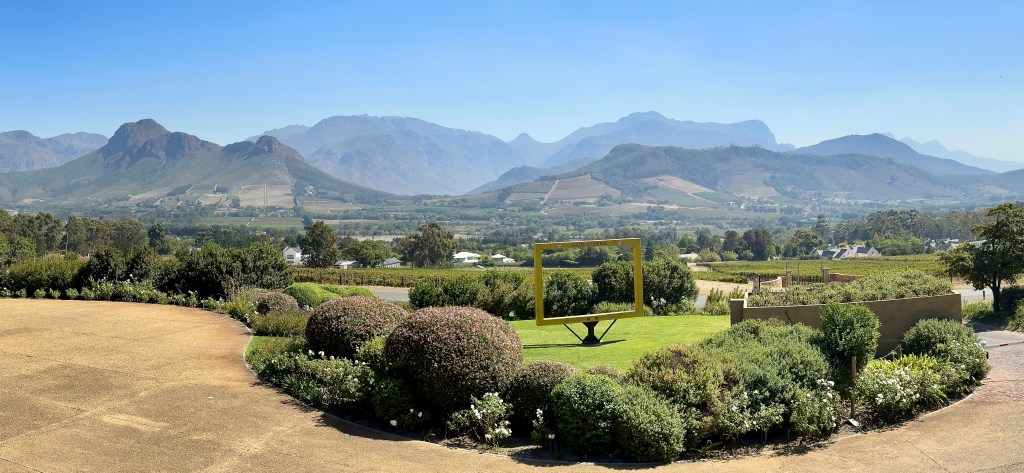
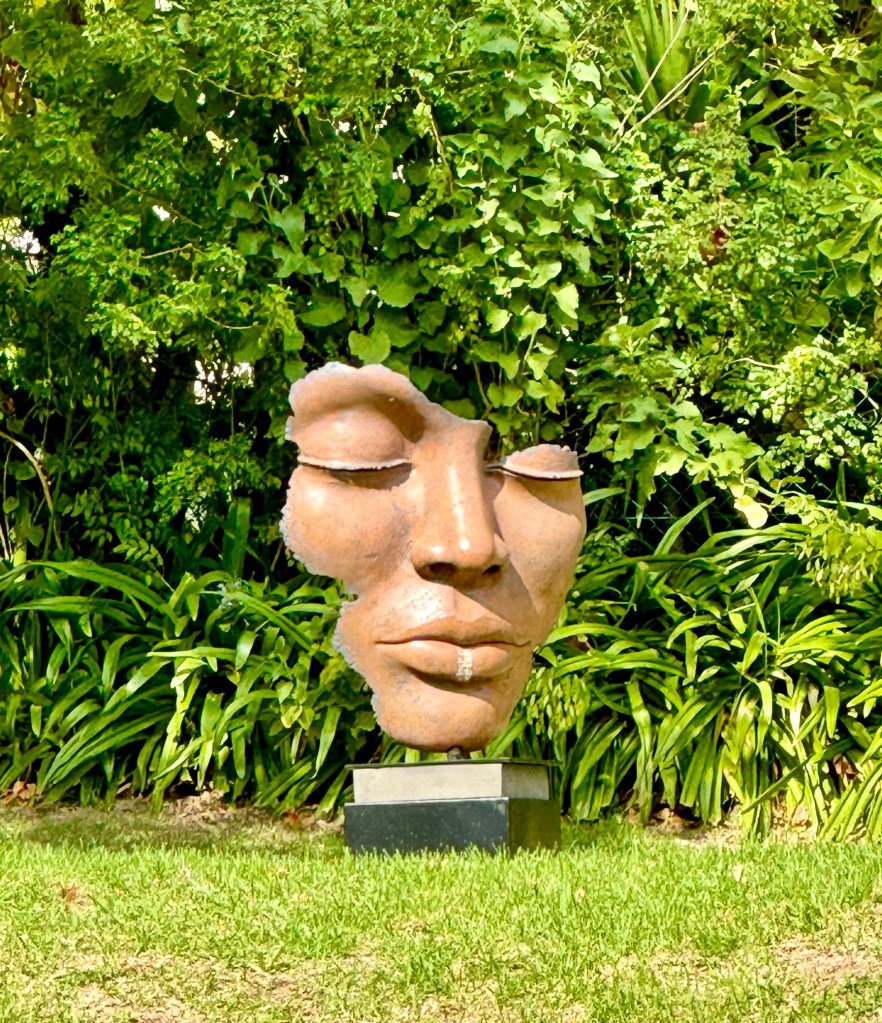
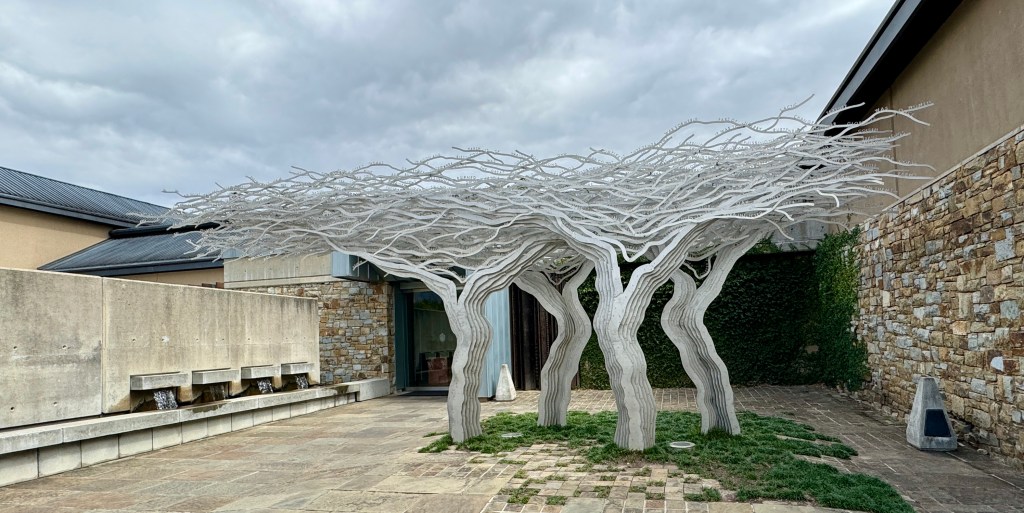
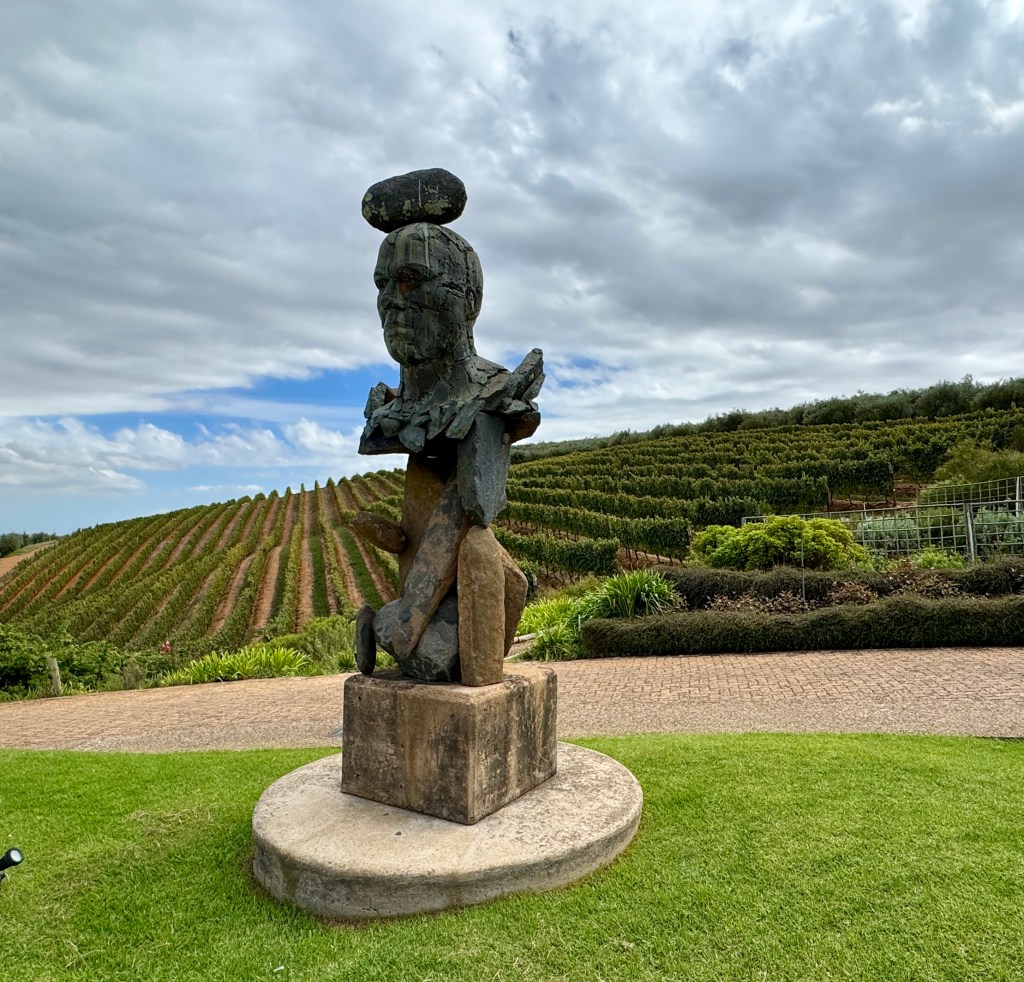
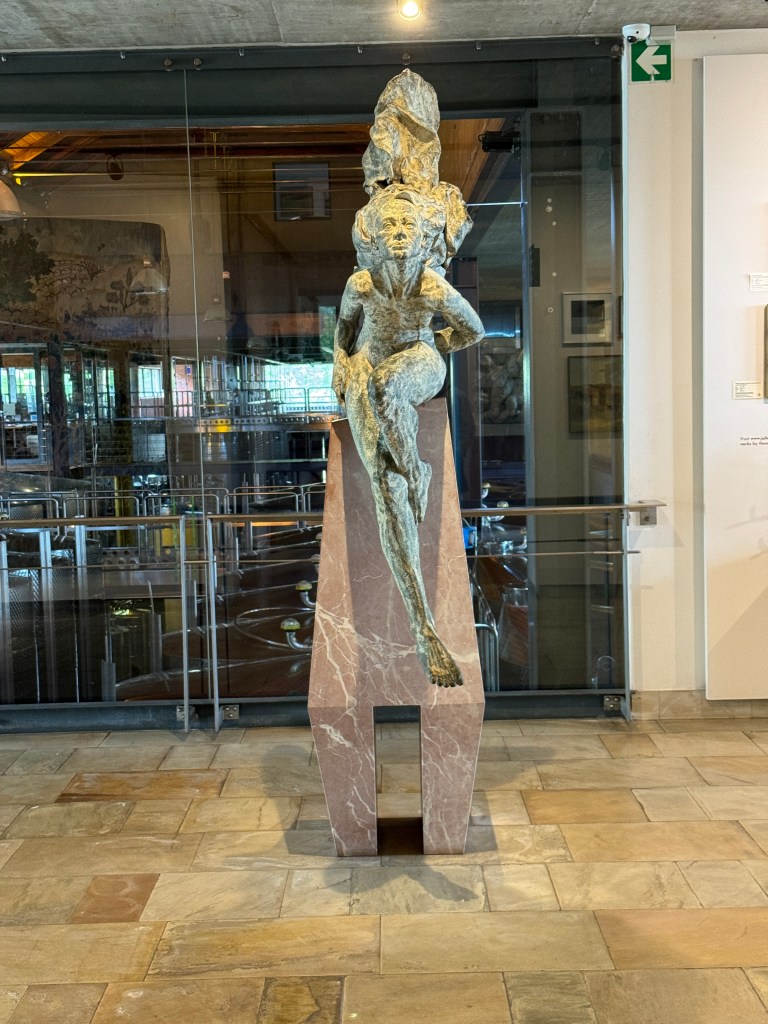
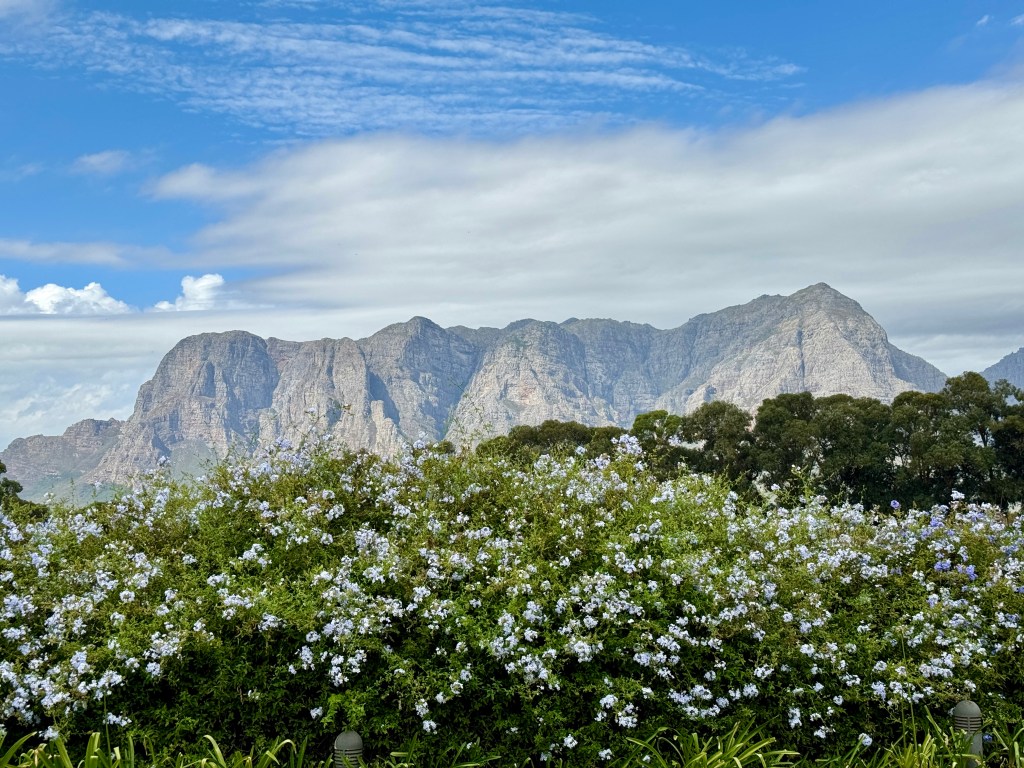
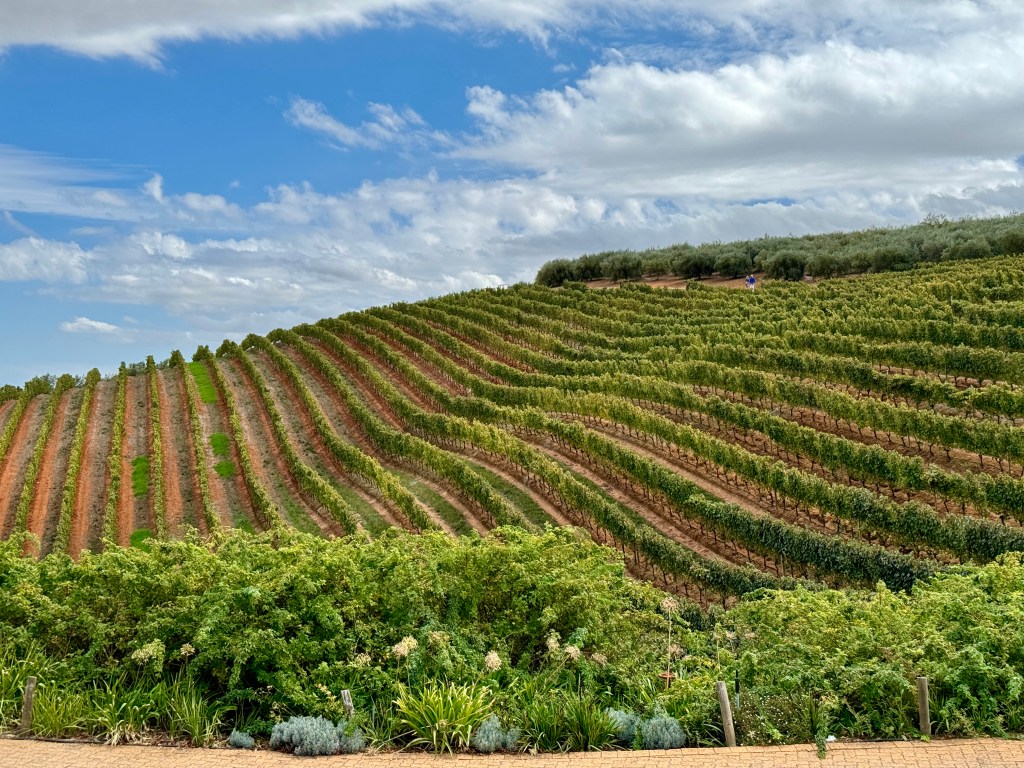
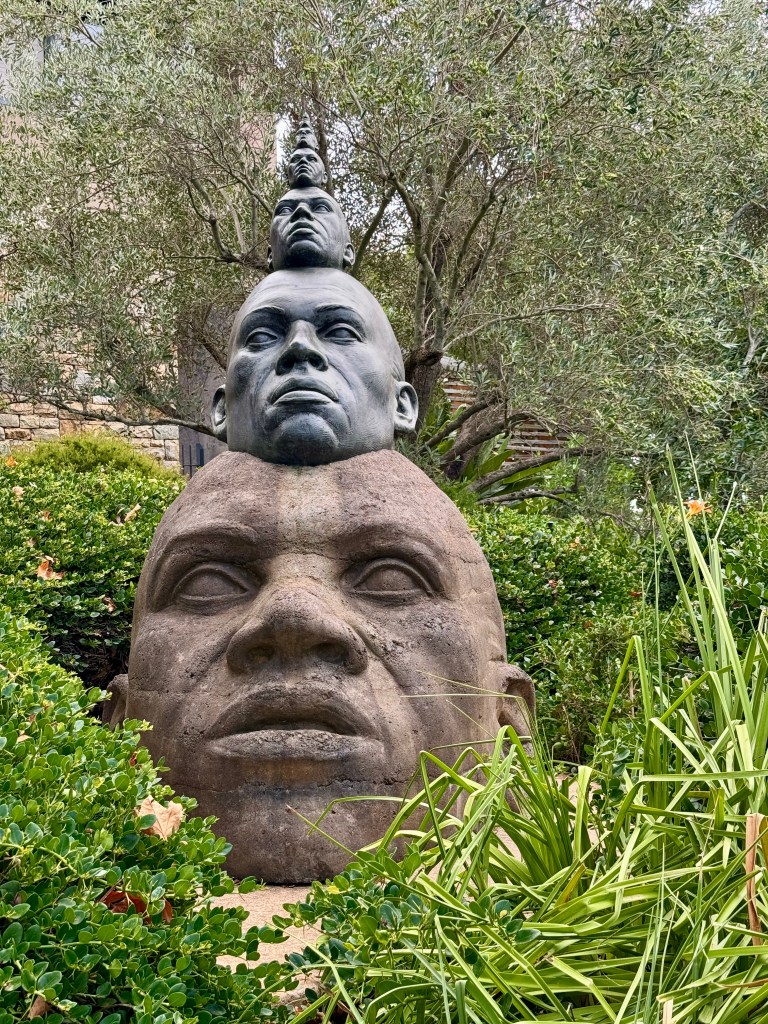
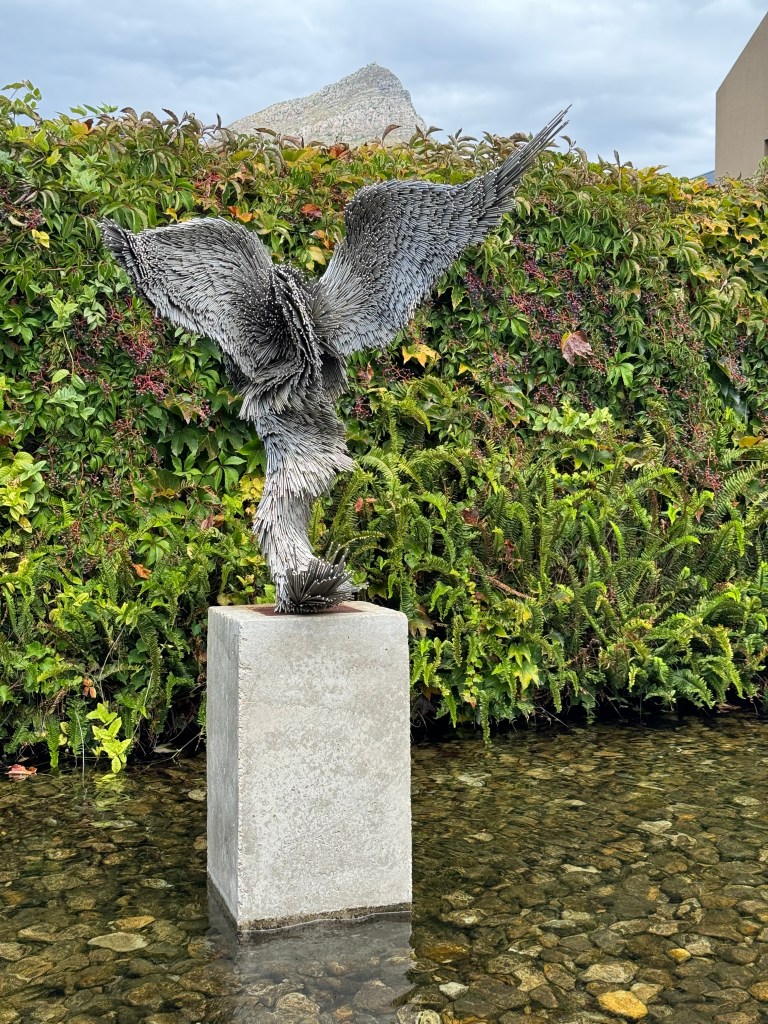
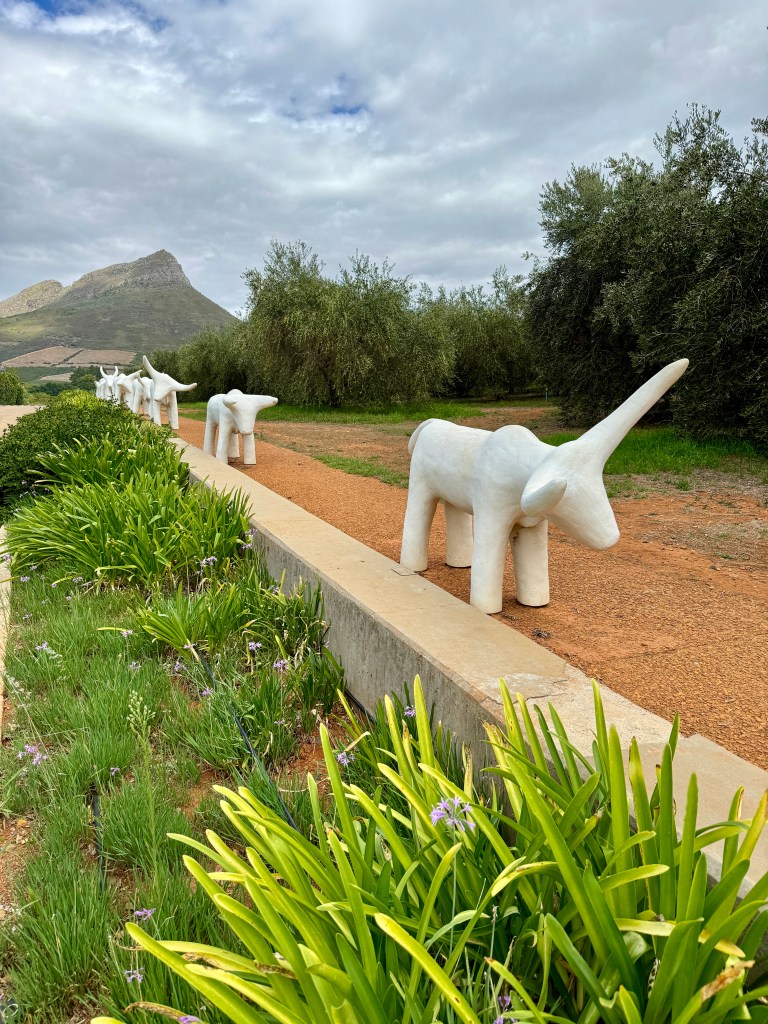
Delaire Graff is a winery which we pass on the way to Rust en Vrede. Its grounds are stunning and so are its prices (its a Relais and Chateaux property so very expensive); thus we only stop to enjoy the views and the Dylan Lewis sculptures. I read that Delaire Graff has over 400 pieces of art and sculpture on the Estate – below are photos of a few of the pieces. As we left we couldn’t resist ice cream from the cart strategically placed near the parking area.
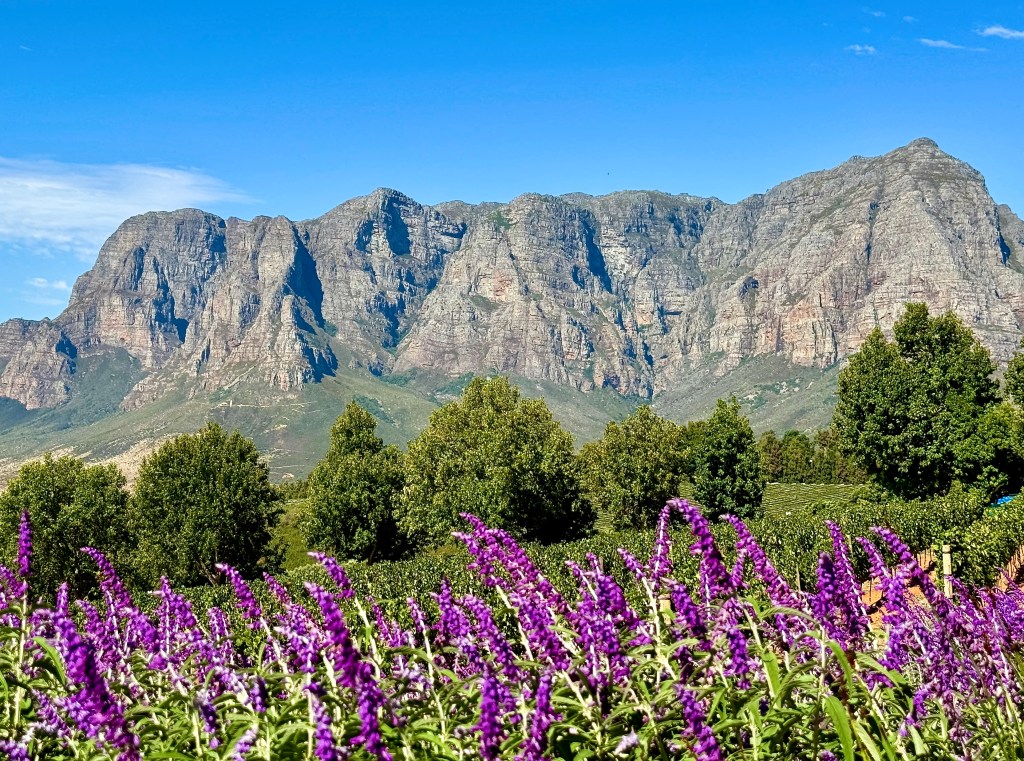
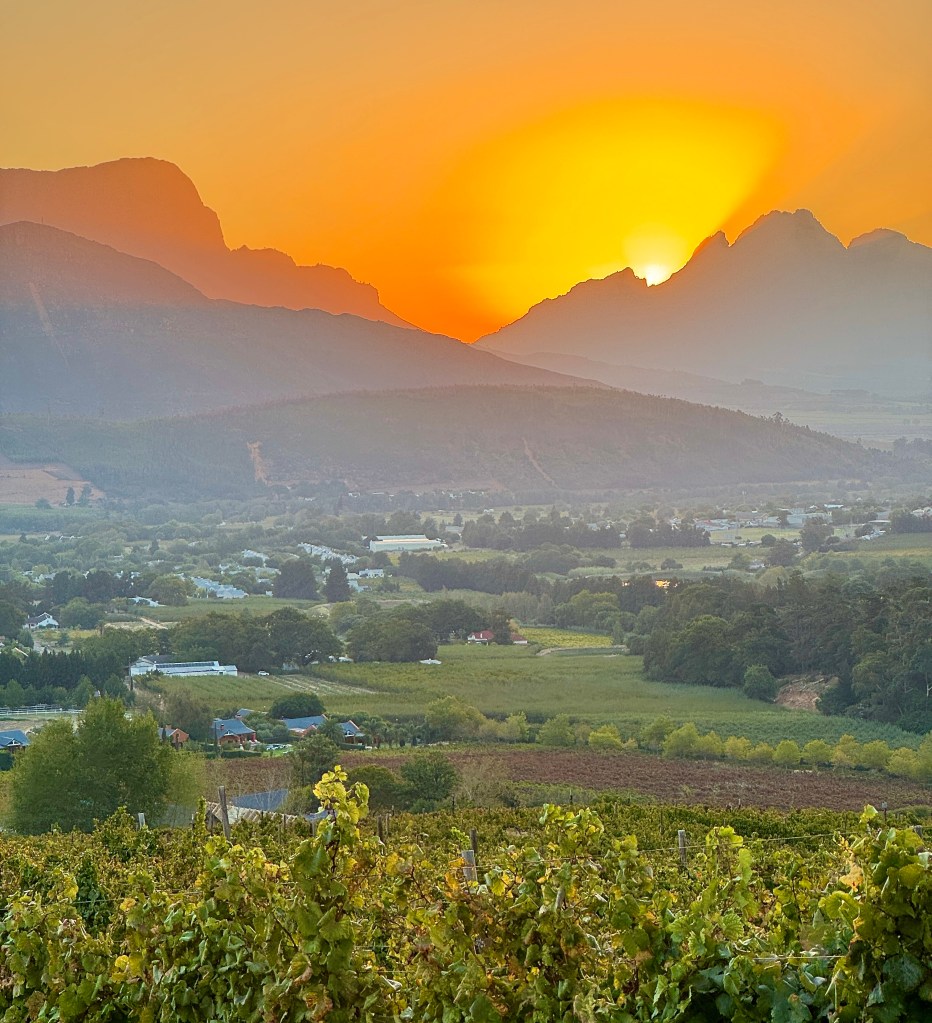
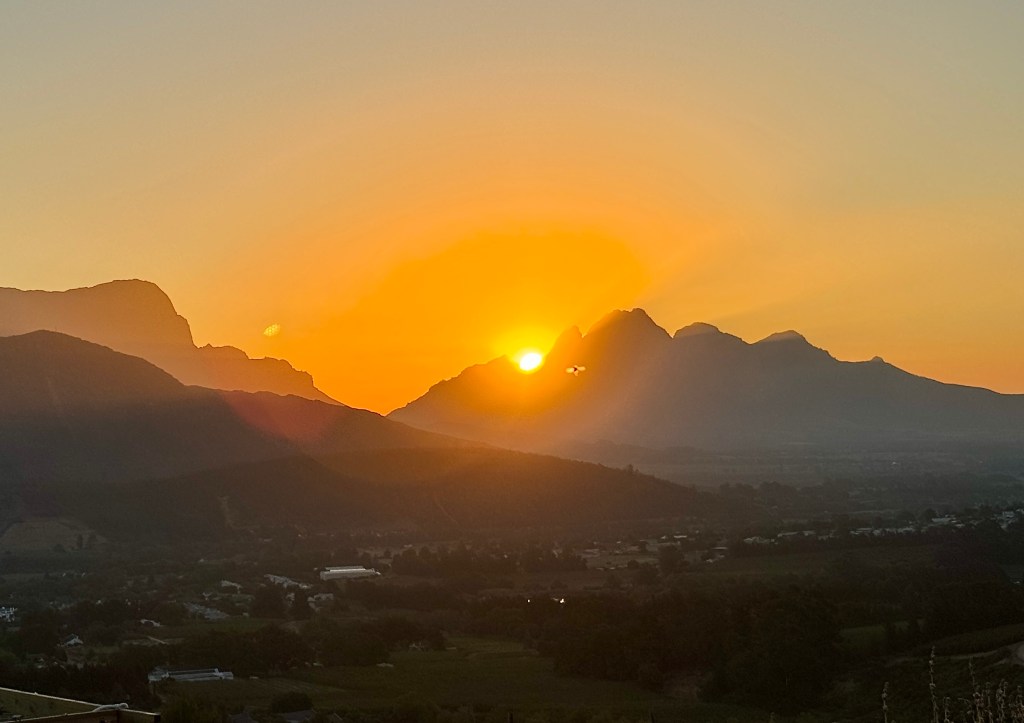
View from Delaire Graff
We enjoy visiting the many wineries – not for wine but for the scenery – although we do enjoy the wines from this area.
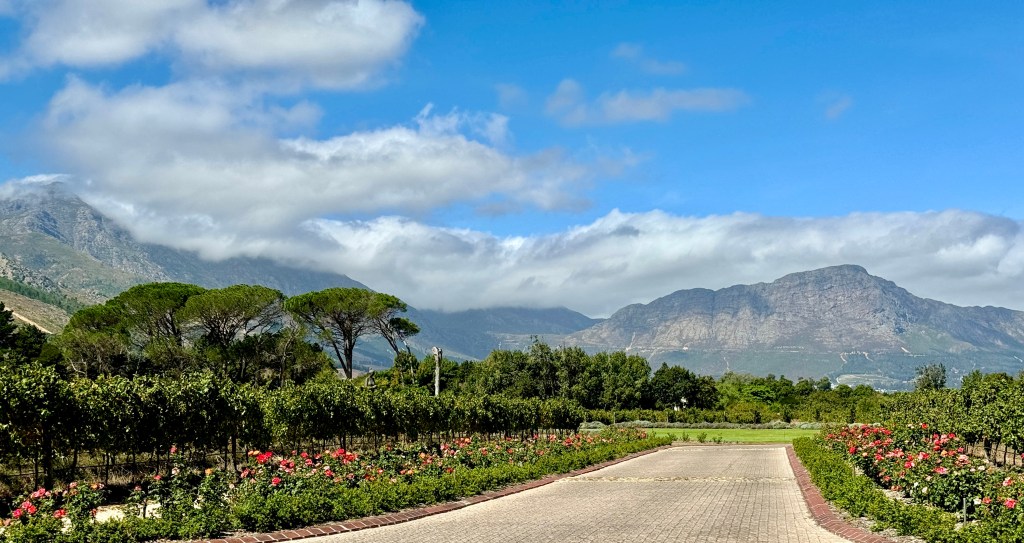
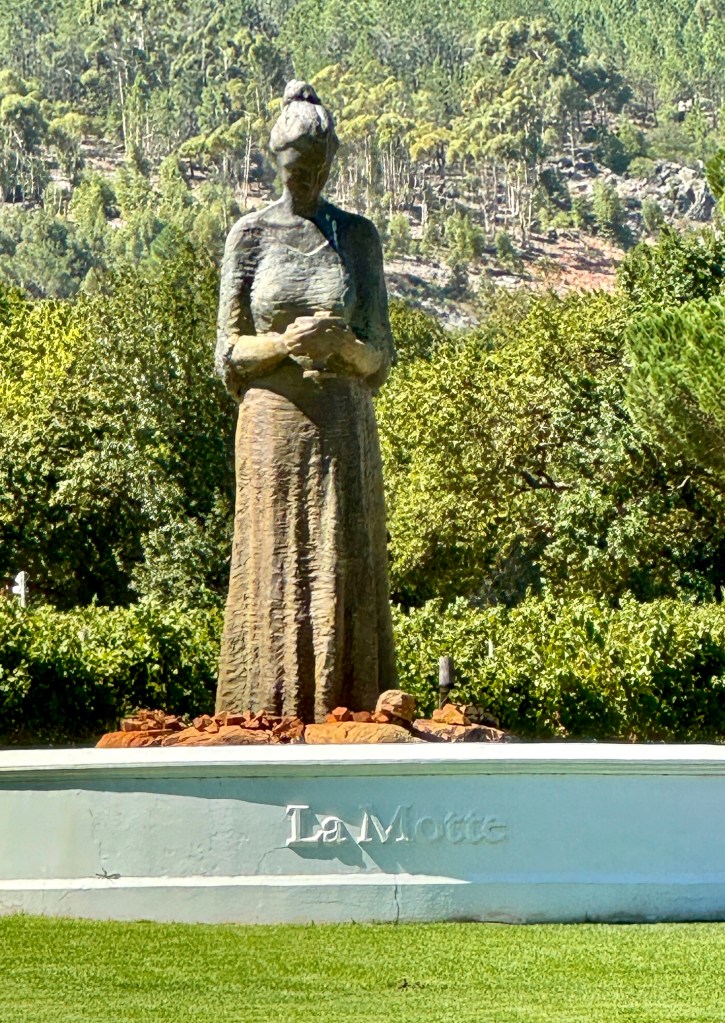
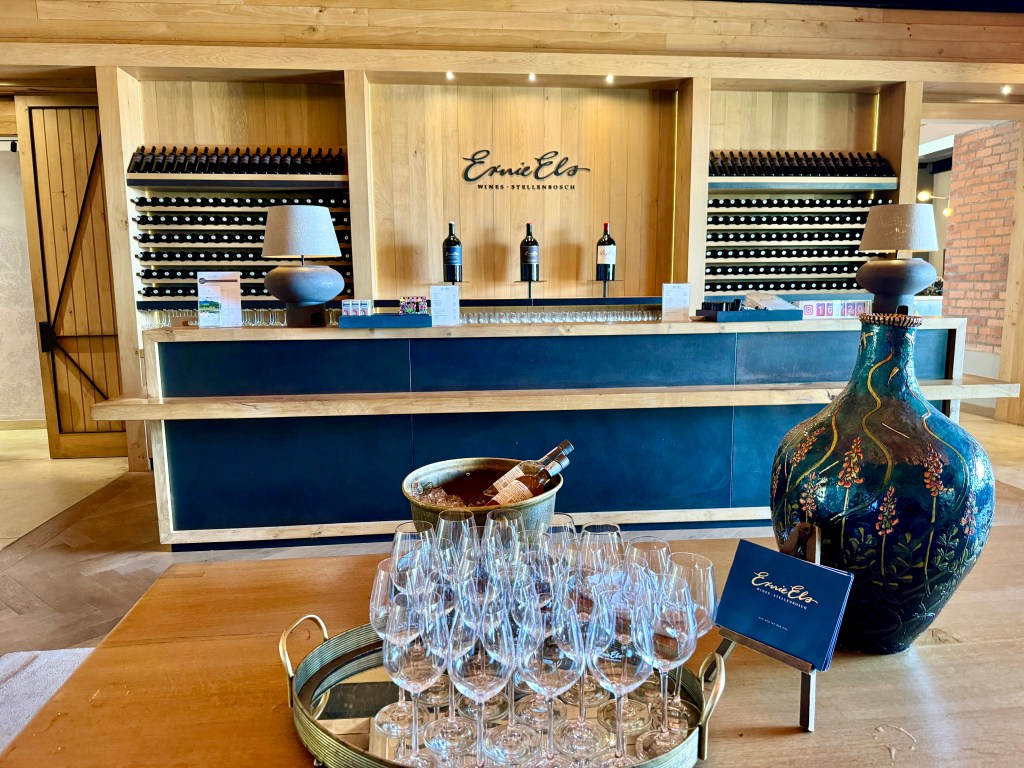
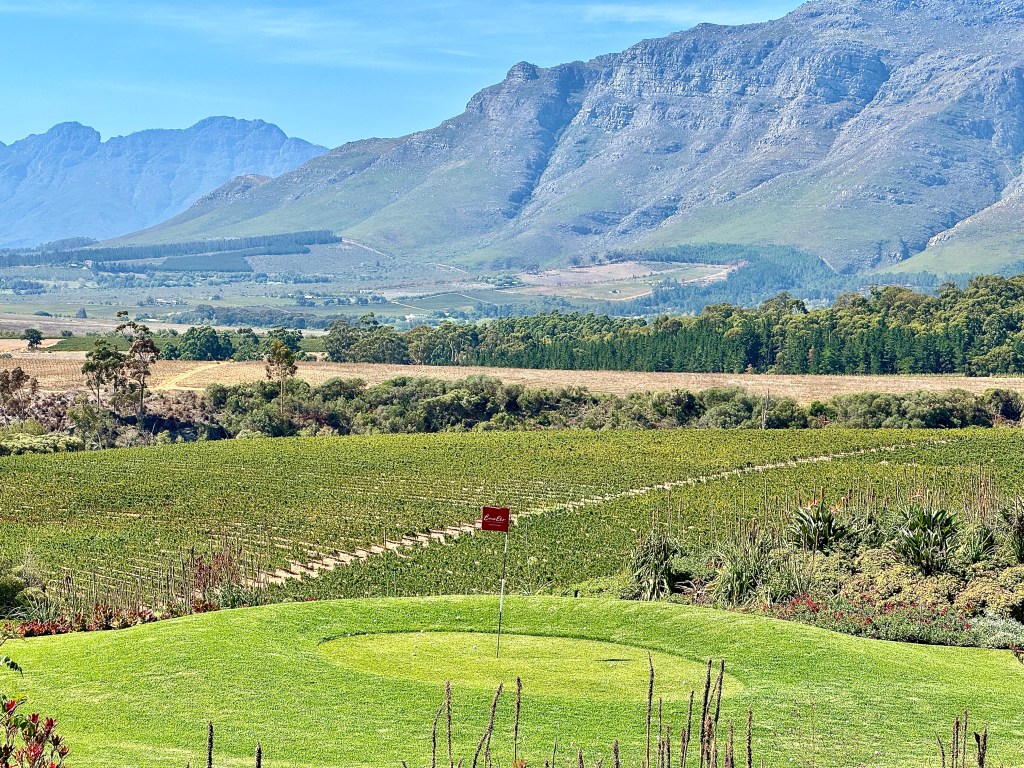
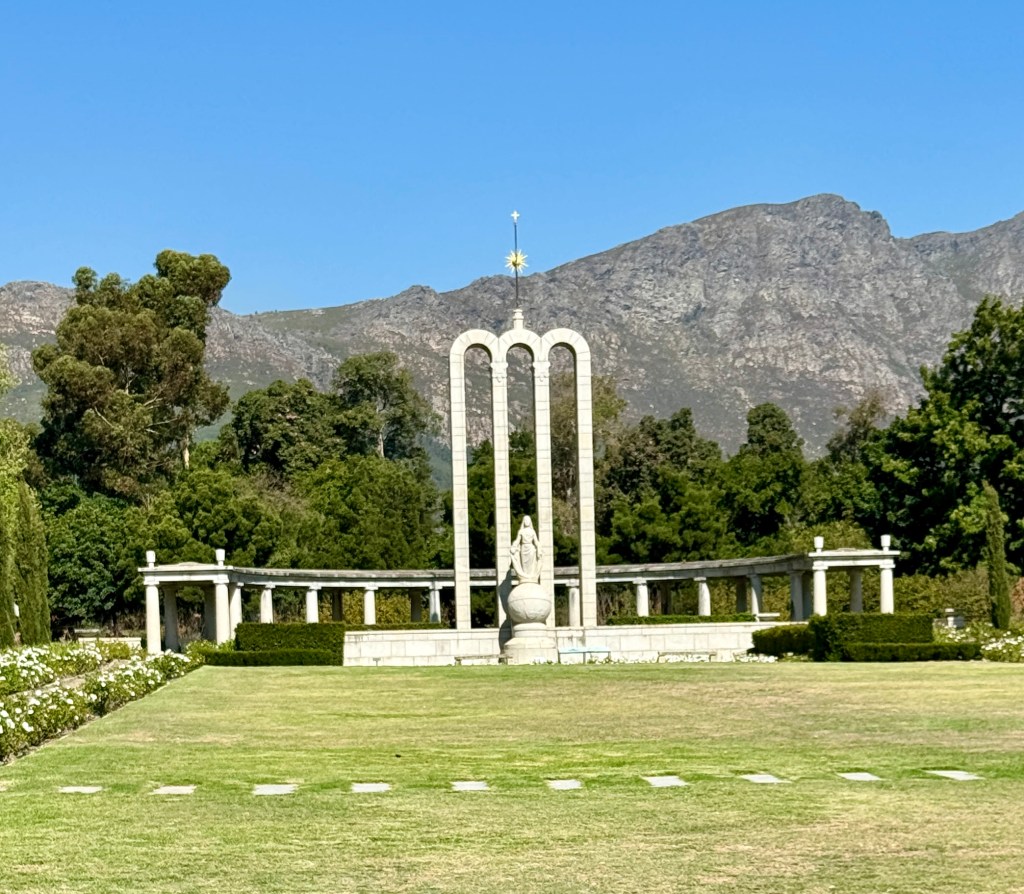
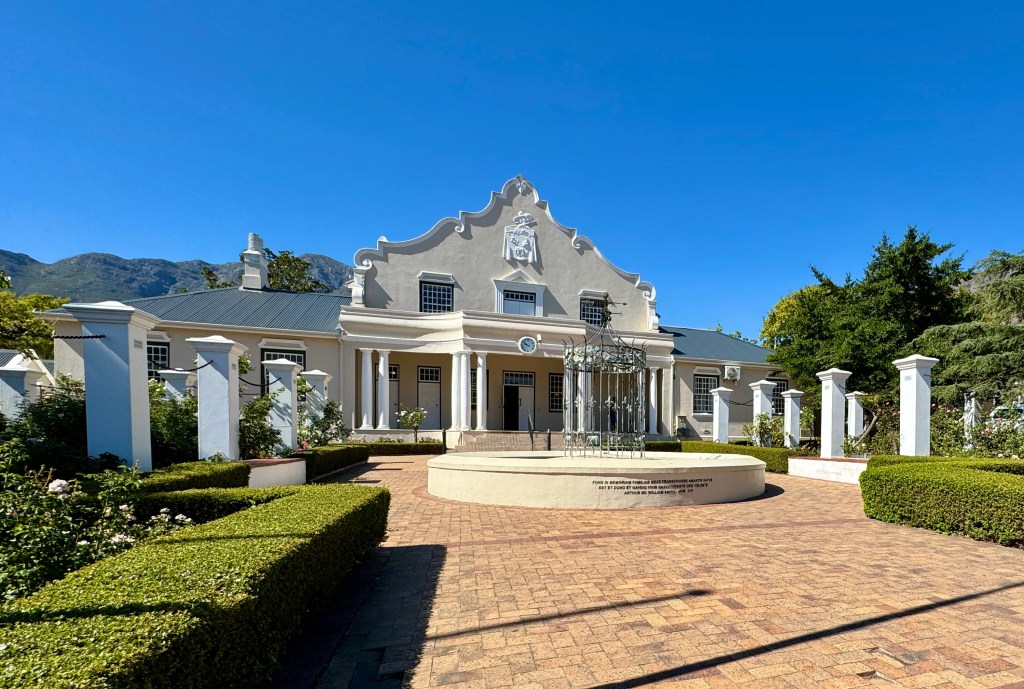
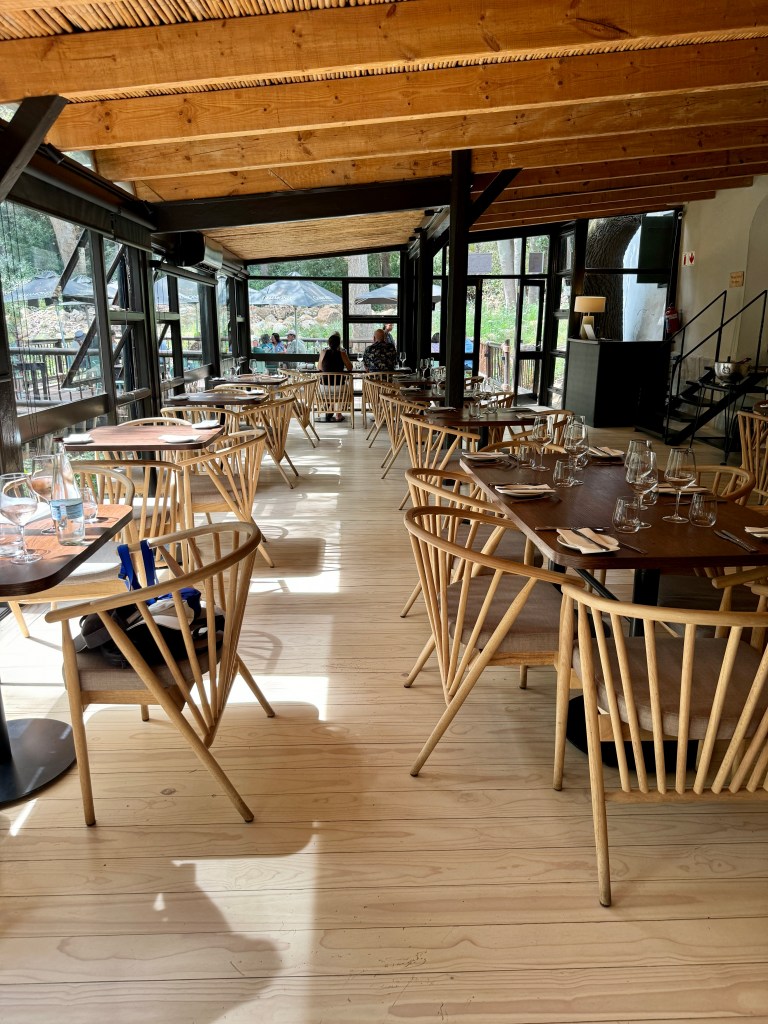
La Motte, Franschhoek: The restaurant is still being renovated (it has been 2 years so far so it will be interesting to see it when finished).Ernie Els no longer owns this winery, but it still carries his name. They greet you with a welcome glass of wine.There is a “pitching green” at Ernie Els – we didn’t try our luck but there were many who did.Entrance to Ernie Els WineryPart of the Ernie Els EstateHaute Cabriere – FranschhoekLunch at Haute CabriereHuguenots’ Monument “celebrates the Huguenots’ successful struggle for religious freedom. “Franschhoek Town Hall
The last few wineries we visited this trip…
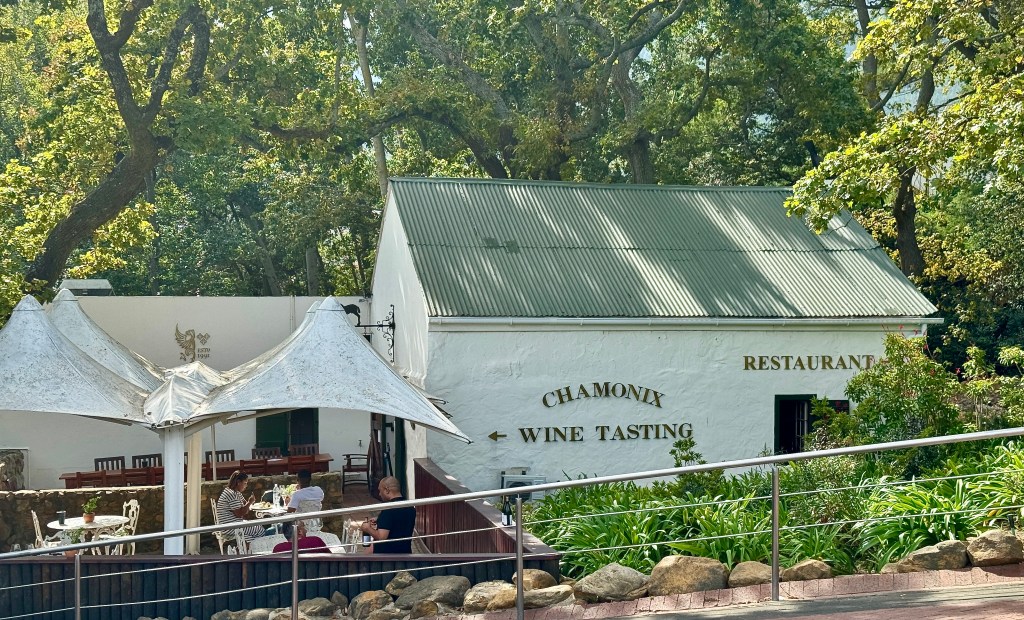
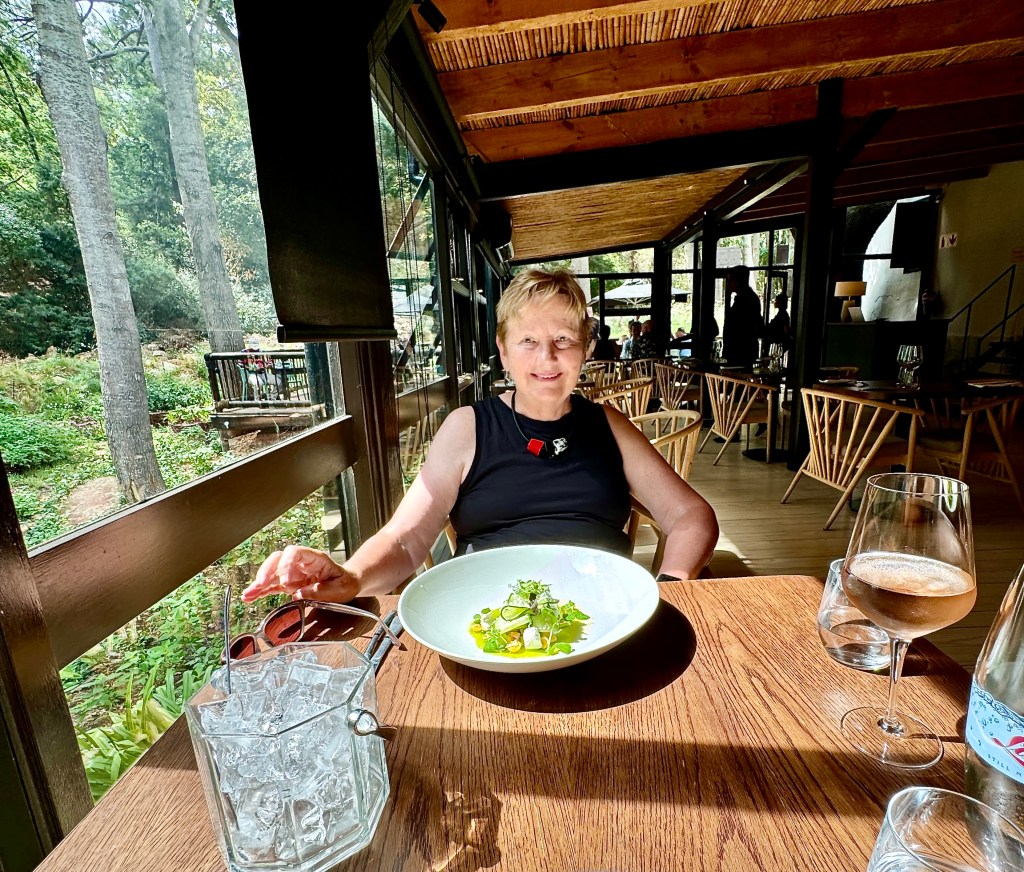
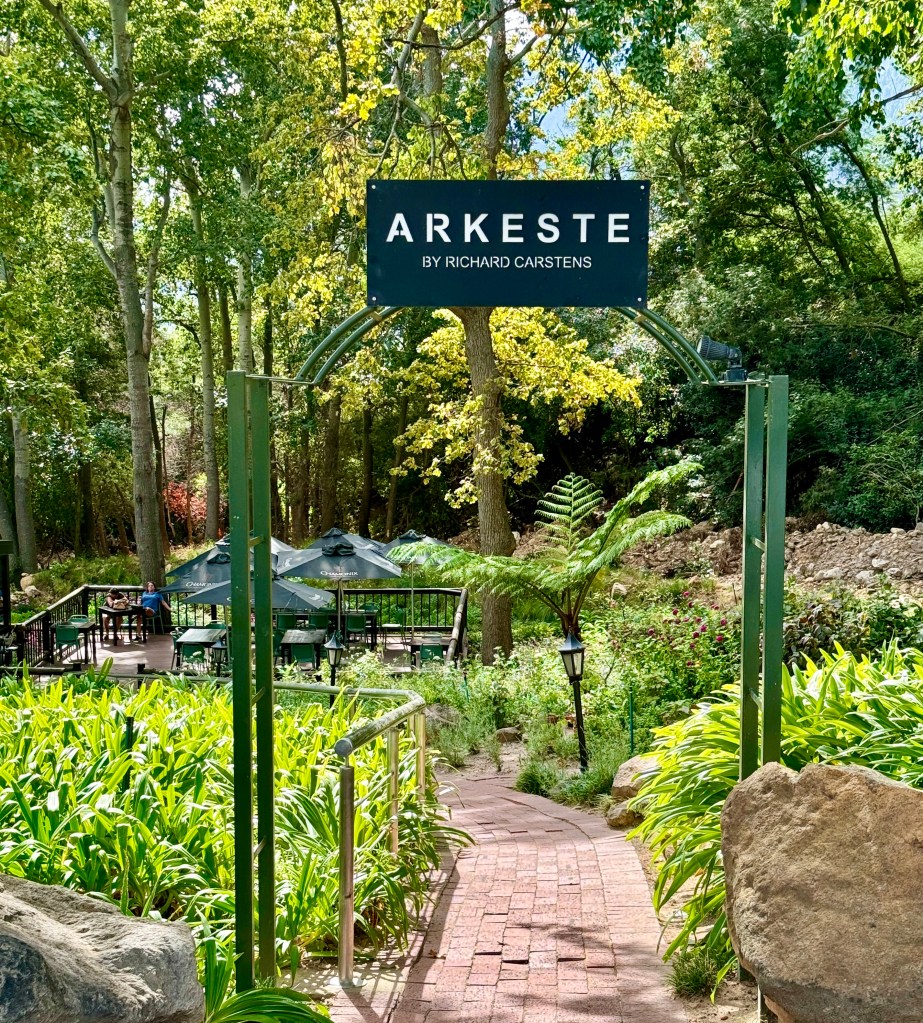
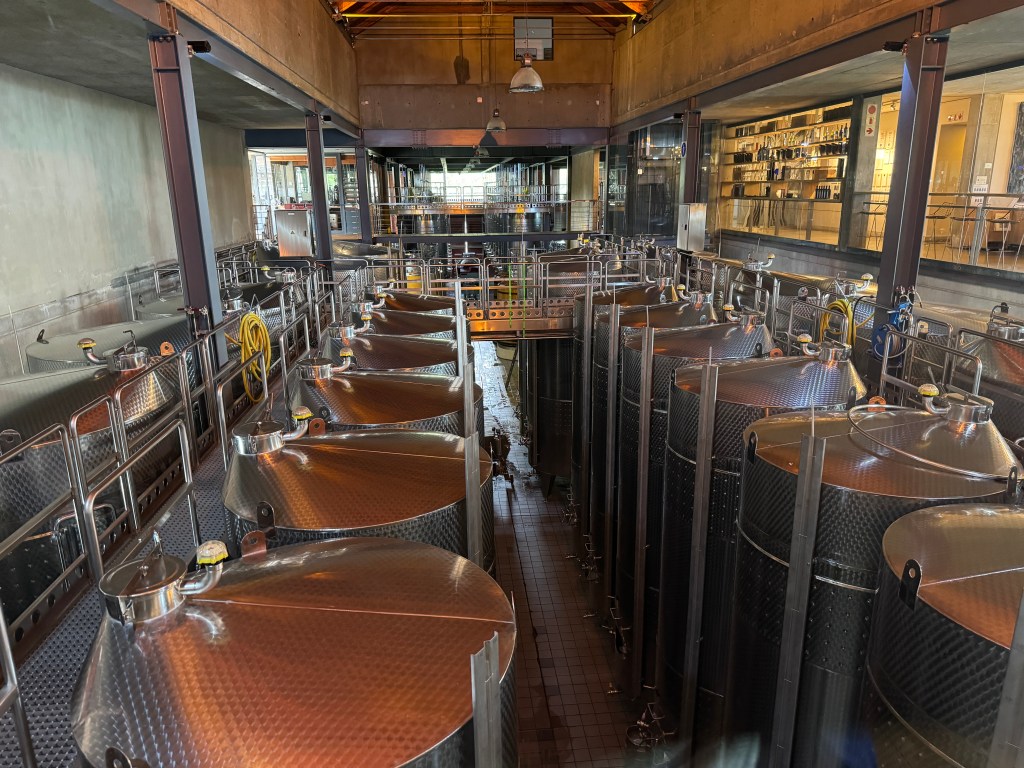
Chamonix is a small winery which is just 5 minute from where we are staying.This was our firt time here, but worth a return visit.Wonderful lunchat Arkeste – ChamonixGardens at ArkesteView as we left ChamonixTokara Winery entranceTakara Wine VatsTokaraView from Takara parking areaTakaraEntrance to Takara DeliTakara Main EntranceRoad to Takara DeliCross in the distance – photo taken from Dieu Donne Winery
March 25th: It is a sunny warm day – perfect for a final late lunch at Rust en Vrede (which is on our way to the airport).
Lunch was wonderful, and we had an easy drive to the airport. Thank goodness we arrived early as it took over 2 hours to check-in, clear security and passport check. We are now in the lounge waiting for our flight to London, then Toronto. We leave at 8:40 p.m. and arrive home on March 26th around 4:00 p.m.
We have loved our two months in South Africa. The time has flown by, and although we are sad to leave we are also looking forward to getting home. There really is no place like home.
We left Wilderness on March 11th after spending 18 days there. As mentioned in previous posts, this is a wonderful location as it is close to the beach, restaurants and activities. The photos below are from our last weeks in the Wilderness area.
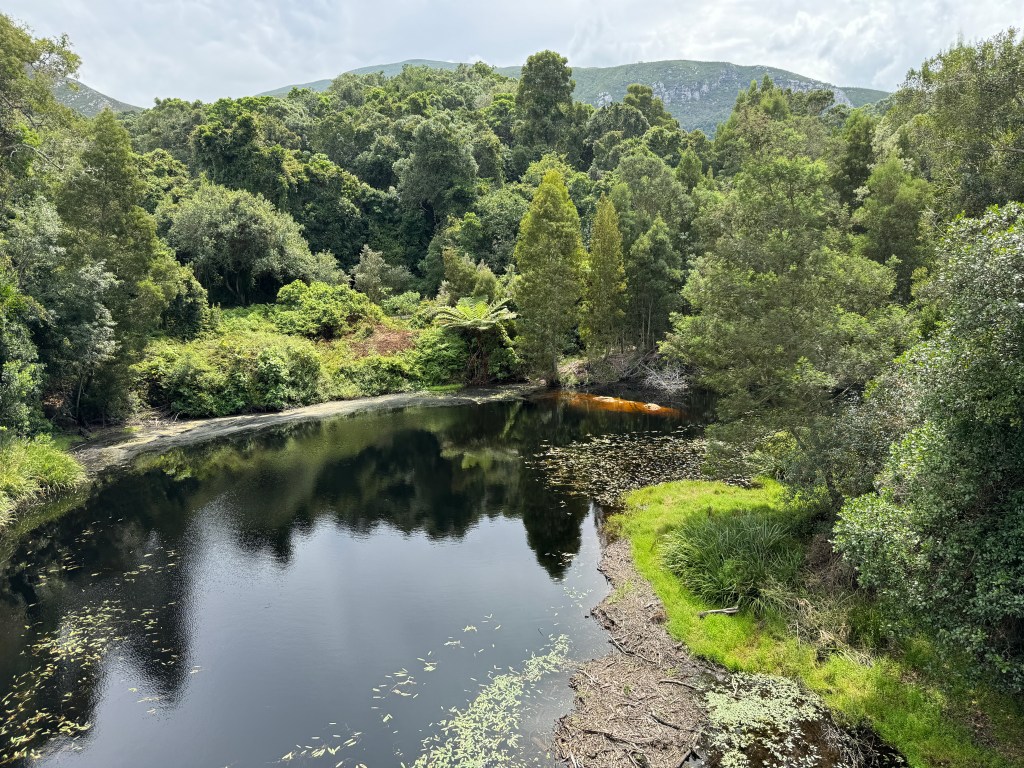
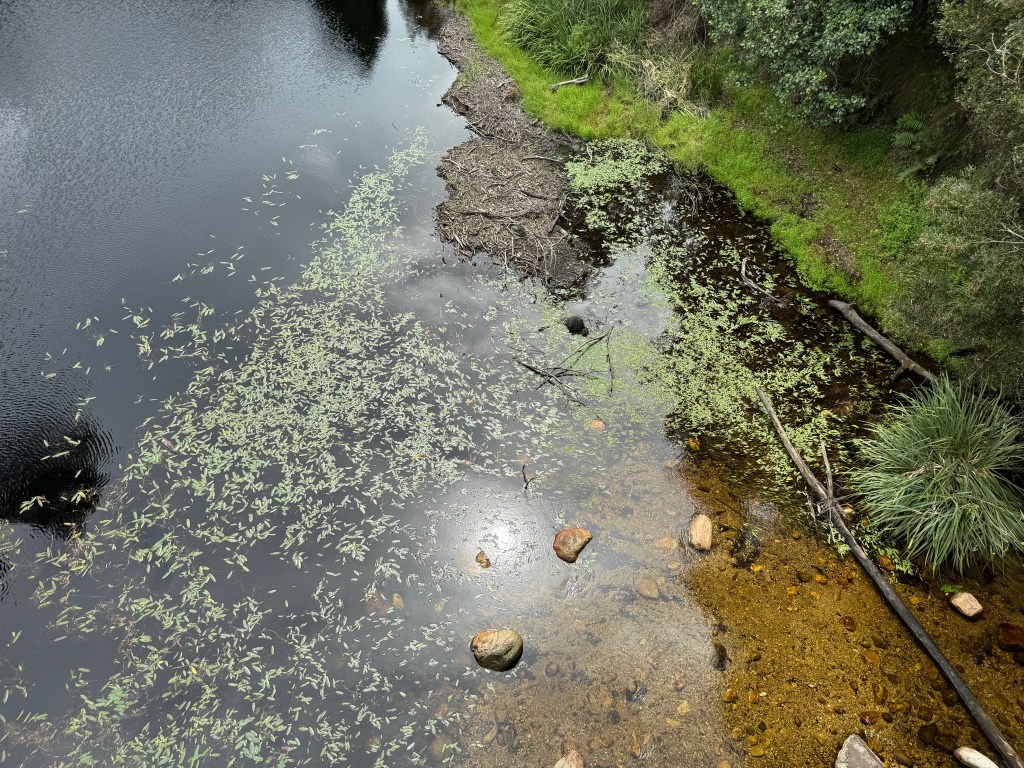
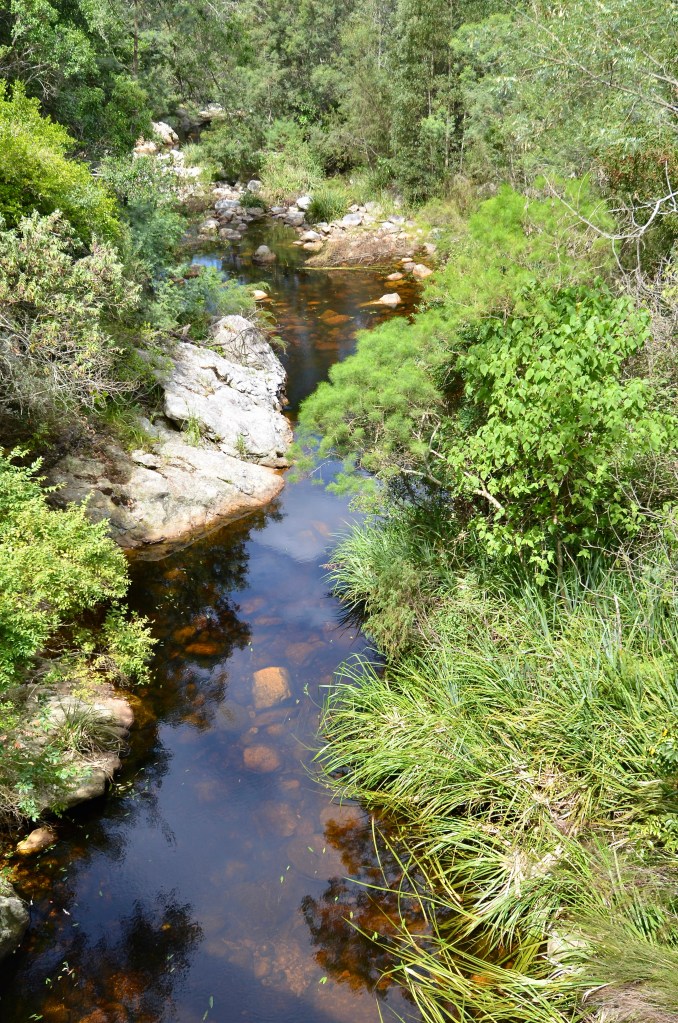
On the way to lunch one day, Deb drove us along a back road towards Sedgefield – lots of interesting views.
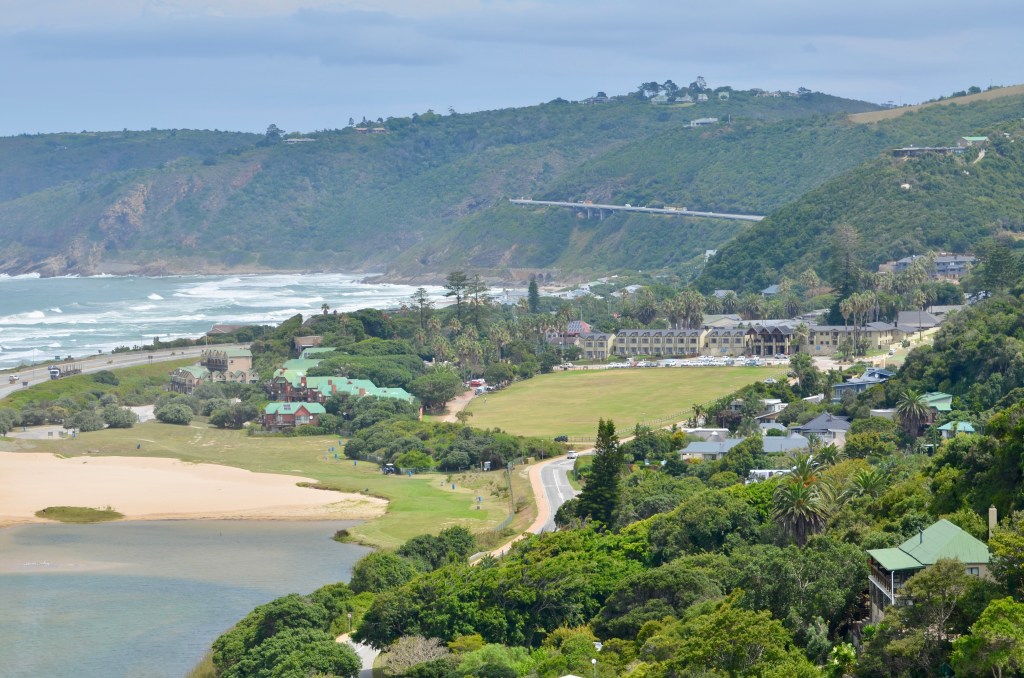
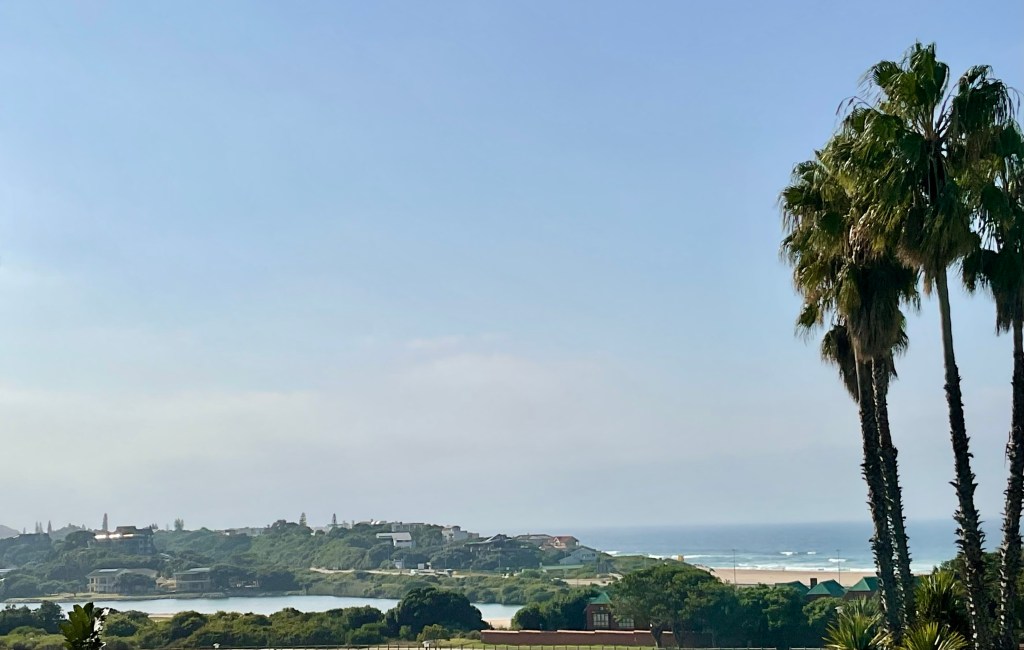
Photo looking back at the beach and on the right just above the hotel is our apartment.
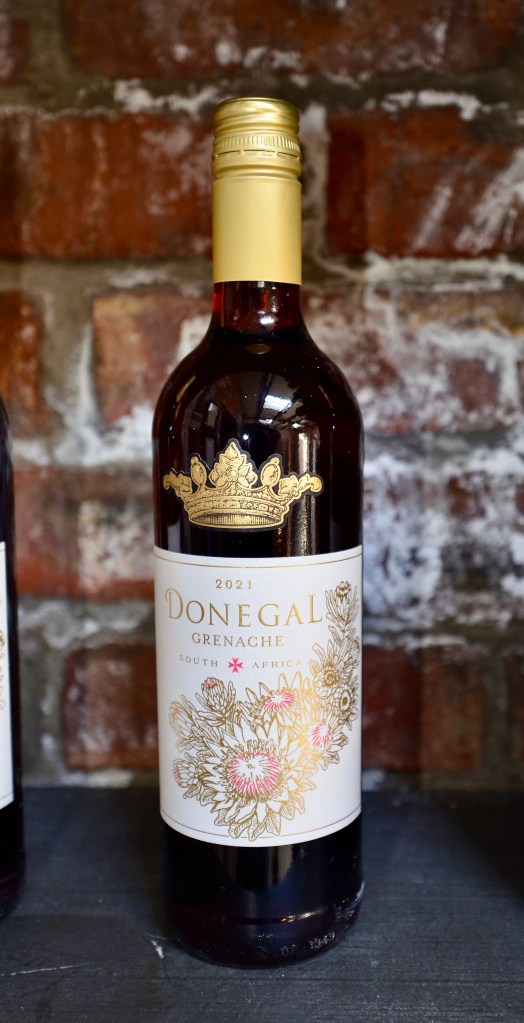
In honour of our Irish friend Karen, we went for lunch (charcuterie board) at Donegal. The winery is also where Ruan and Gerhard were married.
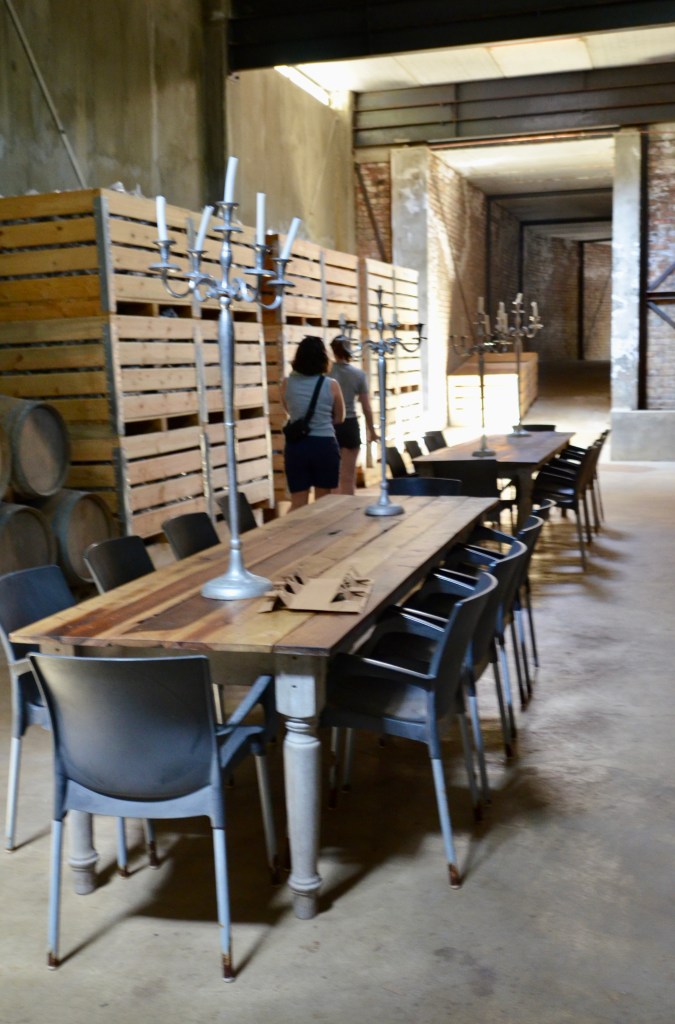
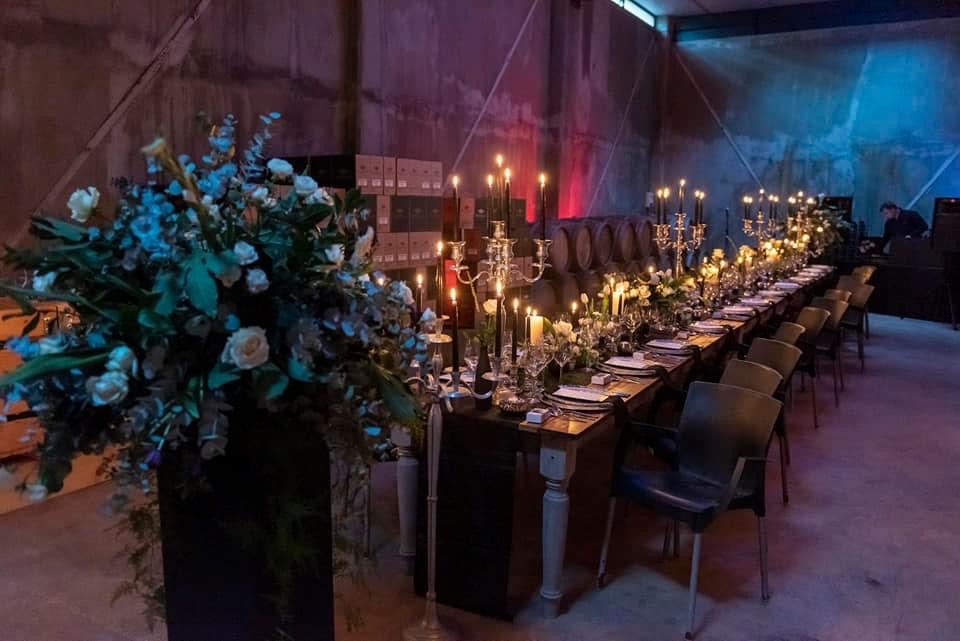
Wine Cellar looked so different at Ruan and Gerhard’s wedding.
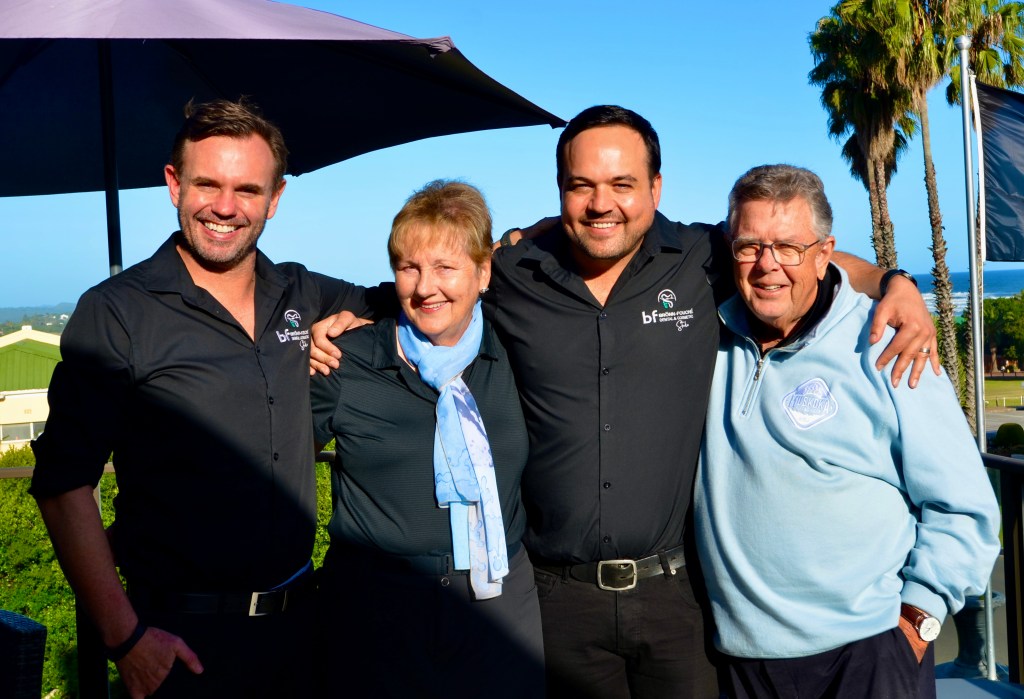
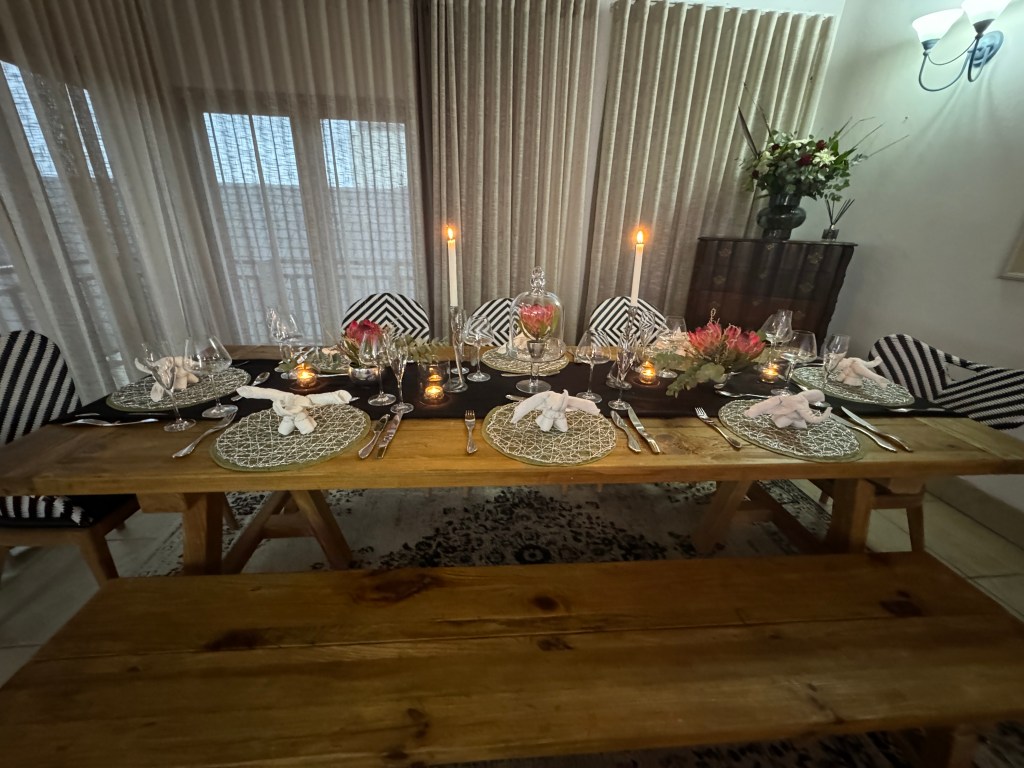
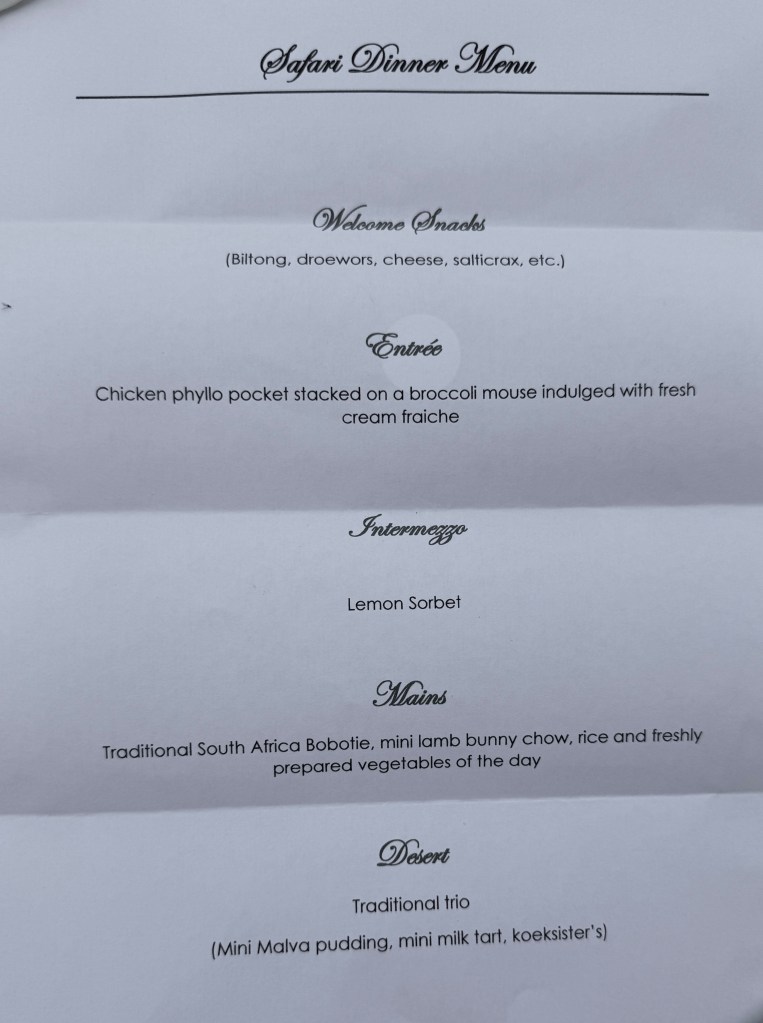
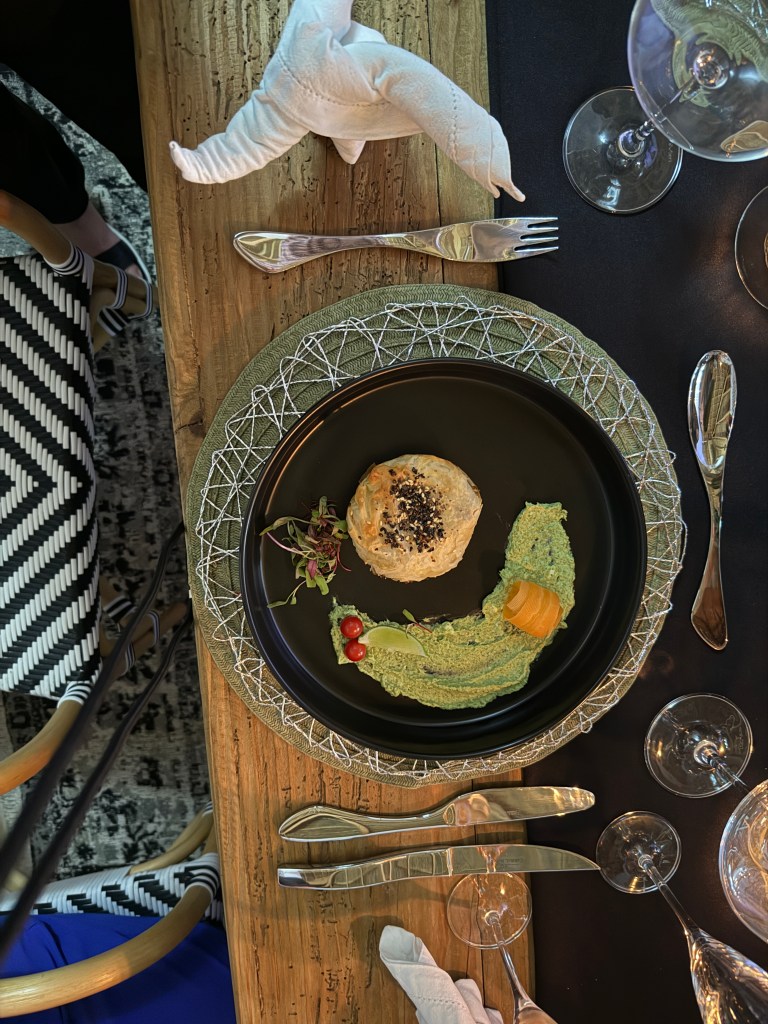
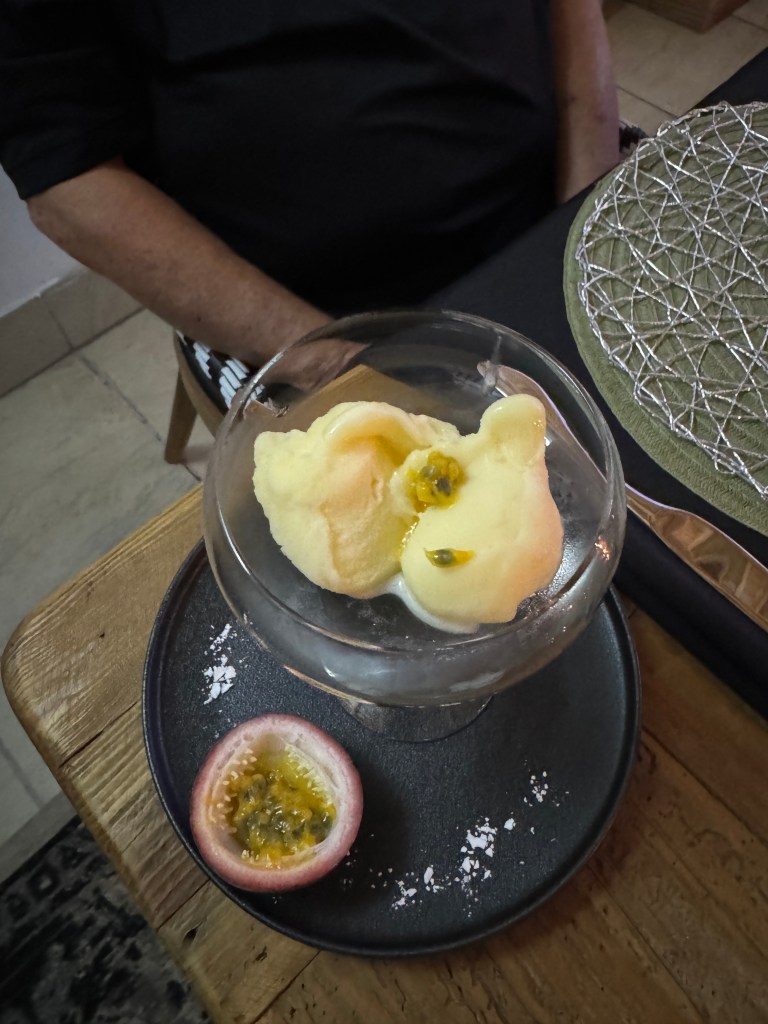
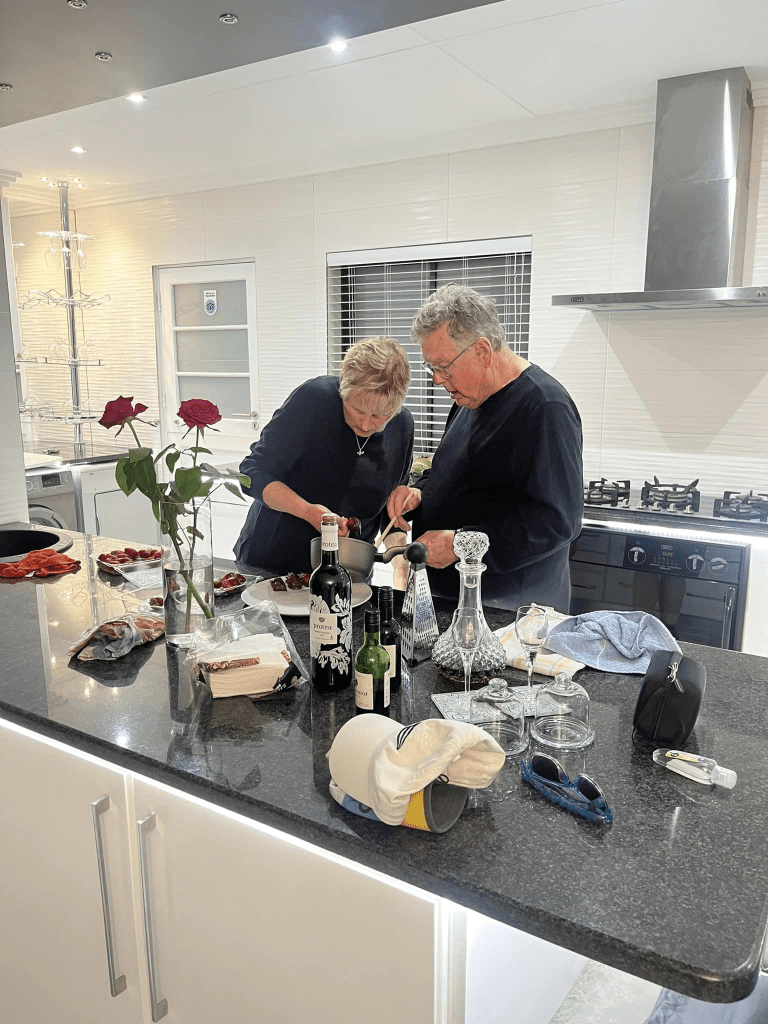
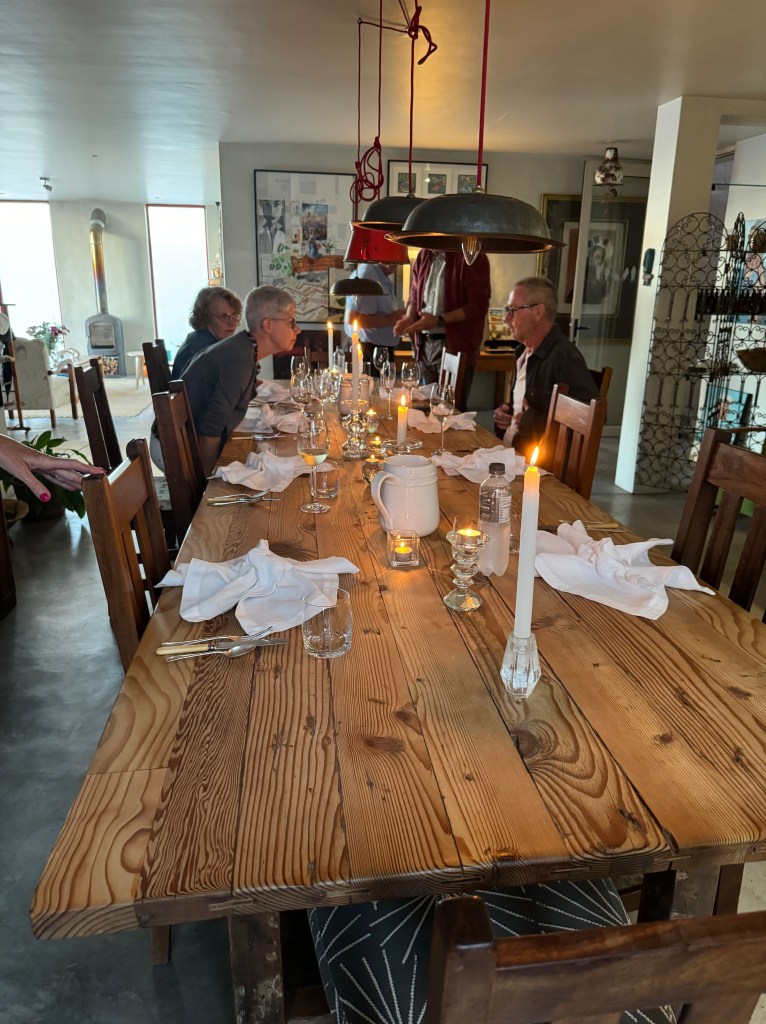
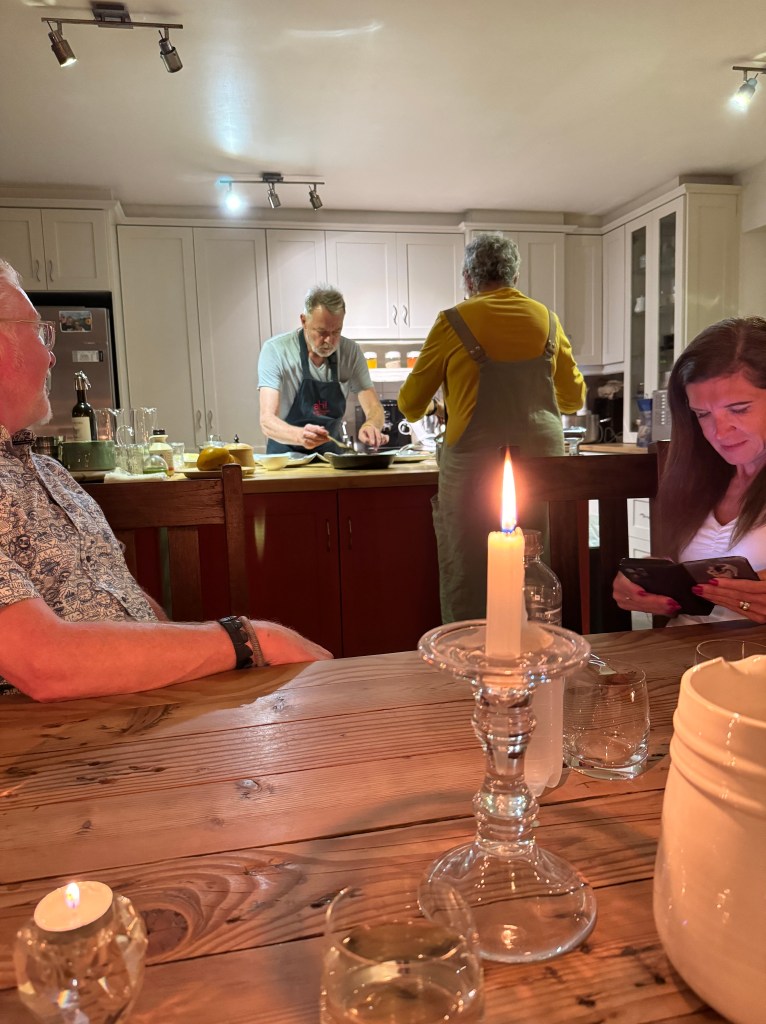
Over the last three years we have gotten to know Ruan, the owner of Wilderness Waters. From the beginning, we’ve had a special relationship; this year Ruan and his husband Gerhard invited us (Deb, Lauchlyn, Larry and me) to dinner at The Girls (a local restaurant). Gerhard loves to cook so they subsequently invited us for dinner at their home. This was the first time they had invited guests out to dinner or to their home so both nights were very special. Gerhard and Ruan wanted to introduce us to traditional South African food. As you will see from the photos below, it was a feast.
Gerhard and Ruan hugging usBeautiful table setting – love the napkins folded as elephants. A few days before the dinner we received the menu. It sets the bar high for our next dinner party.
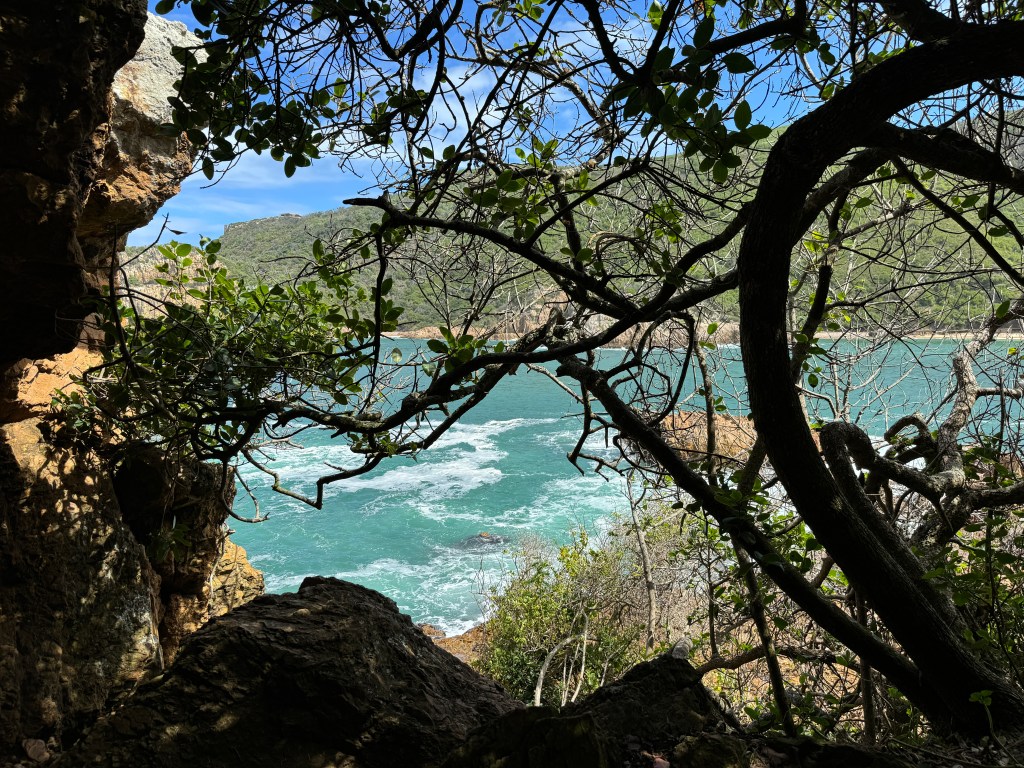
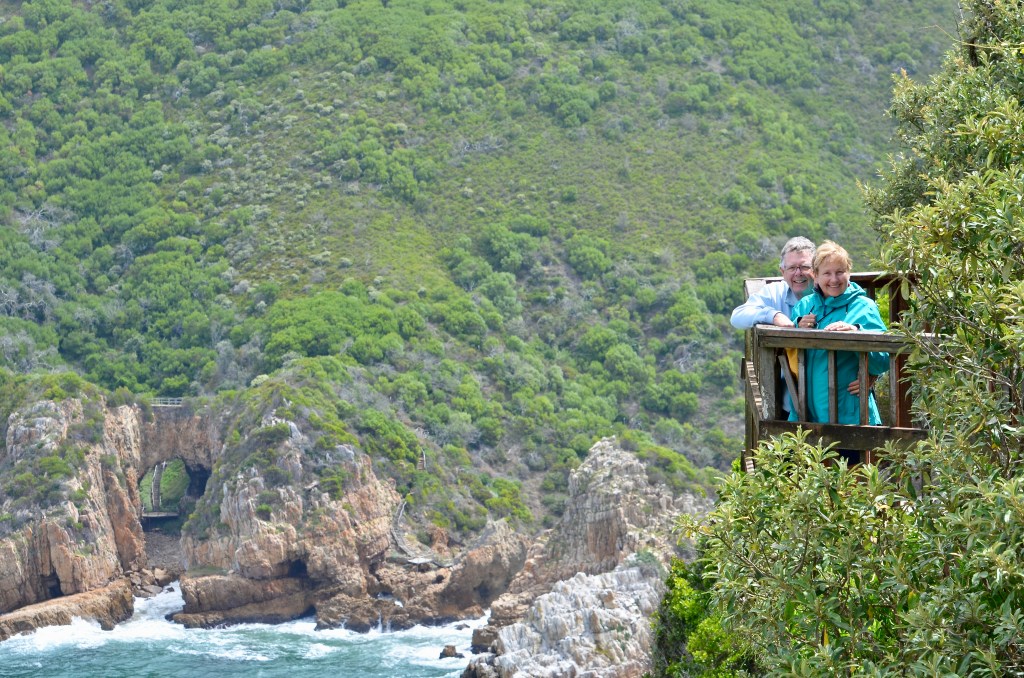
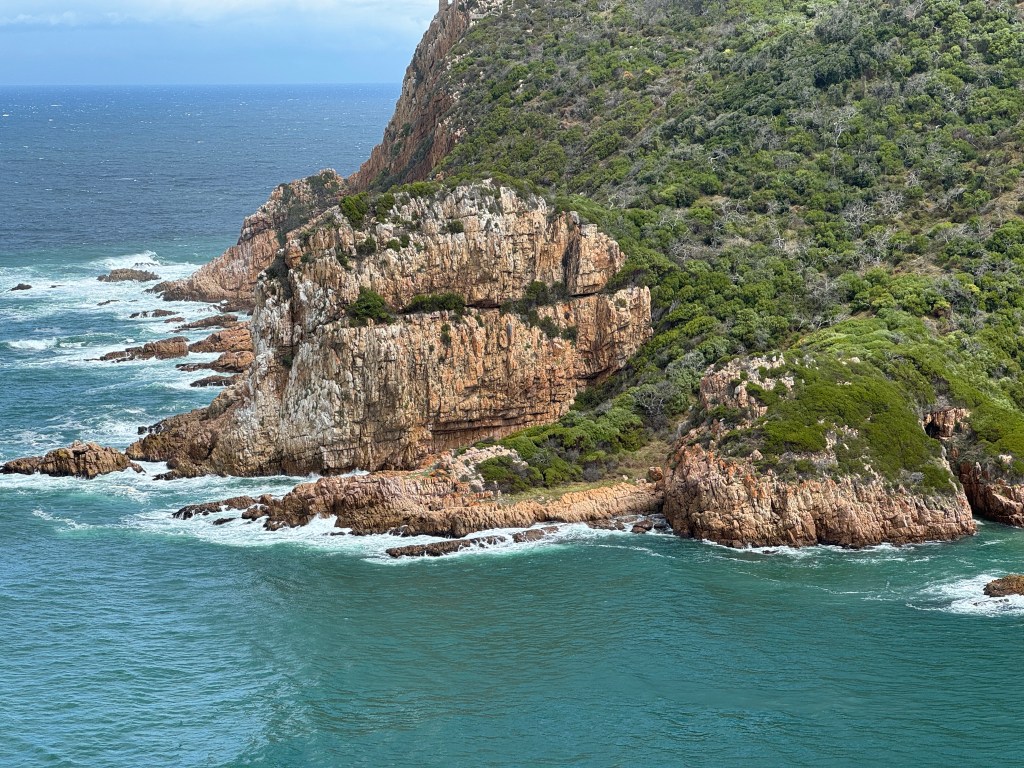
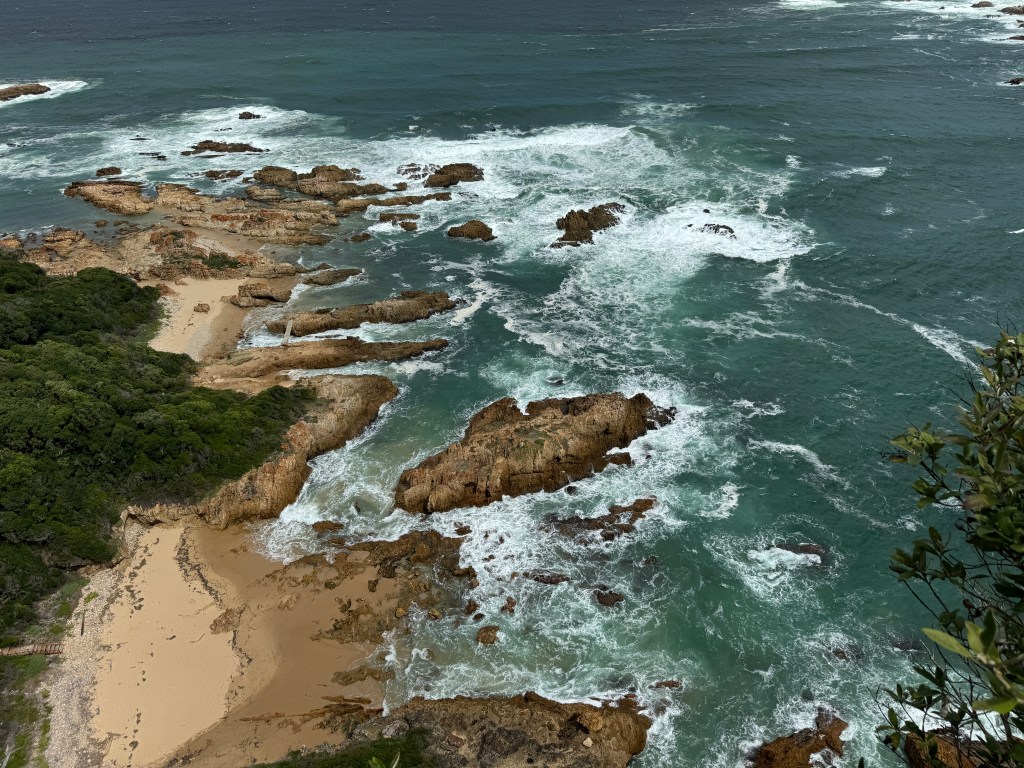
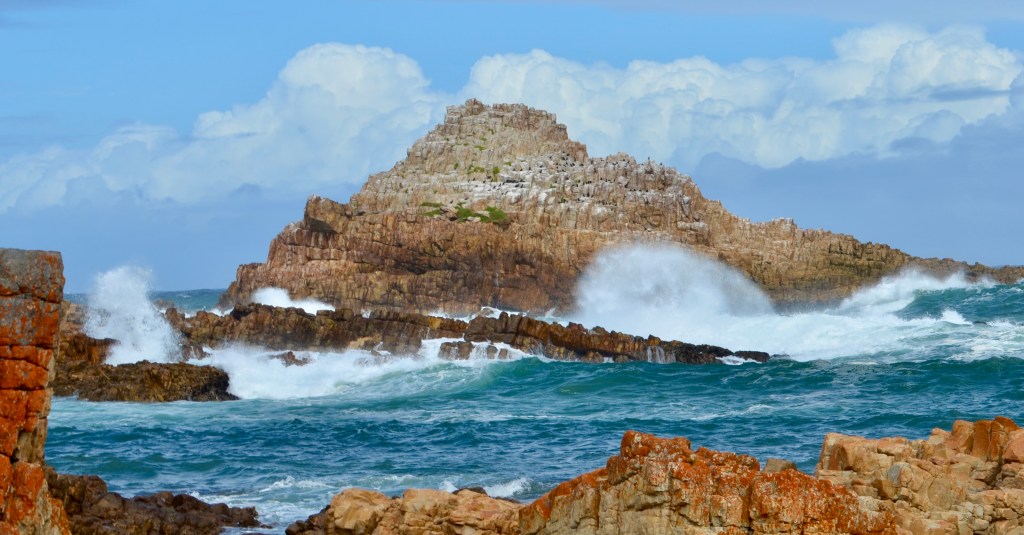
We love having lunch at East Head in Knysna and exploring The Heads, and the beach below.
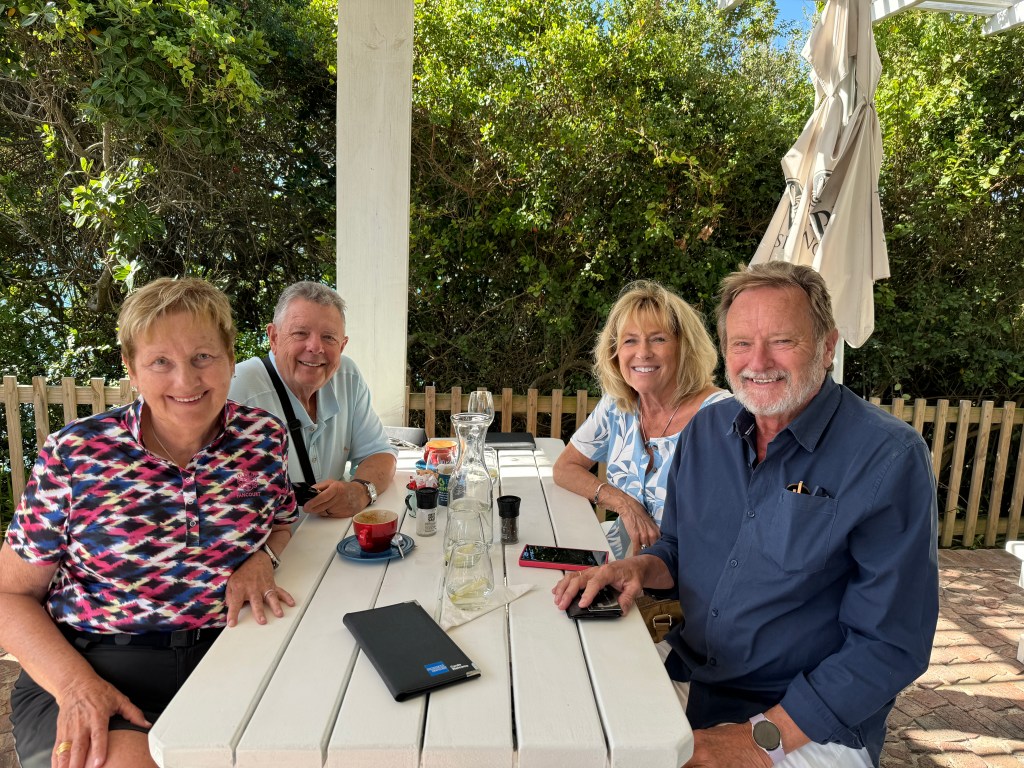
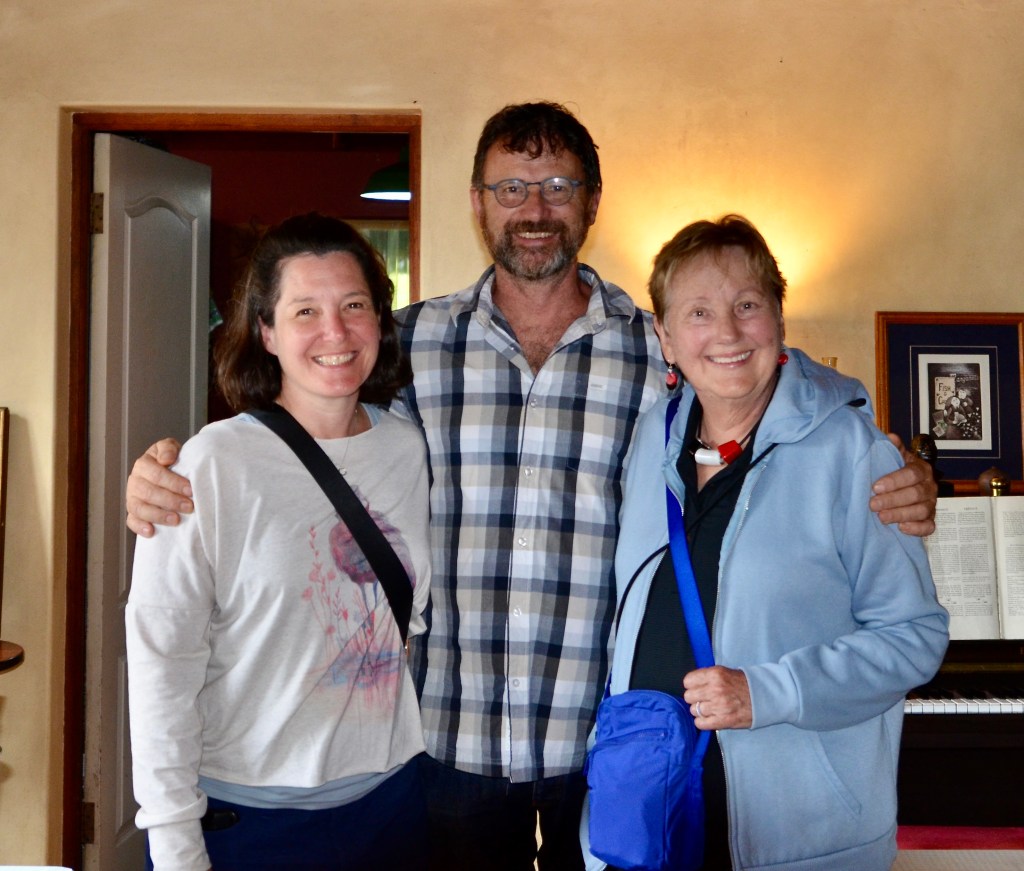
Lunch with Linda and Ole at East Head. For many years we stayed at their BnB inPlettenberg Bay. They are retiring in May and their BnB is for sale. Nice to catch up.
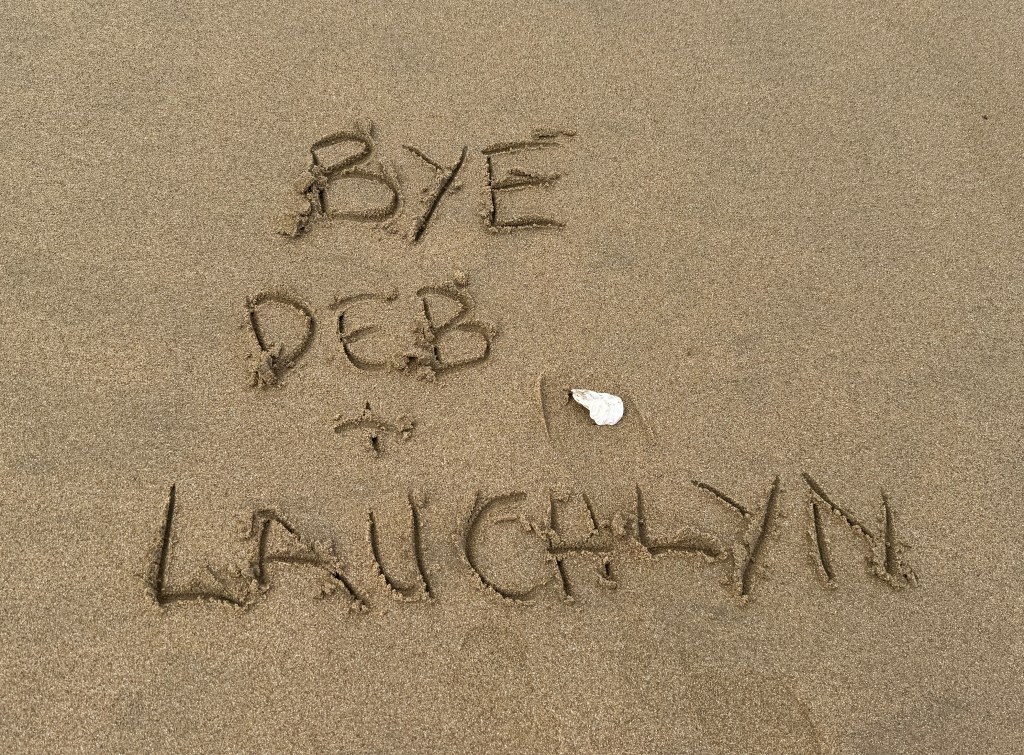
Loved our time with Deb and Lauchlyn. They flew home on March 7th.
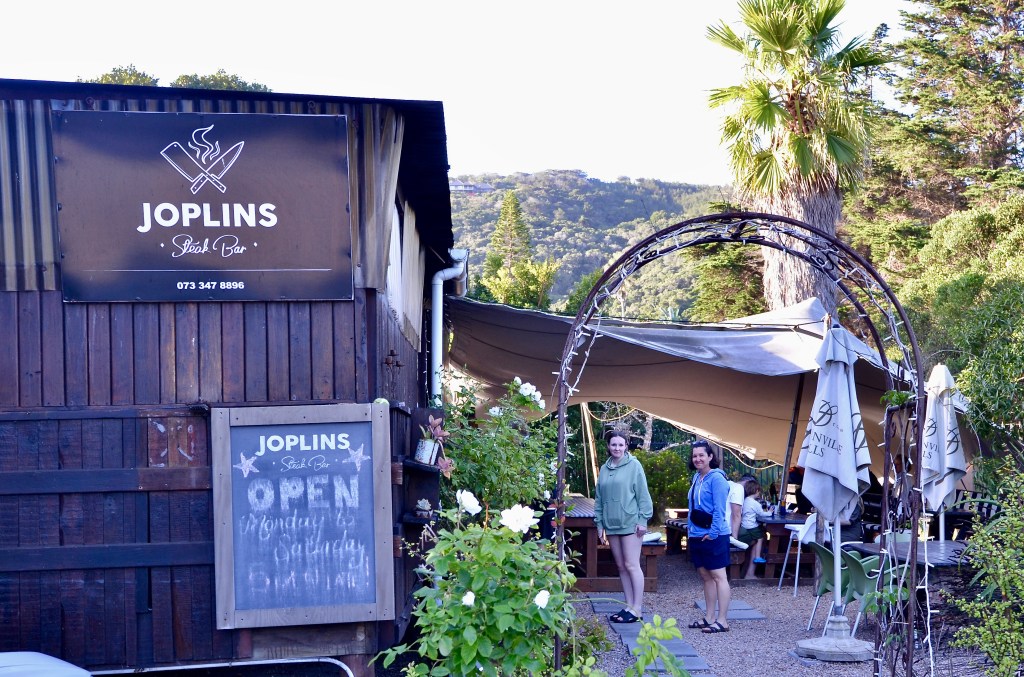
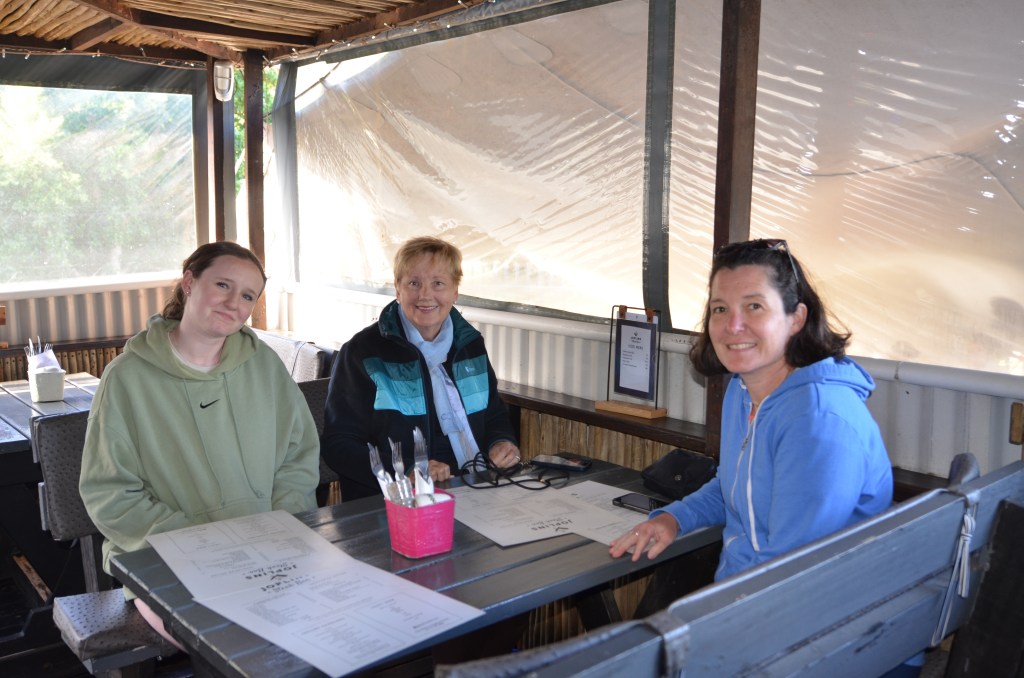
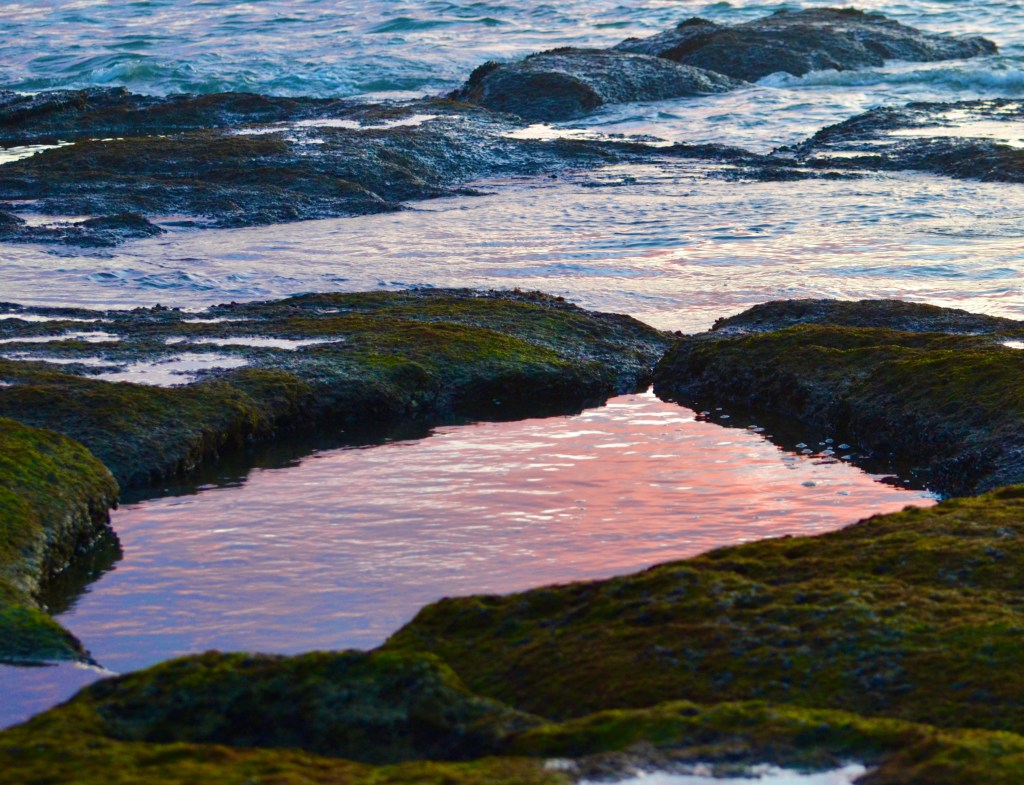
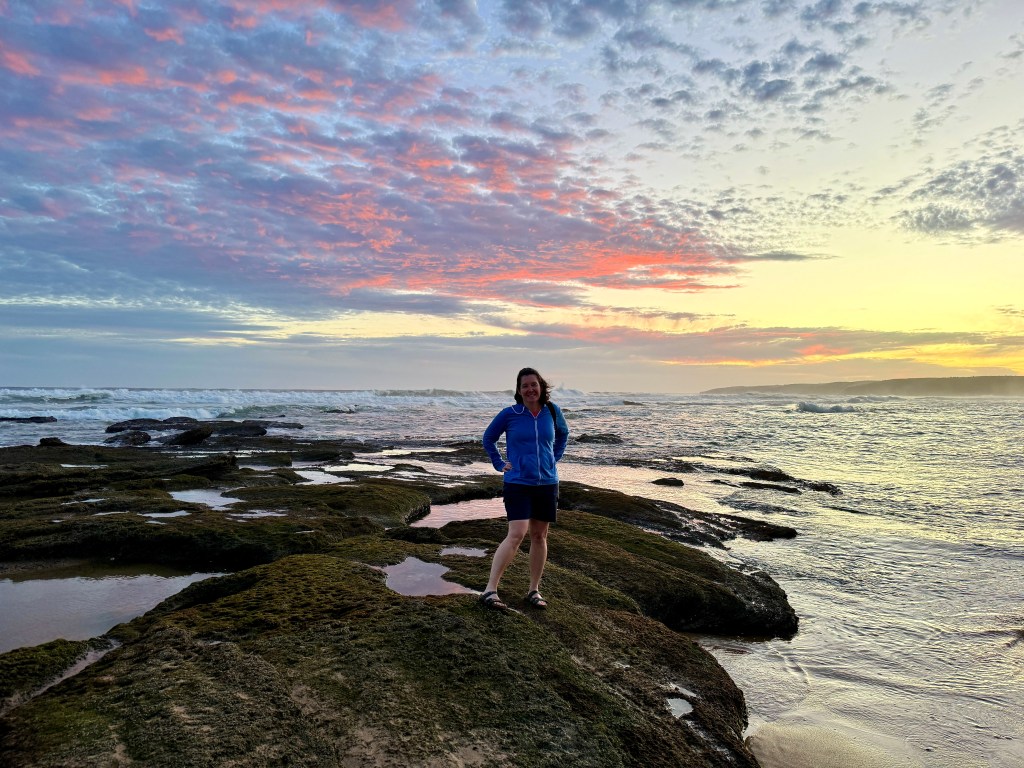
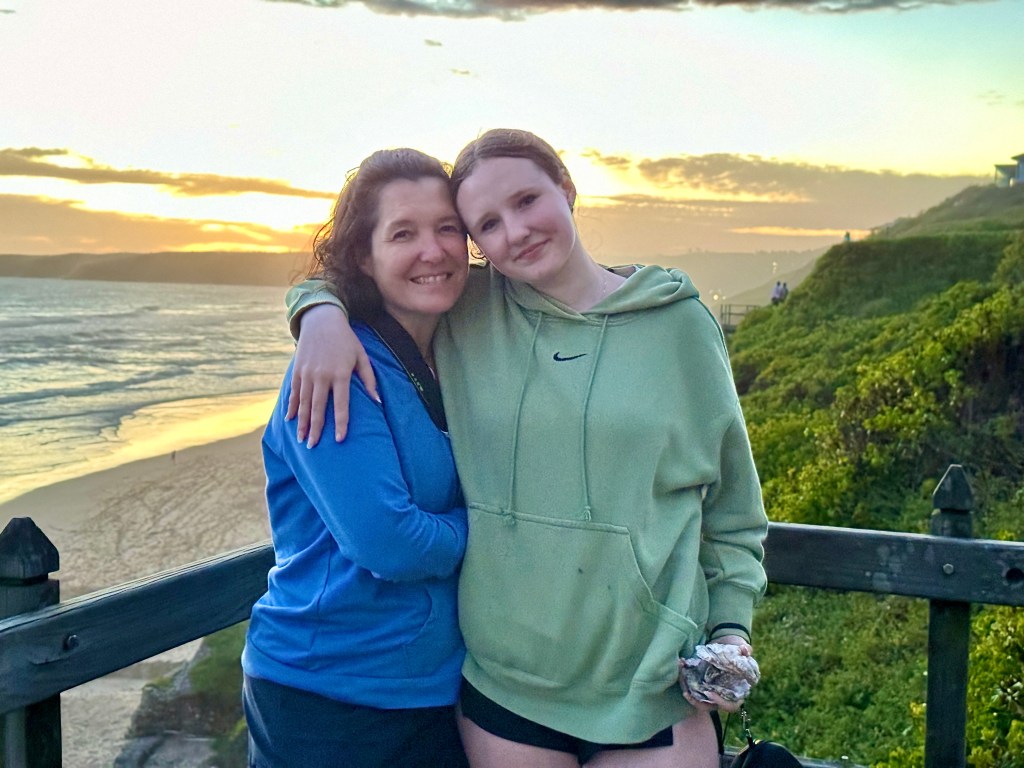
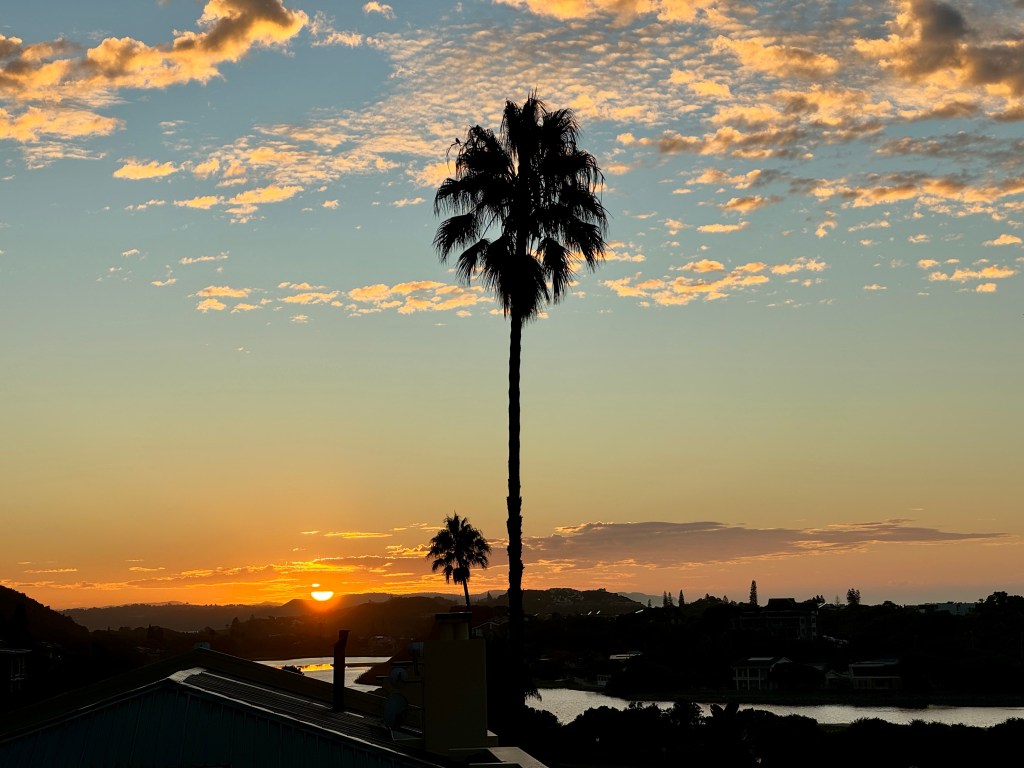
Joplins is the best place for steak and fries.It was Lauchlyn’s choice for their last night in Wilderness.Beautiful flat rock area by The View Hotel. Thank you Deb and Lauchllyn for convincing us to go down/up the 146 stairs – it was worth it.Sunrise from our Wilderness Waters’ Balcony – taken the morning we drove Deb and Lauchlyn to the George airport.
A few photos from our day trips around Wilderness
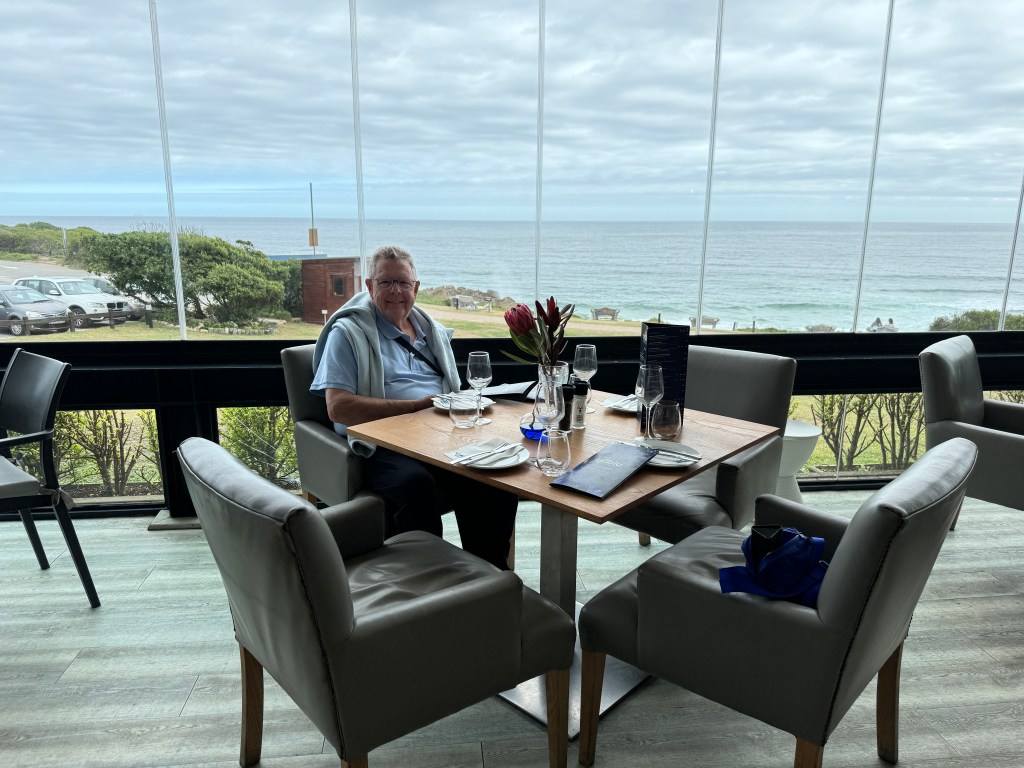
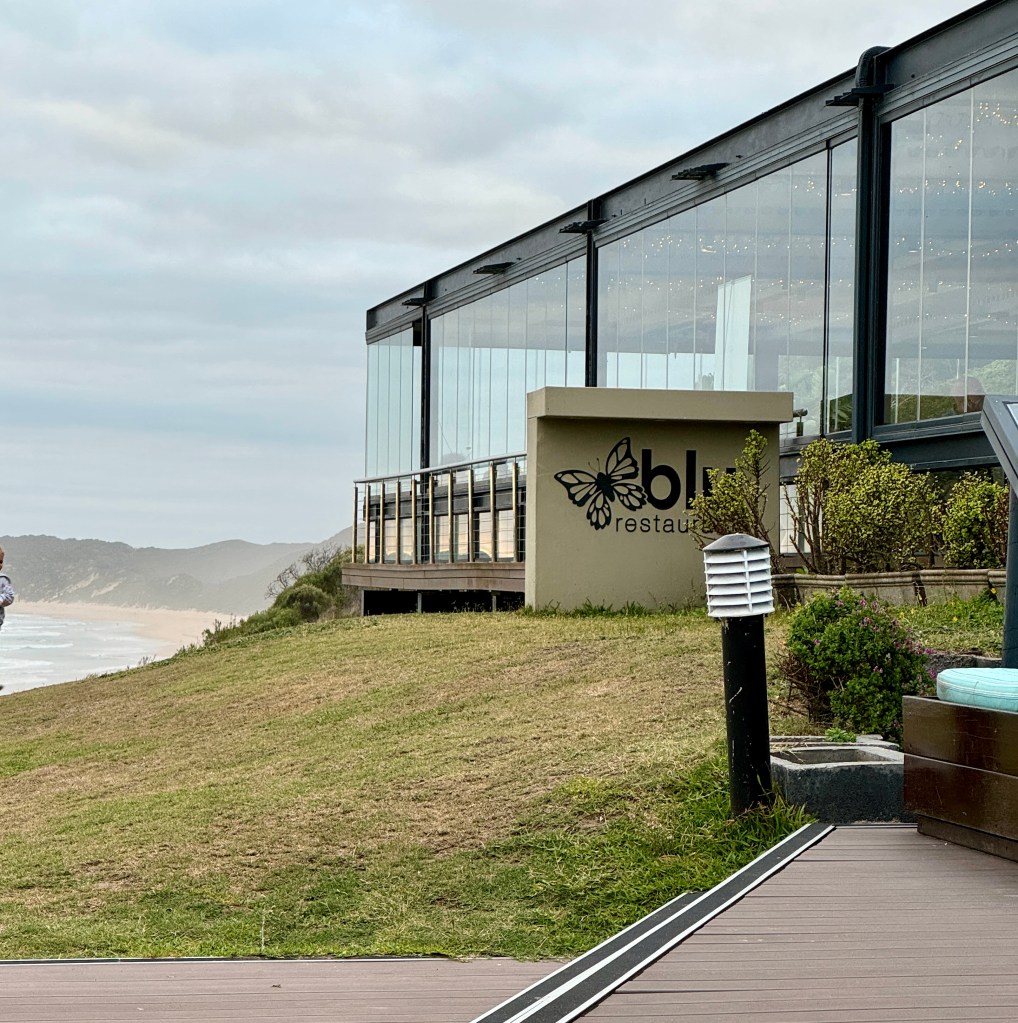
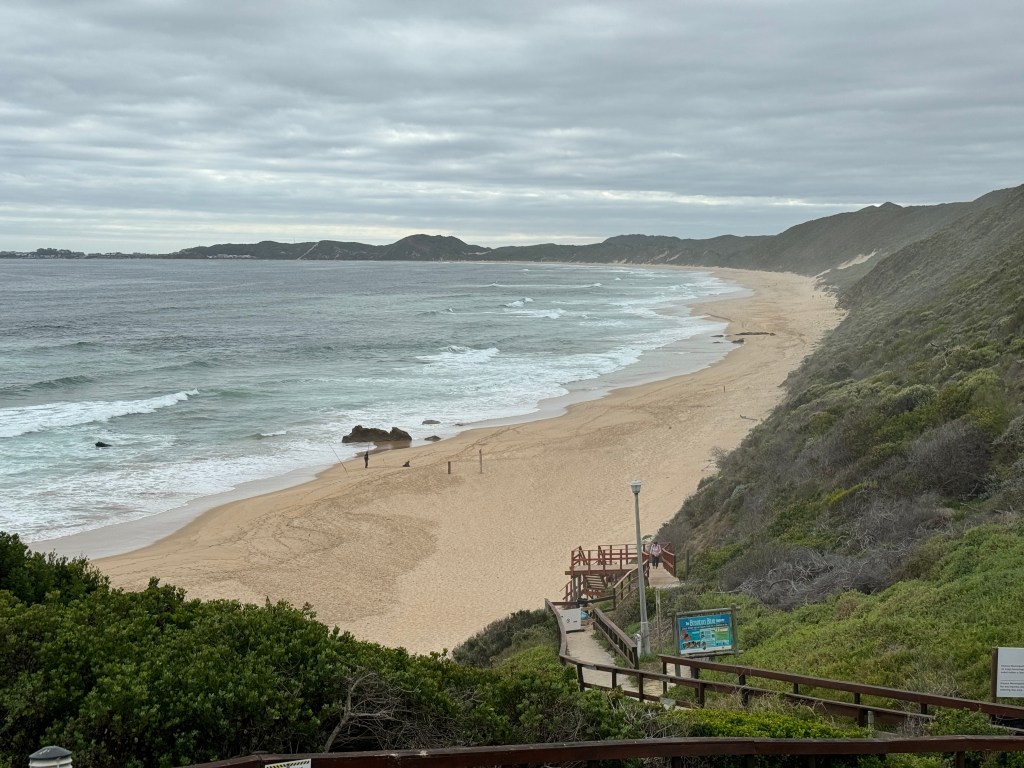
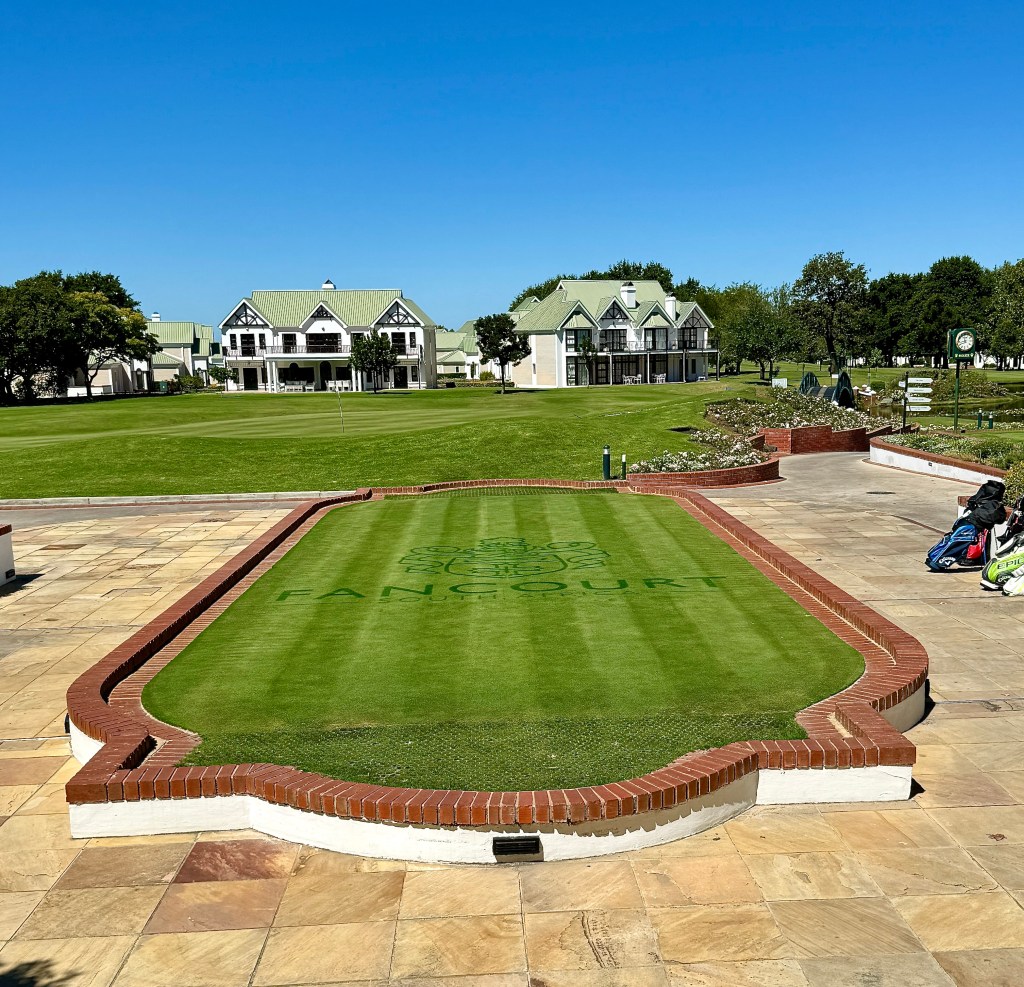
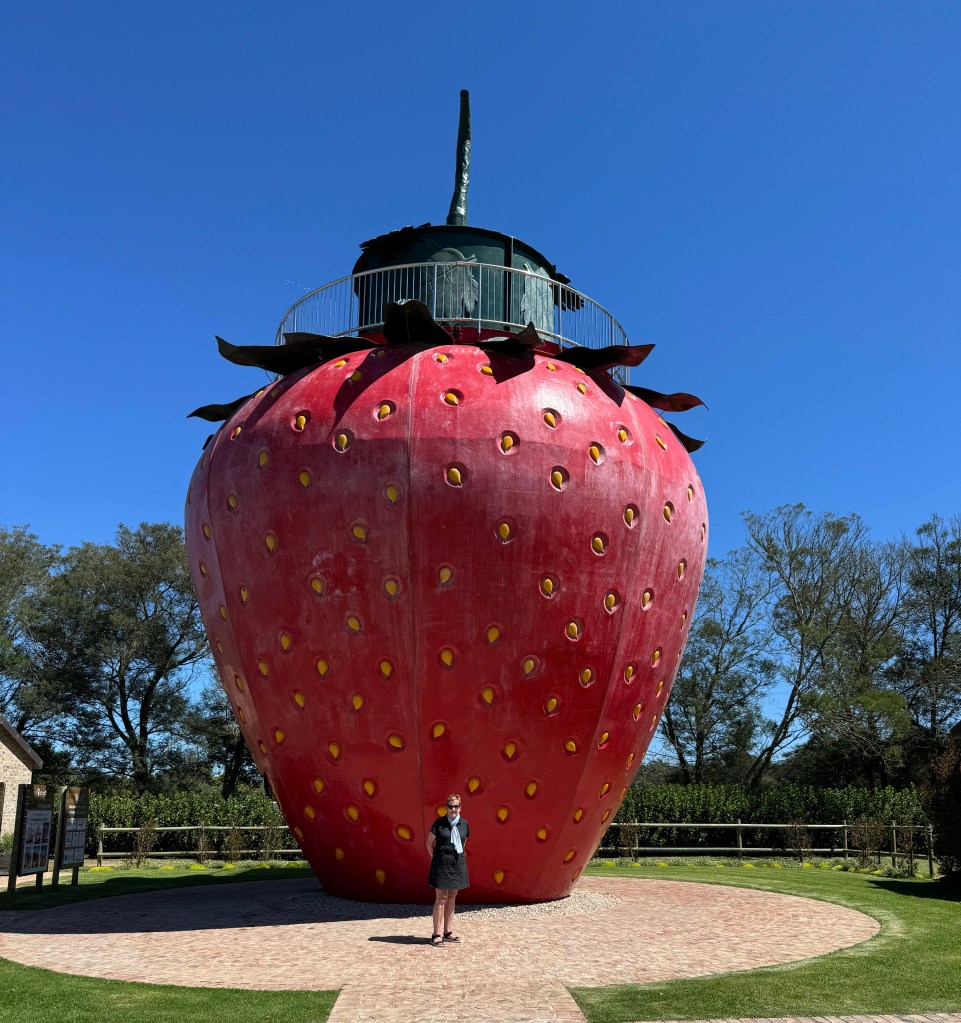
Early dinner at Butterfly Blu – KnysnaGreat view and food – we will returnBreton on the Sea – we didn’t have time to walk the beach so it is on our list for next year. There were dolphins playing just off shore.Fancourt in George – we enjoyed the spa and lunch at MonetFancourt – view from Monet where we had lunchWe stopped for fresh strawberries – we are going to miss the fresh fruit.
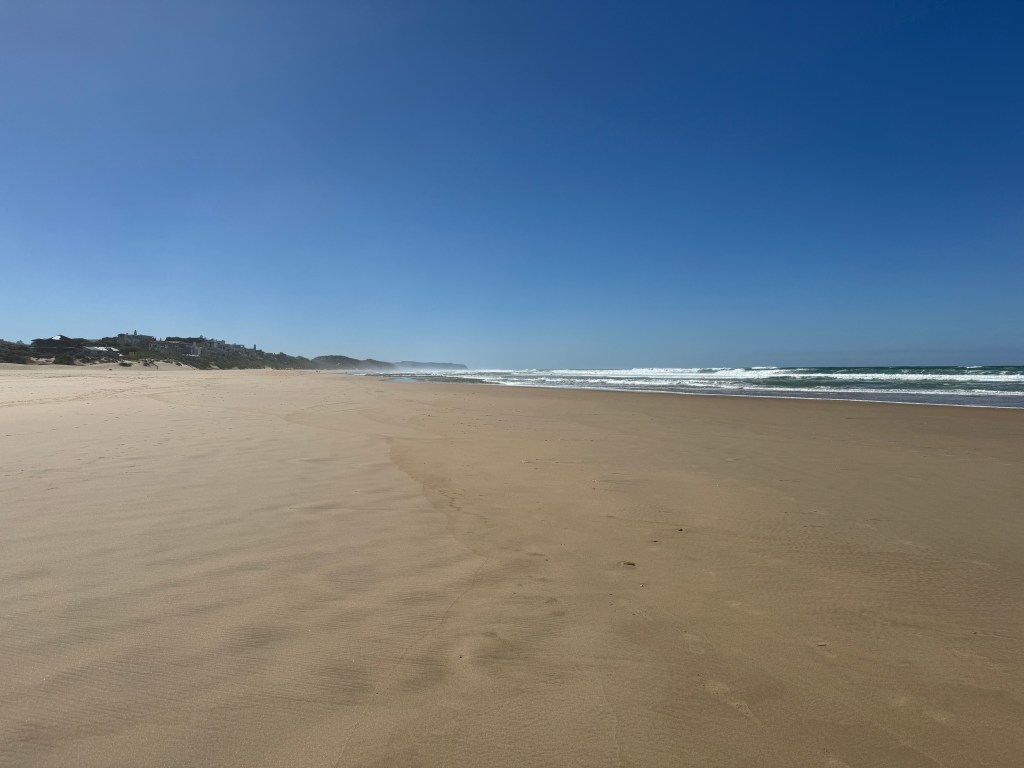
Last walks on Wilderness Beach for this year.
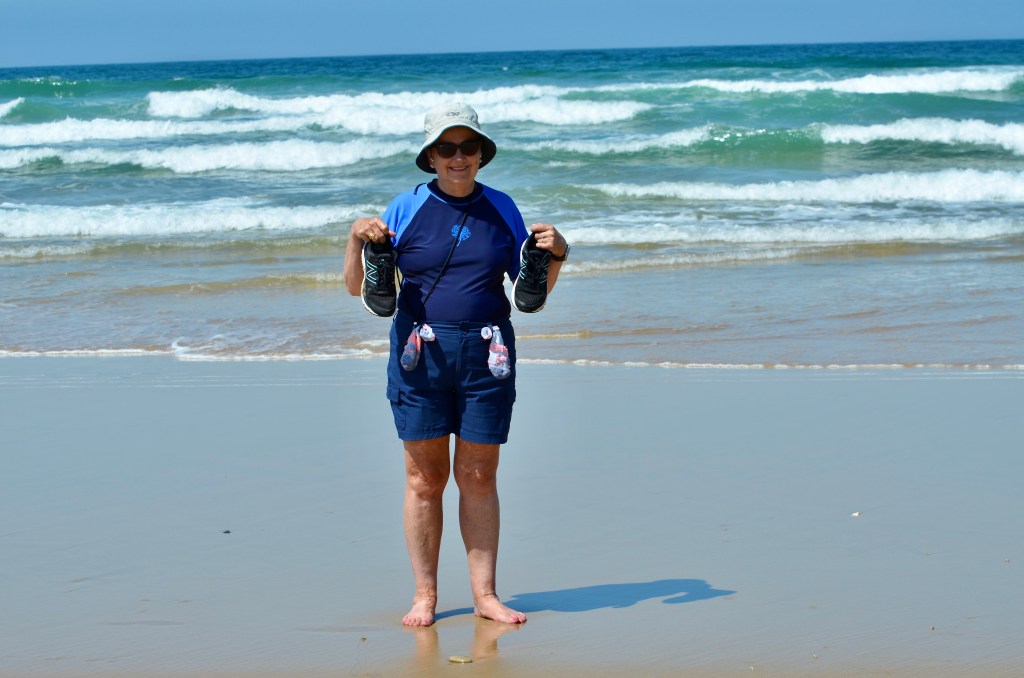
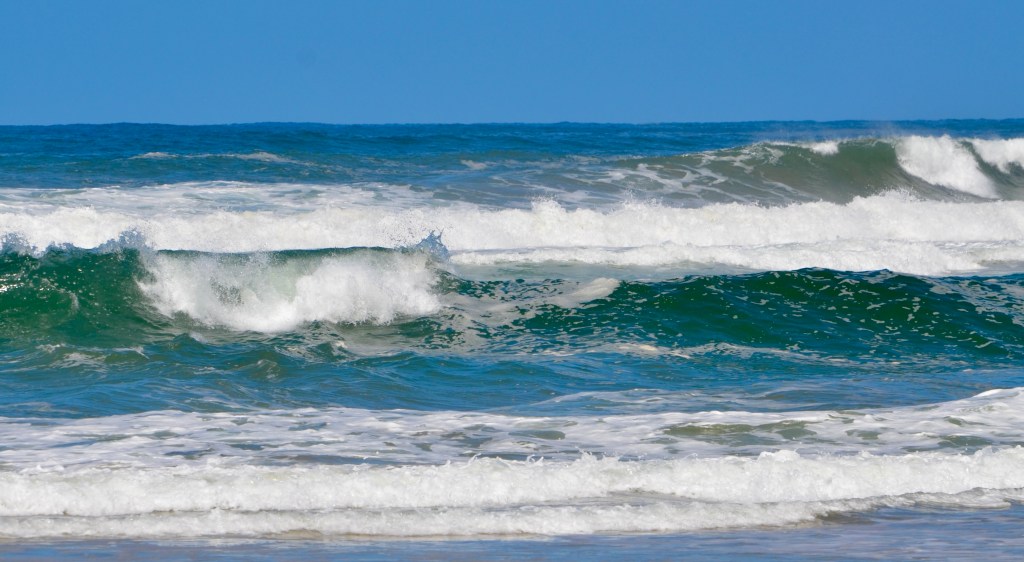
We loved our beach walksevery morning.I wasn’t paying attention to the waves – walking barefoot works so much better.
When we were planning 2024, we wondered whether we would want to come back again in 2025. Answer …”yes”. Much to our surprise, a couple had already booked “our” apartment for two months in 2025 and 2026 so we had to change our dates by a couple of weeks. But we will make it work……. “see you next year Wilderness.”
A couple of years ago we arranged with John from Wilderness Express to take us to Fynboshoek Cheese Farm for lunch (its about 2 1/2 hours from Wilderness). John included a tour on the way to/from Fynboshoek which we really enjoyed; so this year we decided to use John again. Deb came with us, which made it fun for all of us especially as Deb didn’t have to worry about driving back after having wine and gin.
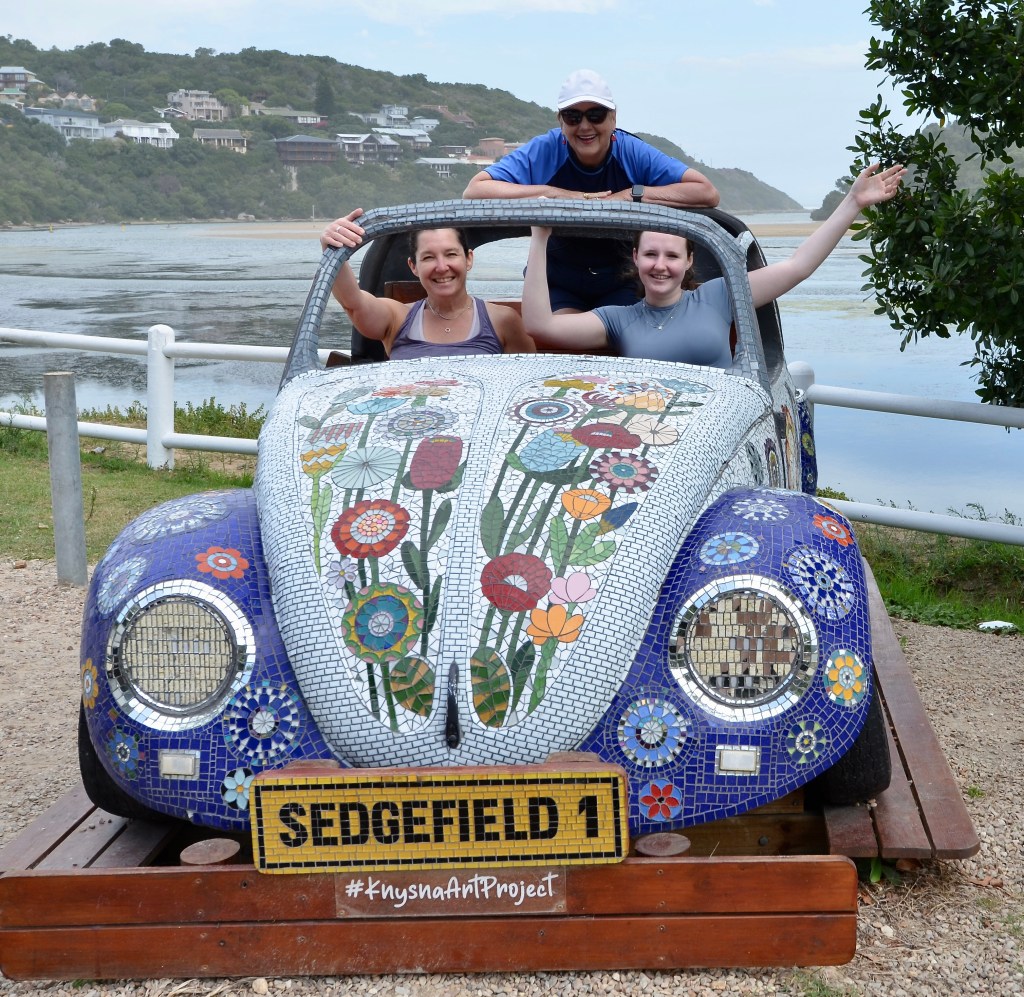
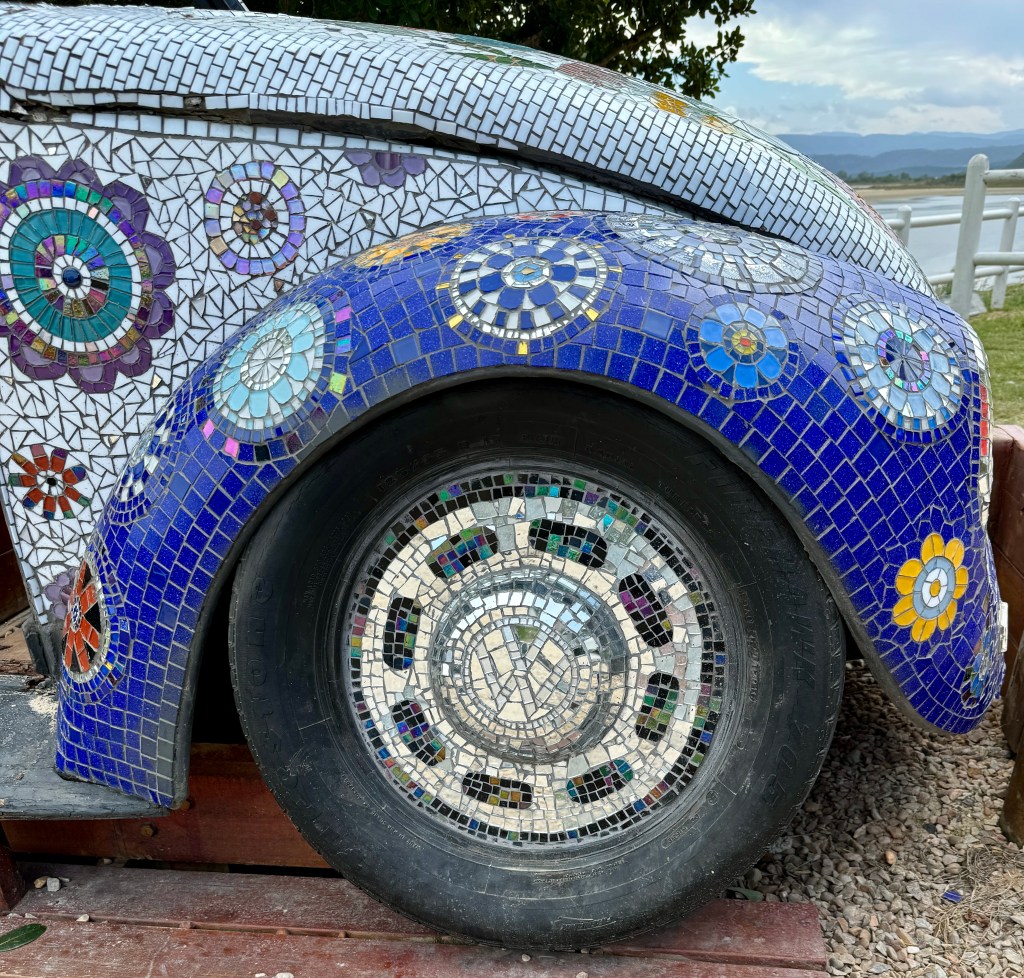
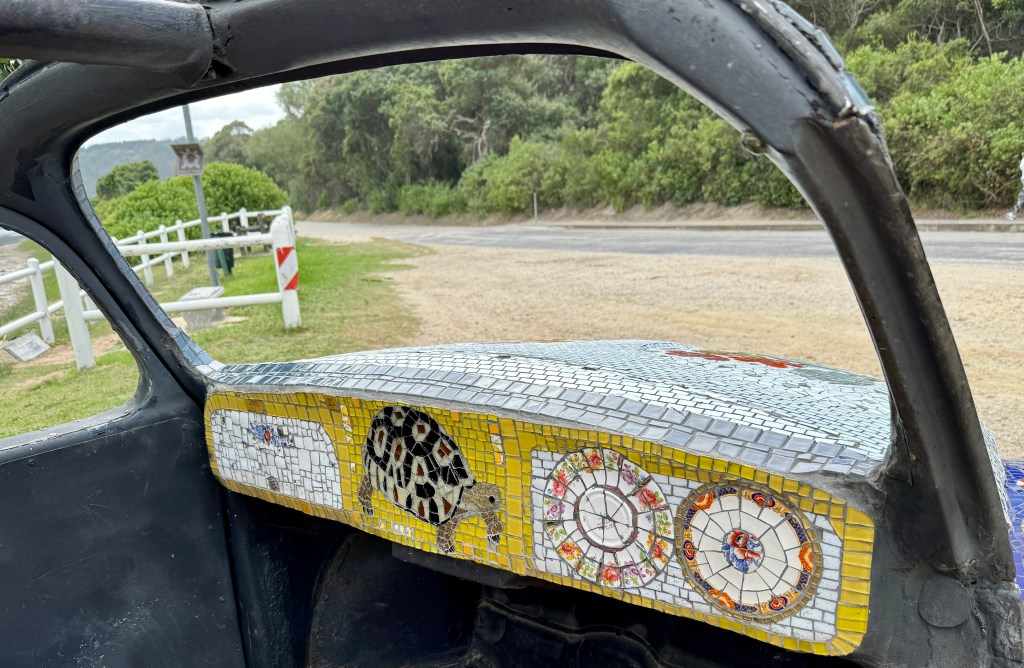
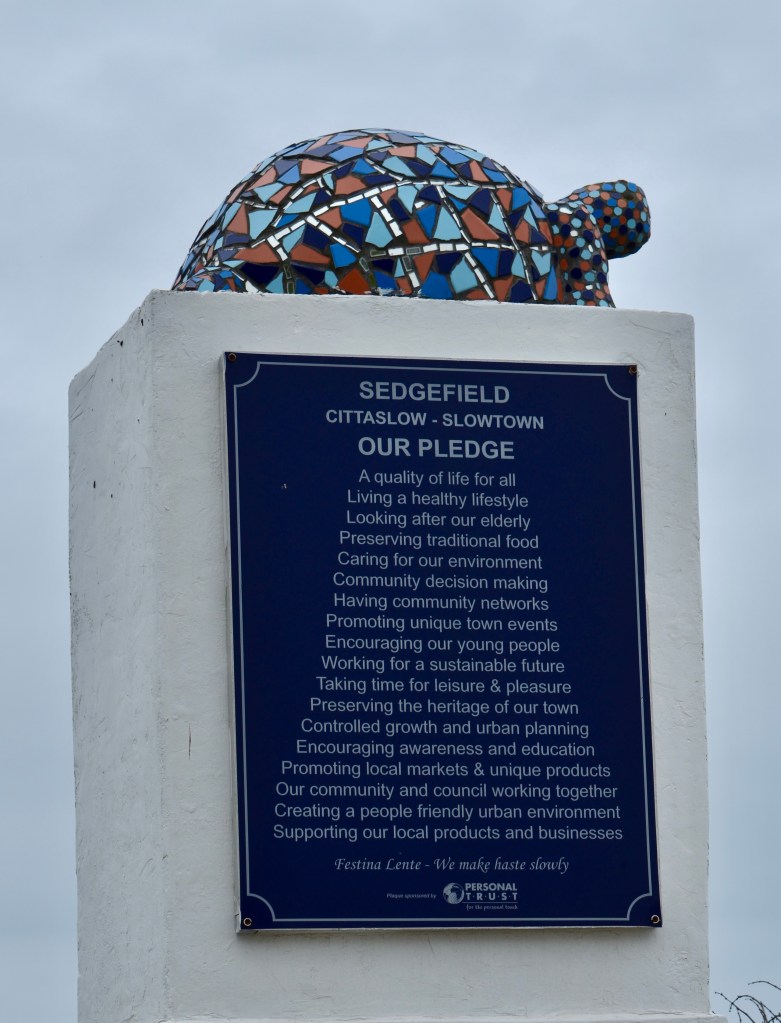
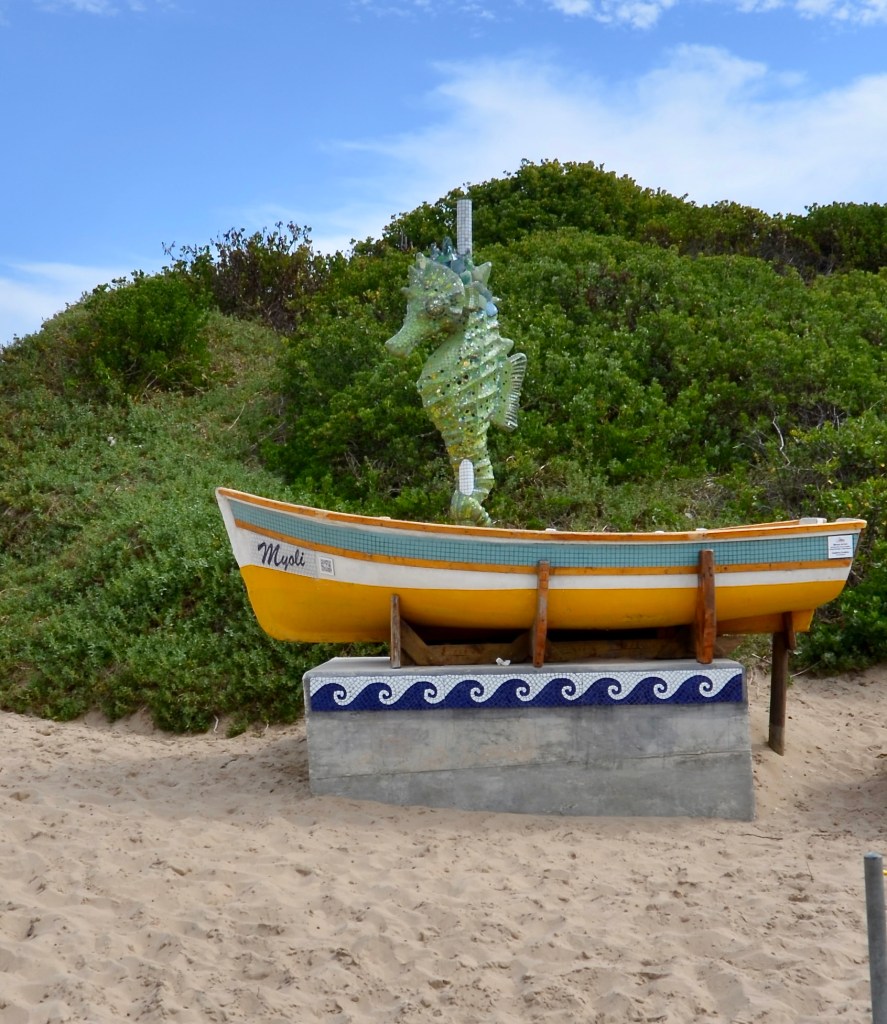
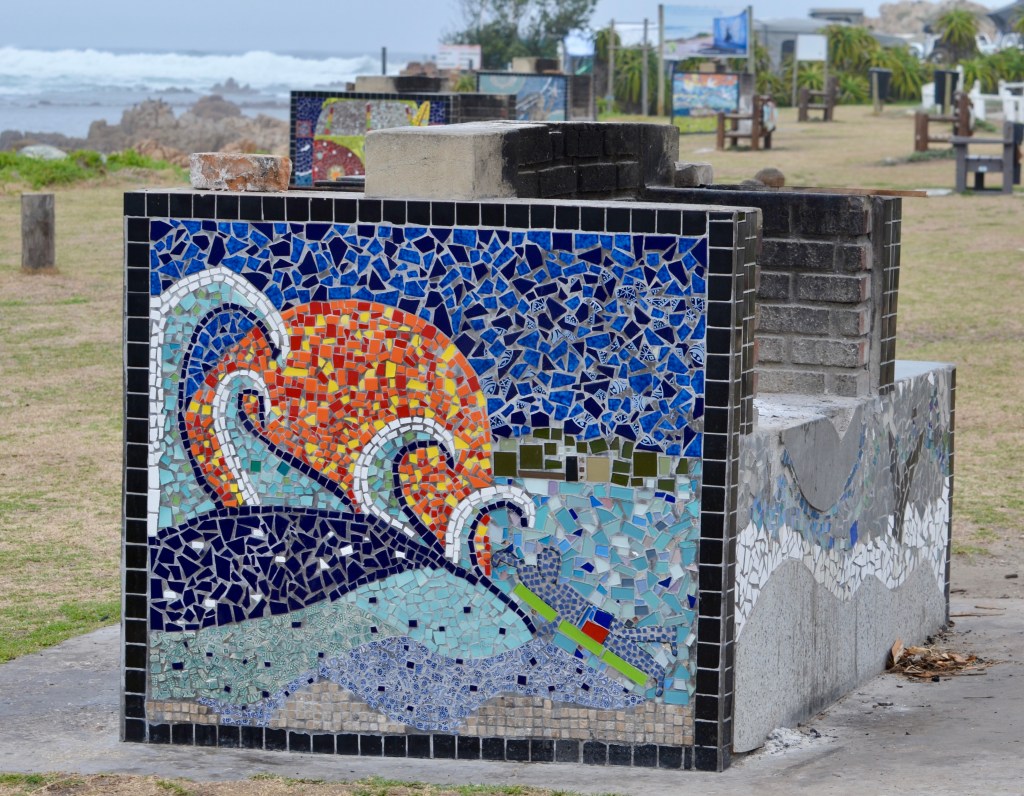
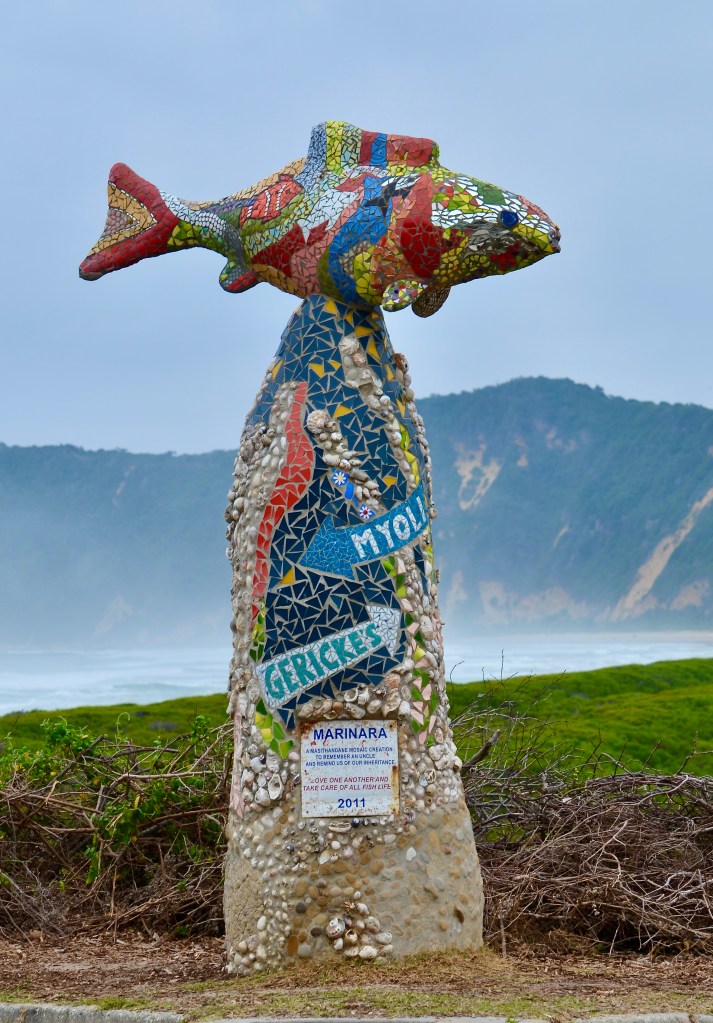
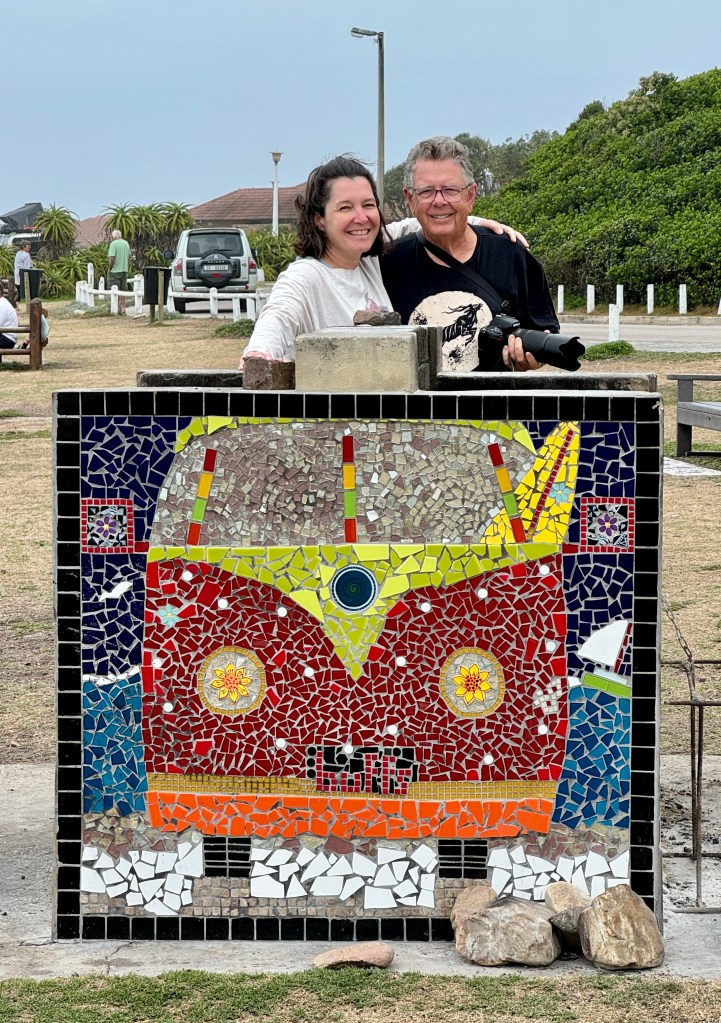
First stop Sedgefield: We have driven by Sedgefield many times on our way to Knysna and Plettenberg Bay, but we never explored the town. Driving towards the beach we saw an eclectic collection of Mosaic Art. John explained, and we subsequently read, “All these unique pieces have been skillfully crafted by members of The Sedgefield Community Mosaic Project, a skills development and upliftment project which was launched back in 2008 by much-loved local NGO Masithandane (meaning “Let us love one another”).” John explained that many of these artists are now creating mosaic art for other communities.
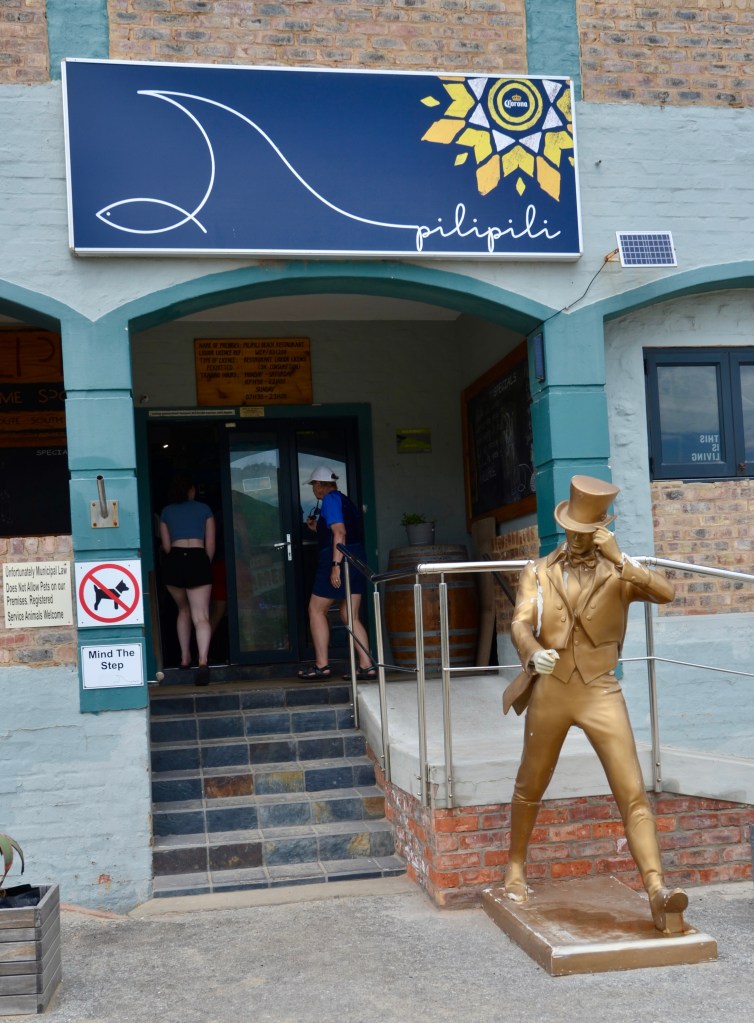
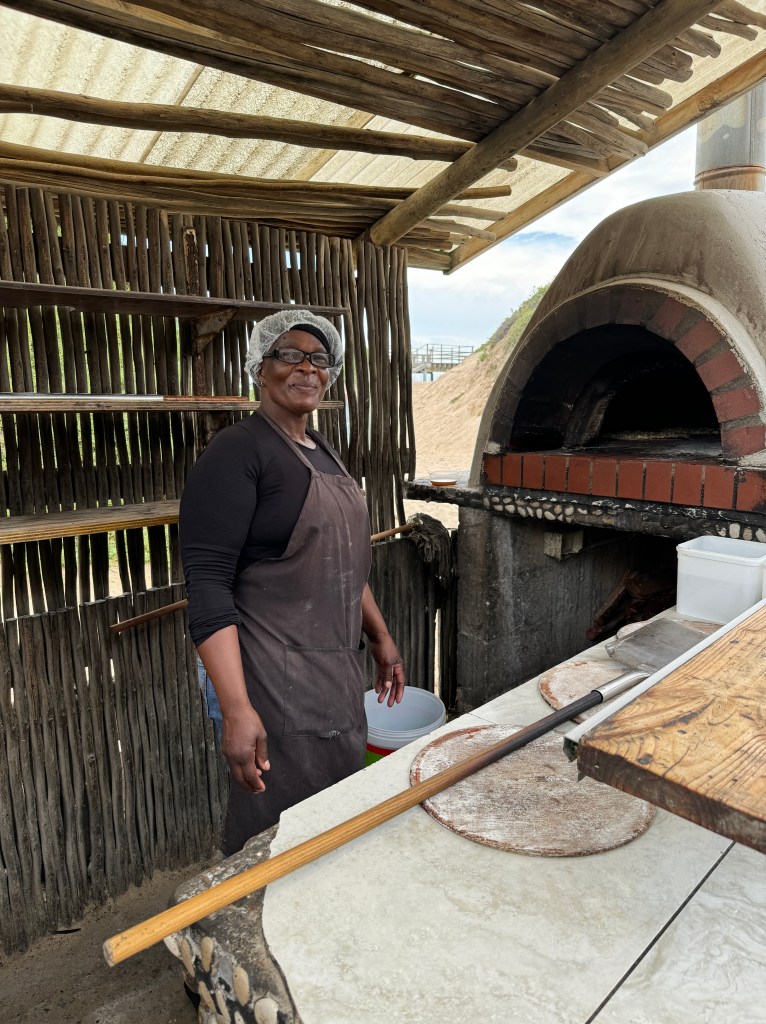
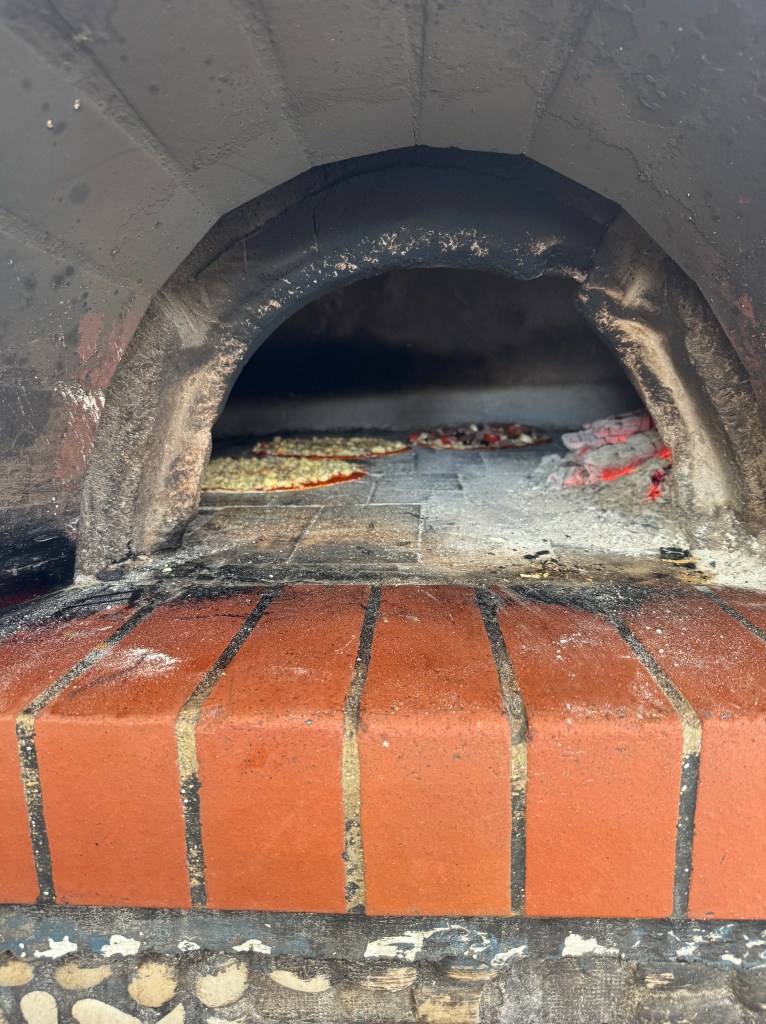
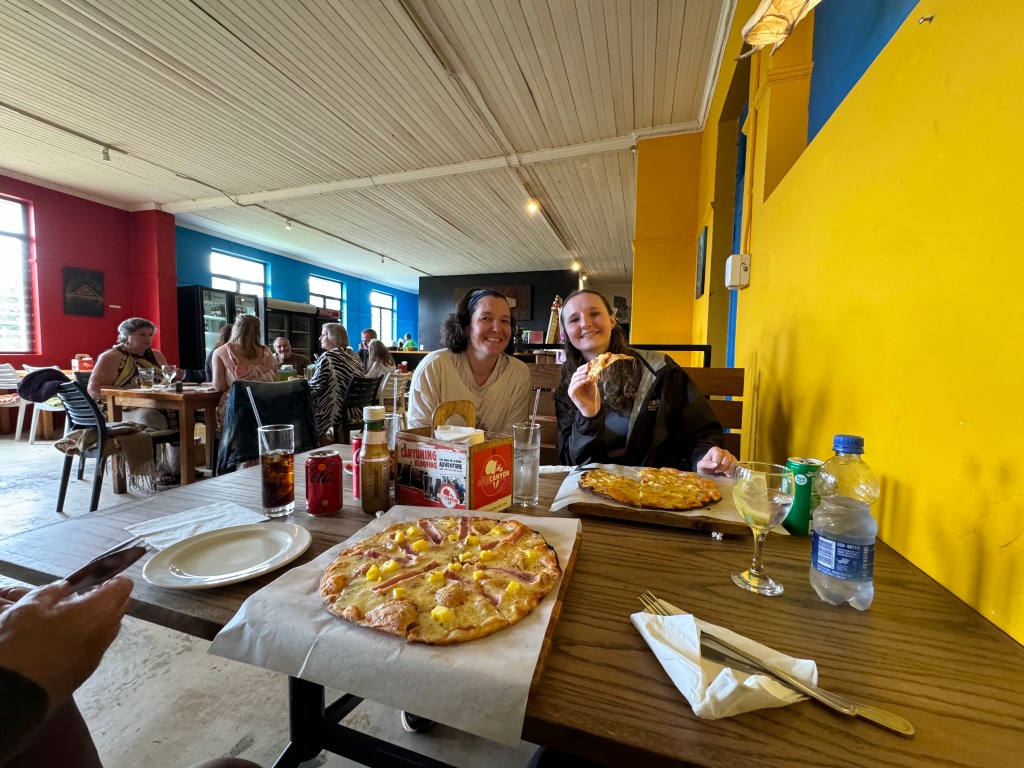
John suggested that we try the pizza at PiliPili which we did the next day.
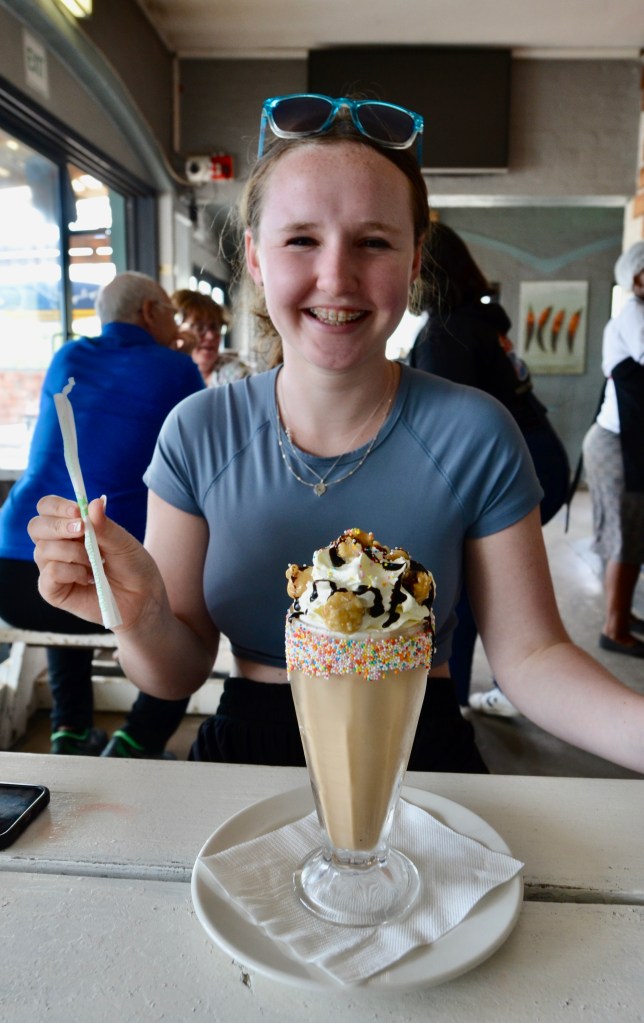
Lauchlyn loves her milkshakesVery good thin-crust pizzaEntrance to Sedgefield beachSedgefield beach
Next stop with John was Buffelsbaai which is between Sedgefield and Knysna. It is a vacation area for South Africans; John mentioned that homes are passed down through the generations so it is almost impossible to buy in Buffelsbaai (and if you could it would be very expensive even though the homes are not fancy). It is a popular swimming and surfing area. As with Sedgefield, there are many mosaics in Buffelsbaai.
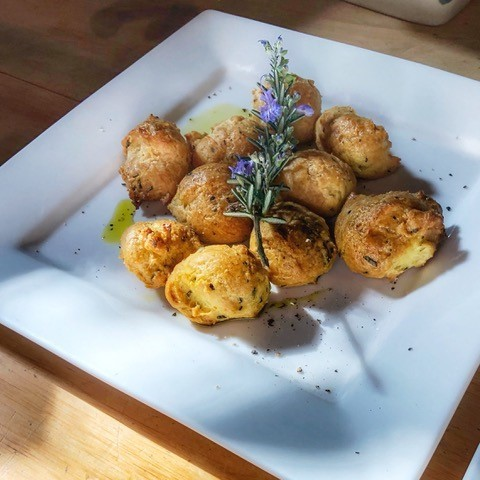
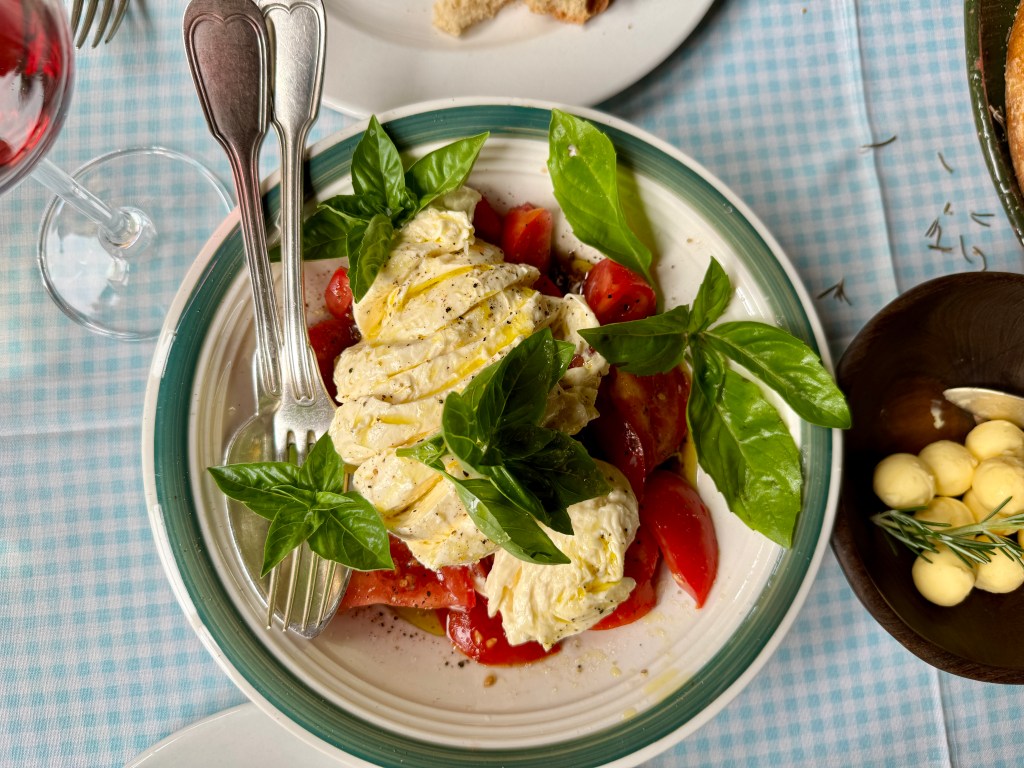
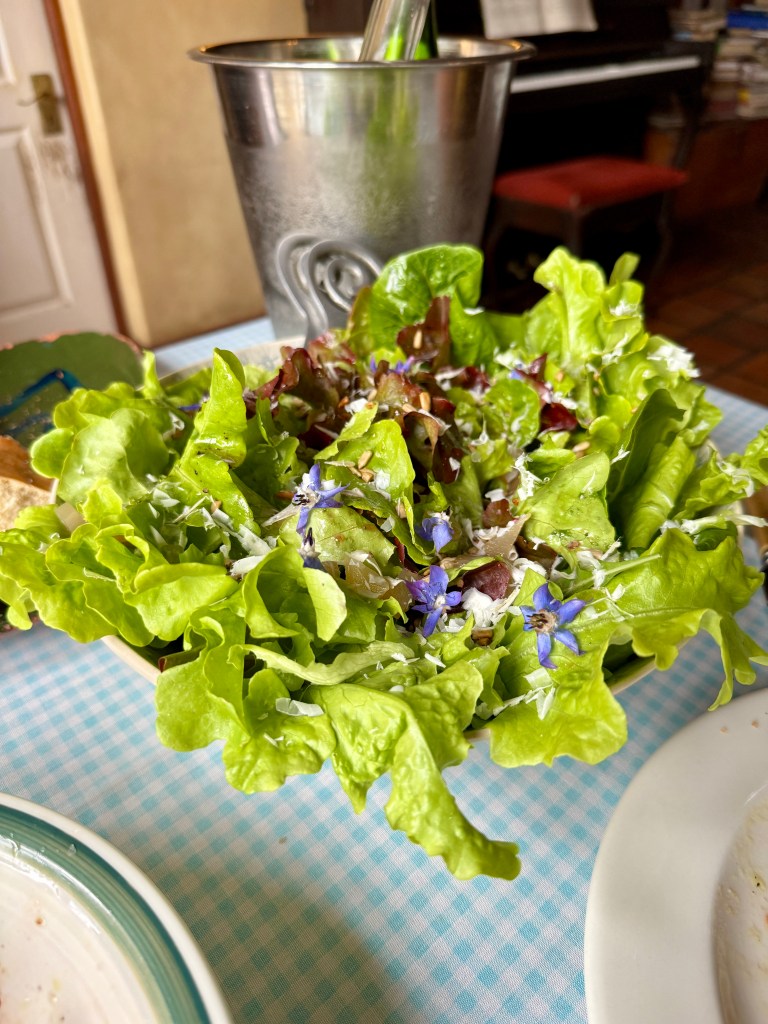
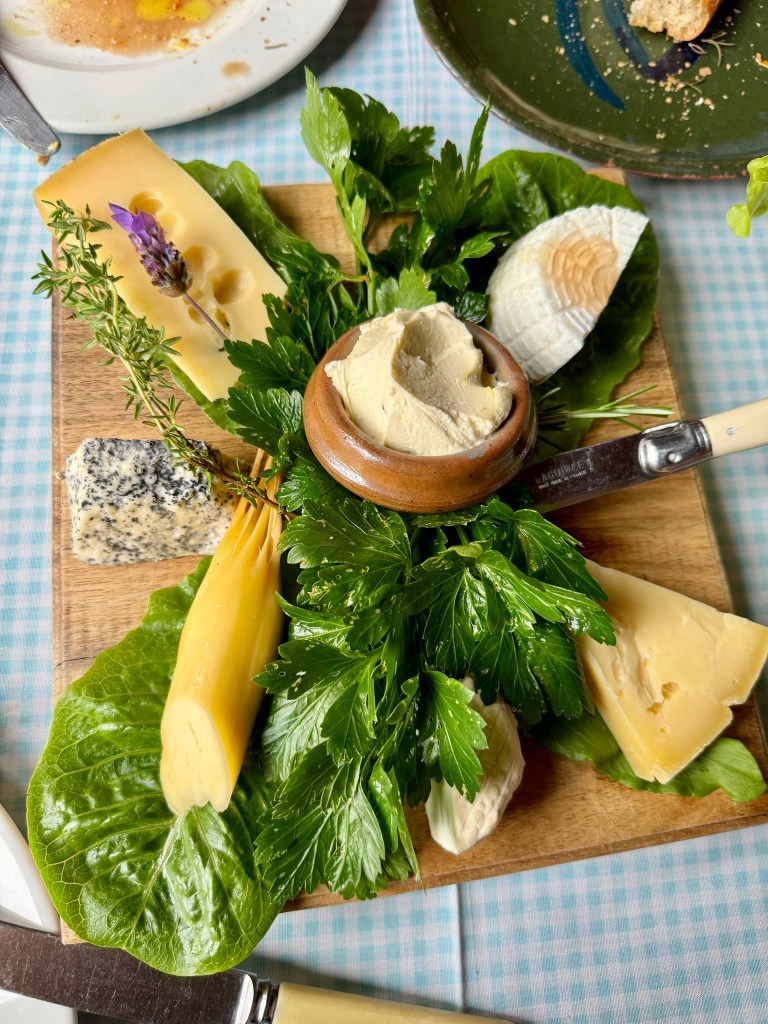
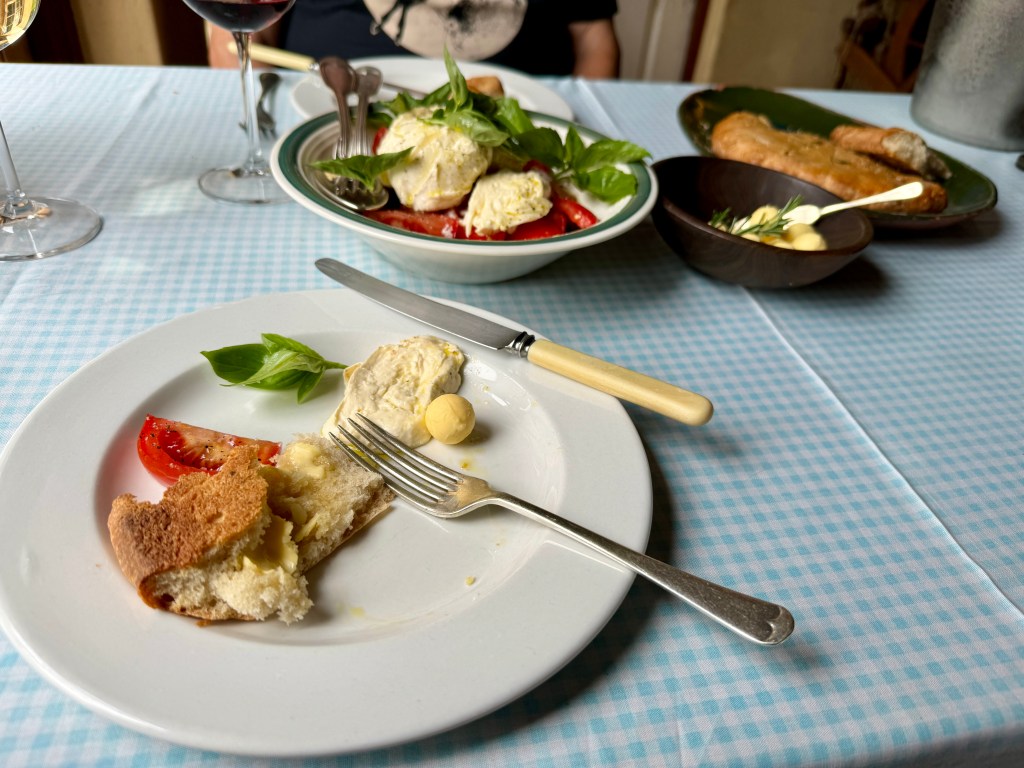
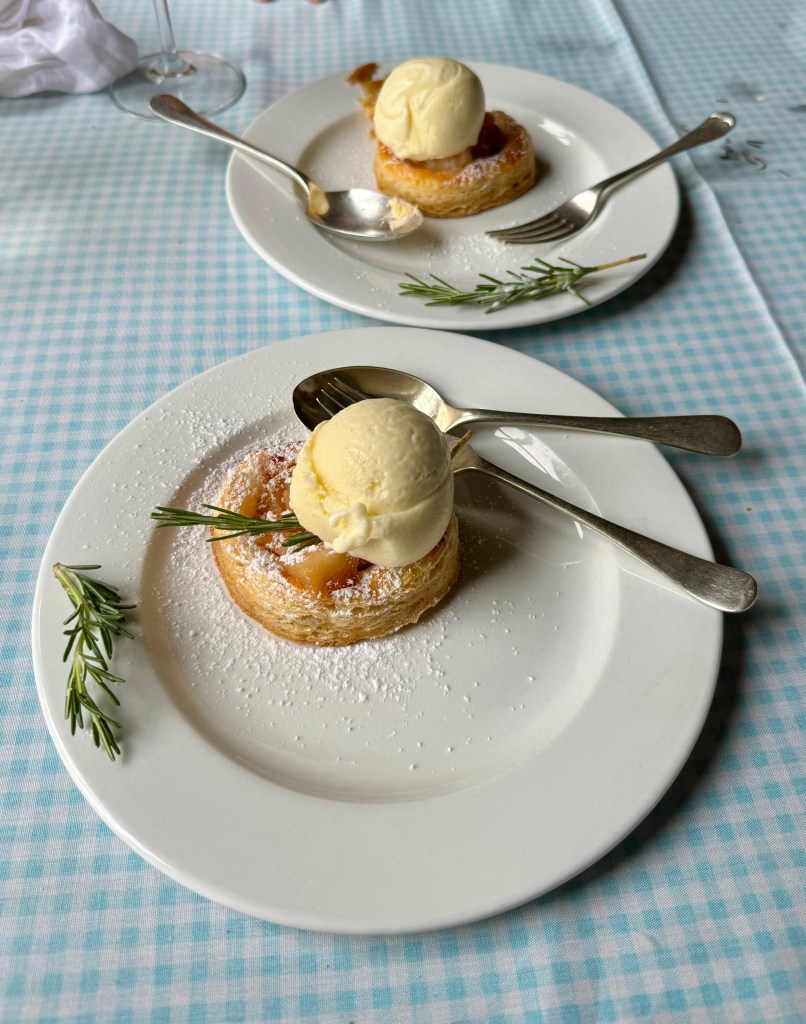
Lunch atFynboshoek Cheese Farmwas so good – Larry thought it was even better than he remembered. The bread, cheeses, salad dressing, ice cream and dessert are all homemade and all of the salad ingredients are from Alje’s garden.
Lunch is servd in Alje’s homeWe always receive a warm greeting from AljeCheese puff balls Buffalo Mozzarella with Tomatoes & Fresh Basil from Alje’s gardenLettuce and flowers from the garden with a Homemade Red Wine VinaigretteAn assortment of CheesesOf course homemade warm bread which we started to eat before we took the photo.Quince tart (apple/pear taste) with homemade ice cream
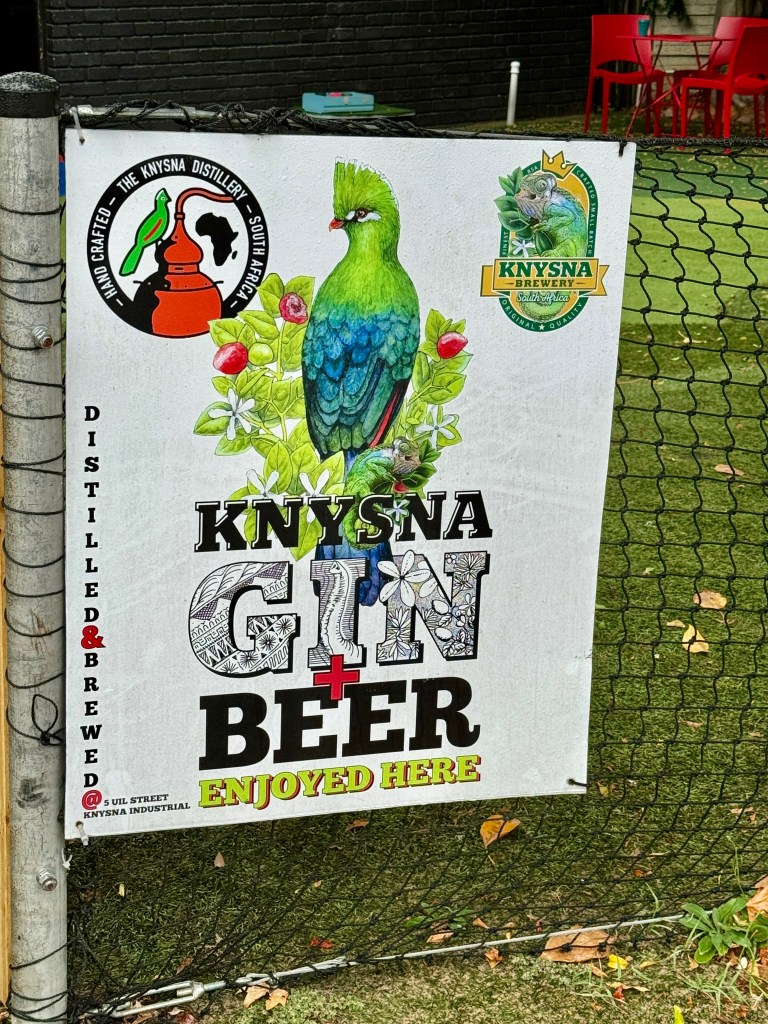
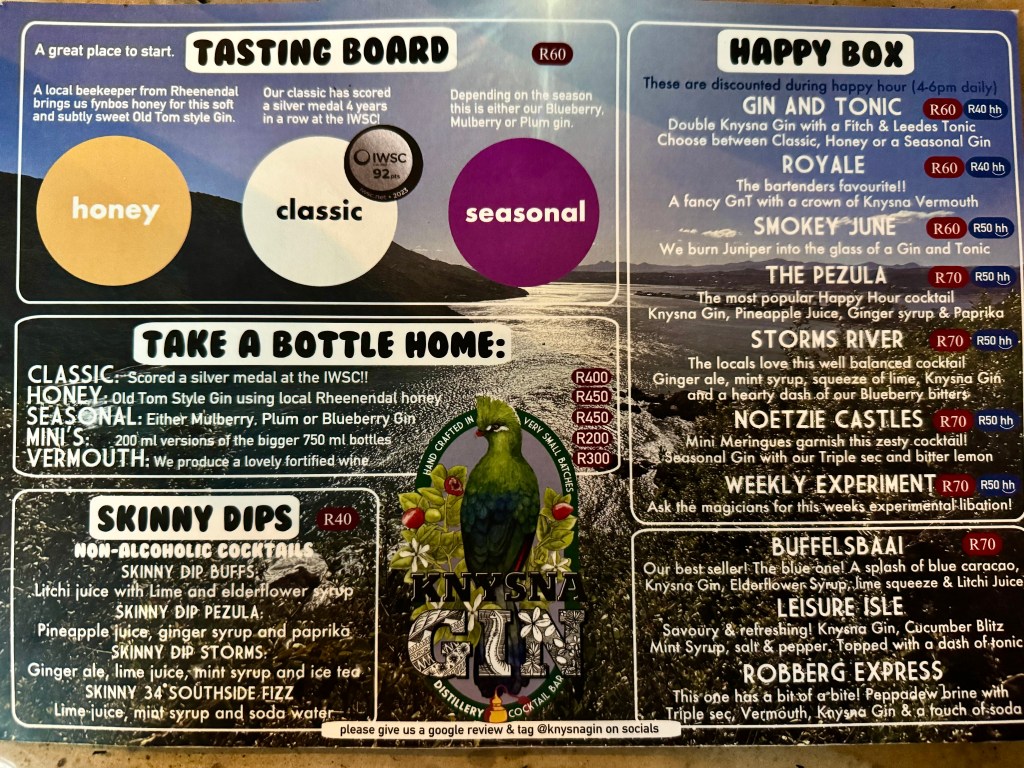
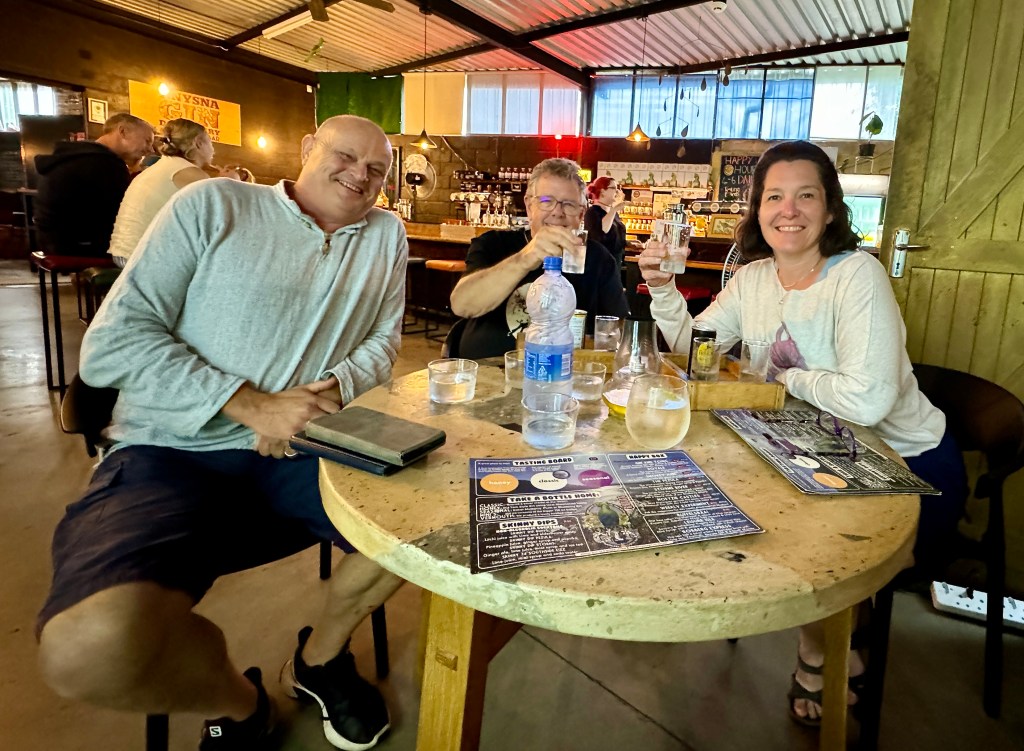
Divide by 14 for the price in CAD – very reasonable. About $4 CAD for the tasting or a Knysna Gin & Tonic (which is a double).John is a wonderful storyteller.
Deb and Lauchlyn leave tomorrow so next post will include more photos from their last few days in Wilderness.
This is our third year at Wilderness Waters and once again it is turning out to be a perfect location for us. It is a short walk to the beach, the grocery store, the pharmacy and restaurants. Our apartment has everything we need, including a dishwasher and washer/dryer. Deb and Lauchlyn have a smaller apartment next door so it is easy to get together for meals, hanging out on our patio and, of course, for our euchre games.
View of the lagoon and ocean from our balcony – when home we all spend most of our time on our balcony – very comfortable place to hang-out.
On Sunday we went to Plettenberg Bay to shop at Old Nicks (one of our favourite little shopping areas).
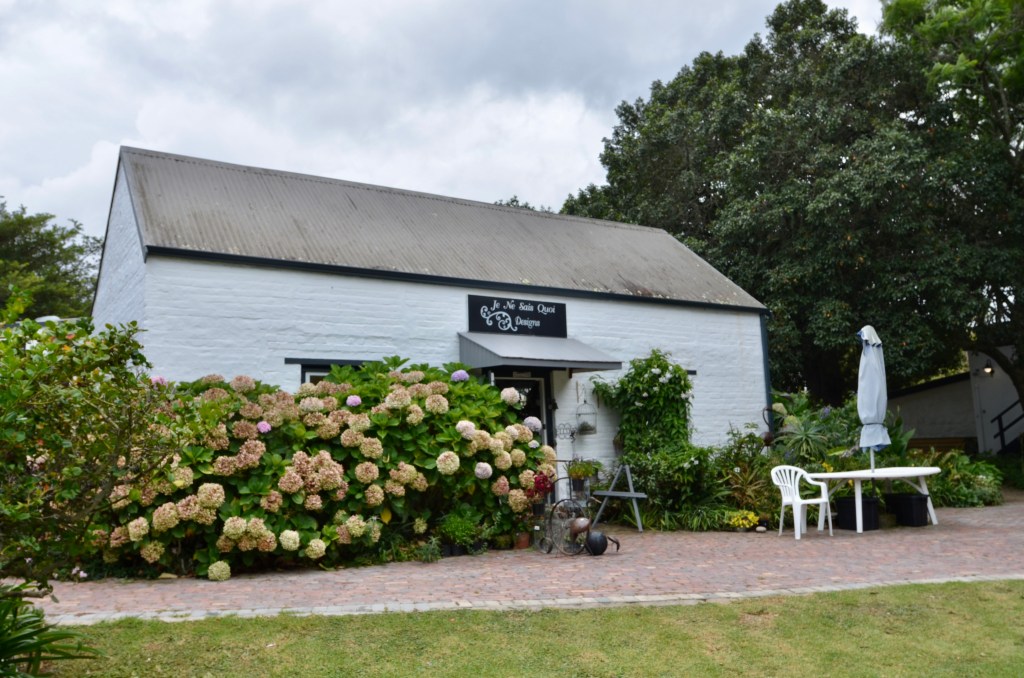
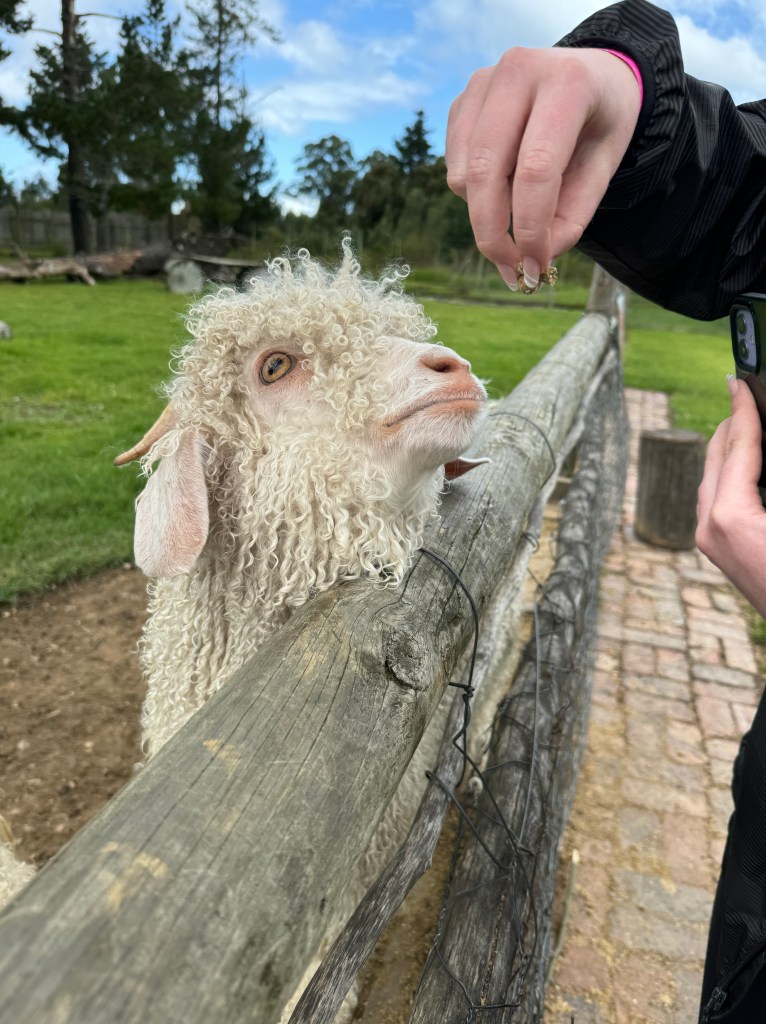
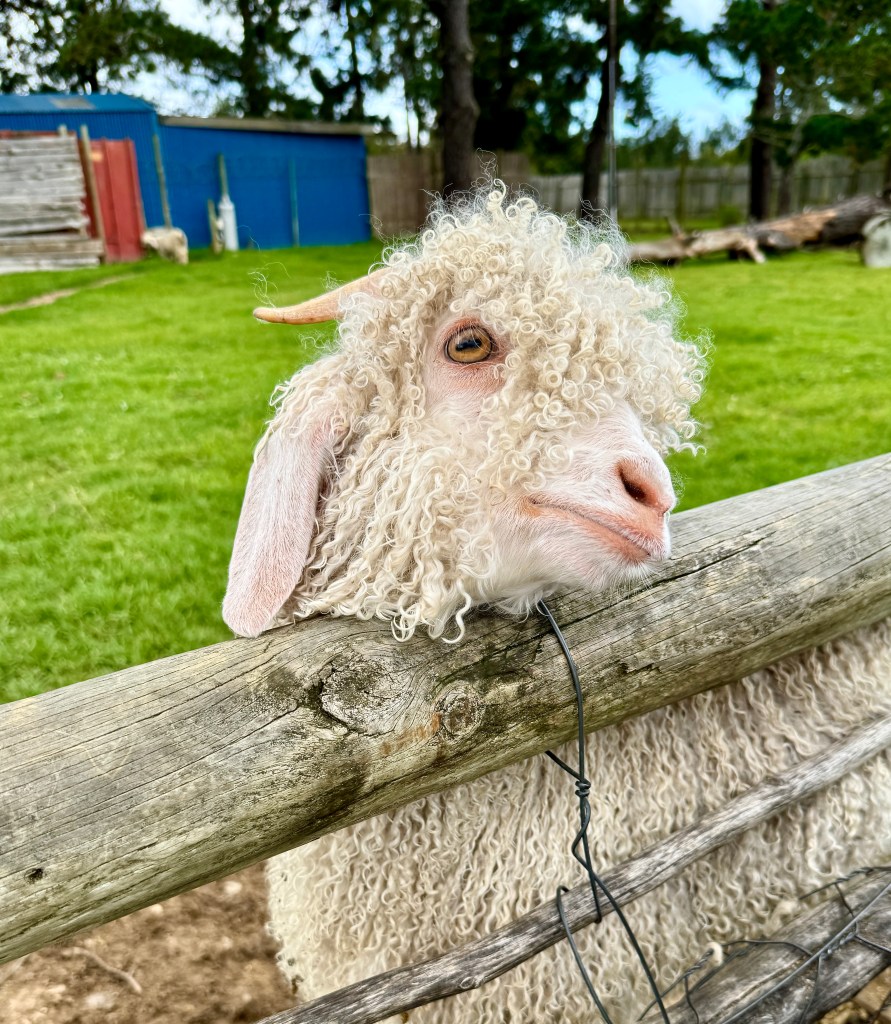
Next lunch at an “off the beaten track” local restaurant. Good pizza, fun sheep, and once again shopping opportunities.
Lunch at Peppermill in The Crags
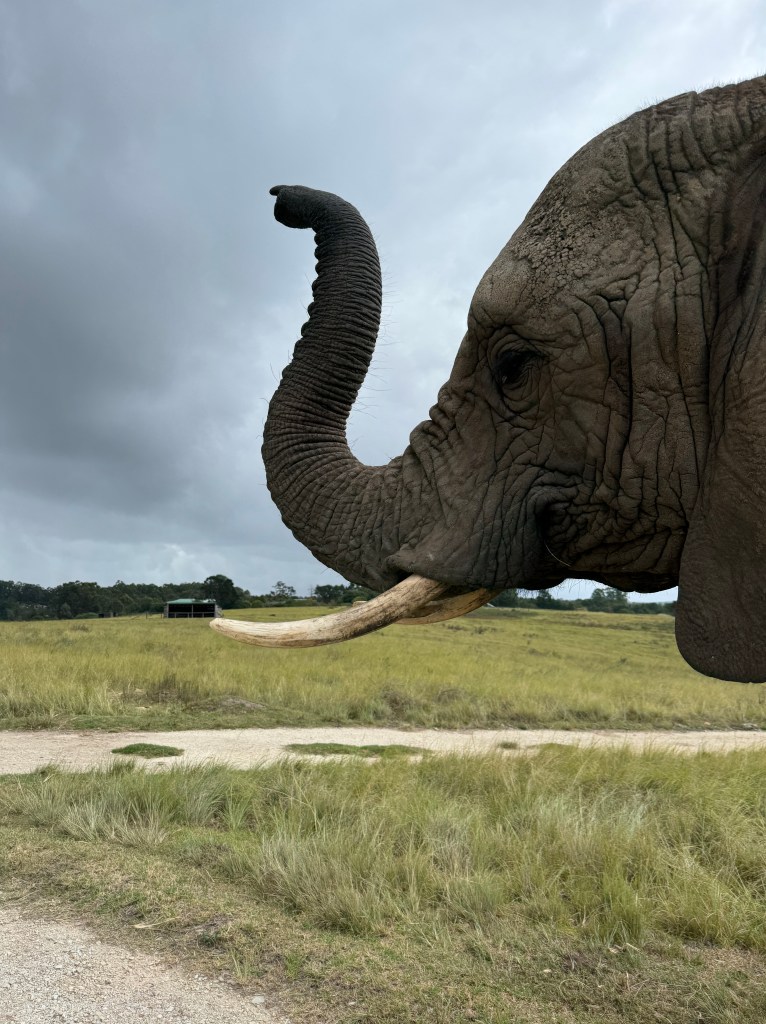
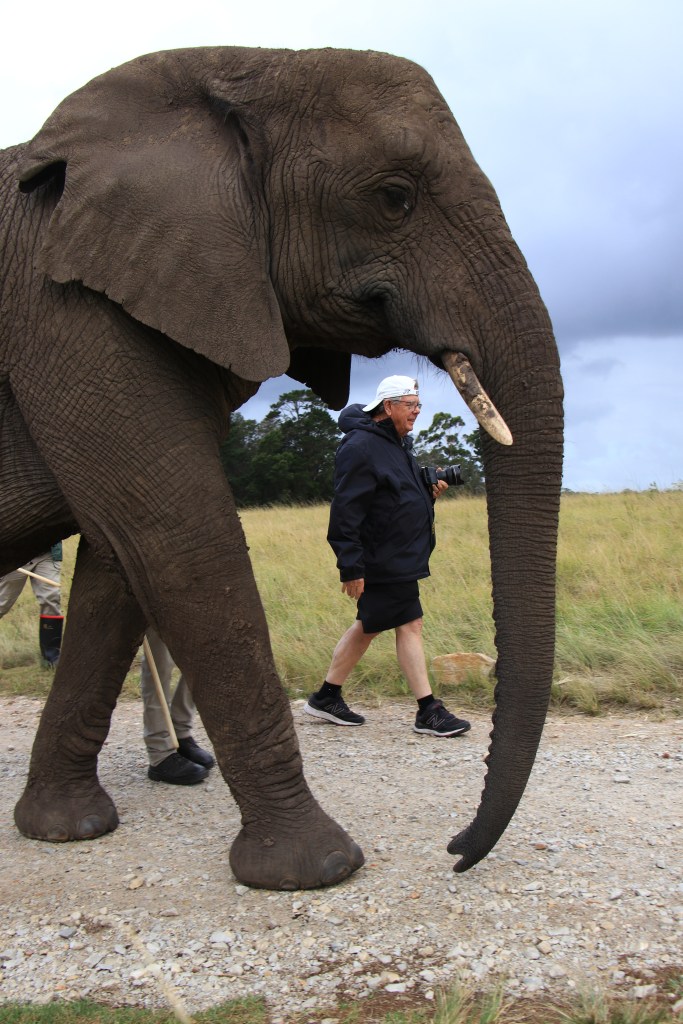
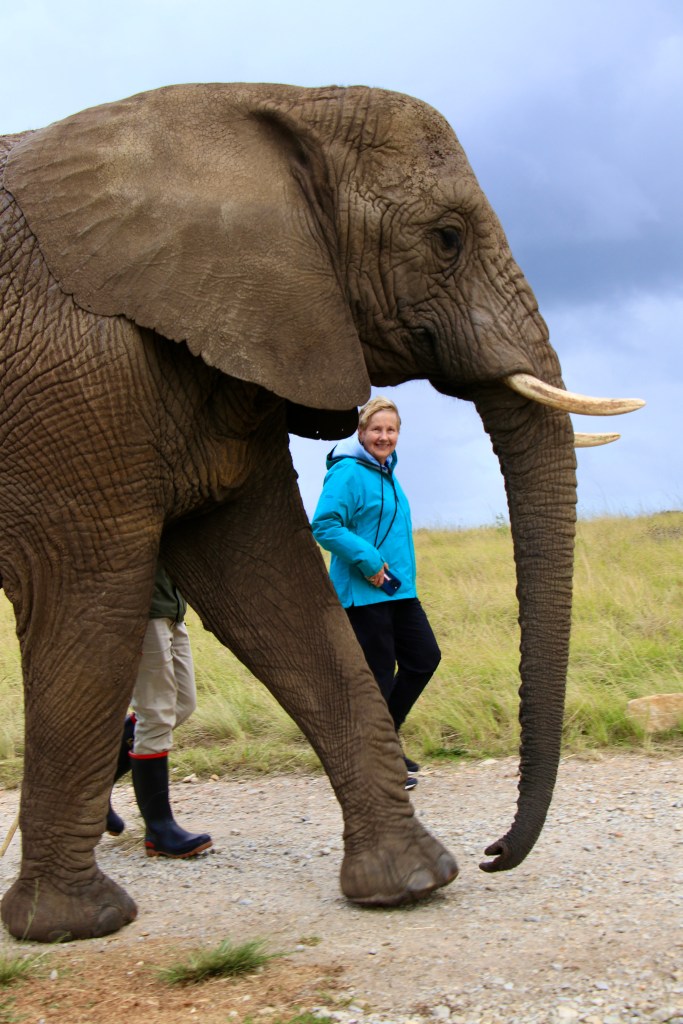
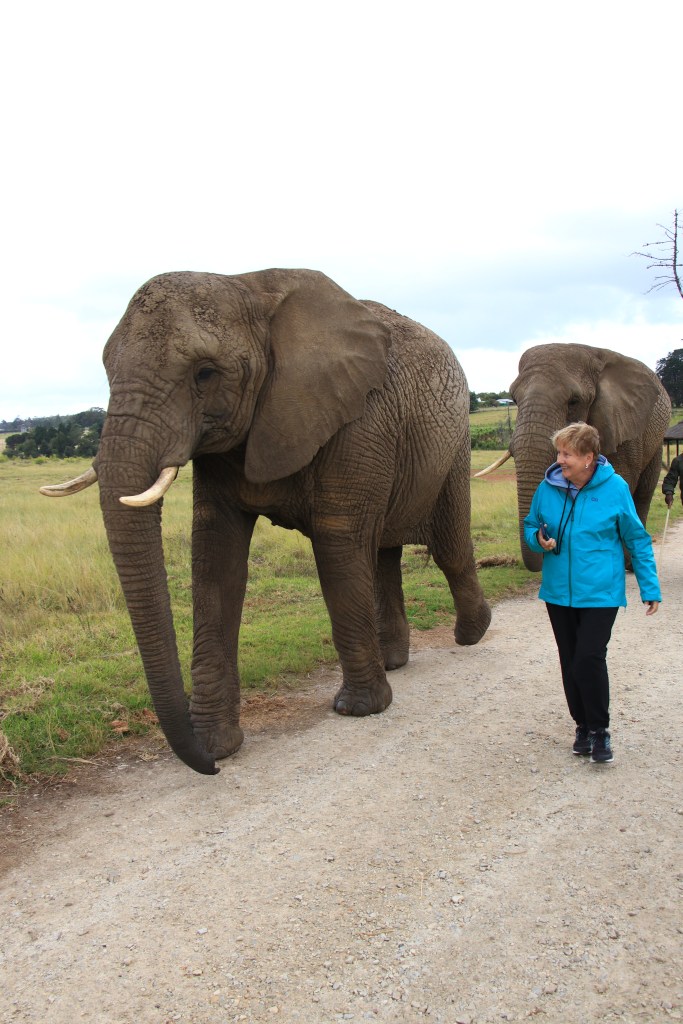
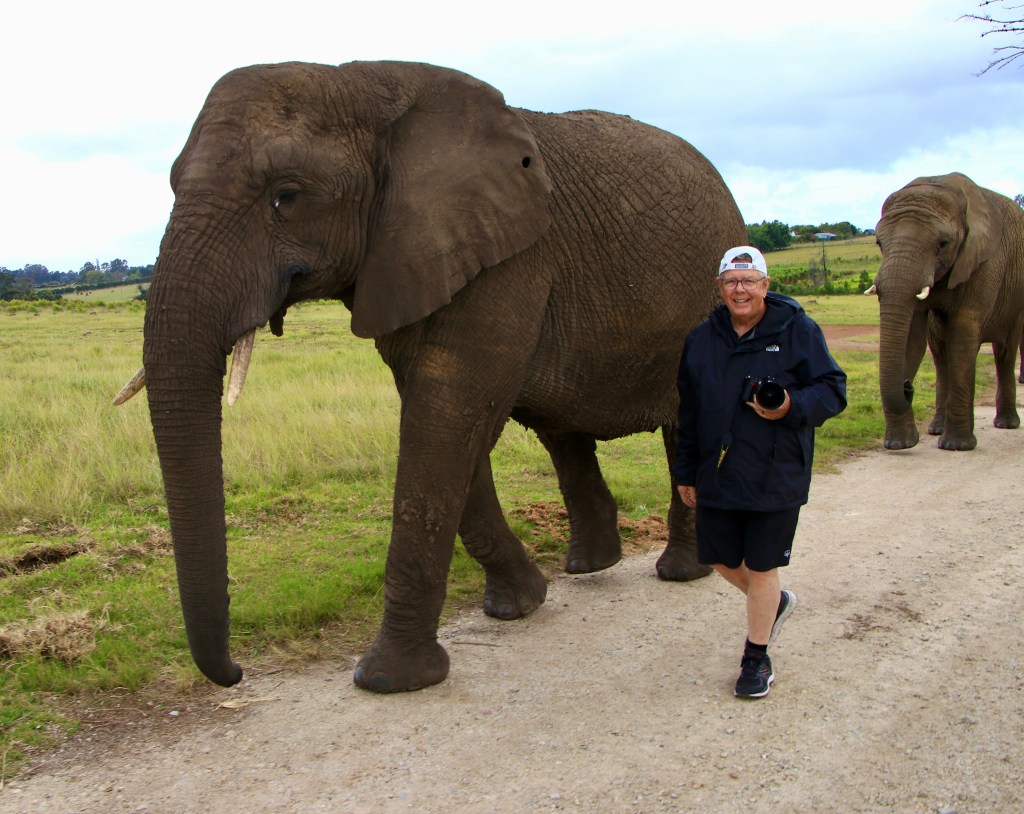
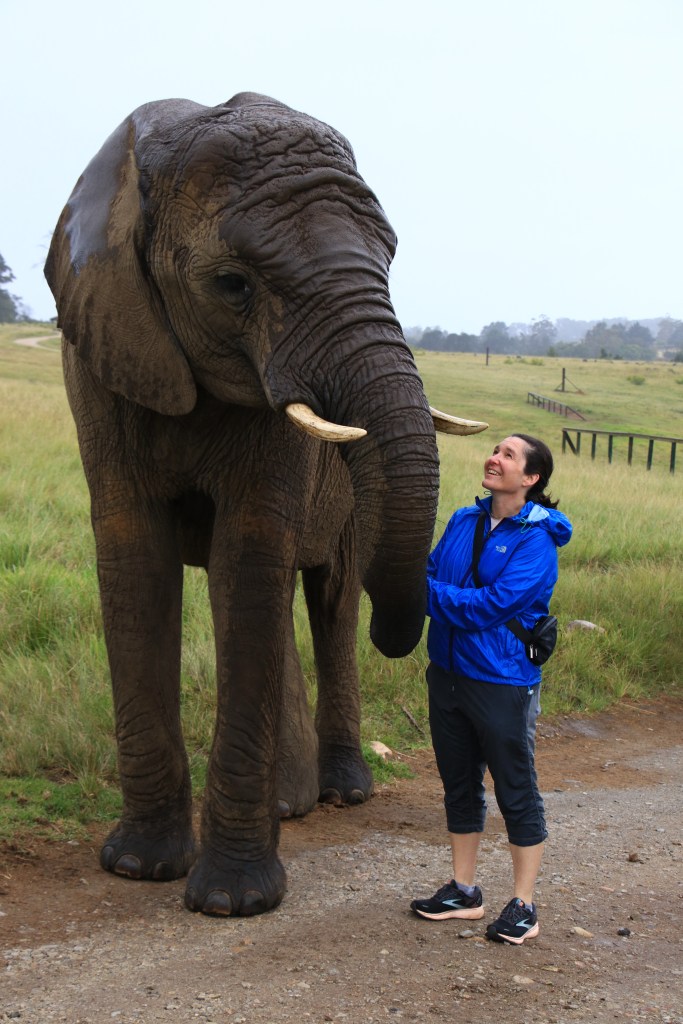
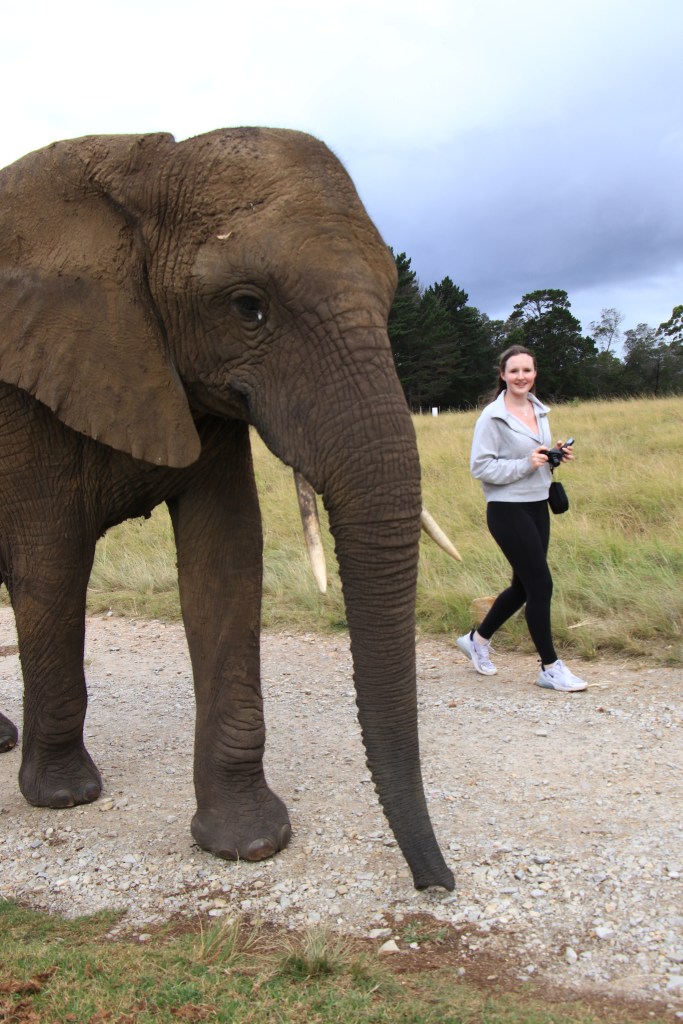
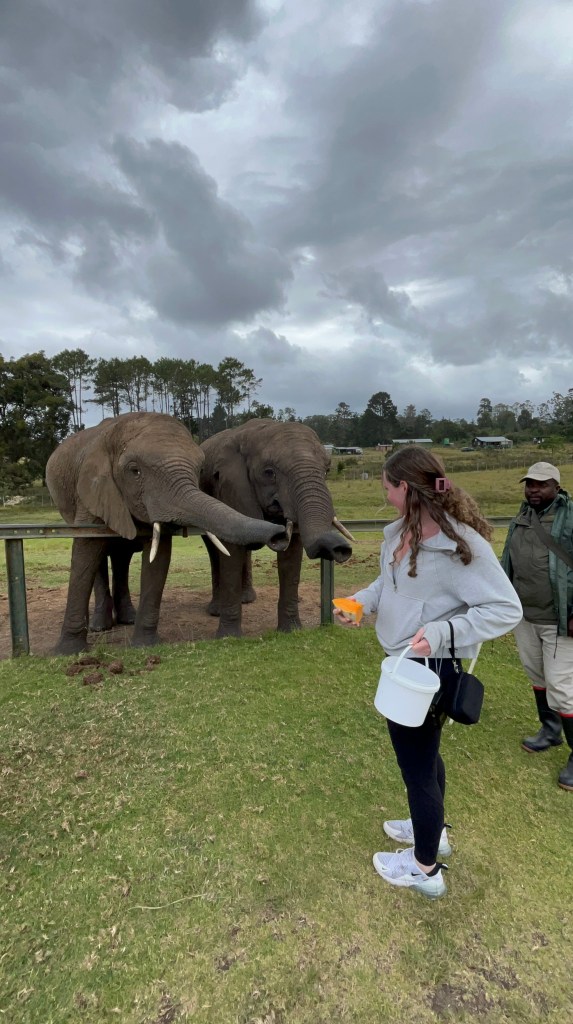
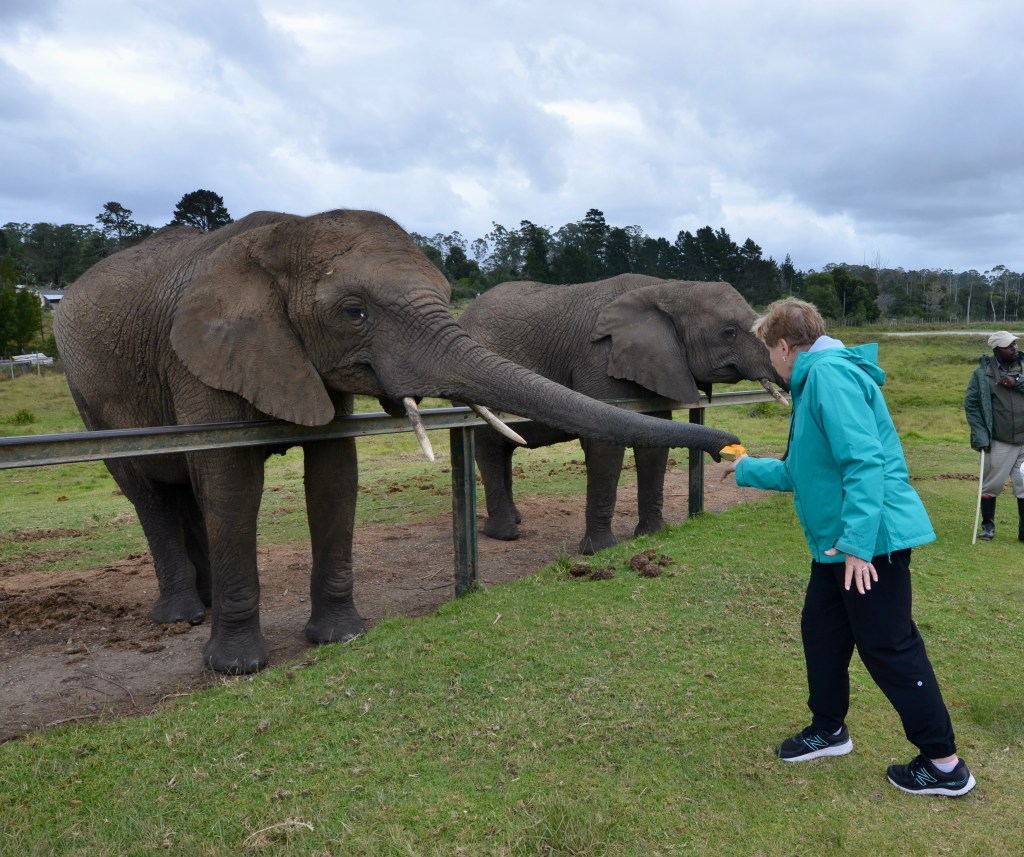
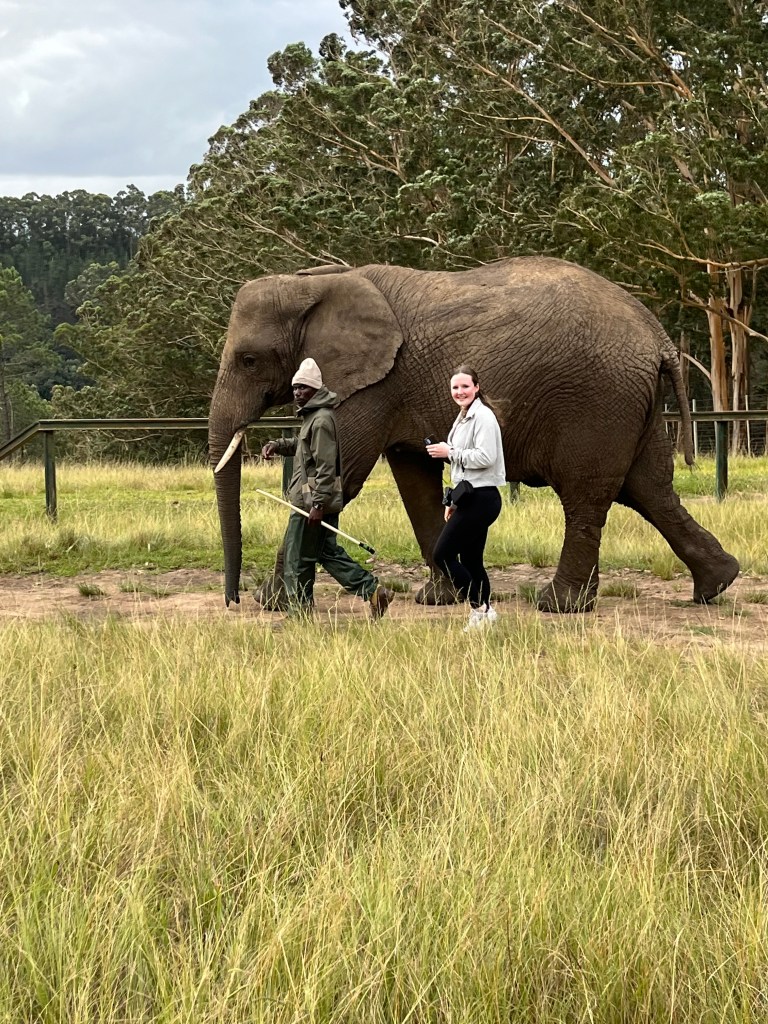
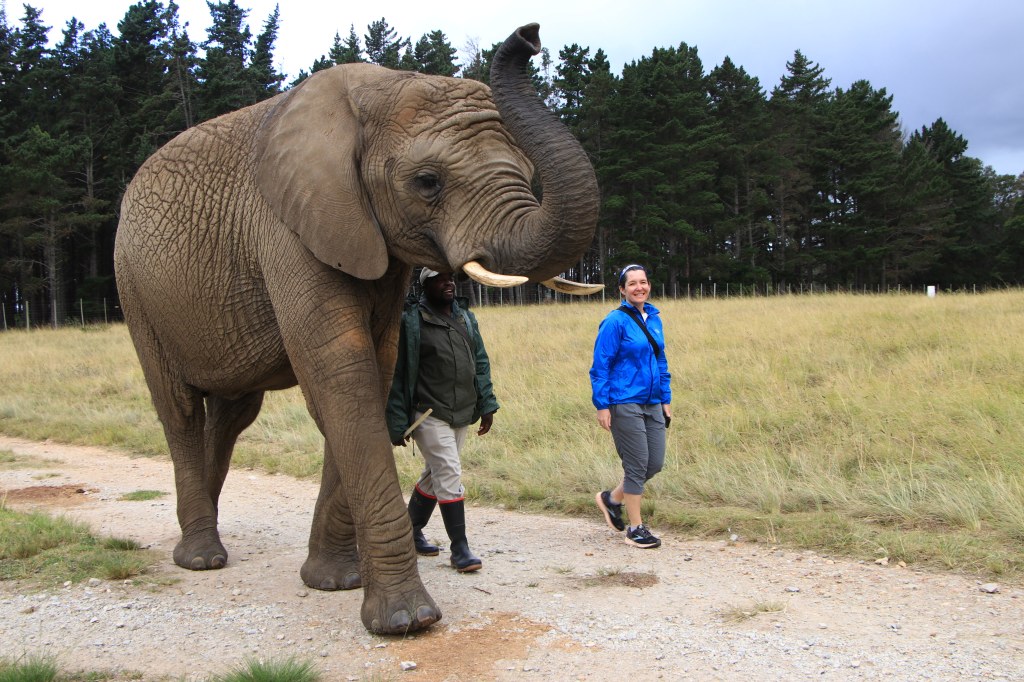
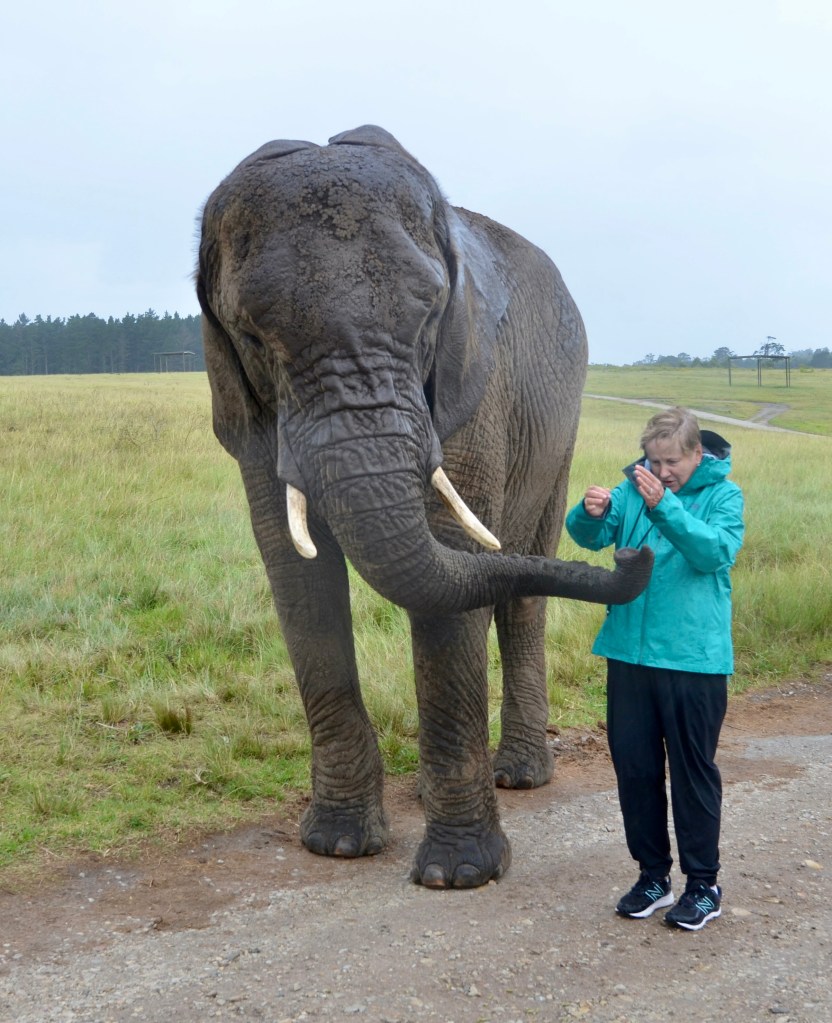
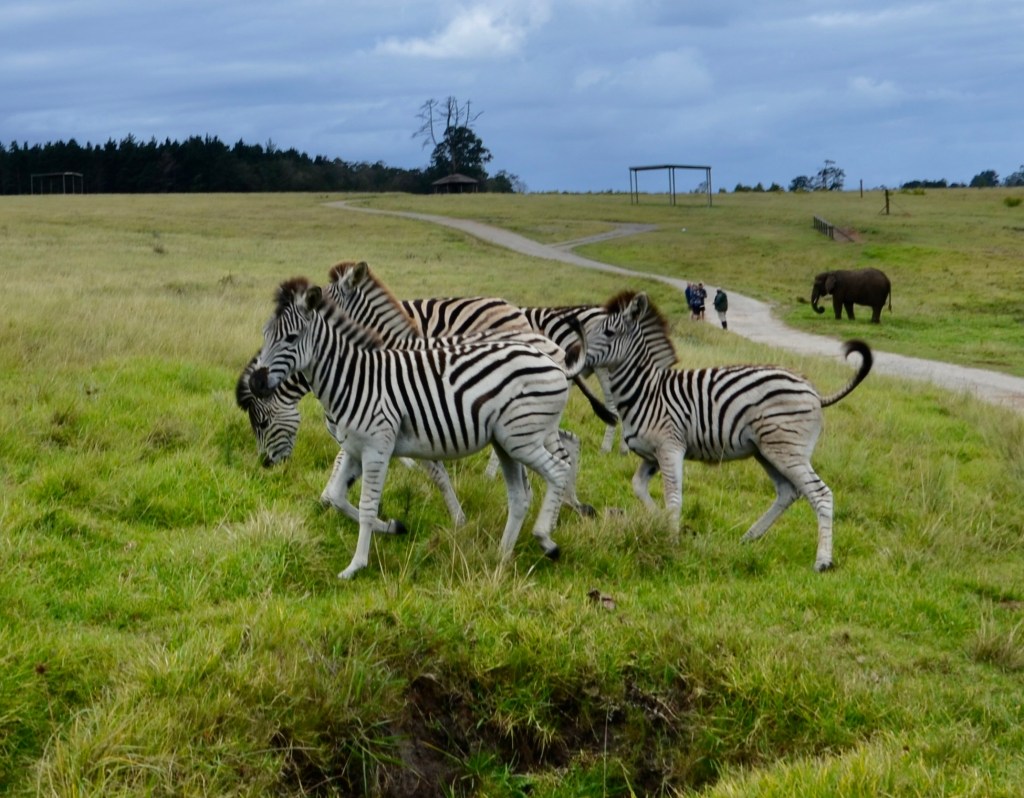
The highlight of the day was our time with the elephants at Knysna Elephant Park. The facility “was the first facility in South Africa to house and care for orphaned African elephants. Over the last twenty years, the park has cared for and raised more than forty elephants.”
There are currently 5 female resident elephants – Sally, the matriarch, Nandi and her daughter Thandi, Keisha who was very sick when she came to the facility, and Thato, the youngest. We loved spending time with these gals.
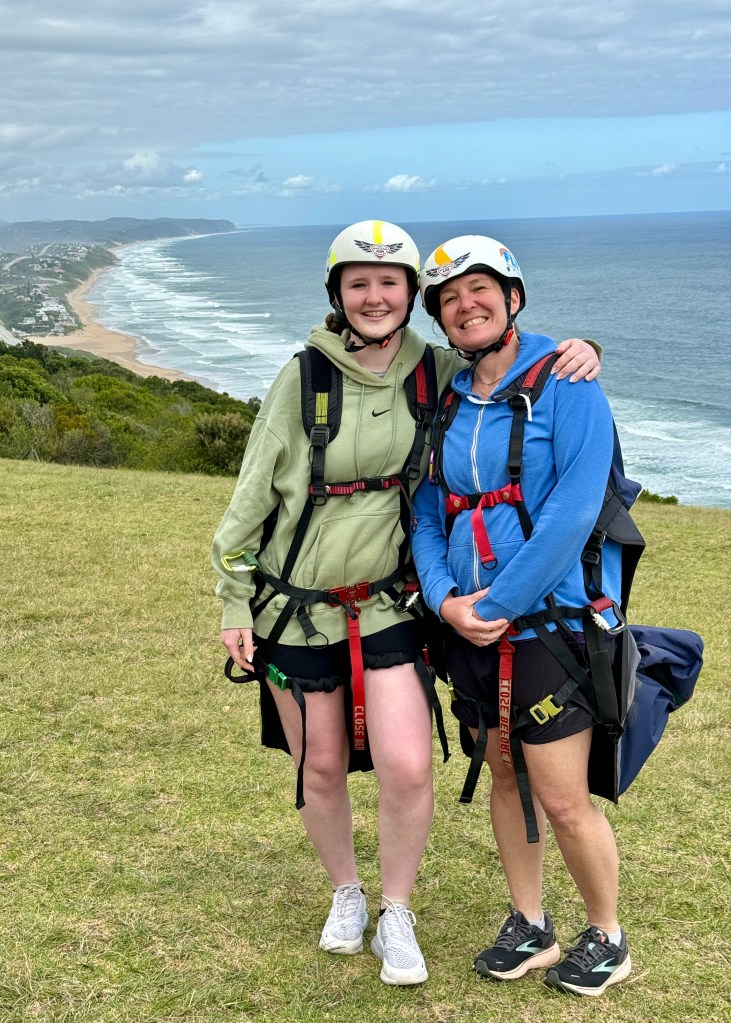
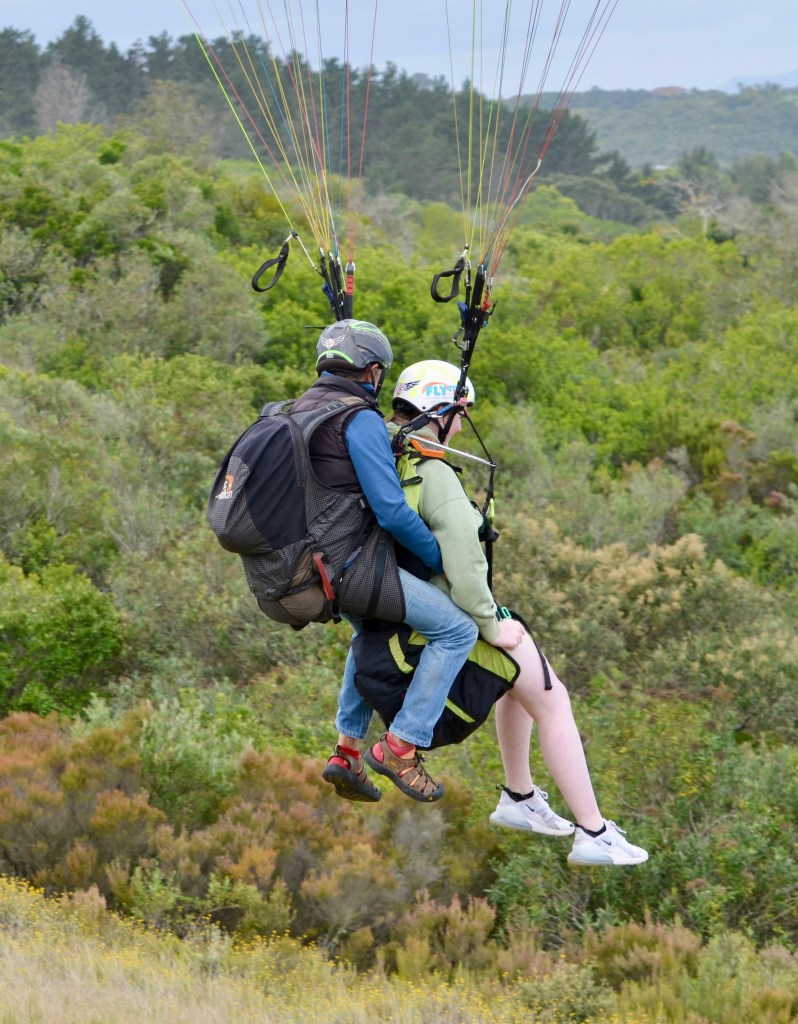
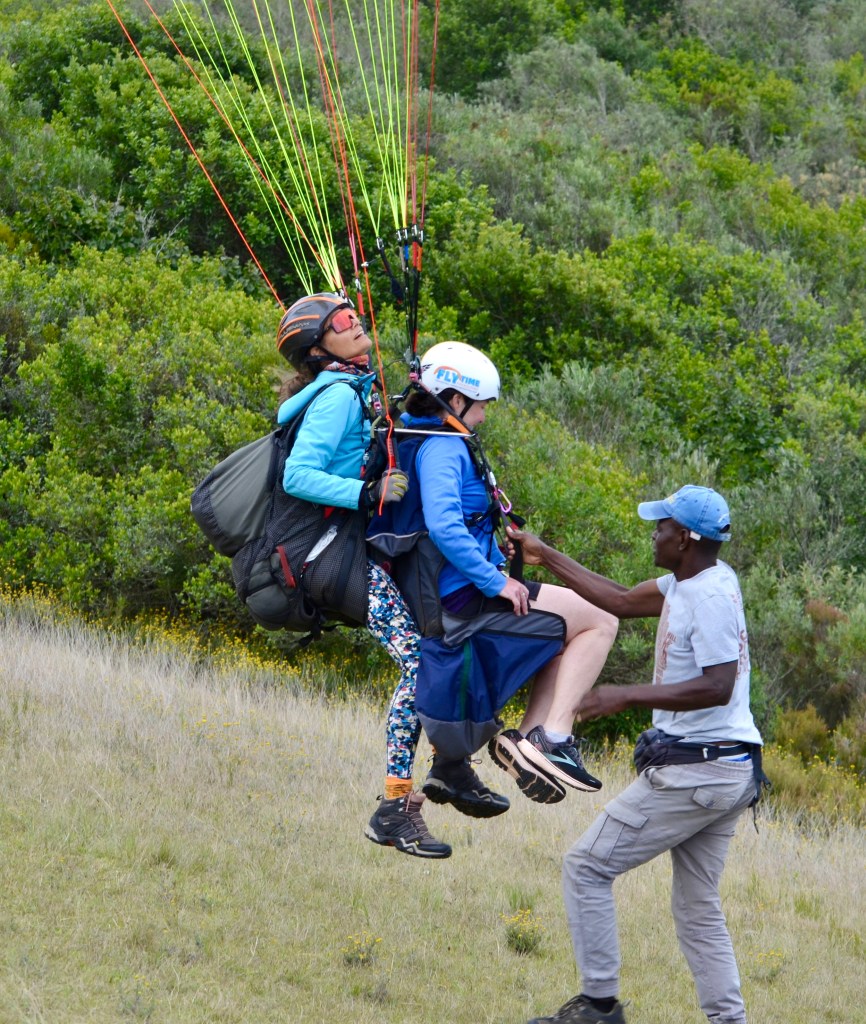
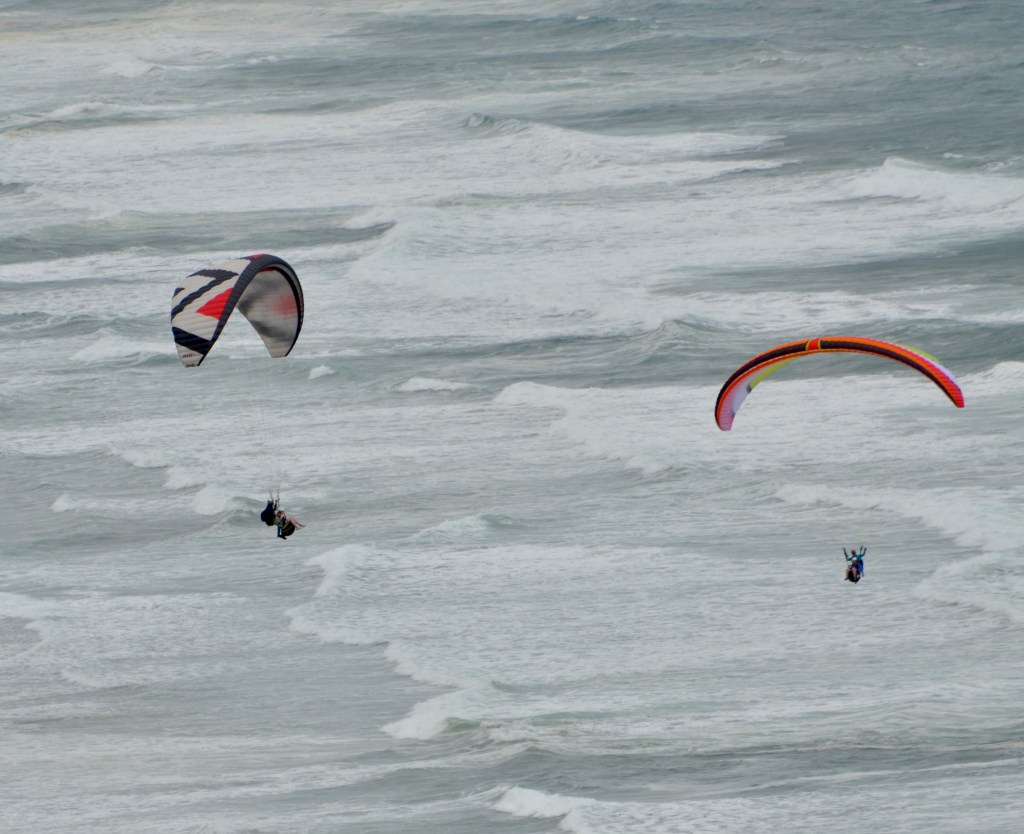
Next activity – para-gliding. We were there to take photos – way too scary for us. It was a very windy afternoon so Deb and Lauchlyn did not have a calm ride – but as Deb said in her Facebook post “done and dusted … no crash landings”.
Lauchlyn and Deb – so windy– easy to see them as they were the only two sails in the sky.
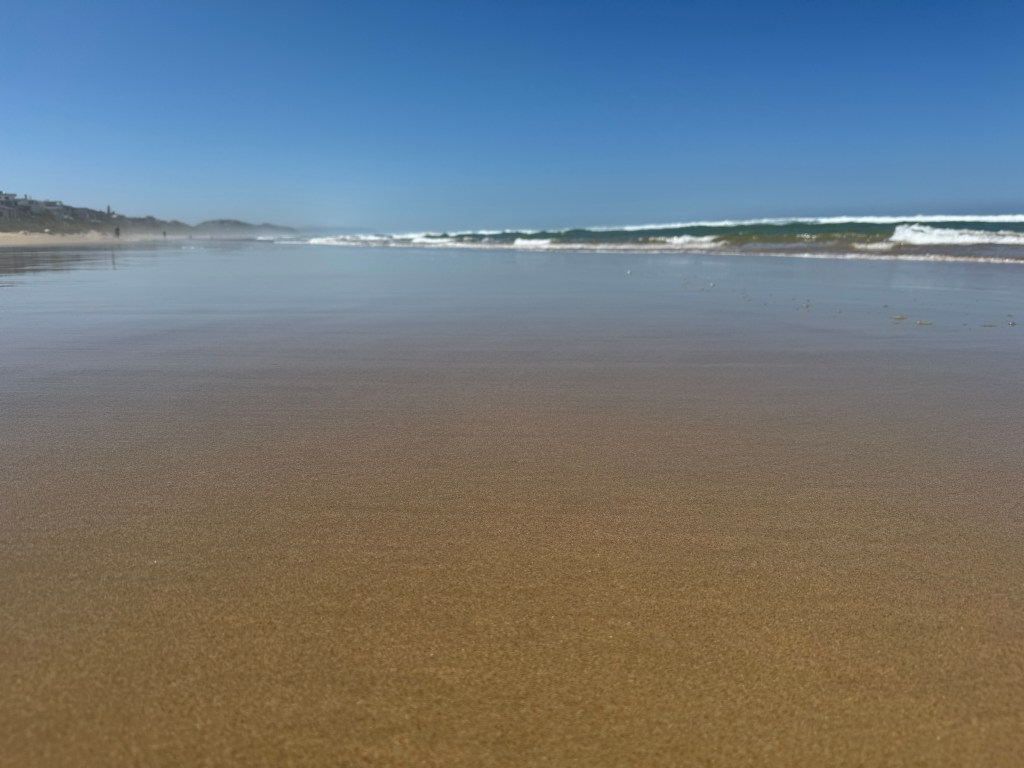
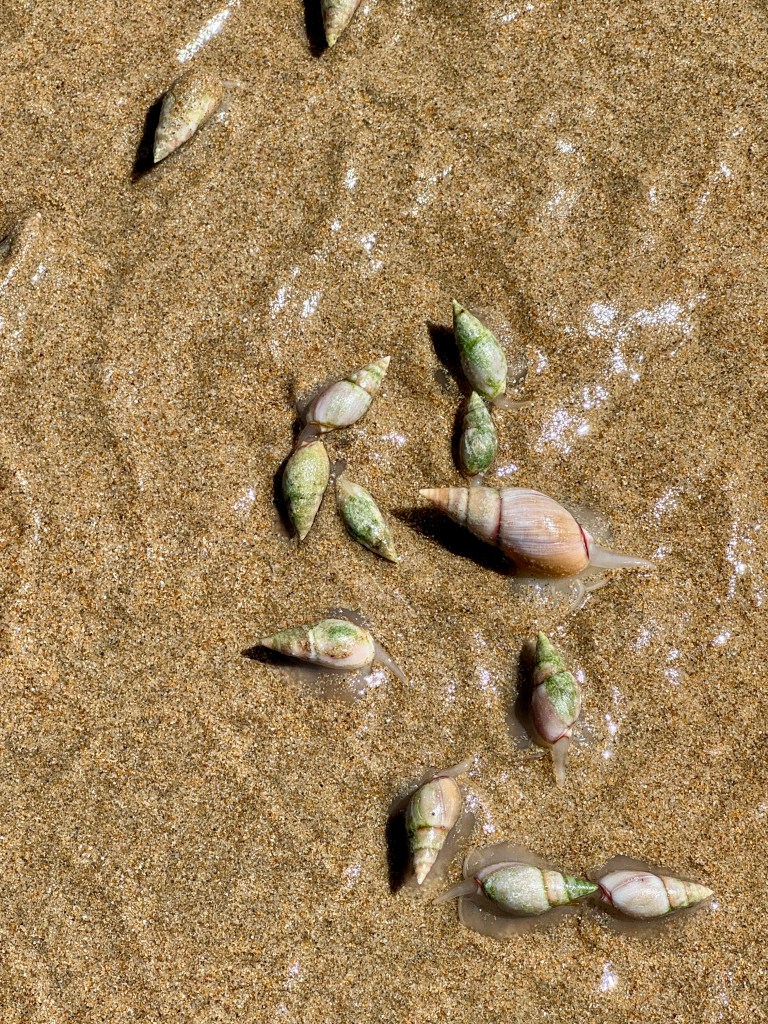
Love our walks on the beach.
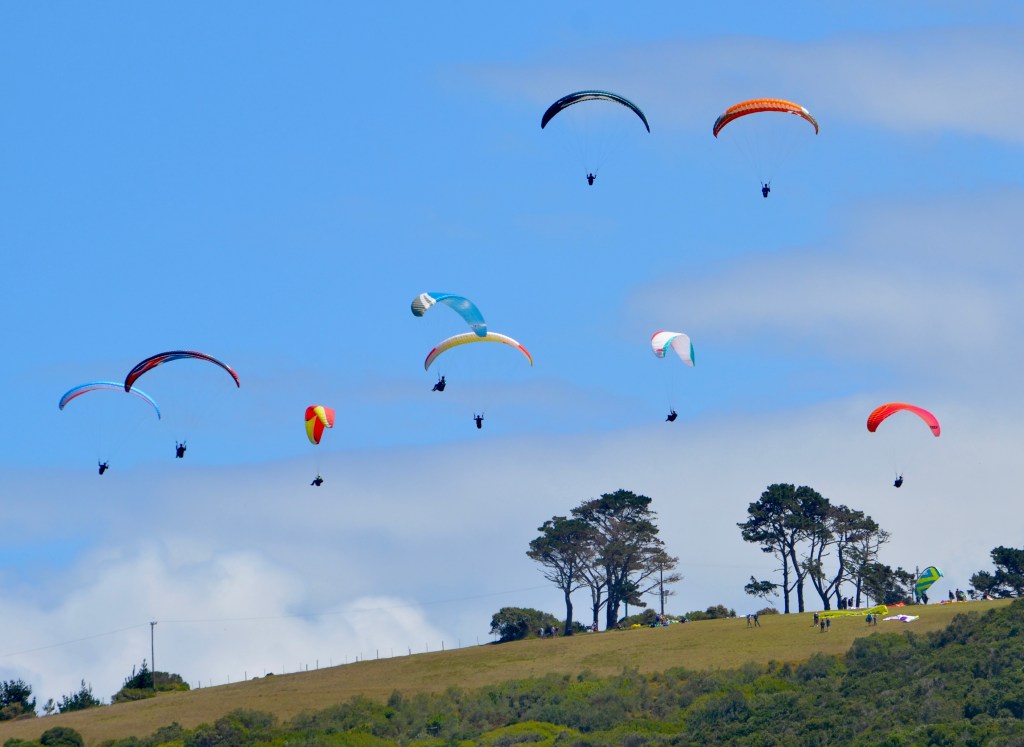
We often see the para-gliders out.The beach is so clean and never busy. The sand is hard near the water so great for walking.
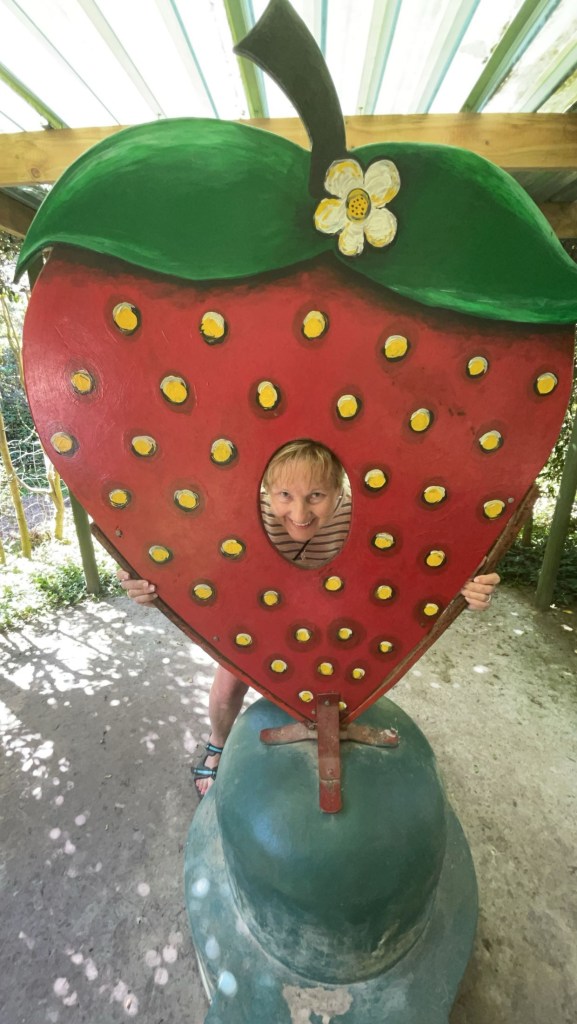
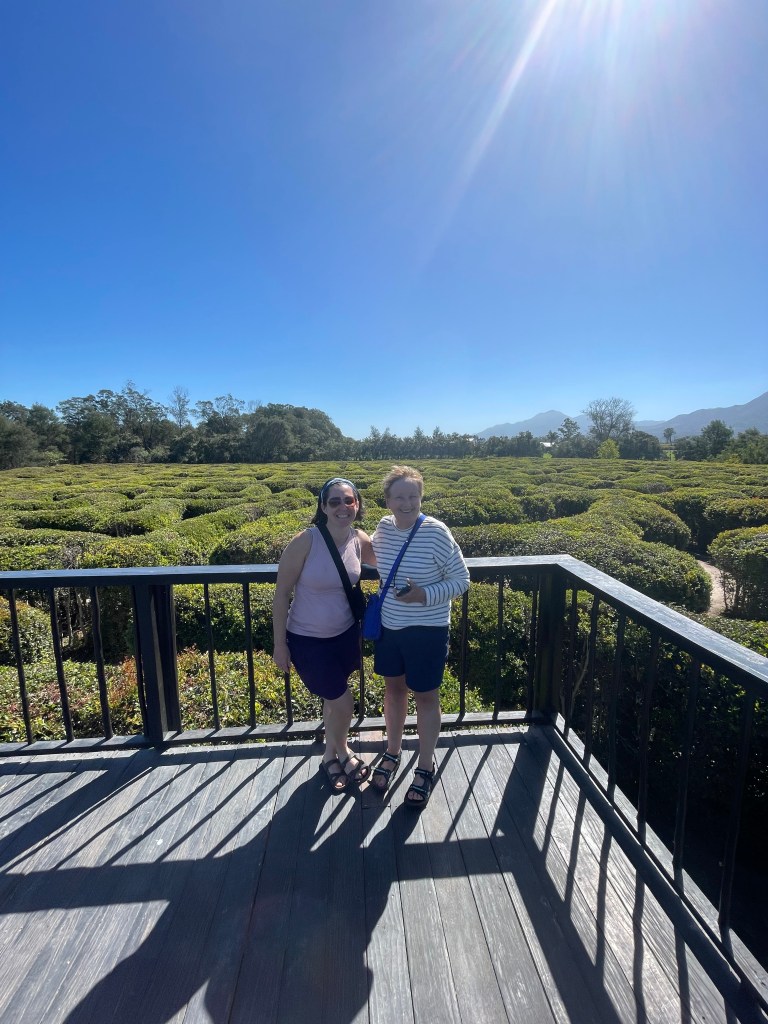
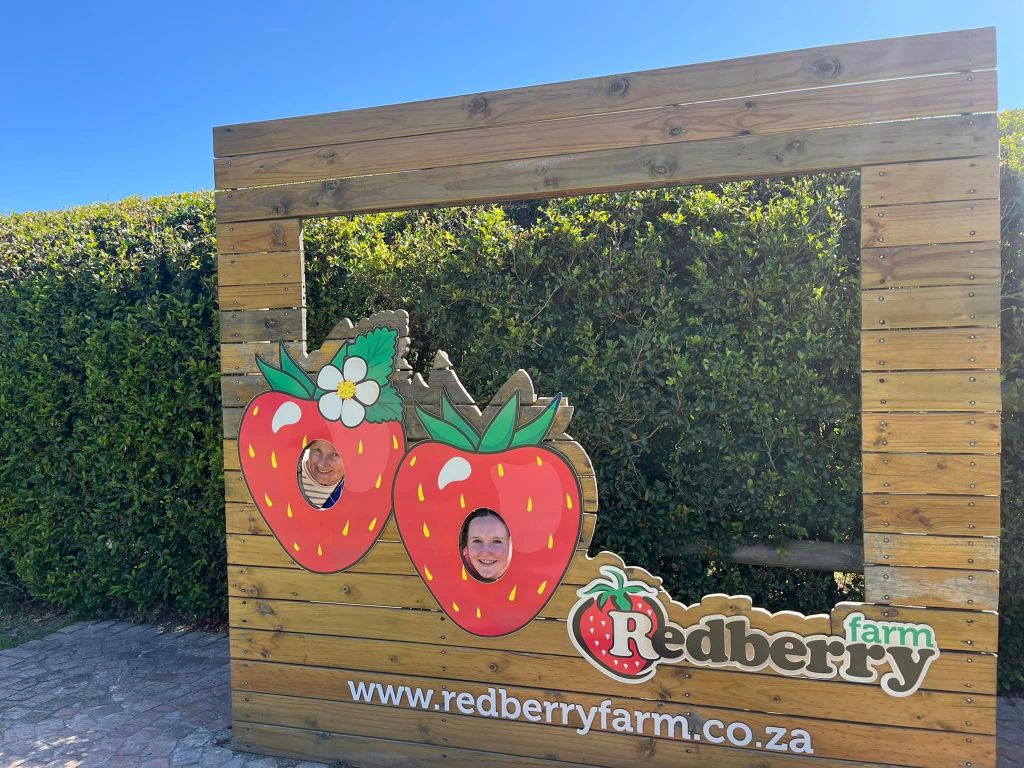
Every day brings a new, often unexpected, activity. We stopped at the Redberry Farm to pick up fresh strawberries – the strawberries are so good. What started as a short “strawberry purchase stop”, ended up being a 1 1/2 hour activity stop. Deb and Lauchlyn saw the sign for the Hedge Maze – of course we had to try it (all but Larry who decided sipping coffee was more his speed). The maze consists of seven strawberry stations, a 25m dark tunnel and a look-out platform – all within the 10 kilometresof hedge pathways. At each station you stamp your card, and if you get 7 stamps you receive a strawberry button – quite the incentive. If you get lost or can’t get out, then we were told to yell for “Brenda” and she would rescue us.
In 1 1/2 hours, we only managed to get 4 stamps. We got “stuck” in one area and just couldn’t find our way out so we called for Brenda. She found us and wanted to help us get our final 3 stamps…but our focus changed to finding our way out before the gelato shop closed. Many laughs and a fun way to end our afternoon.
Chocolate covered strawberries for dessert
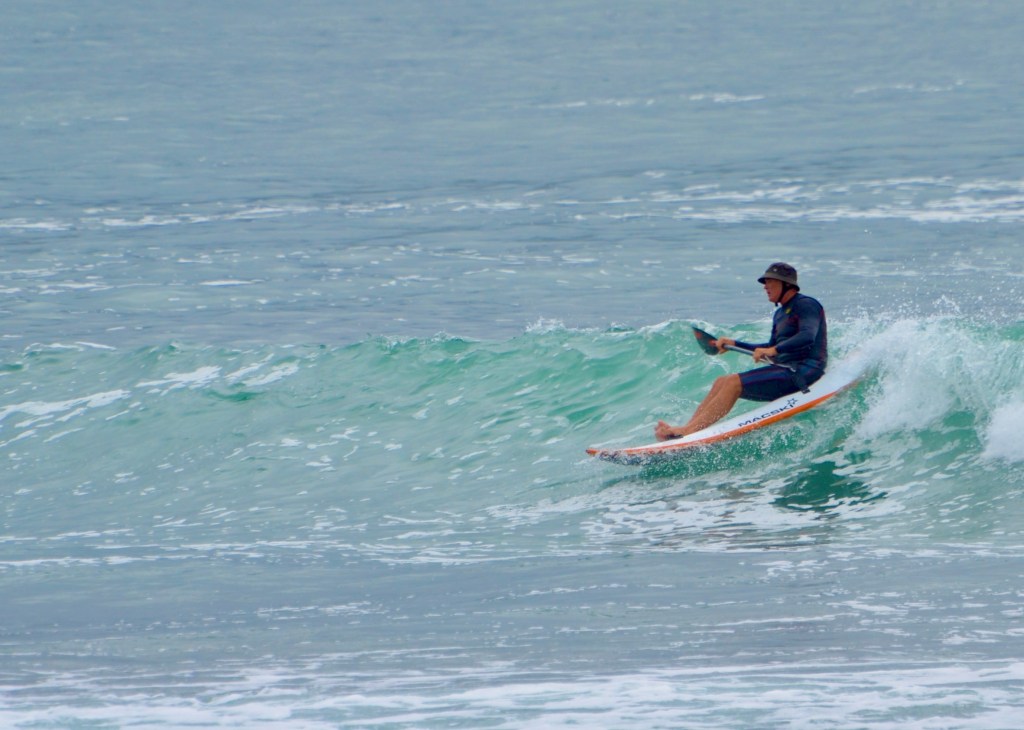
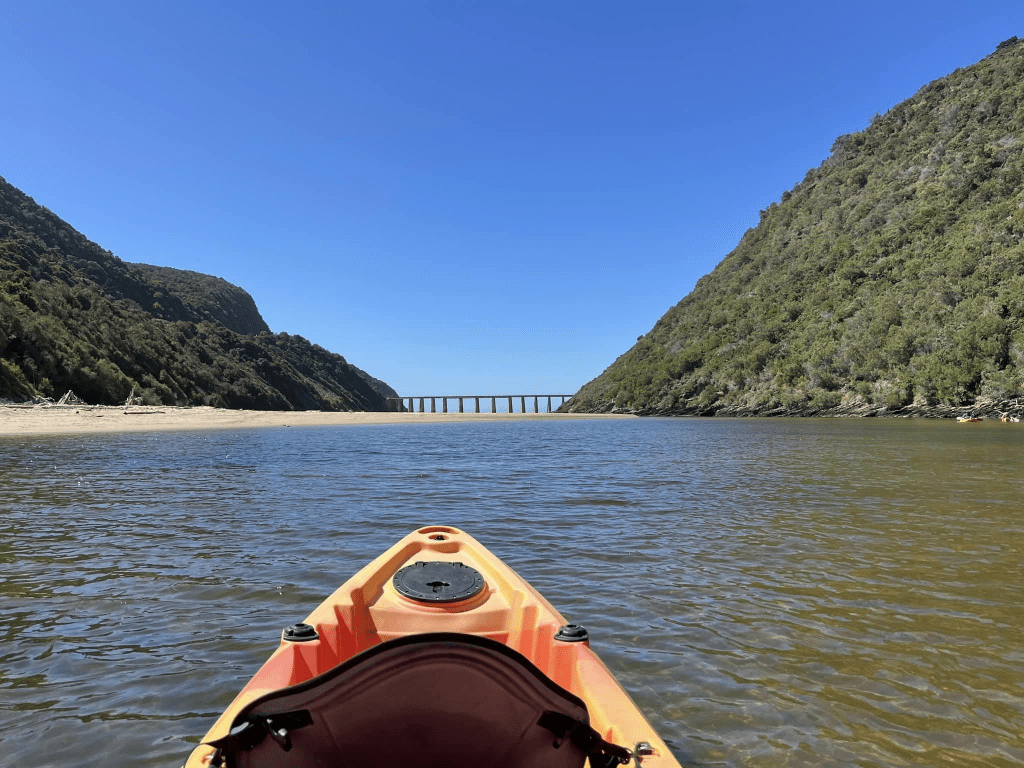
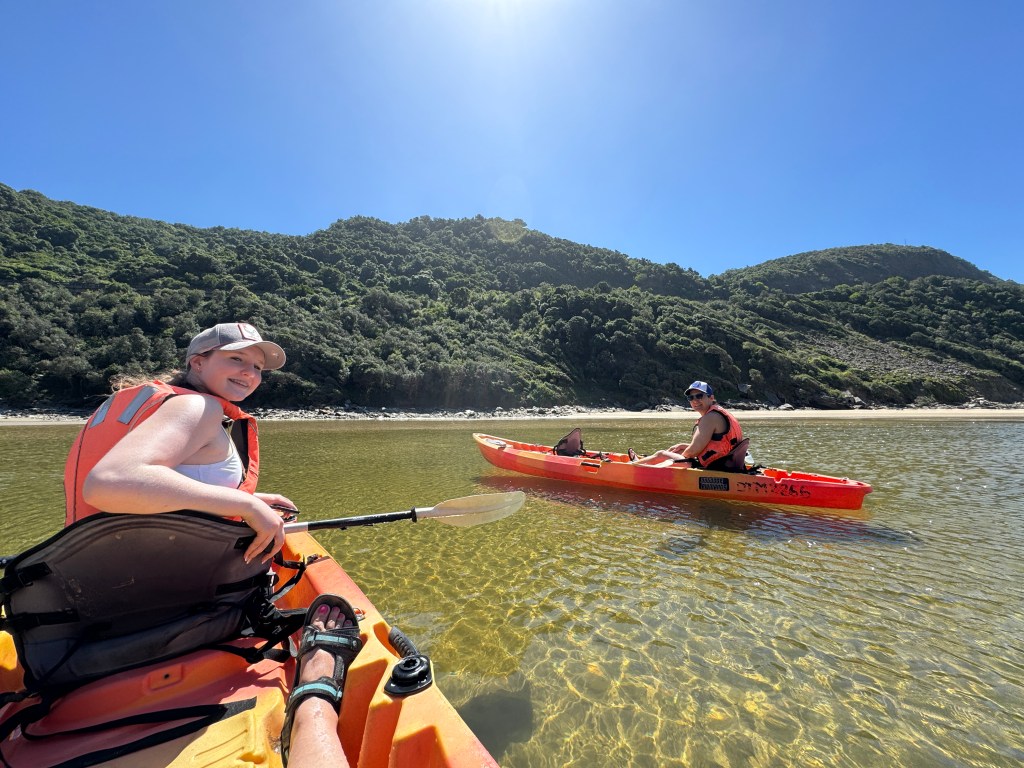
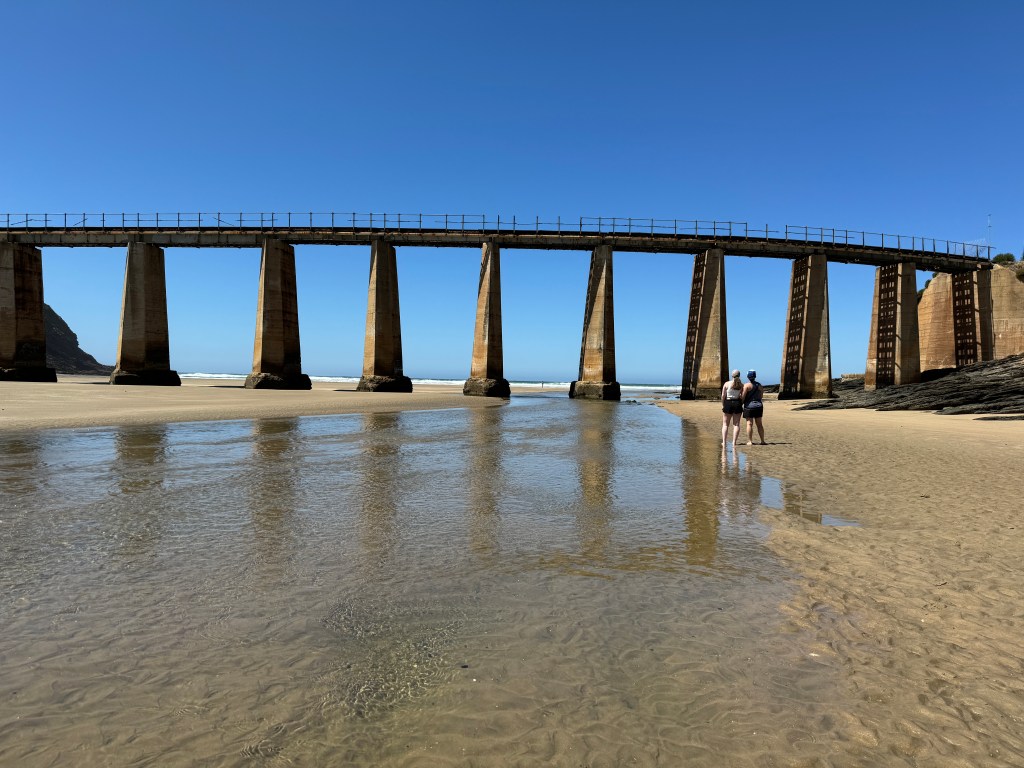
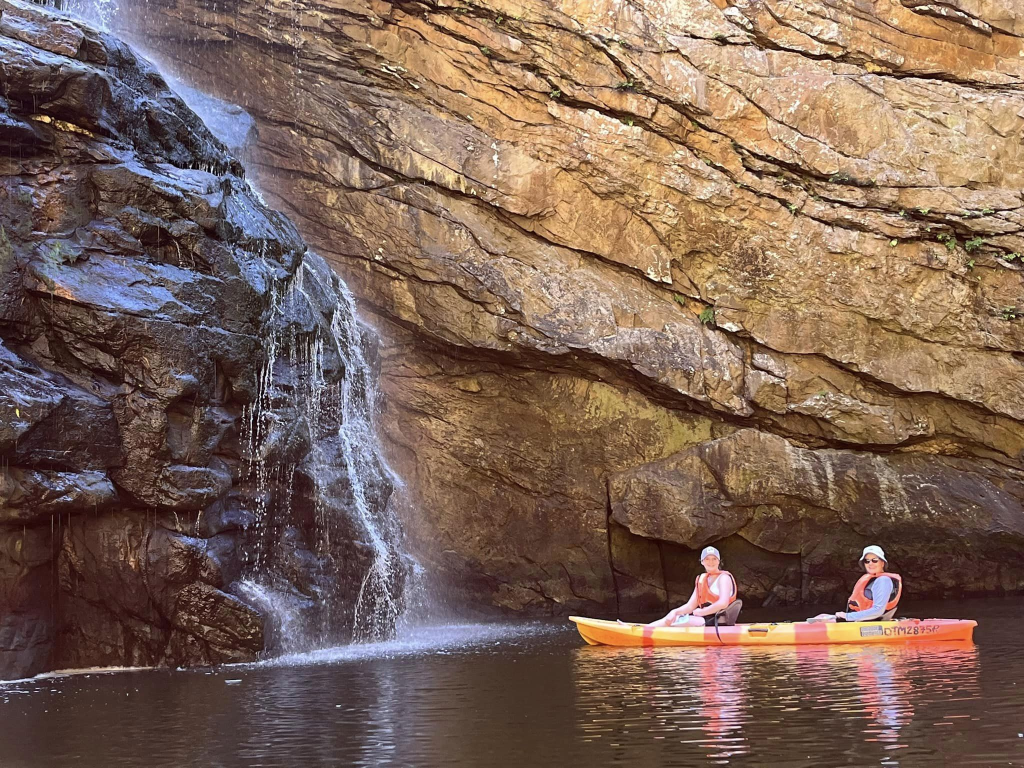
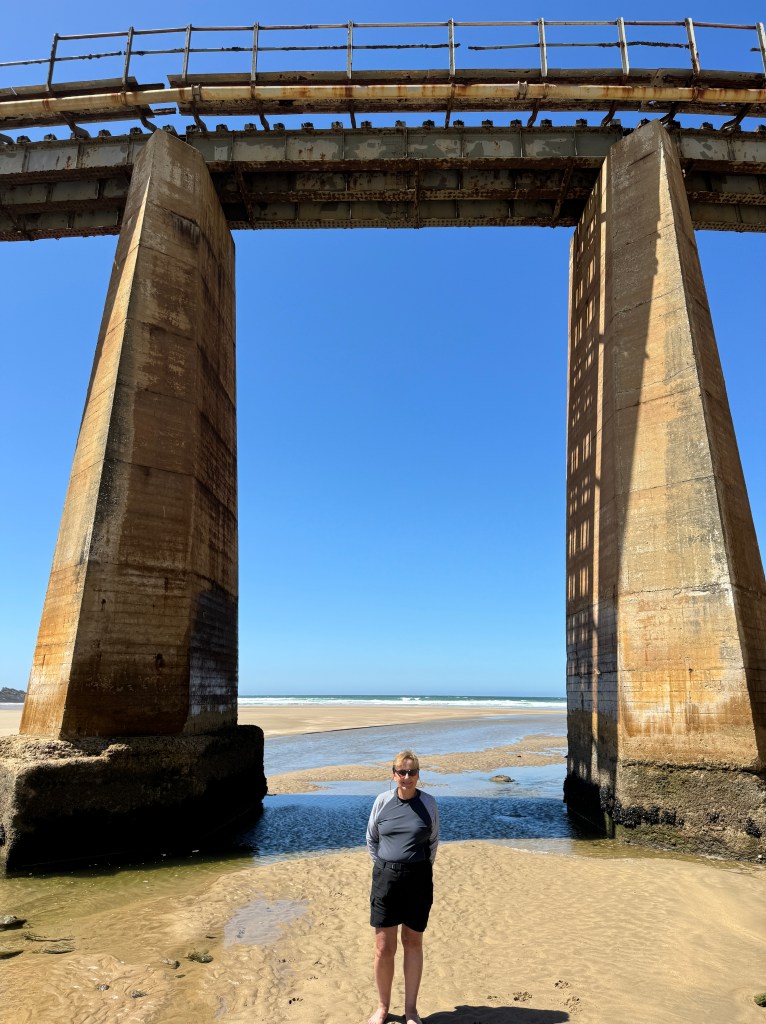
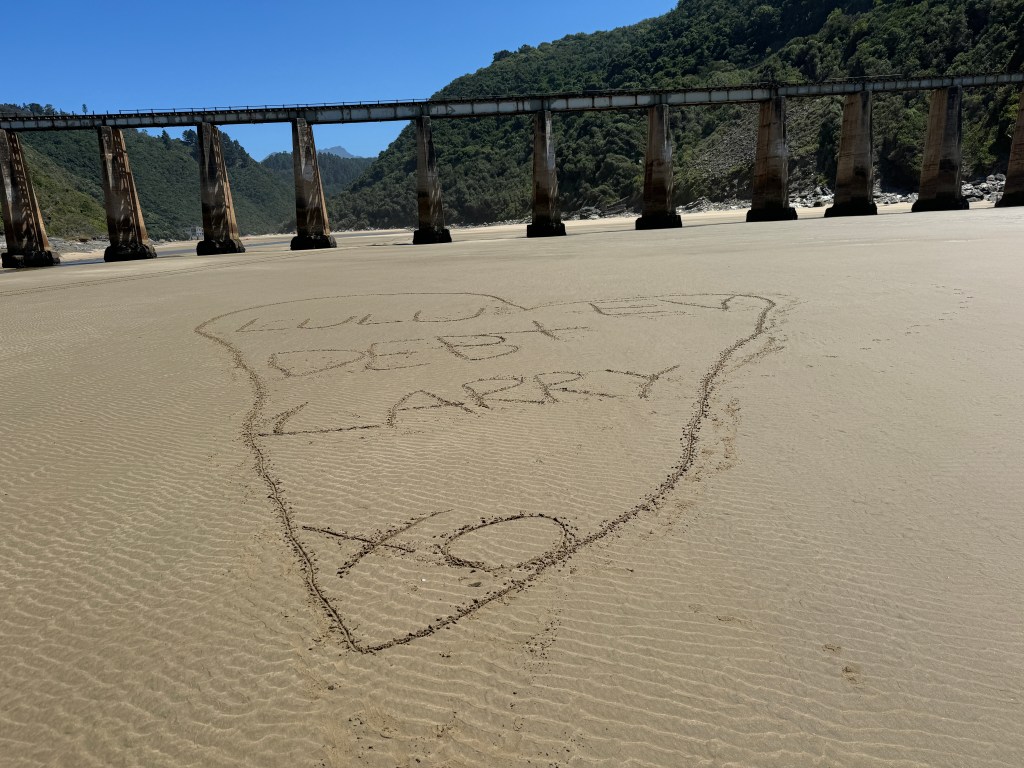
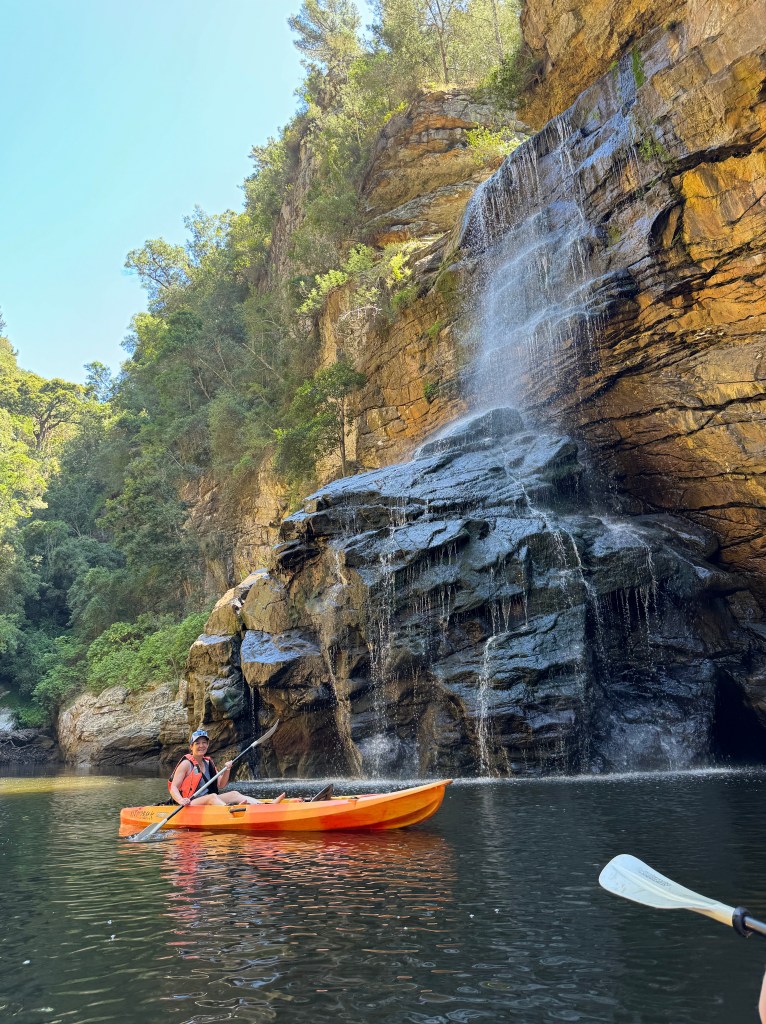
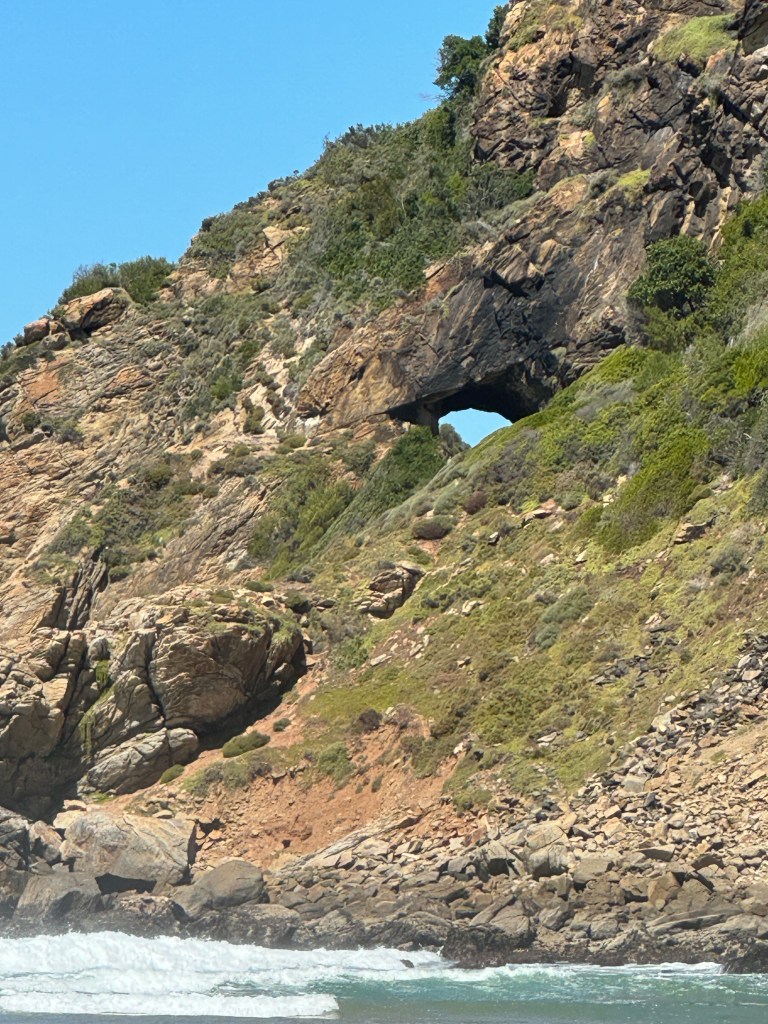
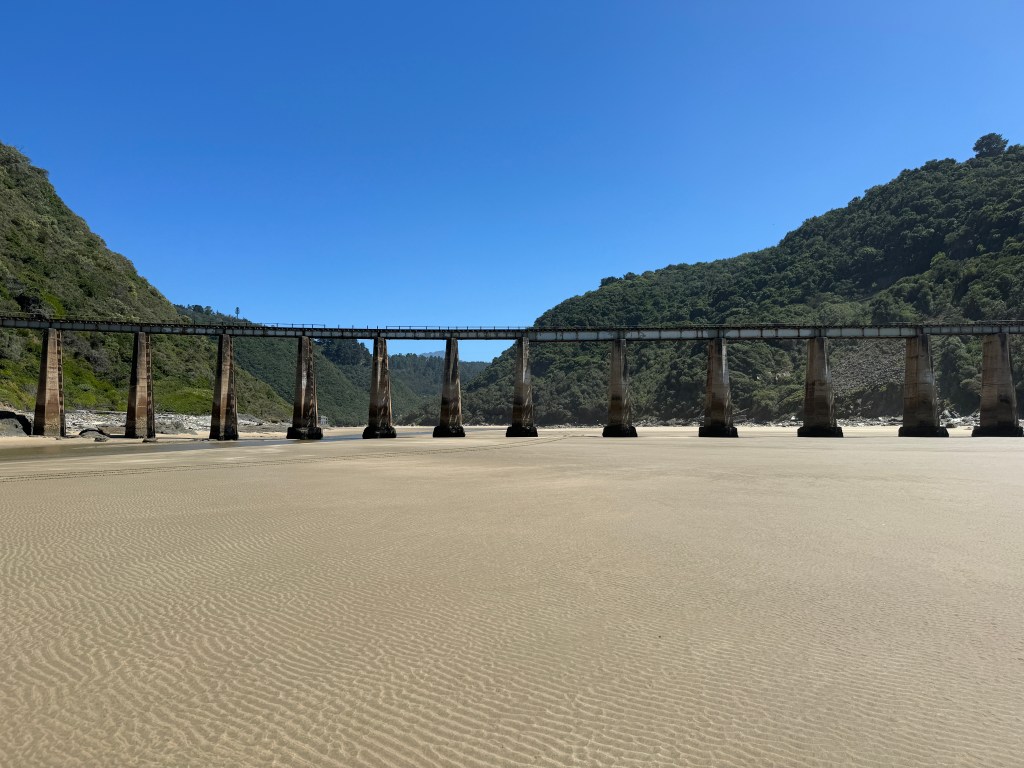
Next activity – kayaking at Kaaimans Adventures, which is about 10 minutes from our apartment. As you will see from the pictures, it was a beautiful day and a great place to kayak.
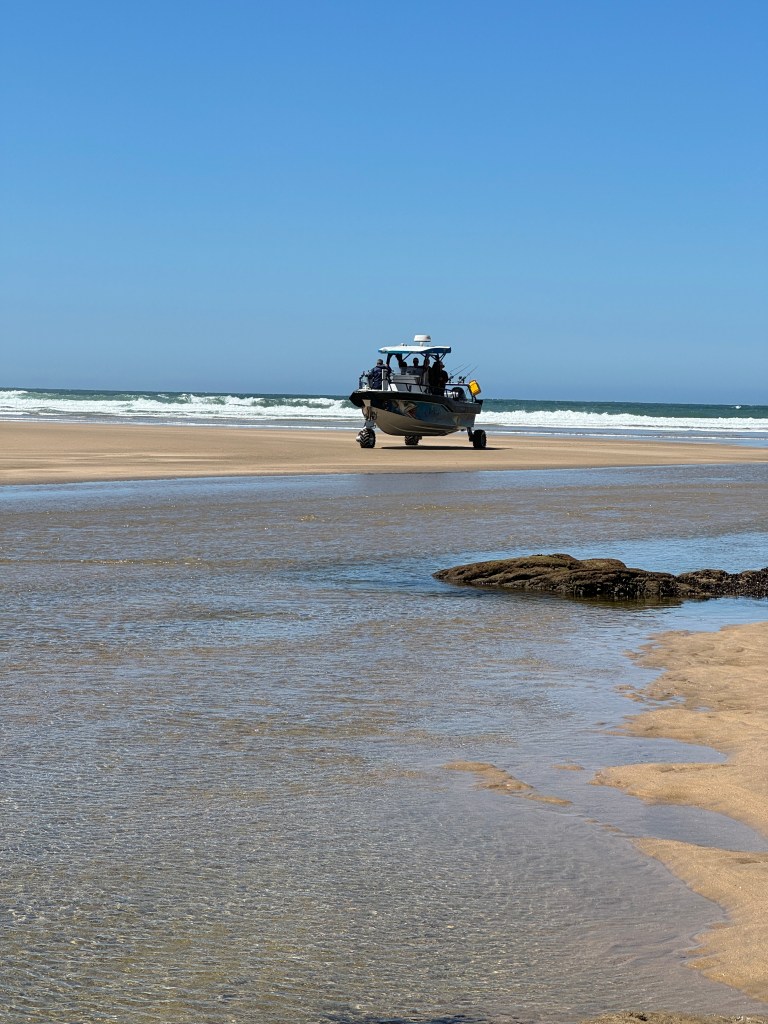
Old Train BridgeThe sand was beautiful and the water so clear. We watched this fishing boat head into shore, and then drive up on the sand – sure beats loading the boat onto a trailer.
We are past the halfway point of our time in South Africa. It has gone by so quickly – we really do love it here.
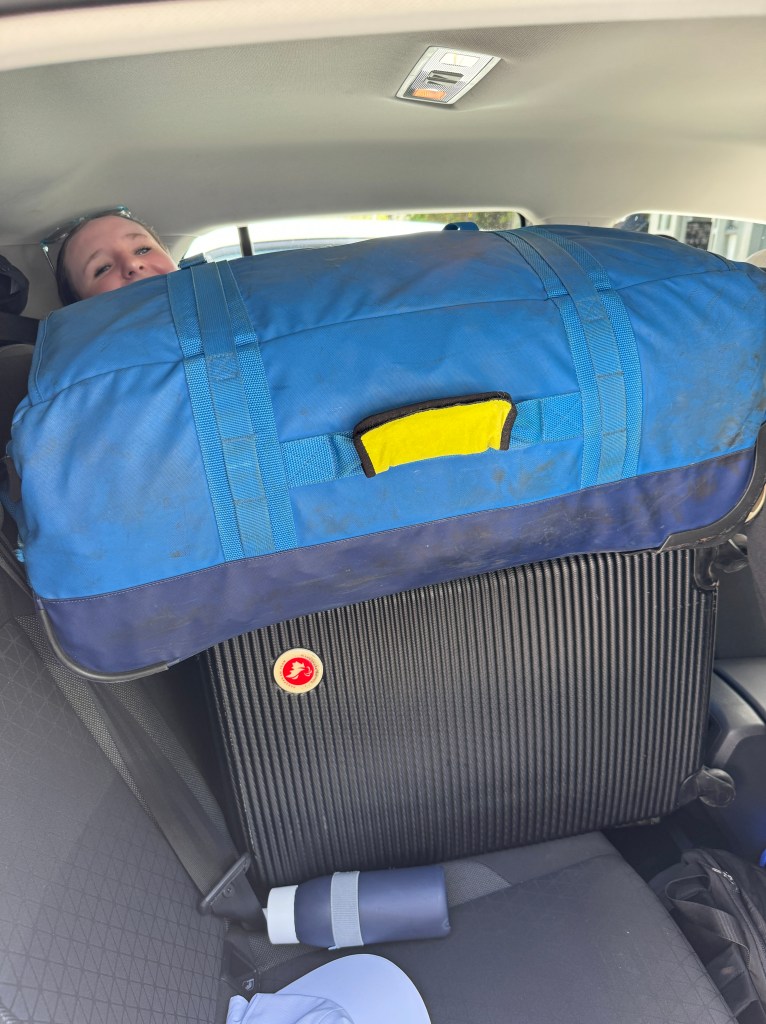
Once we left Hout Bay, our luggage had to travel with us. It was a very tight fit – but we made it.
Lauchlynn & I had two bags between us– trunk was packed to capacity plus there were bags at our feet…we got it all in!
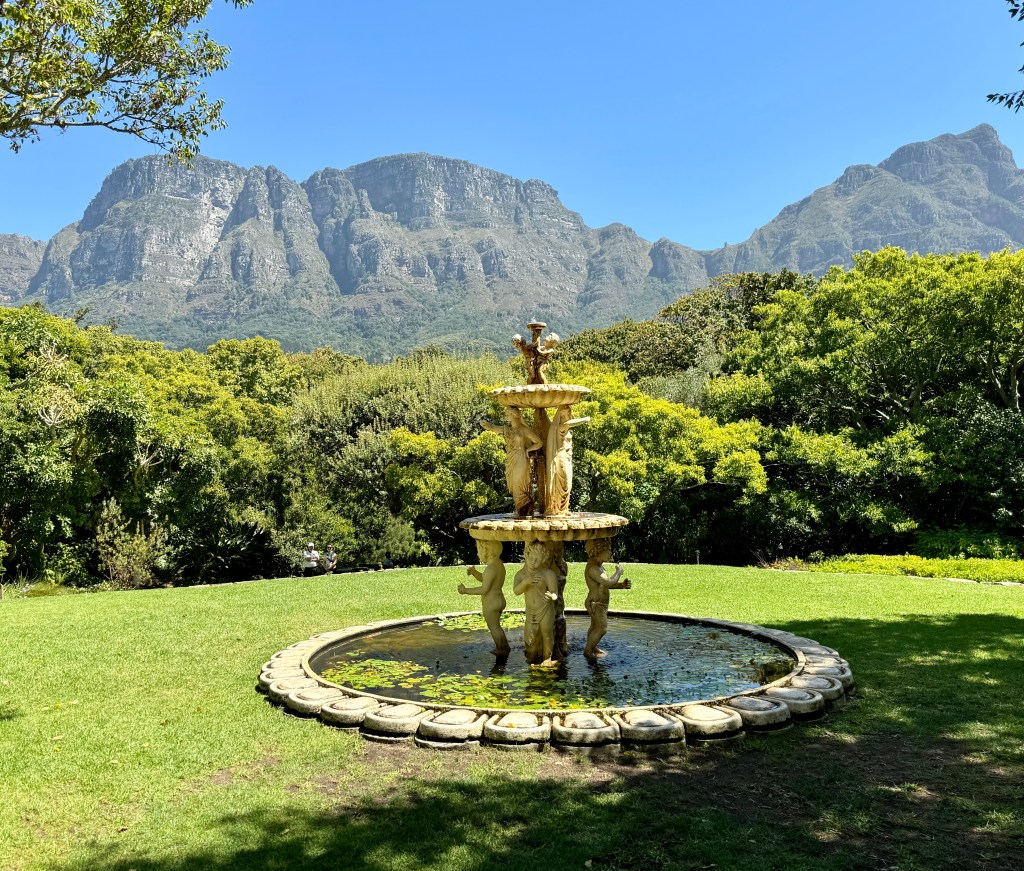
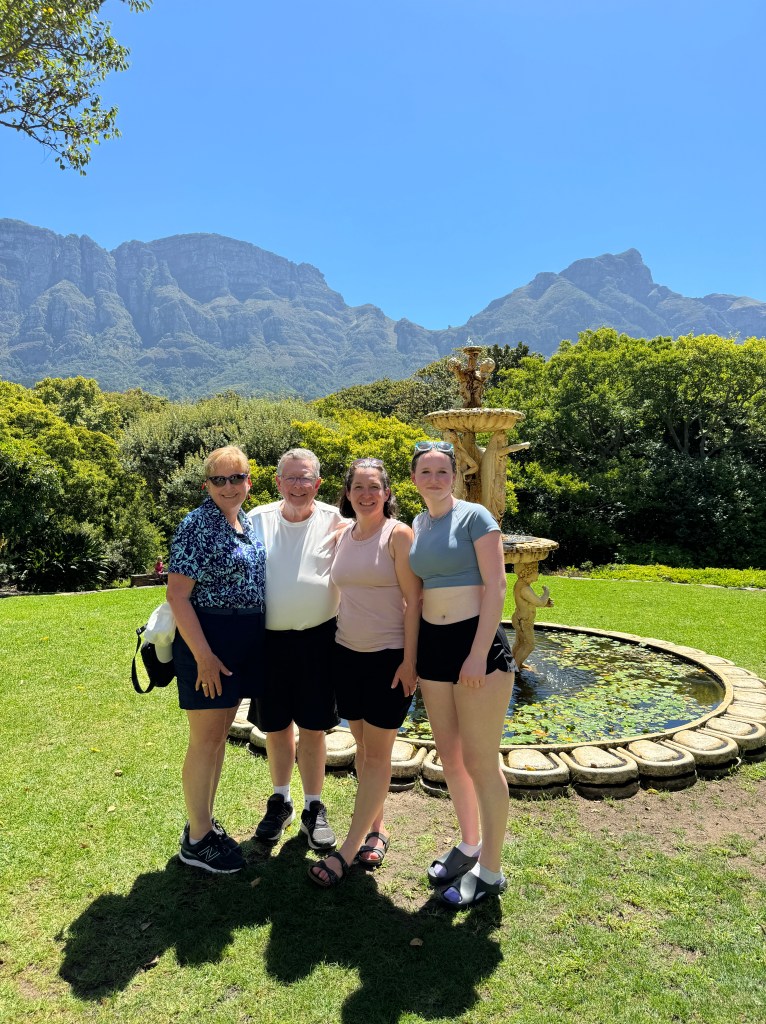
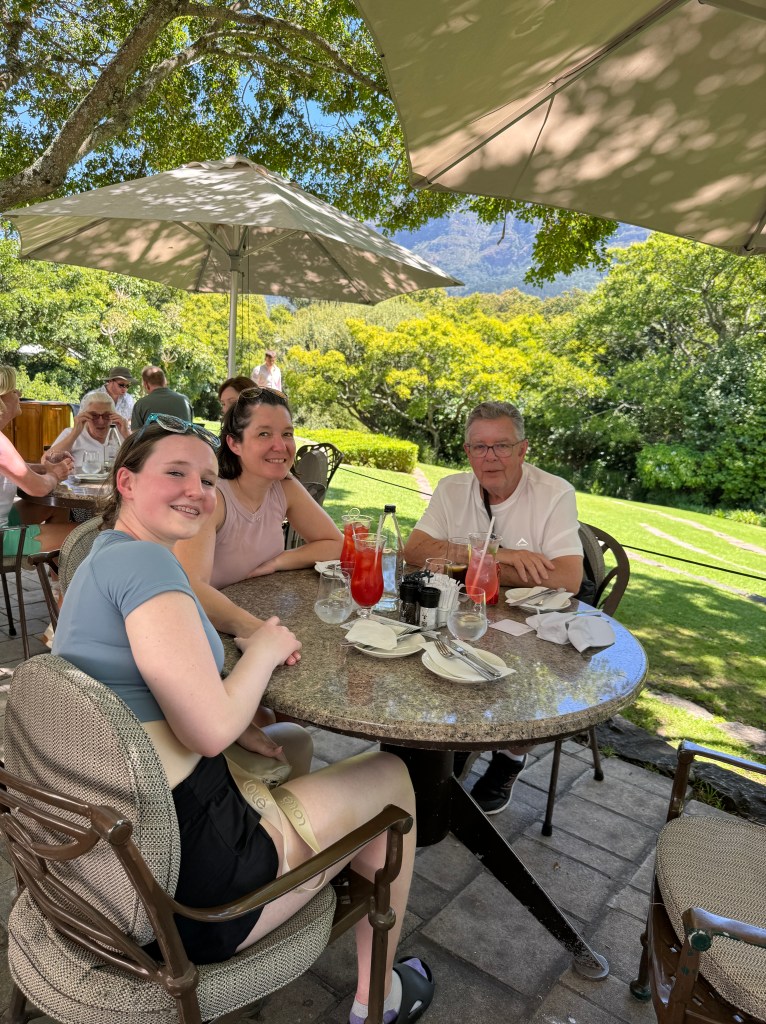
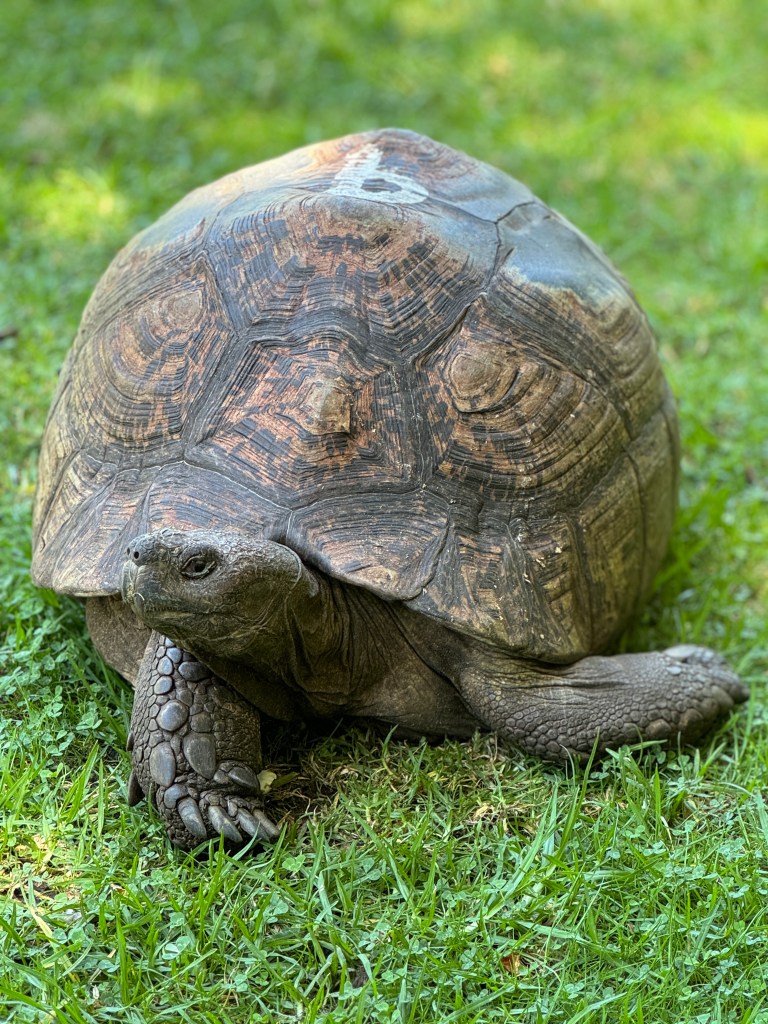
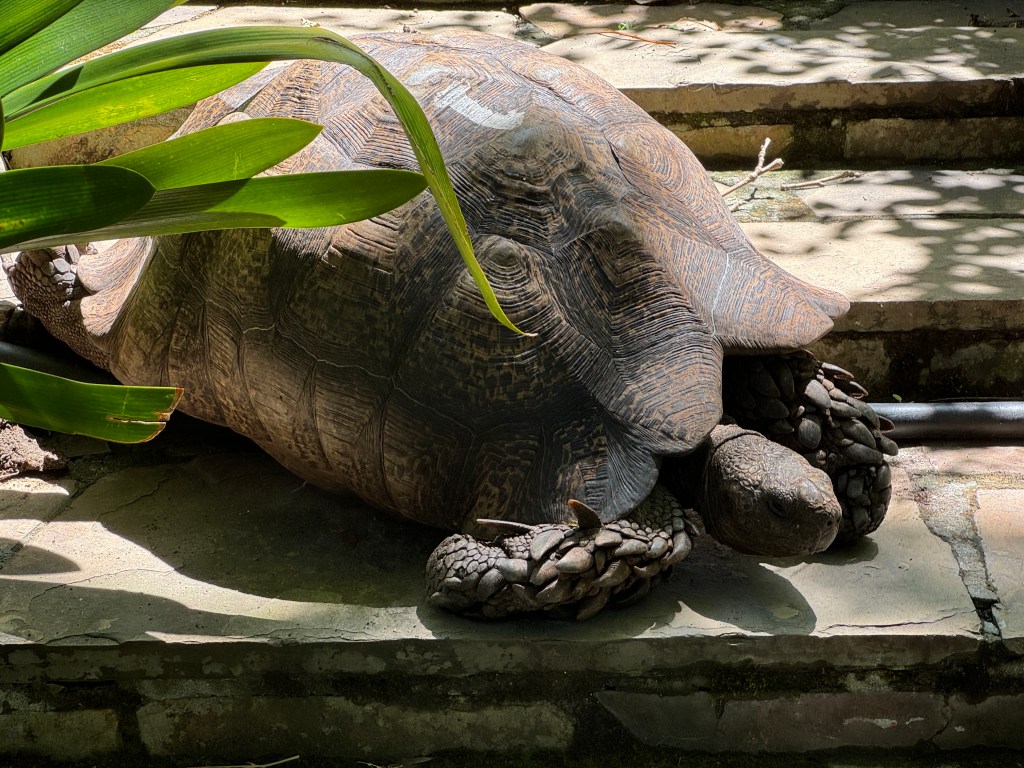
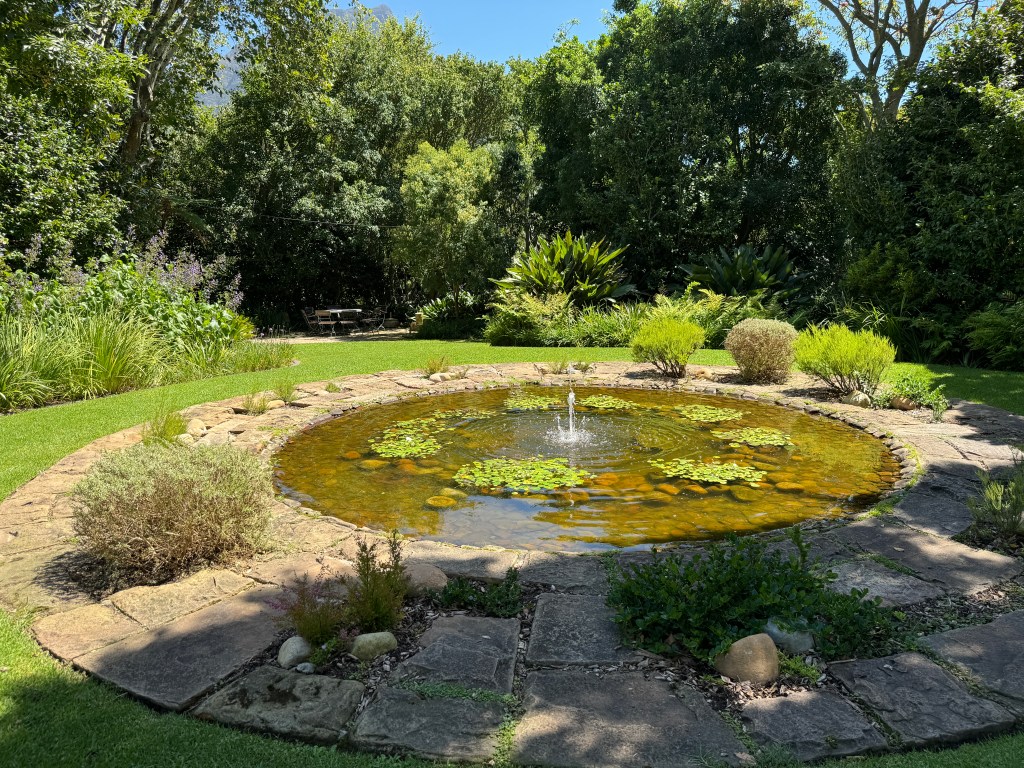
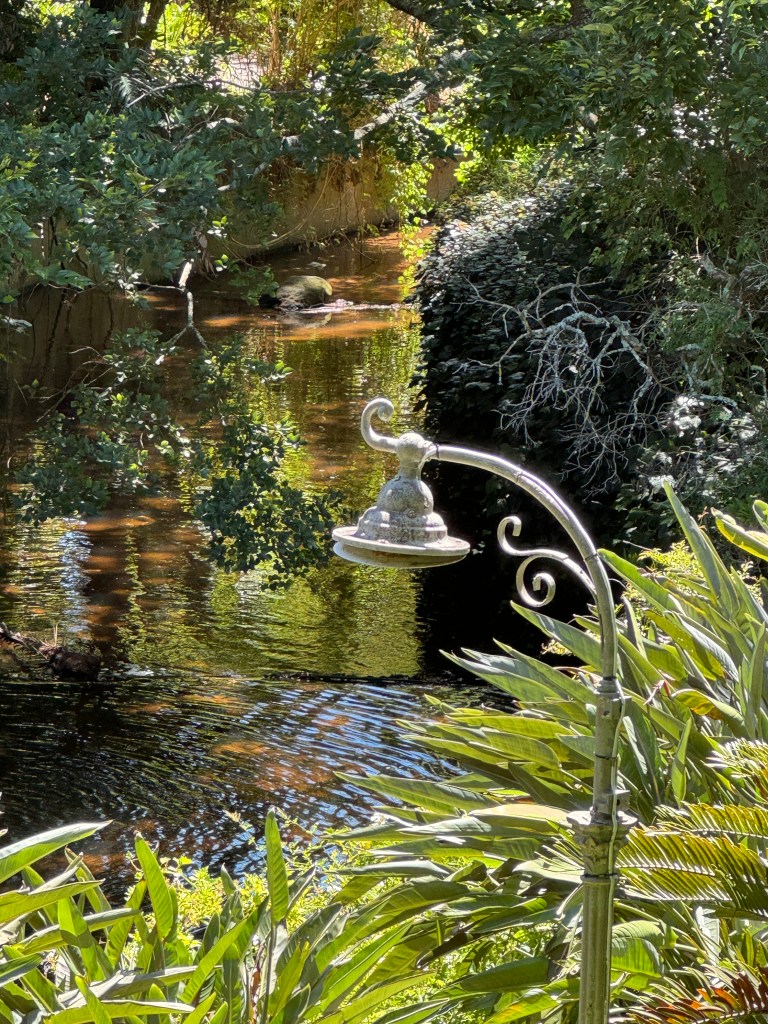
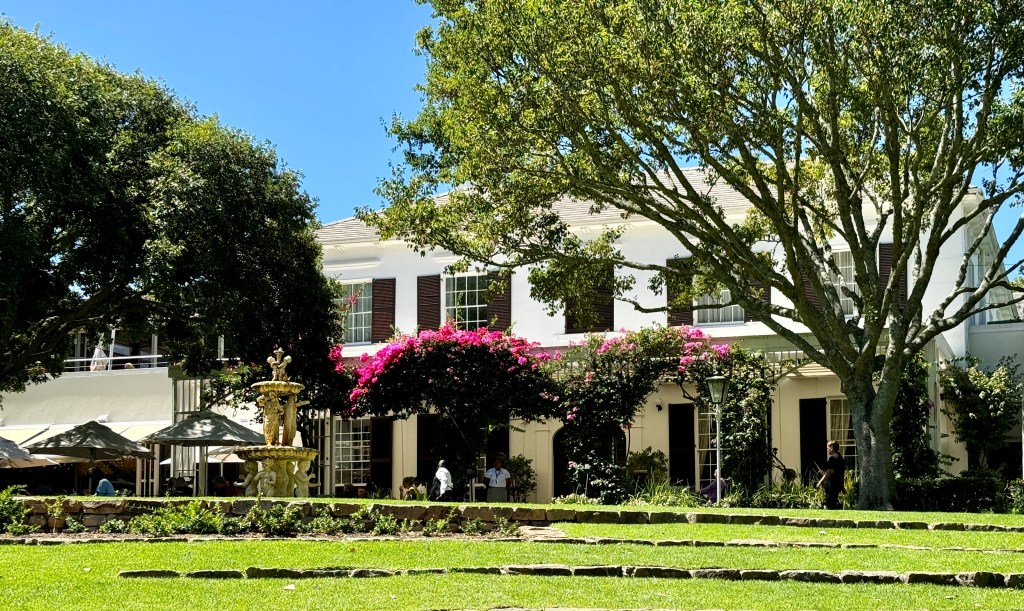
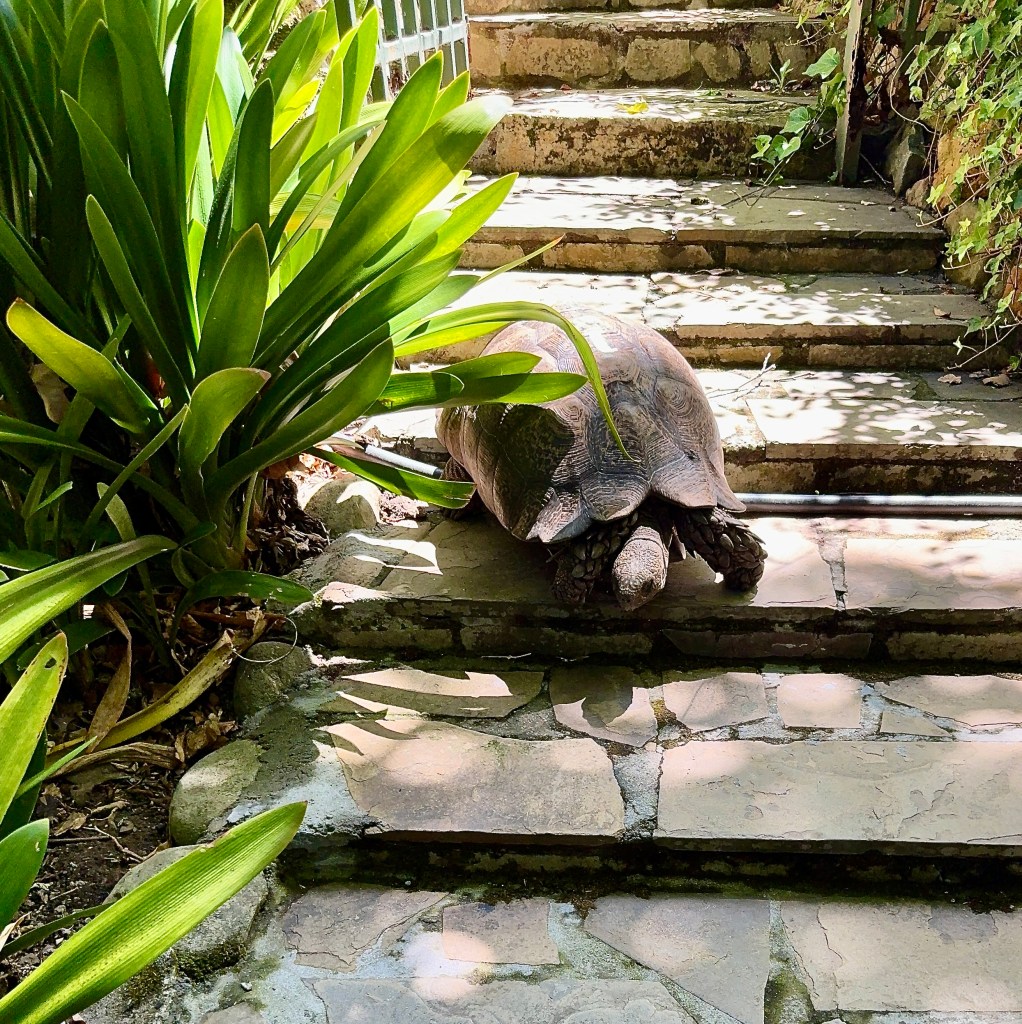
On our way to Paternoster, we stopped for lunch at the VineyardHotel. Situated on the banks of the Liesbeek River in Newlands (a suburb of Cape Town), the hotel has beautiful gardens which the resident tortoises enjoy. We had a table overlooking the gardens and Table Mountain beyond – an amazing view.
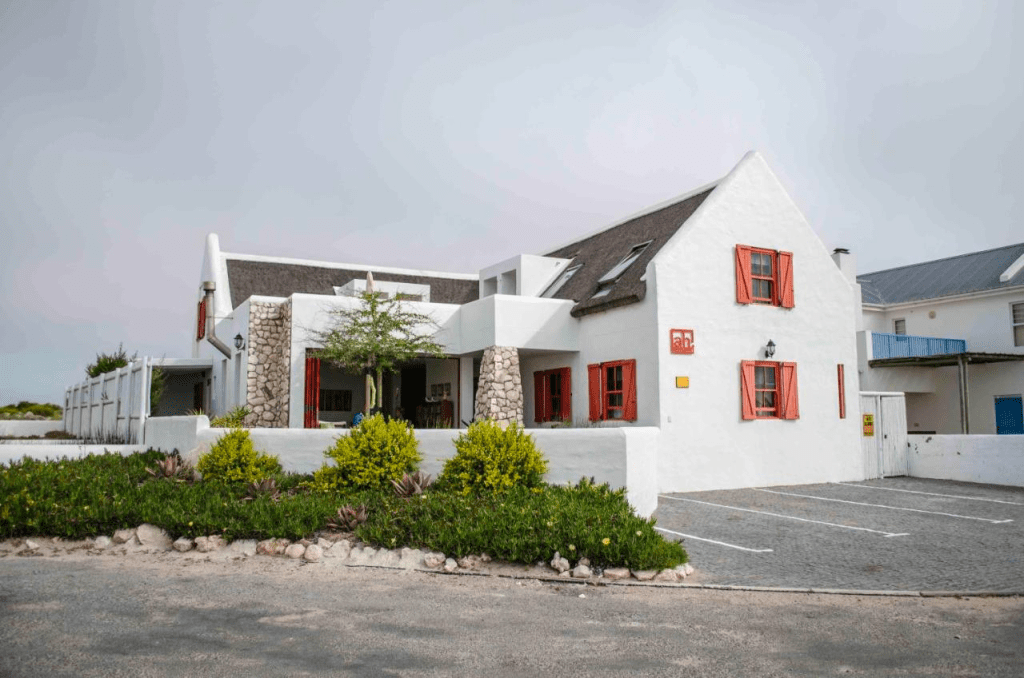
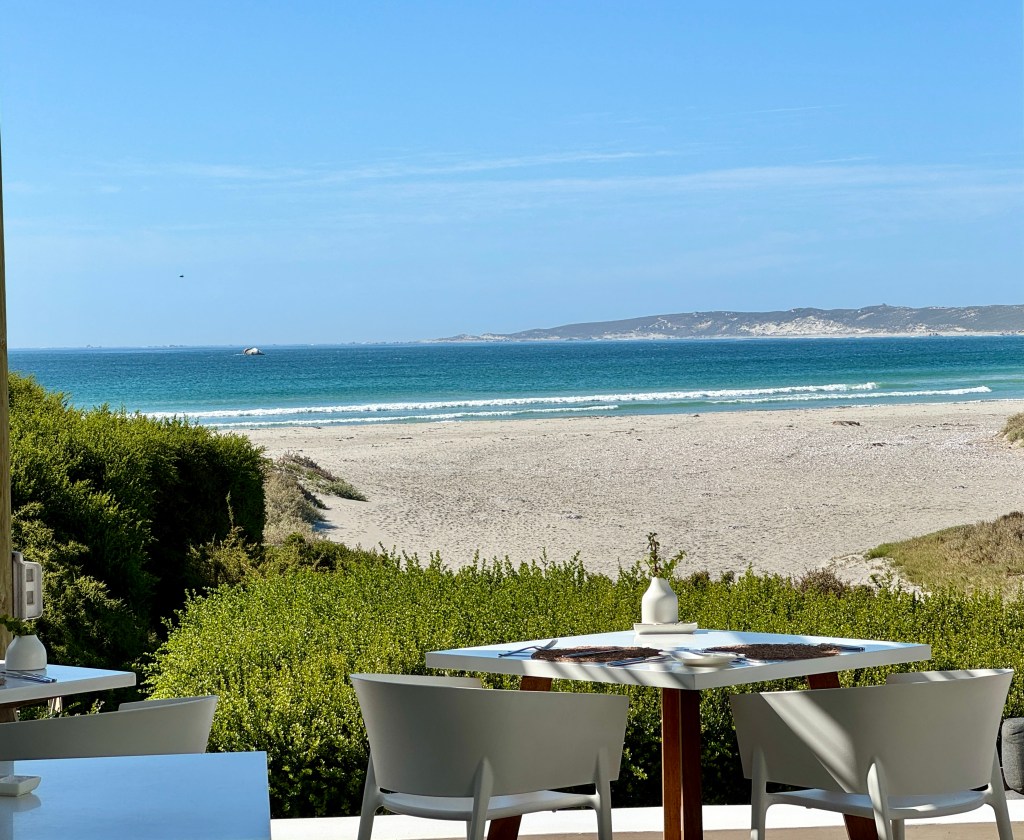
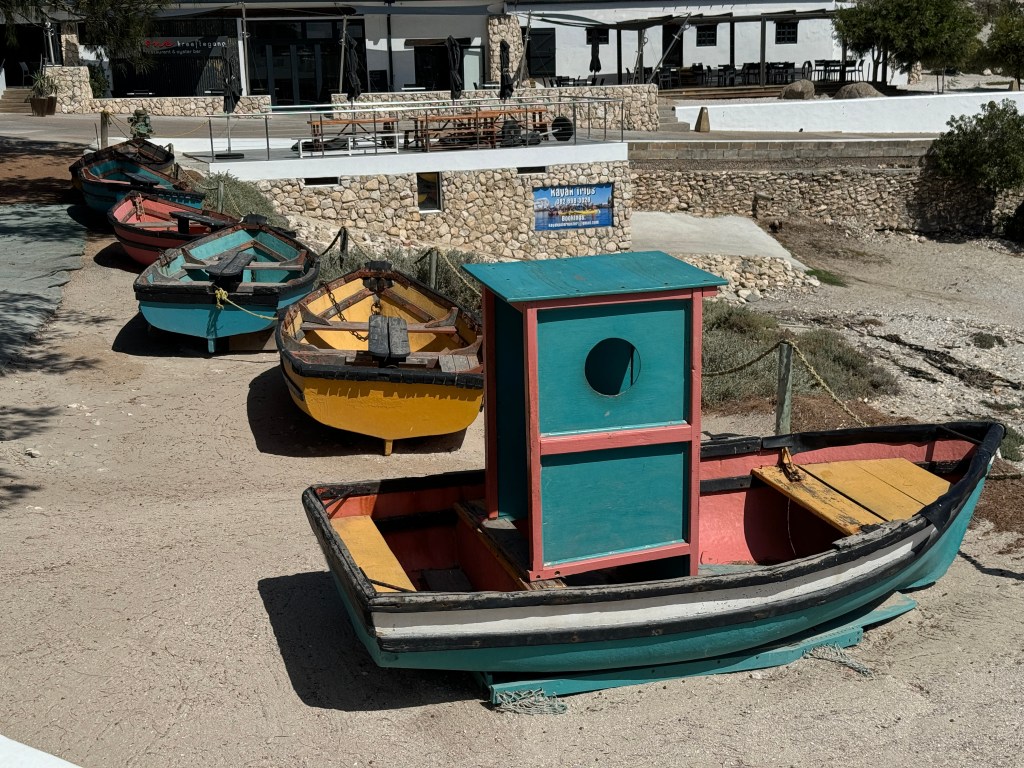
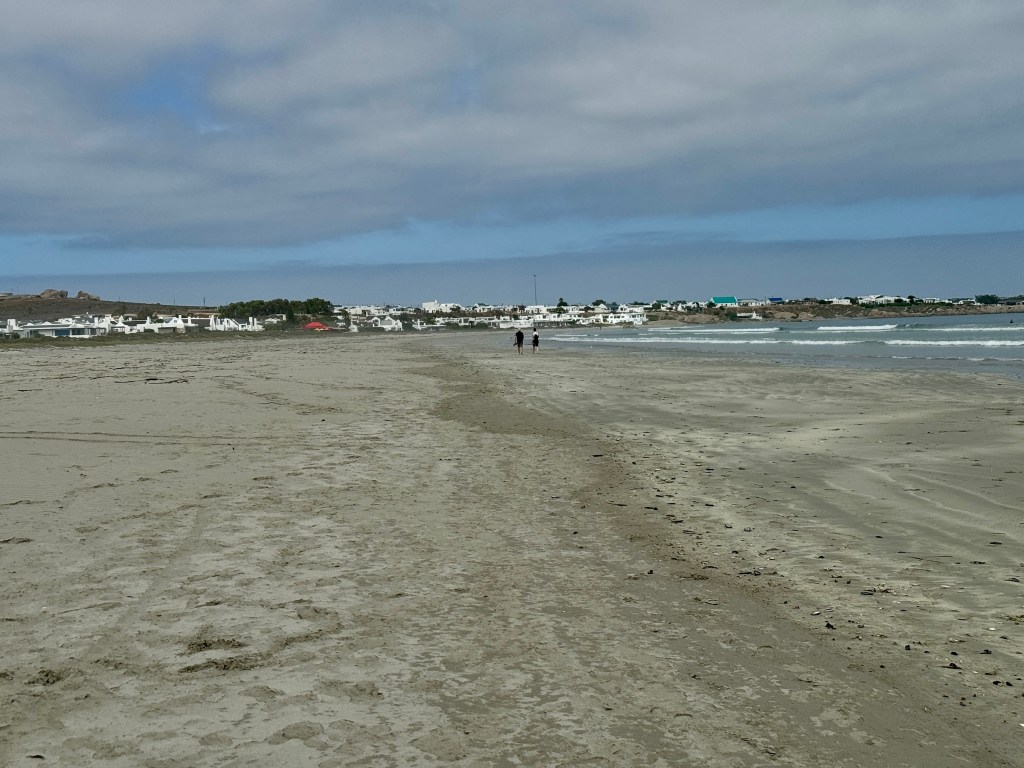
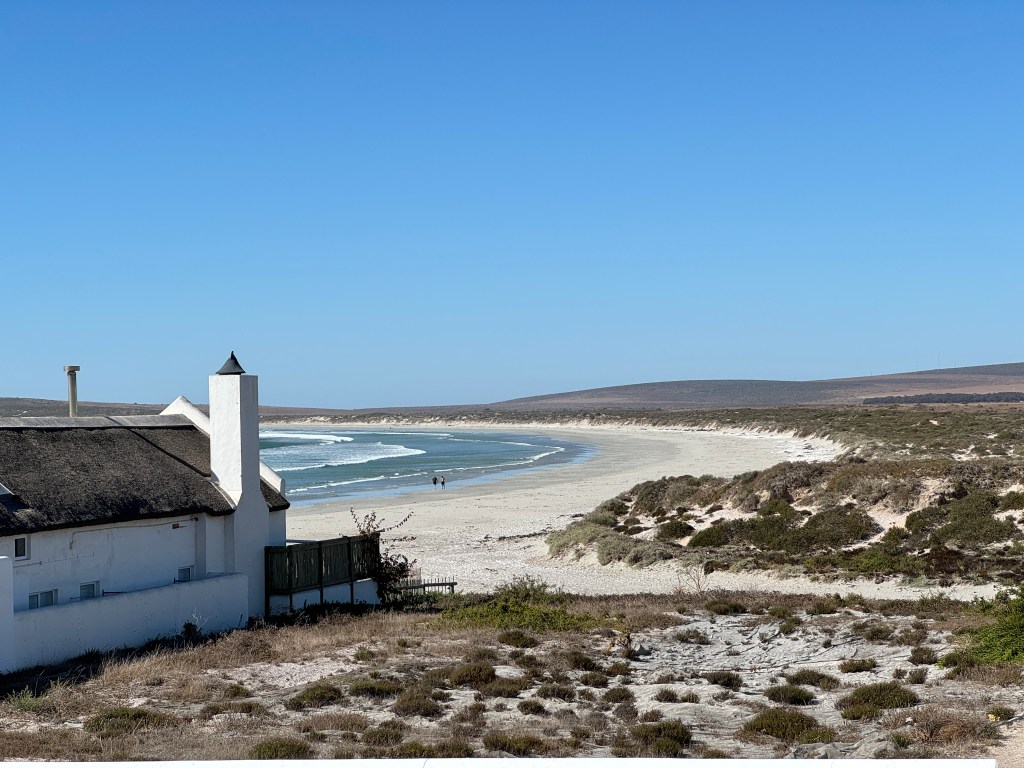
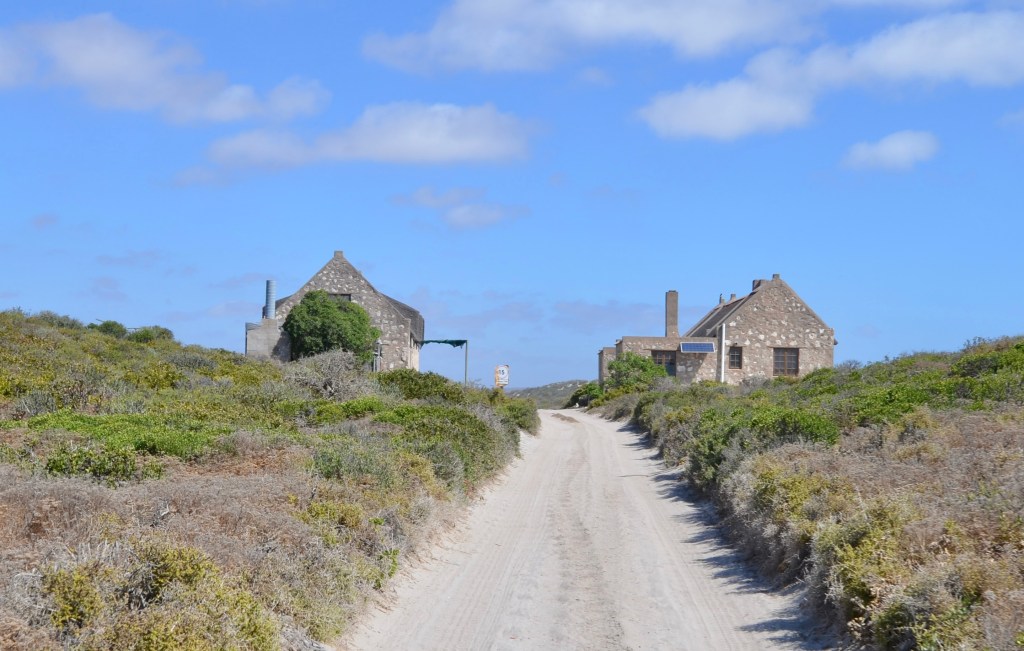
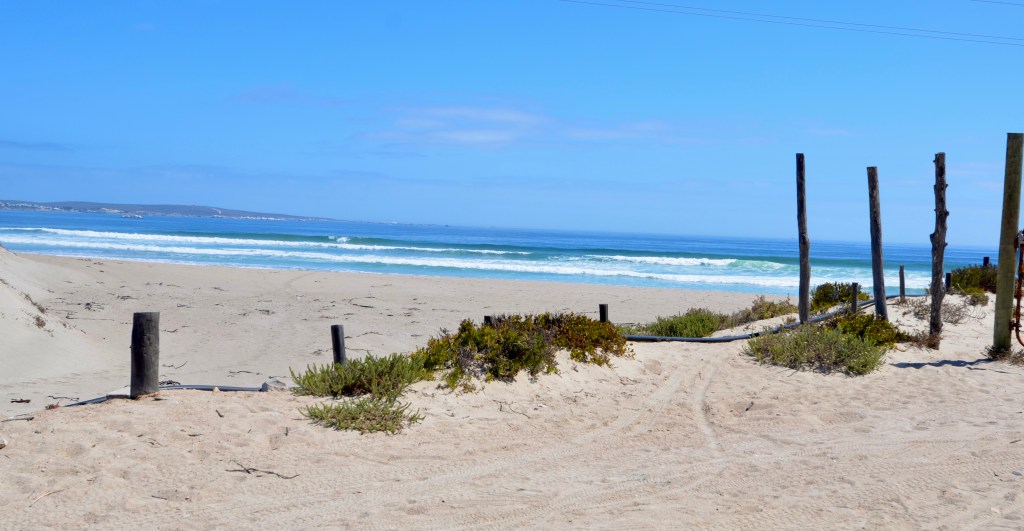
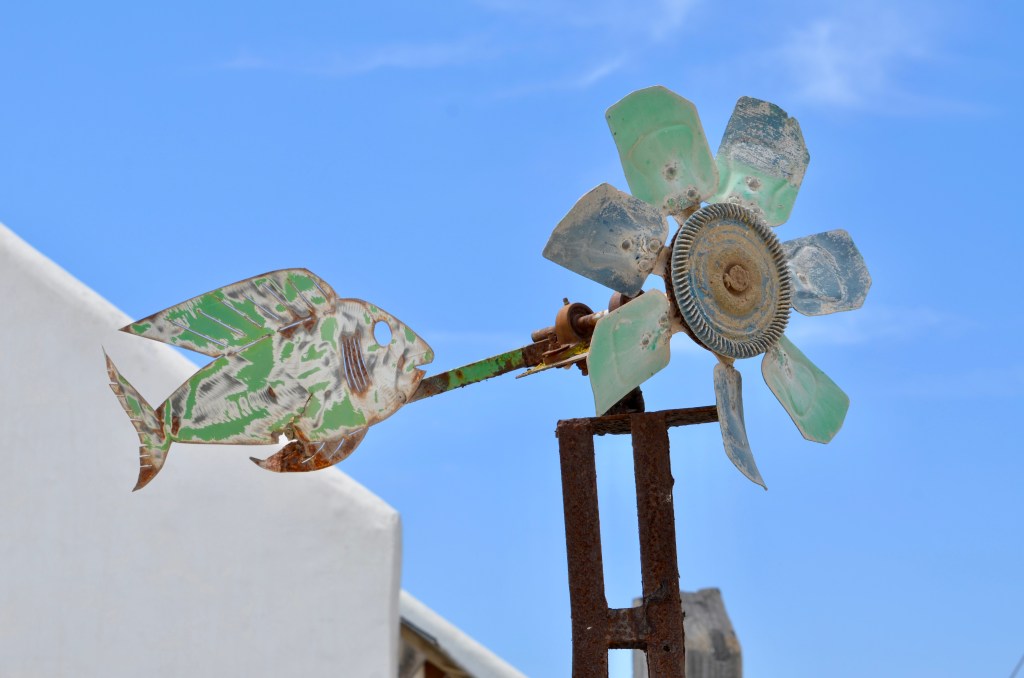
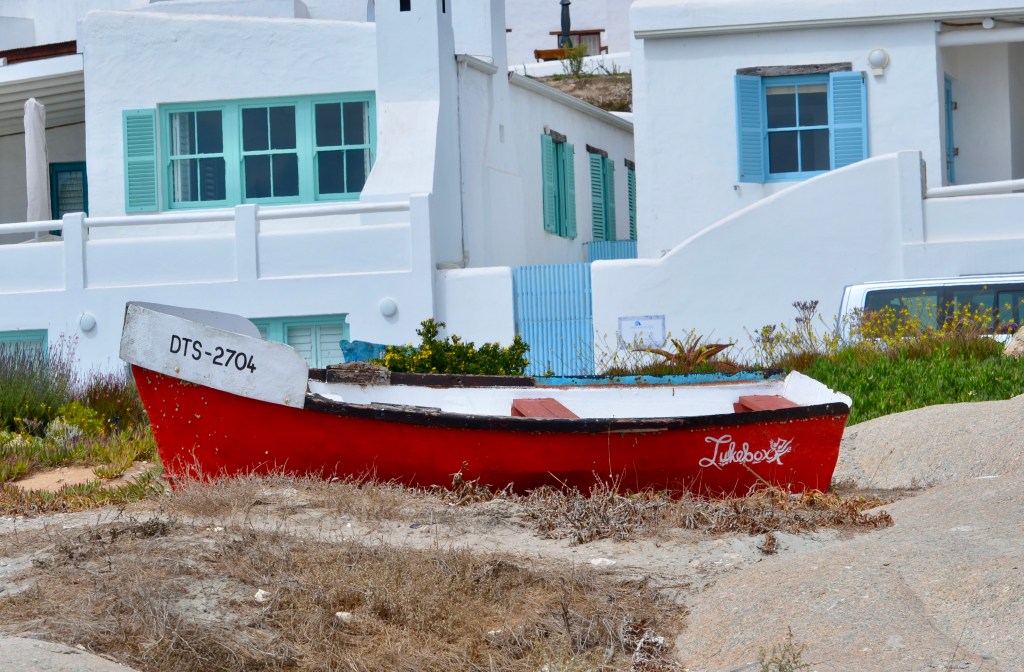
After a leisurely lunch we headed to our BnB in Paternoster, which is about a 2 hour drive from Cape Town. Paternoster is one of the oldest fishing villages on the West Coast of South Africa. We stayed at Ah! Guest House, which was recommended by our friend (thank you Jan). Ah! is known for the “exquisite food” created by its owners, Arnold and Annalise – and it was exquisite. The guest house decor is unique and some of the art was somewhat strange which added to the overall experience.
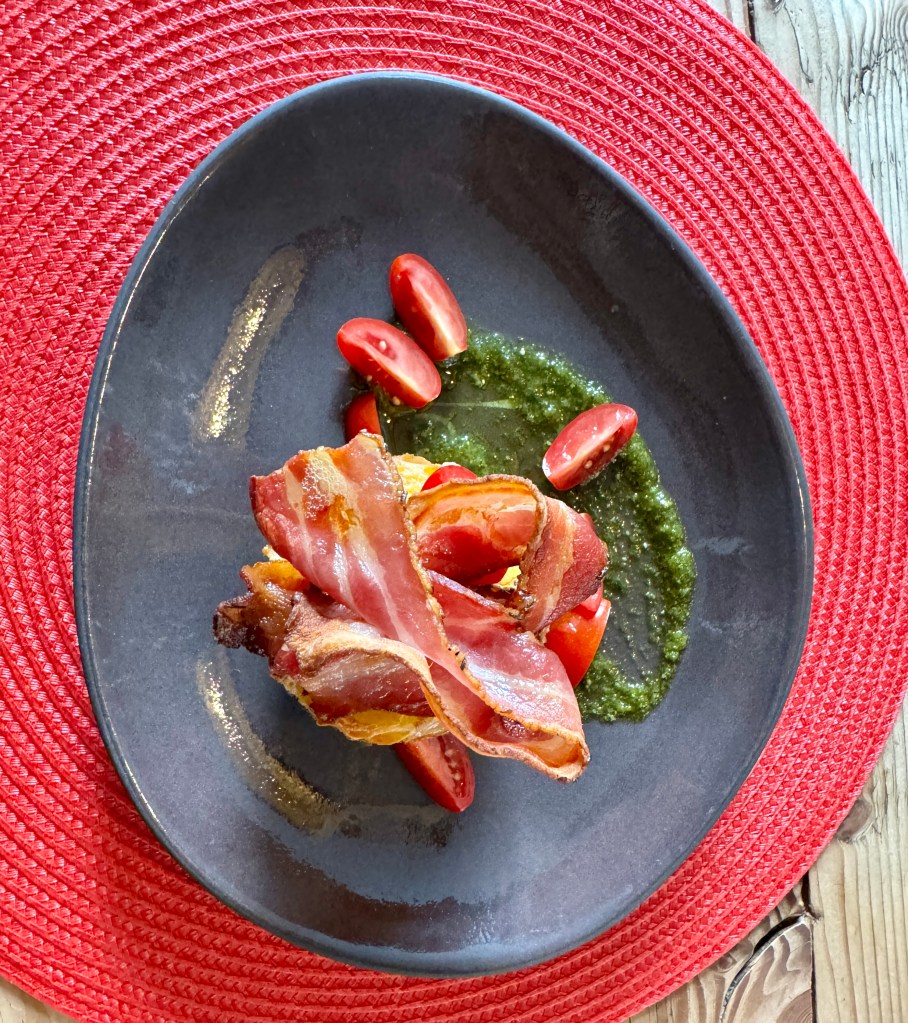
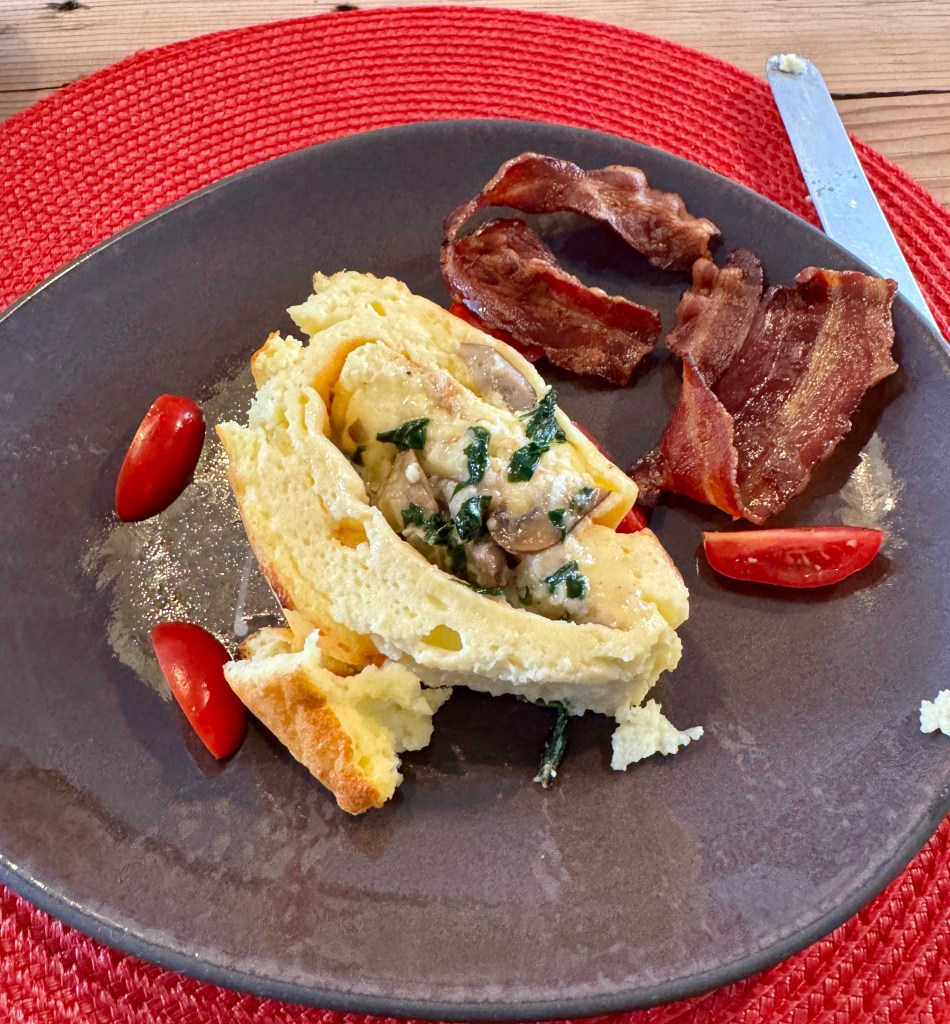
Small seating area outside our roomUpper deck where we had a casual dinner our first nightWe were playing Rummoli and one of my tiles dropped through the cracks 😦 Deb was groaning and we were laughing as Deb tried to get the tile – Arnold finally came out to find out what was happening. He went and got an old rake – which worked but brought more than the tile which did not please Deb. We moved into the lounge to finish our game as Deb was not going to retrieve again.Communal tablewhich was niceArnold spent time on the presentation – looked good and tasted even better.Day 1 Breakfast Soufflé – so light and deliciousBreakfast Day 2 – a croissant & egg combinationBoth mornings French toast with homemade ice cream to finish off breakfast
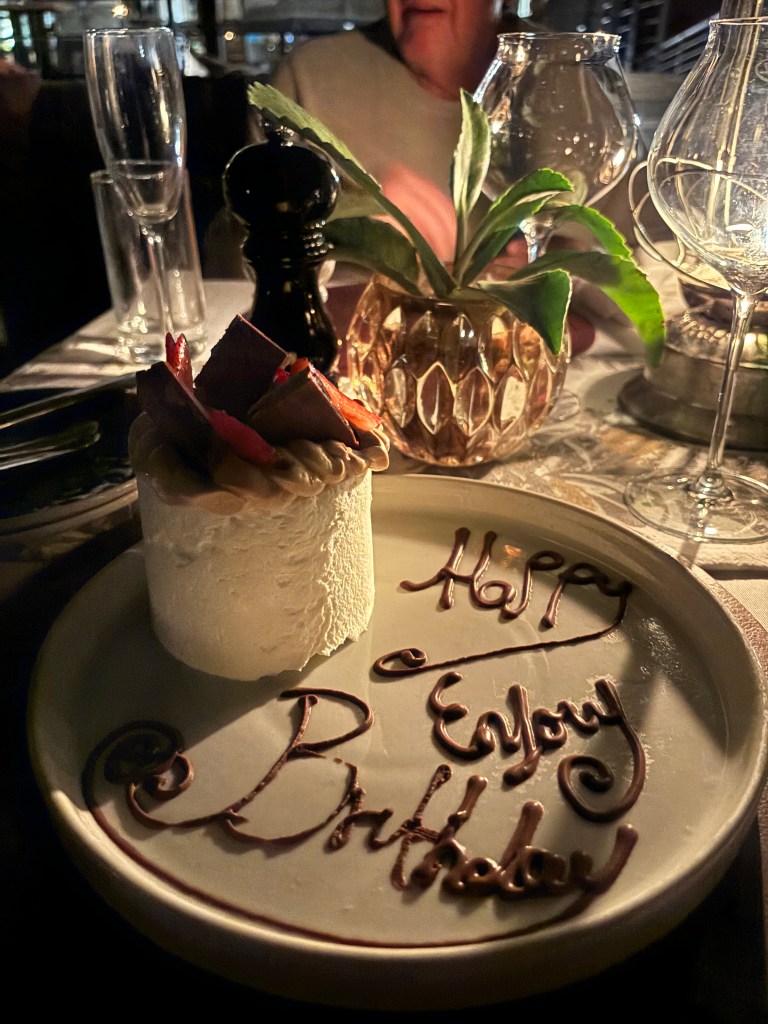
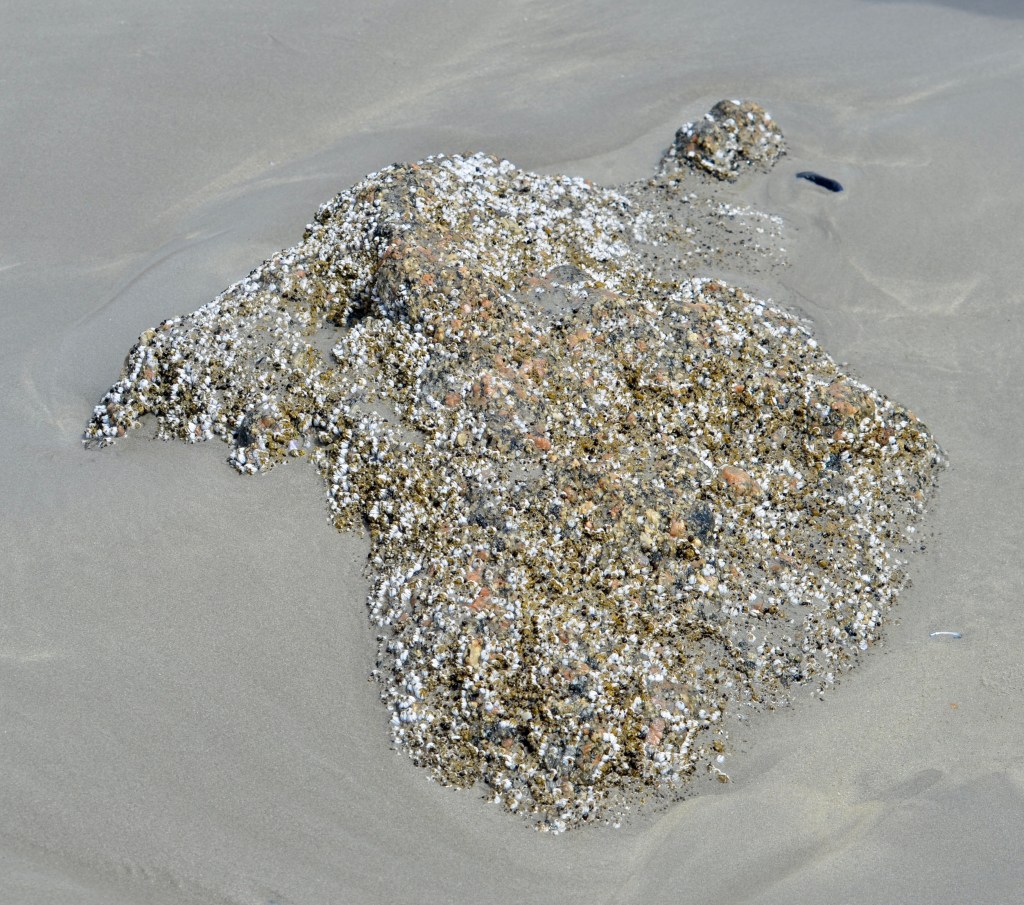
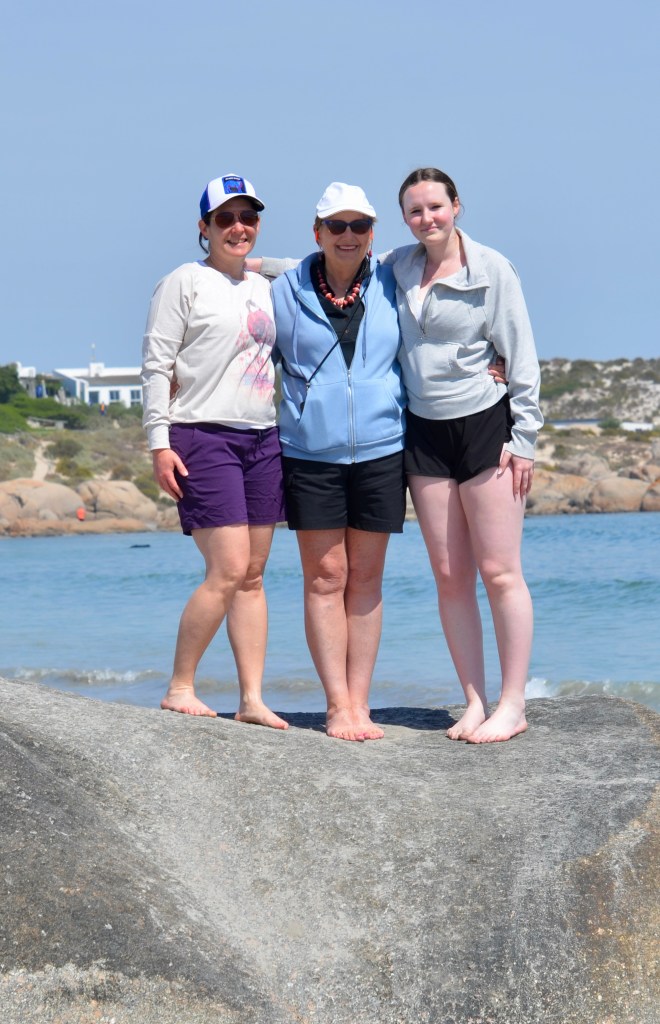
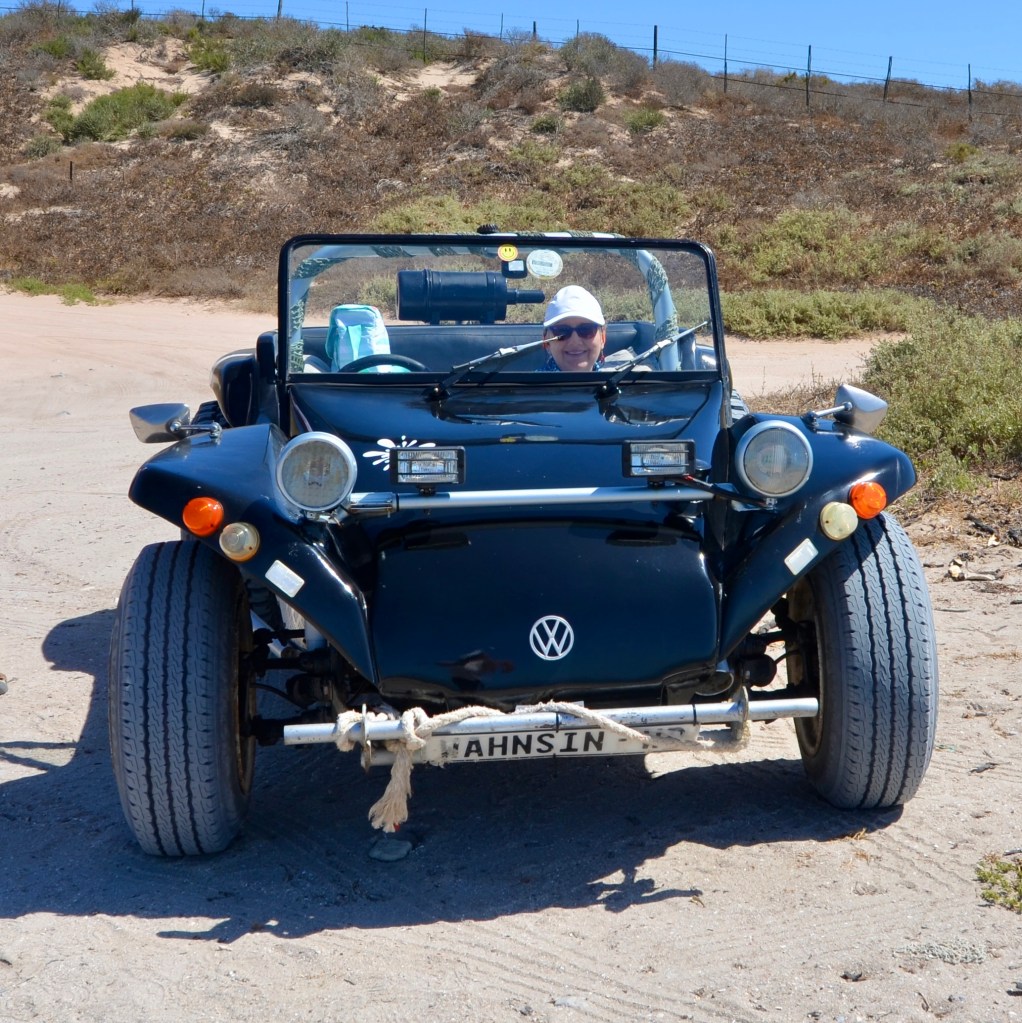
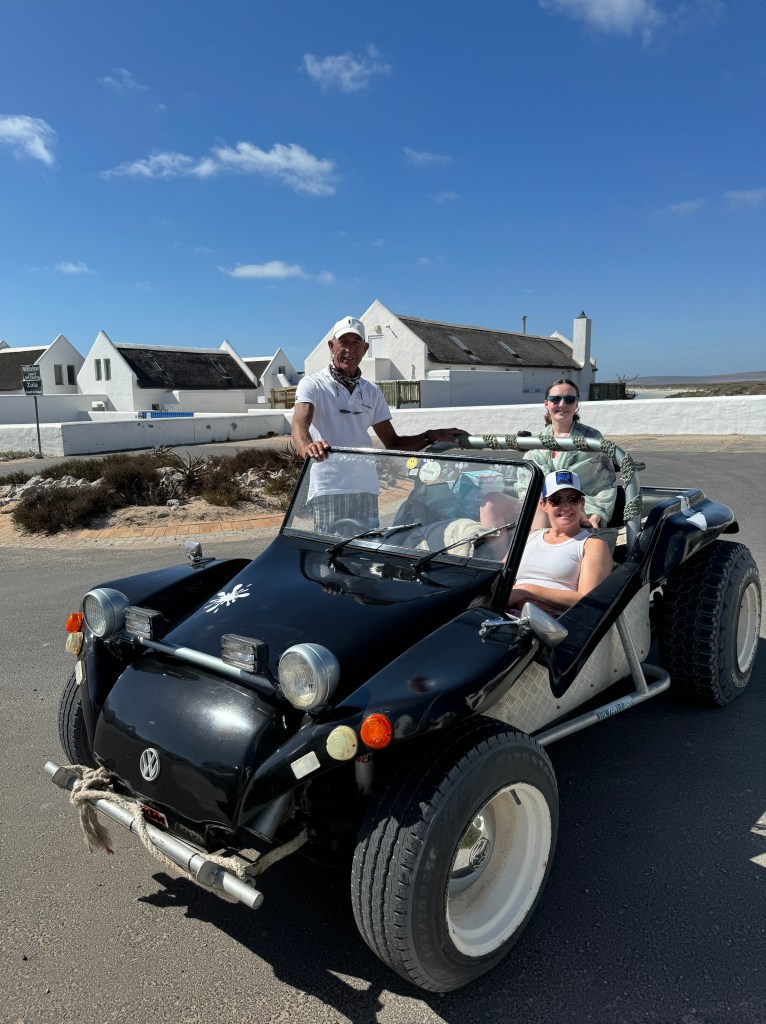
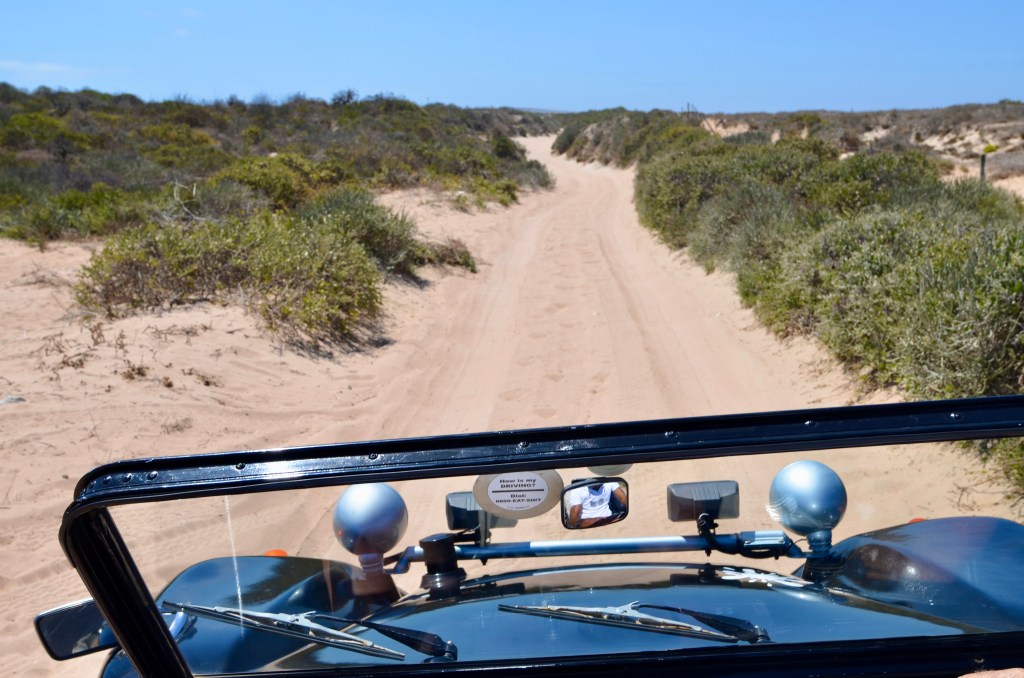
Ah! was a wonderful spot to celebrate my birthday. There were several celebrations this year – first at Shalati there was a pre-birthday celebration with a special table and a Happy Birthday “parade” by staff – it was all a surprise. Then on Feb. 20th we explored Paternoster and shopped for my birthday gifts (thanks, Deb, Lauchlyn and Larry). A Dune Buggy ride with Deon, followed by Pre-dinner drinks at Leeto beachfront restaurant and an amazing dinner topped off a perfect day.
Shalati pre-birthday
Exploring Paternoster
Pre-Dinner birthday celebration drink at Leeto which was a short walk from our BnB.
Exploring Paternoster
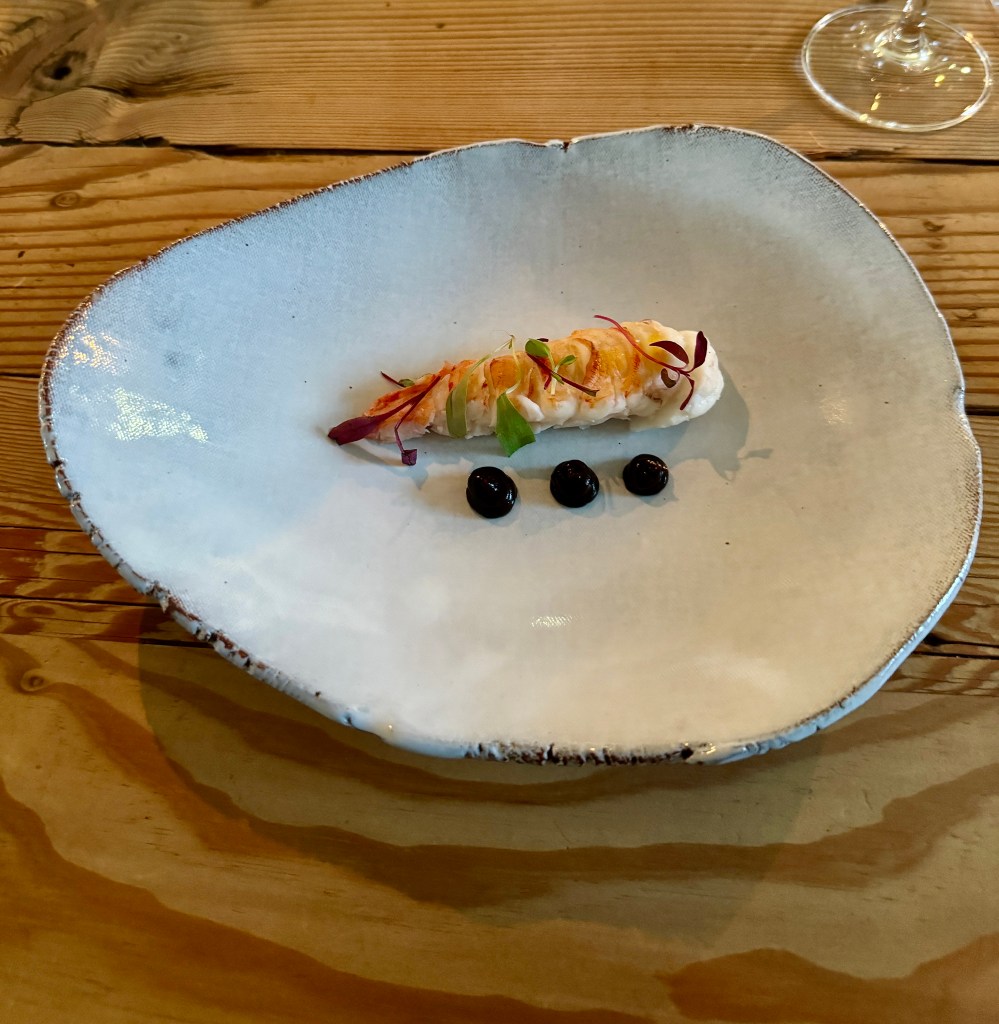
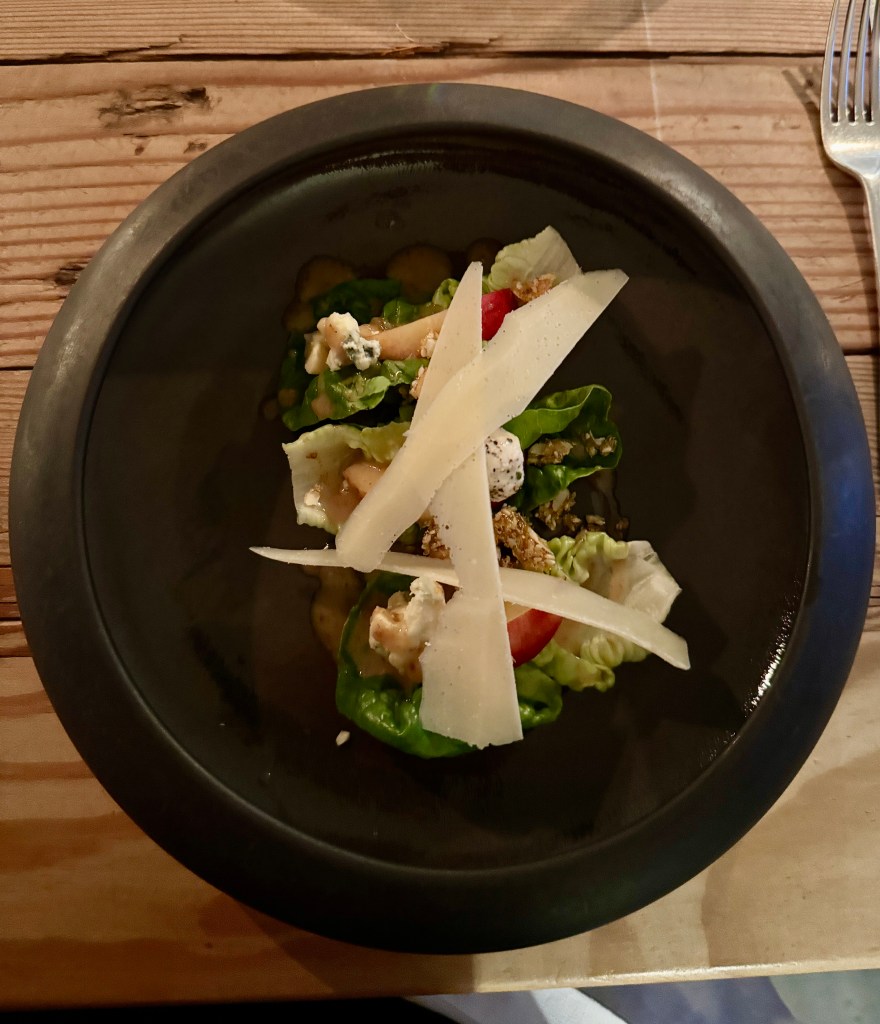
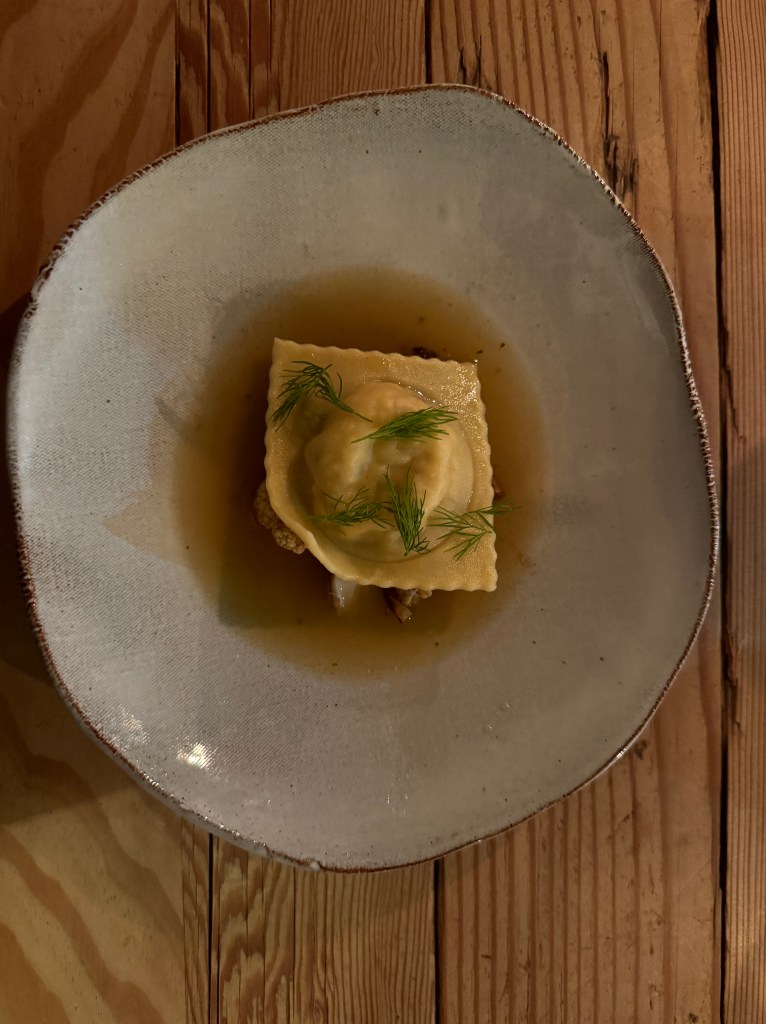
Five-Course Dinner on Feb. 20th – oh so good!
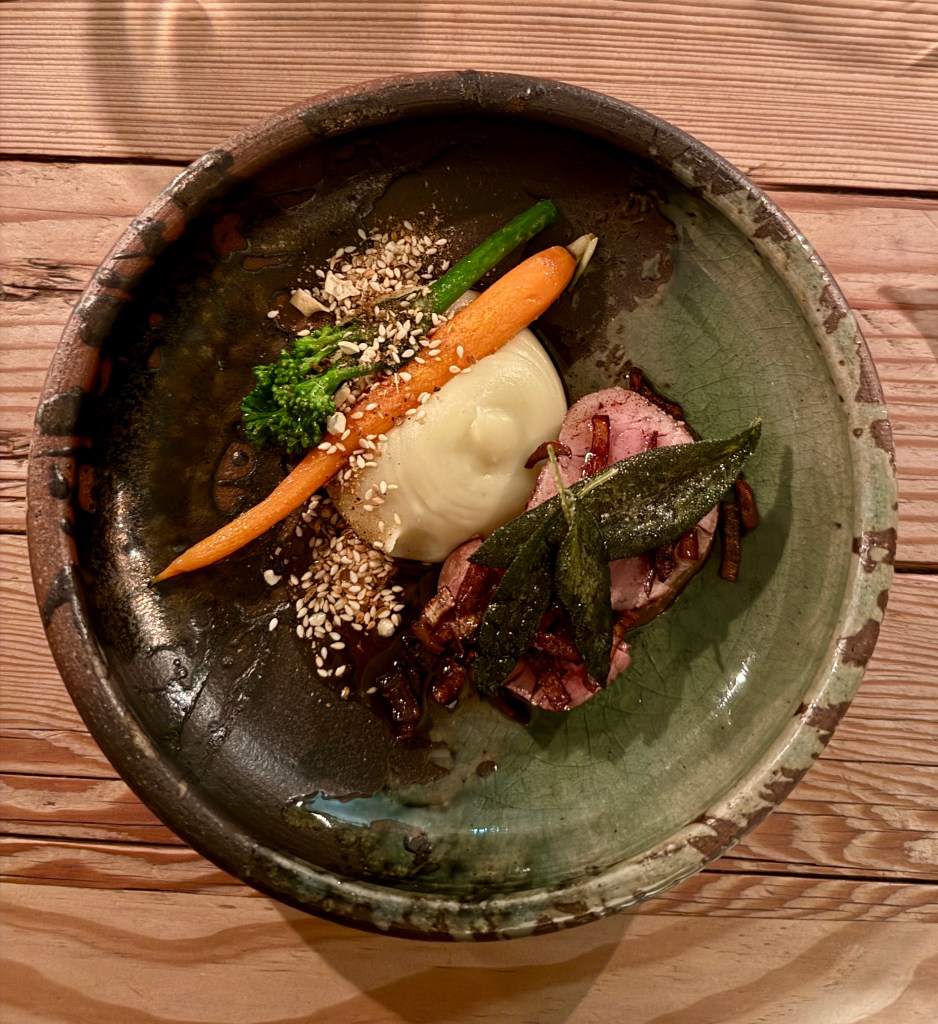
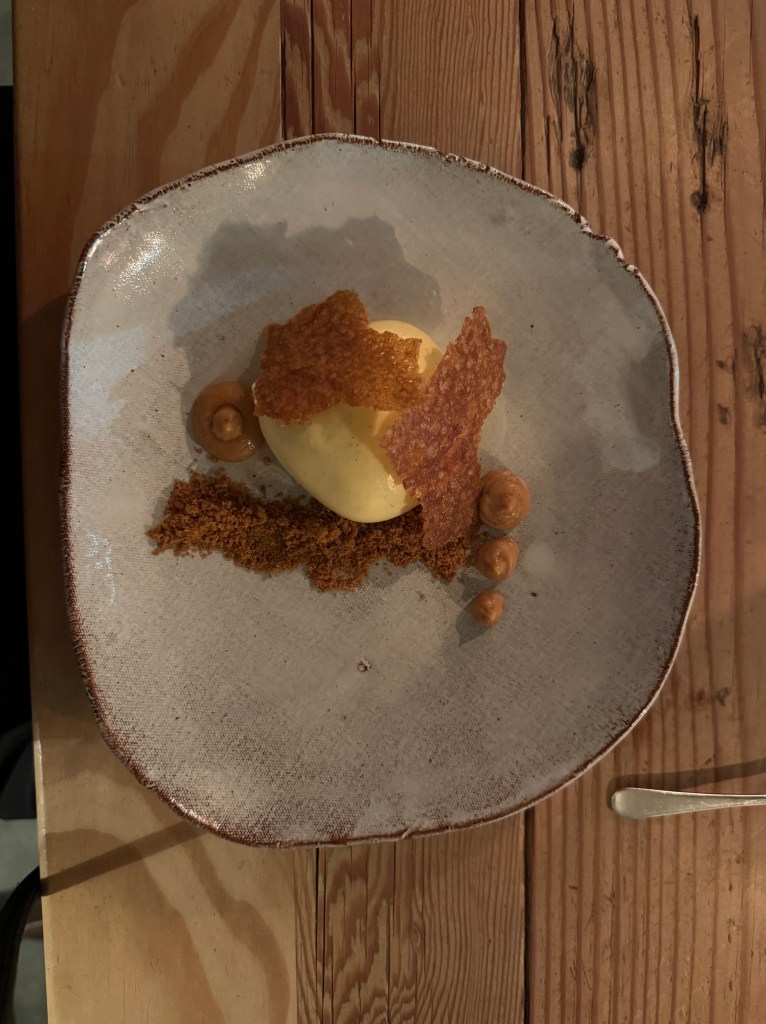
PrawnSaladRavioliFillet perfectly cooked to Medium Rare, Finish off with homemade ice CreamWe enjoyed our two nights in Paternoster
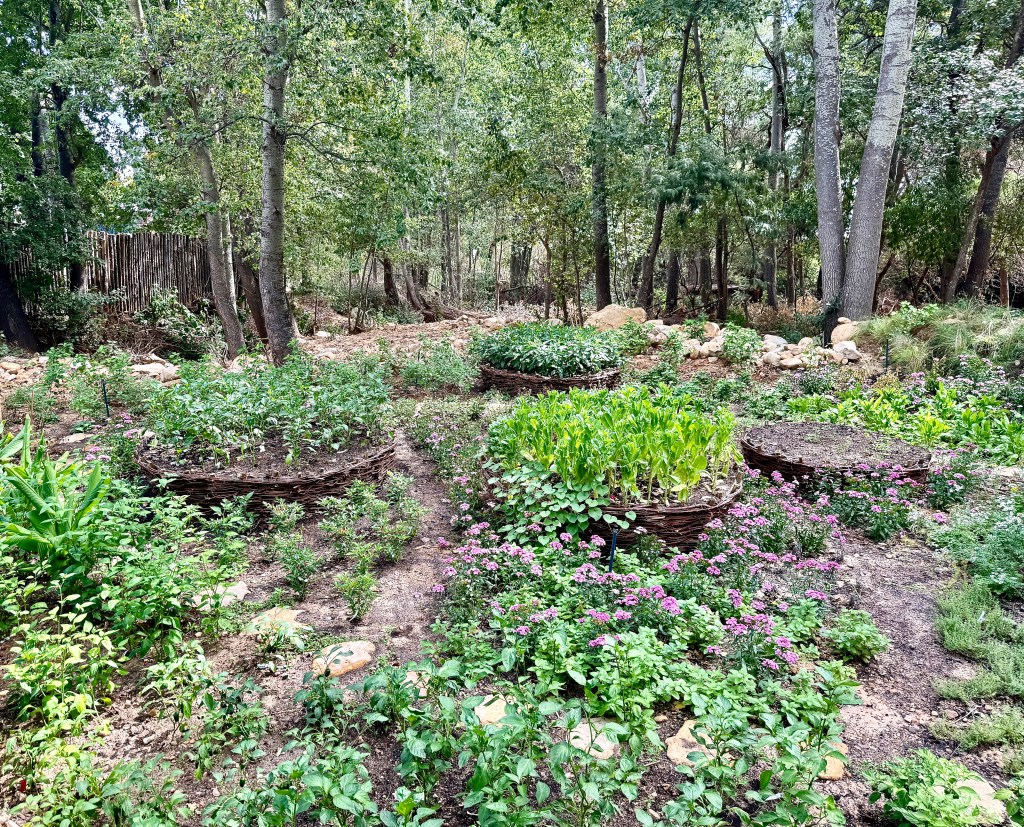
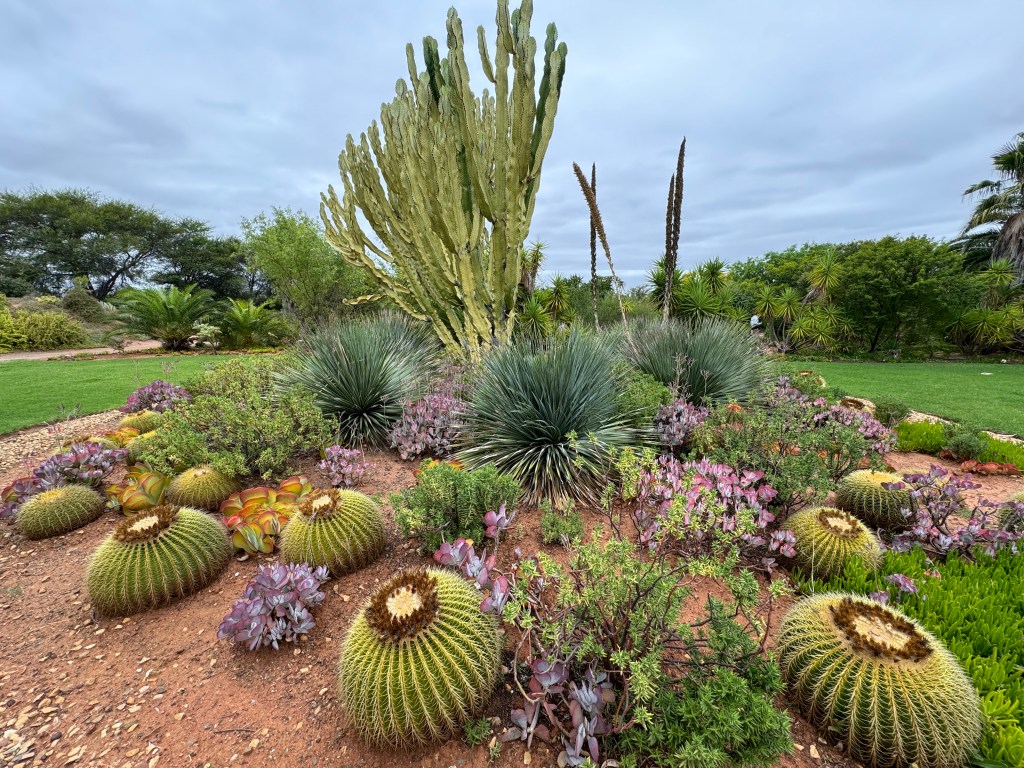
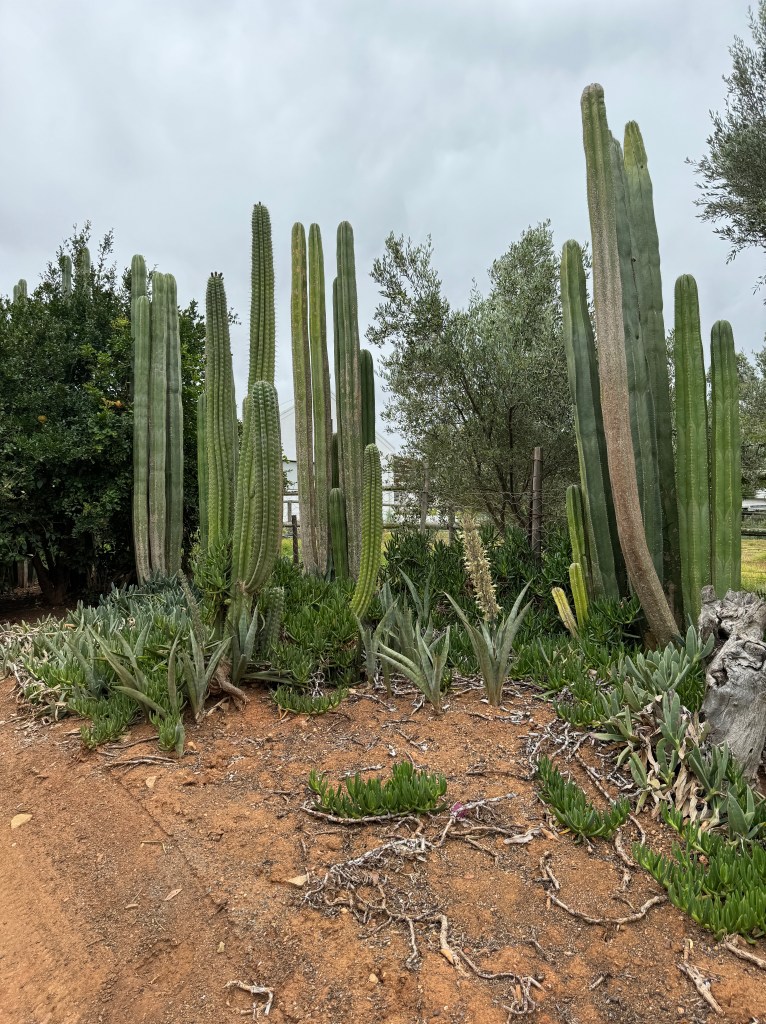
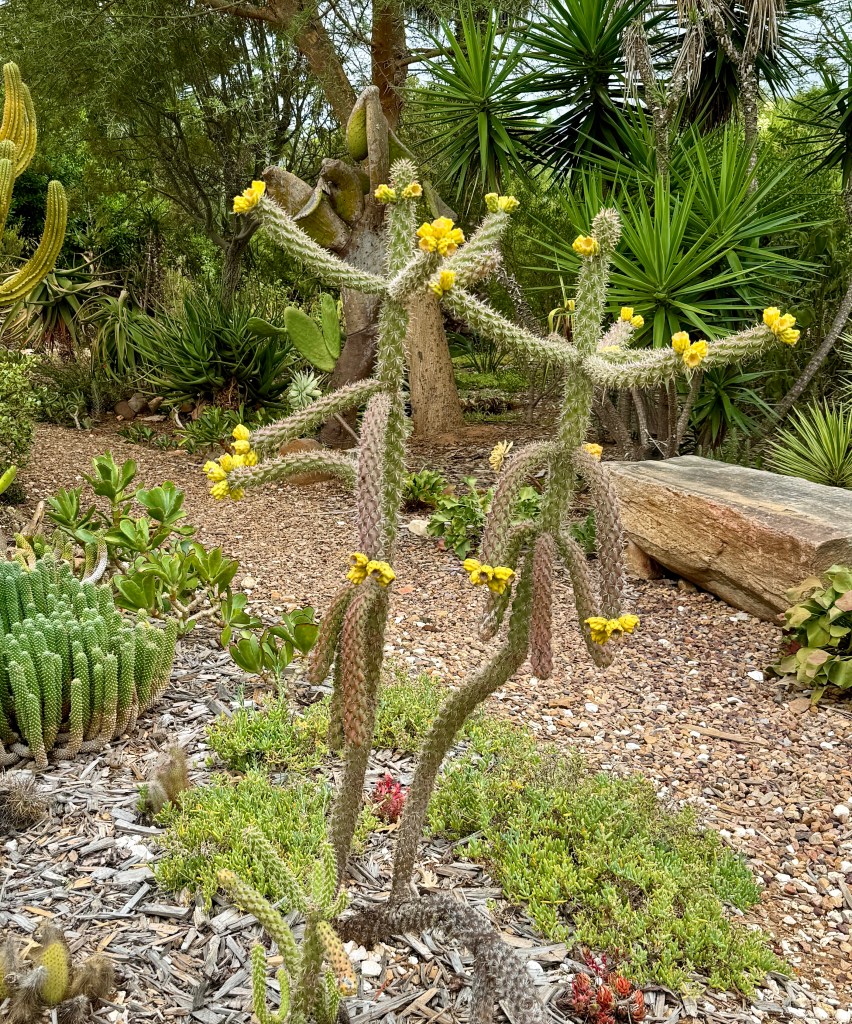
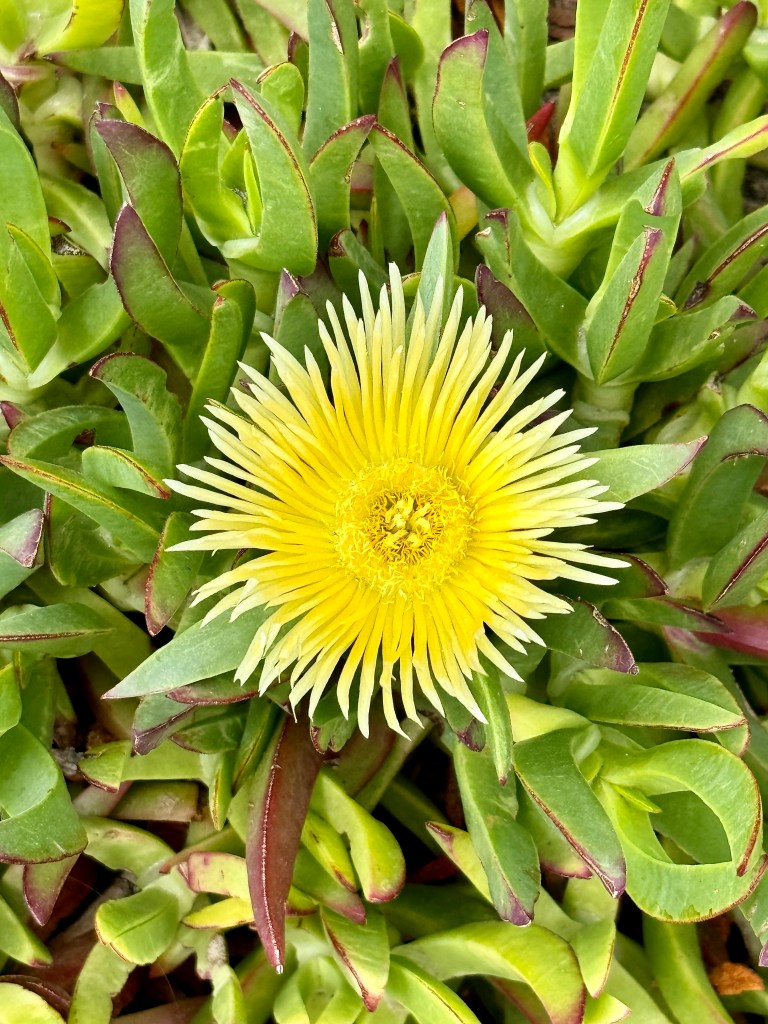
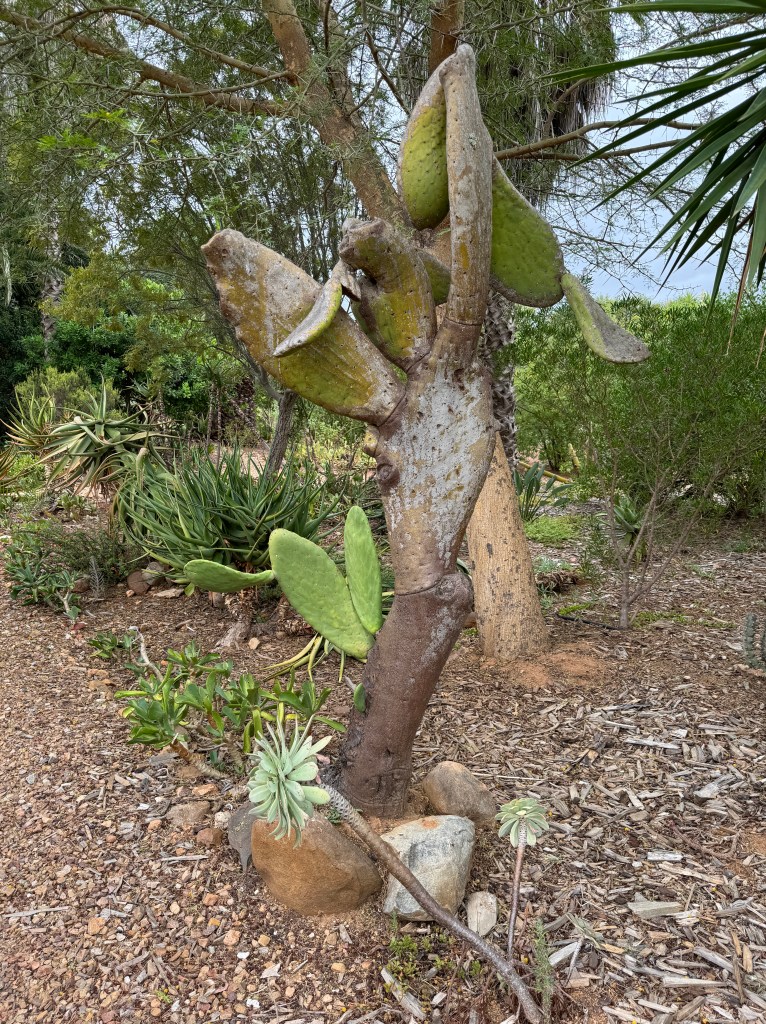
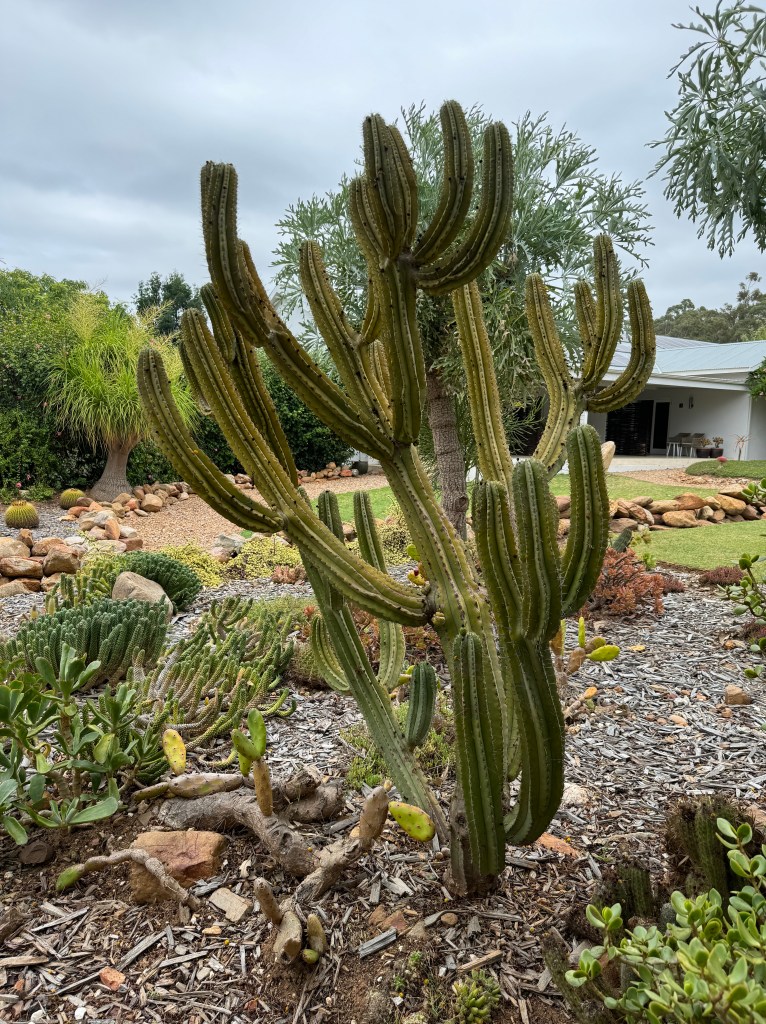
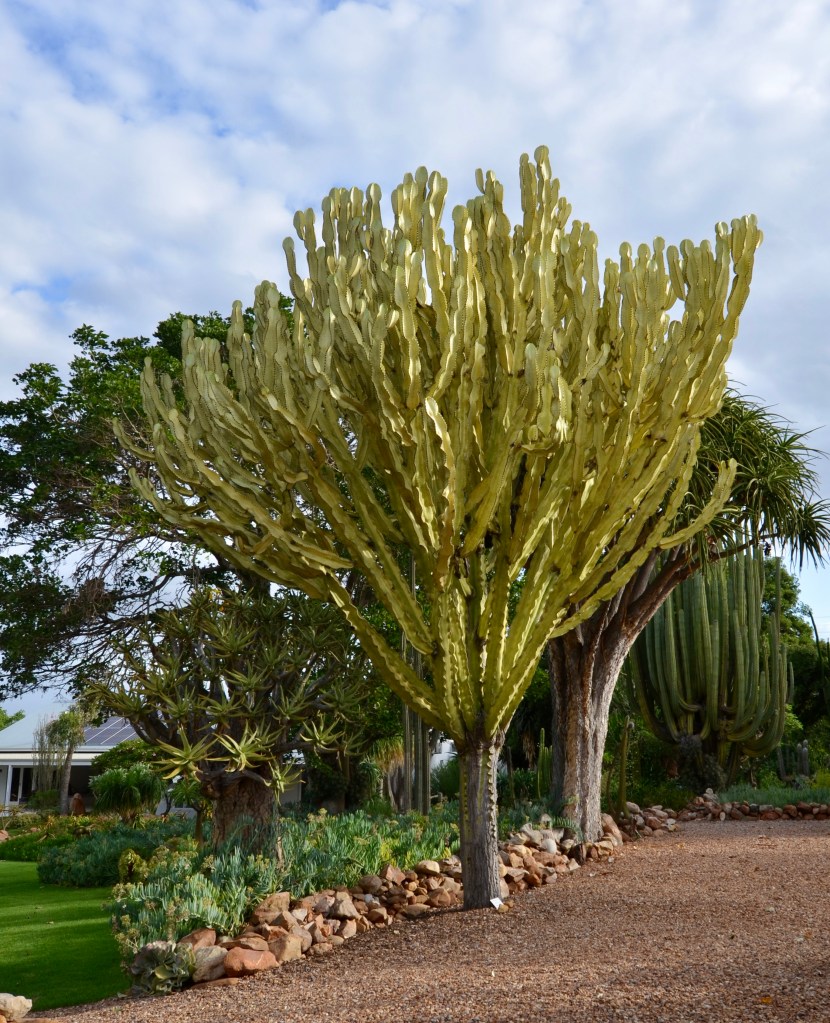
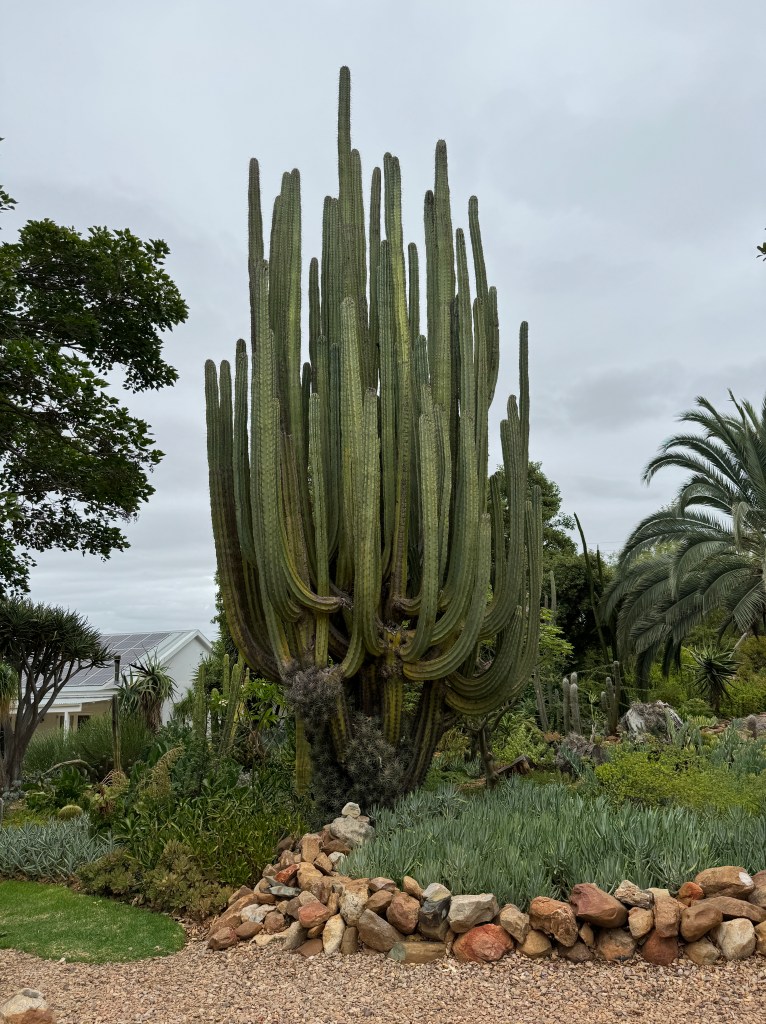
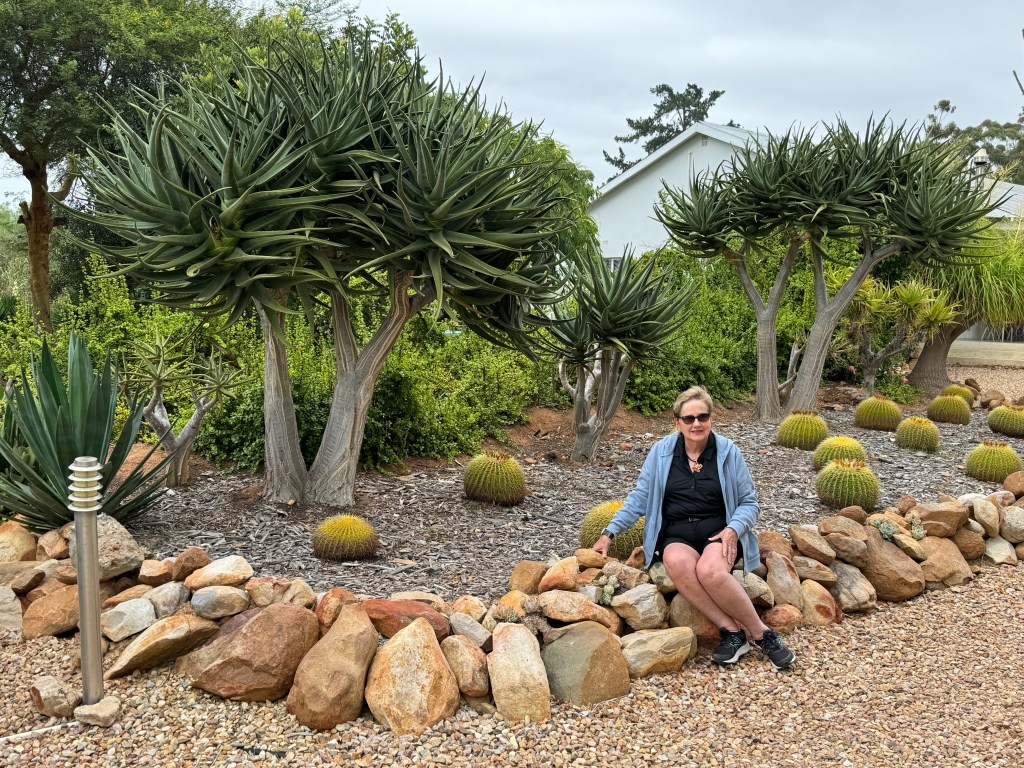
On Feb. 21st we headed to Robertson, which is a 3+ hour drive. We stayed at Mo & RoseGuest House – it was a nice spot to break-up our long drive to Wilderness (about 7 hours from Paternoster to Wilderness). The website for Mo & Rose describes its garden as a “sensual secret garden inhabited by legions of succulent plants”. As you will see from the photos, it was very impressive.
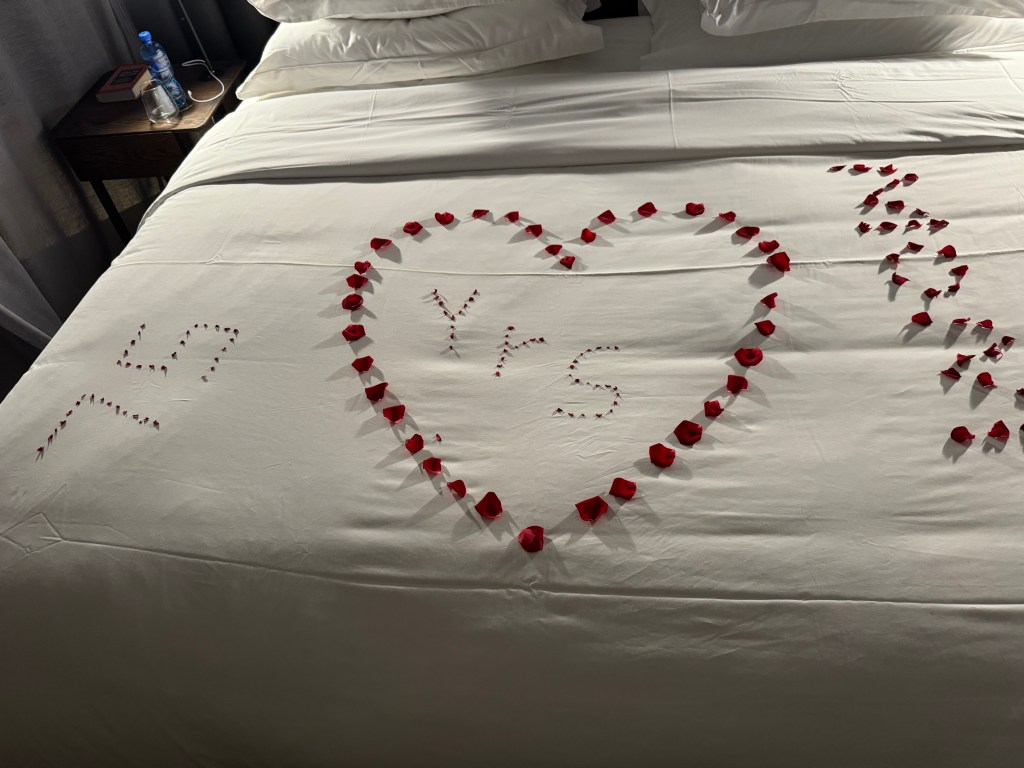
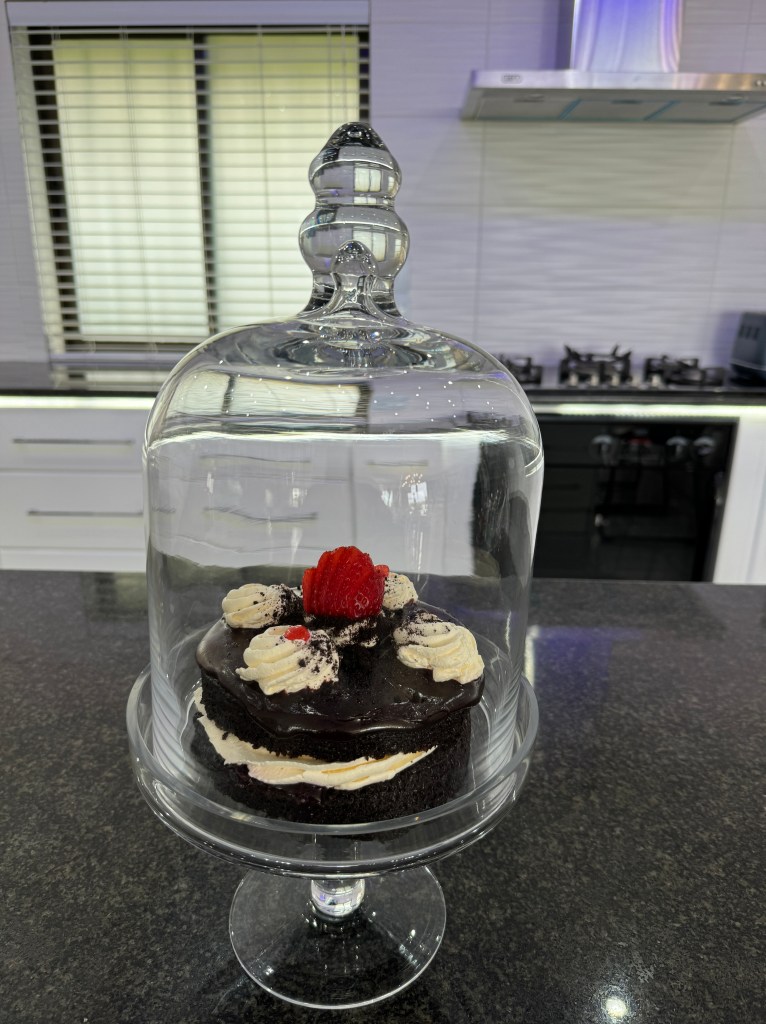
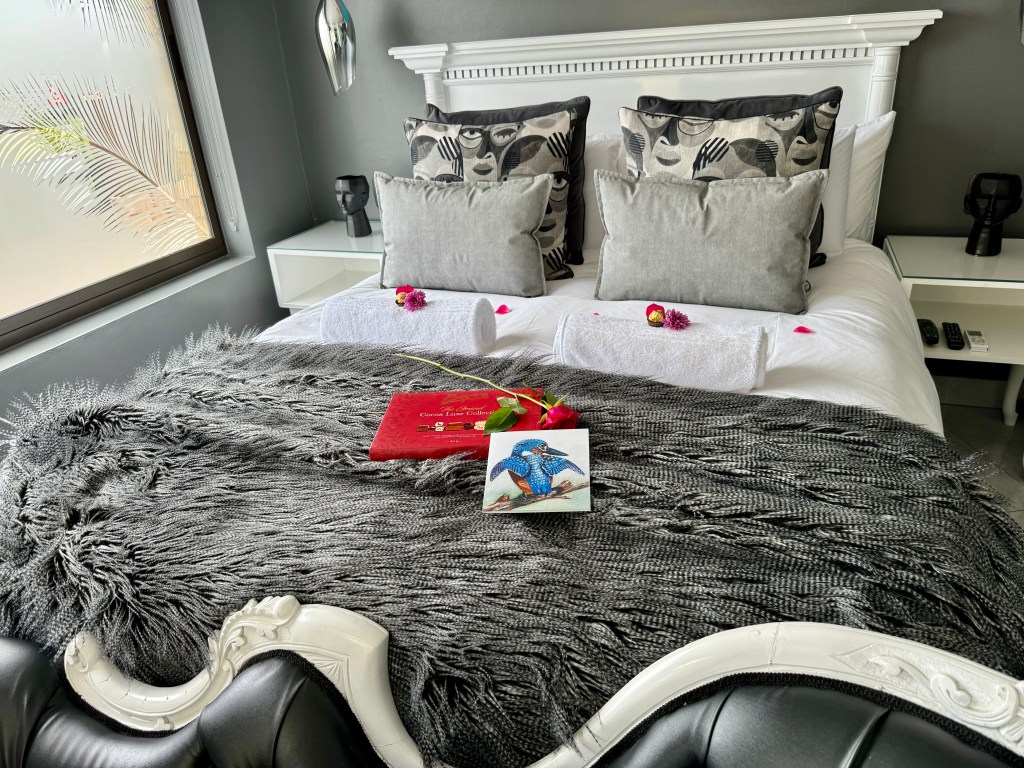
As always, we received a very warm welcome from Ruan when we arrived at Wilderness Waters (roses, chocolates, champaign and birthday cake). Also, Karen sent a card and welcoming gifts for Funston/Trenholms – thank you Karen.
We look forward to our time at Wilderness Waters. We have some activities planned, but also “free time” after a busy couple of weeks.
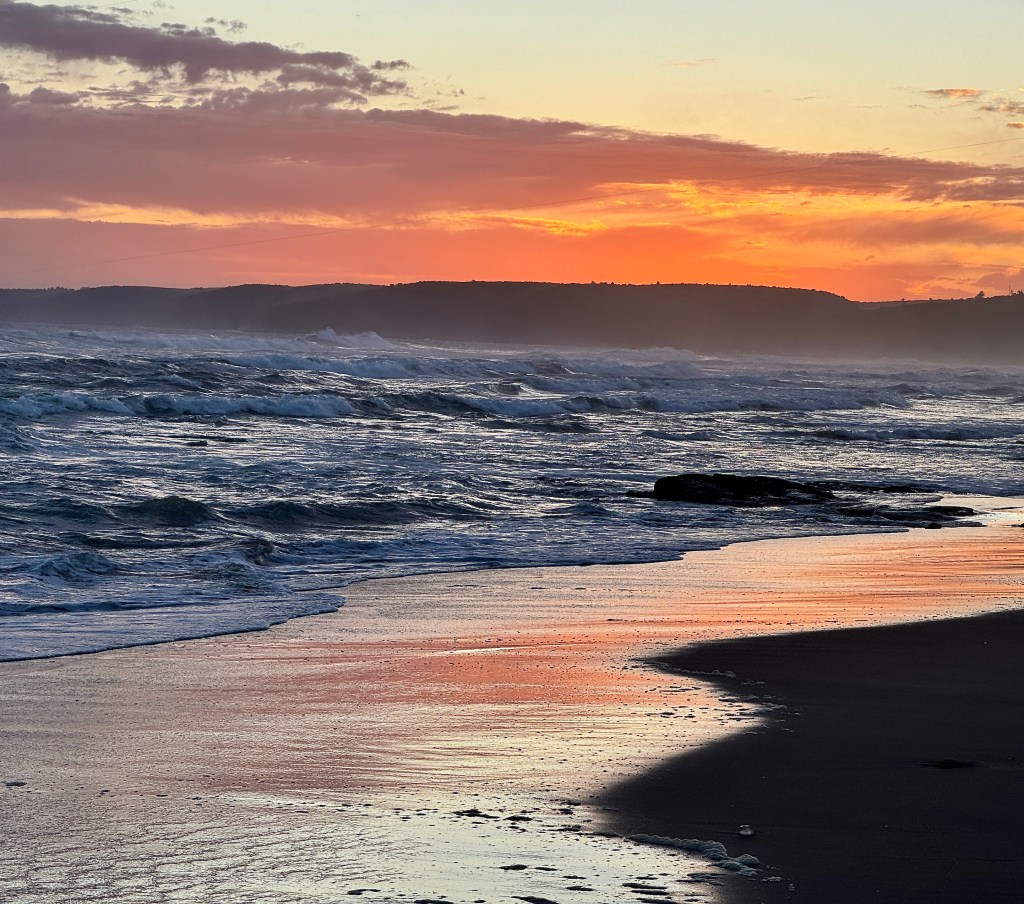
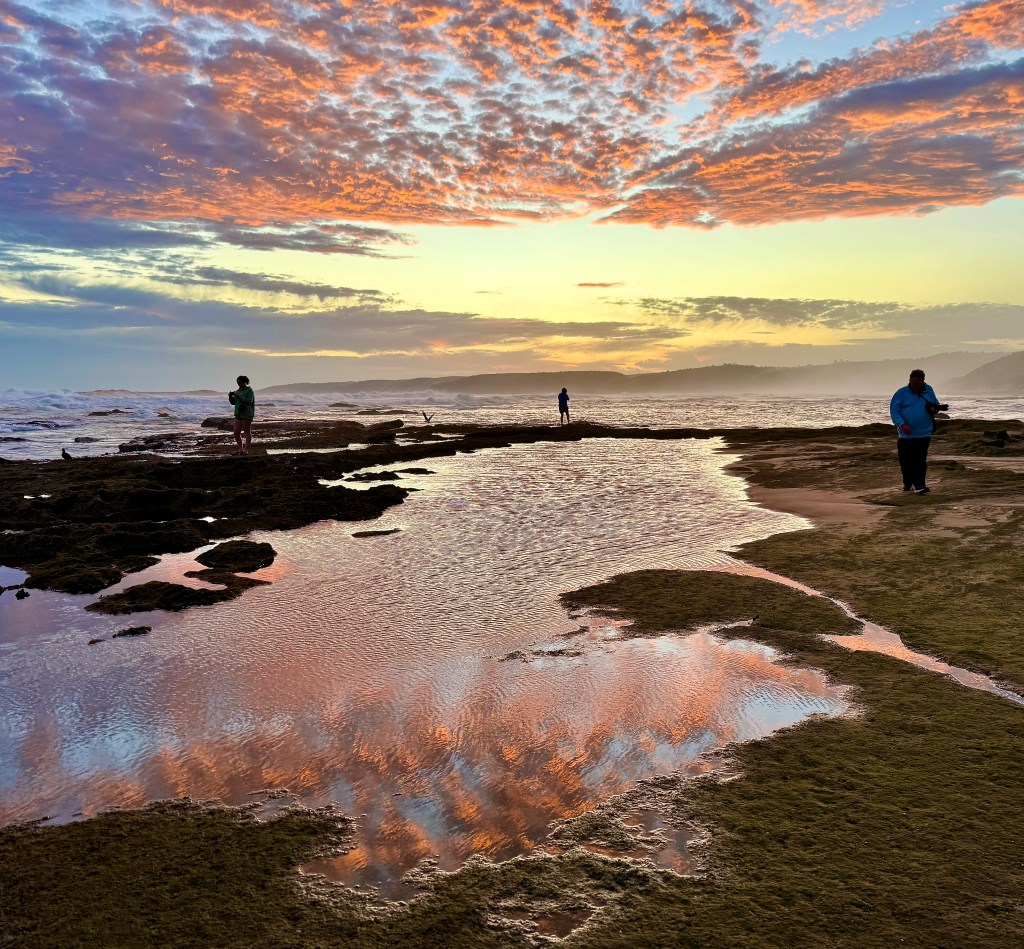
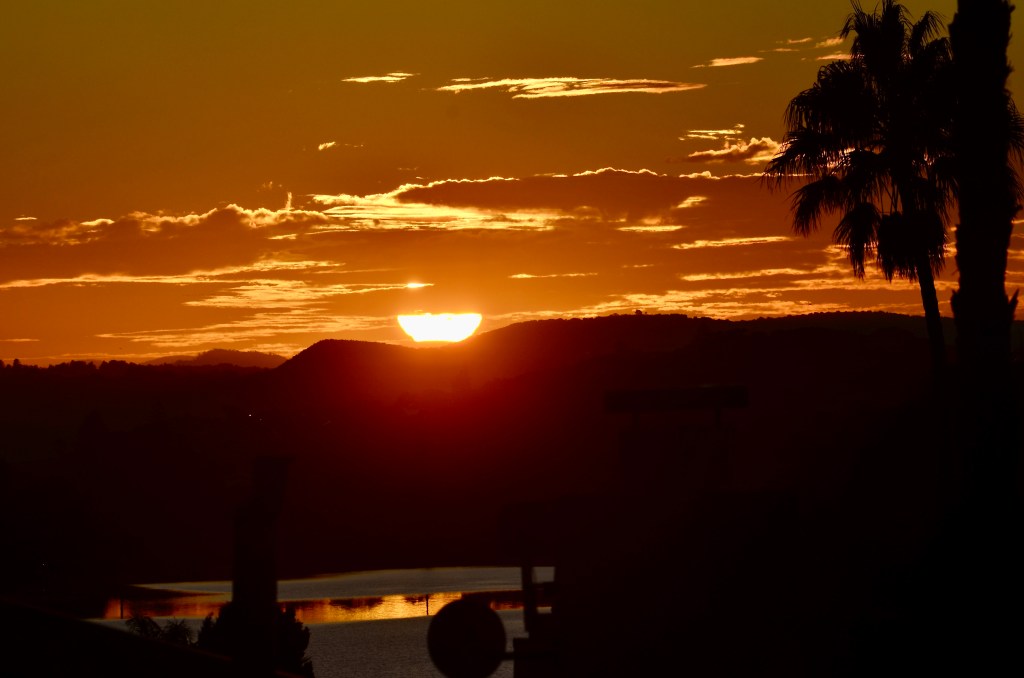
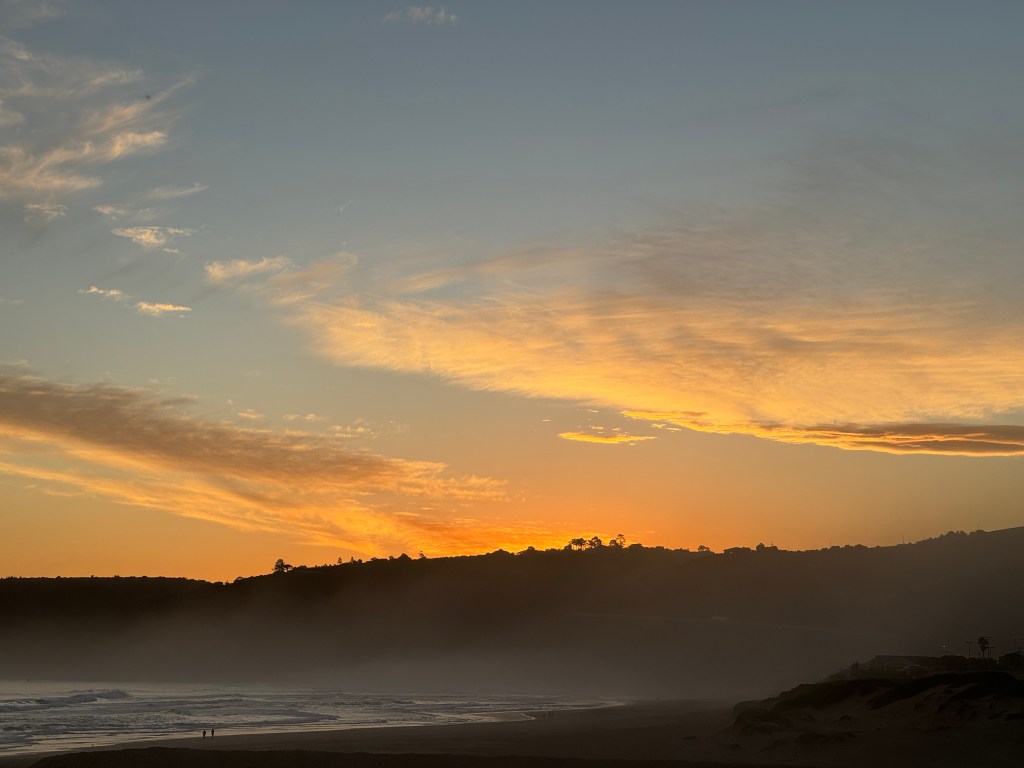
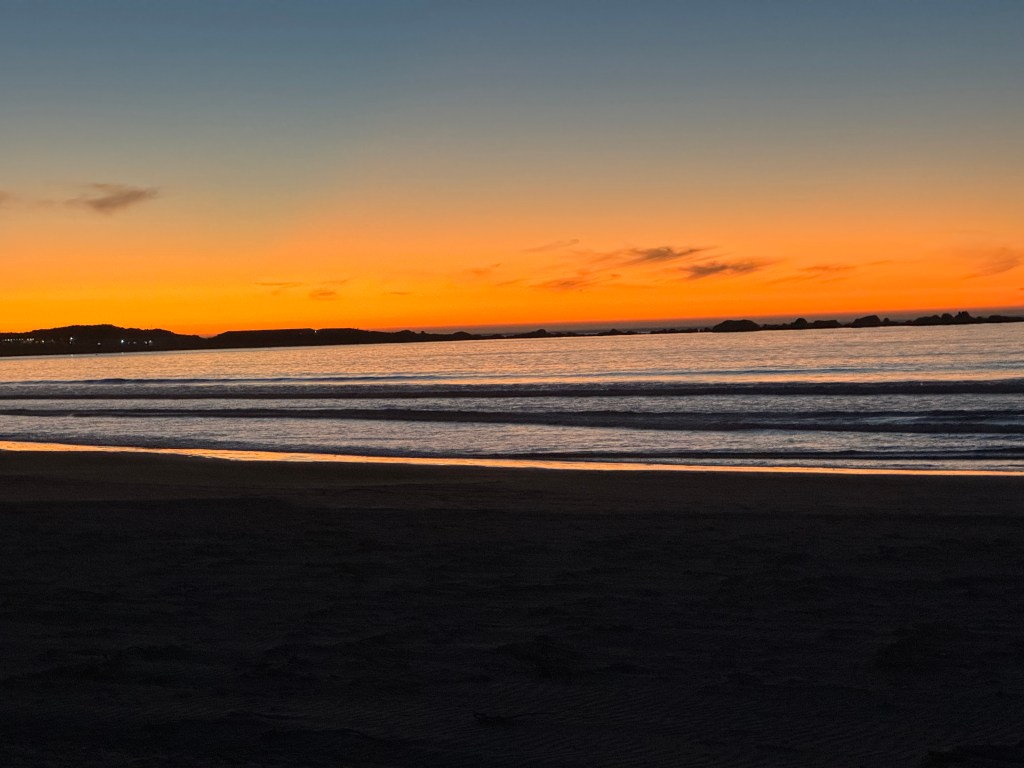
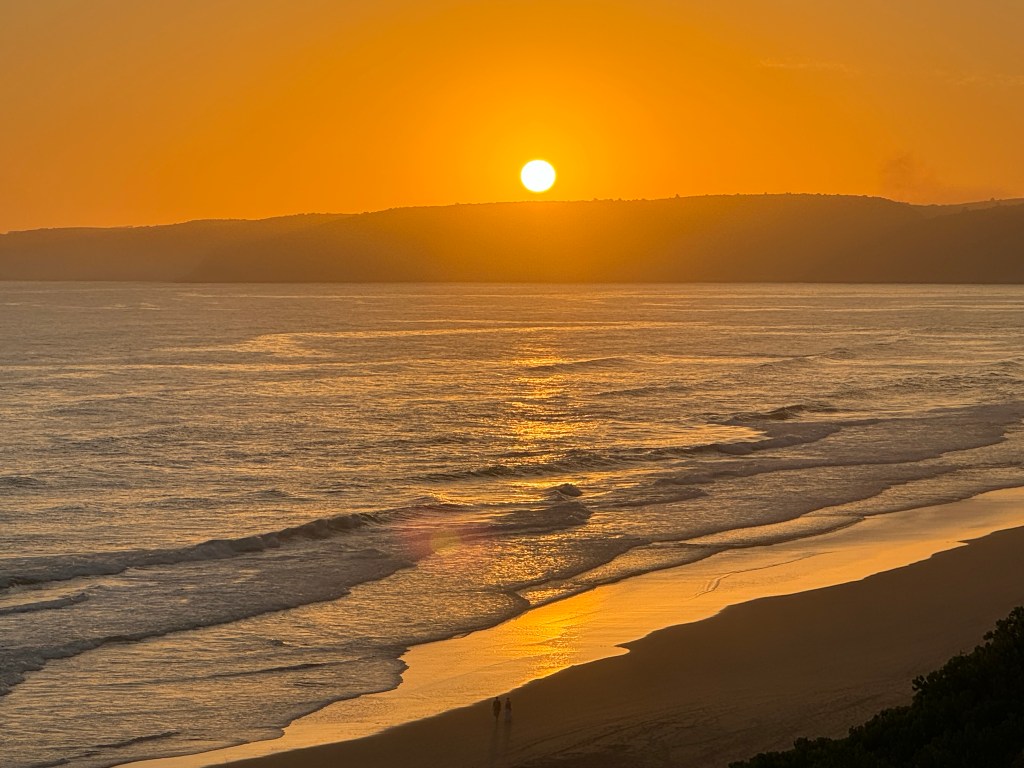
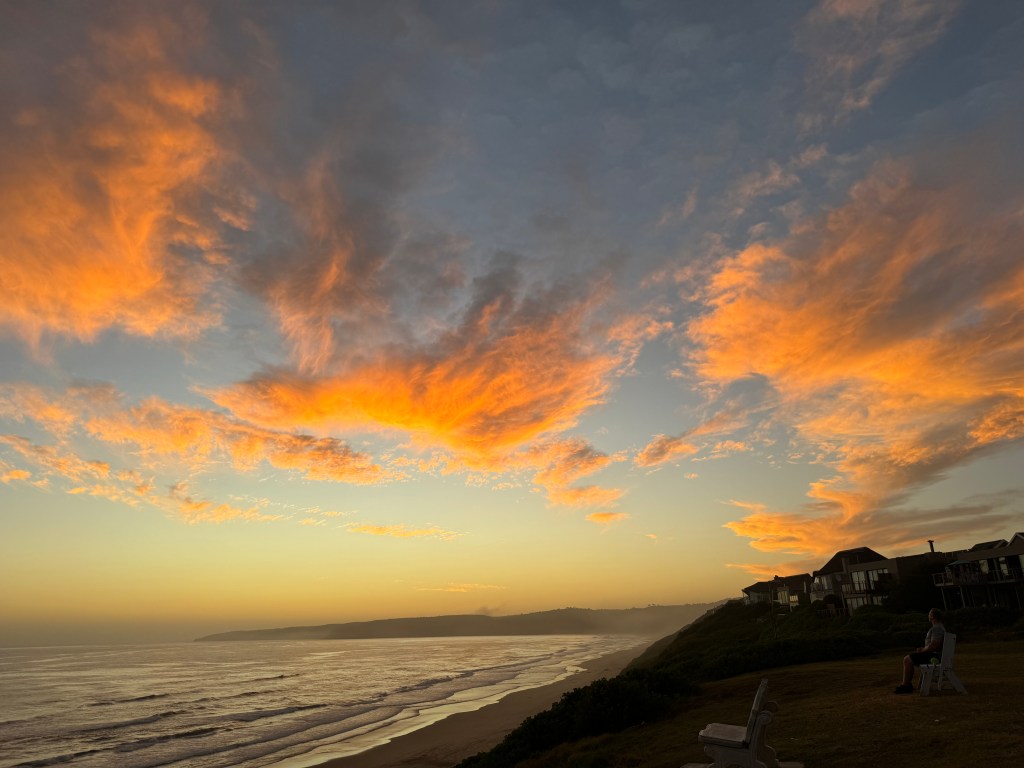
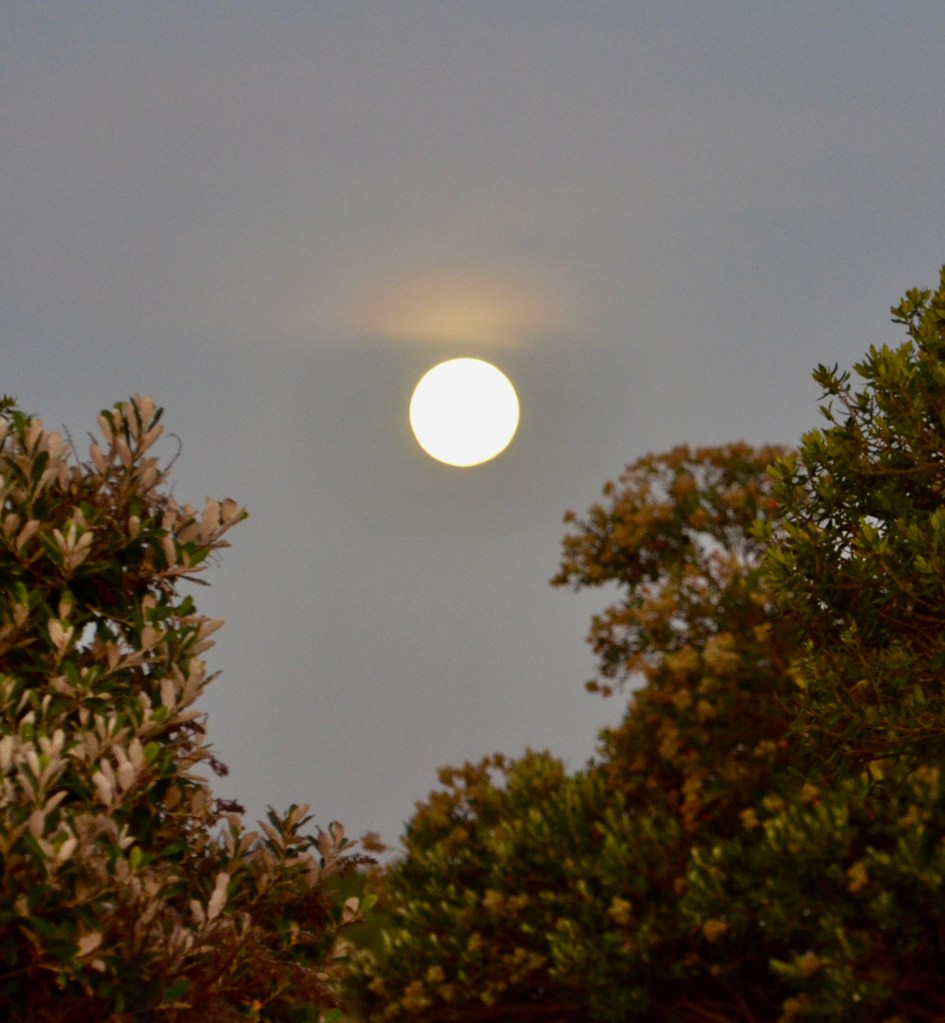
We went to the View Hotel in Wilderness last night to watch the sunset (about 10 minutes away) – very peaceful here.





 ELF Travel To ...