Zanzibar

After the long flights to South Africa and early mornings on safari, we decided to spend our third week in Zanzibar relaxing. We flew from Skukuza to Johannesburg and stayed overnight at the Intercontinental Hotel, which was the perfect choice. Just a short walk from the airport, it eliminated transportation worries. The hotel’s complimentary porter service made everything even easier—greeting us on arrival and the next morning taking us directly to our gate for our flight to Zanzibar.
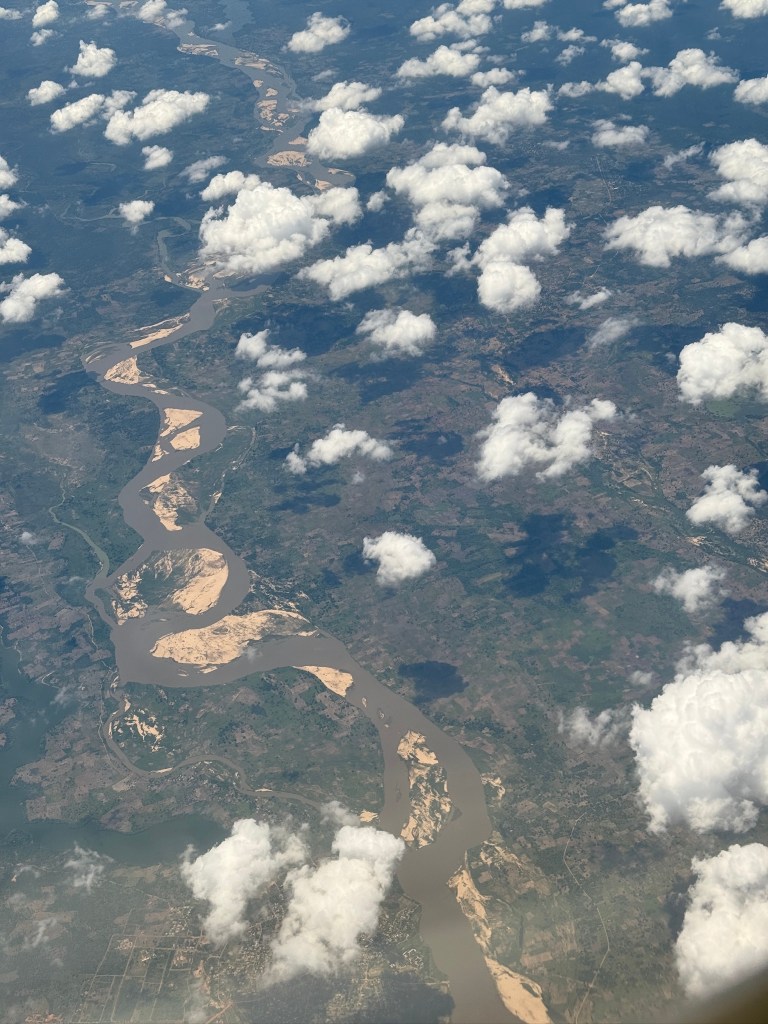
View leaving Johannesburg

It was a 4 hour Safair flight to Zanzibar and an easy movement through Zanzibar Customs since I had completed all the necessary documentation ahead of time, thank goodness as others were struggling to complete their visas. Our transfer person, arranged through the hotel, was waiting for us when we exited the luggage area. Much easier to get here than we had anticipated.

We stayed at the Matlai Boutique Hotel, which is about a 1 hour and 15-minute drive from the airport. The drive is mostly on paved roads, making it an easy journey. Matlai Hotel is located on the southeastern side of Zanzibar, at the northern tip of the Michamvi Peninsula. This is a quiet area with just a few small boutique hotels around us, which is exactly what we were looking for. In contrast, the north coast of Zanzibar (Nungwi and Kendwa – two of the region’s most popular destinations) has the most hotels, and it’s known for being the busier, livelier area to stay – we were told that the north of the island is “party central”.
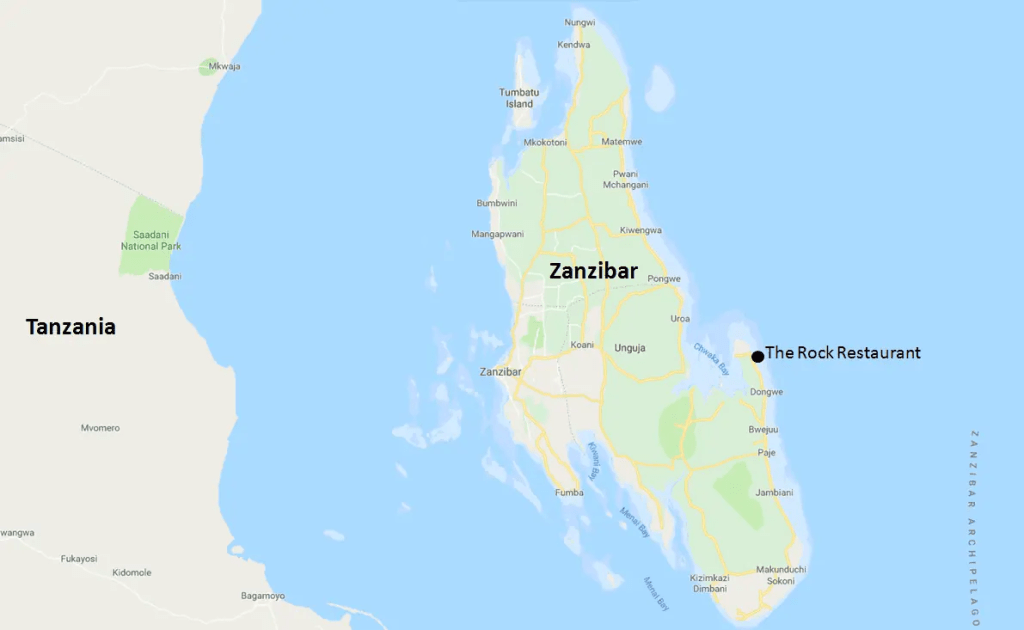
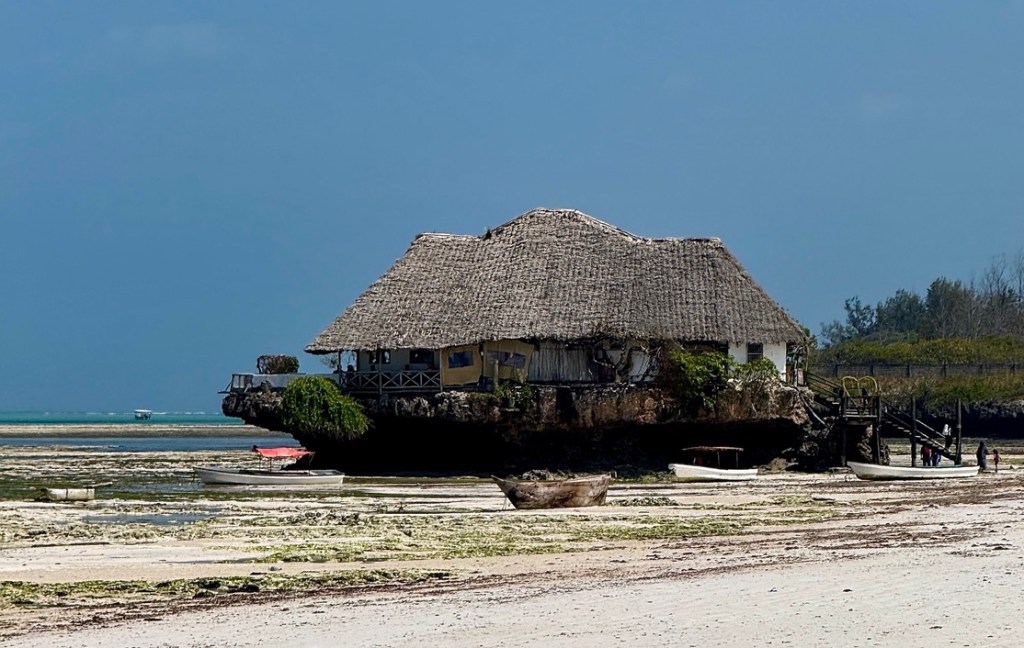
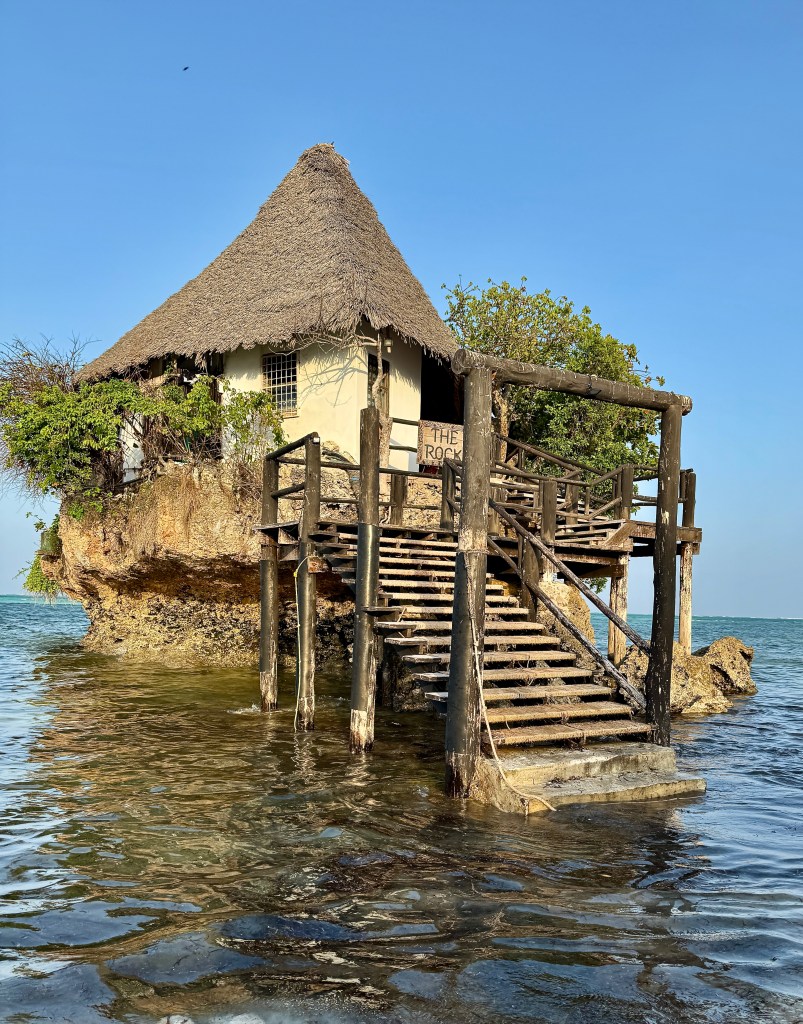
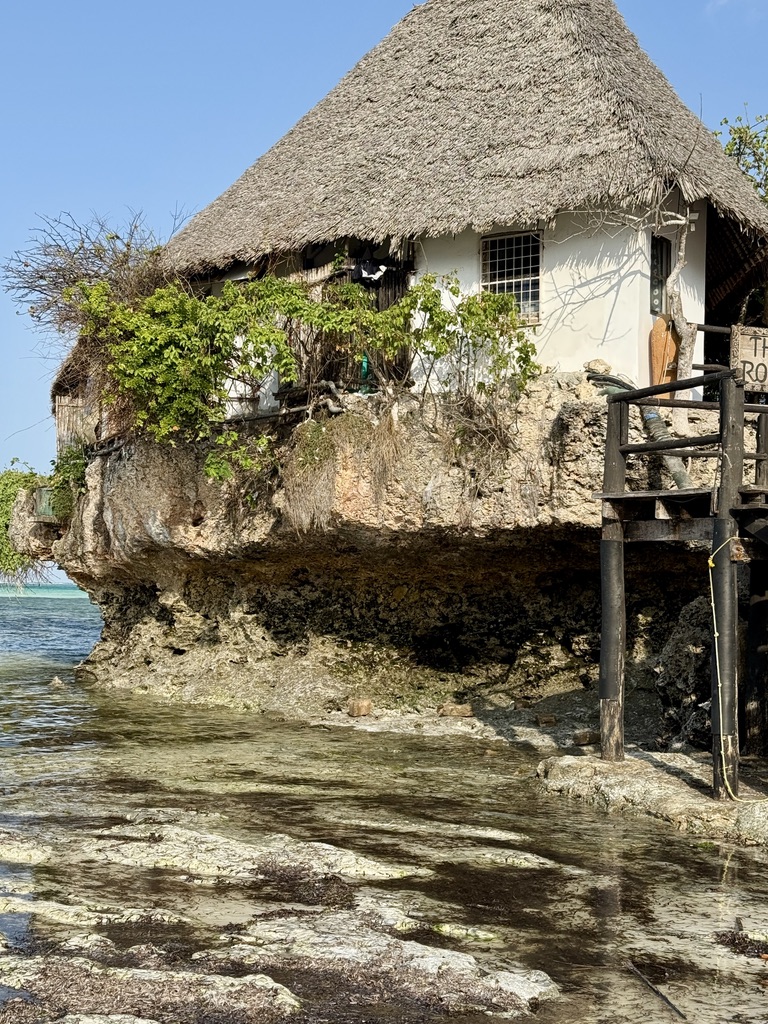
As a point of reference, Matlai Hotel is a 10 minute beach walk from The Rock Restaurant, a popular spot set on a small rock in the Indian Ocean.
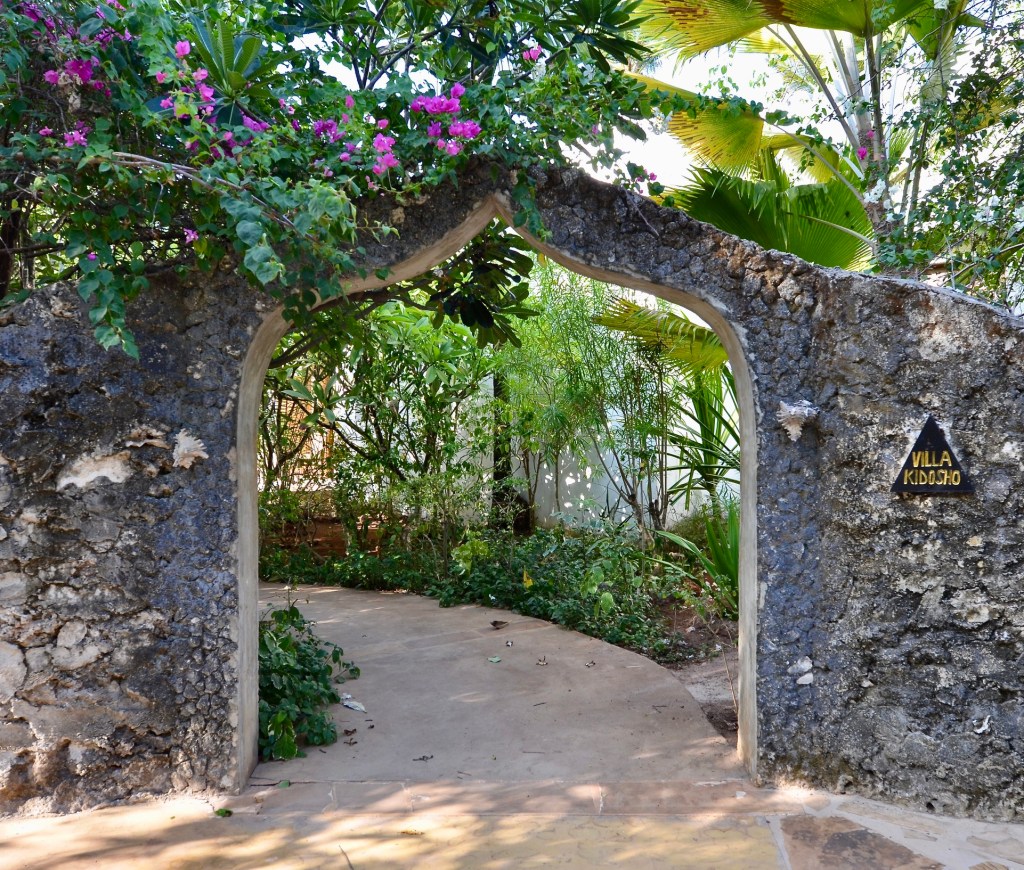
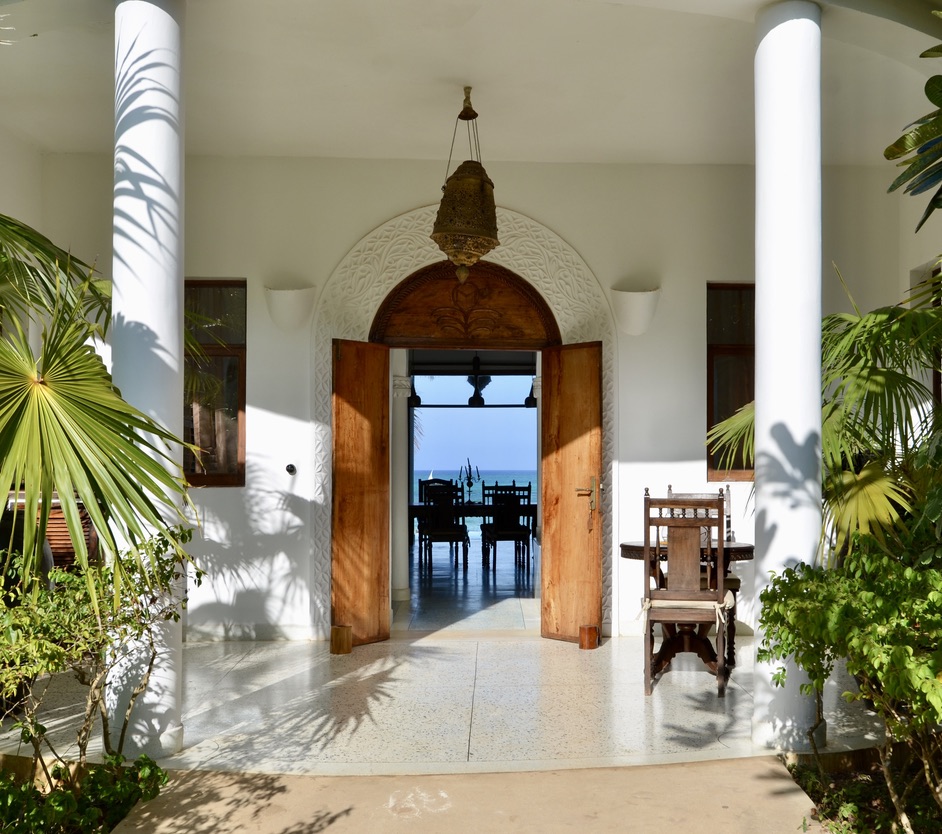
Entrance to our villa, which has just two suites – our suite is on the right as we entered the villa.
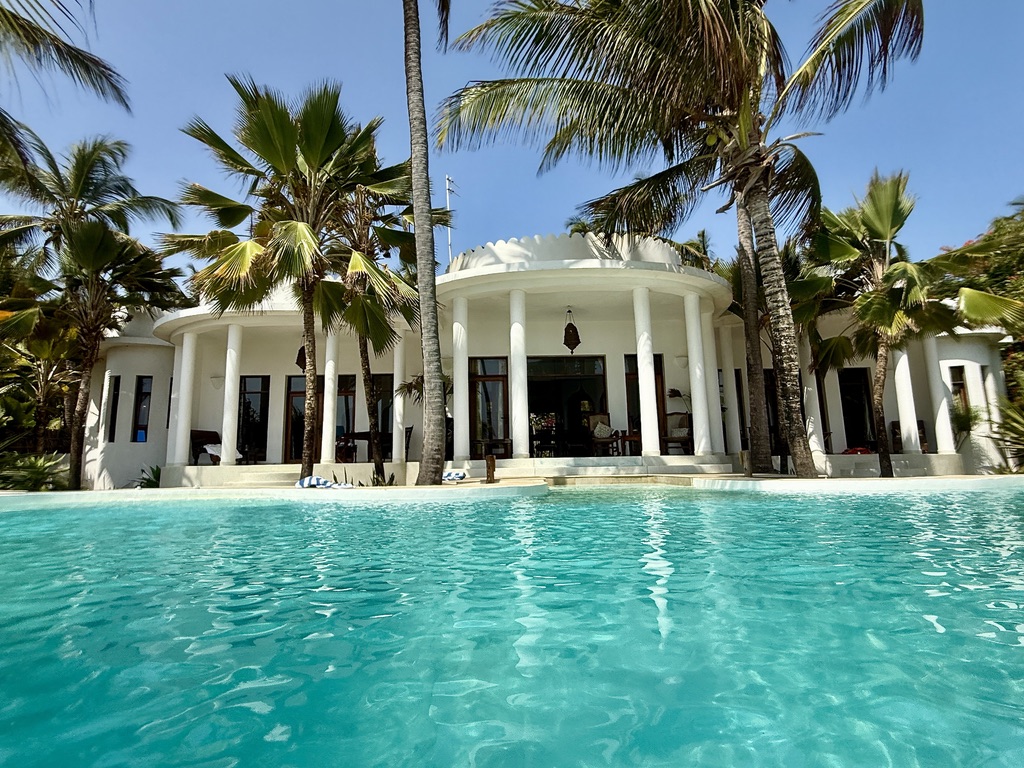
Front view of our villa – our suite is on the left, and the centre area is the shared entrance.
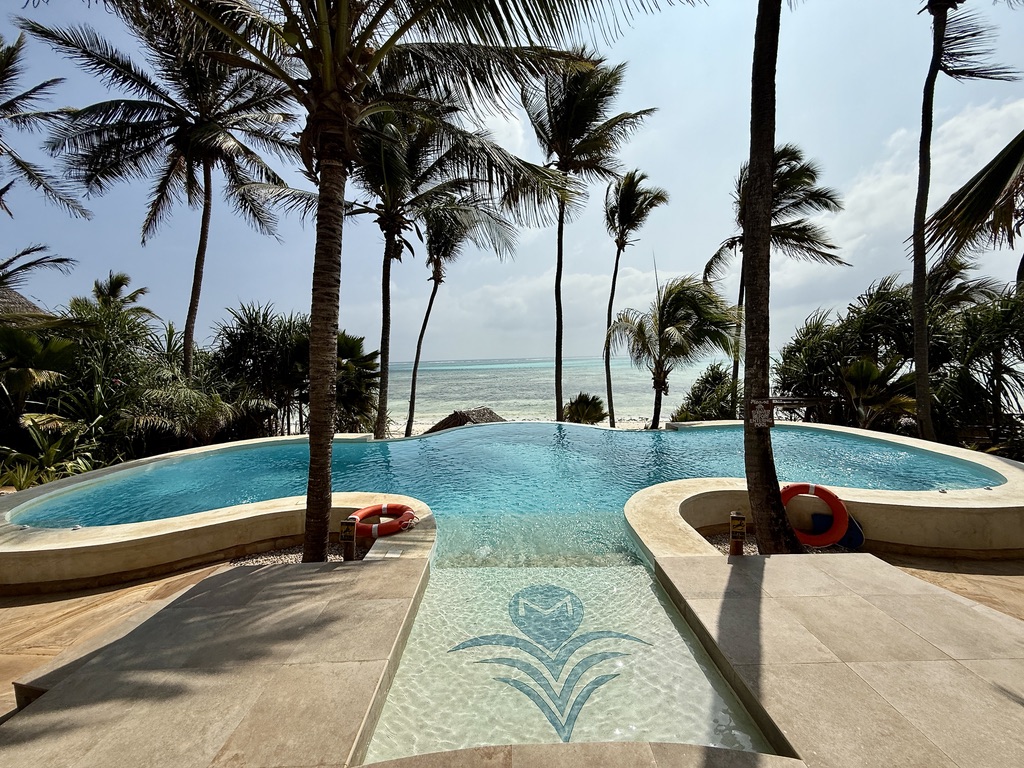
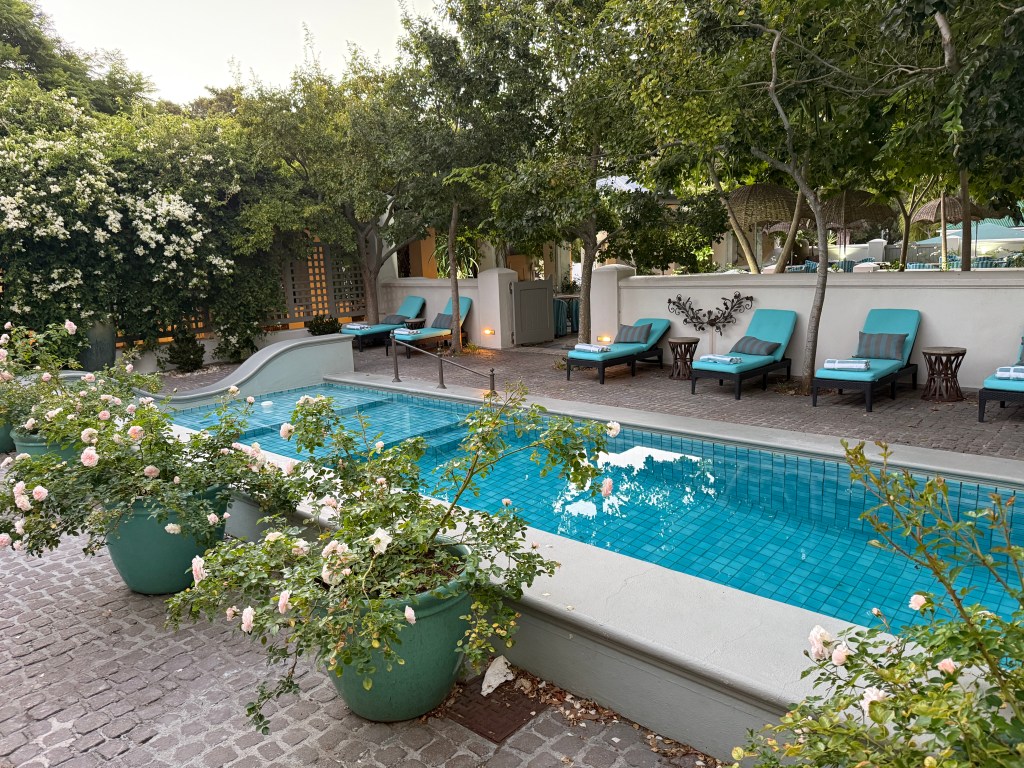
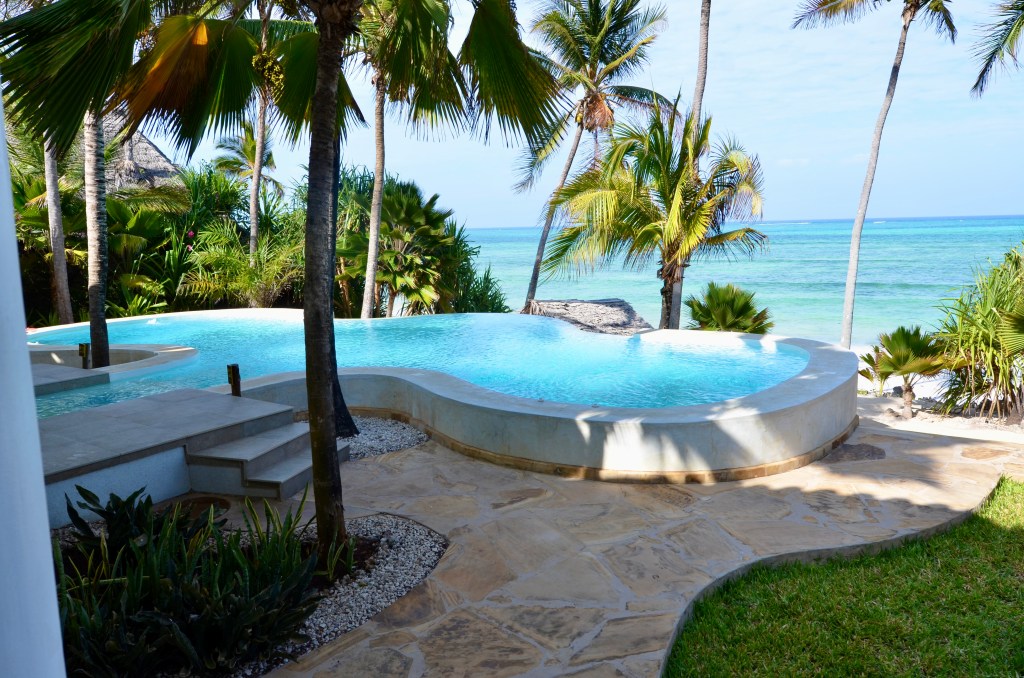
View from our patio. We share the pool with the suite next door and the couple seldom used it. The pool was warm enough to get in easily, but cool enough to be refreshing – perfect!
We were right on the Indian Ocean
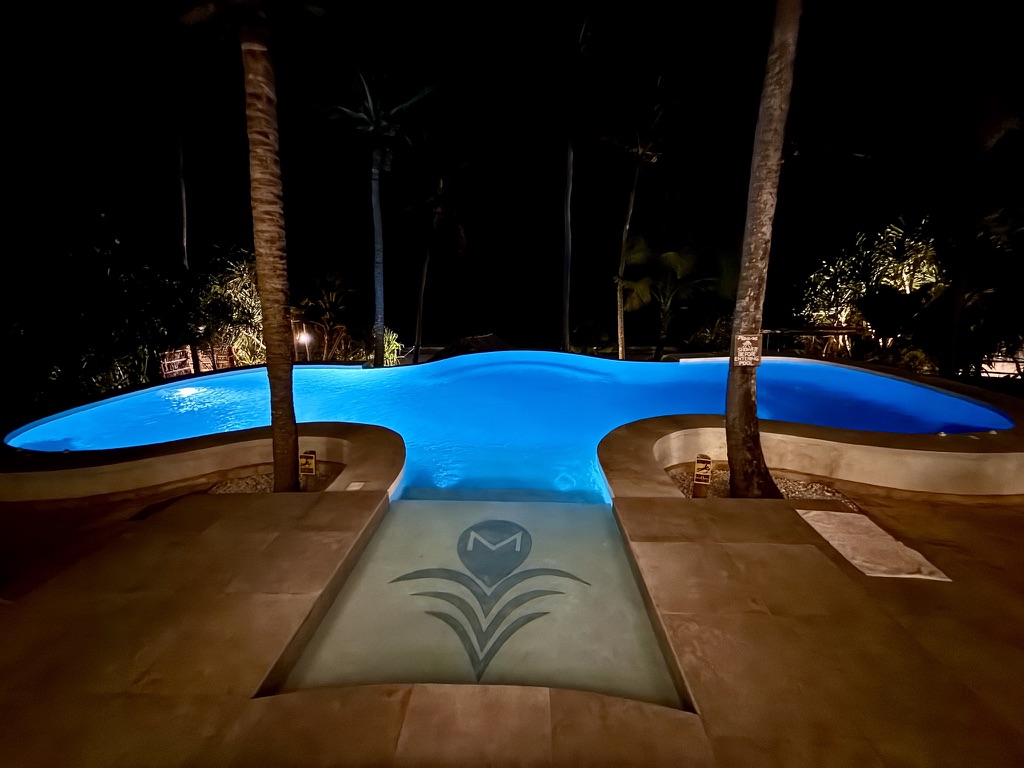
Our shared pool at night.
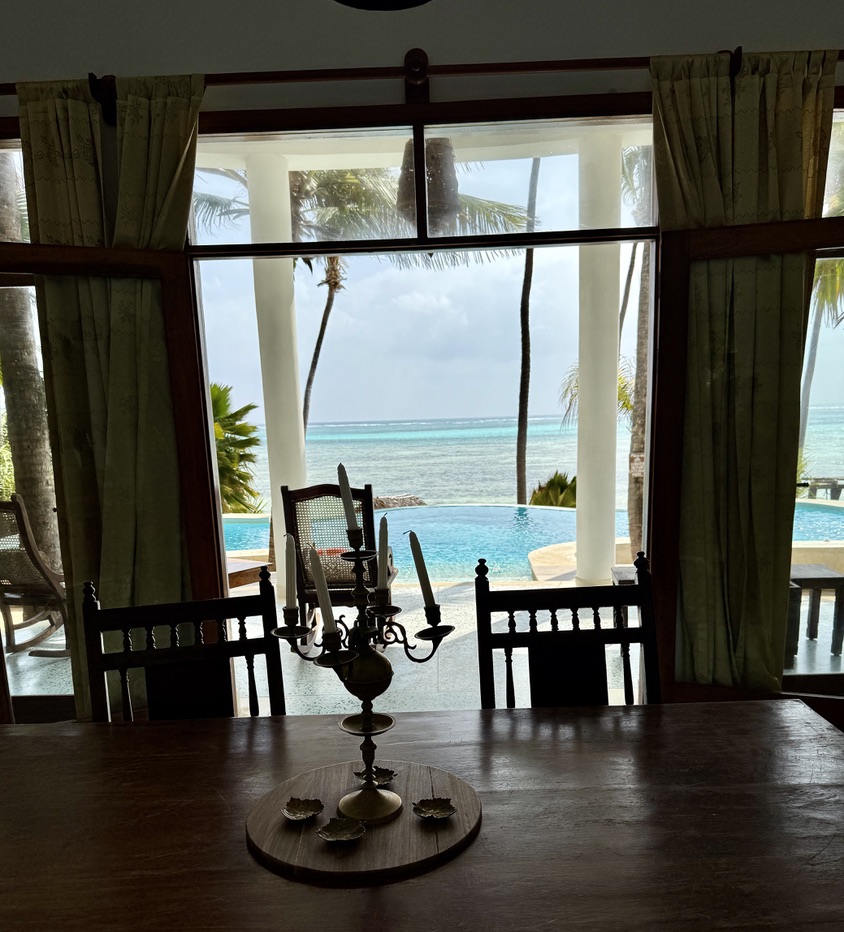
Common area which opened directly onto the pool.
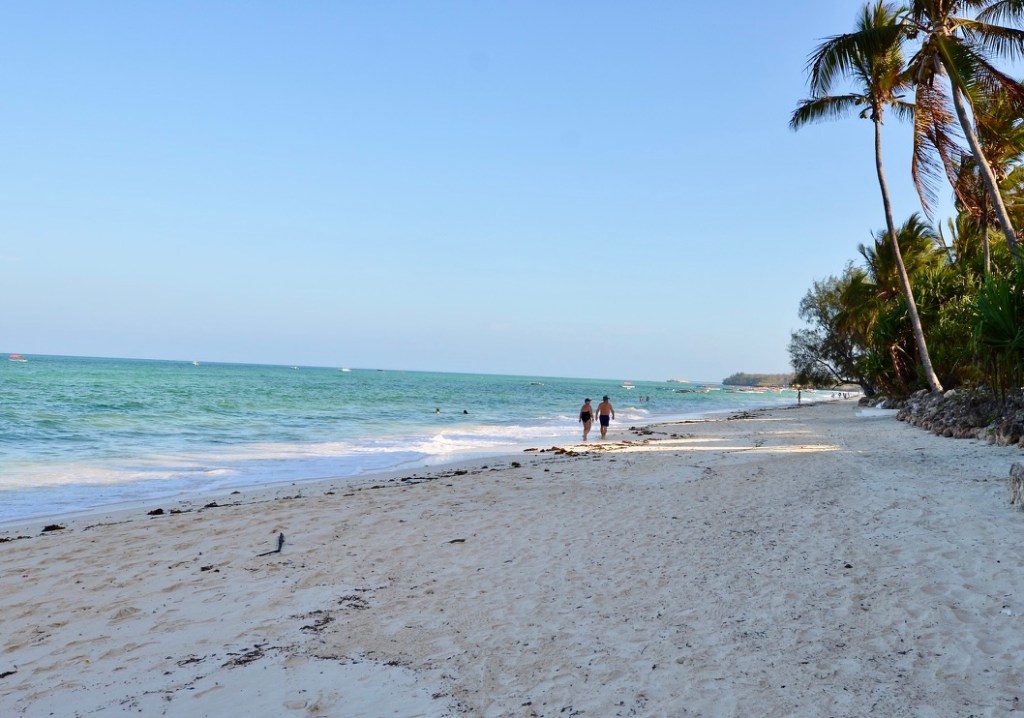
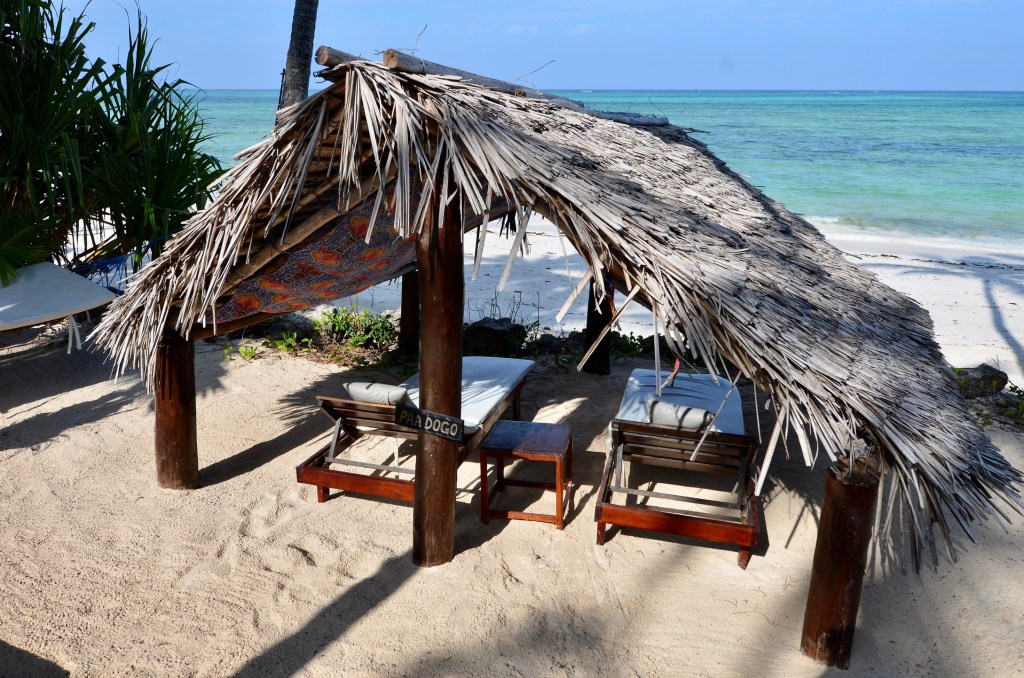
Great “walking beach” but not for swimming, unless at low tide you walked out to the sandbar. We had blue skies and temperatures in the low 30Cs every day.
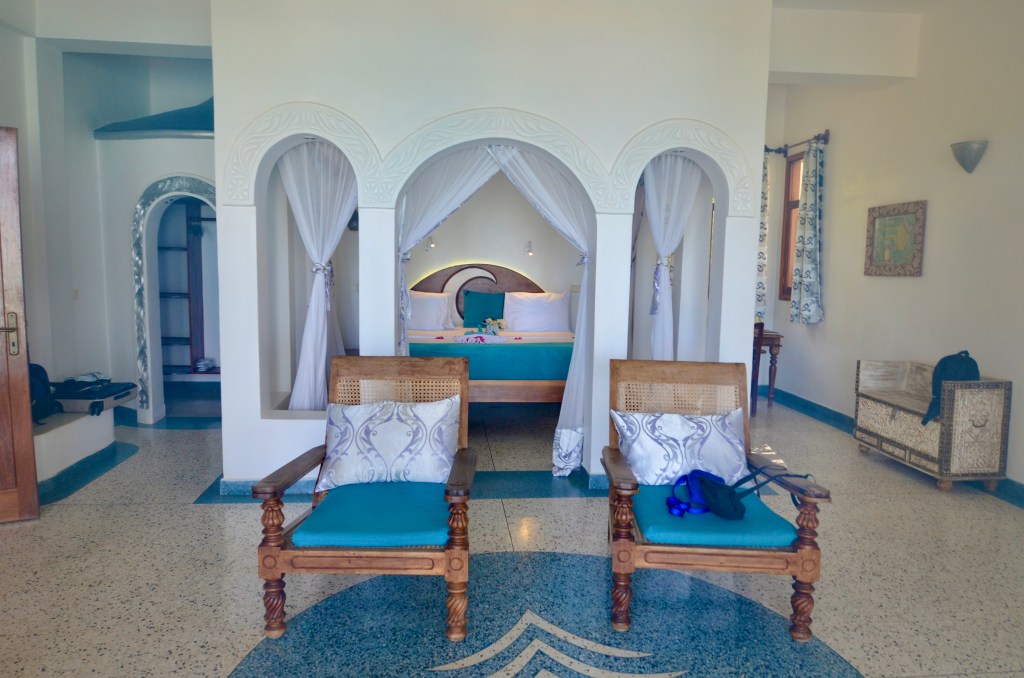
Moorish style decor with lots of wood and tile. Our room was very large as was the bathroom.
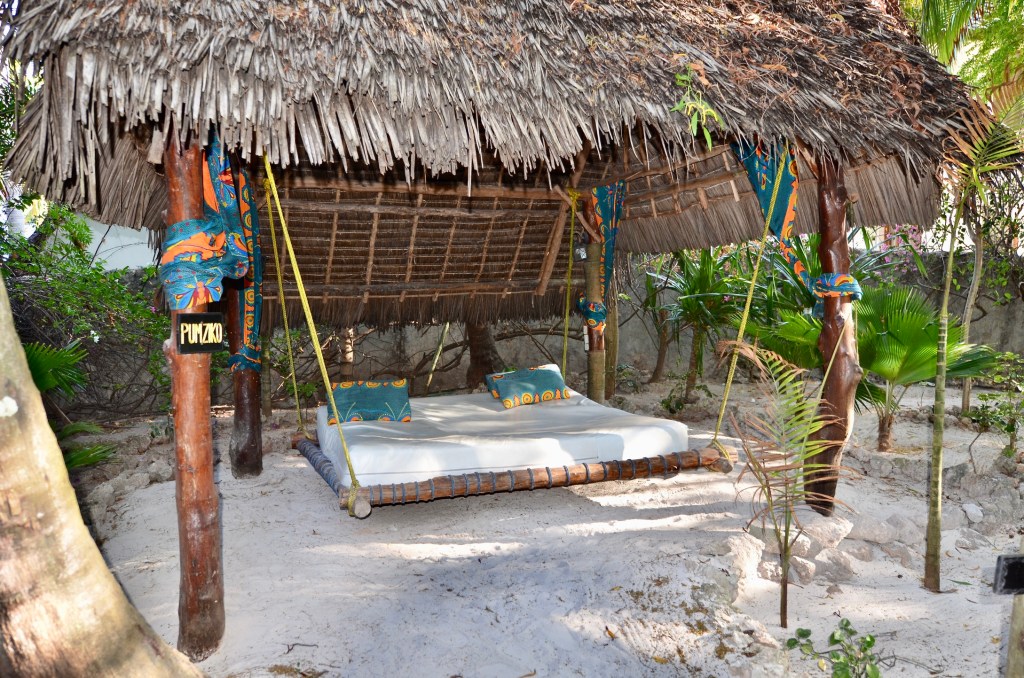
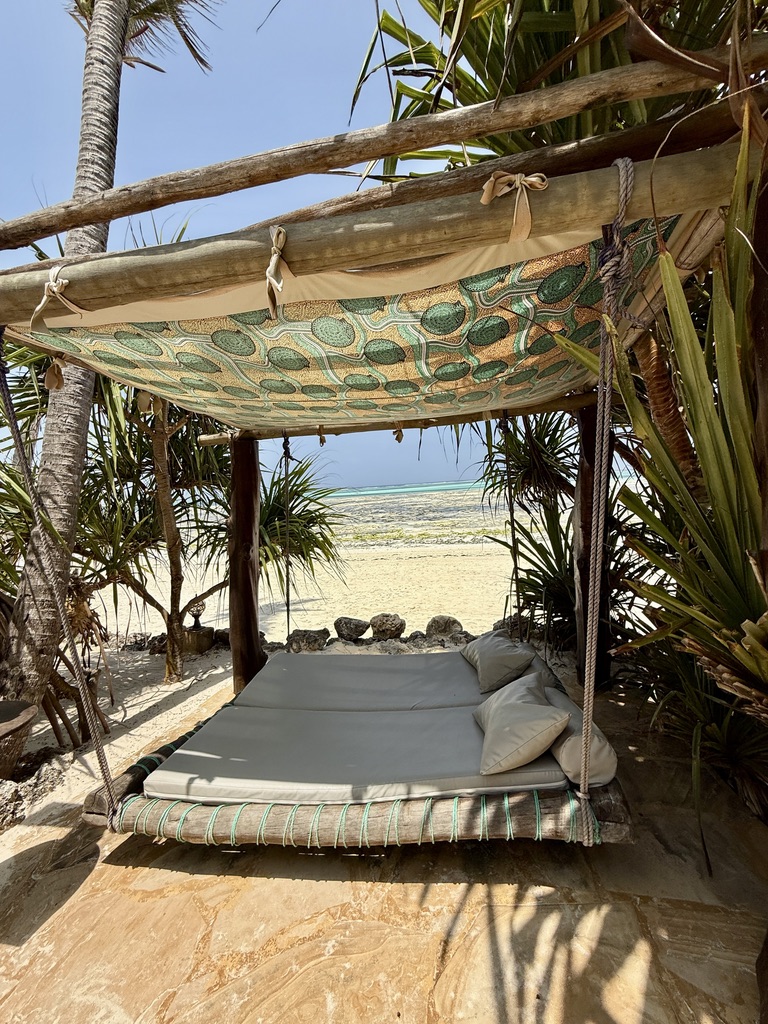
One of the many spots on the Matlai property for relaxing – this was our favourite.
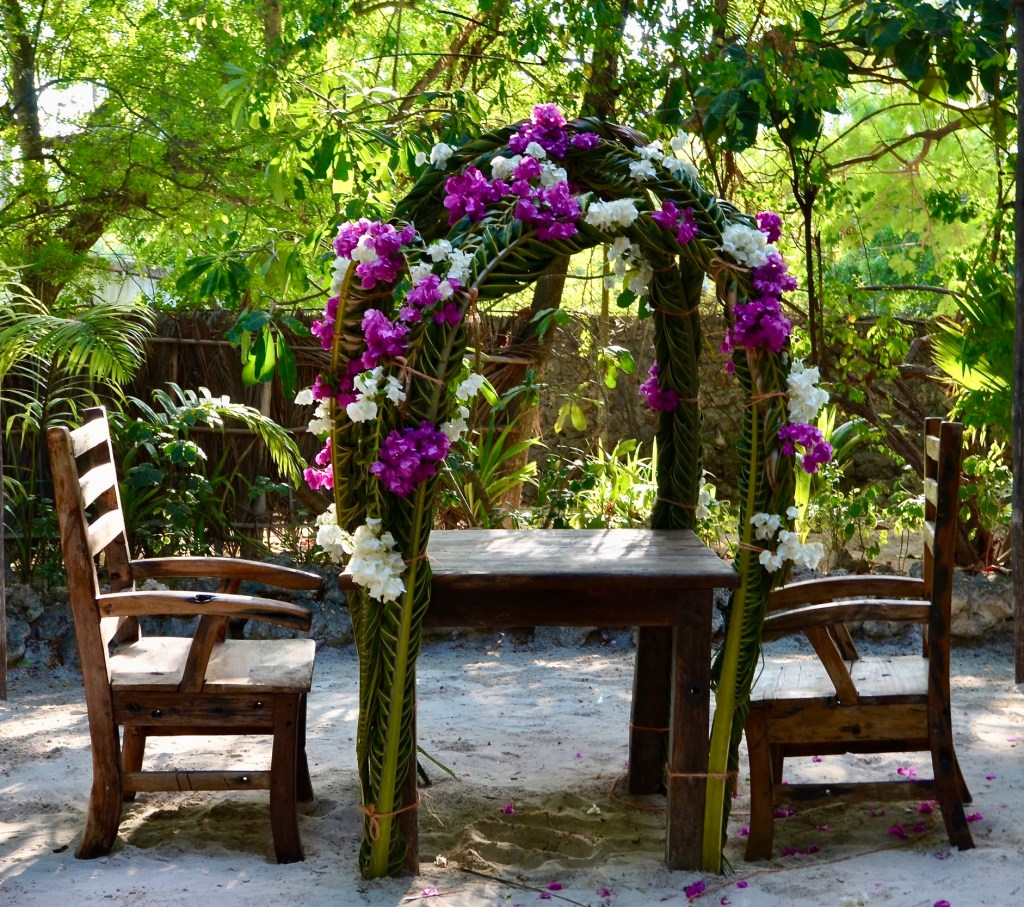
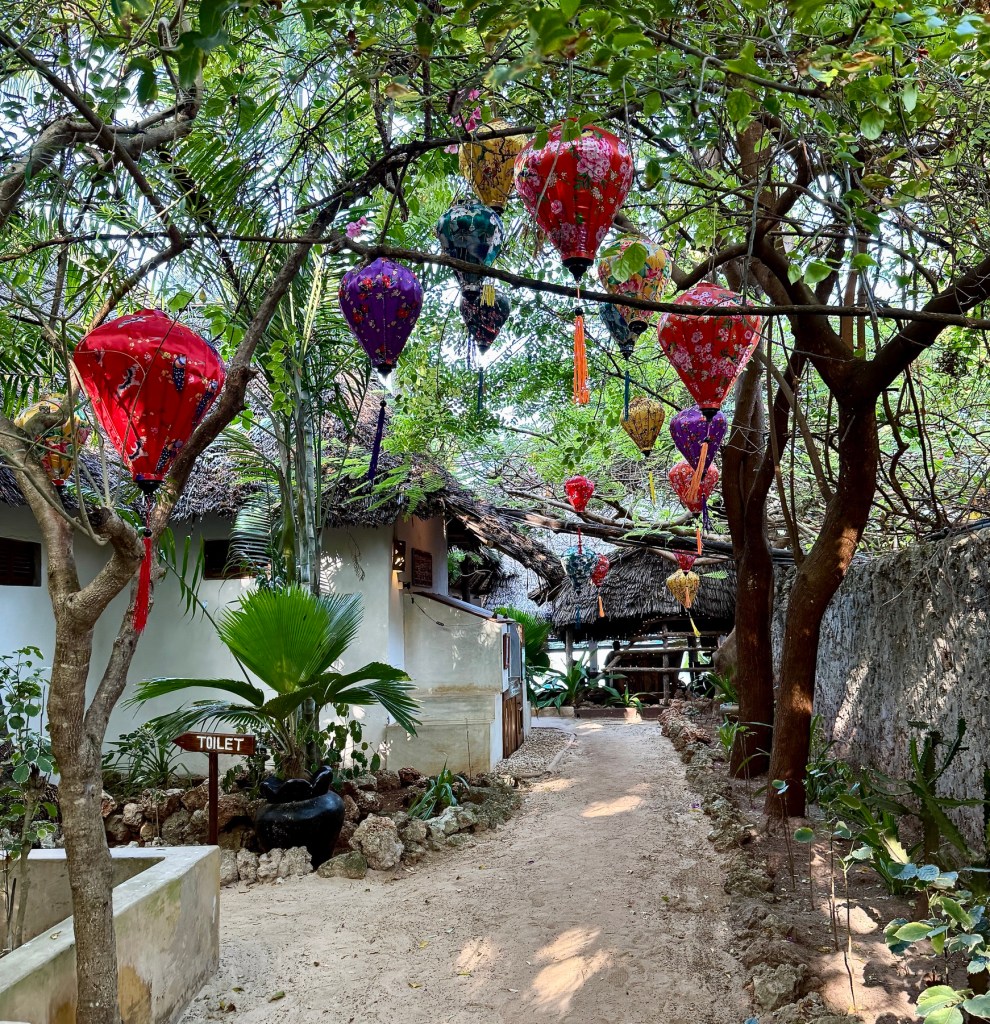
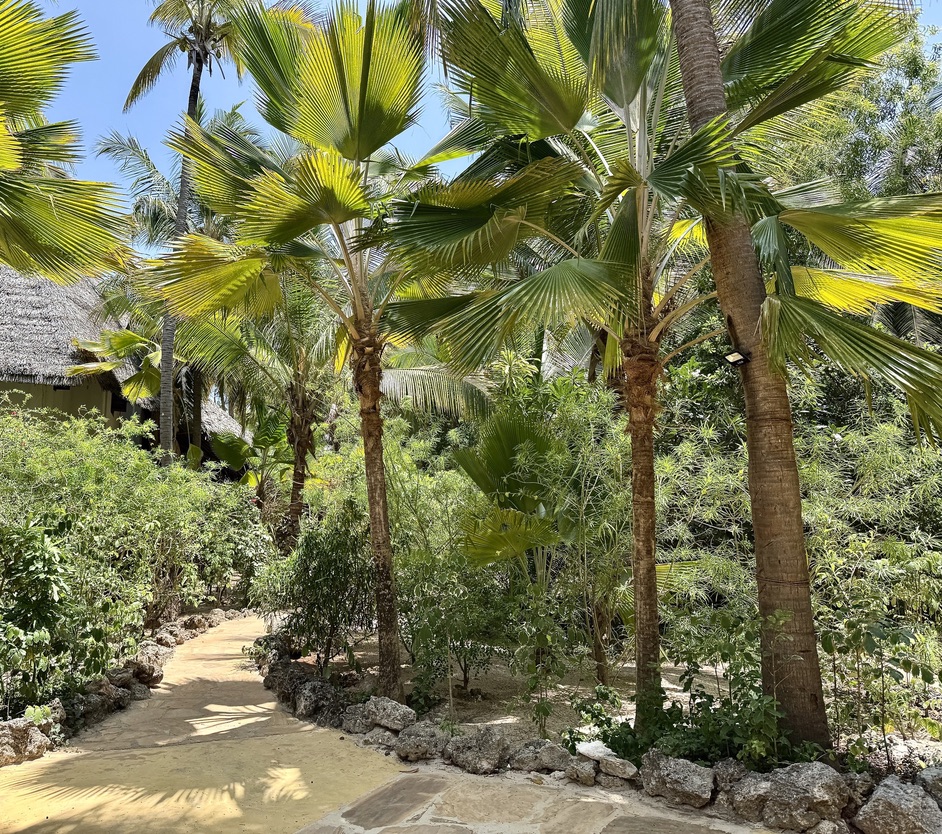
Beautiful gardens throughout the property
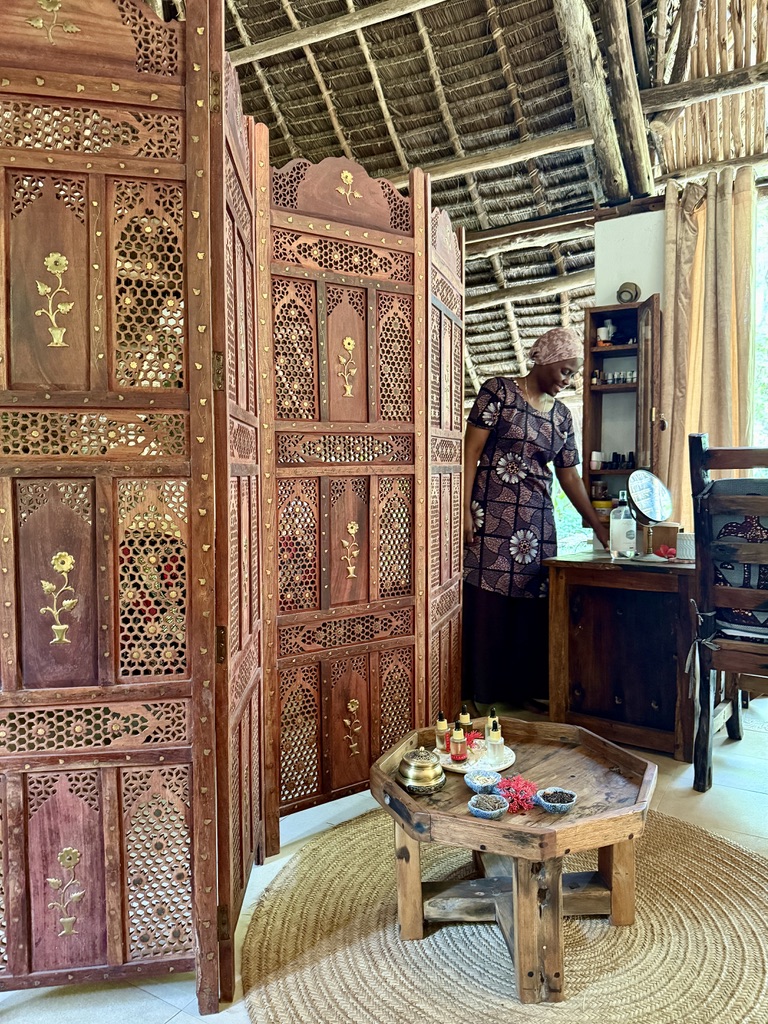
The massage area was so peaceful.

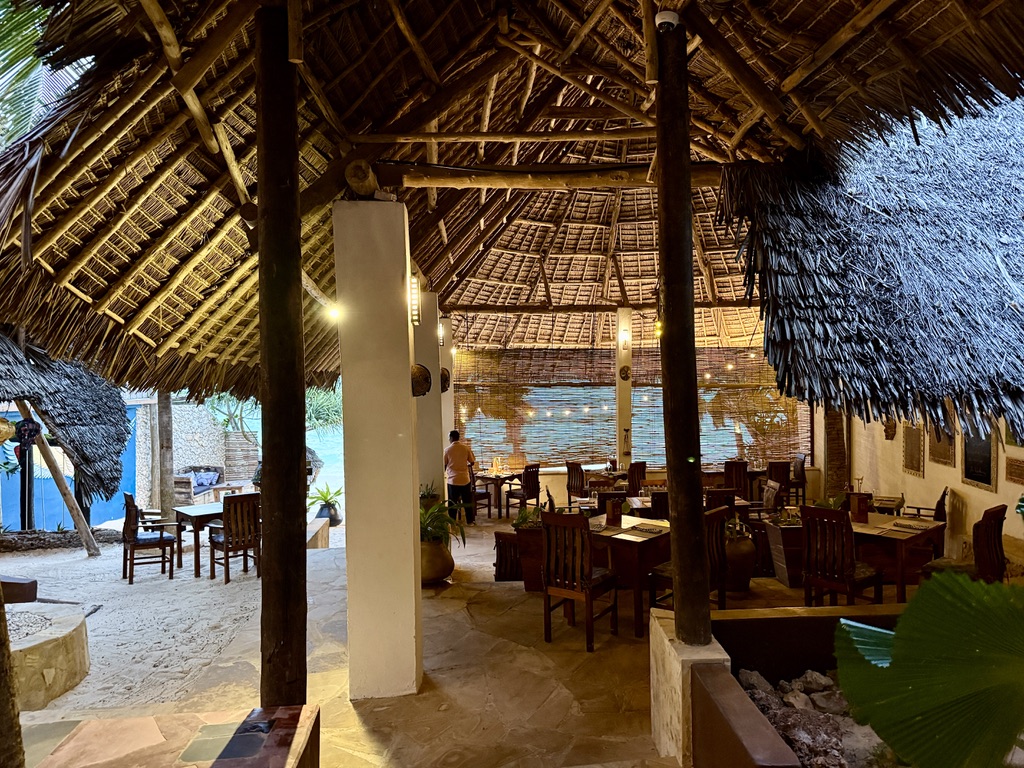
We could have our meals anywhere on the property, including our patio, or in the oceanside restaurant.
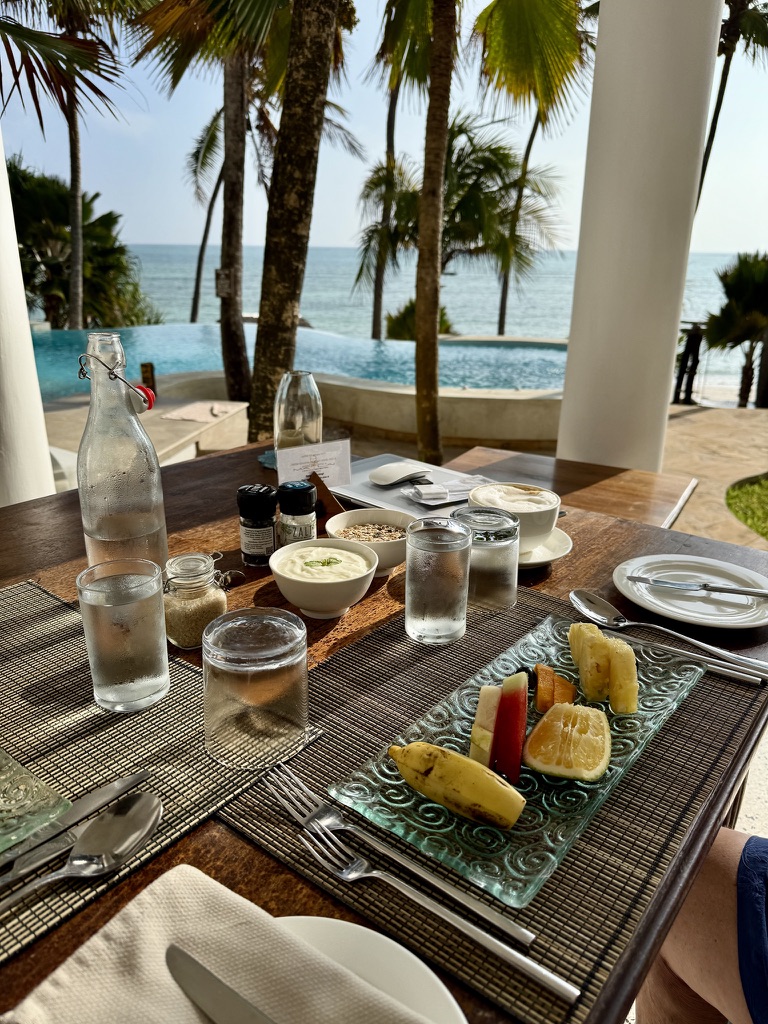
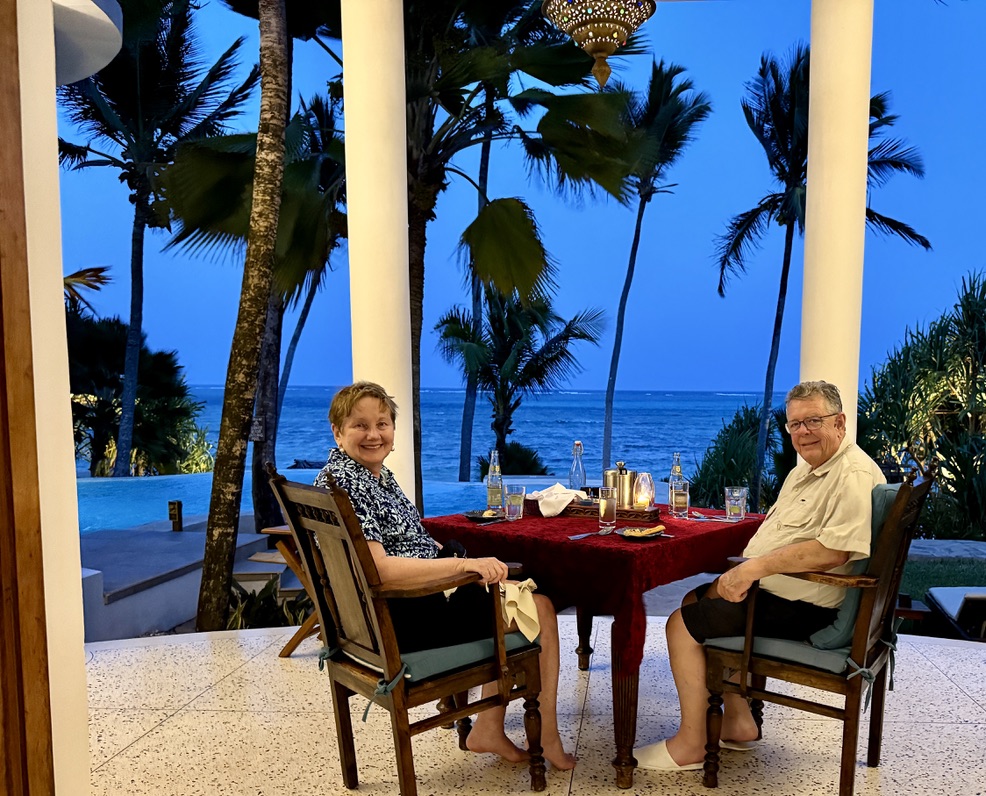
Every morning we would have breakfast on our patio, complete with a latte. A couple of nights we also had dinner on our patio – very relaxing.
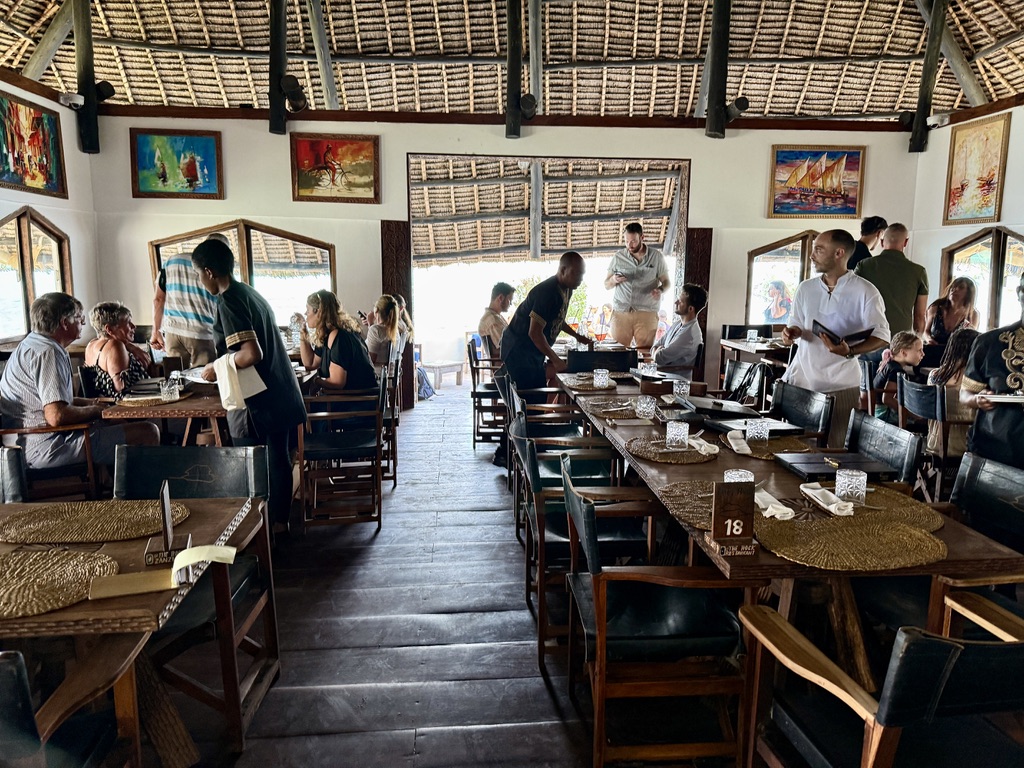
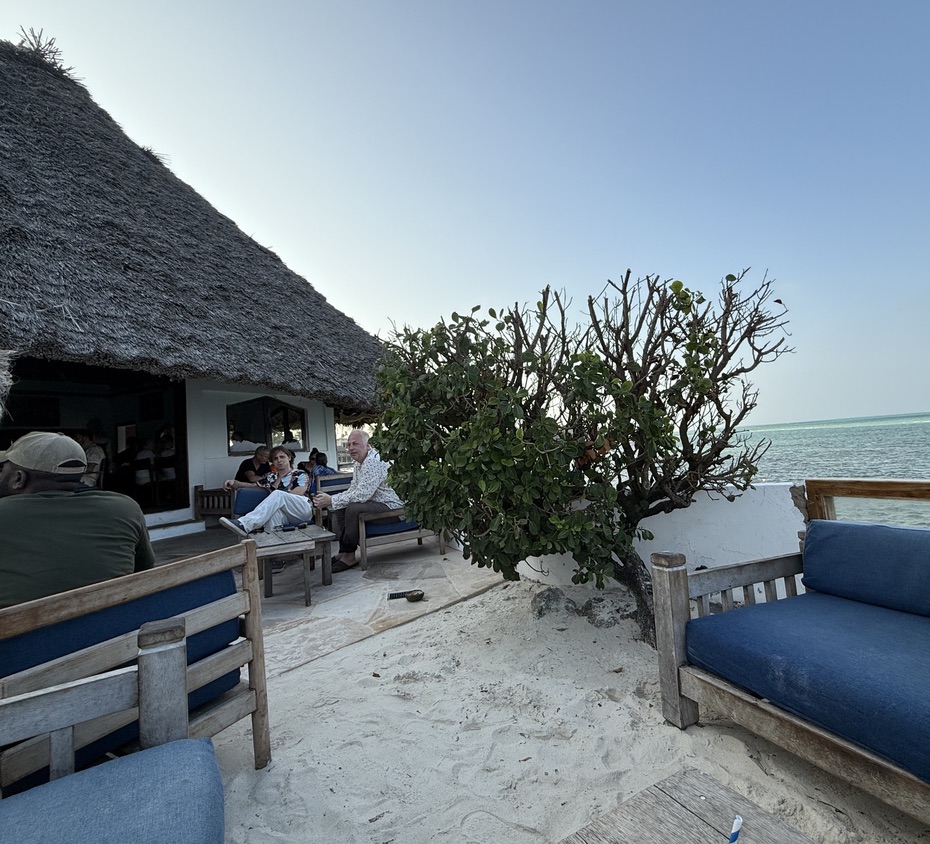
The Rock is a well-known Zanzibar restaurant and was just down the beach from our hotel.
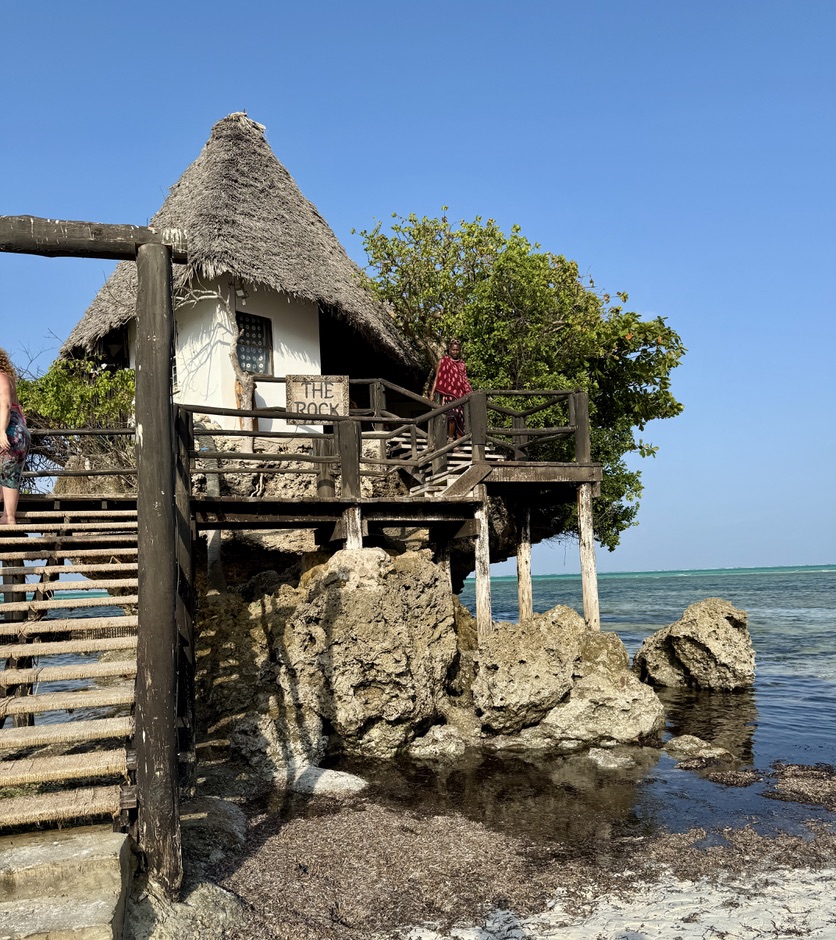
Low tide at the Rock Restaurant – which is when we went in for drinks. It was an easy walk in.
After drinks, we stepped outside to find the tides rising. With shoes off and shorts rolled up, we cautiously waded to shore—thankfully, we didn’t fall.

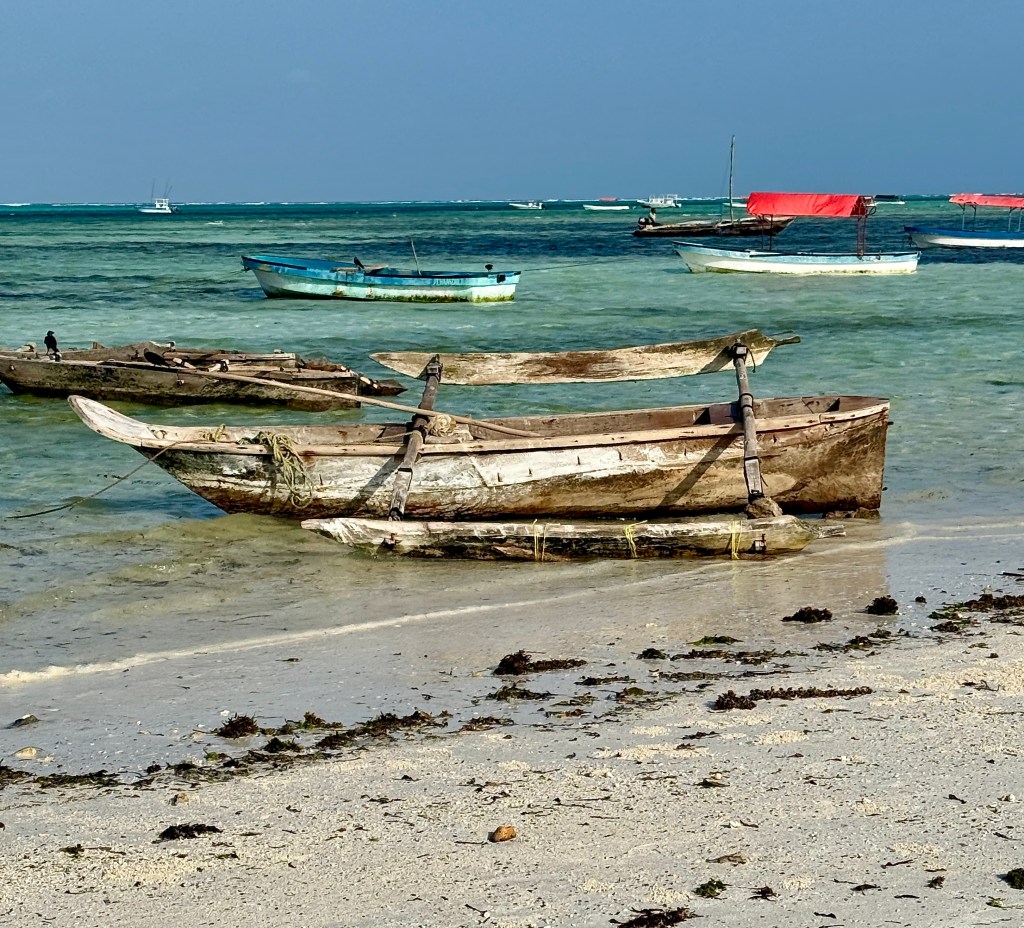
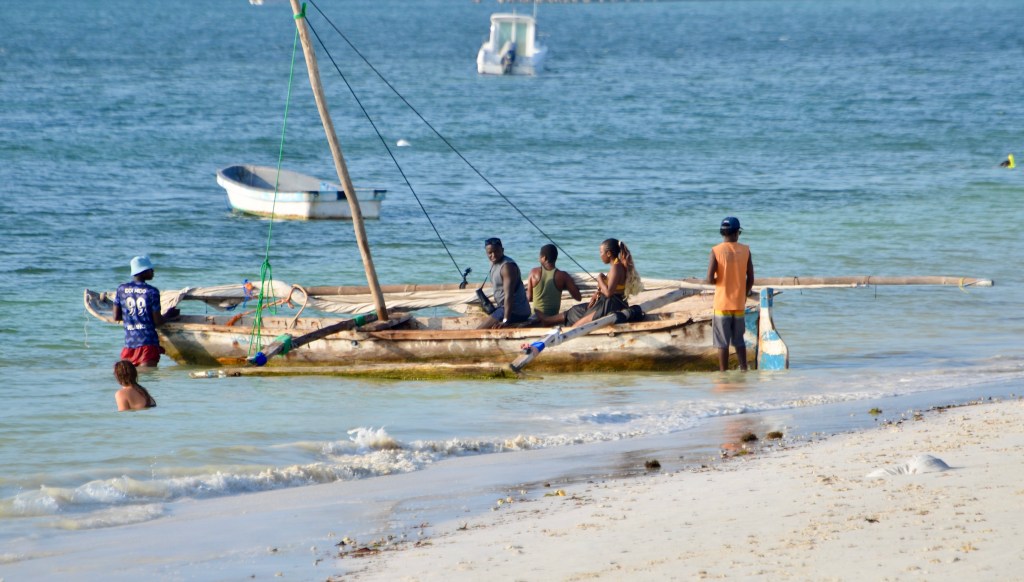
Our hotel was located in a small fishing village so it was a very quiet beach.
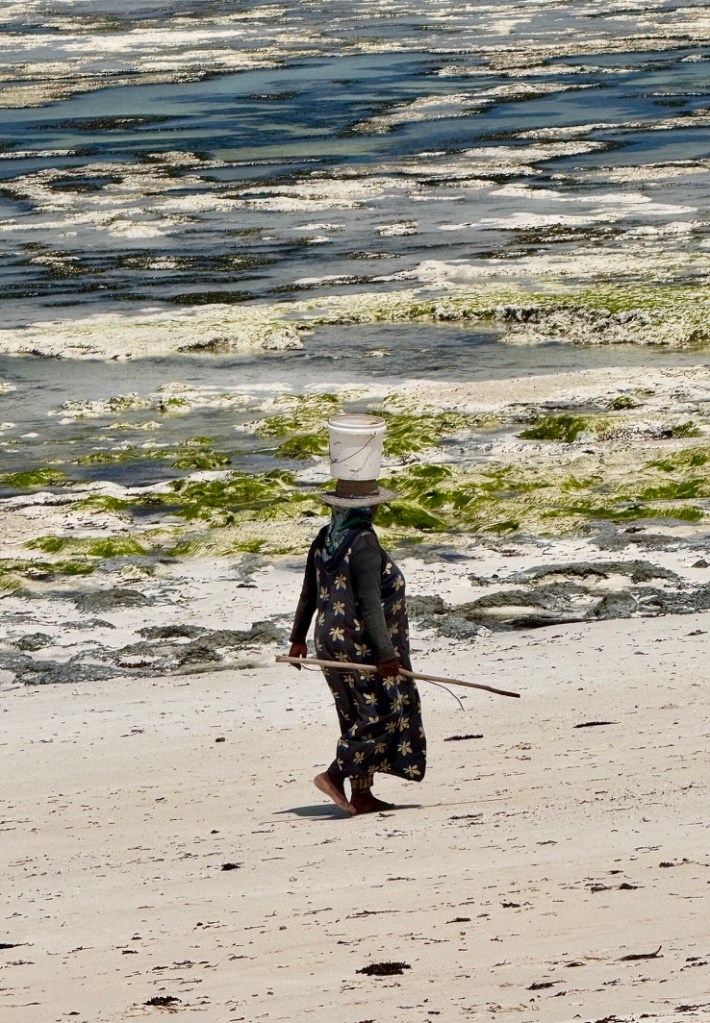
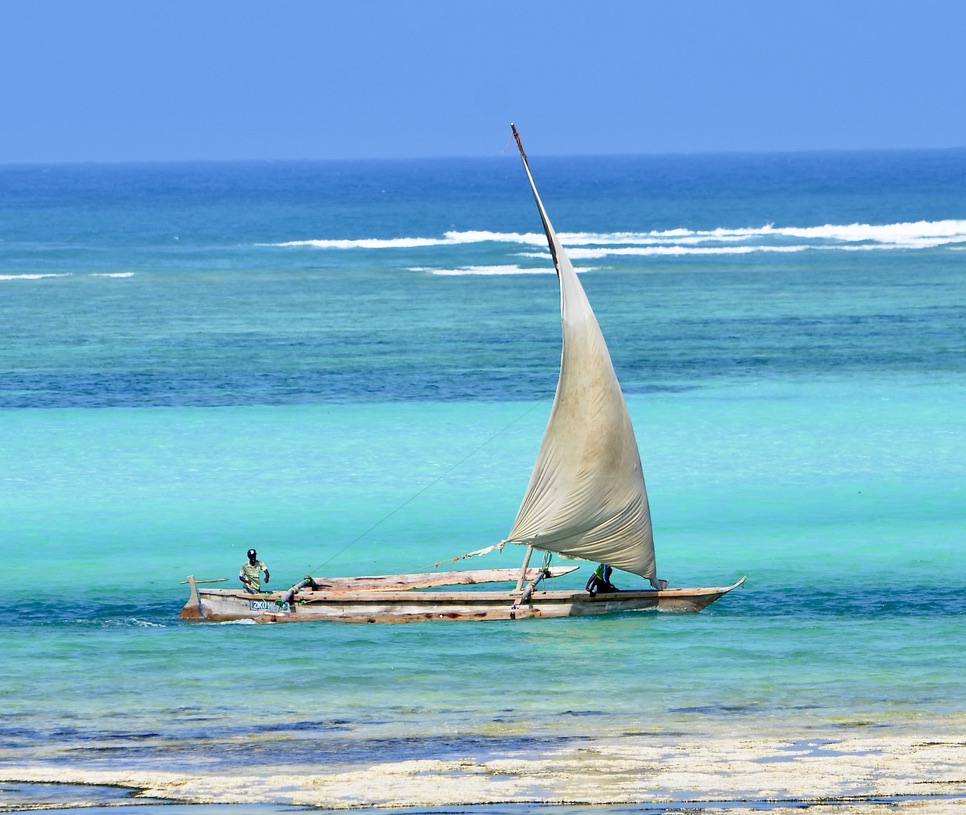
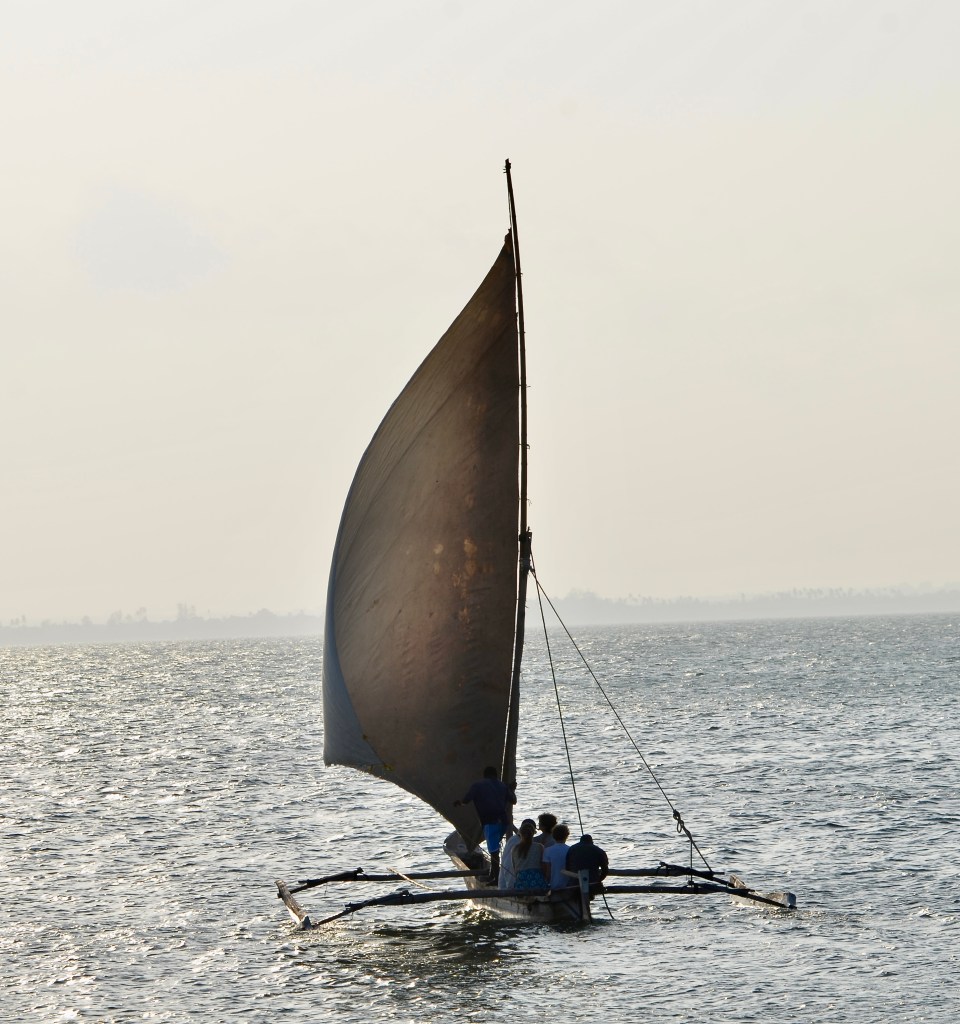
Dhow

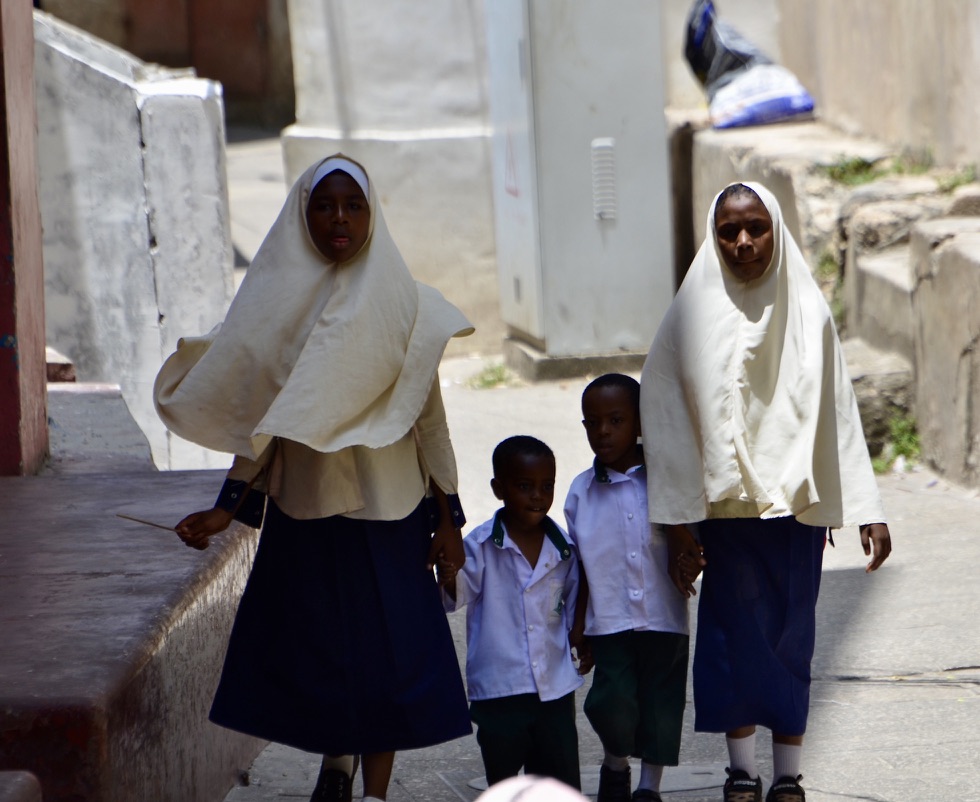
We took a tour of Stone Town organized through the hotel. Our young guide was so enthusiastic and excited to tell us about Zanzibar and Stone Town.
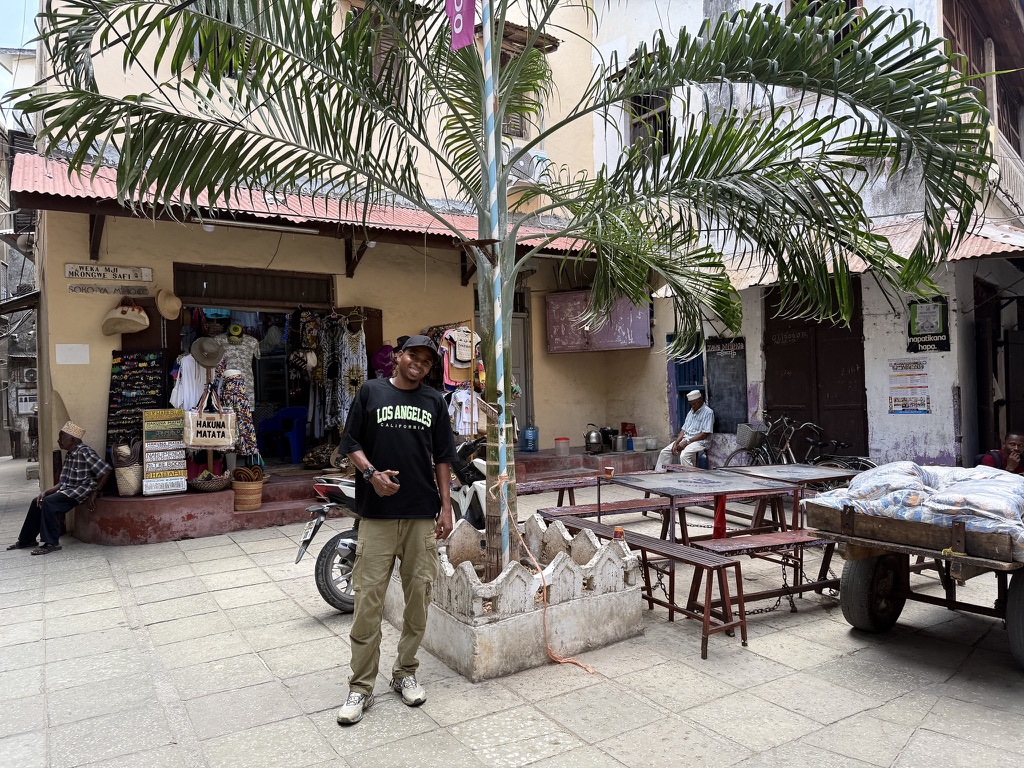
Our guide in Stone Town square

This is a brief overview of what we learned.

The first Europeans to arrive in Zanzibar were Portuguese navigators at the end of the 15th century, who came seeking a trade route to India. They set up a trading post on Zanzibar and along the east African coast.

By the late 17th century, the Portuguese were replaced by the Omani Arabs. During this time, Zanzibar became a key center for the slave trade. In 1840, Sultan Said of Oman moved his court from Muscat to Zanzibar, making the island an important Arab state and a hub for trade and politics in the region.

In 1890, Zanzibar became a British protectorate and remained under British control until 1963, when it gained independence. Just a year later, in 1964, a revolution led to the overthrow of the Sultan and the government. That same year, Zanzibar joined Tanganyika to form the United Republic of Tanzania.
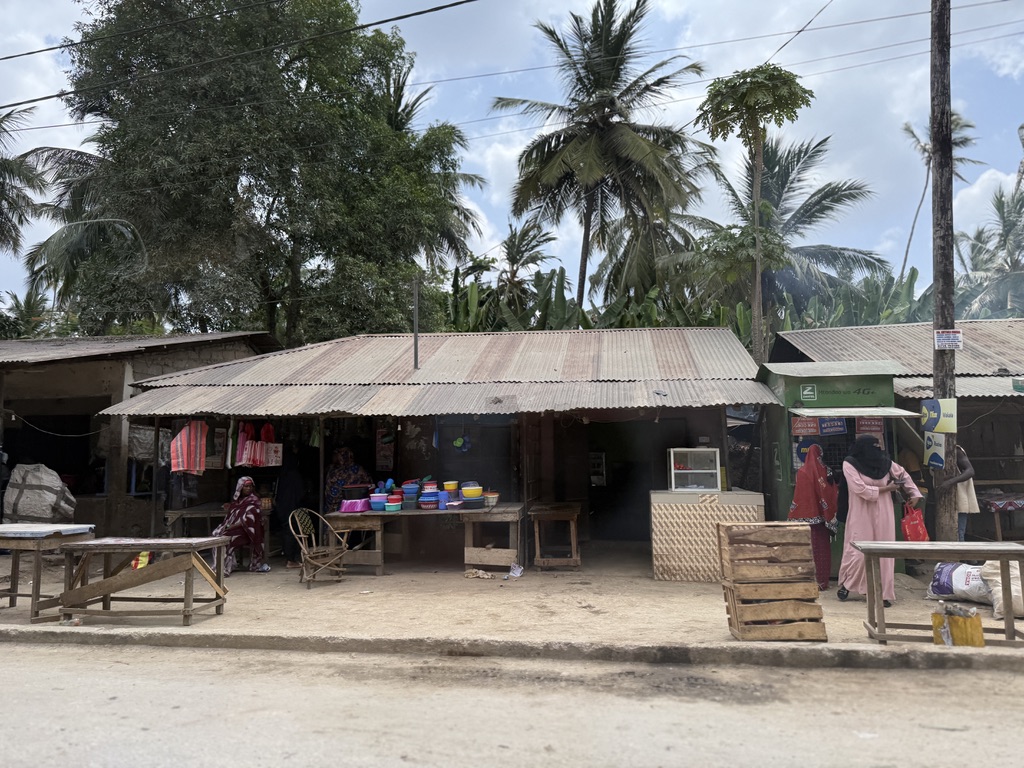
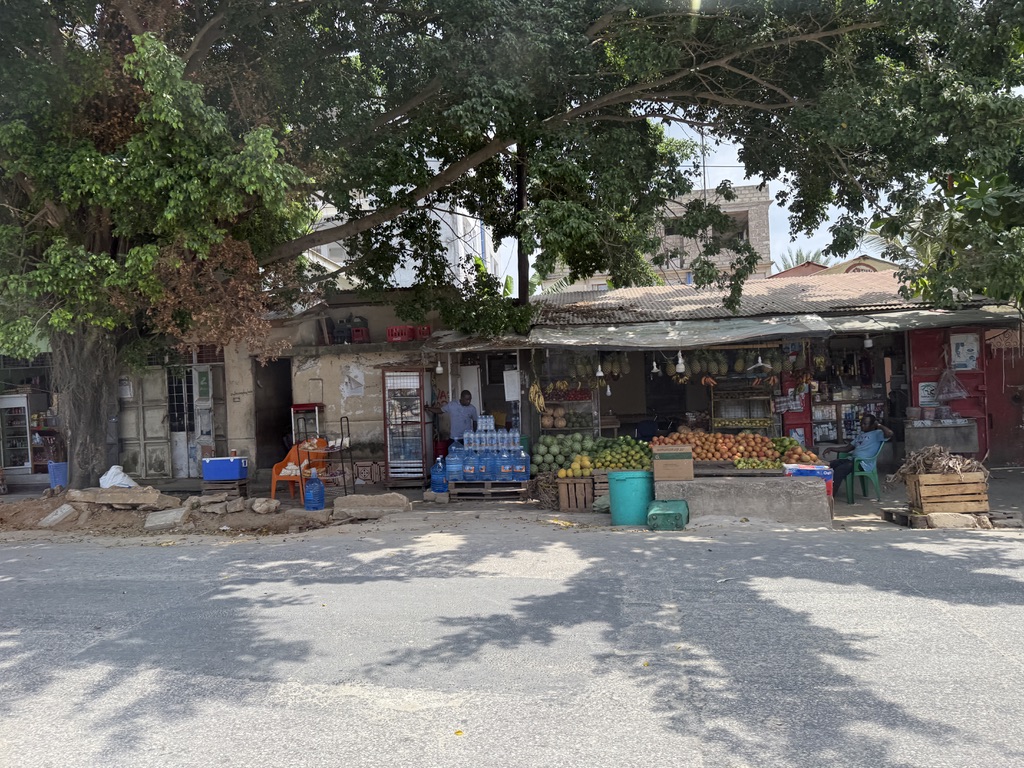
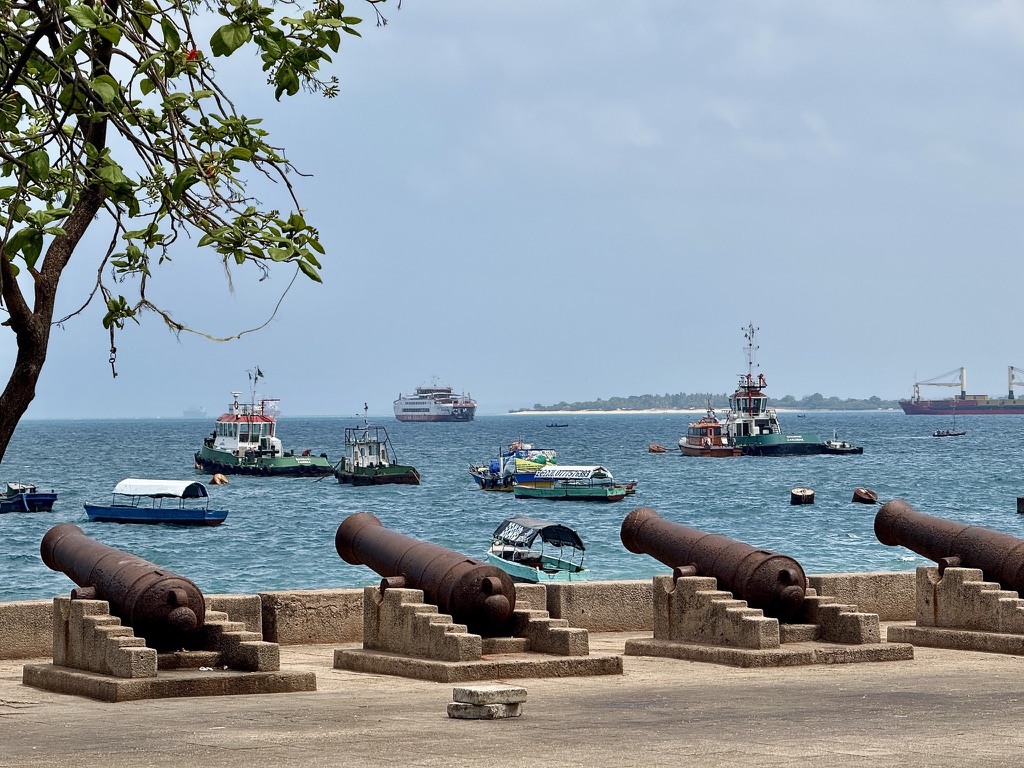
Waterfront in Stone Town
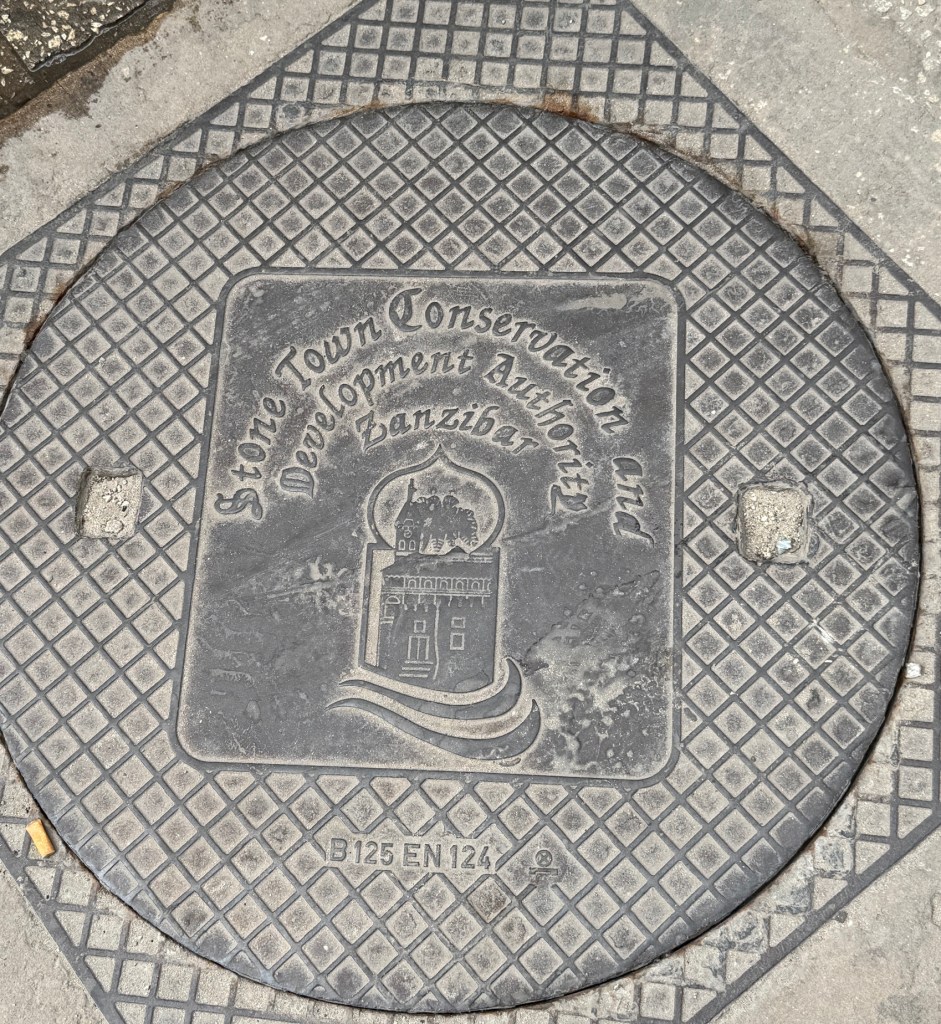
Interesting sewer cover
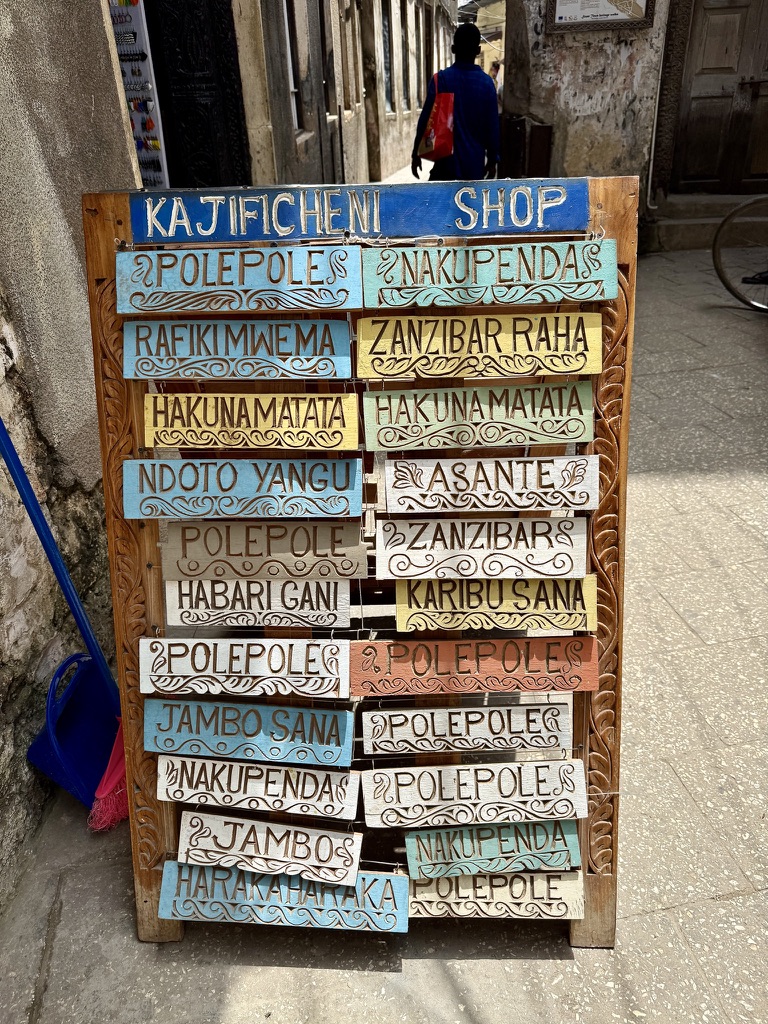
Zanzibaris speak Swahili. Some words we knew from Lion King like Hakunamatata (no worries), We used Jambo (hello) and Asante (thank you) often at the hotel.

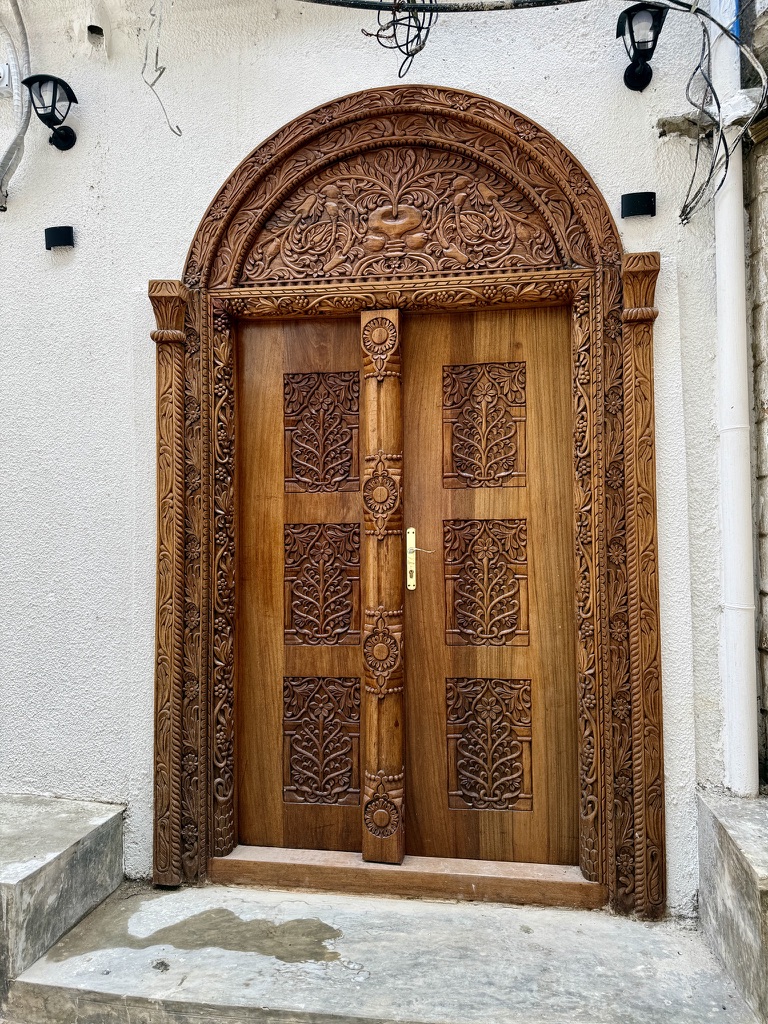
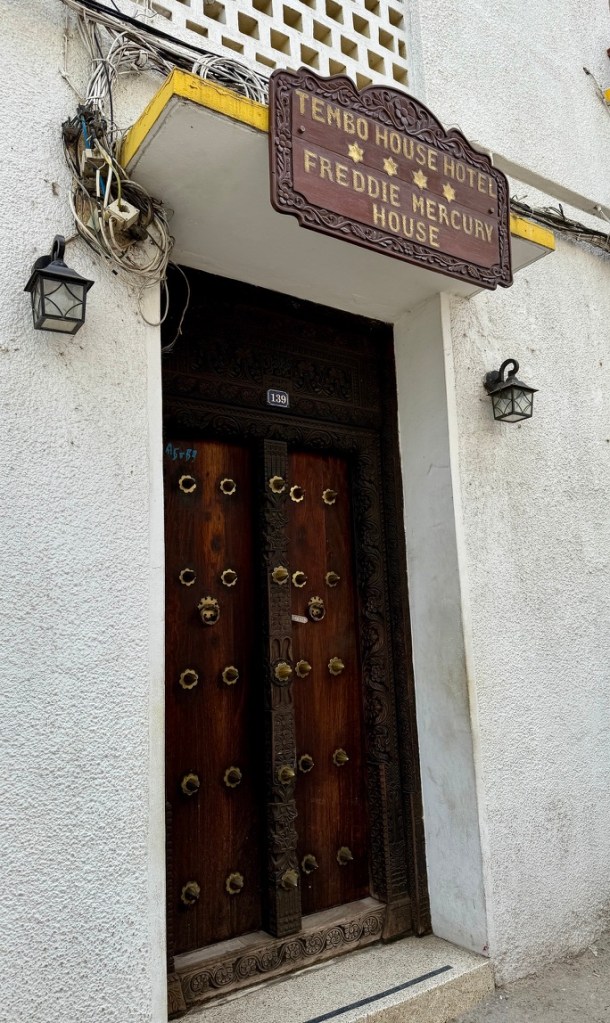
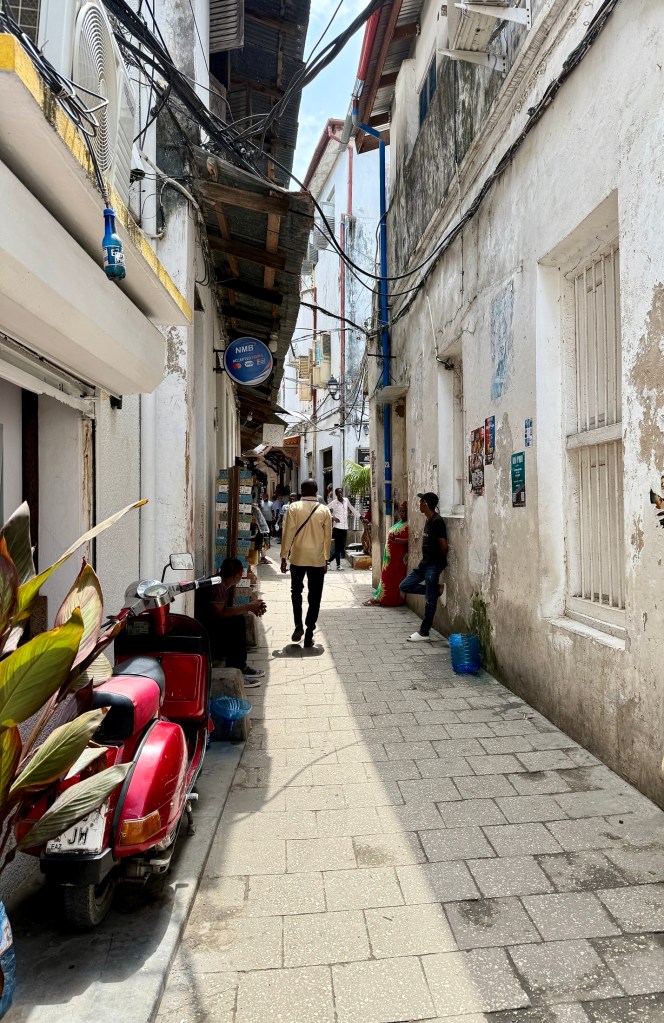
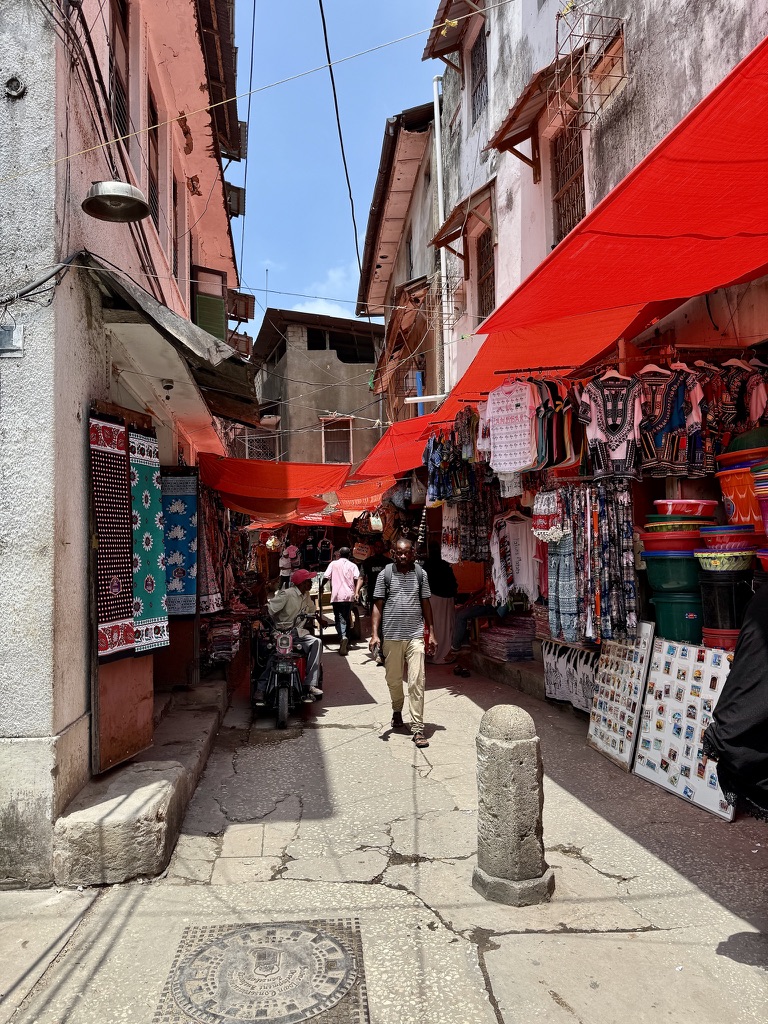
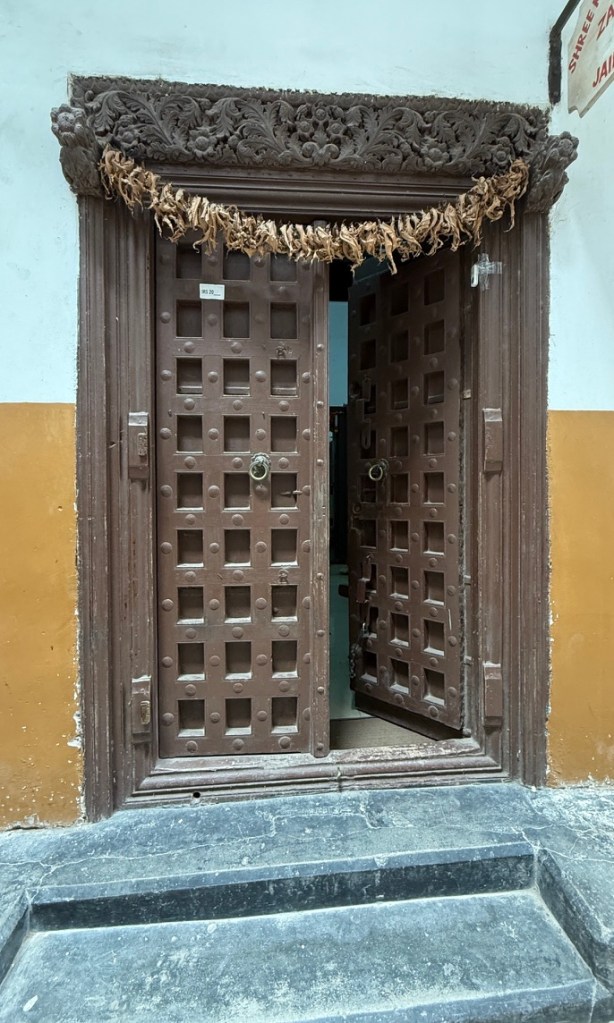
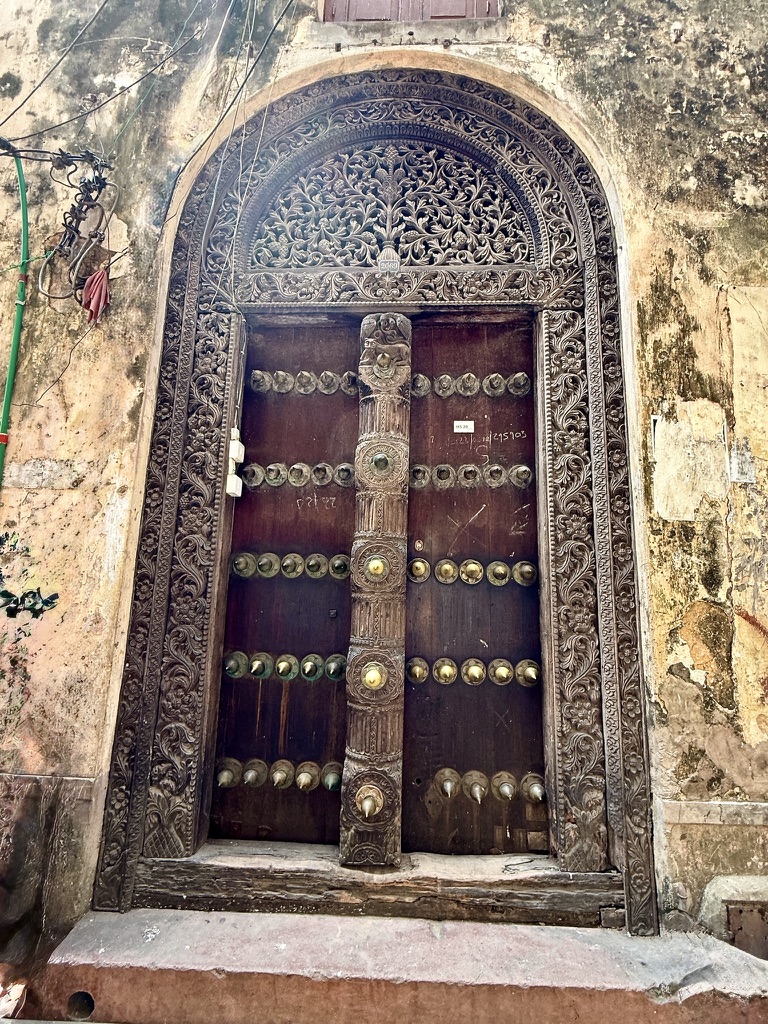
We wandered through the winding, narrow streets of Stone Town – there were so many interesting doors.
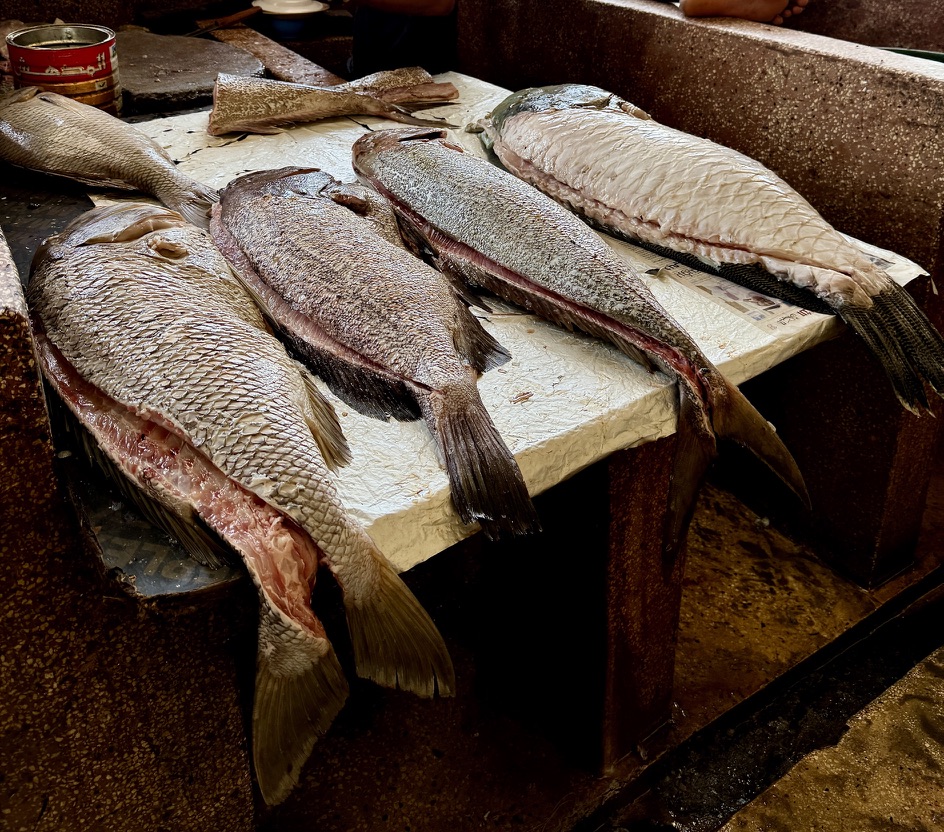
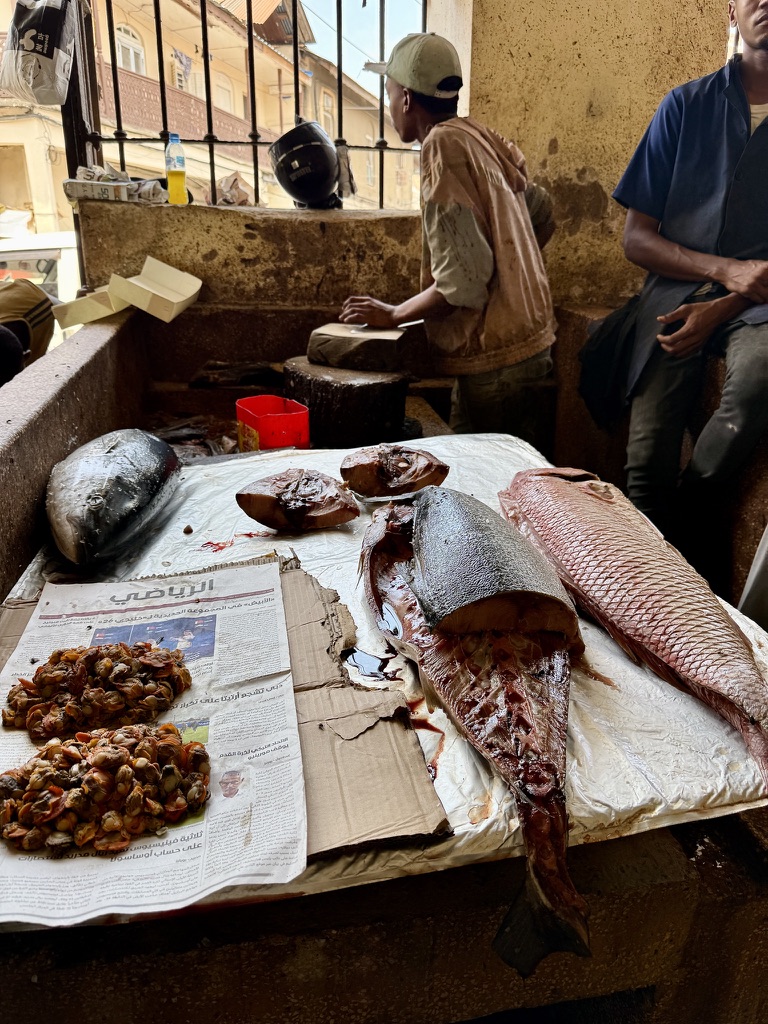
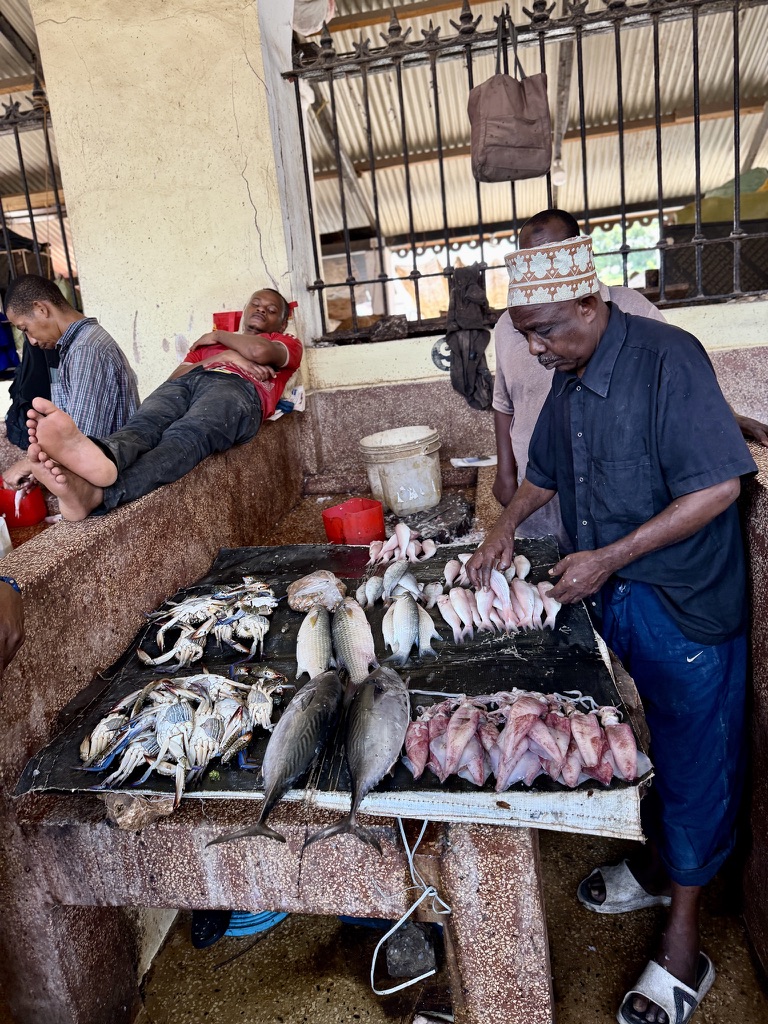
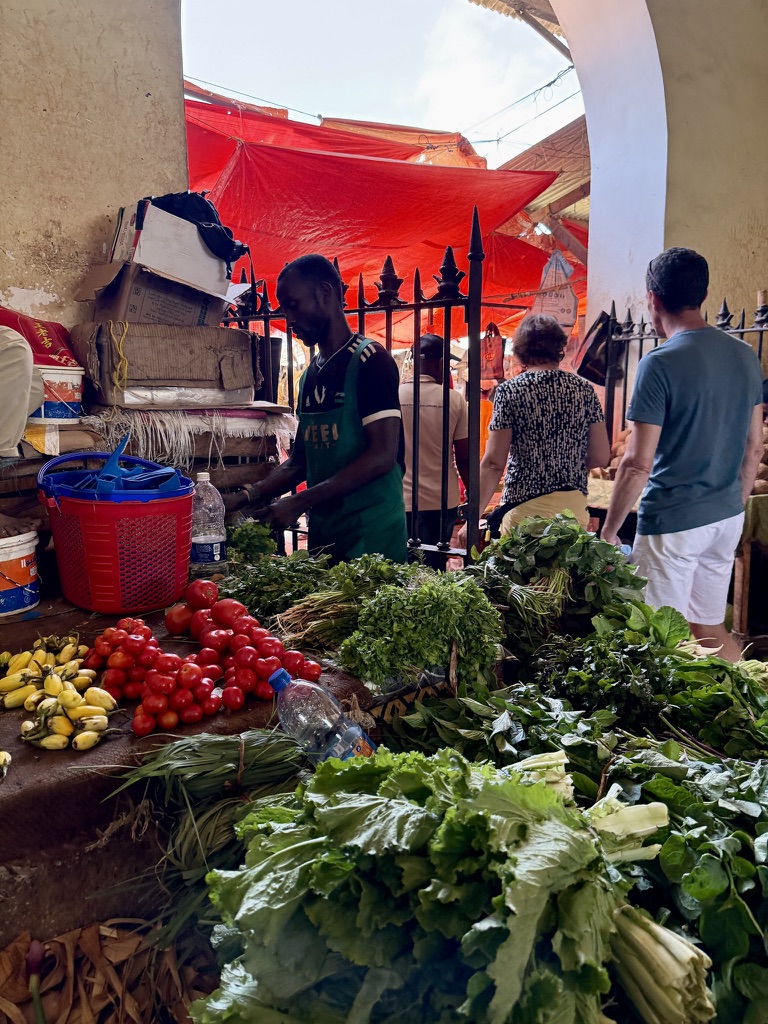
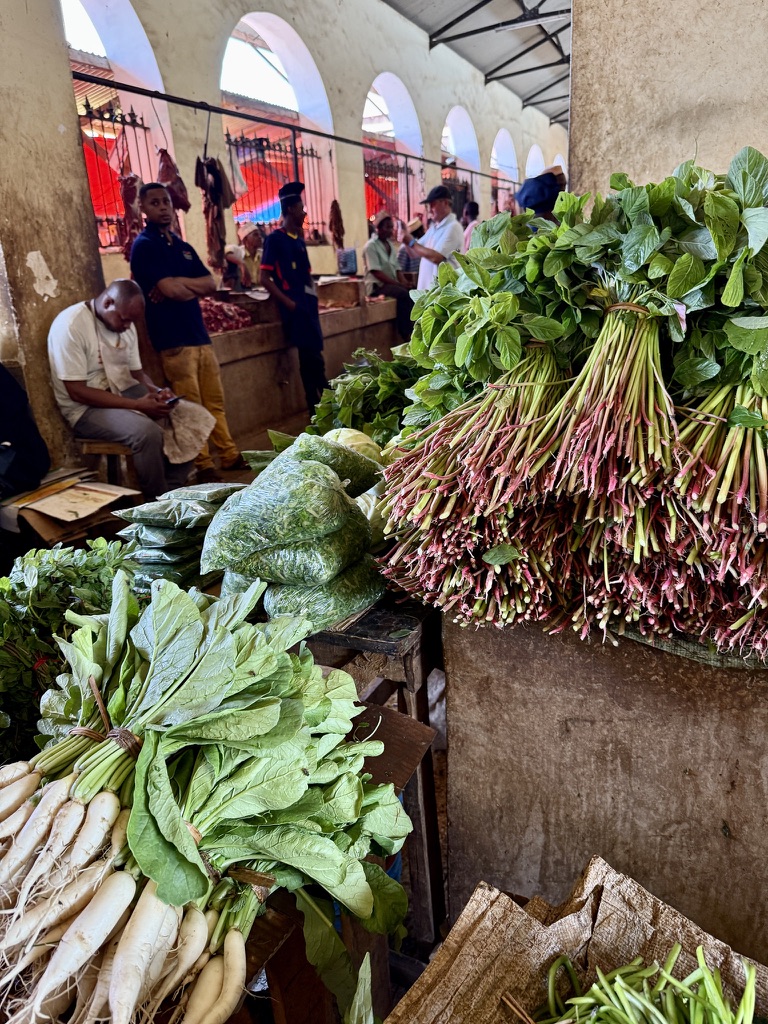
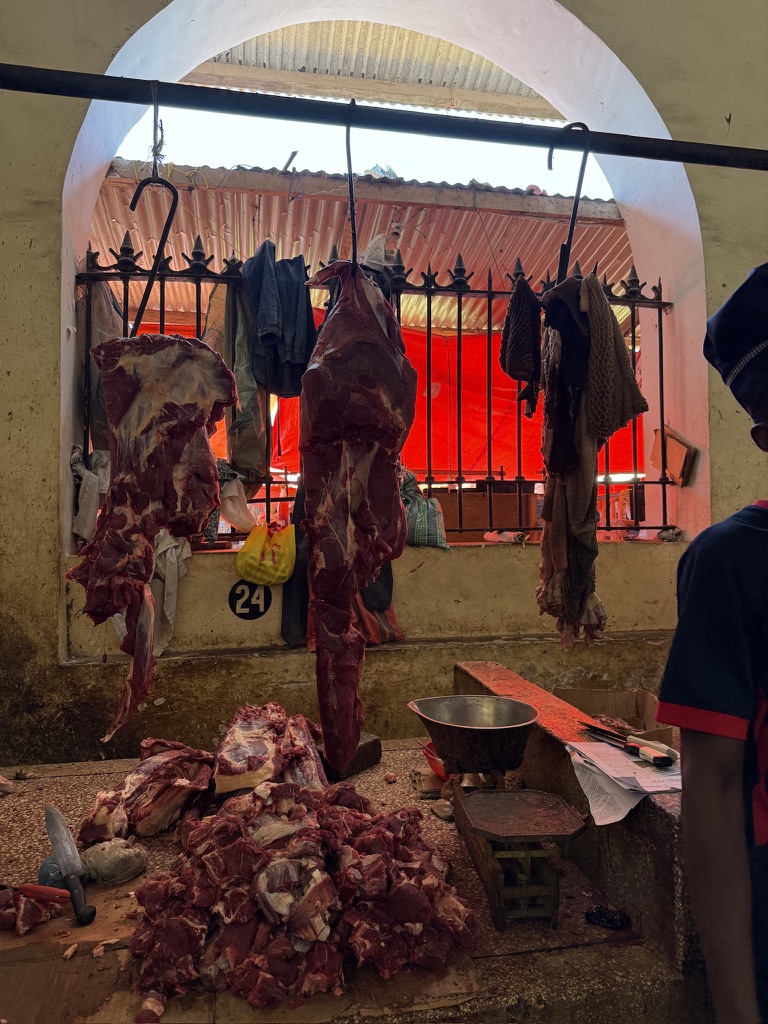
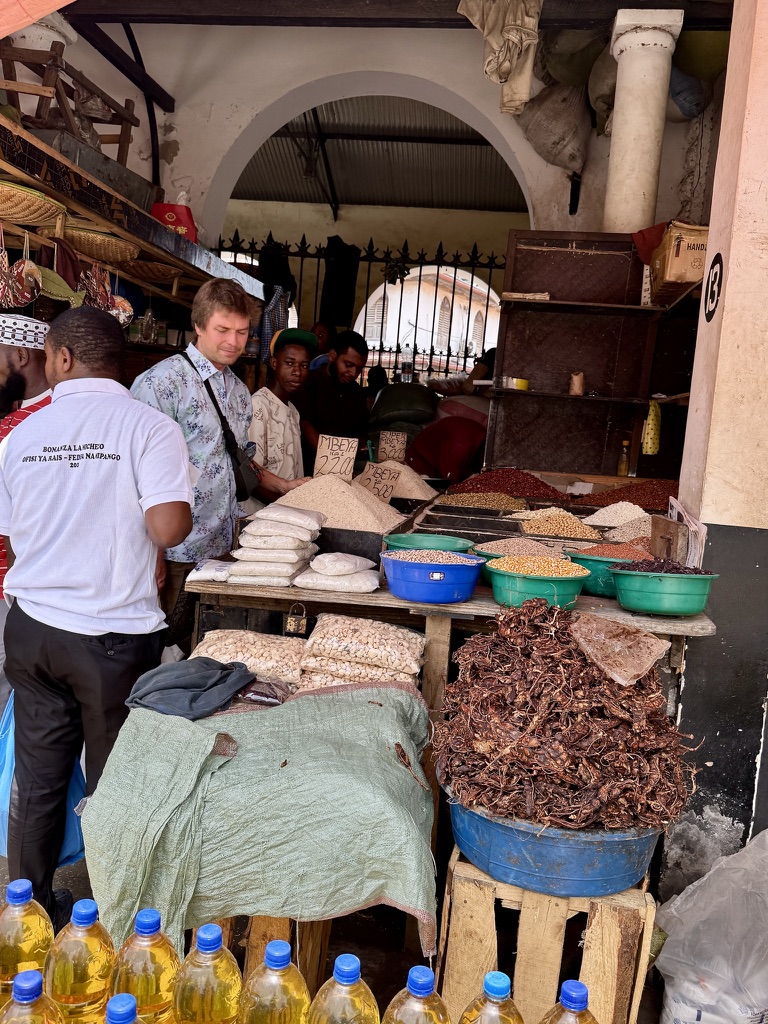
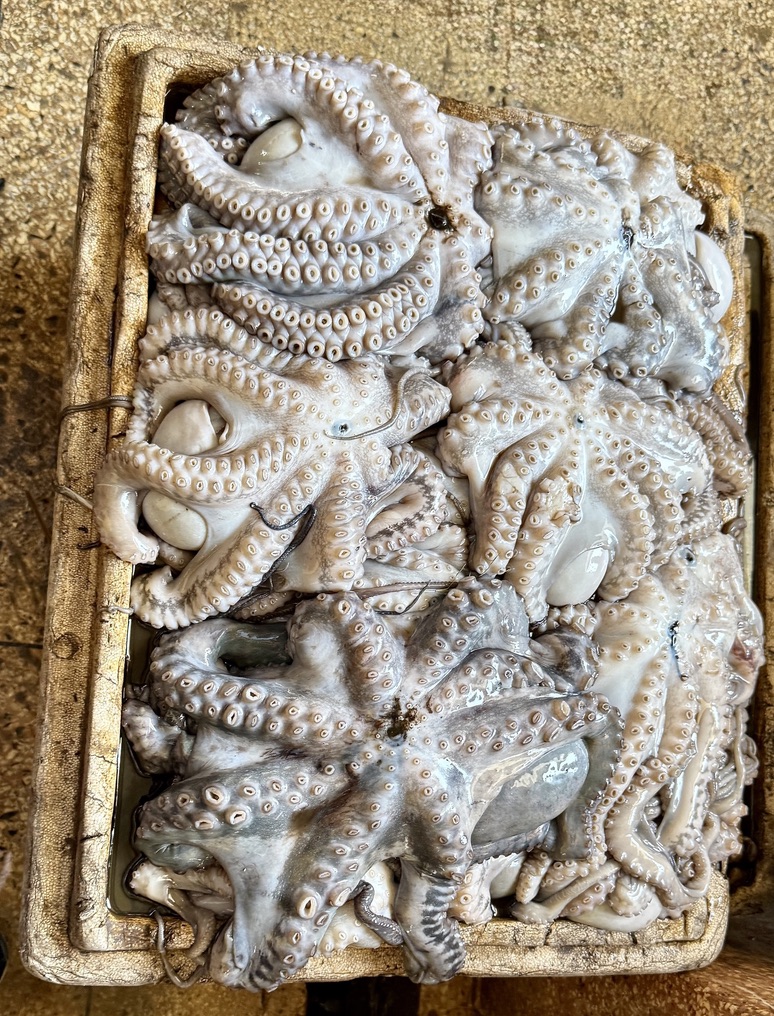
Next we headed to the market area in Stone Town.
On our last night, we took a taxi to the west side of the island to enjoy a drink and watch the sunset. The ‘resort’ we visited felt deserted, and while it offered a nice spot for a drink, it was clear why it had so few guests.
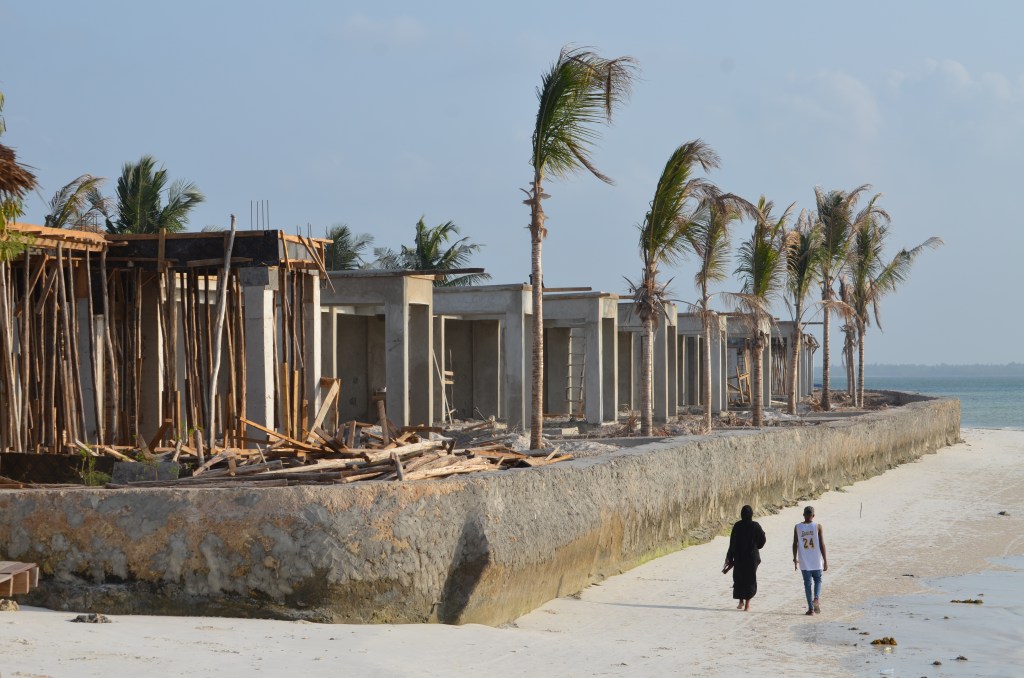
They were building additional accommodations nearby, but we were told that they are already facing financial difficulties, so the completion may be delayed or never finished.
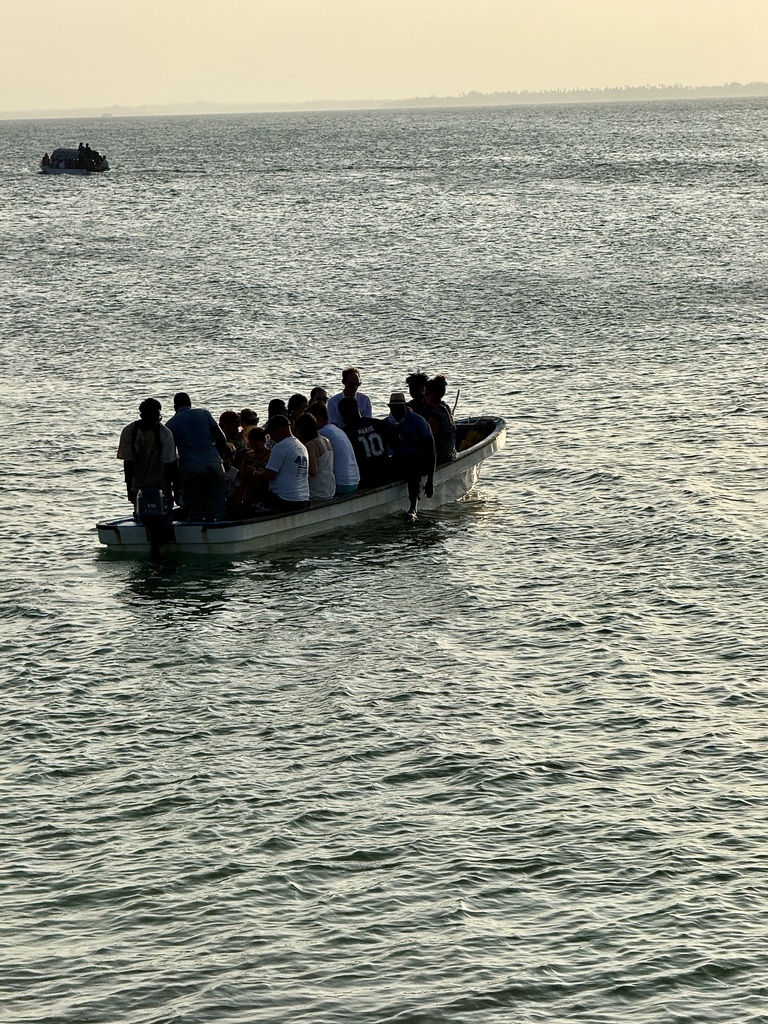
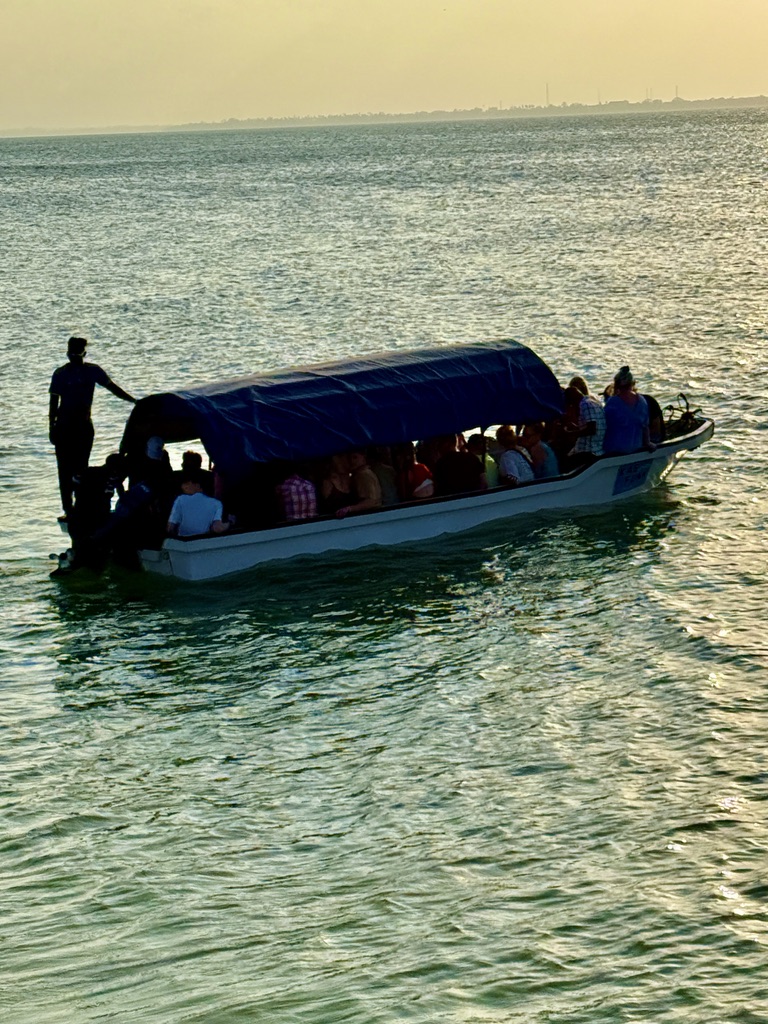
Several minibus loads of tourists were dropped off and squeezed into small boats for a sunset cruise – we counted 24 in this boat It was very hot and they were packed in so tightly it would be hard to move, plus there were no lifejackets. We were happy staying safe on the hotel deck.
Not our idea of a sunset cruise.
Some tourists went out in the dhow – very wet and no life jackets.

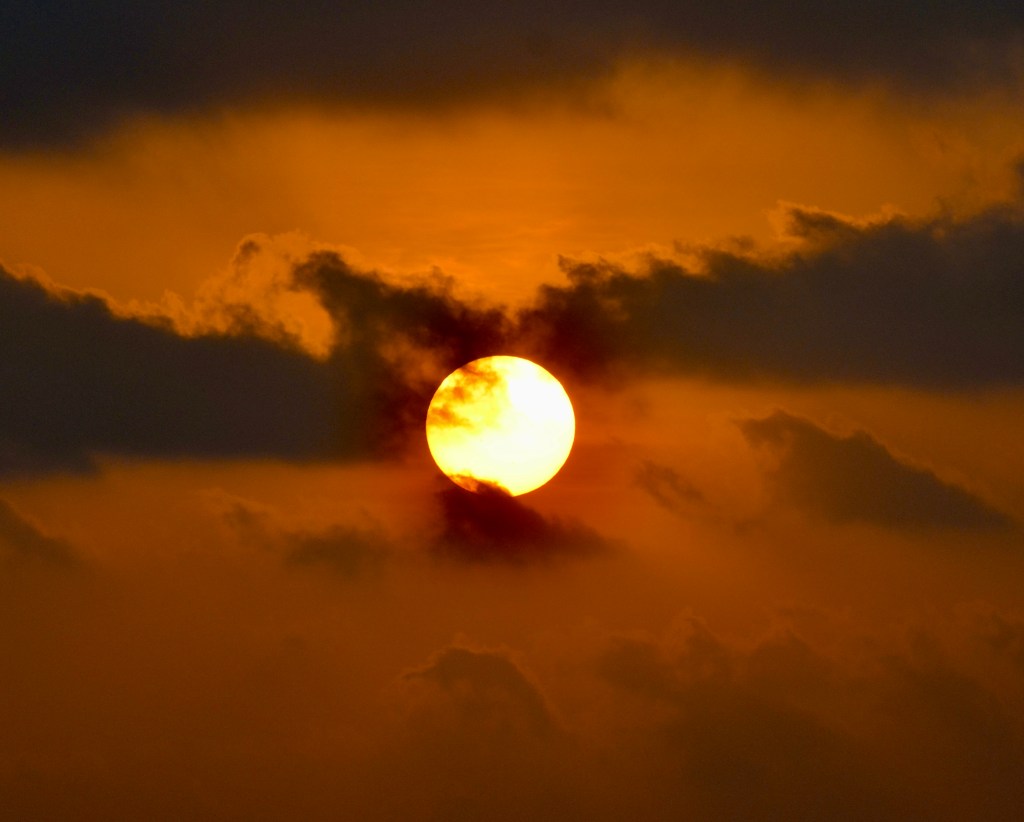
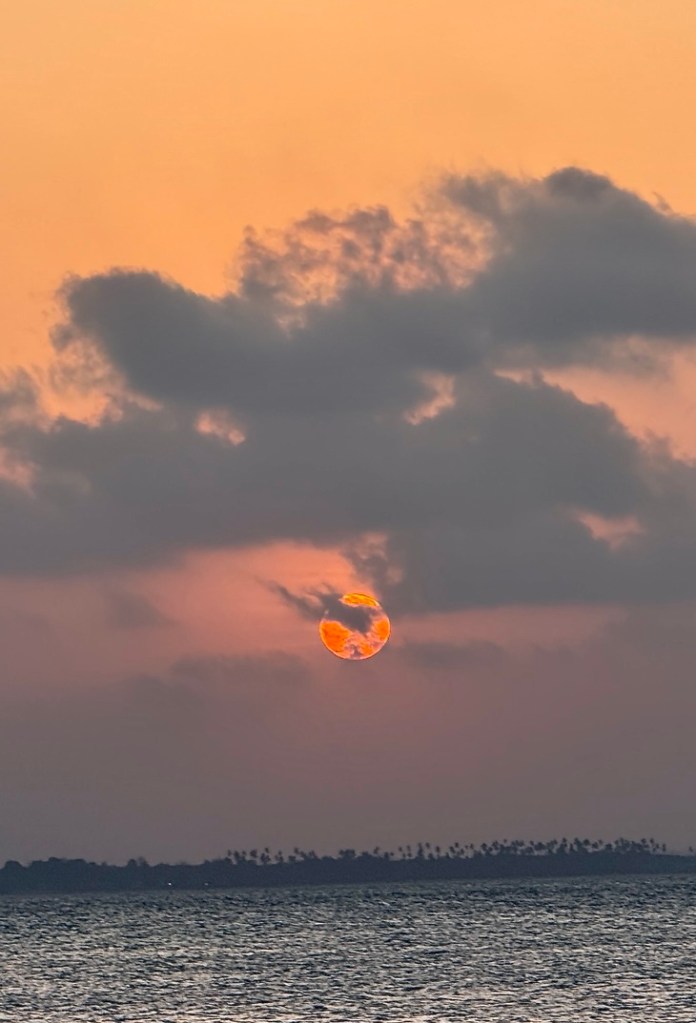
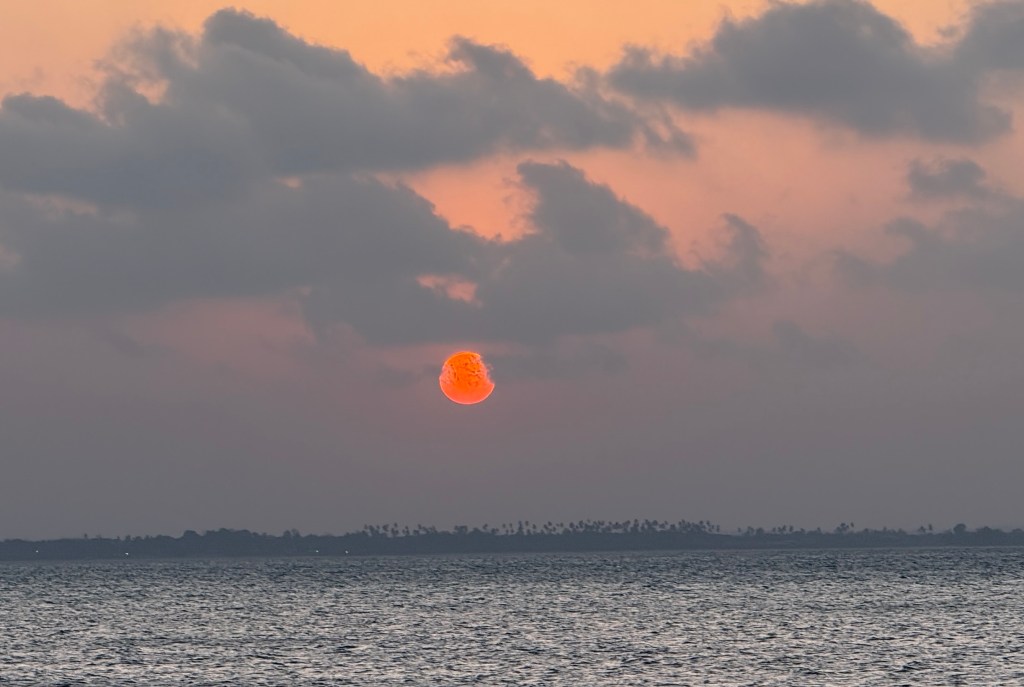
Beautiful sunset!

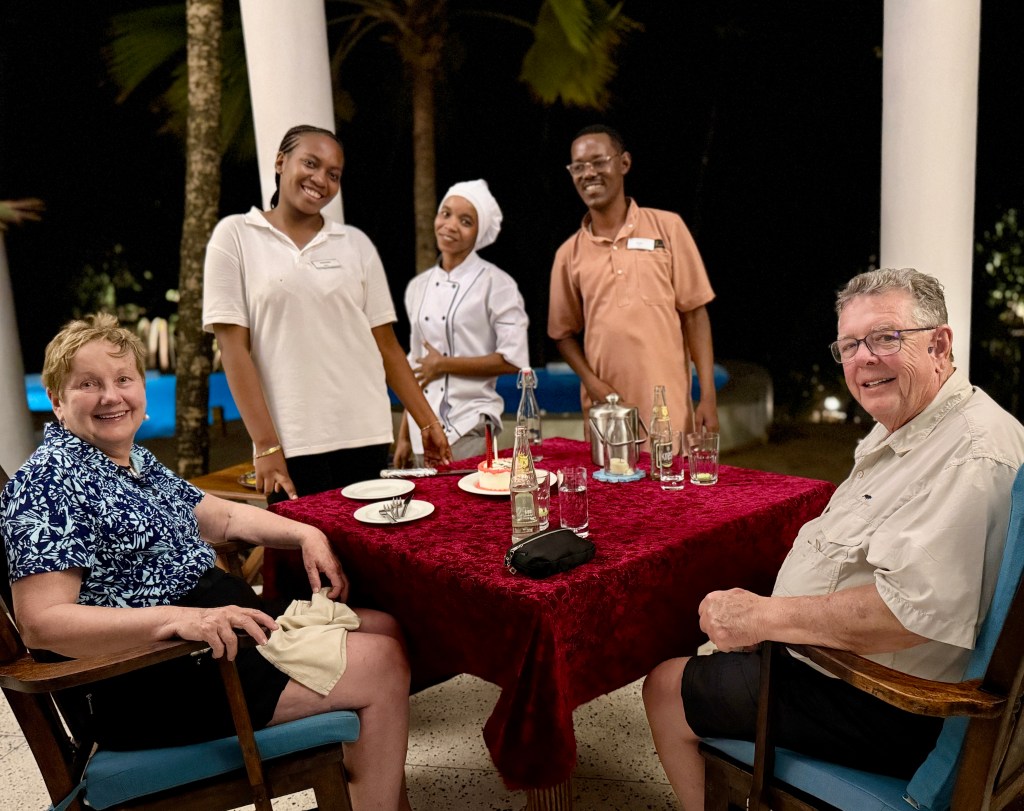
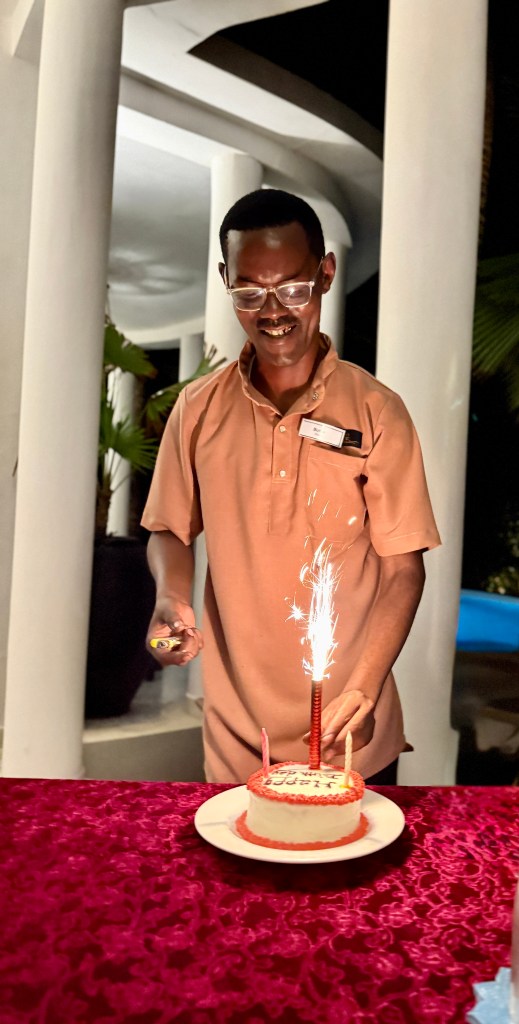
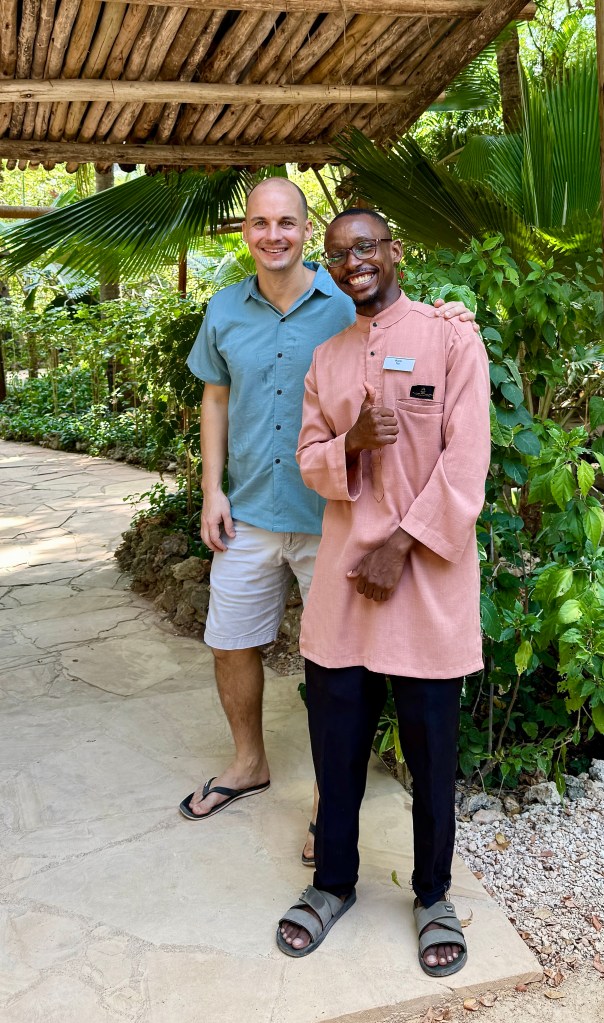
During our stay, we were treated to the warm and friendly hospitality Matlai is known for. Matlai began as a vacant lot with just a few palm trees when Tim’s mother purchased it in 2010. In May 2012, the first building, “Asili House,” was opened, followed by the second house, “Villa Kidosho,” in 2015. Over the years, a lot of care has gone into the gardens, transforming it from a simple plot into a lush tropical paradise. When it was time to leave, Tim, the owner/manager, and our butler gave us thoughtful gifts—a plaque with our names engraved, a shopping bag, along with cookies and apples for the journey. It was the perfect send-off after a relaxing week in Zanzibar.
Inyati – Part 2

This post will be mainly photos of our time at Inyati. Even when we were not in the safari vehicle, we saw wildlife around the lodge.

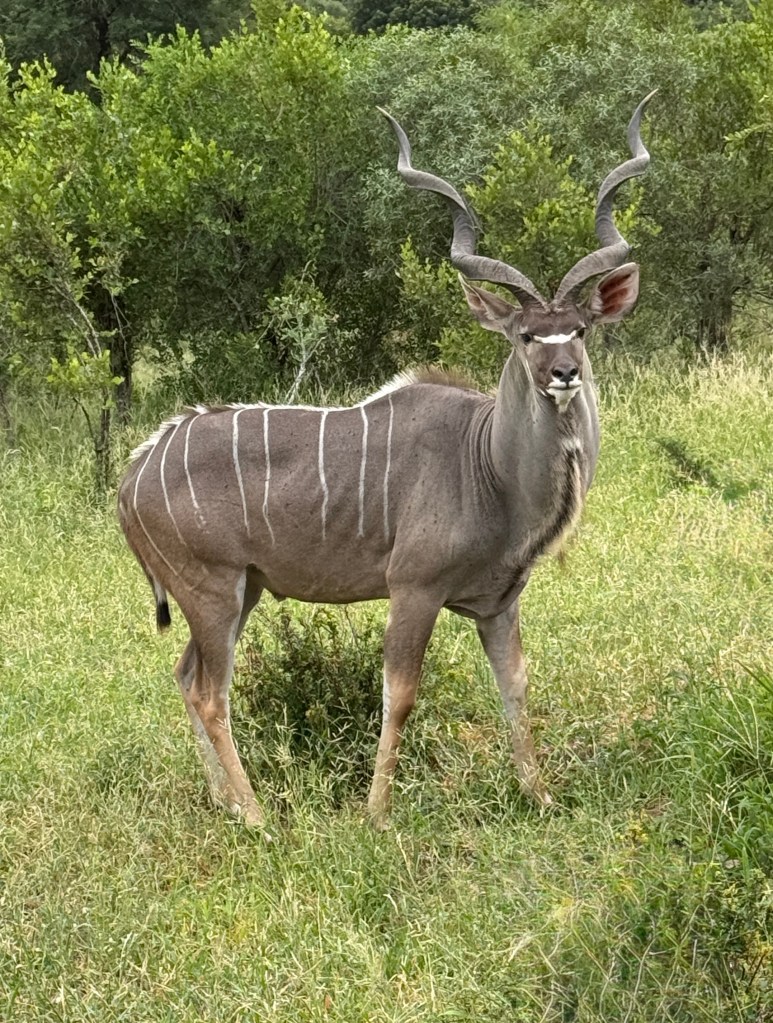
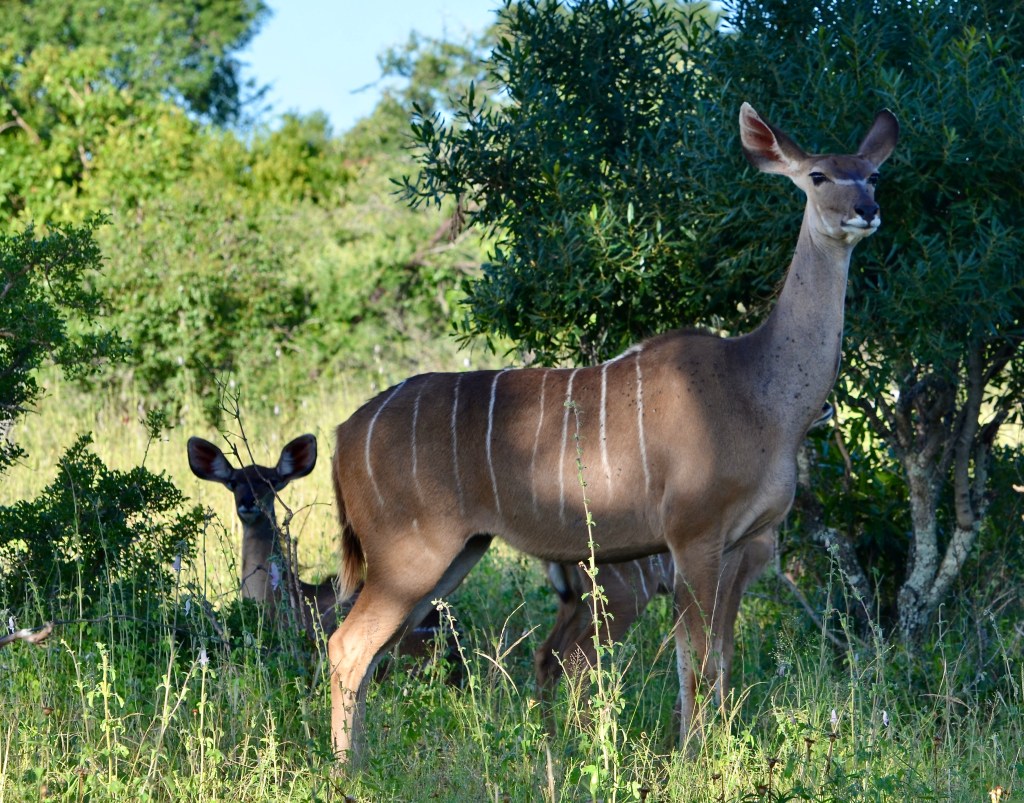
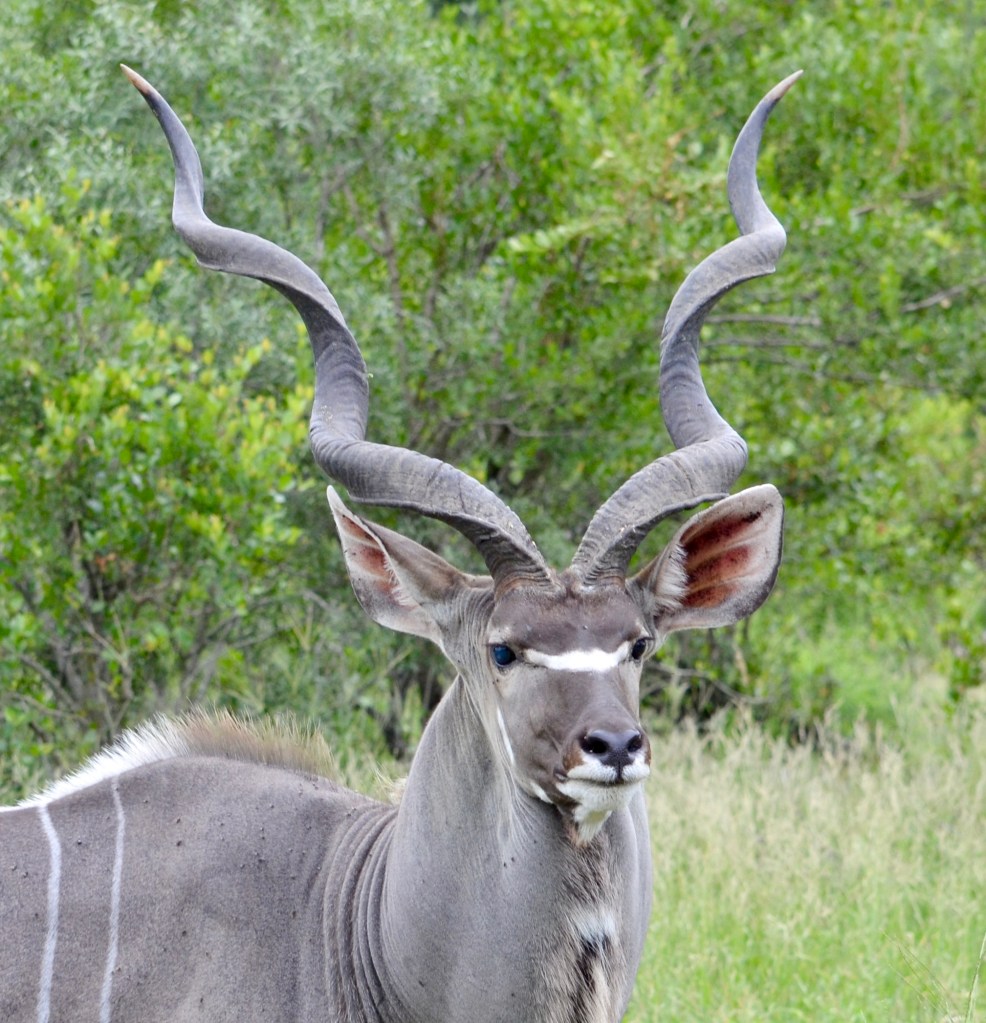
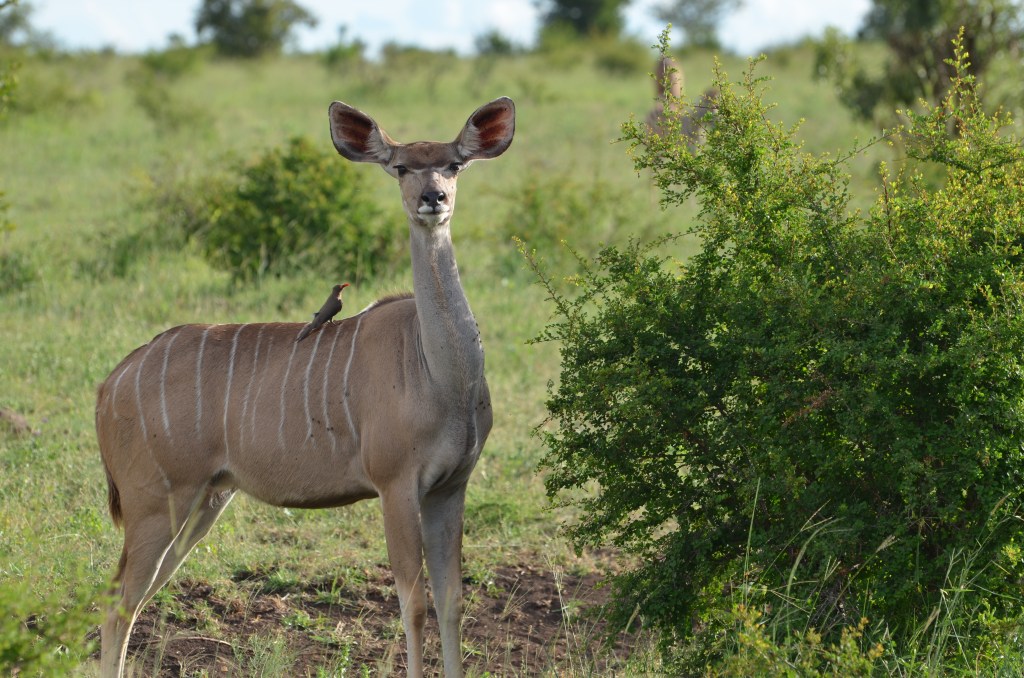
Kudu
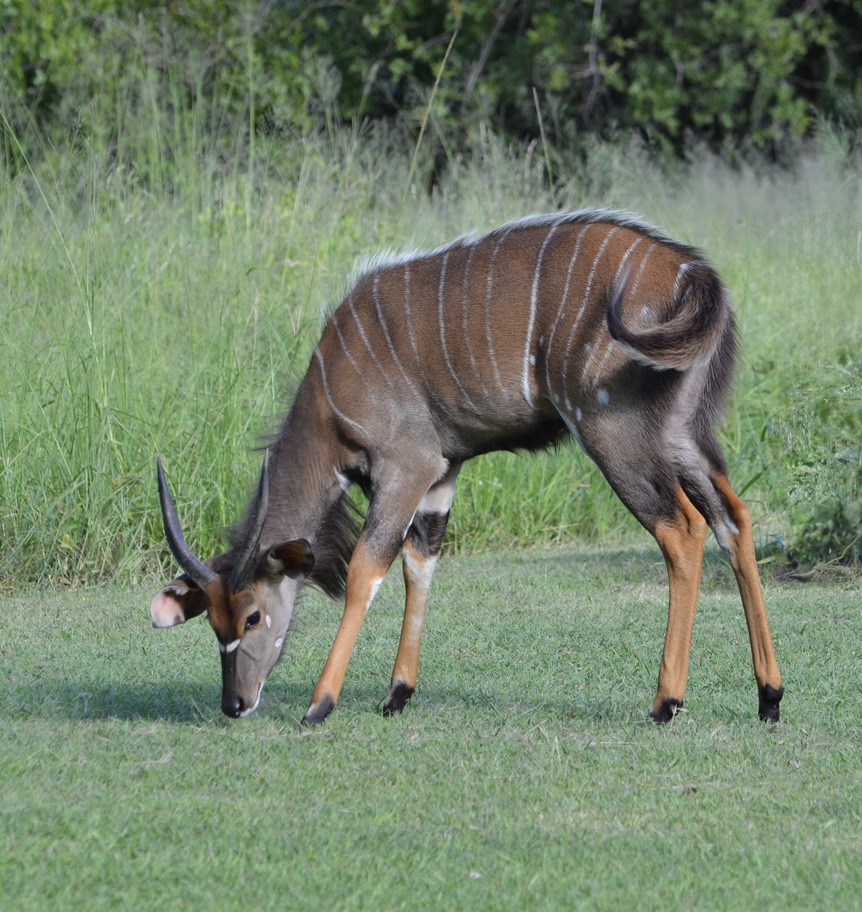
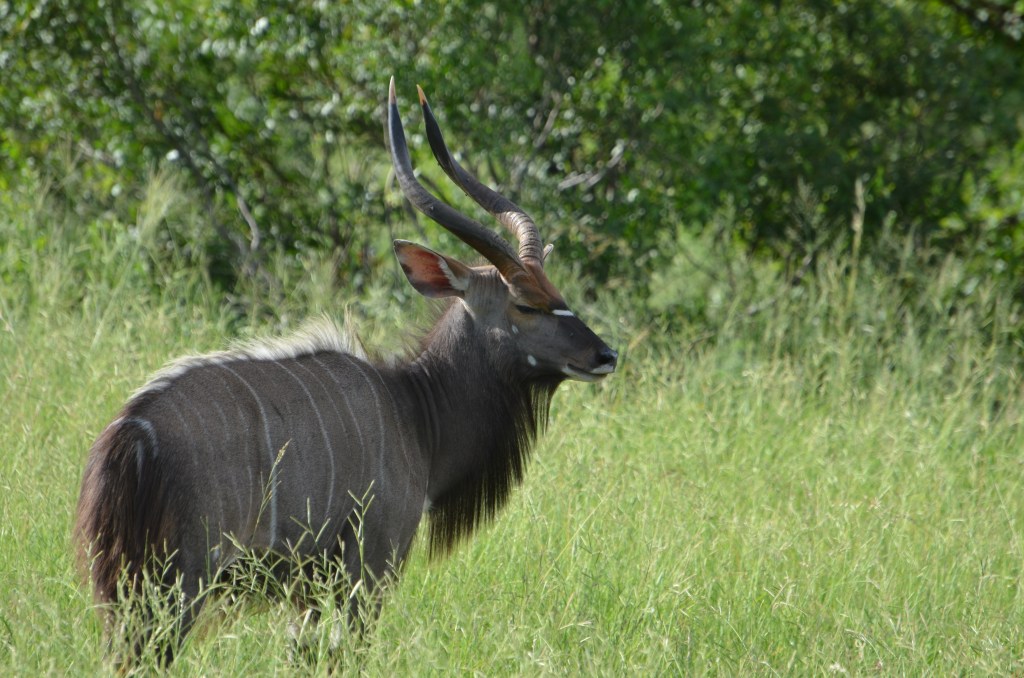
Nyala
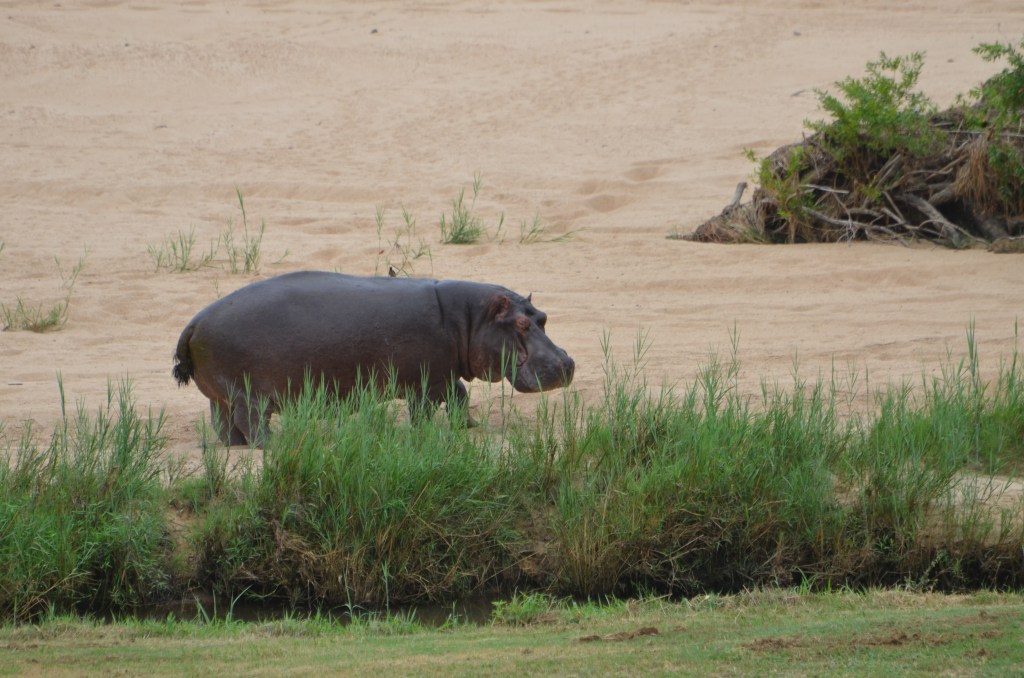
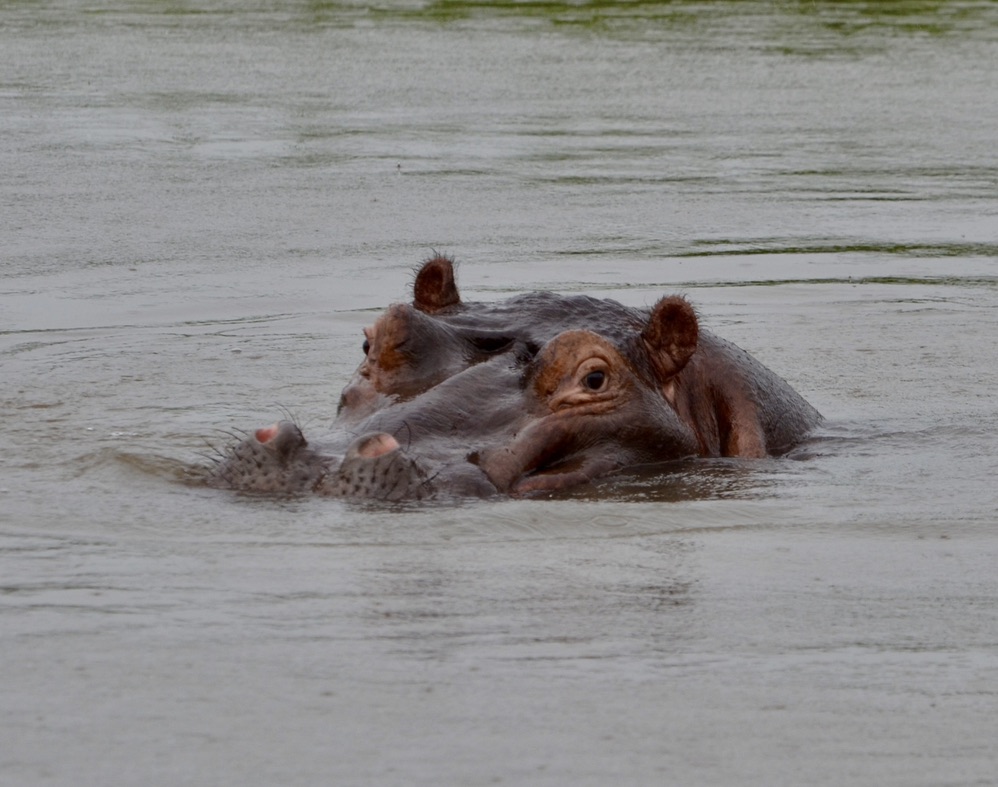
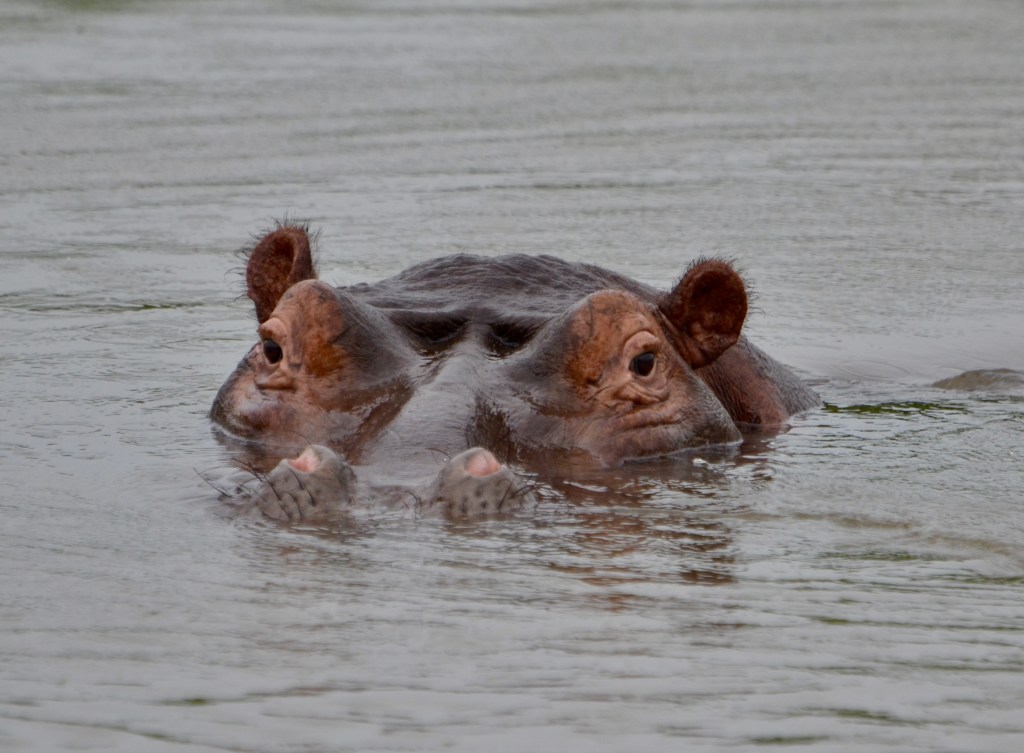
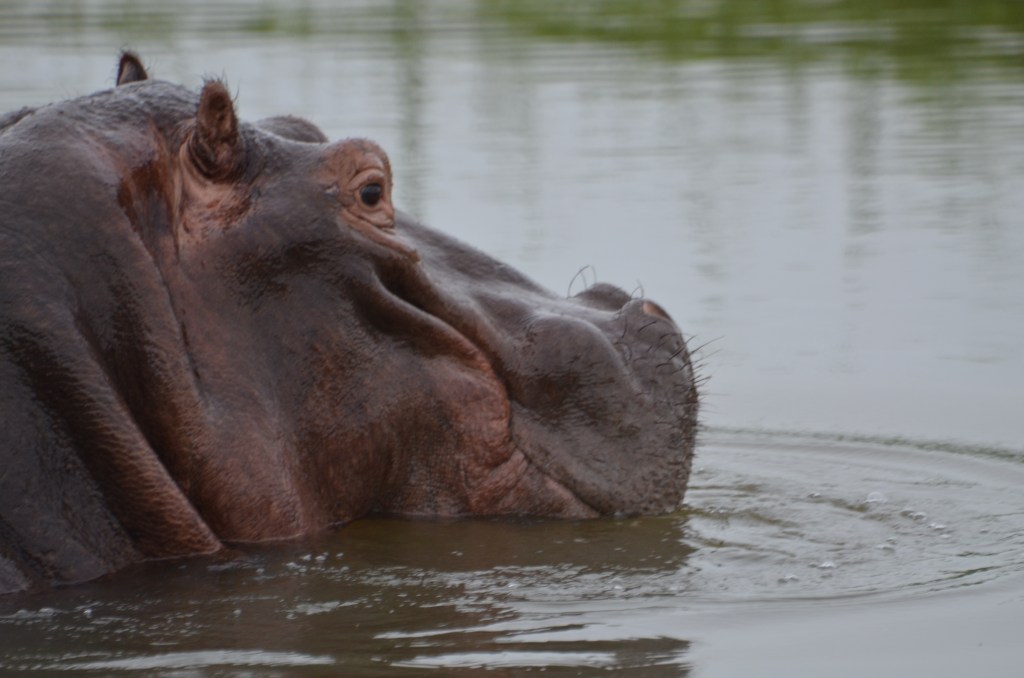
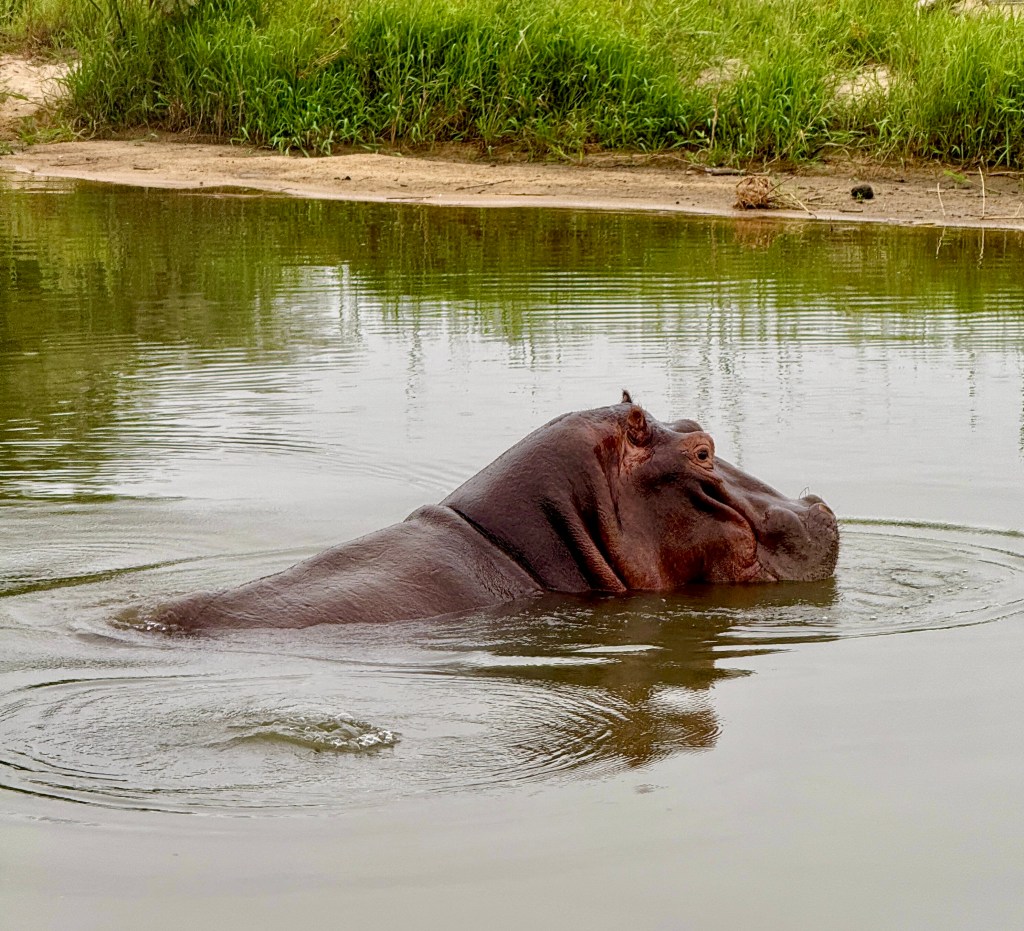
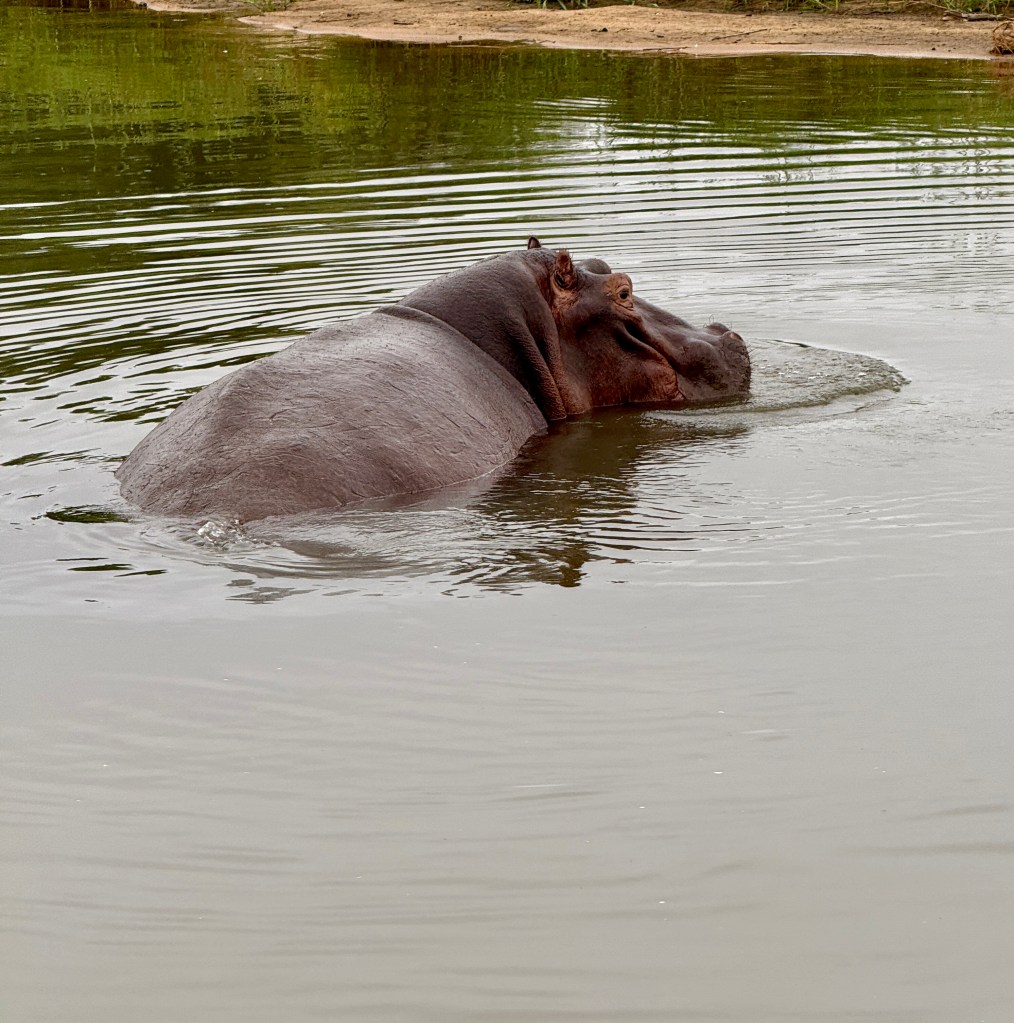
We seldom see the hippo out of the water during the day. This fellow was in front of our lodge headed back to the river.

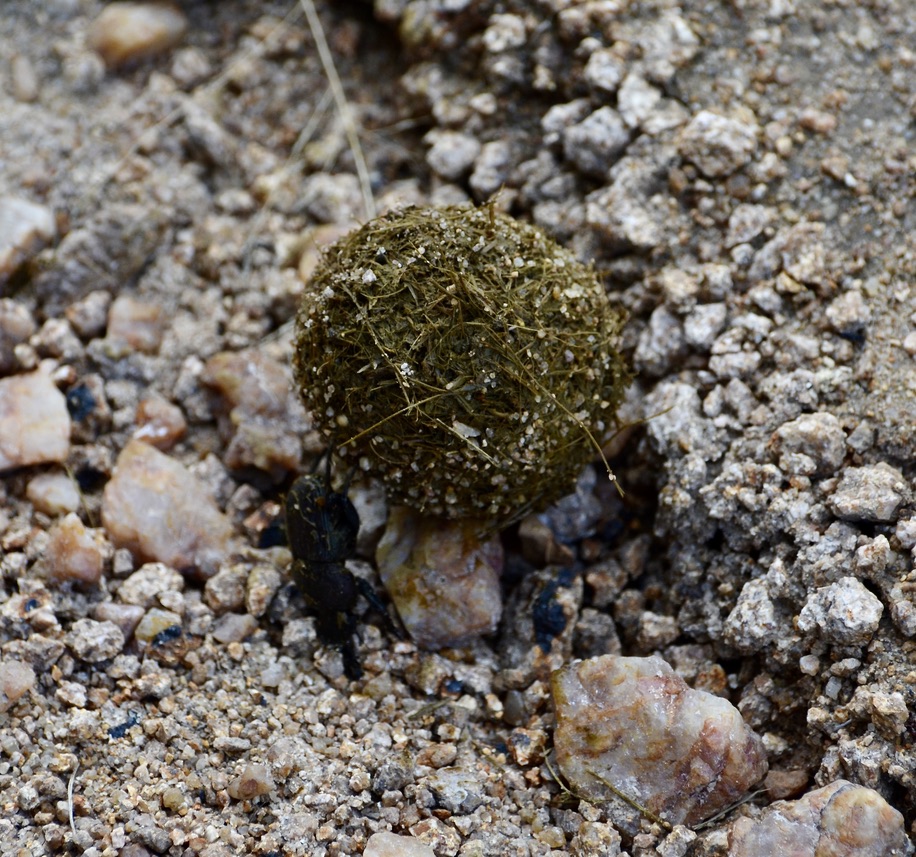
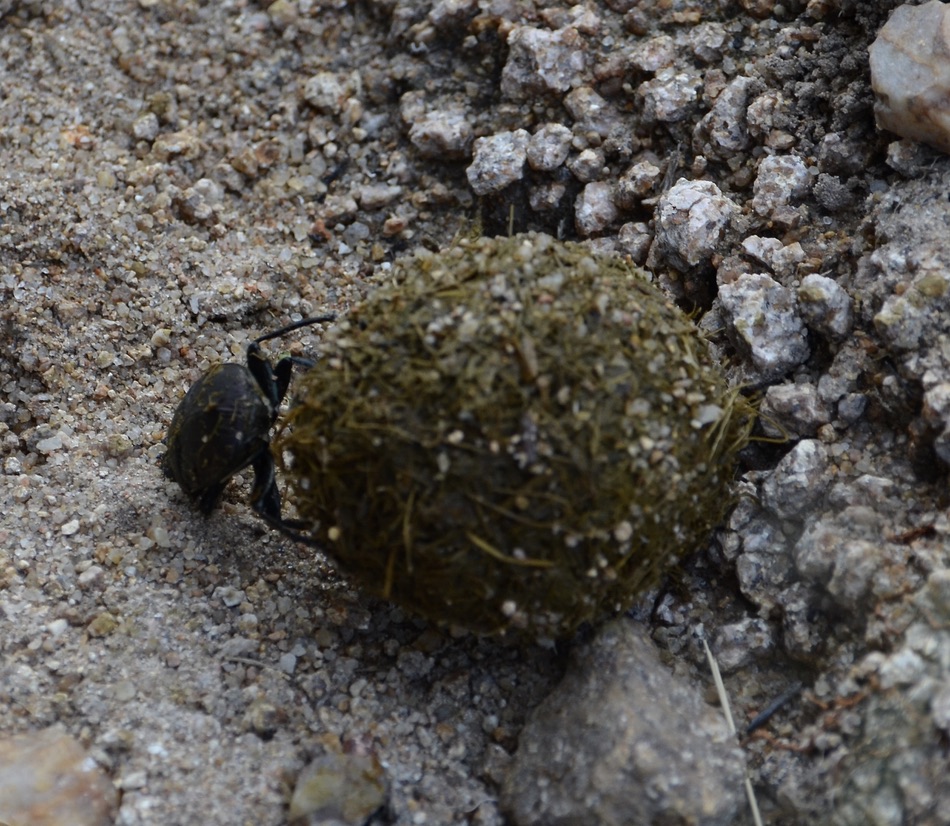
As mentioned, elephants are voracious eaters so it is not surprising that they produce massive amounts of dung. In fact, an elephant can produce up to 150kg (330 pounds) of dung daily. This is where dung beetles come in. These beetles depend on dung for food, both for themselves and their larvae. They roll balls of dung and push them to a suitable spot. Once they find a good location, they dig a hole, place the dung ball inside, and cover it up. Sometimes, they stack several dung balls on top of each other before sealing the hole. The larvae will hatch, feed on the dung, and eventually turn into adult beetles.

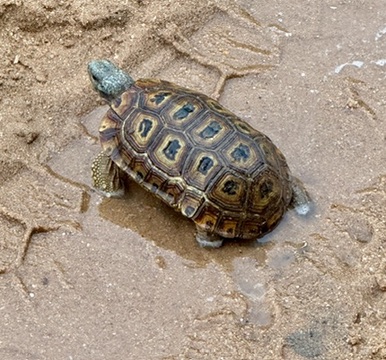
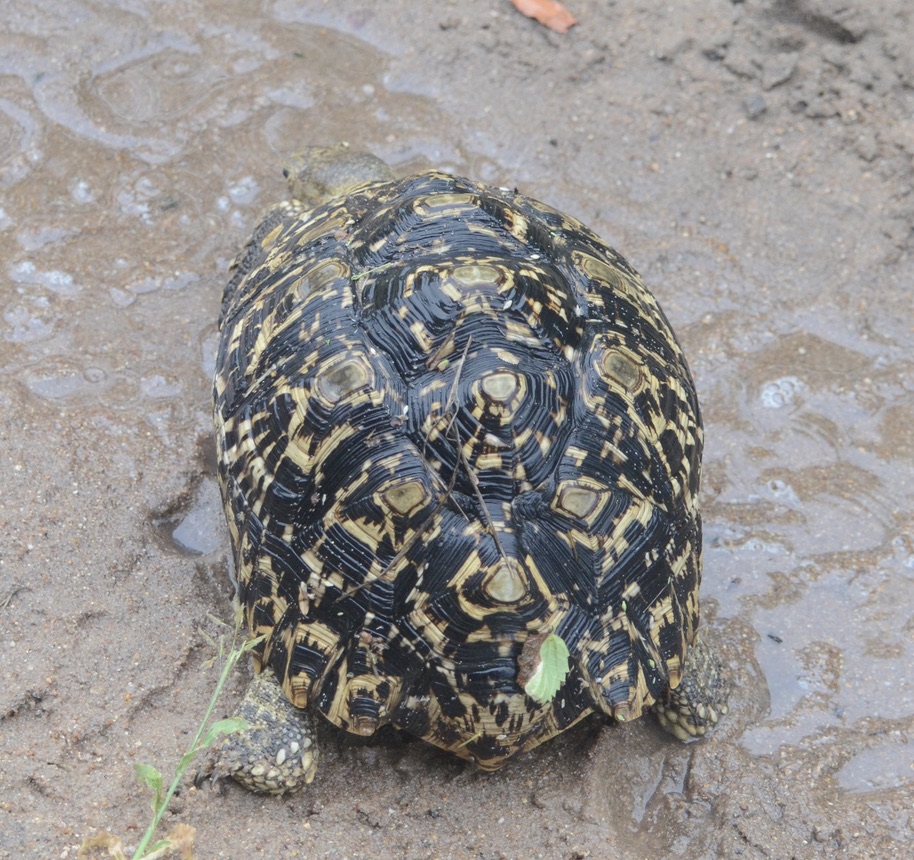
Two types of Tortoise: Angulate Tortoise on the left and the Leopard Tortoise on the right.

Hippos are the third-largest land mammal, after elephants and white rhinos, weighing in at around 1,480 kg (3,260 lb) for bulls/males.  During daylight hours, hippos spend almost all of their time in shallow water so it is always special when we spot them. Once the sun goes down, hippos come out of the water for grazing—hippos eat an average of only 88 pounds (40 kilograms) of food a night which doesn’t seem like a lot based on their weight.

Although hippos spend most of their time in the water, they can’t swim. Their bodies are too dense to float, so they move by pushing off the riverbed or walking along the bottom in a slow-motion gallop. While they don’t look like they could move quickly, hippos are surprisingly fast both in the water and on land.

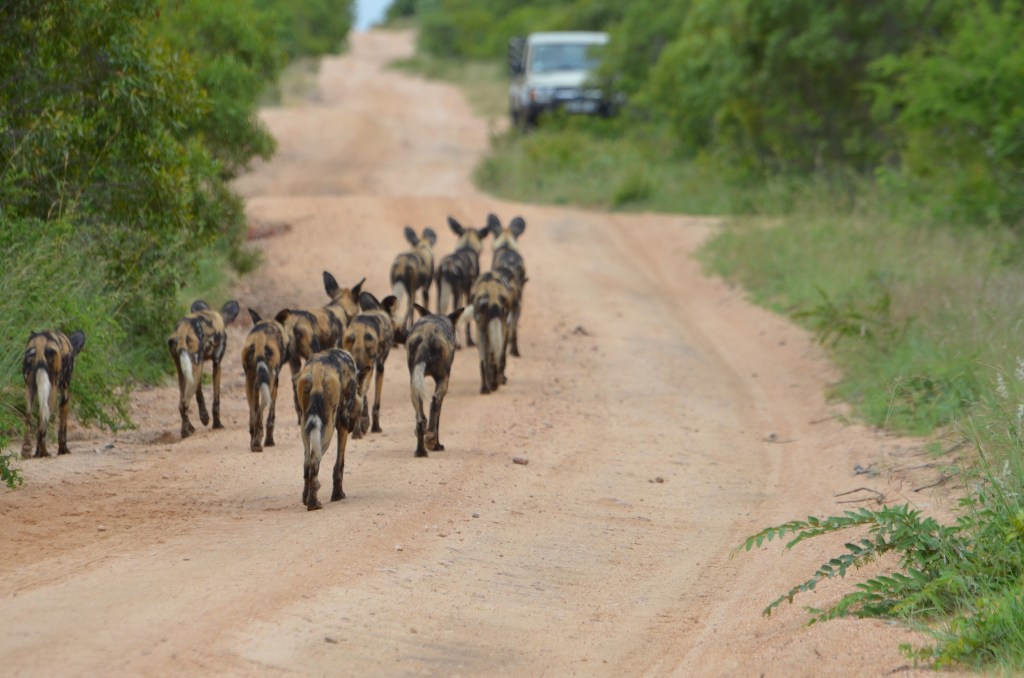
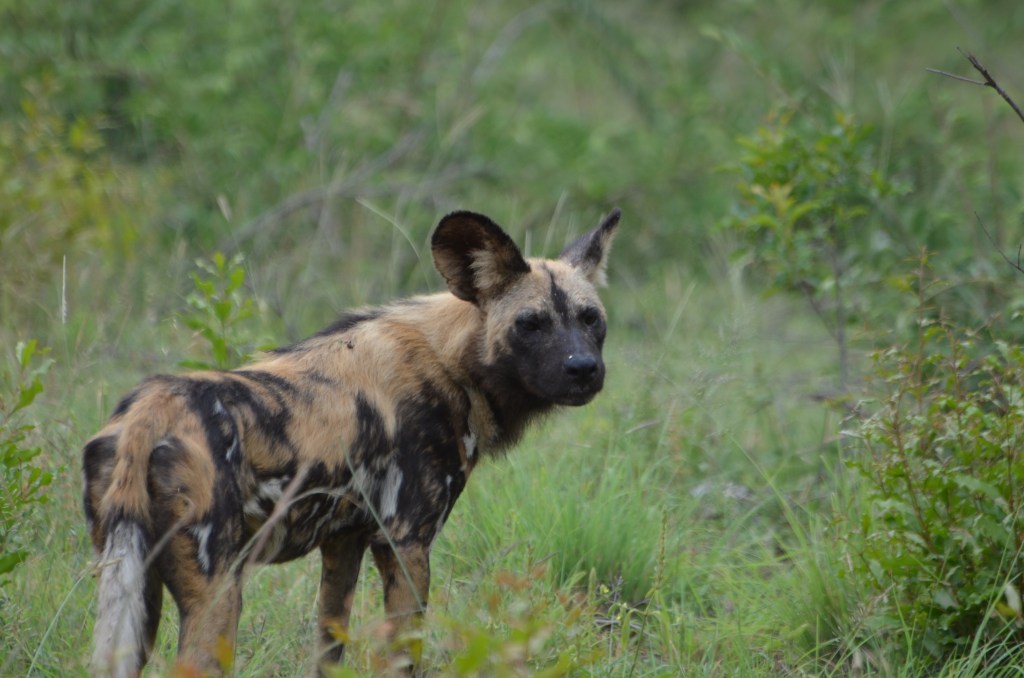
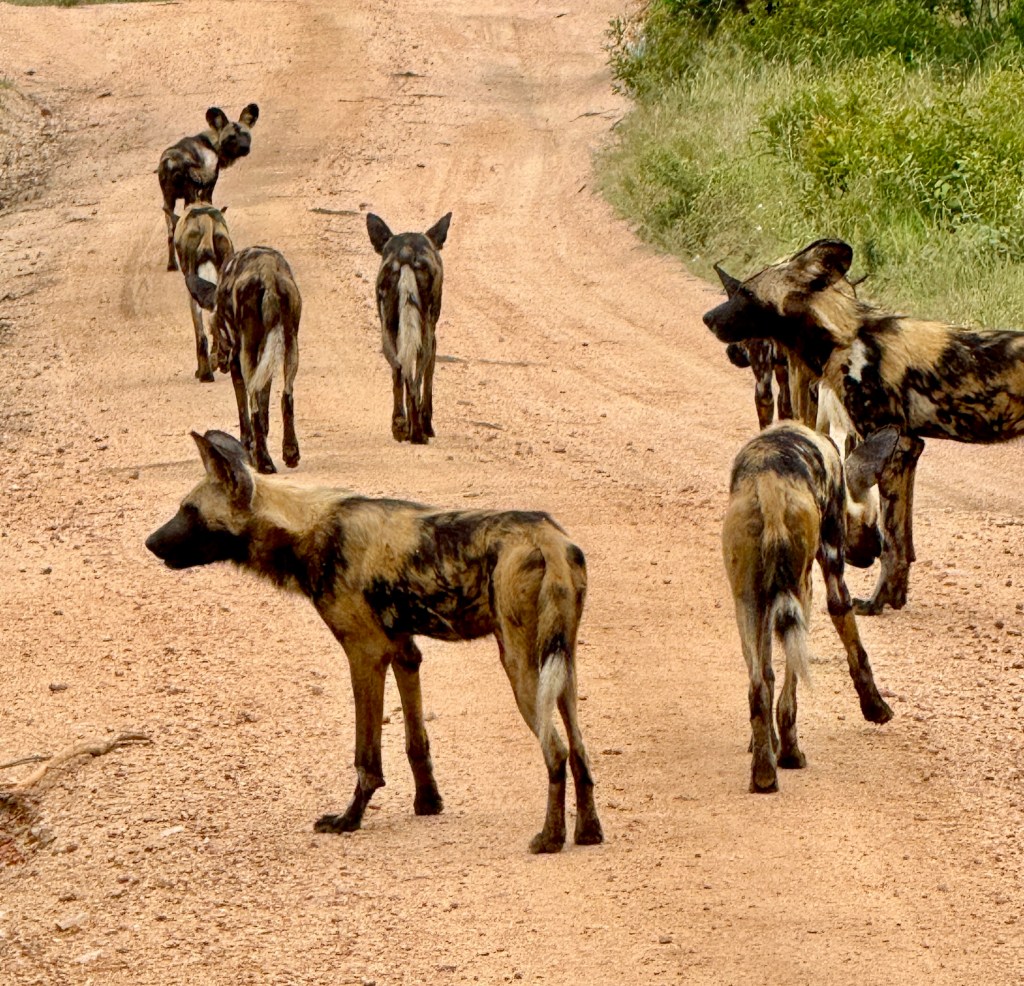
The wild dog is one of the world’s most endangered mammals, so Roger was happy to spot them again after weeks without a sighting. They live in packs of 10 to 20 and are always on the move which makes them difficult to photograph. When they sprint, they can reach speeds over 44 miles per hour, making it impossible to keep up with them in the bush (although we tried).

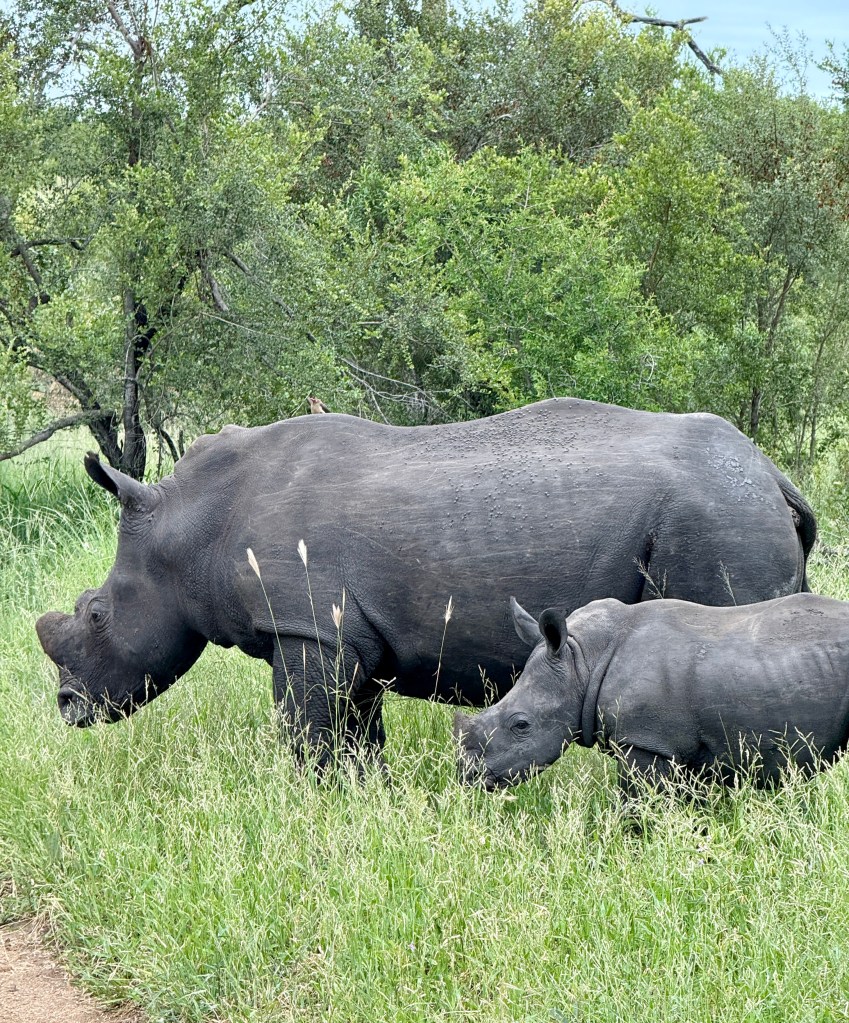
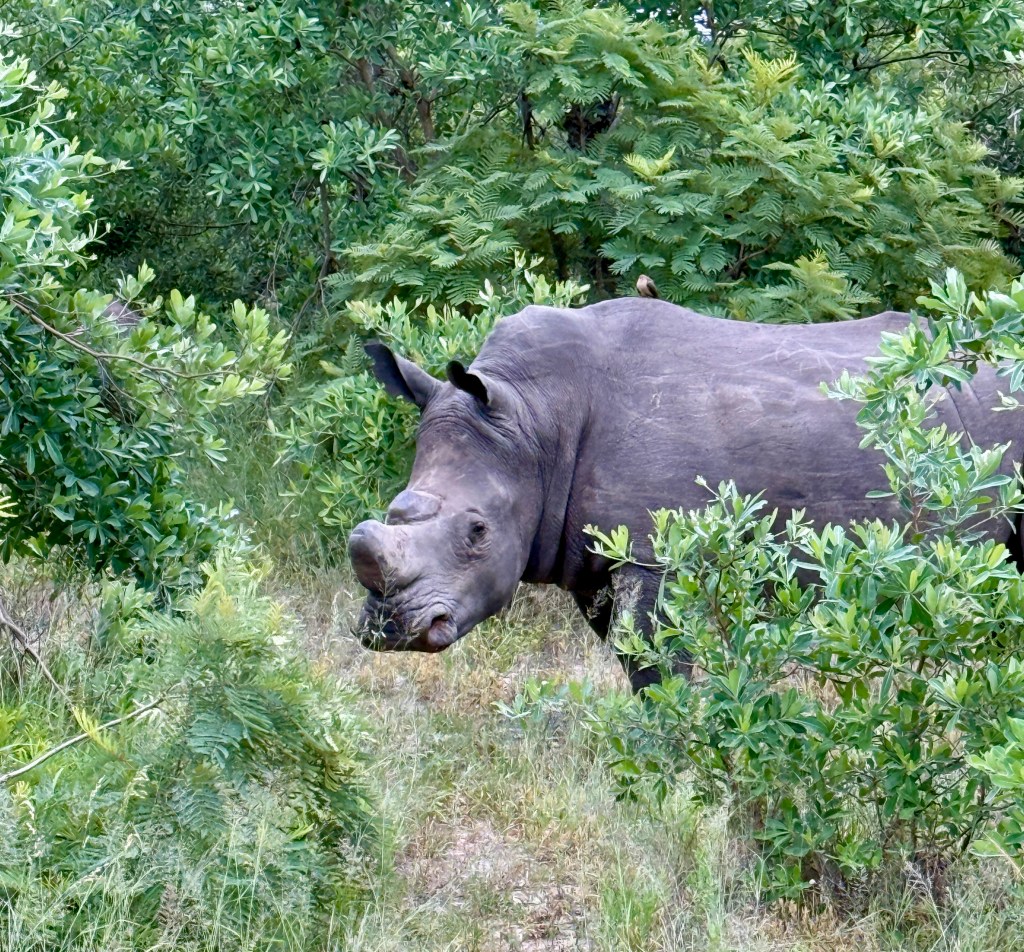
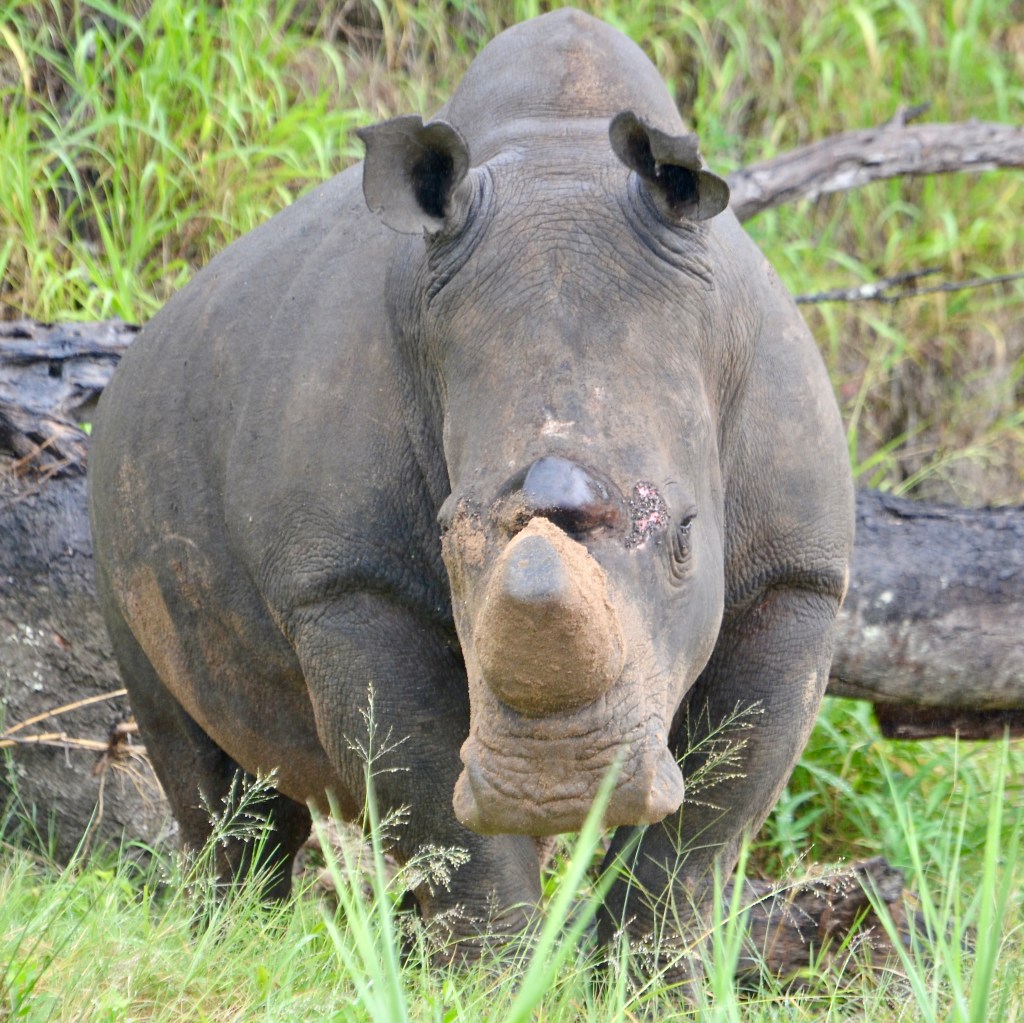
Unfortunately poaching is still an issue, so they are still removing the horn from the rhino
The scenery is beautiful.
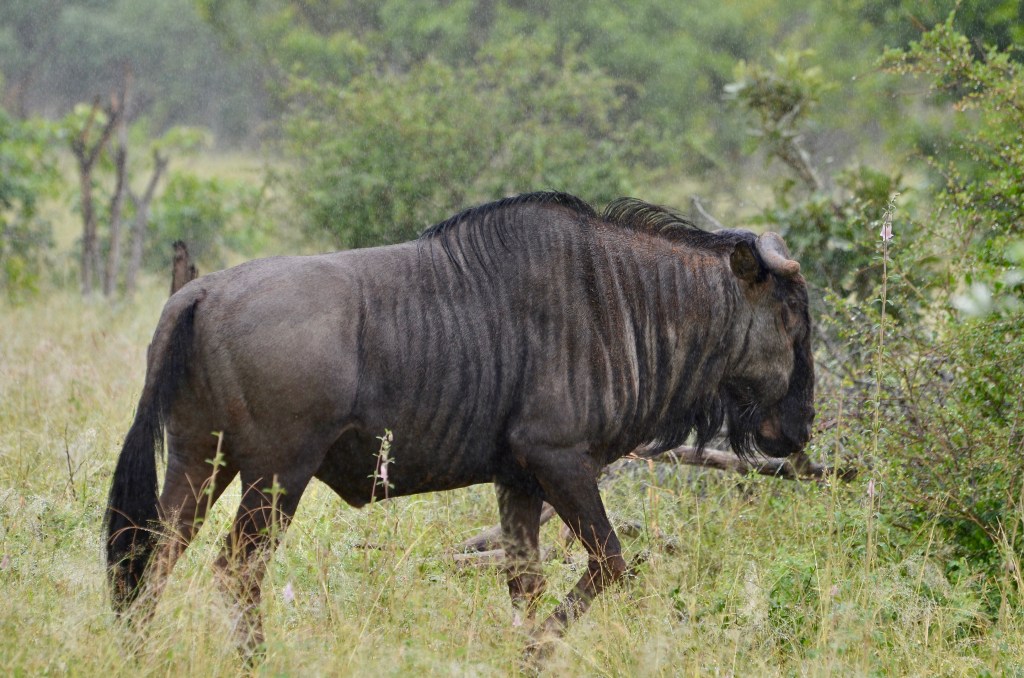
Wildebeest
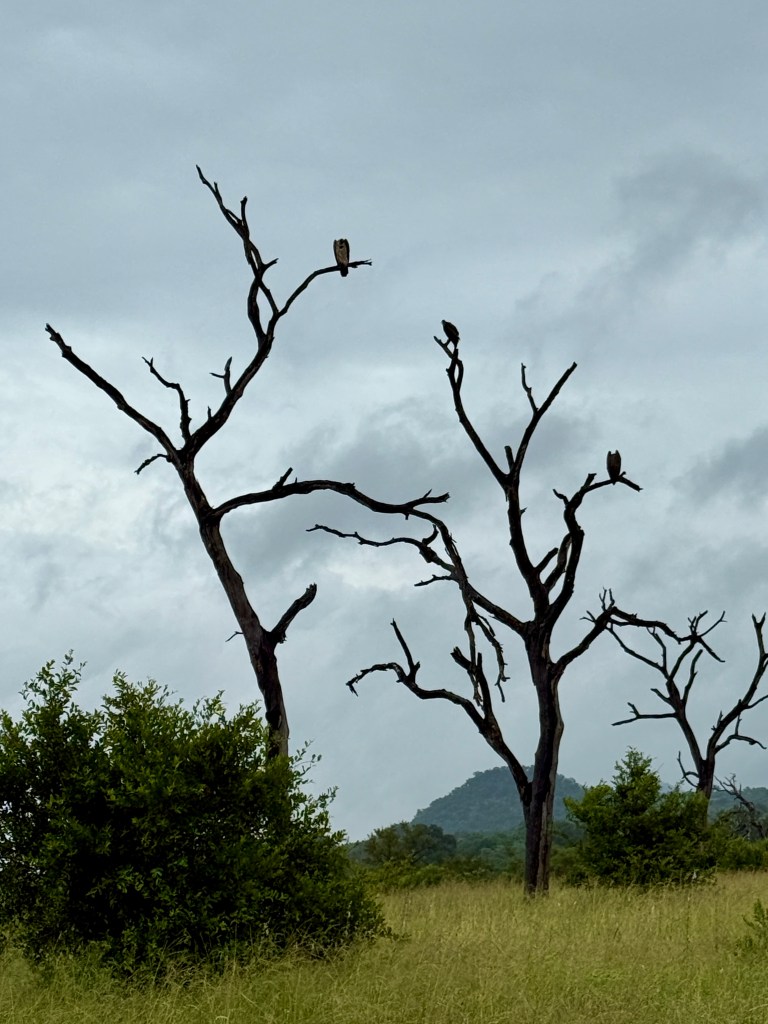
Vultures in the trees

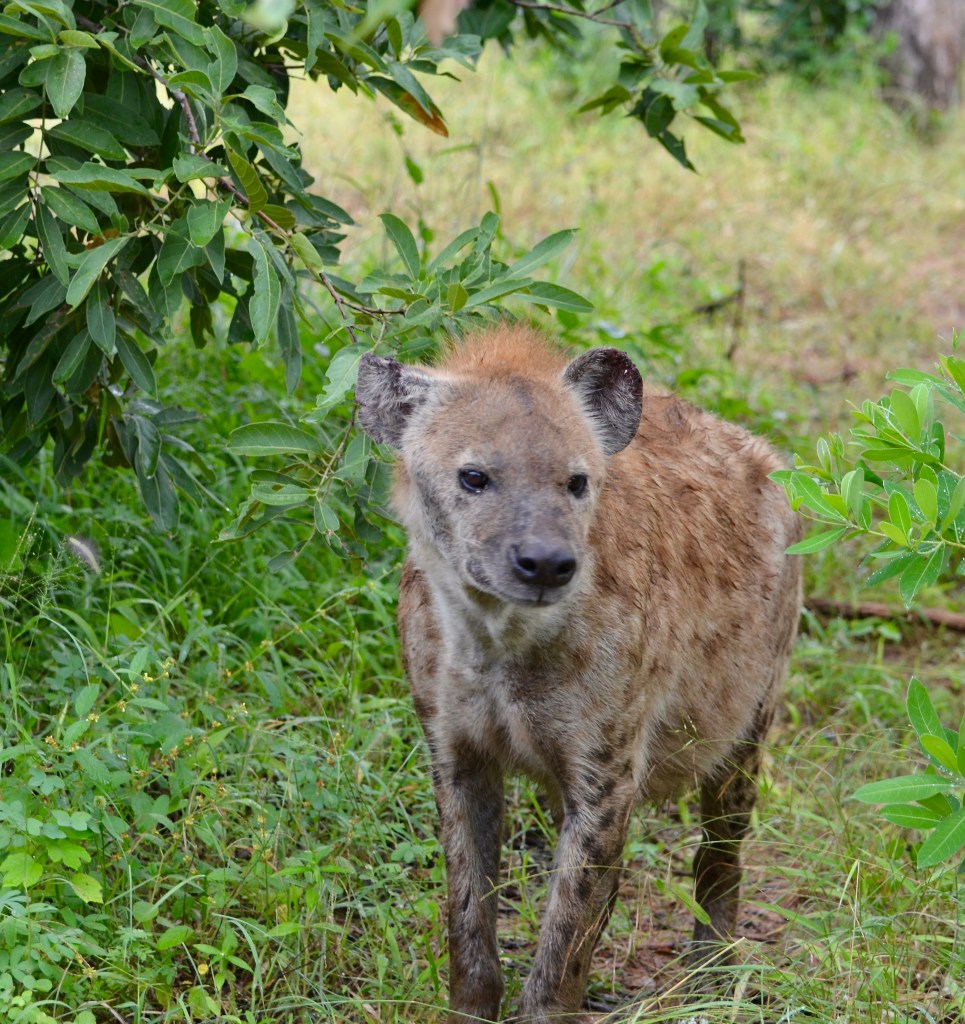
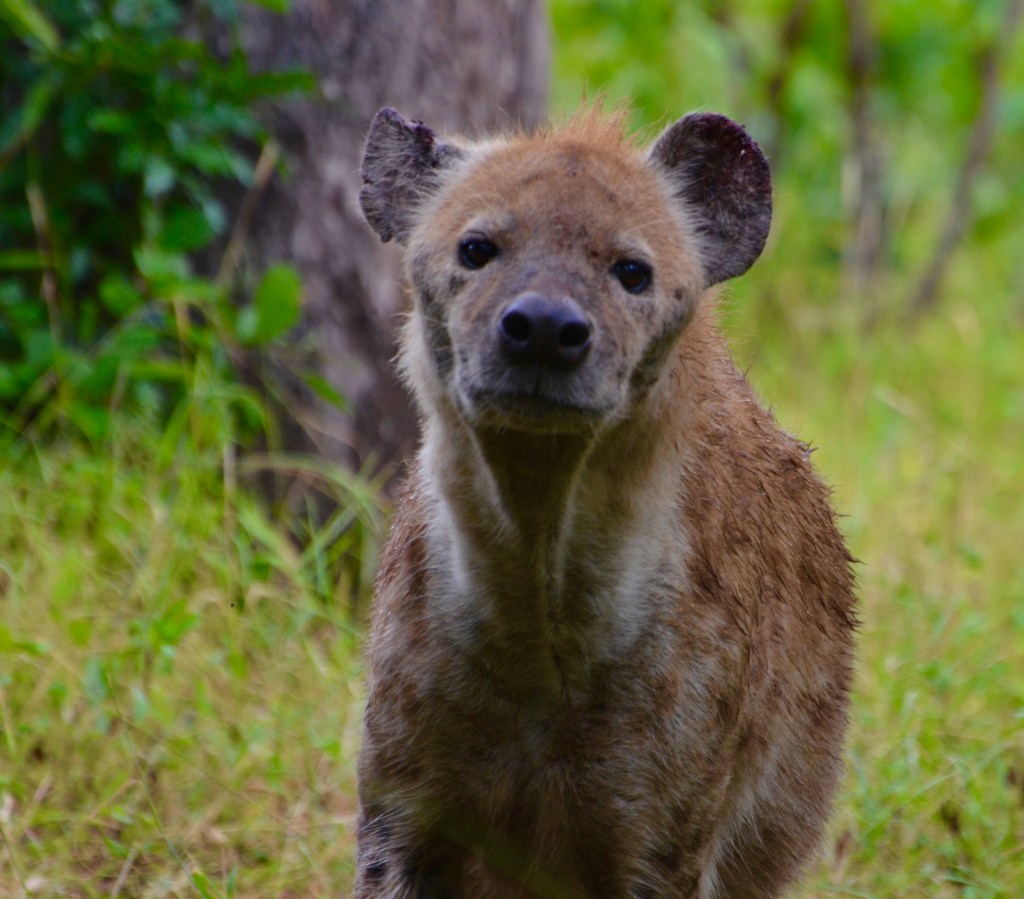
The spotted hyena, with its distinctive sloping back, is part of the dog family. Known as one of the most successful carnivores in southern Africa, hyenas are skilled at both hunting and scavenging. They often feed on kills made by other predators, especially lions and leopards.

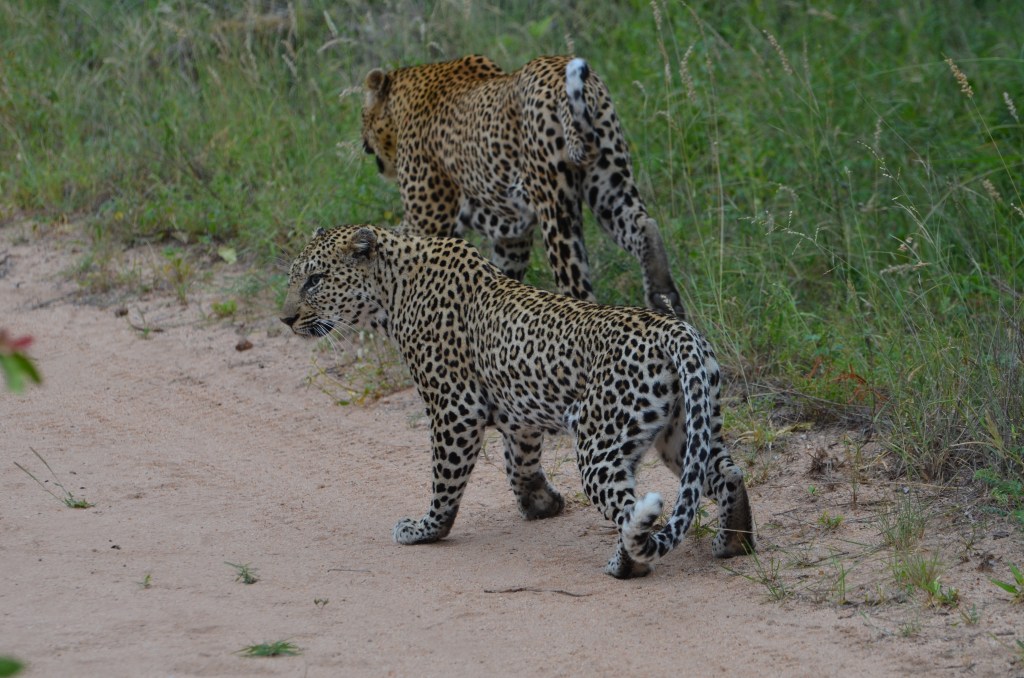
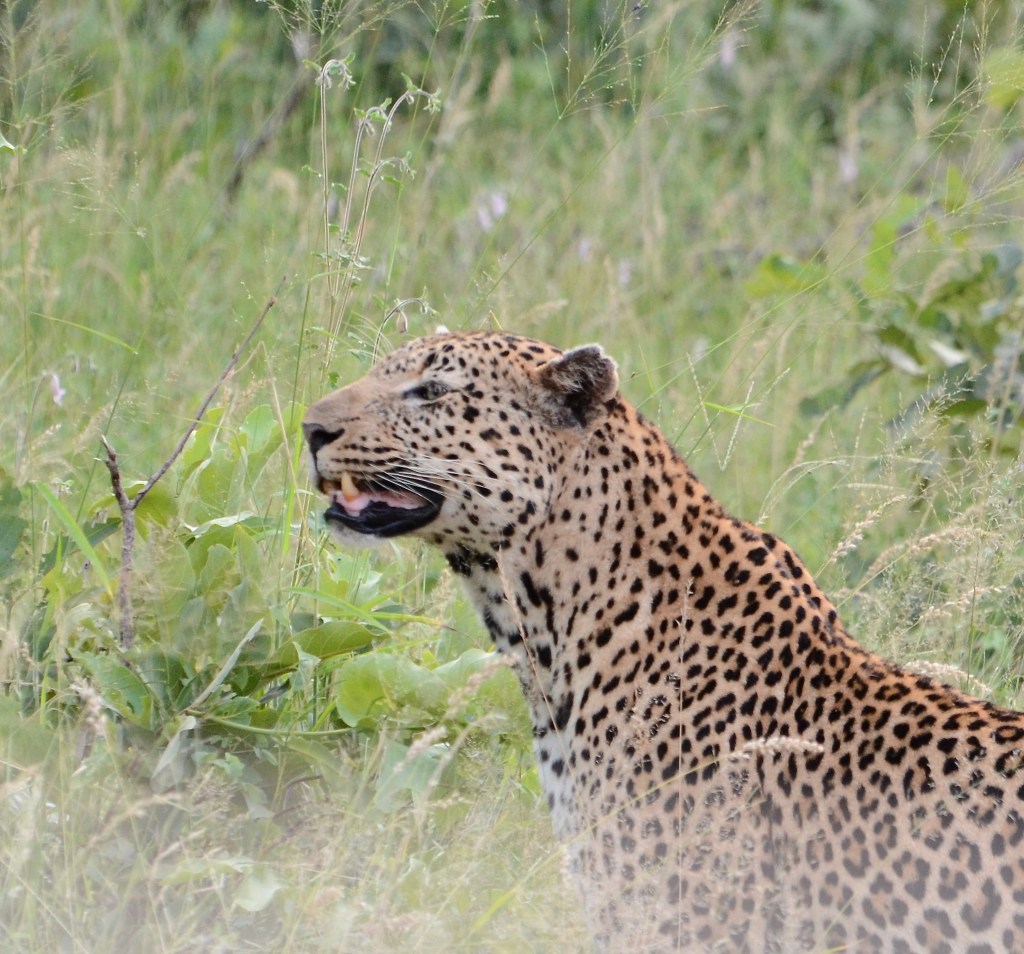
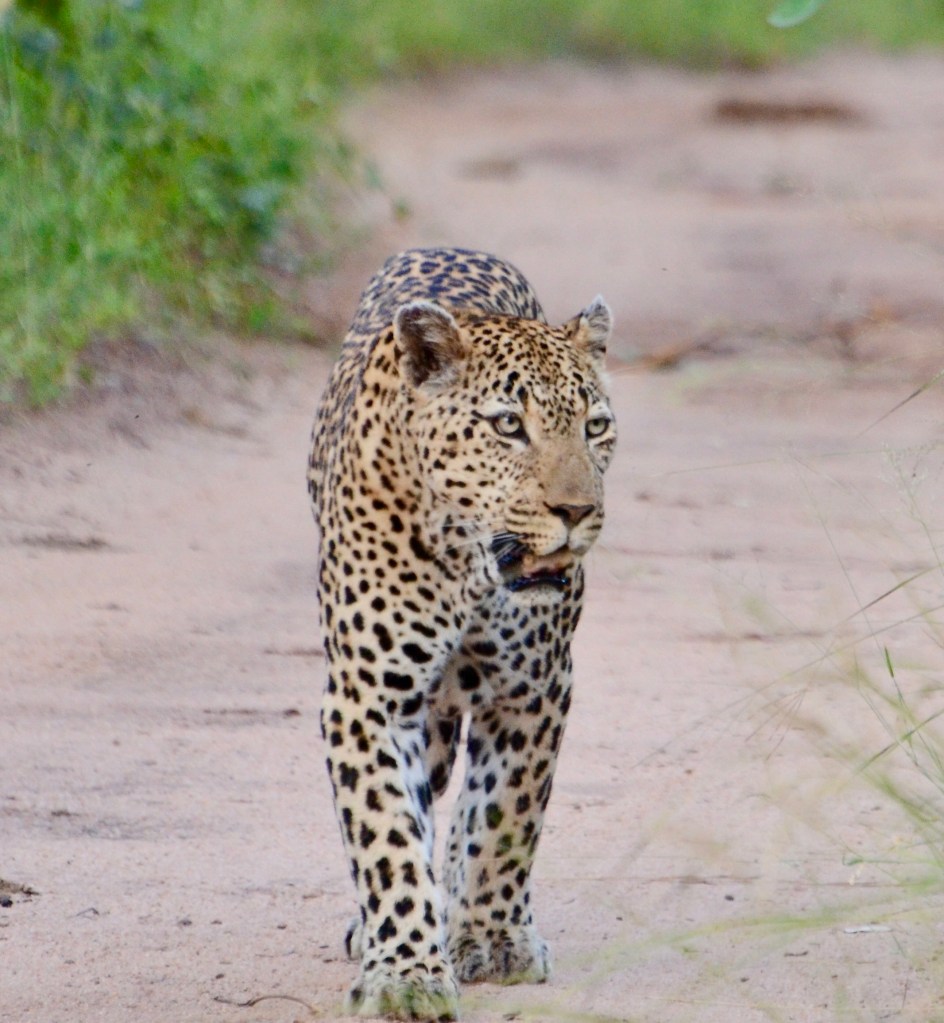
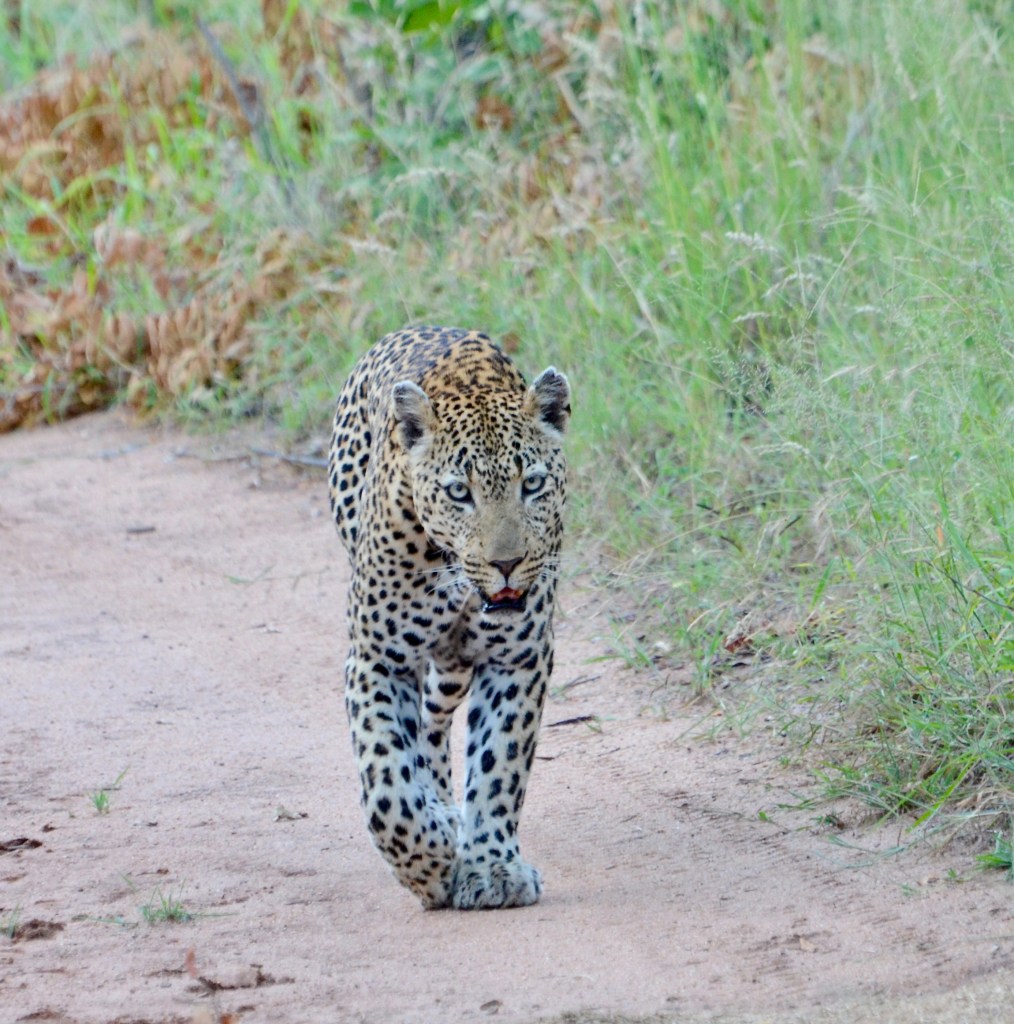
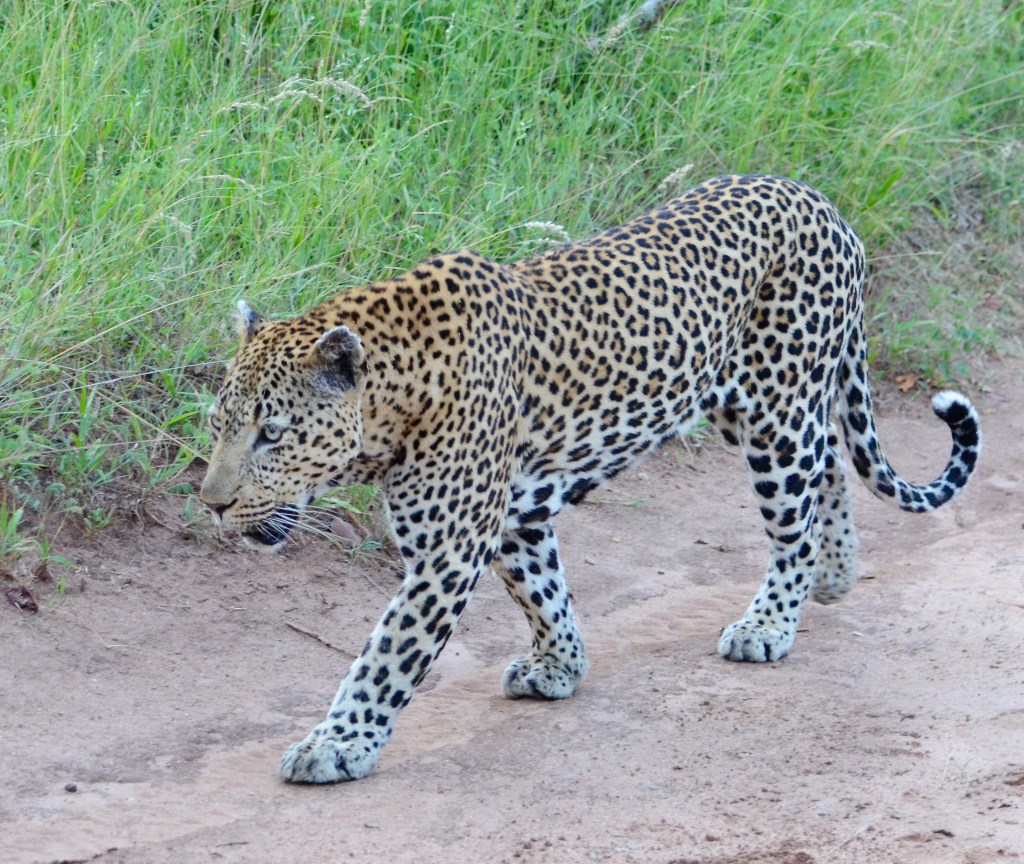
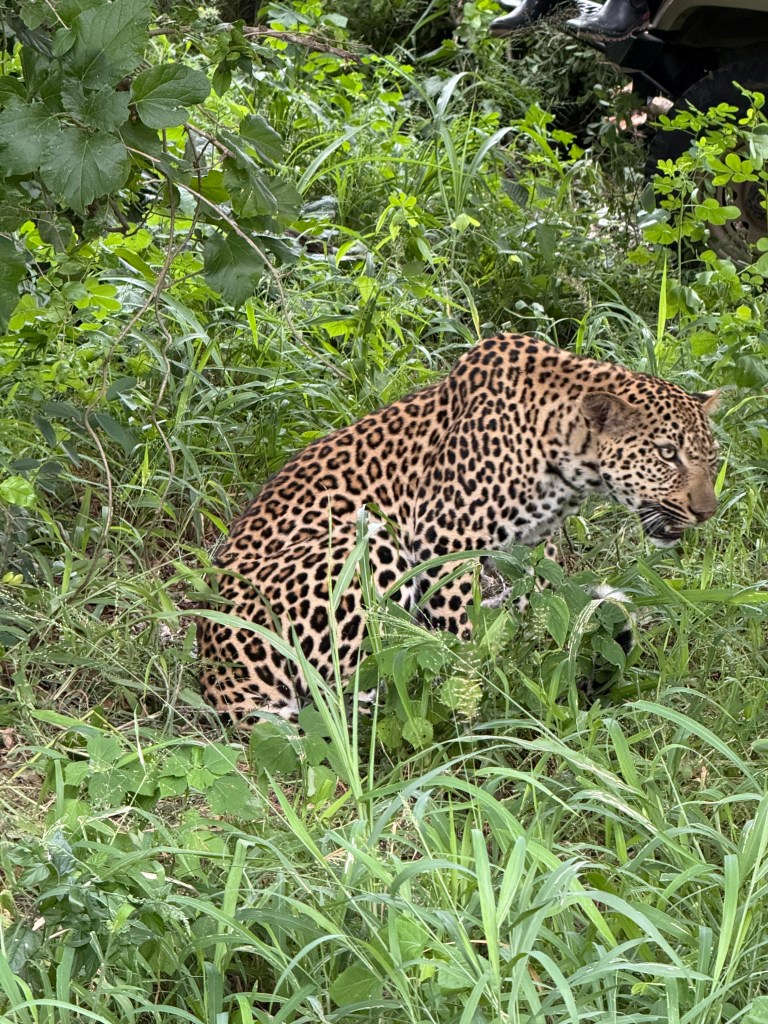
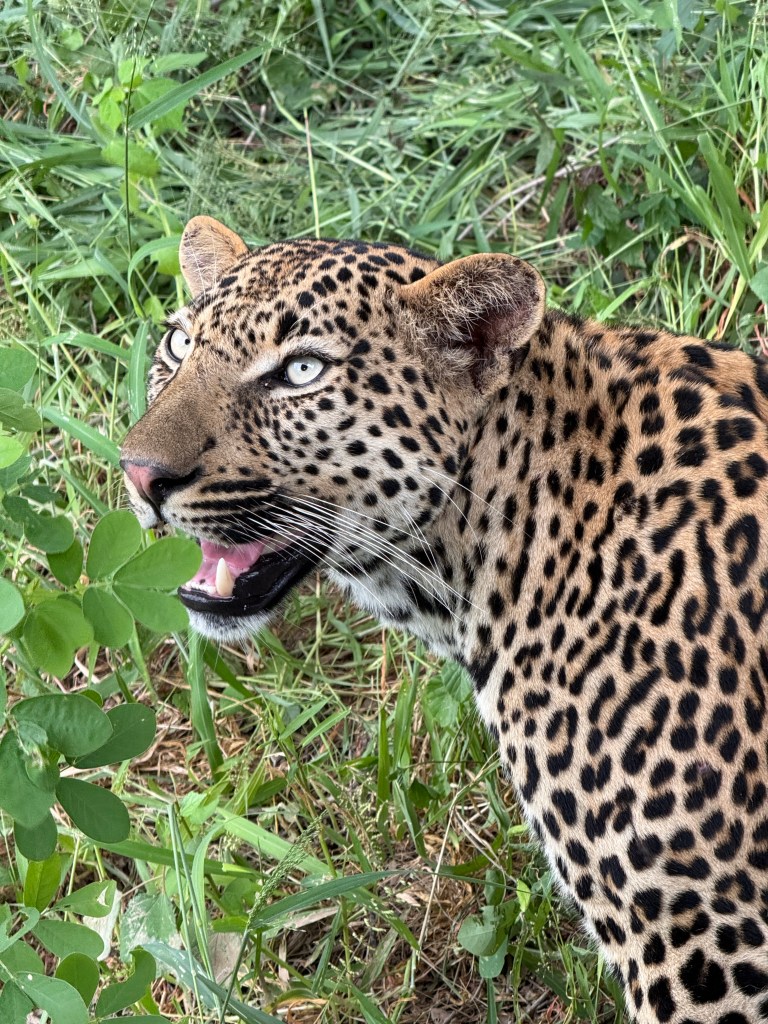
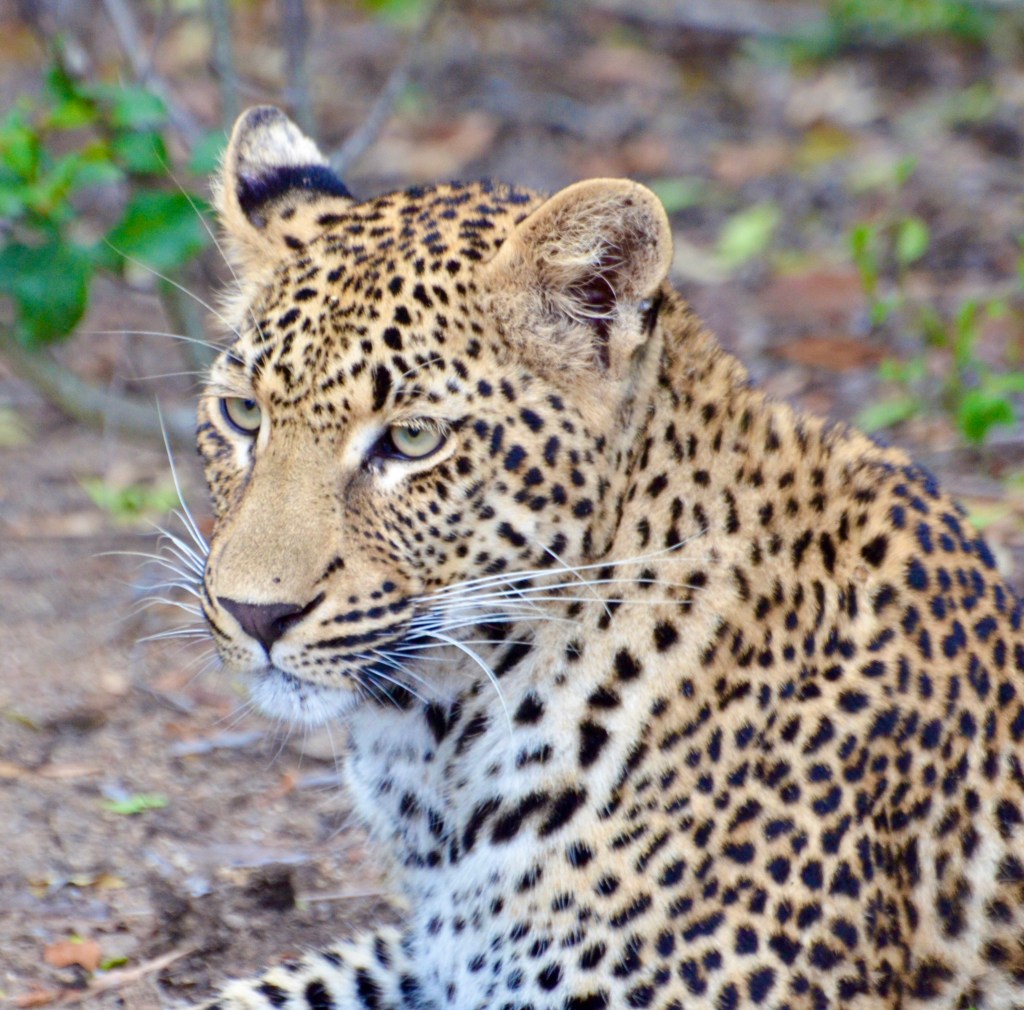
We are ending our blog with not only our favourite safari animal, but also our favourite leopard, Ravenscourt. Ravenscourt is 11 years old, which means he’s getting close to the end of his life (life expectancy is 10 – 14 years for leopards in the wild) which means we may not see him again. Roger mentioned that the young male we saw up in a tree could be the one to take over Ravenscourt’s territory.

Although difficult to locate Ravenscourt, it is always special to spend time with this amazing leopard.

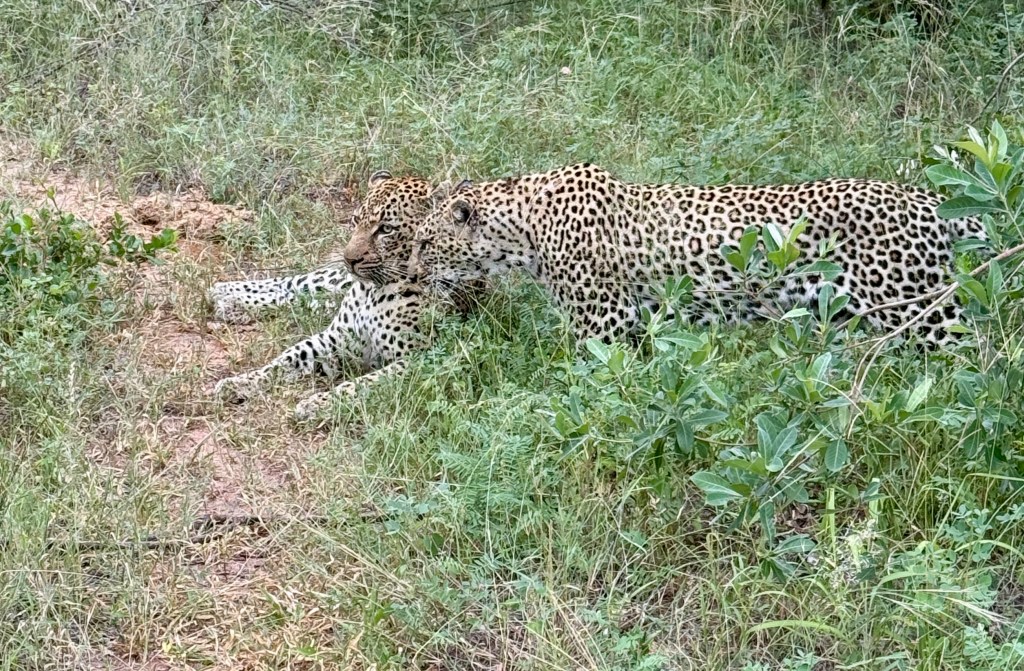
First sighting of Ravenscourt was in the bush mating with a young female leopard.
Ravenscourt and his mate
A few days later Qolani spotted Ravenscourt marking his territory.
Thank you Qolani and Roger for an amazing 4 days.

This ends our time in Inyati. Thank you Wendy and Gord for joining us – so many incredible memories.

Inyati – Part 1

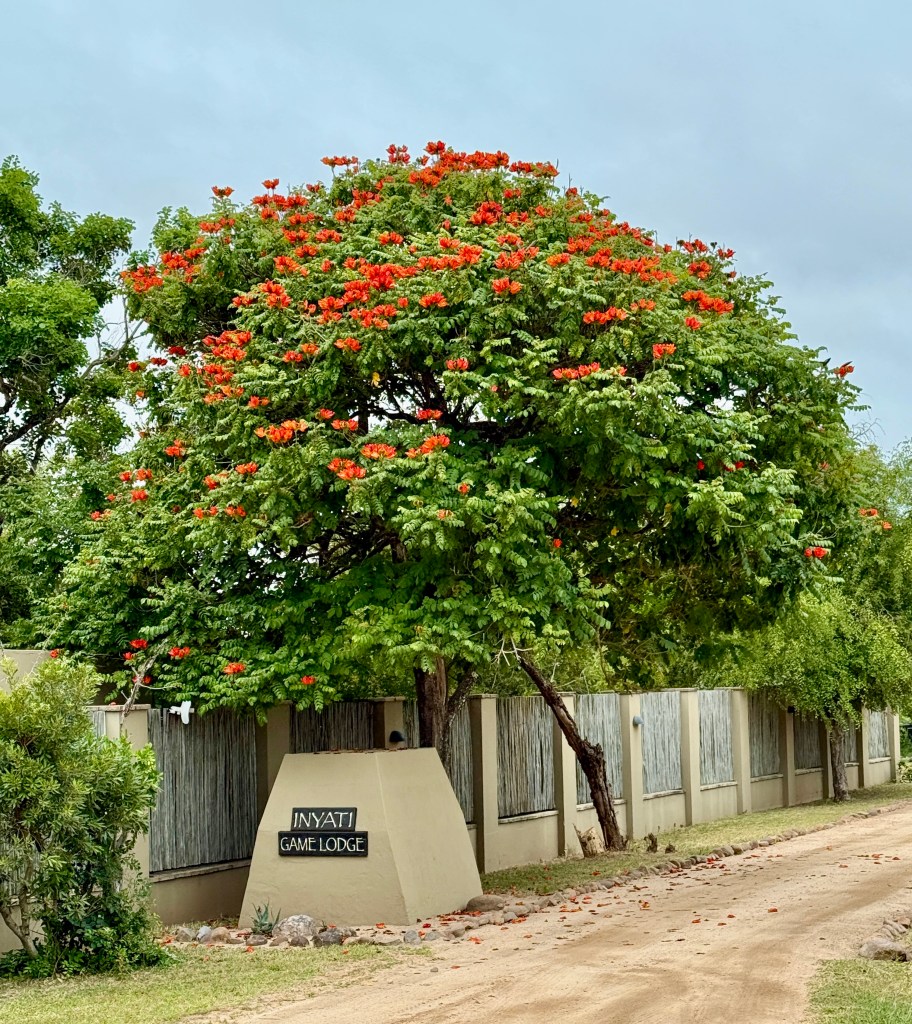
Inyati Game Lodge is set within 65,000 hectares of one of the world’s largest private conservation areas, Sabi Sand, which shares a border with Kruger National Park. The lodge overlooks the Sand River and has 11 chalets scattered throughout the lodge grounds.

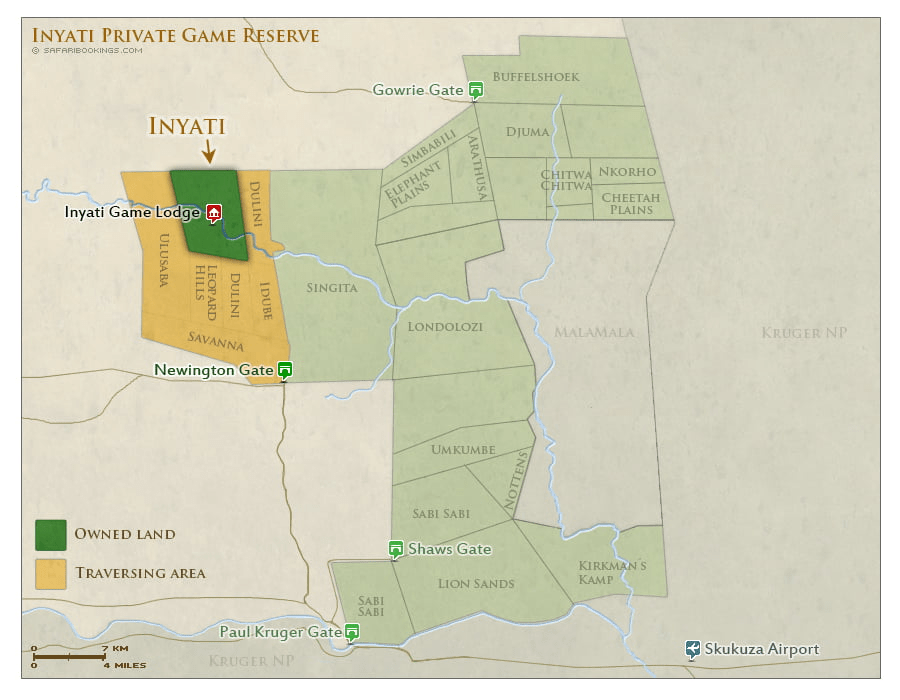
As shown on the map below, Inyati is one of seven smaller properties located in the western part of Sabi Sand. These properties share traversing rights, which makes the drives much more interesting. Rangers stay in contact via radio and “call in” sightings which increases the chances of seeing wildlife, especially the illusive leopards. With a two vehicle limit at a sighting, it is less intrusive for the animals and great for viewing.

Inyati is pricier than Umkumbe but much less expensive when compared to high-end lodges like Singita and Londolozi. With its extensive traversing rights, Inyati is similar in property size to these luxury lodges, which is important for the safari drives.

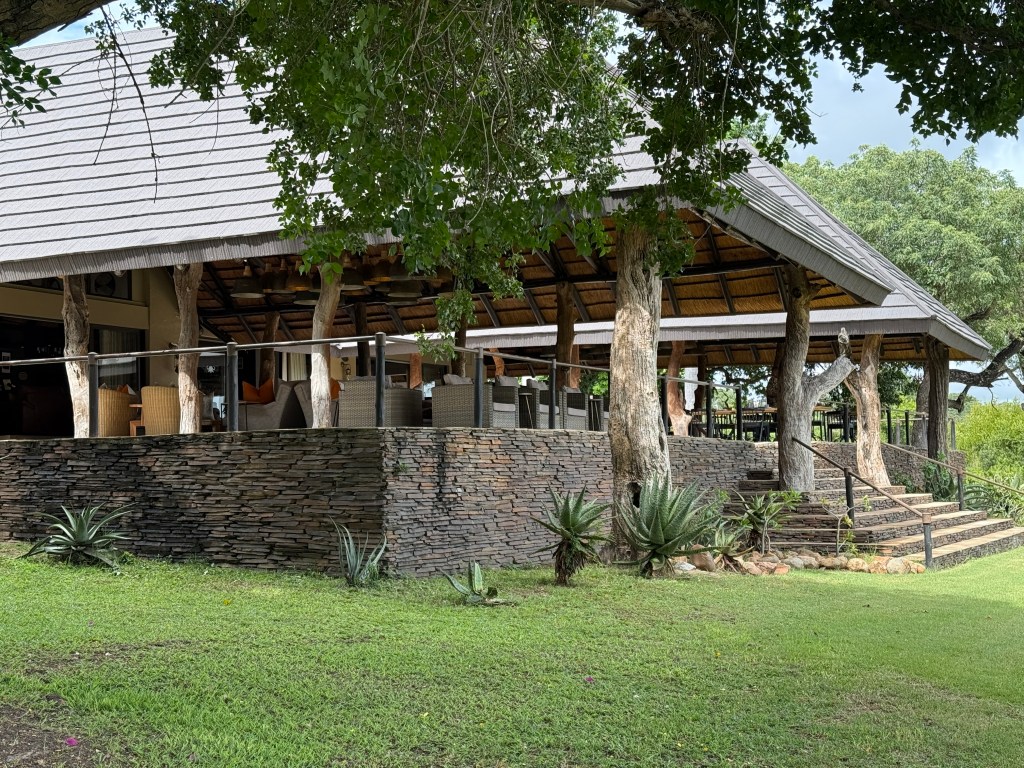
Inyati’s lounge and dining area
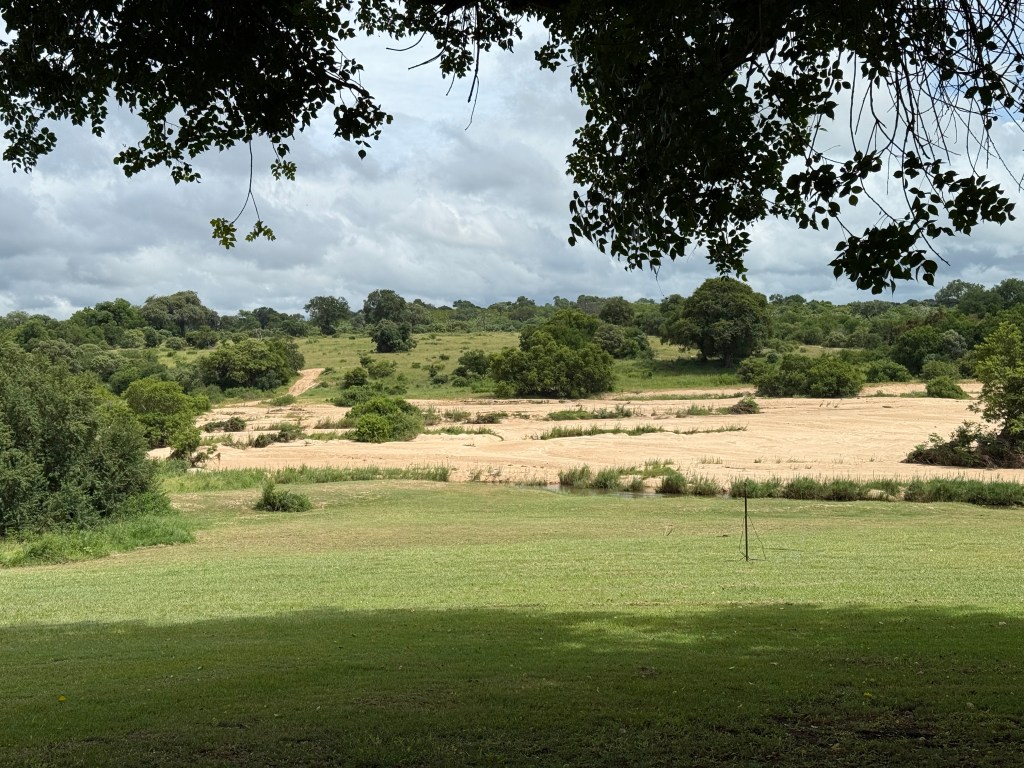
View from the lodge, looking onto the Sand River – no water in this section of the river right now.
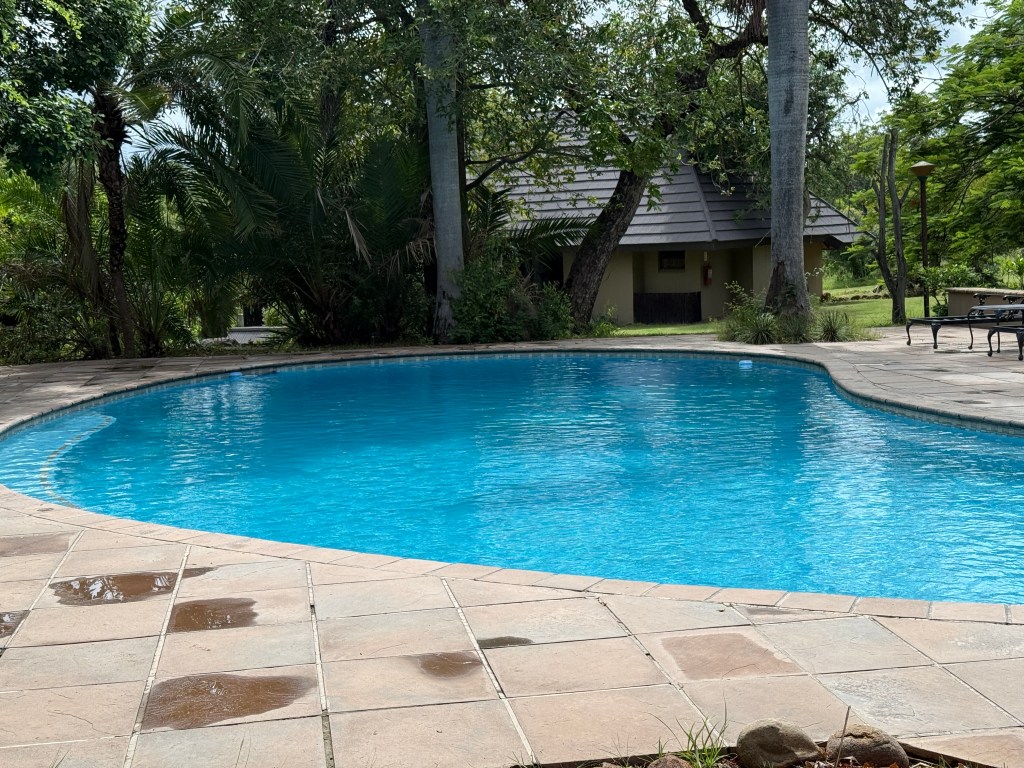
Beautiful pool area but we never found time to use it.
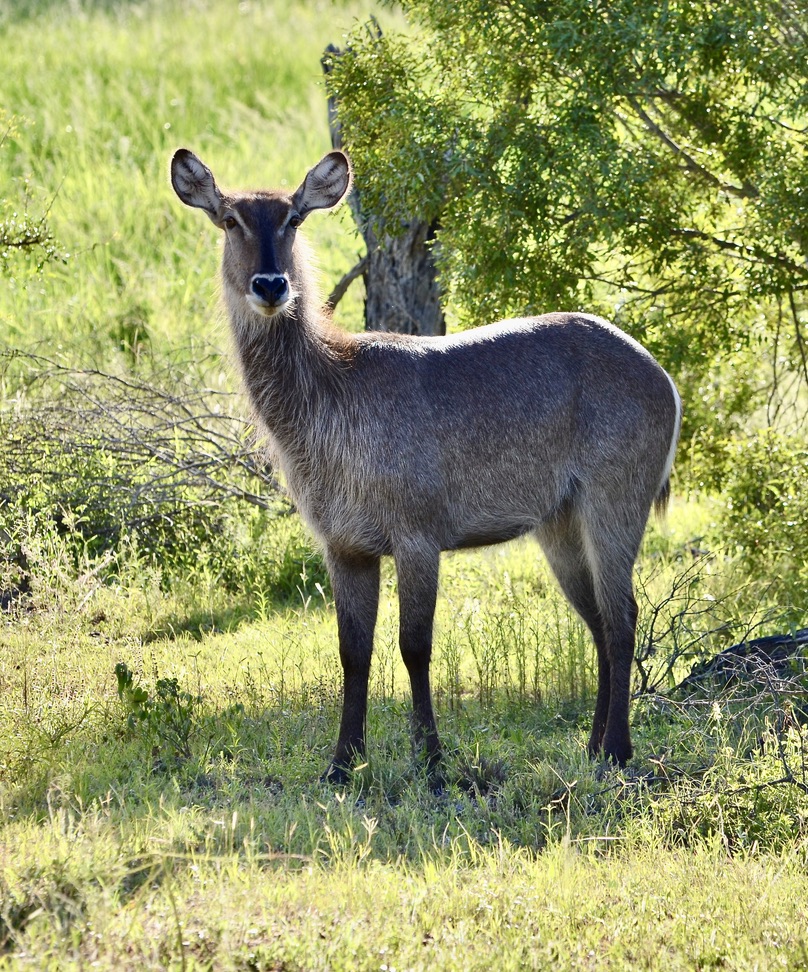
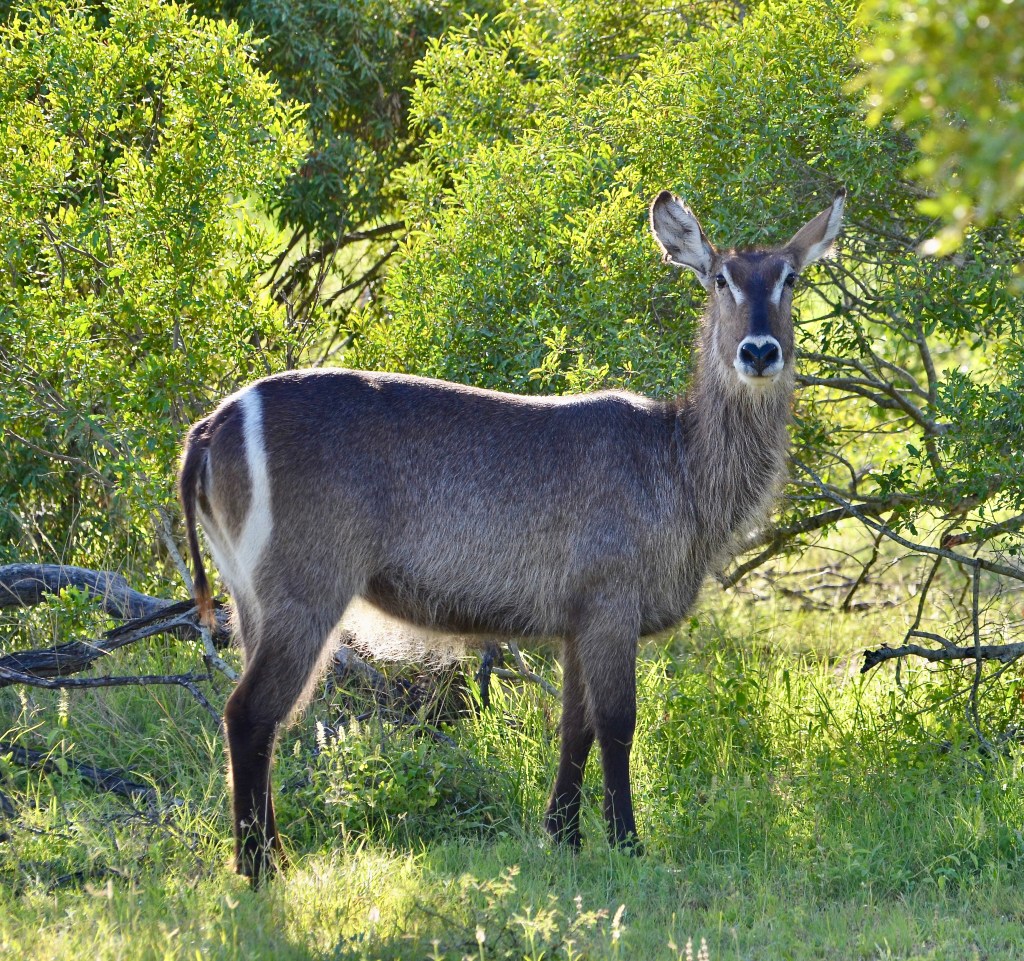
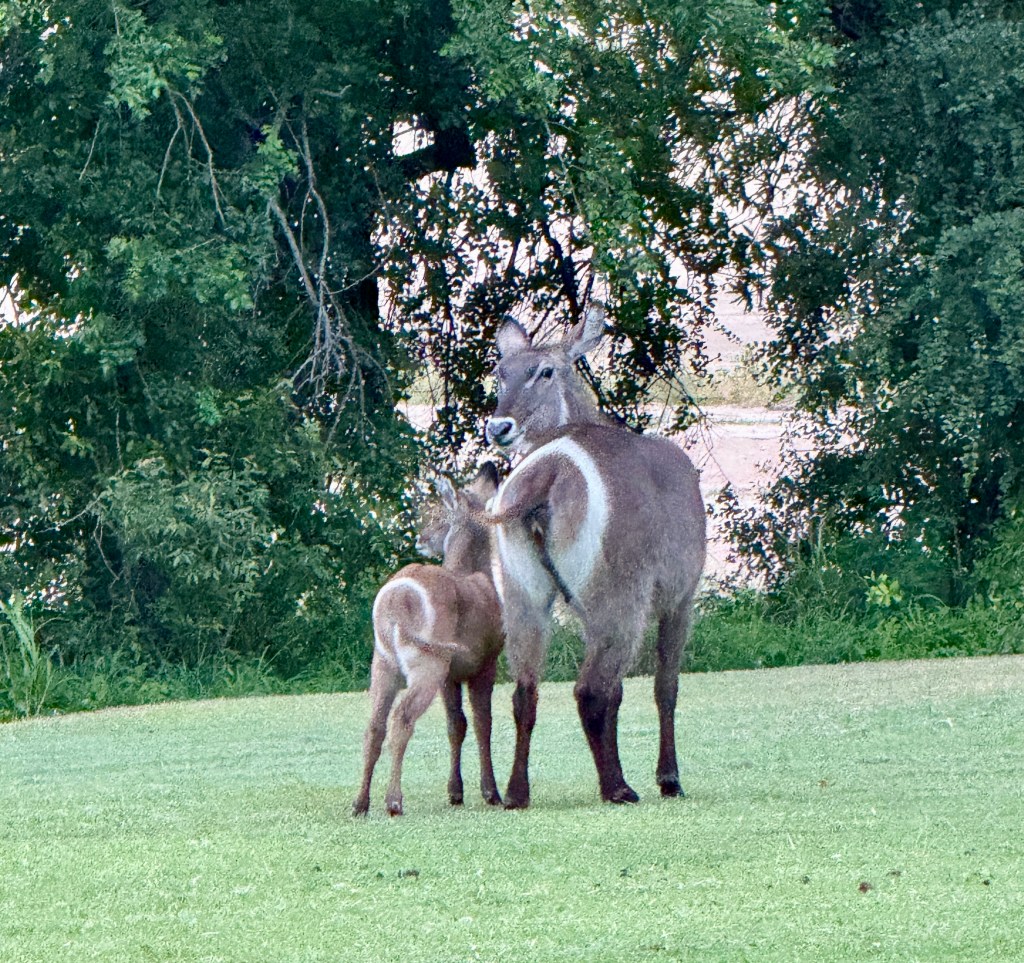
This mother Waterbuck and her young one would stay around our chalet most of the time – safe haven until the youngster is older.

We first visited Inyati 10 years ago, and at that time, we were with Wendy and Gord. This year, we had the chance to return for a 4-day safari, and having them join us again made the trip even more special. Throughout our stay, we all agreed that Inyati really is a unique place, and we had an unforgettable time together.

While we don’t usually request a specific ranger, last year’s experience with Roger and Qolani was so exceptional that we asked for them again this time. They didn’t disappoint and once again gave us an incredible safari experience!

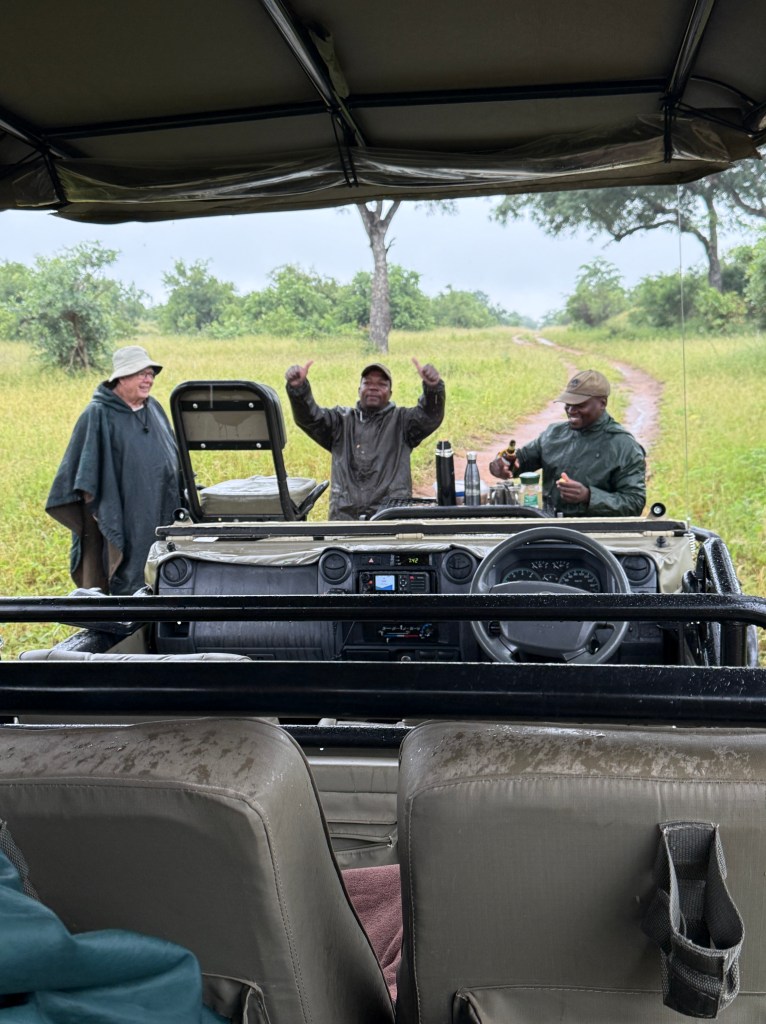
Most mornings there was a light drizzle, which was more comfortable for both us and the animals as temperatures had been in the mid-30s.

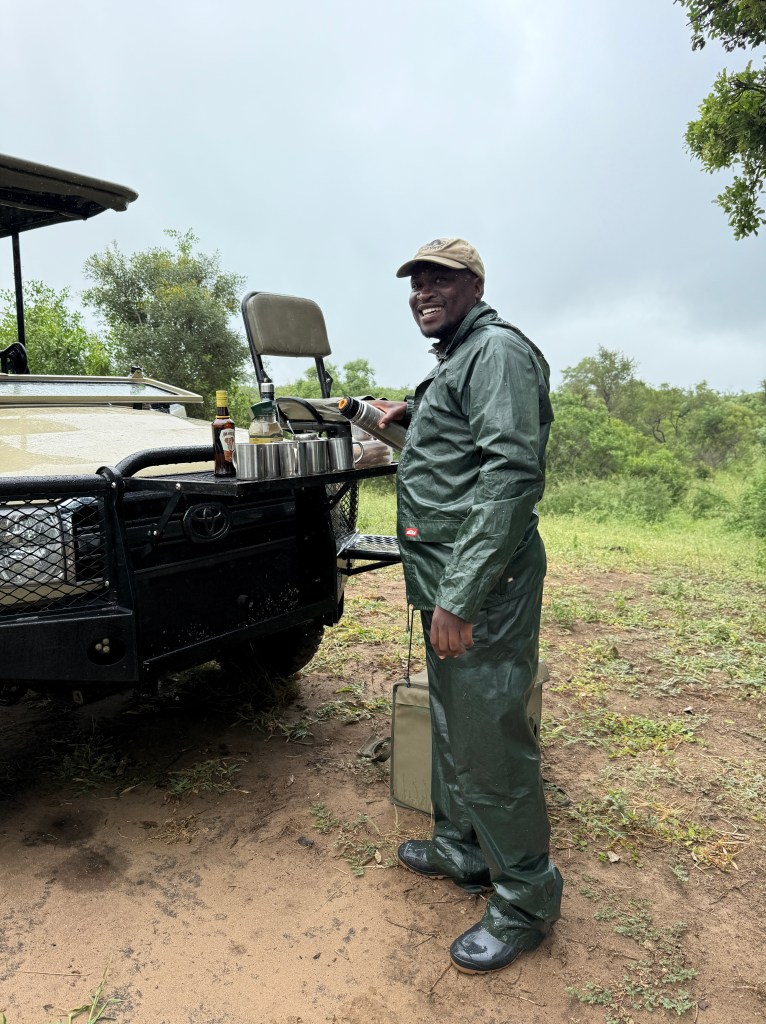
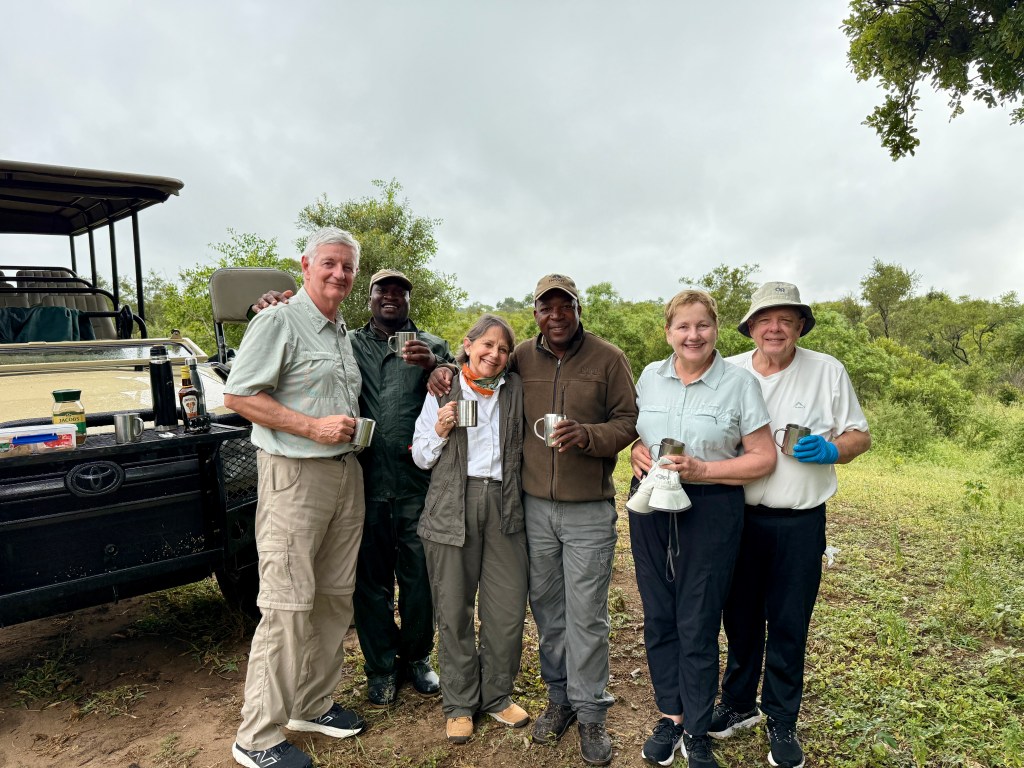
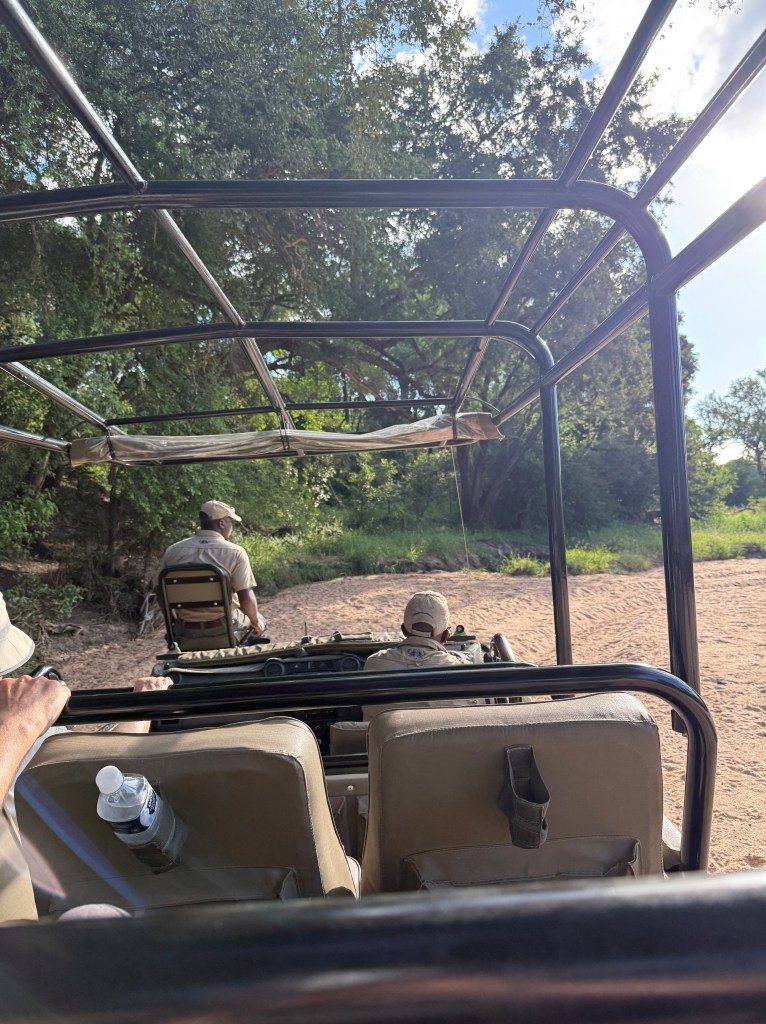
On a few of our drives, there were six of us in the vehicle, but most of the time it was just four of us which was ideal. Roger and Qolani are excellent at spotting wildlife, and often we were the only vehicle at a sighting, which gave us plenty of time with the animals. Roger would only radio in the sighting once we were finished viewing.

Since there are no fences between the private reserves and Kruger National Park the animals roam freely. As mentioned earlier, leopards are notoriously elusive, which means that sightings can be rare. You could go for days, or even the entire duration of your safari, without spotting one. Also, their territories can vary in size from 10 square kilometres, to several hundred square kilometres, thus it is difficult to find them.  

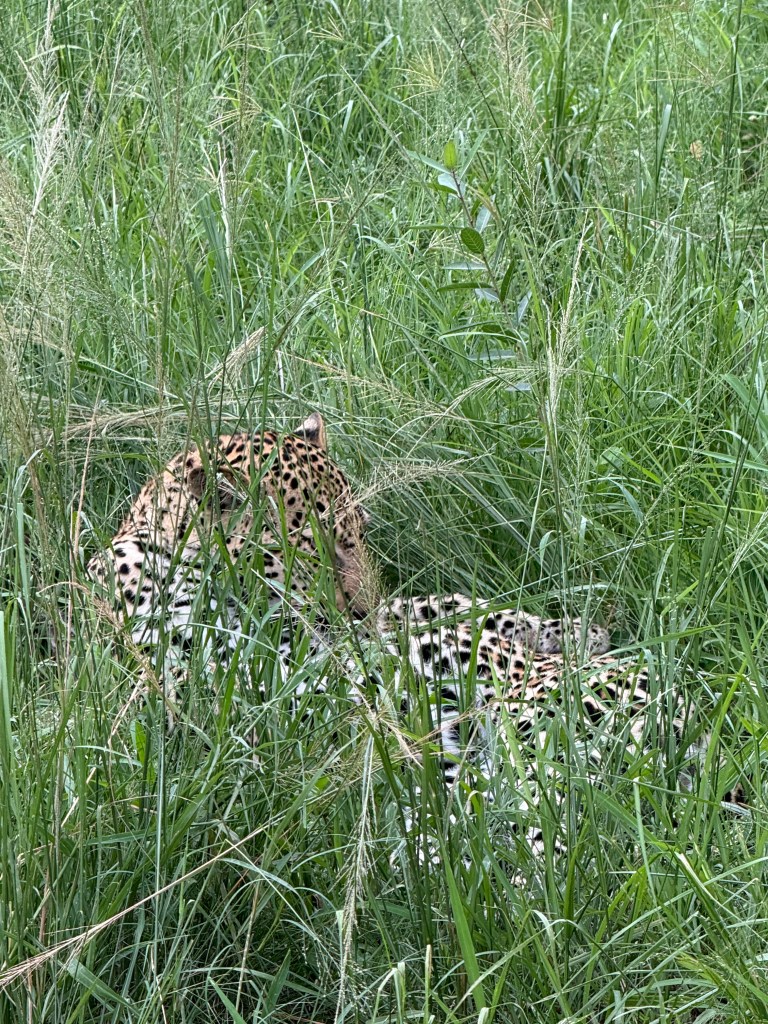
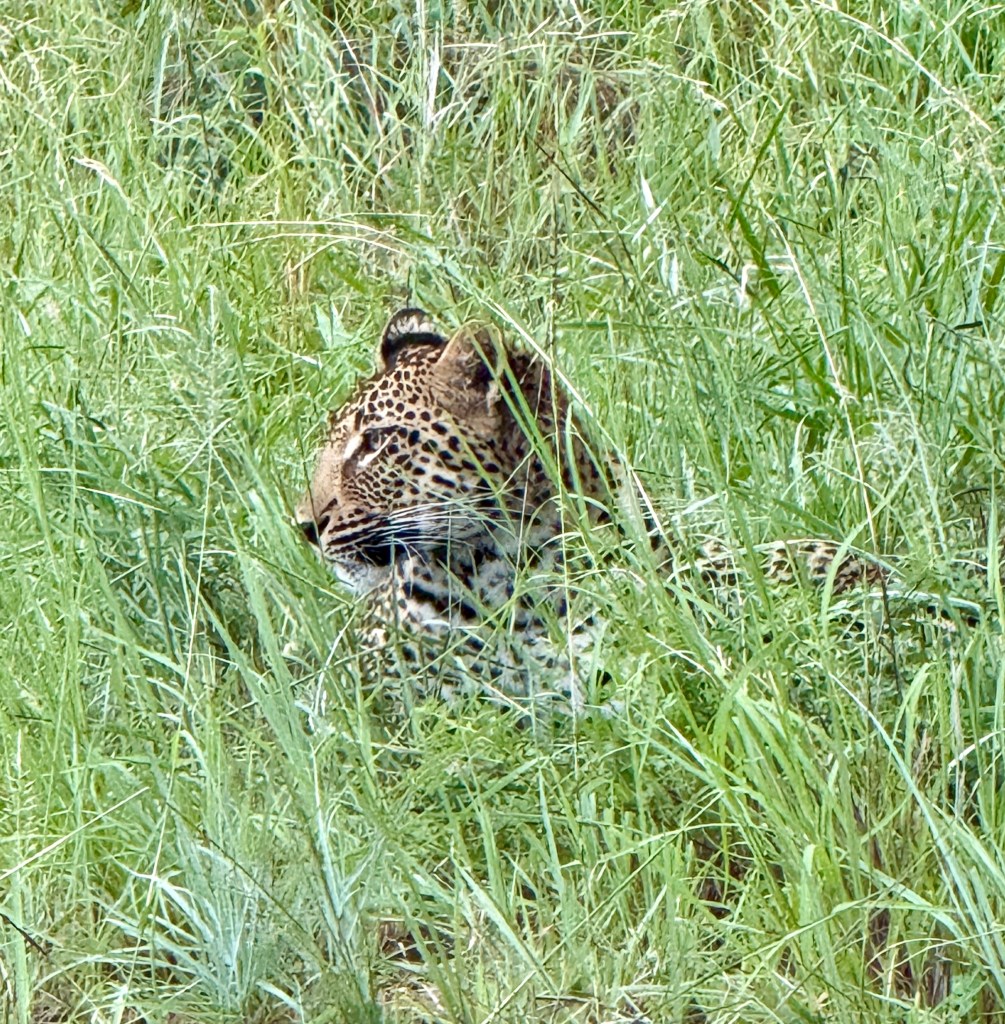
On our first drive Qolani spotted a young male leopard in the brush. No other trackers had spotted this young male, so we had ample time with him.

We were amazed that Qolani saw this young leopard.

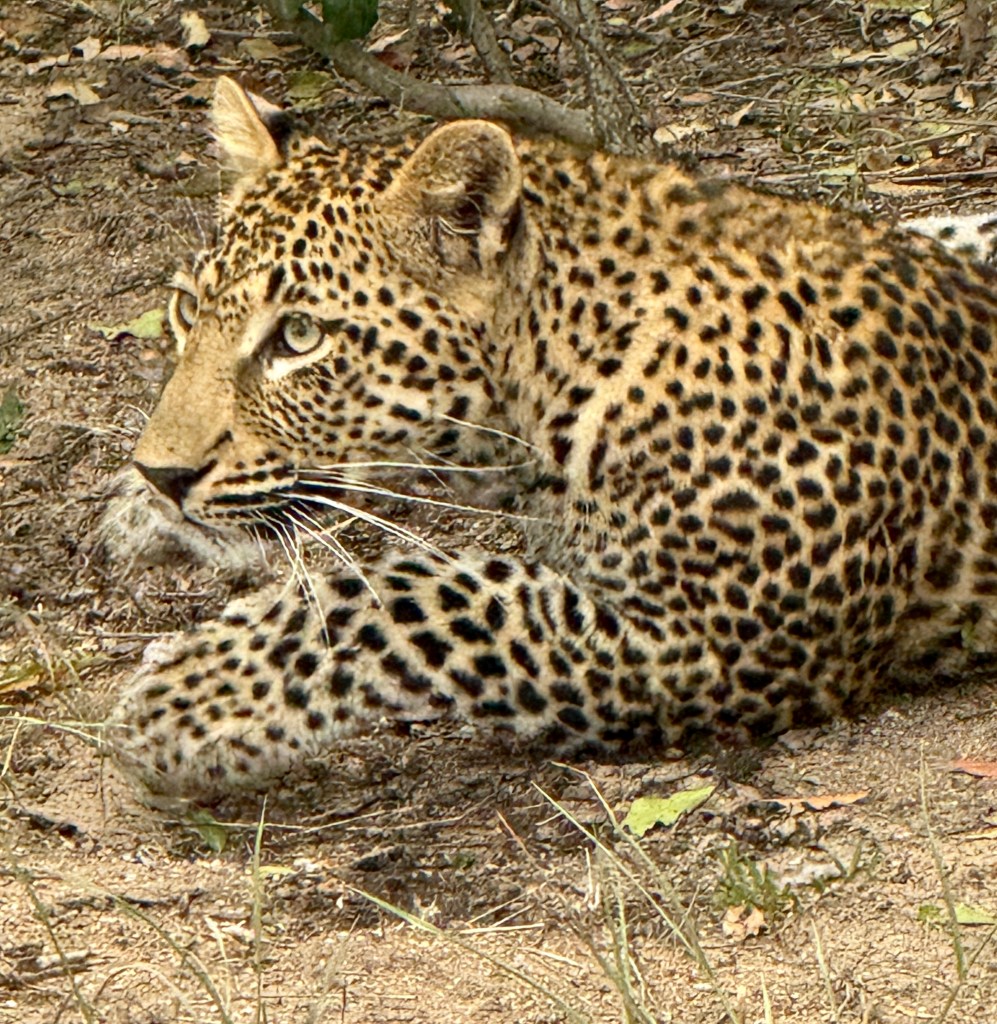
A male leopard will defend his territory against other males, even his own offspring, but will share it with females. This young male leopard was old enough to be independent, but not yet strong enough to fight for his own territory. Roger explained that this is a vulnerable time for him, as his father or other male leopards could kill him if they found him in their territory. This made him even more elusive.

We were fortunate that this fellow decided to find a new spot which made it much easier for us to see him, yet he was still in the bush.

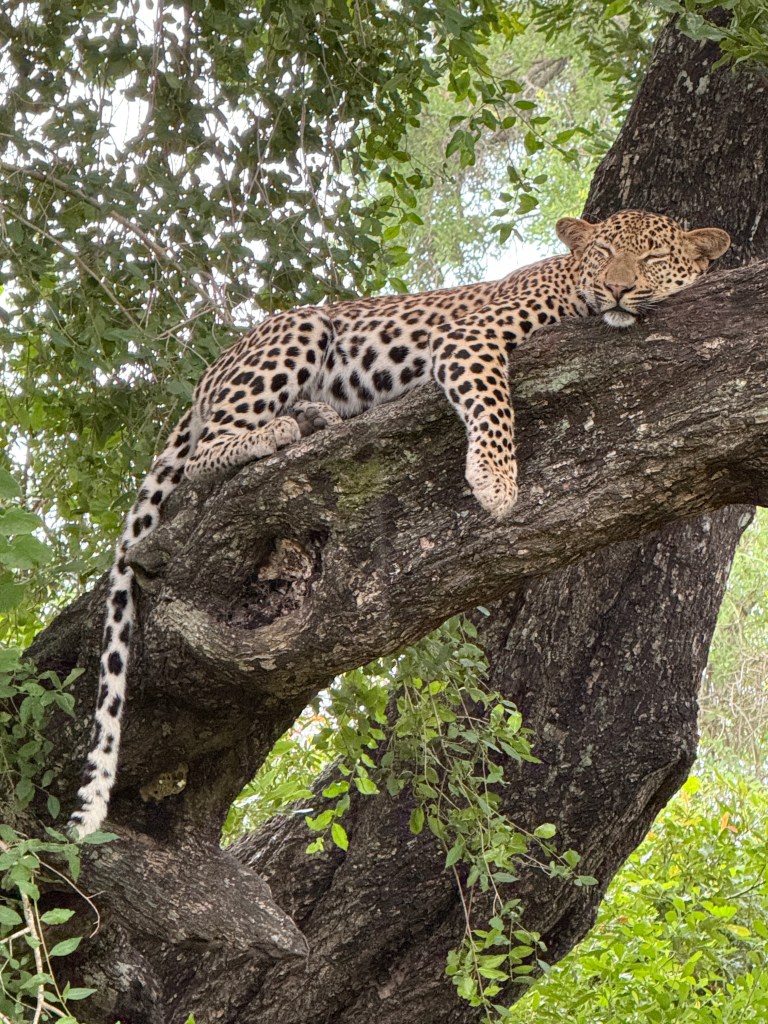
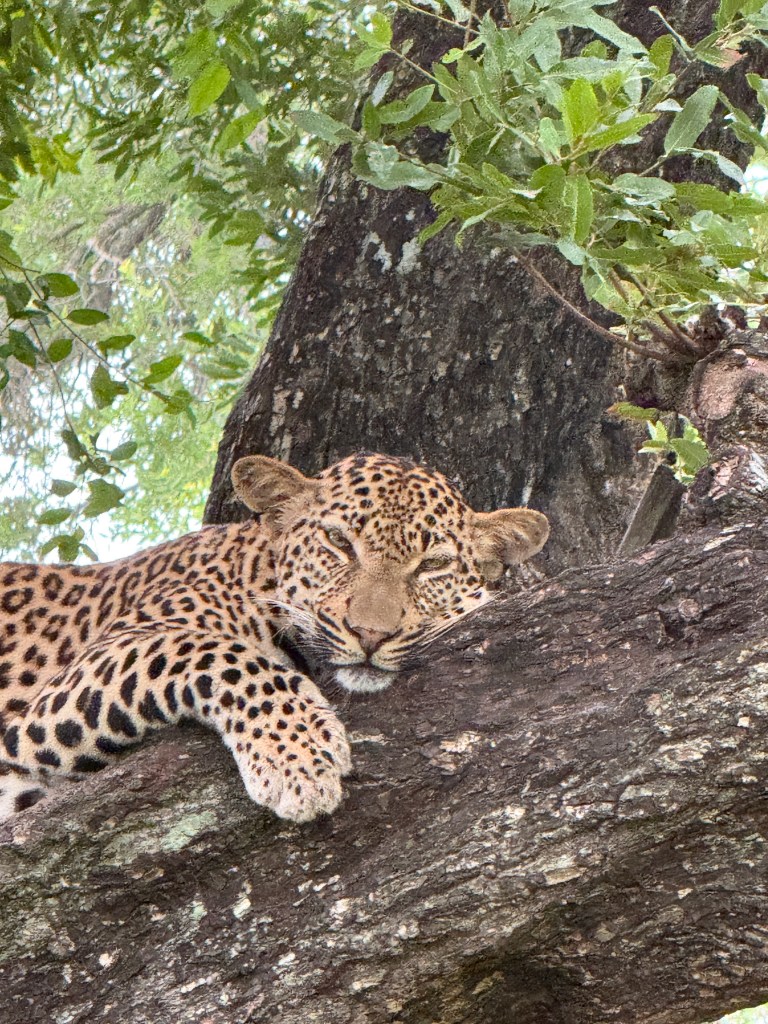
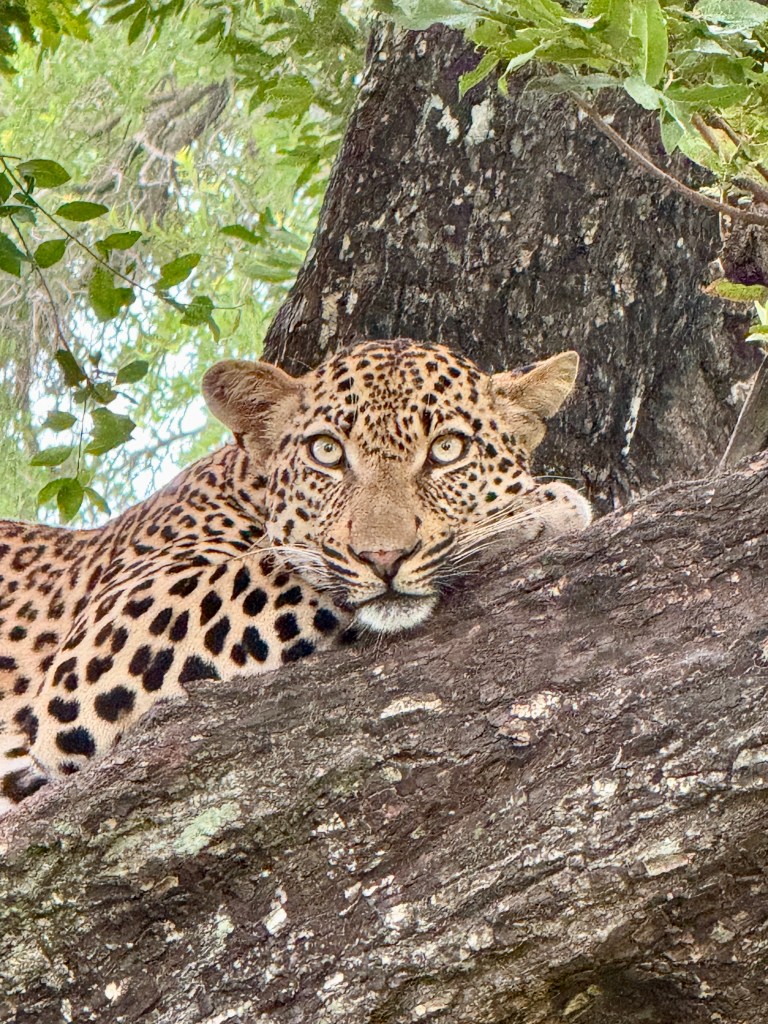
We didn’t see the young male leopard the next day, but the following day Qolani spotted it, this time resting in a tree. From the look of his full belly, it was clear he’d had a big meal the night before. We couldn’t have asked for a better backdrop to capture this moment.

The leopard would open his eyes periodically but he was just too full to move much.

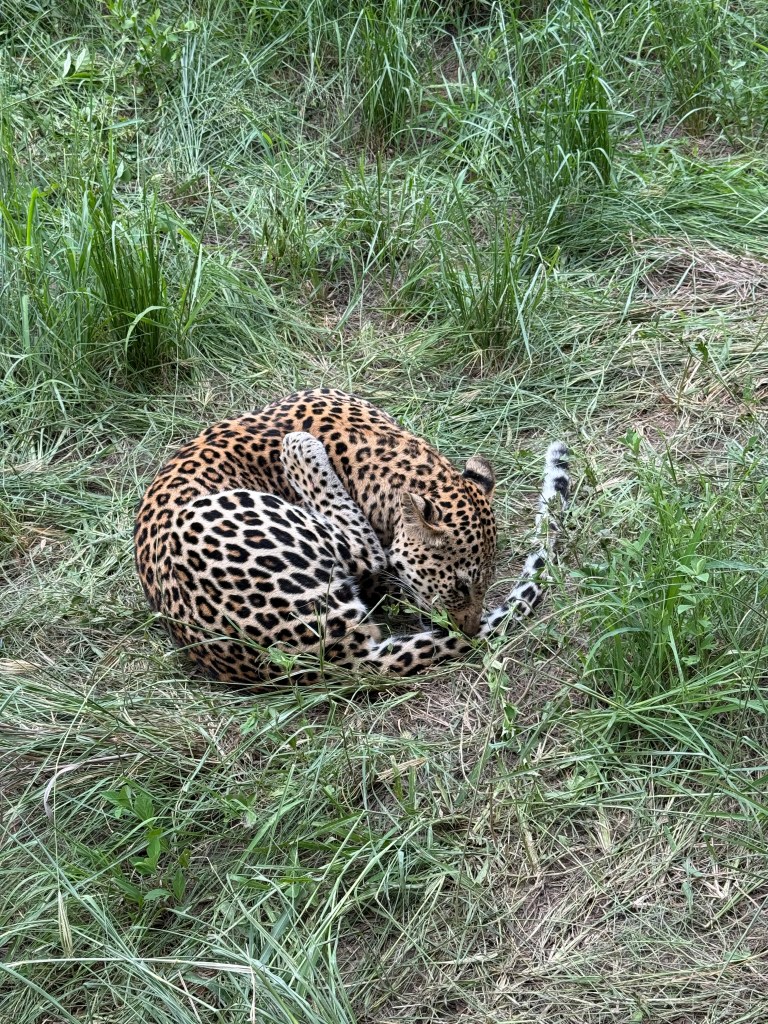
If we had to pick a favourite animal of all of the ones we see on safari, it would be the Leopard – such beautiful animals.

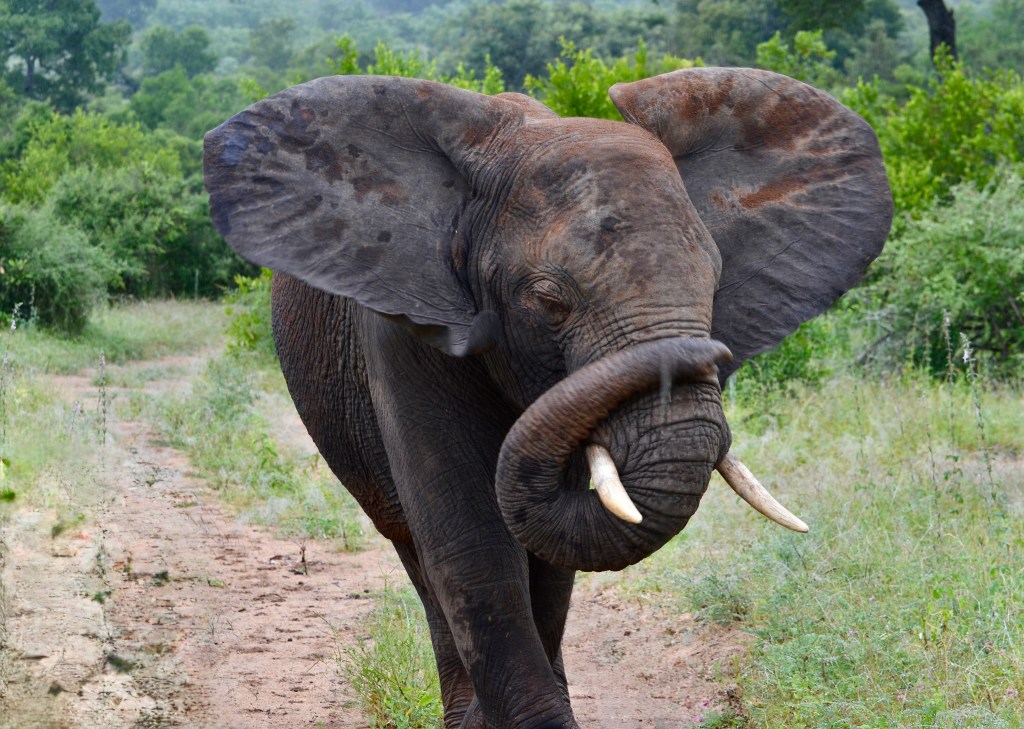
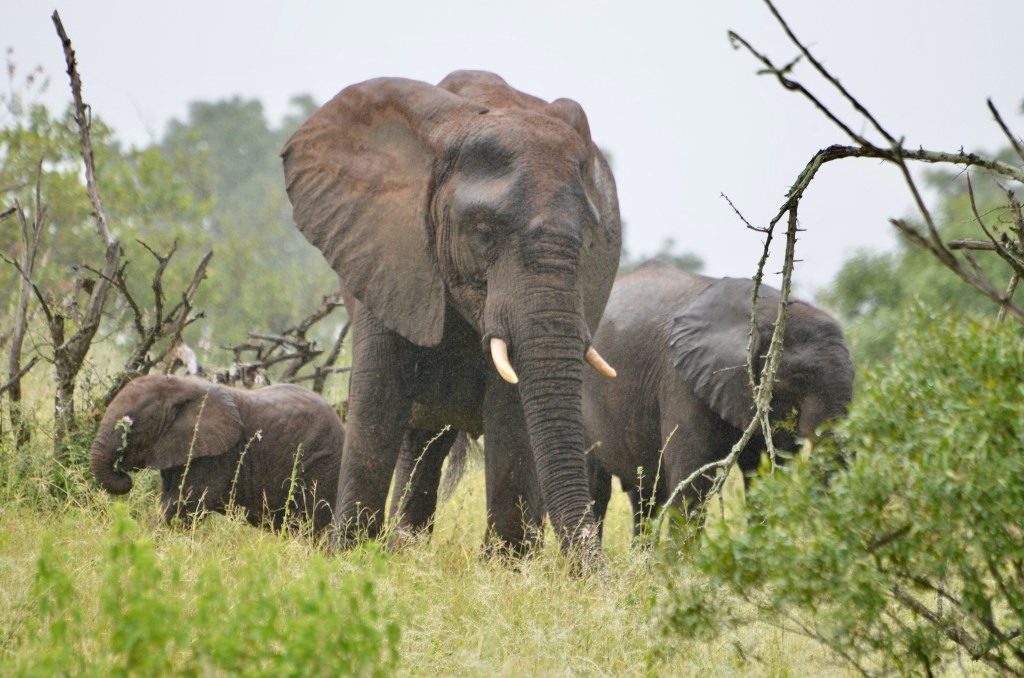
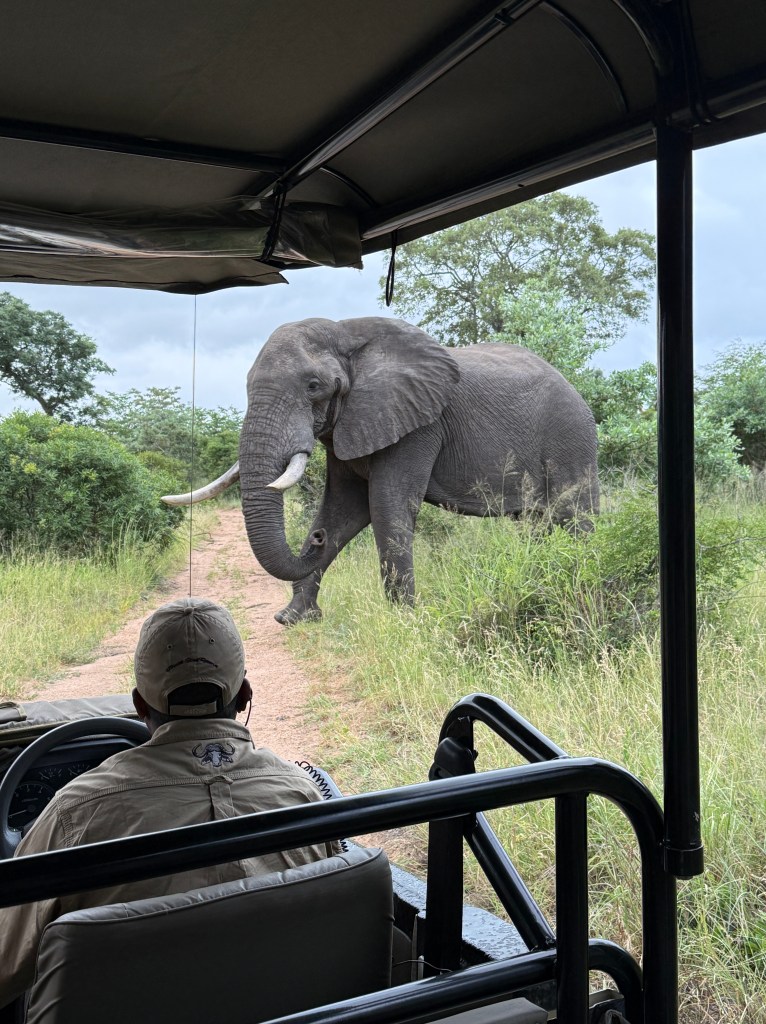
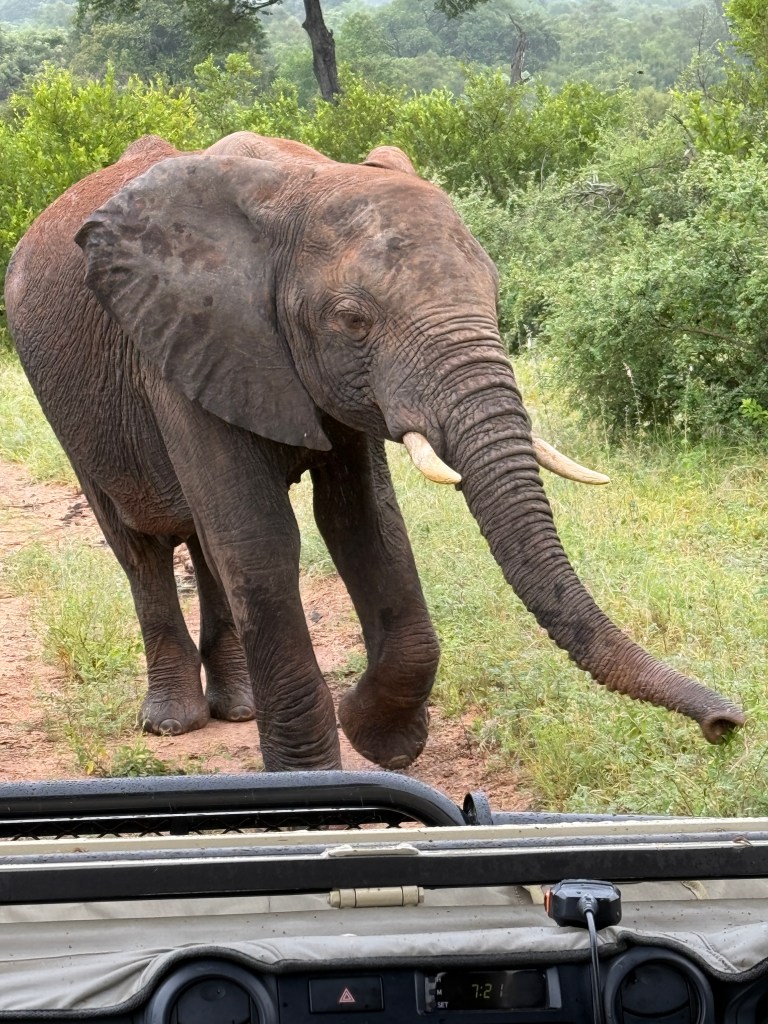
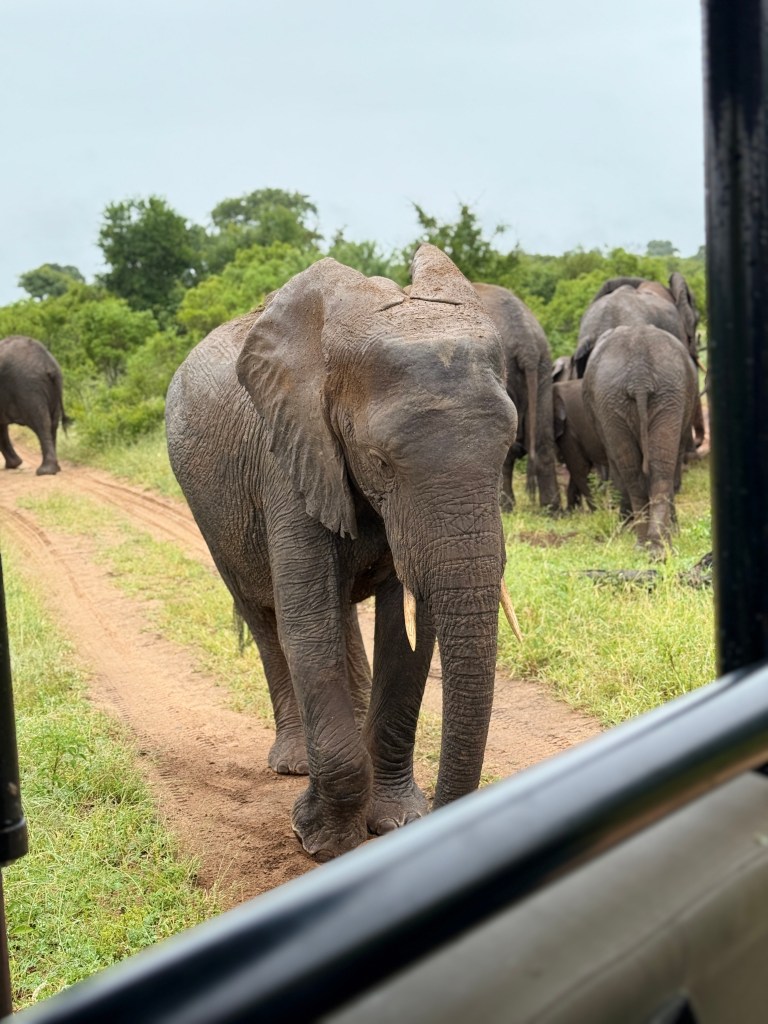
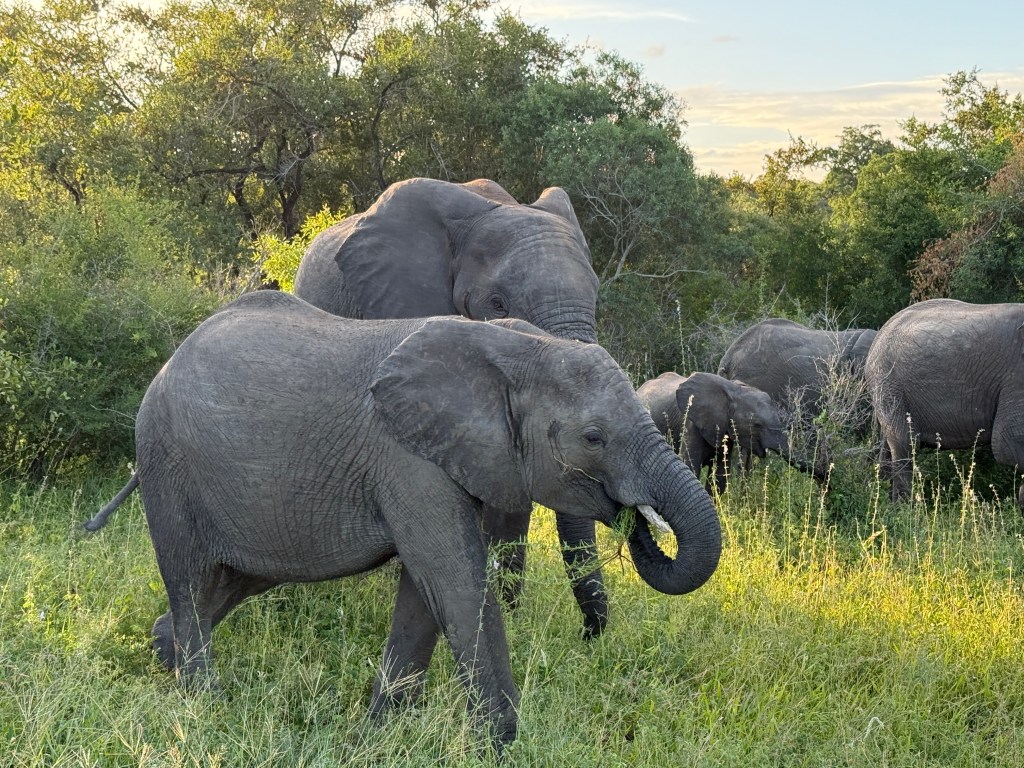
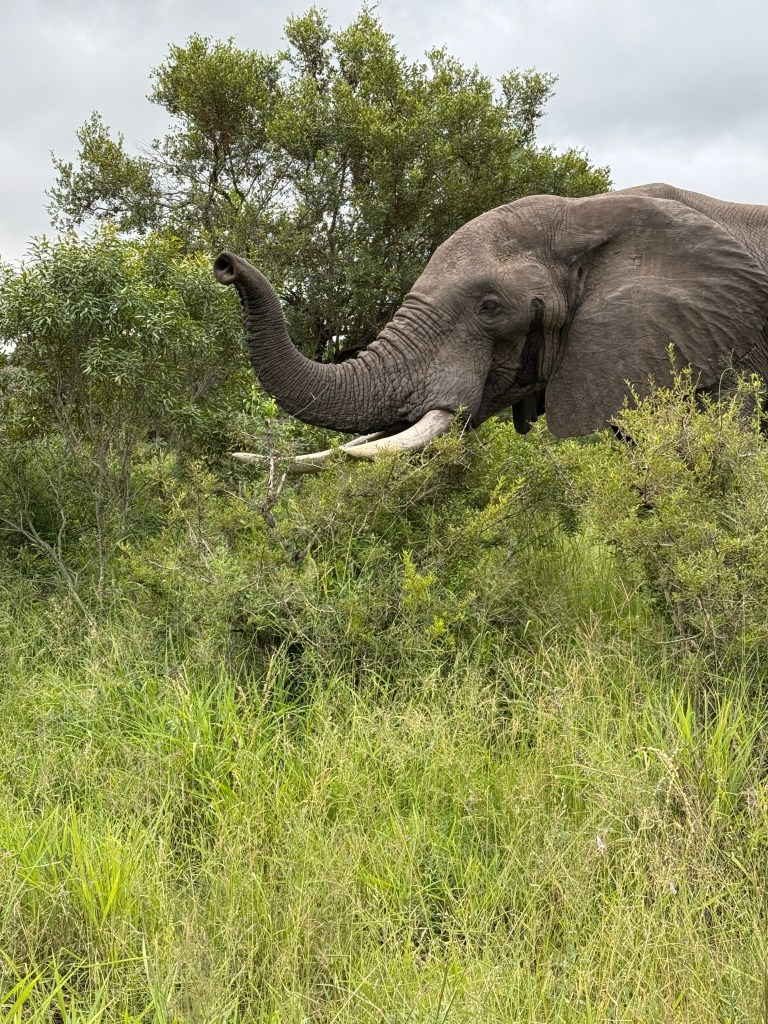
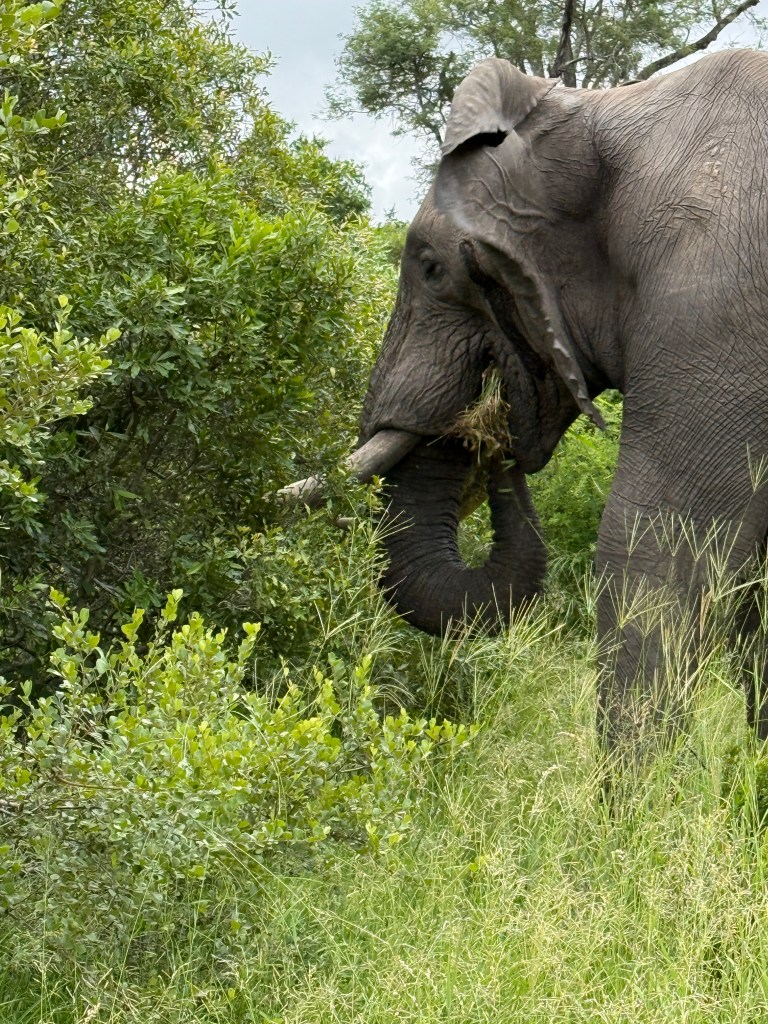
Numerous times we came across a herd of elephants and Roger would stop so that we could spend some time with them. Elephants can be intimidating because of their size and how close they can get to the safari vehicle.

Although it looks like the elephants are headed right into us, they go around and ignore us – but we are reminded to stay quiet and still when they are close by.

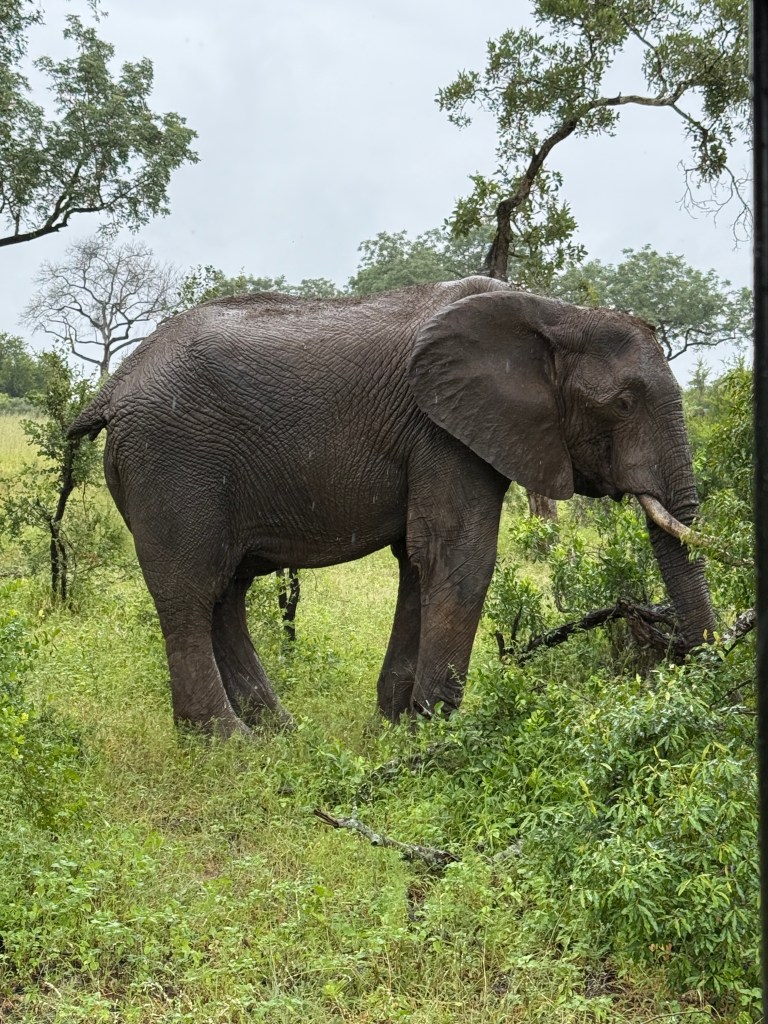
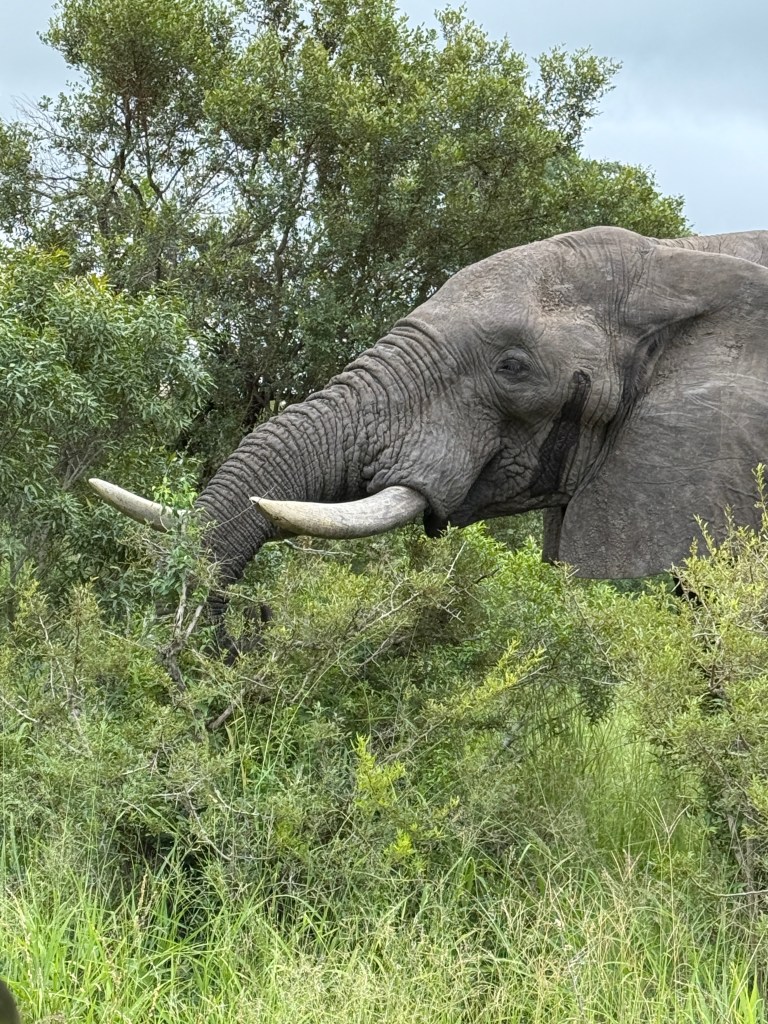
The African elephant is the largest land mammal, weighing up to 7 tonnes and standing up to 3.3 meters (~10 feet) at the shoulder. They can live to around 70 years. The tusks of older bulls are massive, often weighing between 50 and 60 kilograms.

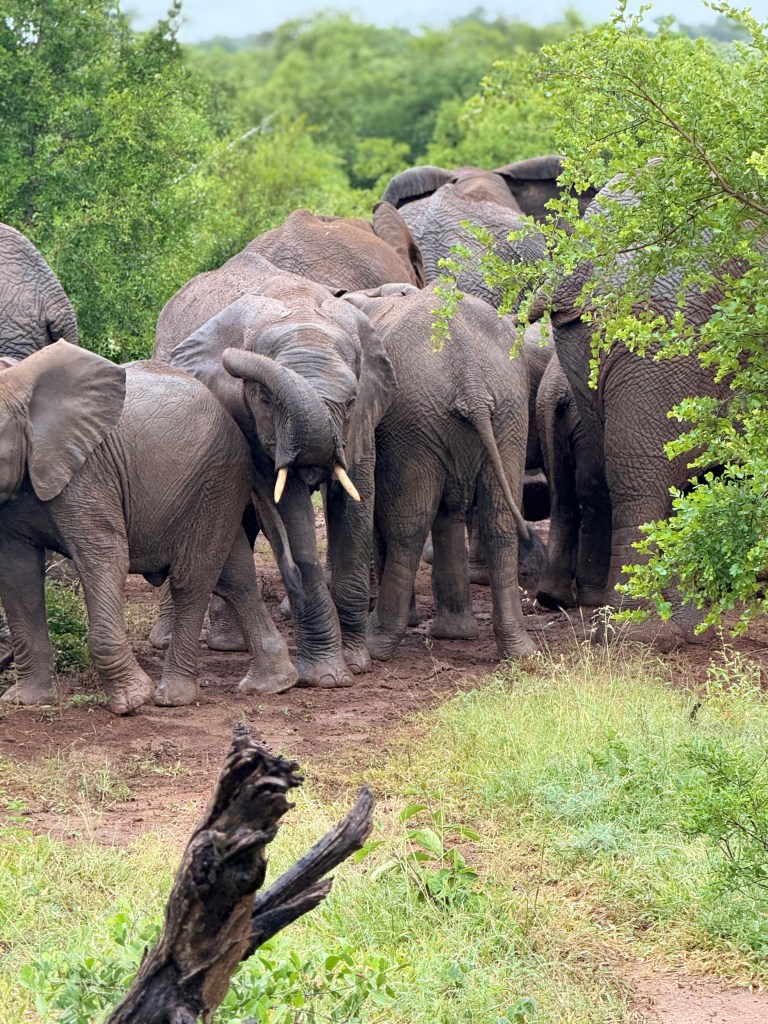
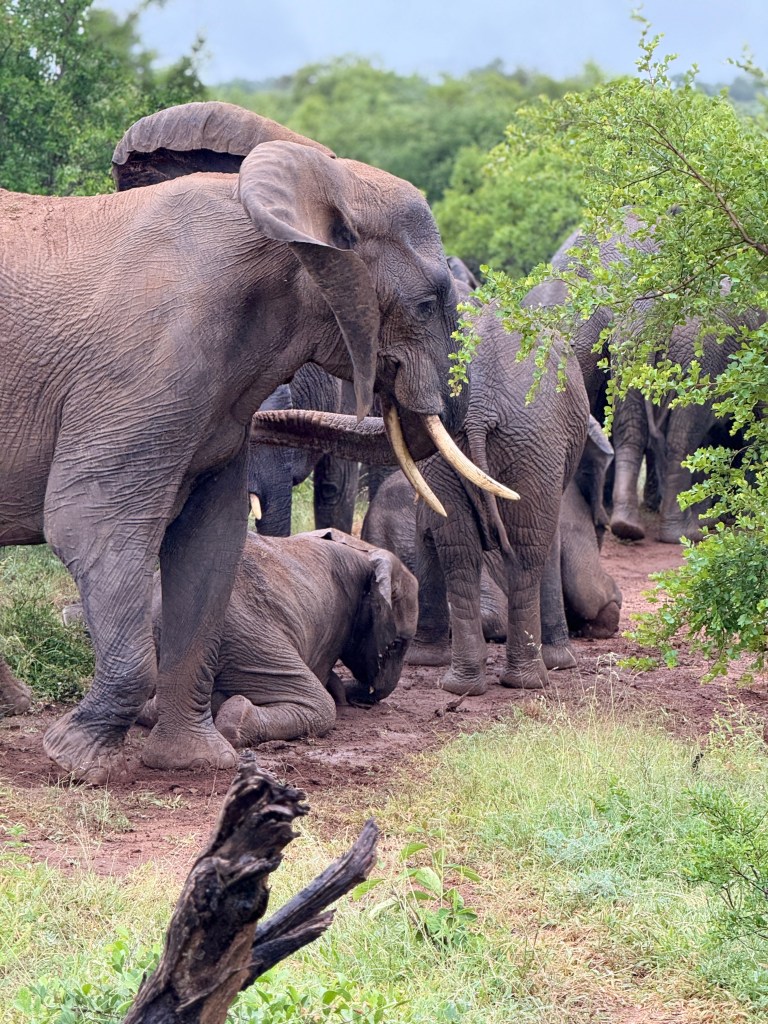
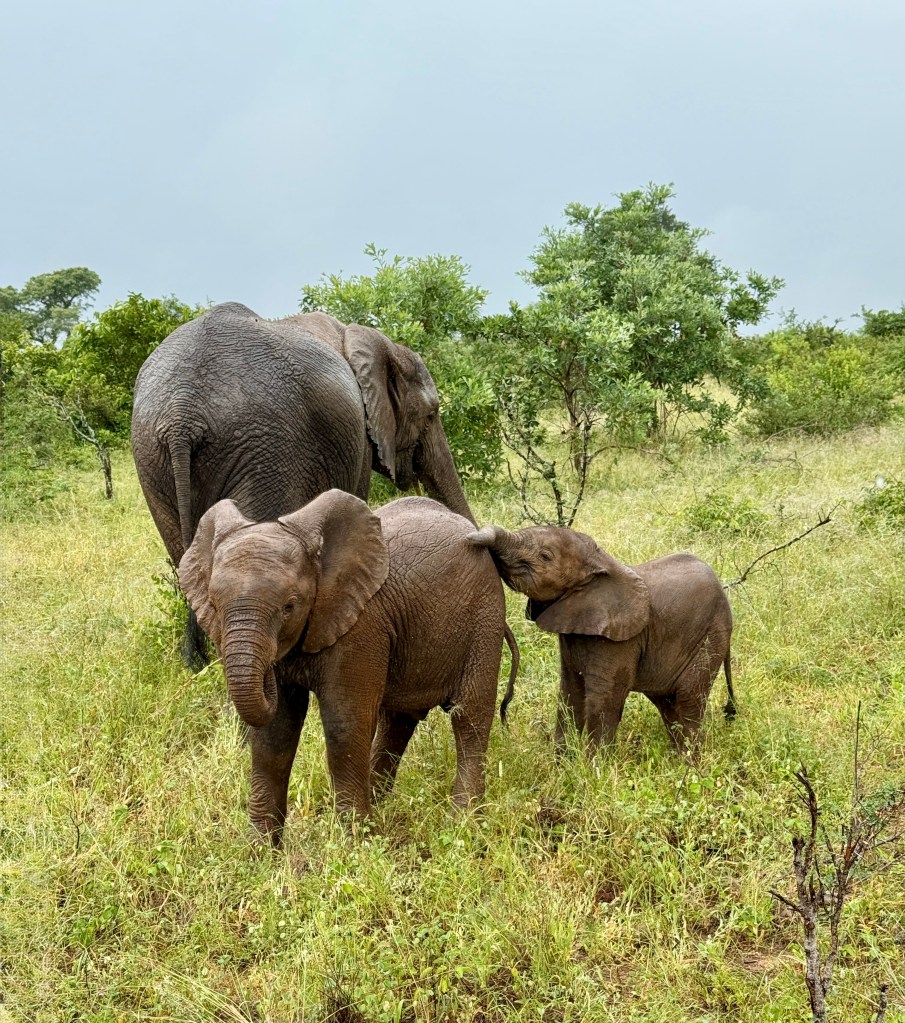
The young elephant slipped in the mud and had quite a struggle getting up again, but mom came to the rescue.

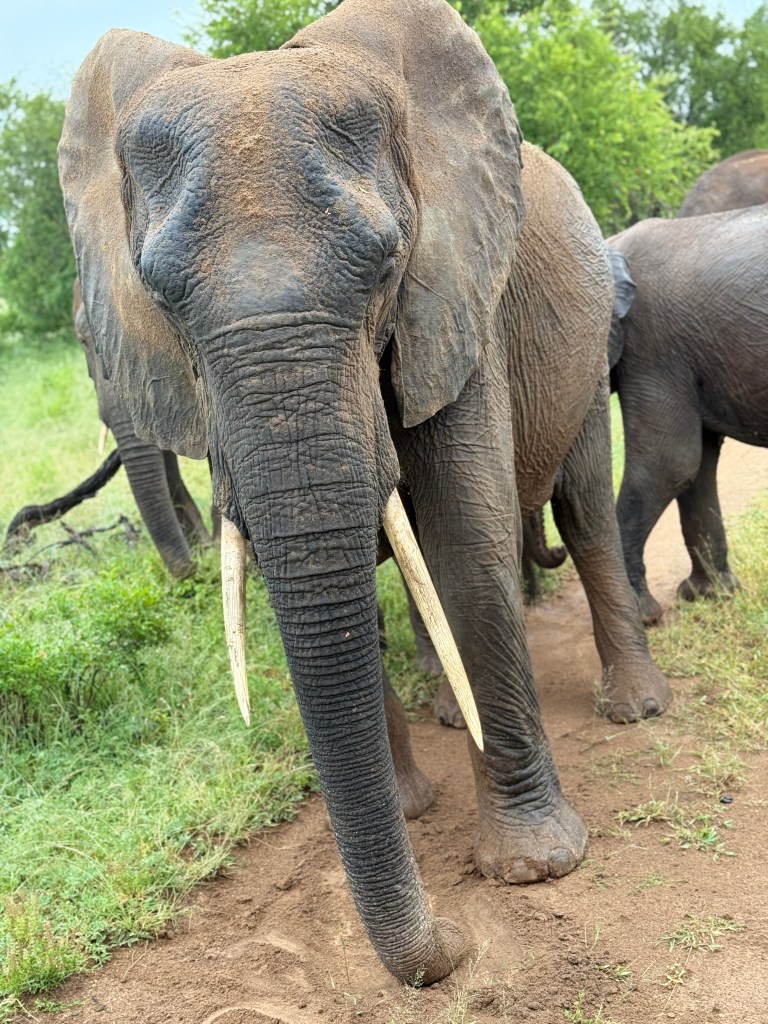
The elephants were cooling off by throwing dirt over their bodies. The big fellow below was too close for Larry to take a photo so this photo is with my iPhone. He was not bothered by us, nor did he care that some of the dirt was coming our way. It was so amazing to spend time with the elephants.

Elephants appear to be eating non-stop. We read that in a day an elephant consumes up to 272 kg (600 pounds) of grass, tender shoots and bark from trees. An adult Elephant can drink up to 200 litres of water in a single session.

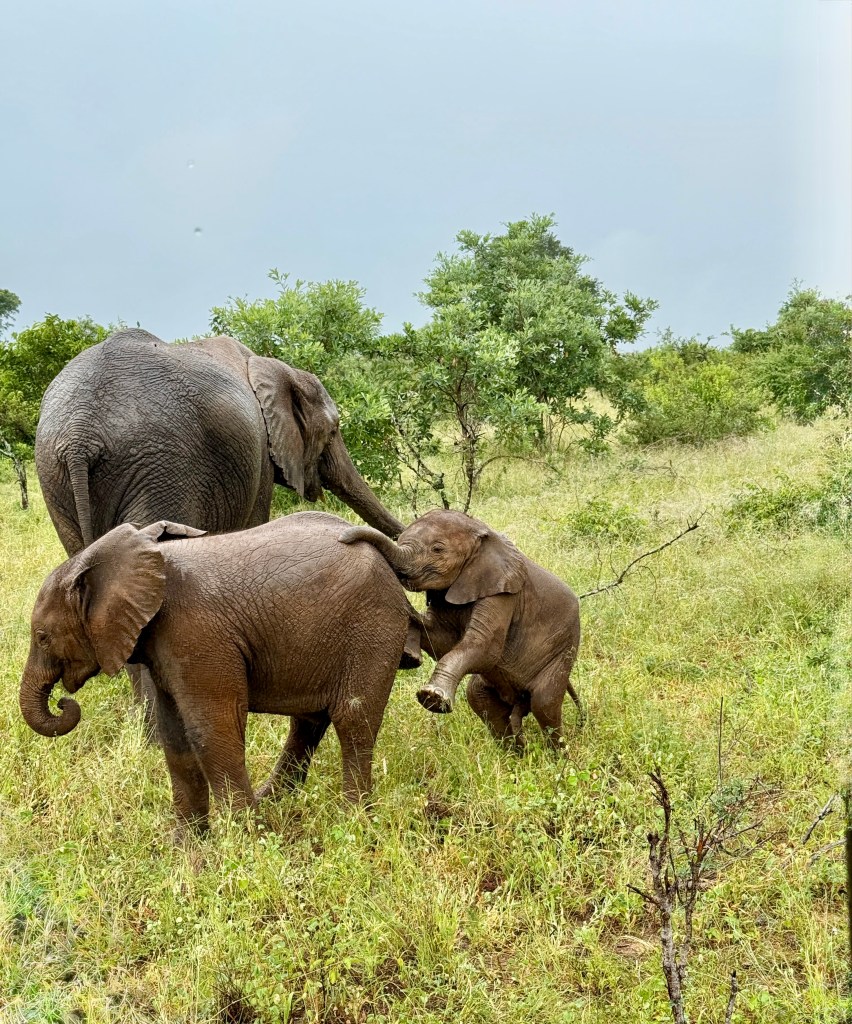
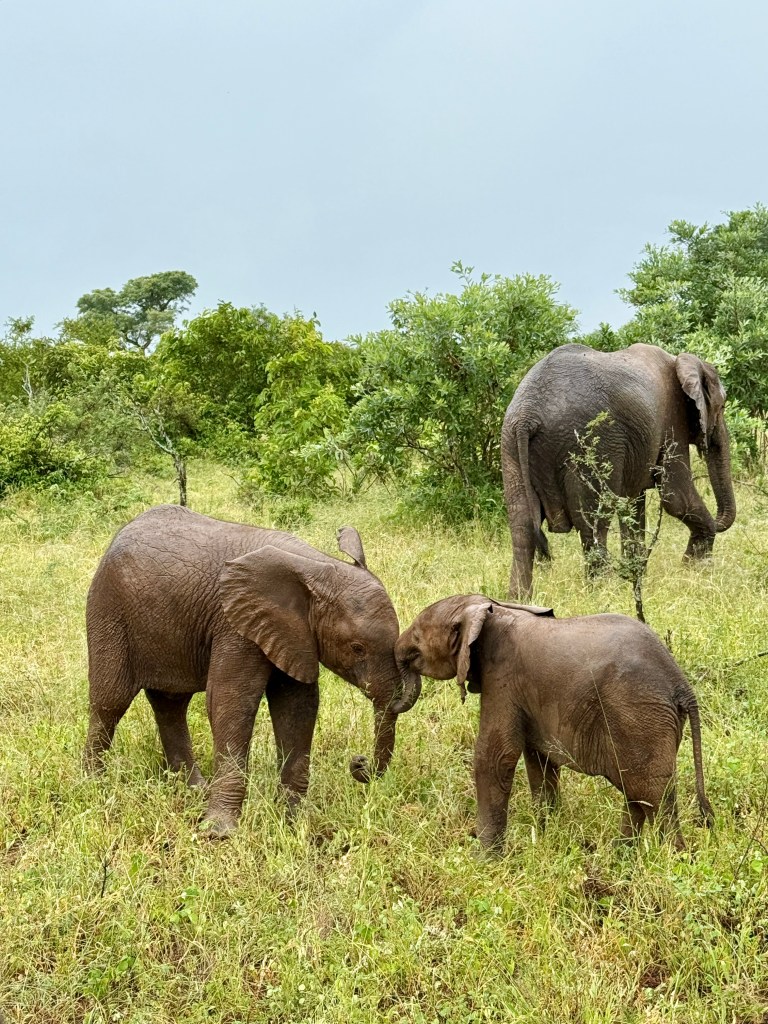
The young elephants love to play.

The hardest part of creating the blog is deciding which of the hundreds of photos we have to include.

I will dedicated several posts to Inyati so that I can post more regularly.

Umkumbe Safari

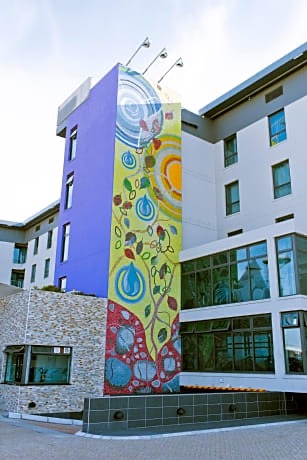
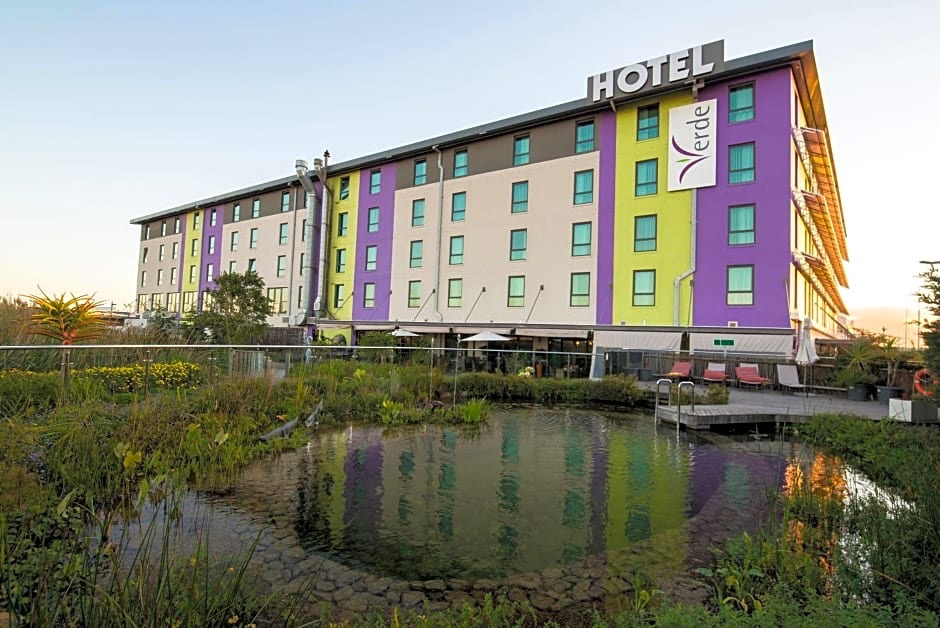
On February 9th, we stayed overnight at the Vrede Hotel before our early morning flight to Skukuza (Kruger National Park). The hotel was reasonably priced and we would recommend it. The staff were friendly and efficient, and the room was spacious, clean, and had a comfortable bed. The hotel’s location, just a 5-minute shuttle ride to Cape Town airport, made it an ideal location for us.

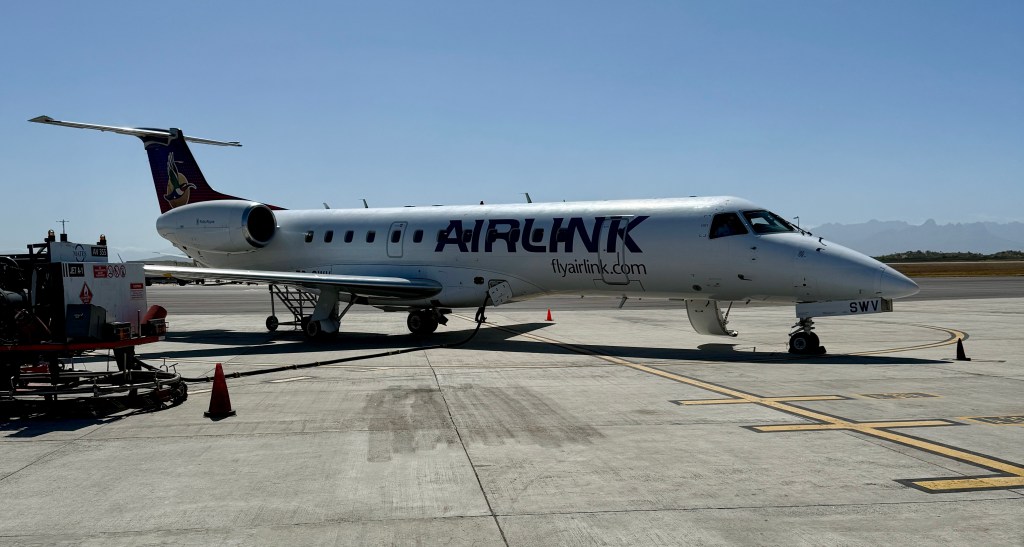
The Airlink flight to Skukuza was 2.5 hours, with only a few passengers on board. We arrived on time, but when it came to our Vomba Transfer to Umkumbe Riverside Safari Lodge, things went awry . When I called Vomba to check on our transfer, they were surprised to hear from me. It turned out our reservation had been cancelled, and the full payment I made had been refunded. After several calls and emails, I learned that someone had posed as me and sent a convincing email. The scammer claimed my family had been in a fatal car crash in South Korea, leading Vomba to process the refund to a bank account instead of back to the credit card I used. Fortunately for us, everything was sorted out in the end although it took 1 1/2 hours for Vomba to finally pick us up. Vomba learned the hard way, as they were out the refunded amount.

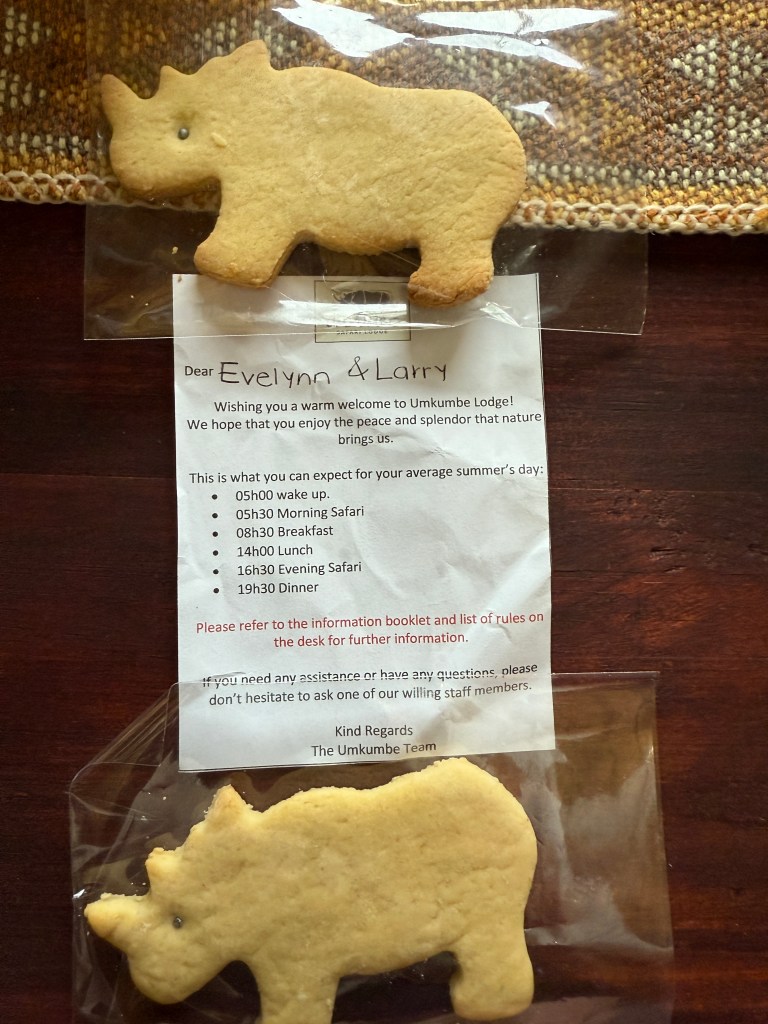
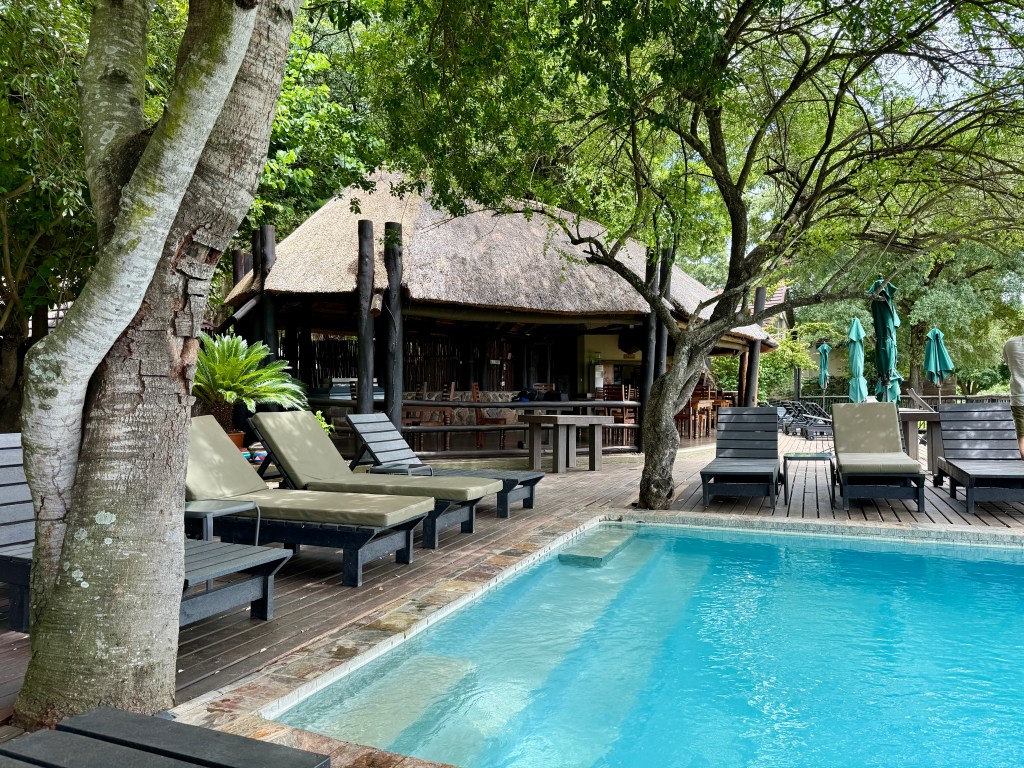
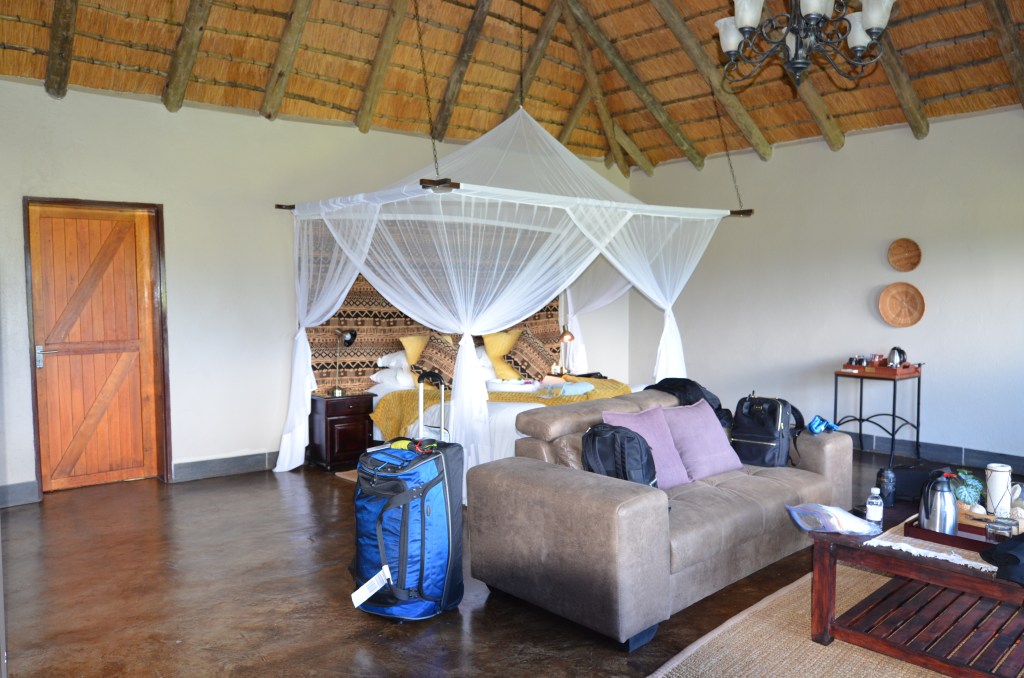
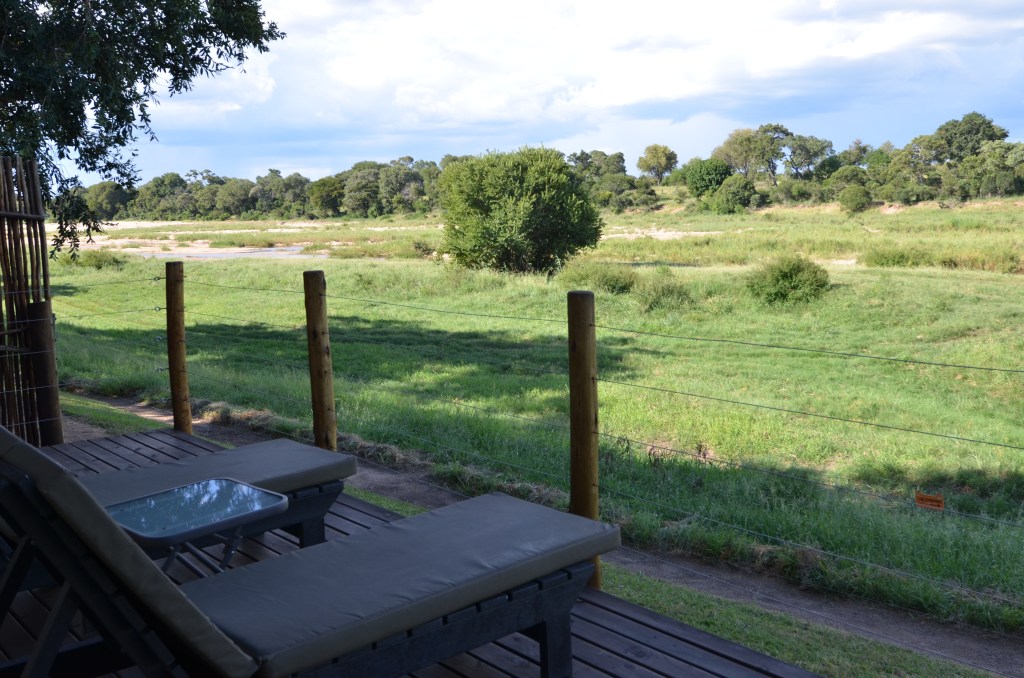
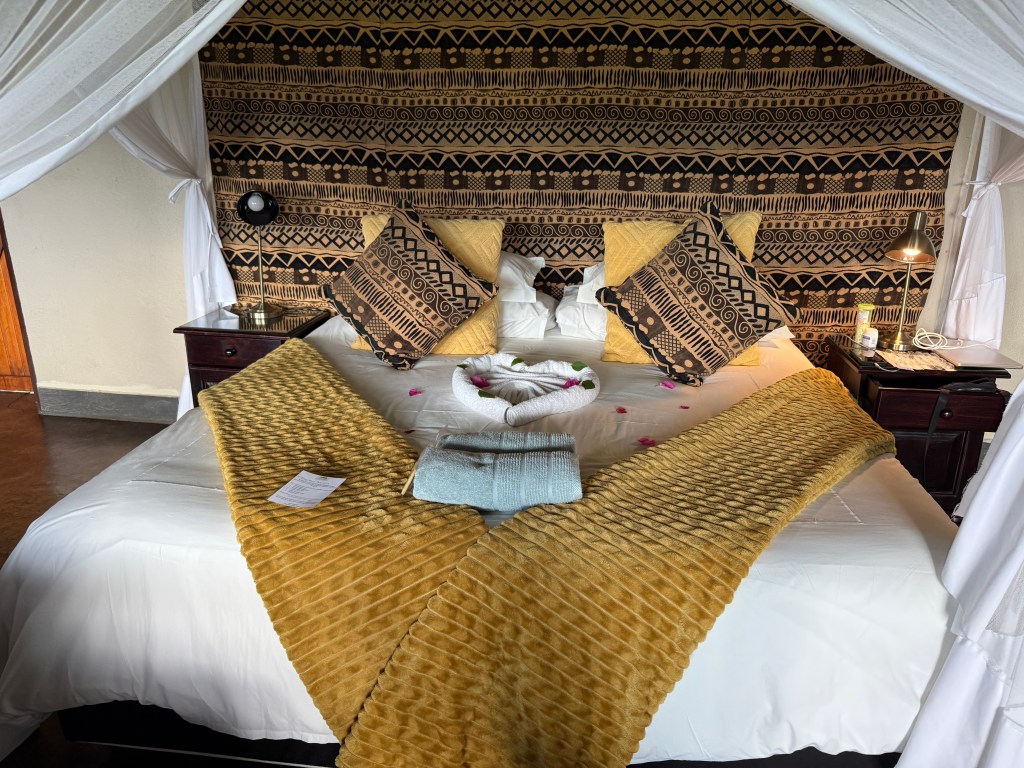
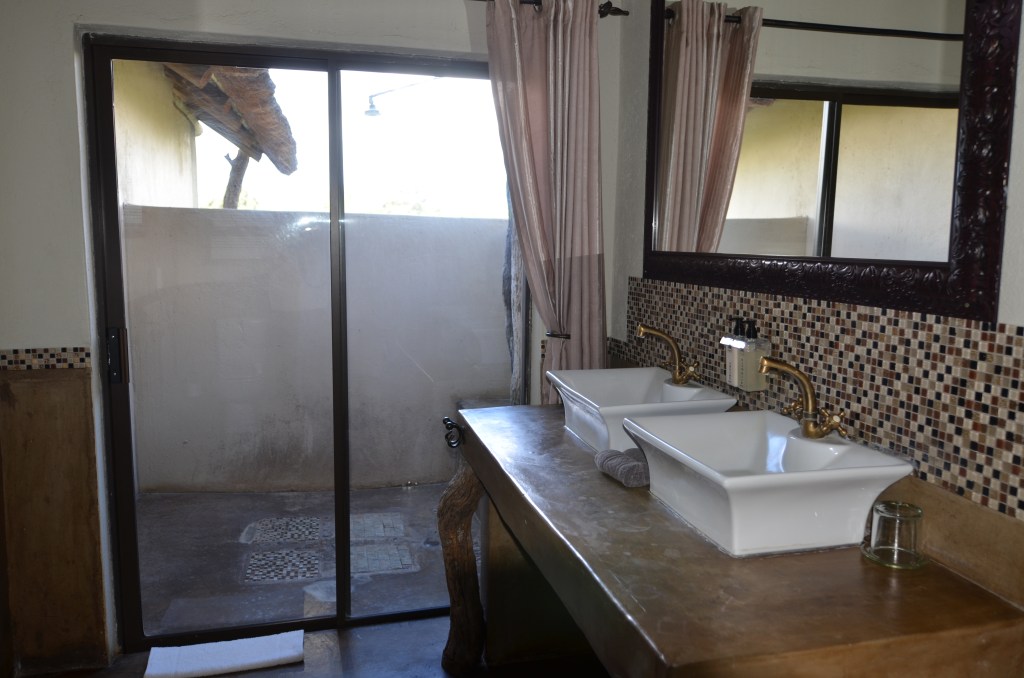
This was our first time at Umkumbe Riverside Safari lodge. Umkumbe, meaning “Rhino”, is a small private safari lodge (6 chalets) located on the Sand River in the heart of the Sabi Private Game Reserve. It is considered one of the most reasonably priced private safari lodges, especially compared to neighbouring ultra-luxury lodges of Mala Mala and Londolozi,  which are 4+ times more expensive.

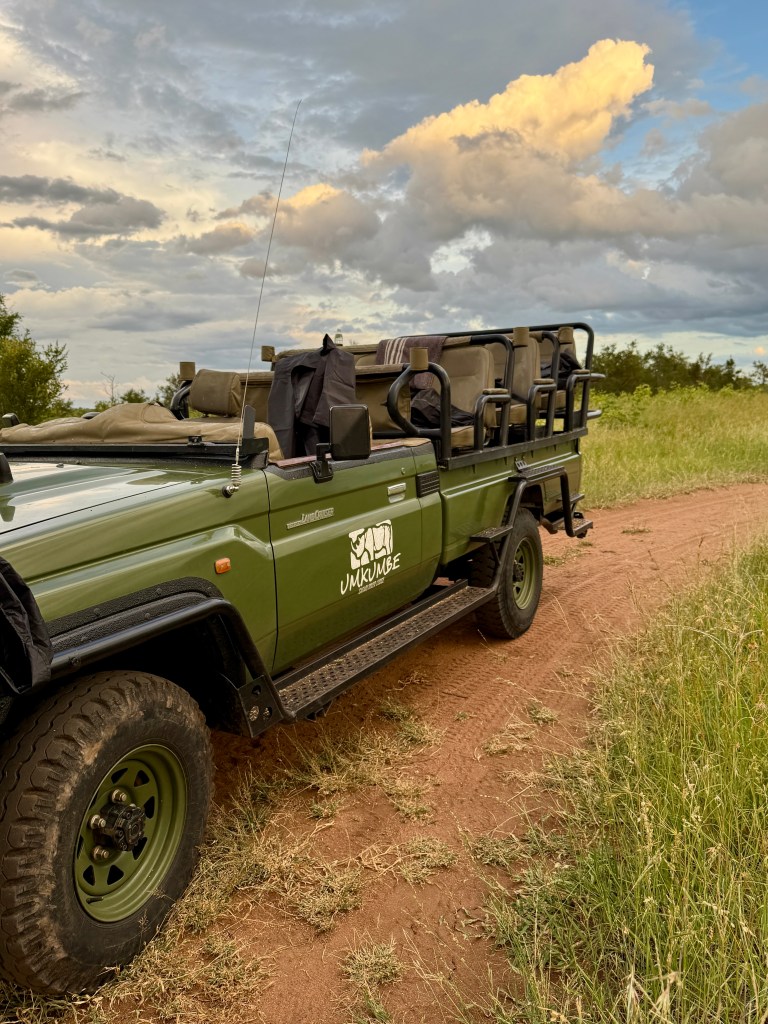
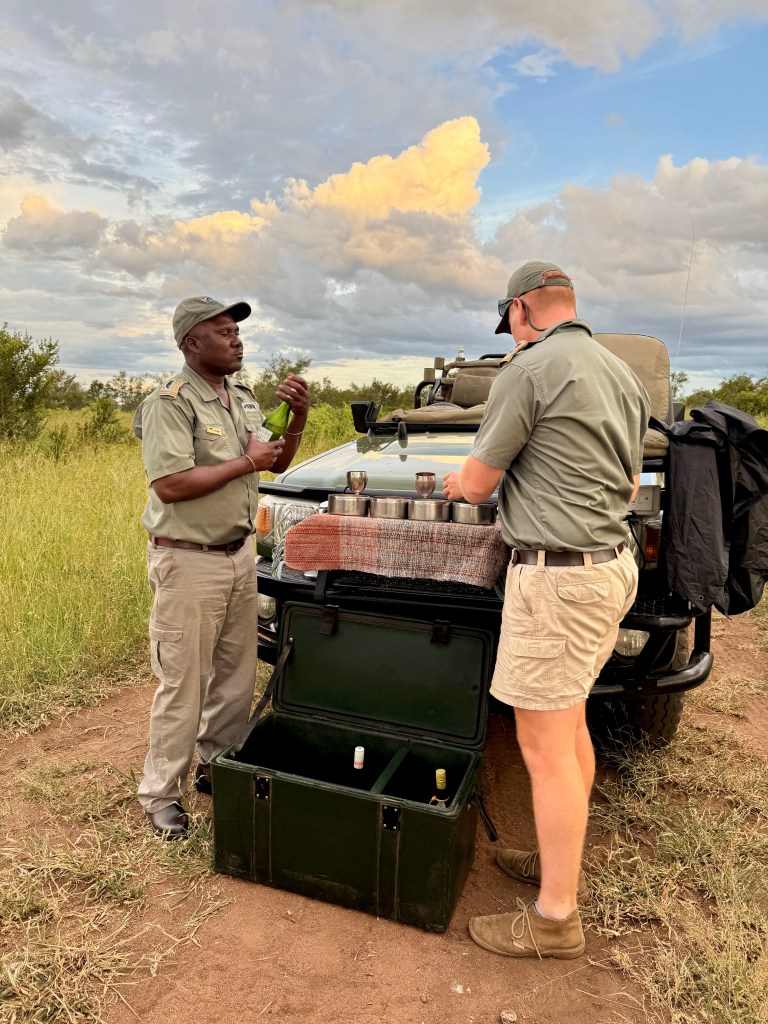
Umkumbe offers basic accommodations and food, and the rangers and trackers take on additional duties around the lodge, such as gardening, moving luggage, and assisting with buffet setup and clean-up. This helps keep the prices more reasonable. The open safari vehicles usually hold 9 guests, with the middle seat used when necessary. We were fortunate to have only 3 other people in our vehicle, which made the experience more comfortable and much easier for taking photos.

We had two game drives at Umkumbe—one right after we arrived, and another early the next morning before heading to Inyati. Our guide, Ty, was great and thanks to him (and good luck), we had incredible sightings.

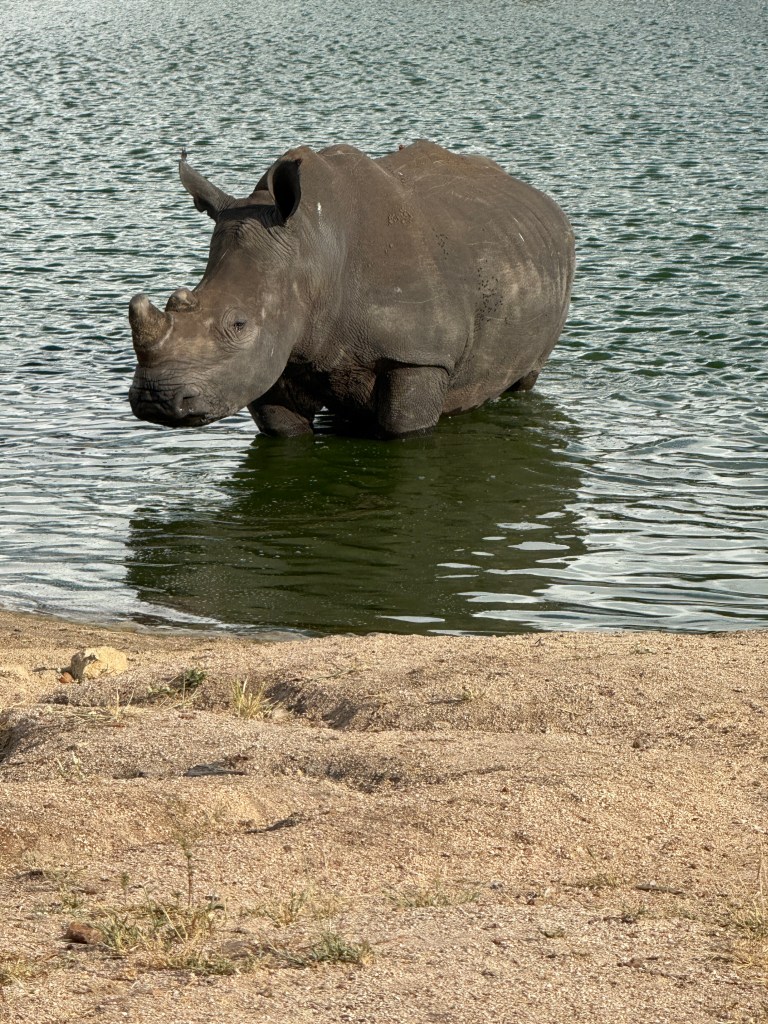
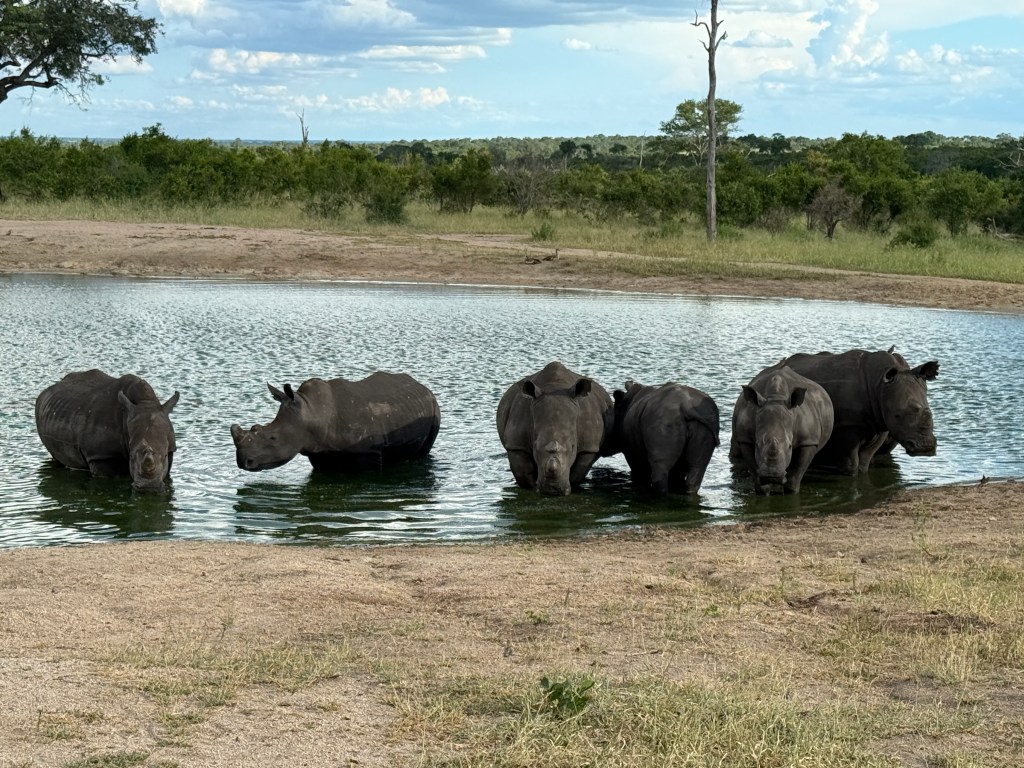
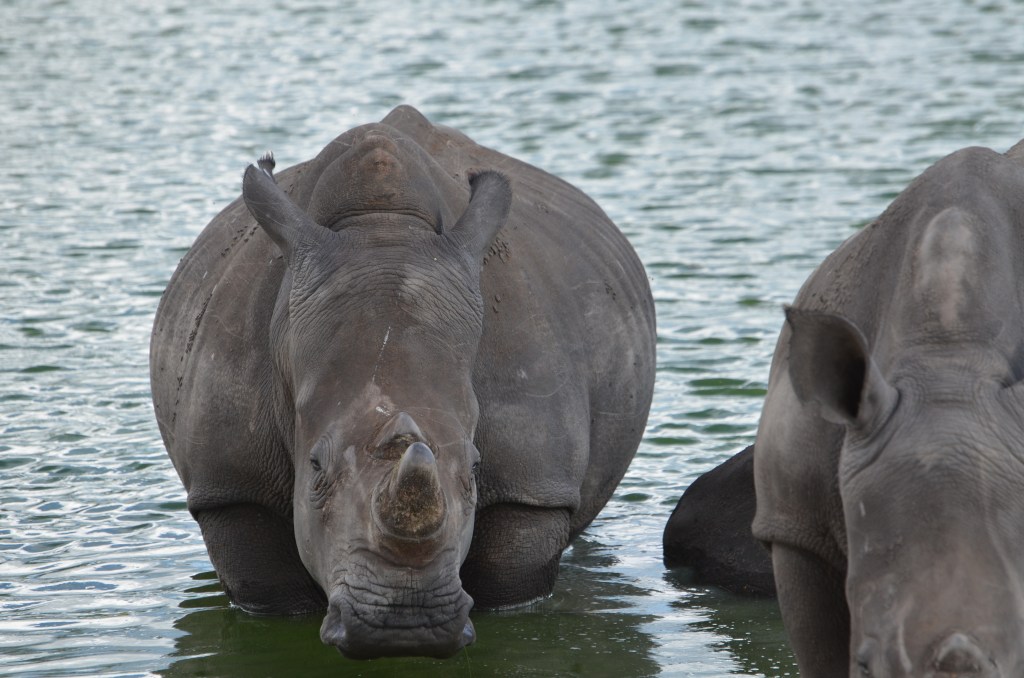
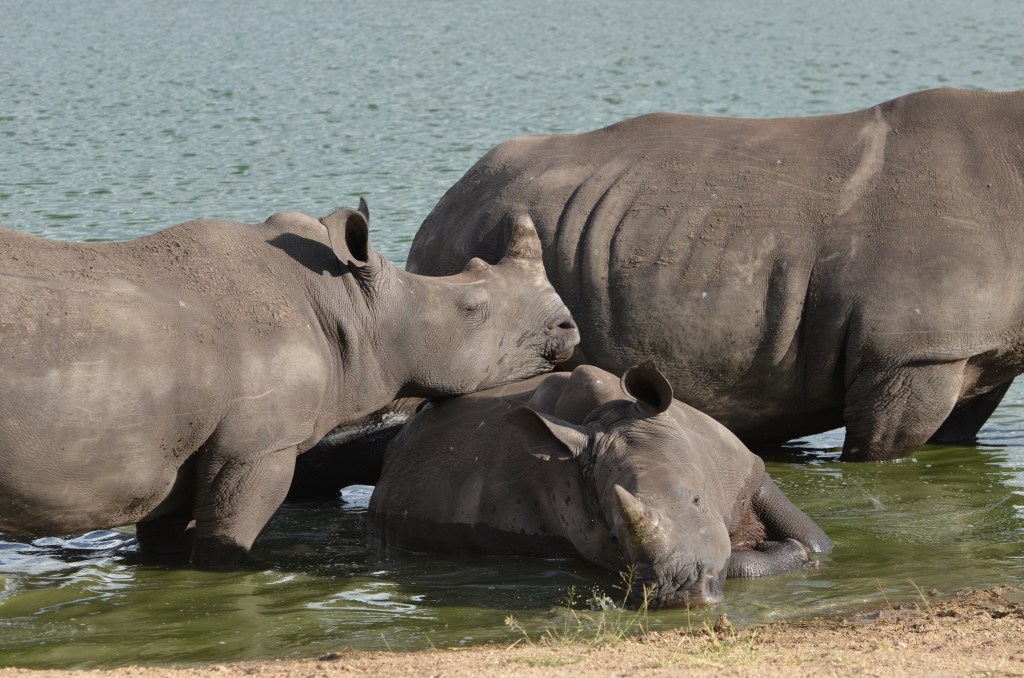
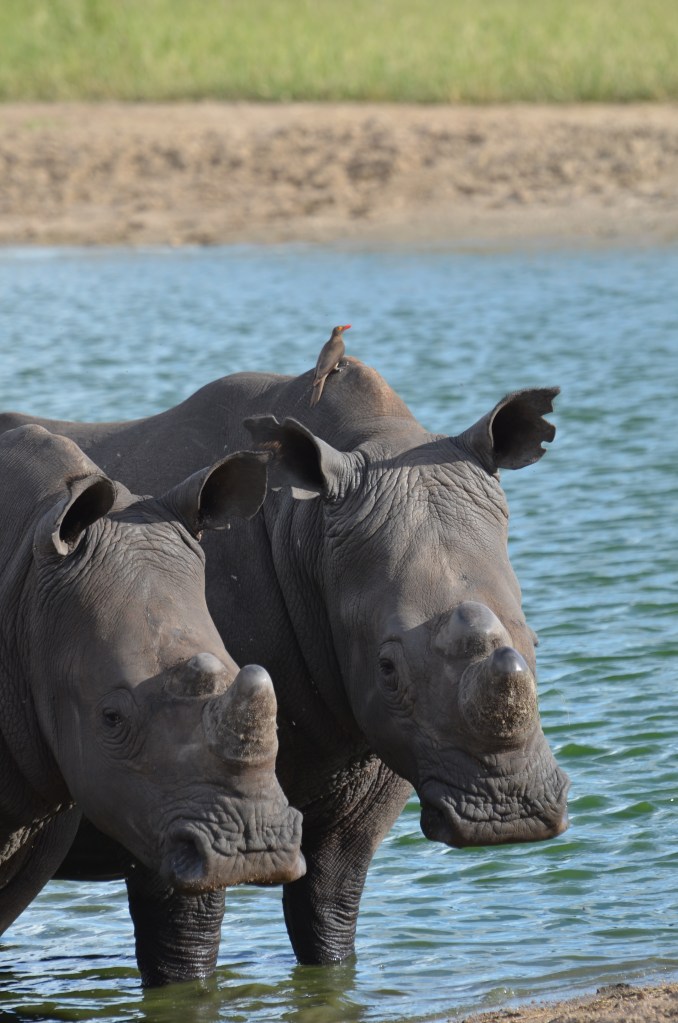
It was a very hot day so the rhinos were cooling off. This is the first time we had seen so many rhinos together.

Would we recommend Umkumbe Safari River Lodge? Yes, especially when you factor in the pricing and the quality of the game drives. Our friends Wendy and Gord stayed at Umkumbe Bush Lodge, which is right next door to River Lodge, and they also enjoyed their stay. The Bush Lodge is a “luxury tented camp – glamping”. The accommodations are a bit nicer and the food is a bit better than the River Lodge even though the cost is slightly less. The game drives are pretty much the same since both properties are on the Sabie Game Reserve (SGR). We initially were told that River Lodge and the Bush Lodge were under totally different ownership, but we later learned that they are actually owned by siblings but run separately.

Now, onto more Umkumbe game drive photos.

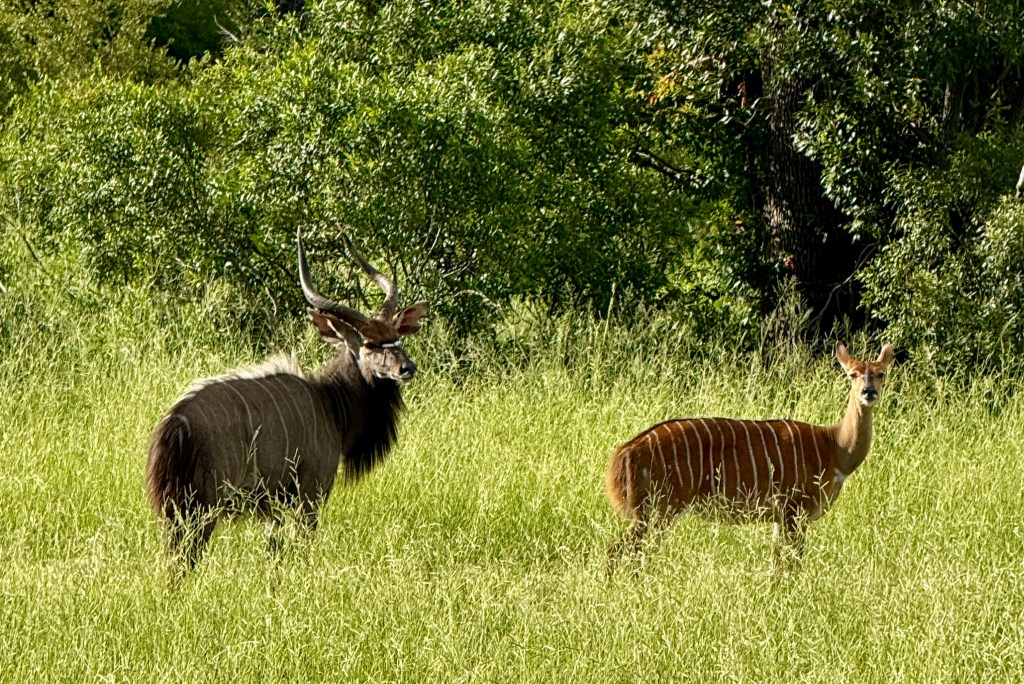
Male Nyala
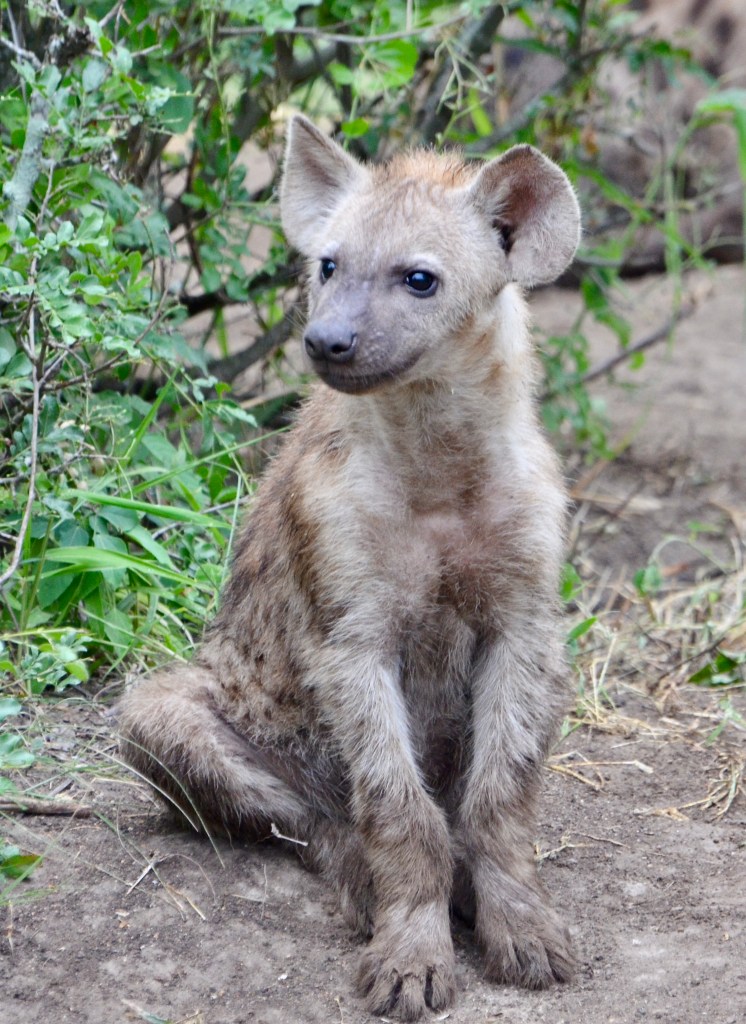
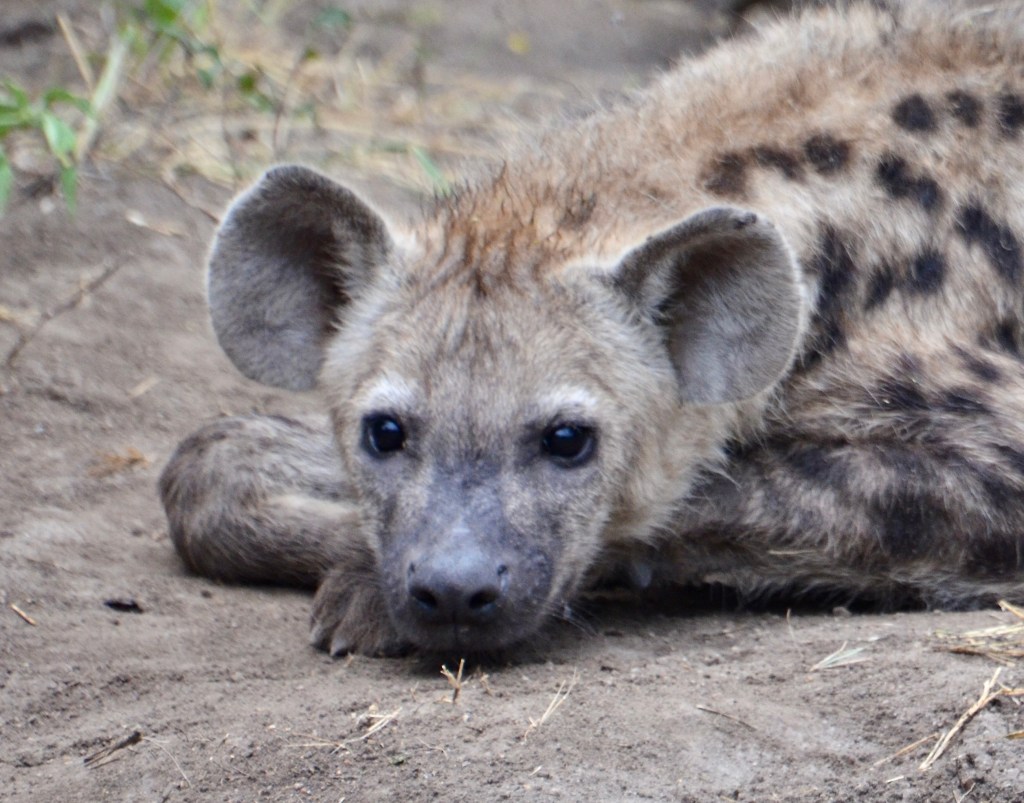
Young Hyena
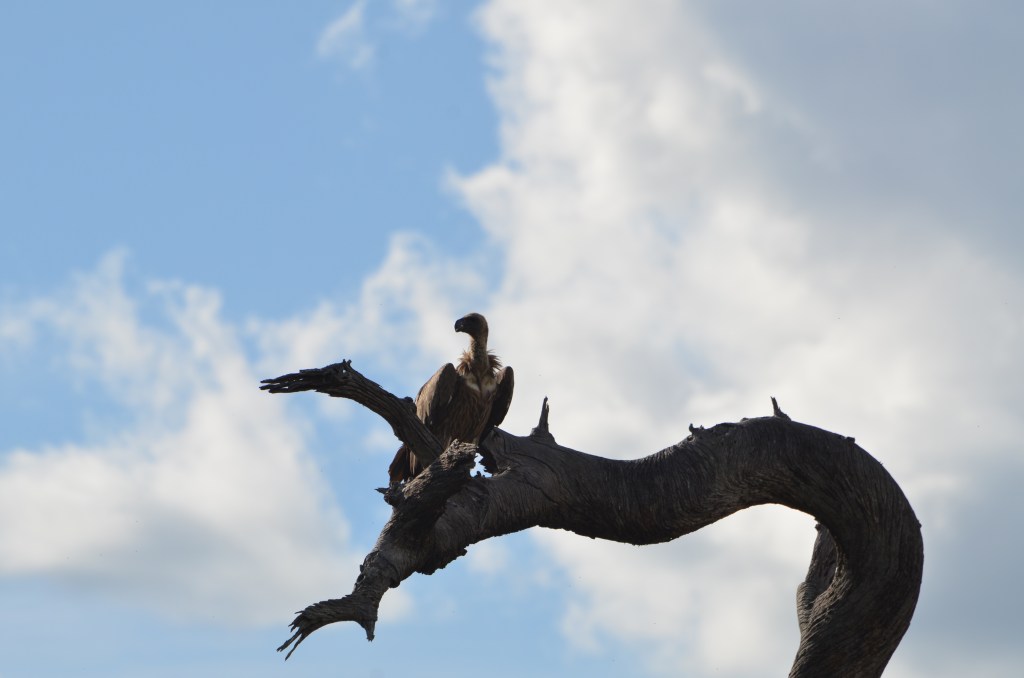
Vulture
Fresh kill. His sister is waiting for her turn, as she was part of the hunt.
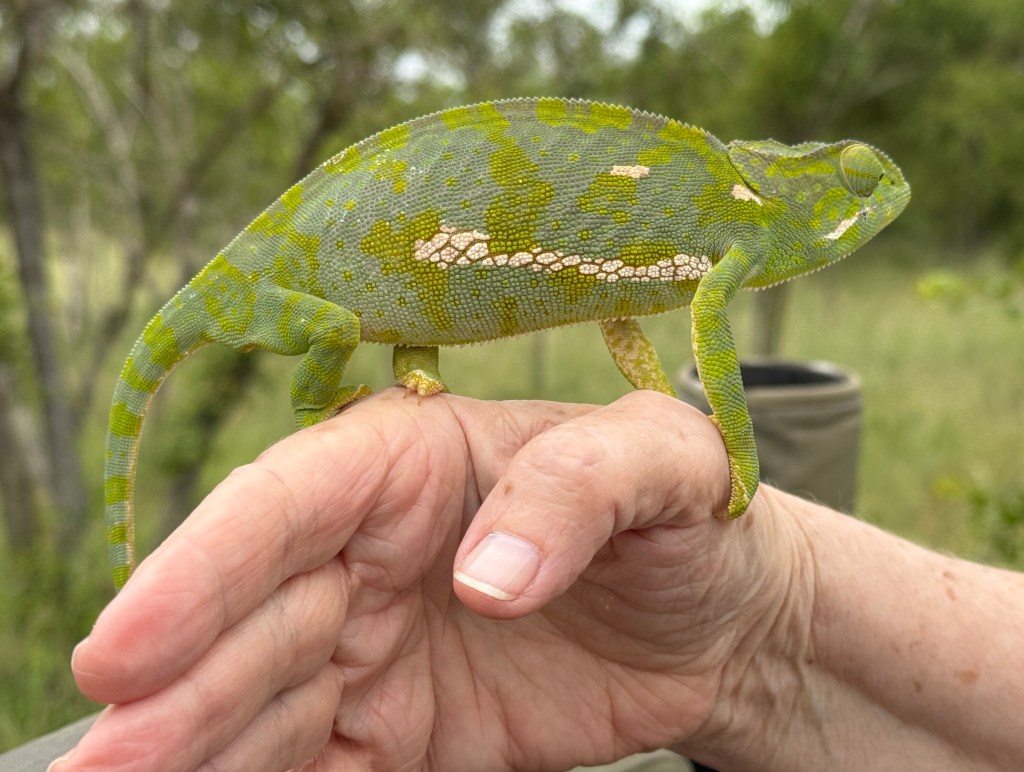
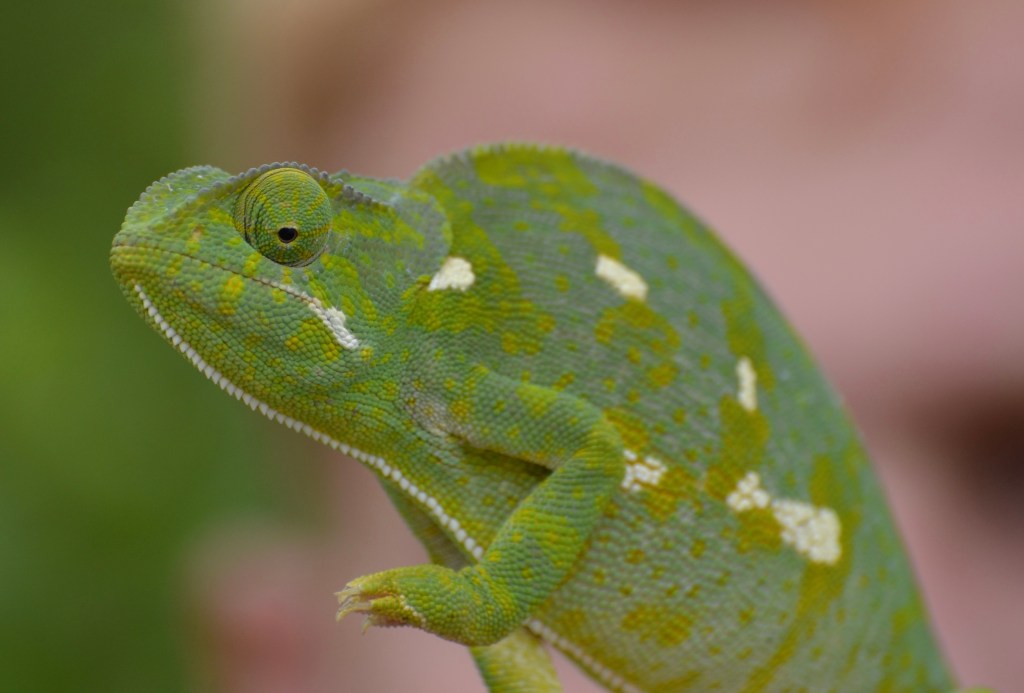
The Chameleon moved from Ty’s hand to mine – gentle little guy.

It was tough choosing which photos to include because we had so many incredible sightings in such a short time. We truly felt lucky.

Deb, thank you for finding Umkumbe for us. Rich and Karen, we’re sure you’ll love your time there, though we’re not sure if Umkumbe is quite ready for the two of you!

Next posts will be from Inyati in a few days time.

Back in South Africa

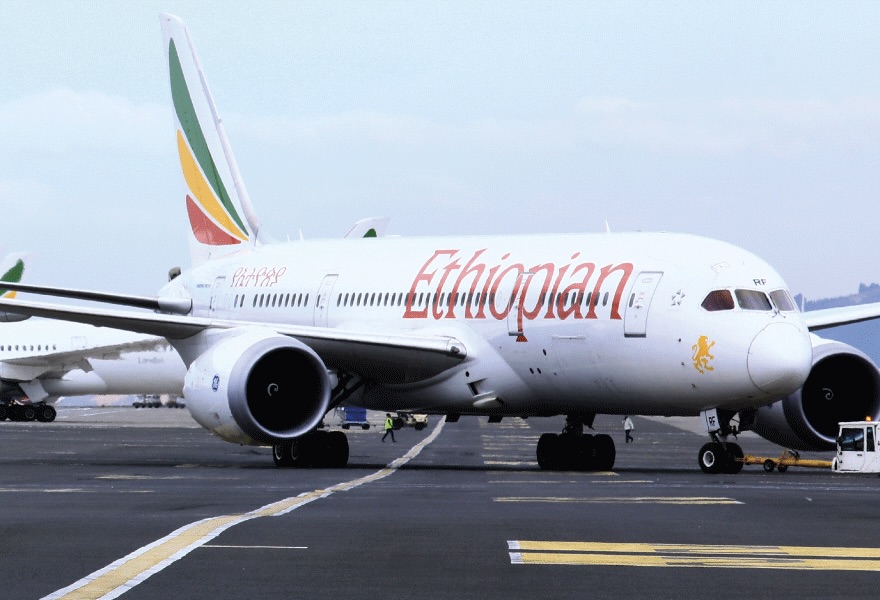
On February 2nd, we flew to South Africa via Addis Ababa with Ethiopian Airlines (arriving in Cape Town on February 3rd). This was our first time using the airline, and we were impressed. The staff, from check-in to landing, was friendly and helpful, which made the long flight more comfortable. The food was decent for airplane meals, and the seats, though never the most comfortable, were fine. The only downside was the tight 50-minute layover in Addis Ababa, which made for a stressful transition to our connecting flight to Cape Town. We would come this route again, but not be so focused on making our connecting flight.

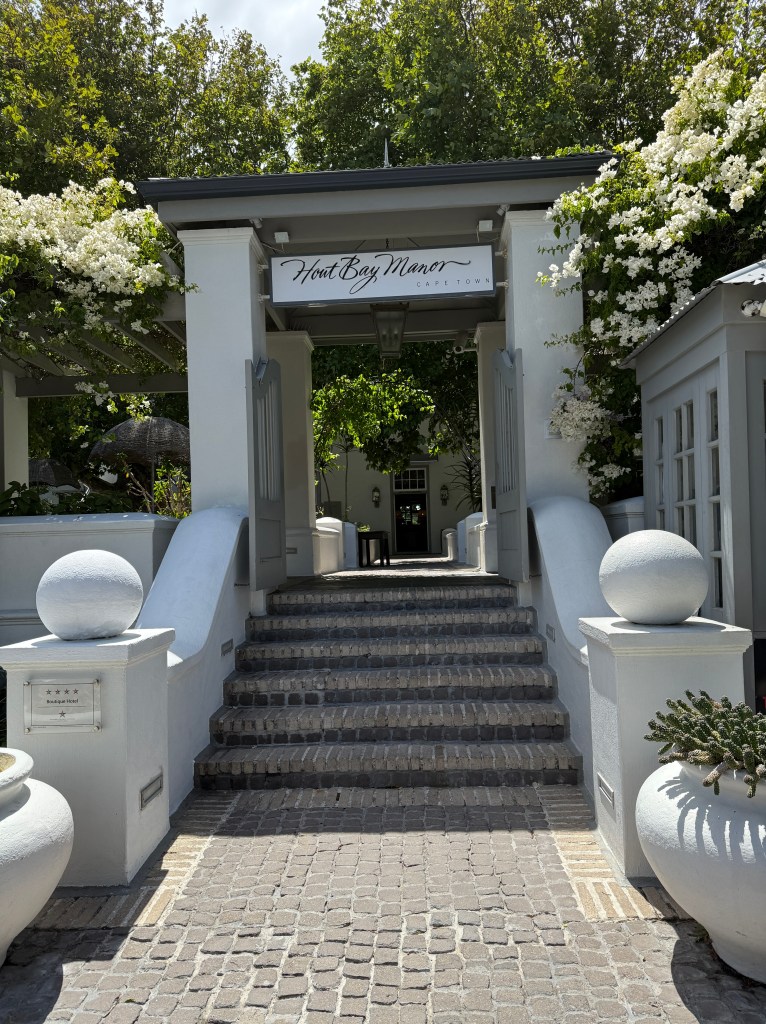
We’re staying at the Hout Bay Manor again, a small boutique hotel that’s become our favourite in this area. It’s close to Hout Bay Village, and we can easily walk to Margaret and John’s Hout Bay condo, which is a nice bonus. Margaret and John also have a condo in the same building as we do in Oakville (small world). We’ll be here until February 8th and then we spend 1 night at a Cape Town airport hotel. We have an early flight on Feb. 9th to Skukuza for our safari.

Having been here a few times before, we’re enjoying a relaxed schedule. We’re walking or using Ubers to visit some nearby areas, visiting with Margaret and John, and just relaxing at the hotel. We’ll be busy when we are on safari so relaxing here works out well.

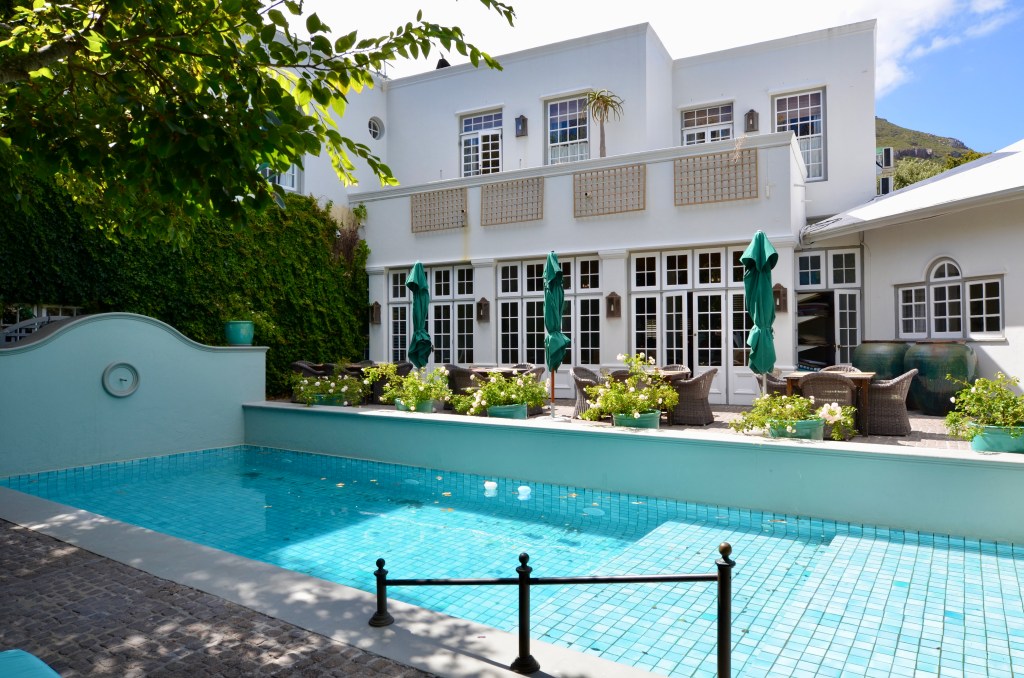
Here are a few photos from the first part of our journey. You will see that the hotel is very quiet.

We had a great chat with a British couple who make Codfather a regular stop when they visit South Africa. The gentleman had some interesting stories, having worked with many top golfers over the years. Larry enjoyed the Rory McIlroy stories.

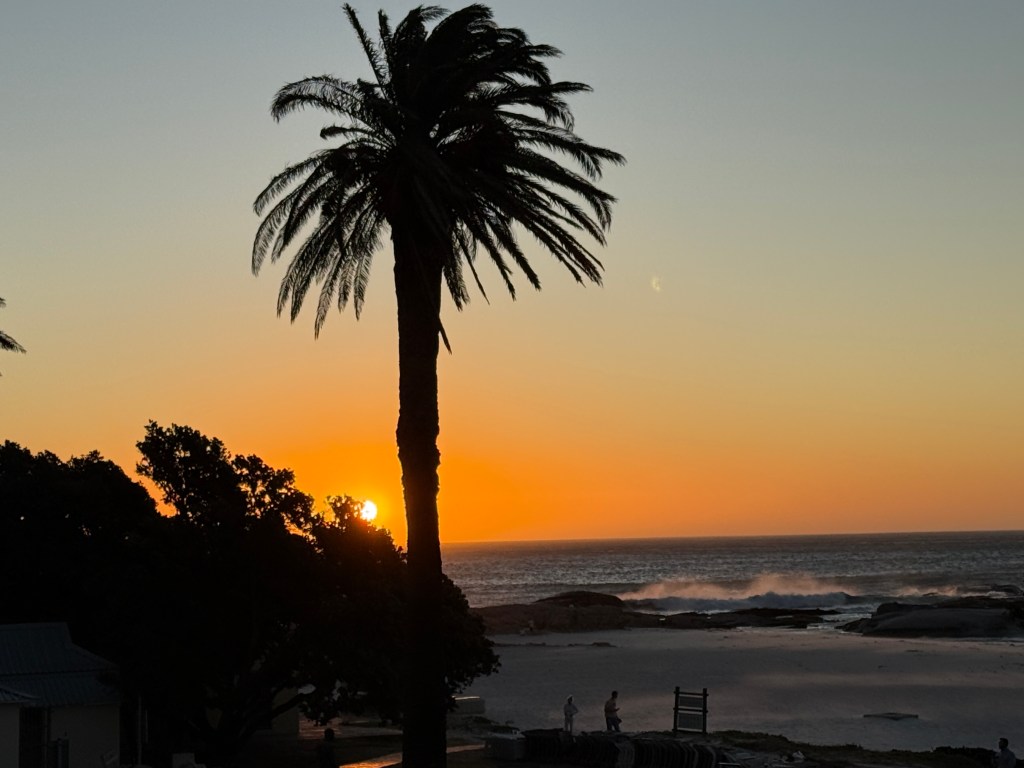
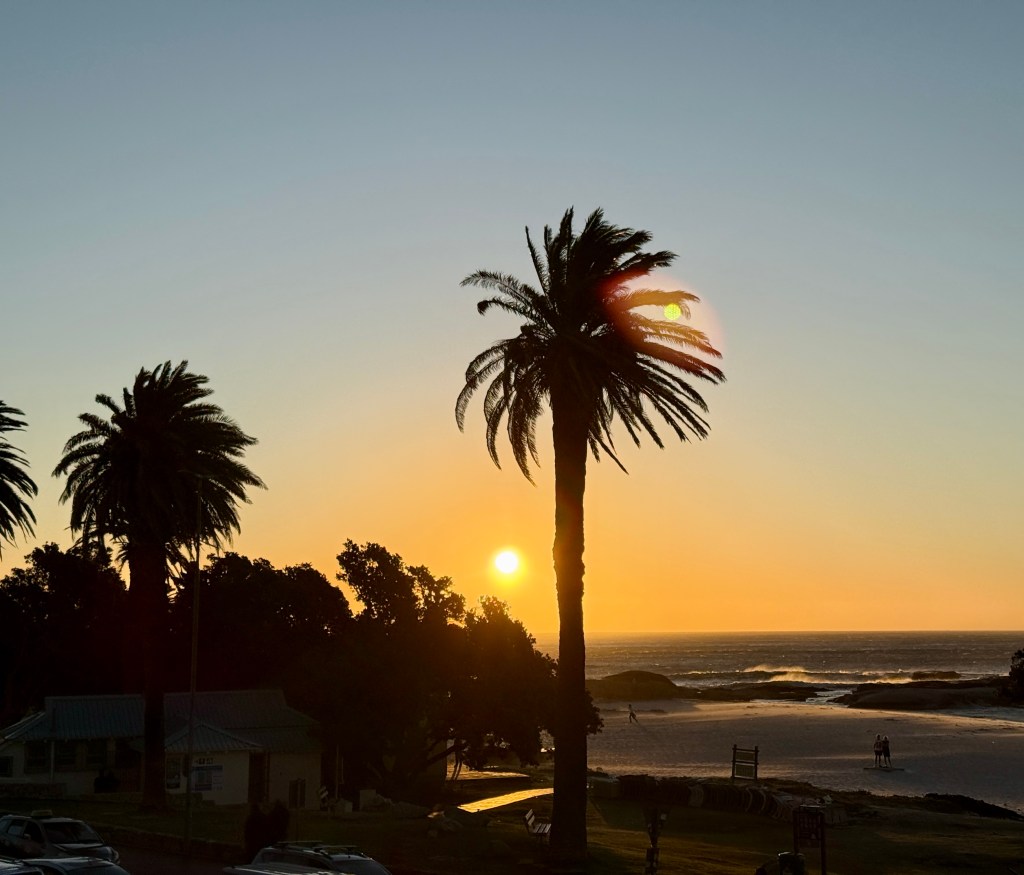
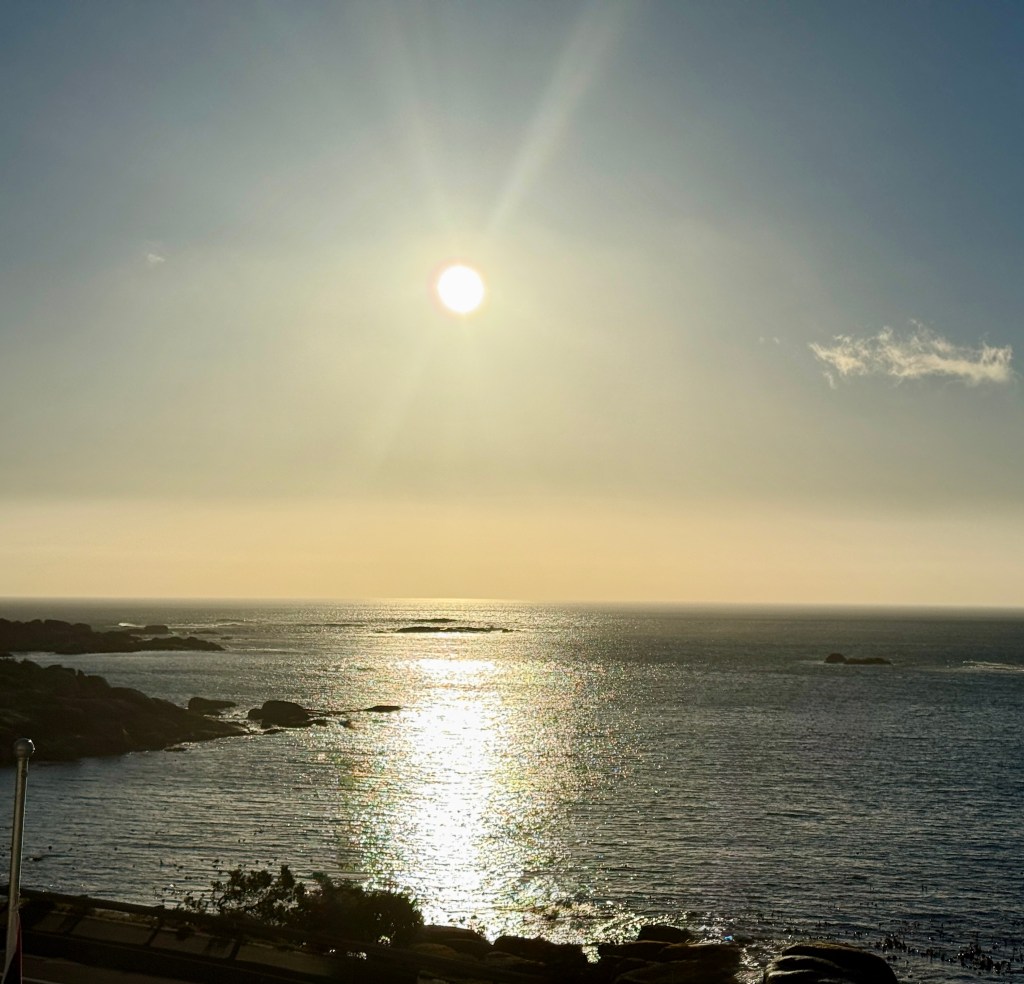
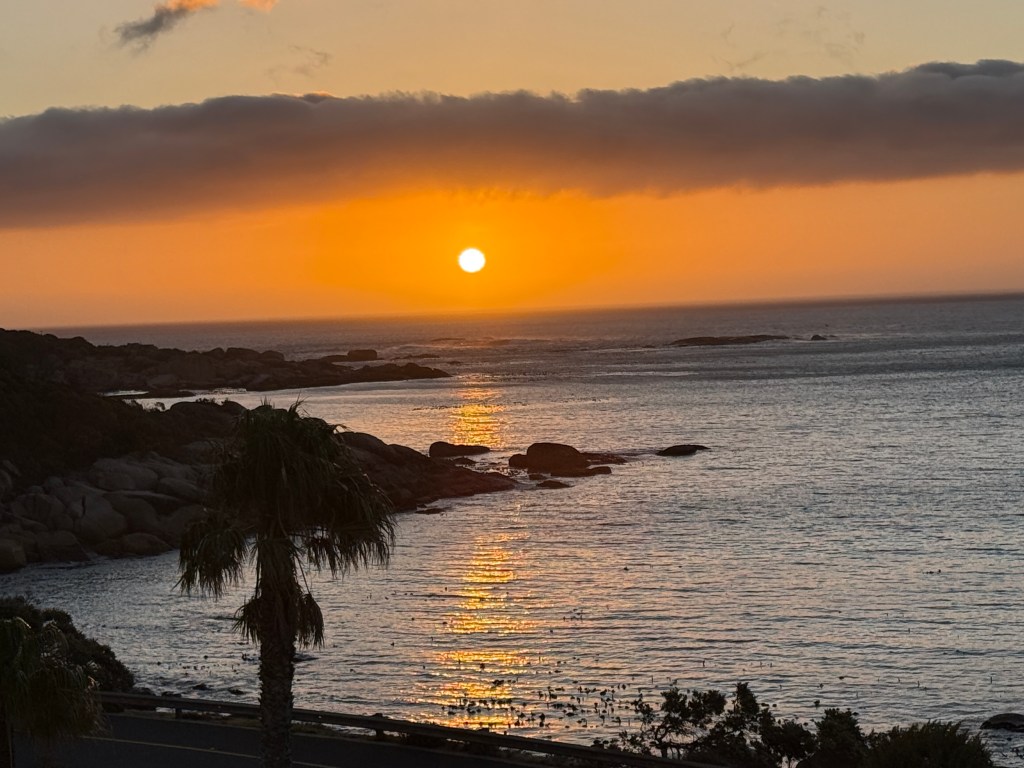
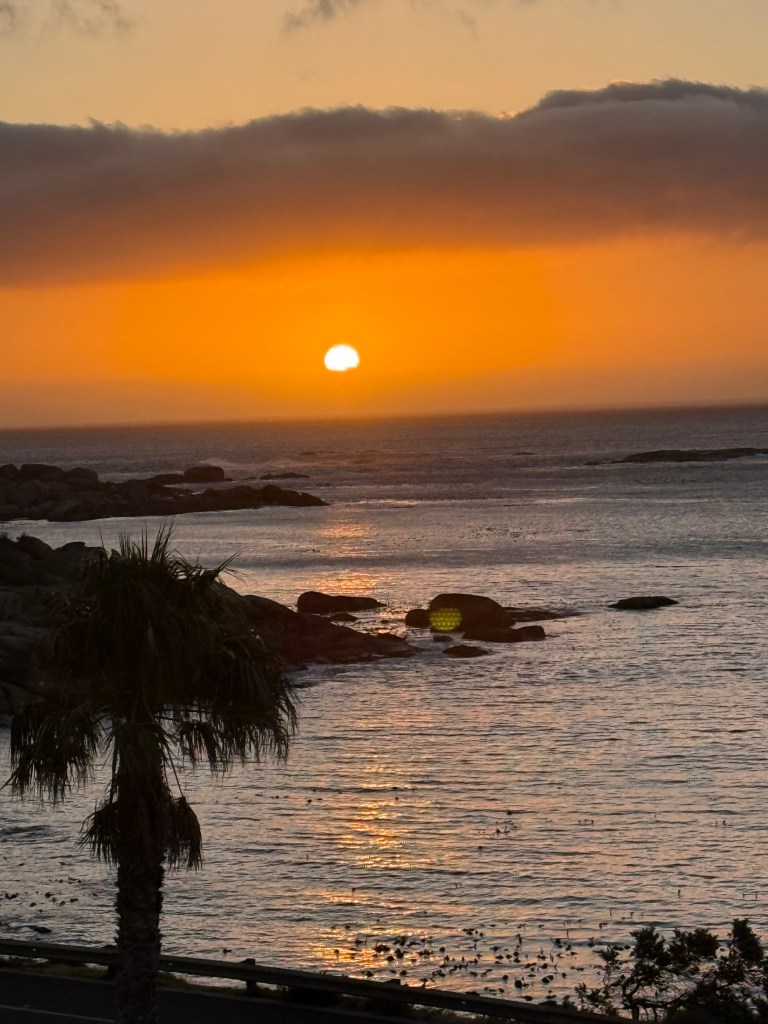
After dinner at Codfather, we went for drinks at a bar in Camps Bay. Camps Bay is even busier than last time we were here. Nice to visit but we like the quieter Hout Bay to stay. The sunset photos below were taken from the bar looking onto Camps Bay beach.

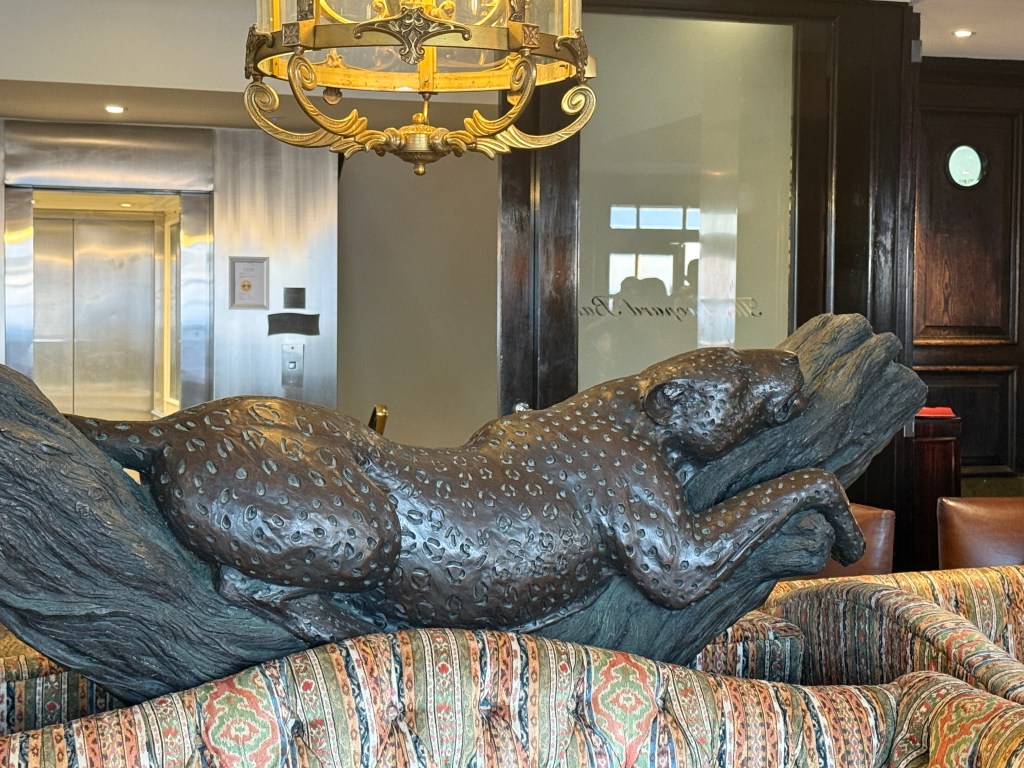
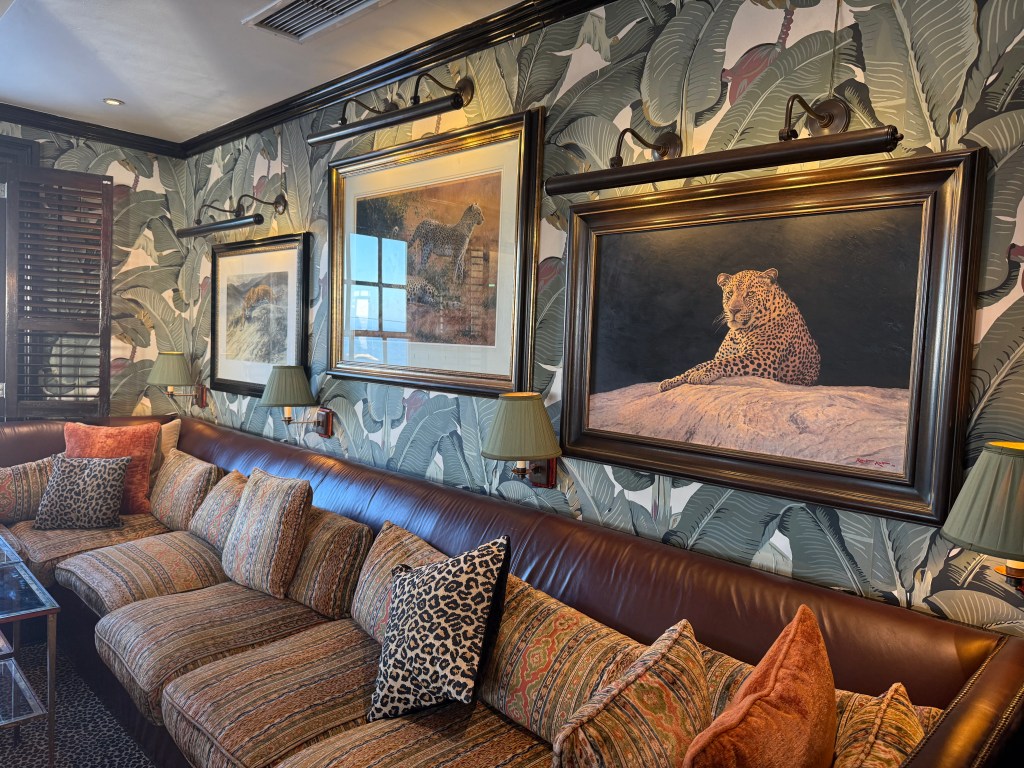
On our second-to-last night, we decided to have a casual dinner at the Leopard’s Bar at the Twelve Apostles Hotel. Even though it was a Friday night, we managed to get a table with a great view of the sunset, thanks to a couple who was just leaving as we arrived. The entertainer provided enjoyable background music – but lively enough that a small group of hotel guests joined in on the chorus which made for a fun evening.

As mentioned earlier in this blog, it’s been great to spend time with Margaret and John while in Hout Bay. We really enjoyed our dinners together and want to thank them both for storing our bags year after year. We also appreciate John and Margaret taking in even more luggage for us while we’re away on safari and in Zanzibar.
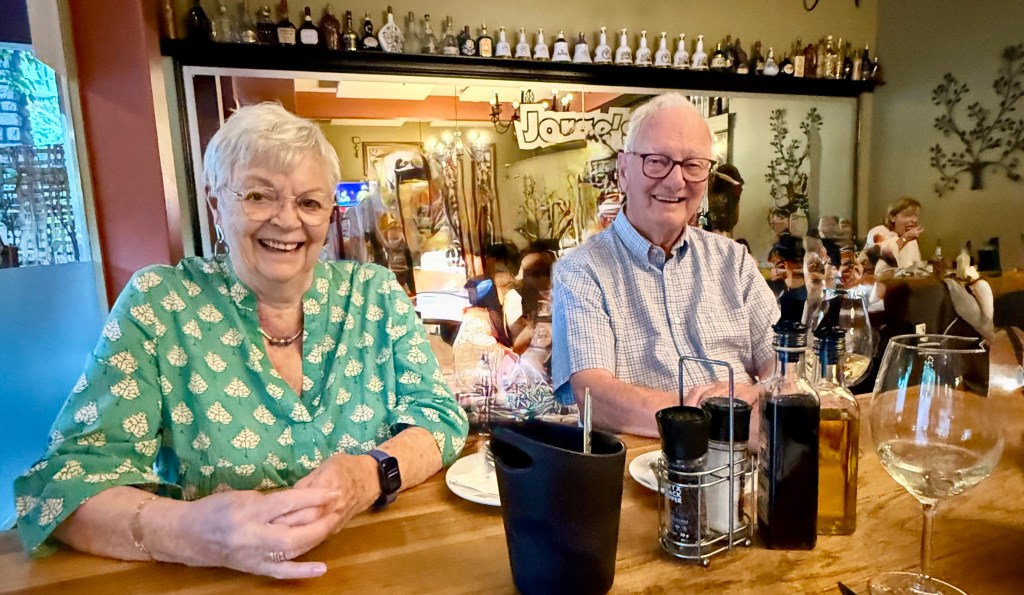
Margaret and John introduced us to Jorge’s Italian Restaurant. It is a local spot within walking distance of their condo. Food is good and it is so reasonably priced. Dinner for Larry and I, with a 1/2 bottle of wine and a shared Don Pedro cocktail for dessert, was under $50 (including tip). Larry’s lamb chops and greek salad were really good as was my pasta.

On our last night before heading off on safari, Margaret and John recommended dinner at the Alphen Hotel in Constantia, a place we hadn’t heard of before but read that it is set on 11.5 acres land, and was once a wine estate and working farm. It still features one of the oldest mills in the Western Cape.

Joining us for dinner was Julie, John and Margaret’s daughter-in-law. Julie and her husband Iain had their wedding at the Alphen, so she gave us a little tour of the place. We’d met Julie before in South Africa, and she had also visited Huntsville with her daughter this past summer. The evening was filled with great conversation, lots of laughs, and an overall sense of warmth—a perfect way to end our stay before heading off to the next adventure.

Our 6 days in the Hout Bay area flew by. It is nice at the start of our vacation to feel at home in the surroundings and have such easy access to everything. As we leave, one last sunset photo.

Singapore – Our Last Port

Nov. 14th – 17th: On Nov. 14th we arrived at 8:00 a.m. in Singapore, the final port of our 16 day cruise. We spent 4 days in Singapore before we headed home on November 17th.

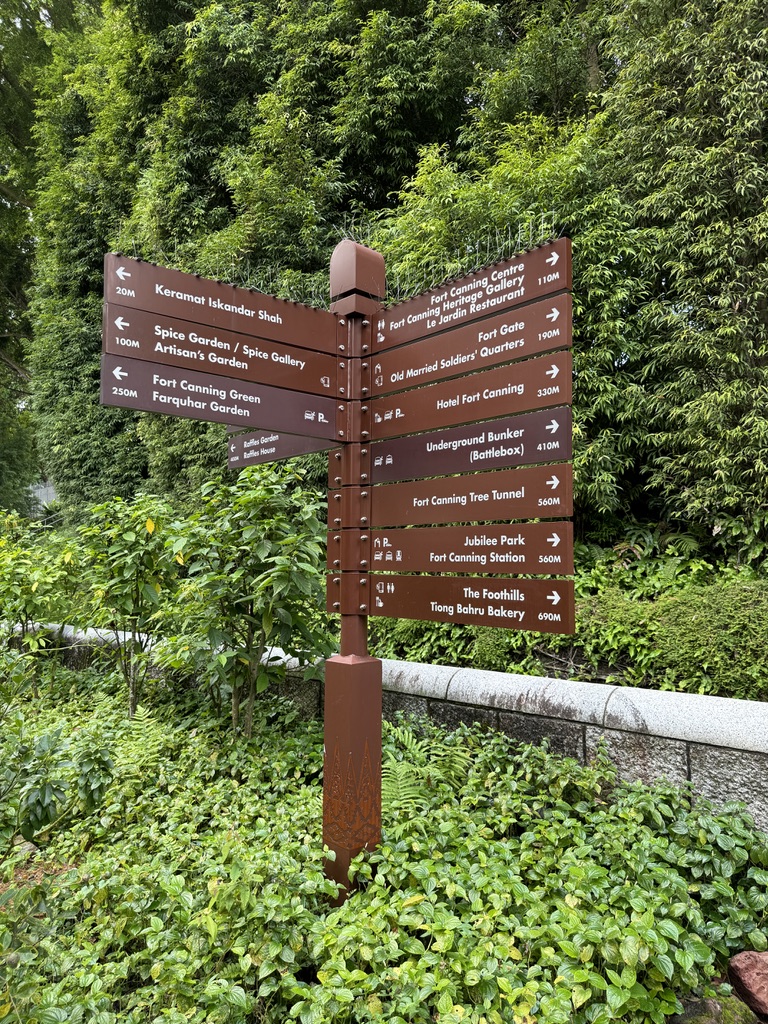
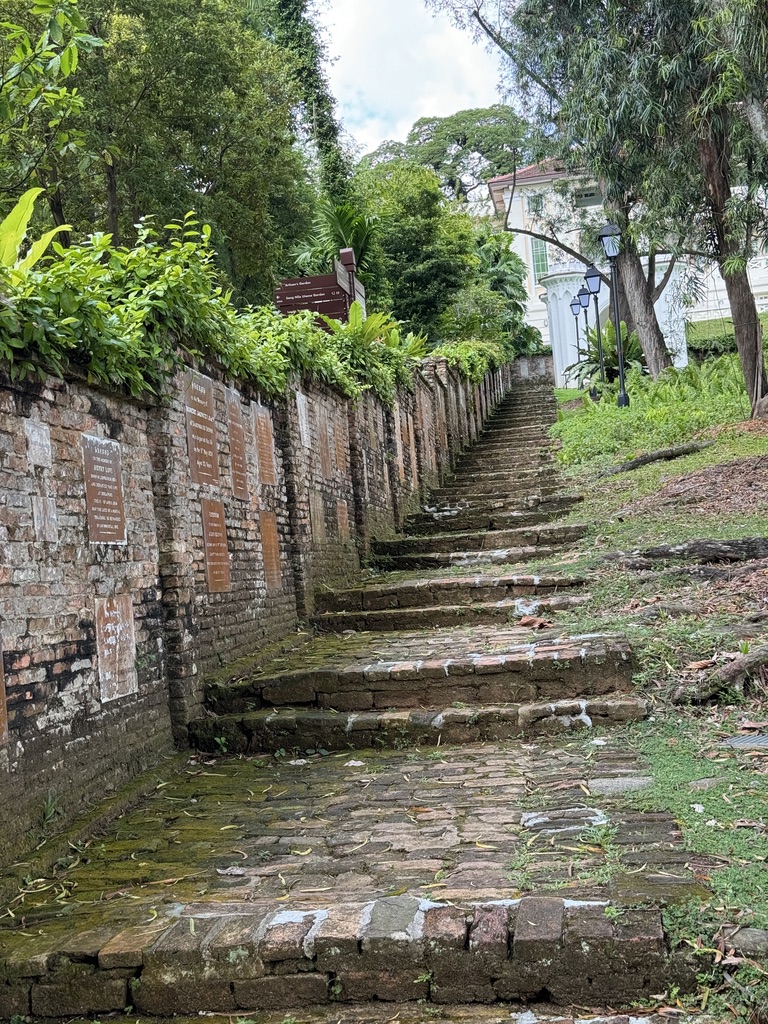
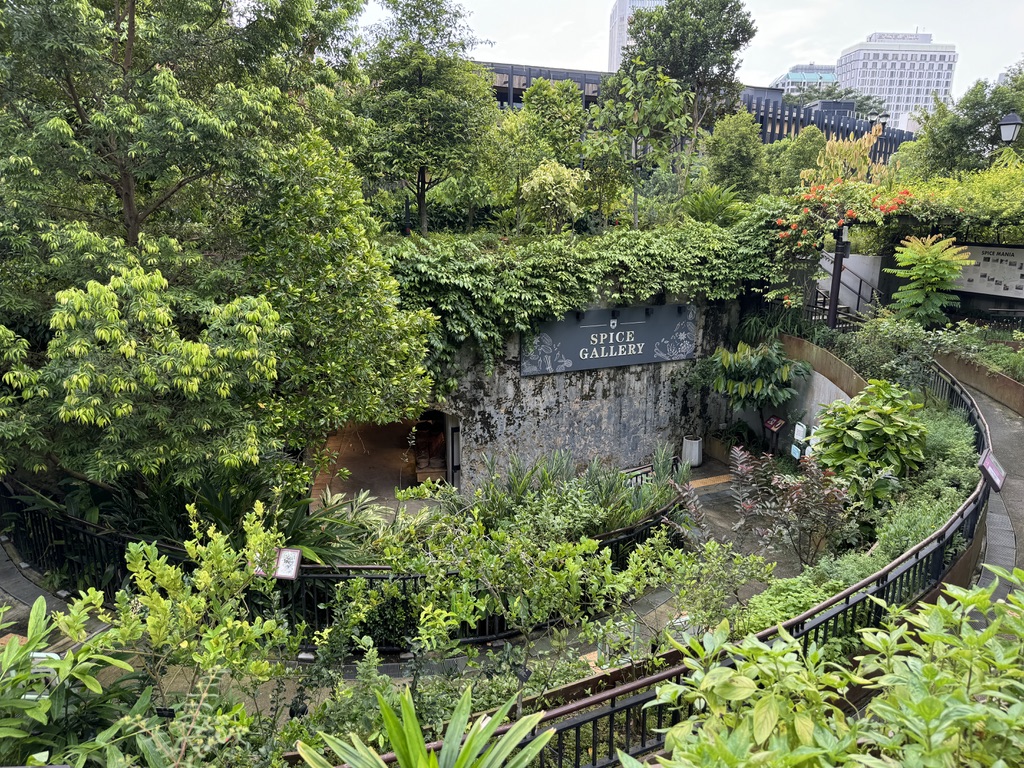
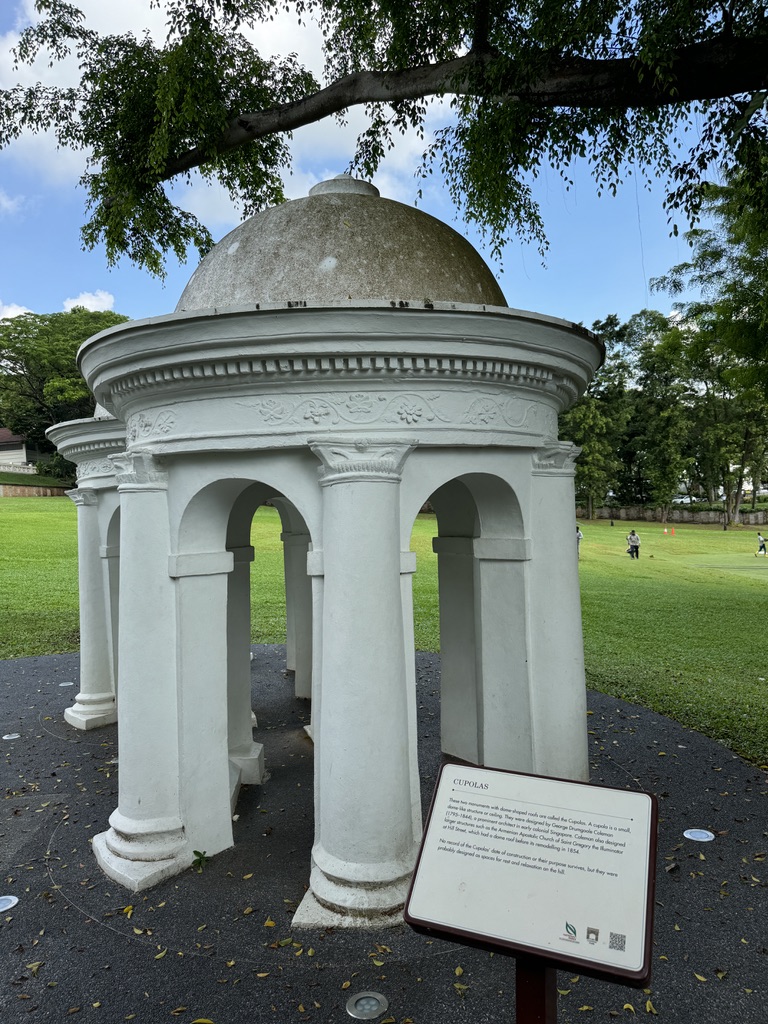
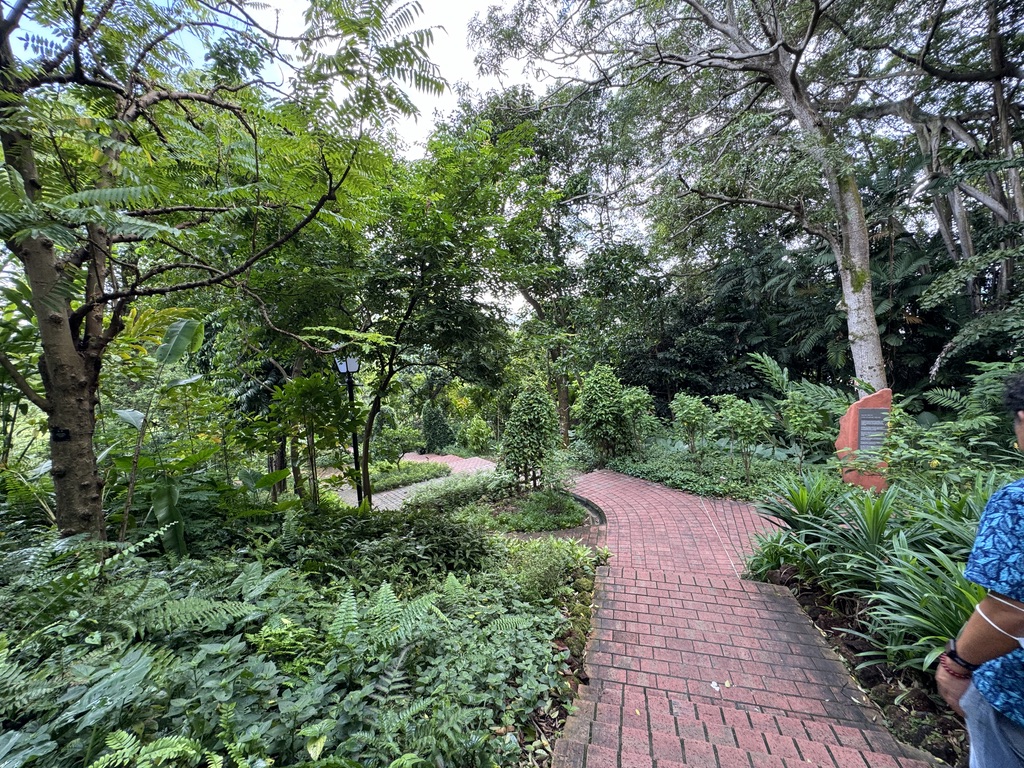
Since we couldn’t check into our hotel until 4:00, we arranged a private tour with Tours by Locals. First stop was Fort Canning Park which is known for its spice garden.

Singapore has a population of five million people from four major communities; Chinese (majority), Malay, Indian and Eurasian.

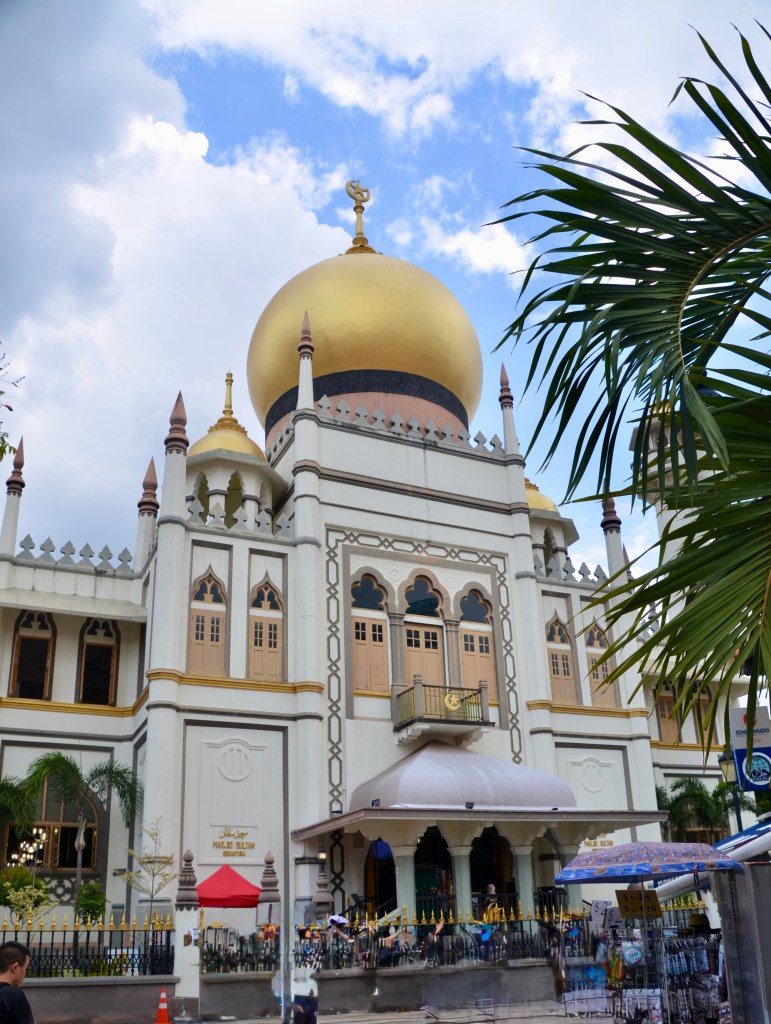
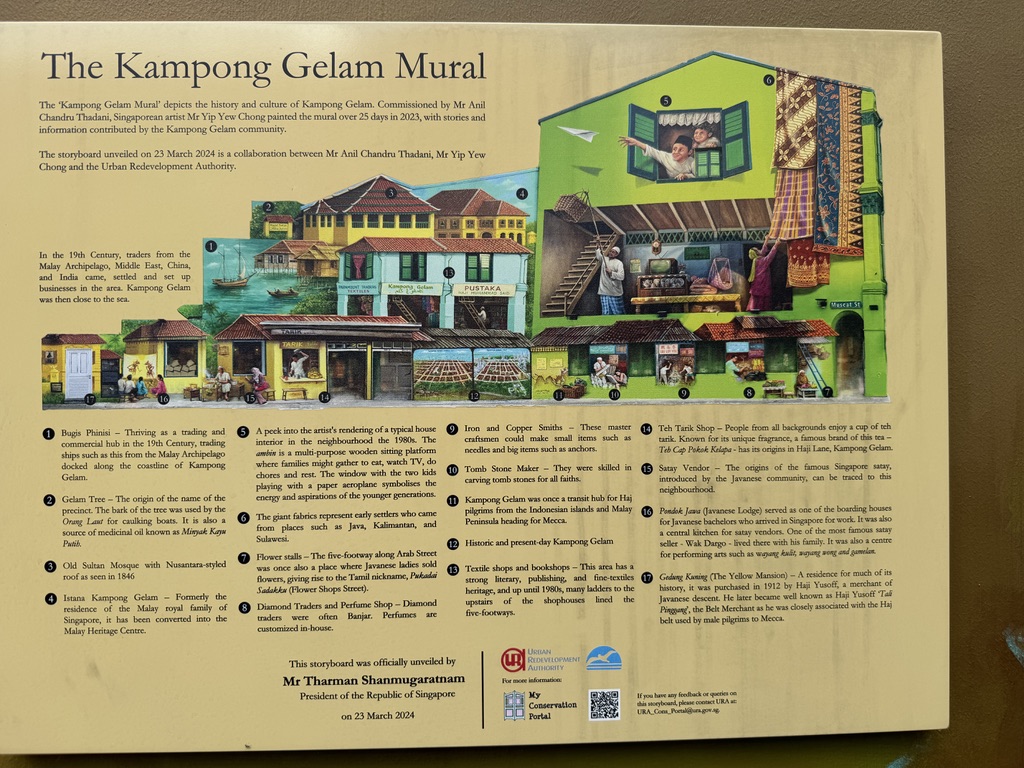
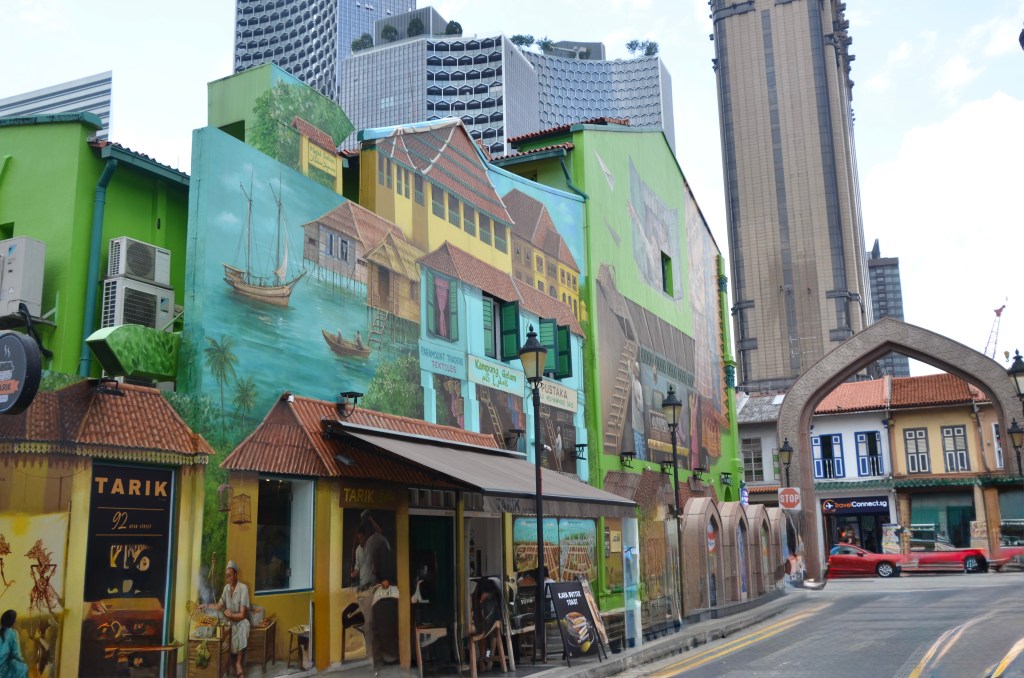
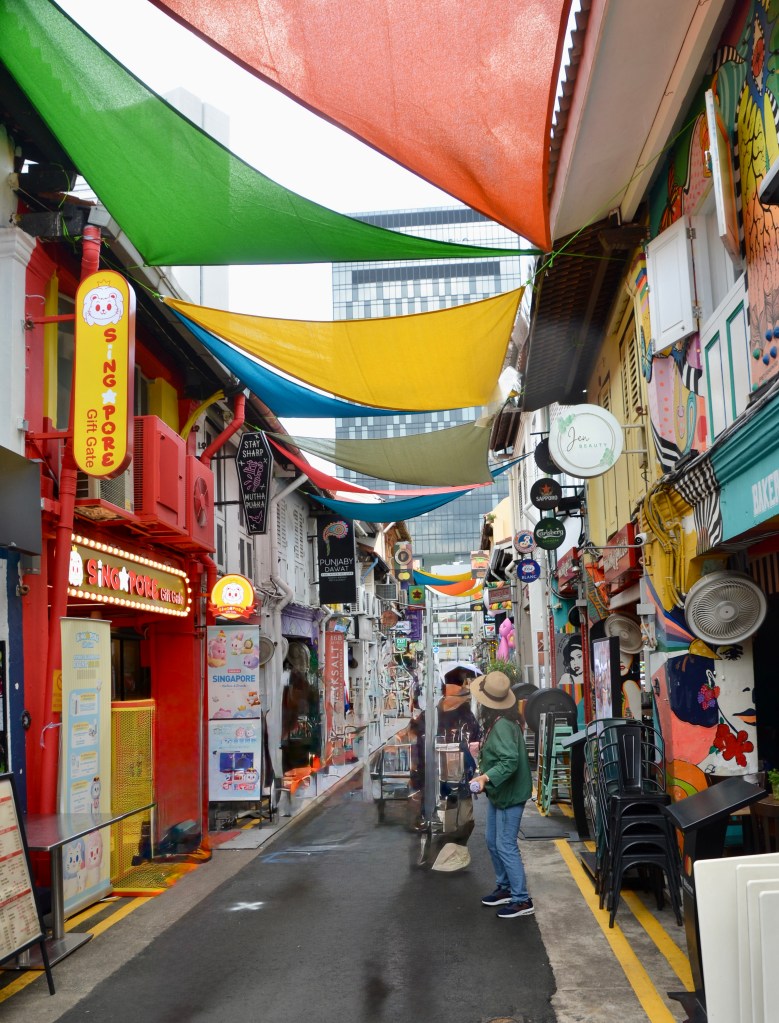
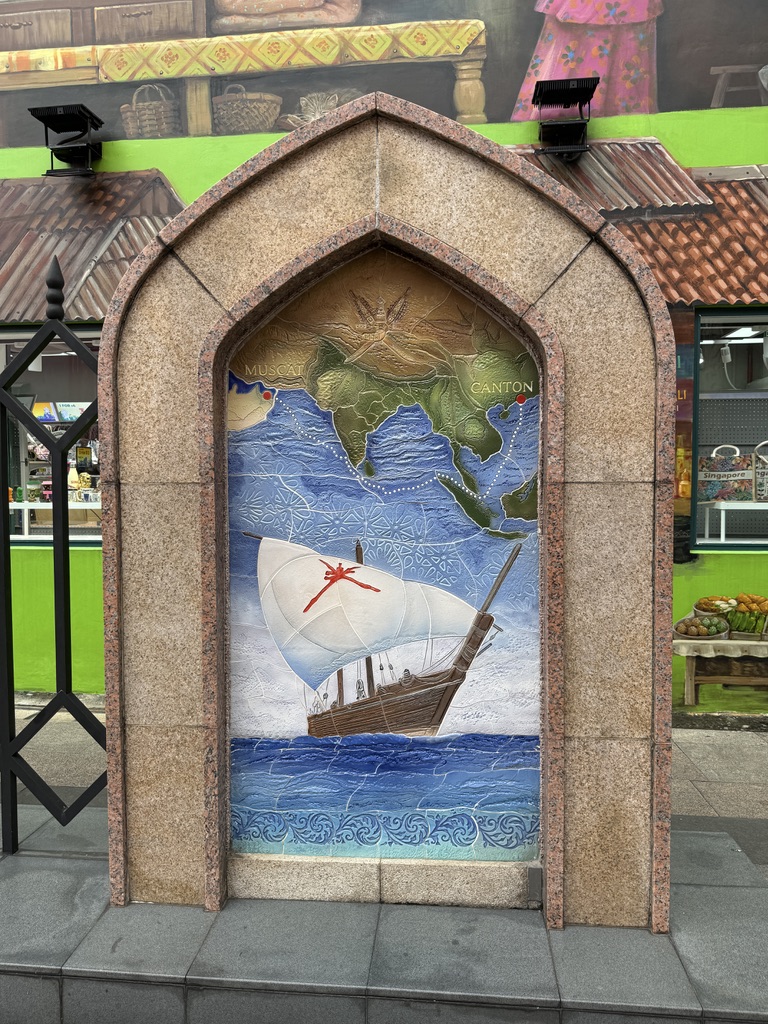
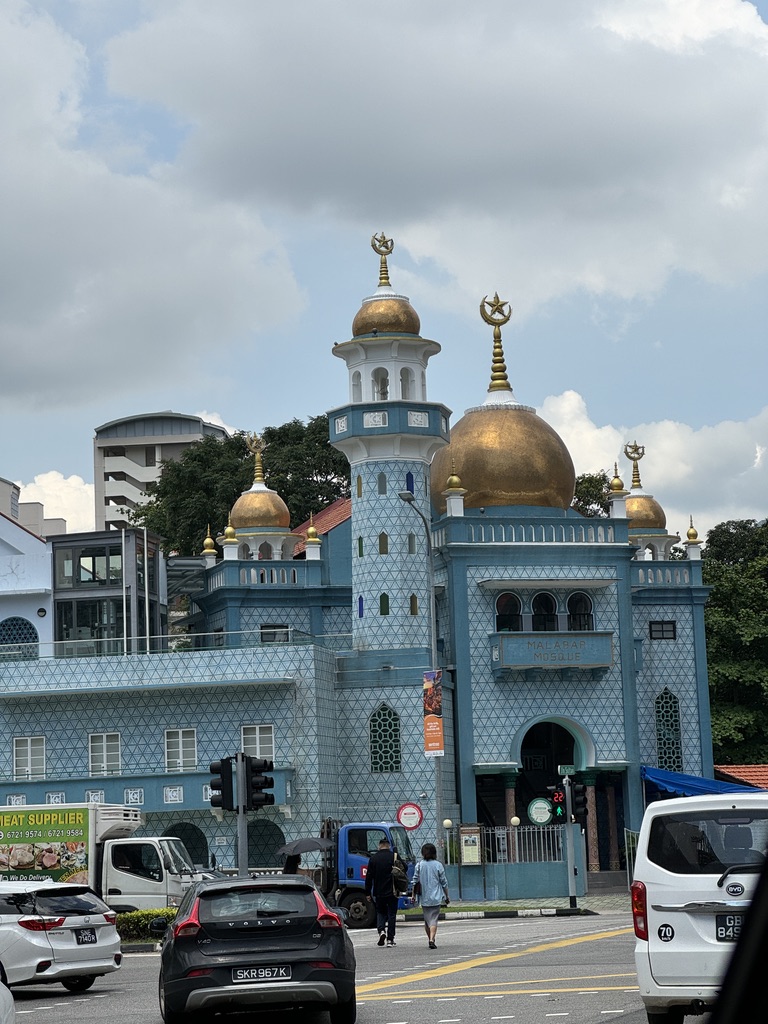
We wandered the colourful streets of Kampong Glam which is Singapore’s Muslim Quarter; the major landmark is The Masjio Sultan Mosque. The Mosque was built in 1824 by the first Sultan of Singapore. There were lots of restaurants in the Kampong Glam quarter but the food was a bit too spicy for us.

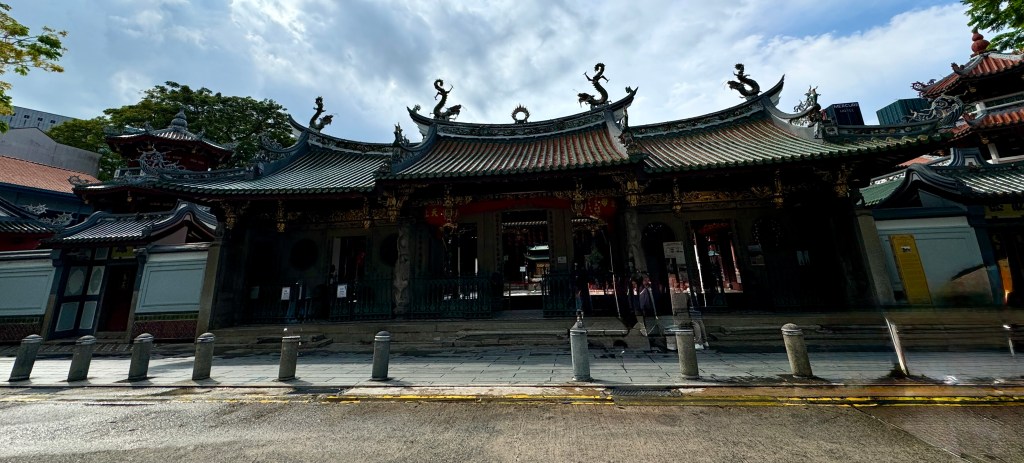
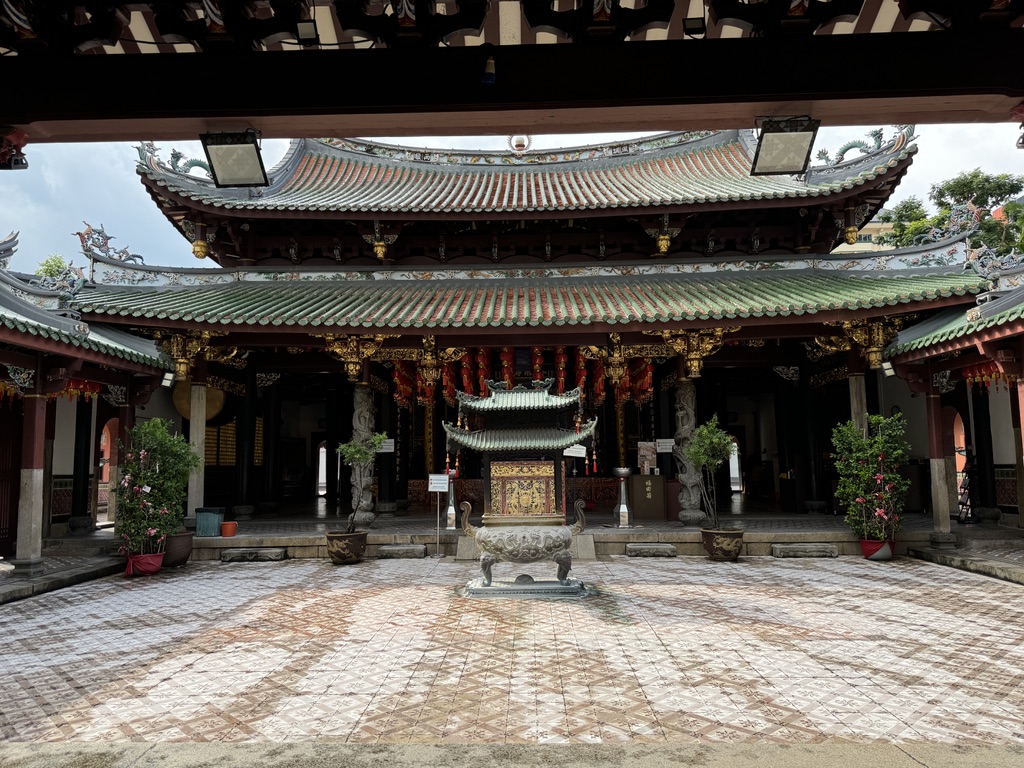
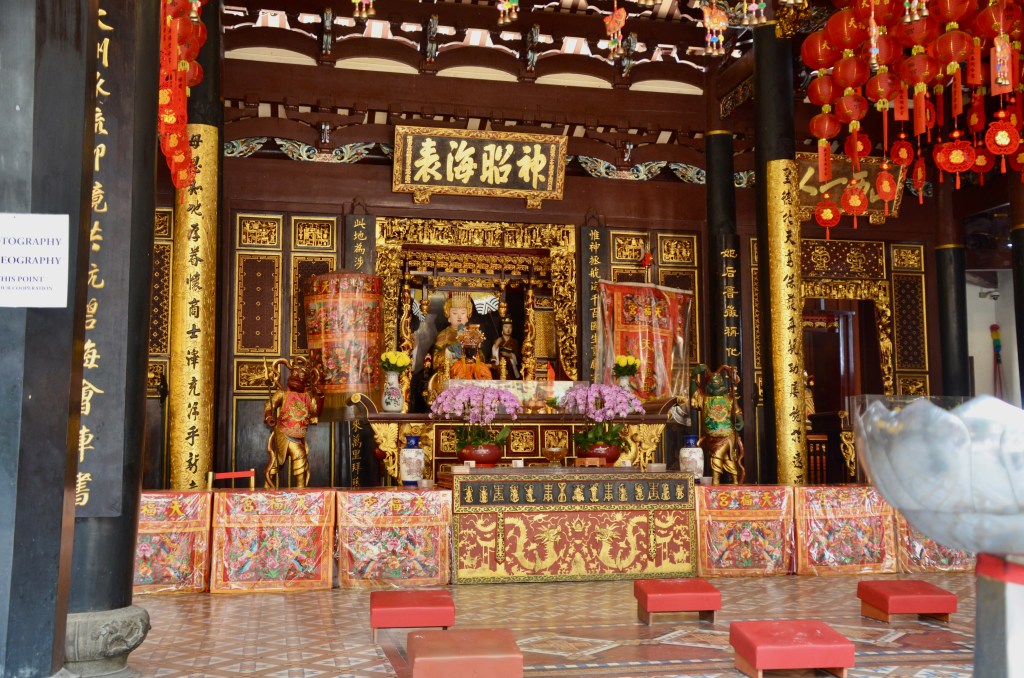
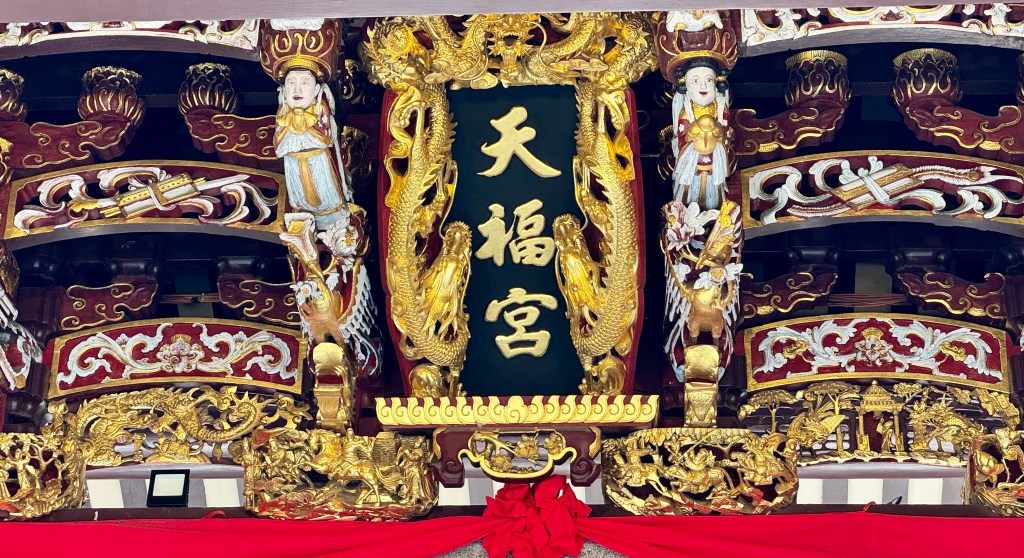
Next we visited the Chinese district. The Thian Hock Keng Temple is Singapore’s oldest and most important Buddhist temple.

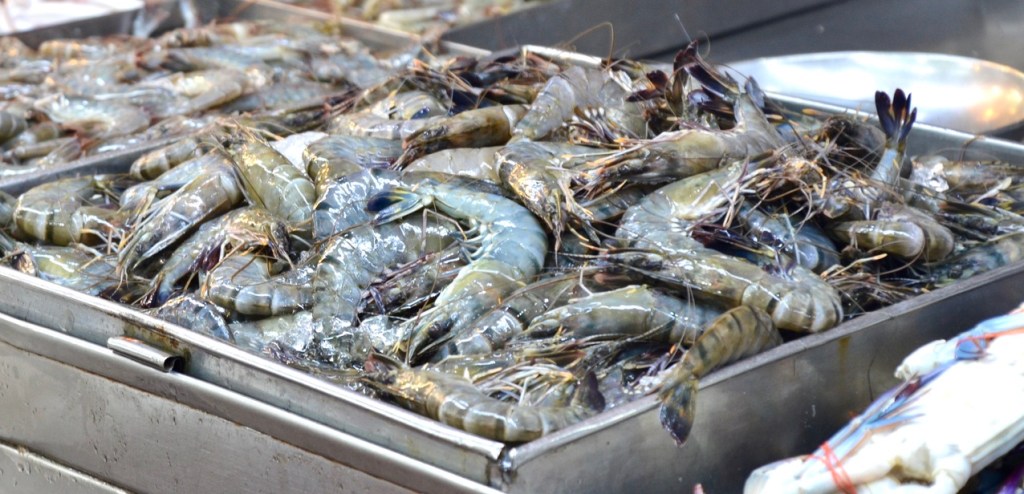
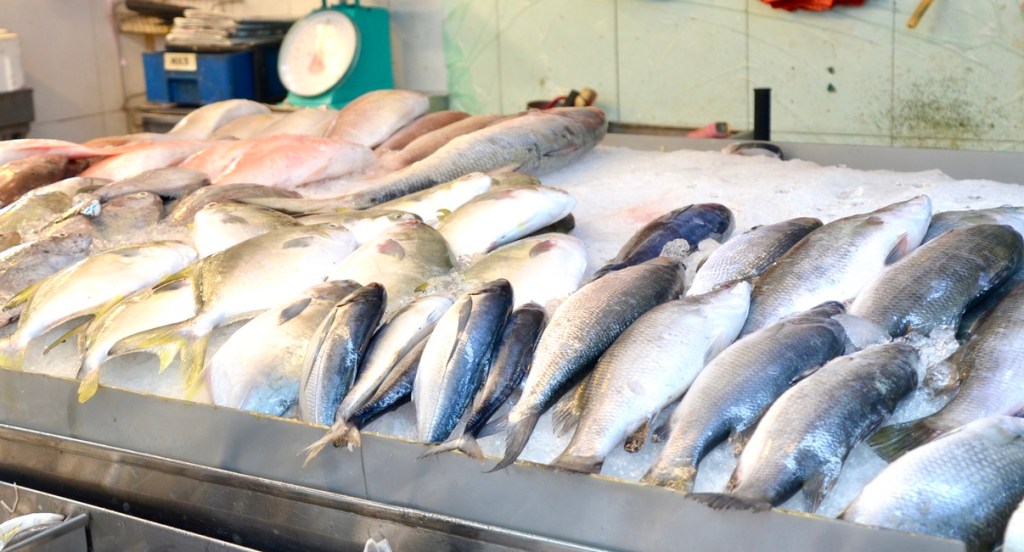
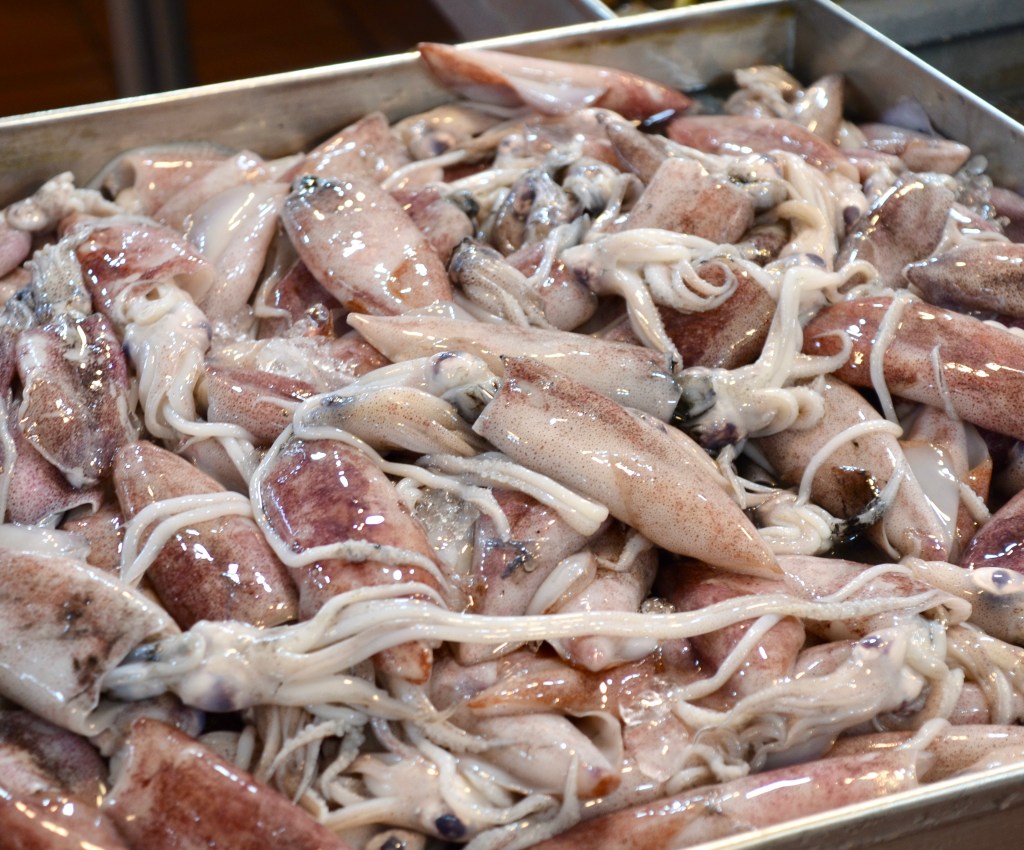
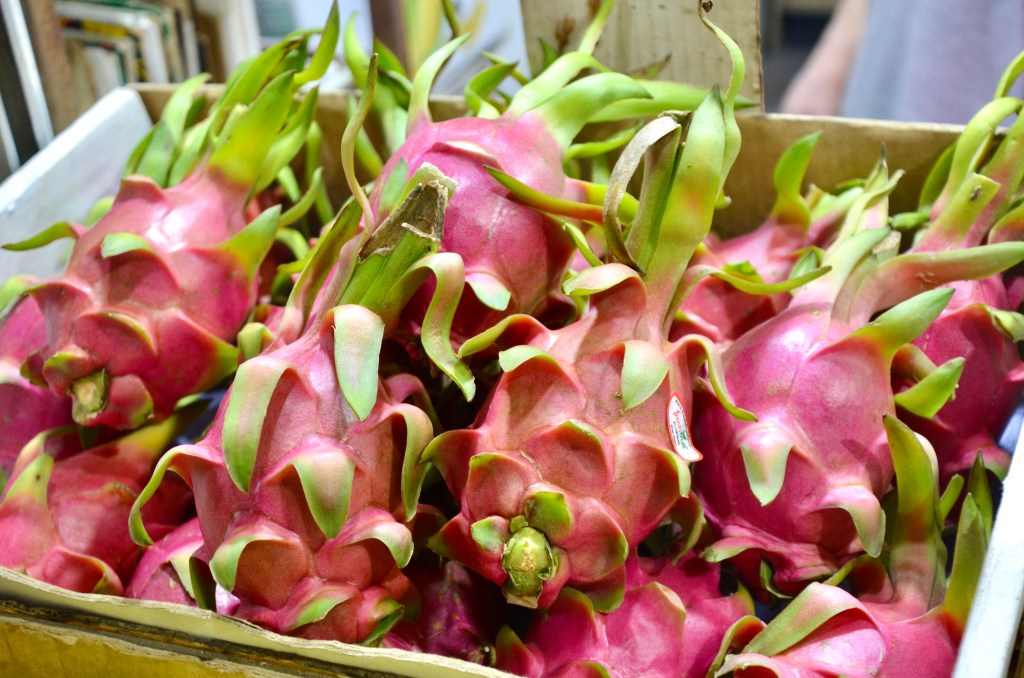
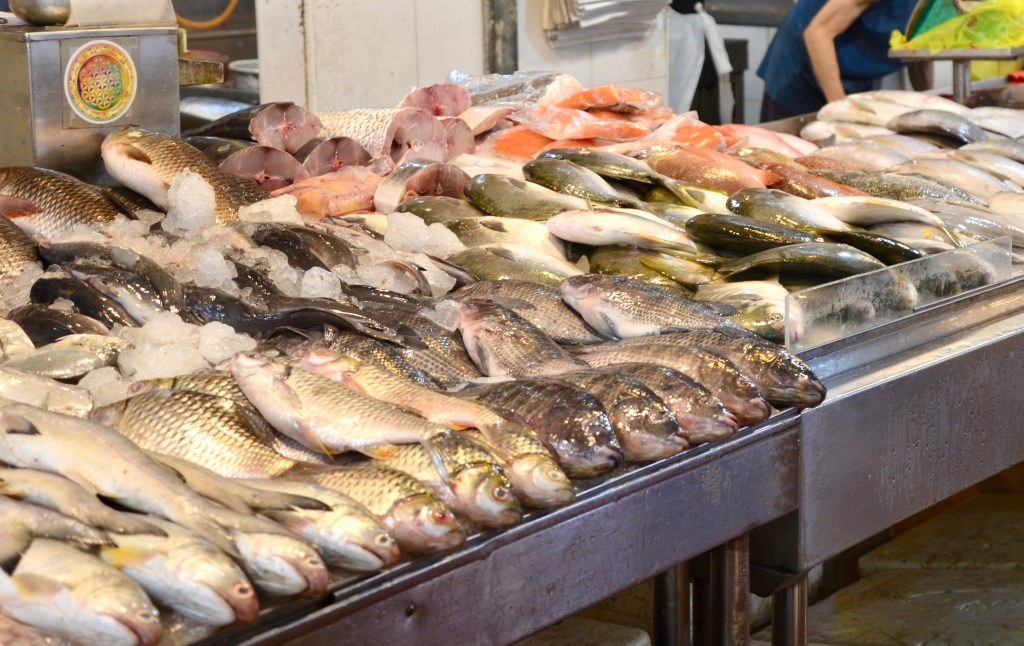
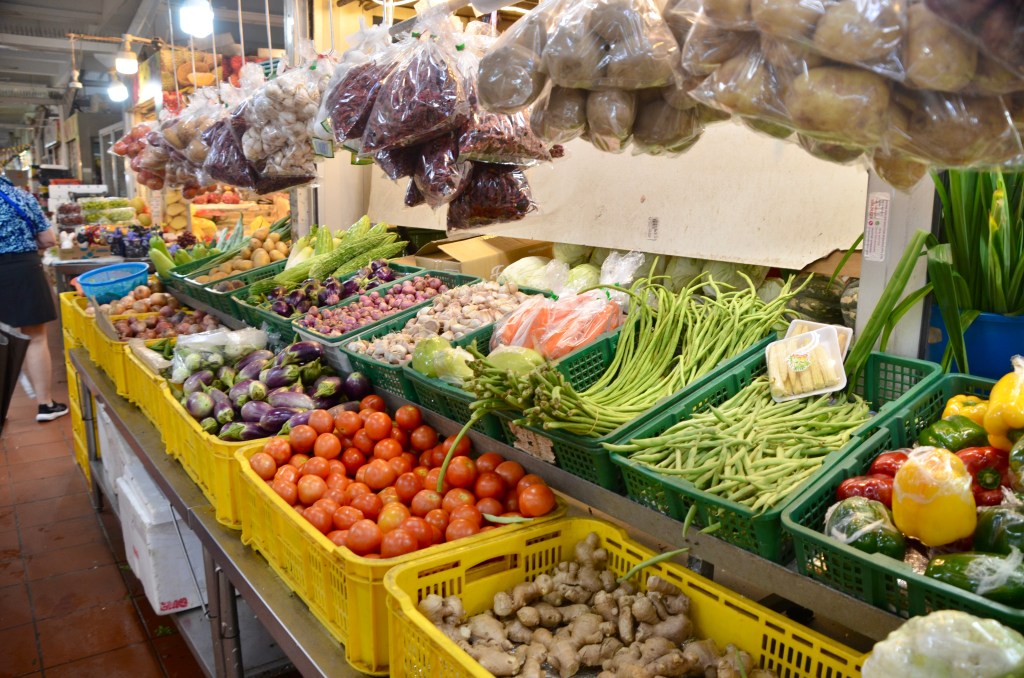
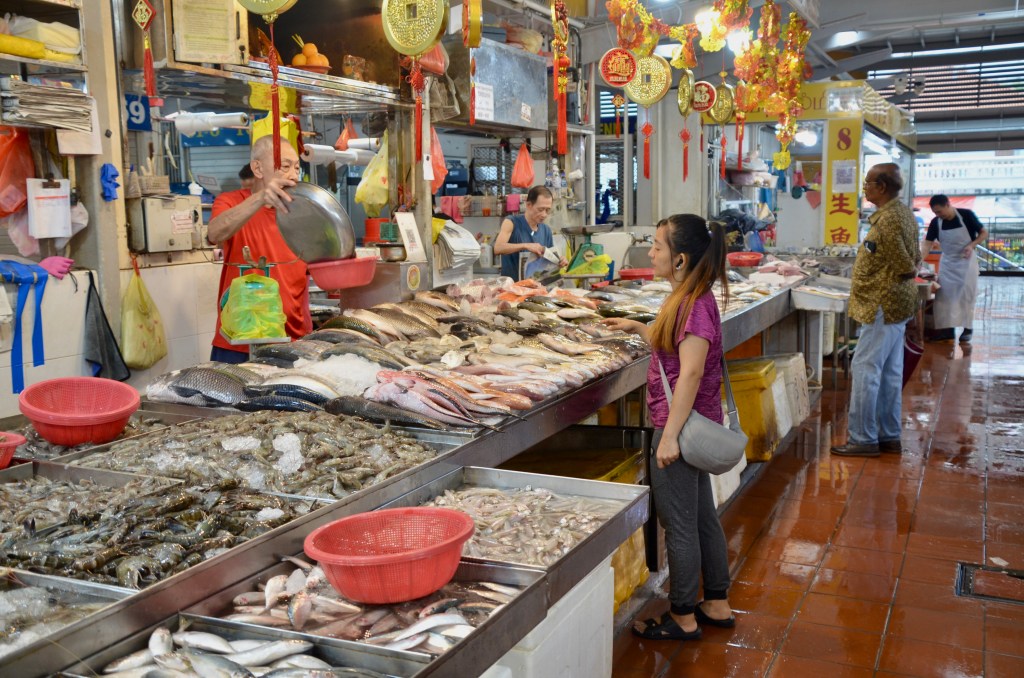
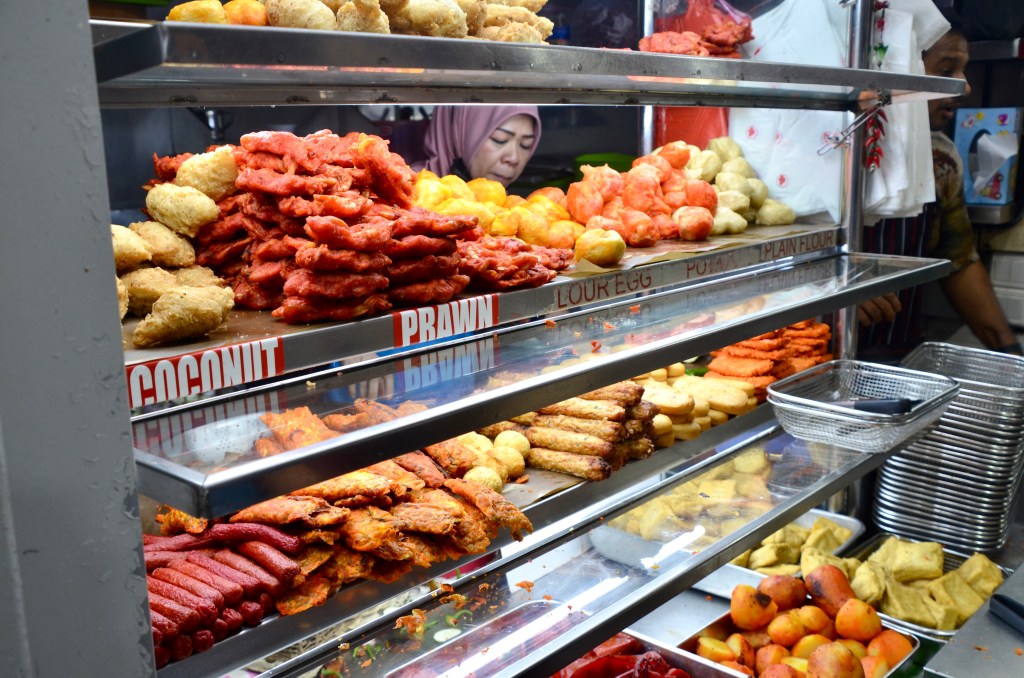
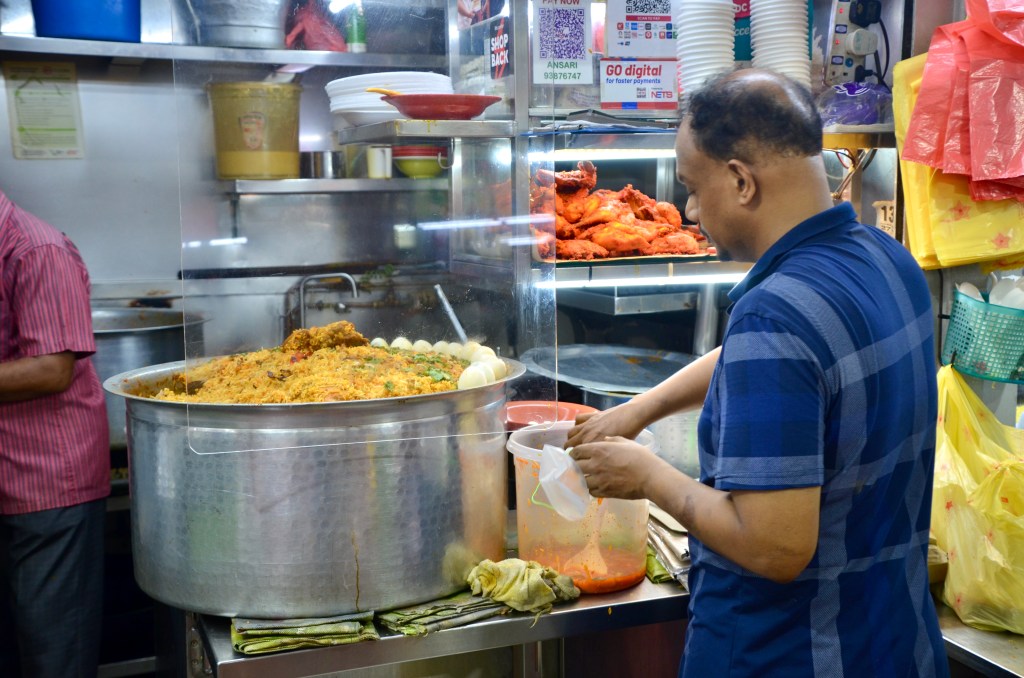
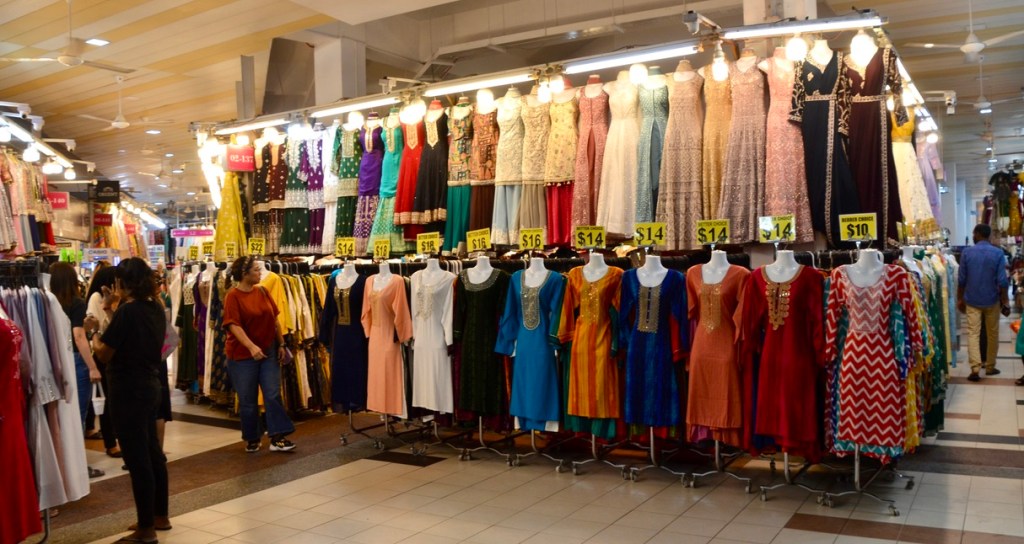
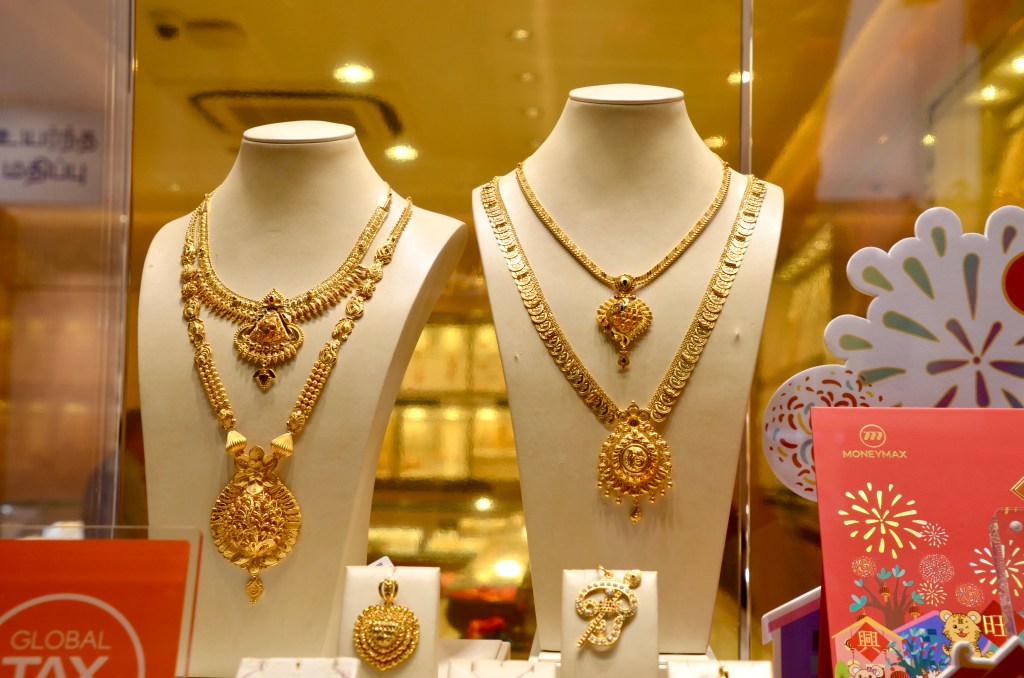
Next was the Tekka Centre which is part wet market, part food centre and part shopping mall in Little India.

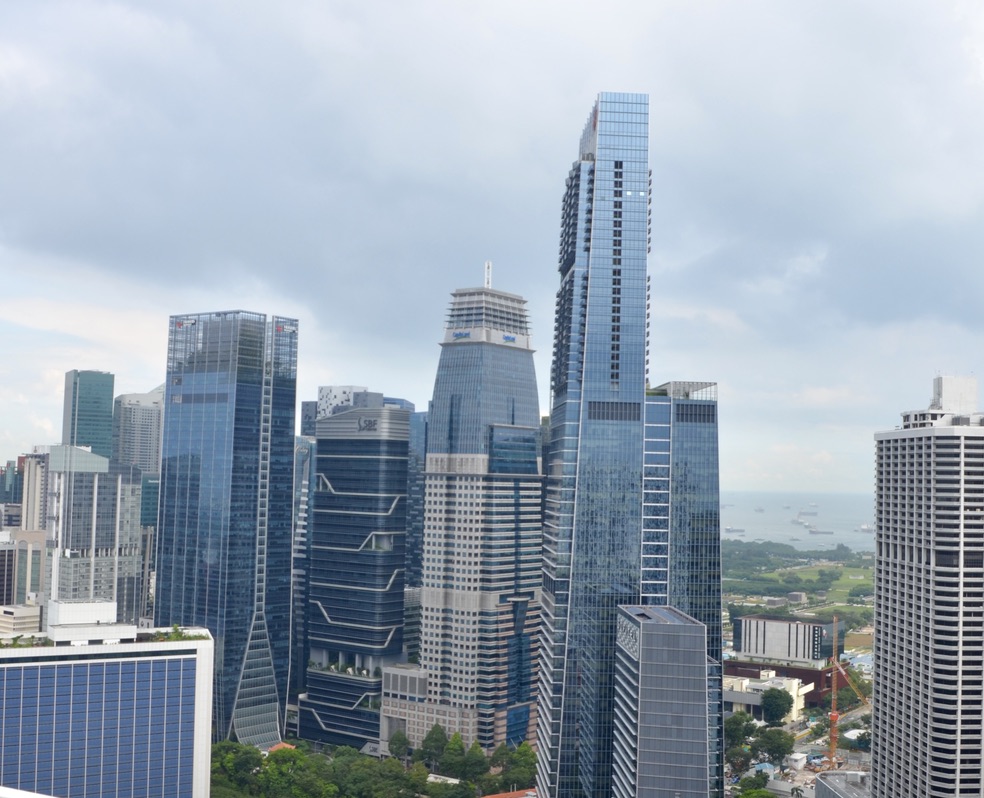
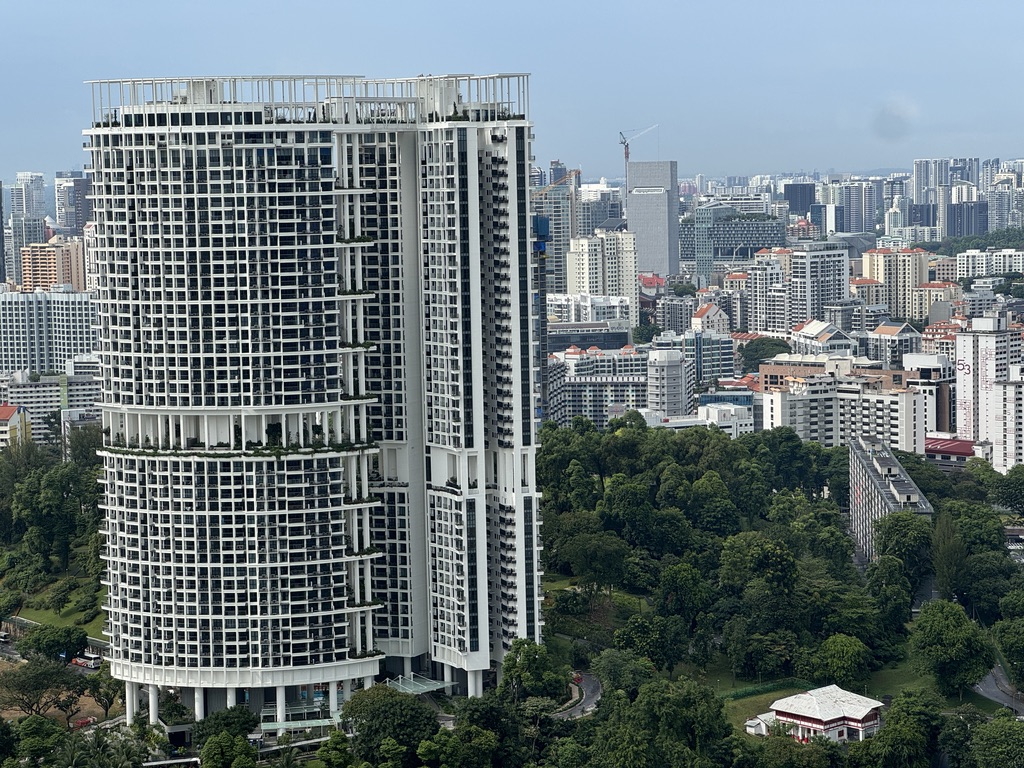
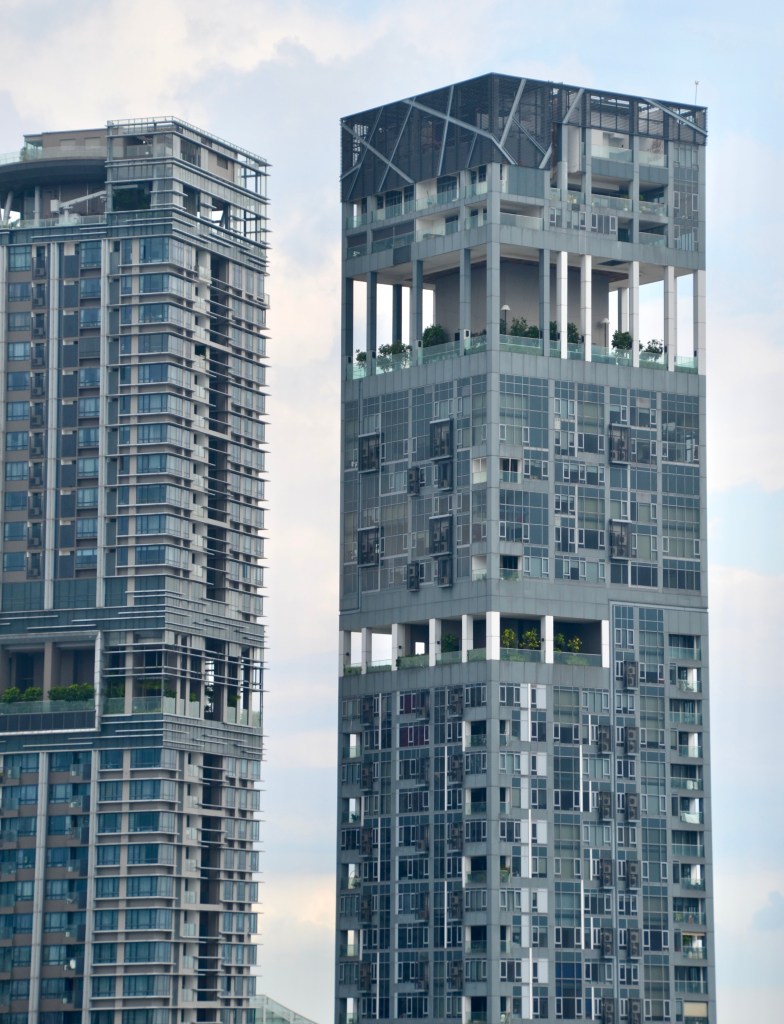
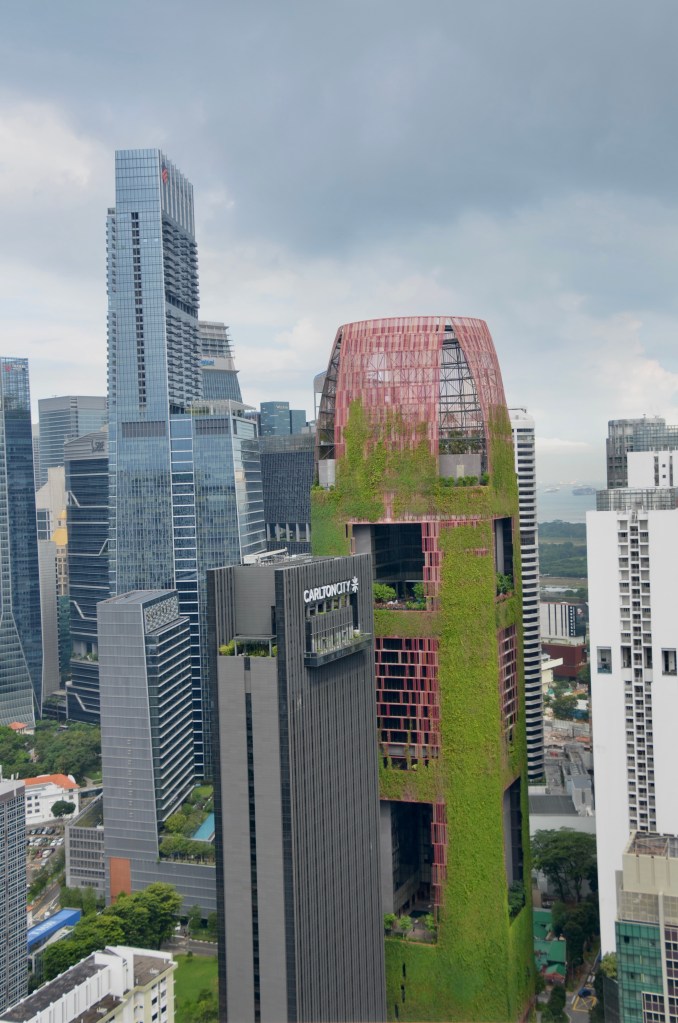
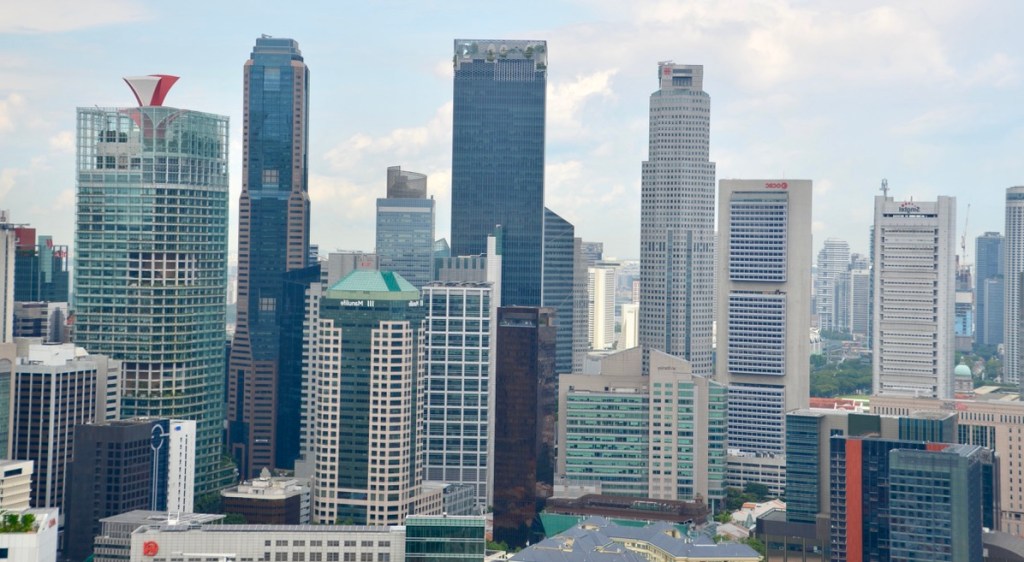
Our last stop before we checked into the hotel was the top floor of a 54-Floor public housing complex which provided an amazing 360 degree view of the city. Our guide told us there are more than 10,000 high-rises in Singapore, the majority located in the Downtown Core. The skies of Singapore are where most of the population lives and for this reason there is an emphasis on greenery (many of the buildings having “greenery cutout floors”). Another interesting comment was that over 80 per cent of residents live in high-rise public housing blocks (like the one we visited) which are provided by the Housing and Development Board on leasehold land; there is an impressive home ownership rate of over 80 per cent.

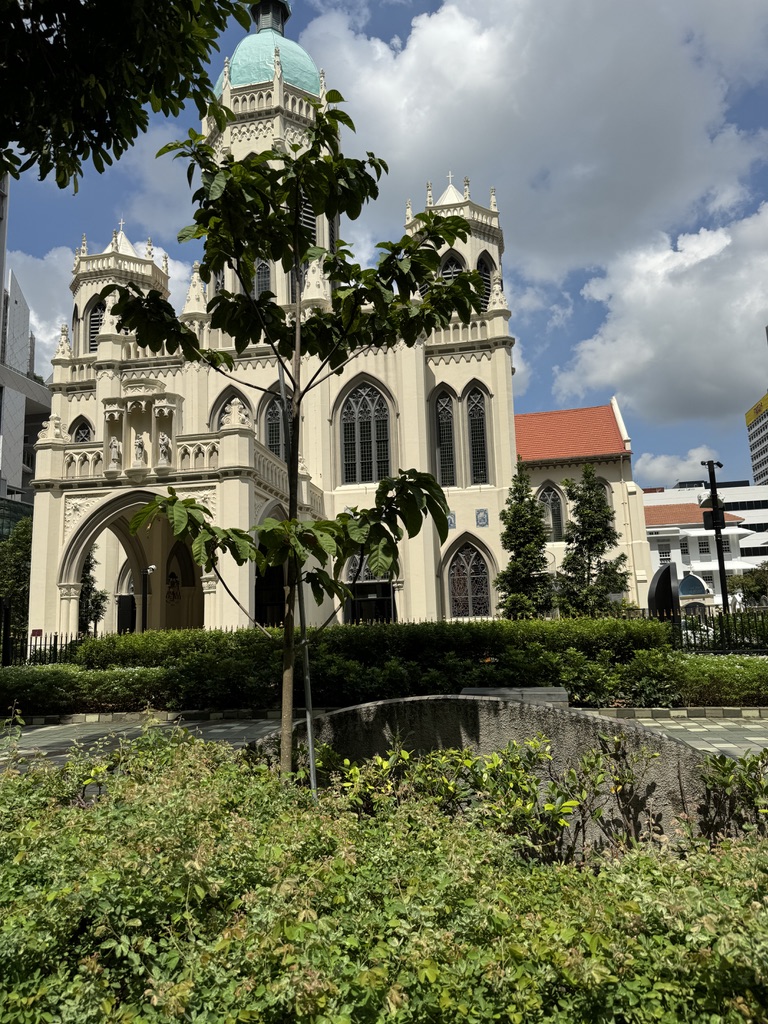
Beautiful Catholic church we passed on the way to our hotel. Less than 20% of Singaporeans are Catholic. The most followed religion in Singapore is Buddhism (31%)

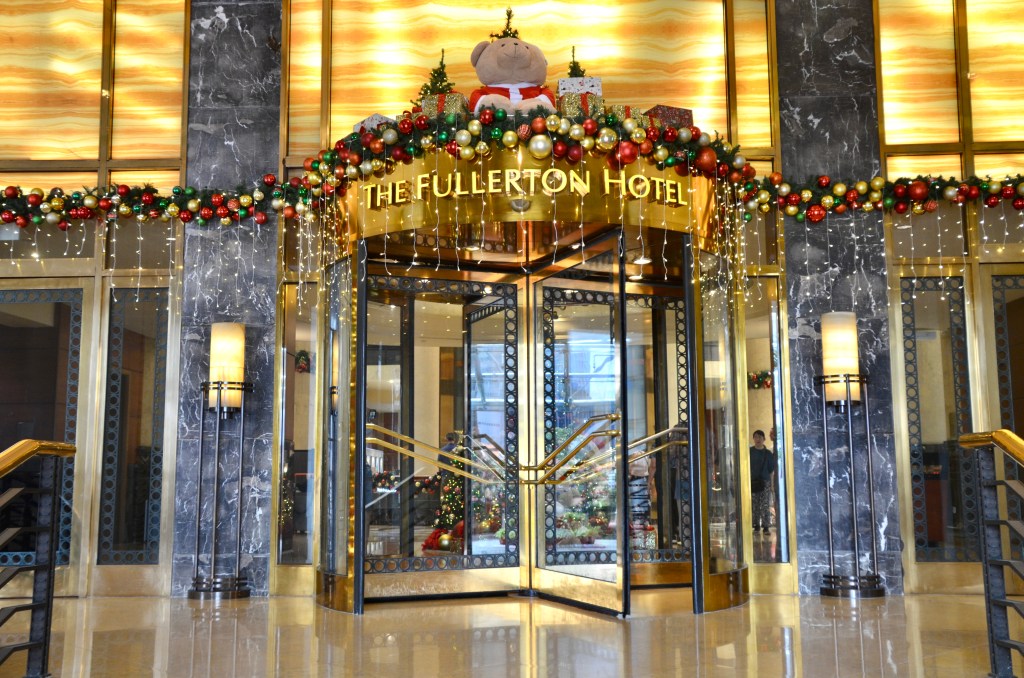
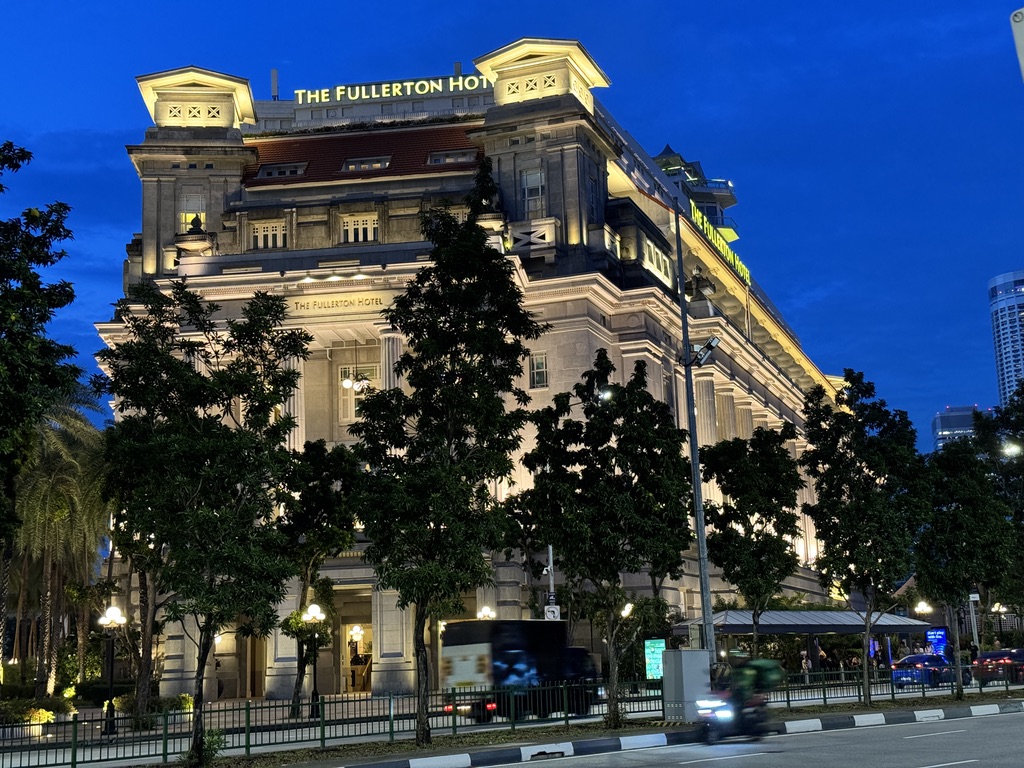
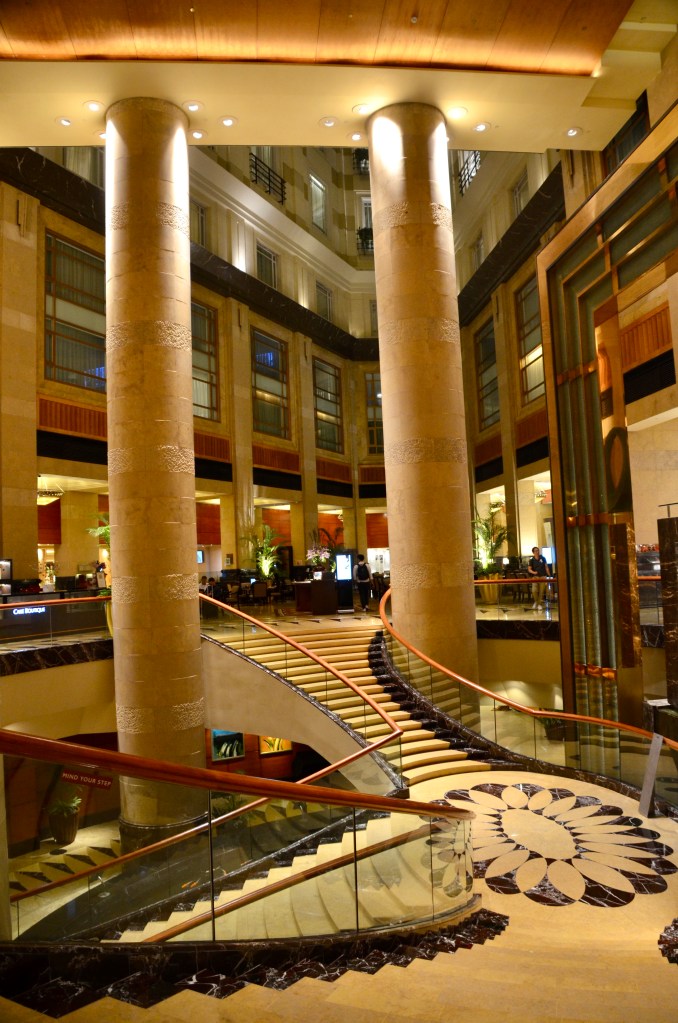
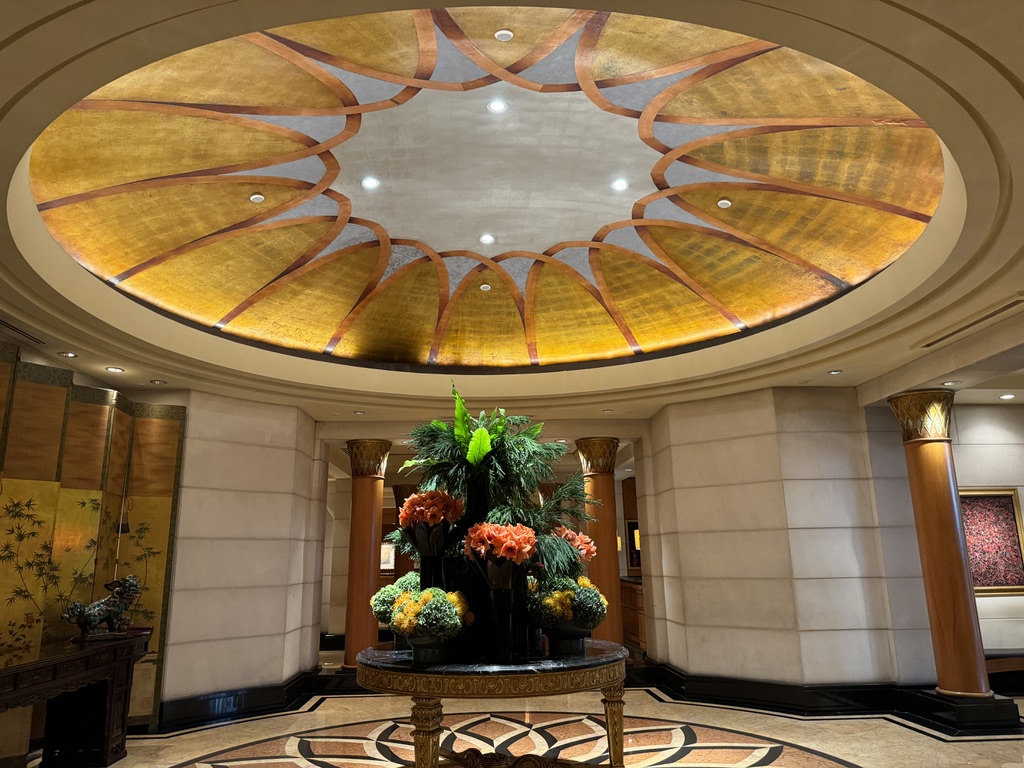
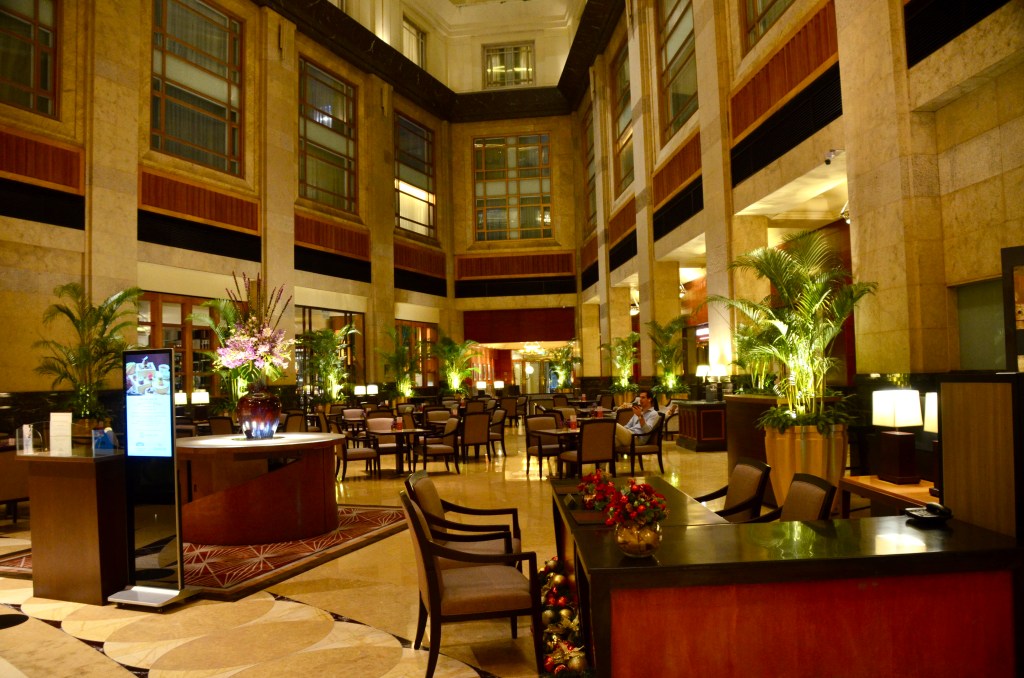
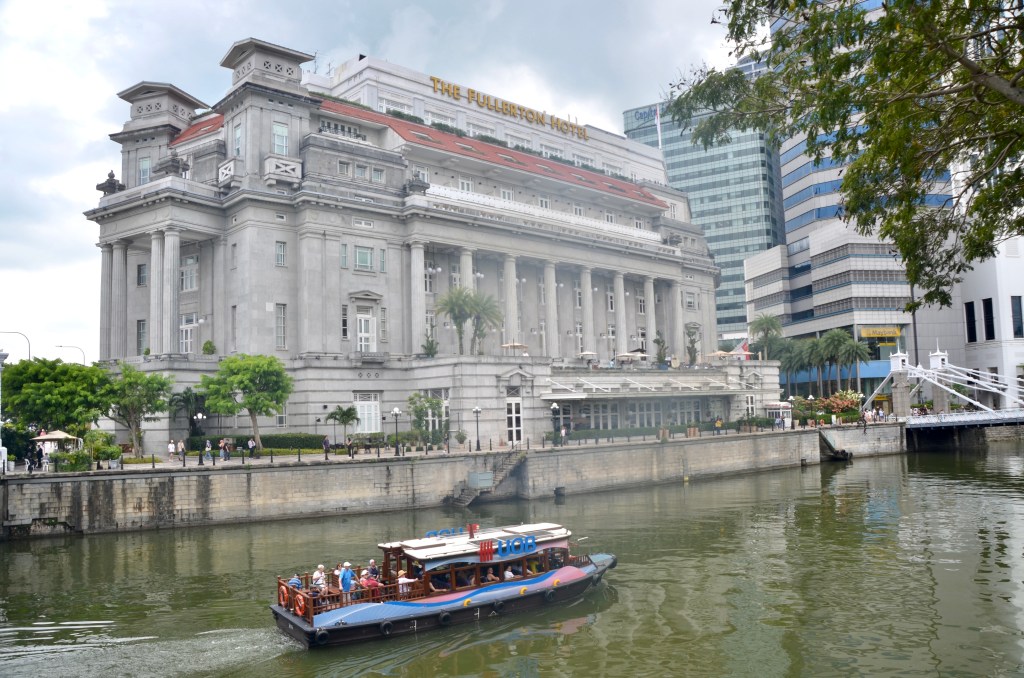
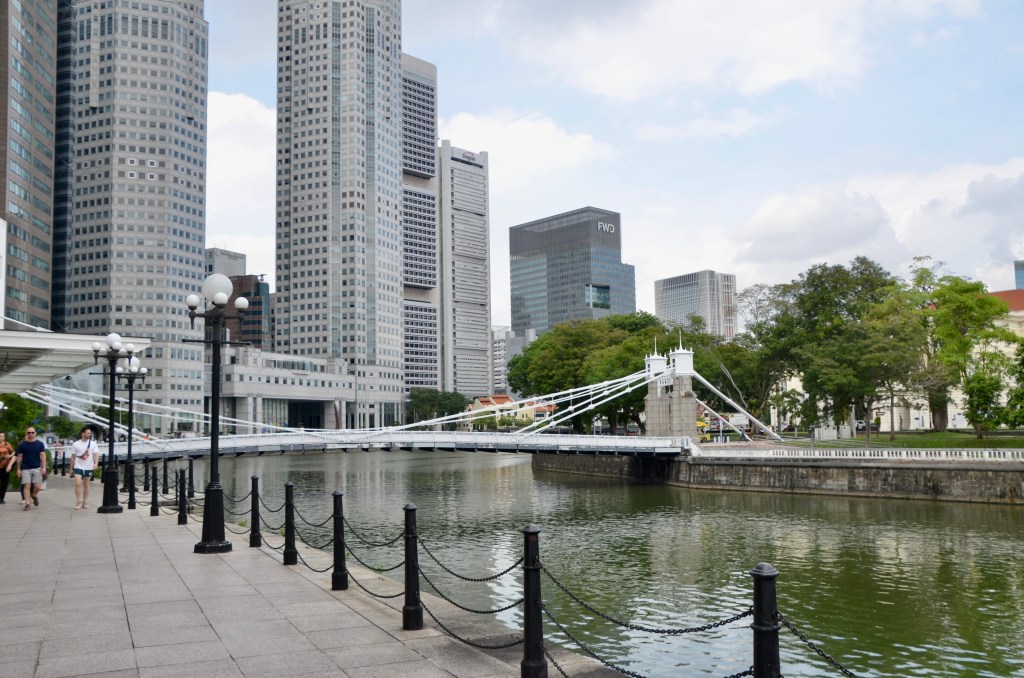
We stayed at The Fullerton Hotel Singapore which is located near the mouth of the Singapore River in the Downtown core of Singapore. It was originally the General Post Office Building so the lobby area was large and very interesting. It was an excellent location as we could walk to restaurants, the Merlion statue and The Gardens by the Bay park.

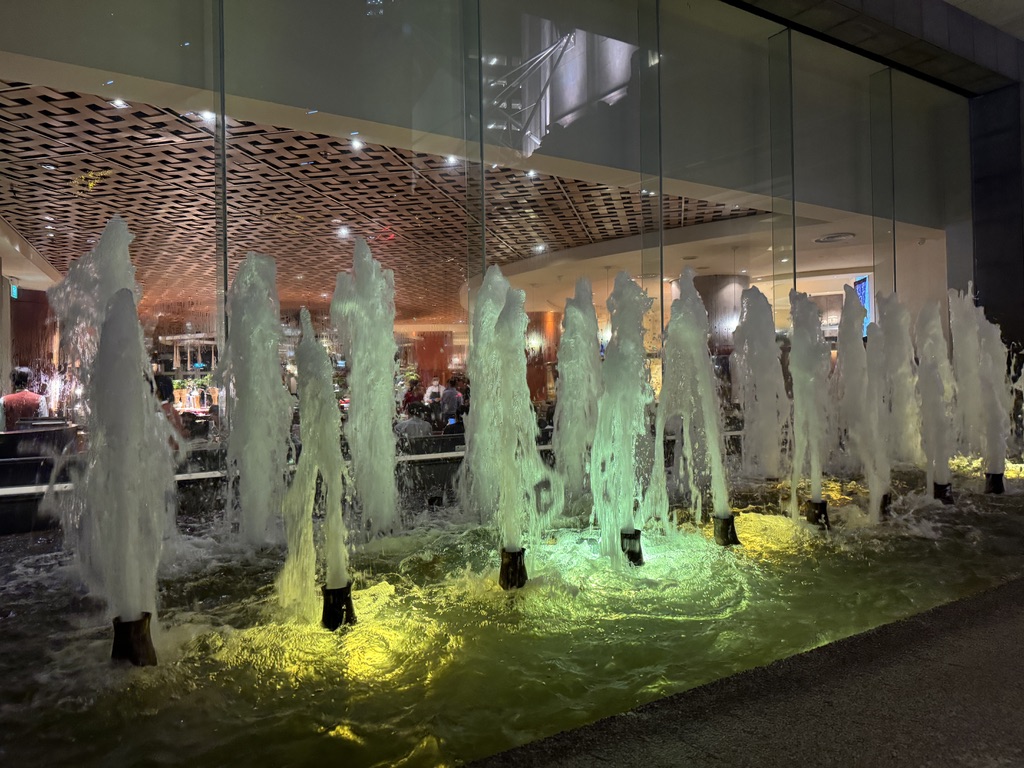
Fountain at the Fullerton Hotel

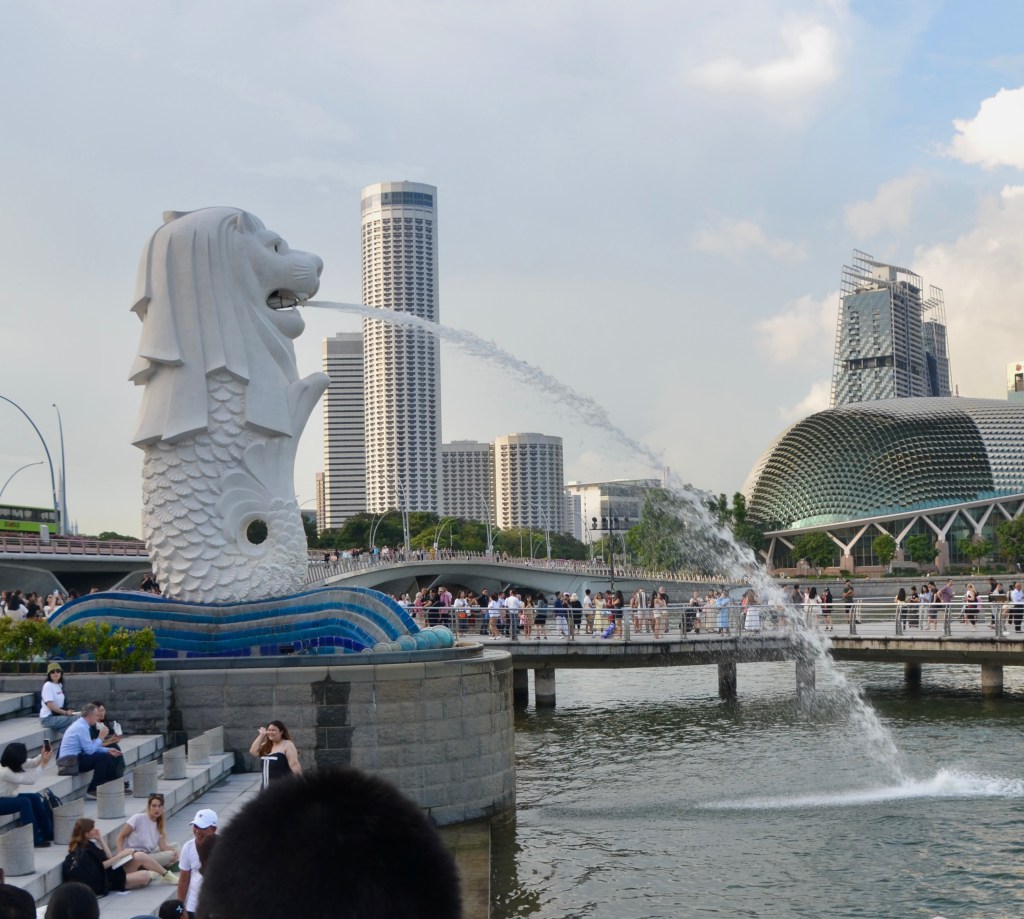
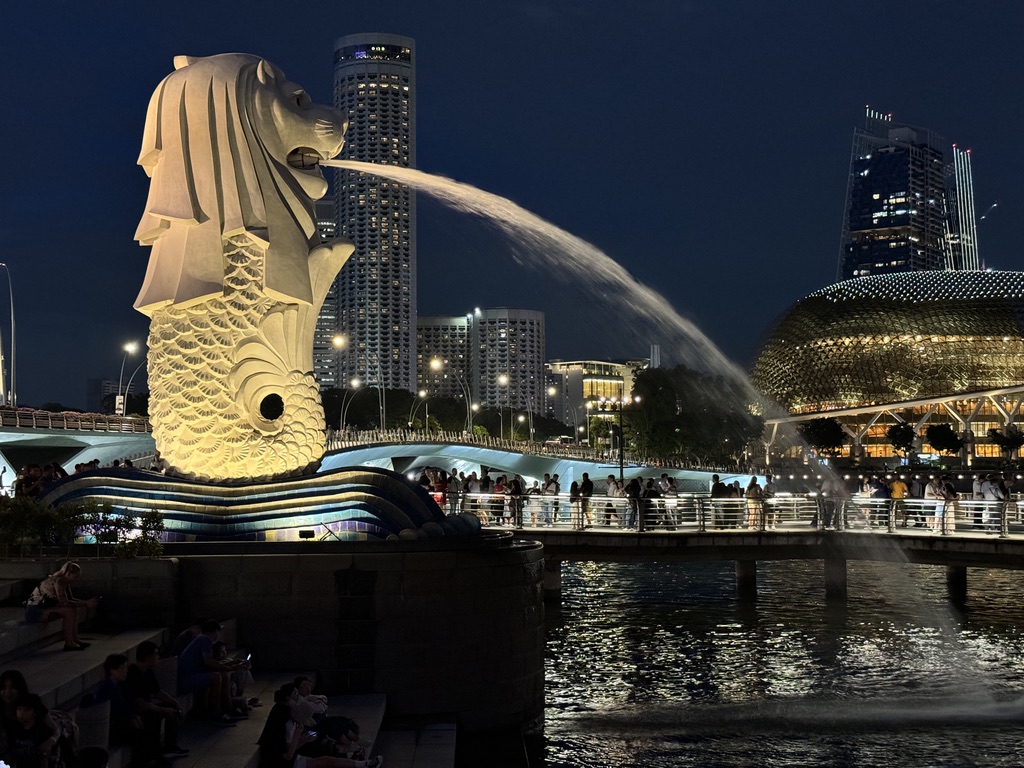
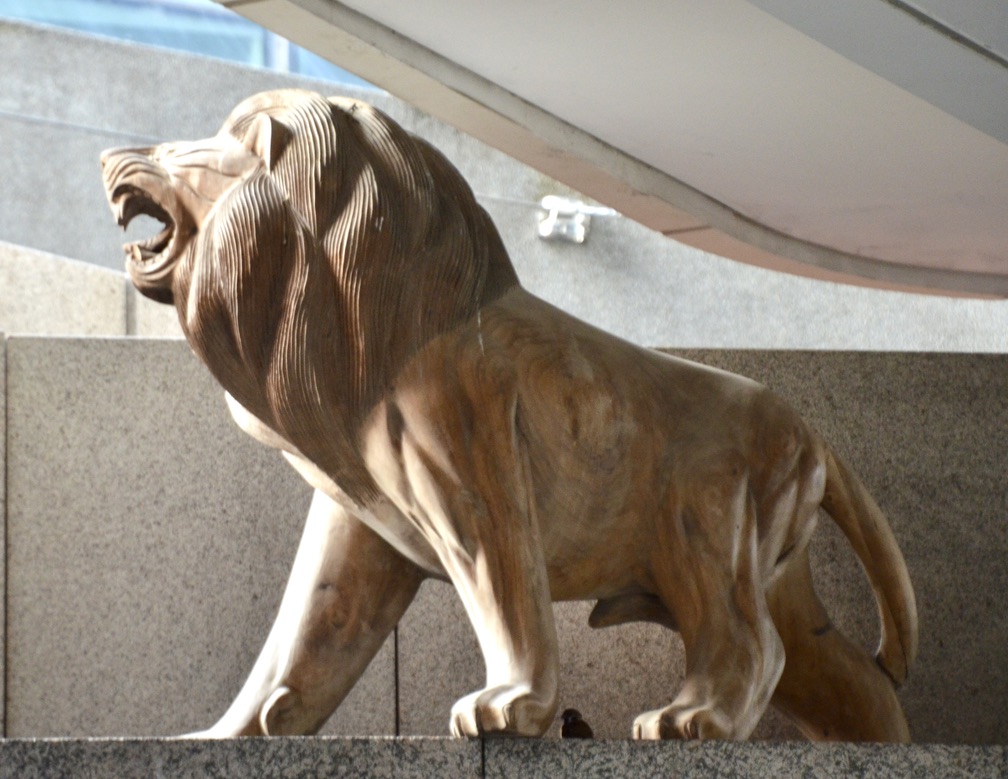
Across the street from the Fullerton Hotel is One Fullerton Promenade. This promenade overlooks Marina Bay and is home to Singapore’s iconic 28-foot Merlion statue, a half-fish, half-lion stone carving that shoots water into the bay. The Merlion’s fish-like body commemorates the island’s origins as a fishing village (then known as Temasek), while its lion-like head pays homage to the city’s original name, Singapura (“The Lion City”).

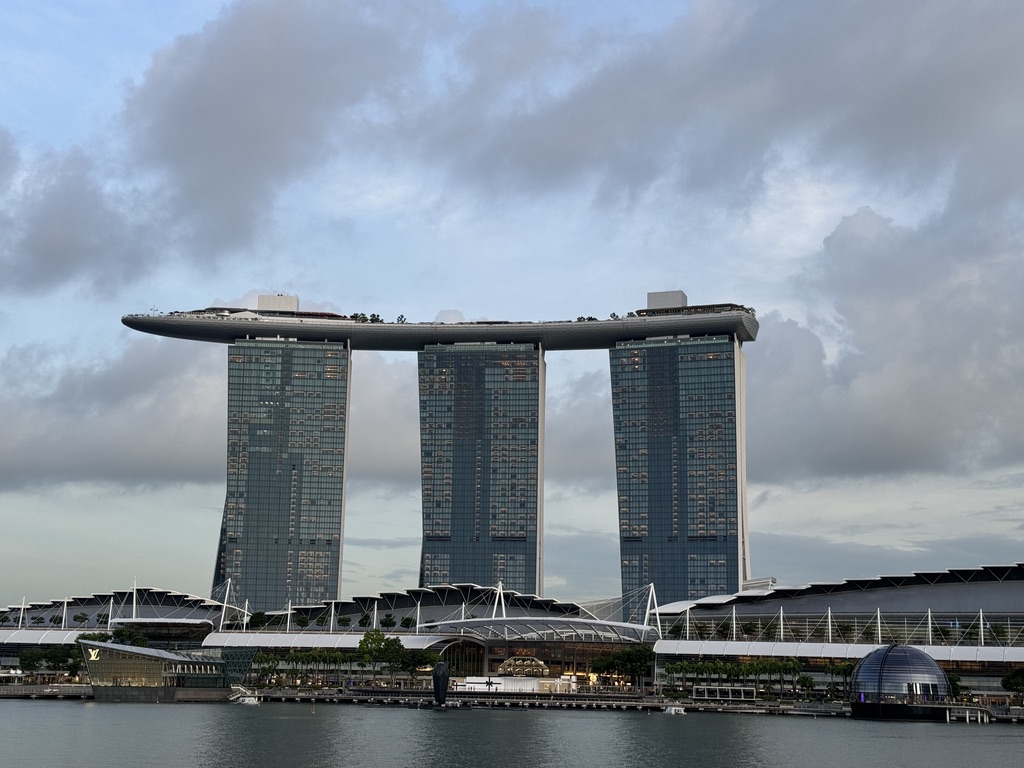
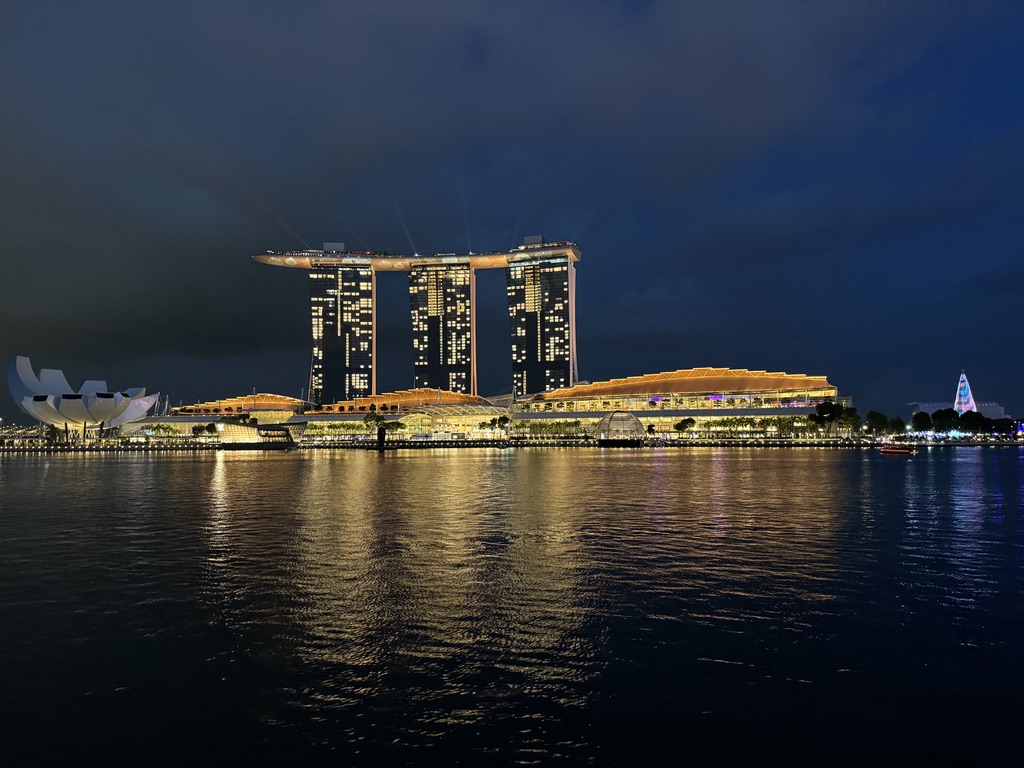
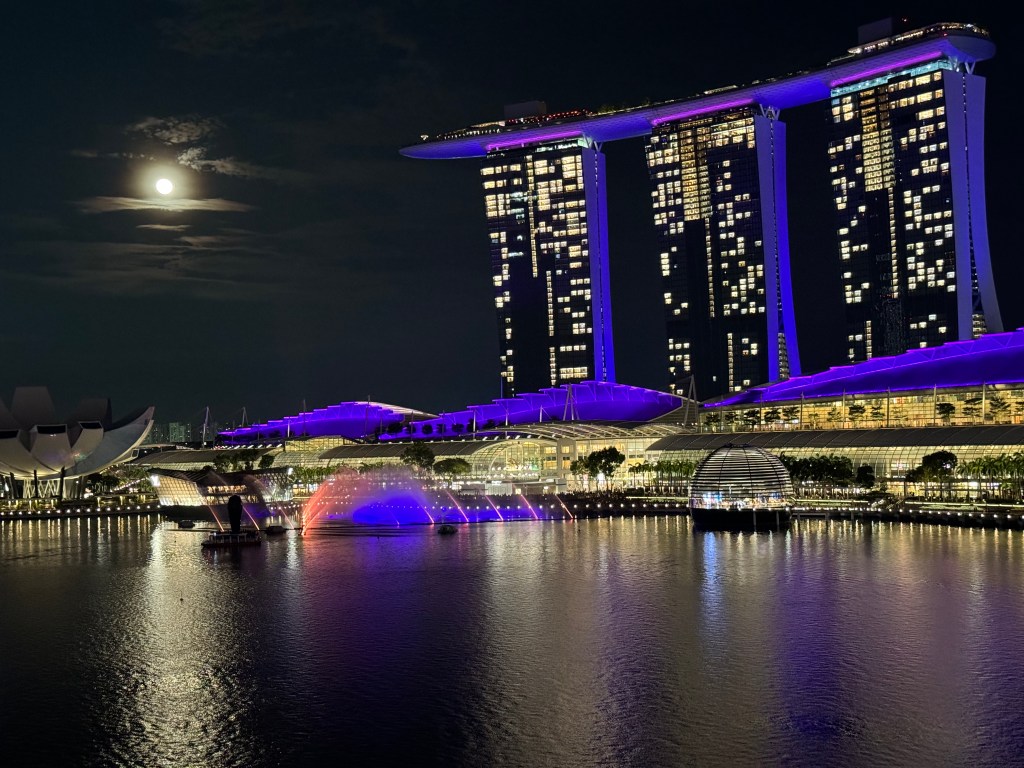
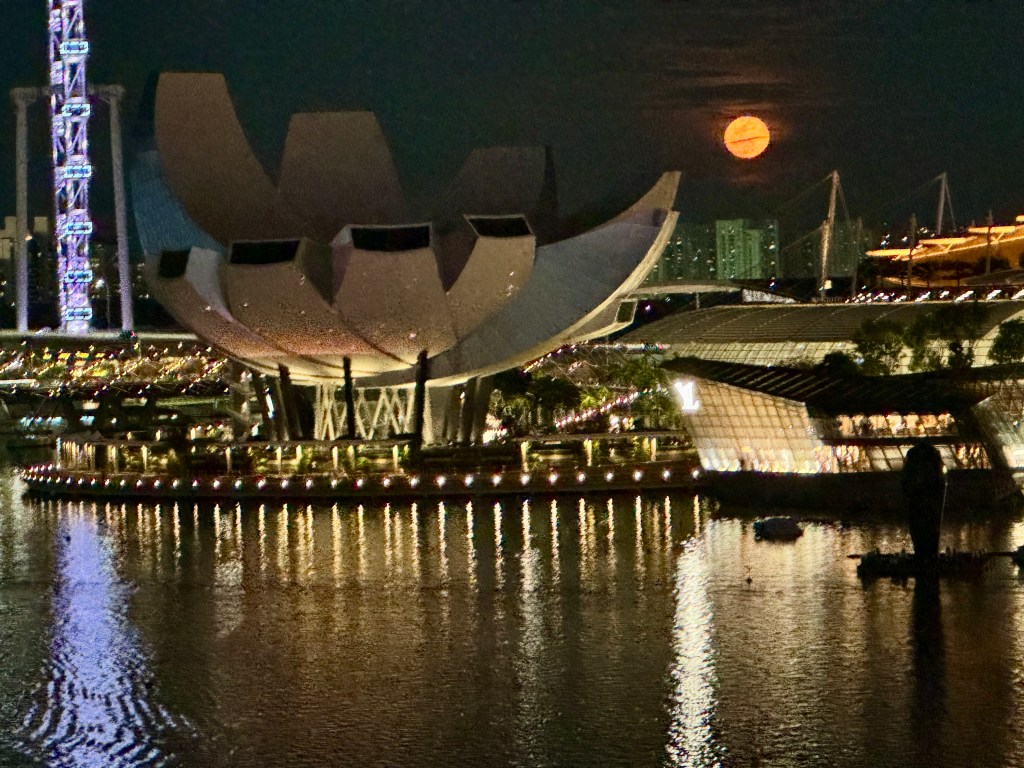
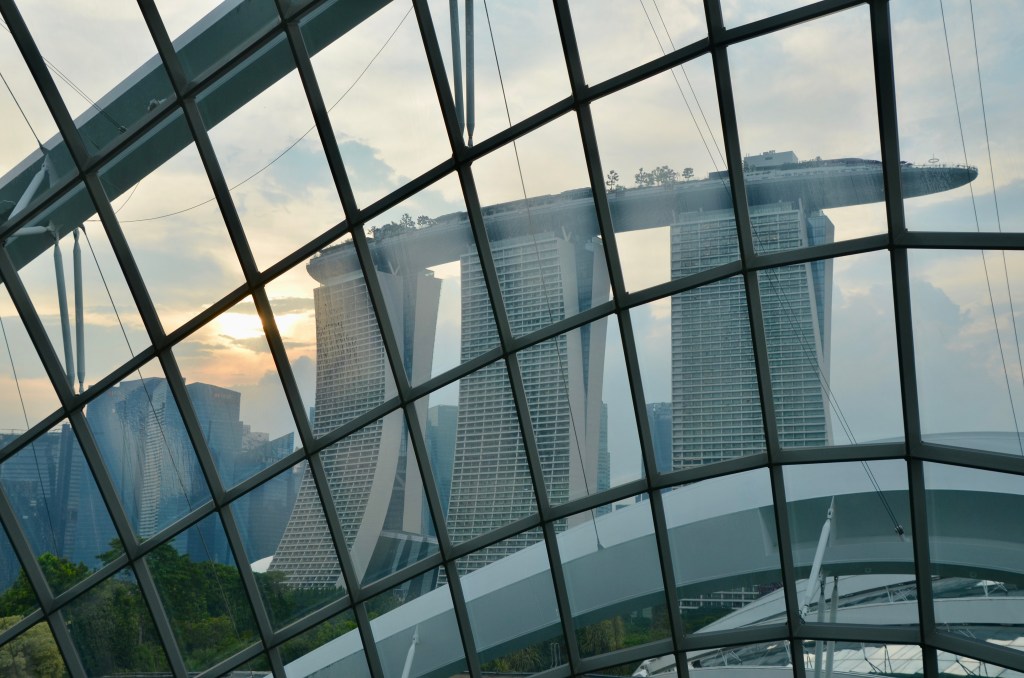
Across the bay from One Fullerton is the Marina Bay Sands. It is best known for its suspended infinity pool (which was featured in the 2018 movie Crazy, Rich Asians). Some interesting information about the Marina Bay Sands: At its opening in 2010, it was deemed the world’s most expensive standalone casino property at $6.88 billion US. The resort includes a 2,561-room hotel, and a 120,000-square-metre (1,300,000 sq ft) convention-exhibition centre. The complex includes three towers topped by the Sands Skypark, a skyway on the 57th floor with a capacity of 3,900 people and a 150 m (490 ft) infinity swimming pool. The Skypark is set on top of the world’s largest public cantilevered platform, which overhangs the north tower by 66.5 m (218 ft). Interestingly, the resort is owned by Las Vegas Sands in agreement with the Singaporean authorities.

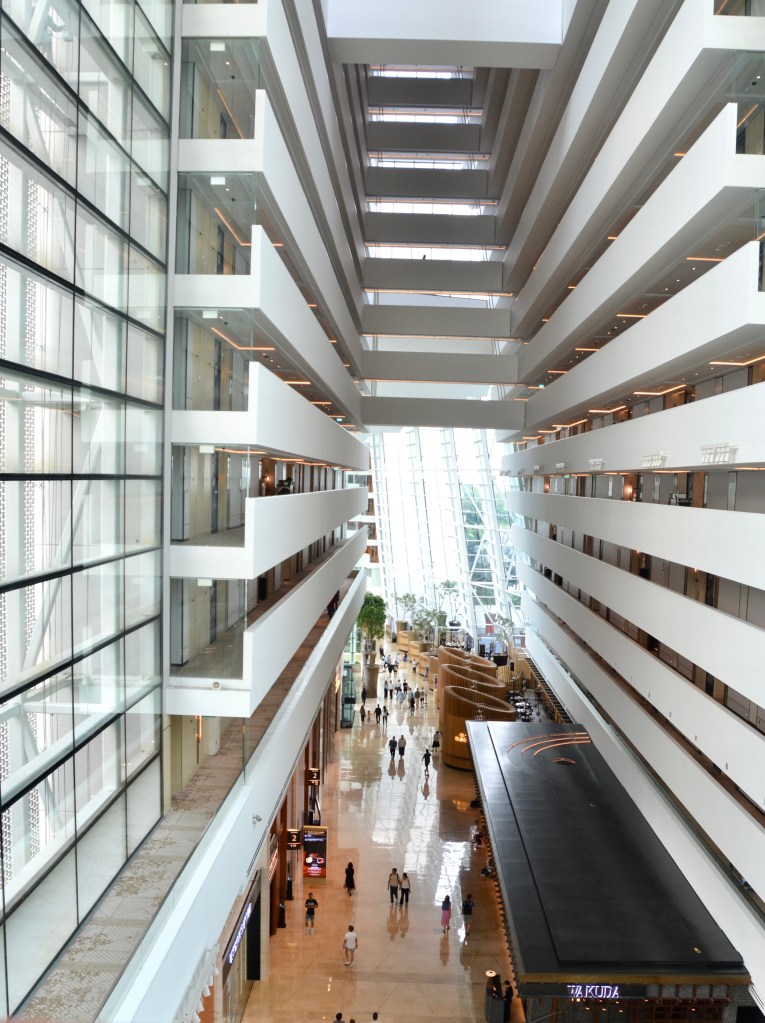
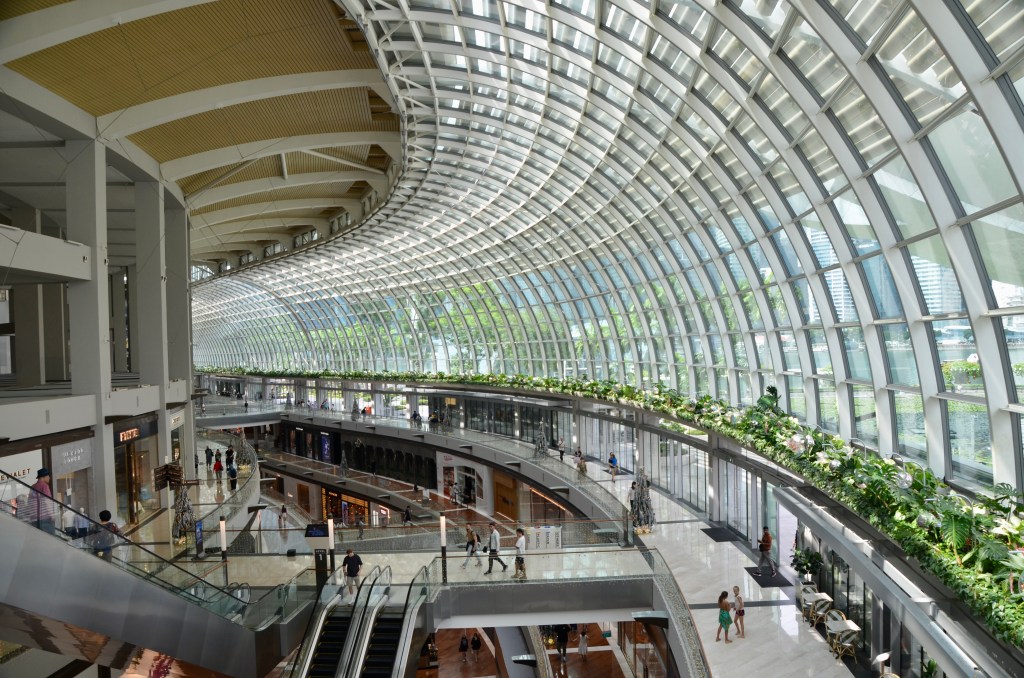
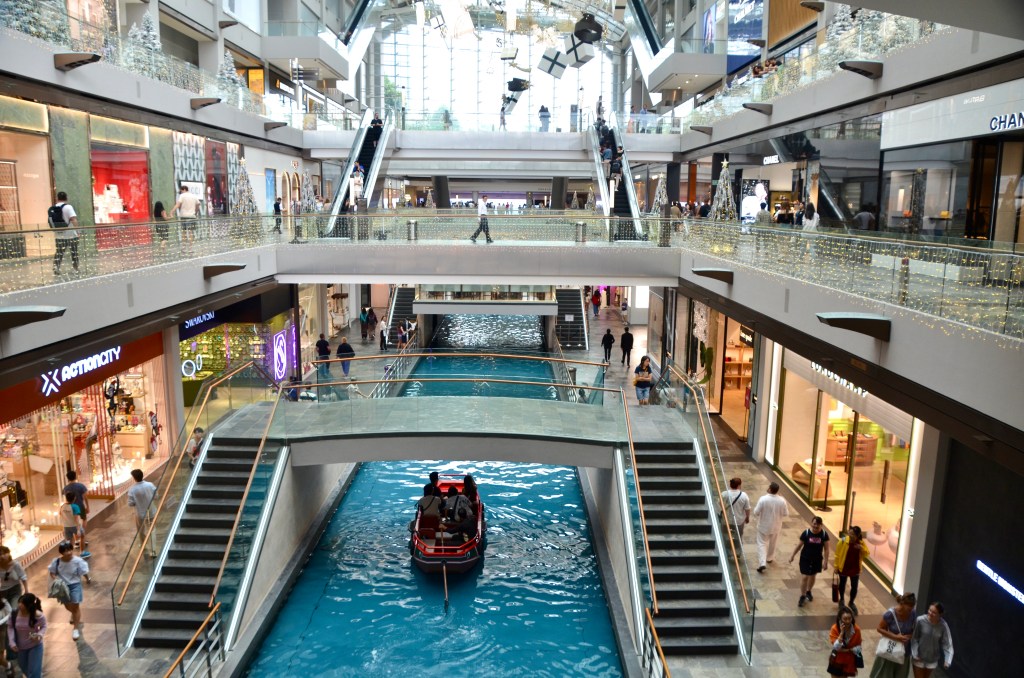
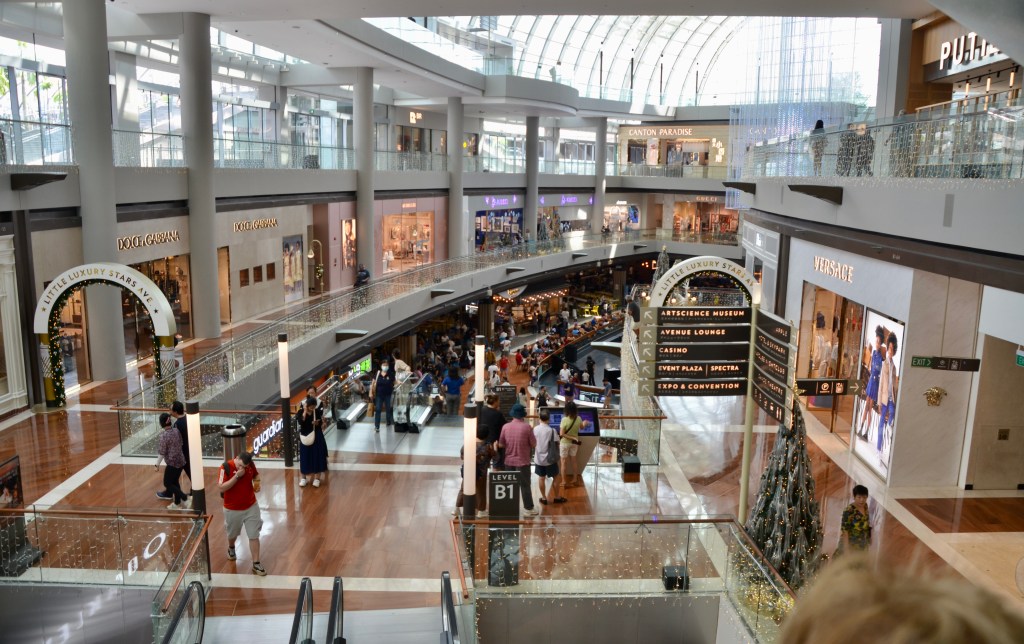
The dome is the Shoppes of Marina Bay Sands, a huge mall with over 170 luxury stores.
There was a river running through the lower level of the mall.
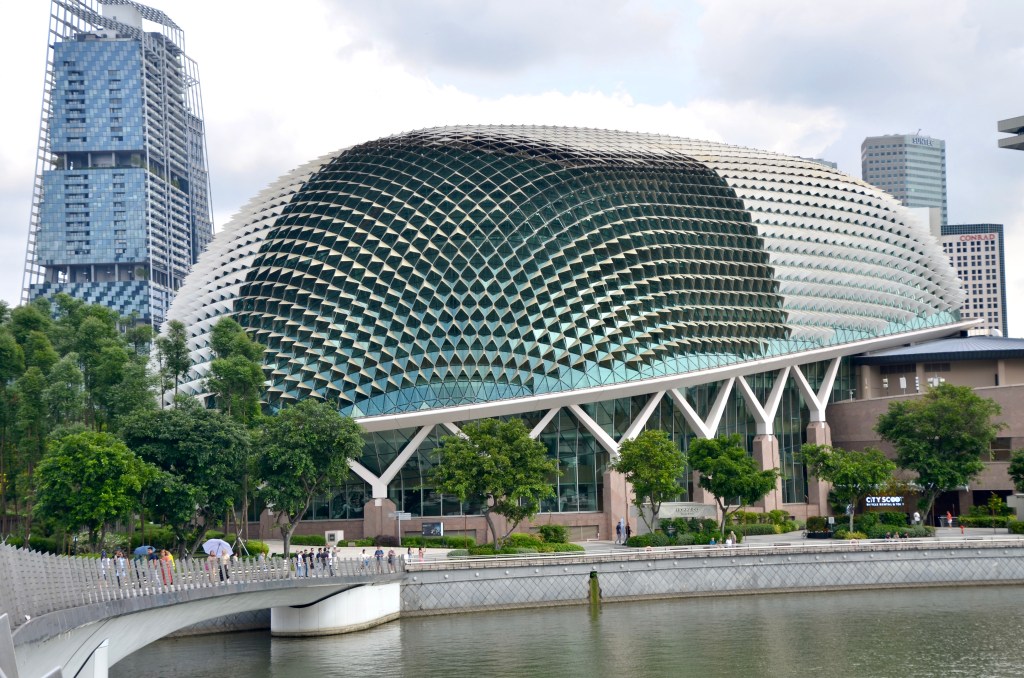
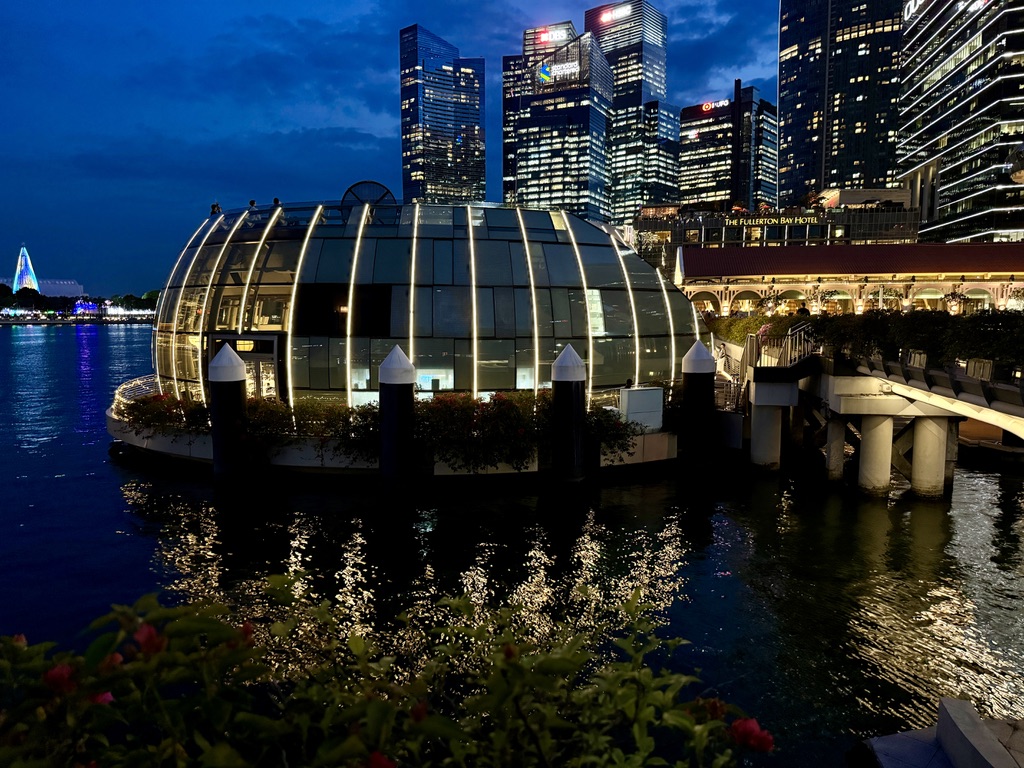
Beautiful dome restaurant at One Fullerton promenade.

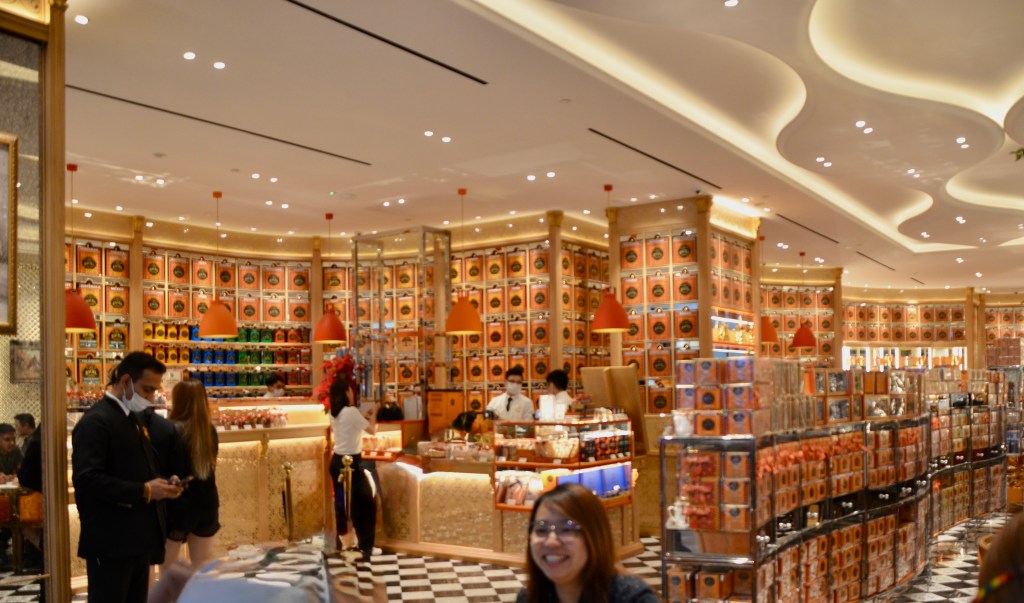
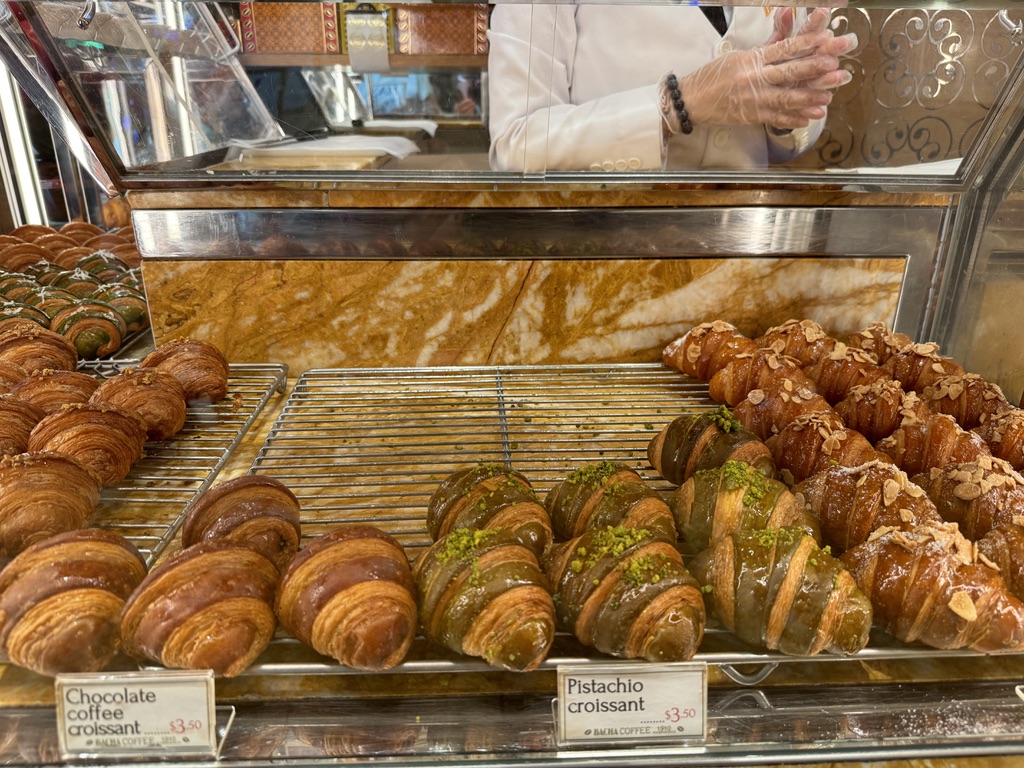
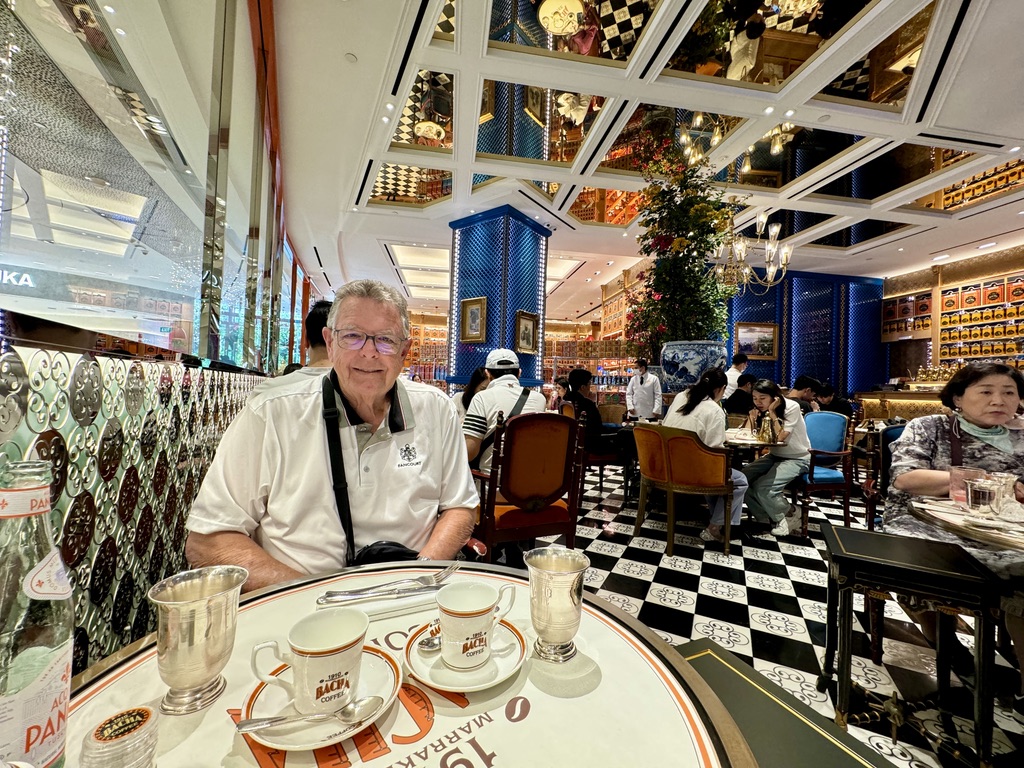
We had several lunches at Bacha Coffee; we loved the ambience and the food and coffee were excellent. They provided glass straws for the water which was a nice touch.

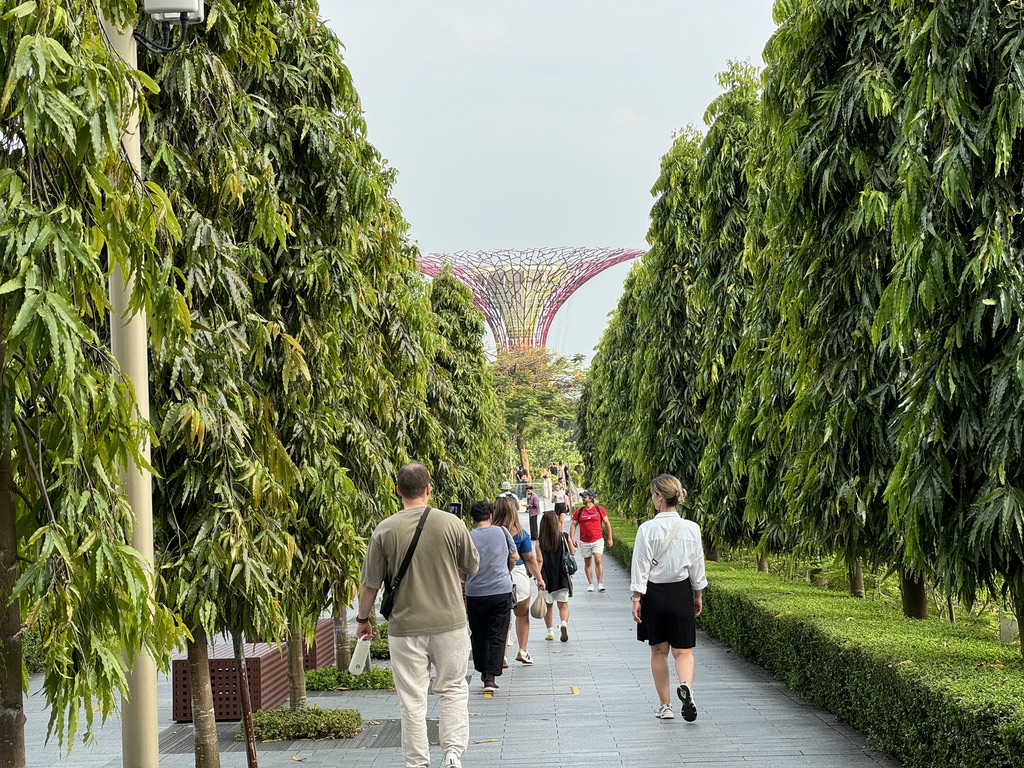
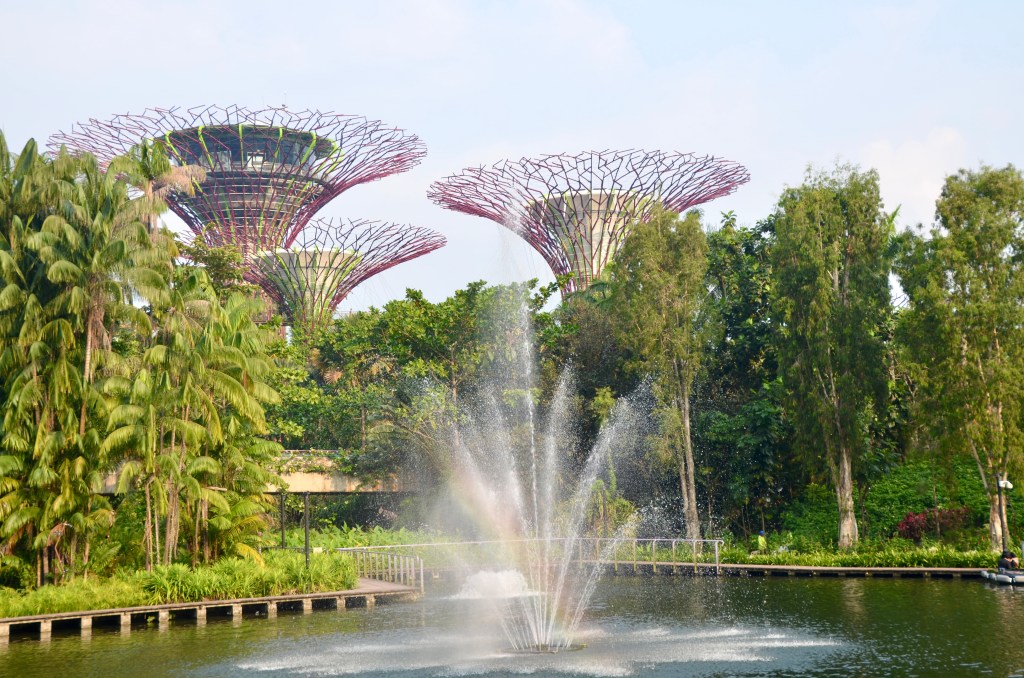
We walked to The Gardens by the Bay which is an urban park spanning 105 hectares (260 acres) right next to Marina Sands Bay Hotel. Gardens by the Bay was part of Singapores’ plans to transform its “Garden City” to a “City in a Garden”, with the aim of raising the quality of life by enhancing greenery and flora in the city. With our limited time in Singapore, we saw only a portion of the garden, but what we saw was amazing.

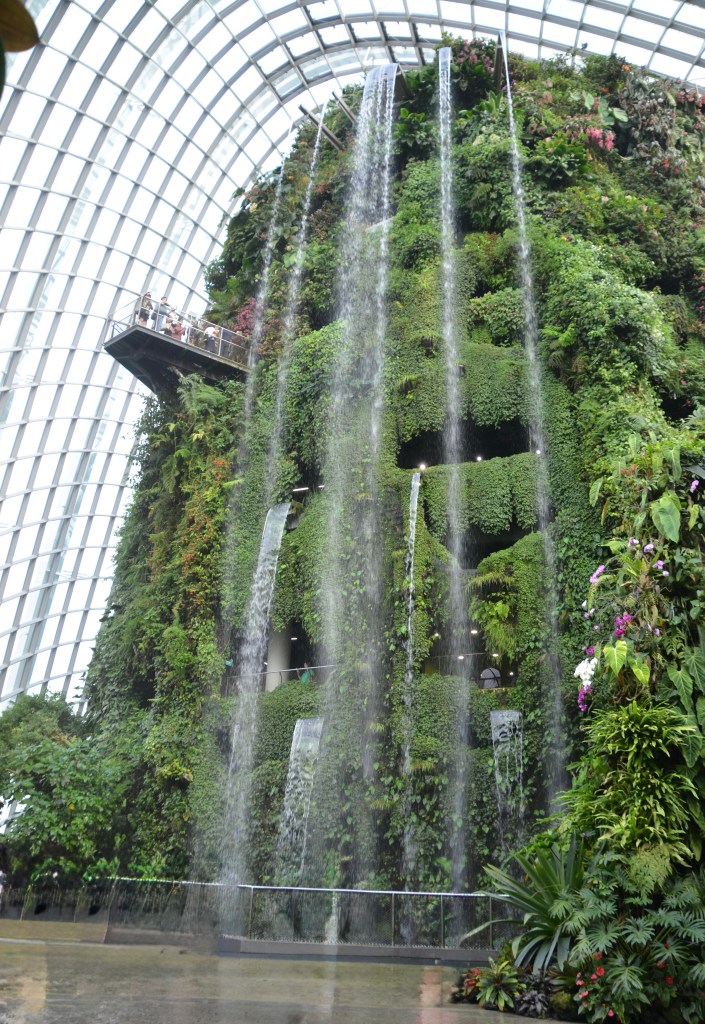
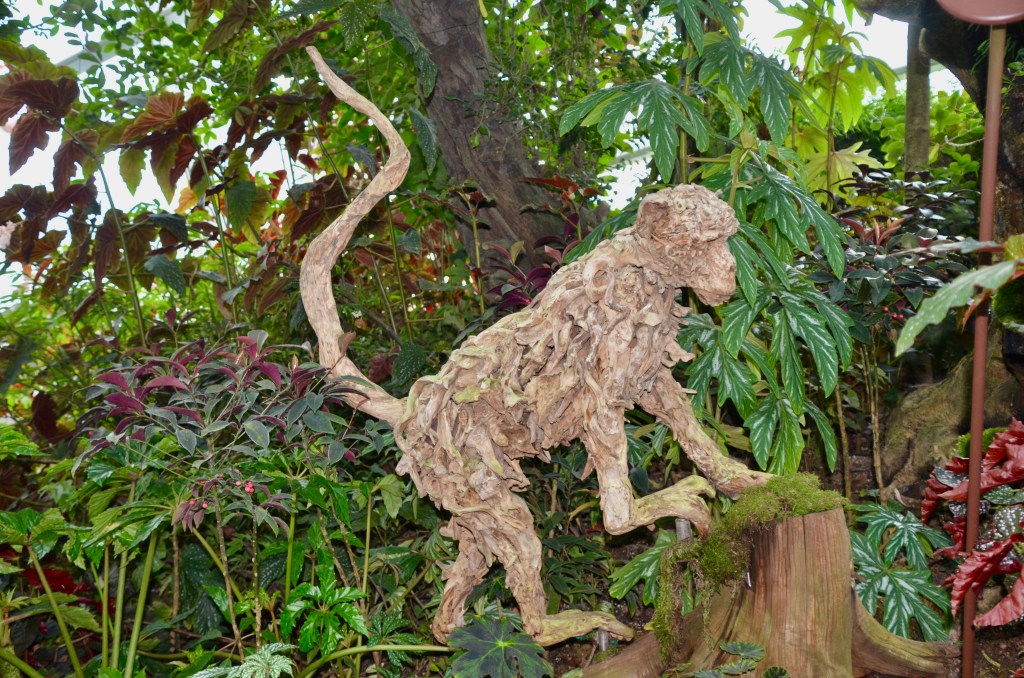
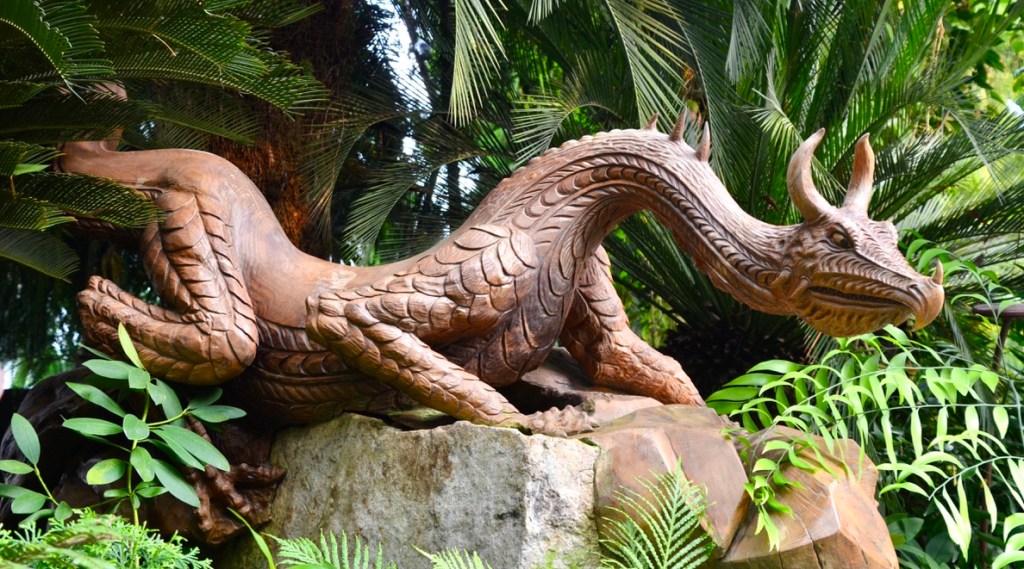
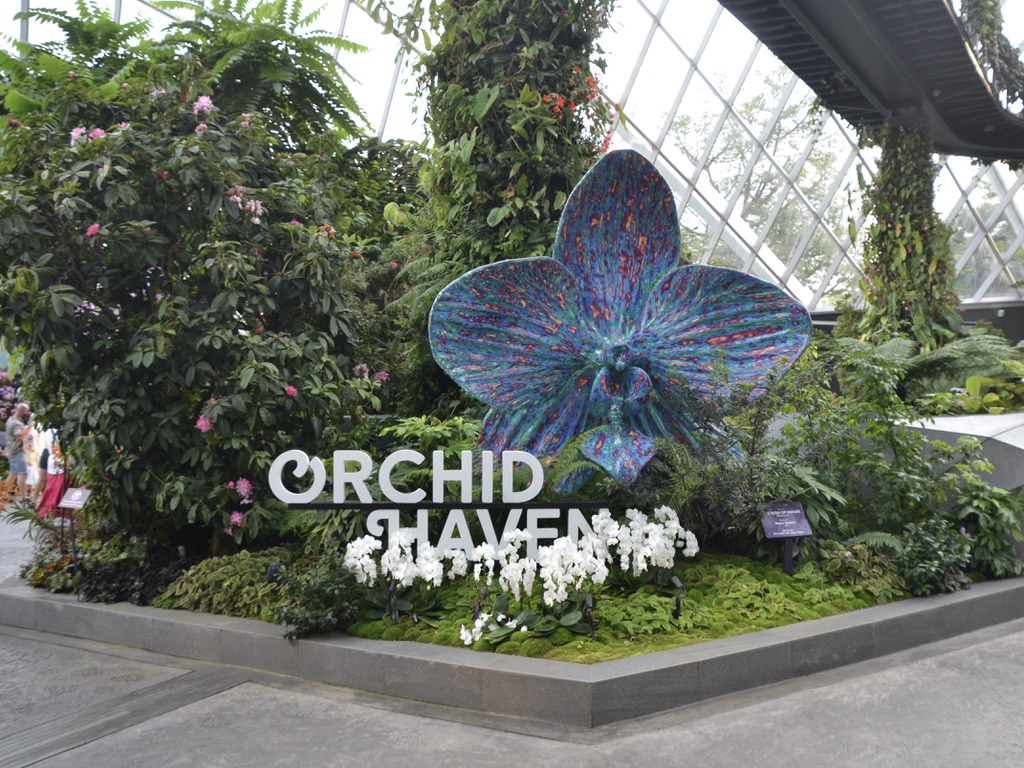
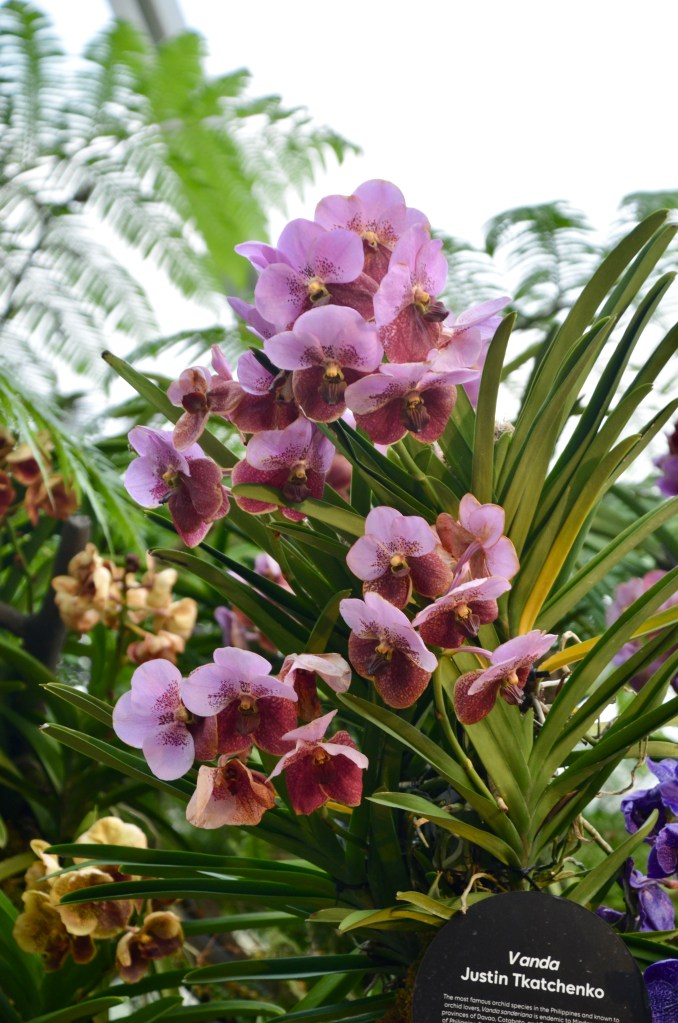
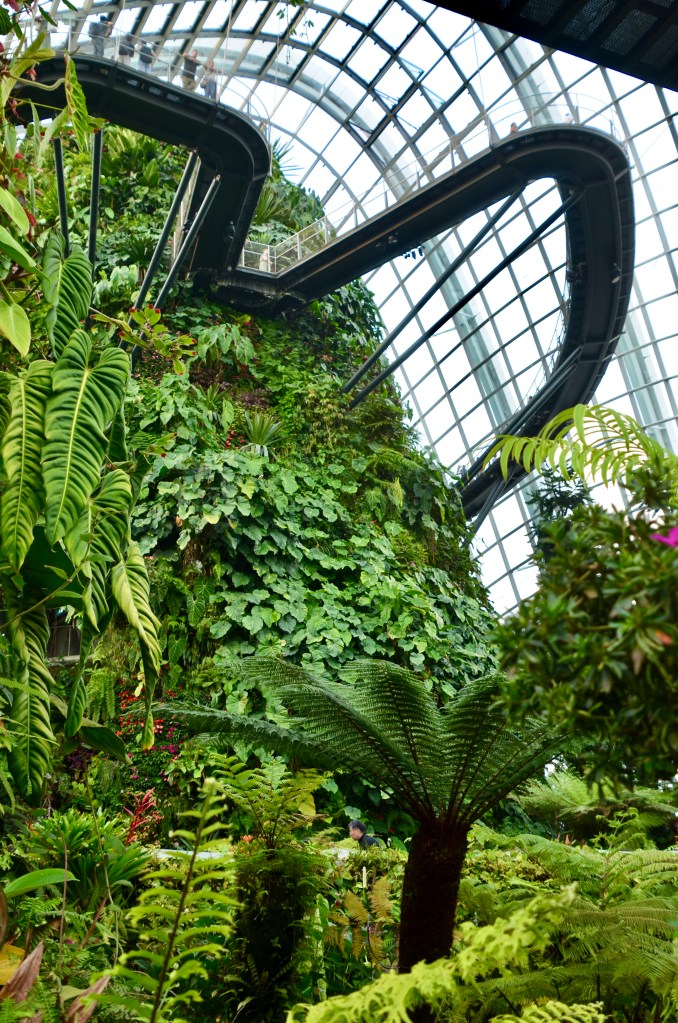
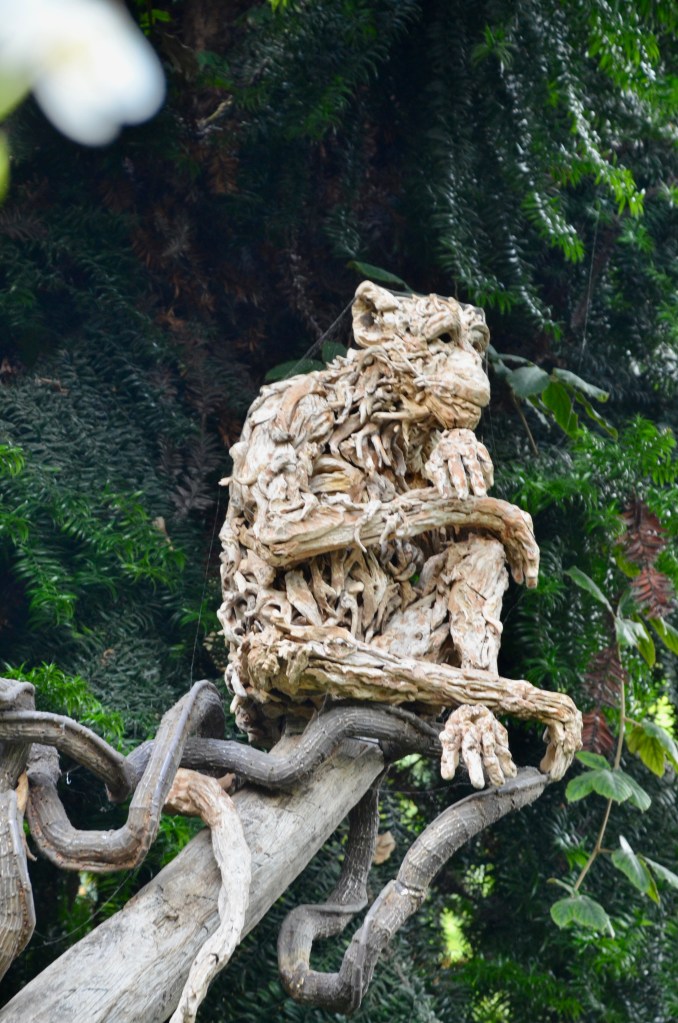
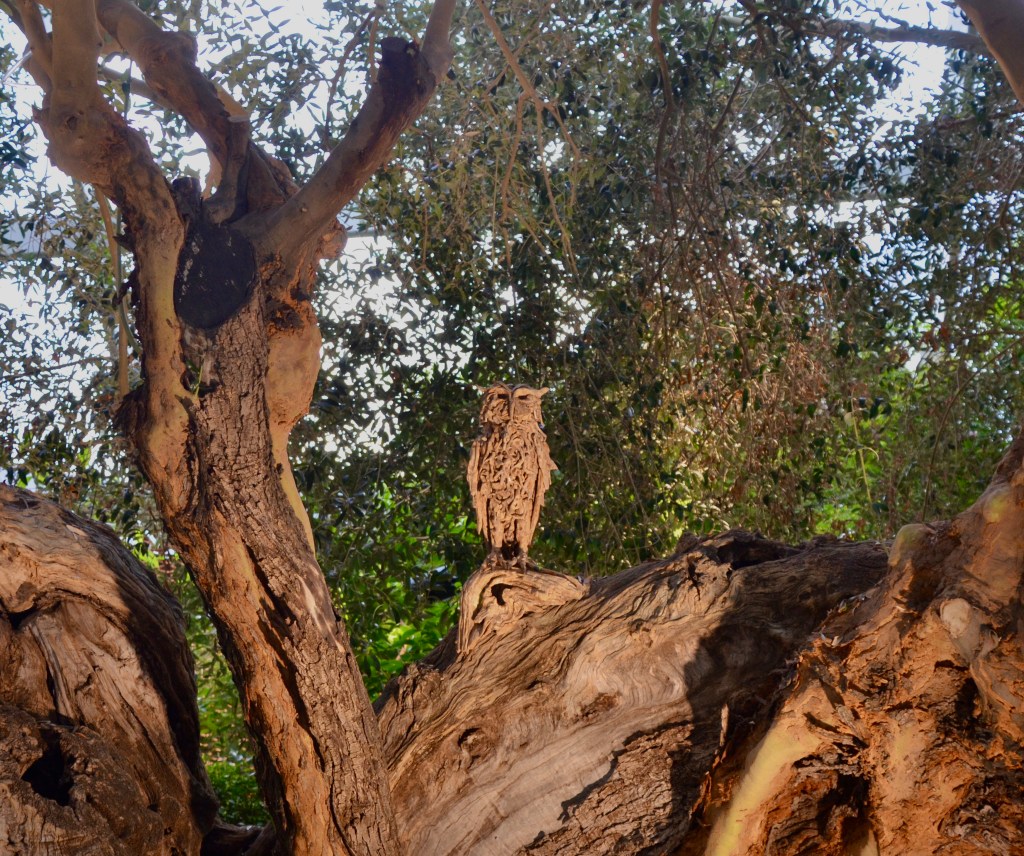
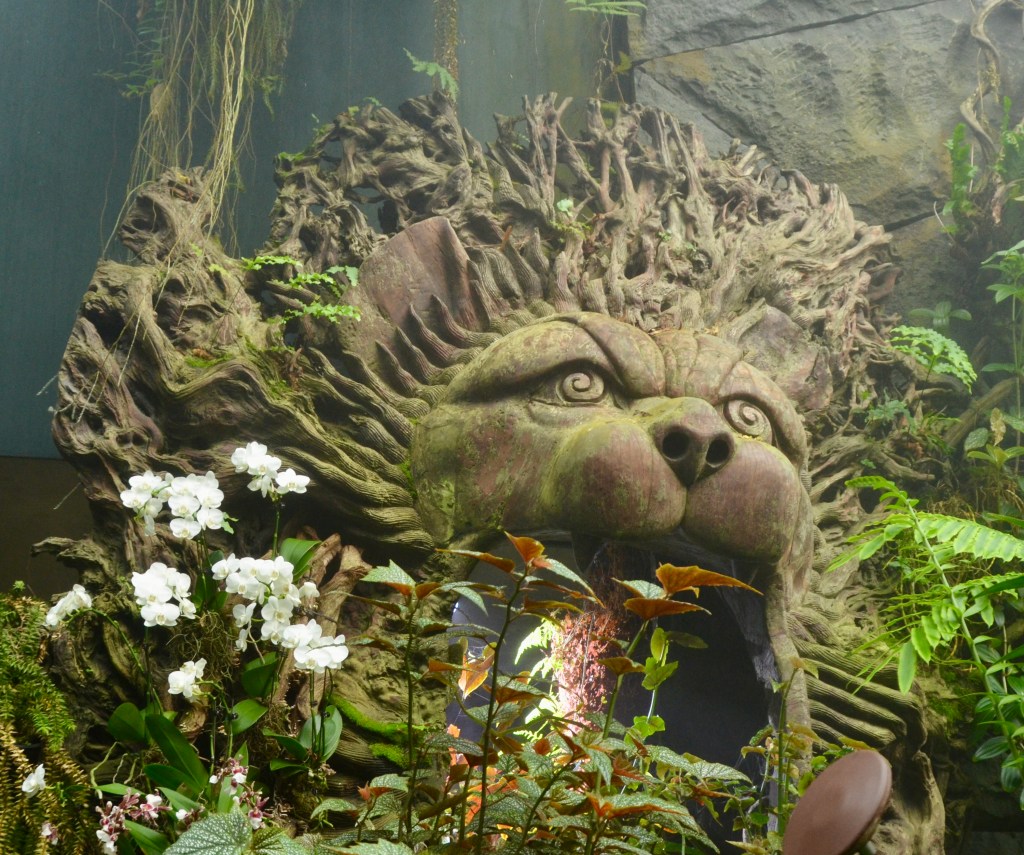
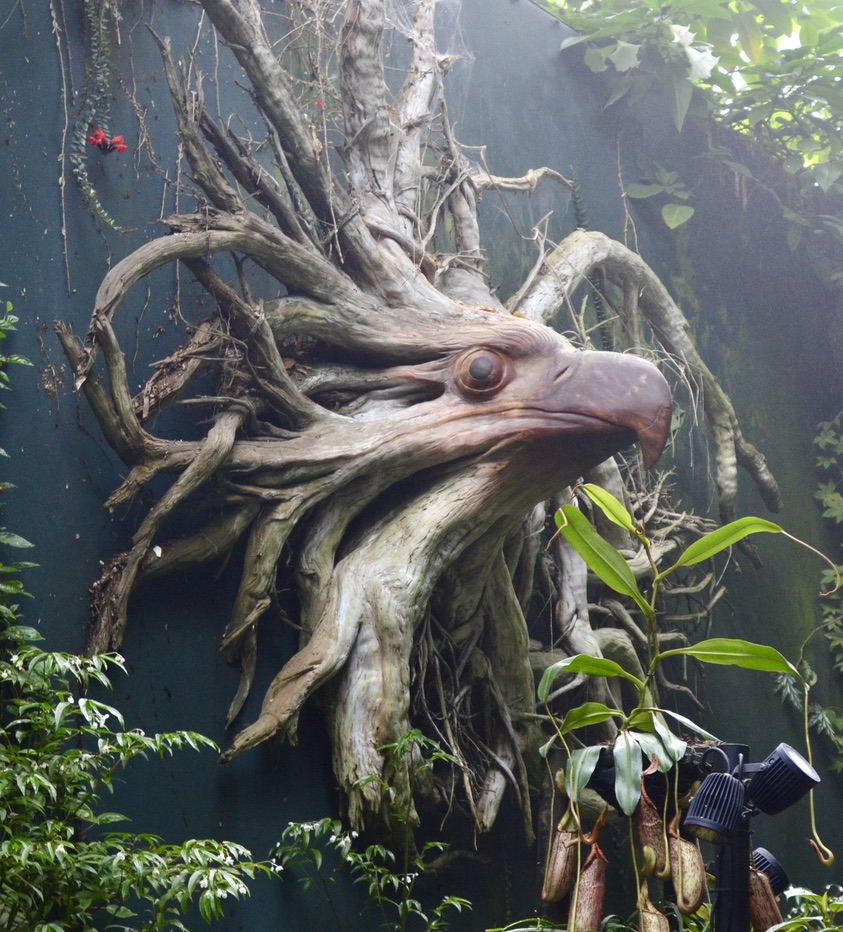
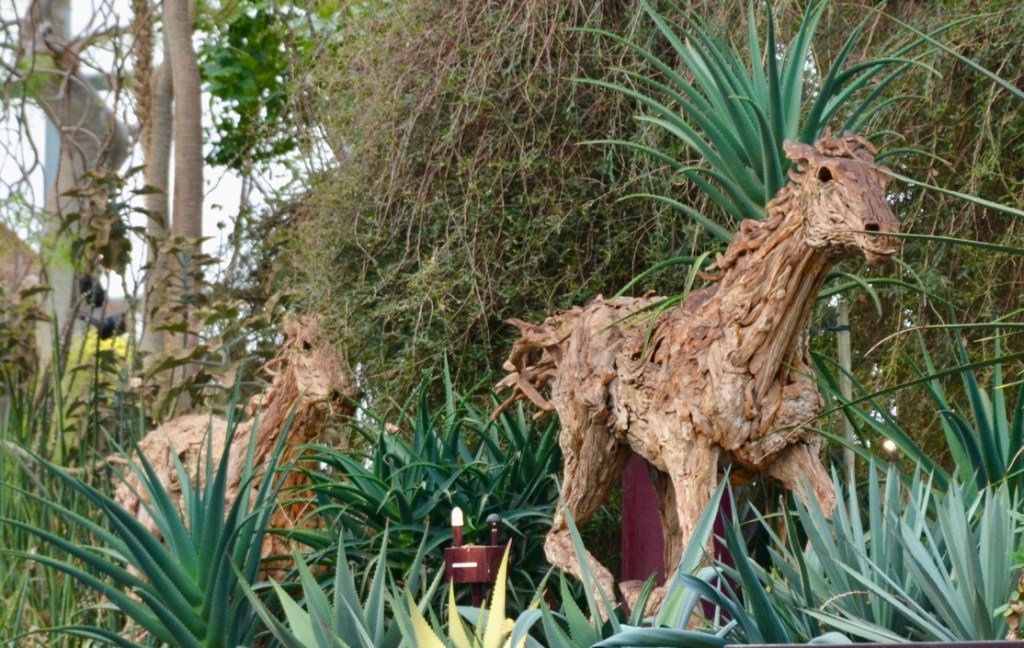
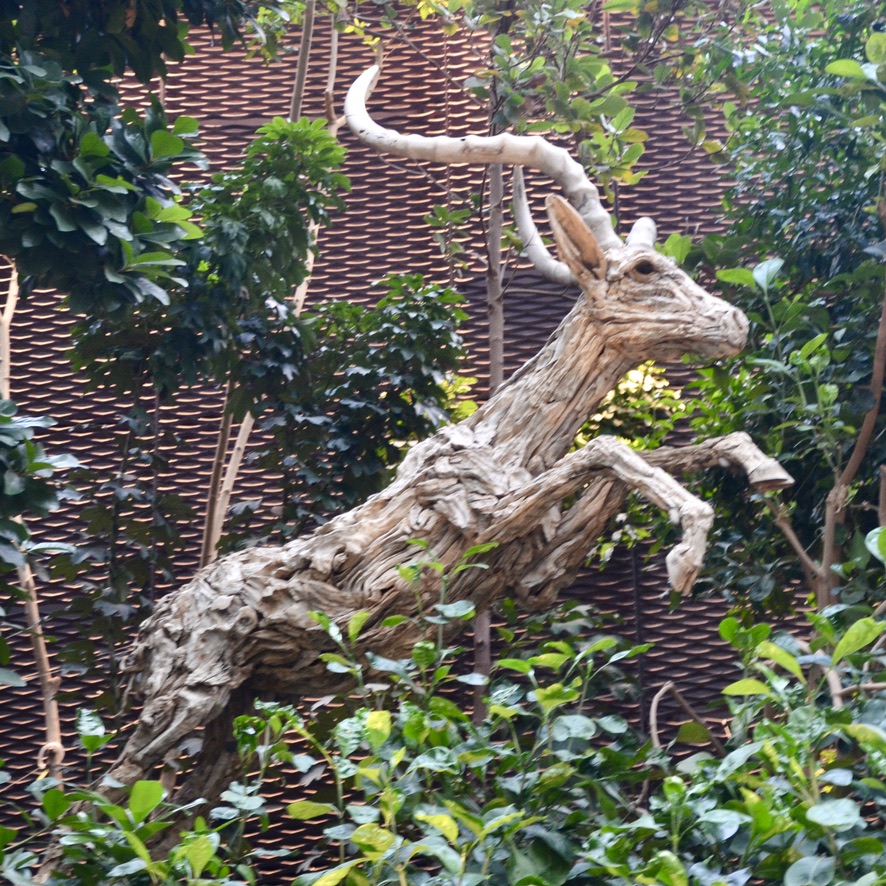
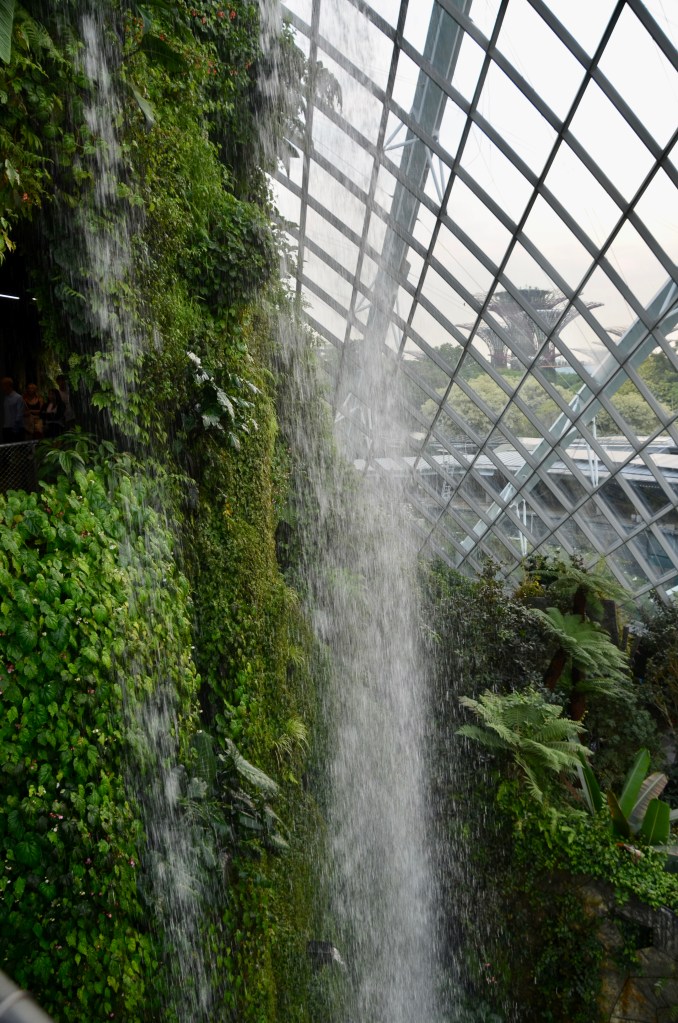
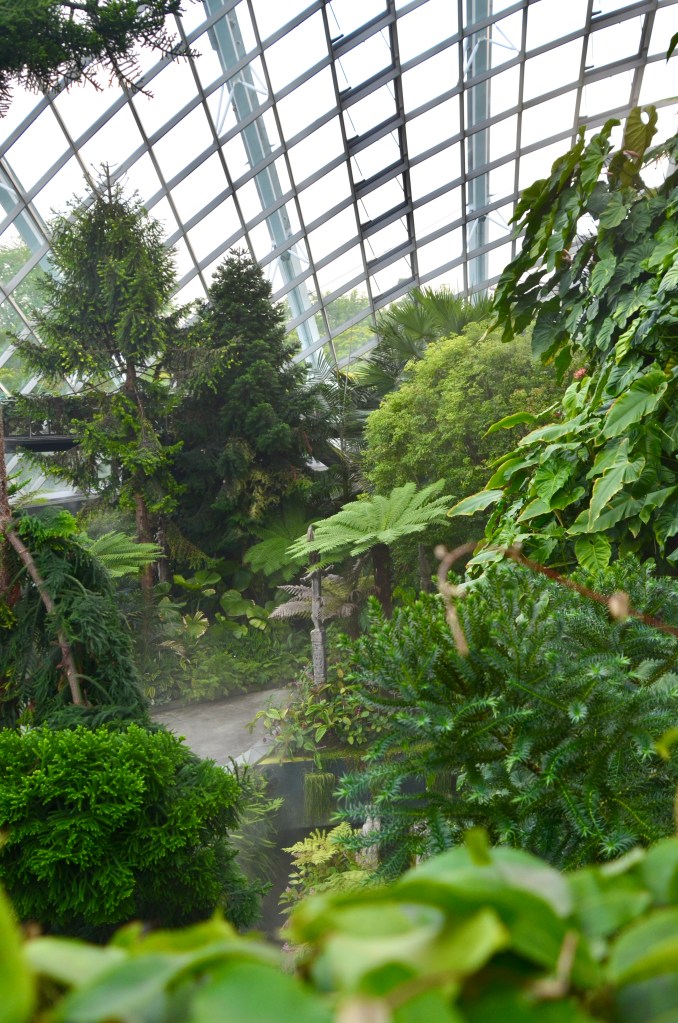
Our favourite part of the Gardens by the Bay was Cloud Forest. A massive glass greenhouse with plants, flowers, wood statuses and a 35 meters tall waterfall which creates a mist inside the facility. There is a circular path at the back of the waterfall and an observation platform near the top.

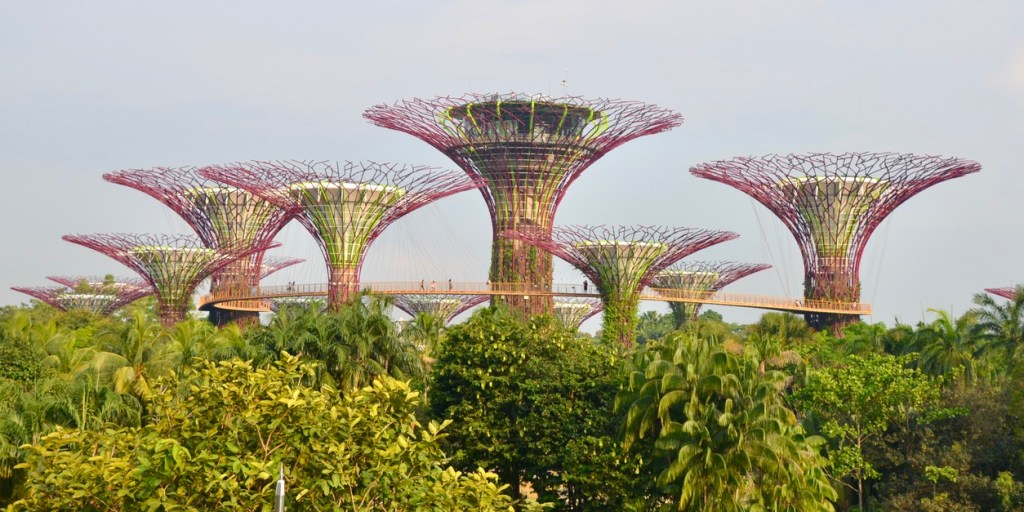
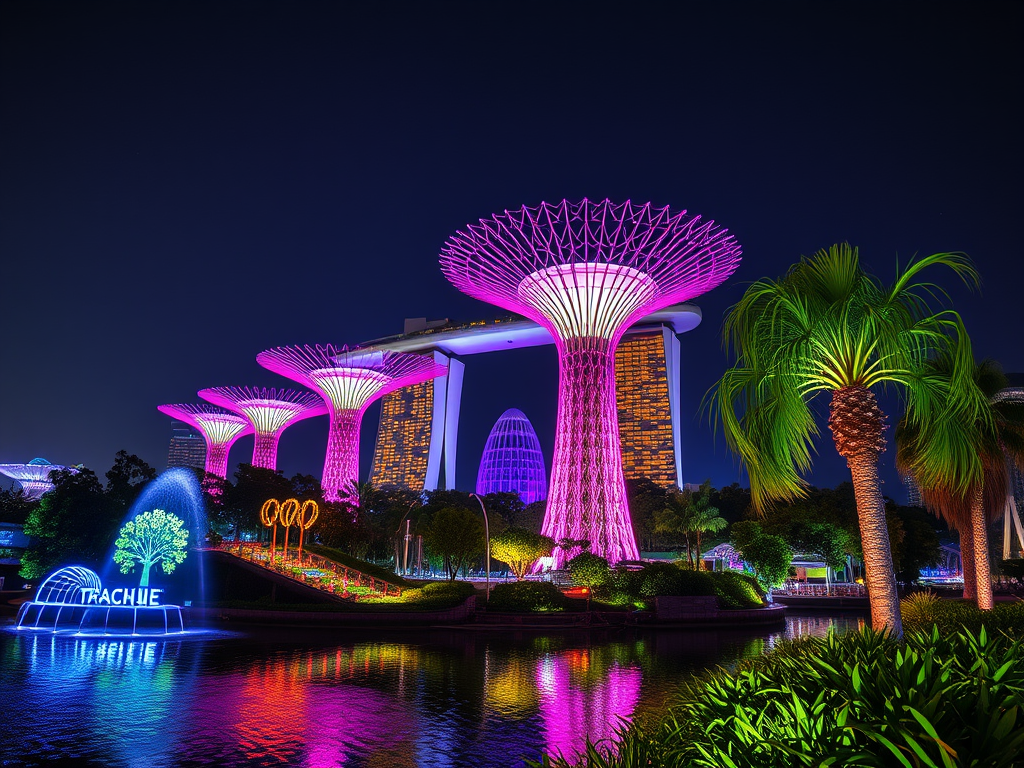
Garden Rhapsody is a light and music show that takes place twice a day, at 7:45 p.m. and 8:45 p.m., in the heart of Gardens by the Bay. The Supertrees are 25 – 50 metres (82 to 160 feet) tall, light up with hundreds of LED lights and move to the music – all part of a 20 minute show.

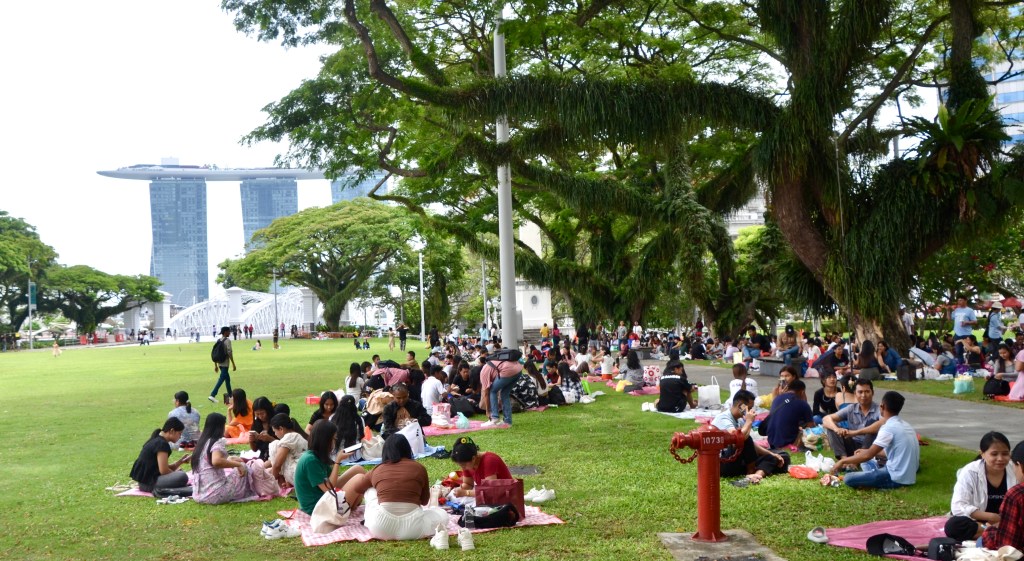
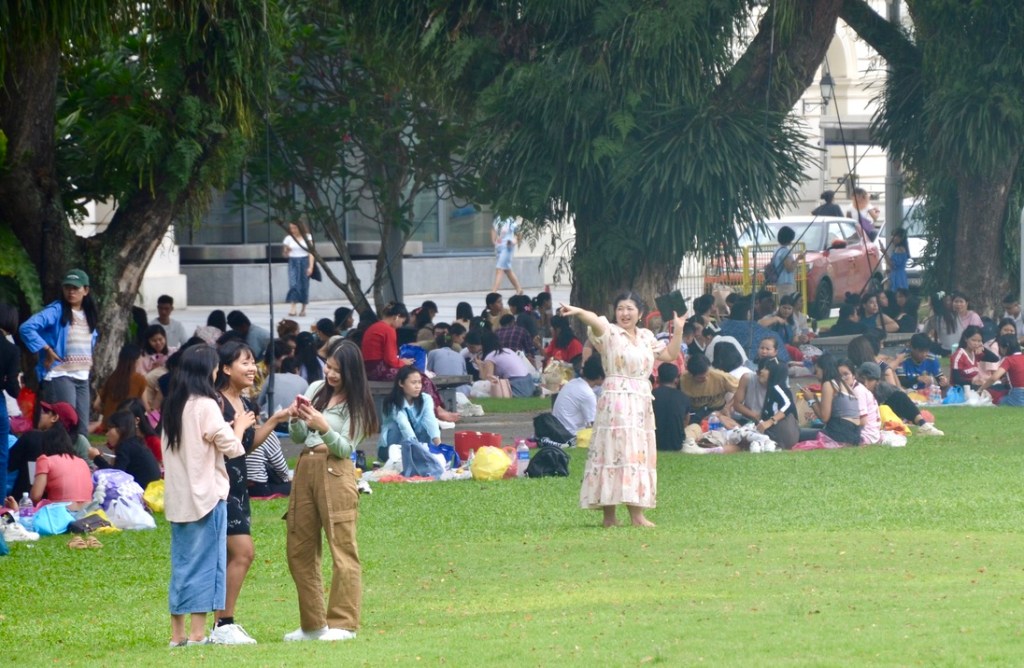
Singapore’s waterfront area is very walkable, and the city is safe, multicultural and spotlessly clean. It has an impressive “green” mandate and although it is a small country it has many interesting attractions. Singapore is the most expensive country to visit in South Asia and one of the most expensive in the world; however, we are glad we spent 4 extra days here.

The following photos were taken around our hotel on our last day.

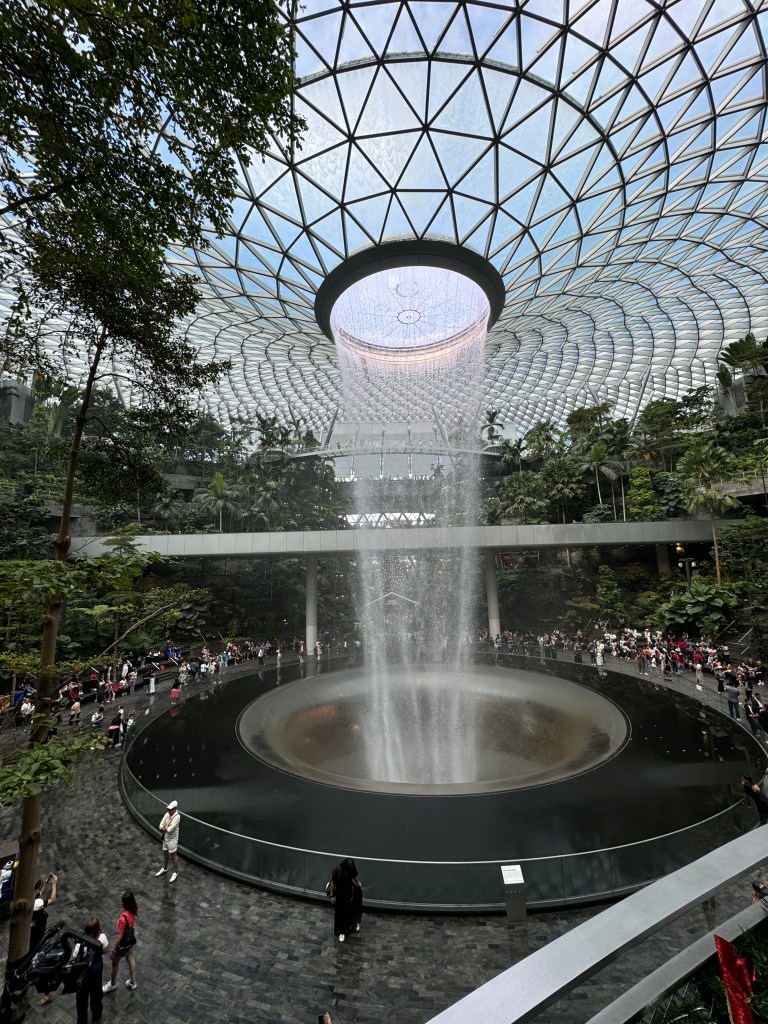
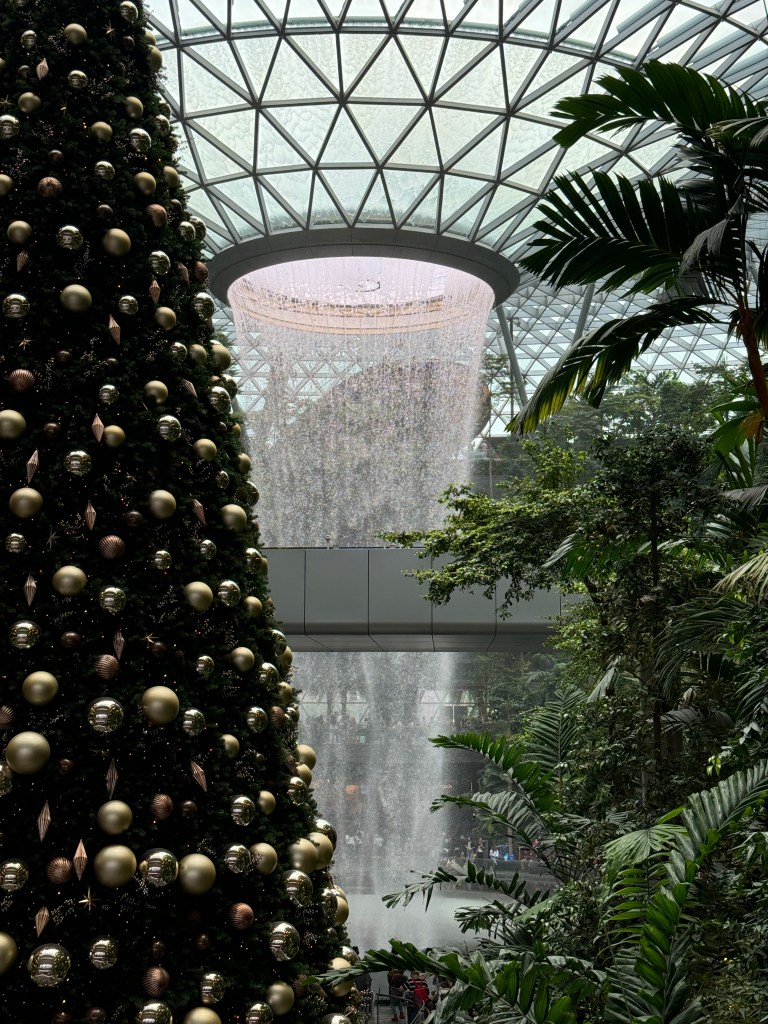
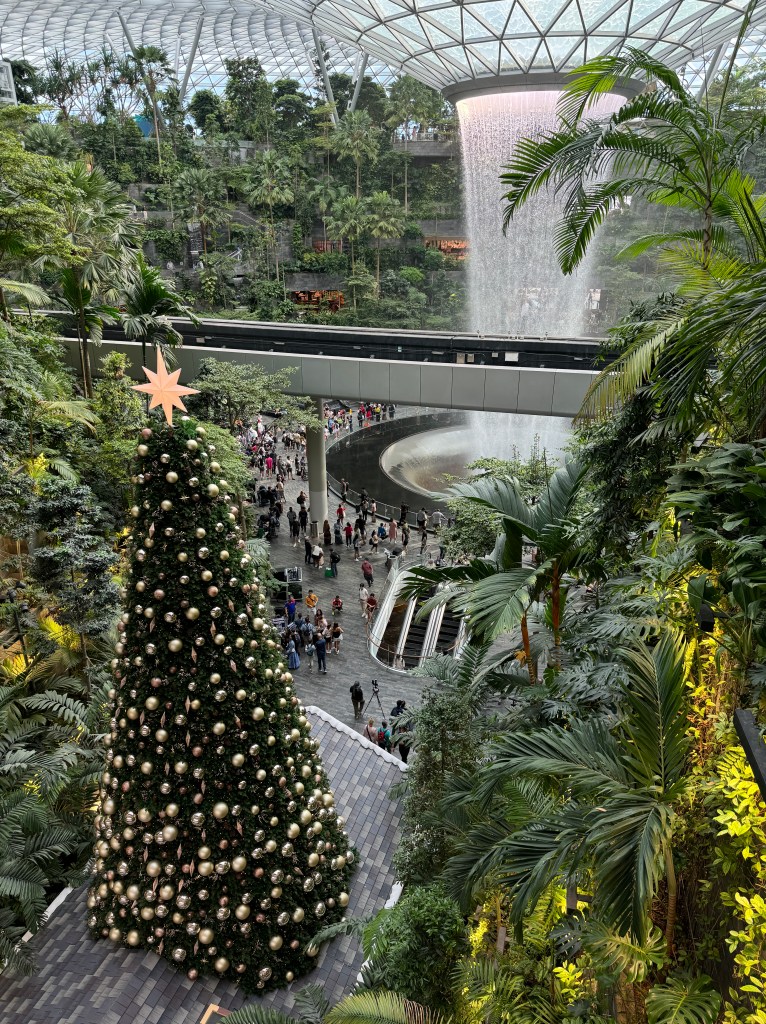
We had read that Singapore, Jewel Changi Airport was not just a transit hub, so we arrived at the airport 7 hours before our 11:15 p.m. flight home so we could explore. The design of this huge “mall-like” structure and the programmes it offers was designed to bring in the locals as well as transit passengers for a unique experience. The massive dome-shaped structure encompasses 5 floors above the ground and 5 basement levels and houses airport operations, indoor gardens, retail stores, restaurants and a hotel, including spaces designed for community and leisurely activities. It has a 40-meter indoor waterfall, the world’s largest. It took us over 4 hours to just walk the mall area. We ate at a Thai restaurant that overlooked the waterfall. I nice way to end our time in Singapore.

This is the last post for our East Asia Adventure. It really was 3 trips: a 5-day pre-cruise time in Tokyo and Kyoto, a 16 day cruise on the Oceania Regatta and lastly 4 days in Singapore at the beautiful Fullerton Hotel. We enjoyed all parts of our trip and the people we met along the way.

Saigon – Night Foodie Tour

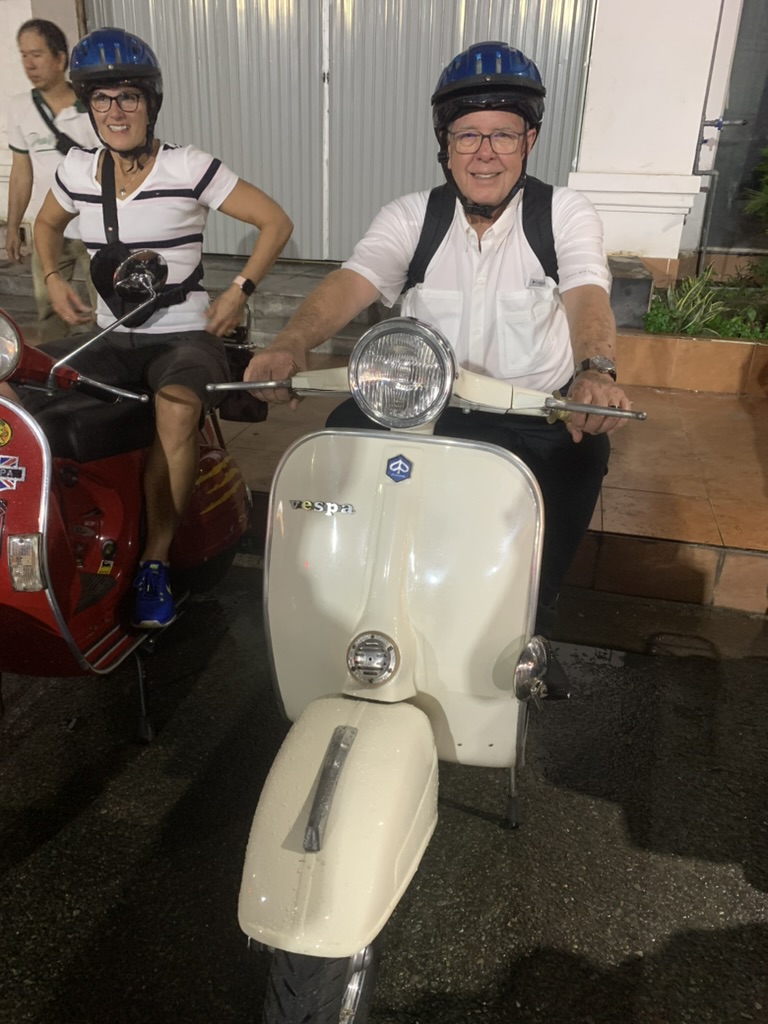
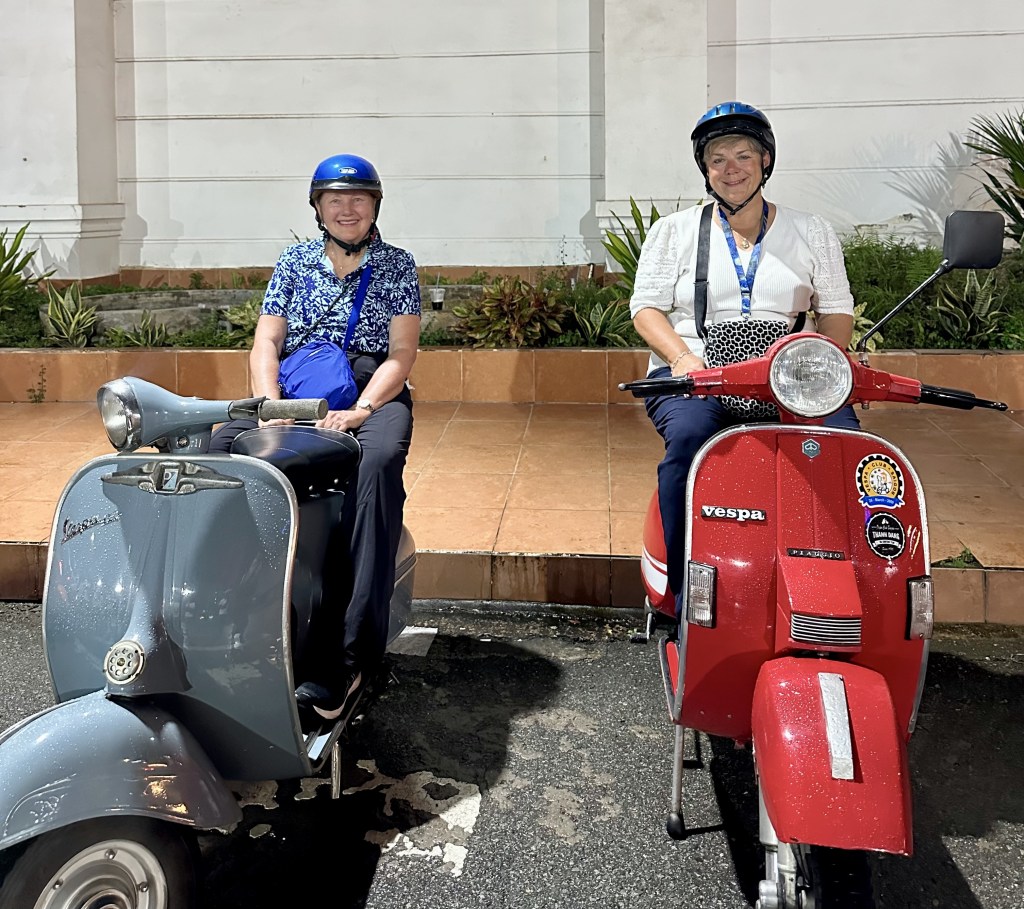
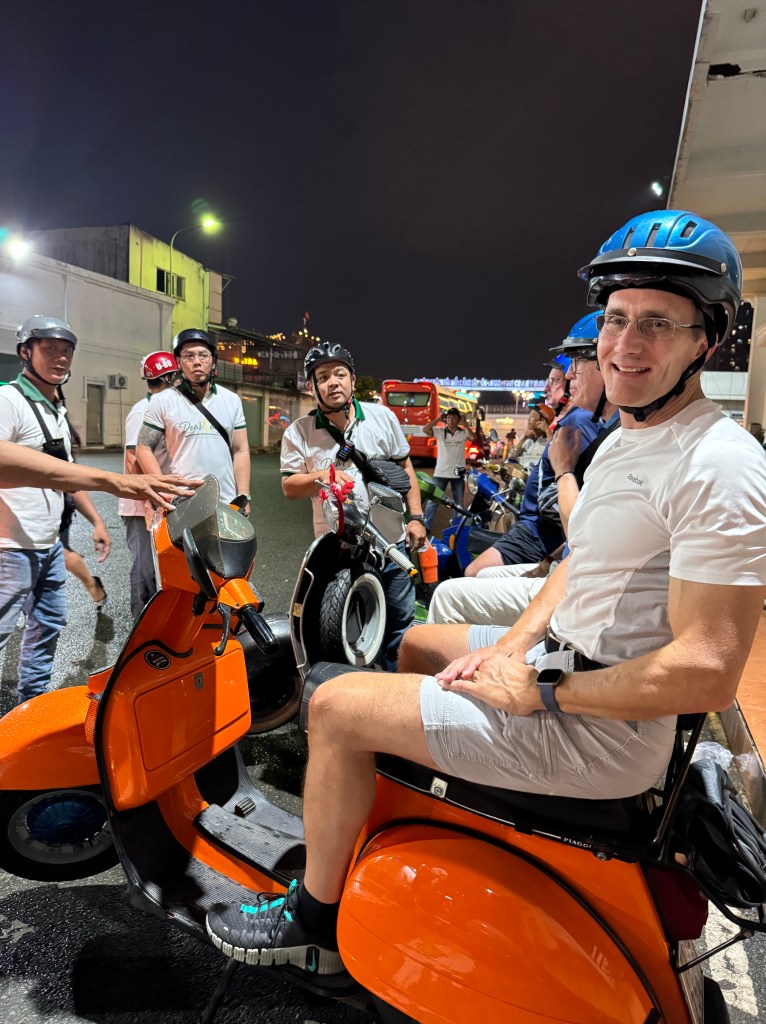
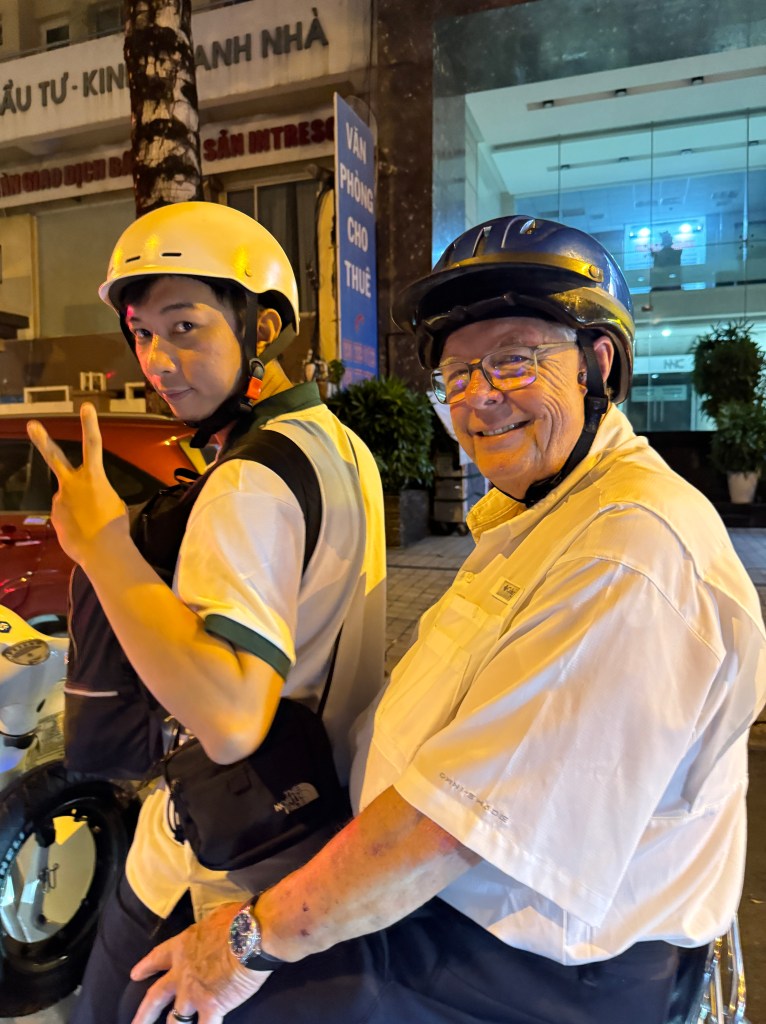
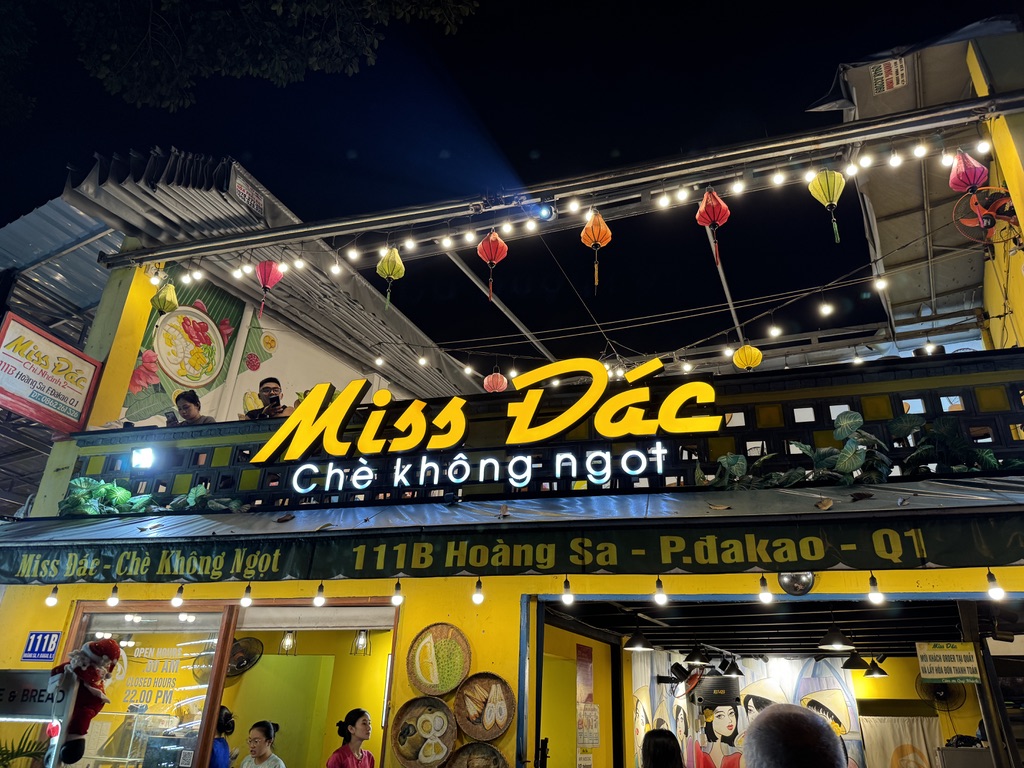
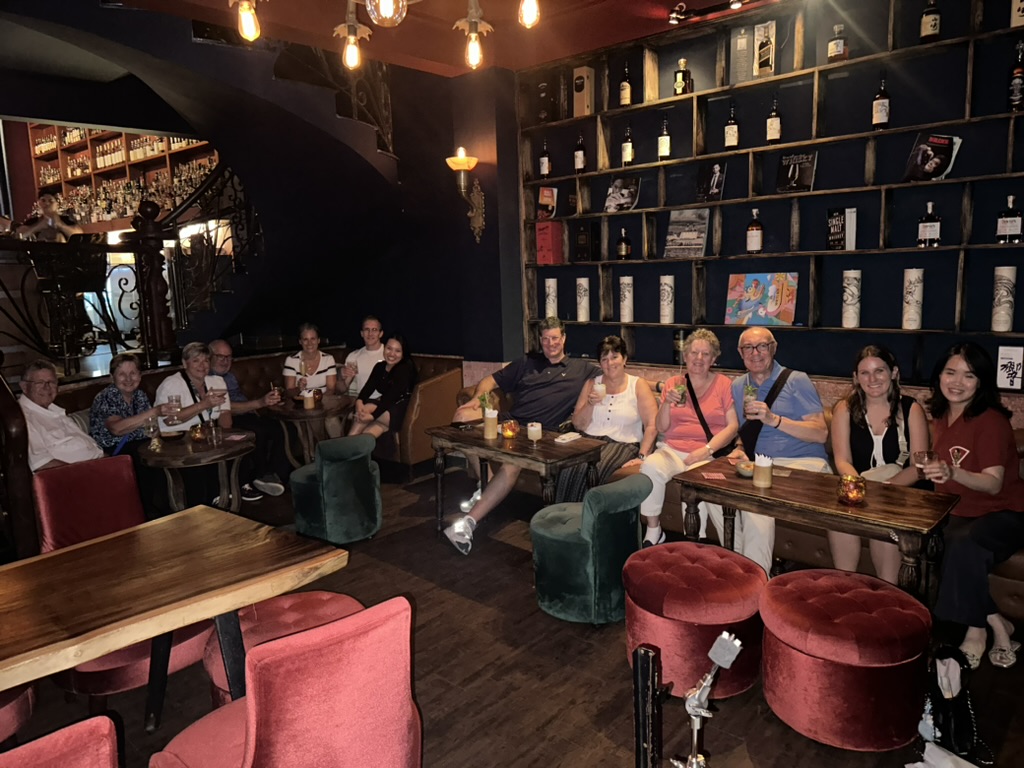
We were looking forward to once again experiencing Saigon at night with Vespa Wanderers. Initially we planned the tour for just the two of us, but ended up inviting a few couples from the ship to join us – 11 of us in total experienced this crazy adventure.

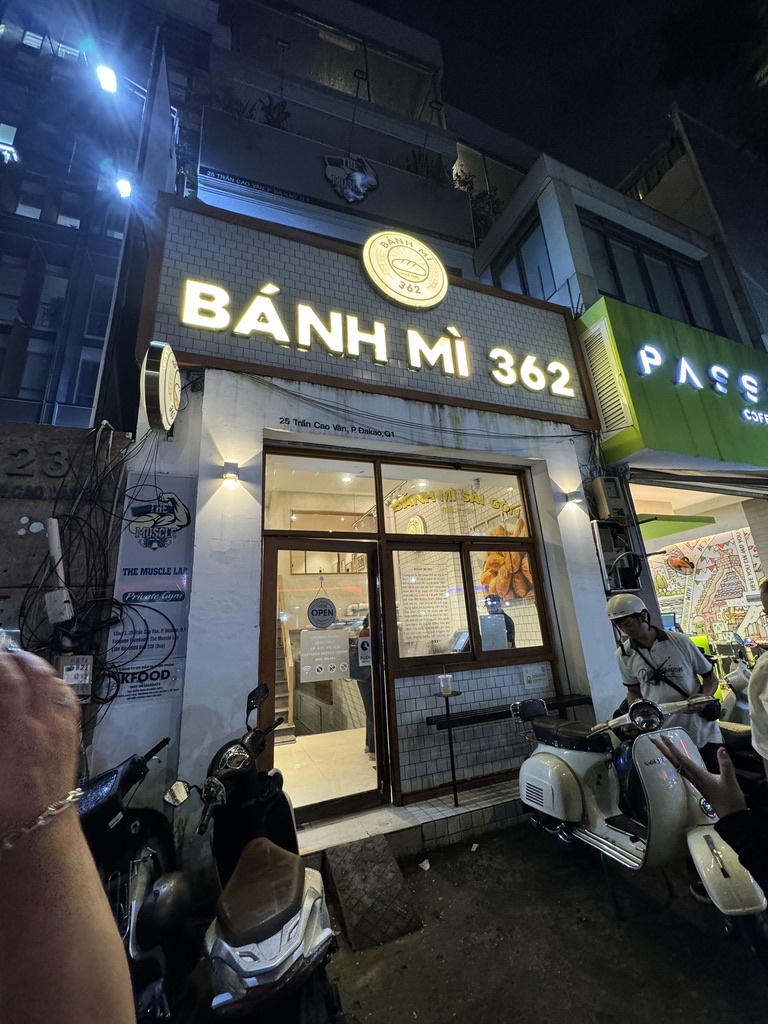
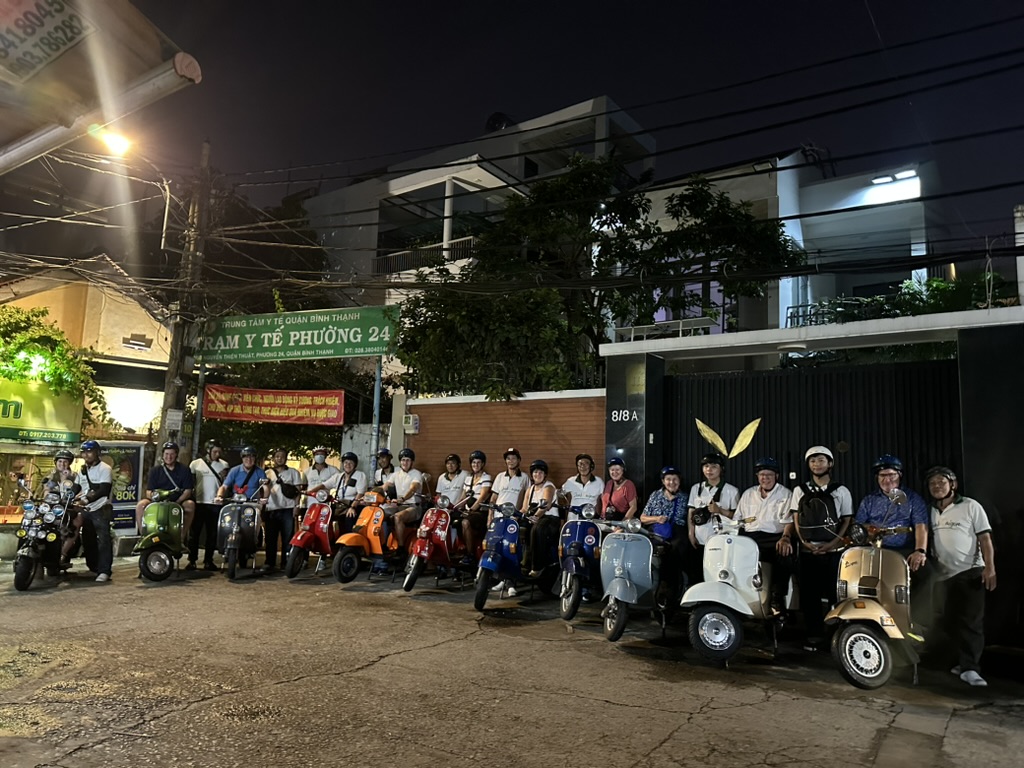
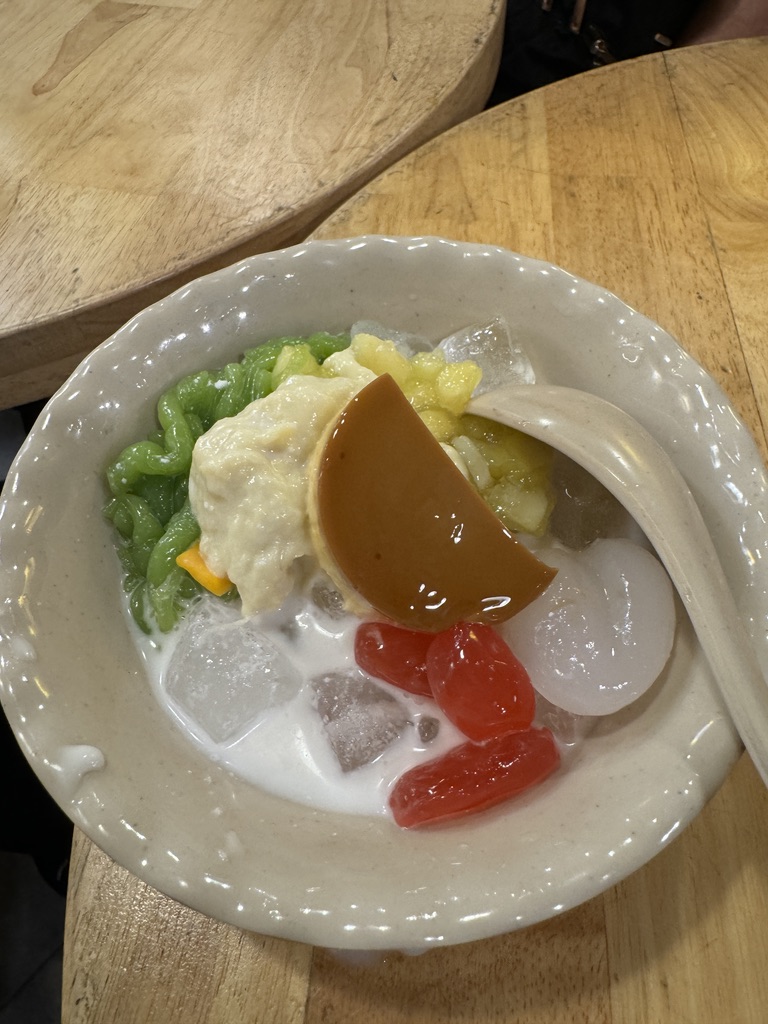
It was a progressive dinner, starting with a stop to pick-up a Vietnamese Sub which we ate at a historic cafe, next dinner at Gam followed by dessert at a local “sweet” shop, and the evening ended with drinks at a speakeasy/bar. These stops were not close together, so we had fun rides on the vespas travelling between stops. We were picked up at 6:30 and returned to the ship at 11:30.
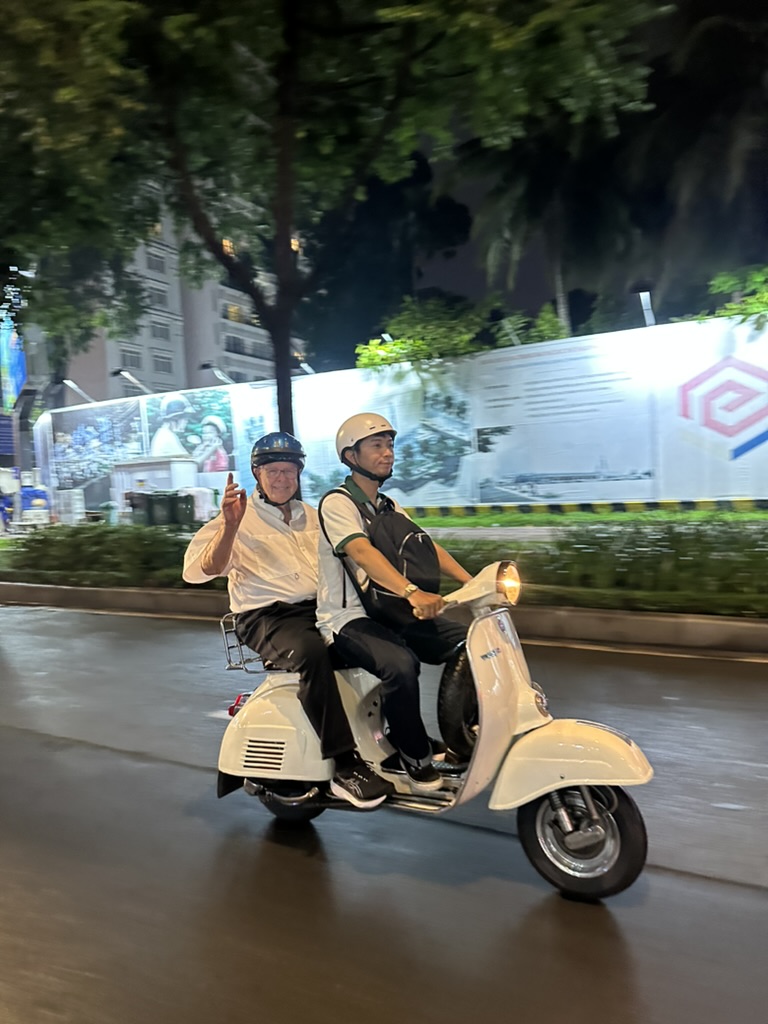
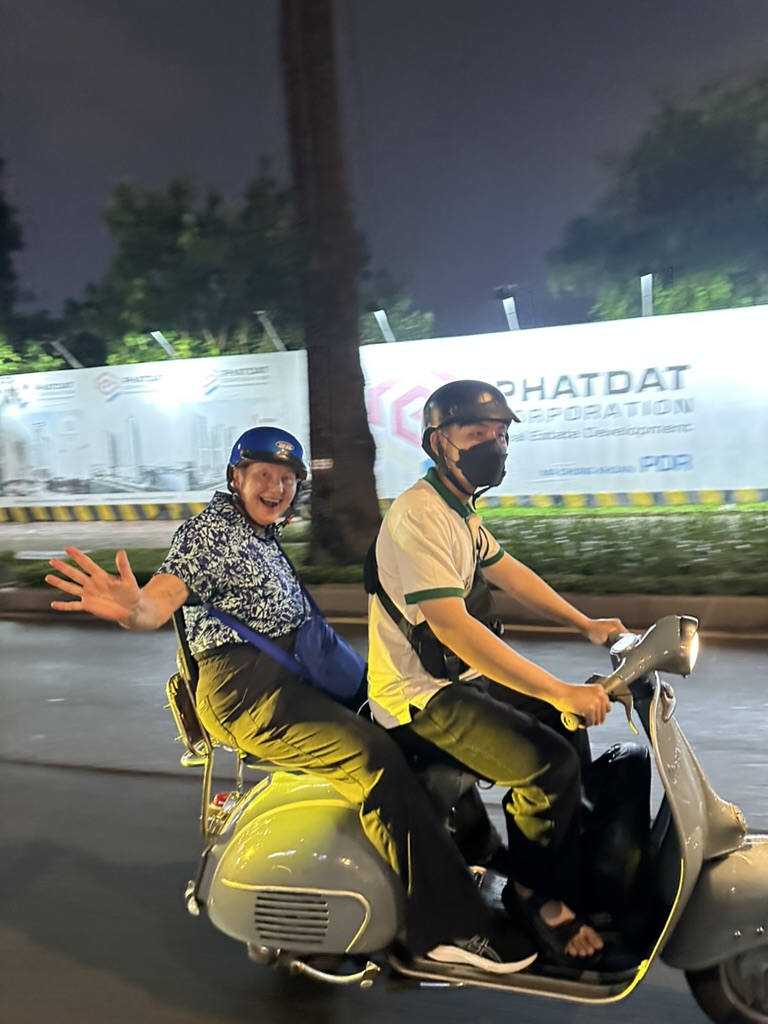
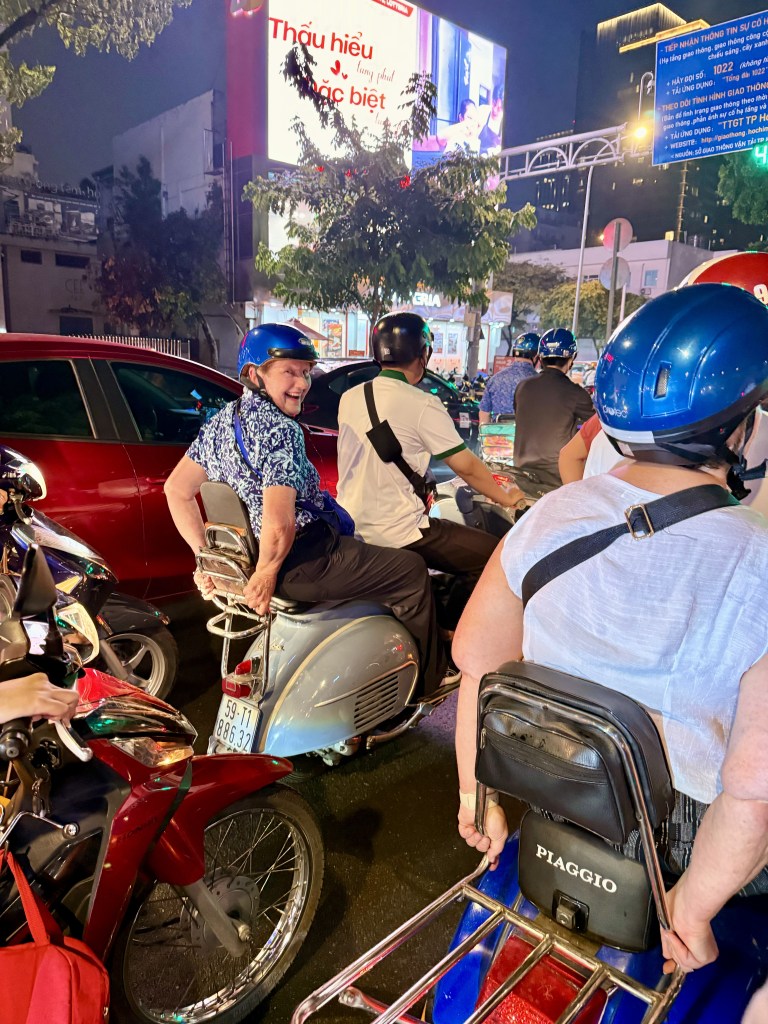
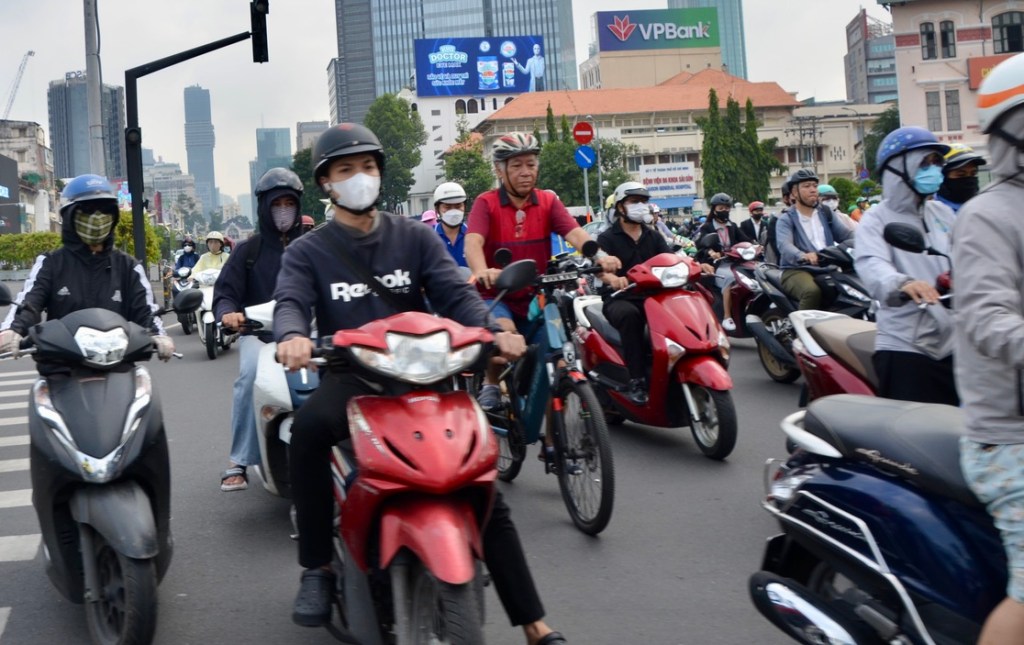
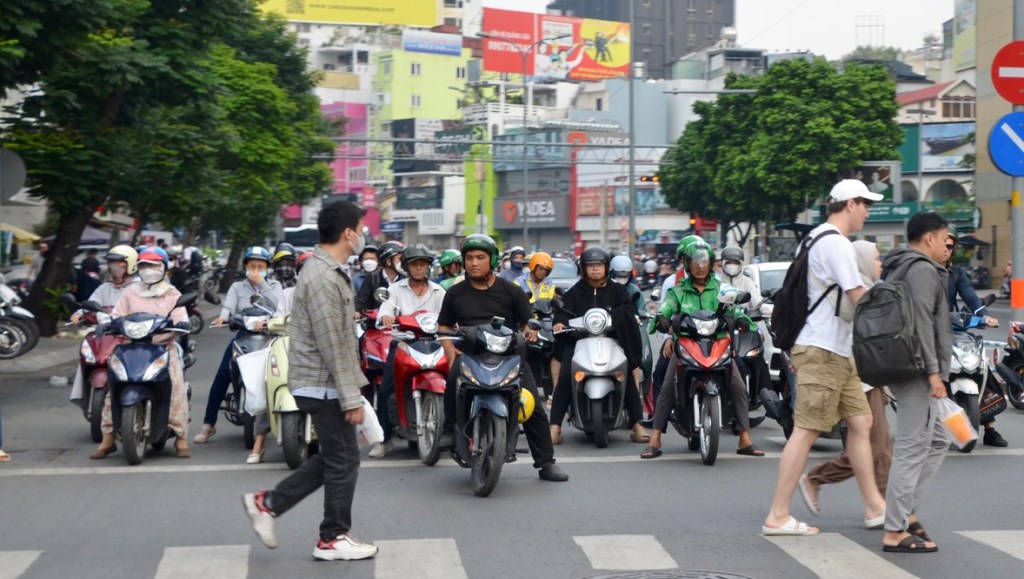
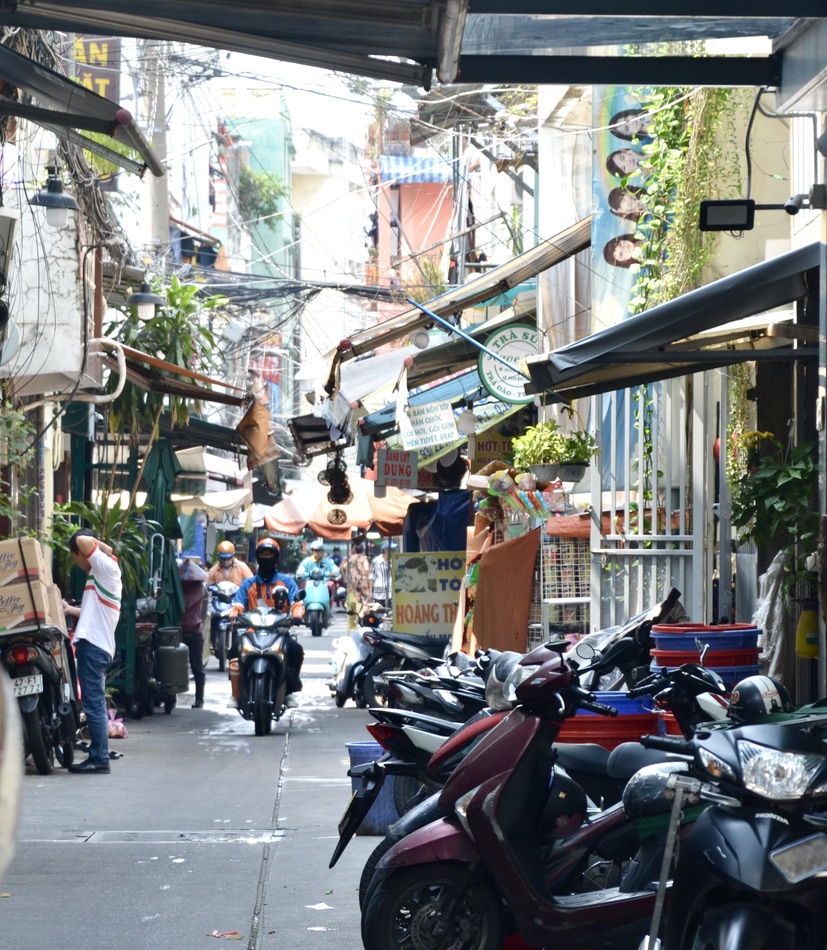
We read that there are over 8 million motorbikes in Saigon, so travelling the roads and alleyways at night is exciting. Even though there were cars and motorbikes all around us, it never felt unsafe – somehow it all works.

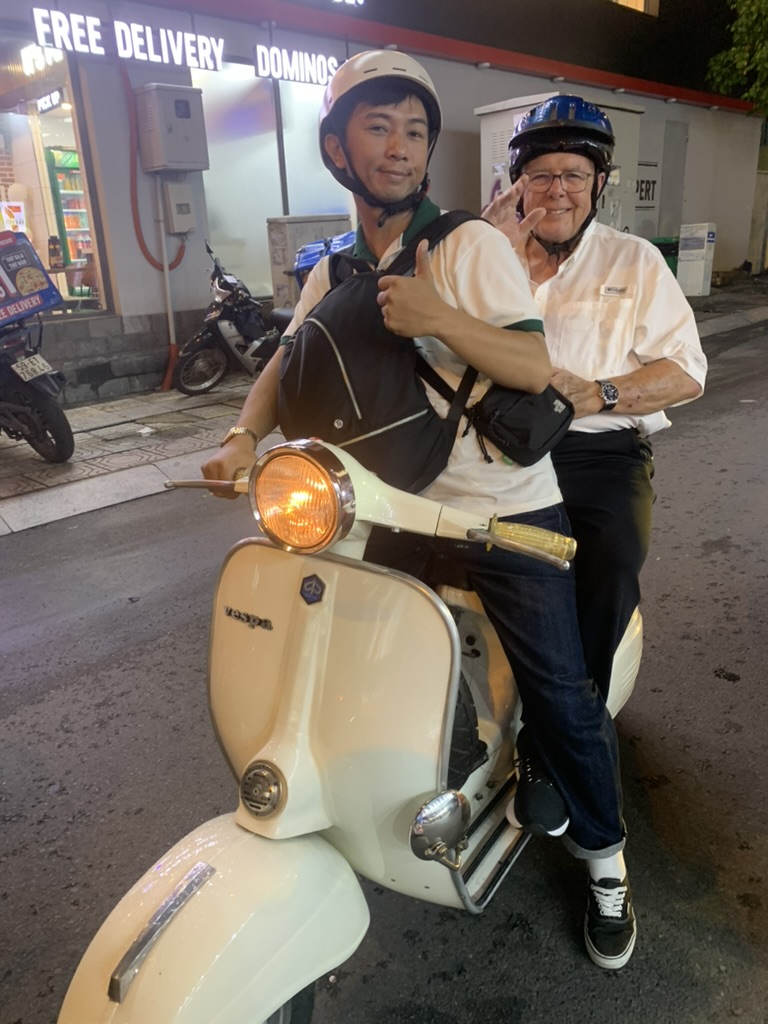
It is hard to capture the experience in photos, especially when on the vespa, but the following will give you a glimpse of our adventure.

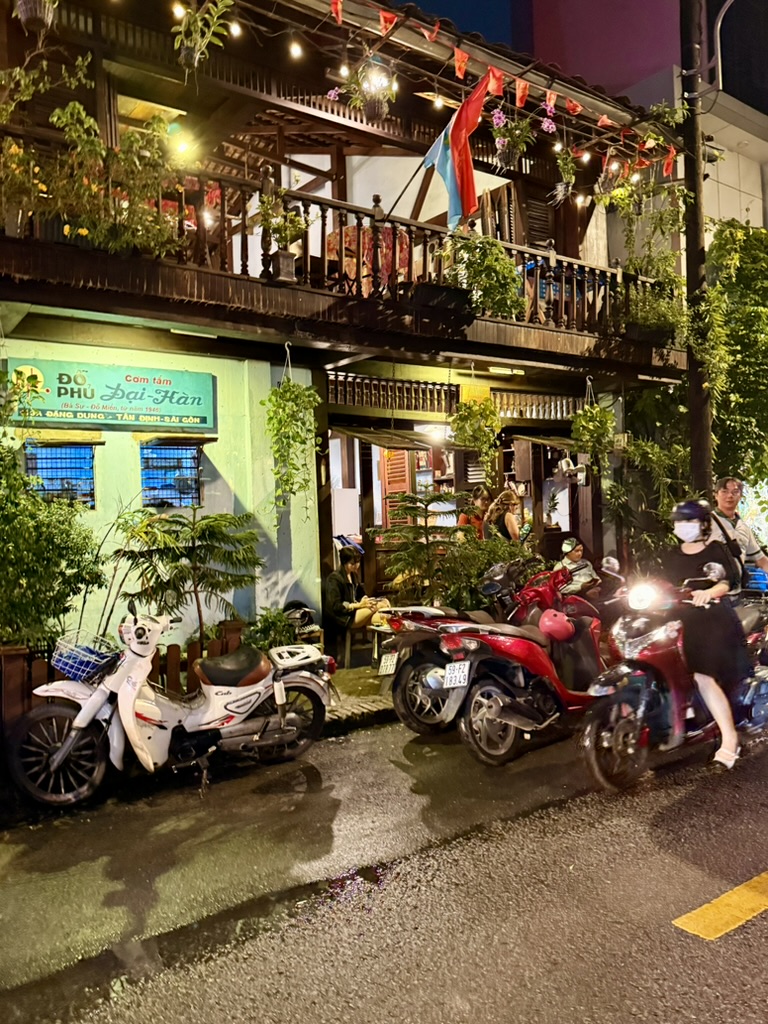
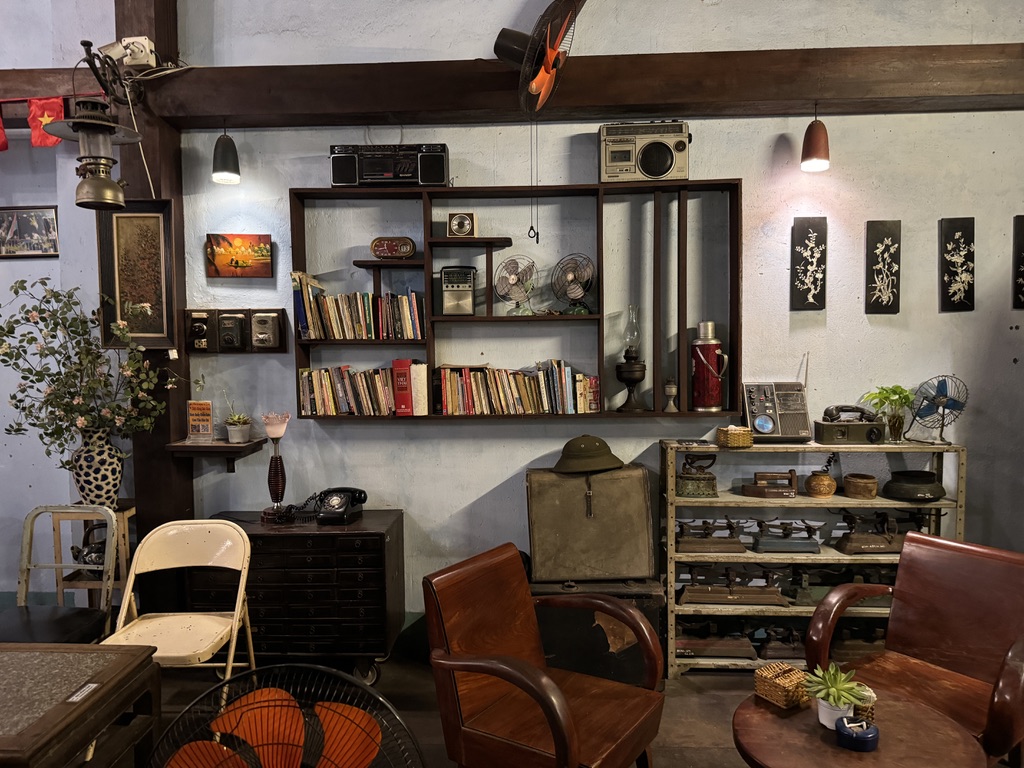
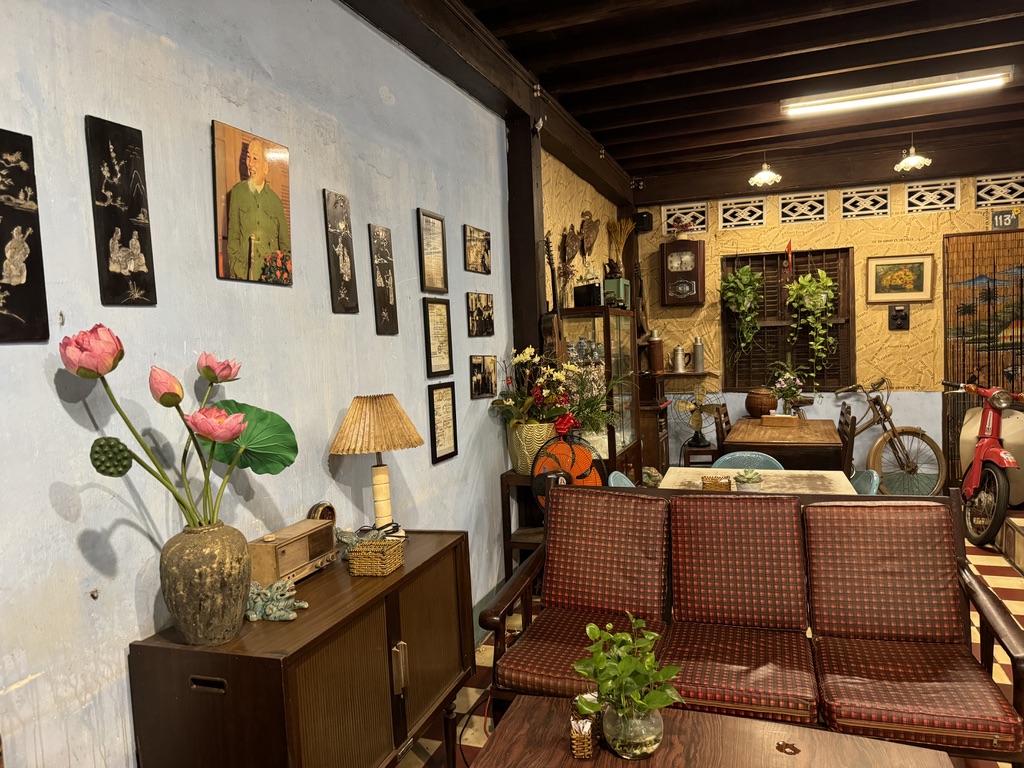
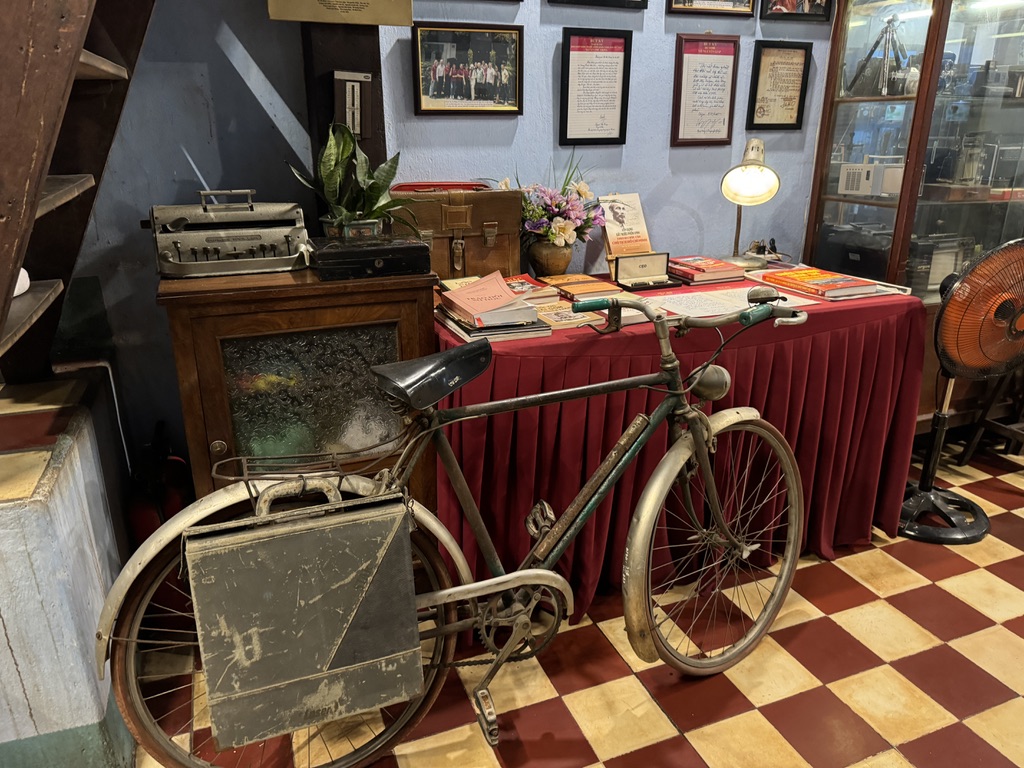
Before 1975 the Do Phu – Dai Han Coffee Shop was a simple eatery, but in 1975 it became one of the secret operating bases of the Saigon Special Forces. The house was used by the revolutionary side as a place for meetings, exchanging secret letters and documents, and hiding officers. Much of the main floor has remained the same which is a reminder of those dark times.

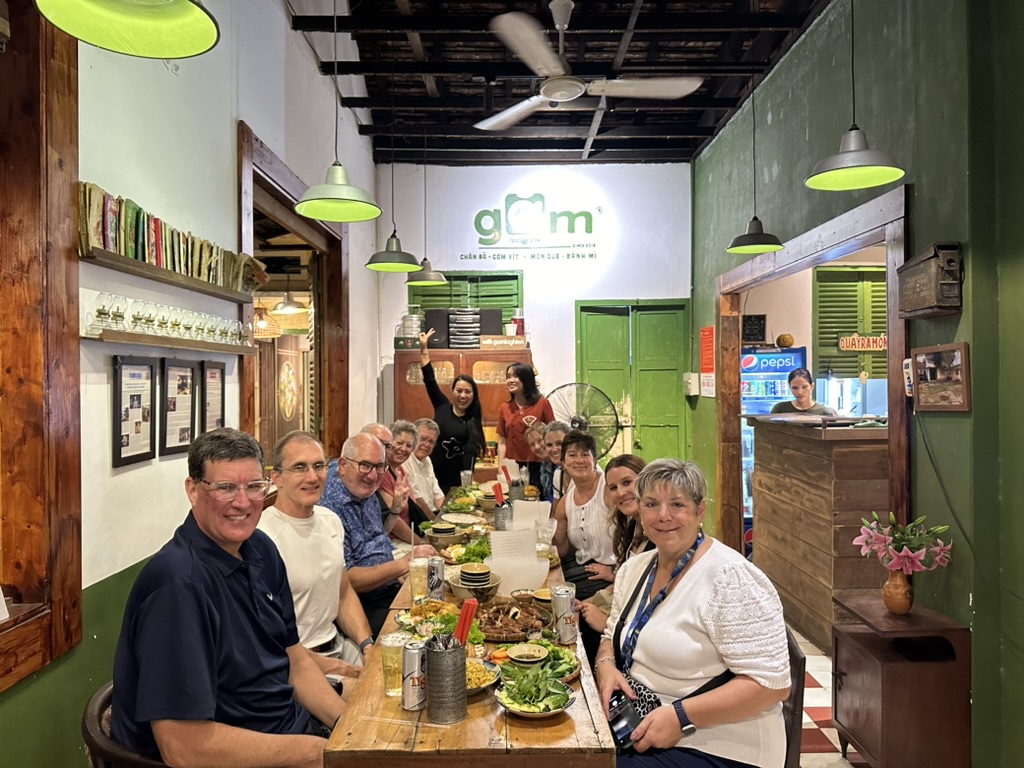
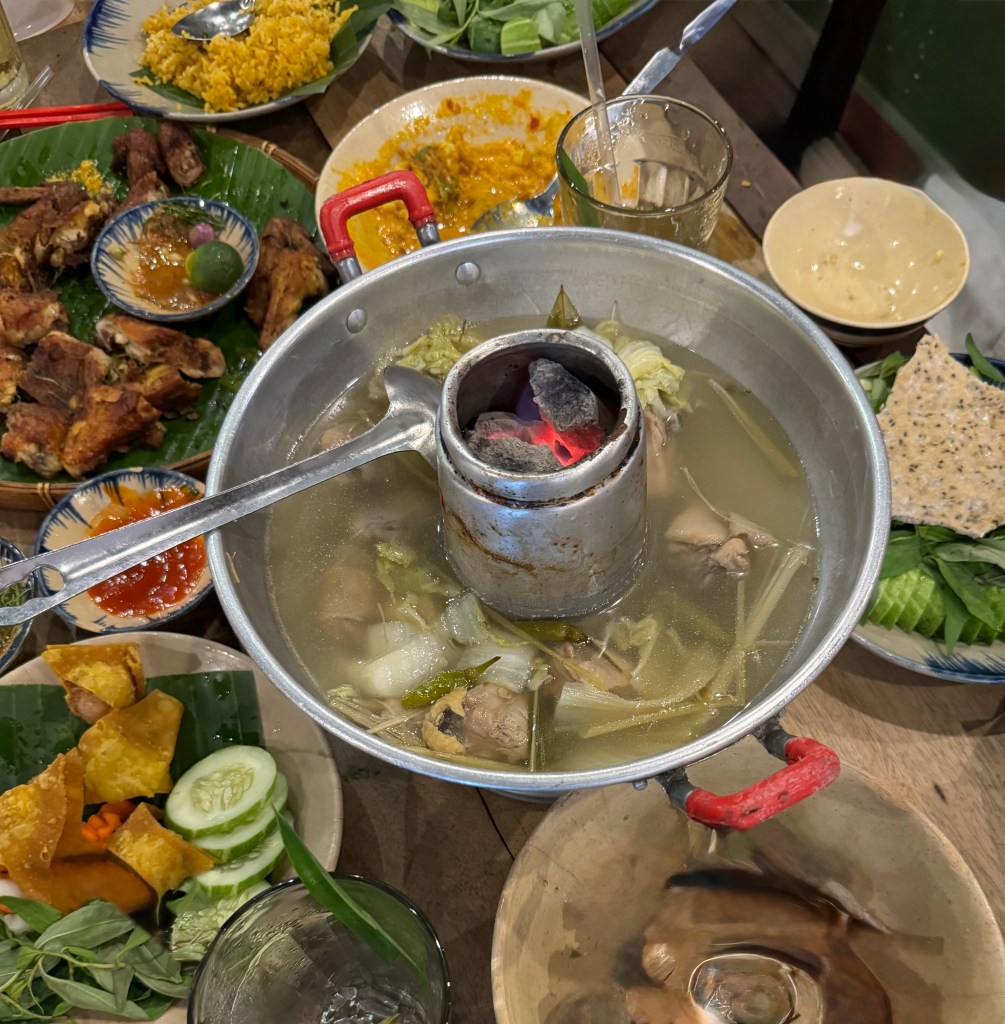
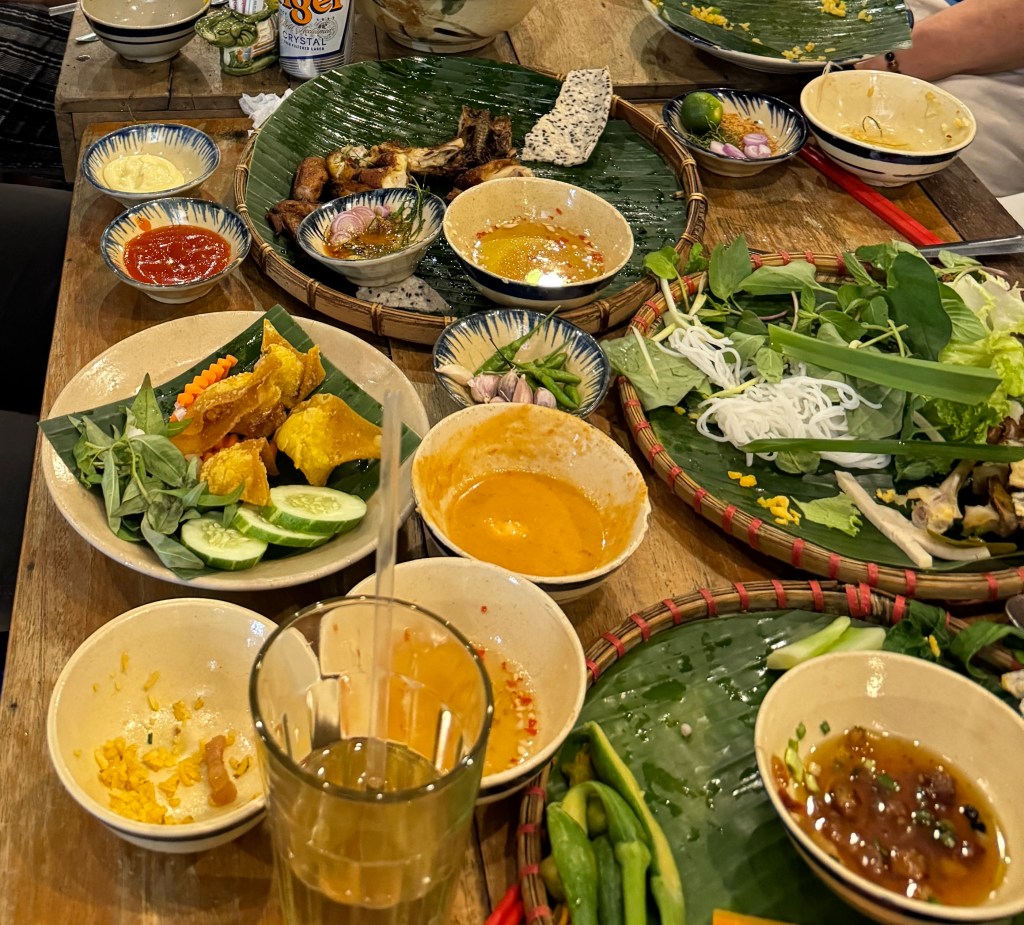
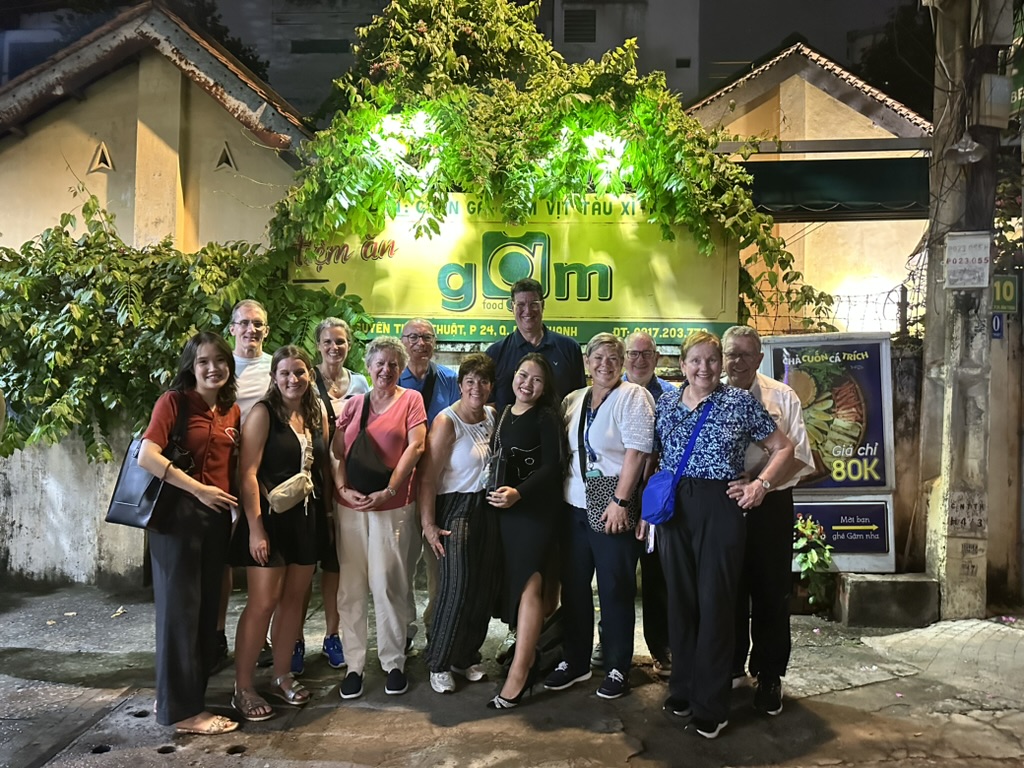
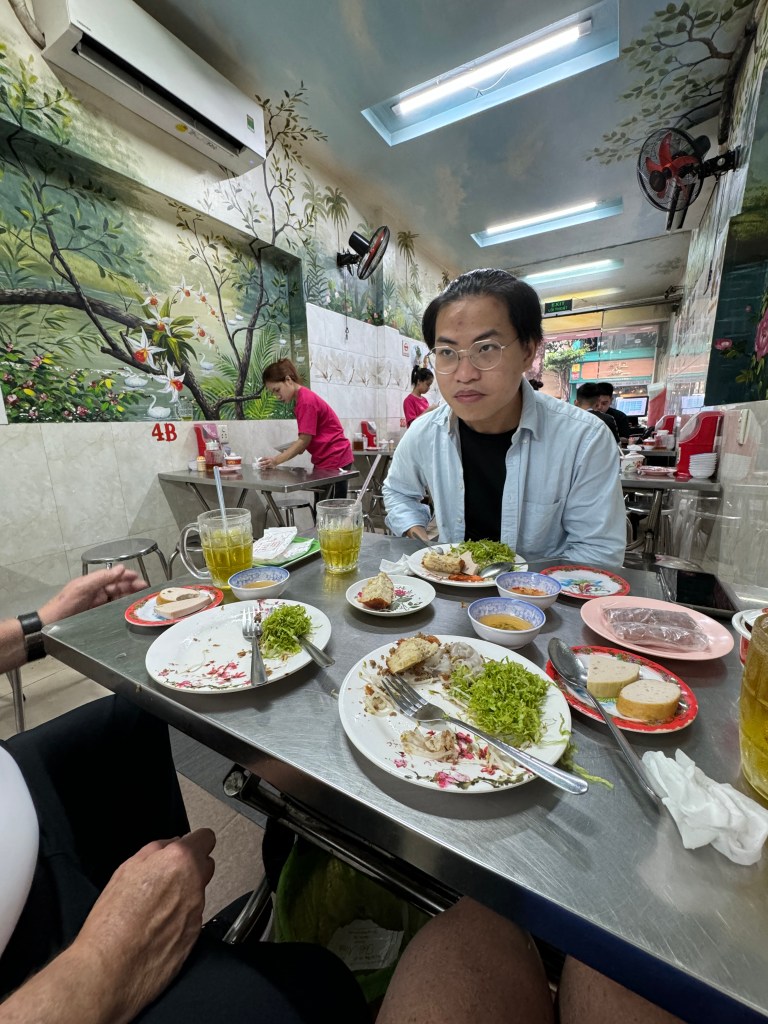
Next stop dinner at Gam. The food was plentiful and there were so many choices – all really good.

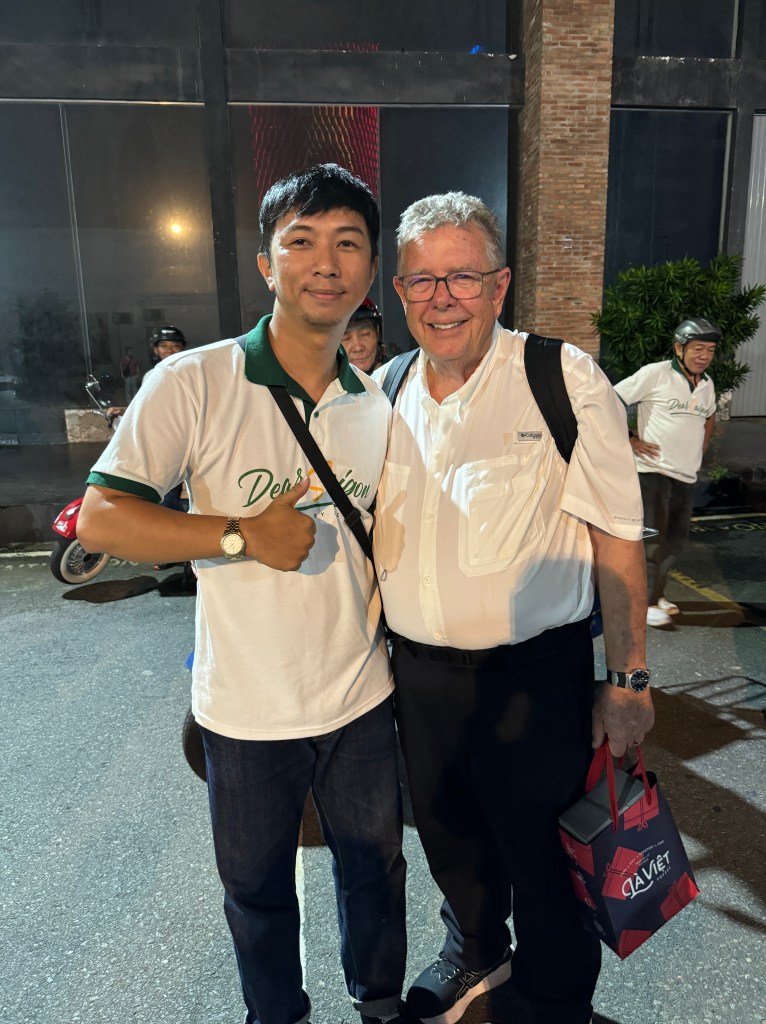
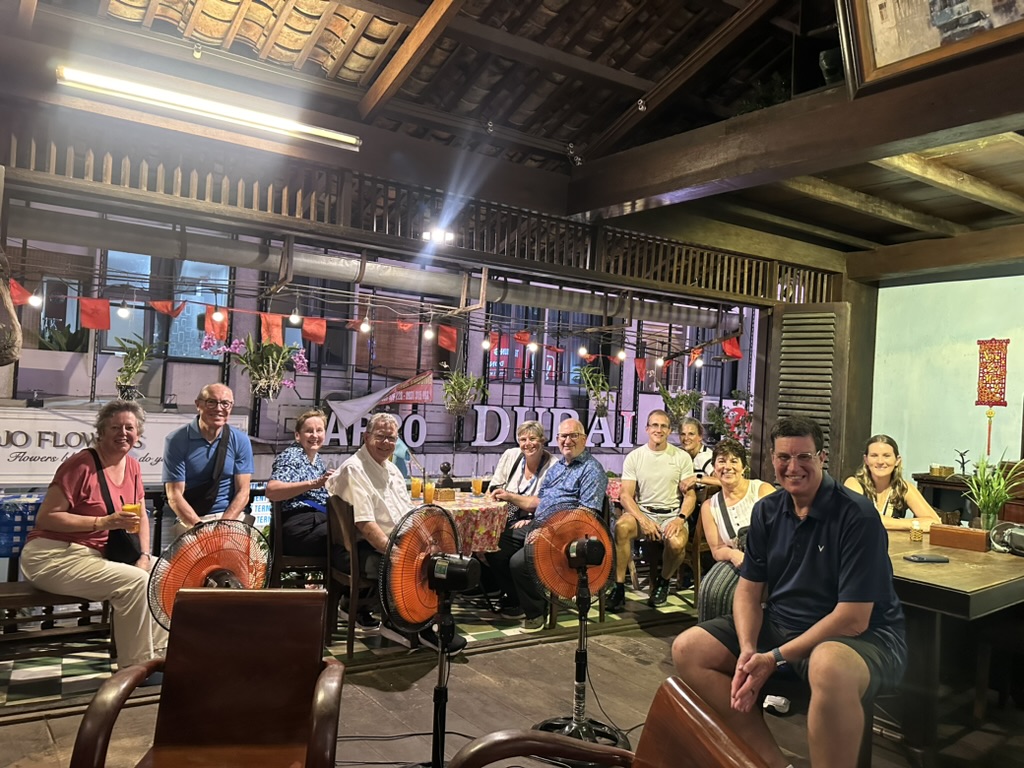
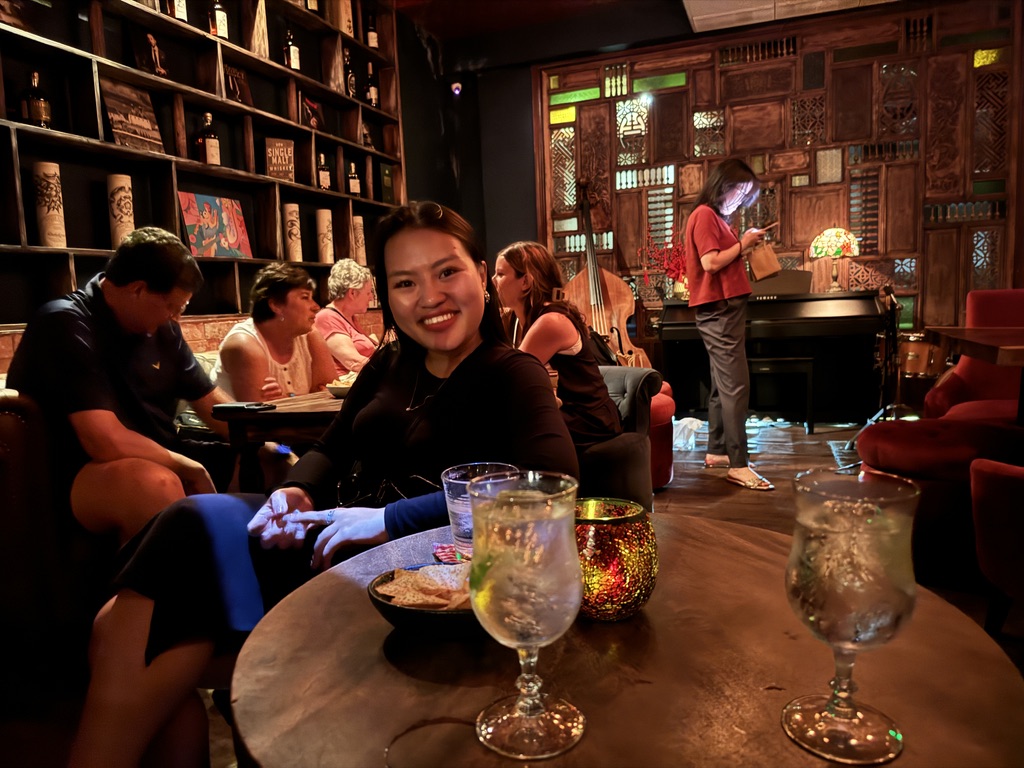
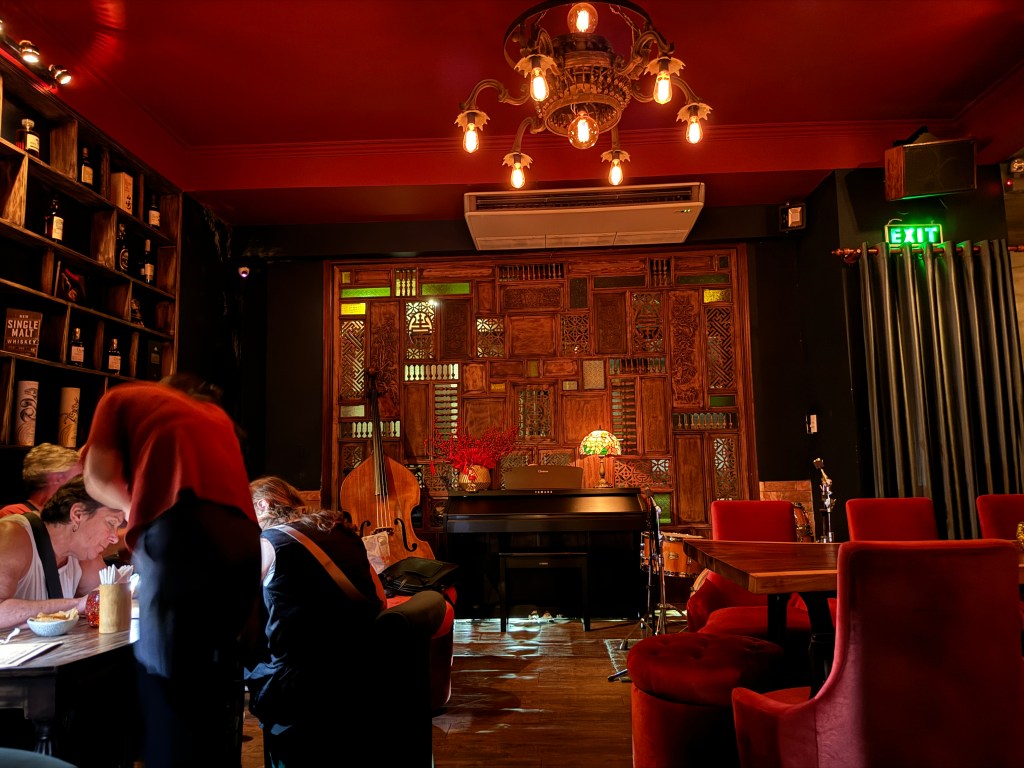
Our final stop was a Speakeasy/bar. We all said that we would love to go back on the weekend and enjoy the entertainment – but it will have to wait until next time. In addition to our drivers we had two knowledgable guides who were lots of fun.
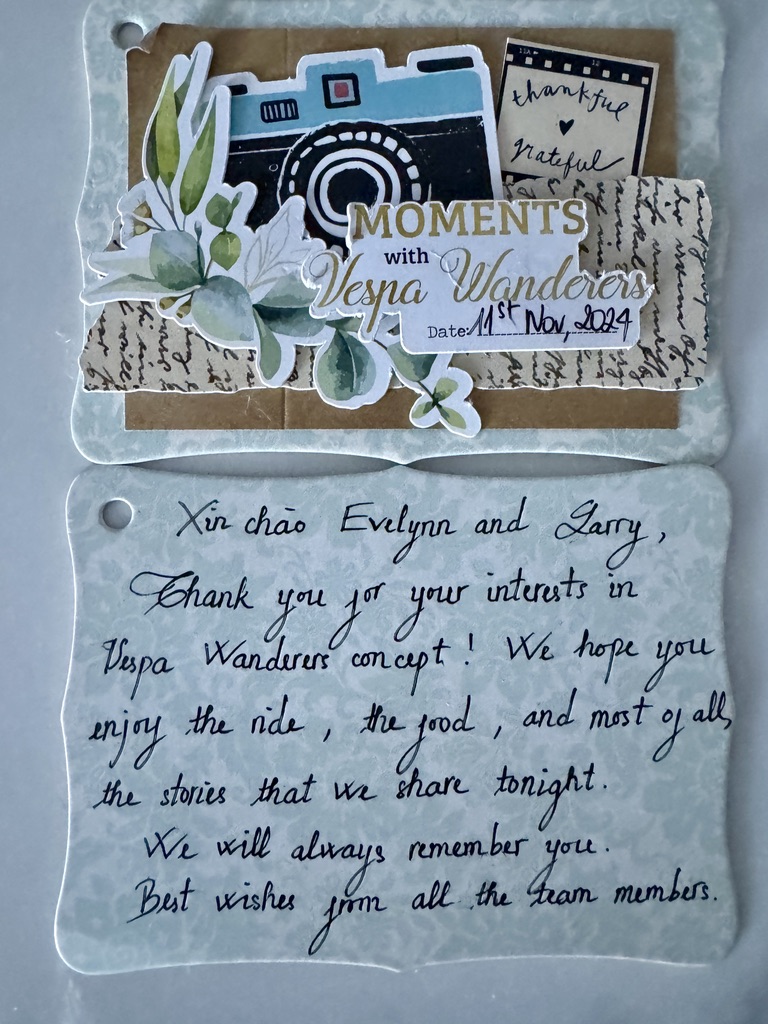
At the end of the evening, each couple received a photo book and note to remember their time with Vespa Wanderers.

It is always a risk inviting others to join a tour, especially on the back of Vespas at night when the city comes alive with a dazzling display of lights and noise, and you are travelling in dense traffic, with a seemingly endless flow of motorbikes, cars, and buses filling the roads. So, did the others like the Vespa tour? Bev called it “brillant” and Josée wrote, “Between day one and day two, we experienced so much of traditional foods and some activities typical to Vietnam. Vespa tour though to me was the most amazing thing we have done so far. It was so wild and so exciting, I can’t find the words to say how much we loved it. It was freaking amazing 🙌🏻🤪”. So the answer is a resounding “yes” and sharing this adventure with others made it even more enjoyable for us.
To travel to Saigon is to experience a meeting of old and new cultures, a bustling metropolis of skyscrapers and traffic juxtaposed with traditional markets and alleyways lined with local coffee shops and street stalls. It was so different than the other ports we visited. Thank you Alice for making our time in Saigon so special.

Saigon (Ho Chi Minh) Vietnam

Nov. 11th – 12th: As mentioned in my previous posts, our stop in Nha Trang Vietnam was cancelled due to docking issues, so we had an additional day at sea before arriving in Saigon the morning of Nov. 11th.

We were excited to return to Saigon, especially since we’d be meeting up with Alice from Vespa Wanderers. Our connection with Alice goes back six years, when we first met during a night foodie tour organized by Scenic River Tours in partnership with Vespa Wanderers. We had such a fantastic time that I stayed in touch with Alice afterward, eager to recommend her tours to others. Over the years, I did just that—and always received positive feedback.

When we realized we’d be in port in Saigon for a couple of days during our East Asia trip, I reached out to Alice. She helped us organize three unique tours, and even made time to meet us for lunch. Reconnecting with Alice and taking the Vespa Wanderers tours turned out to be one of the highlights of our entire journey.

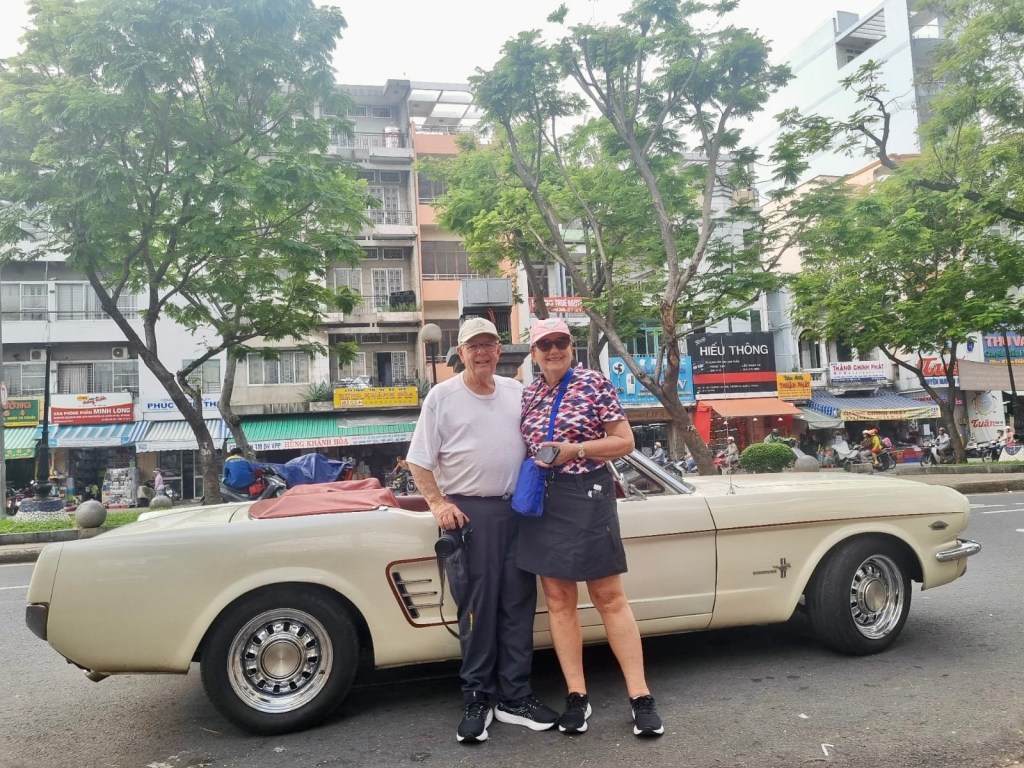
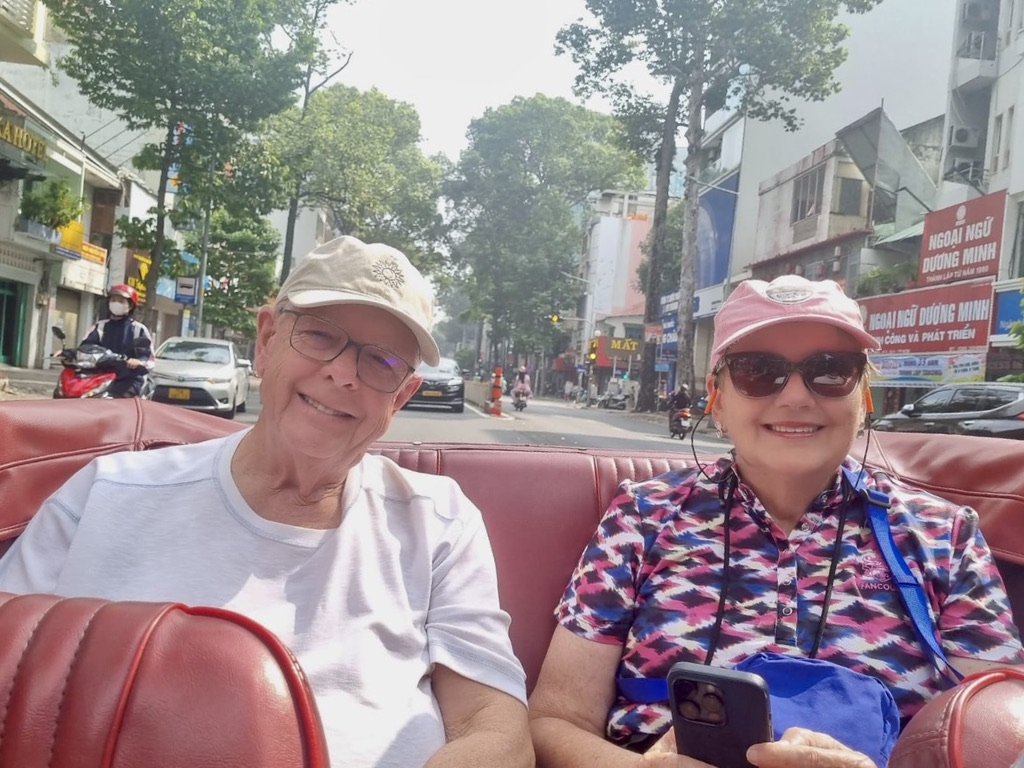
Day One of our two day stop in Saigon – Morning Tour with Vespa Wanderers: Alice arranged for a Vintage Mustang convertible, a driver and a guide “Mr Cat” – it was a fun way to see the city.

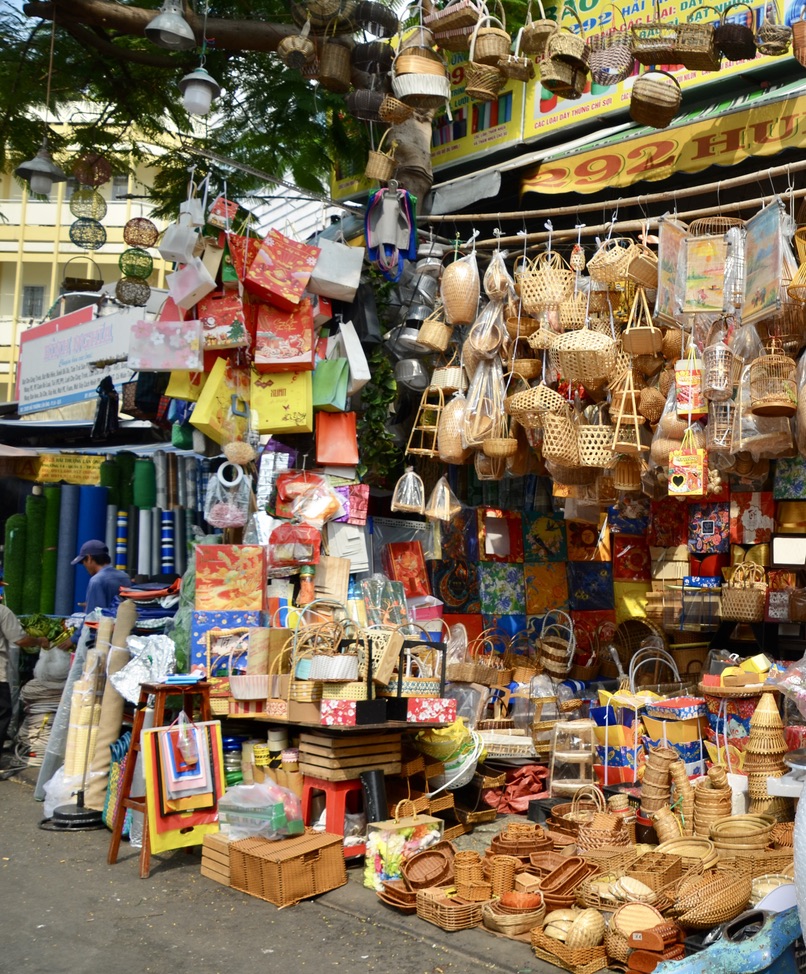
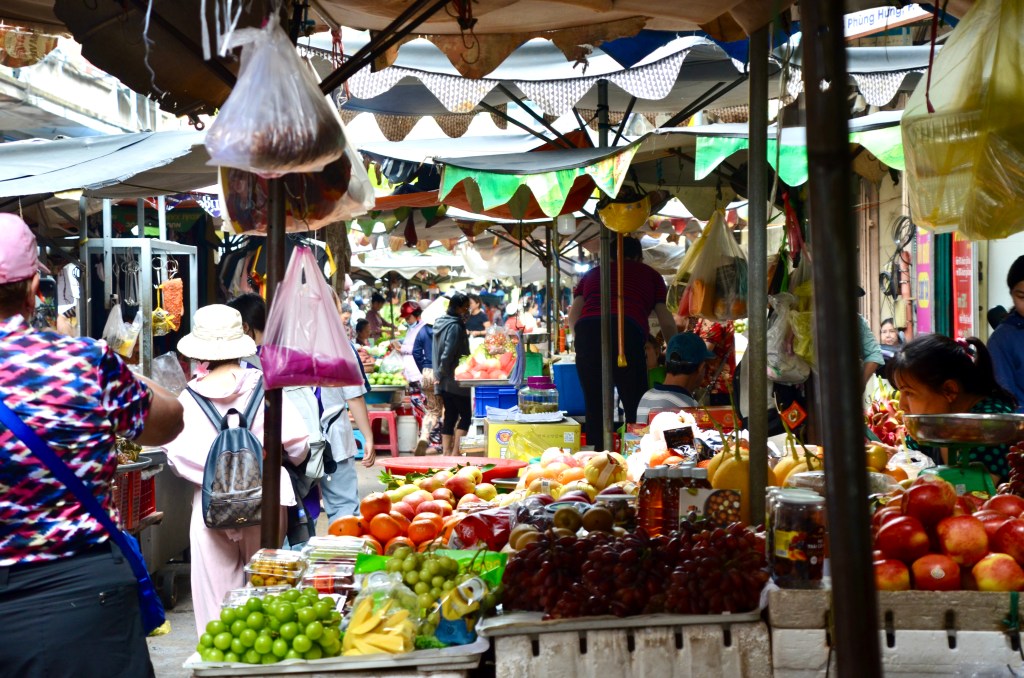
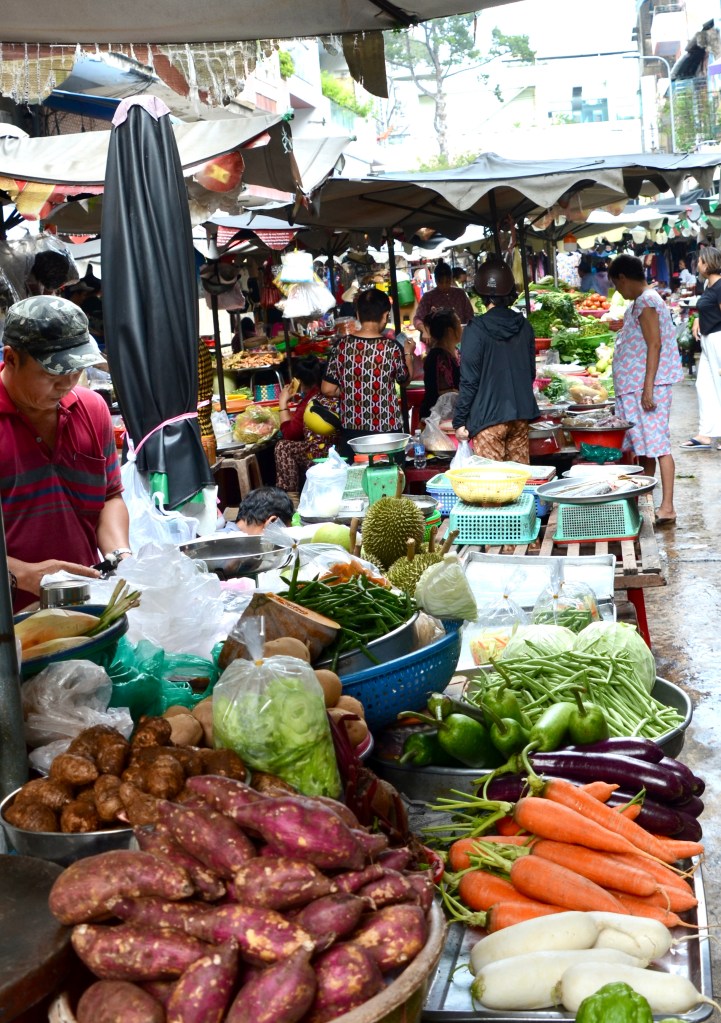
First stop was the markets.

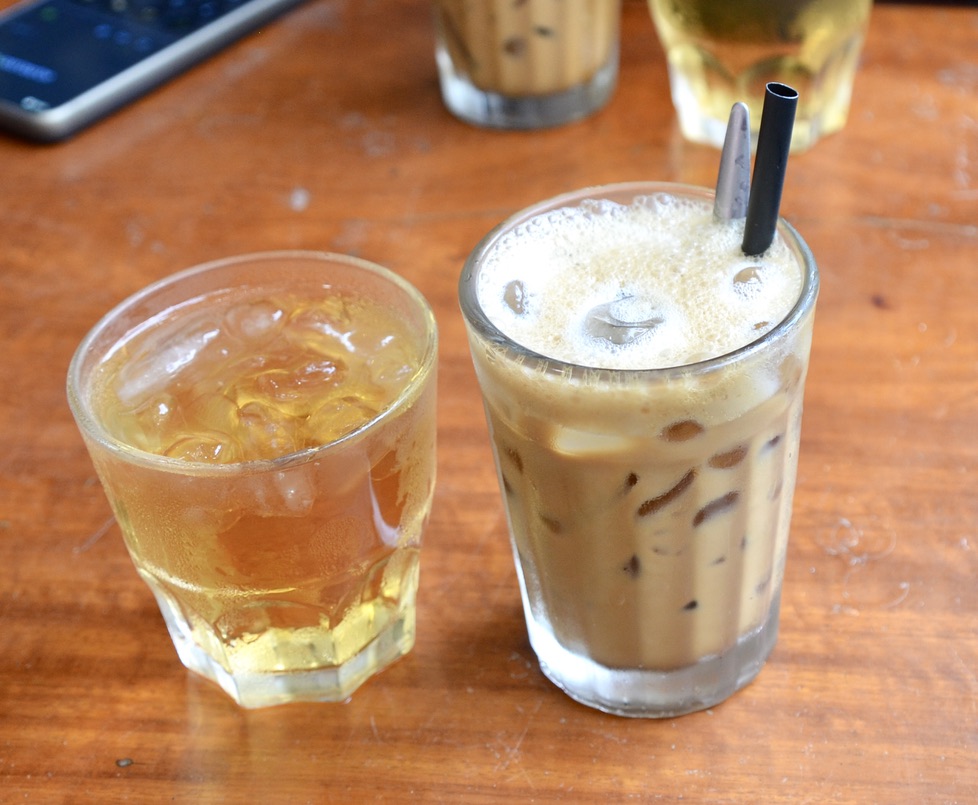
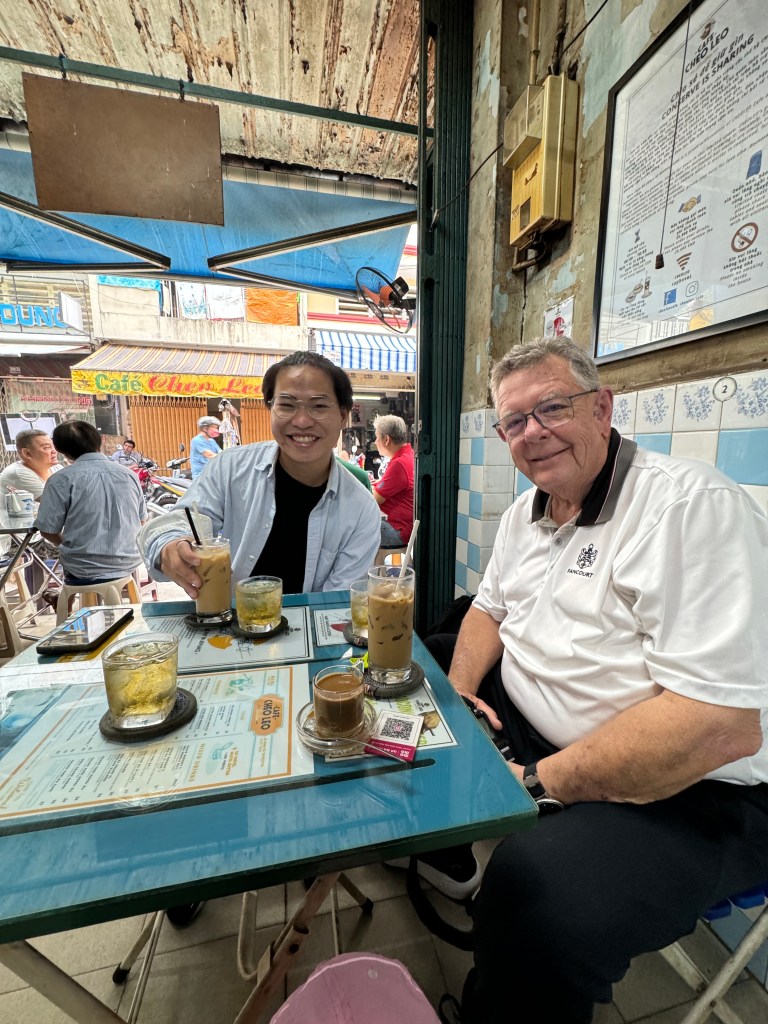
A trip to Vietnam is not complete without an egg coffee (iced this time).

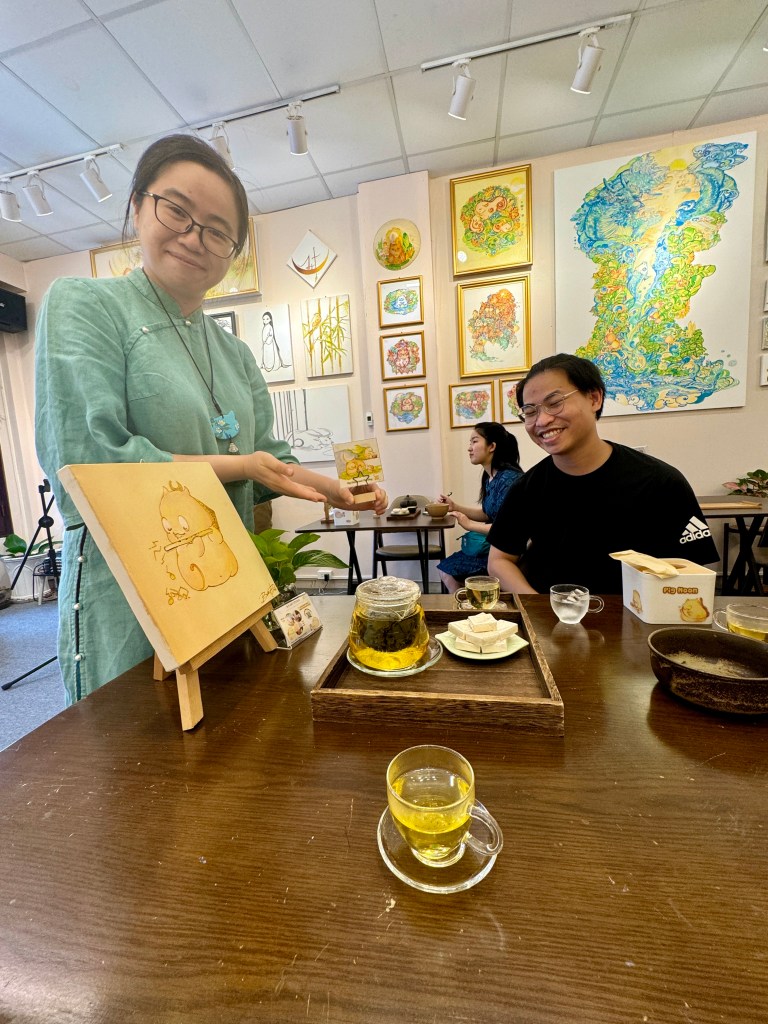
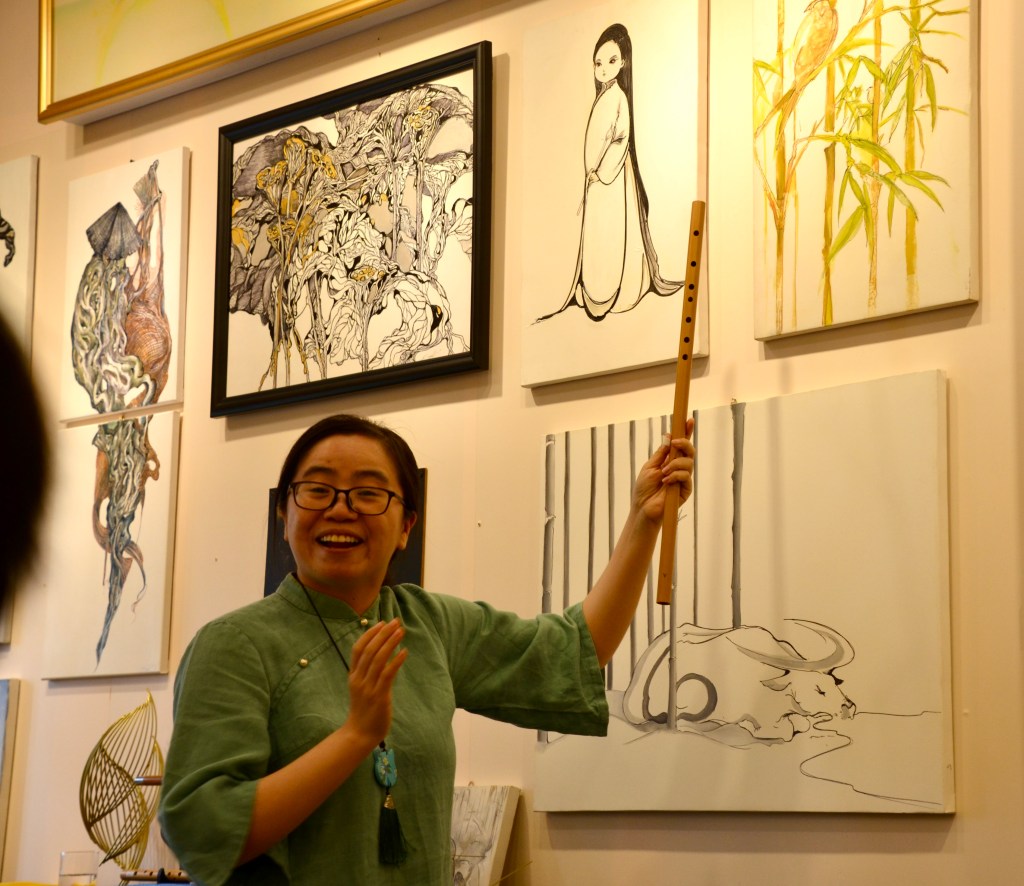
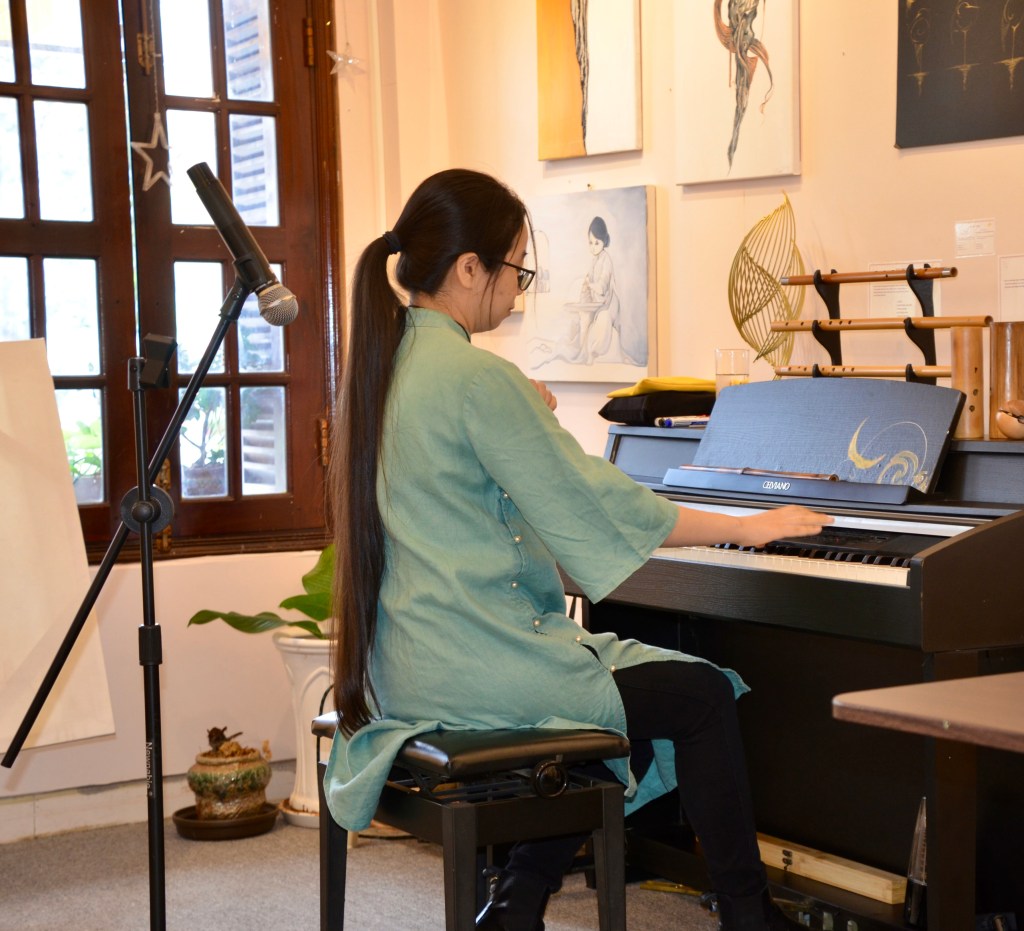
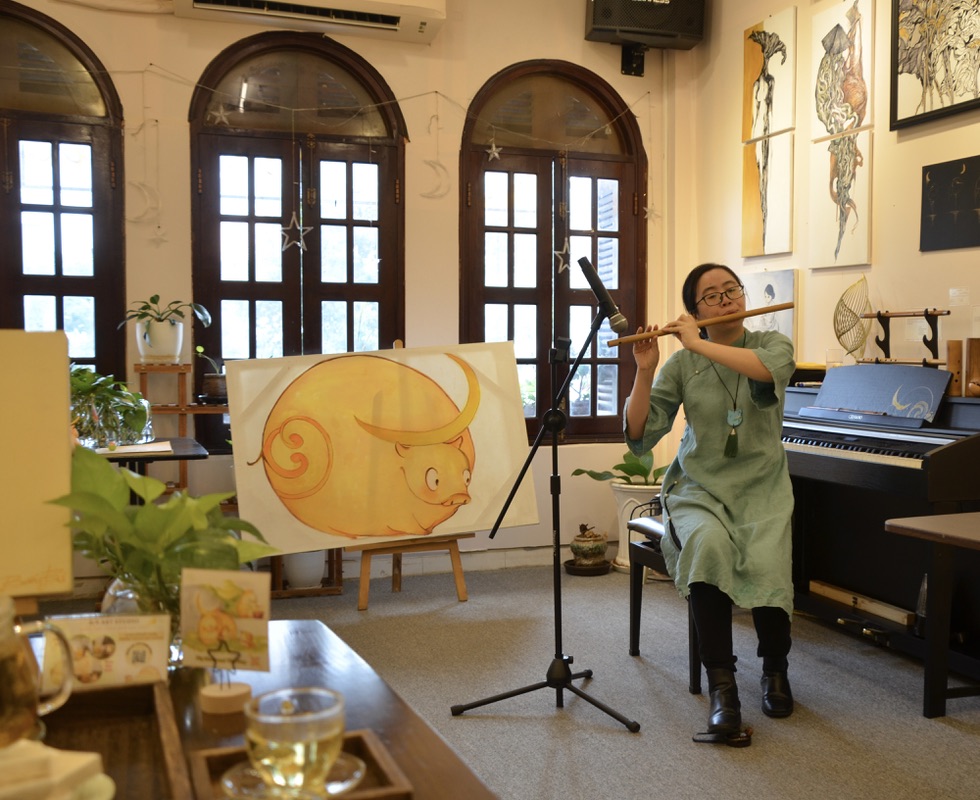
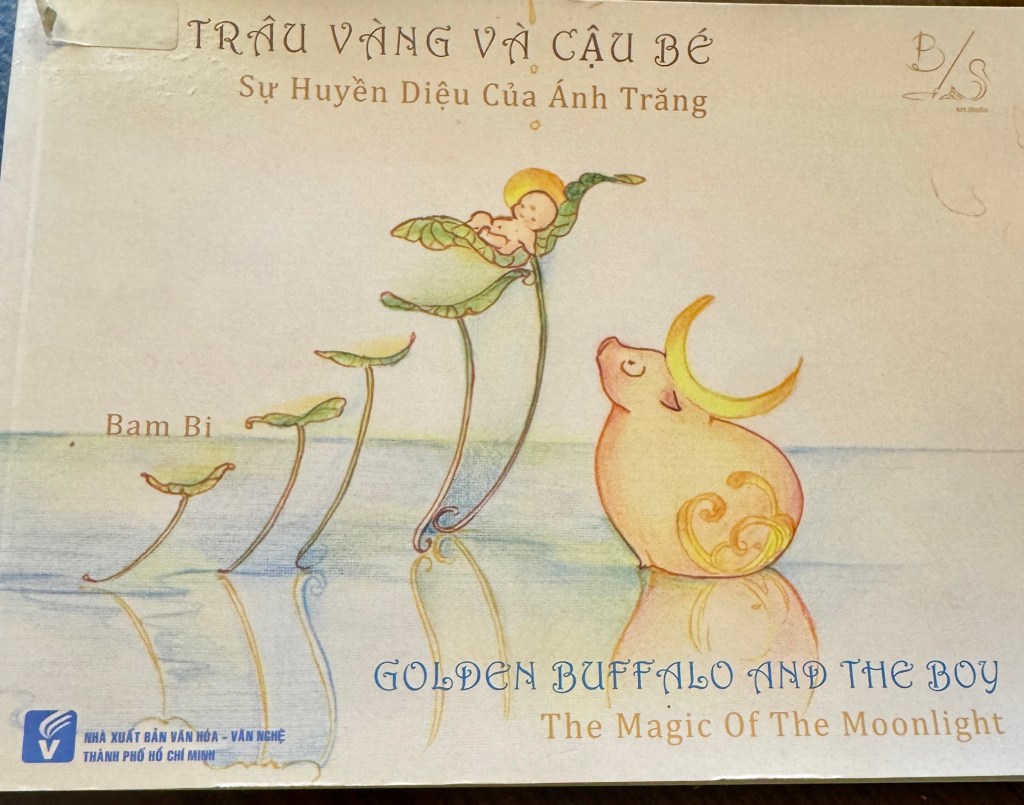
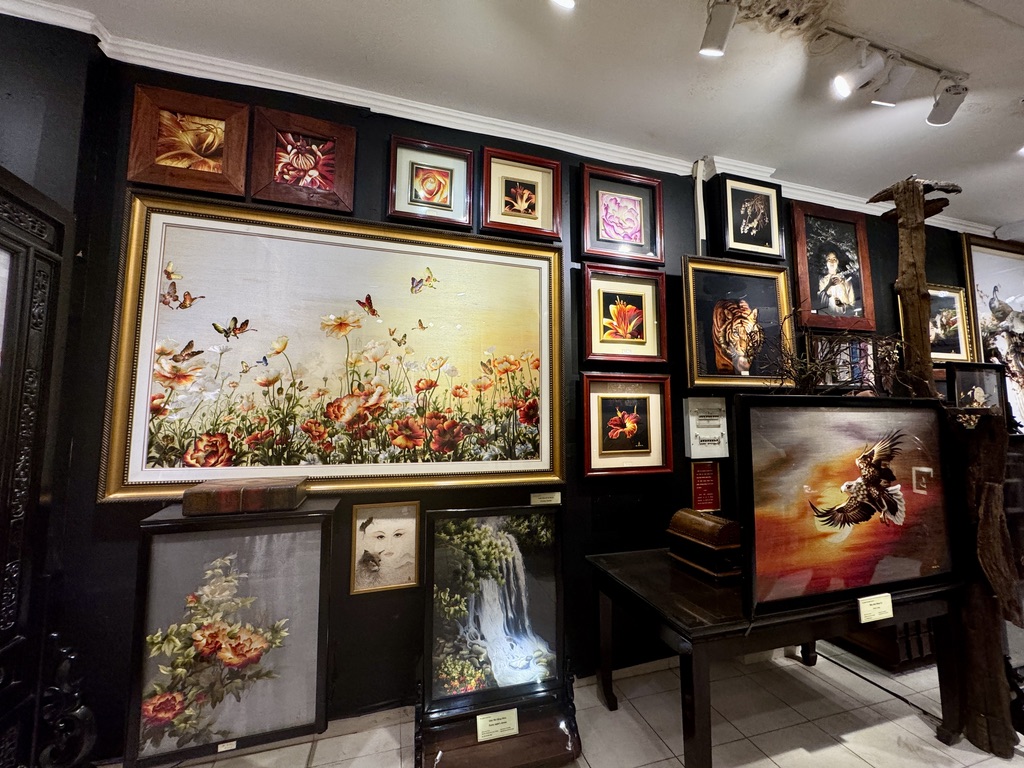
Next B/S Art Studio for a tea ceremony and private performance by Vo Hoang Phuong Uyen, a wonderful artist, musician and storyteller. Larry really enjoyed the flute performance.

We purchased a book written by Vo Hoang Phuong Uyen (pen name is Bam Bi) The story tells about the magical transformation and growing up journey of Golden Buffalo and the Boy.

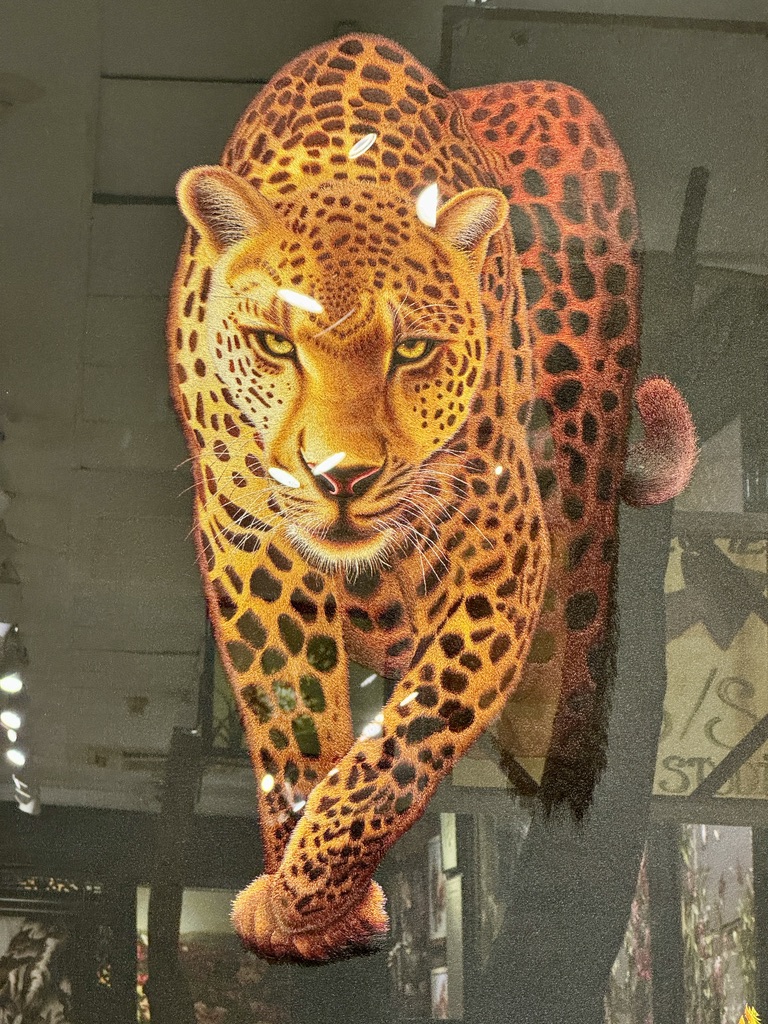
We admired the beautiful artwork on the way out of the gallery, but we resisted purchasing.

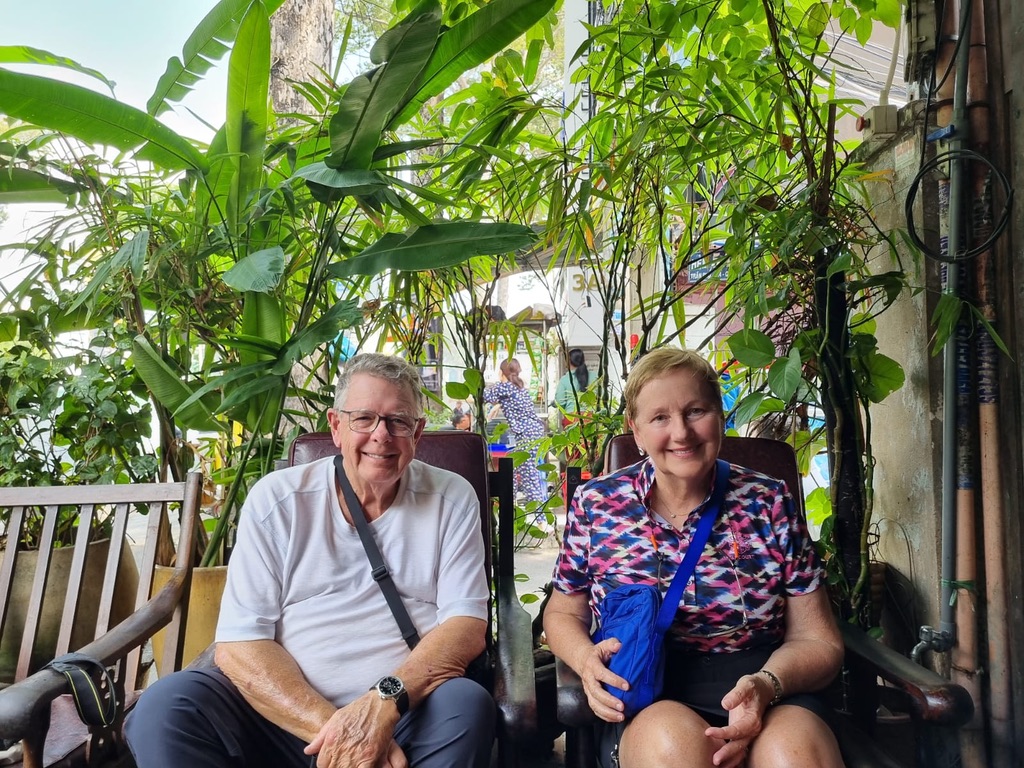
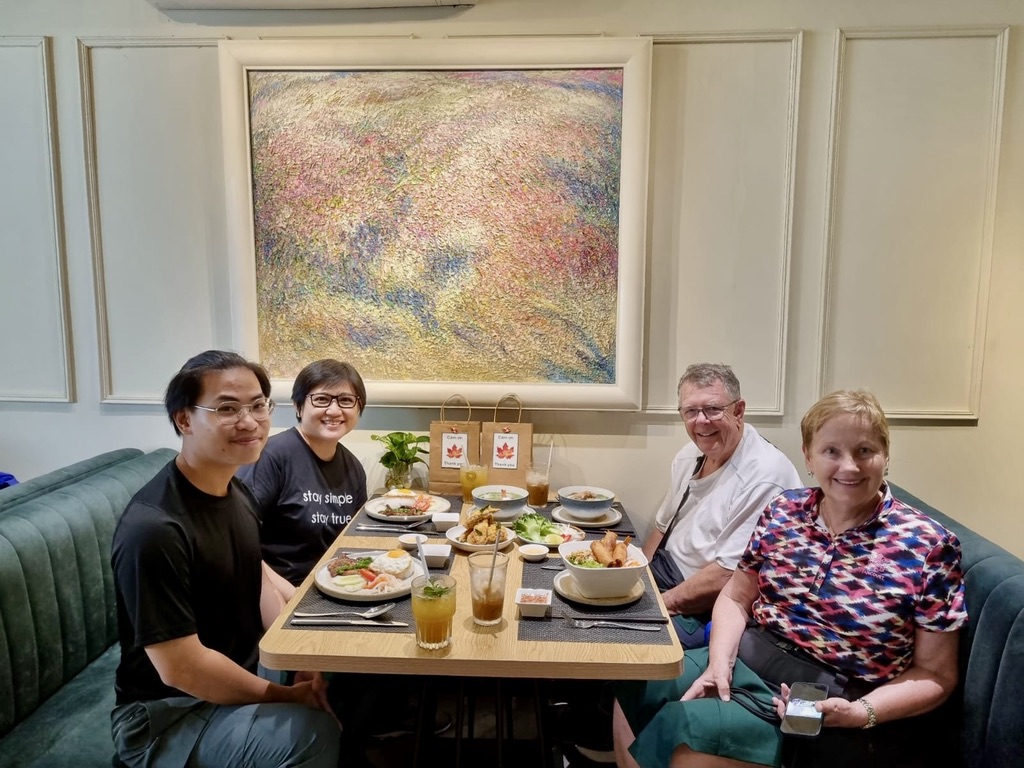
It was so nice to catch up with Alice over lunch. We brought maple syrup and maple fudge for Alice and Alice gave us several gifts to remember our time in Saigon. Thank you Alice for making our time in Saigon so special.

Lunch with Alice and our guide, Mr Cat

After lunch we headed back to the ship and prepared for our evening Vintage Vesta Foodie Tour. Due to the number of photos, I have done our foodie tour as a separate post.

Such a fun time touring in the Mustang Convertible

Morning of Day 2 in Saigon: Before we set sail on day two in Saigon, we did our last tour with Vespa Wanderers. Mr Cat was once again our guide and although it was a short tour (ship set sail at 1:00 p.m.), it was very enjoyable.

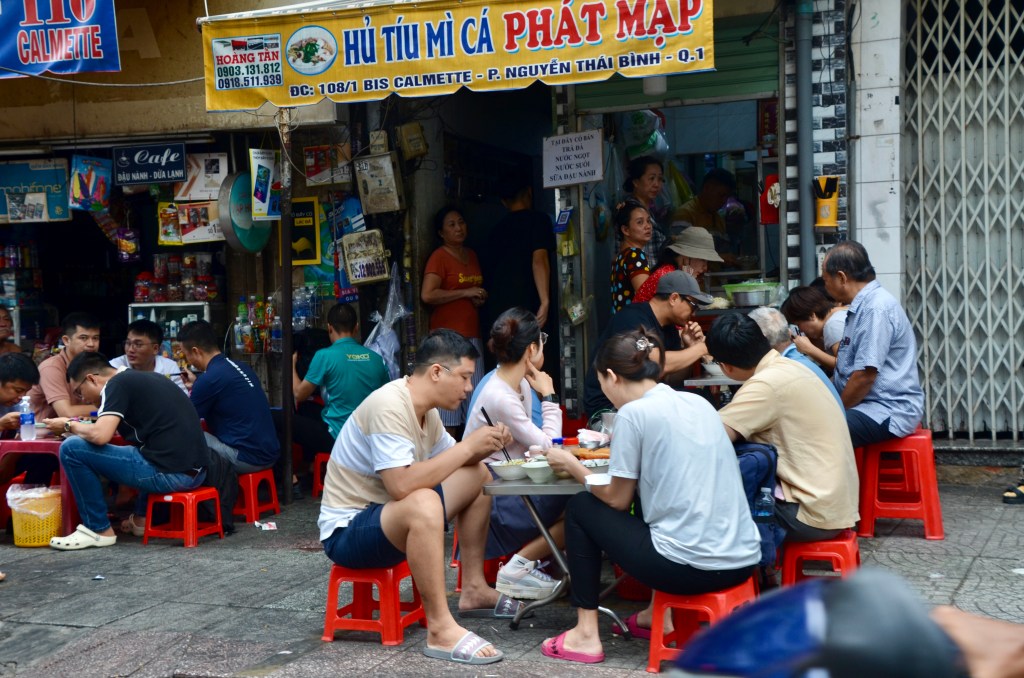
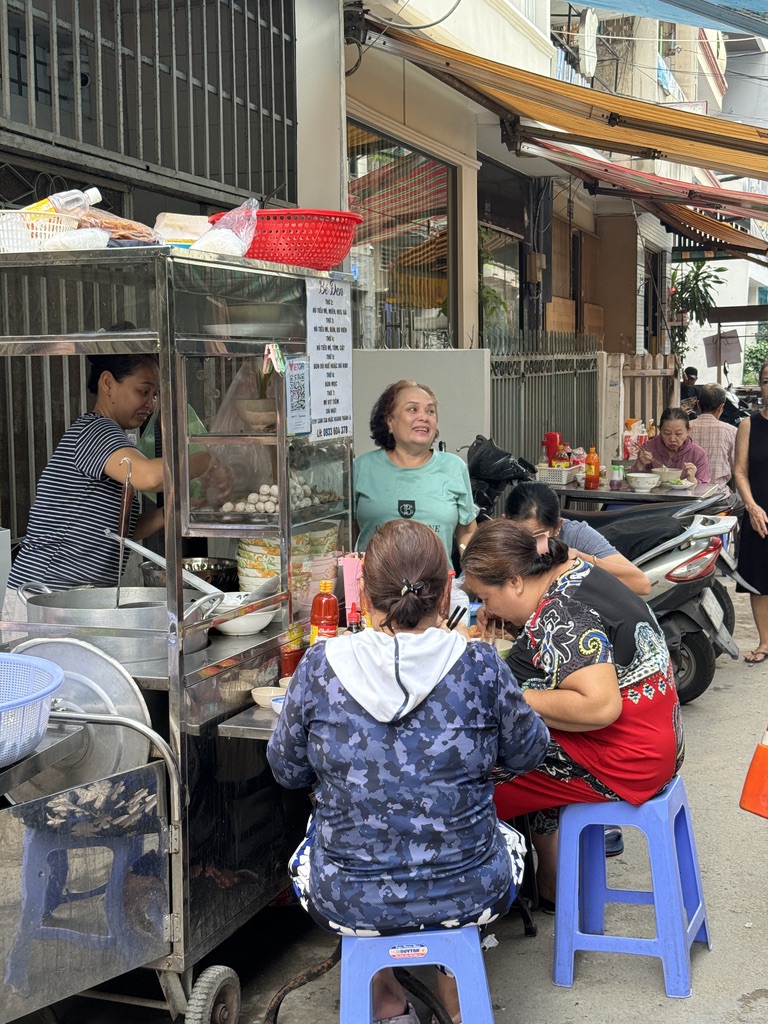
Next Stop was breakfast at one of Mr Cat’s favourite spots; as you will see from our photos it was more like a lunch time meal for us, but again so good.

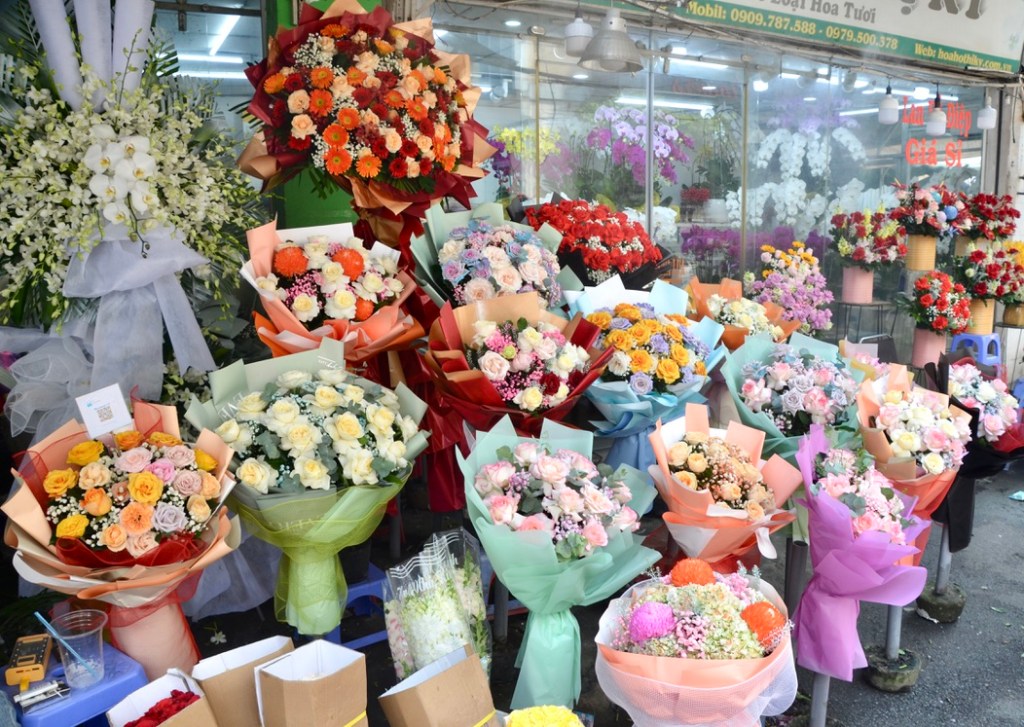
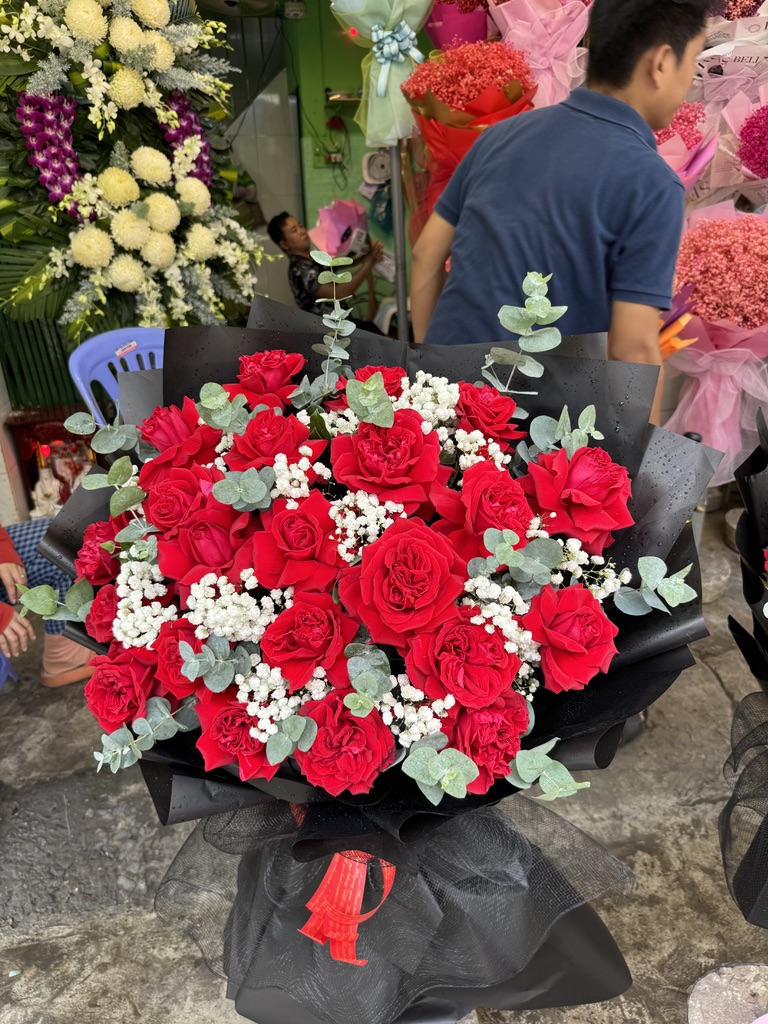
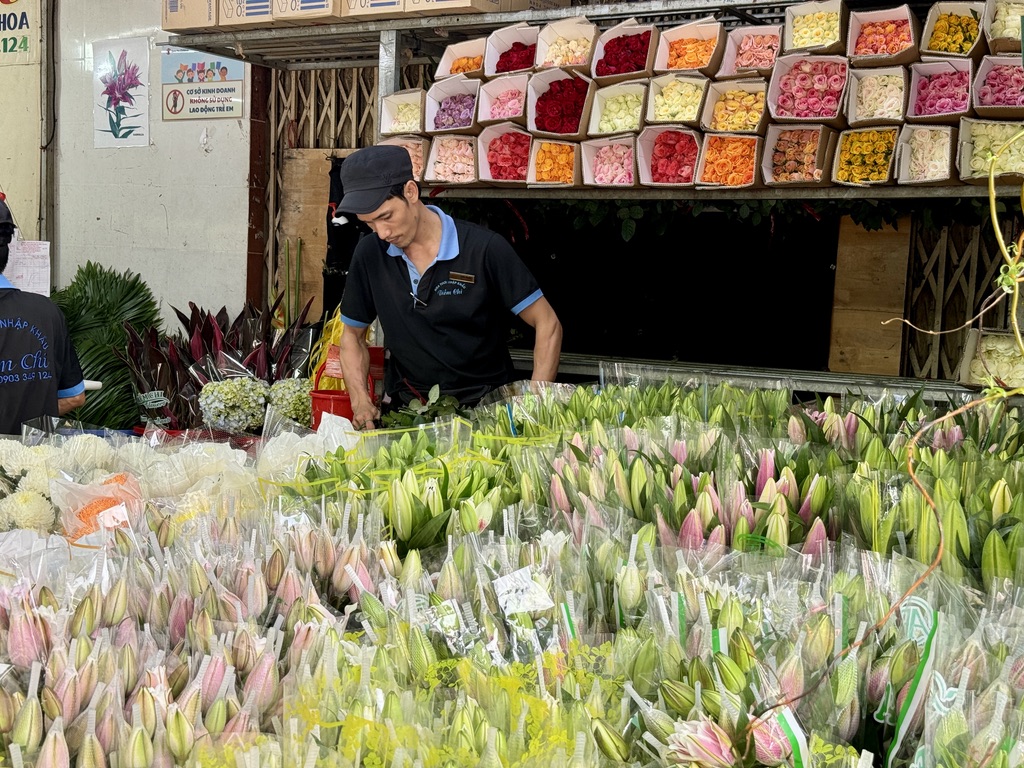
Next we headed through the busy streets of Saigon and stopped at a flower market.

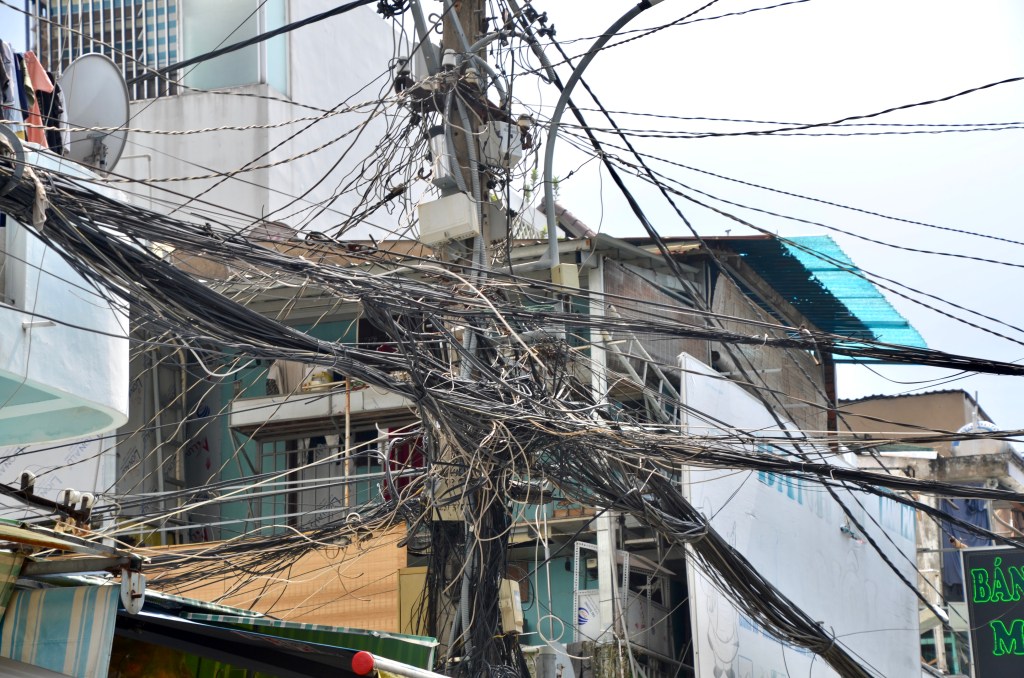
Somehow these tangled wires provide power

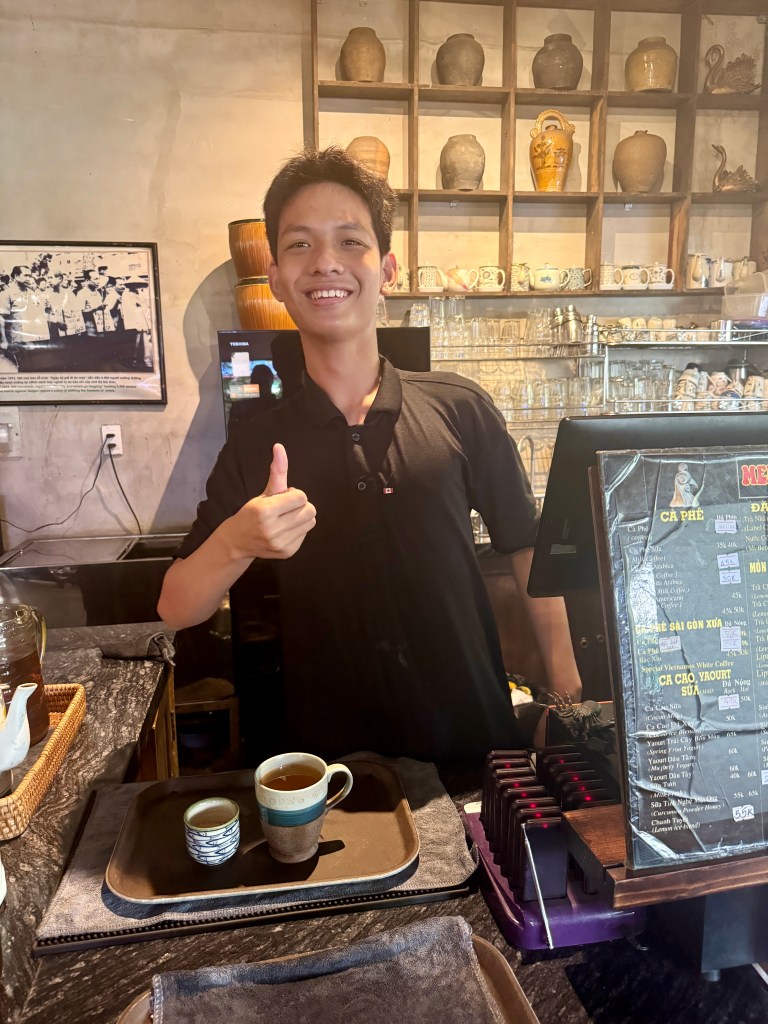
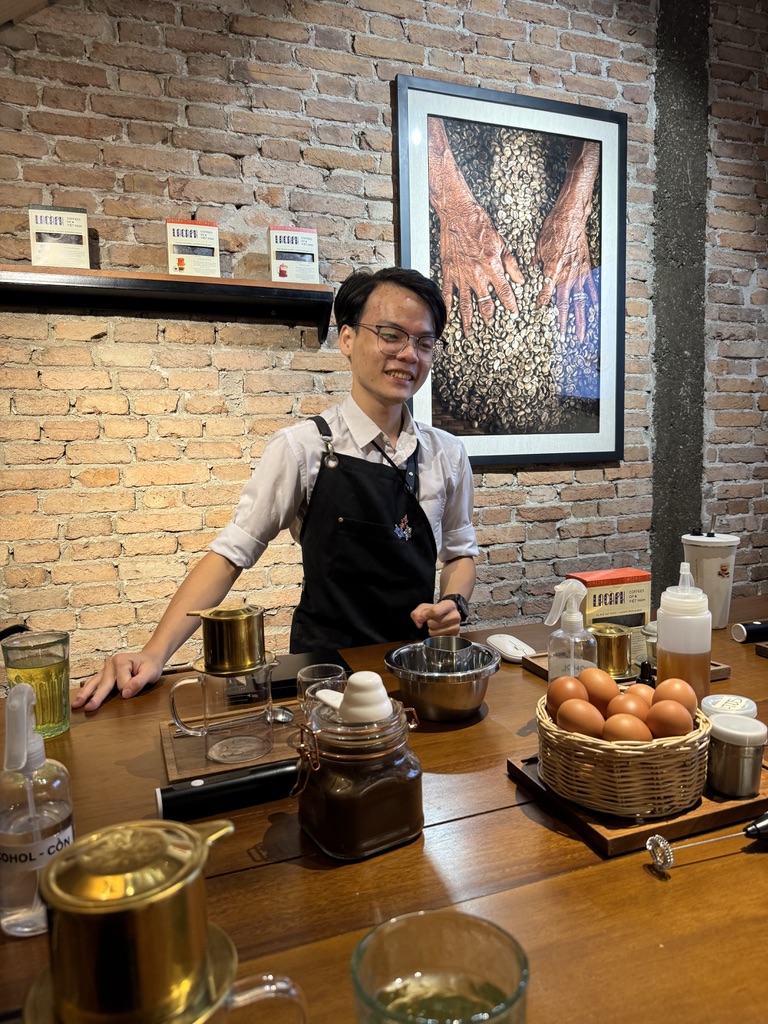
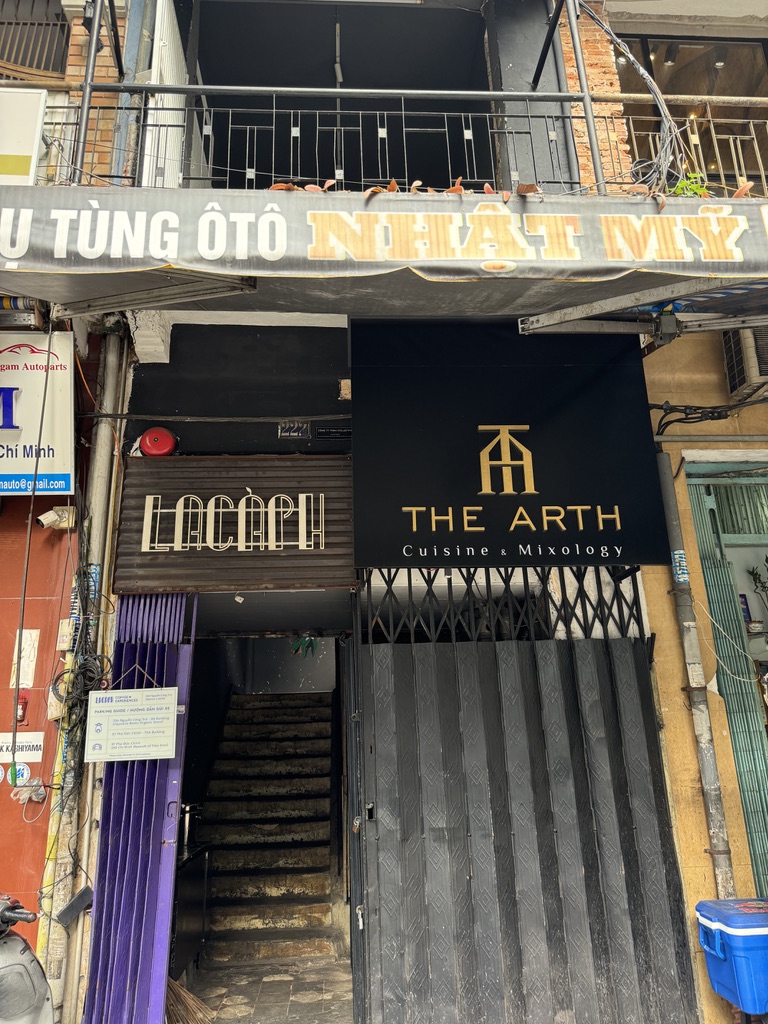
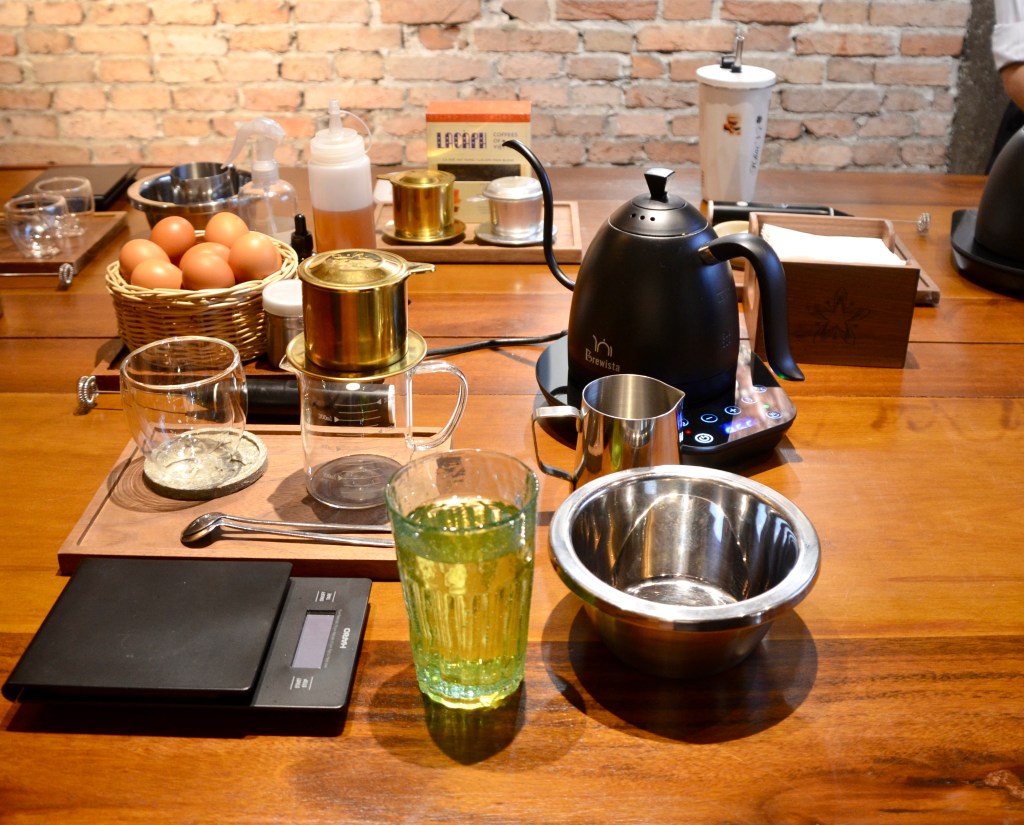
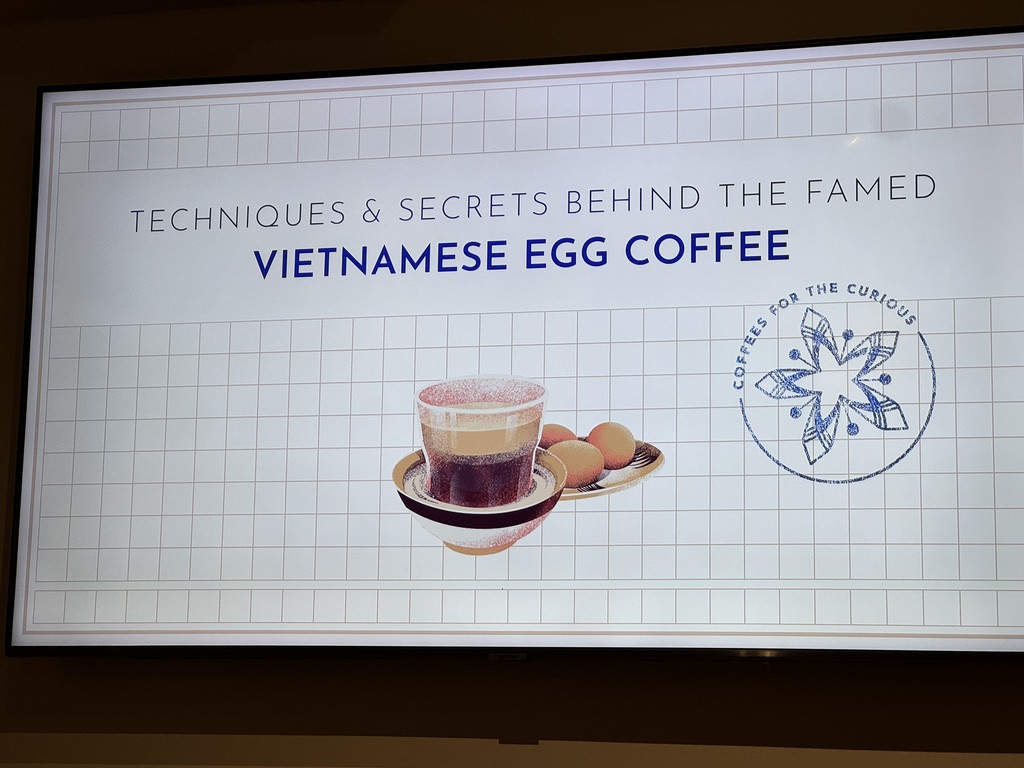
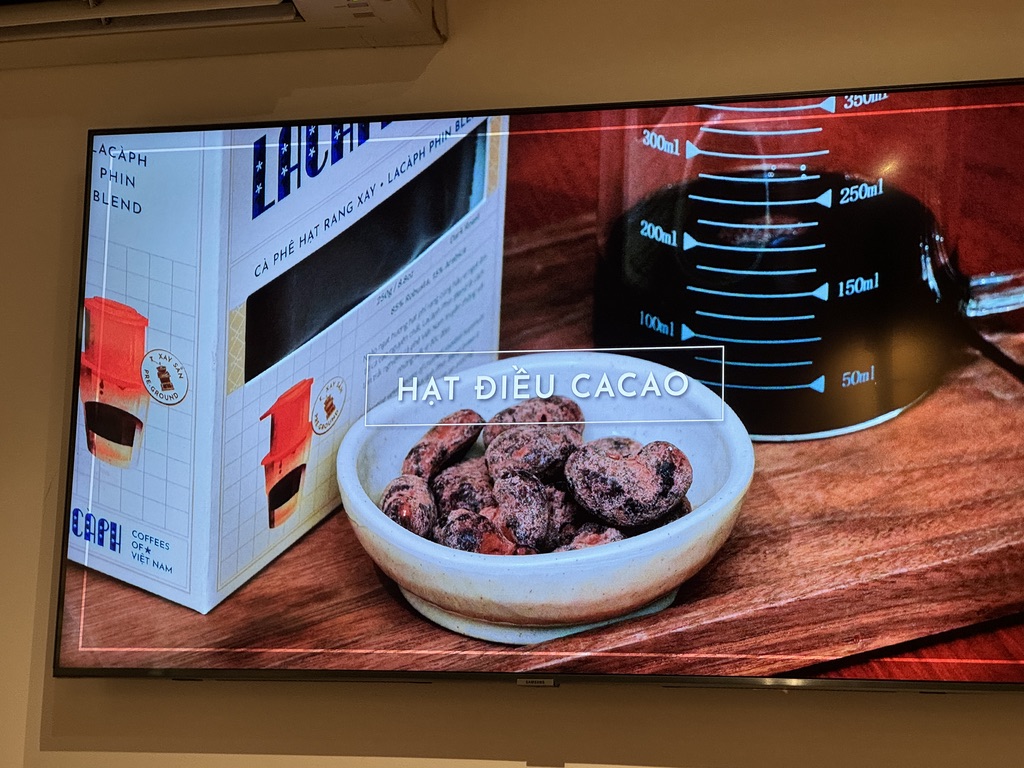
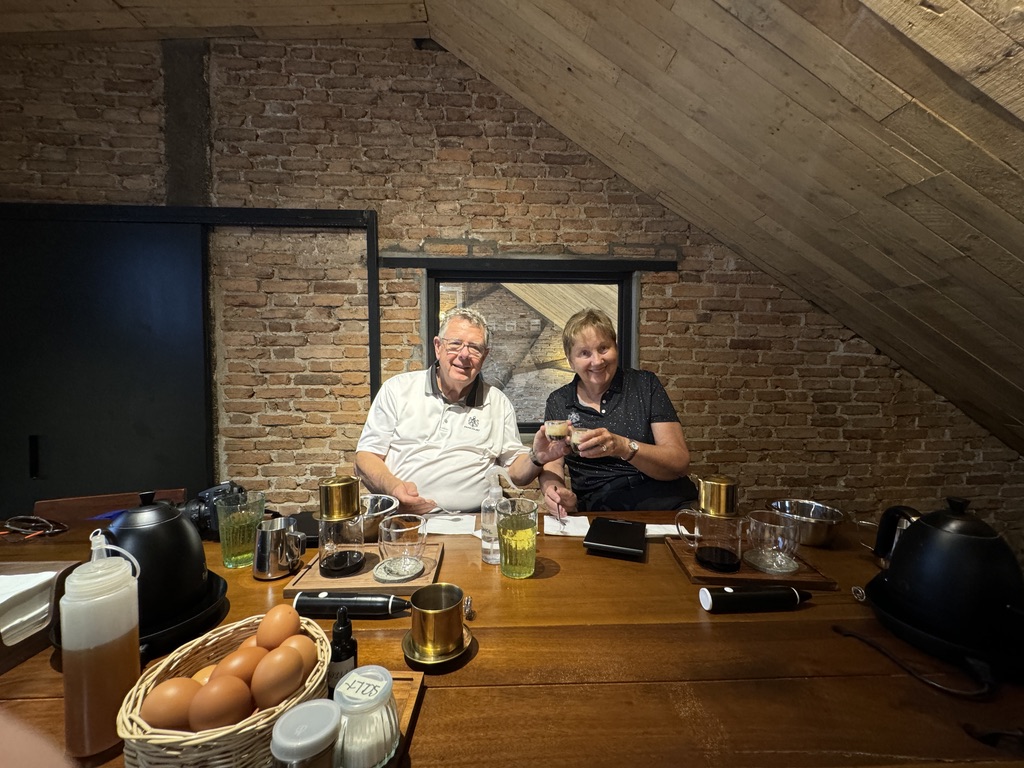
Last stop was a private workshop at The Arth to learn how to make egg coffee. It is a very long, precise process which involves weighing ingredients and heating to just the right temperature but the results were worth it. I took some videos in the hope that we can try it at home as we did buy coffee to bring home.

All of this was needed to make the egg coffee.

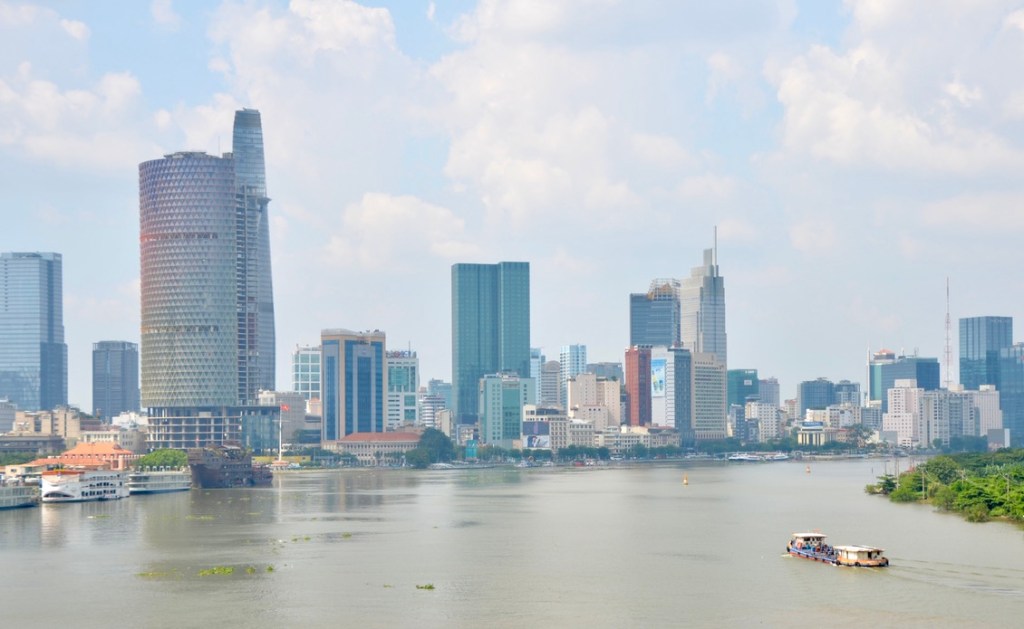
Saigon is the most populous city in Vietnam, with a population of around 10 million. The name Ho Chi Minh was given after the Fall of Saigon in 1975, and honours Ho Chí Minh, the first leader of North Vietnam; however, in southern Vietnam most people still call their city Saigon.

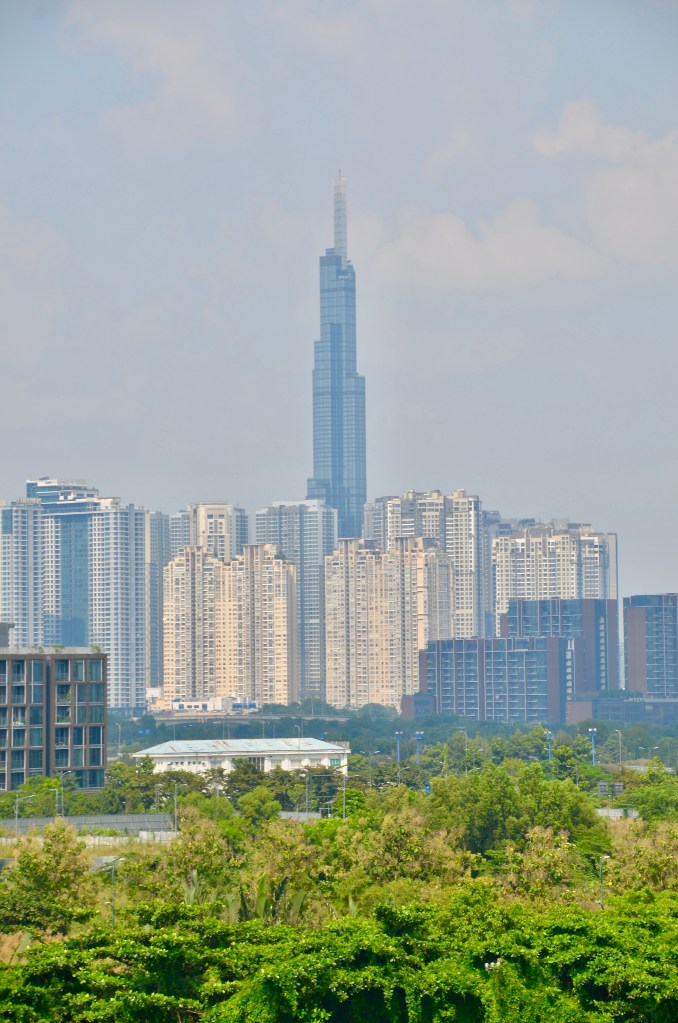
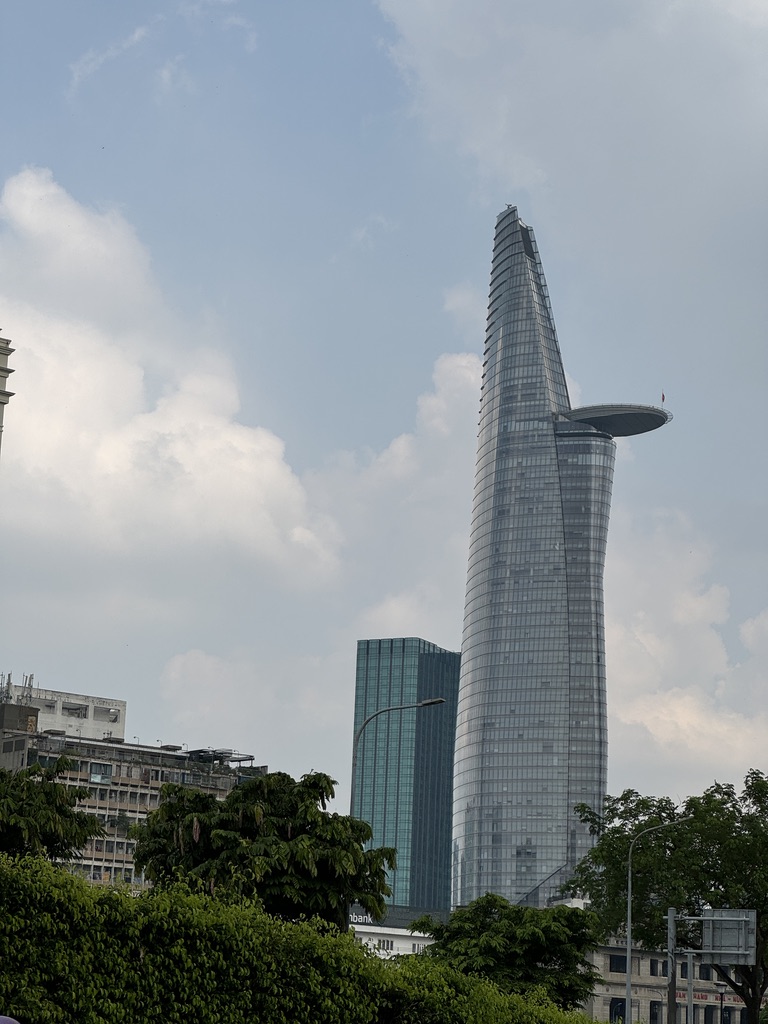
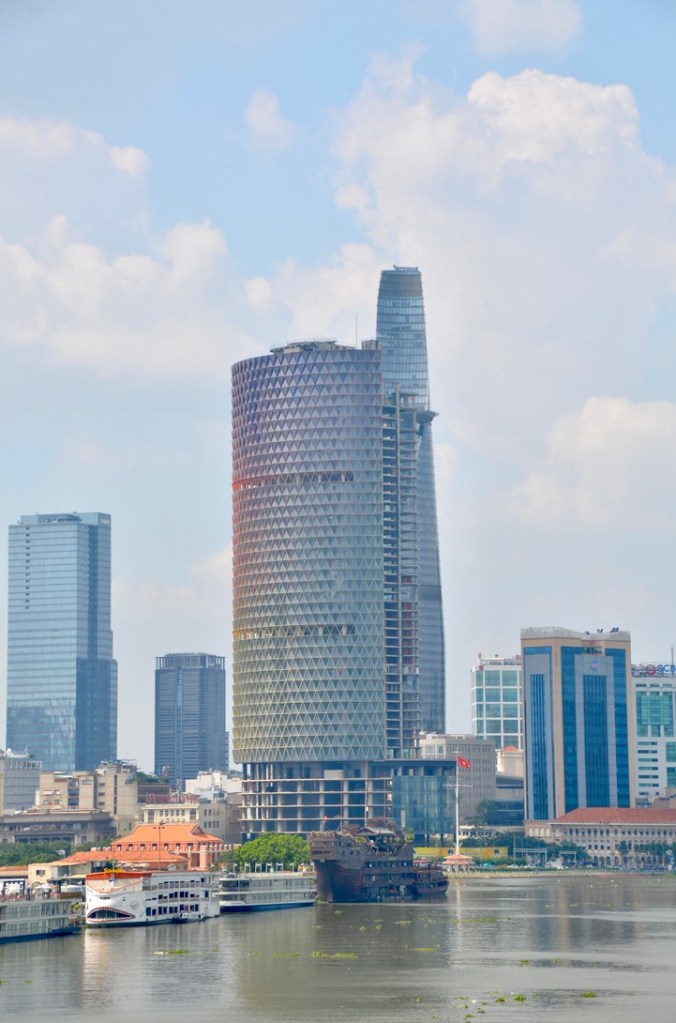
Saigon is a blend of old and new, where narrow alleyways lined with local cafes, markets, and street food stalls are in striking contrast to modern buildings like Landmark 81 and The Bitexco Financial Tower. It’s this striking contrast that makes Saigon so interesting.

Landmark 81 is an 81-story mixed-use building with office space, luxury apartments, a 5-star hotel, and a multi-story observation deck.

As mentioned above, on our overnight in Saigon we did a night foodie tour with Vespa Wanderers. The foodie tour will be our next post.

Hong Kong

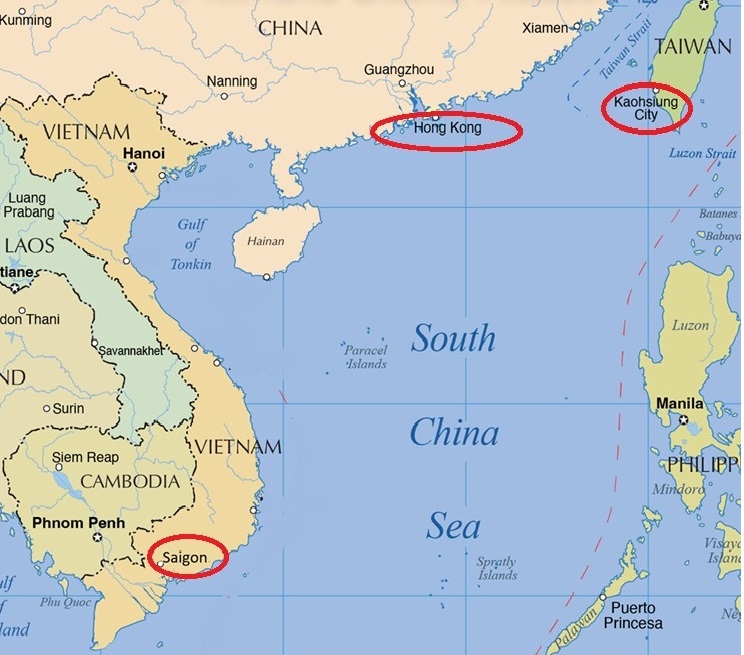
Nov. 7th – Nov. 8th: We had a “sea day” as we cruised from Kaohsiung Taiwan to Hong Kong; we arrived in port at 8:00 a.m. We last visited Hong Kong in 2020 but it was a stopover on our way to Vietnam so we didn’t tour. This time we used our remaining shipboard excursion credit to book a private car for a morning excursion.

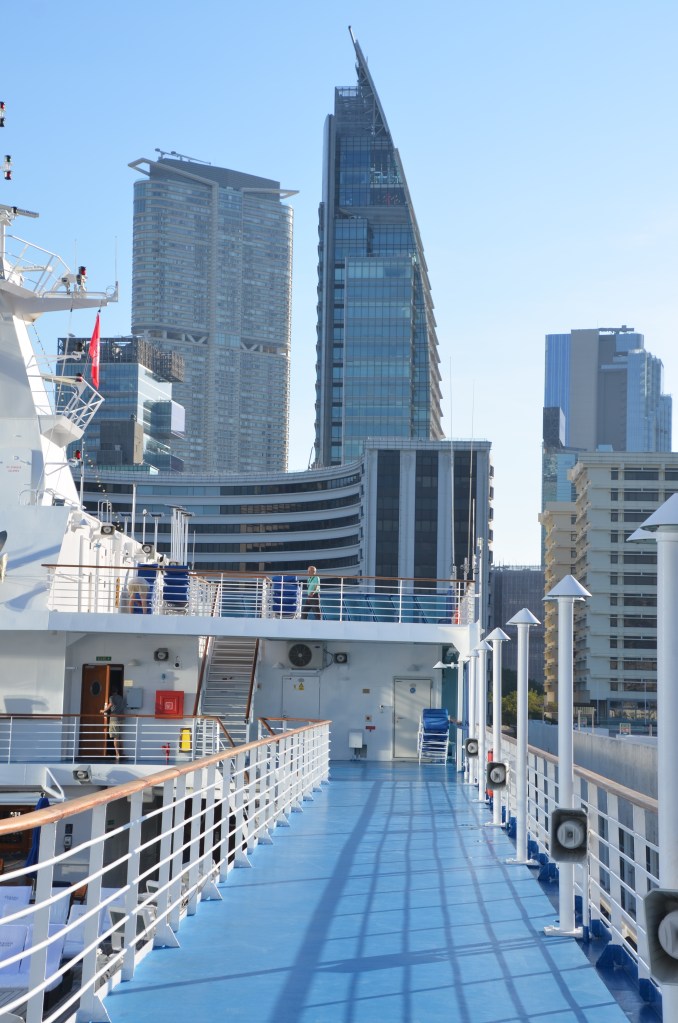
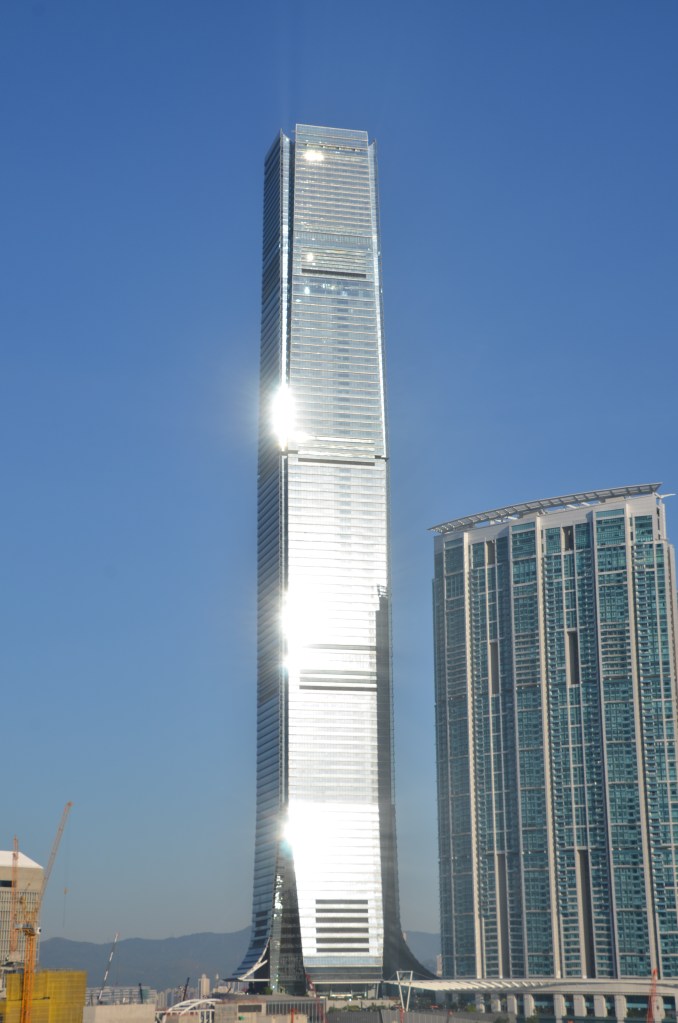
There are over 8,000 skyscrapers dominating Hong Kong’s skyline and there is still more development underway in the downtown core. After the Hong Kong airport relocated from the downtown core in 1998, the Hong Kong government planned for urban development on the old airport site. Although years away from being finished, it will add many more skyscrapers to the downtown core.

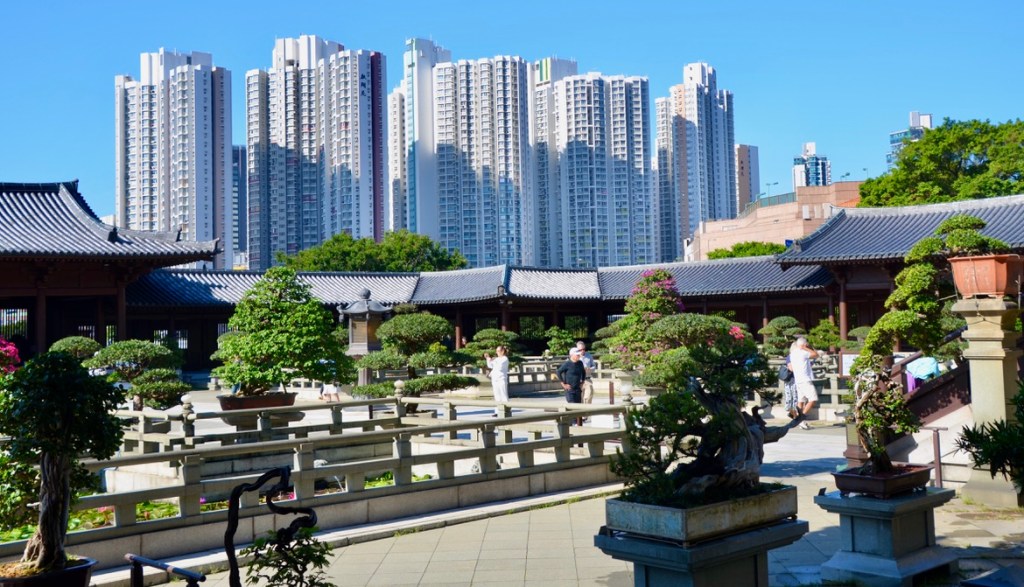
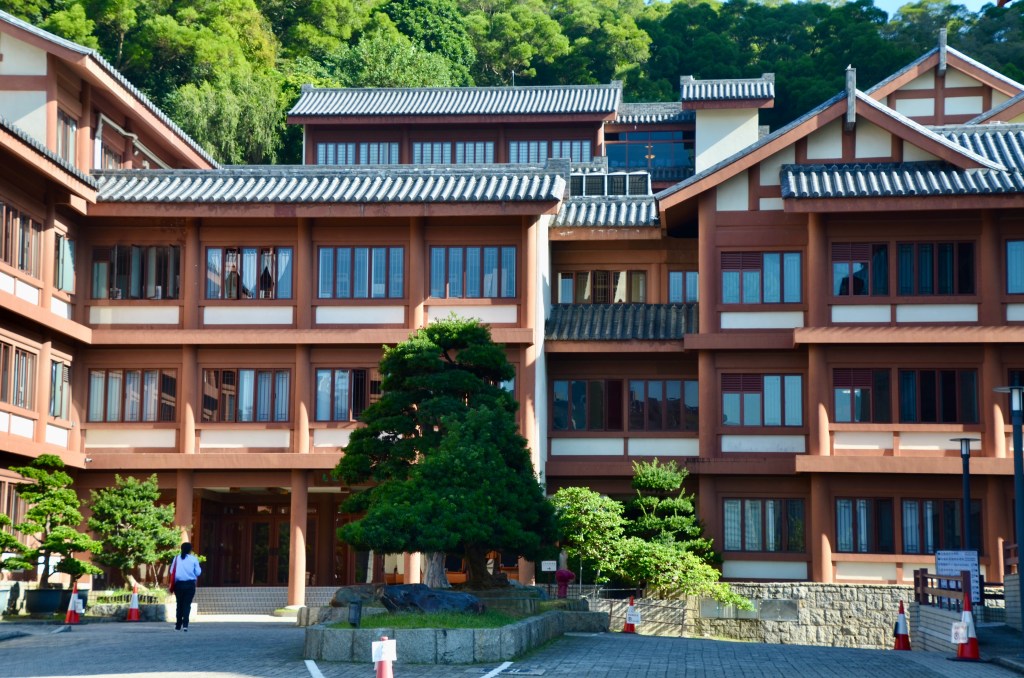
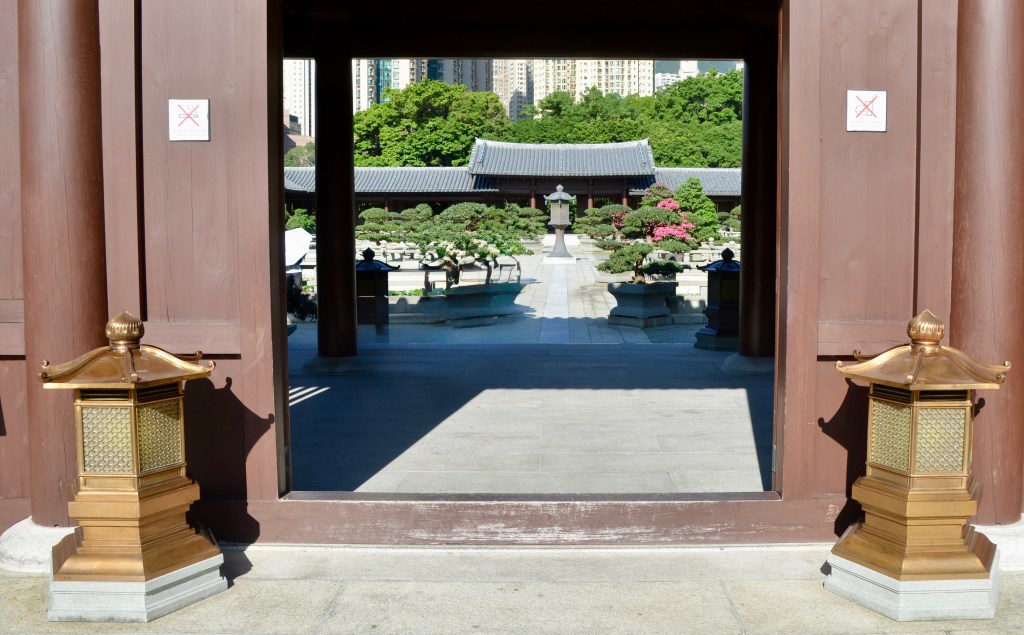
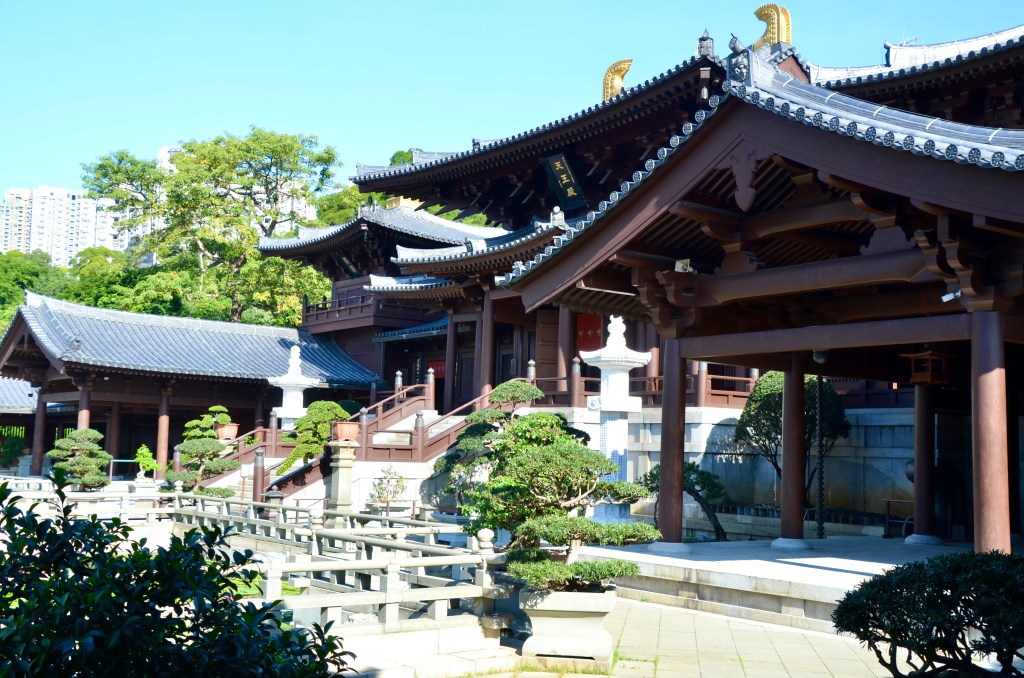
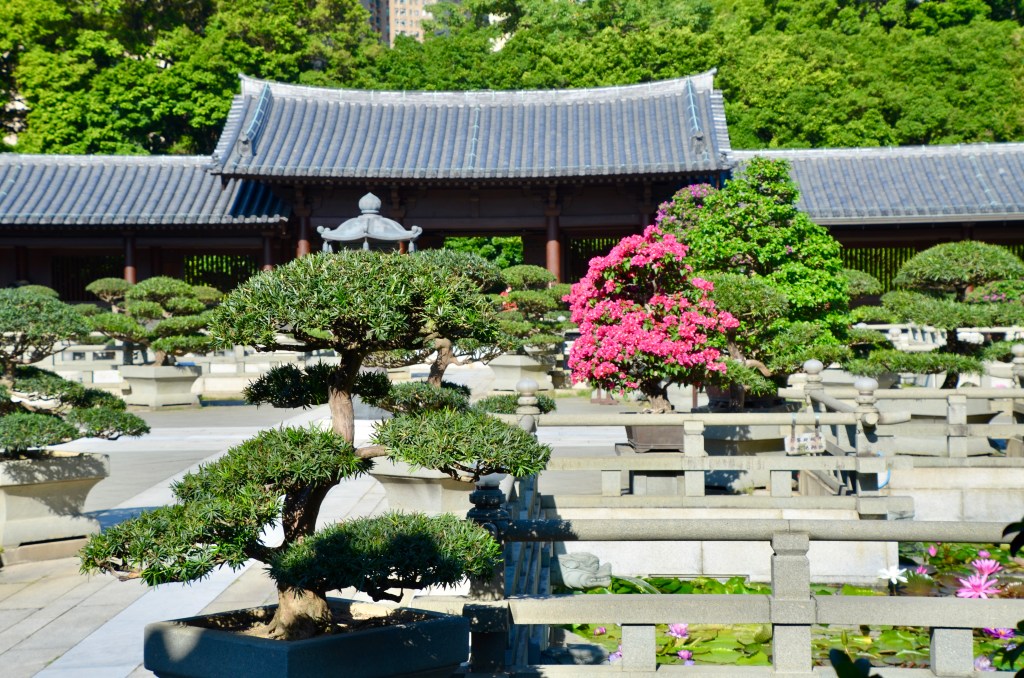
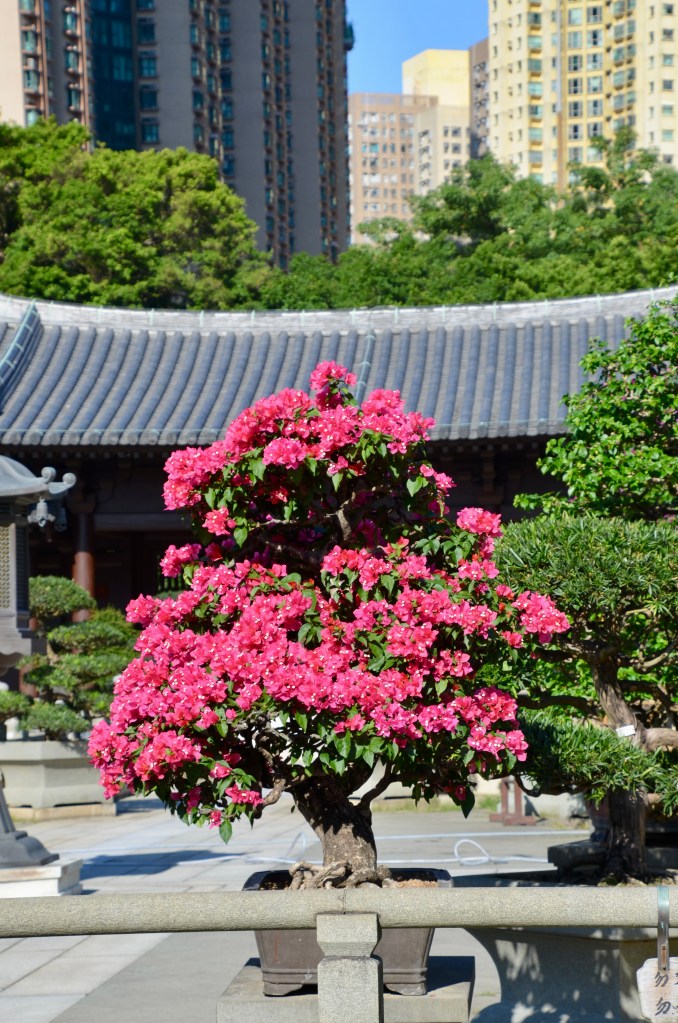
Our first stop on our tour was Chi Lin Nunnery, a large Buddhist temple complex located in Diamond Hill, Kowloon. The Nunnery was founded in 1934 as a retreat for Buddhist nuns and was rebuilt in 1998 following the traditional Tang dynasty architecture.

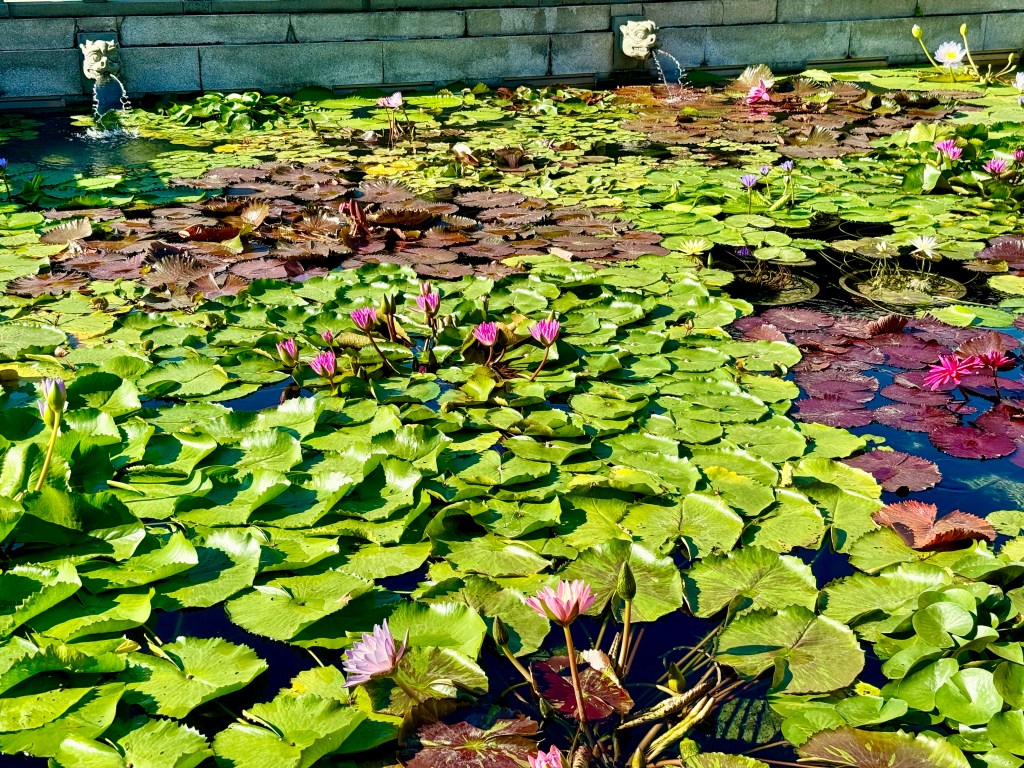
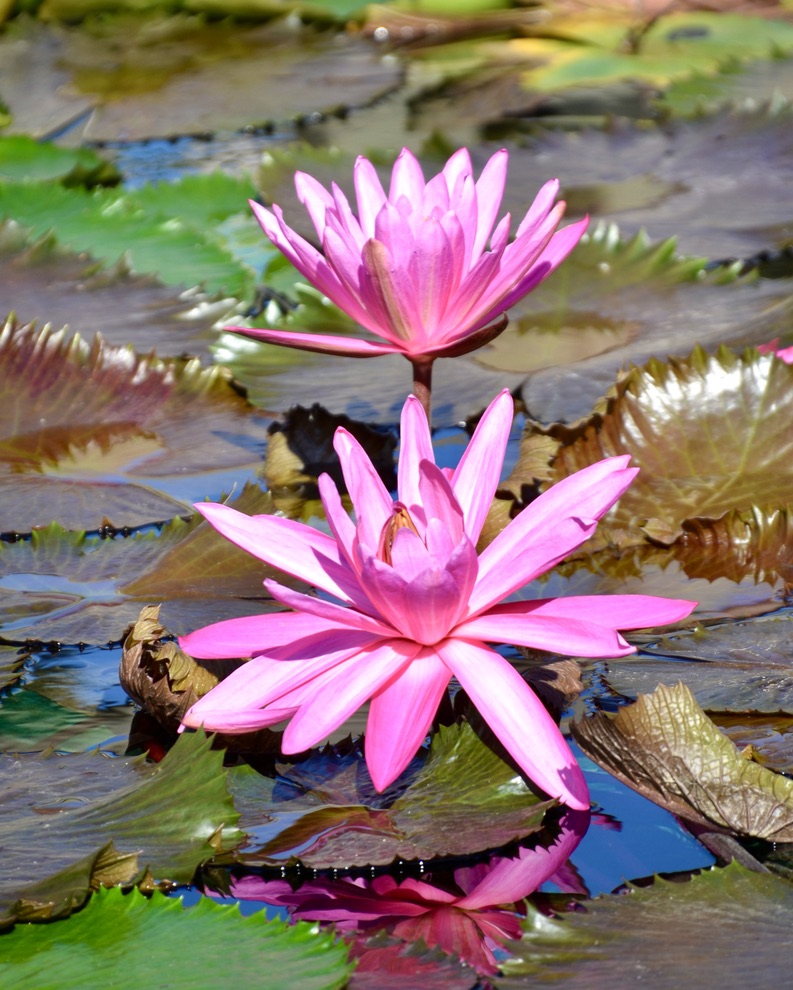
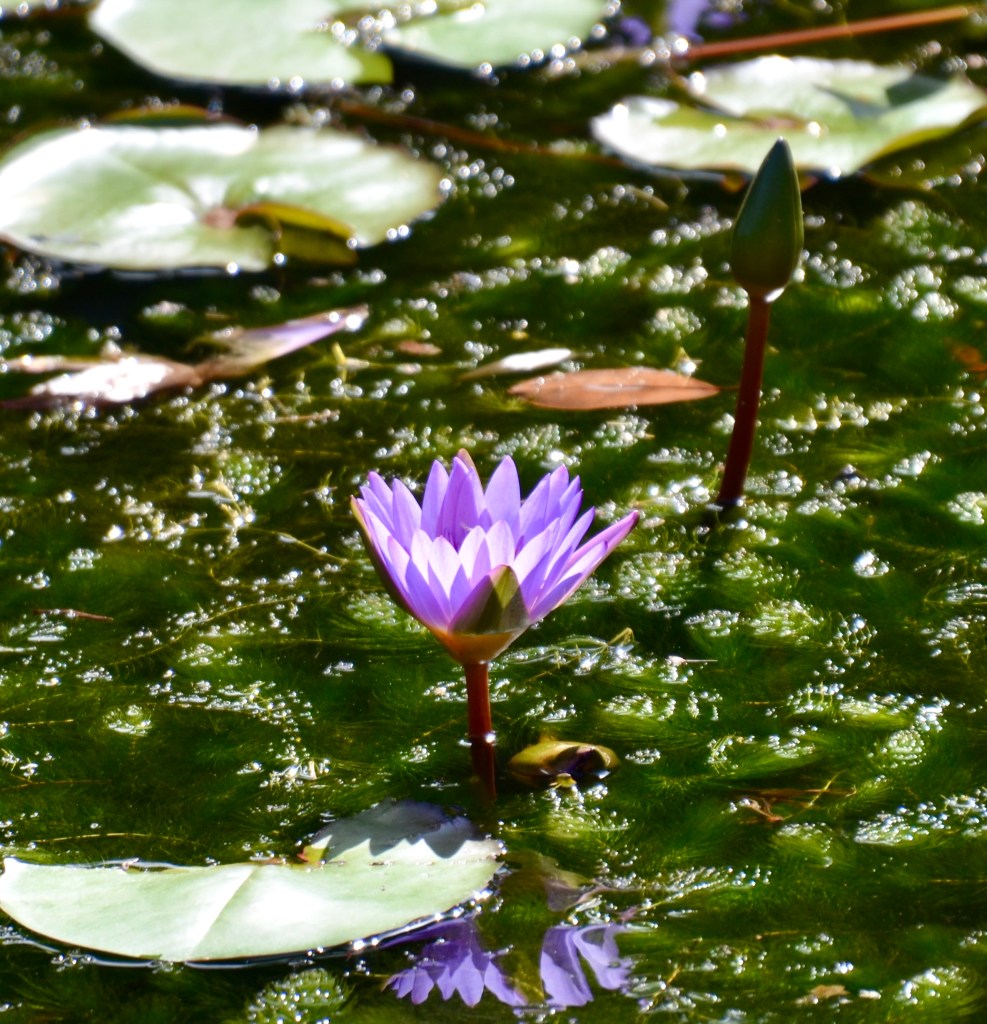
There were beautiful lotus ponds in the nunnery gardens.

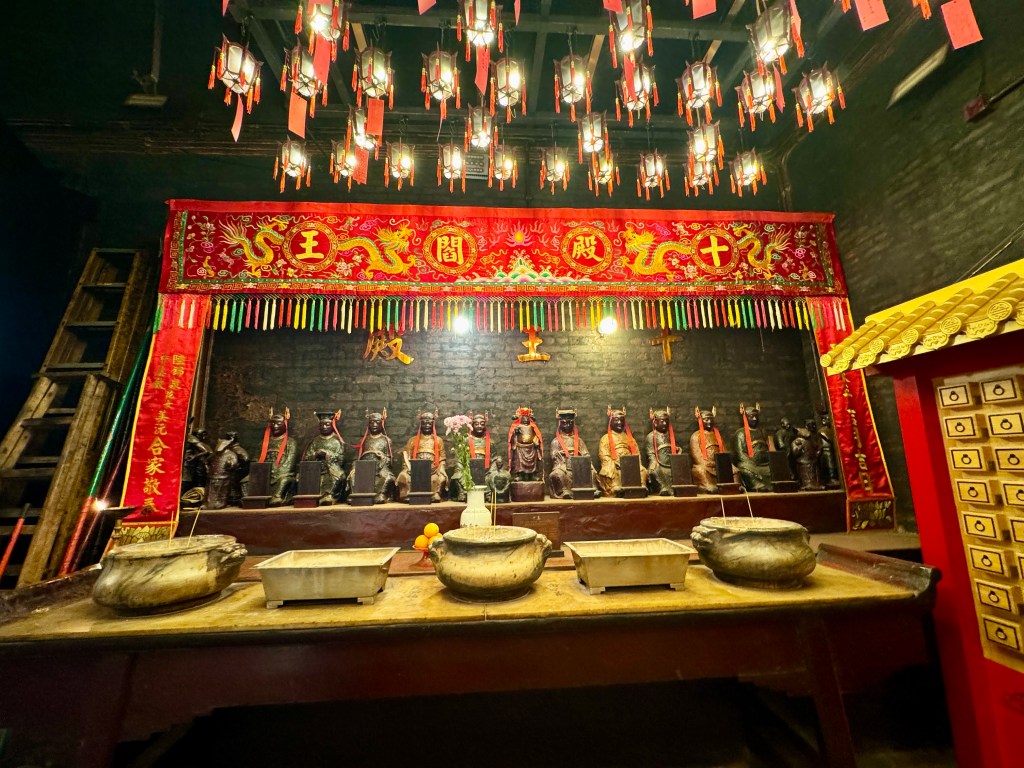
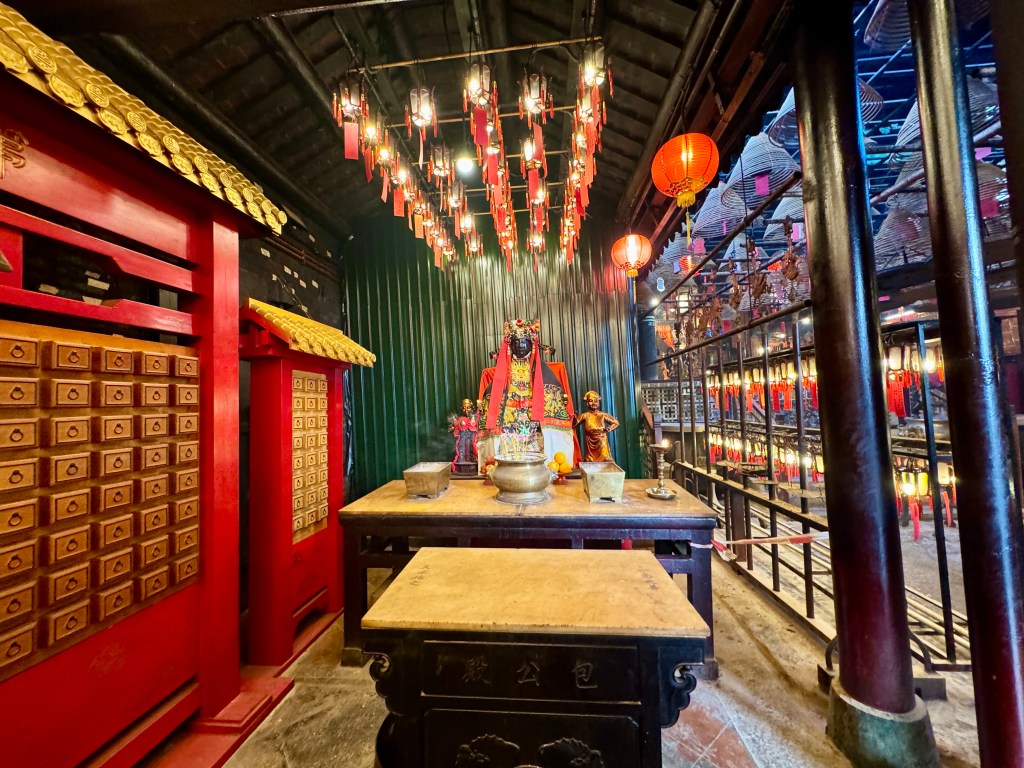
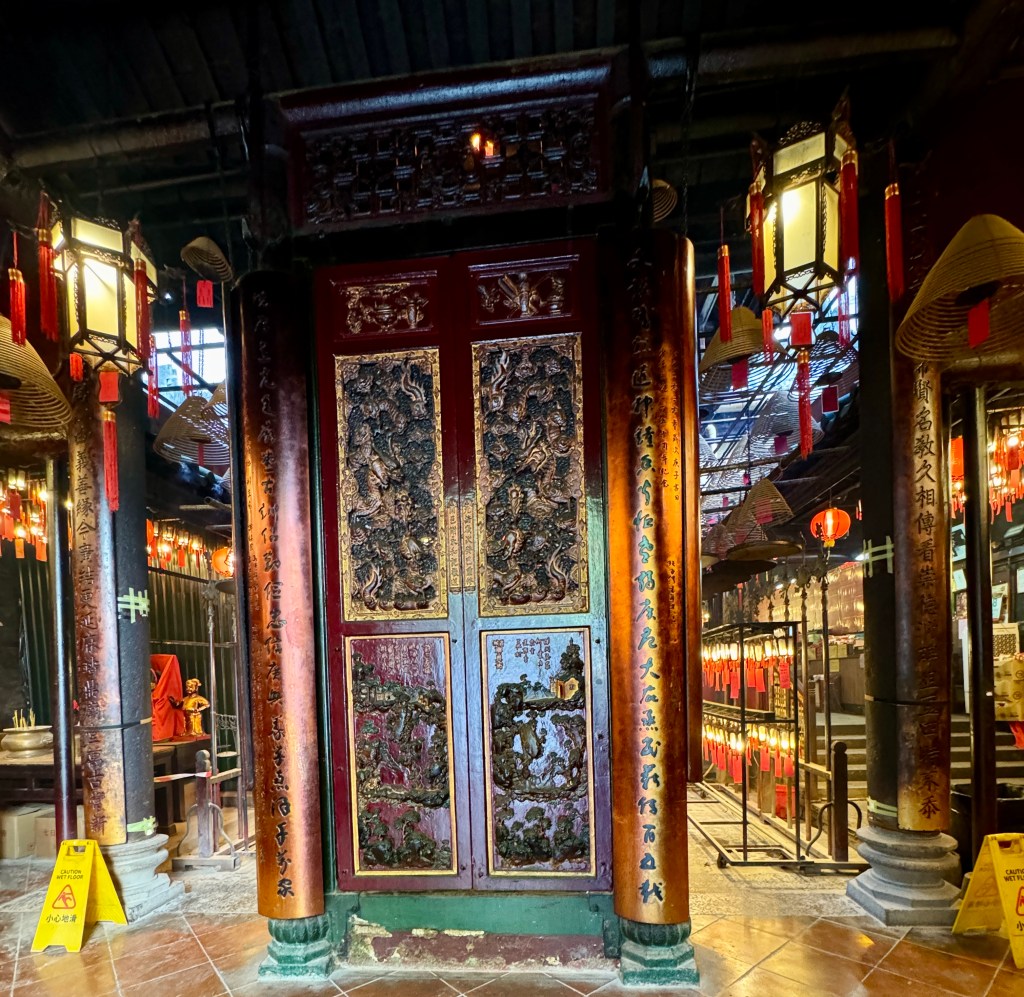
Next stops Man Mo Temple and a flower market. The Man Mo Temple was a place for worshipping Man Cheong, the god of literature and Mo referring to Kwan Yu, the god of war. Historically it was also where Chinese people discussed issues and resolved disputes. The temple is now a place of worship where people burn incense in hopes of attracting the god’s favour. 
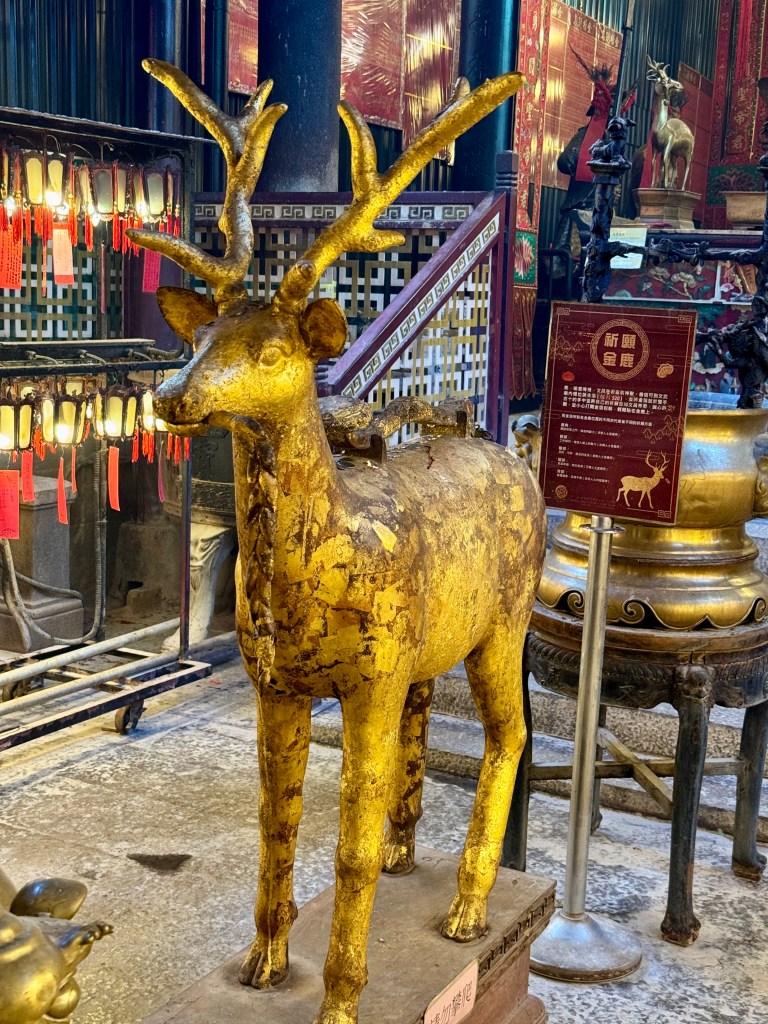
In the centre part of Man Mo Temple stands a golden deer which is often associated with the Literature God Man Cheong

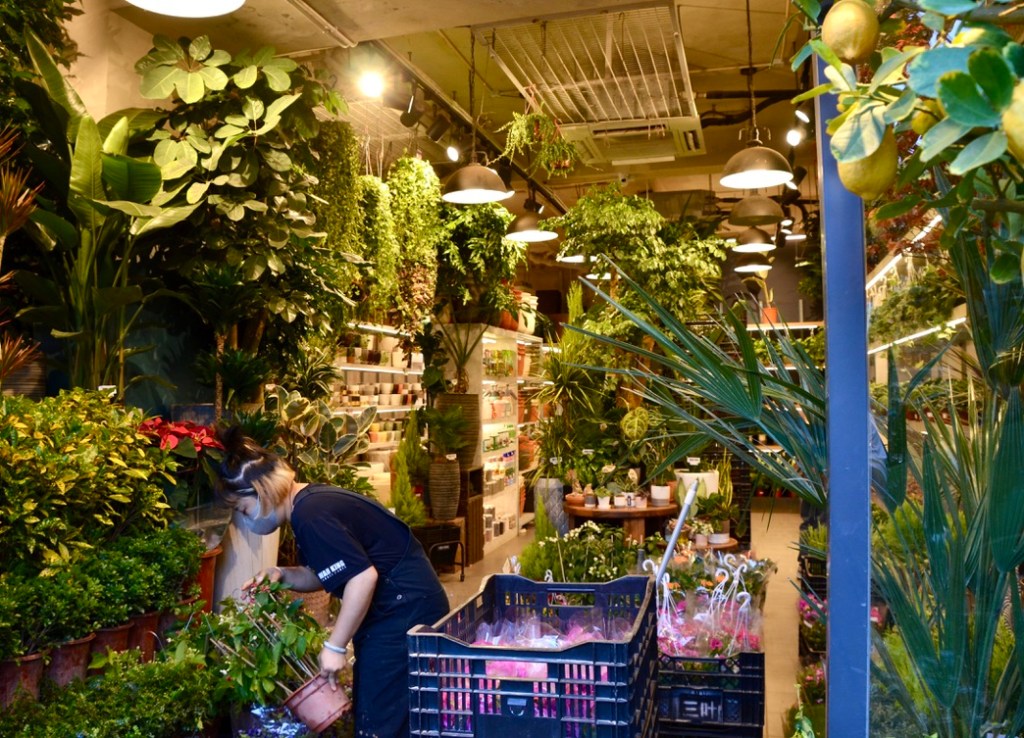
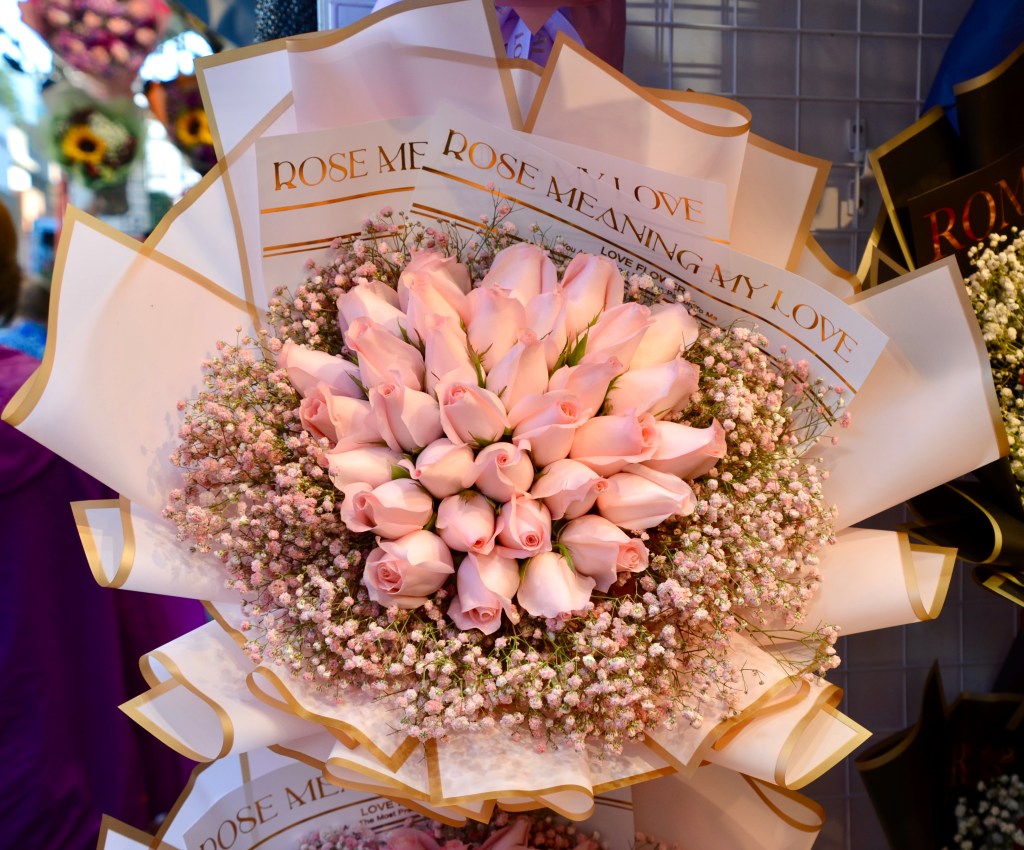
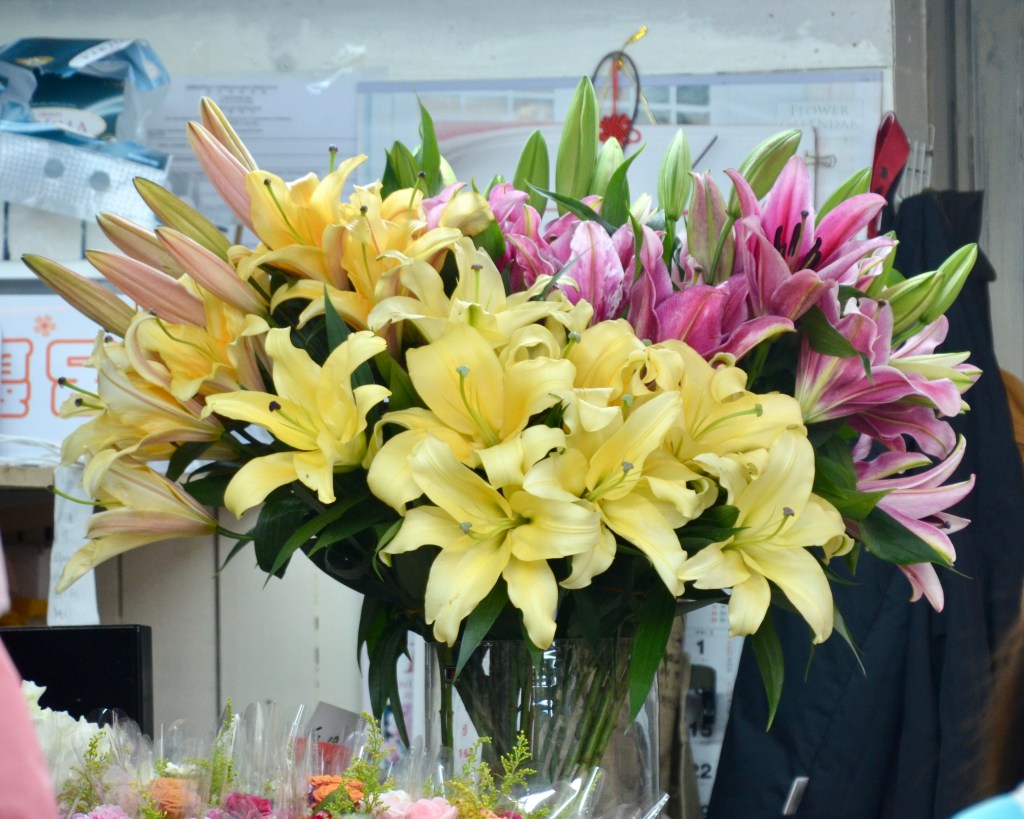
We wandered through the flower market admiring the beautiful bouques.
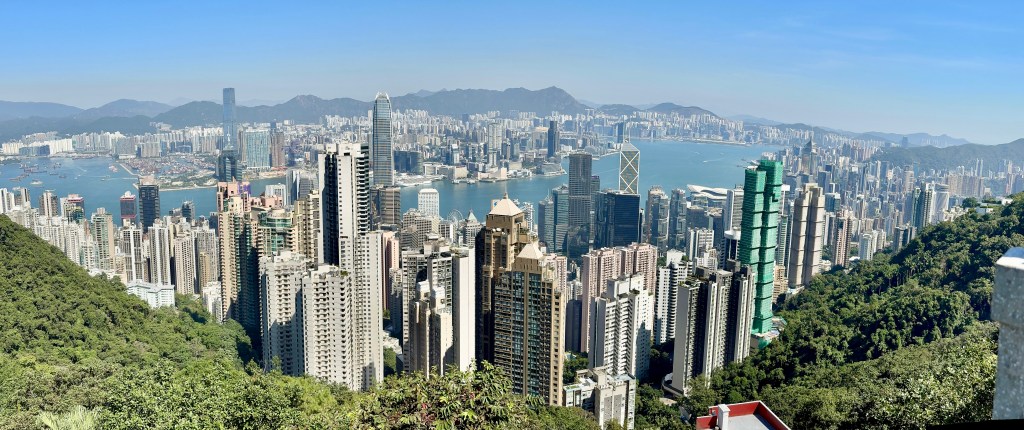
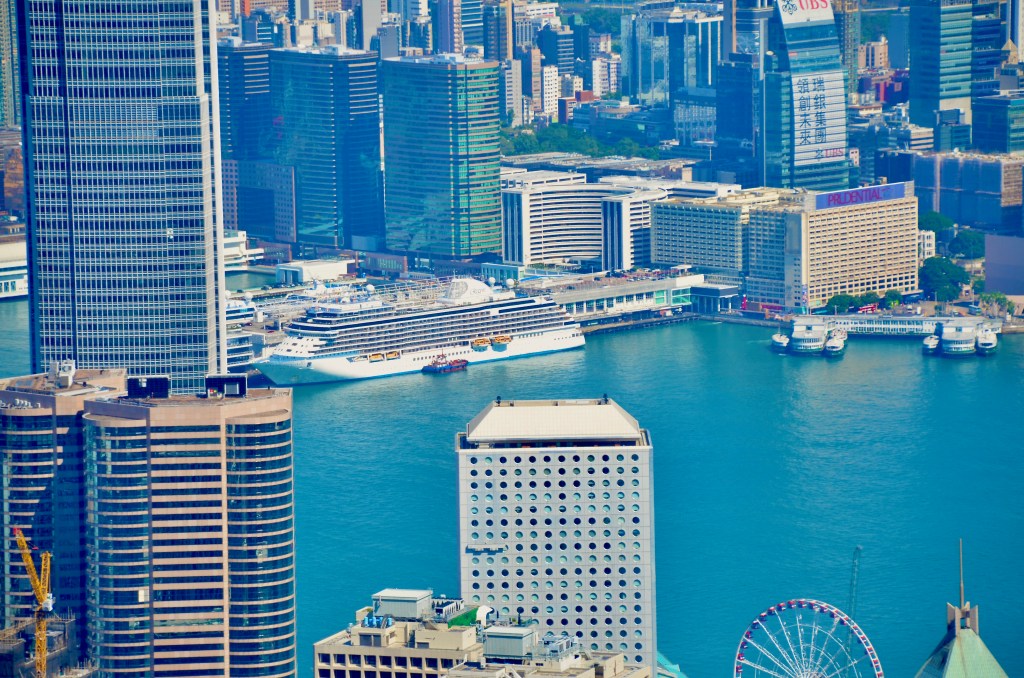
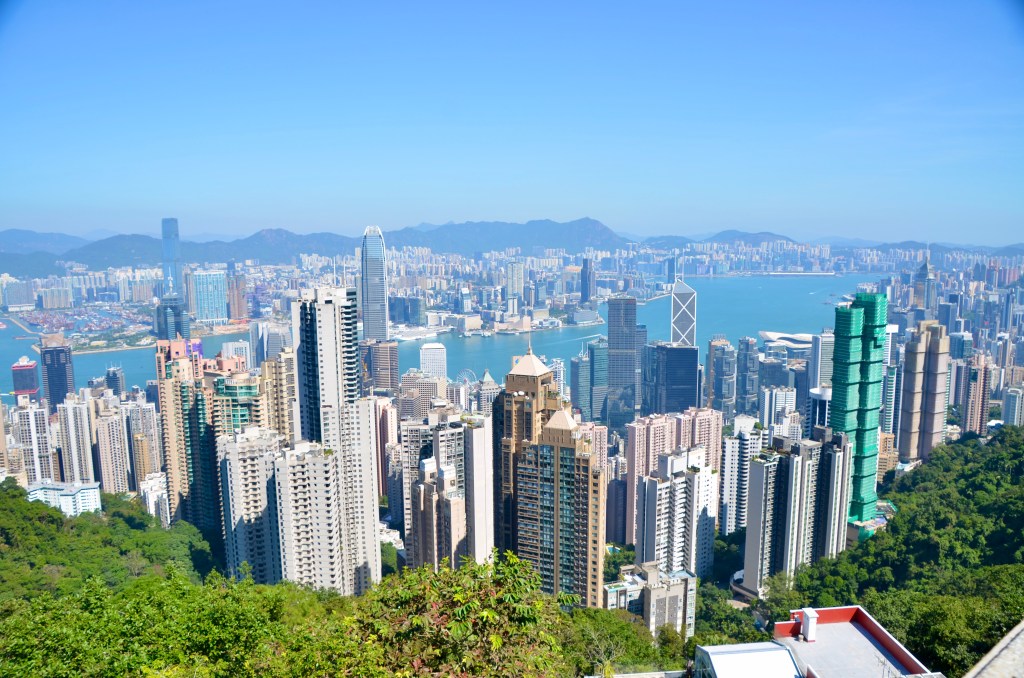
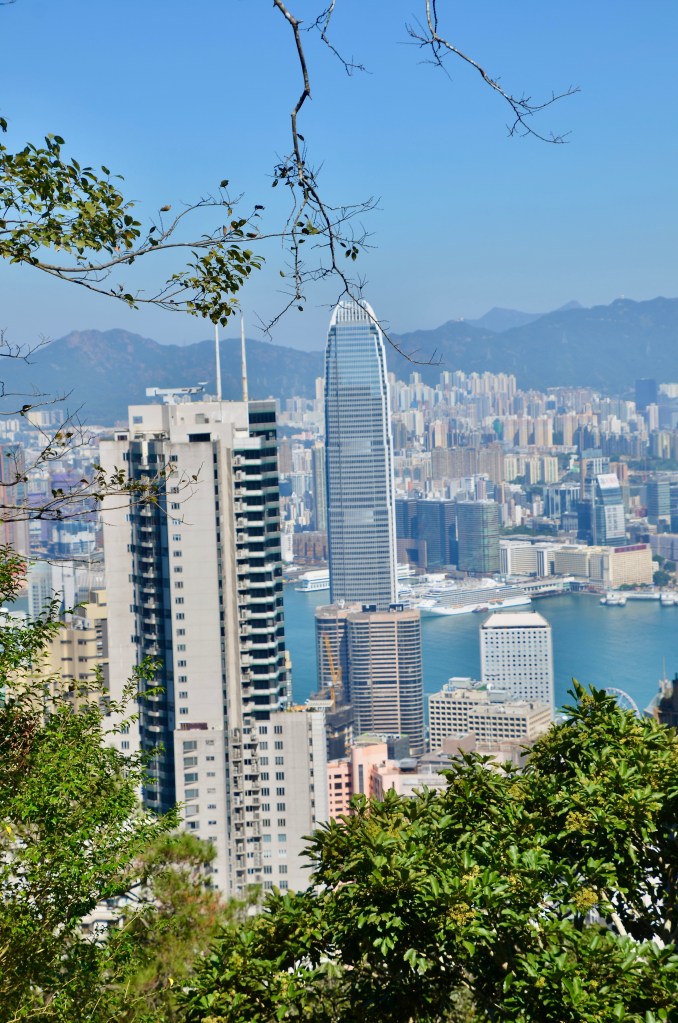
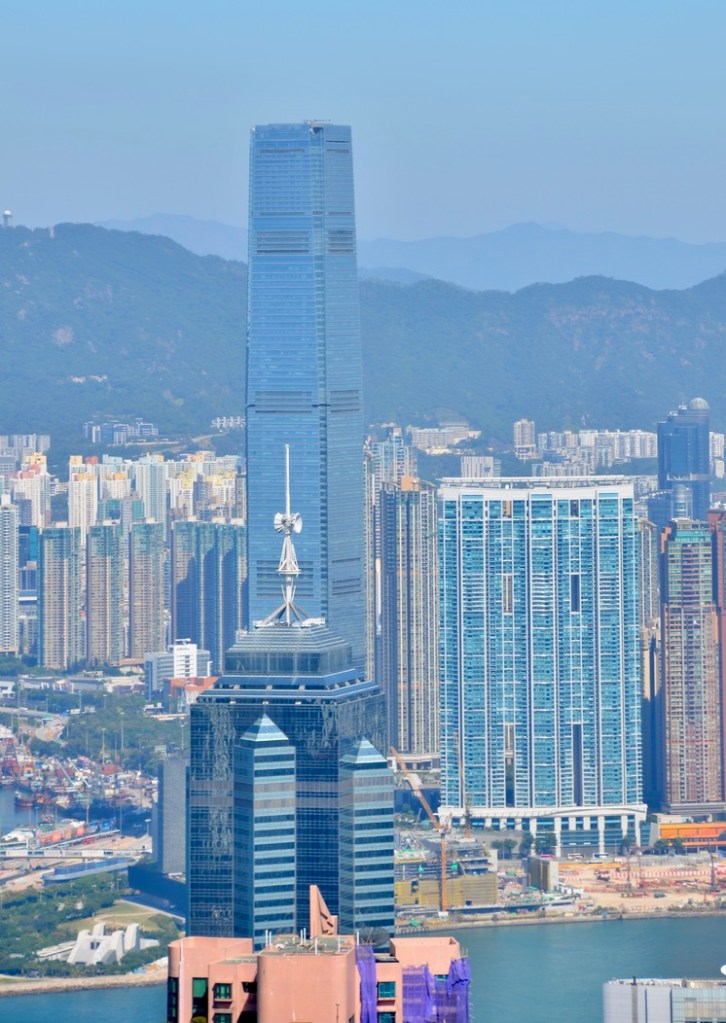
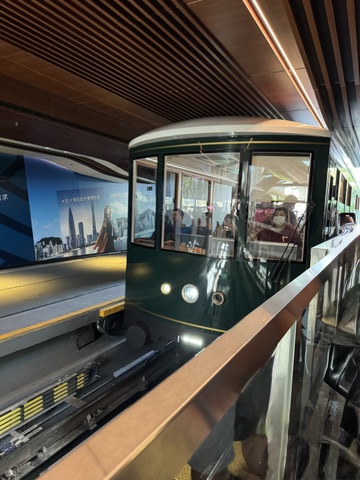
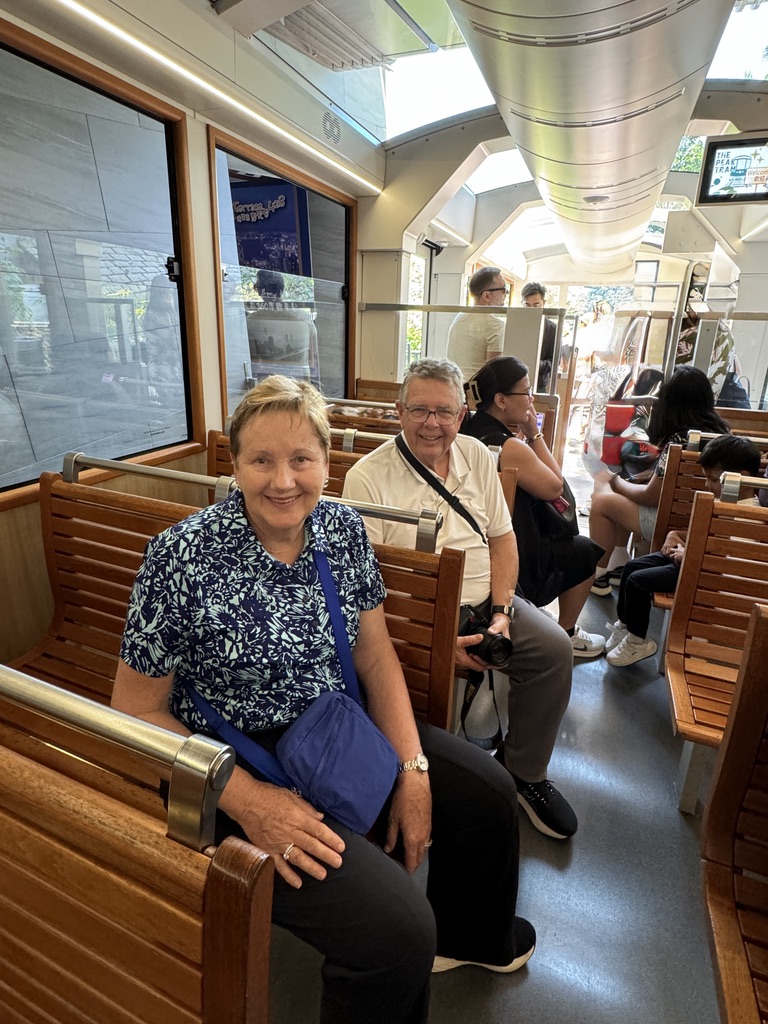
Next stop was Victoria Peak. With an elevation of 552 metres (1,811 ft), it is the tallest hill on Hong Kong Island, and provides great views of the city and the waterfront.

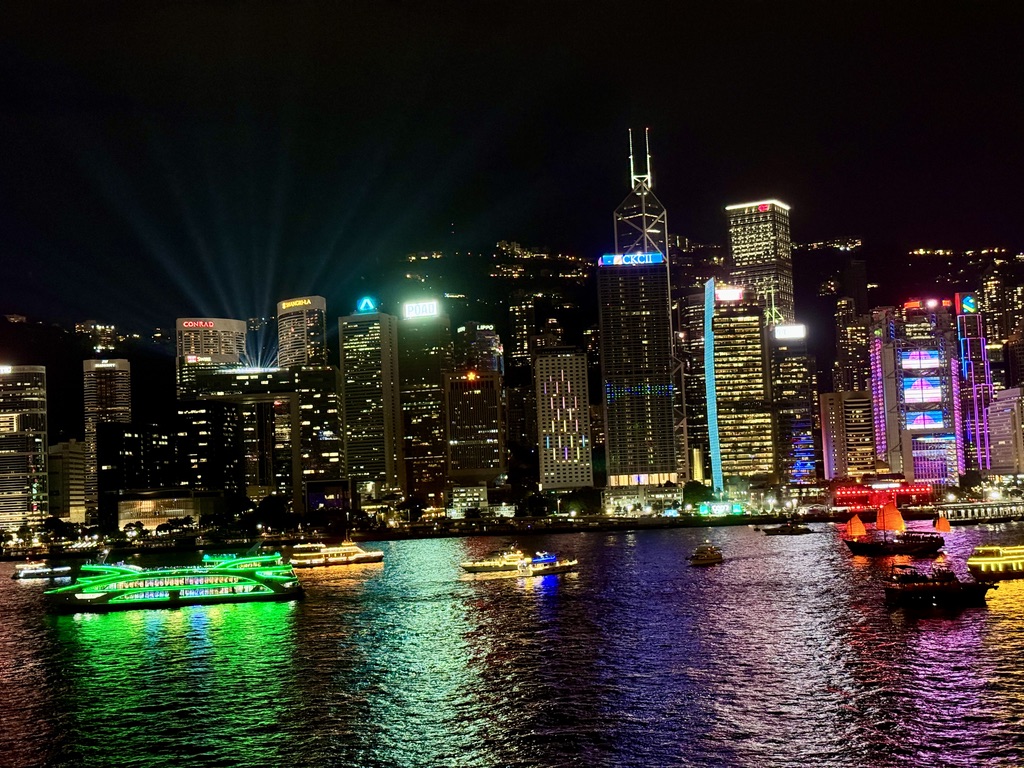
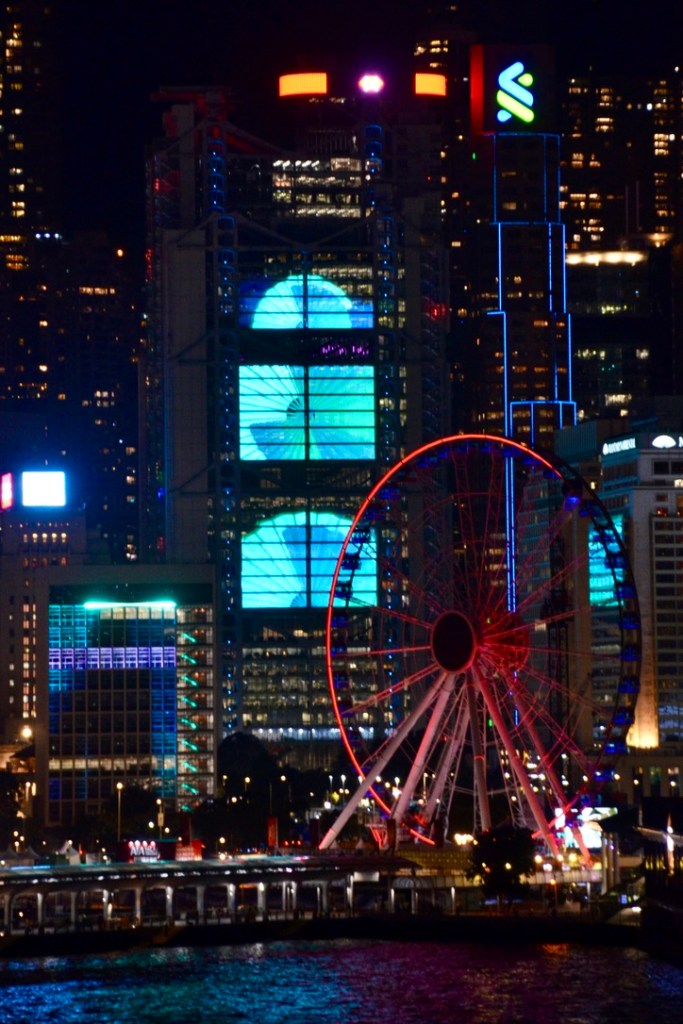
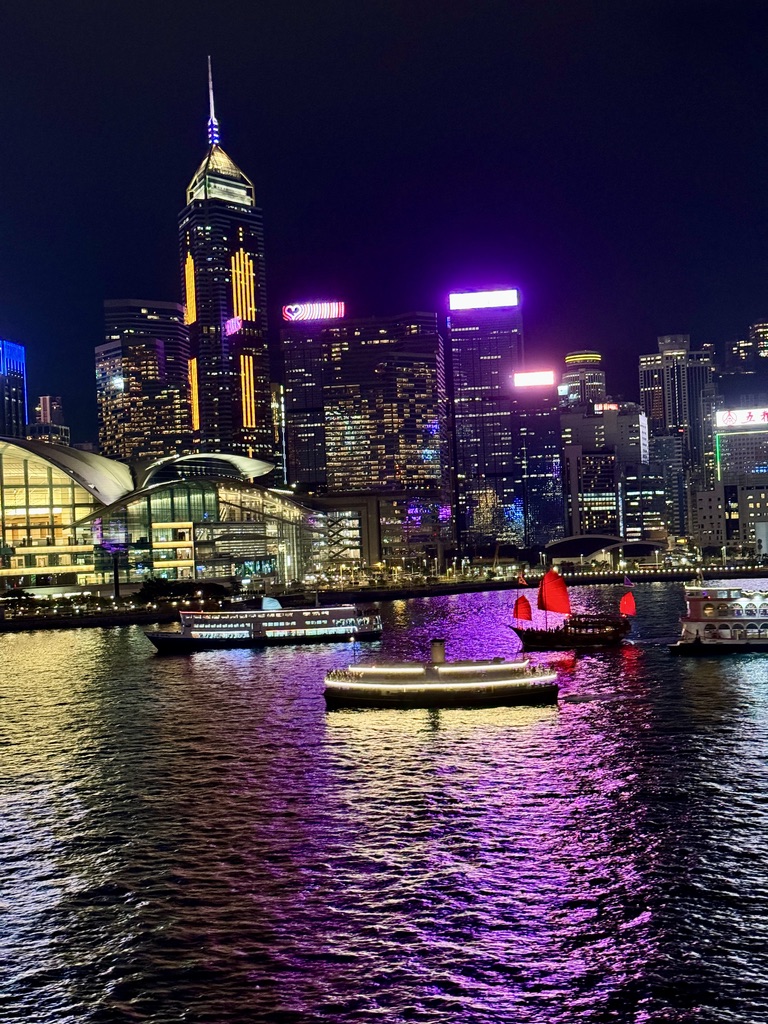
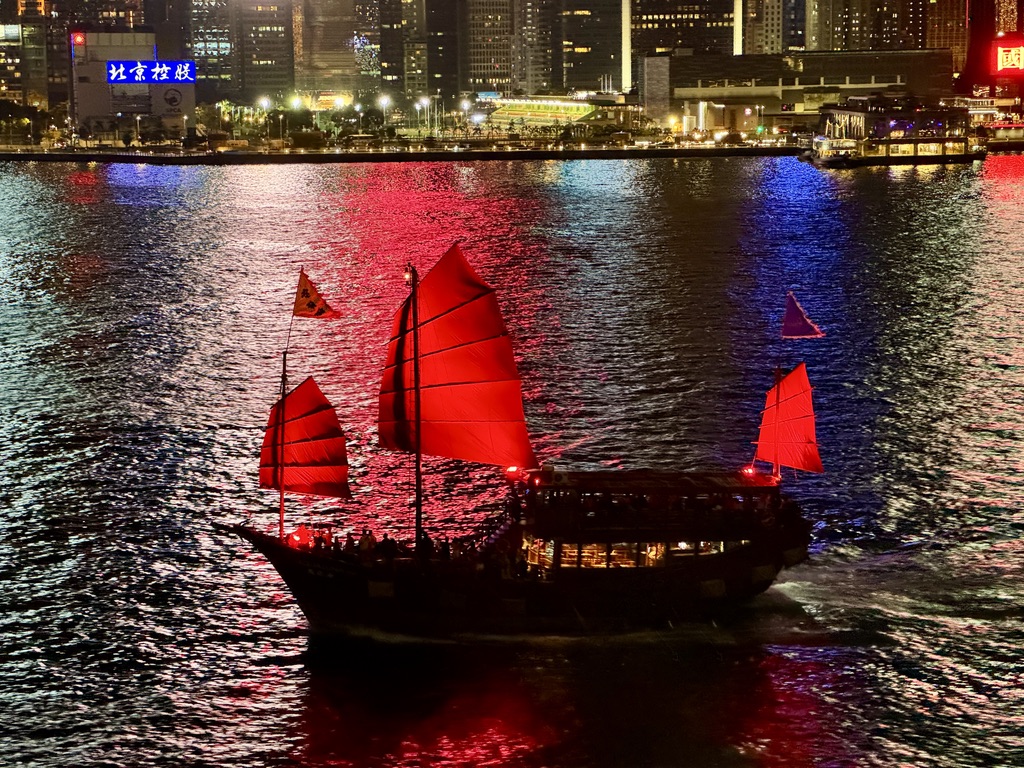
We were treated to a light show as we sailed out of Hong Kong harbour.

We had another sea day before we reached Saigon Vietnam.

Naha Japan and Kaohsiung Taiwan

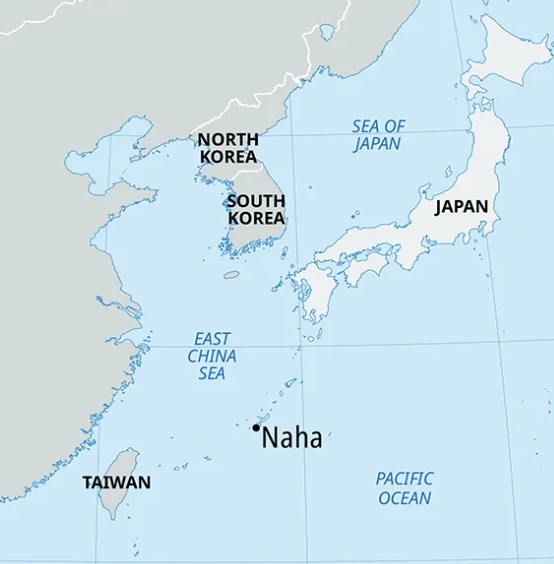
Nov. 4th: When we left Hiroshima, we had one “sea day” before arriving at our last Japanese port, Naha Japan on November 4th. Naha is the capital city of Okinawa Prefecture, the southernmost prefecture of Japan.

We decided to explore Naha on our own rather than take an organized tour.

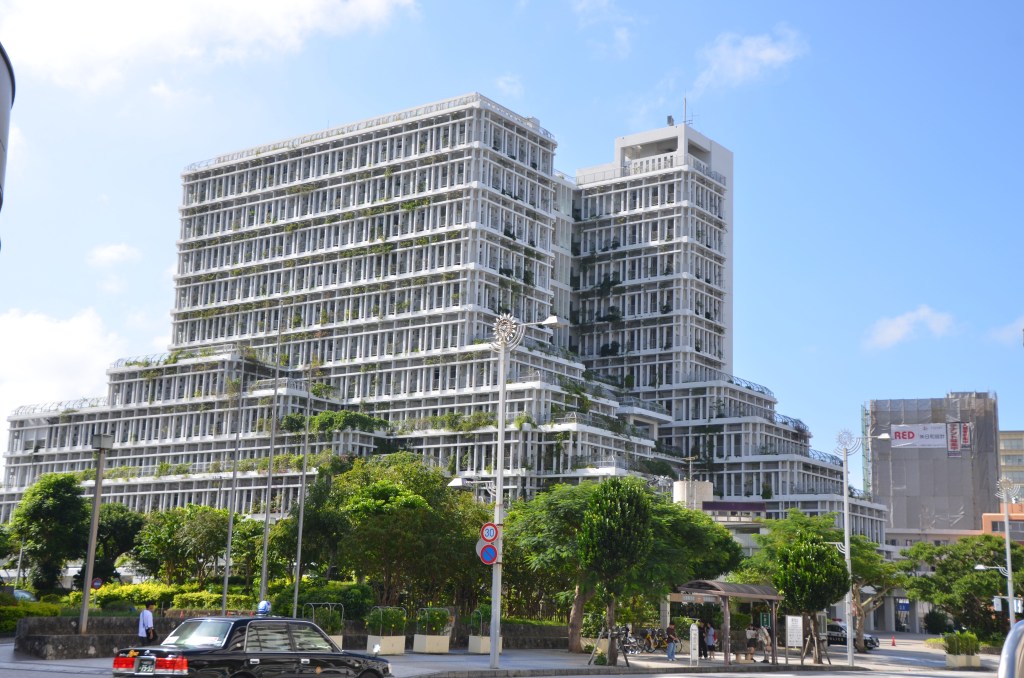
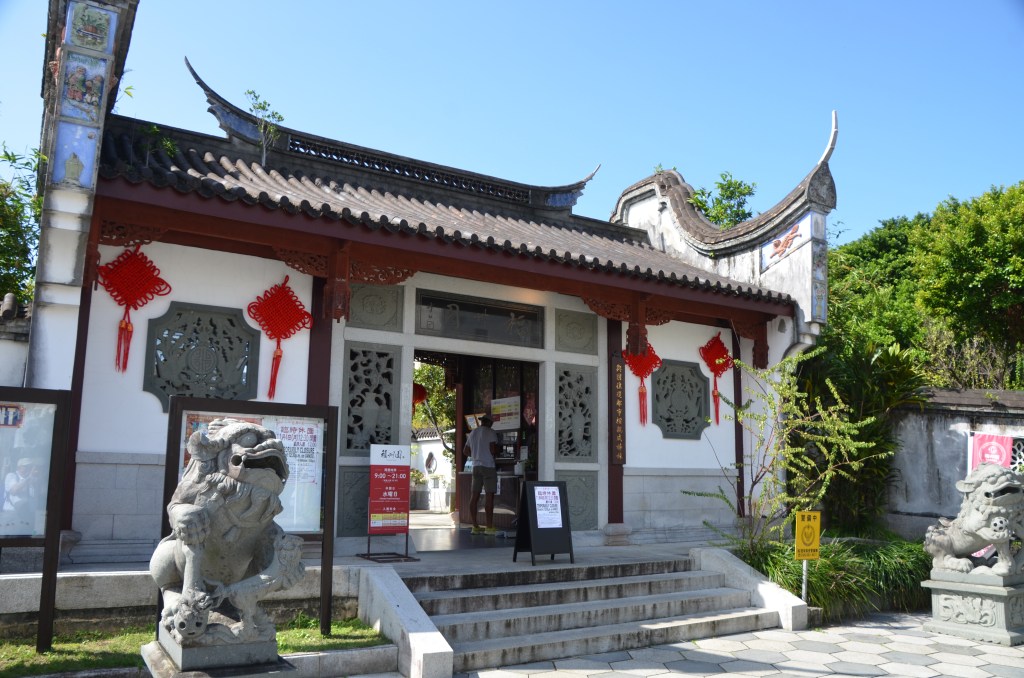
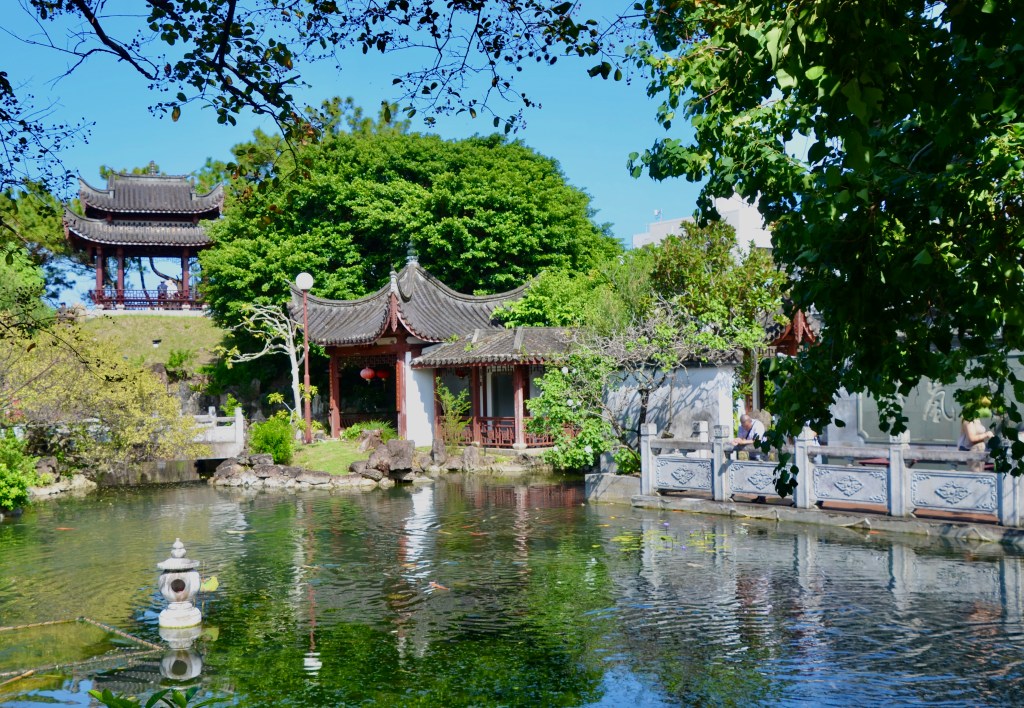
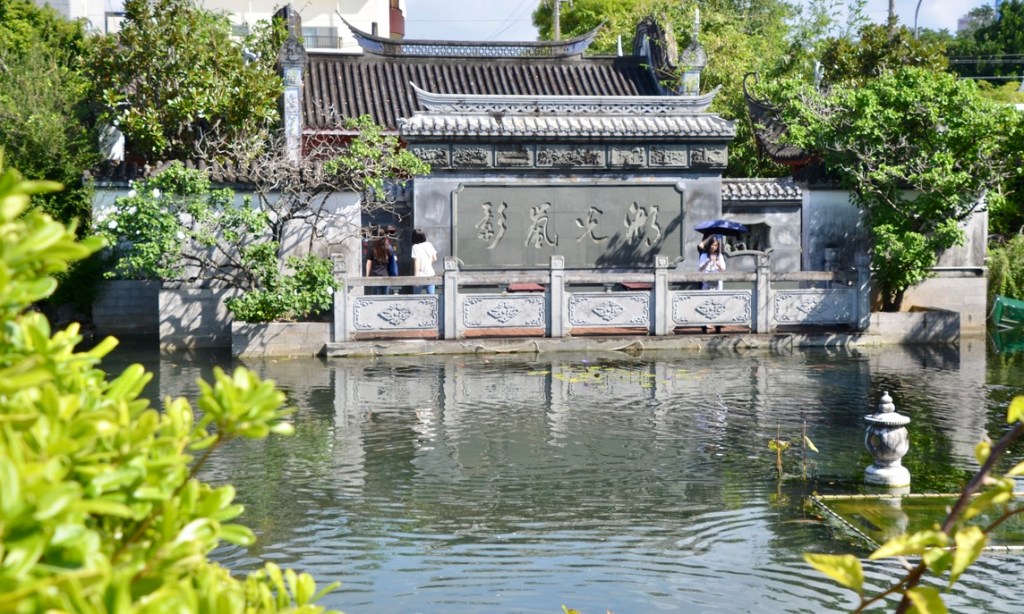
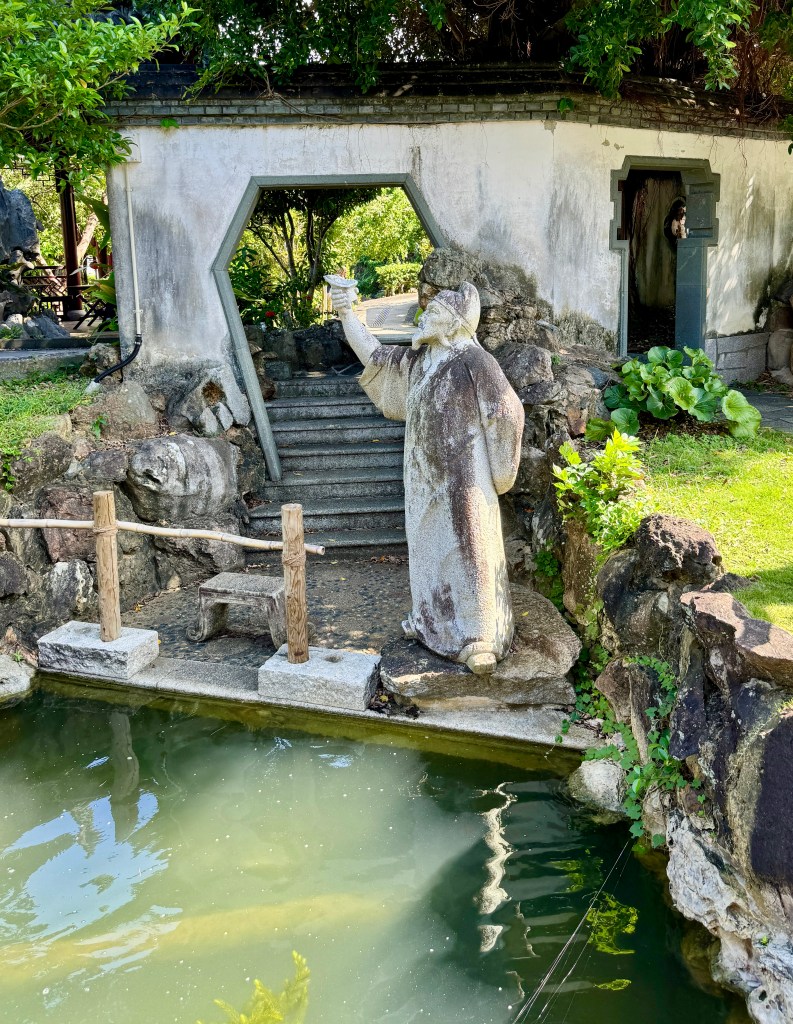
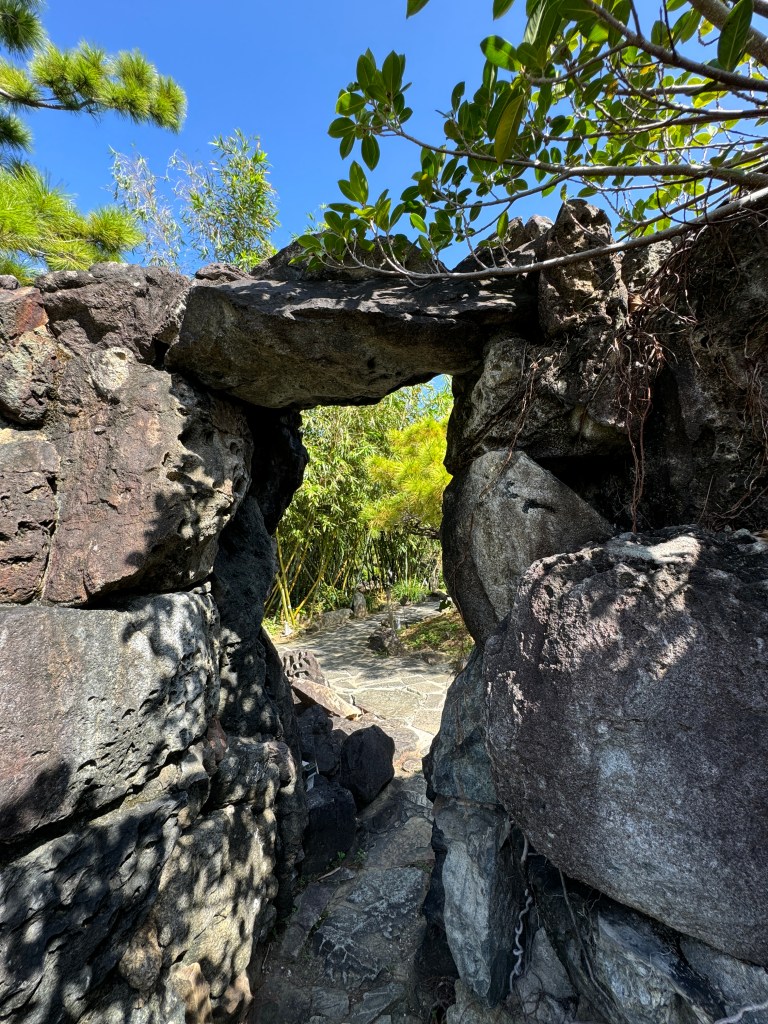
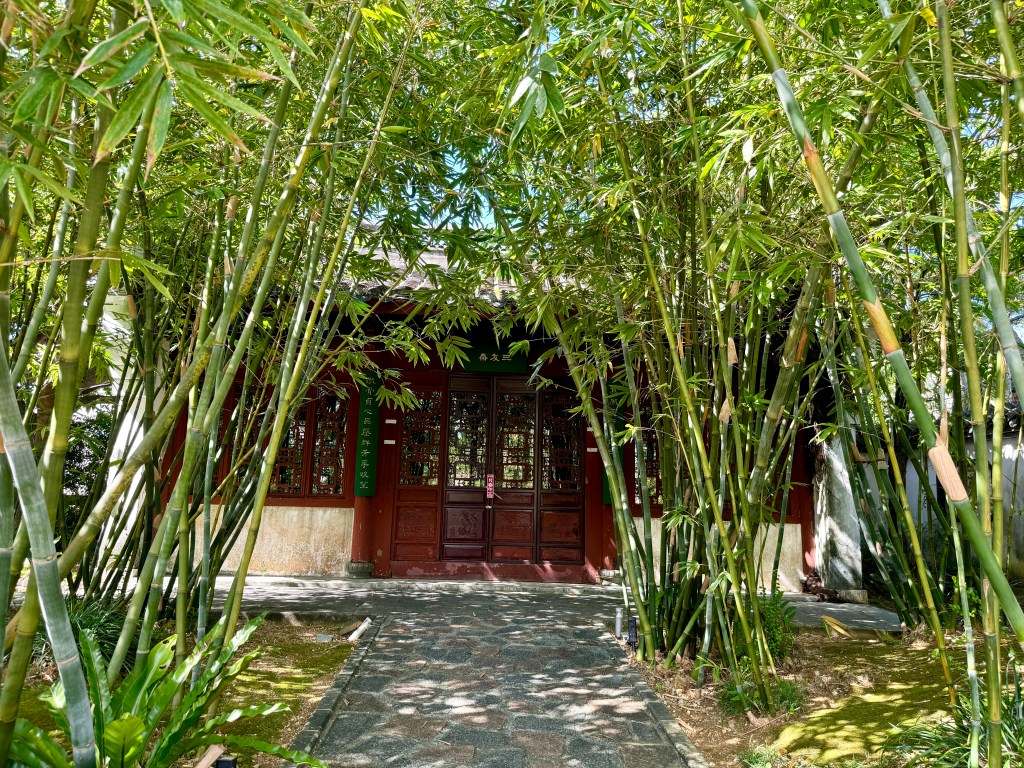
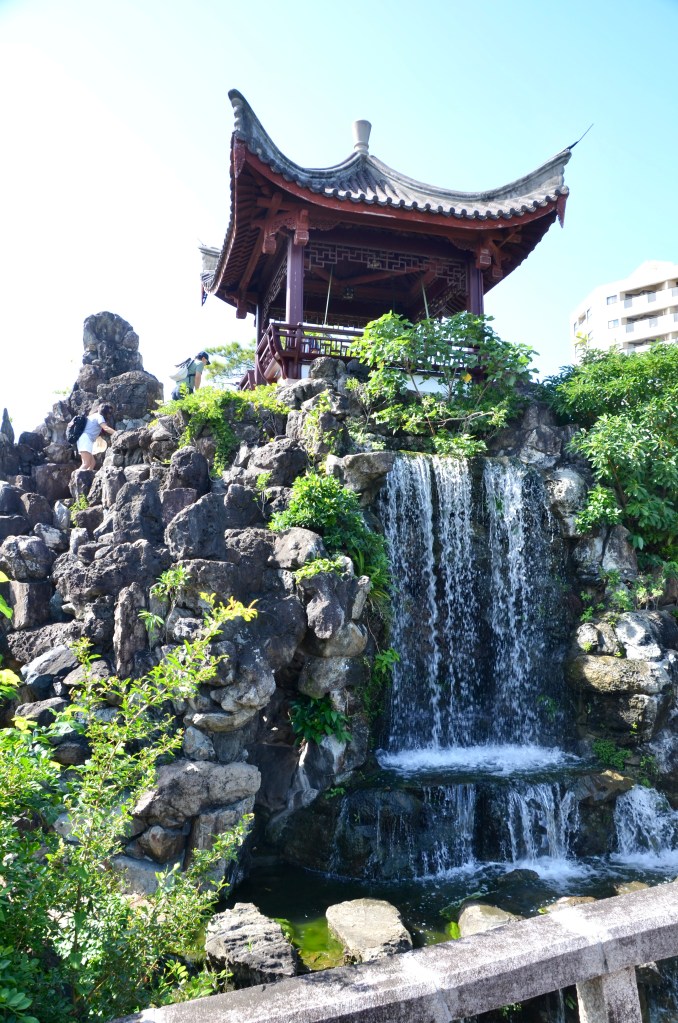
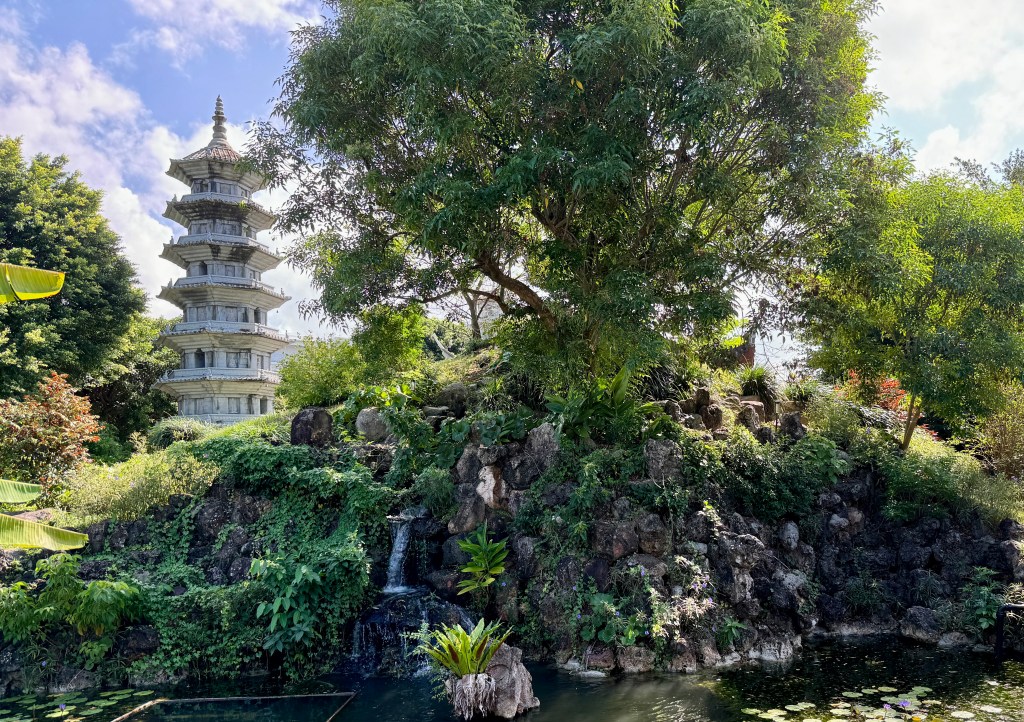
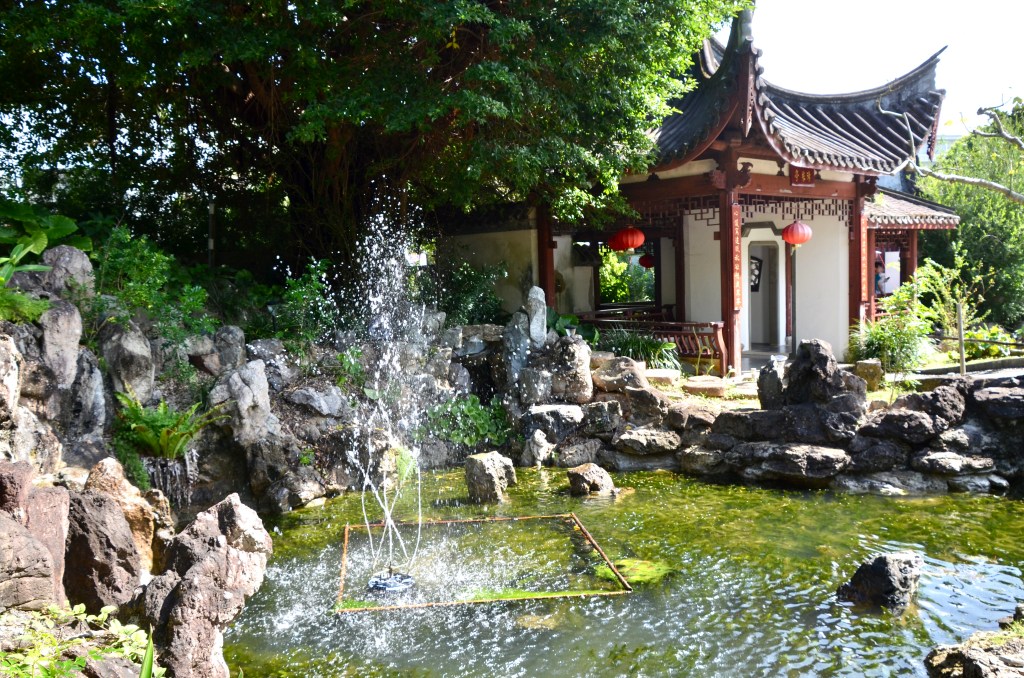
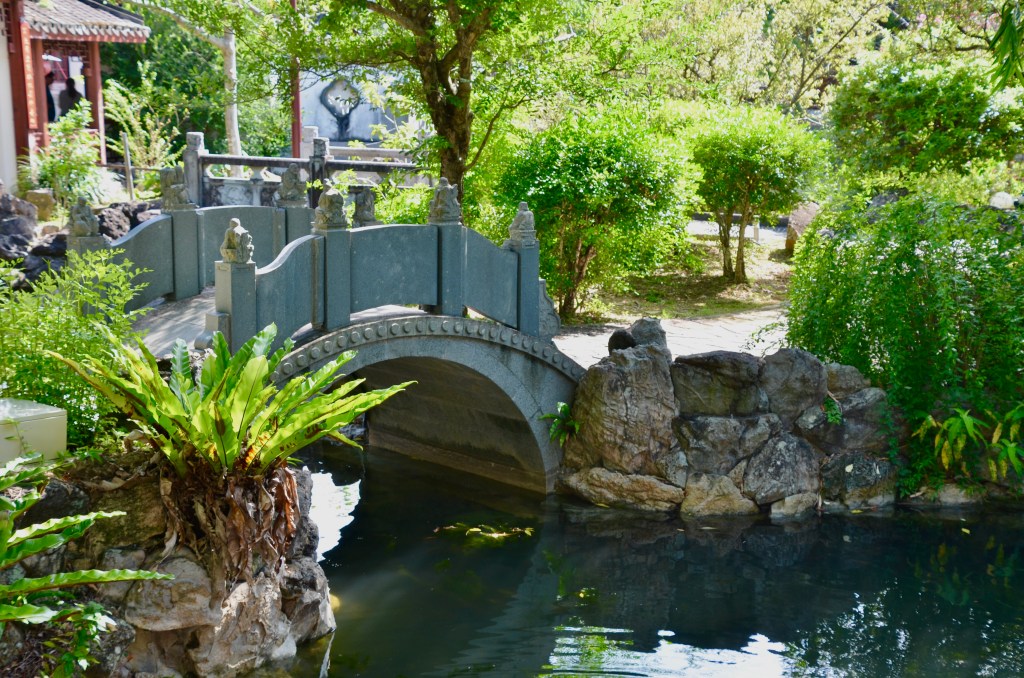
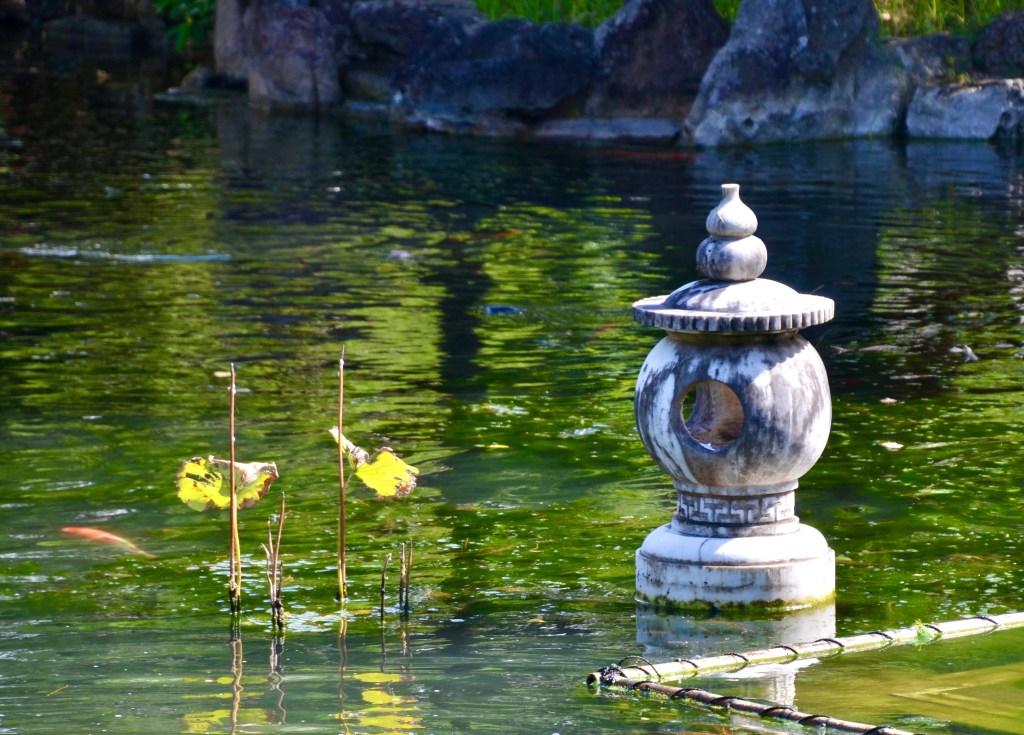
Close to the city centre is Fukushu-en Garden, a Chinese-style garden that was built in 1992 to commemorate Naha’s relationship with its sister city of Fuzhou, China.

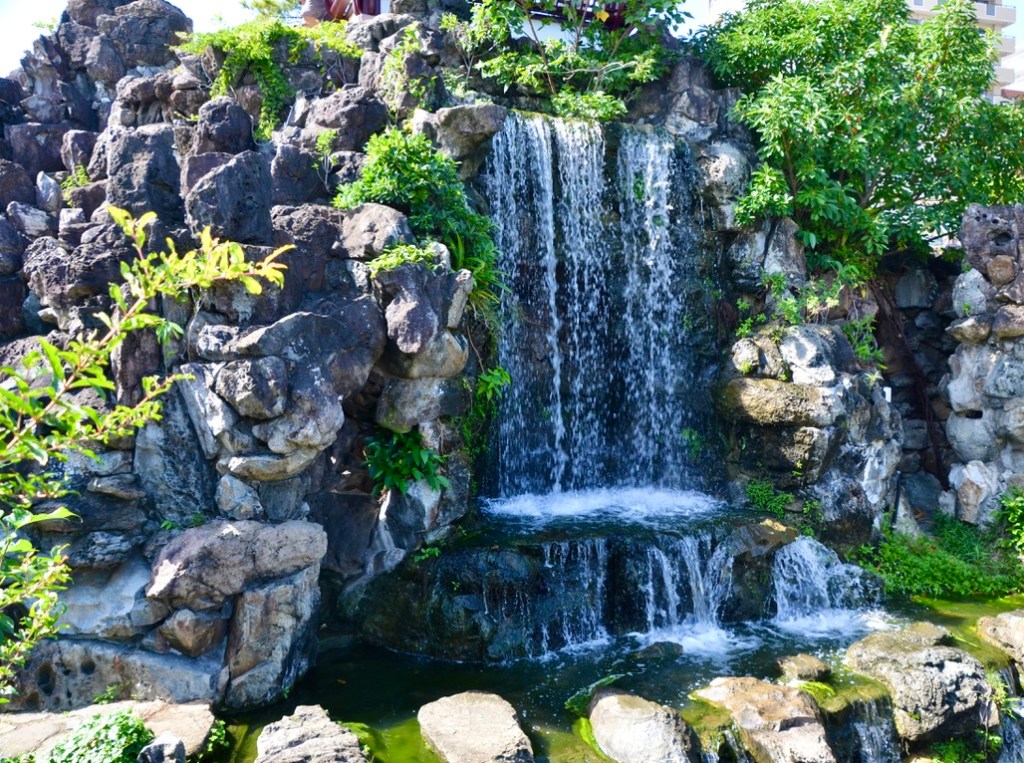
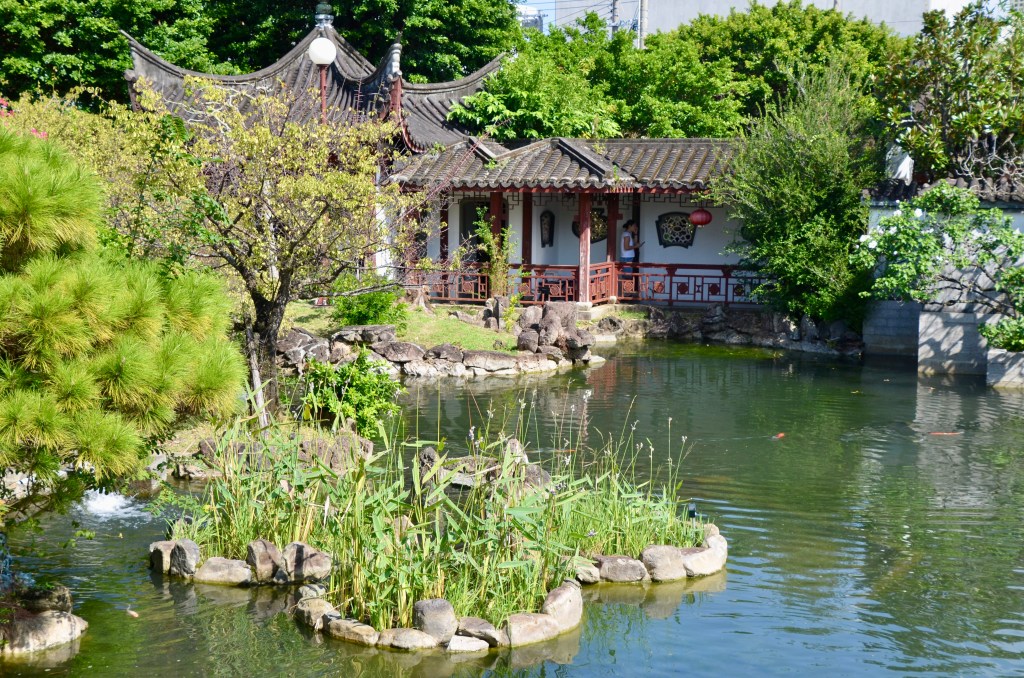
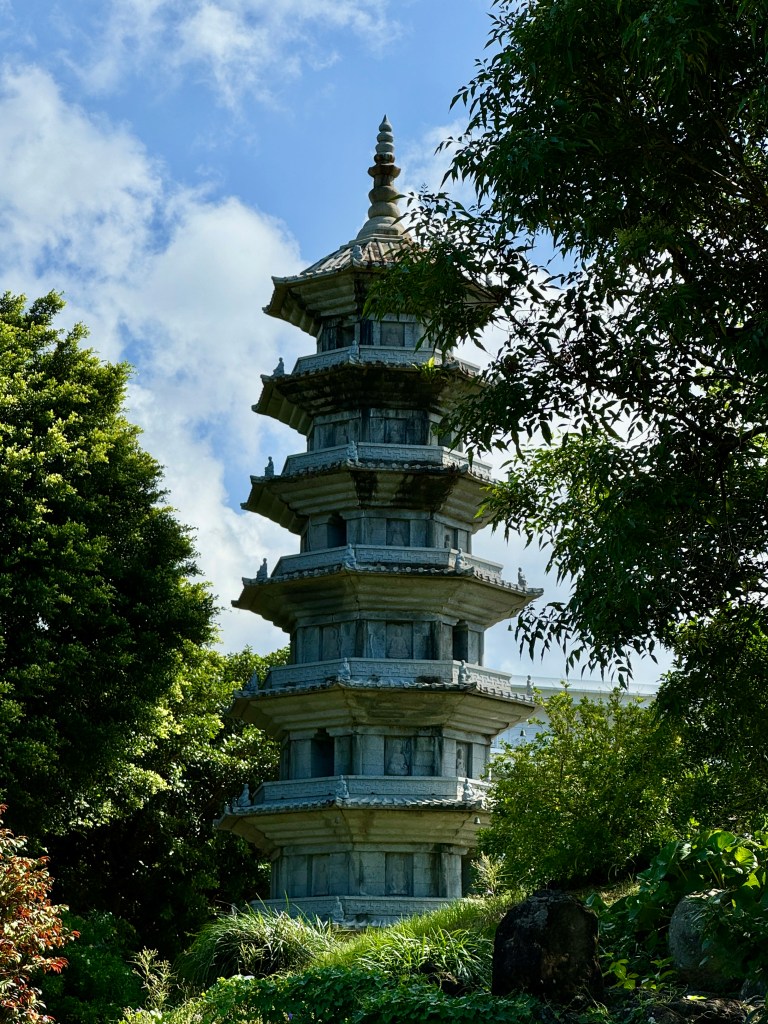
It was an unassuming entrance to Fukushu-en Garden, but the gardens beyond were beautiful, with pagodas, waterfalls, pavilions, and bridges over the ponds. It was a nice way to spend the afternoon.

Naha was our last Japanese port. There were so many things we loved about Japan: the people who are so polite, hospitable and welcoming; its rich culture with its historical sites and temples/shrines; its cuisine (we loved the sushi and ramen); its strong emphasis on safety and security, and its cleanliness (litter-free). We would love to visit Japan again.

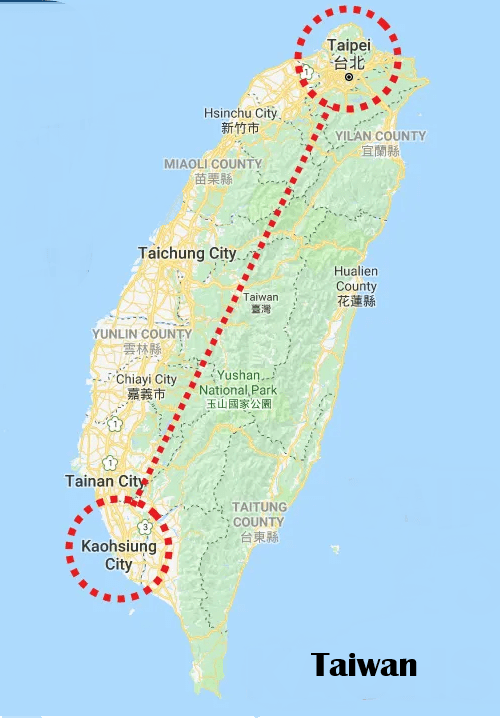
Nov. 5: Originally we were to sail to Taipei Taiwan, but we were re-routed due to a cyclone that had caused damage to Taipei a few days earlier. Instead we sailed to Kaohsiungwhich is located in the southern part of Taiwan and is the island’s largest industrial centre.

There is a strong Chinese influence in Taiwan but whether it is an independent nation is not a simple question. We read that, “China sees self-ruled Taiwan as a breakaway province that will eventually be under Beijing’s control – and has not ruled out the use of force to take the island. But Taiwan sees itself as distinct from the Chinese mainland, with its own constitution and democratically-elected leaders. Taiwan has strong links to China, its biggest trading partner. And many Taiwanese have business and family connections across the strait. But over time, polls show that the number of people who identify as Taiwanese, as opposed to Chinese, has gone up.

The first day in Kaohsiung we toured on our own and on the second day we took an Oceania tour in order to use up our Oceania excursion credits.

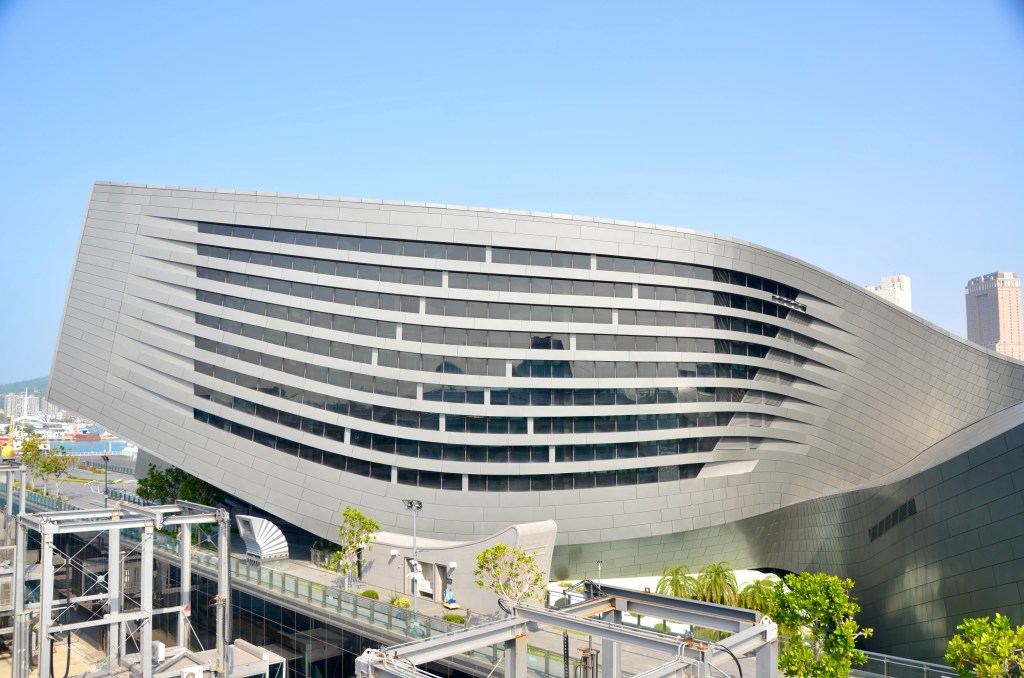
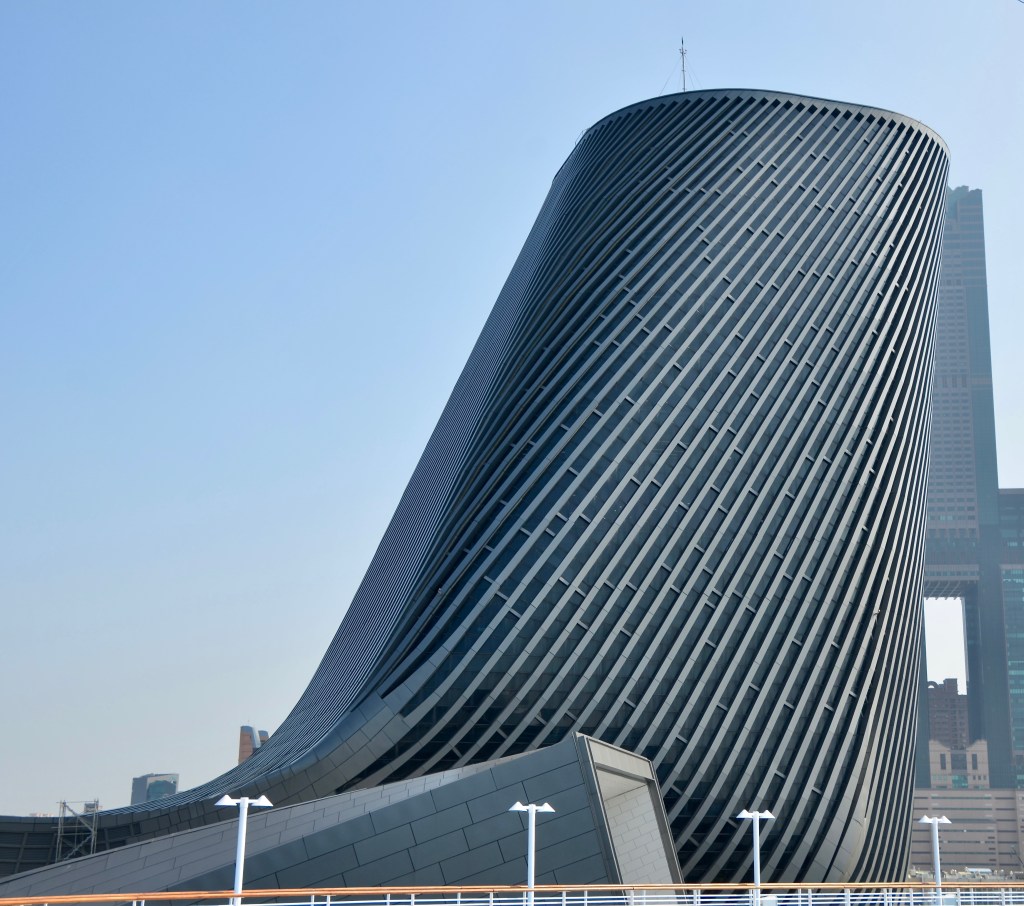
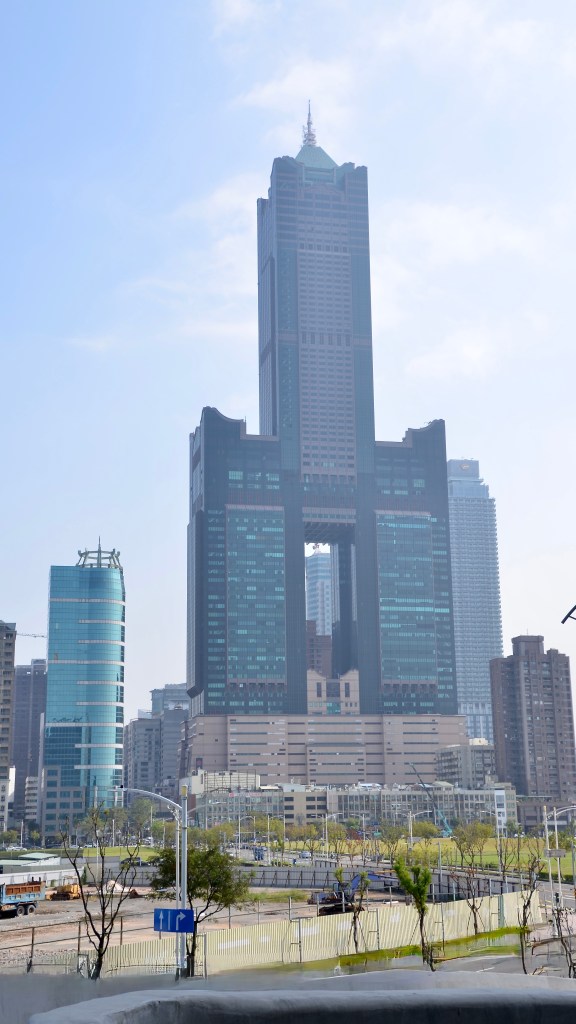
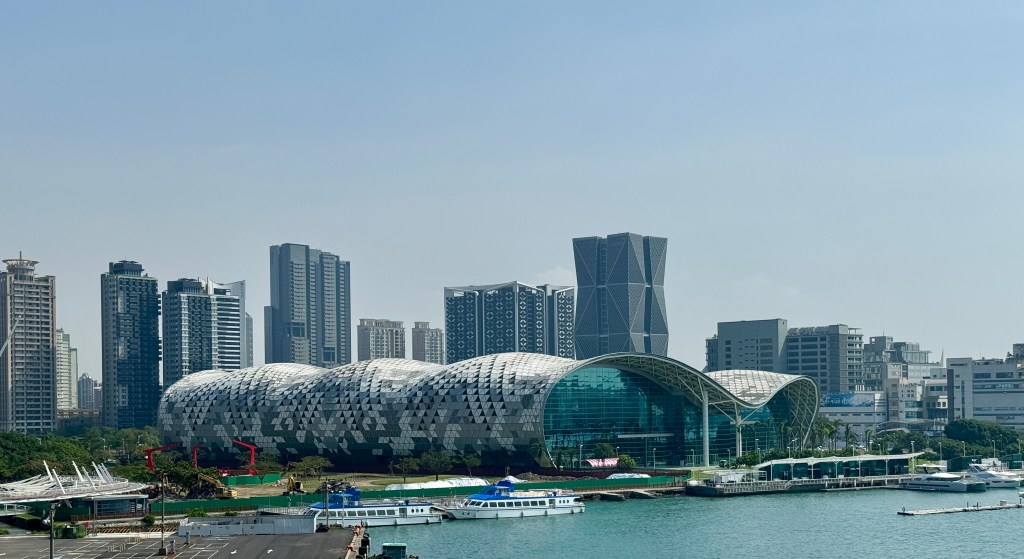
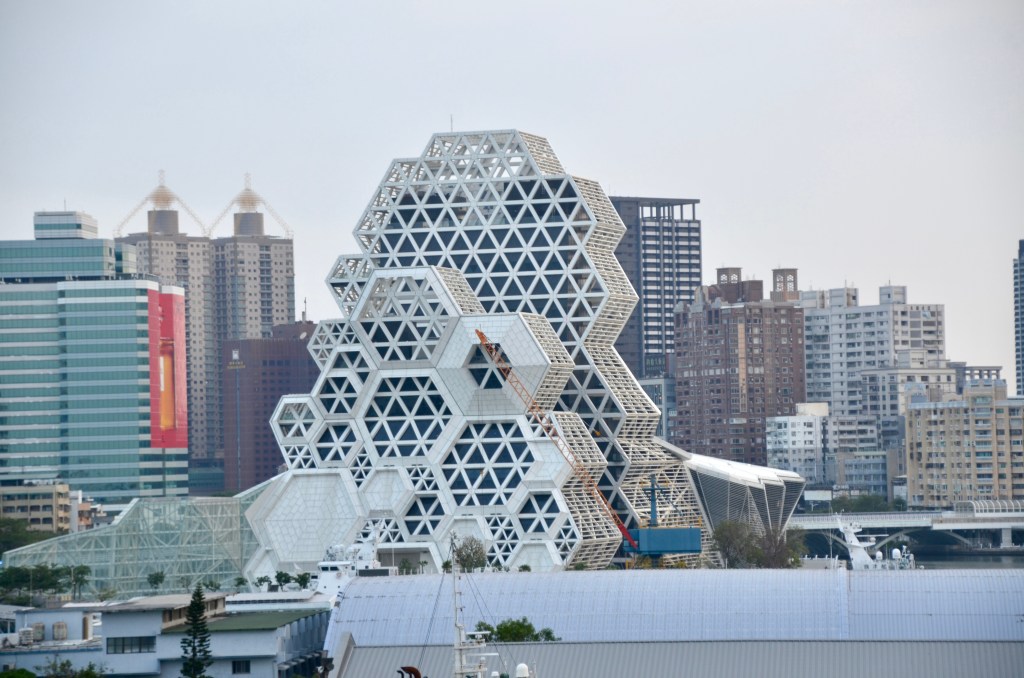
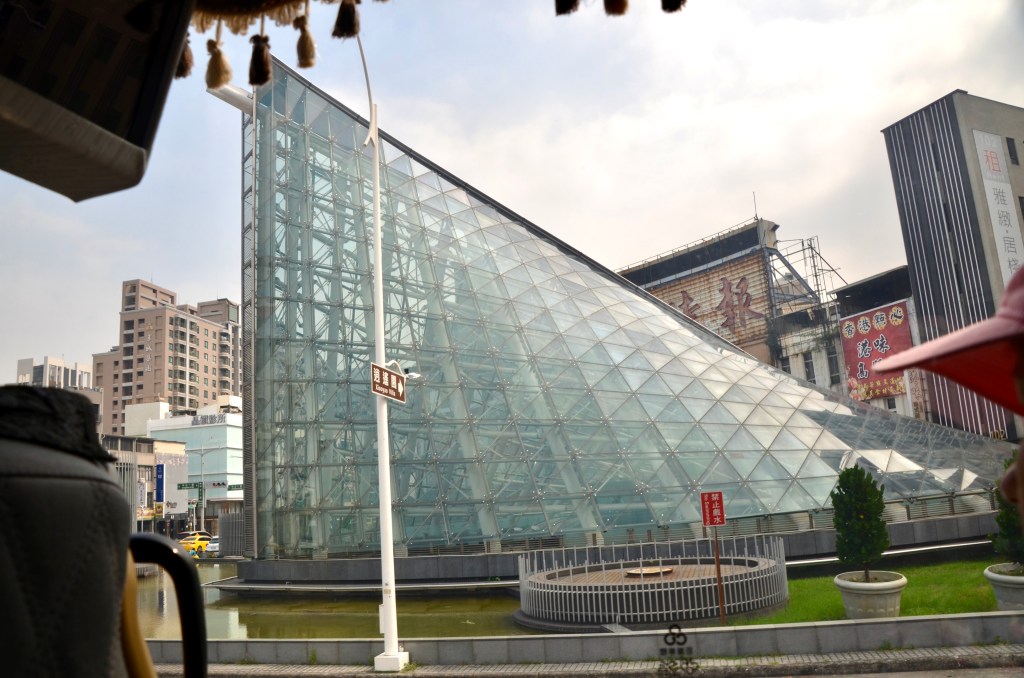
Kaohsiung waterfront was so modern with interesting architecture.

Above is the very modern Cruise Terminal in Kaohsiung

Built in 1997, an 85-story steel skyscraper 

Above is the Kaohsiung Exhibition Center which was designed by an Australian architect

Kaohsiung Music Center

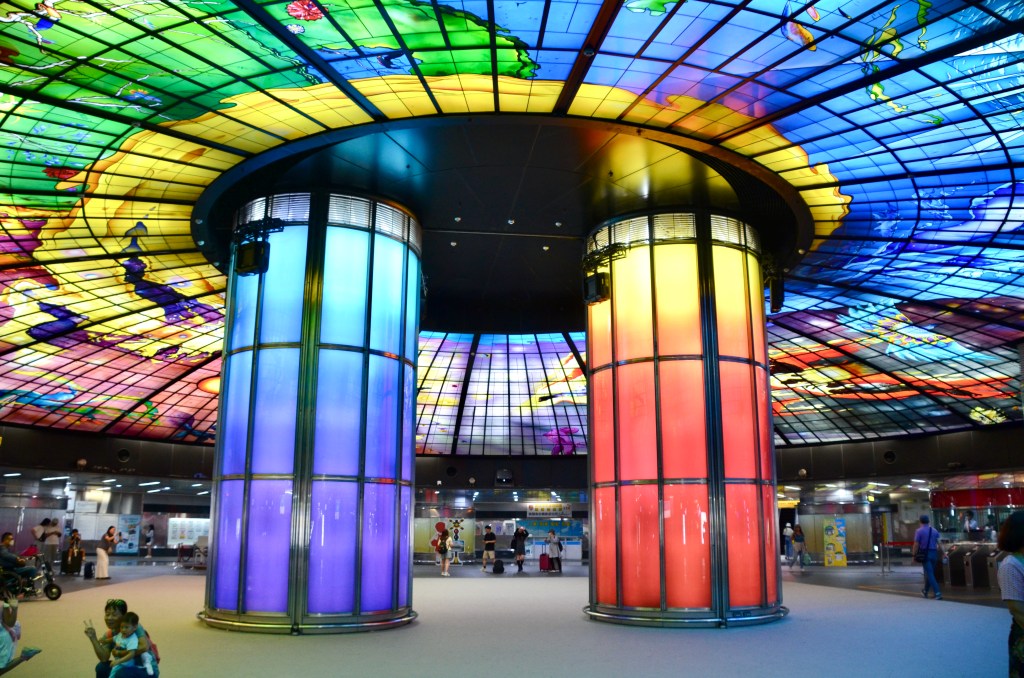
The Dome of Light is underground in Kaohsiung’s MRT transfer station. It is the world’s largest public art installation made from individual pieces of coloured glass and took nearly four years to complete. It is huge with a 30-meter diameter and it covers an area of 660 square meters. When we first walked by it wasn’t lit so we missed it, but luckily it was lit on our way back.

The remaining photos are from our our Oceania ship excursion in Kaohsiung.

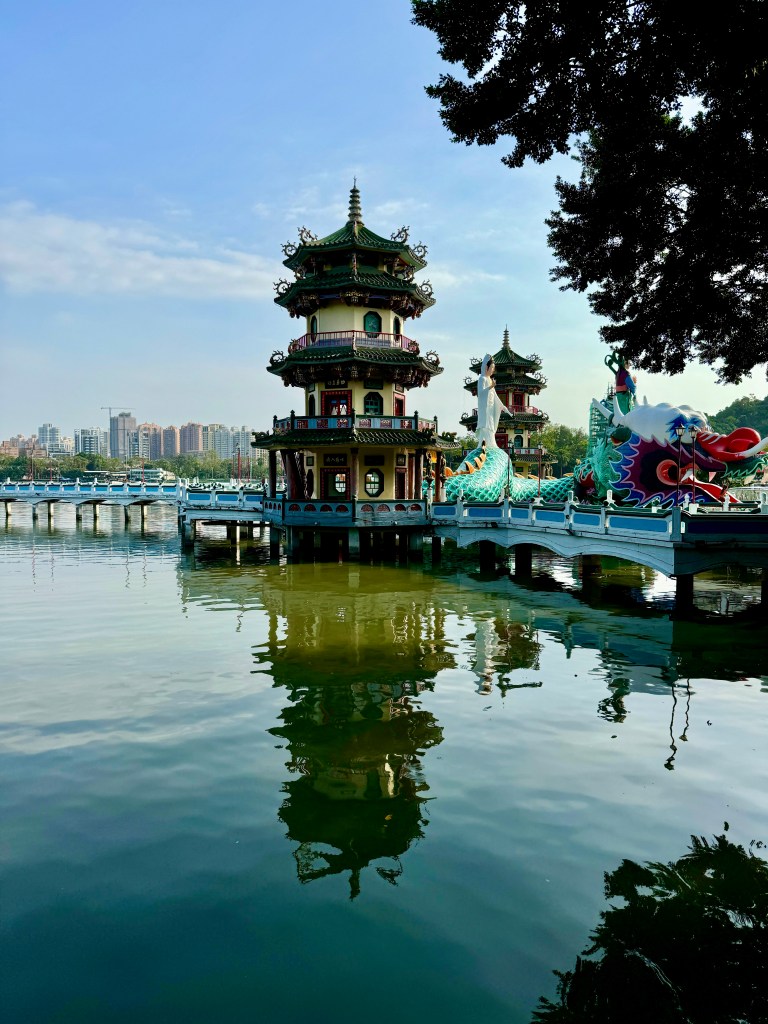
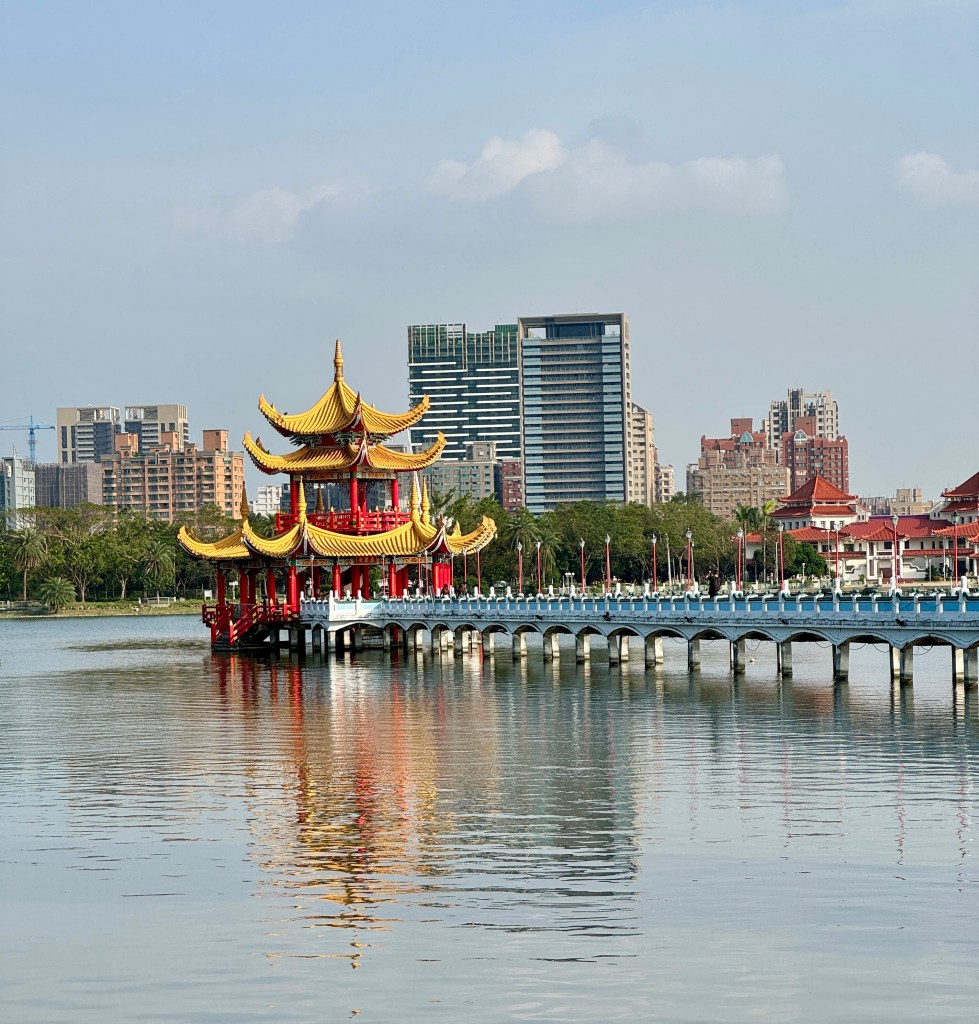
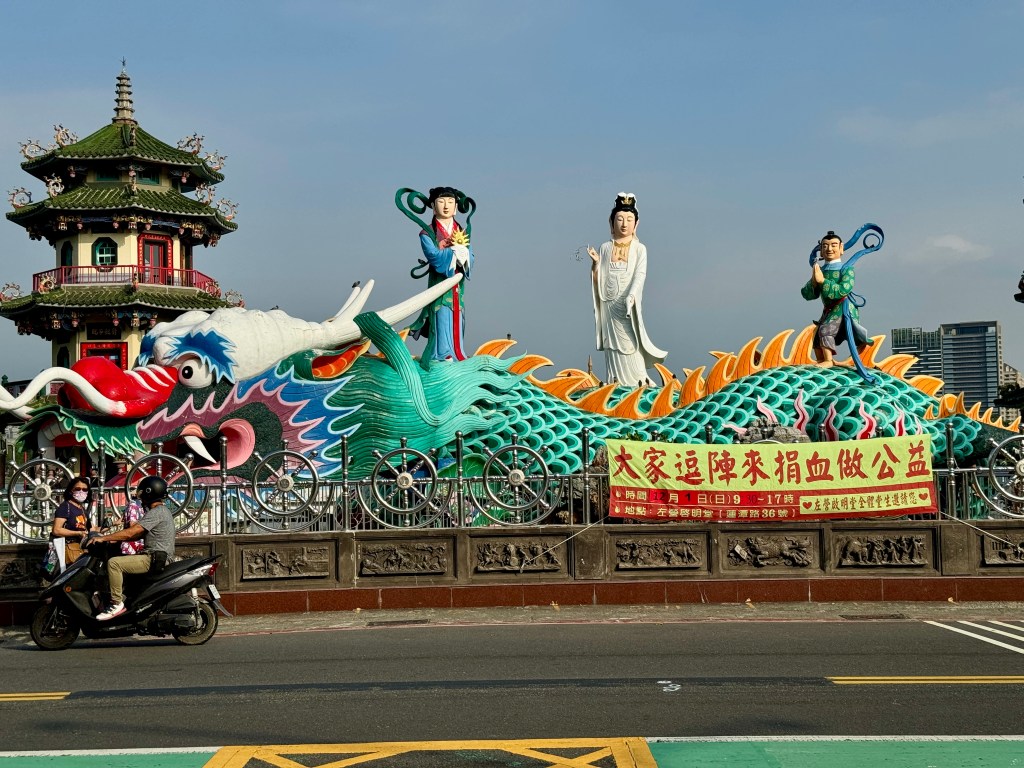
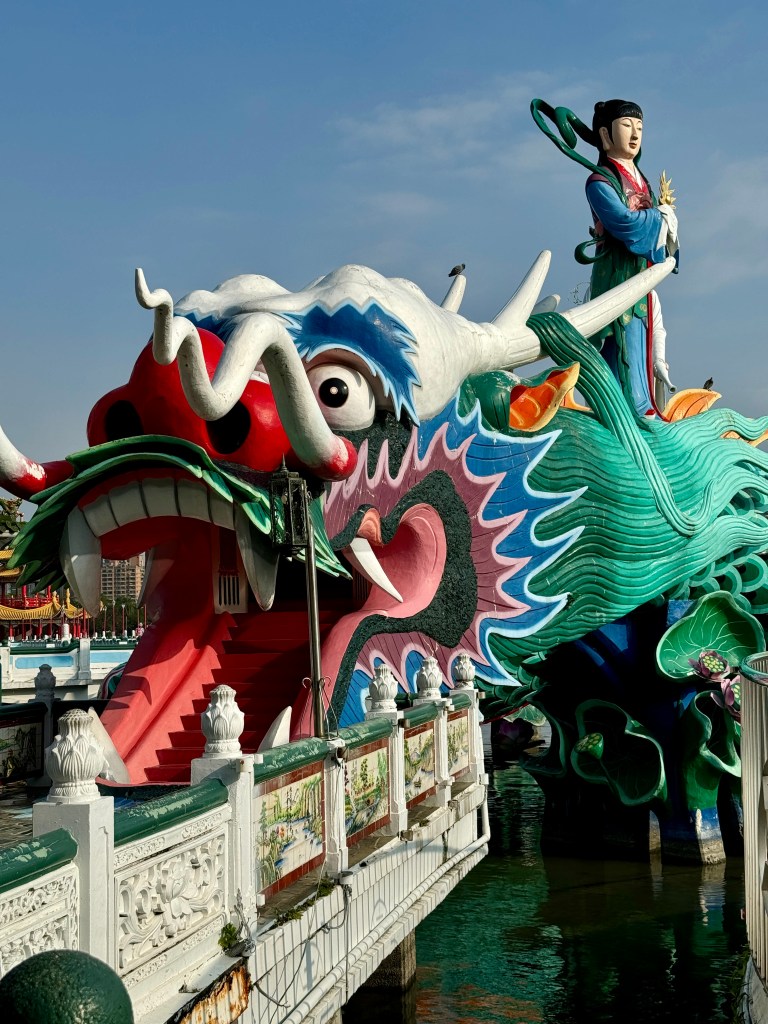
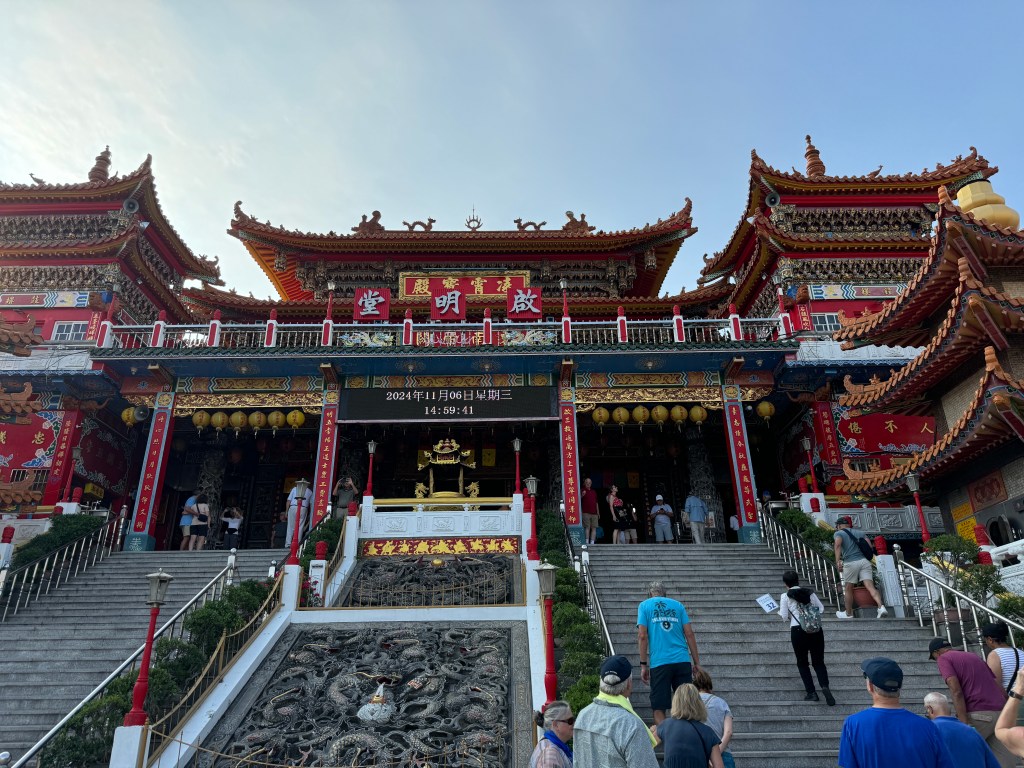
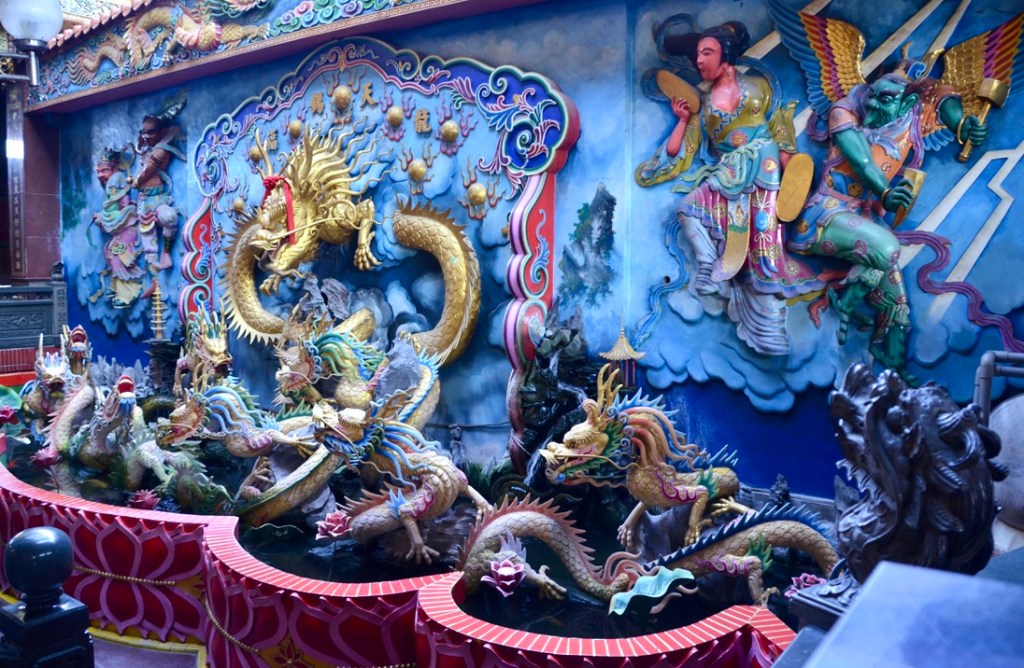
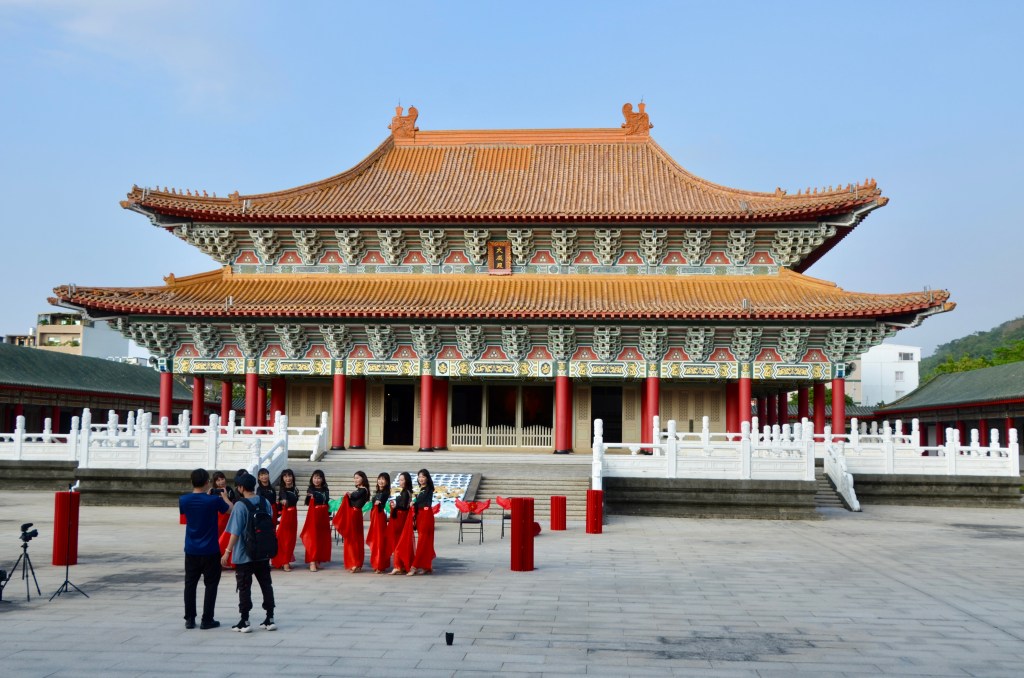
Next we went to The Spring & Autumn Pavilions, on the Lotus Pond (an artificial lake), and then visited the Chi Ming Tany Temple across the street.

The Spring and Autumn pavilions are two Chinese palace style pavilions which commemorate a military saint. The pavilions are on a man-made Lotus Pond.
The entrance to the Pavilion.
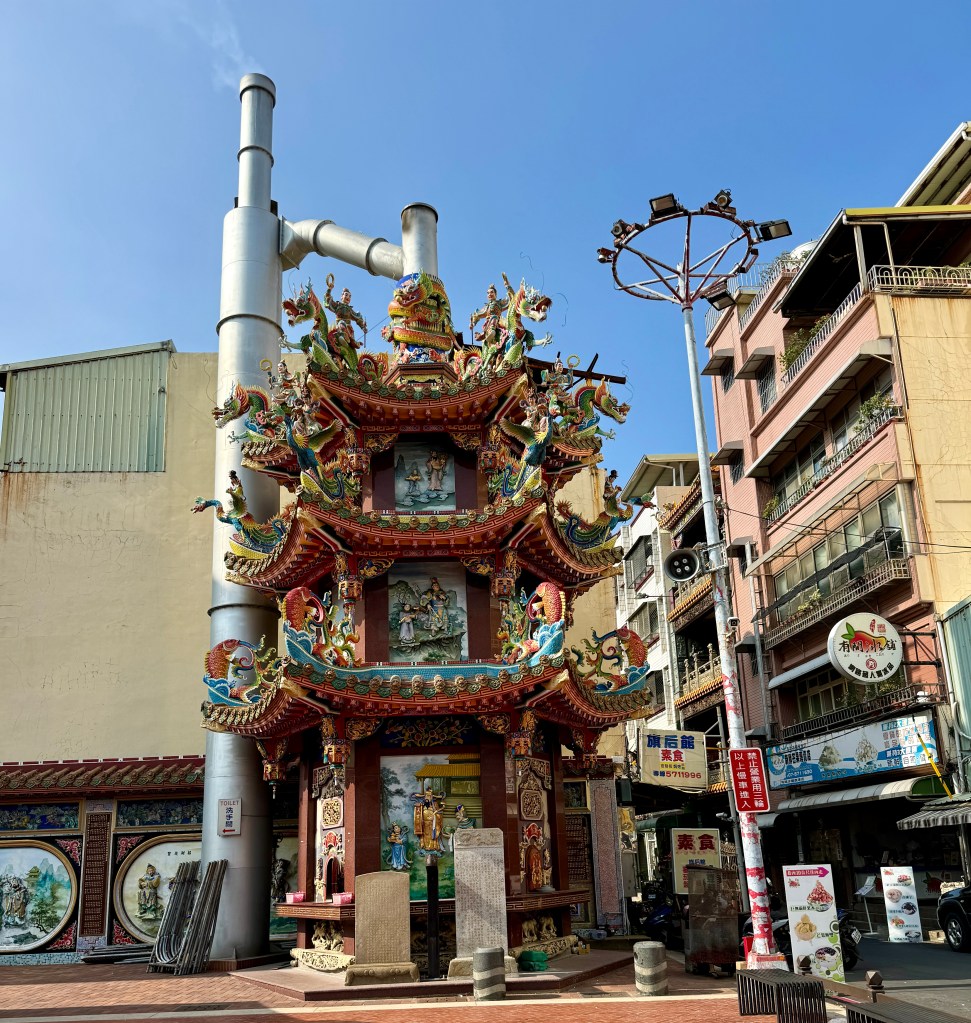
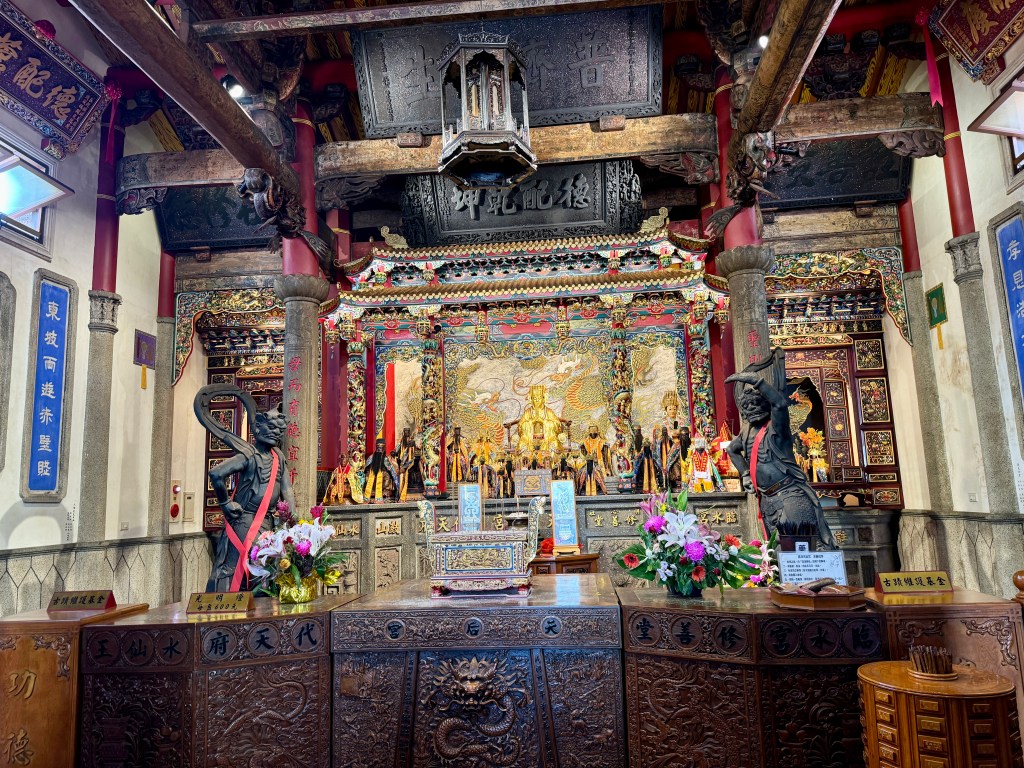
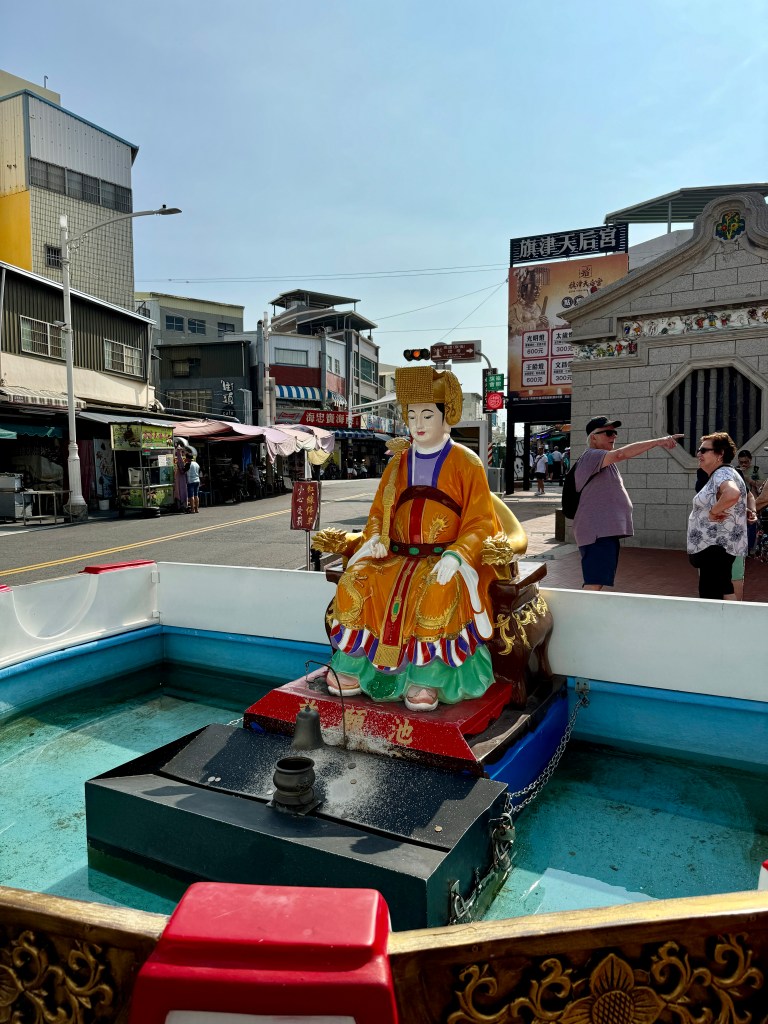
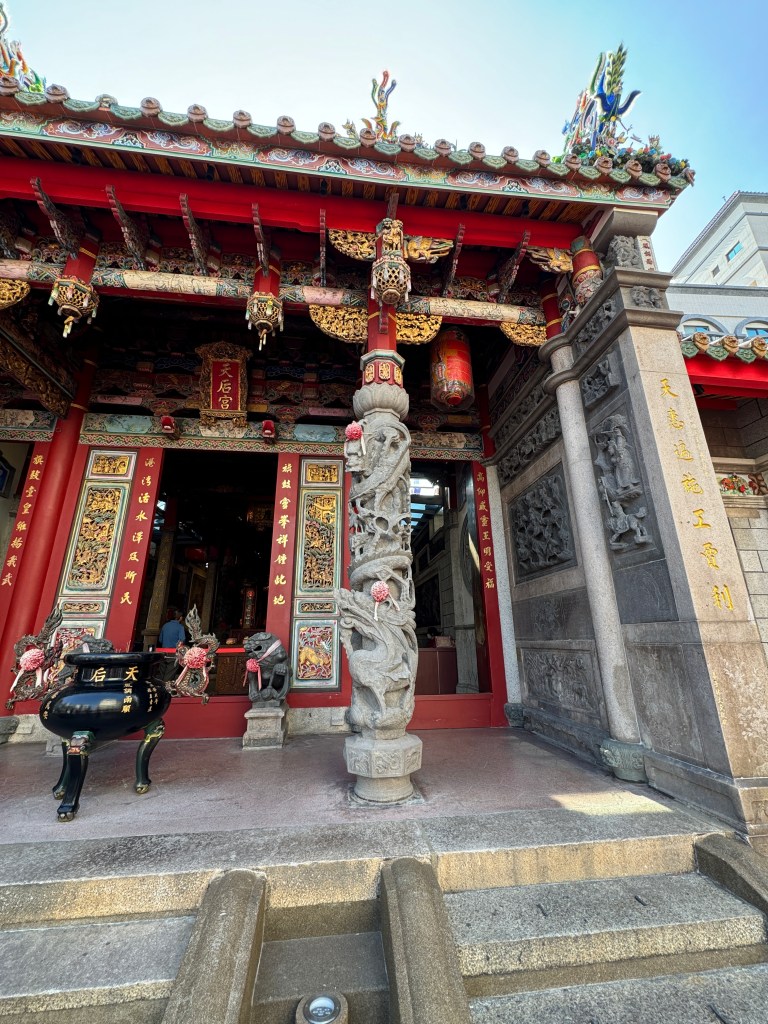
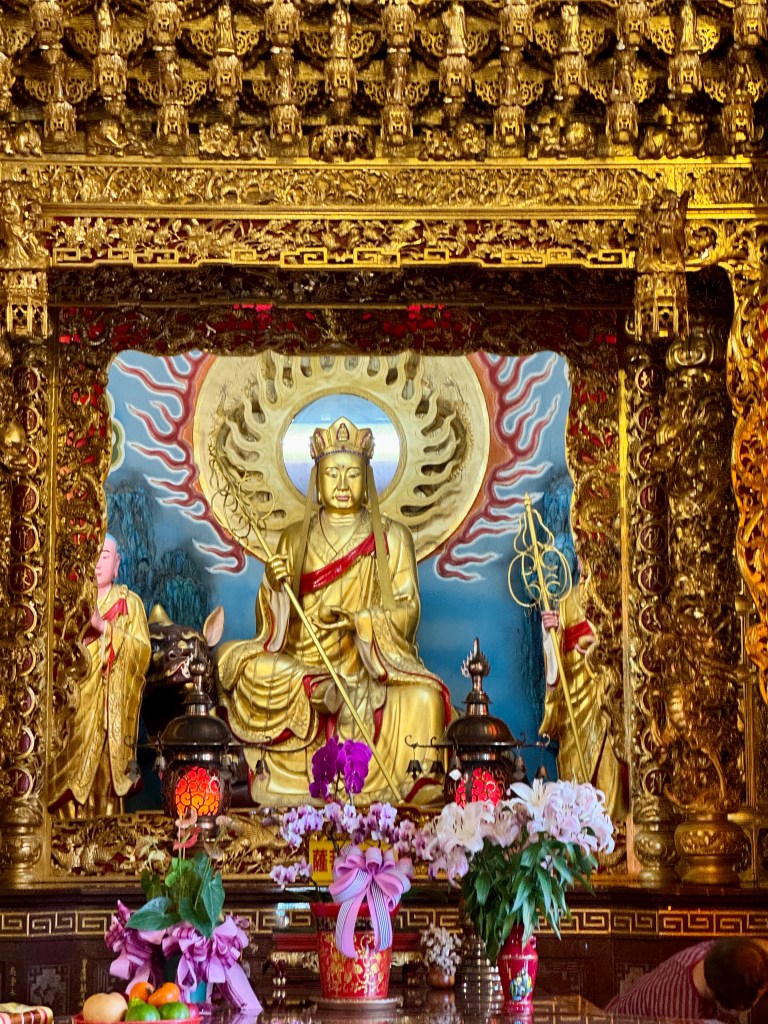
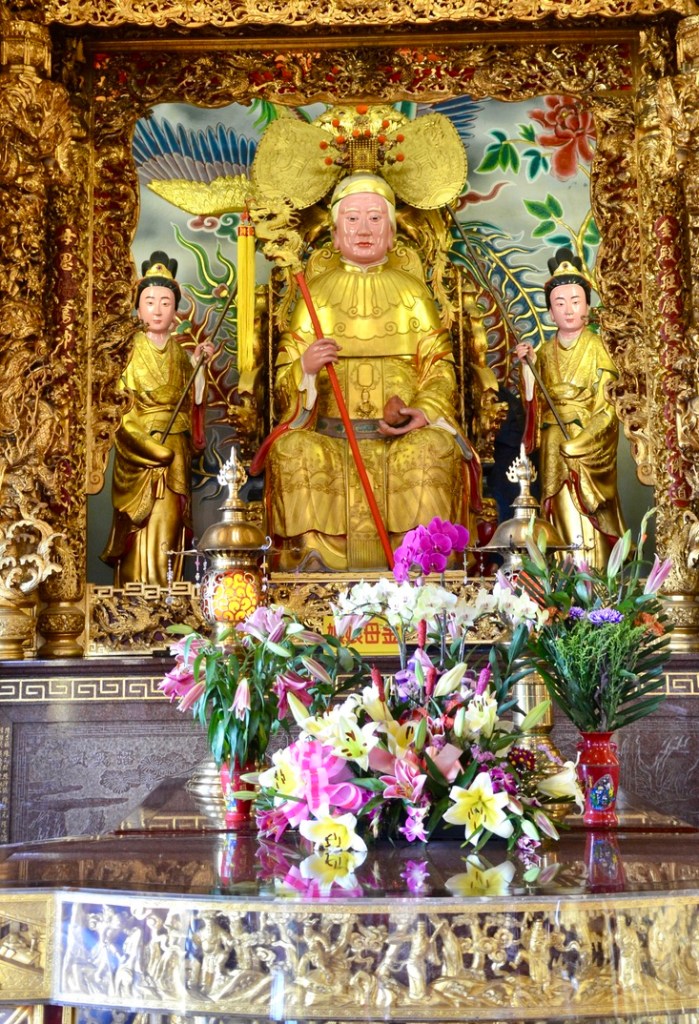
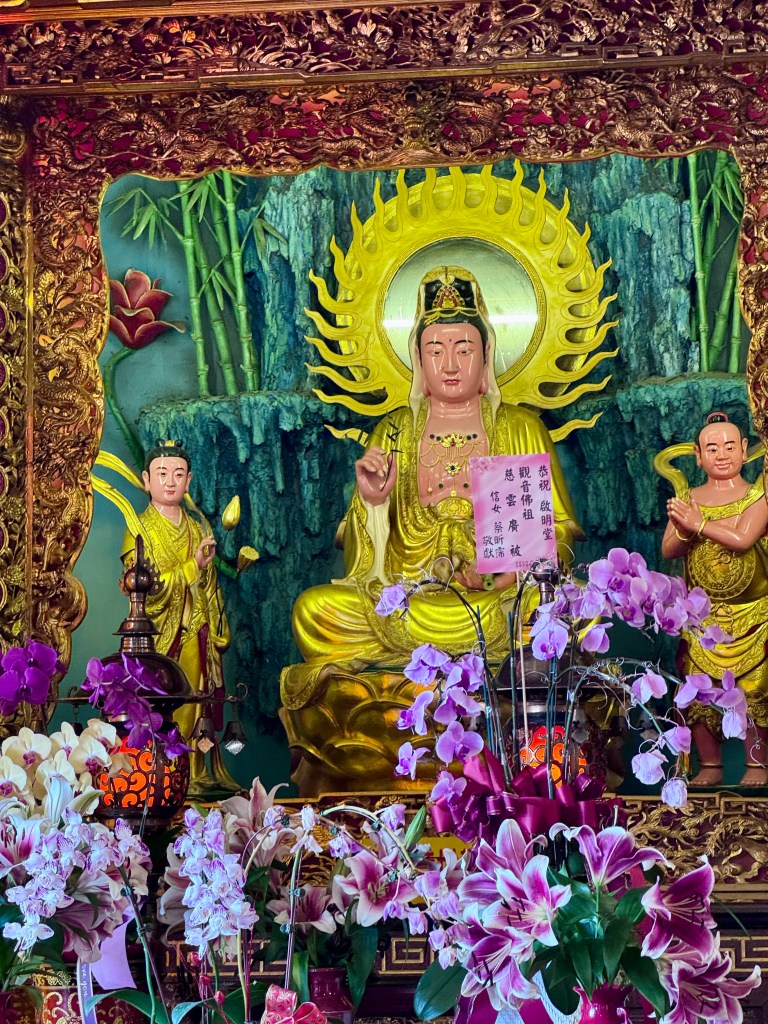
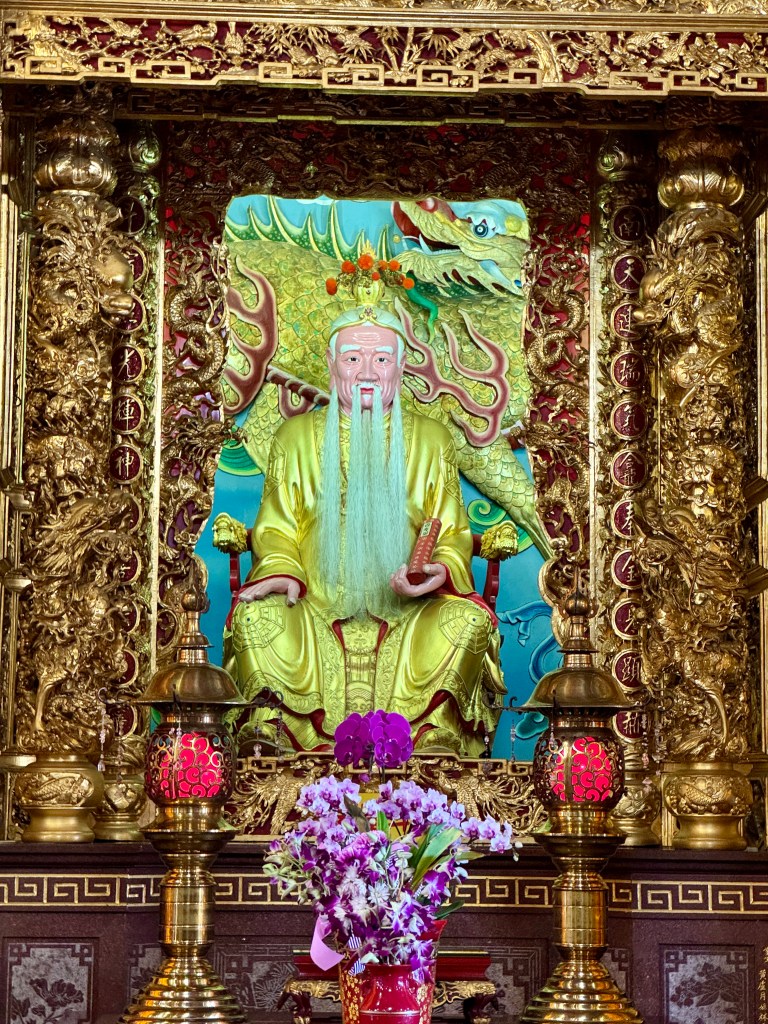
Tianhou Temple commemorates Matsu, the goddess of fishermen and the sea and patron saint of Taiwan. 
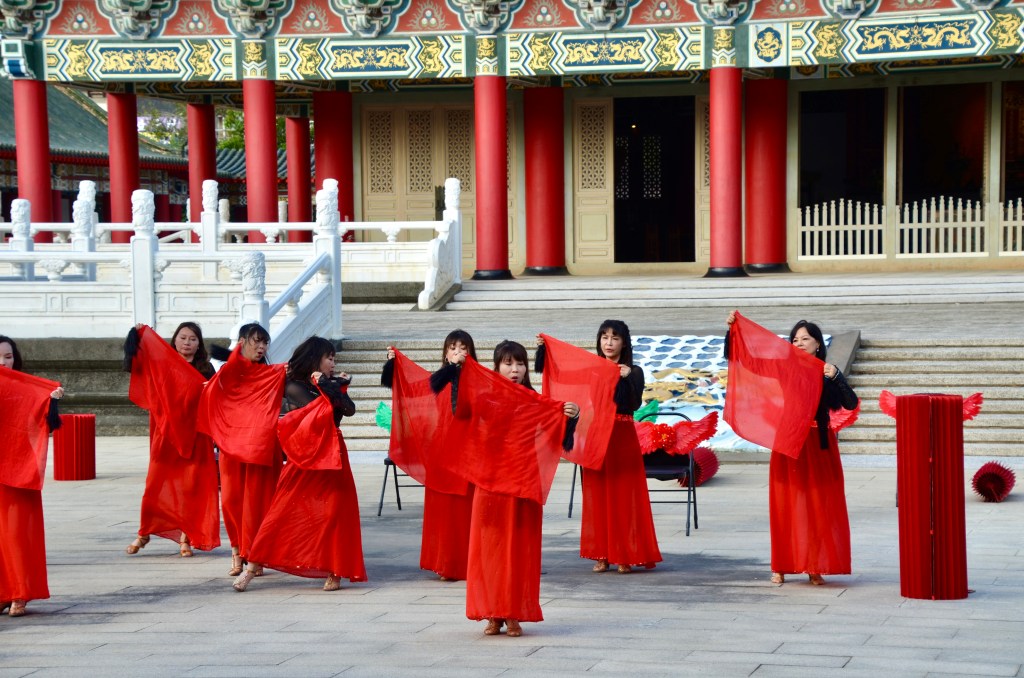
We watched these ladies practice their routine.

Our next port is Hong Kong.