
Nov. 2nd: From Kobe we sailed to Hiroshima arriving by 8:00 a.m. which gave us a full day to tour (the ship departed at 6:00 p.m.).
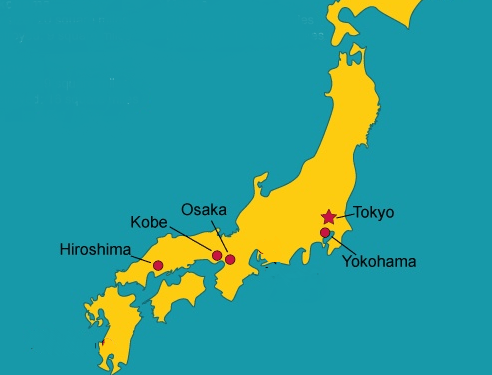
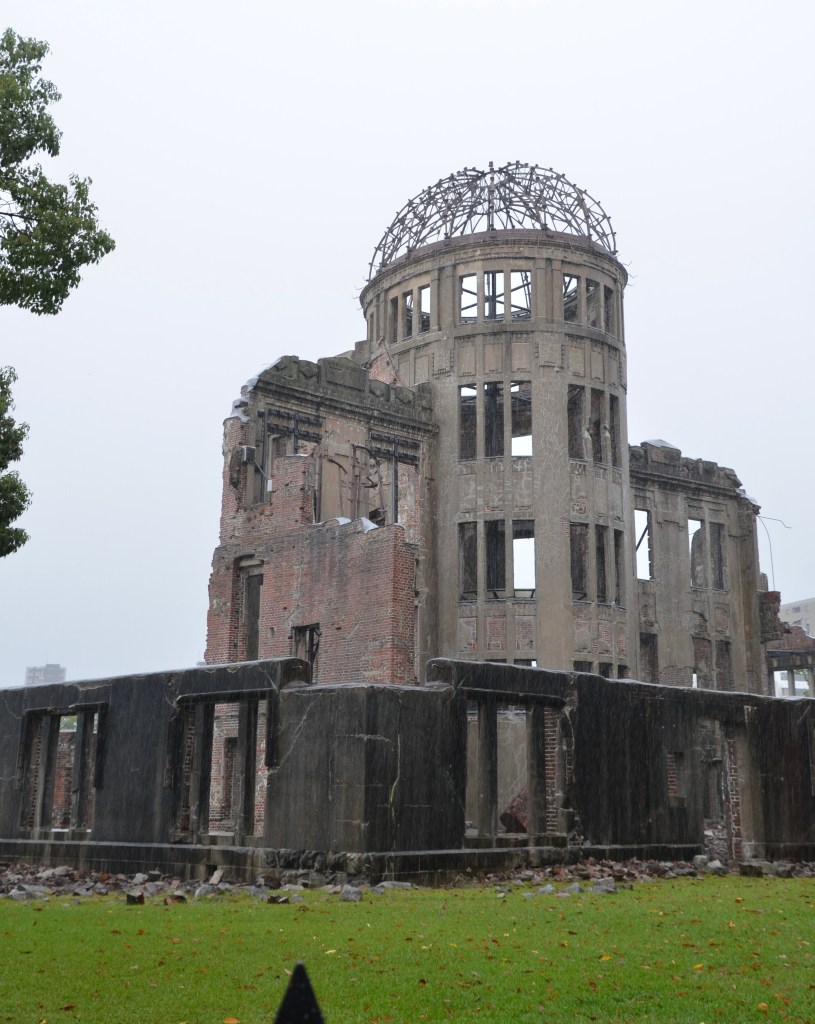
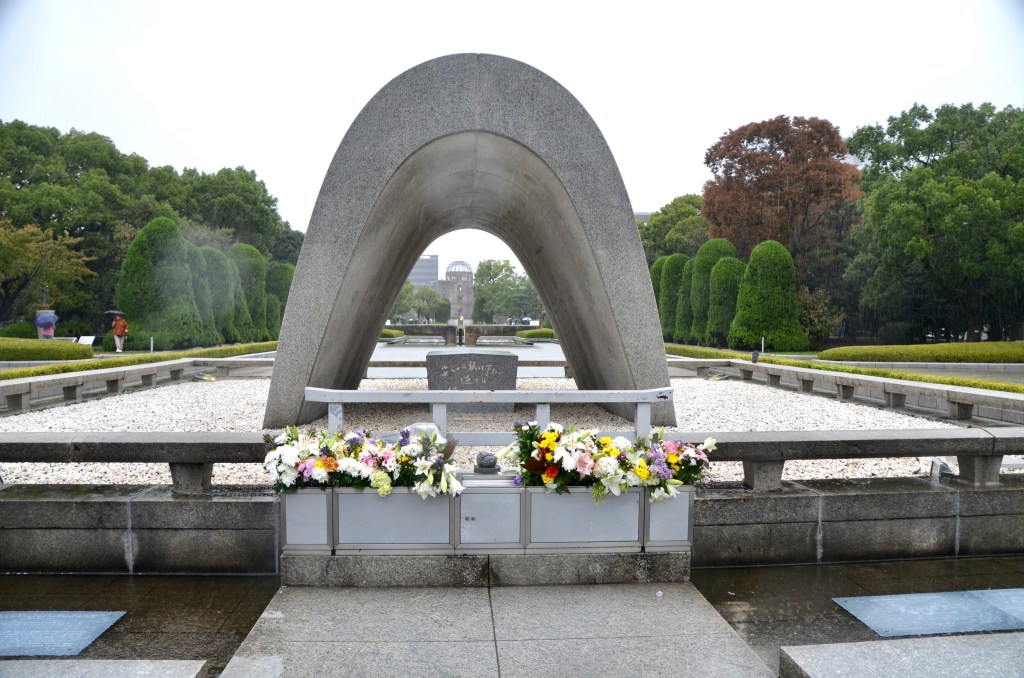
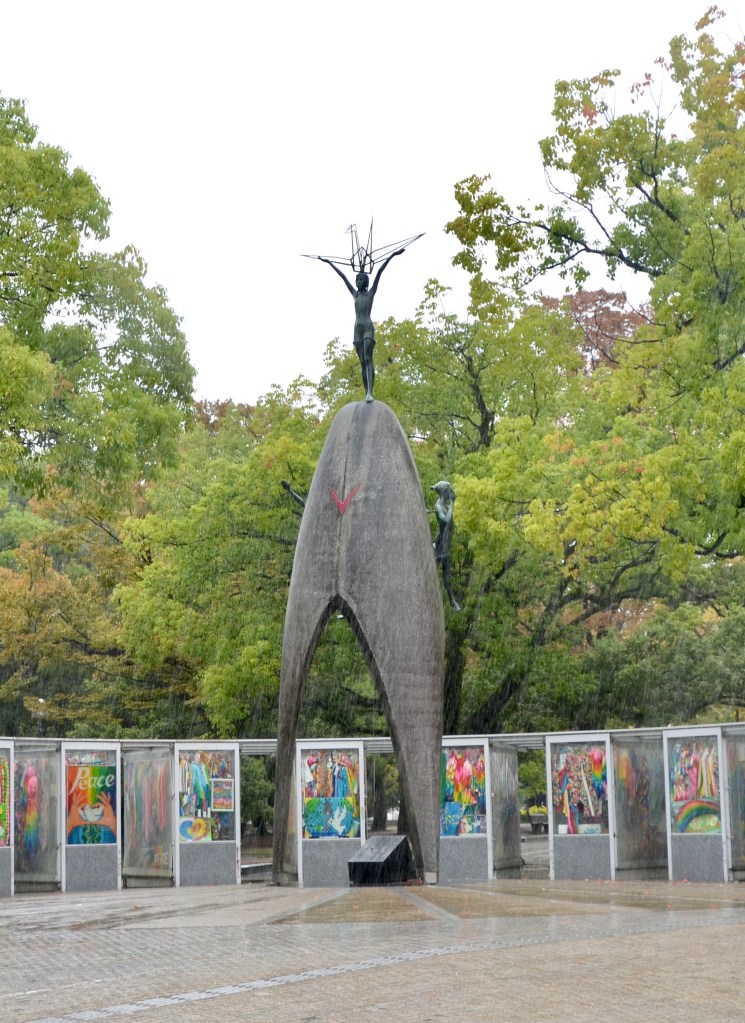
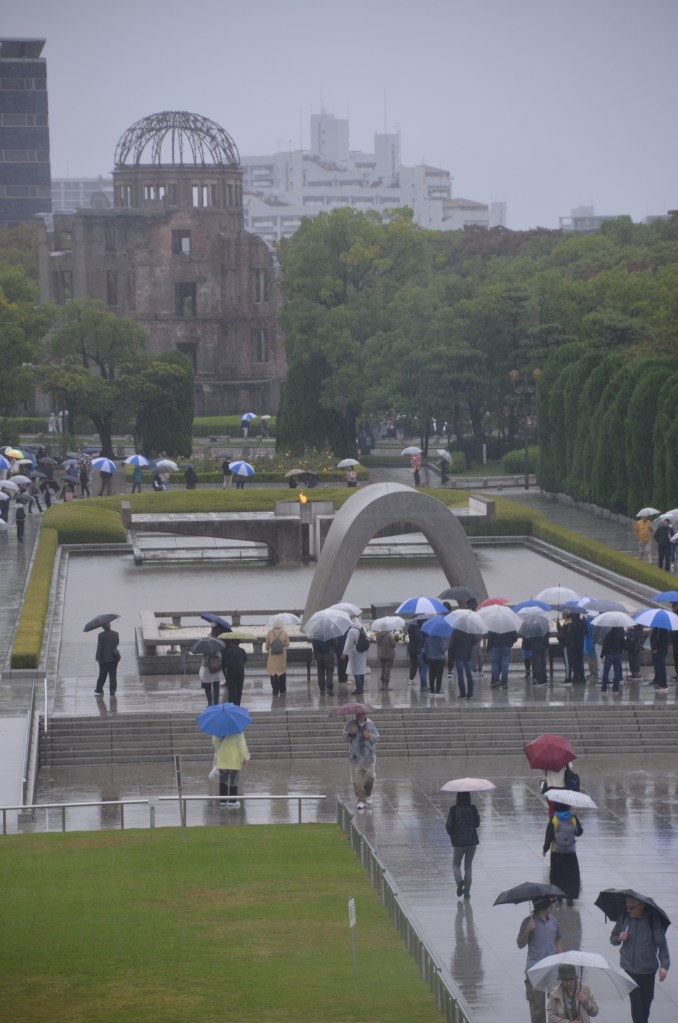
We last visited Hiroshima Peace Memorial Park and the Museum in 2002 (cruise stop). The Park was as we remembered but the Peace Memorial Museum had undergone two major renovations since our last visit. The first renovation was to the East Building (2013 – 2015) followed by a major renovation of the Main Building (2017 – 2019). We found the museum incredibly moving in 2002, but even more so since the renovations.
The following excerpt from an article written about the main building’s reopening captures the feeling you get when you enter:
“The Main Building immediately sets the tone for visitors with a single black and white photograph of a young girl in bandages. Her expression is hard to pin down, caught in a moment that can’t be understood fully. The exhibits are divided into sections, each with a title carved into rough black stone and lit by single, soft spotlights to keep the visitor in semi-darkness, paralleling the darkness and uncertainty that followed the bombing. Large-scale black and white photos along with almost novel-like excerpts from eyewitnesses line the walls, each with a correlating English translation. The exhibits incorporate artwork and photos to tell the story of August 6 1945 from different perspectives, including a larger-than-life photograph of the mushroom cloud billowing before three people, barely noticeable for their size in comparison to the massive plume. Photos like this help to put the overwhelming size of the explosion into an easy-to-grasp perspective, and are further made poignant by the lighting and stark black walls around them.”
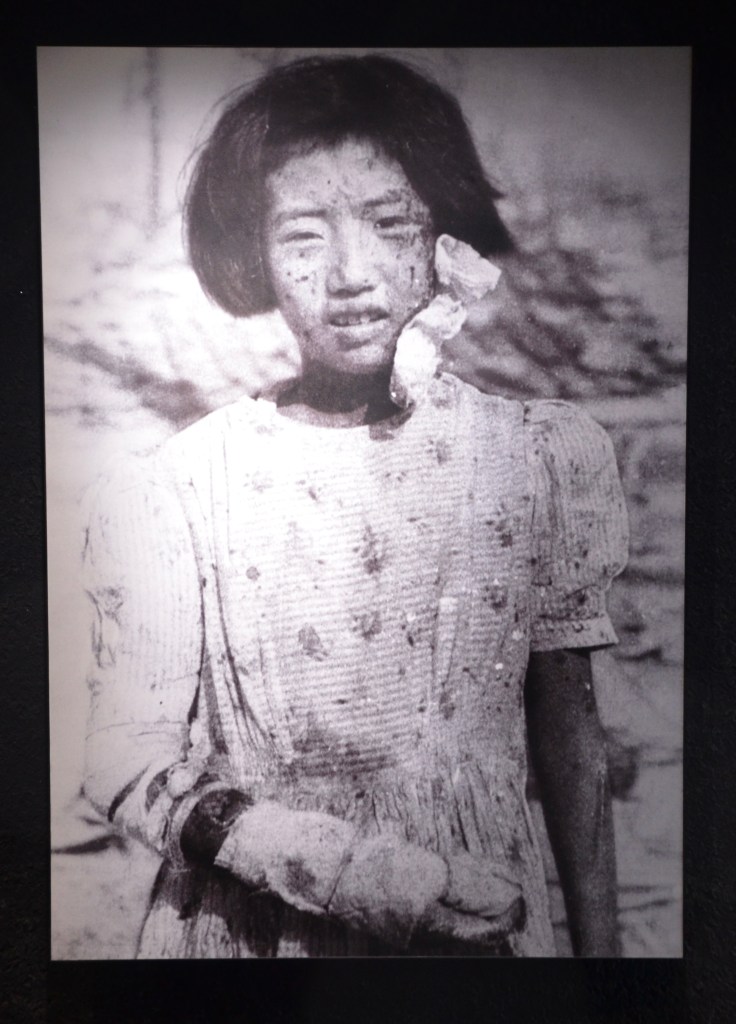
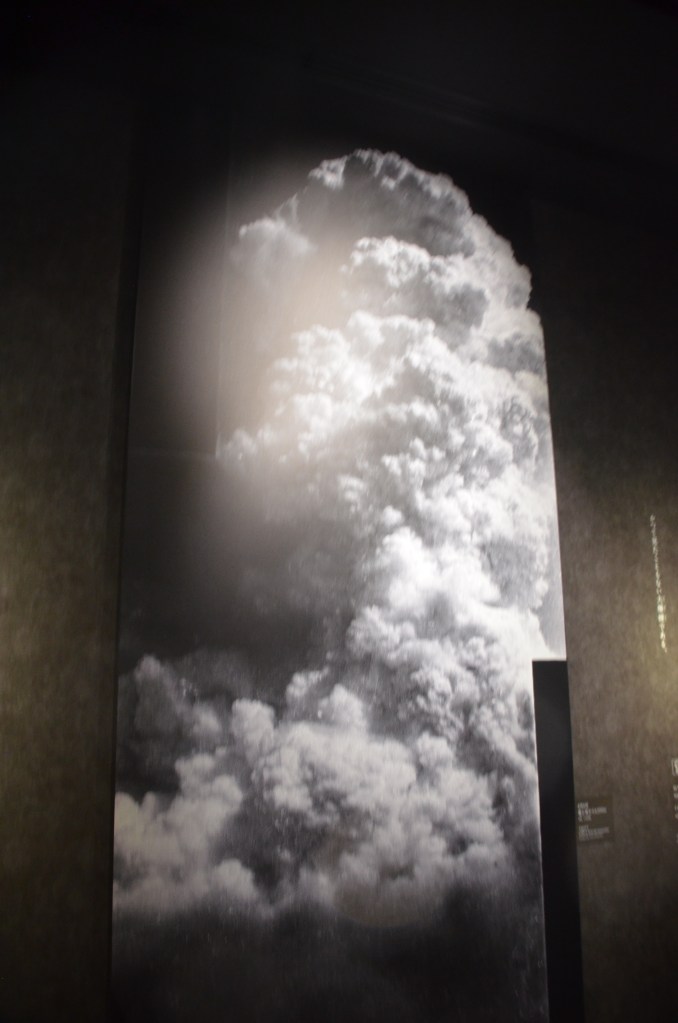
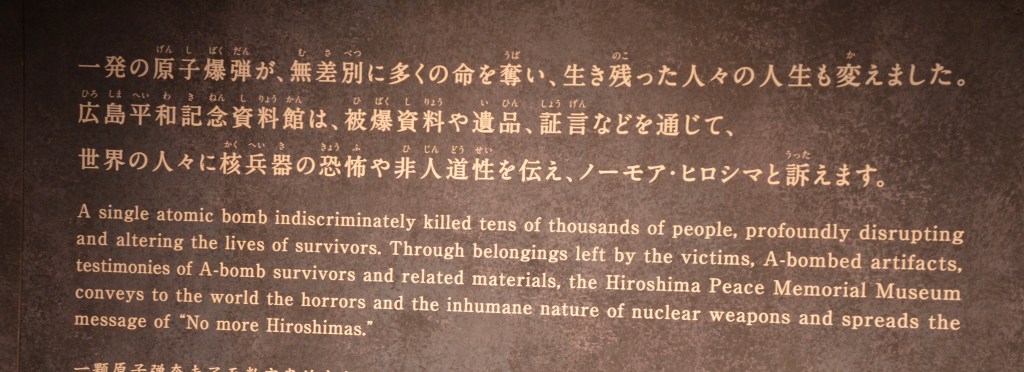
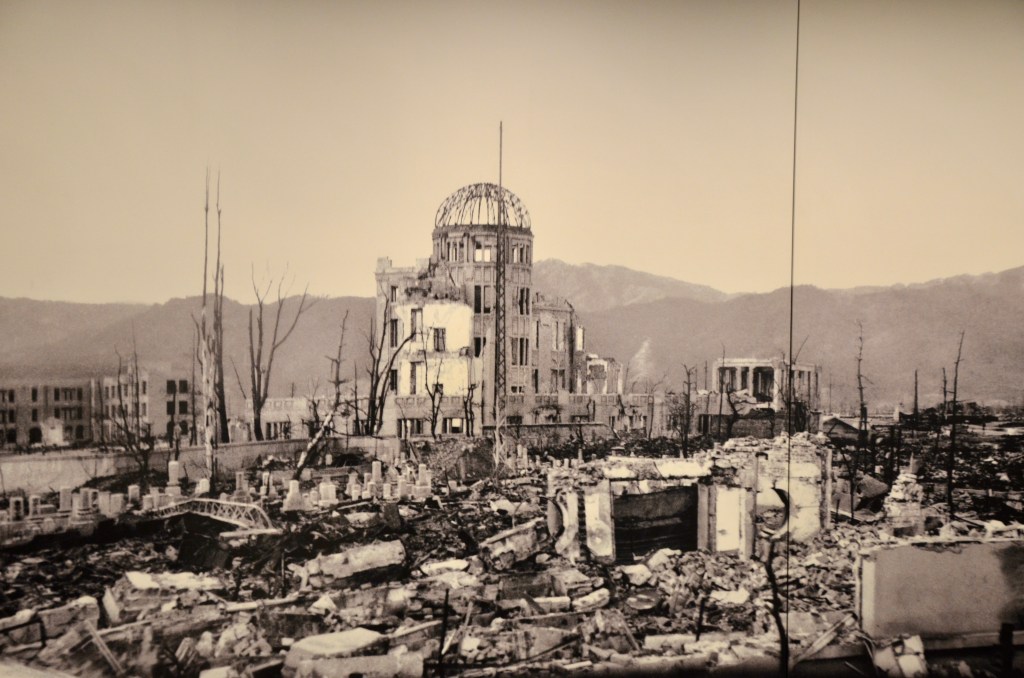
As mentioned in the article above, the Hiroshima Peace Memorial Museum mainly displays artifacts that remain from the atomic bombing, as well as excerpts from eyewitnesses in order to convey the harsh reality of the time, and the dangers of nuclear weapons. I have included just a couple of photos taken in the museum. We spent over two hours walking through the museum and as we exited the message “We must vow to do all in our power that never again will anyone have to face the tragedy that occurred in Hiroshima” became even more powerful in these uncertain times.
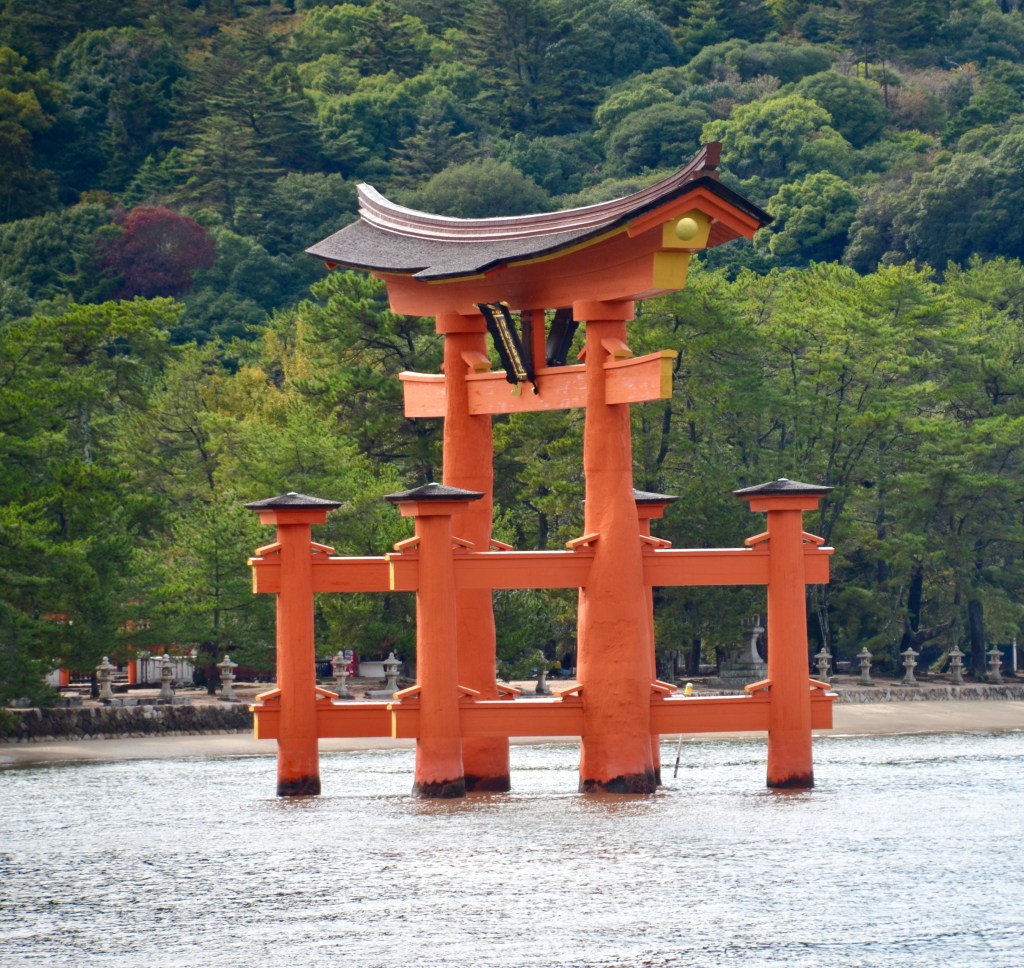
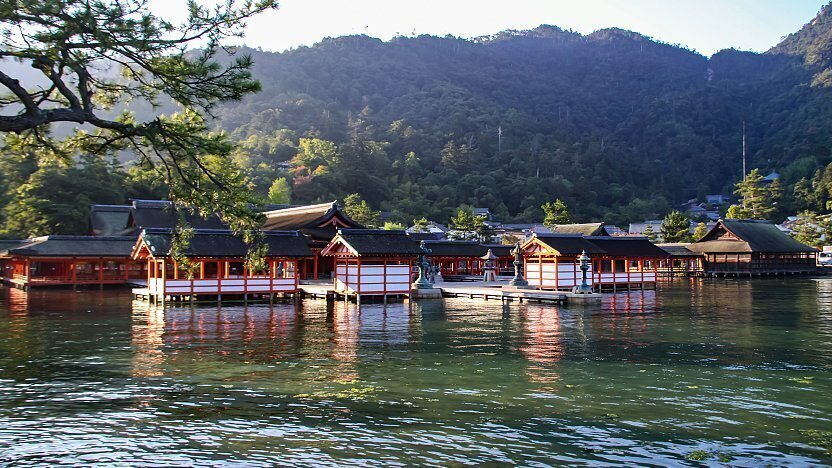
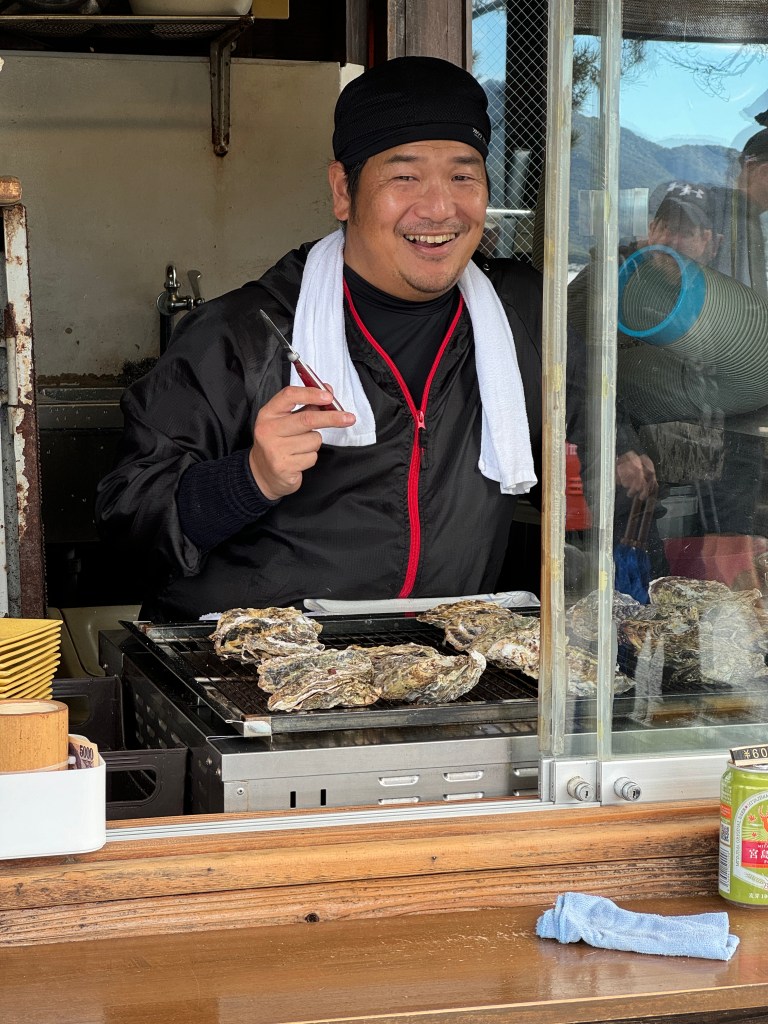
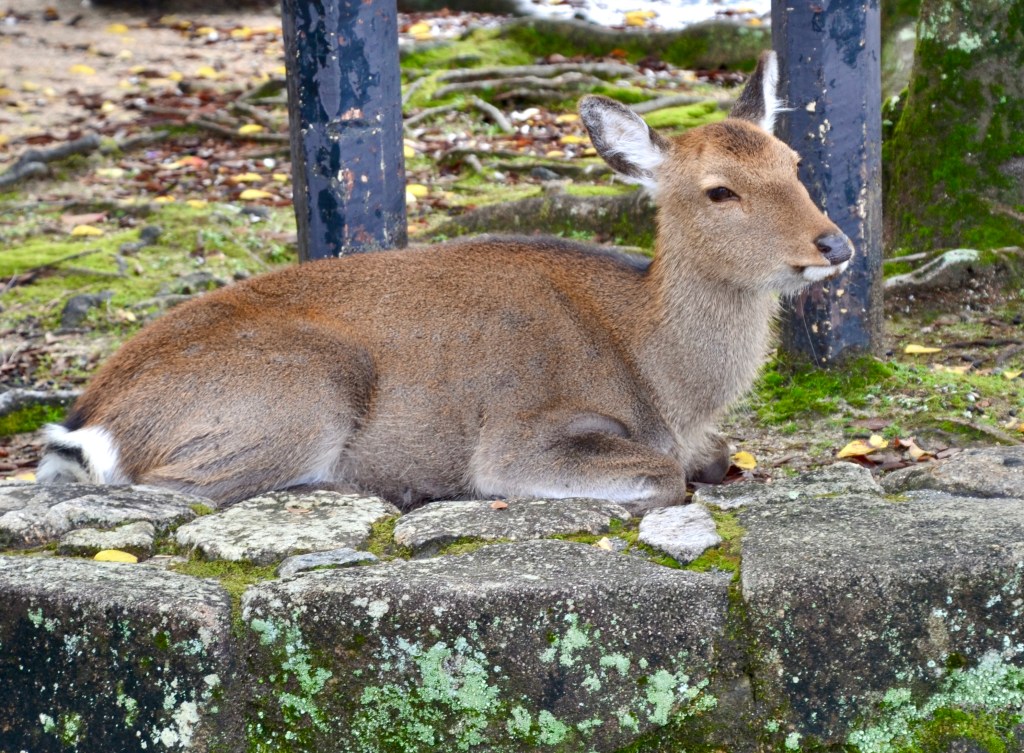
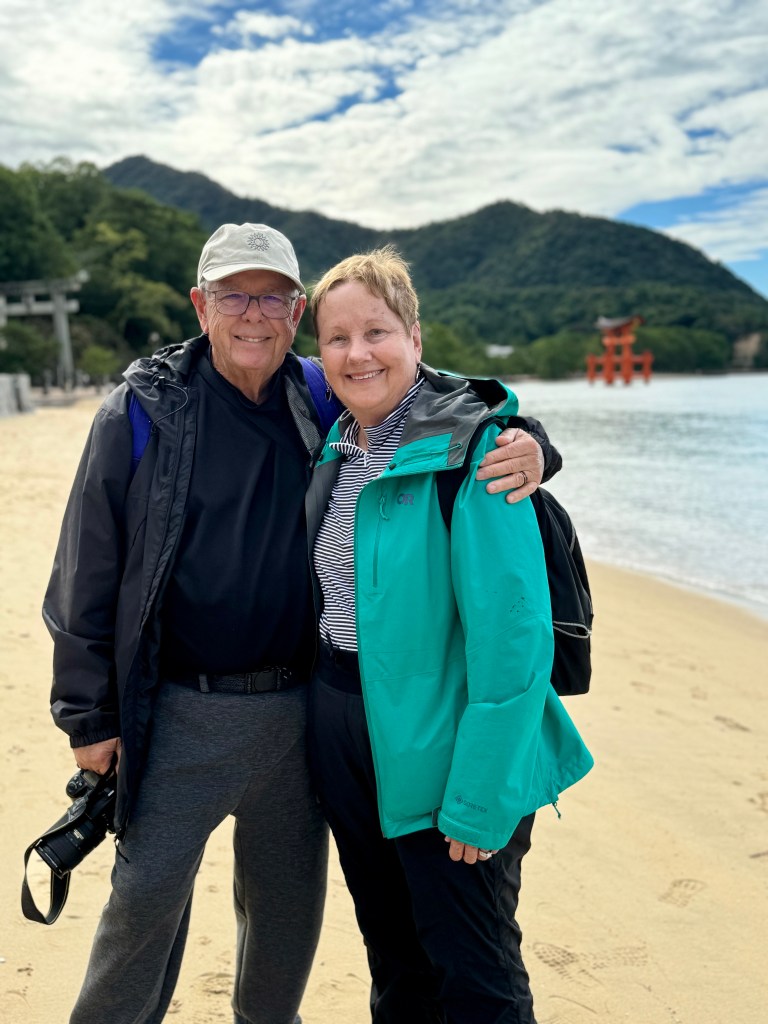
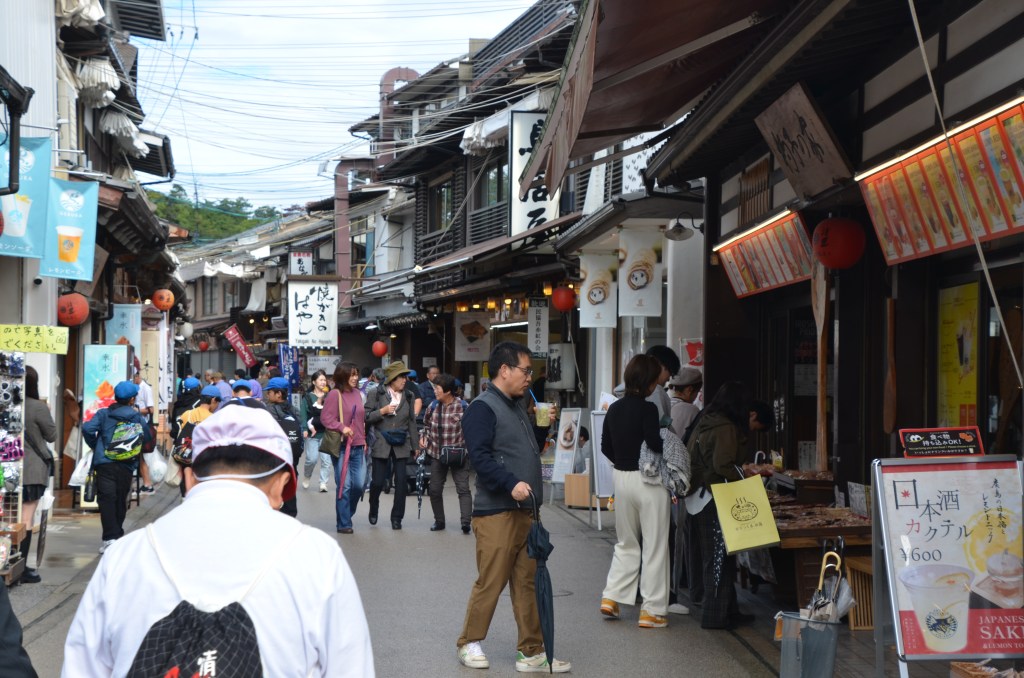
As we left the museum the skies cleared and we spent the afternoon on an island about 1/2 hour drive from Hiroshima Memorial Peace Park. Although the island is actually called Itsukushima, it is better known as Miyajima, which translates to “shrine island.”
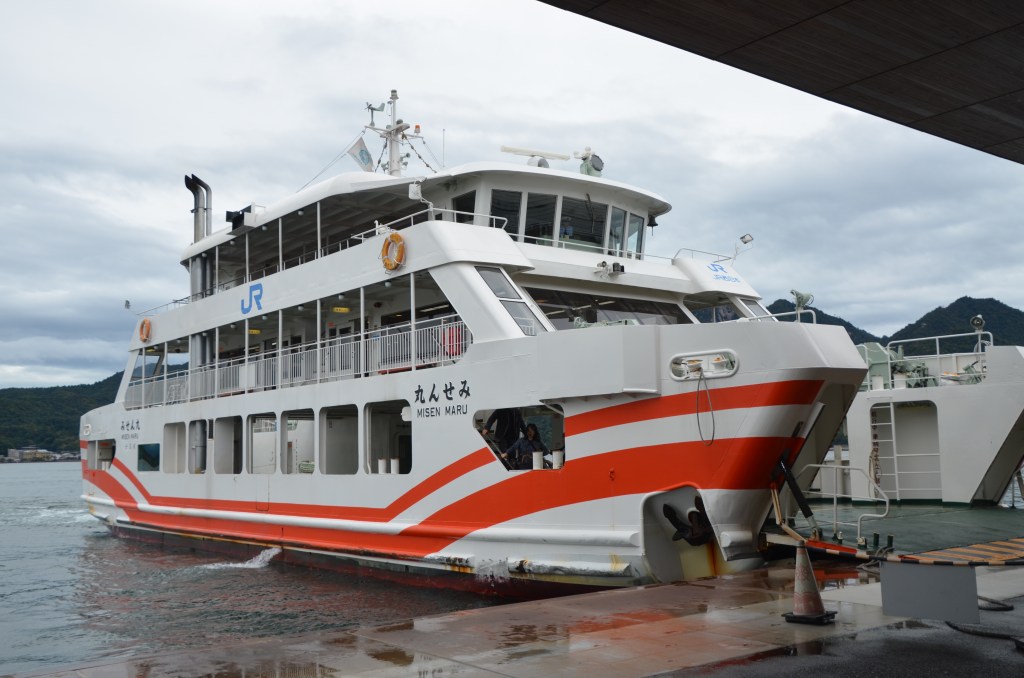
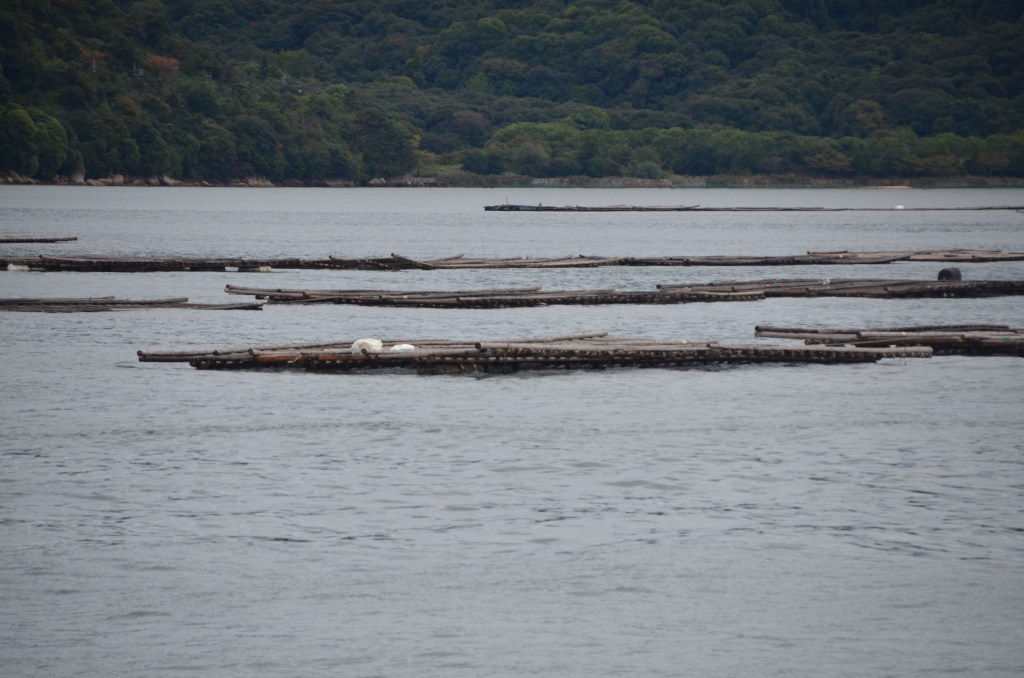
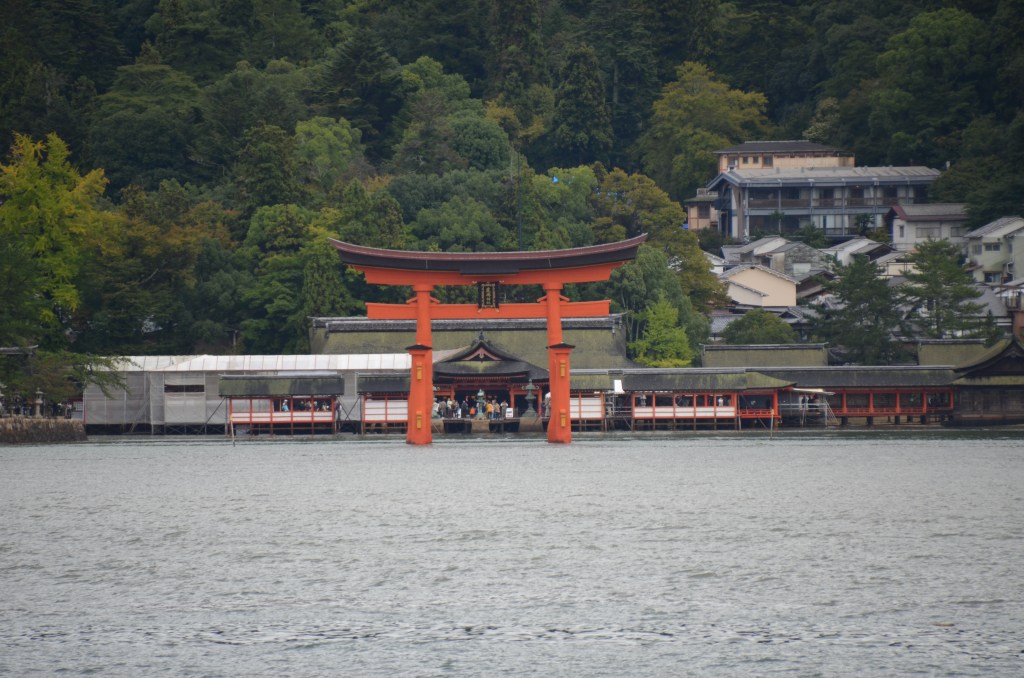
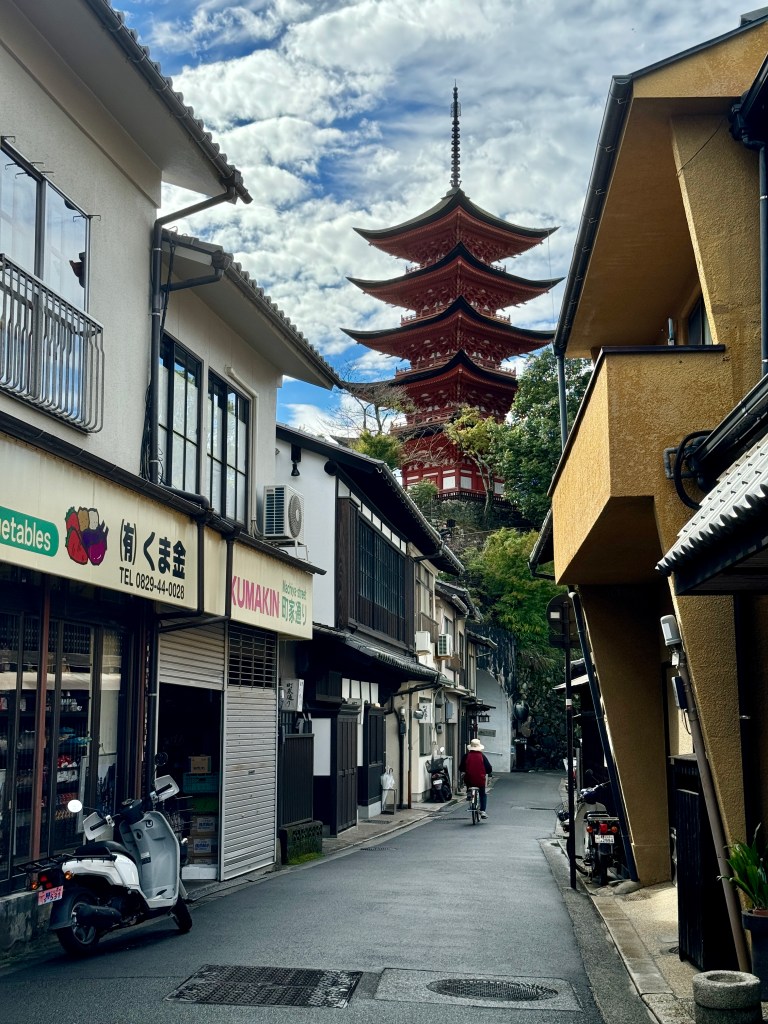
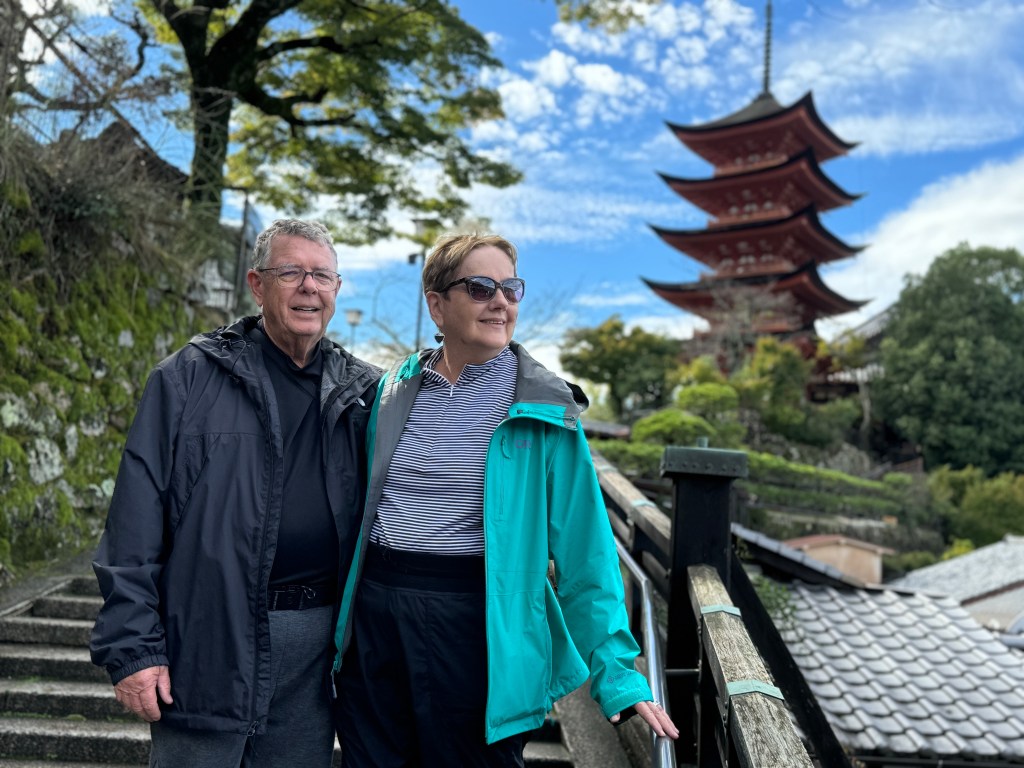
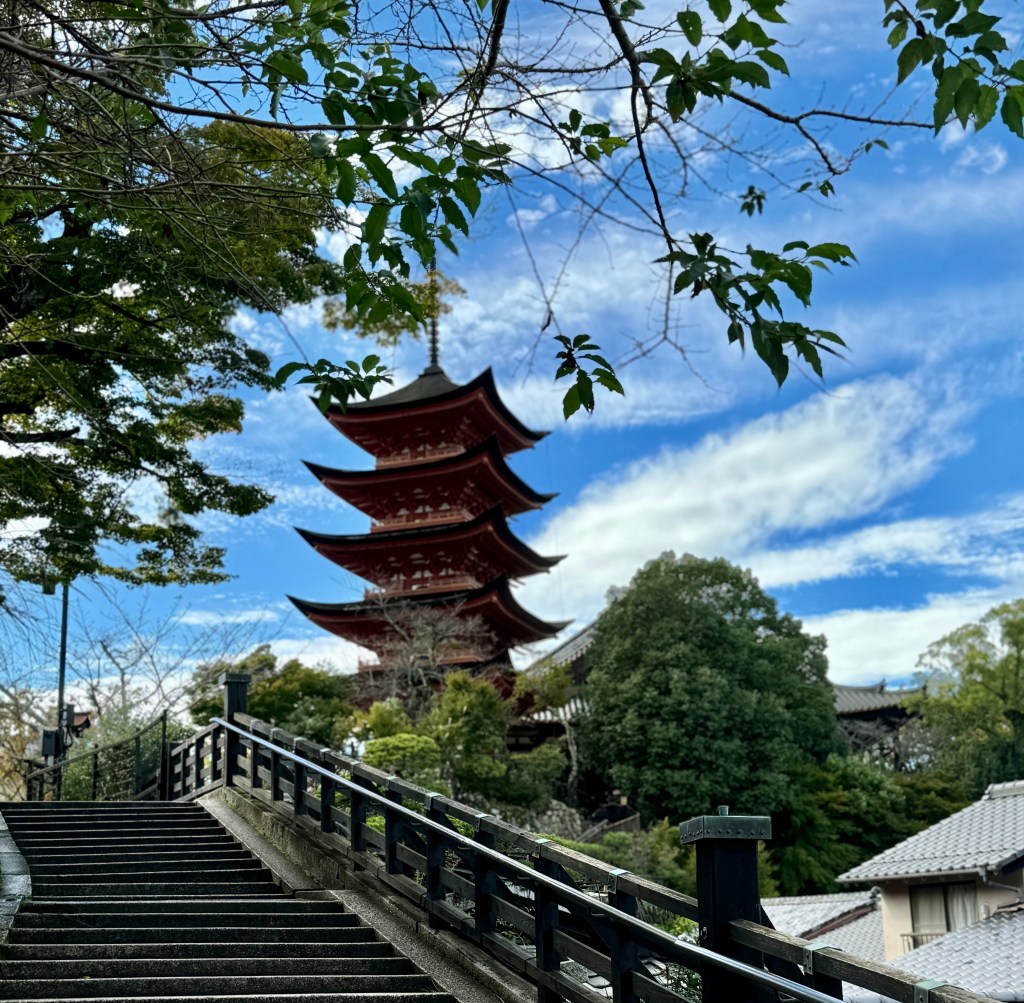
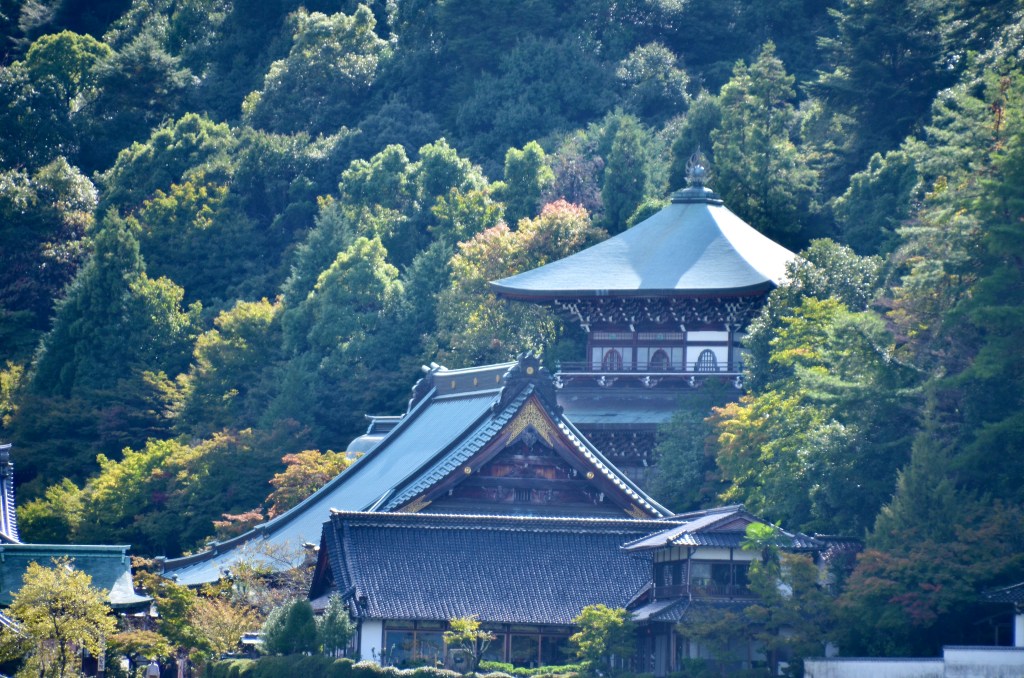
This was the last of the 3 tours which were organized by fellow passenger Jeff Lejfer. Thank you Jeff and Michele for including us in your tour group.
 ELF Travel To ...