
We boarded the Oceania Regatta on October 29th for a 16-day East Asia cruise. Regatta is one of Oceania’s smaller ships with only 670 passengers – it was fully booked for this cruise. This was our 5th cruise with Oceania but our first cruise in over 5 years.
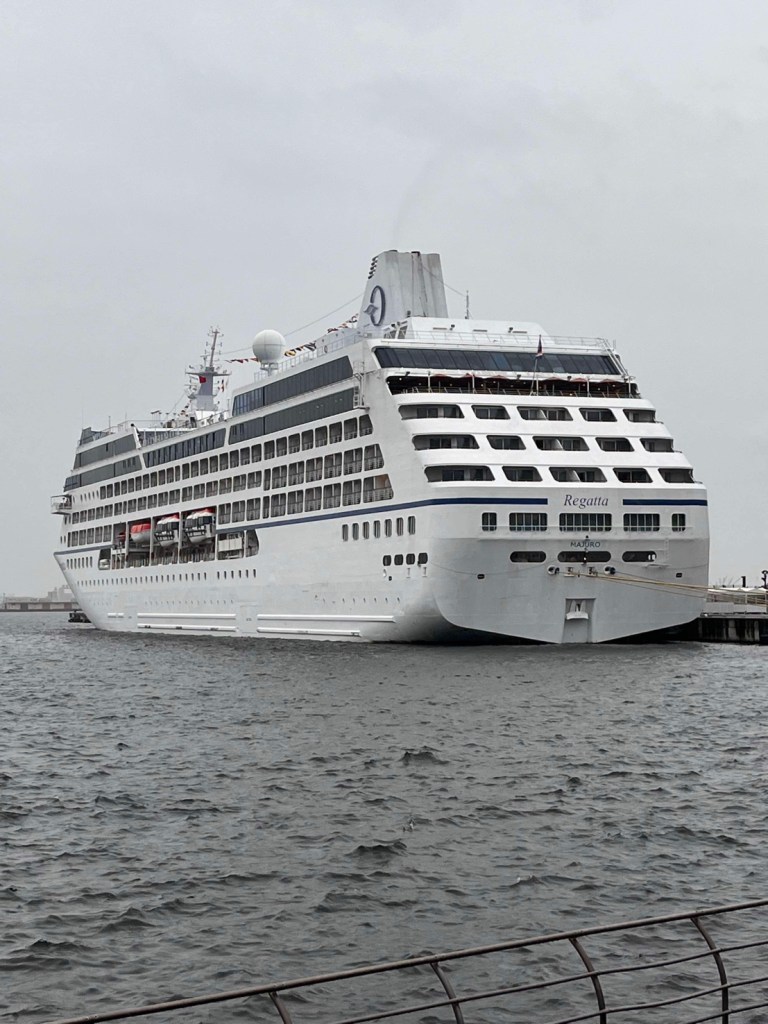
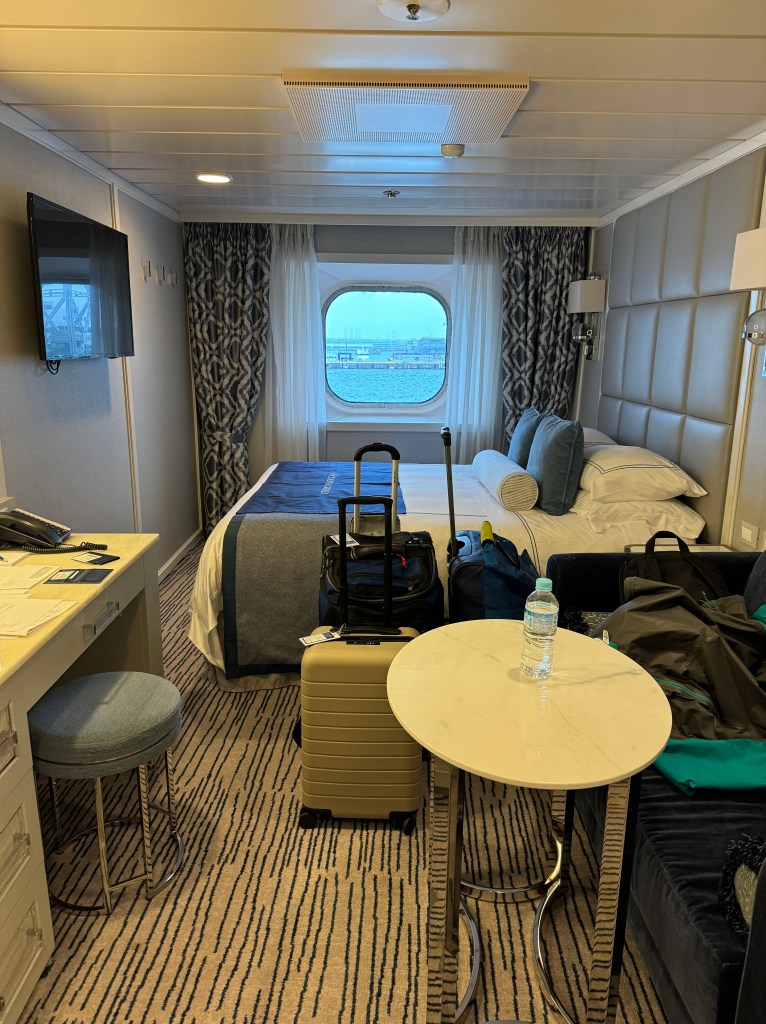
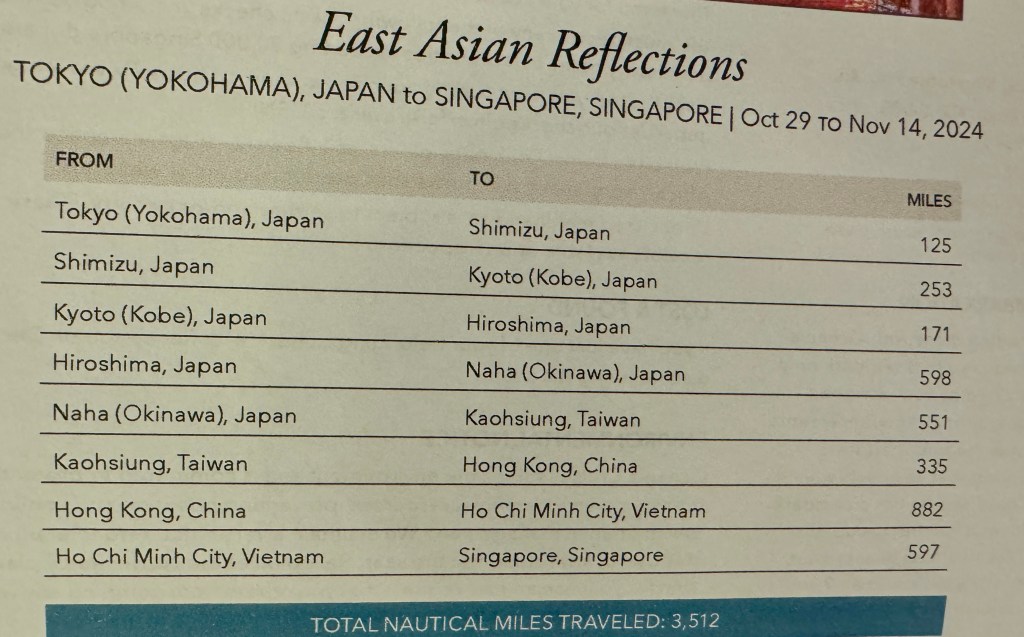
I posted our original itinerary in my first East Asia post, but the itinerary changed several times. Our first Vietnam stop was cancelled due to docking issues the day before we boarded the ship. The other changes were while we were onboard as there were two typhoons that caused some rough seas and port cancellations. Below is our final itinerary.
We did most of our excursions through private tours which were arranged ahead of time. I used Cruise Critic/Forums/Roll Call to find tours that we could join. I would rather do this than organize and post tours myself (I’ve done that in the past and it is a lot of work). Ship tours are geared to large groups (which have limitations) and tend to be much more expensive . We were lucky as we were able to pick up 4 private tours organized by a fellow passenger.
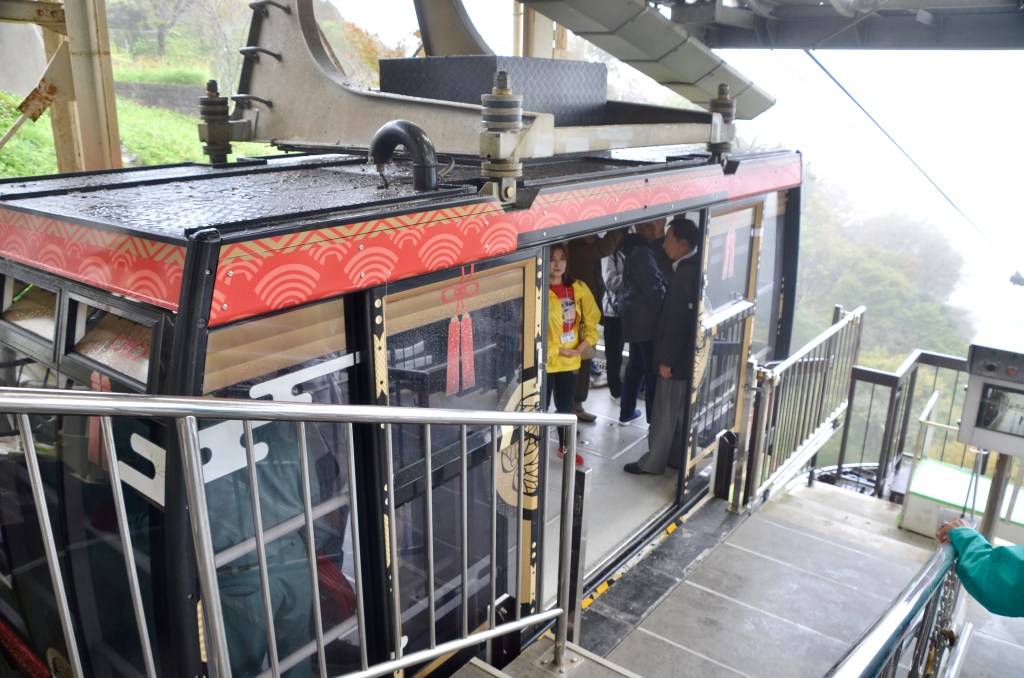
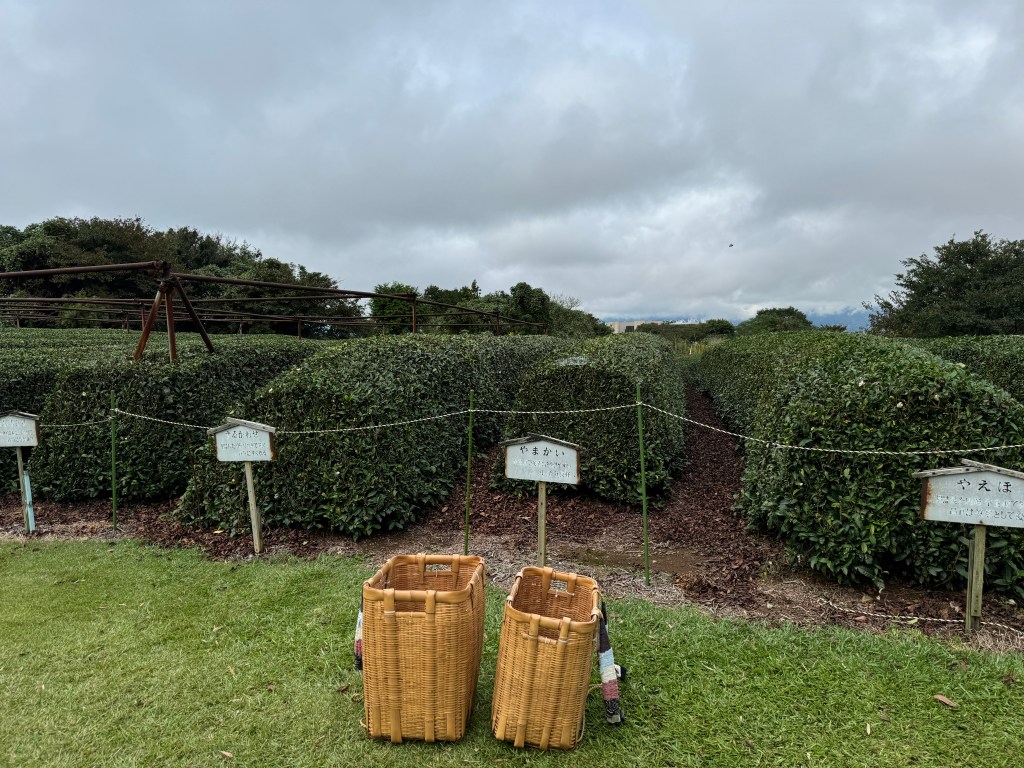
Our first port was Shimizu; we joined a tour organized by Ken (8 of us in our group). First stop was Nihondaira Ropeway that connects the summit of Nihon-daira and Kuno-zan Tosho-gu (5 minute ride). Kunozan Tosho-gu shrine is dedicated to the famous leader Tokugawa Ieyasu (1543-1616) who brought a long period of civil wars to an end and united all of Japan.
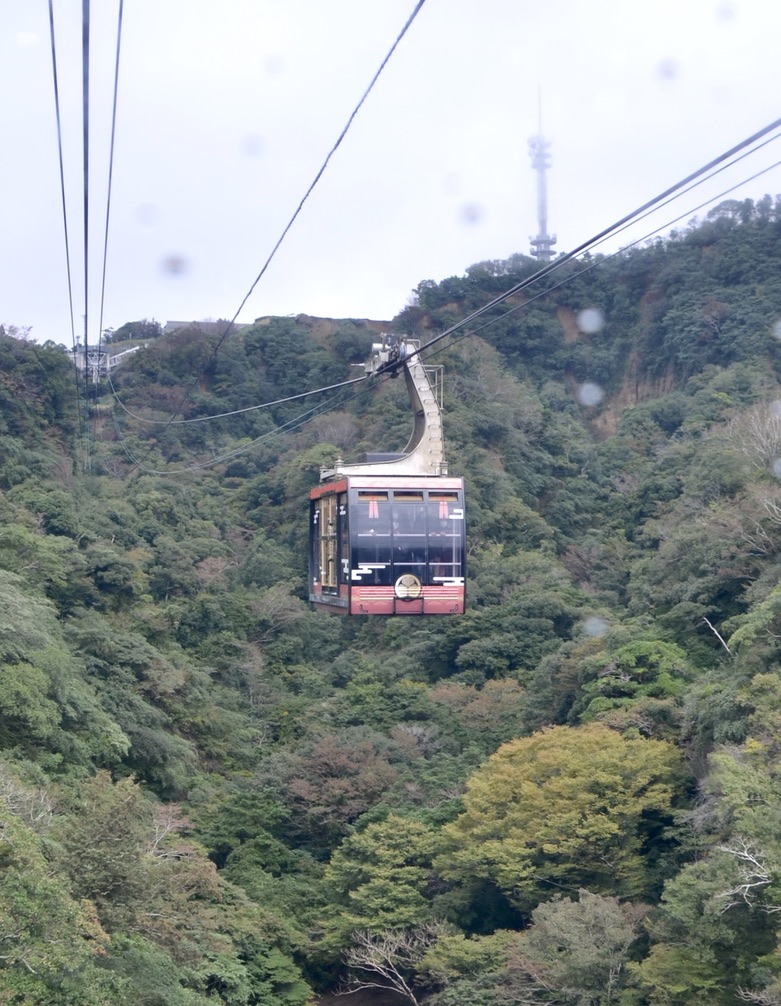
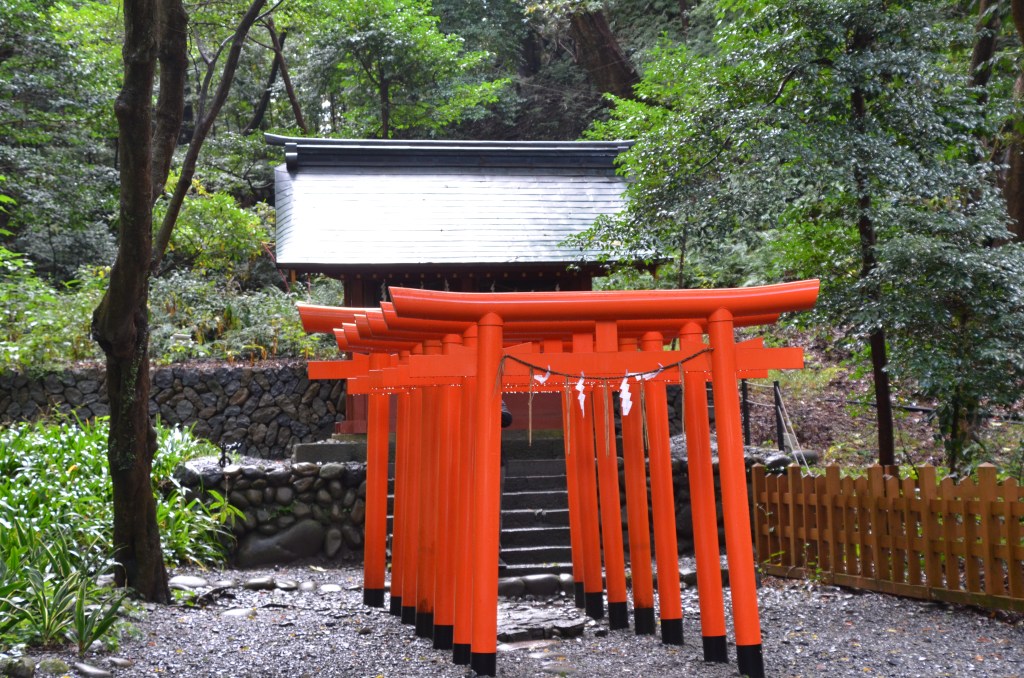
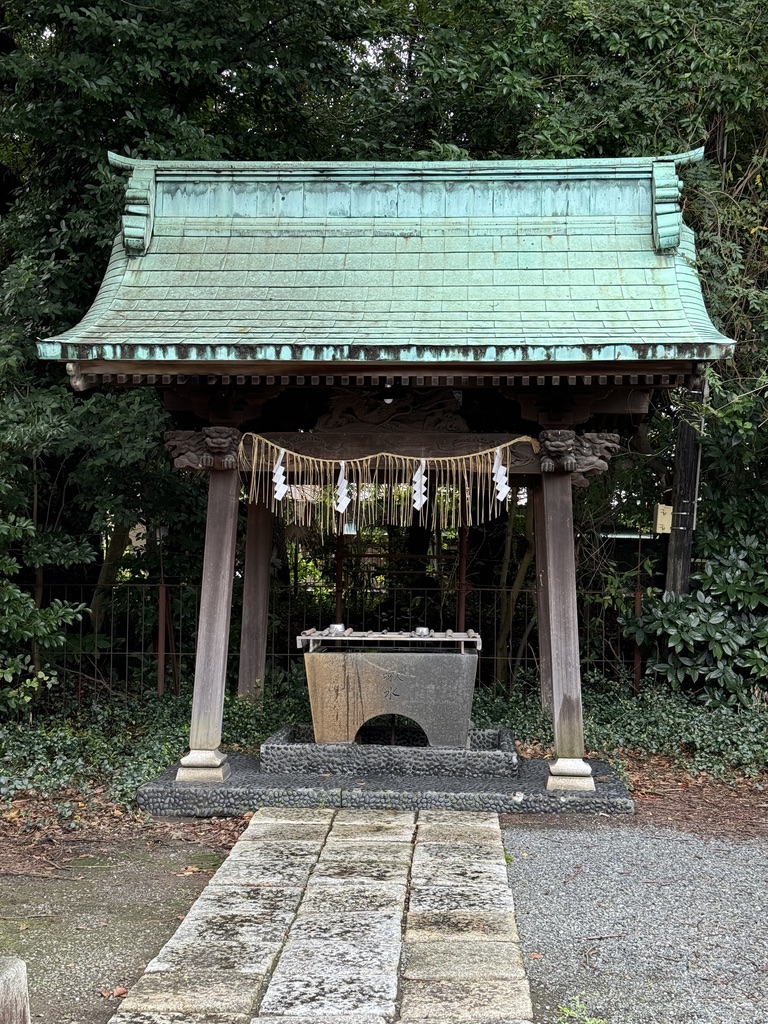
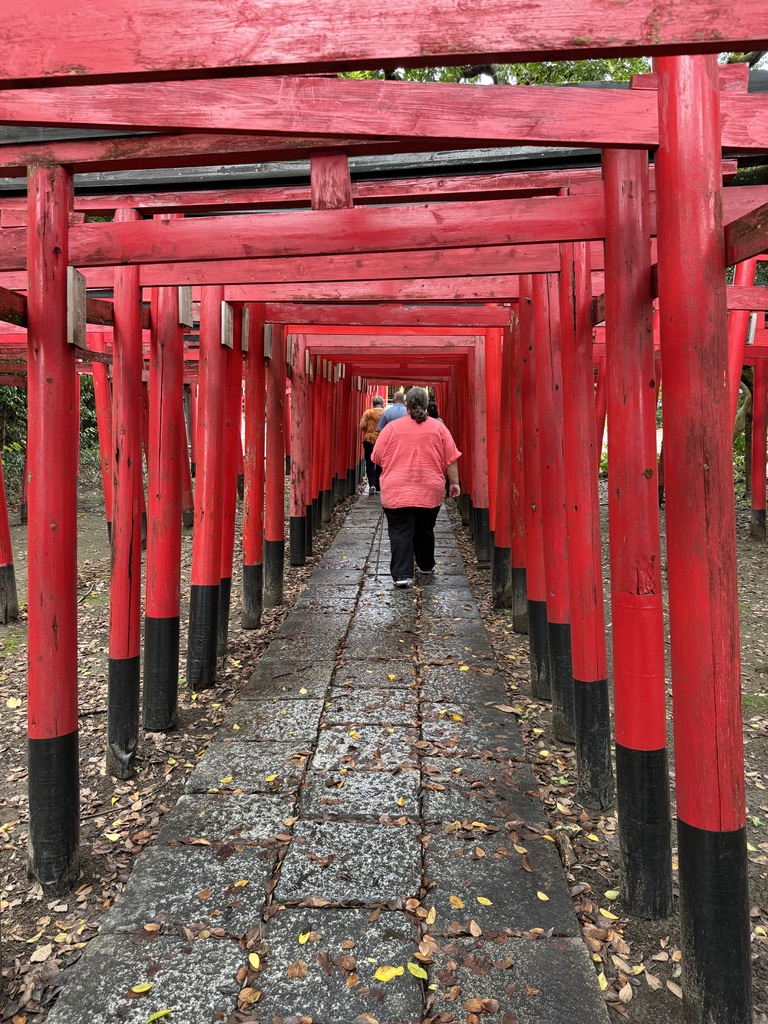
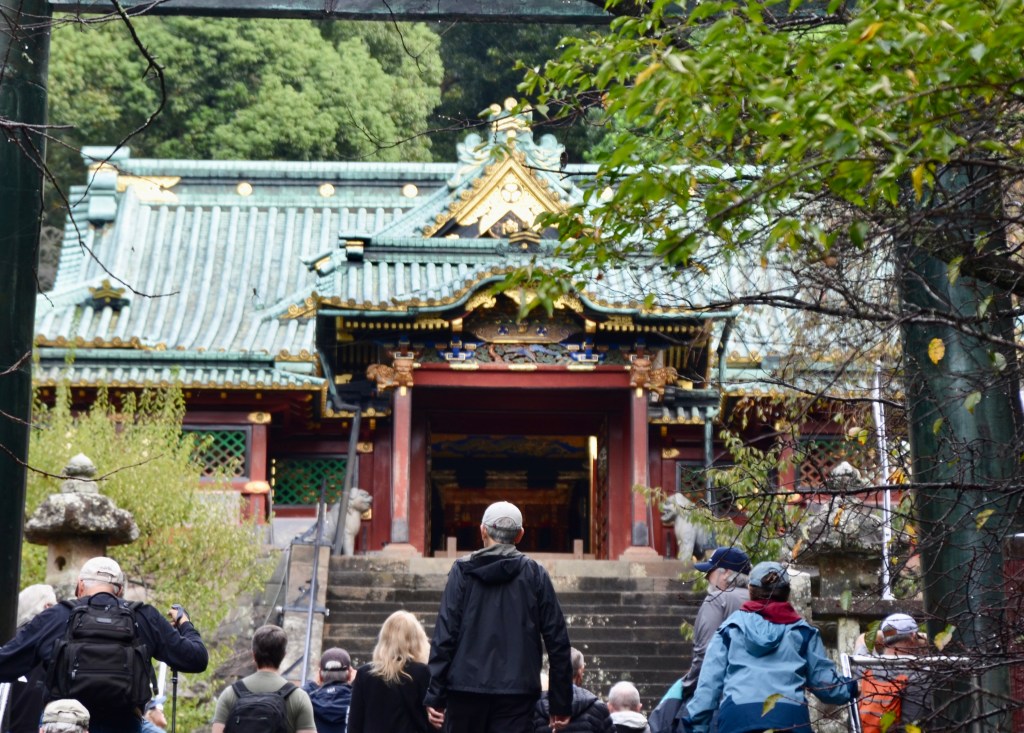
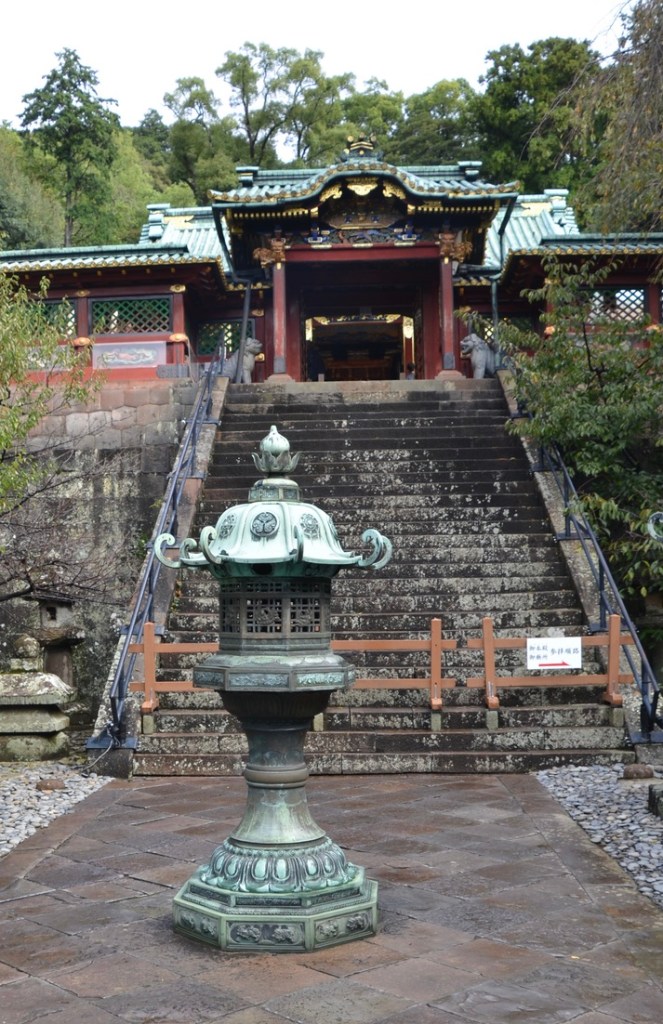
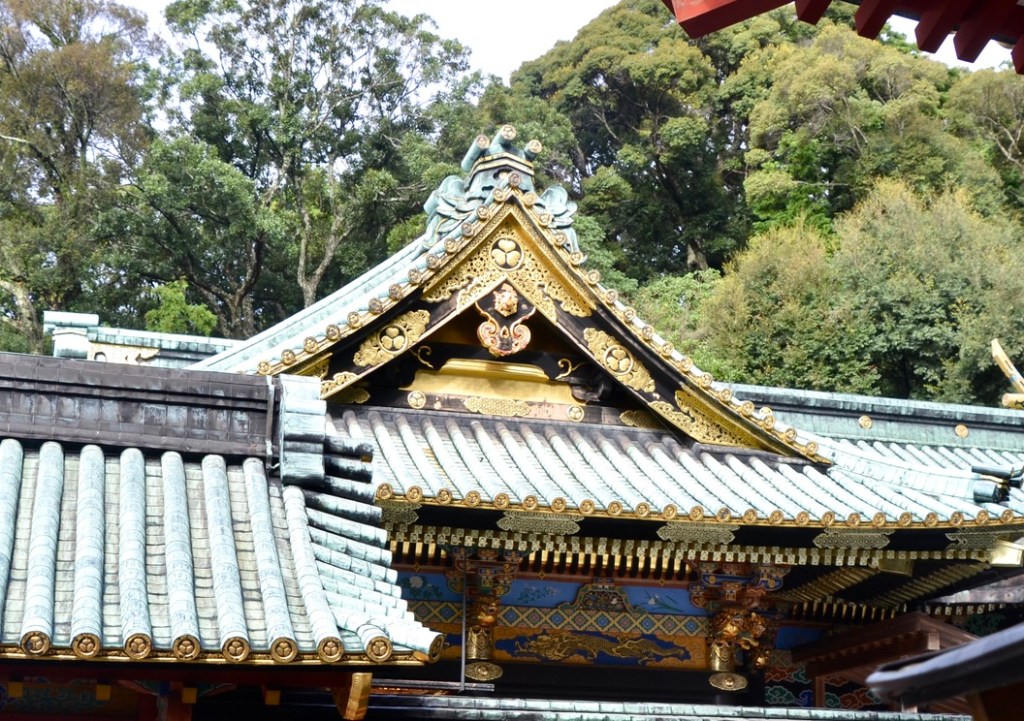
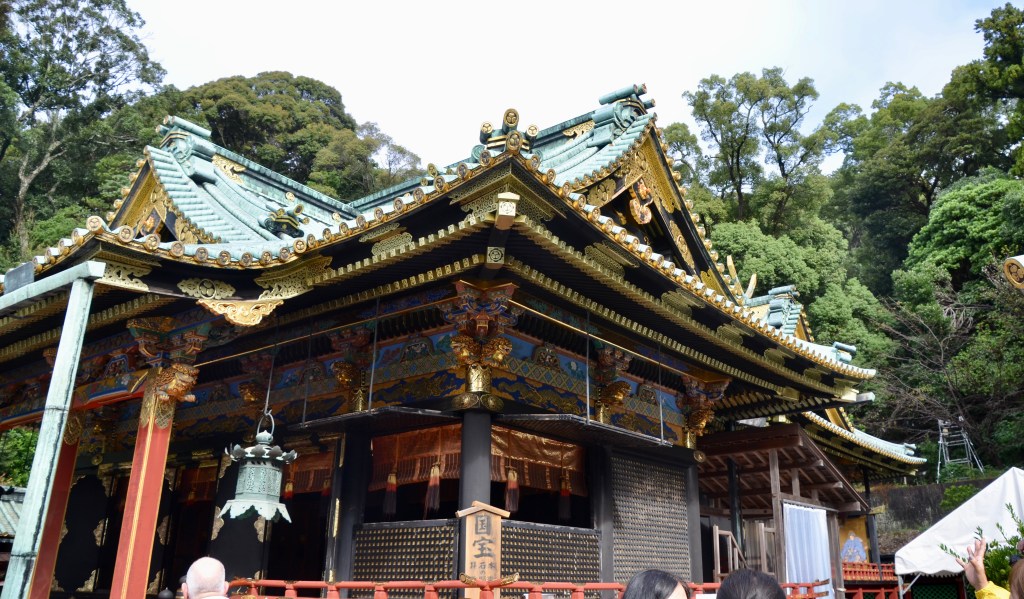
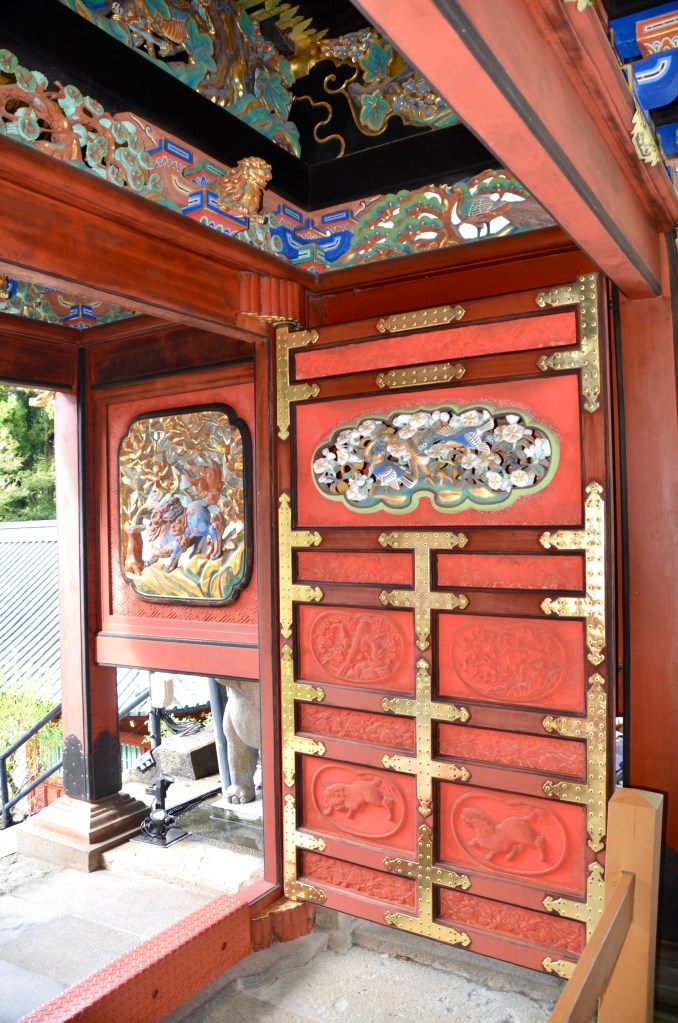
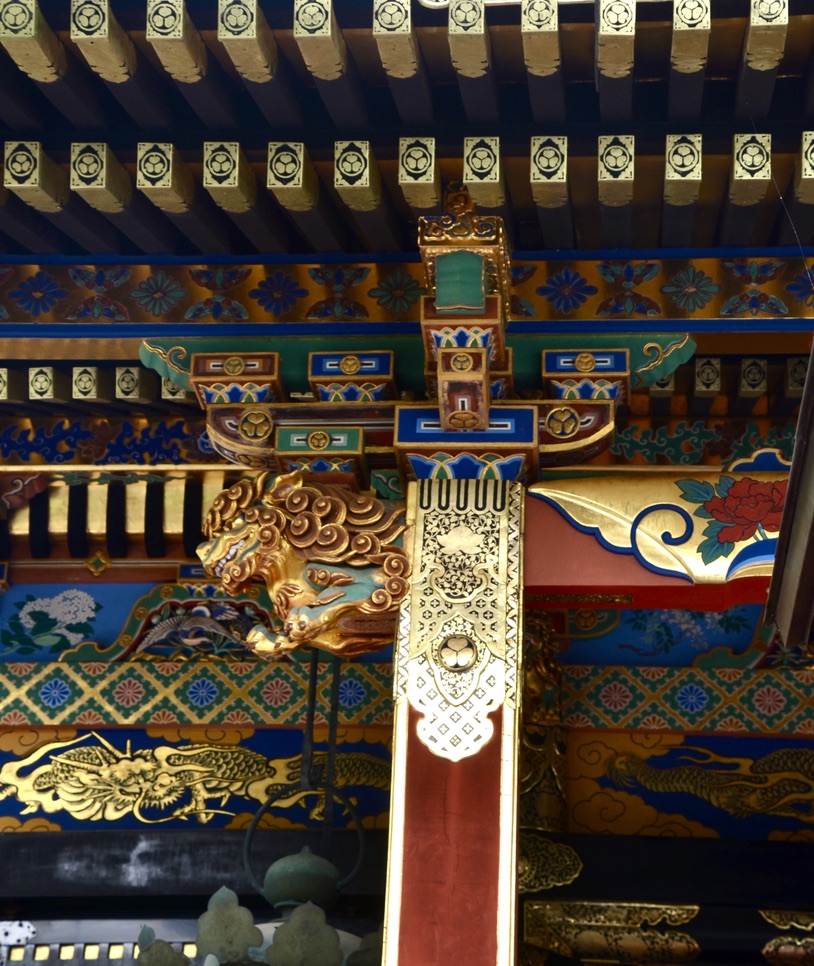
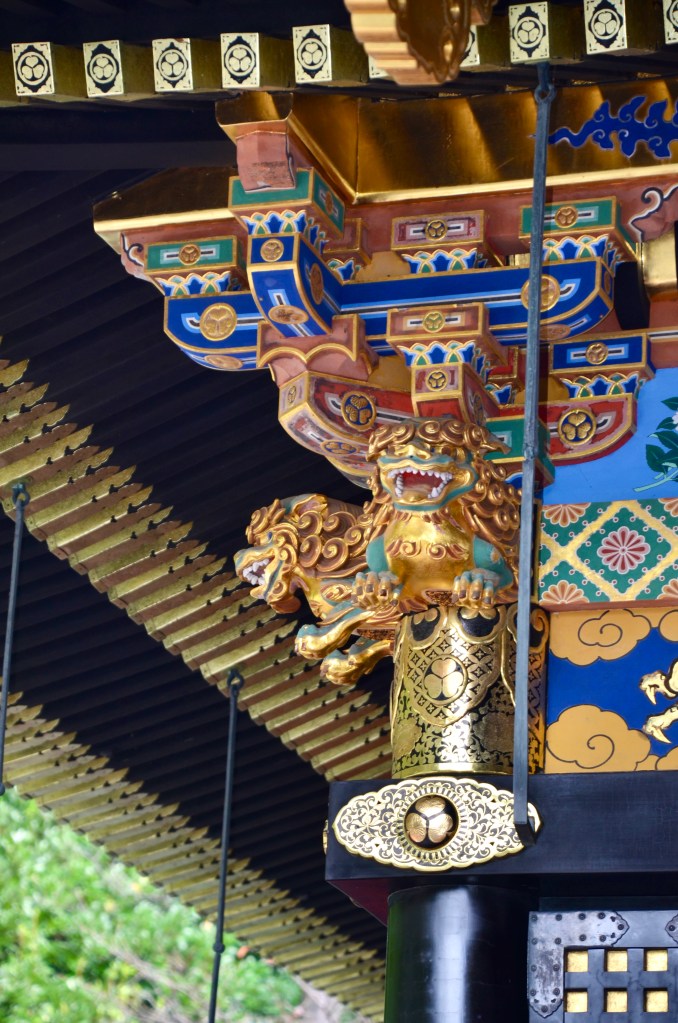
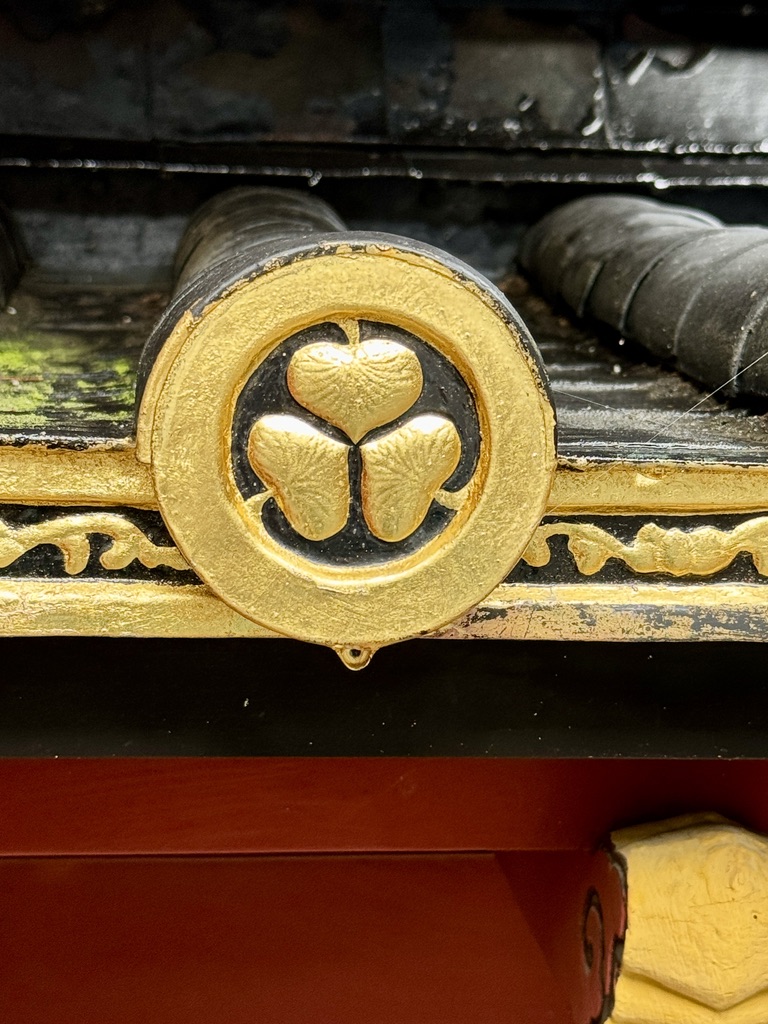
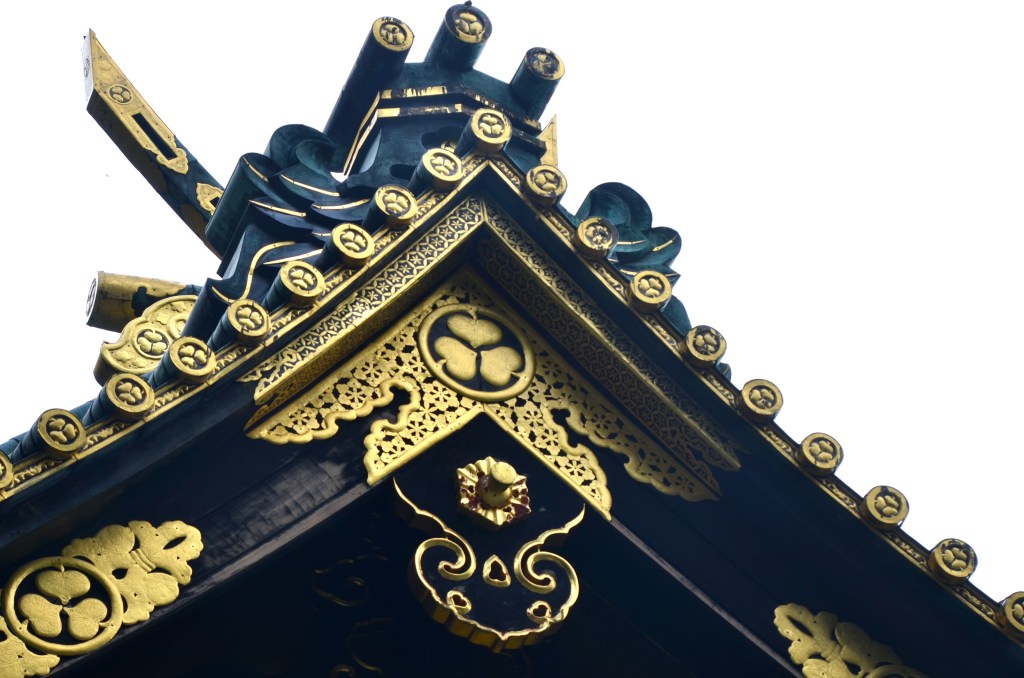
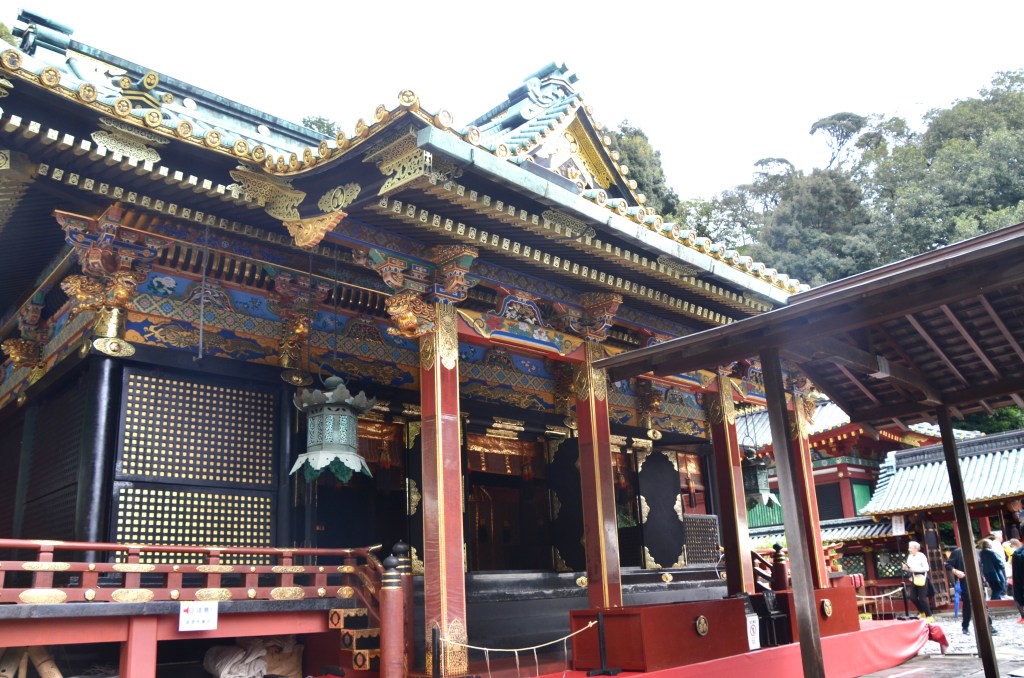
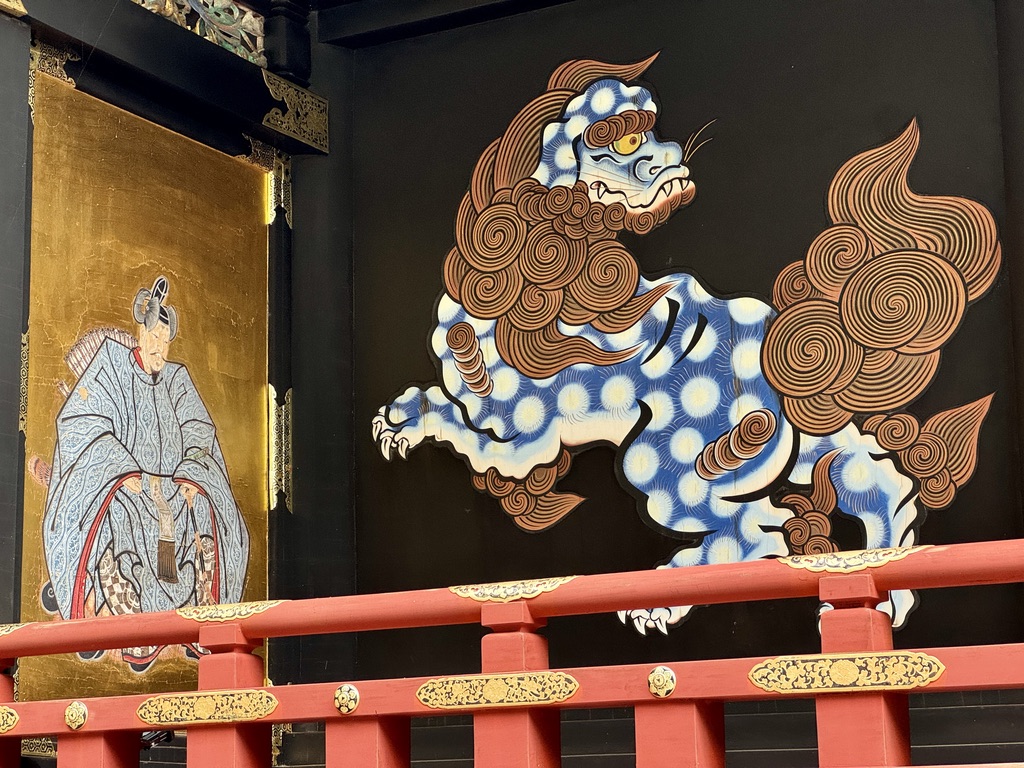
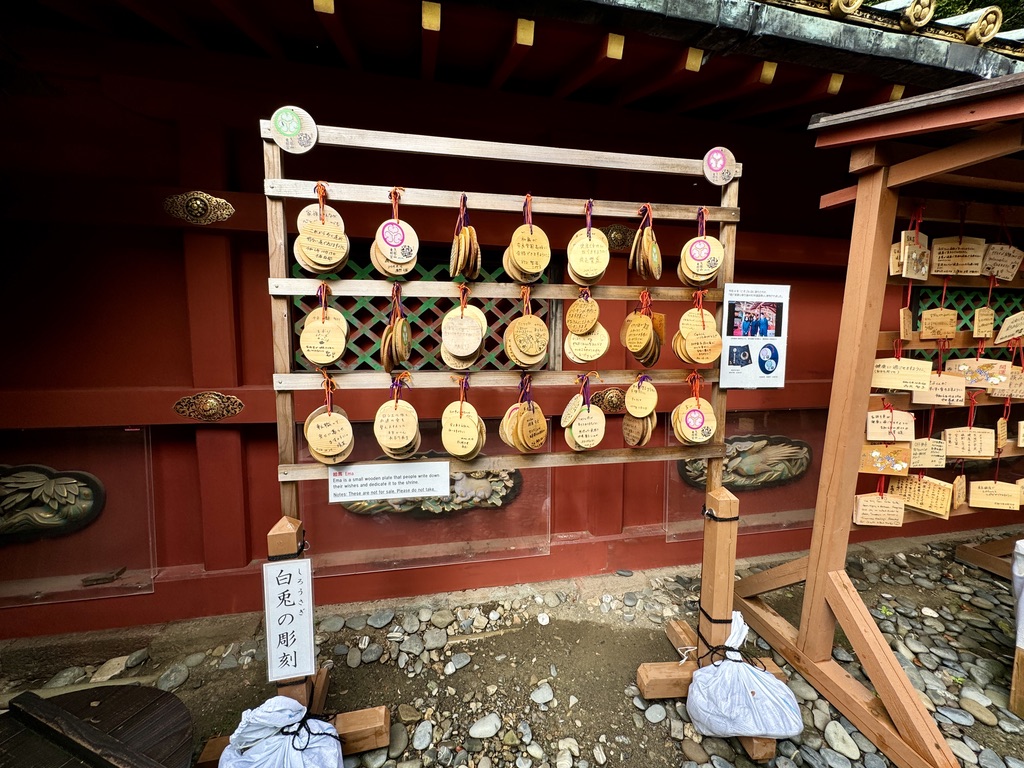
Next we stopped at Nihondaira Yume Terrace which has a 360-degree panoramic view of Mt. Fuji, the city of Shizuoka, Suruga Bay and the surrounding area from the observation corridor. As you will see in the photo below the top of Mt Fiji was not visible. There is no snow on top of Mt Fiji which is sad as that is its distinguishing feature.
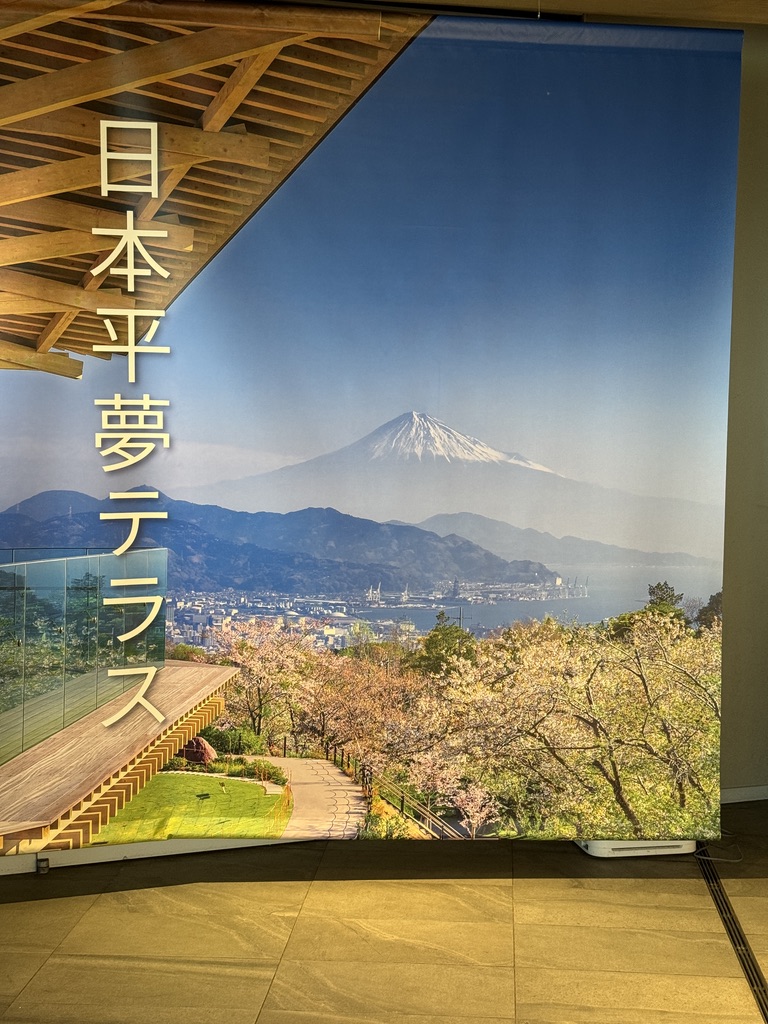
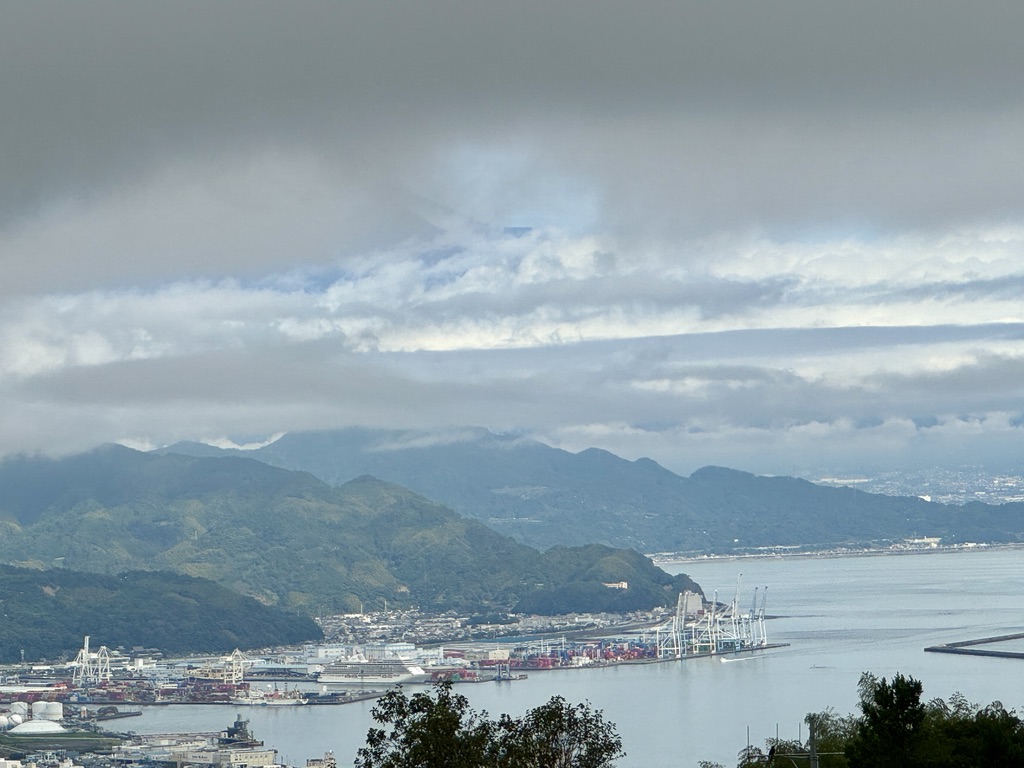
We didn’t see the top of Mt Fiji while we were at the viewing area, but saw it later with no snow on top.
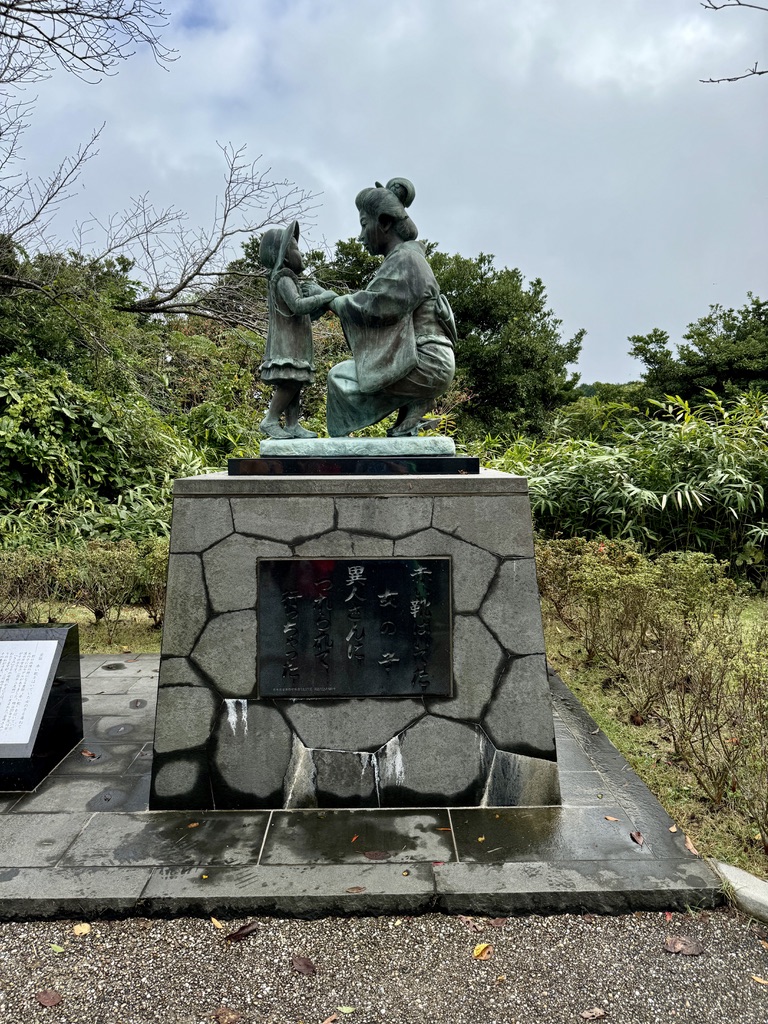
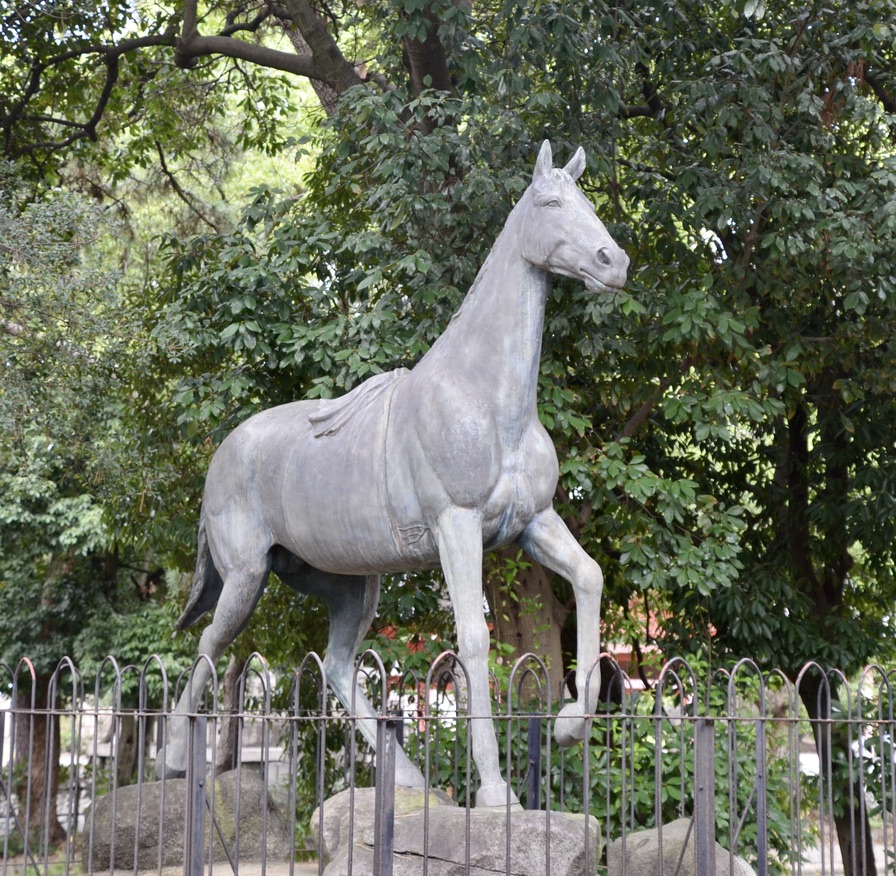
Mother and Child’s Statue of Akai Kutsu-No Onnanoko is a bronze statue of a girl and mother Shimizu-ku Shizuoka-shi, which became the model of the girl that appears in the famous Japanese nursery rhyme ”Akai Kutsu”.
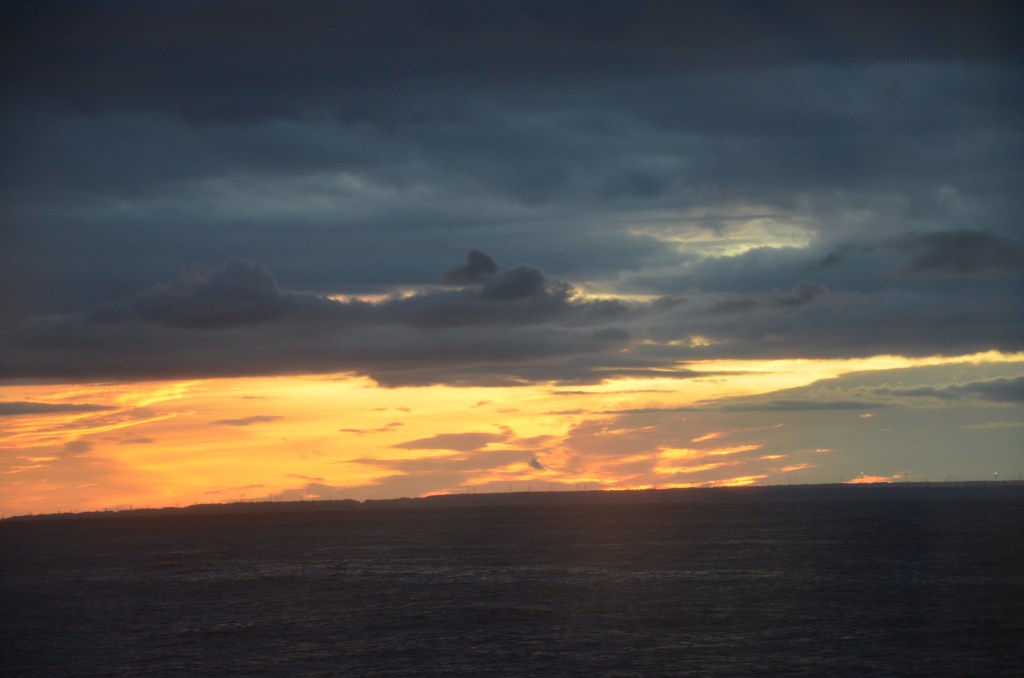
October 31 – Nov. 1, Kobe. We arrived at Kobe port at 11:00 a.m. and left the next day at 7:00 p.m. This gave us time to do two tours, both with PinPoint (joined 6 other passengers). On October 31st we toured Kyoto which I covered in my previous post. On November 1st we toured Kobe and Osaka.
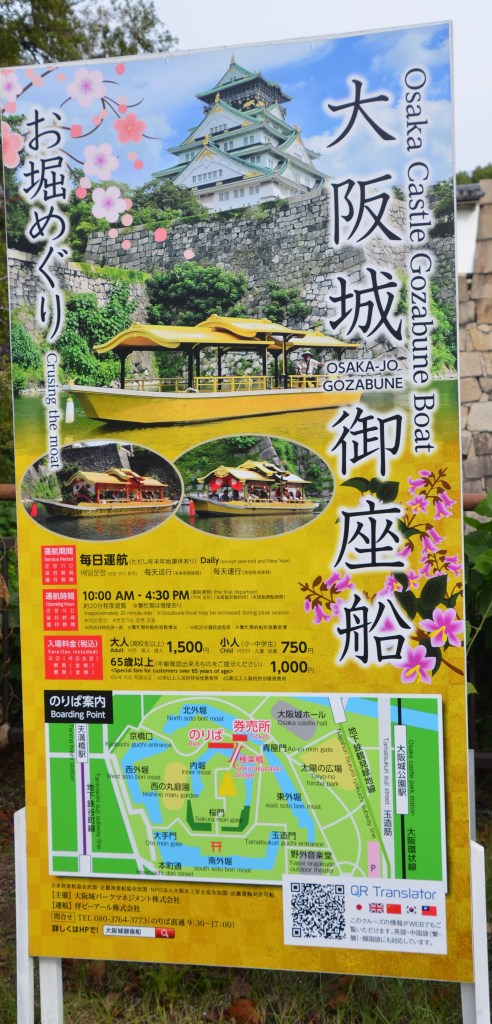
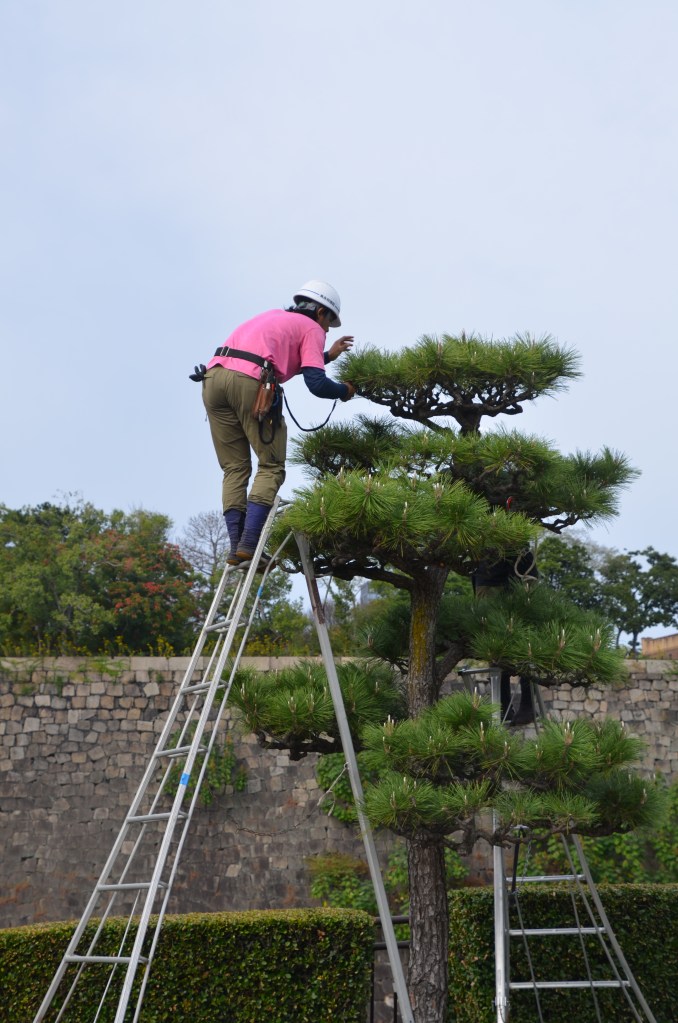
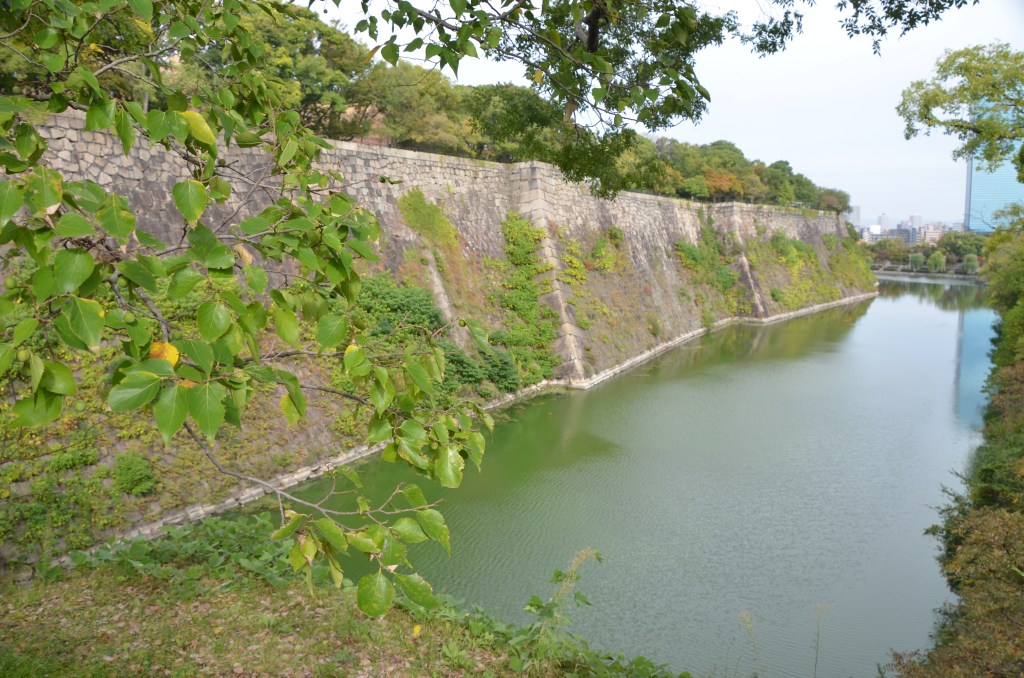
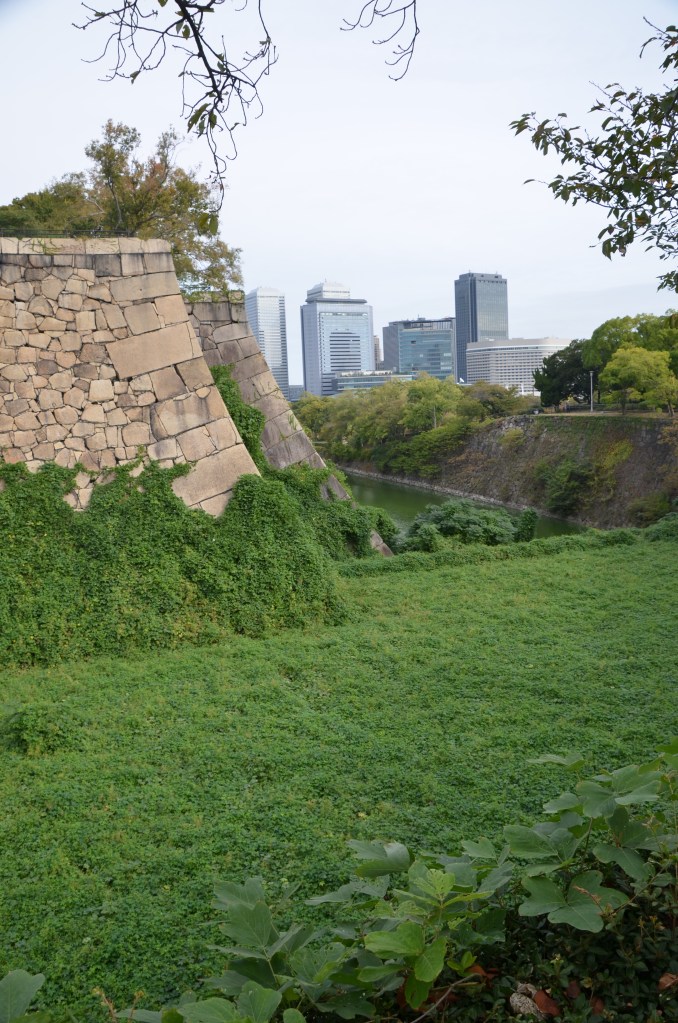
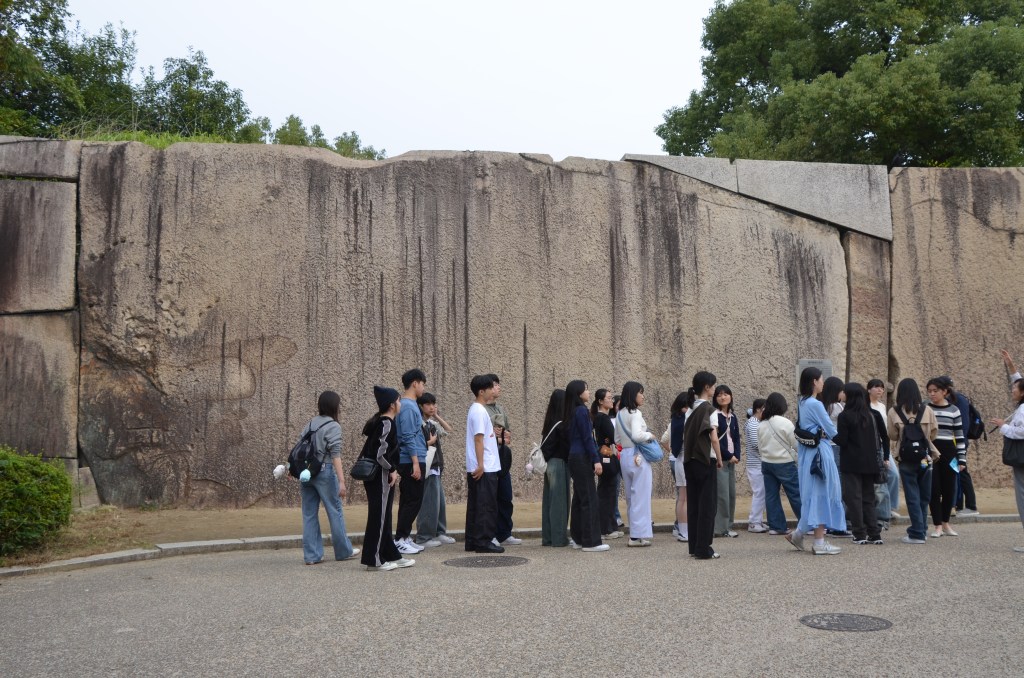
First stop Osaka Castle
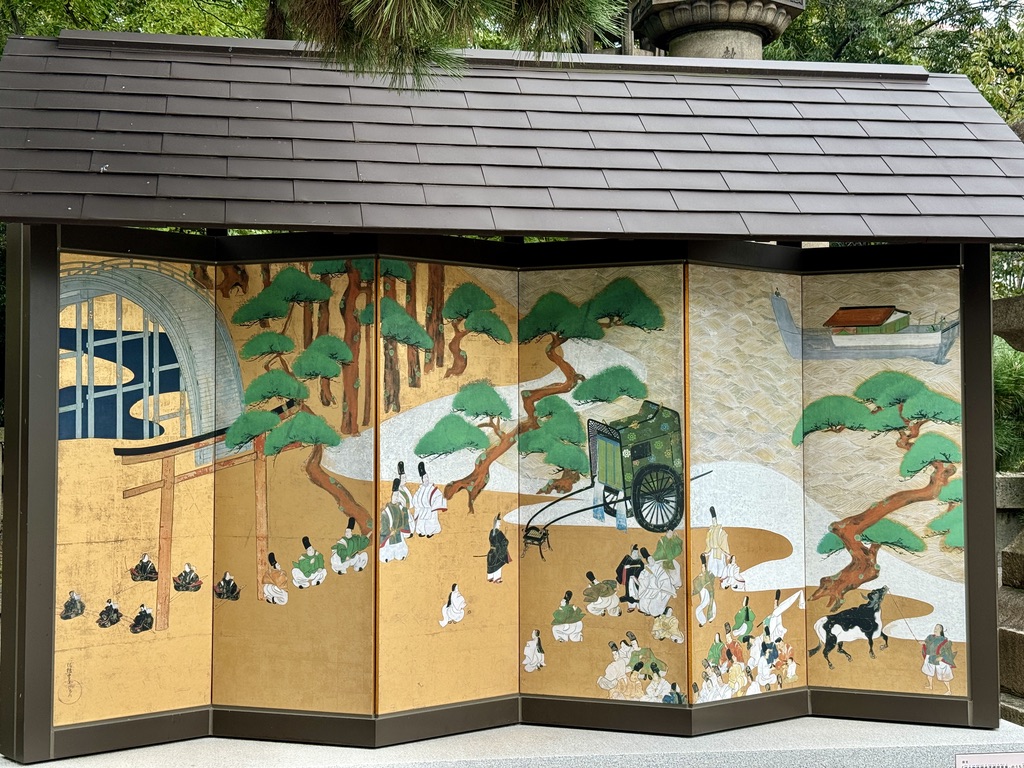
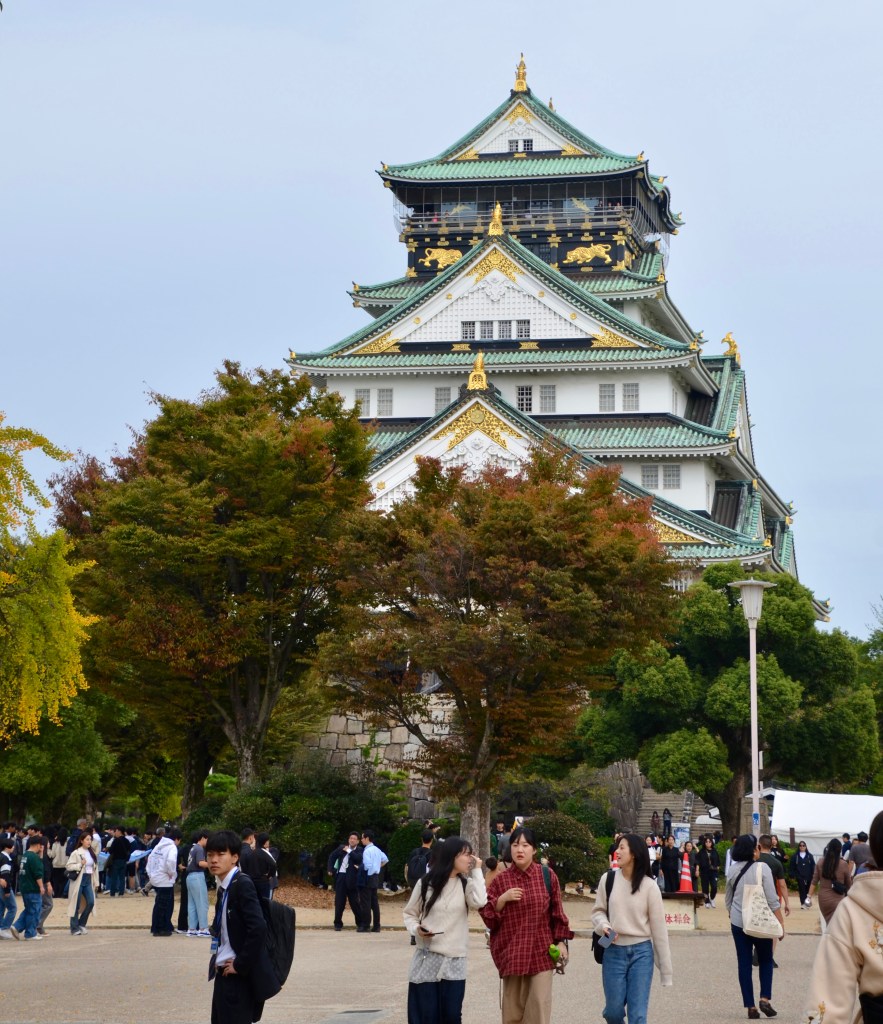
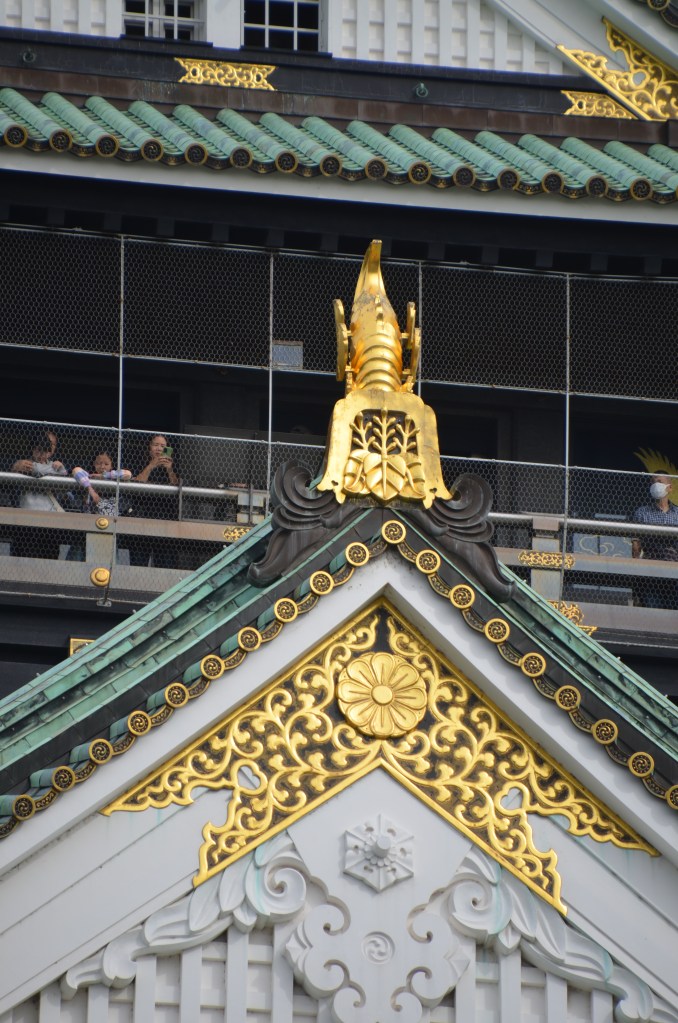
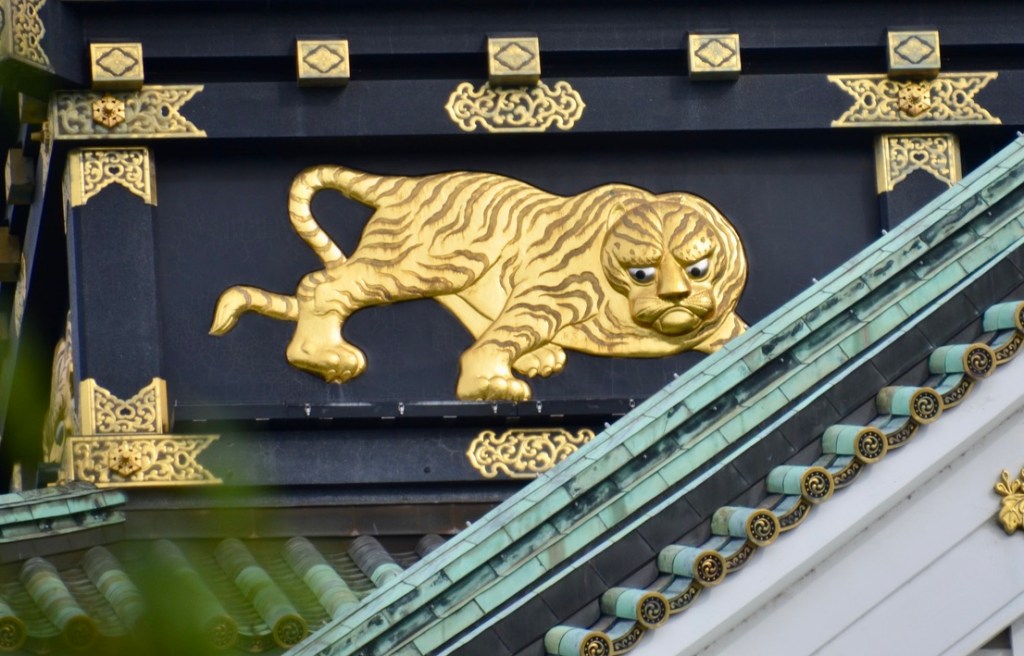
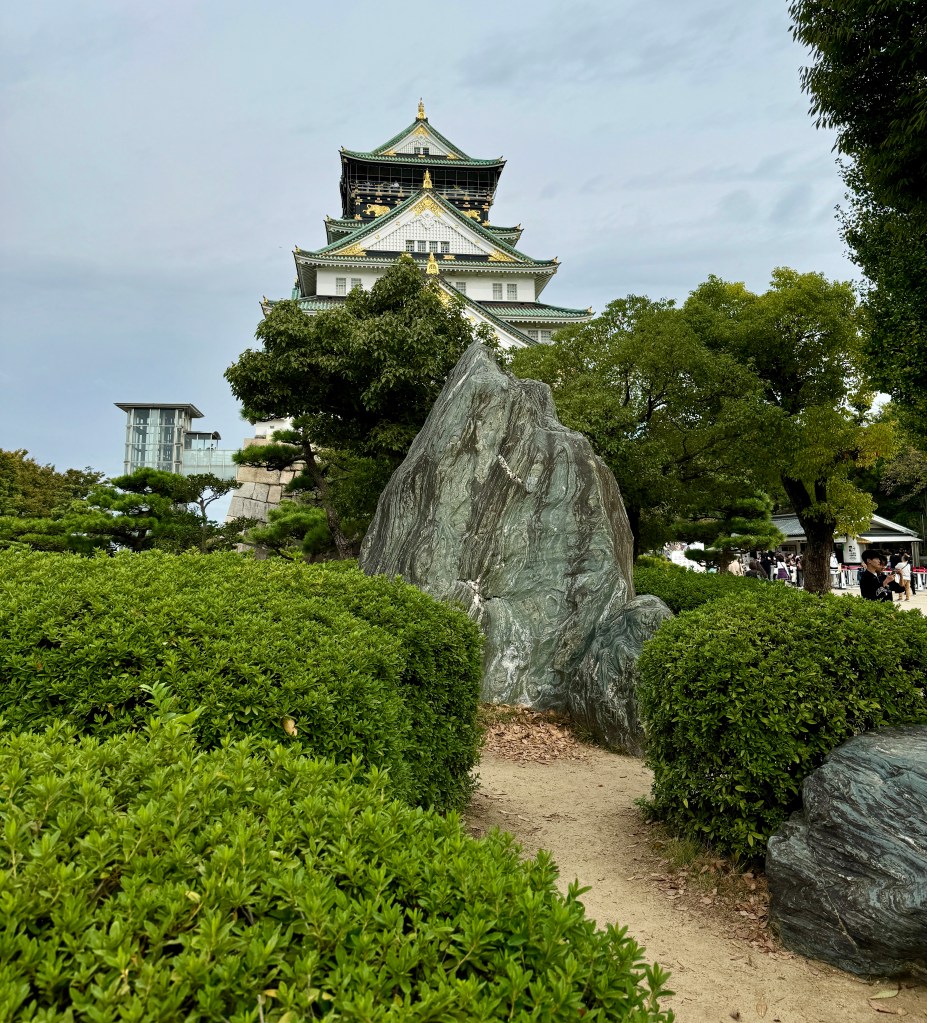
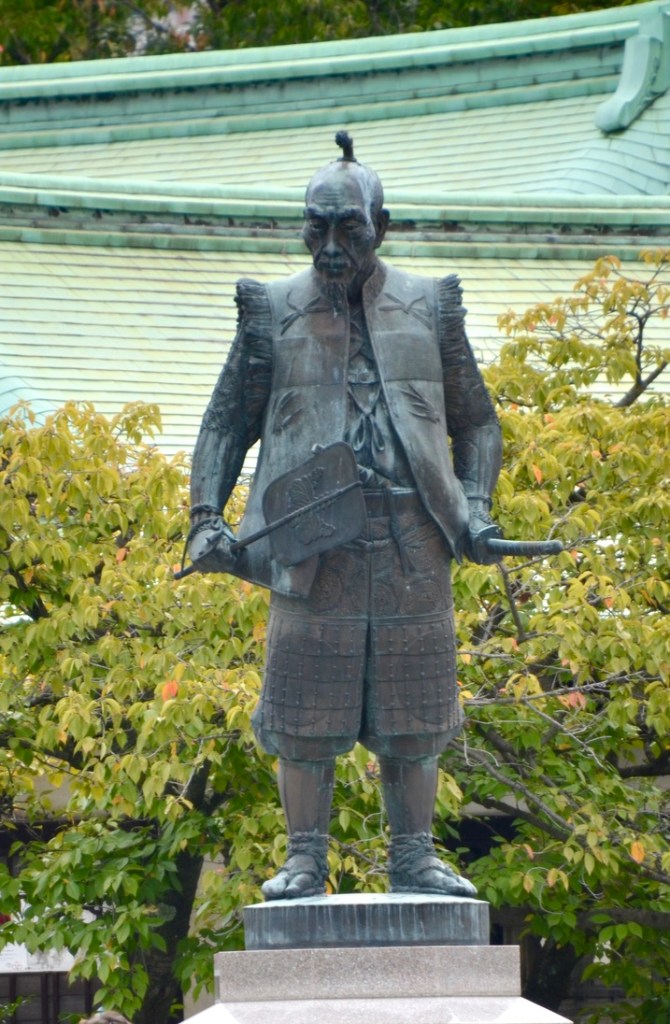
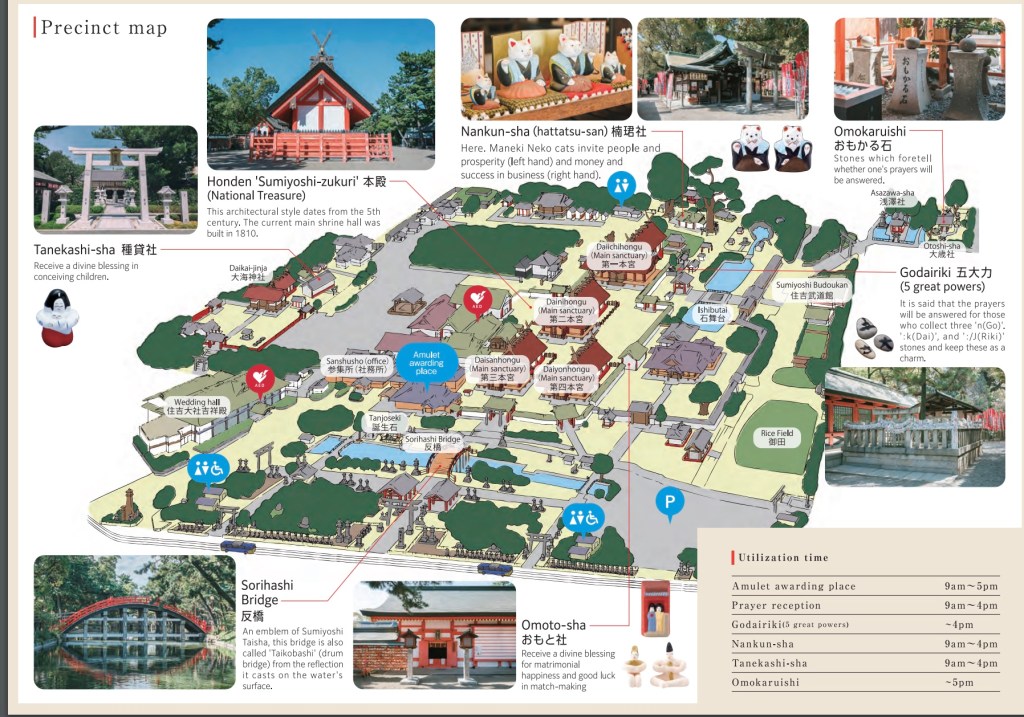
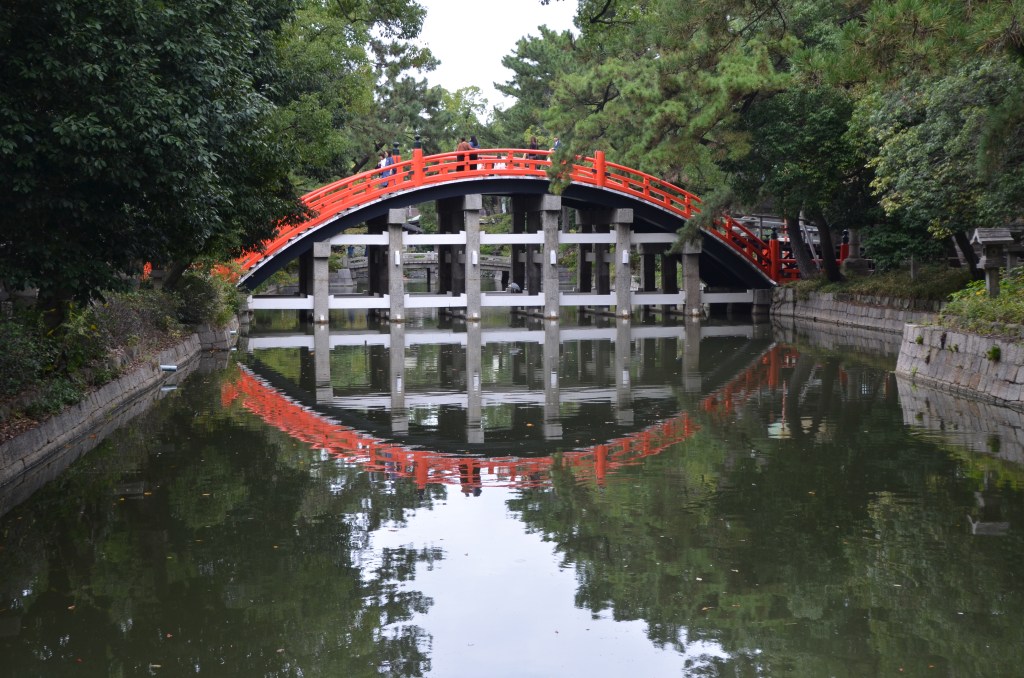
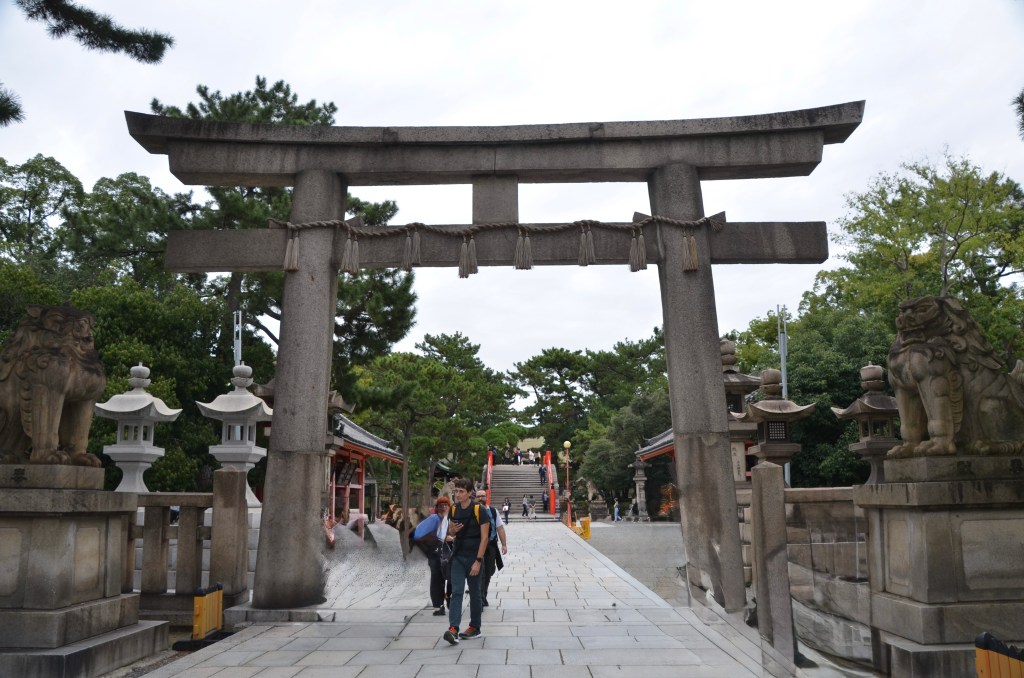
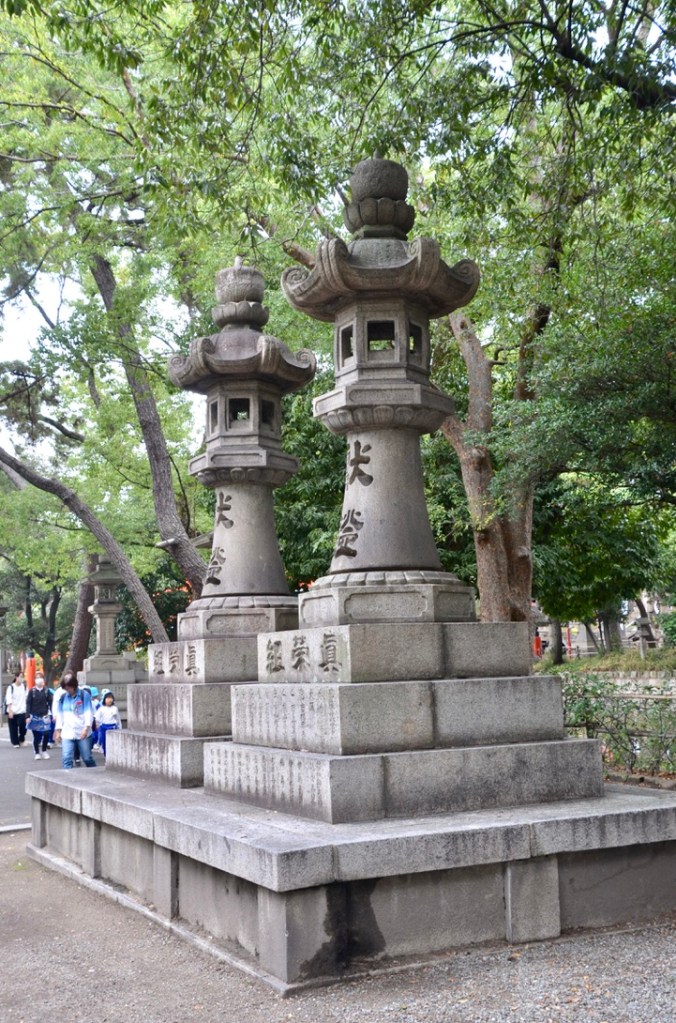
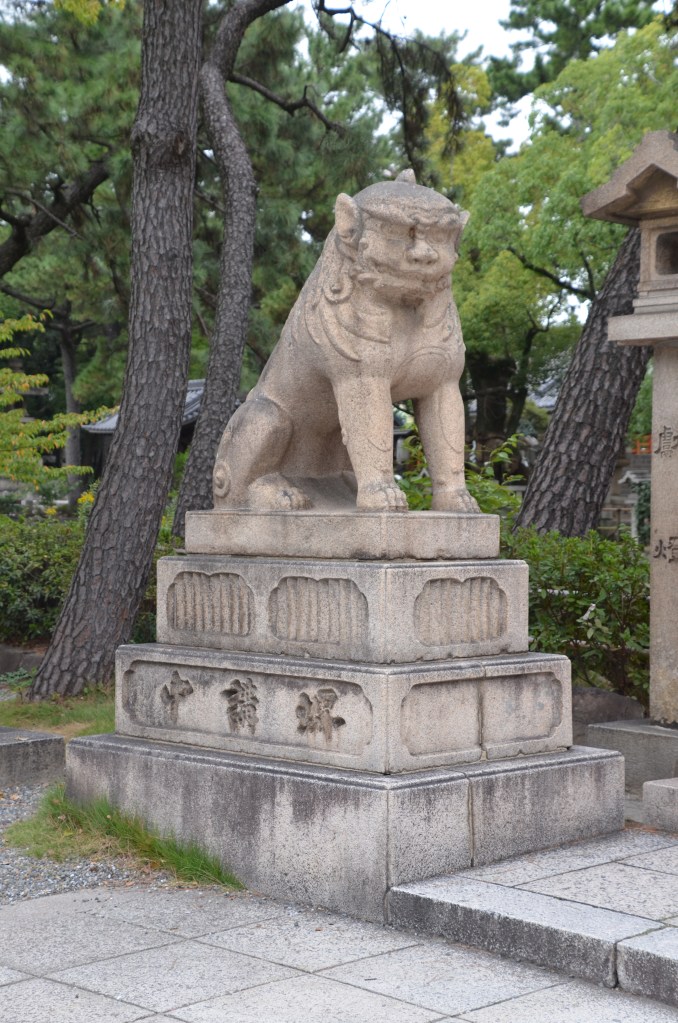
Osaka’s Sumiyoshi Taisya is one of Japan’s oldest shrines; it is an active place of worship where Japanese people come to perform various Shinto rituals, not a tourist-oriented shrine. We read that Sumiyoshi Taisha is the main and most famous of over two thousand Sumiyoshi shrines found across Japan. Sumiyoshi shrines cherish the kami (Shinto gods) who protect travellers, fishermen and sailors at sea. The shrines are therefore usually found close to harbours.
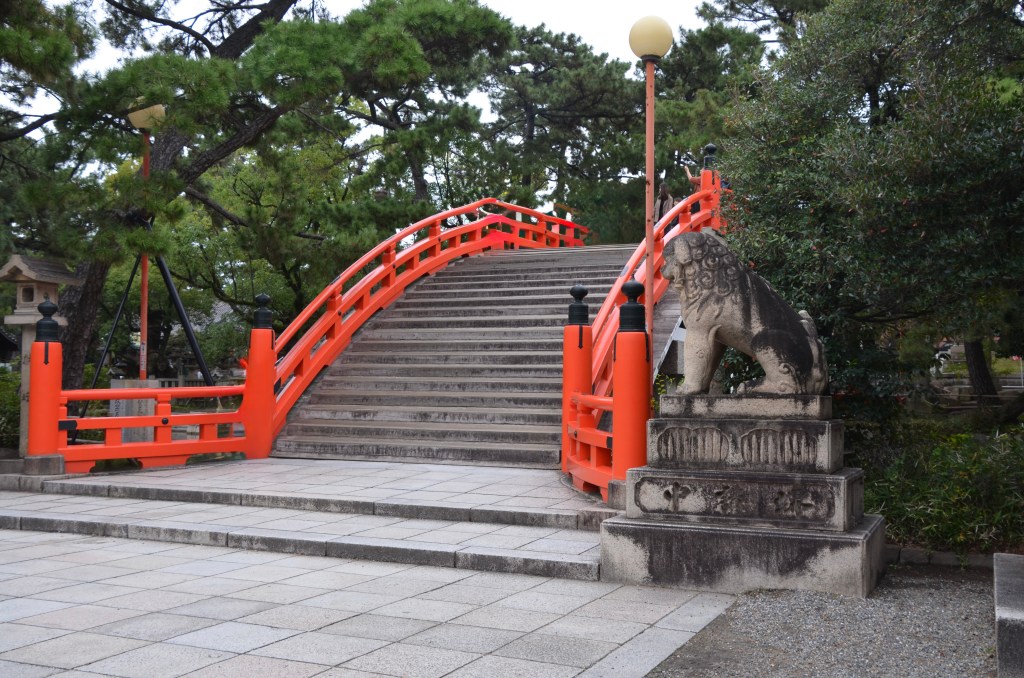
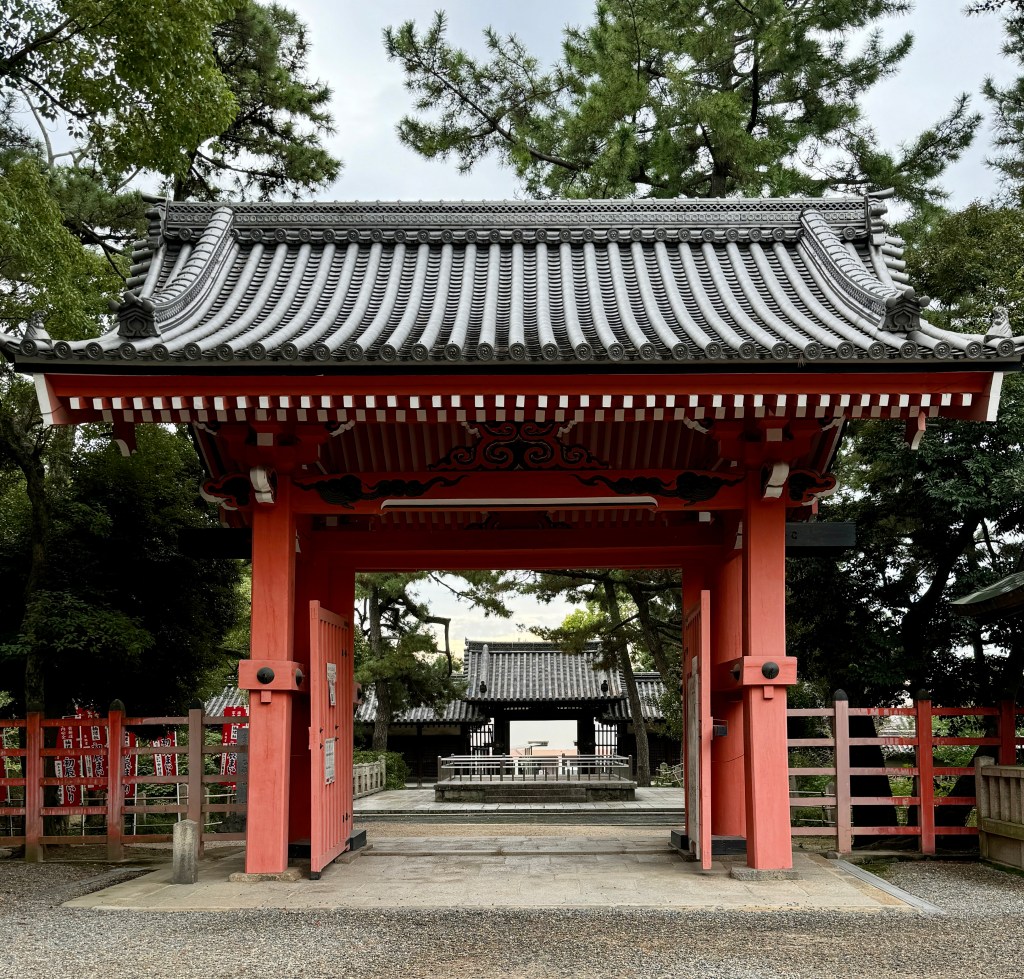
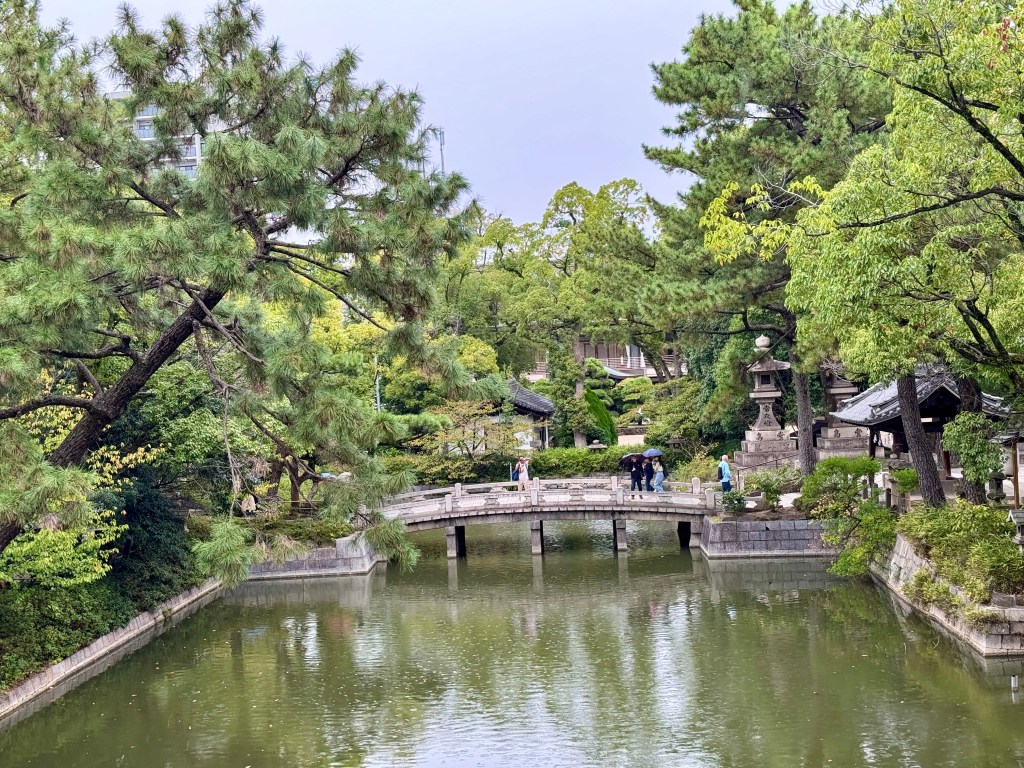
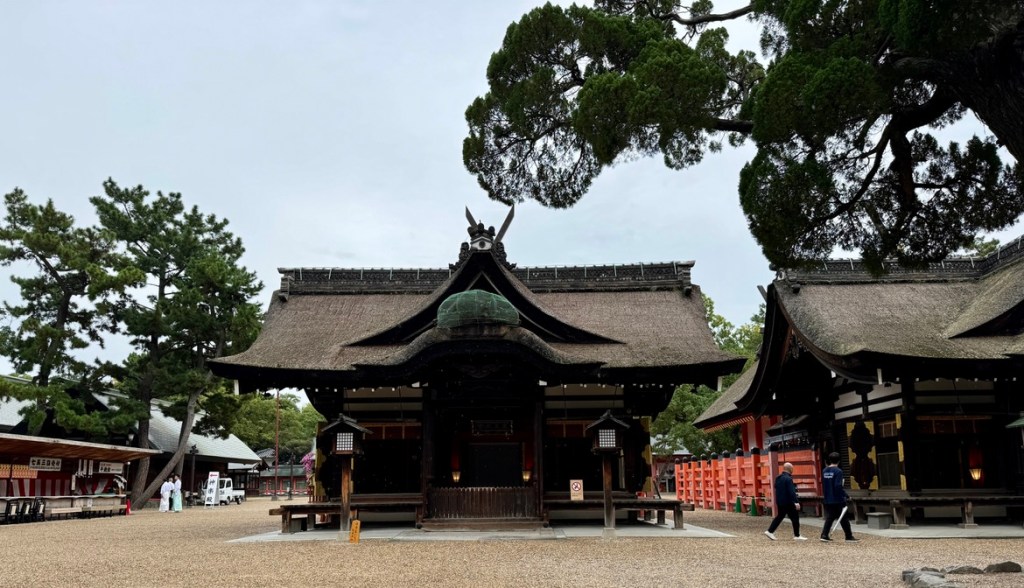
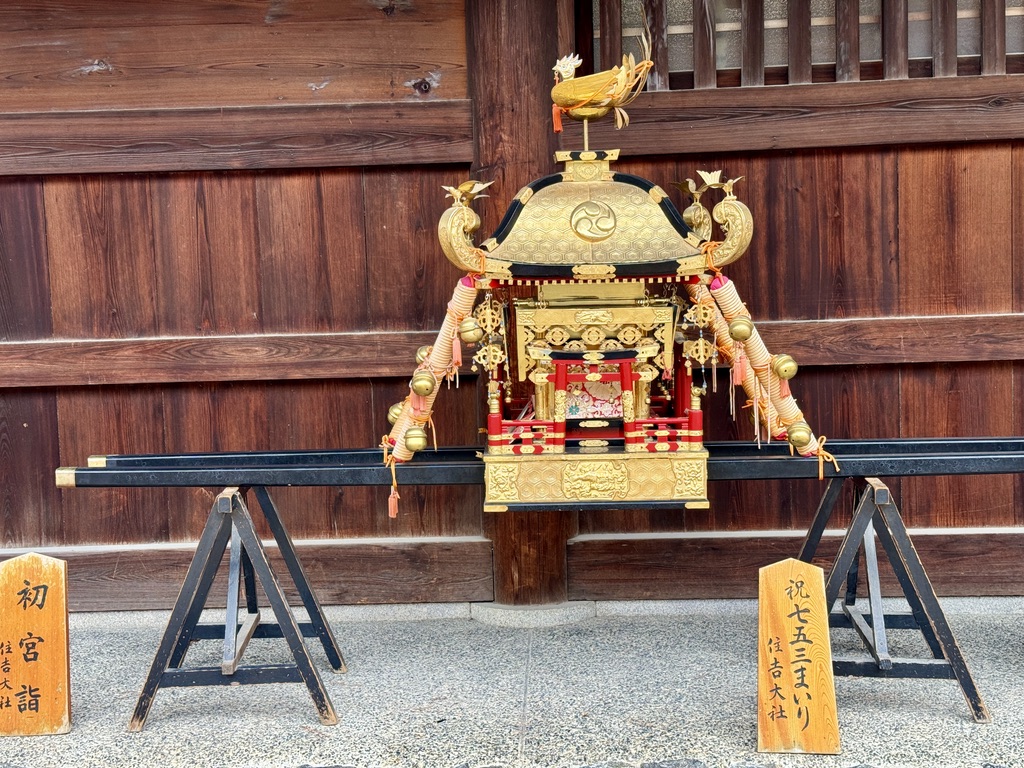
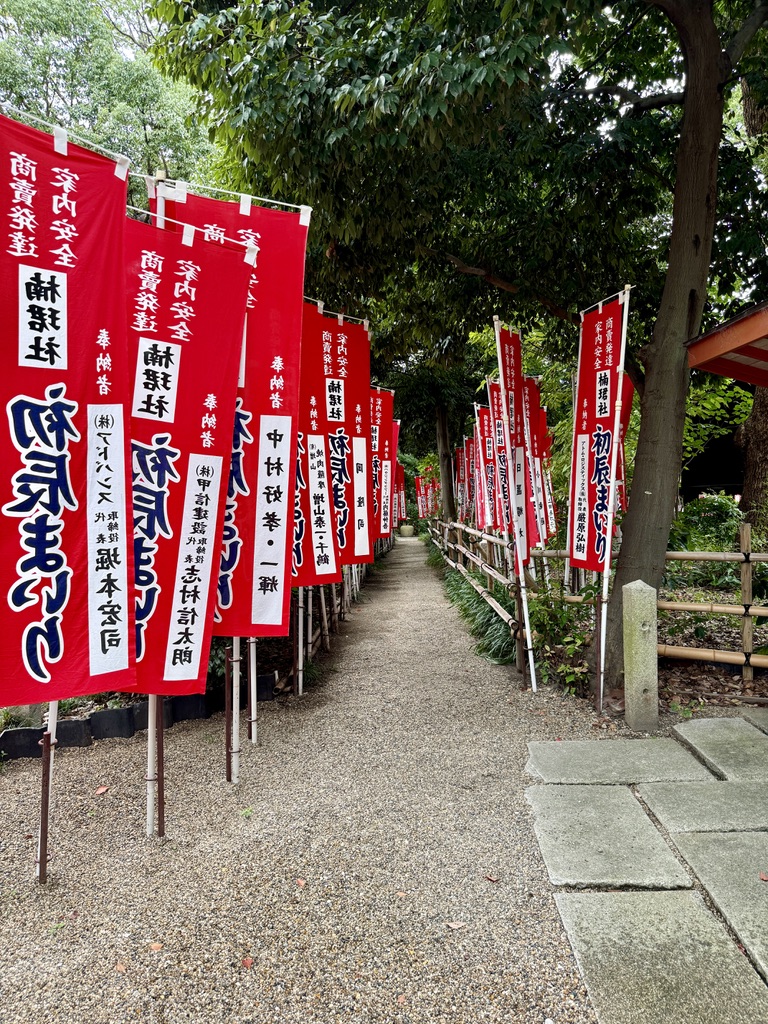
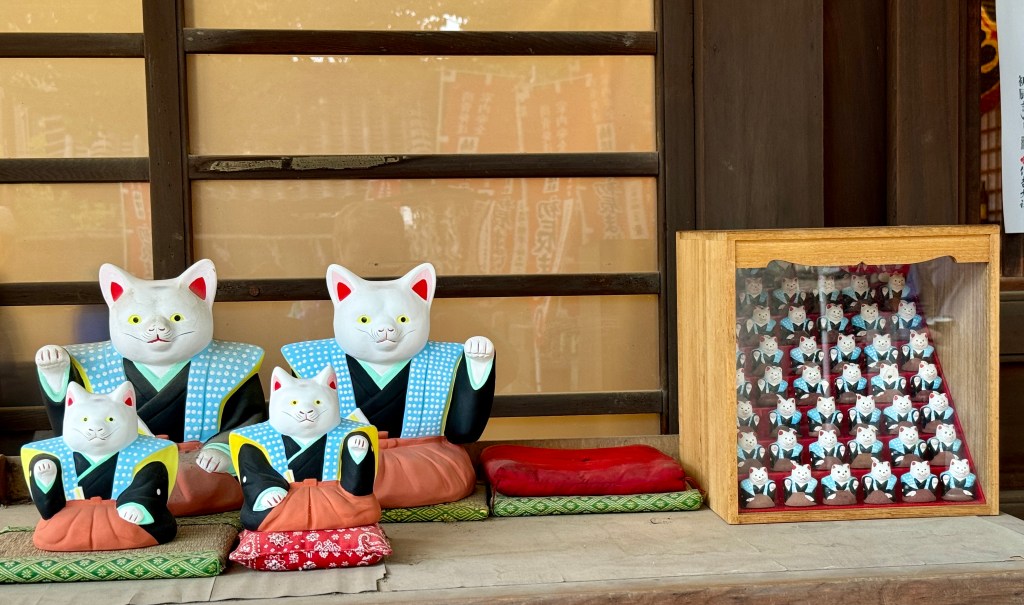
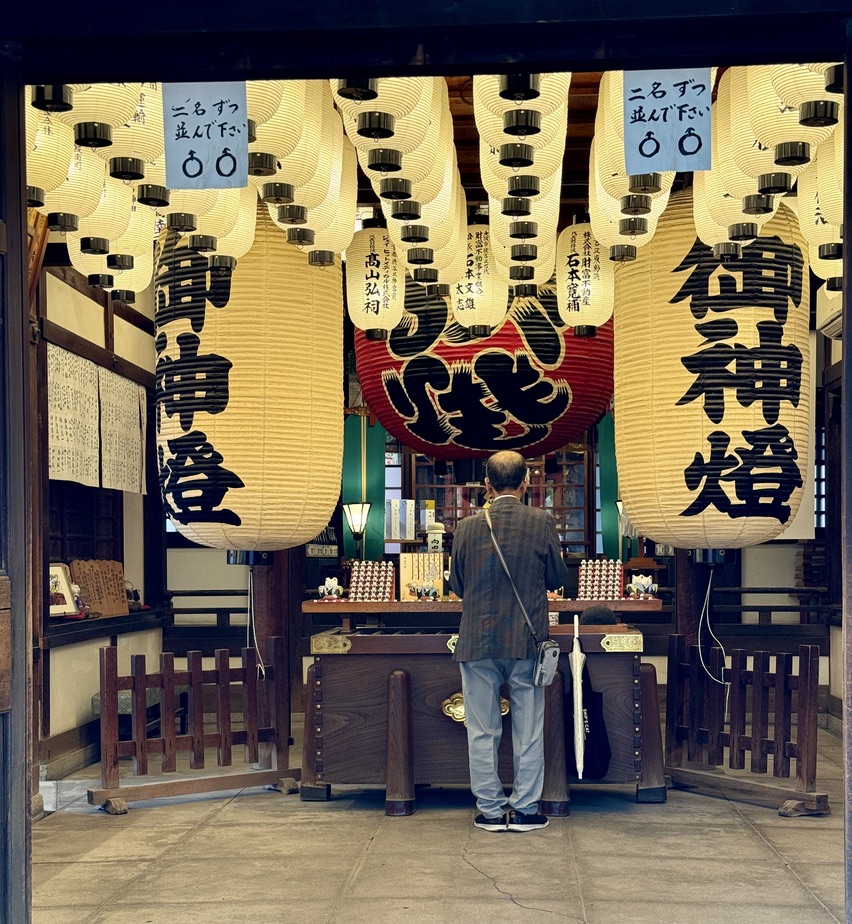
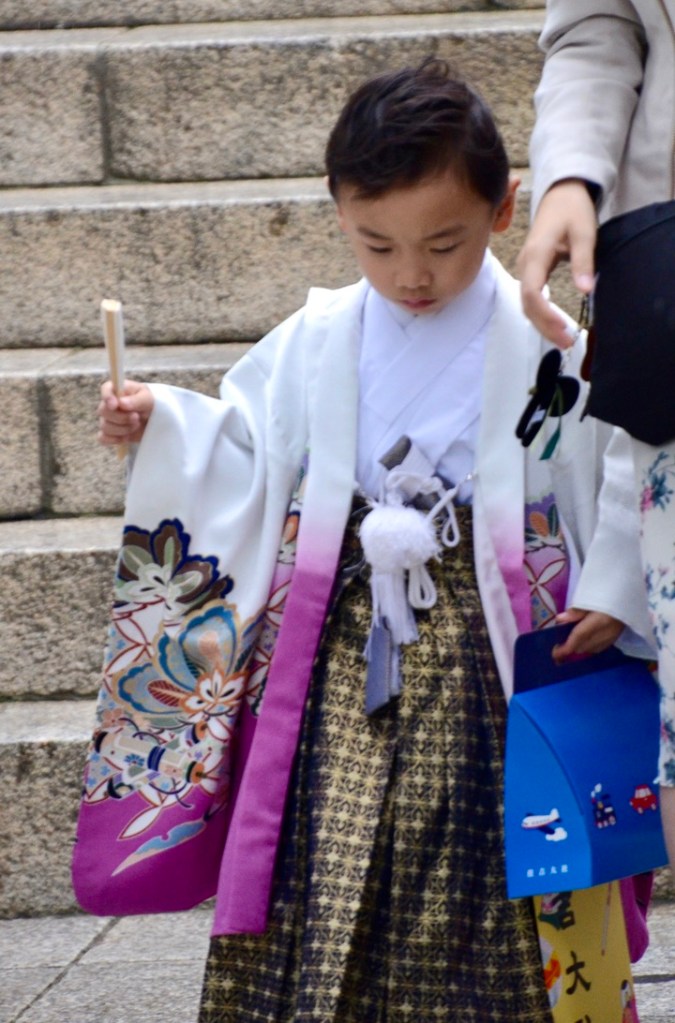
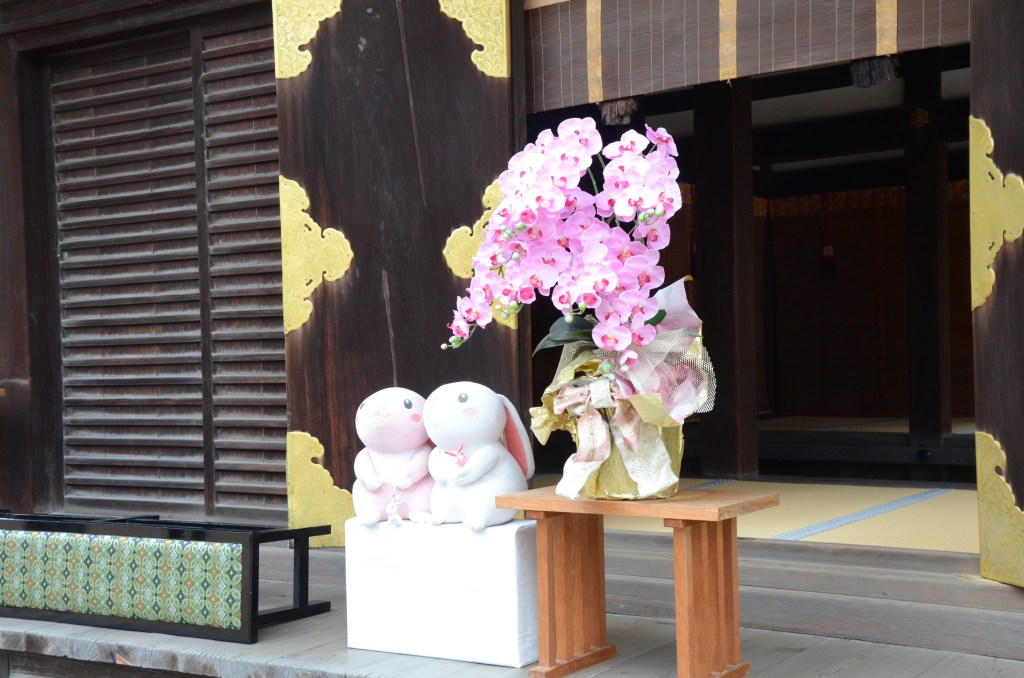
We were told that children who turn 3, 5 and 7 get dressed in kimono (and Hakama for boys) and go to a shrine with their family to pray for their continued good health and well-being. Below is one of the children we saw dressed up to go to the shrine. The flowers and rabbits were set up for pictures of the children.
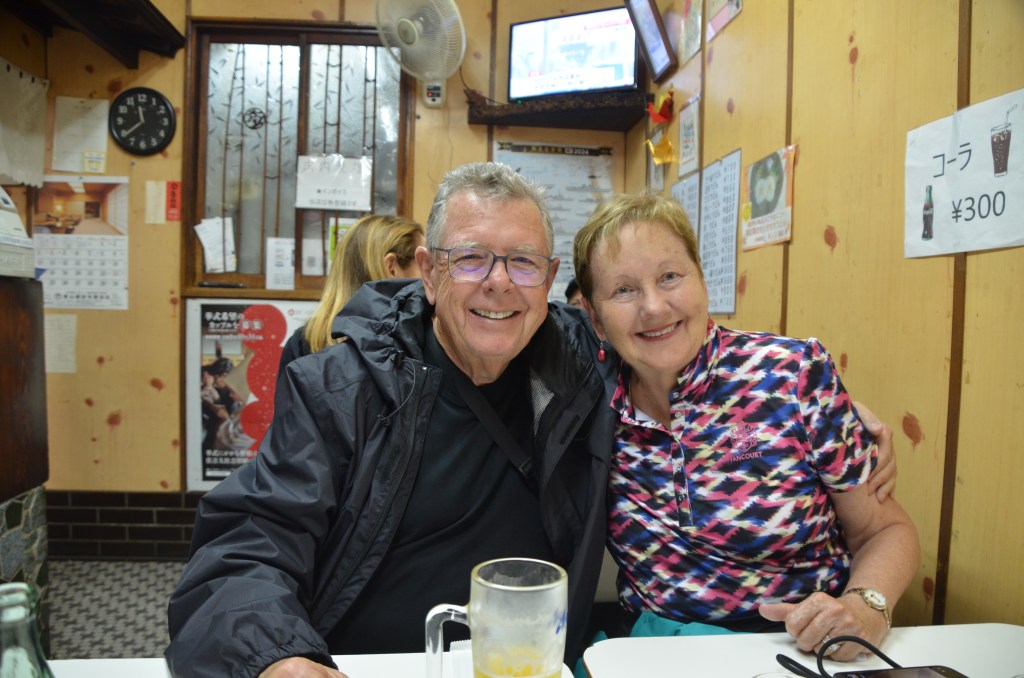
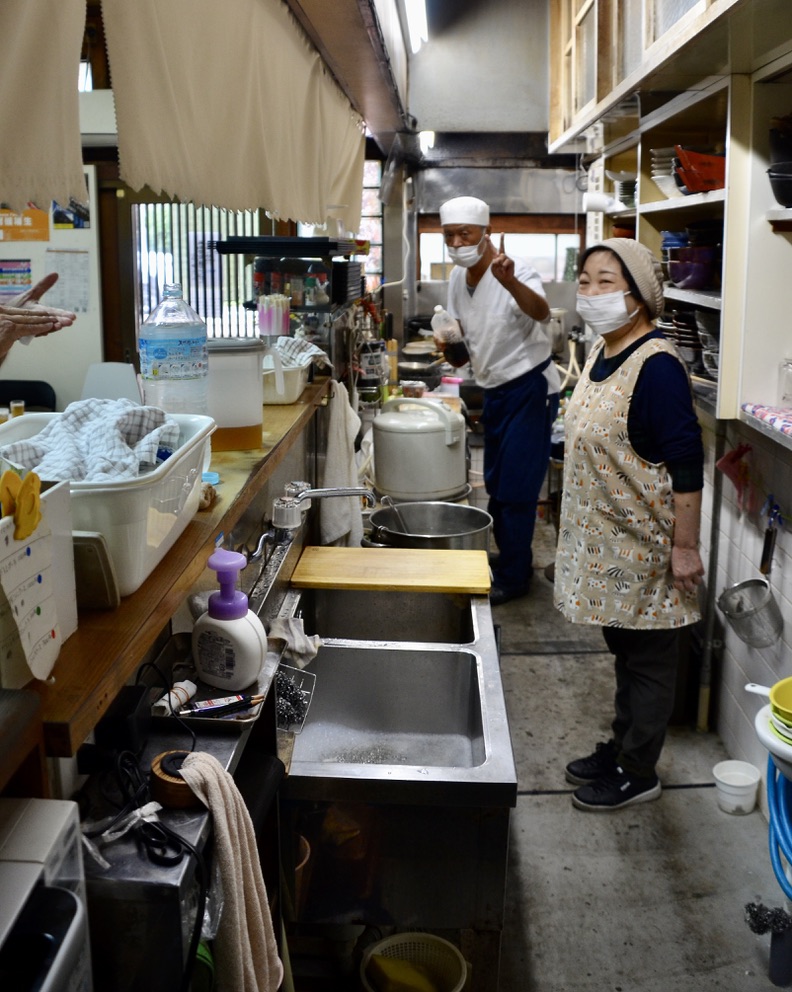
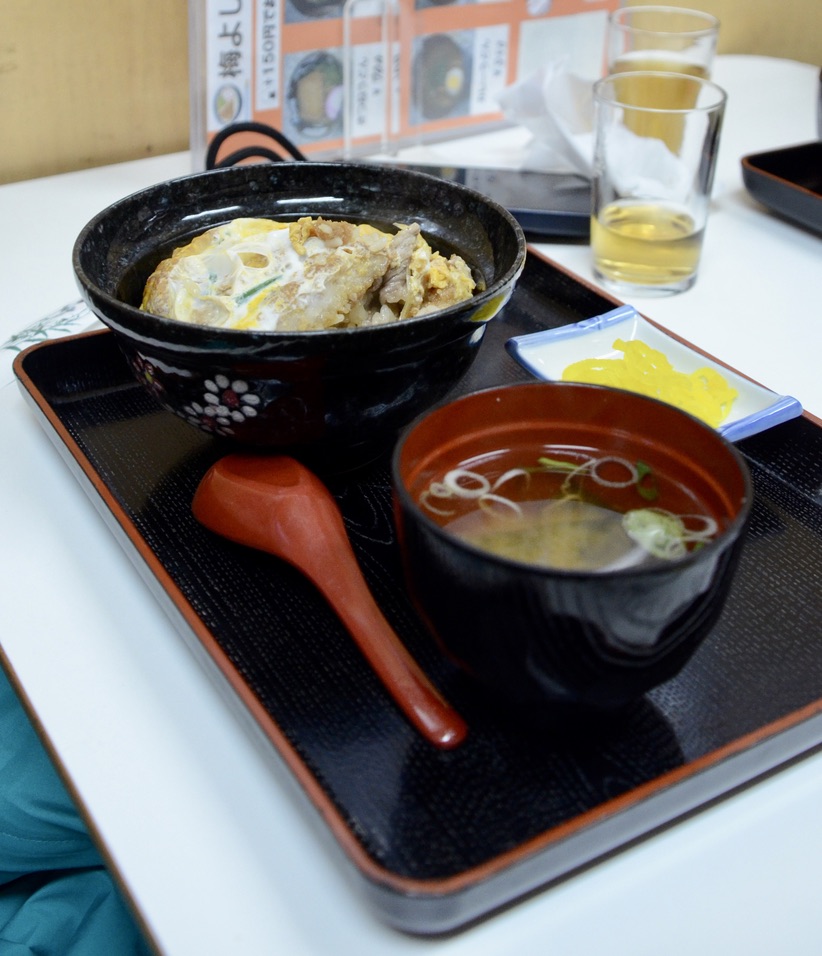
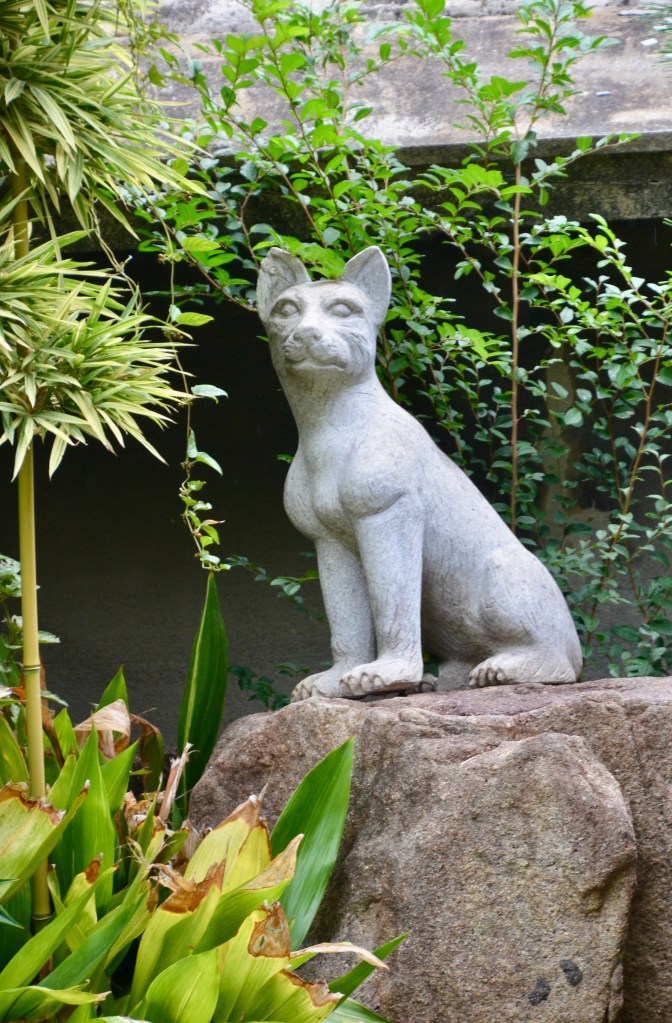
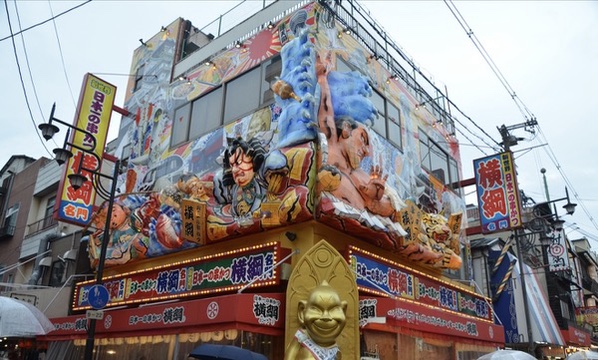
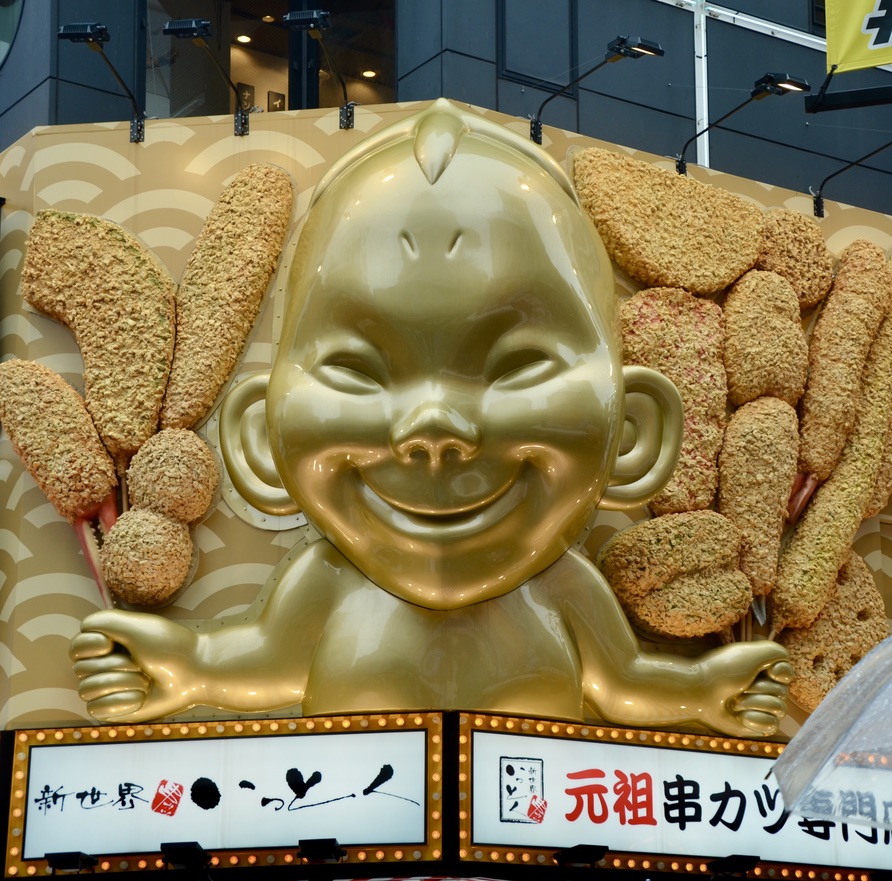
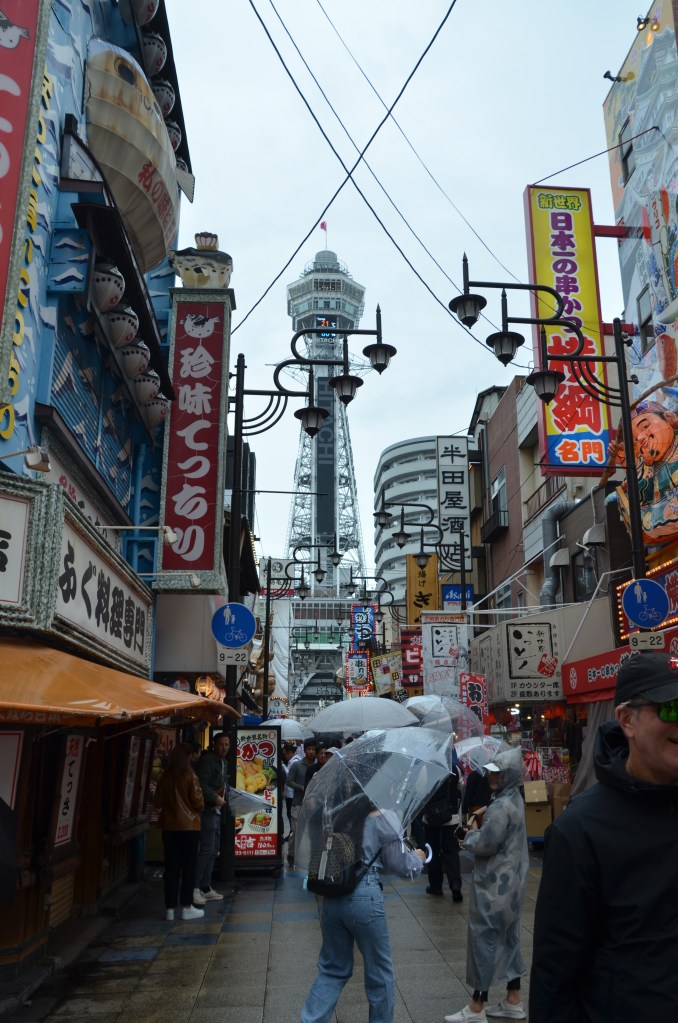
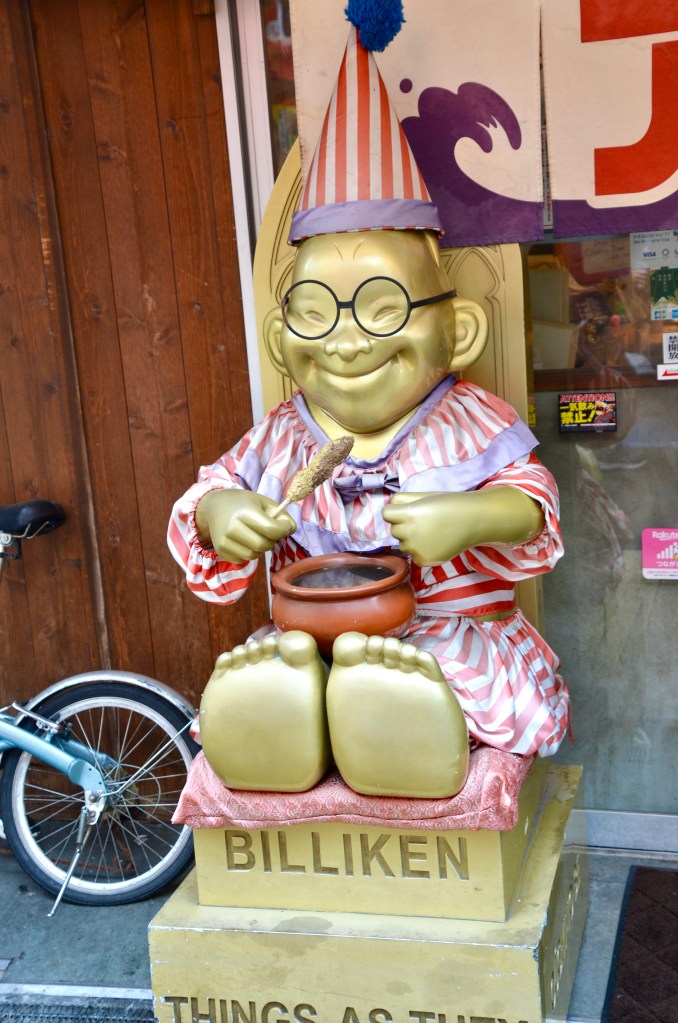
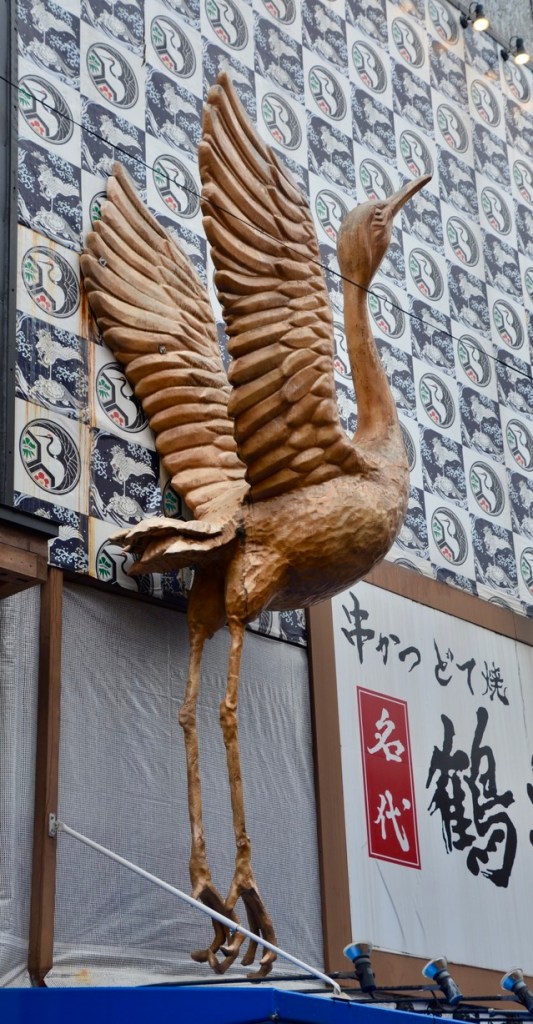
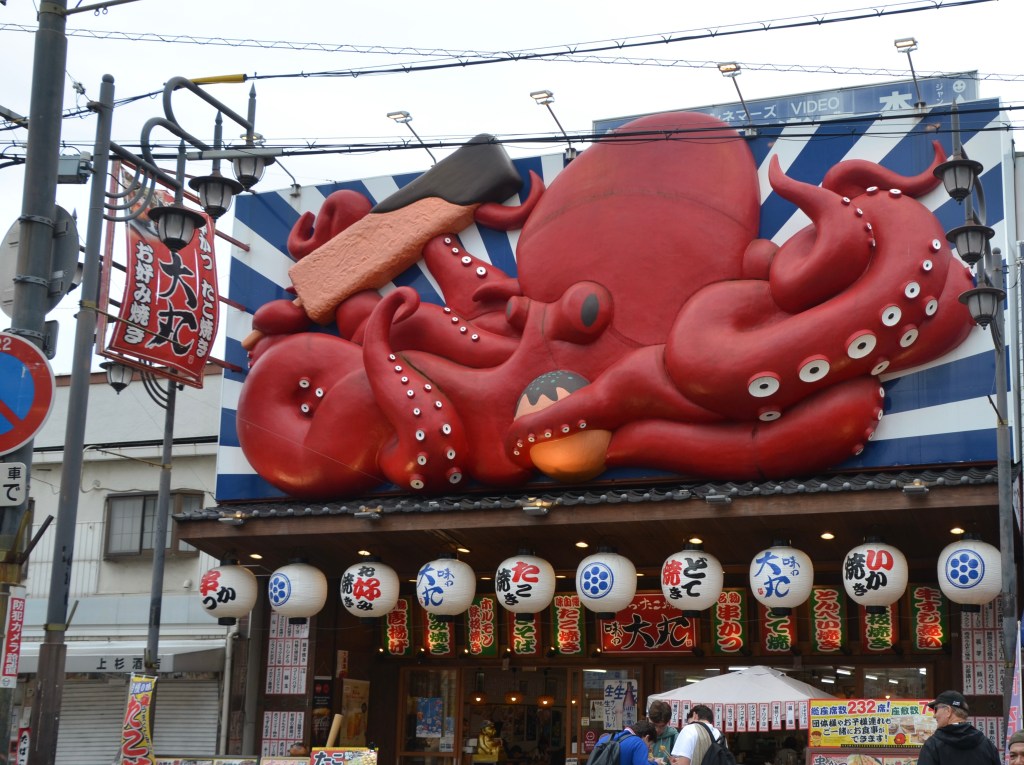
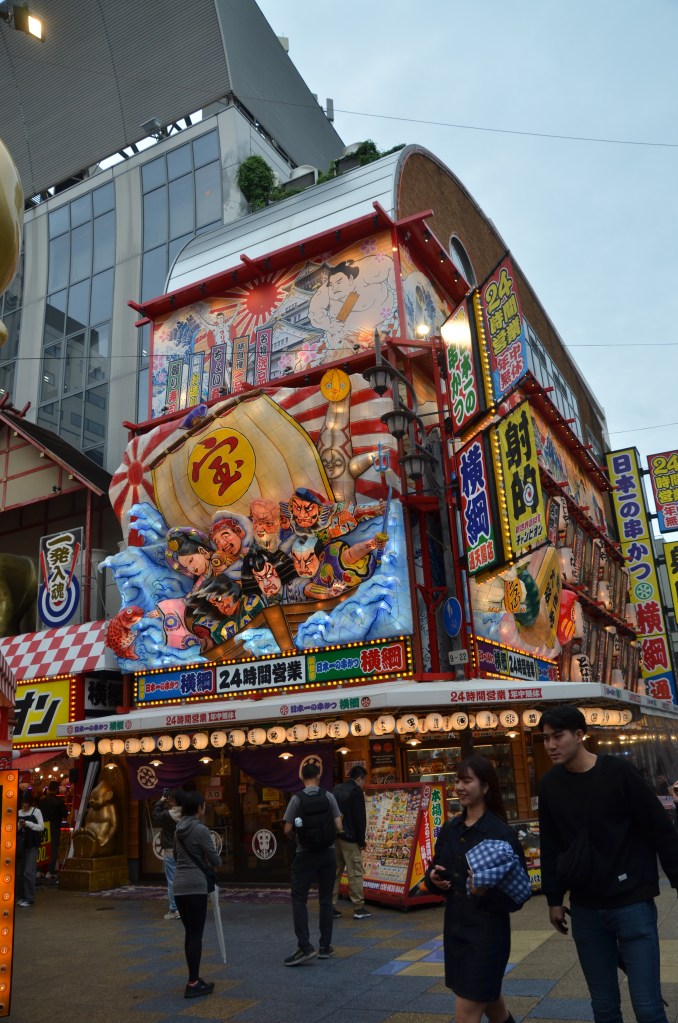
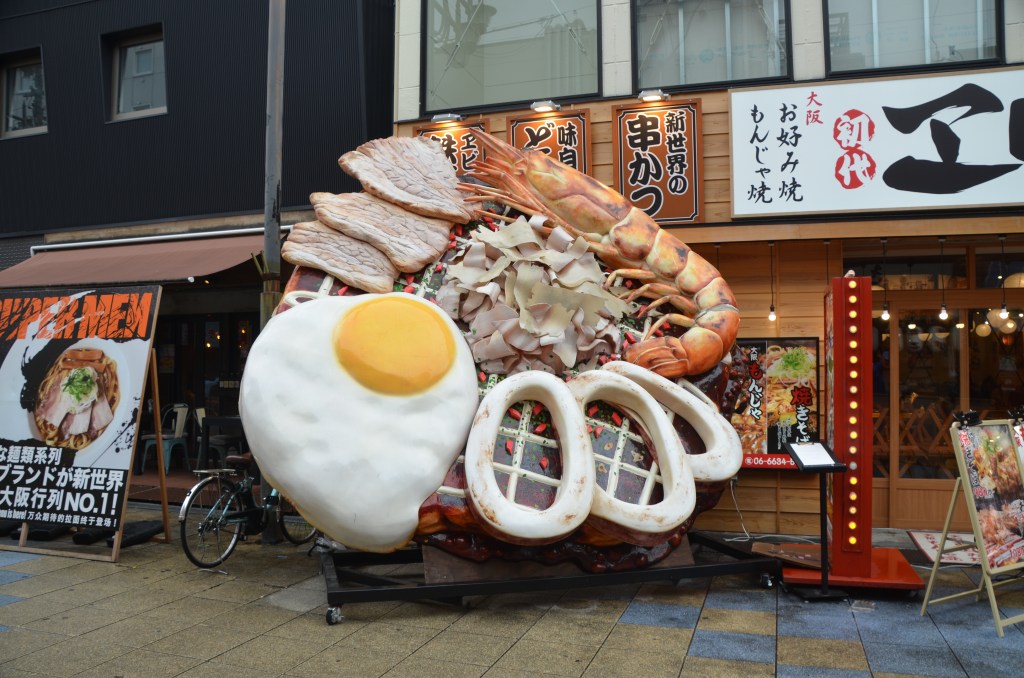
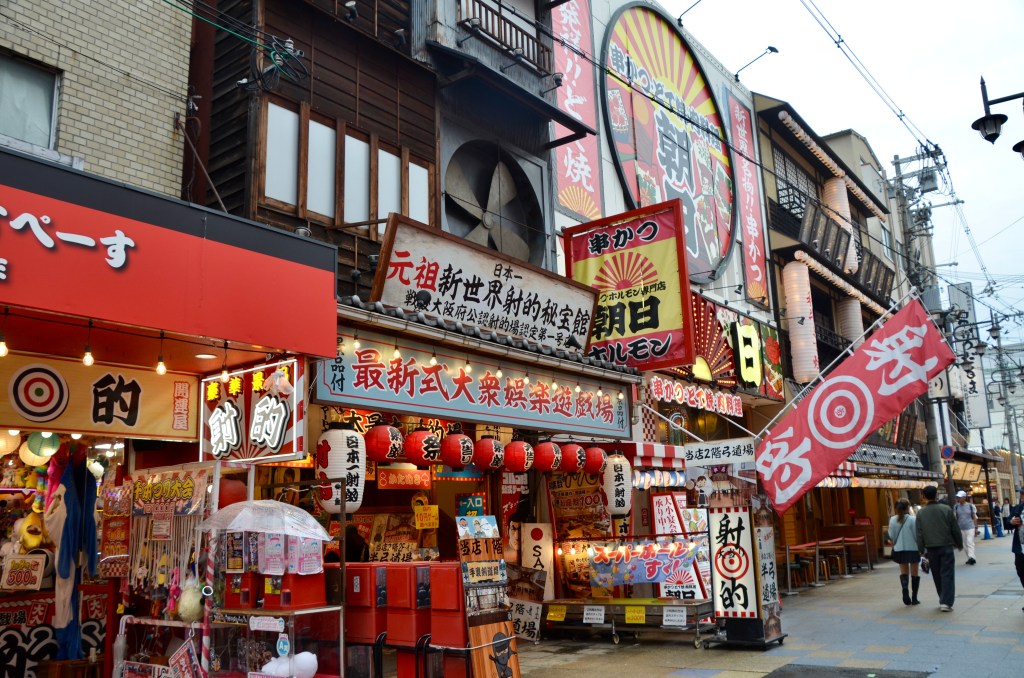
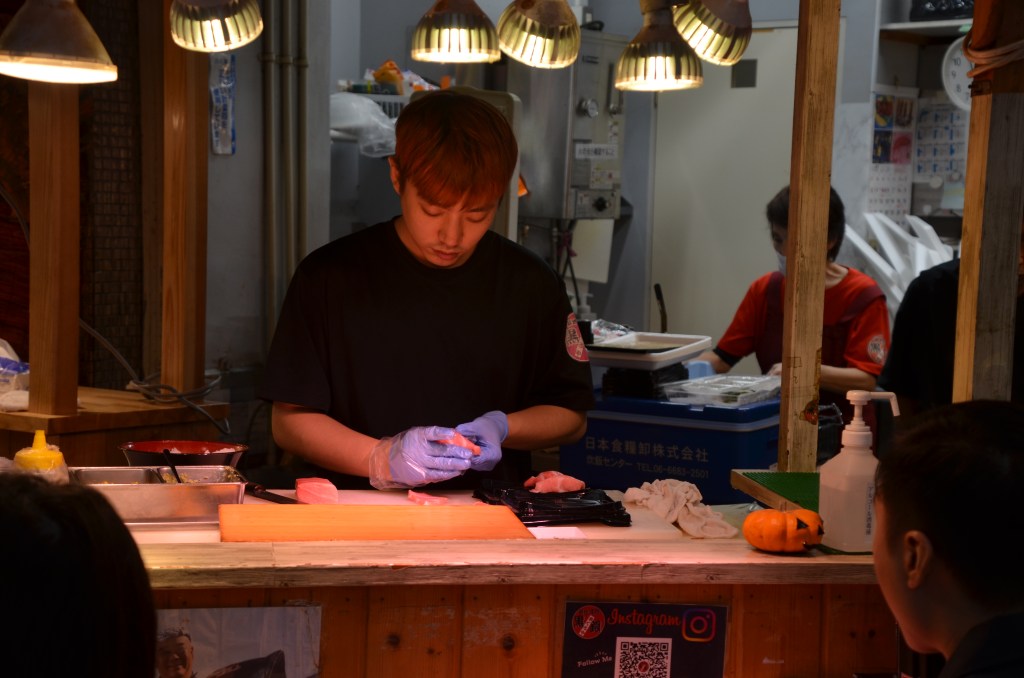
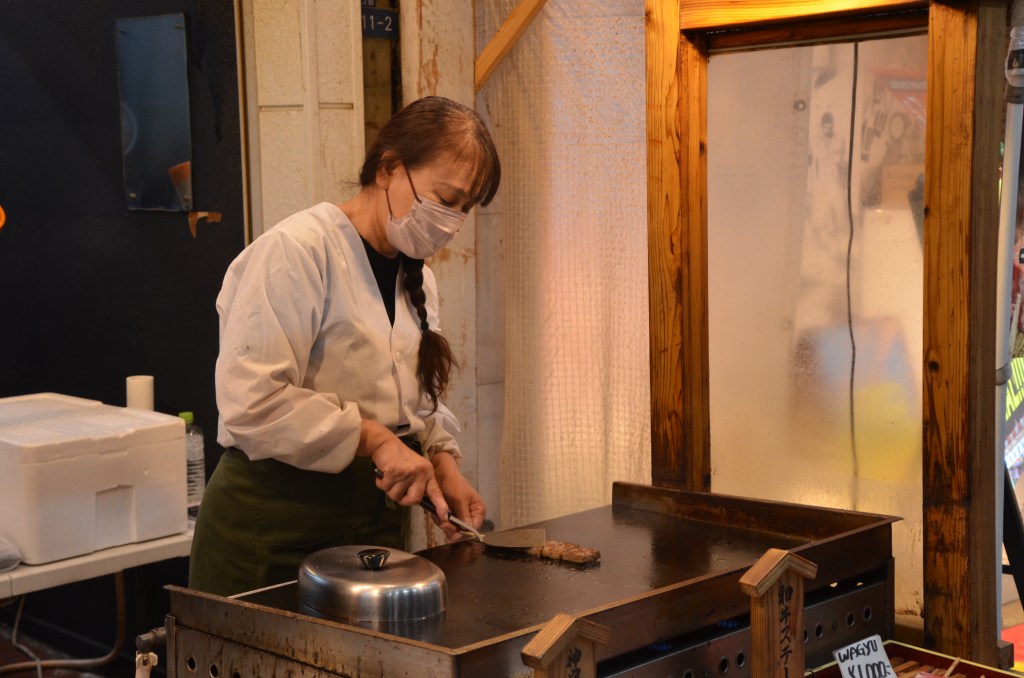
Our last stop was Osaka’s Shinsekai neighbourhood which was built to imitate Coney Island. It did feel a bit like an amusement area with colourful, retro storefronts, and food stalls.
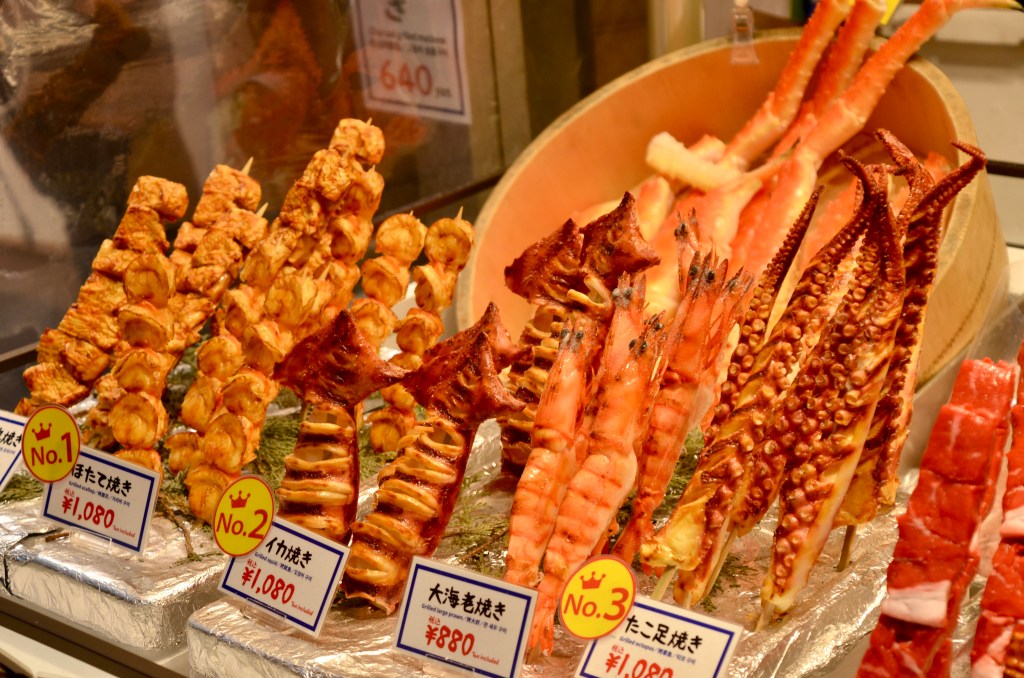
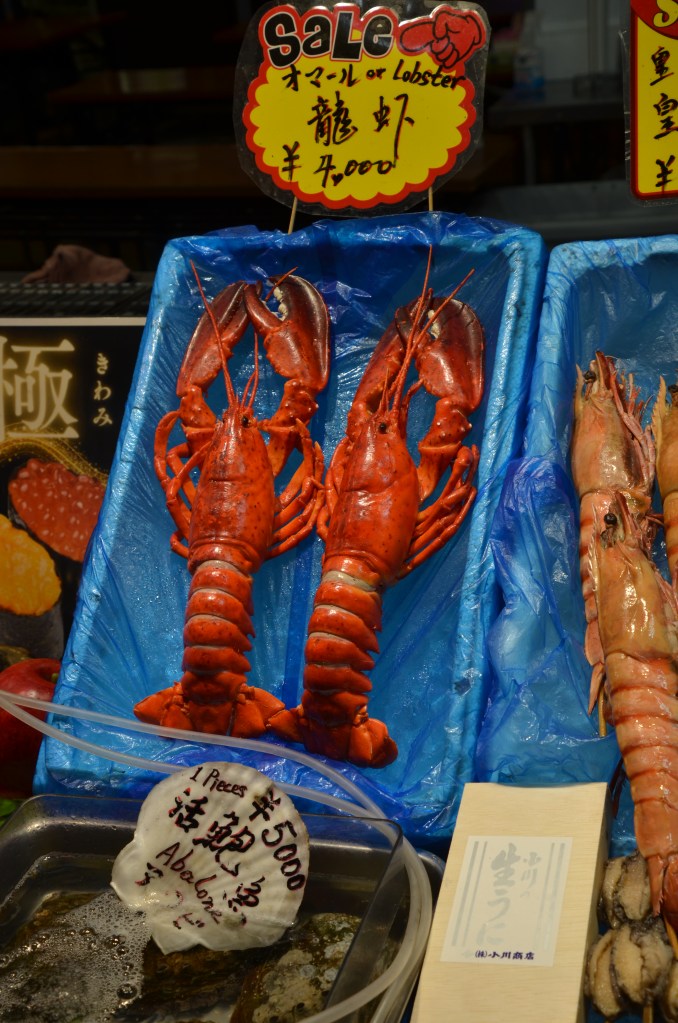
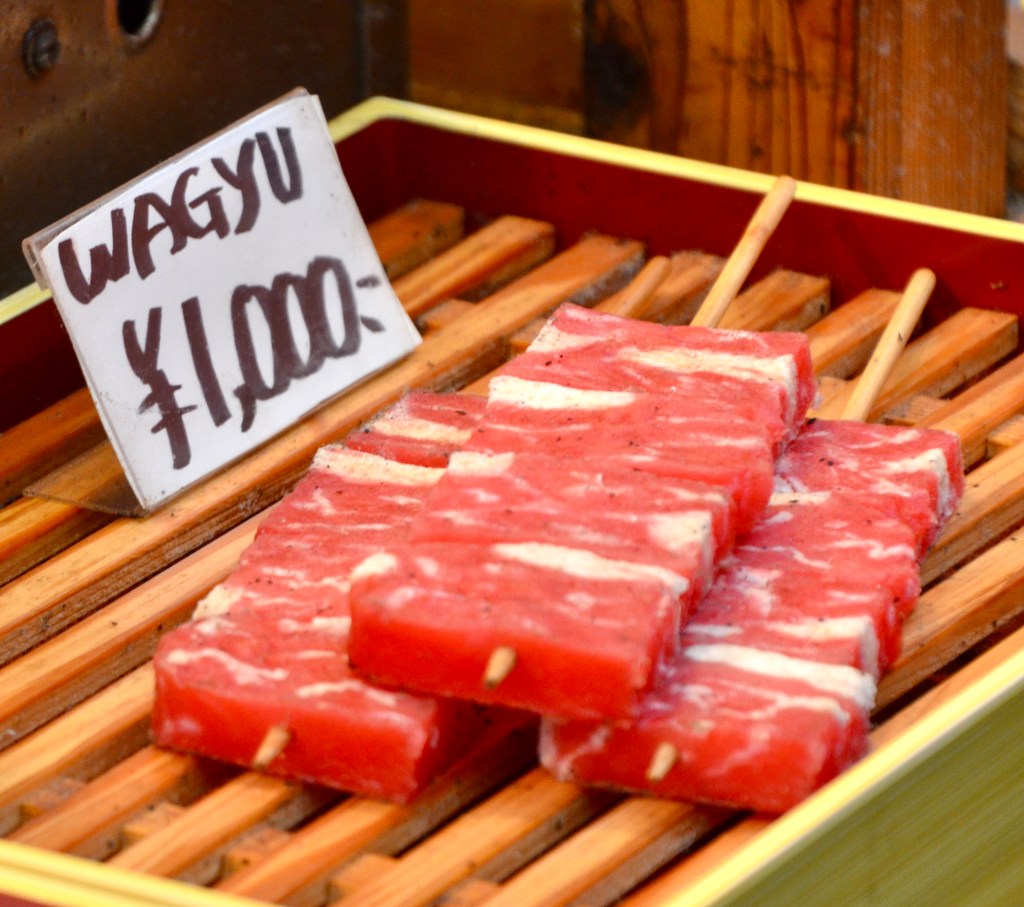
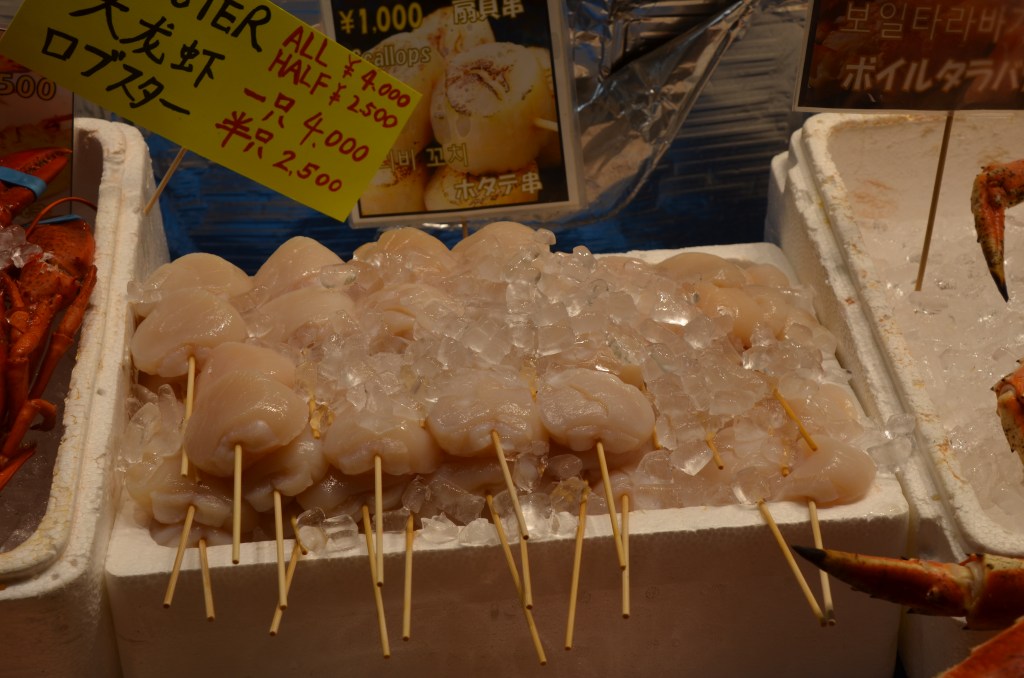
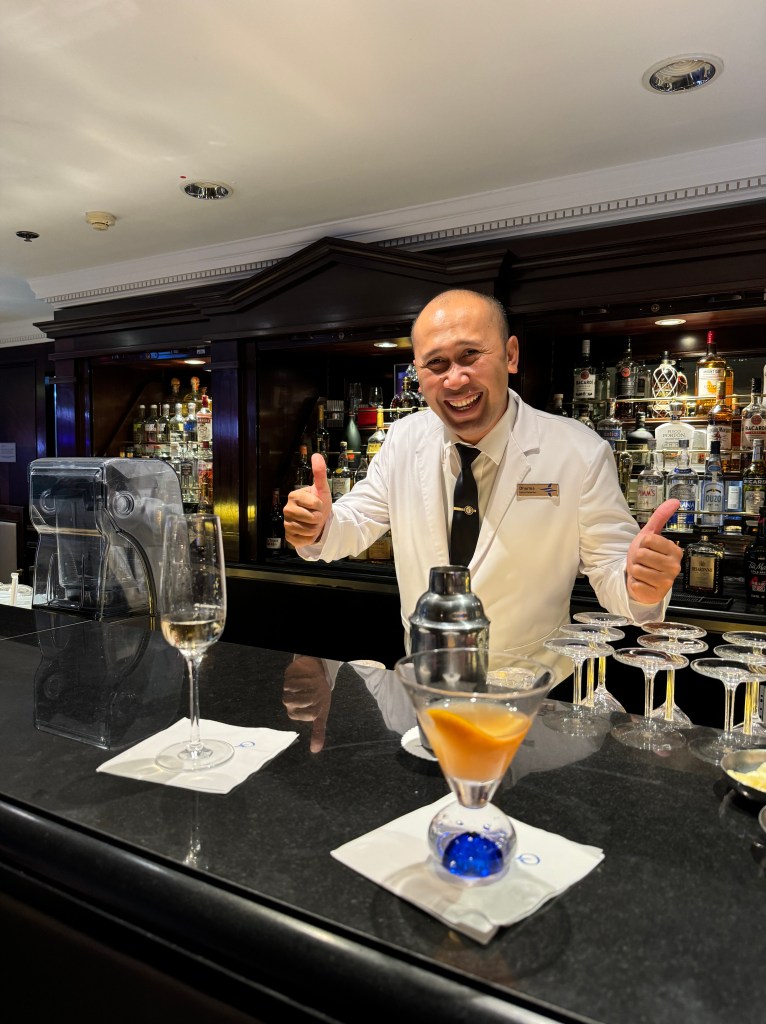
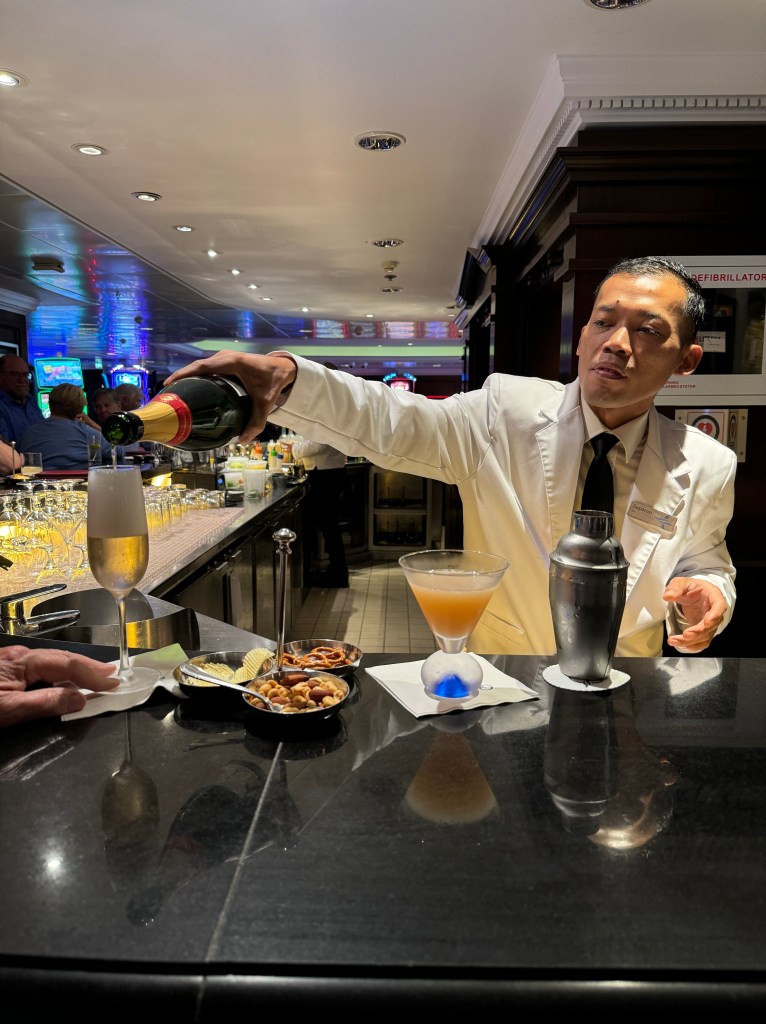
By day 4 on the ship we were into a comfortable routine. We would go to the Martini bar for pre-dinner drinks (for us that is 2 drinks) and to listen to the piano player (Tony was from Jeffrey’s Bay SA and we loved his music). We normally sat at the bar so we got to know the bar tenders plus there were “regulars” so it was fun to catch up on what others did on their tours. Then we would head to dinner at 6:30, sometimes eating with people we met at the bar and other times we would head to the dining room on our own and agree to a sharing table (which the hostess always suggested). We met some interesting people this way.
Next port is Hiroshima.
 ELF Travel To ...
Absolutely beautiful and such vibrant colours! Looking forward to seeing your presentati
LikeLike