
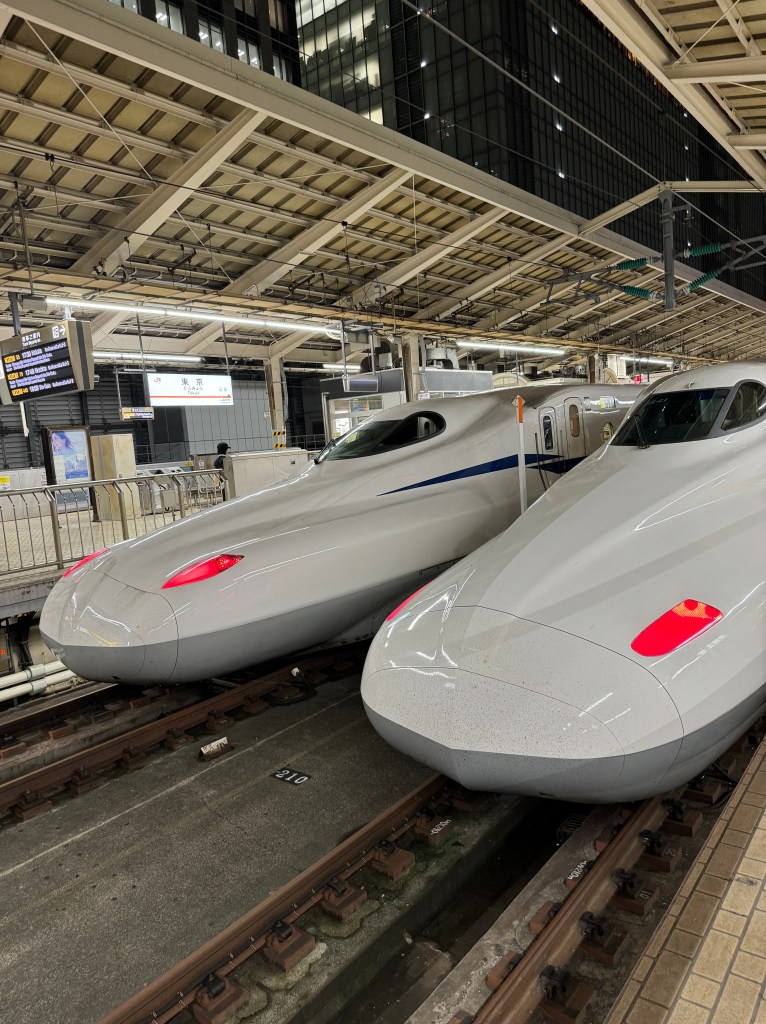
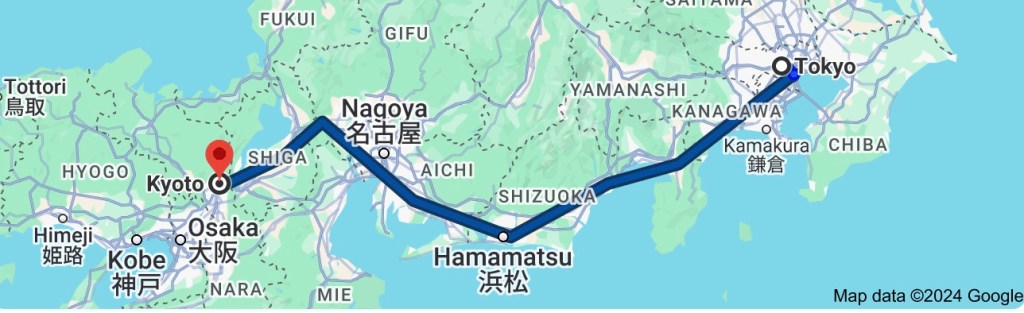
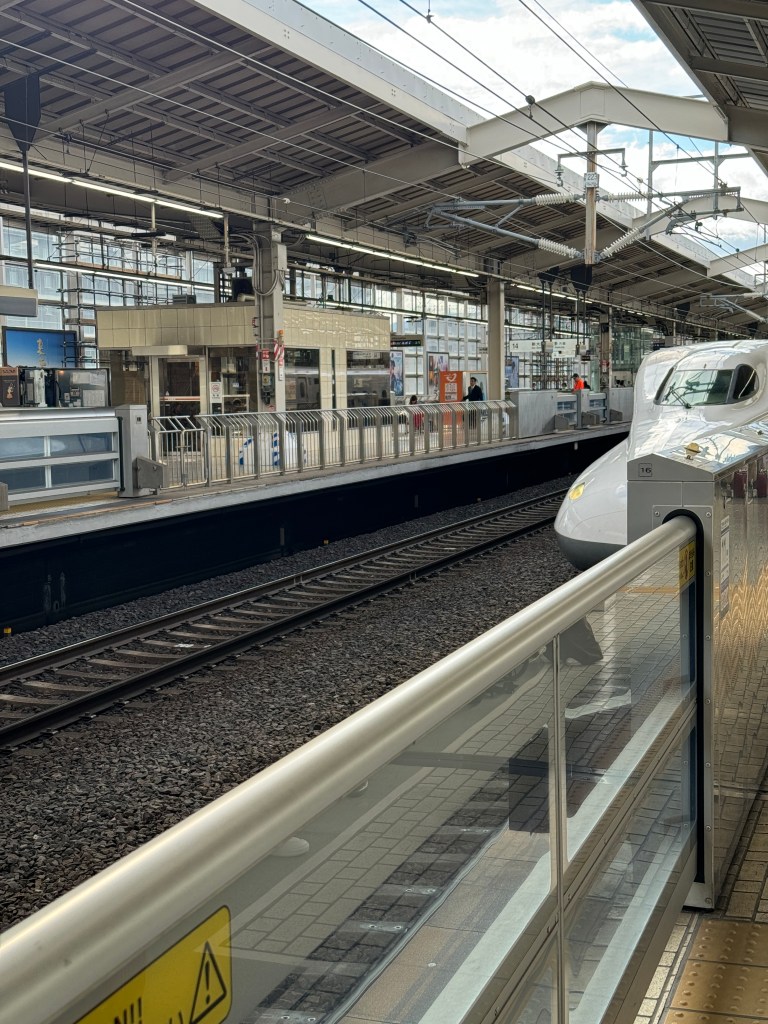
As I mentioned in my previous post, we travelled from Tokyo to Kyoto on October 26th and returned to Tokyo on October 27th. The distance between the two cities is approximately 450 km (280 miles) and it takes 2 hours and 15 minutes by the Shinkansen, Japan’s high speed bullet train. The bullet trains are operated by Japan Railways (JR) and run at speeds of up to 320 km/h. It is a very convenient and comfortable way to travel in Japan.
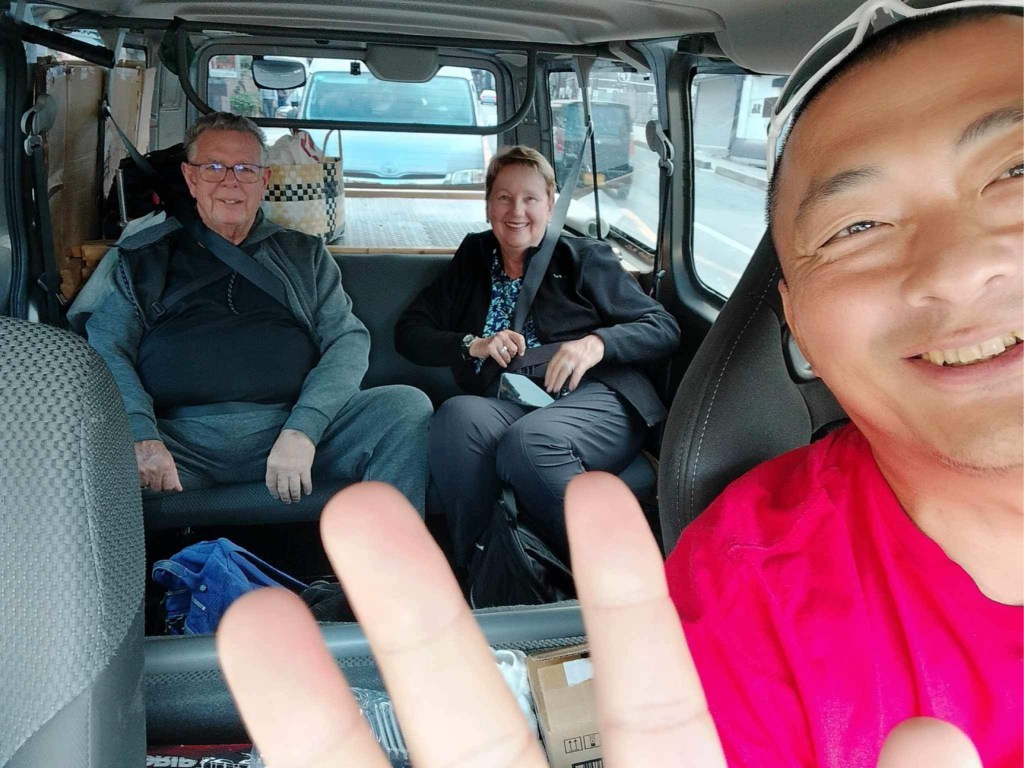
We were met at the Kyoto train station by Takashi, one of our “Elf guides”, and his friend Yuko. Takashi worked at Camp Tawingo for a year, and he has a high energy, enthusiastic camp vibe. Takashi drove from his home in the Kobe/Osaka area to meet us which worked perfectly as it was much easier to travel in the van than to take public transit or taxis, especially as we had so little time in Kyoto.
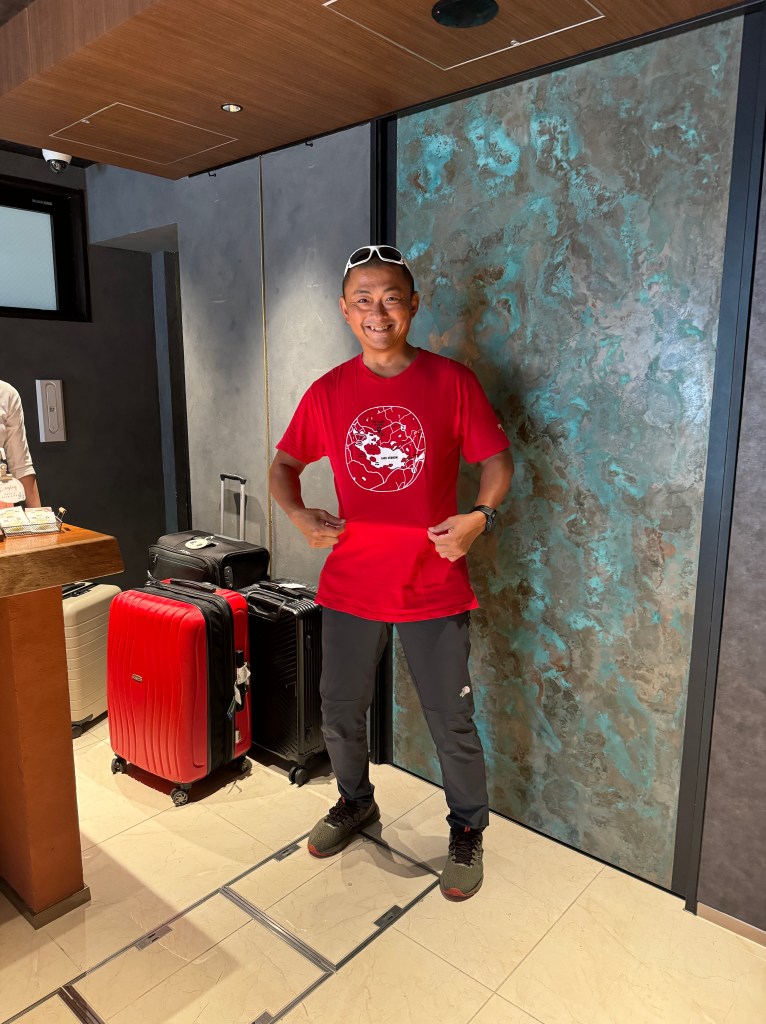
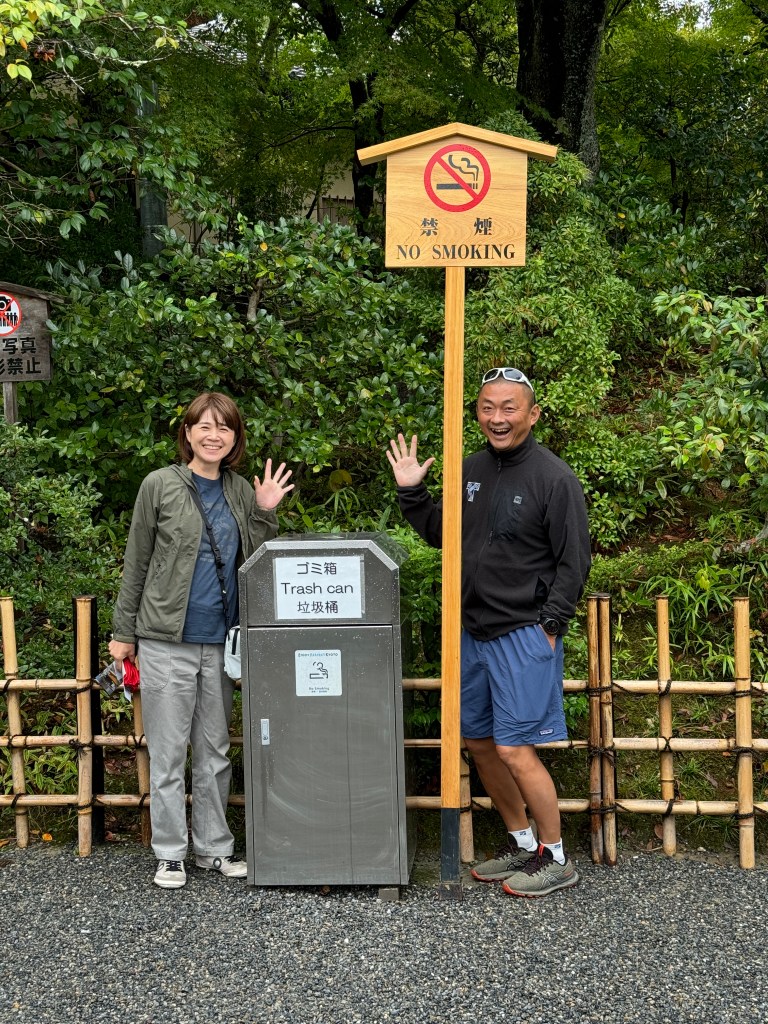
Our first stop was Hotel Yoin to drop off our luggage. Yoin is a small hotel in the historic Gion (geisha) quarter. It was a great location as we could walk to restaurants and wander the streets of the old town. Our room was large as was the bathroom and the bed was super comfortable. Although strange to comment on, we must say we loved the Japanese toilet at our hotel. Why you ask – it had a lid that raised when you entered the room, a heated seat, a “bidet menu”, a dryer, an automatic flush and a cleaning cycle. Larry really wants one – but it is not going to happen.
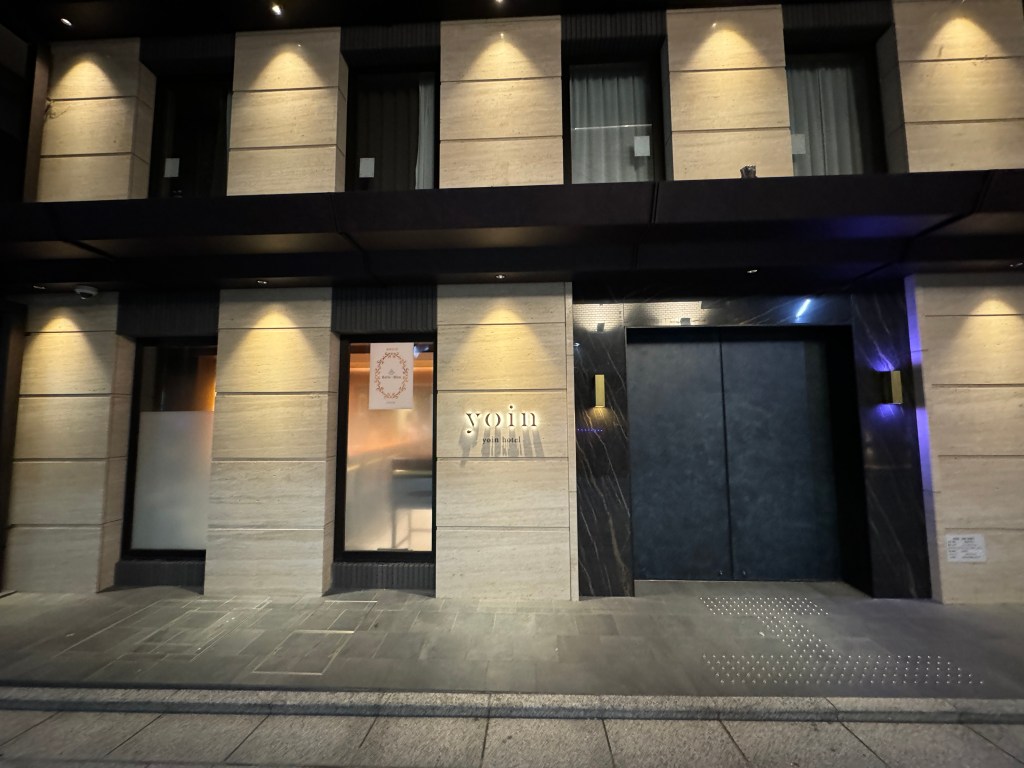
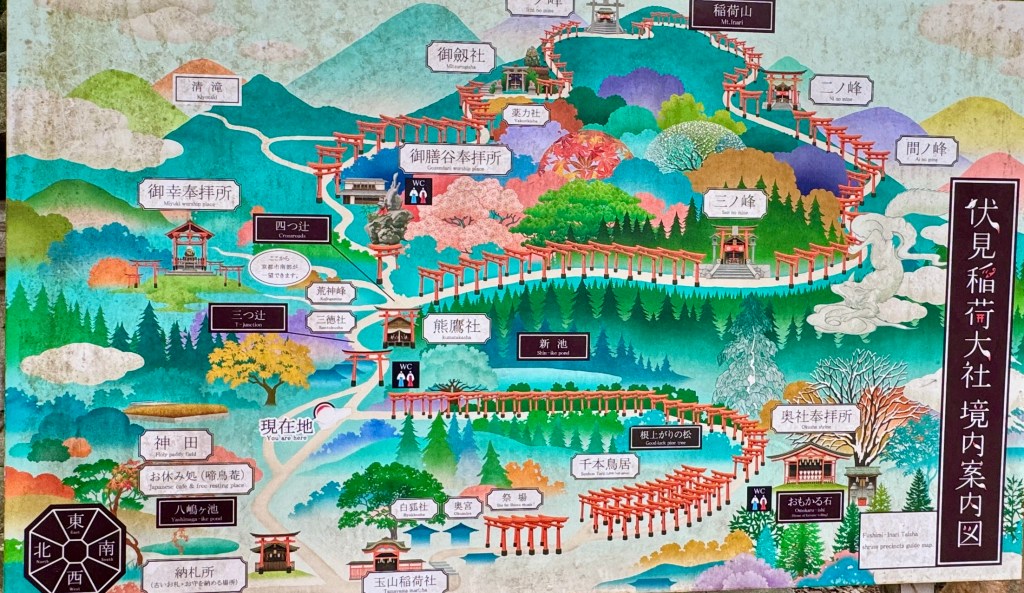
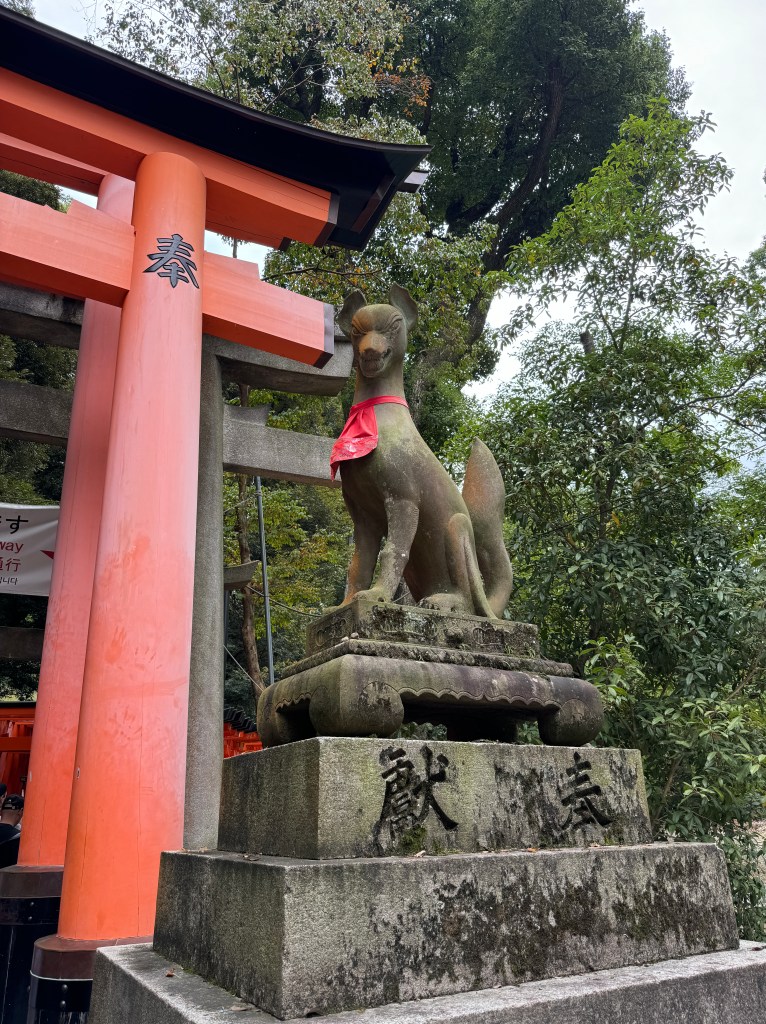
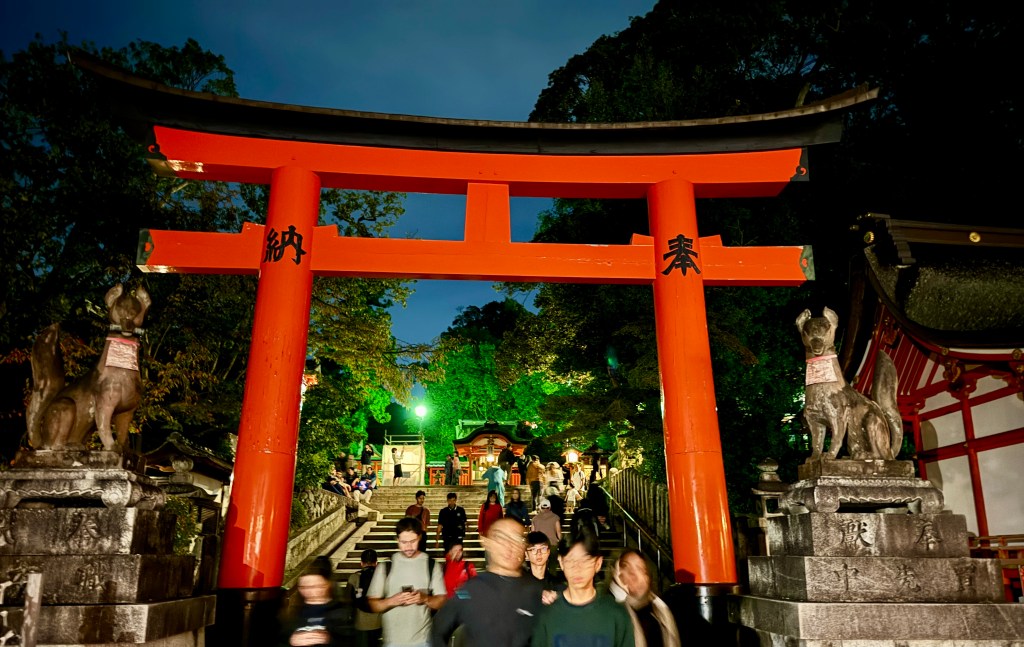
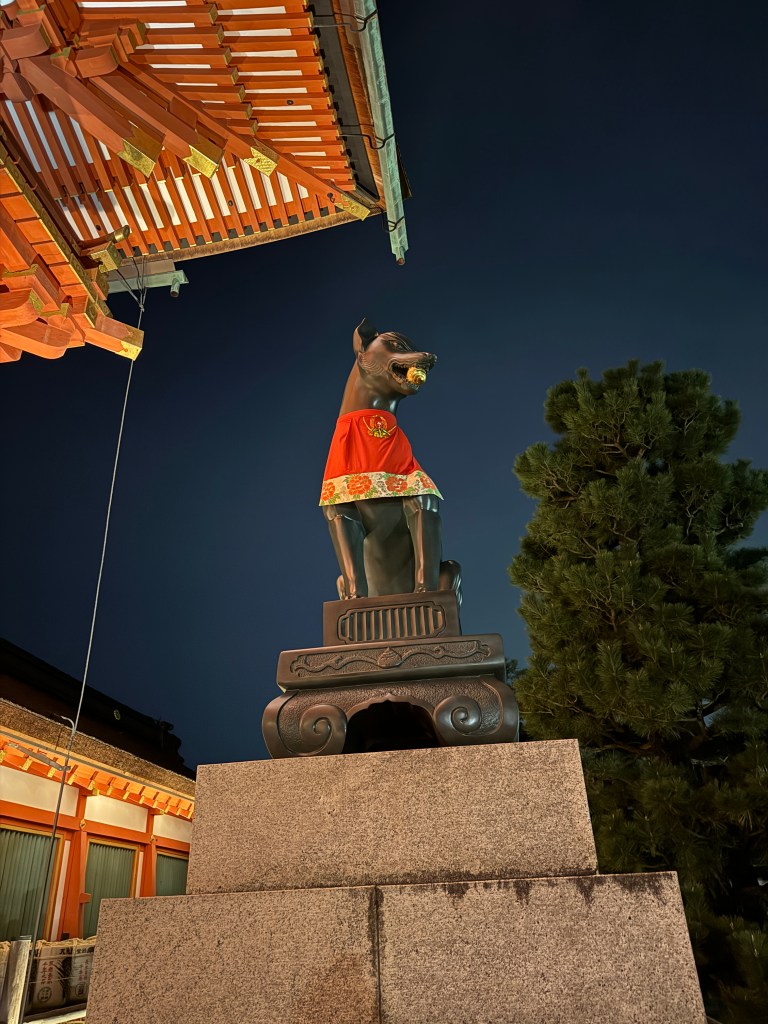
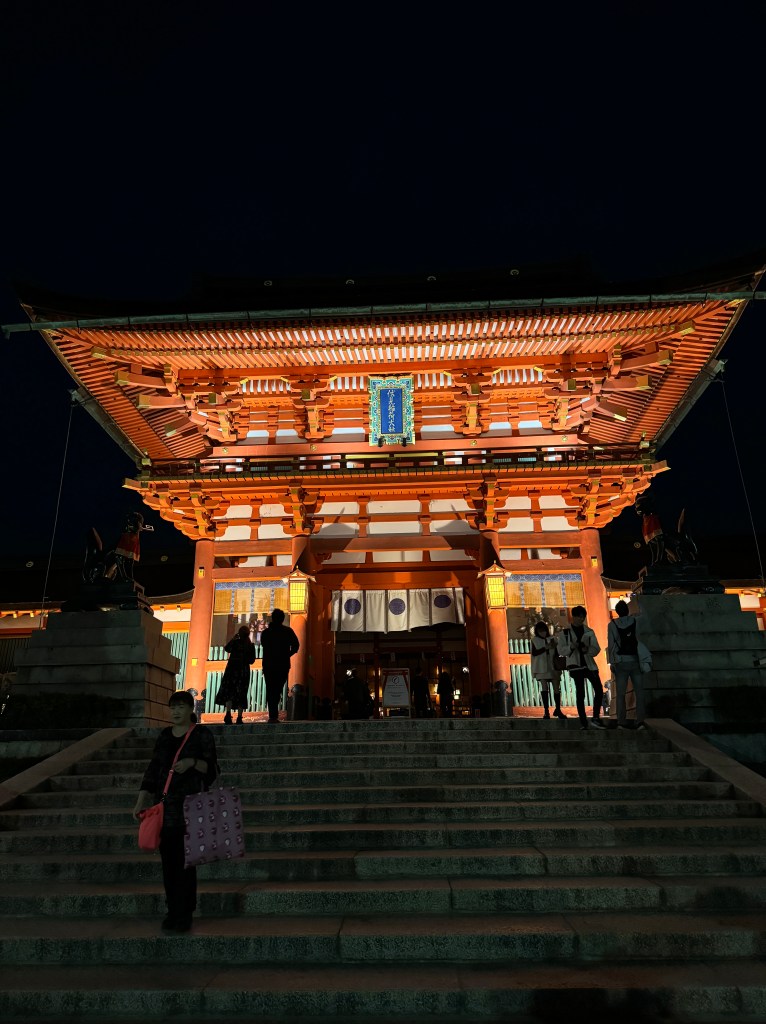
Next was a visit to Fushimi Inari Taisha which is a Shinto Shrine. We were told that Japanese Shinto Shrines typically have Torii gates at the entrance, a purification fountain near the entrance and usually have a guardian fox or lion at each side of the entrance. Unlike the Shinto Shrine, Japanese Buddhist Temples normally have a sanmon gate (which normally closes) and a pagoda nearby, there is a large incense burner in front of the temple and the temples are centered around Buddha.
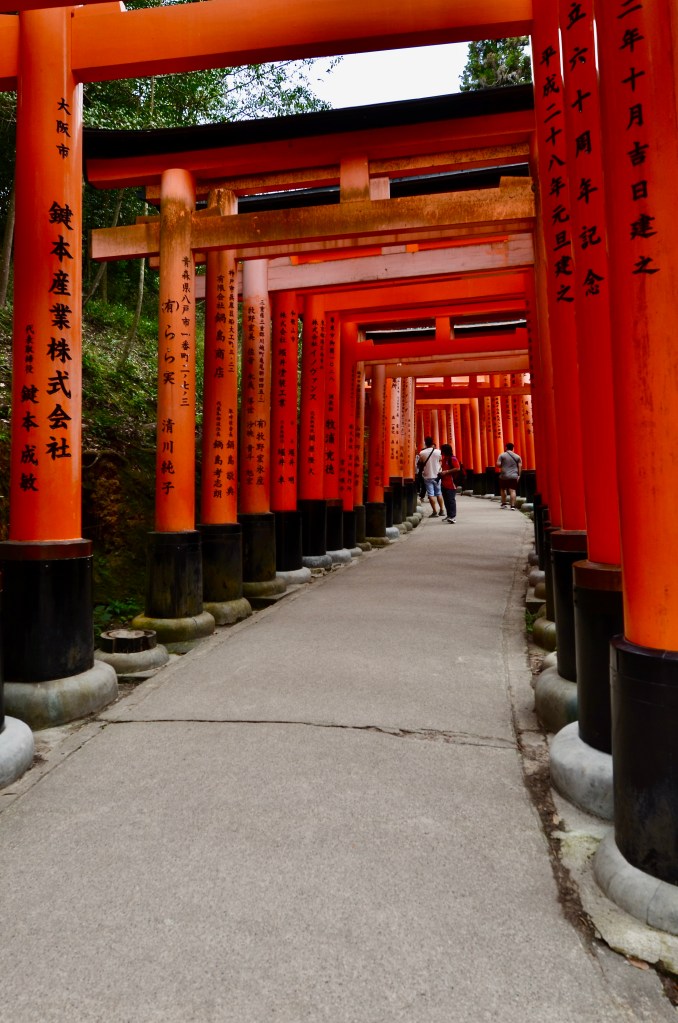
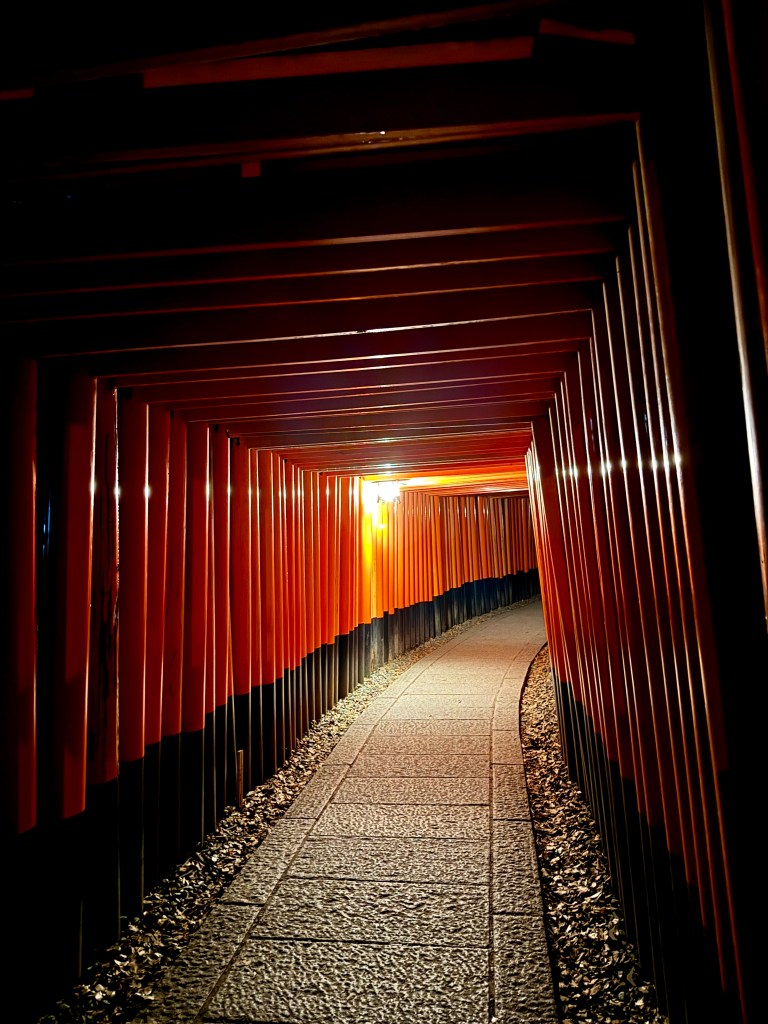
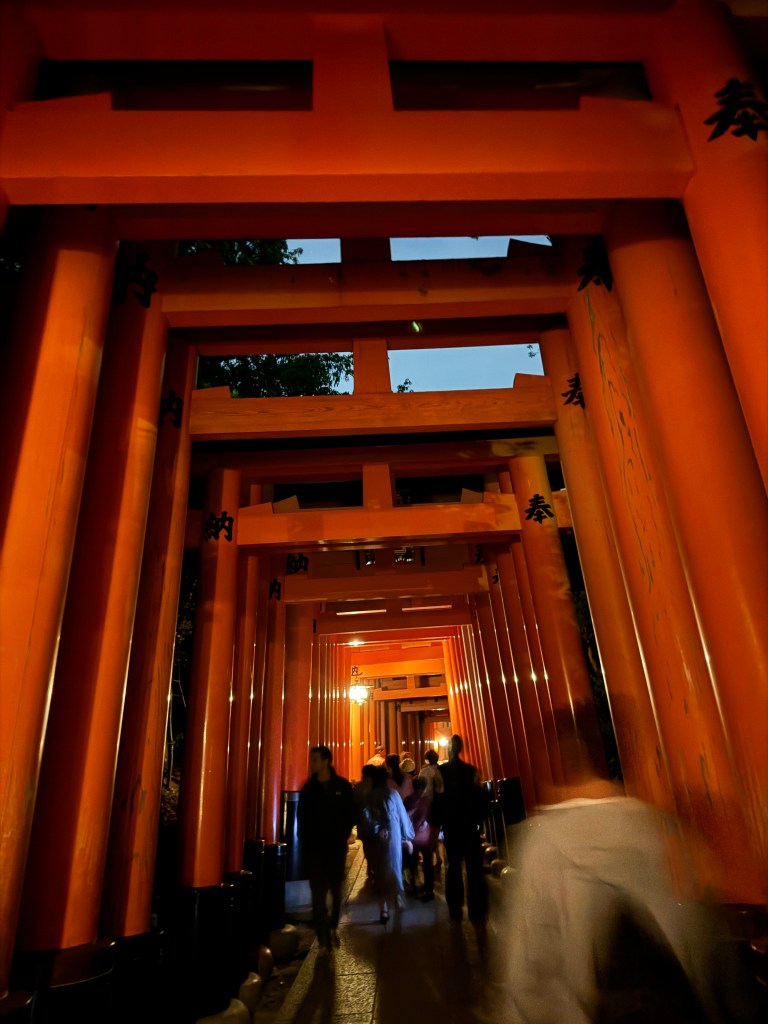
Fushimi Inari Taisha is famous for its thousands of vermilion (red orange) torii gates along its trail system. There are inscriptions on the gates – companies and individuals from all over Japan pay to have their name put on a torii gate because of their divine properties for business prosperity.
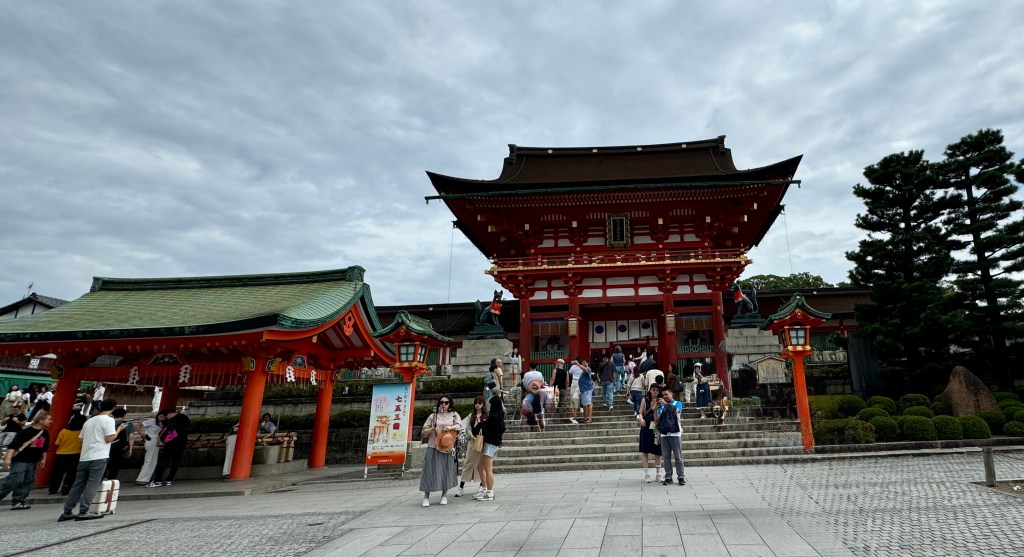
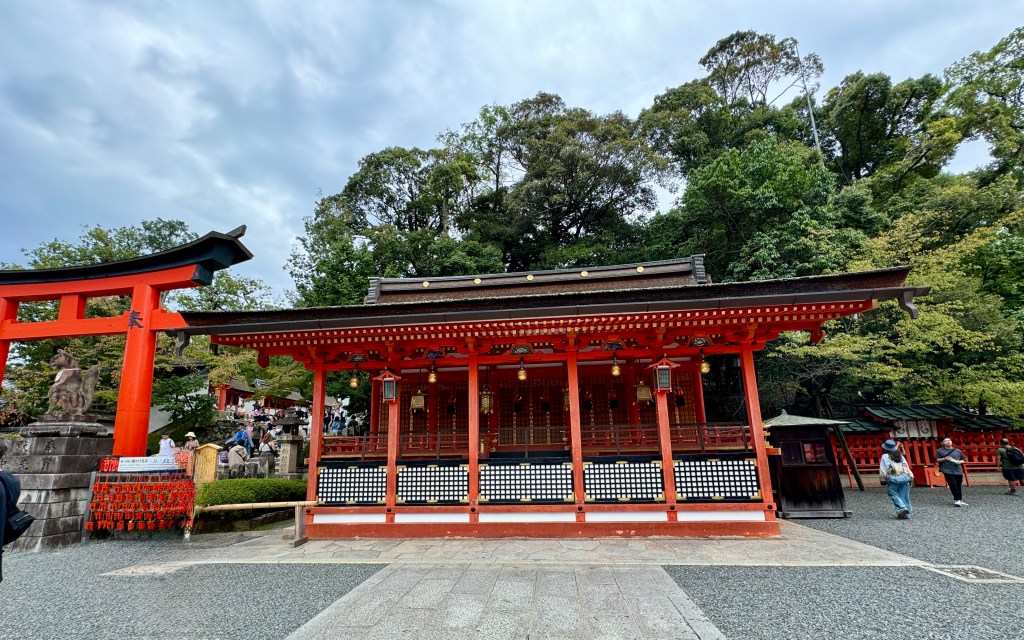
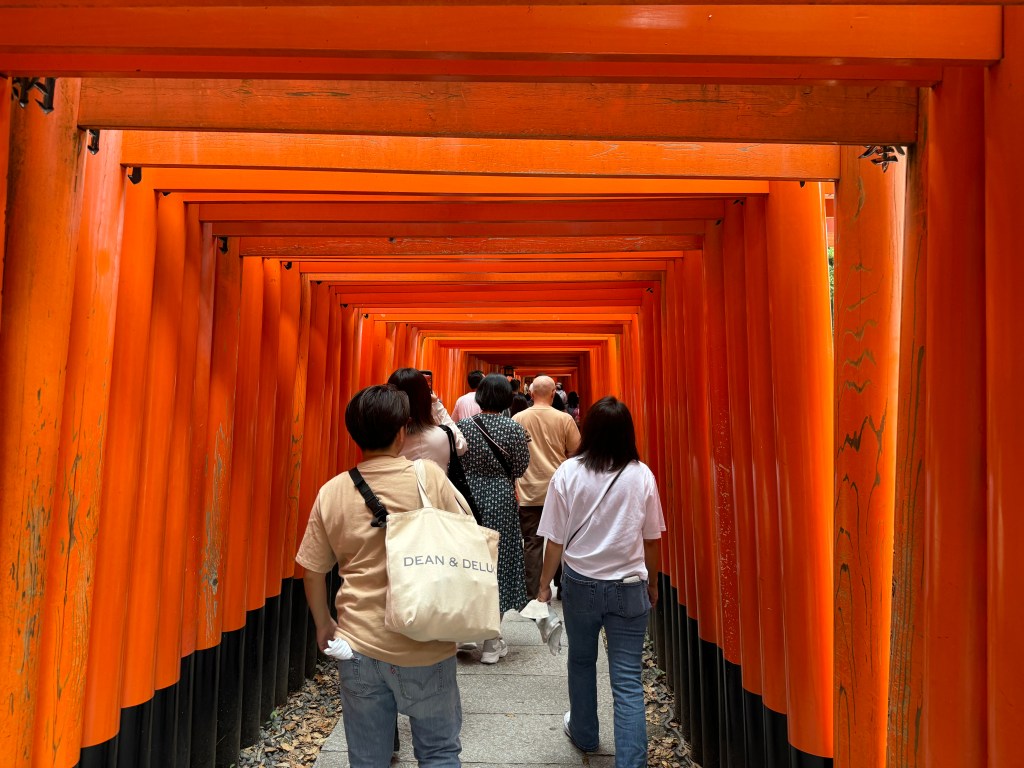
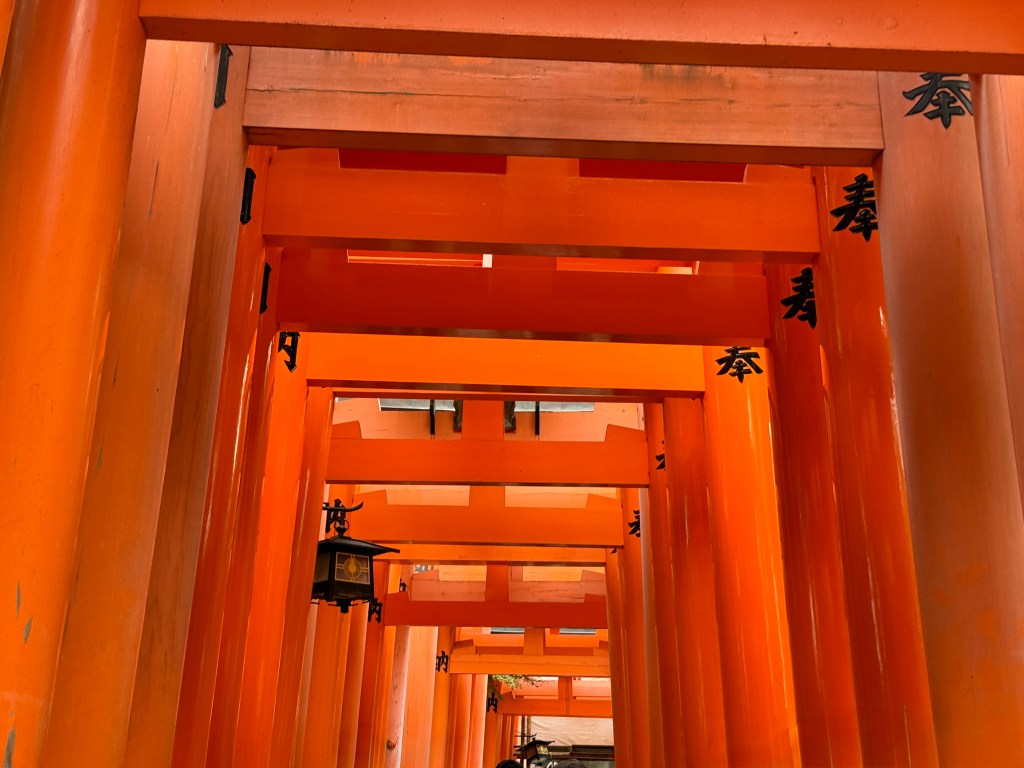
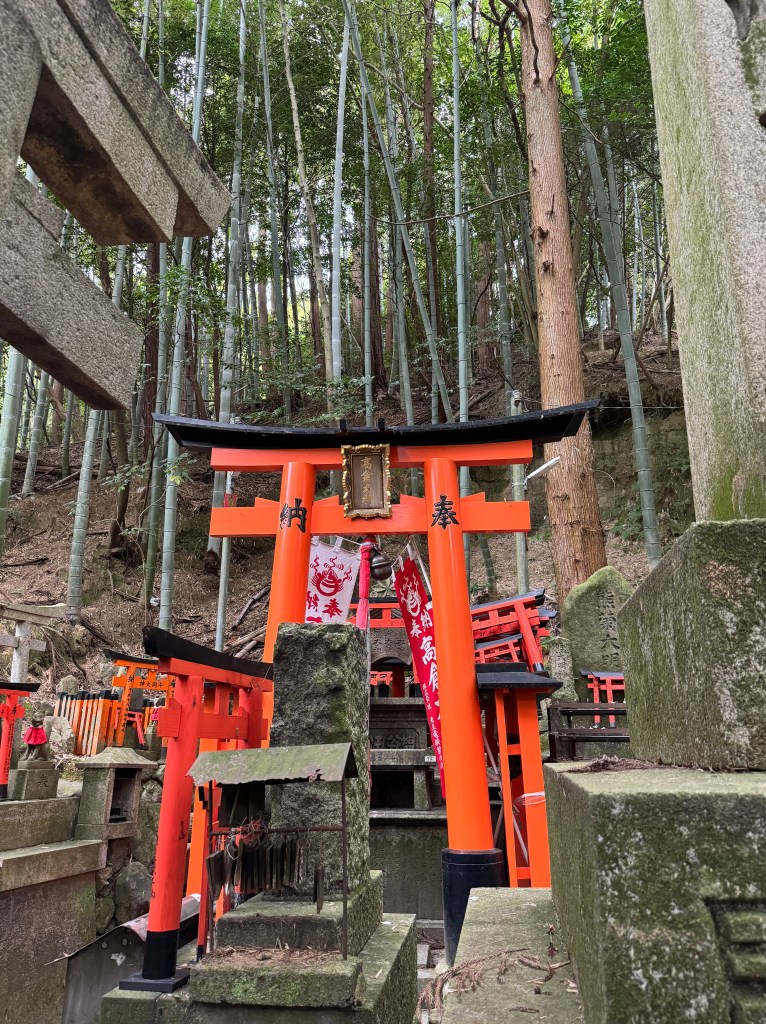
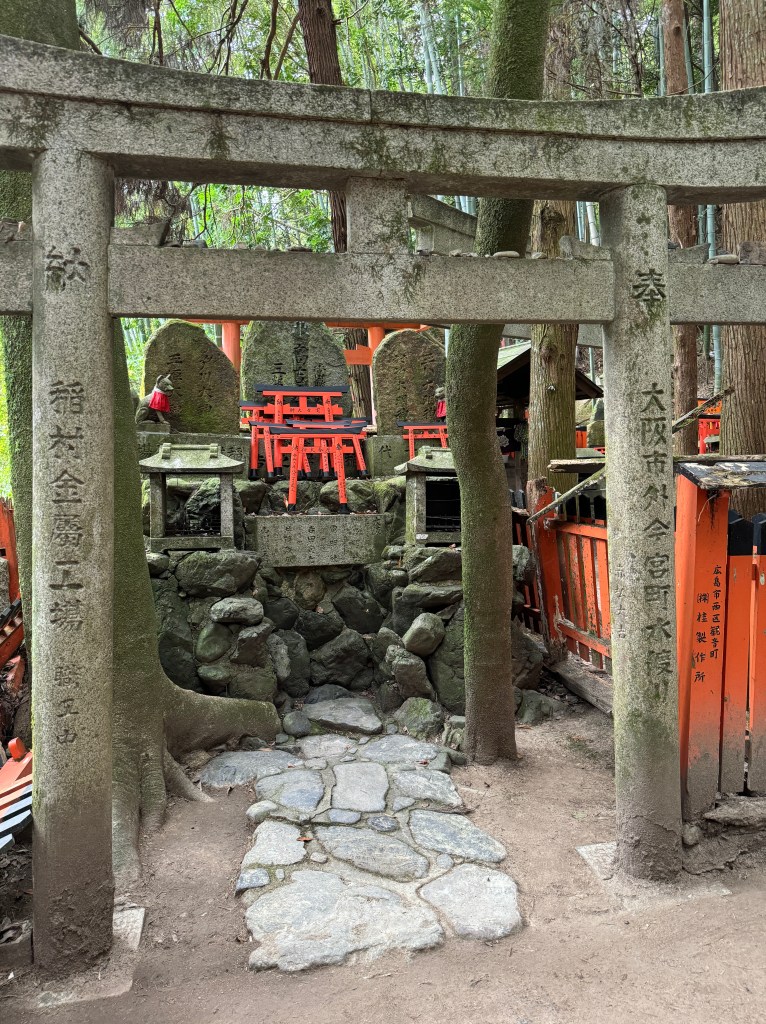
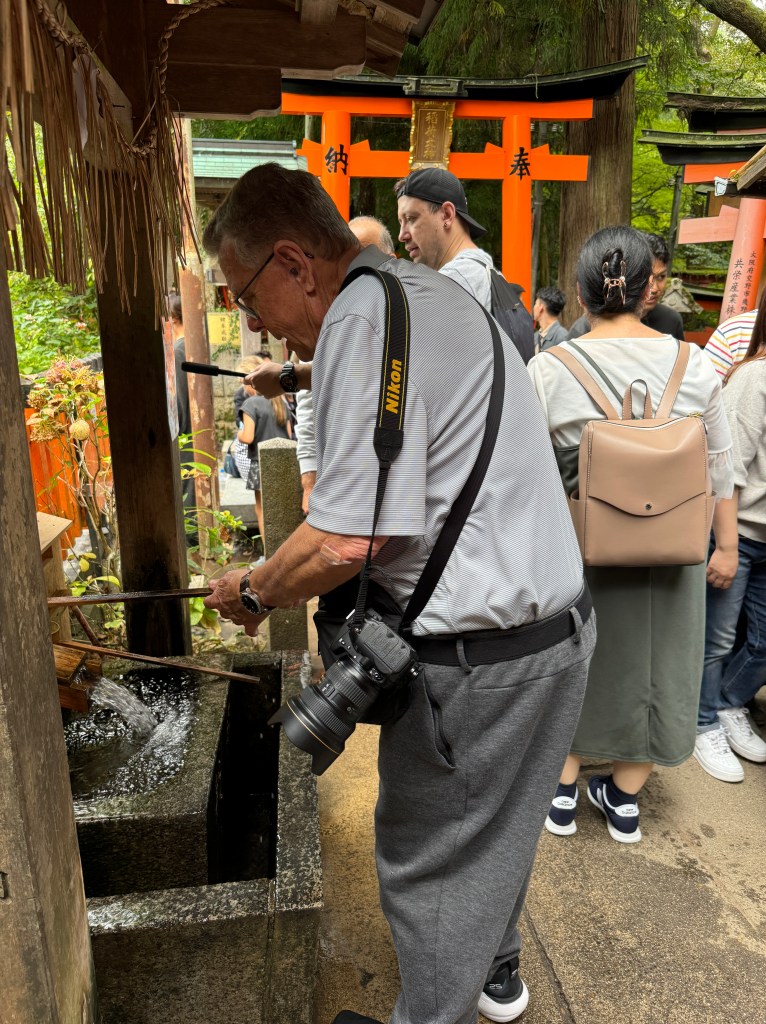
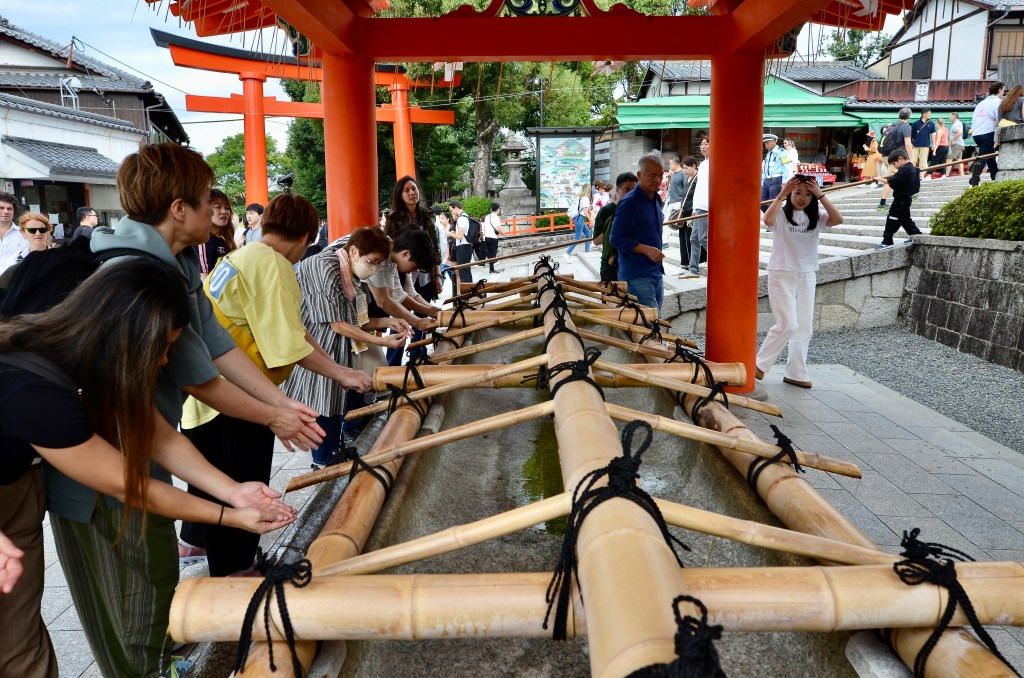
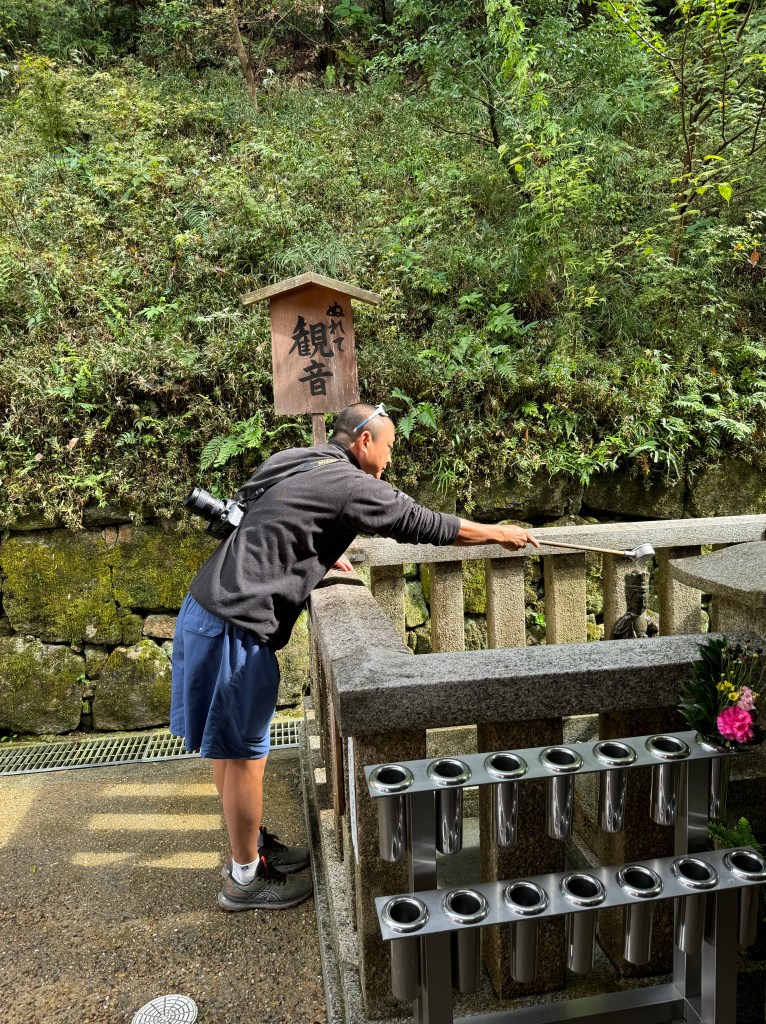
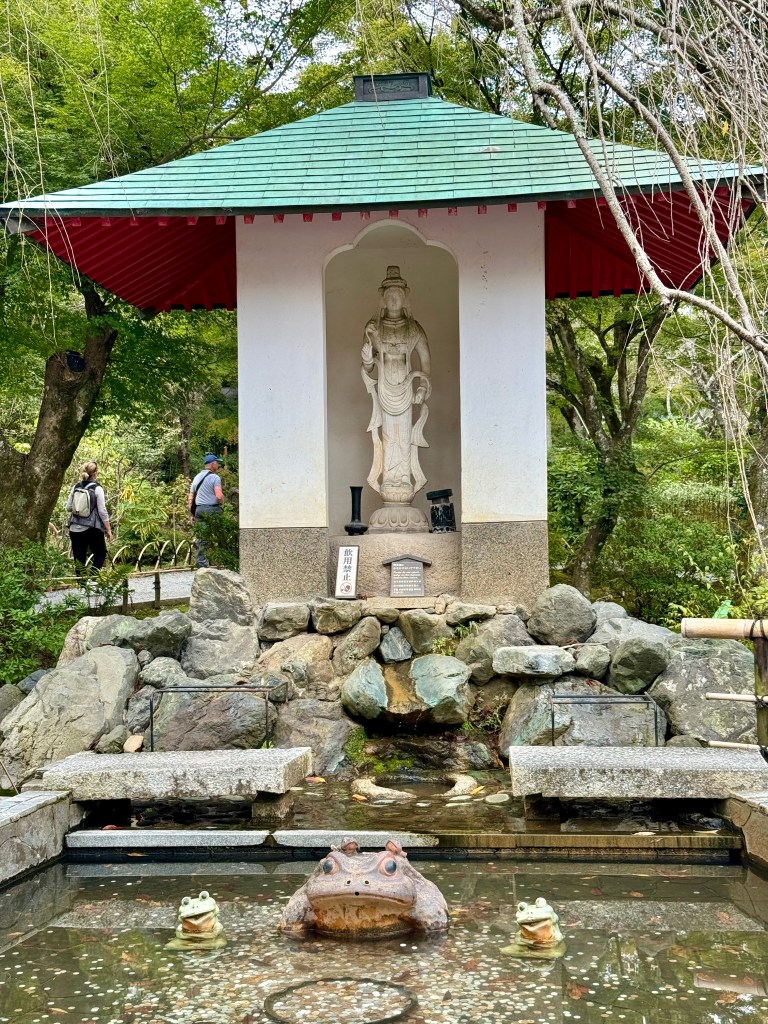
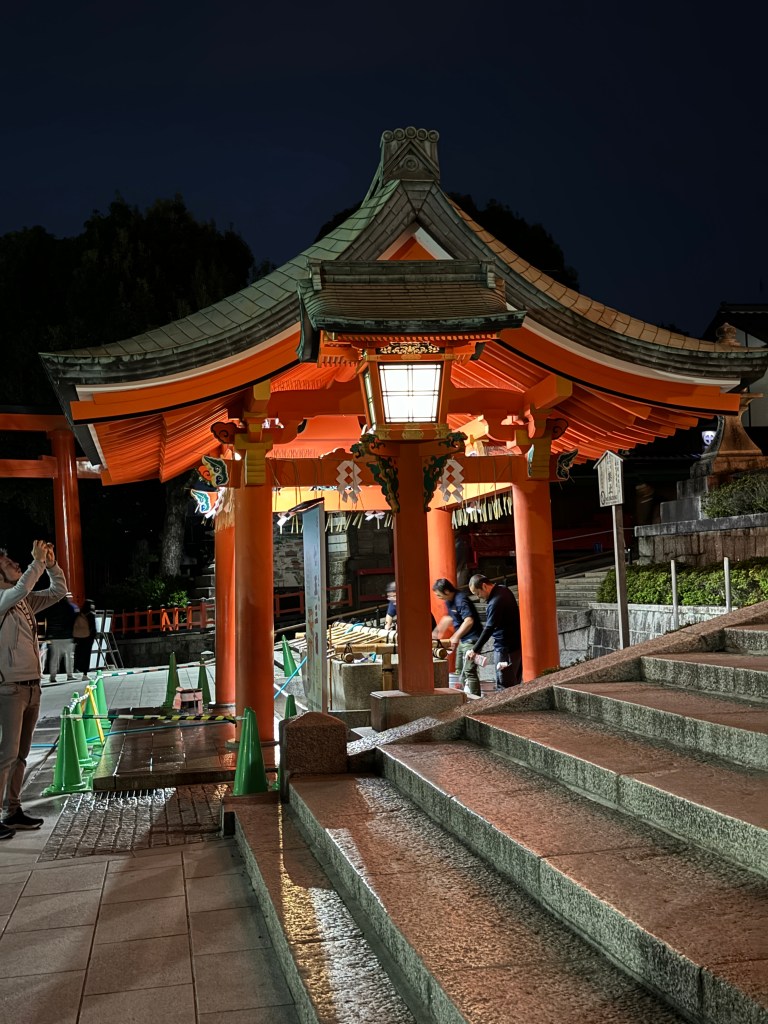
At the entrance to the Shrine was a Purification Fountain which serves to sympolically purify oneself before entering the shrine. Purity is very important in Shintoism, and Takashi explained the purification ritual:
- Take the ladle with your right hand and pour a bit of water over your left hand
- Next, hold the ladle in your left hand and pour a bit of water over your right hand
- Finally, hold the ladle upright to tip the remaining water over the entire ladle to cleanse it as well (they no longer cleanse the mouth with the water)
- Return the ladle to its original position, upside down.
The trails lead into the wooded forest of the sacred Mount Inari, which stands at 233 meters and belongs to the shrine grounds. Fushimi Inari is the most important of several thousands of shrines dedicated to Inari, the Shinto god of rice.
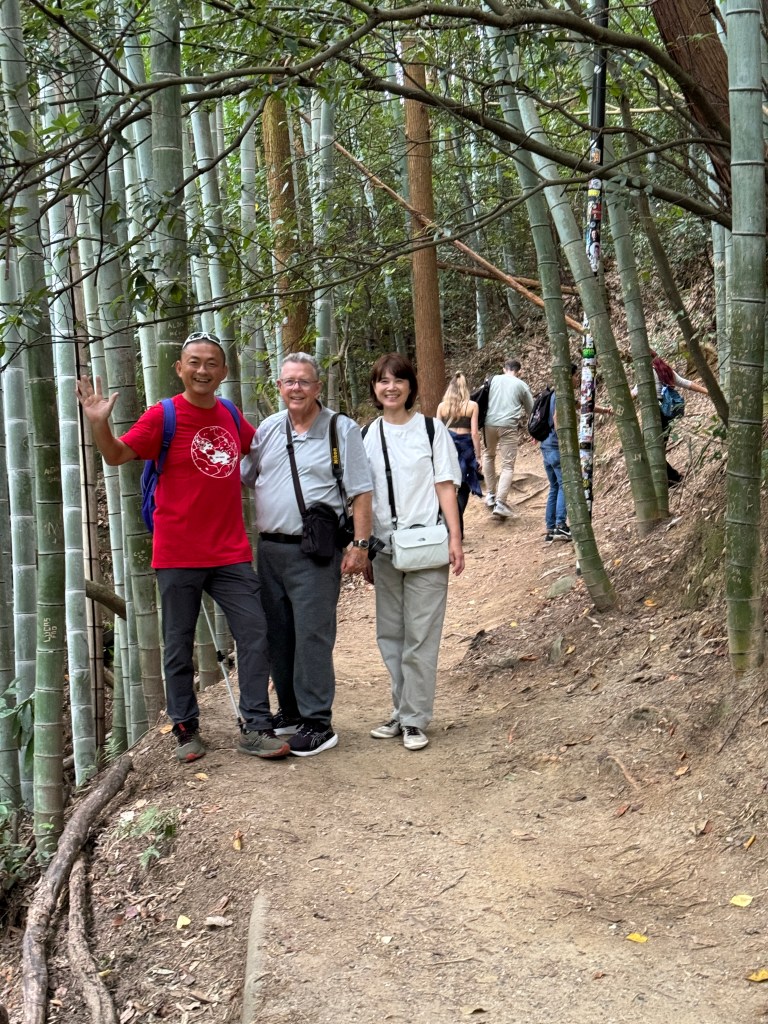
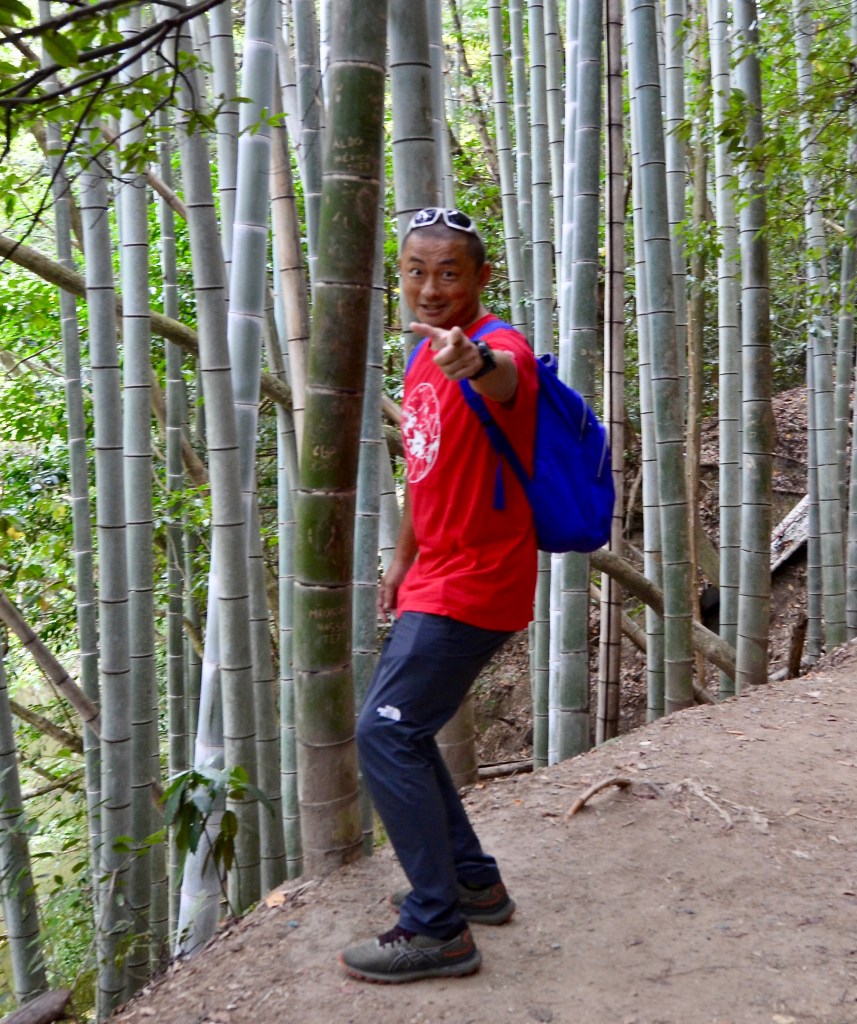
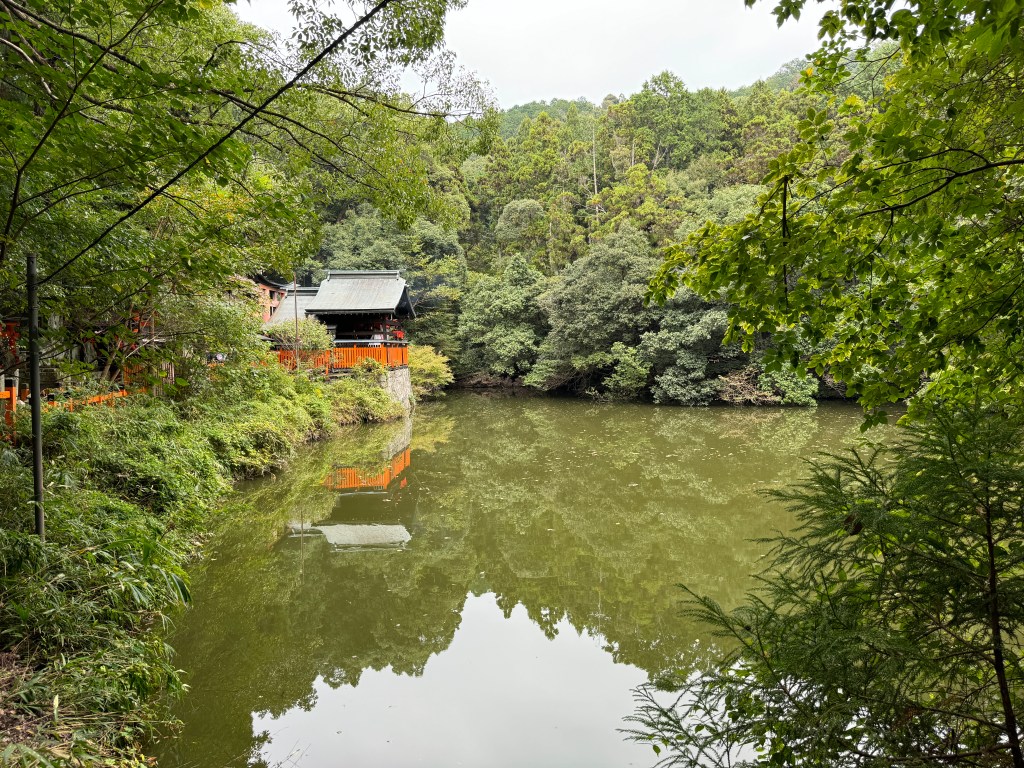
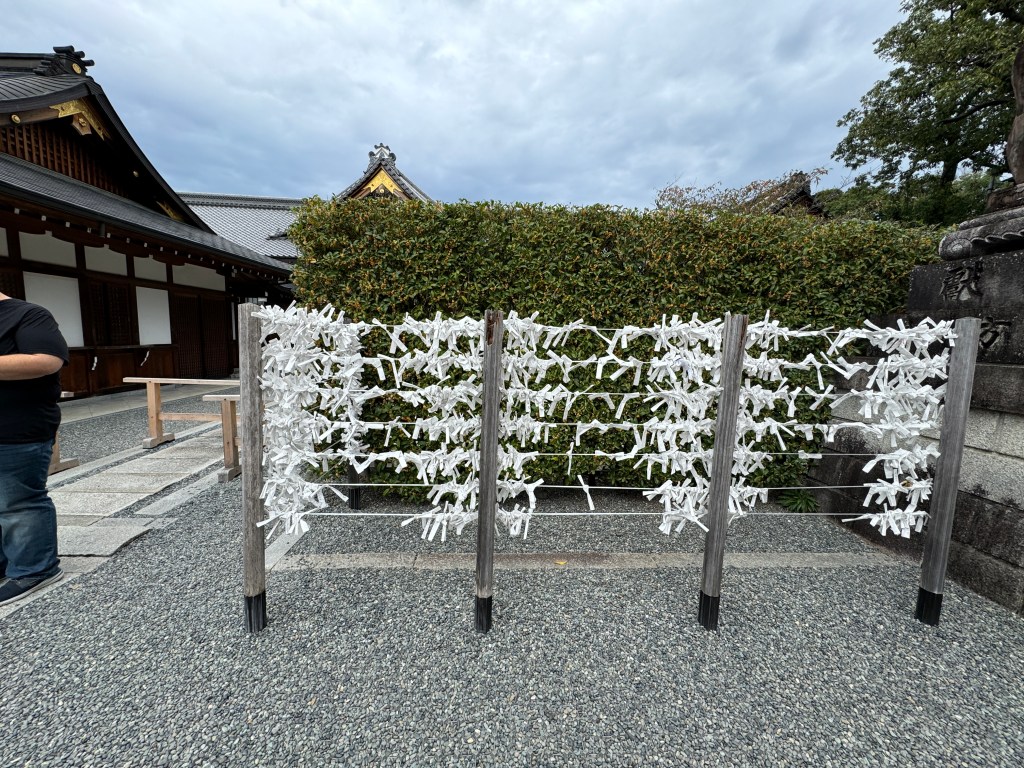
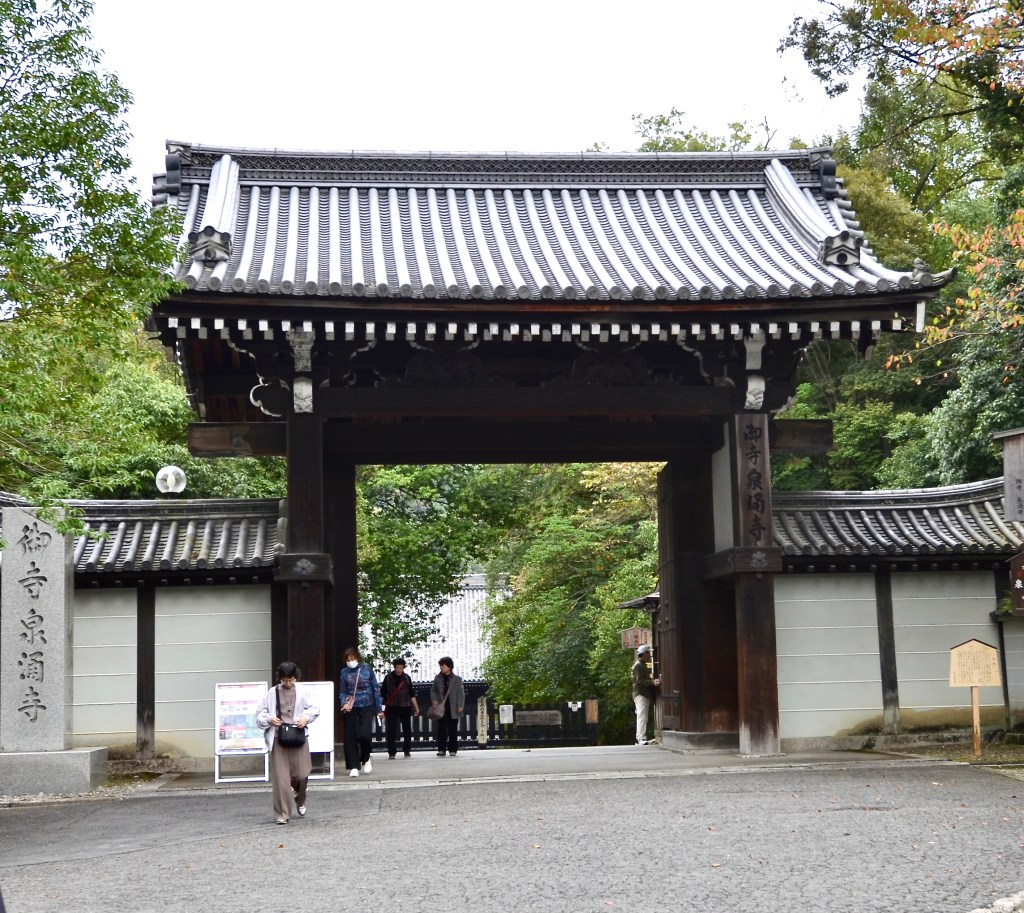
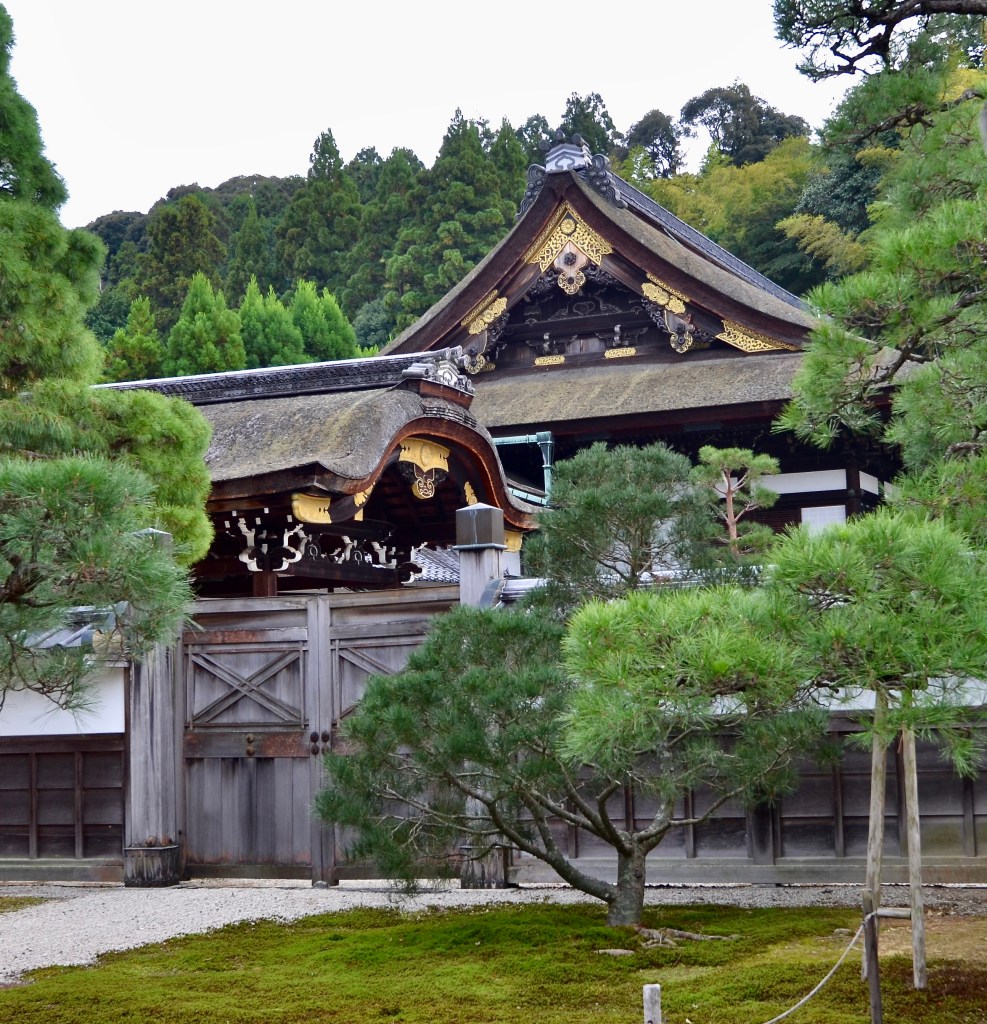
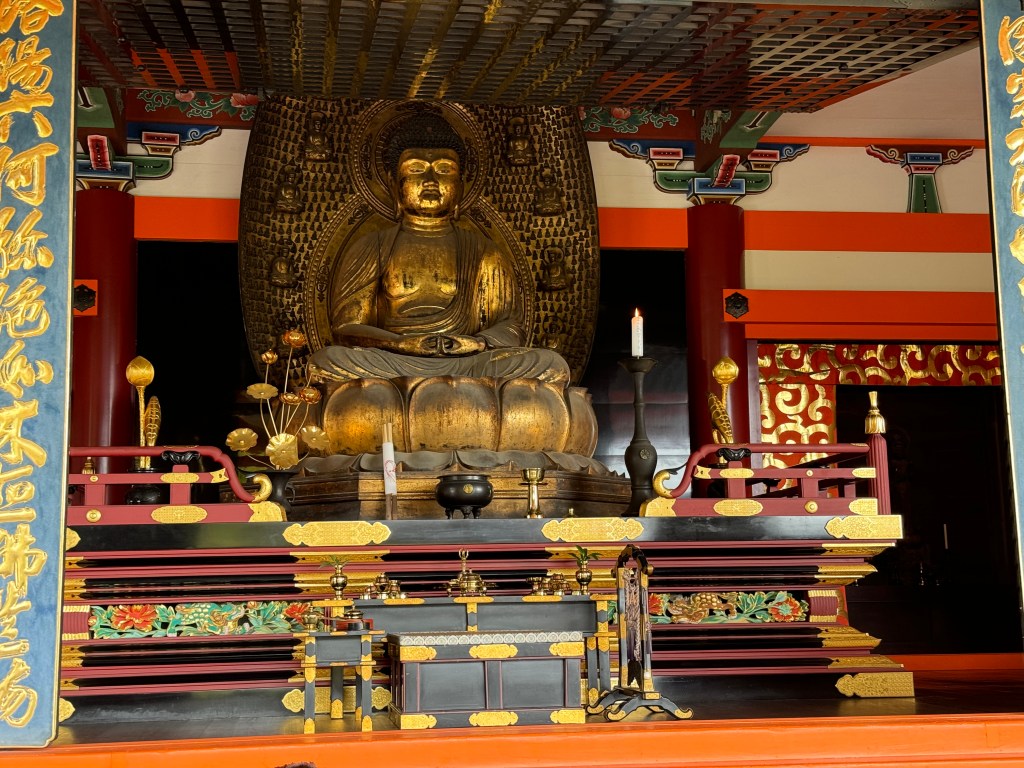
Next the Sennyu-ji Temple (a Buddhist temple) which is known as “a peaceful haven in Kyoto’s busy temple scene”. You will see from our photos that there were few visitors which made it special for us. We read that Sennyū-ji has played a vital role in Japan’s imperial history. The temple is known as a place of mourning for the Imperial family, with many imperial funerals conducted on its grounds. We wandered through the temple, but no photos were allowed inside the temple.
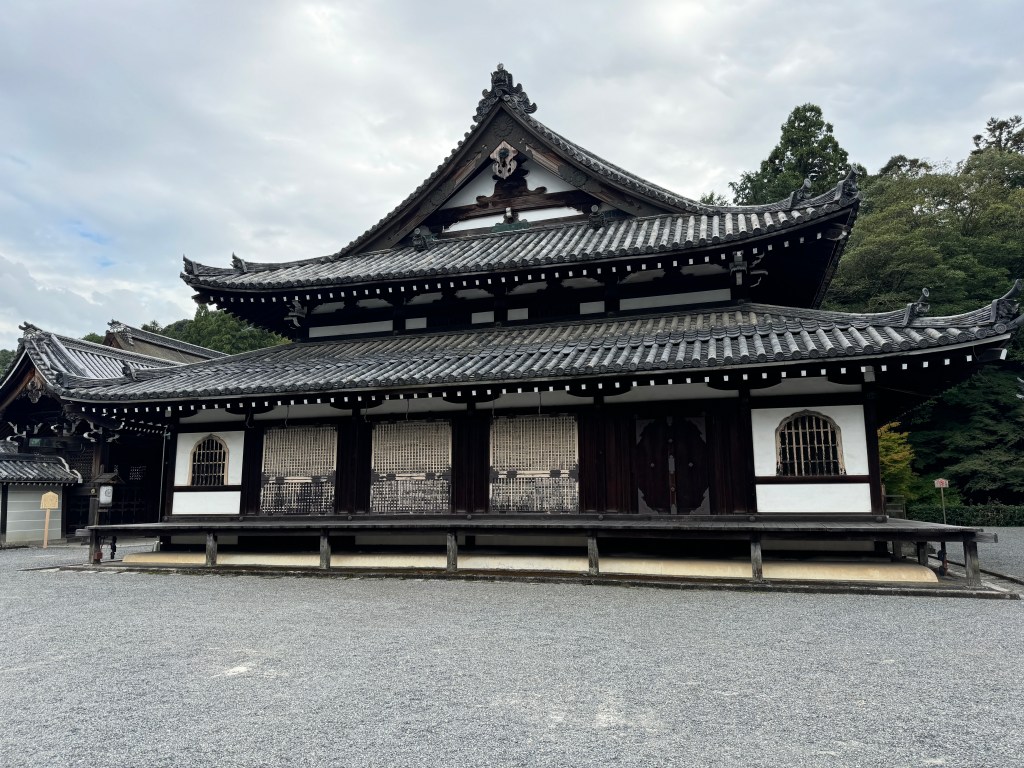
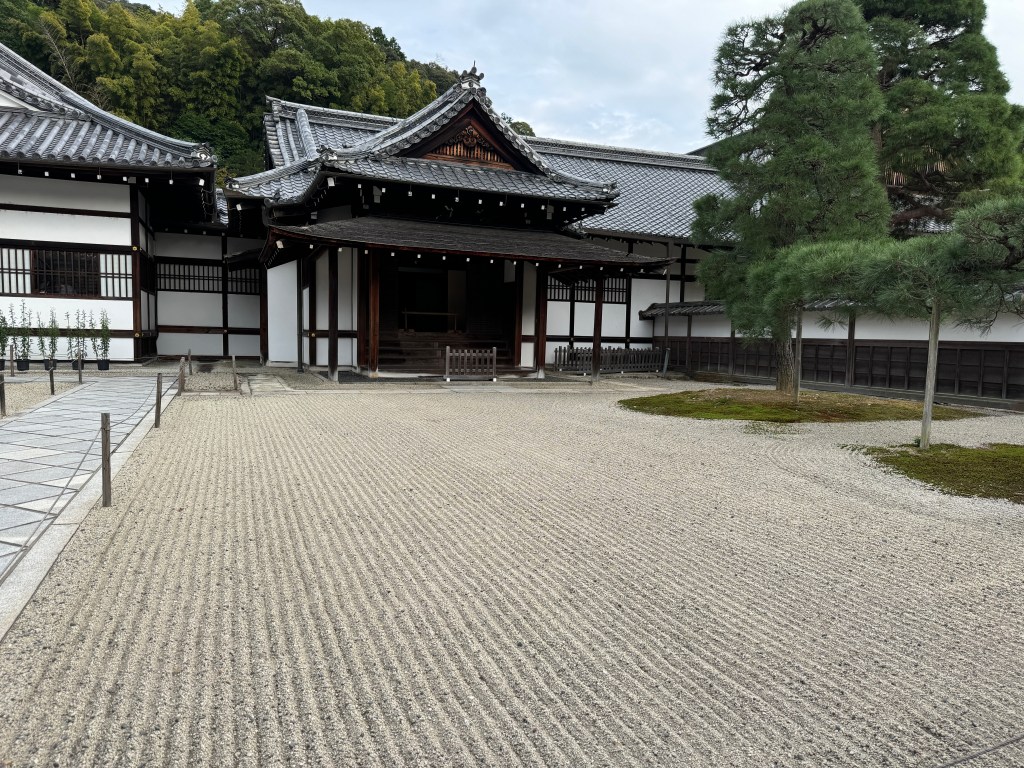
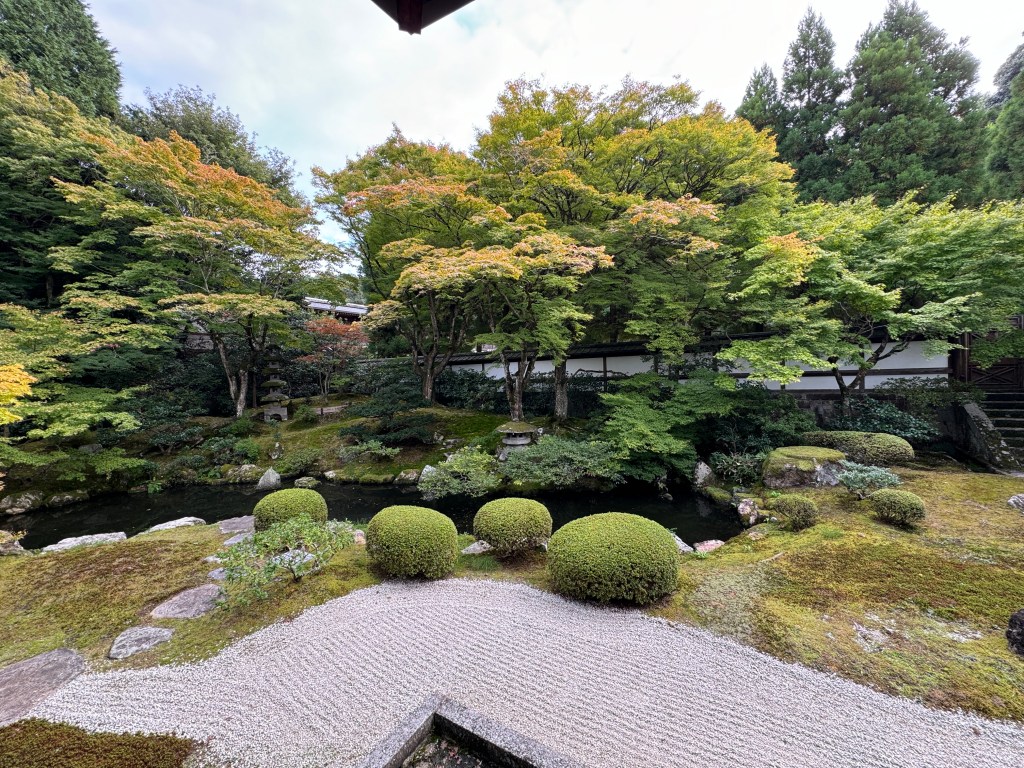
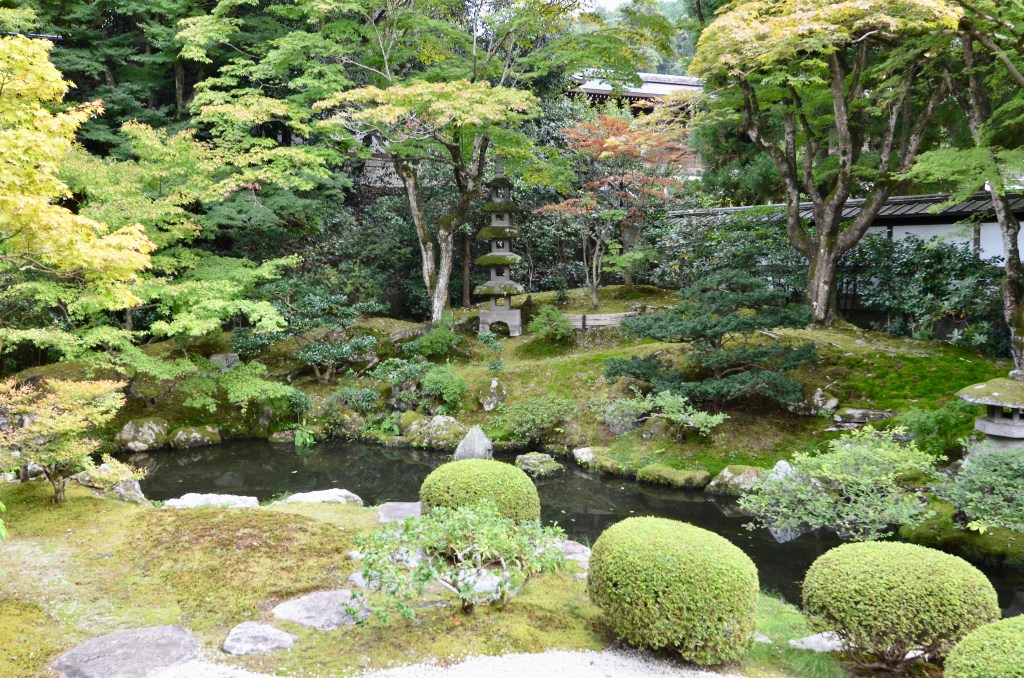
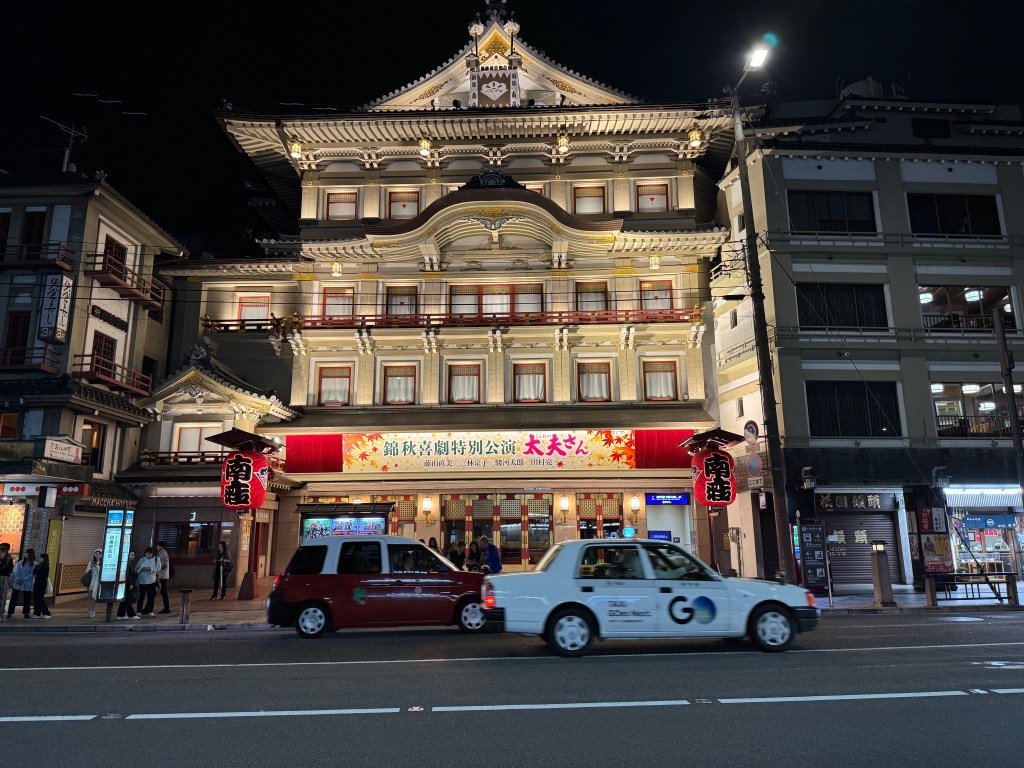
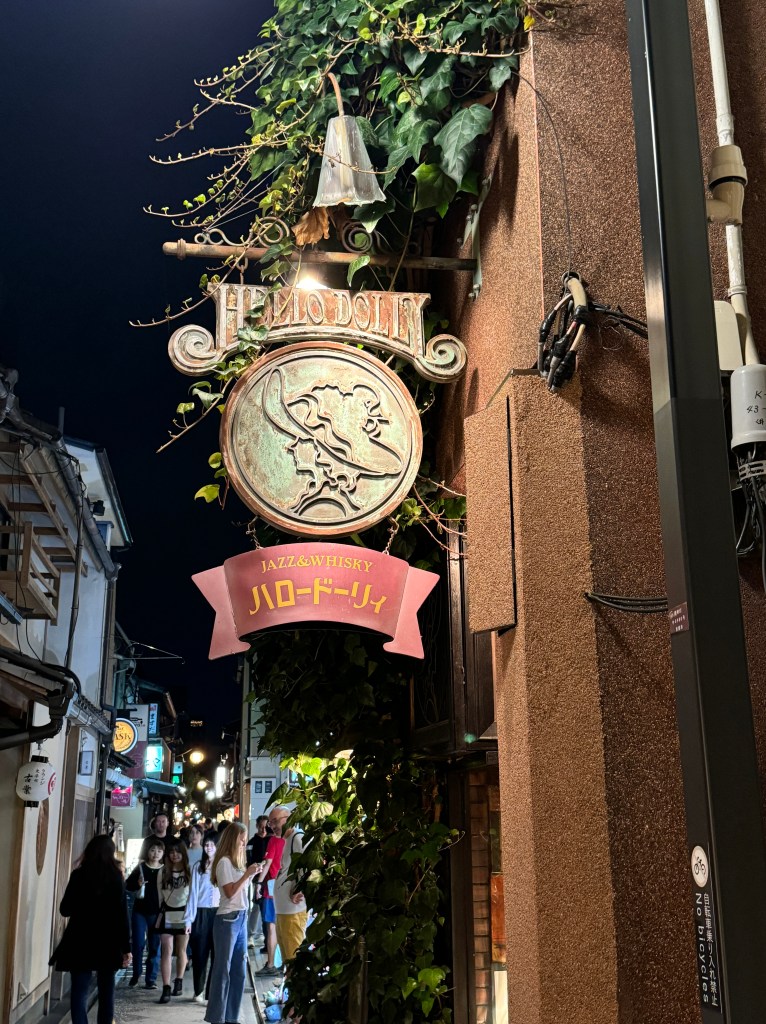
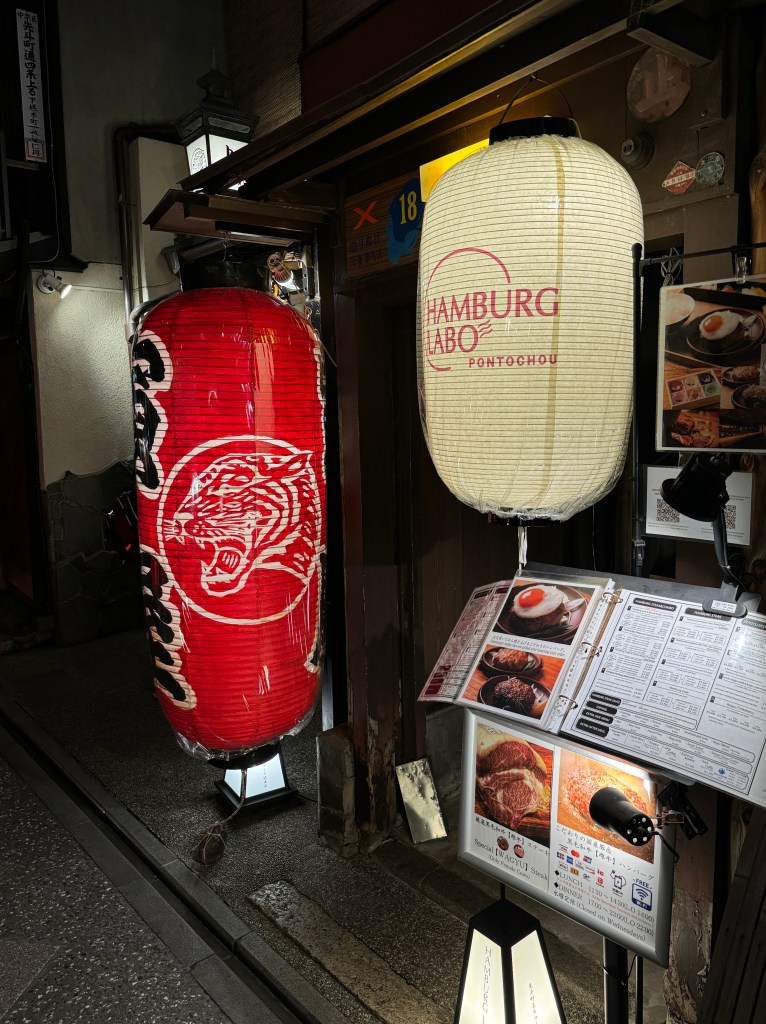
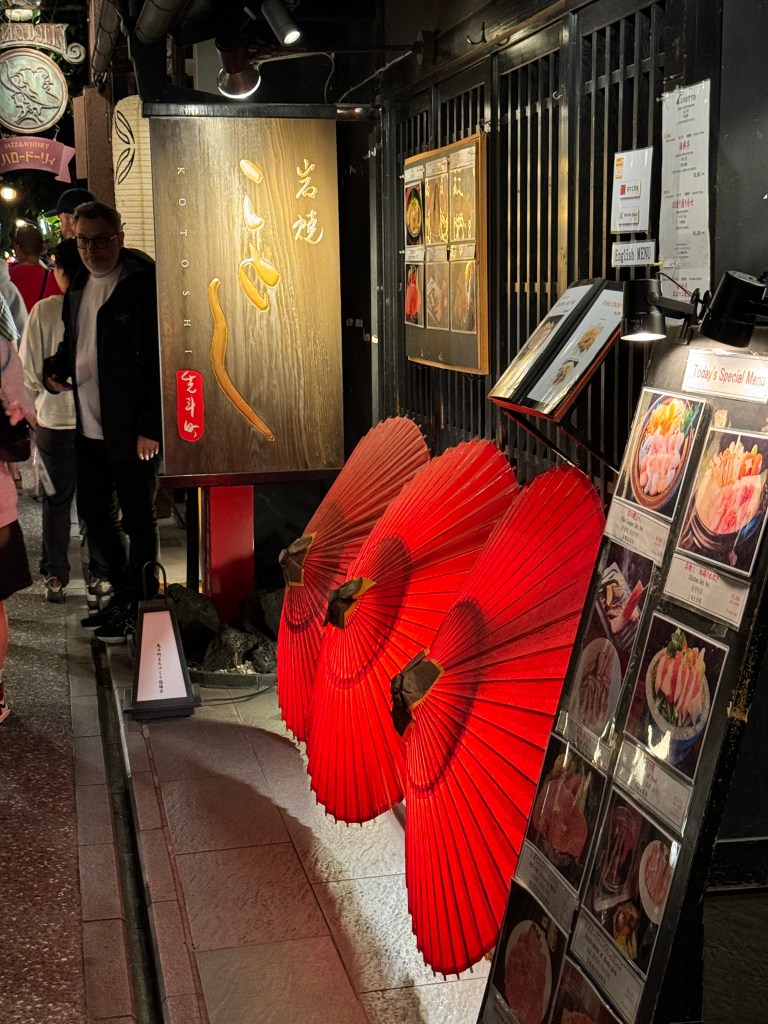
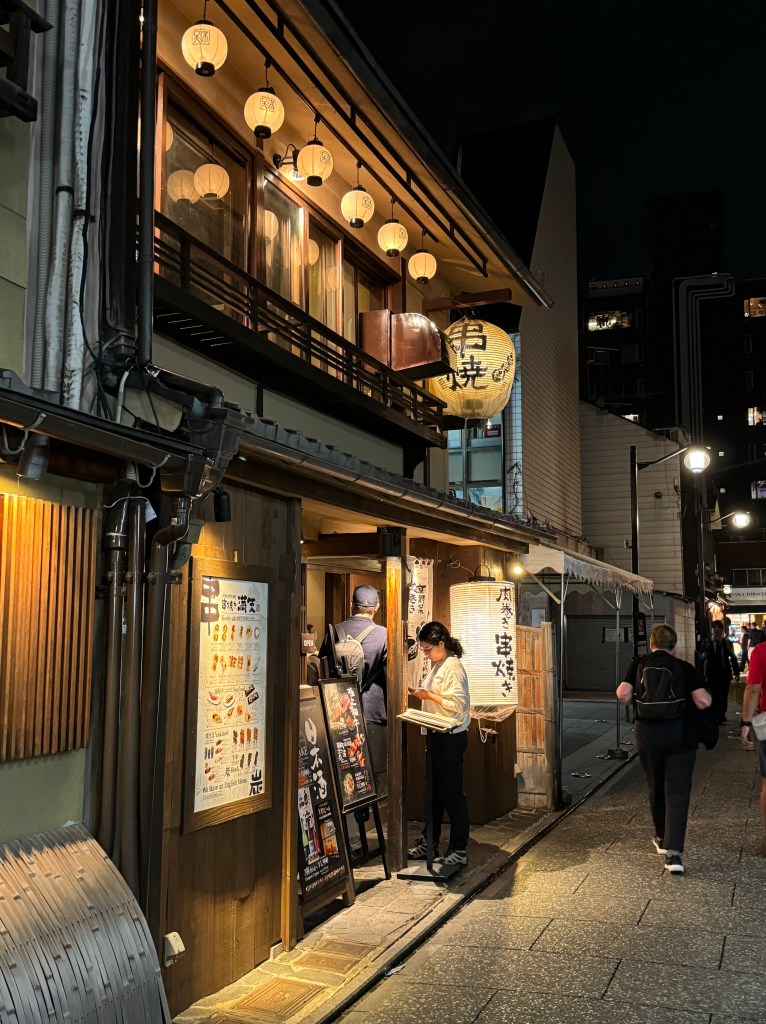
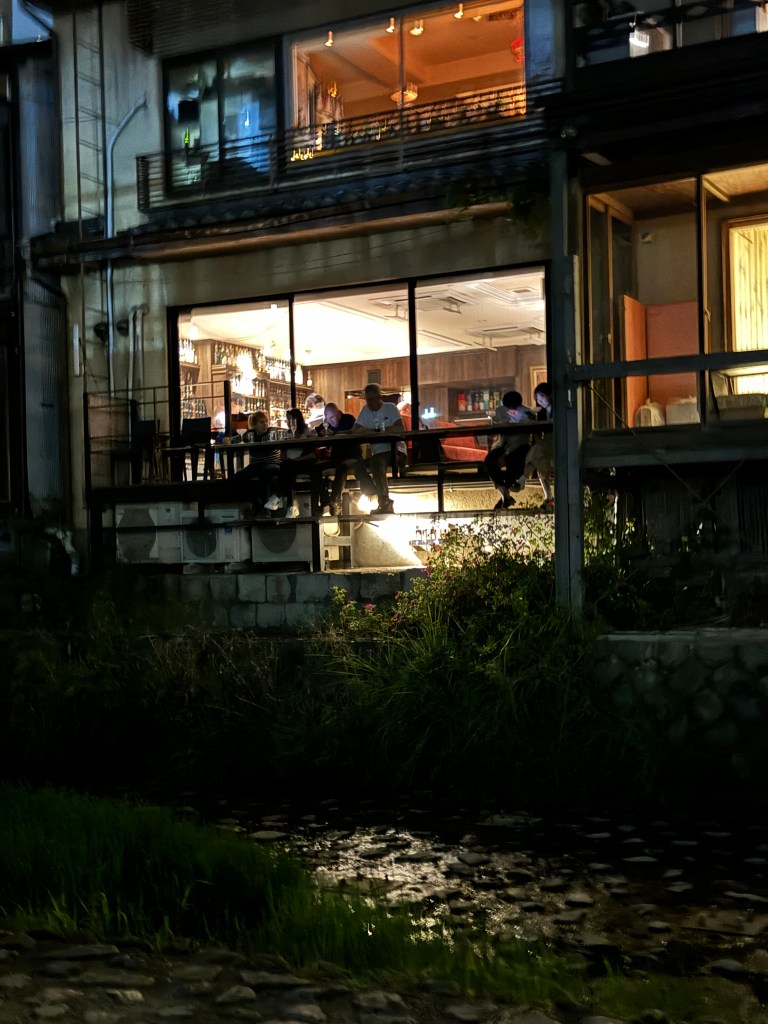
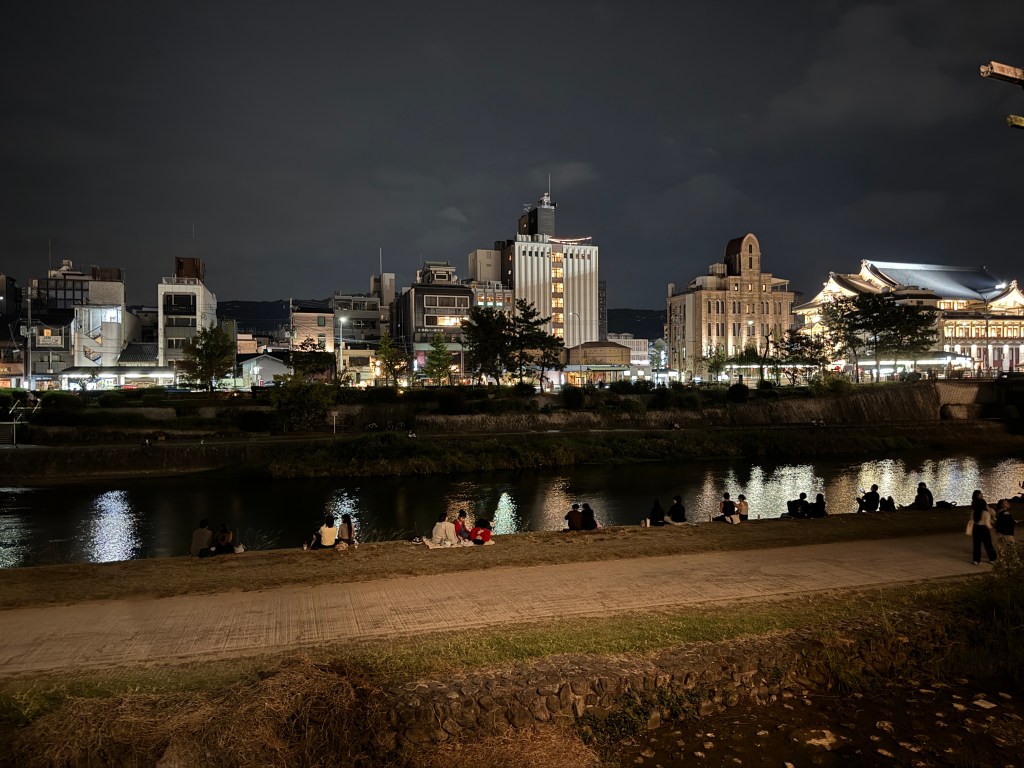
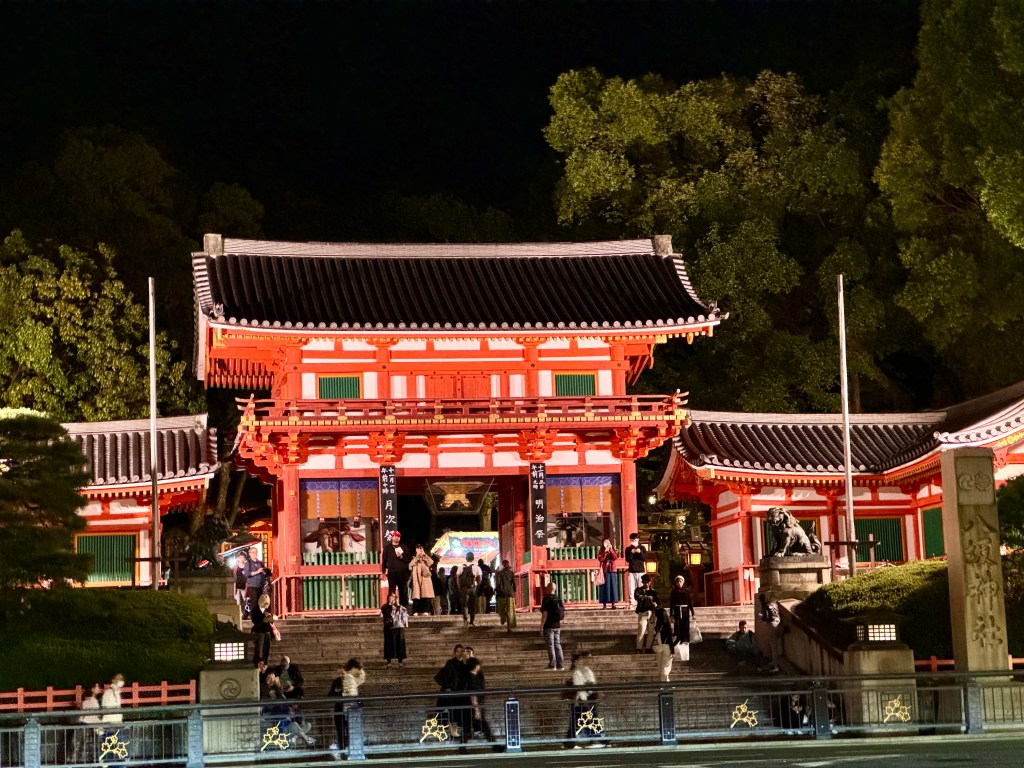
We got back to our hotel around 4:00 p.m. and had a brief rest before we met up with Takashi and Yuko again. They were staying at a nearby hotel. We walked through the historic Gion area on our way to dinner. We did see several geisha (impossible to get a picture as they walk by so quickly, but pleased to get a glimpse of these beautiful ladies). We were so glad that we stayed overnight as we were able to experience Kyoto after dark. After dinner Takishi made a quick stop at a pharmacy to purchase his favorite tooth brush for us – seemed a bit unusual but he said it was that special that we just had to have one. We haven’t used it yet but it will make us think of Takishi when we do.
Day 2 in Kyoto: We visited Kinkakuji Temple, one of Kyoto’s most famous attractions. It was originally built in 1397 as a residence for shogun Ashikaga Yoshimitsu. The three-tiered pavilion is covered in gold leaf earning it the name Golden Pavilion. Now a UNESCO World Heritage Site, the Buddhist temple is considered a must-see destination for both the temple and the surrounding gardens. It was stunning and because we went early there were few tourists which made it even more enjoyable.
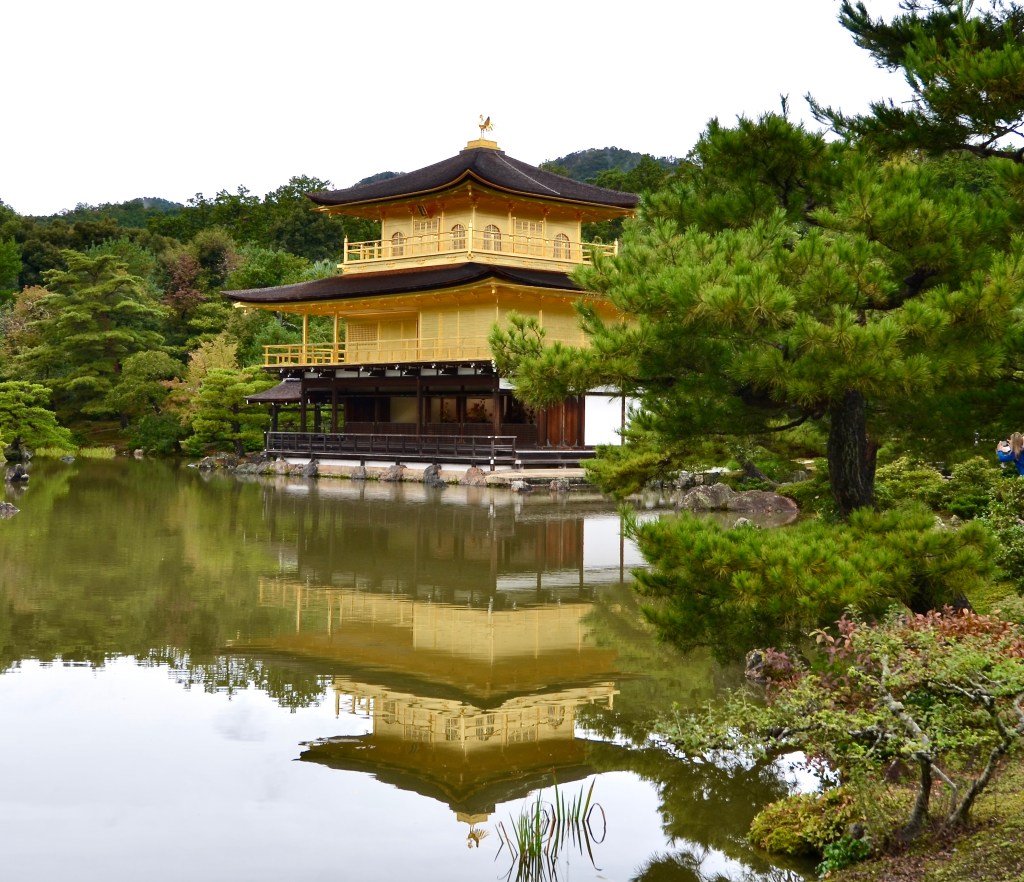
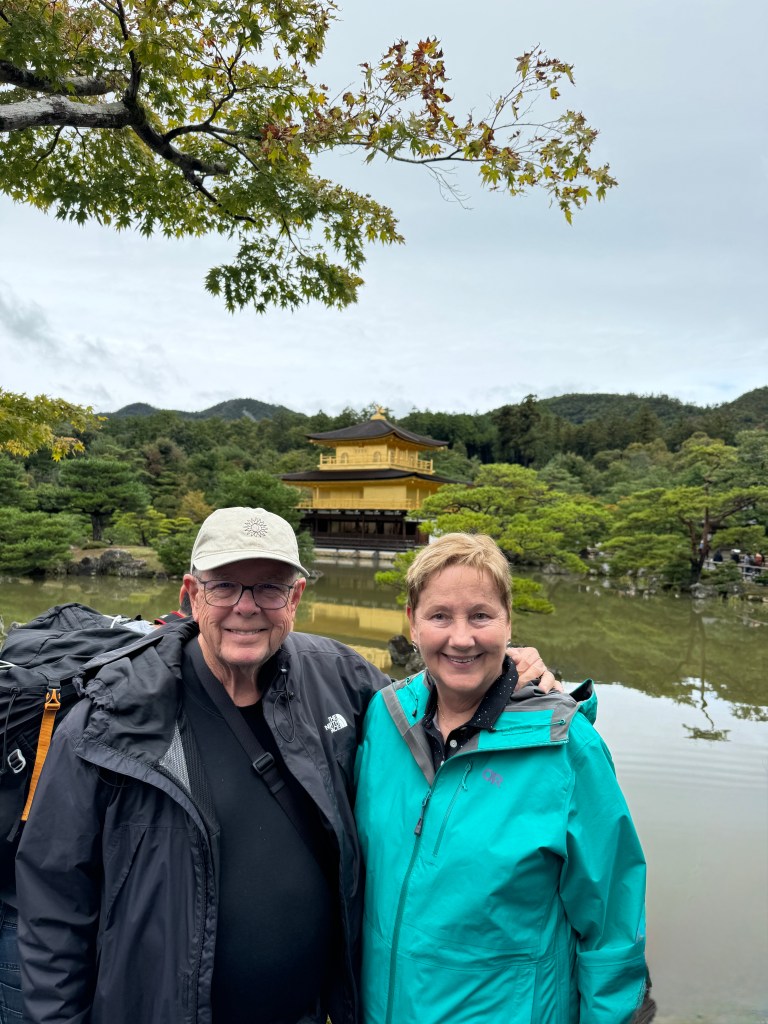
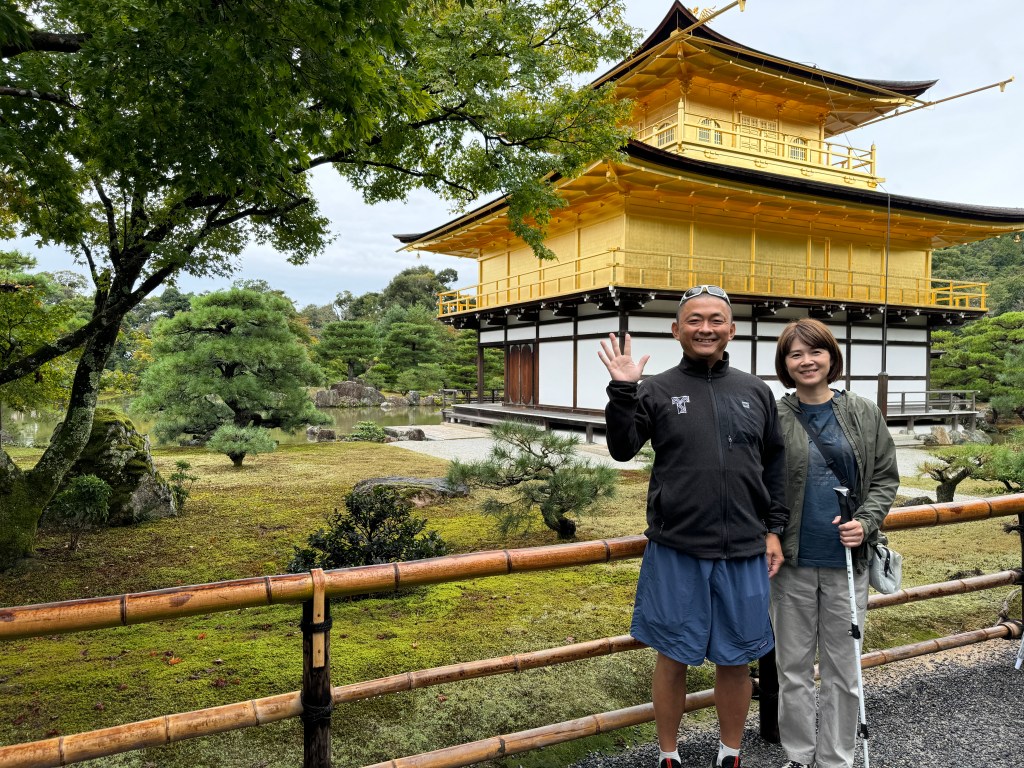
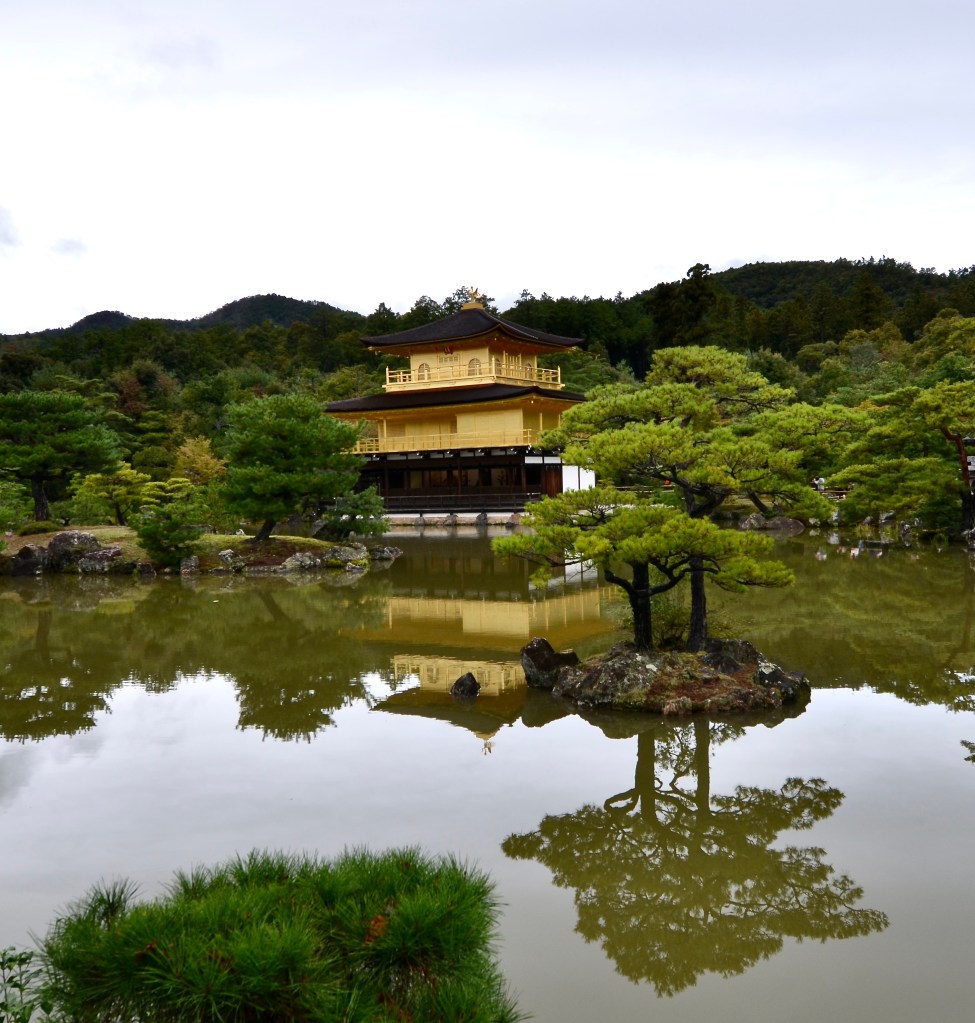
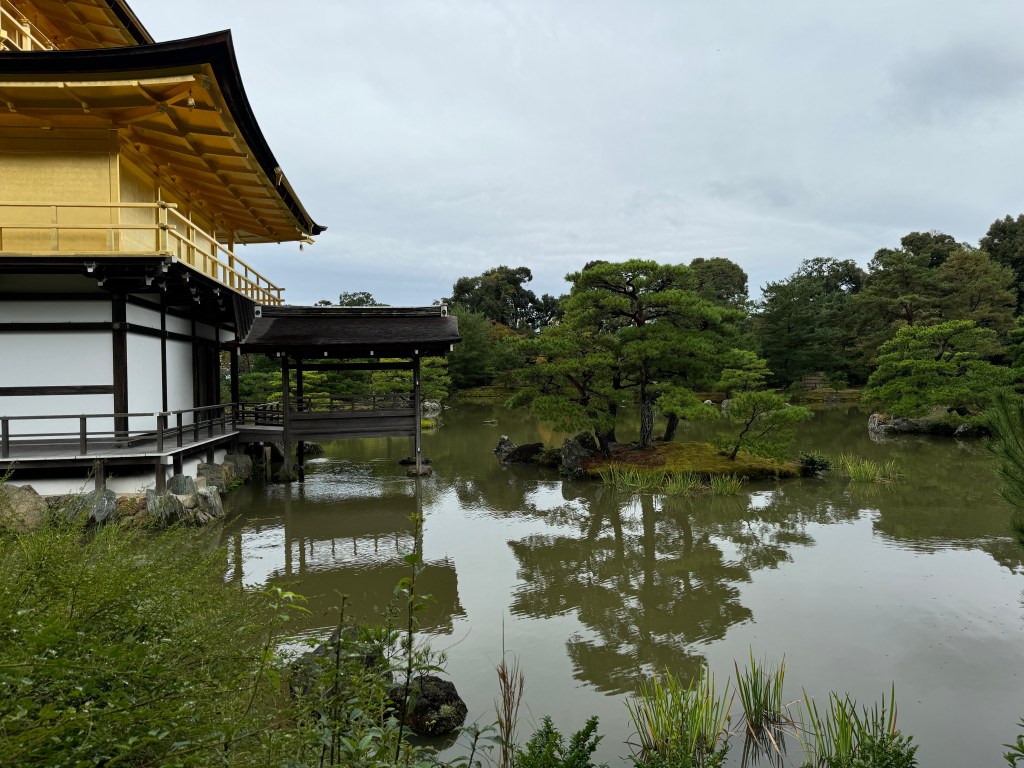
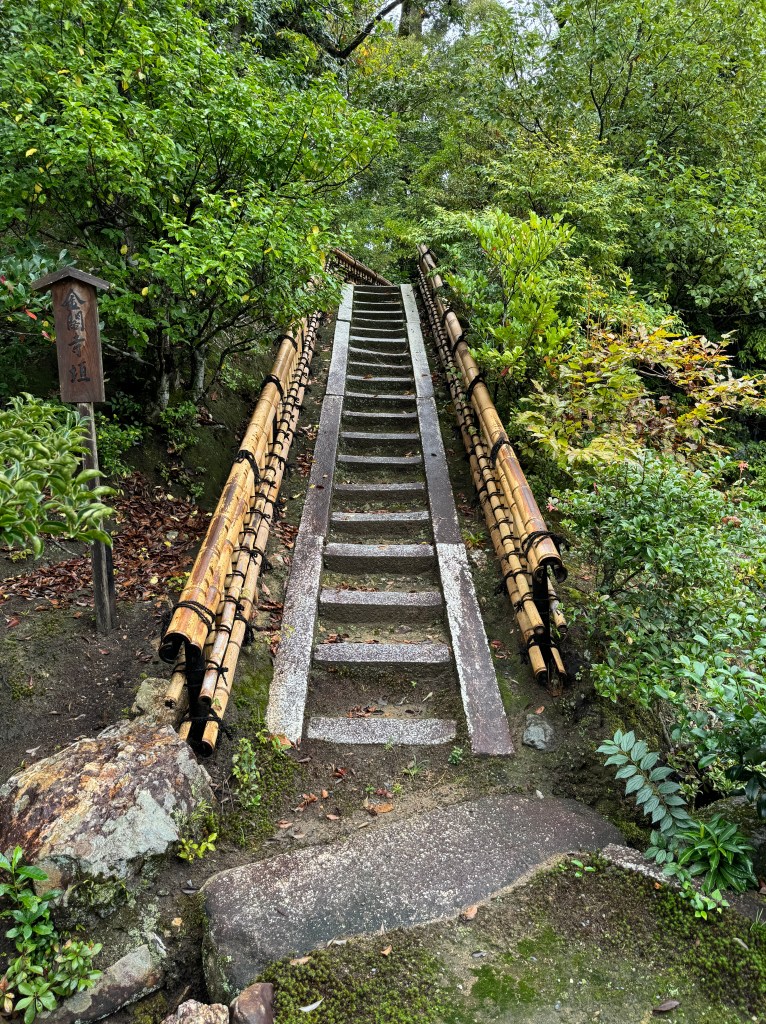
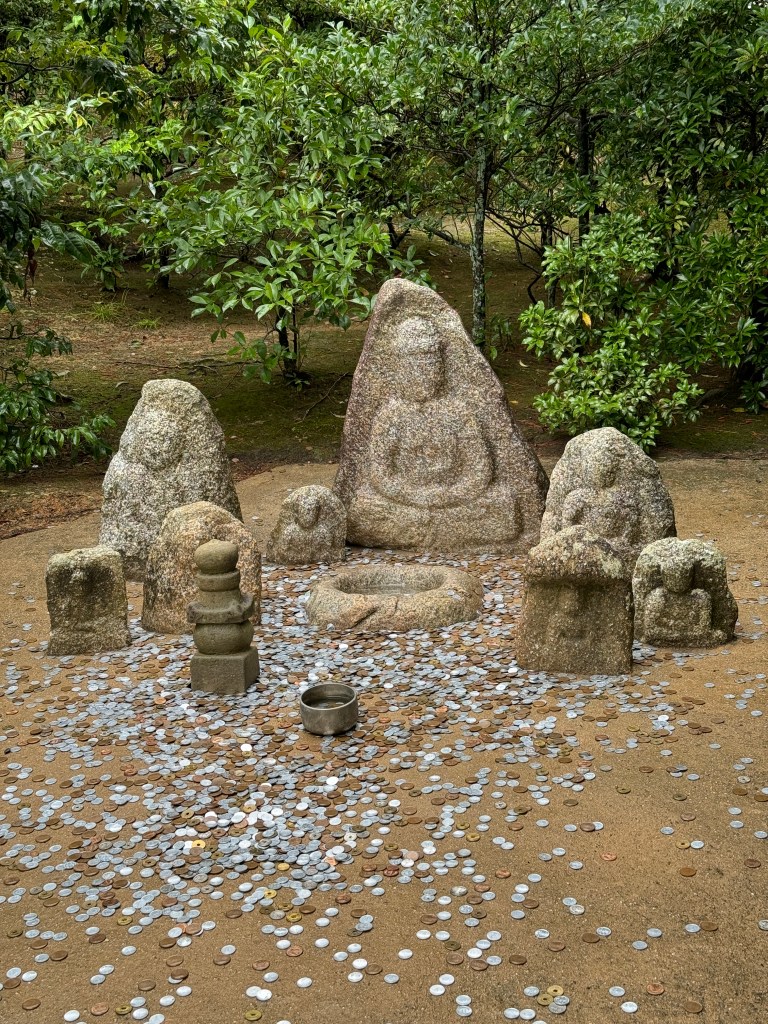
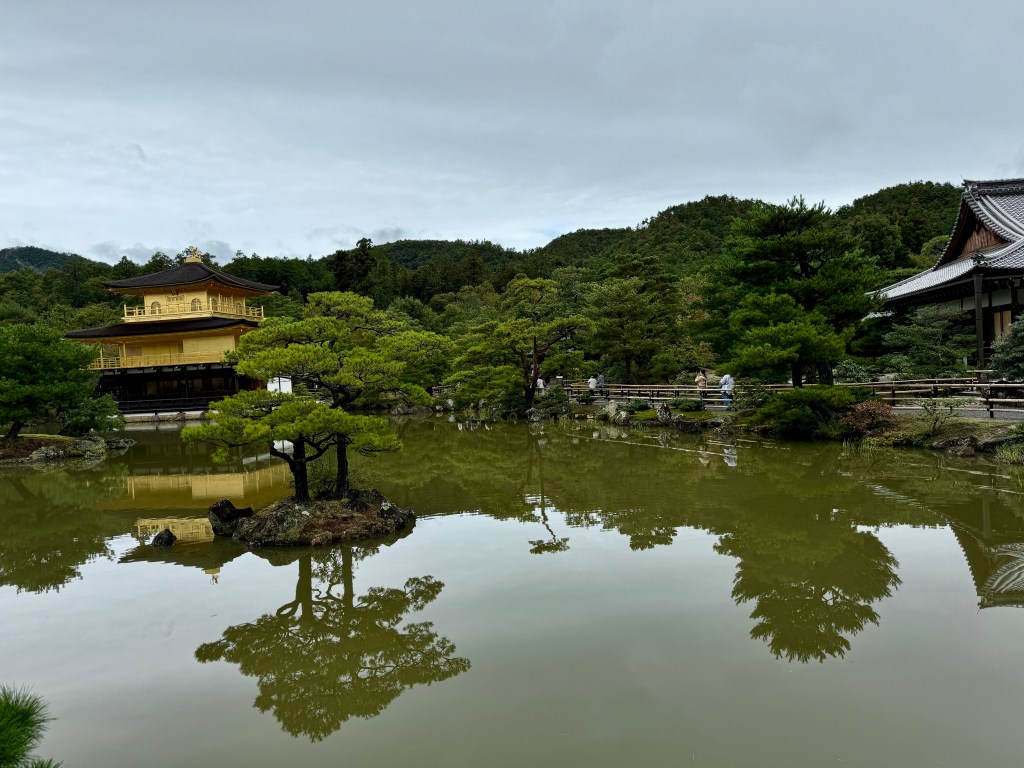
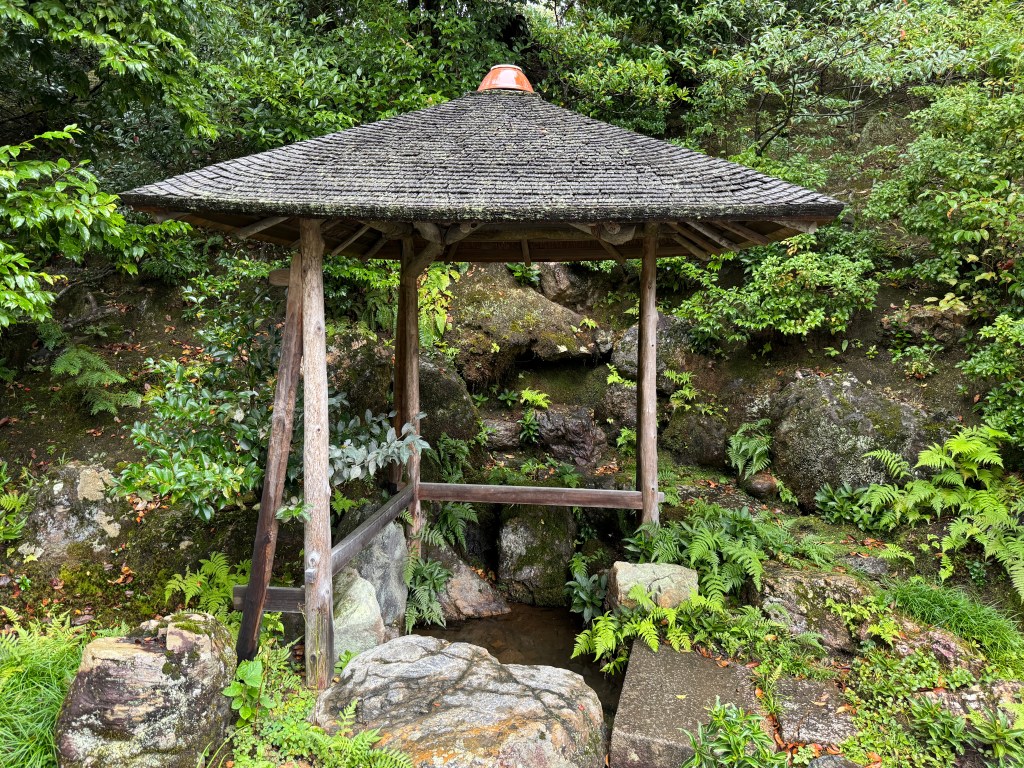
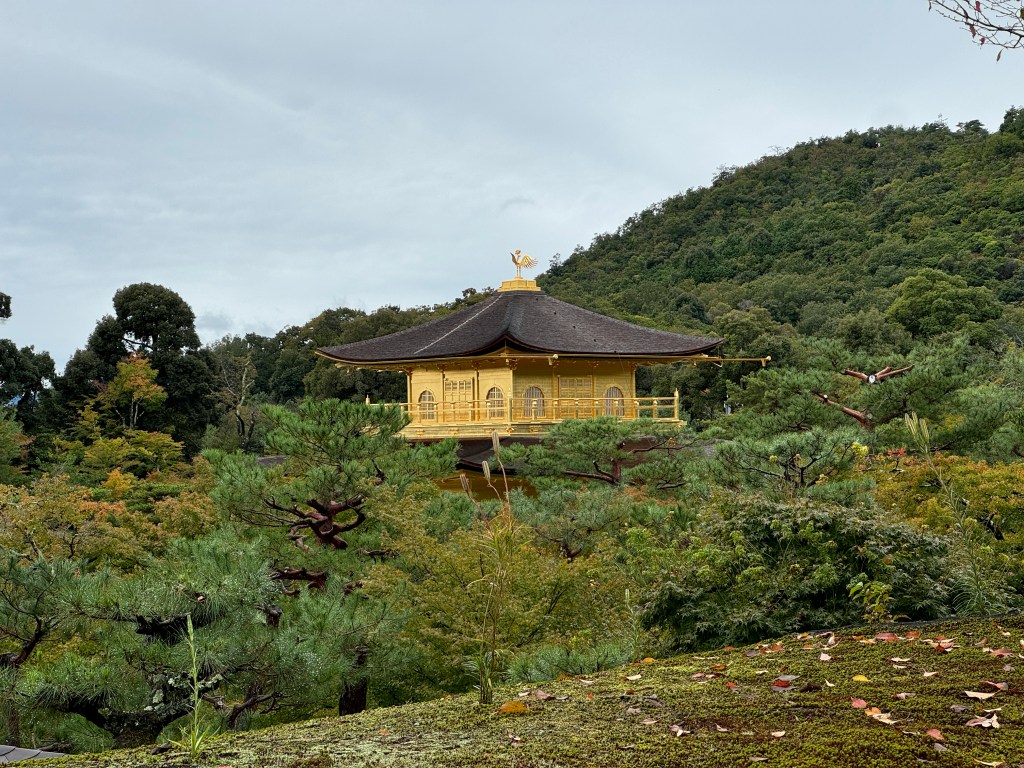
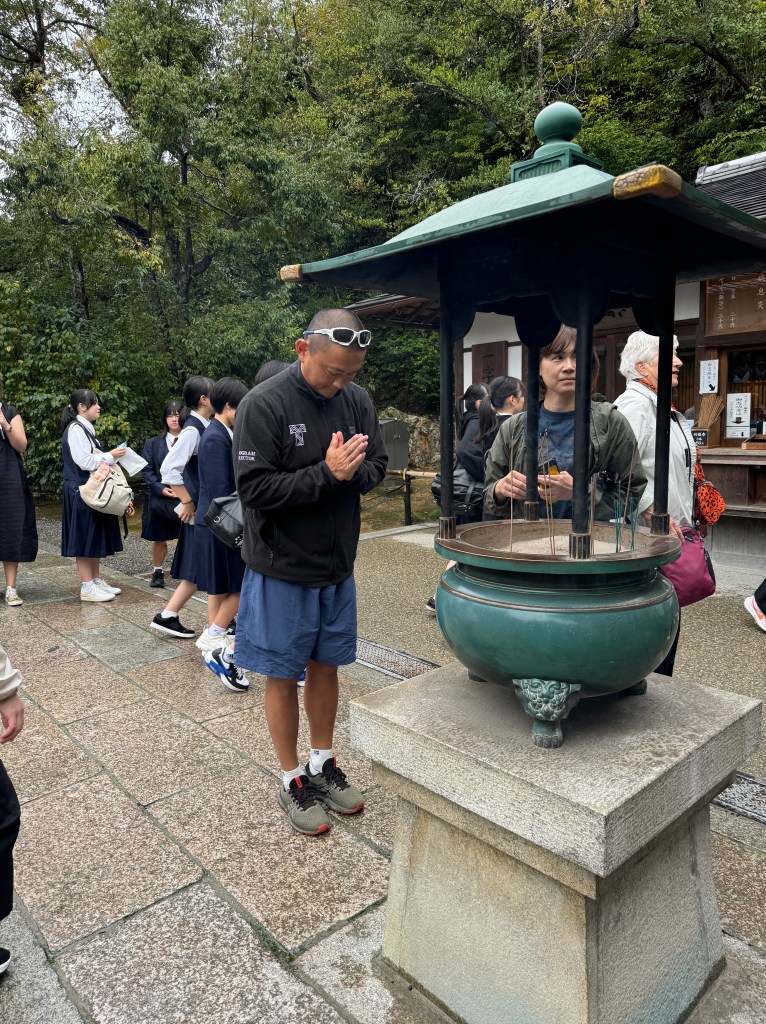
More photos from day 2 in Kyoto.
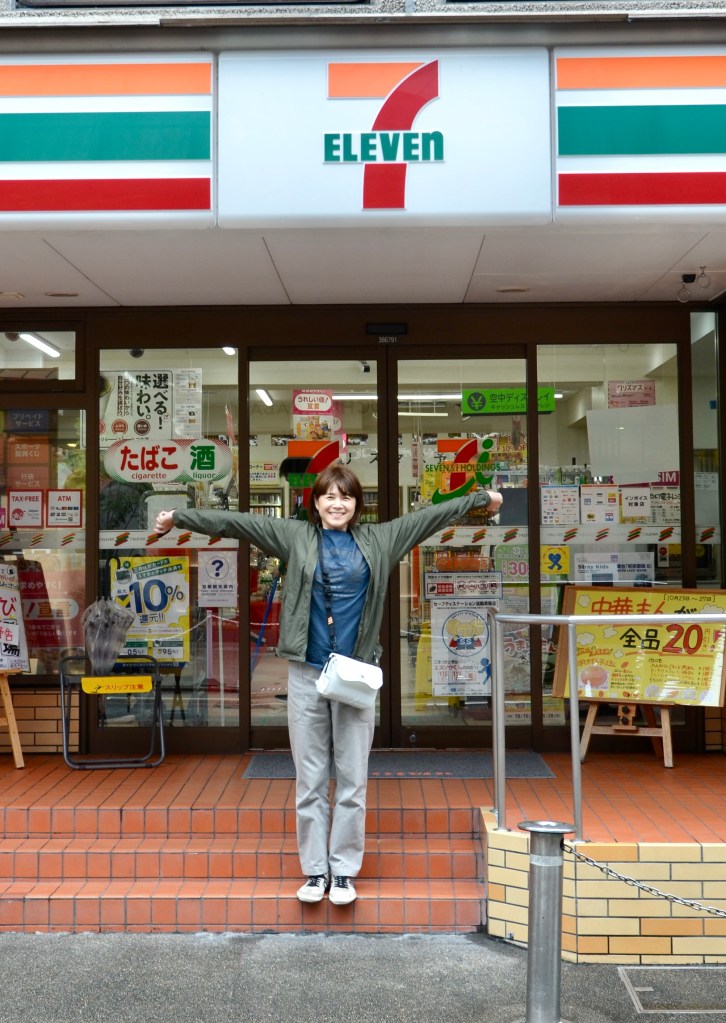
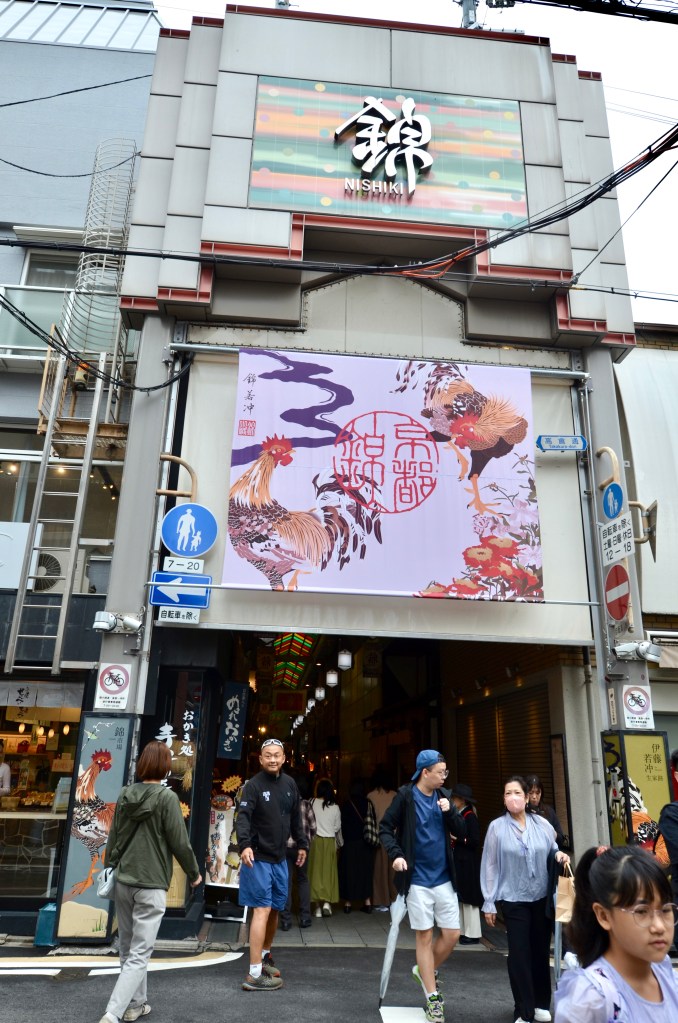
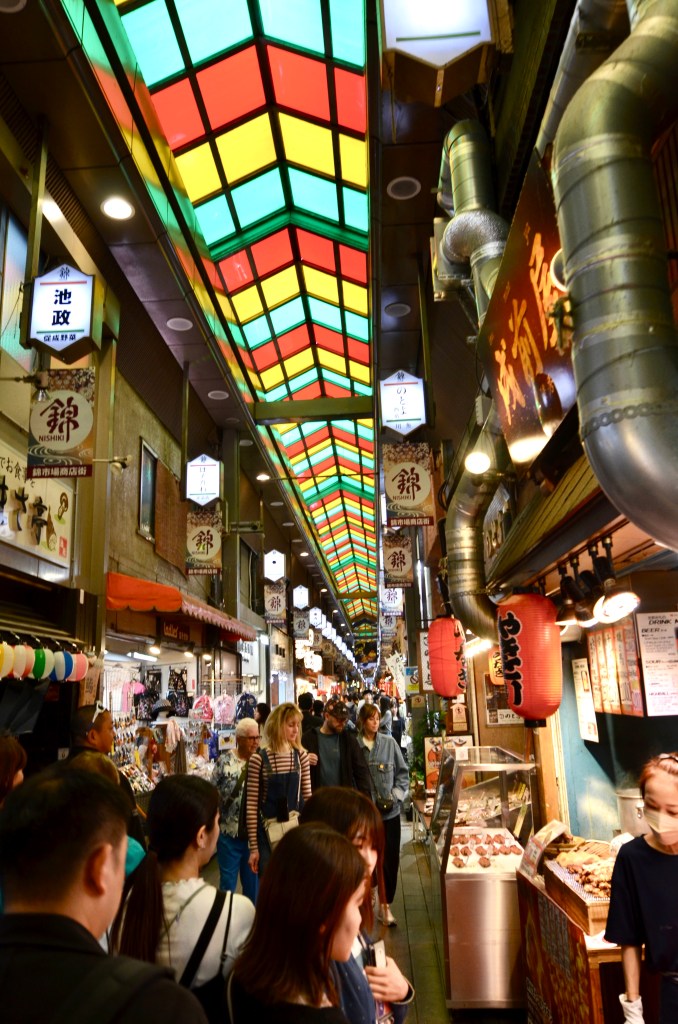
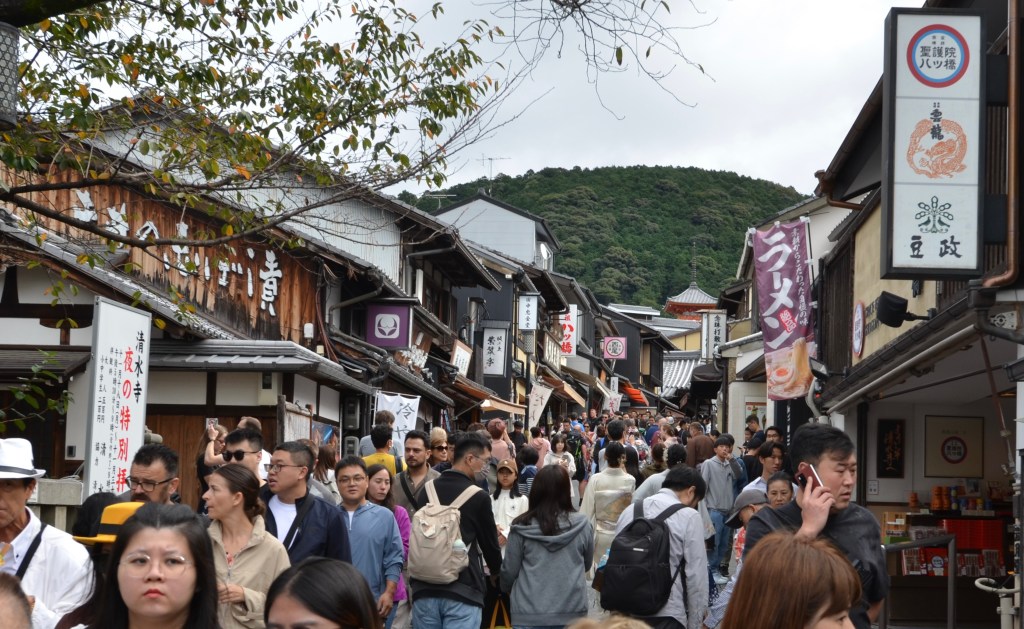
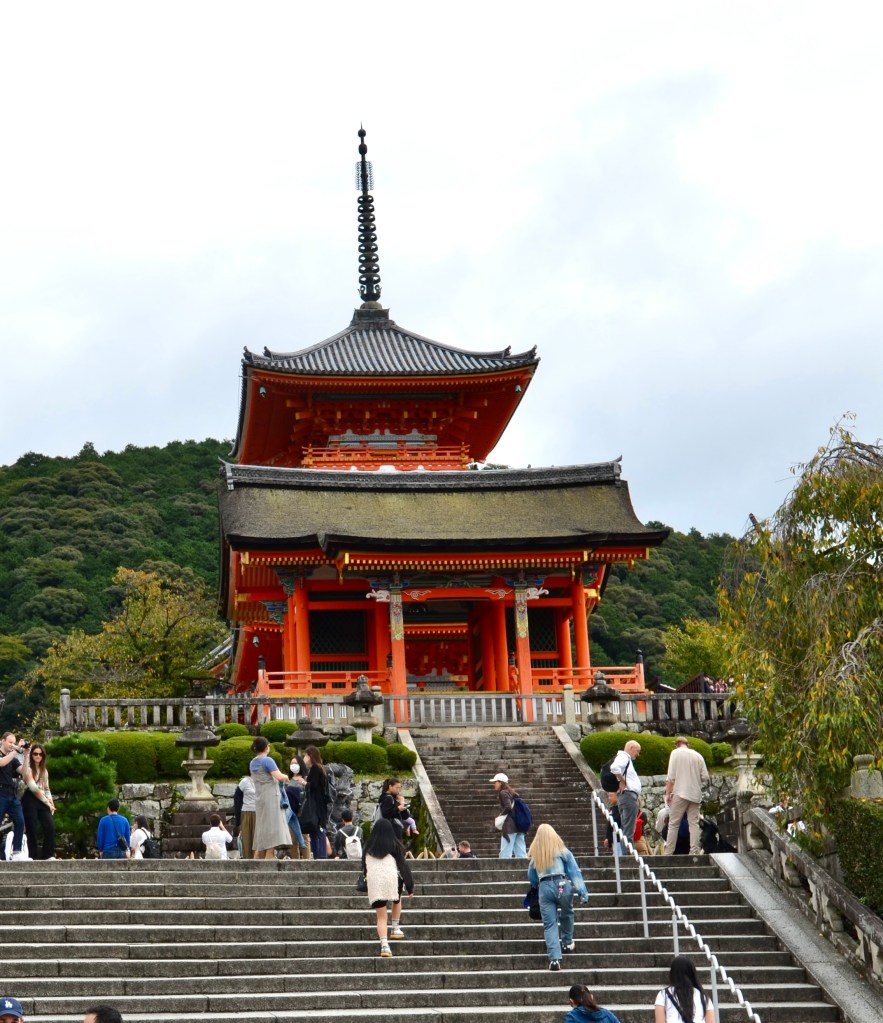
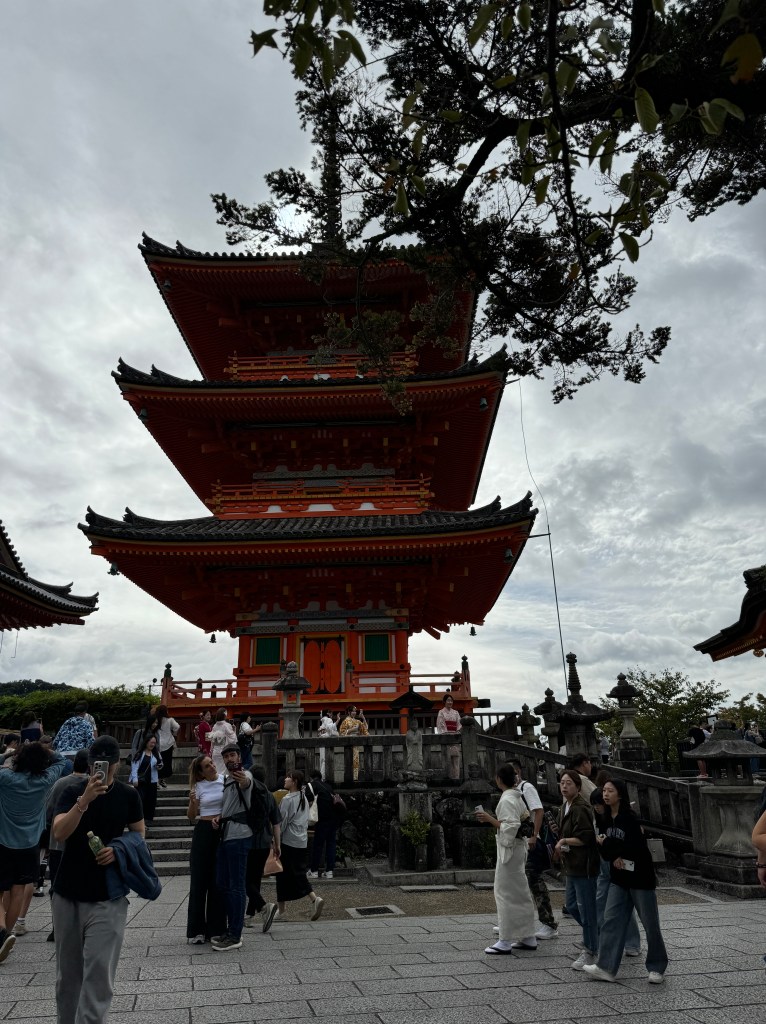
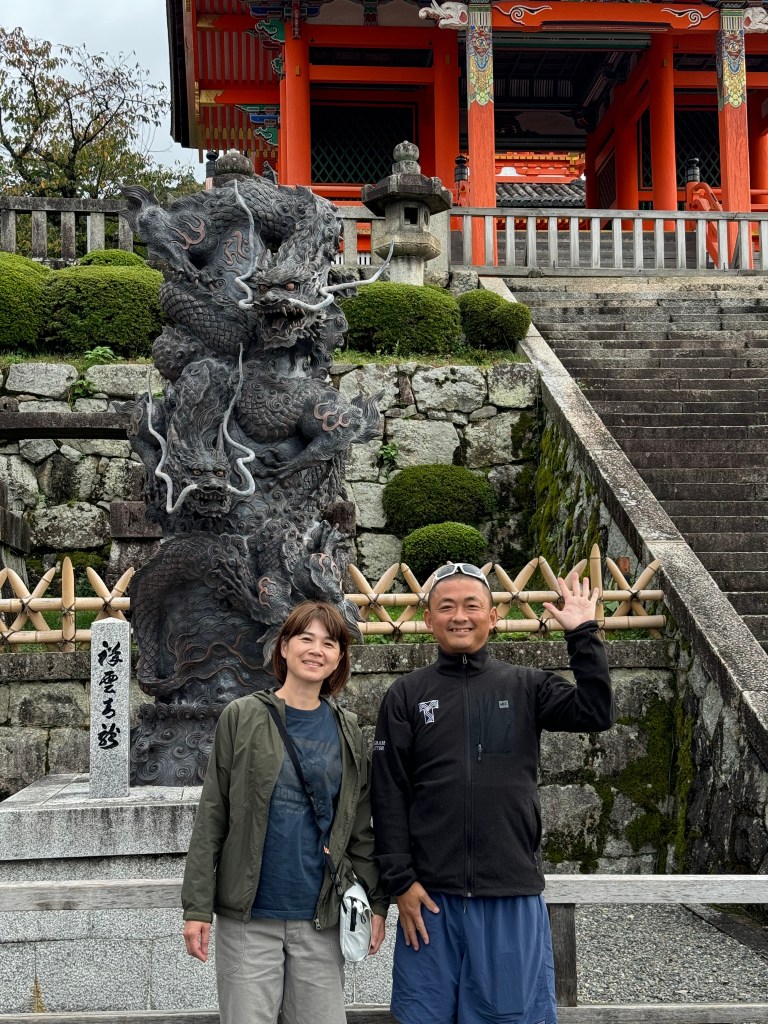
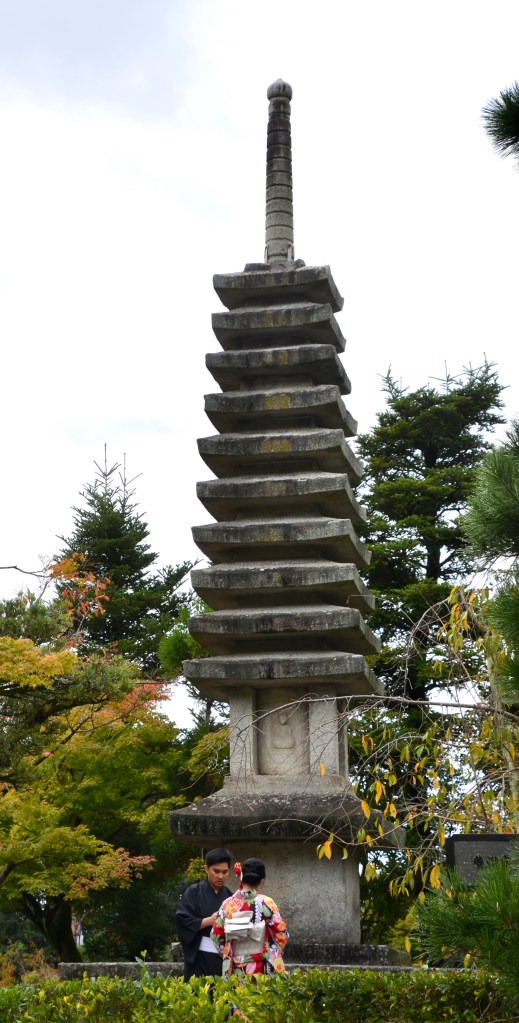
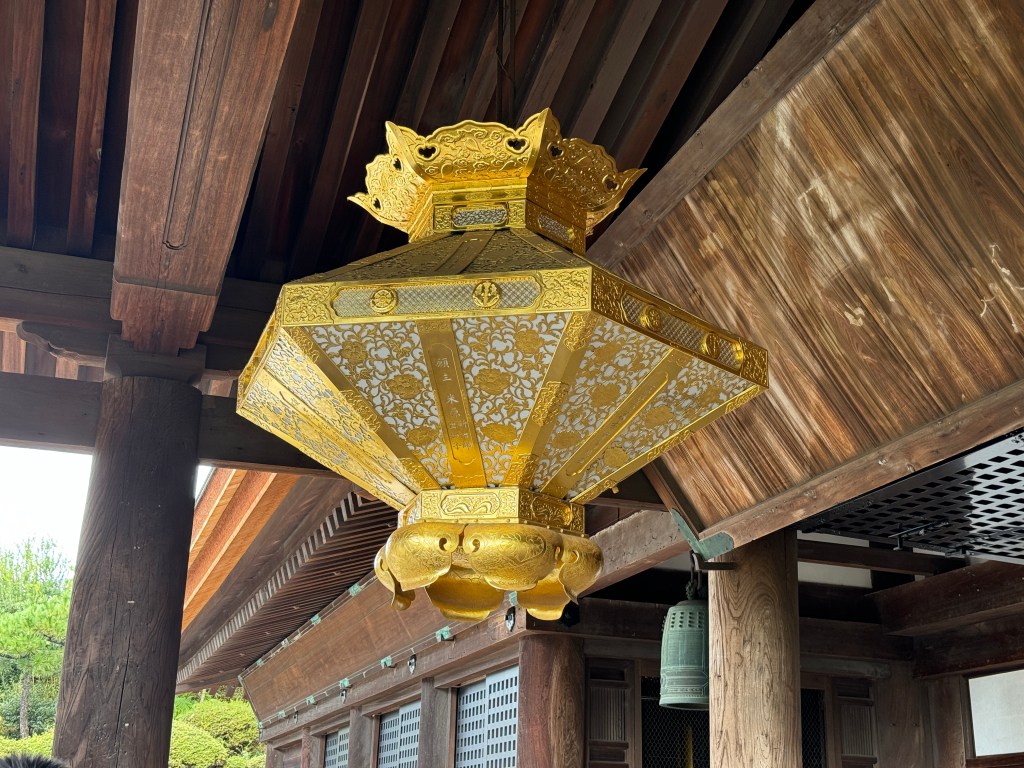
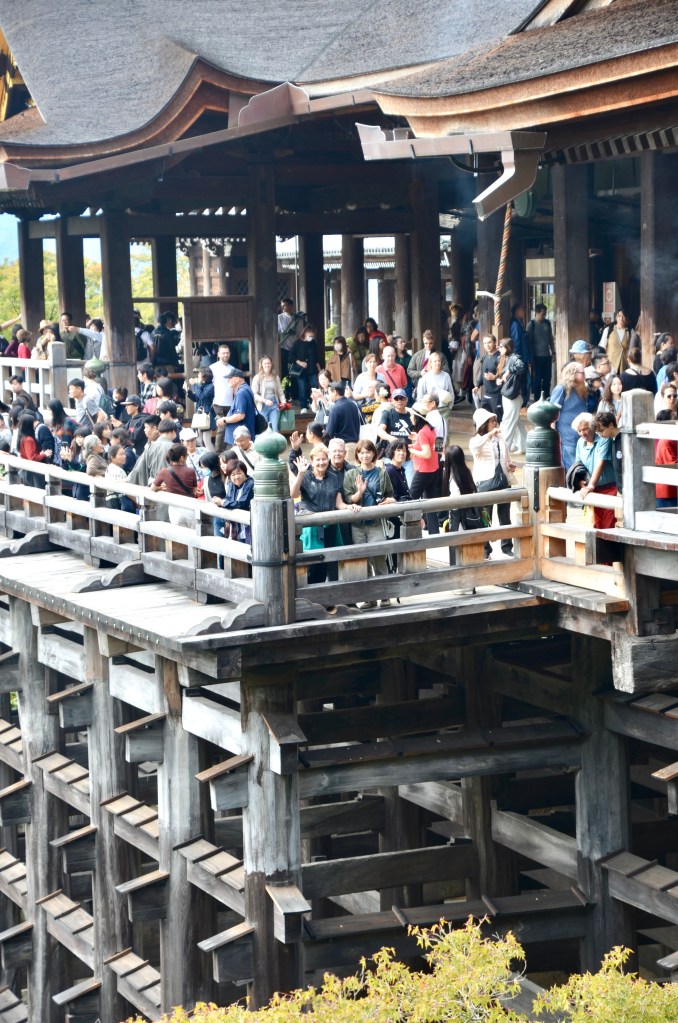
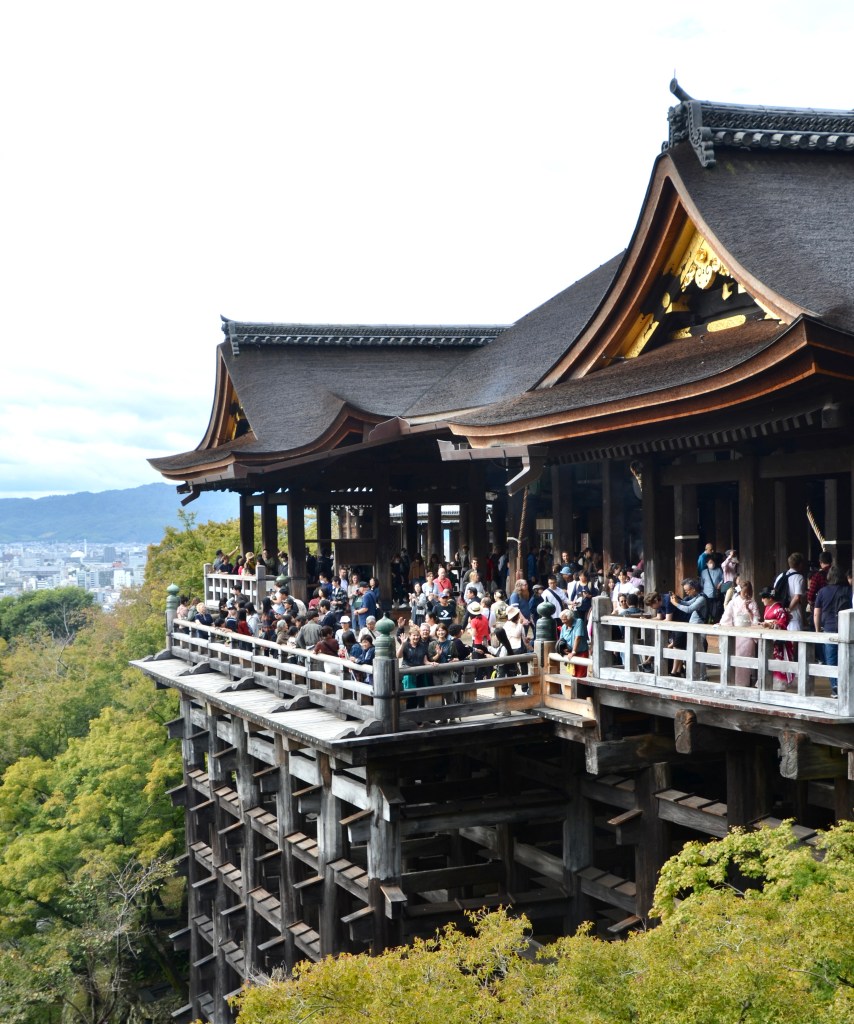
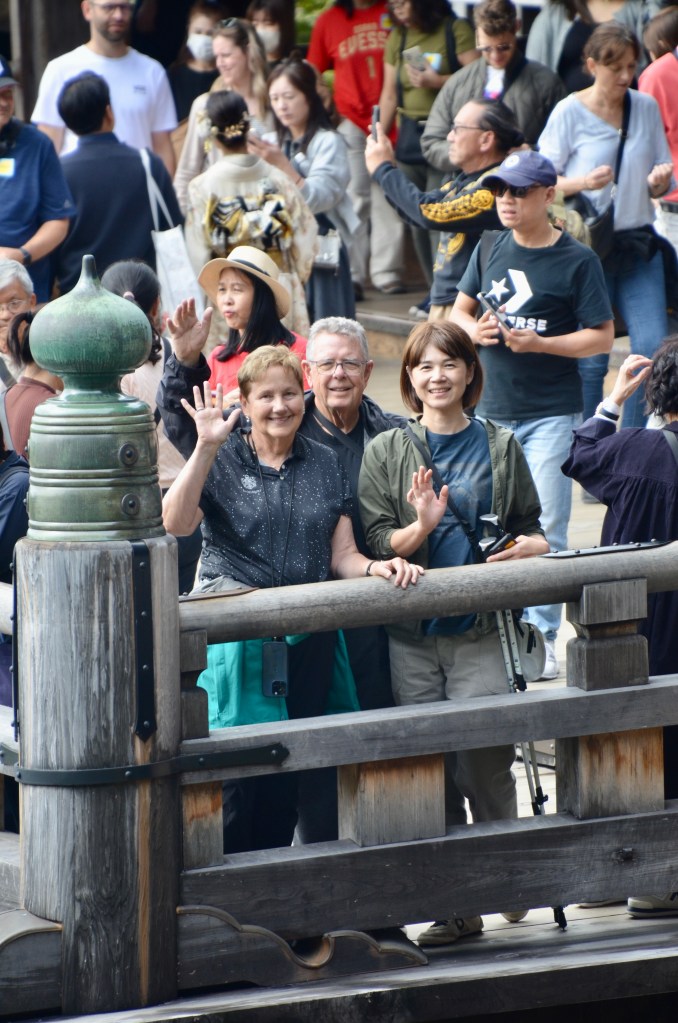
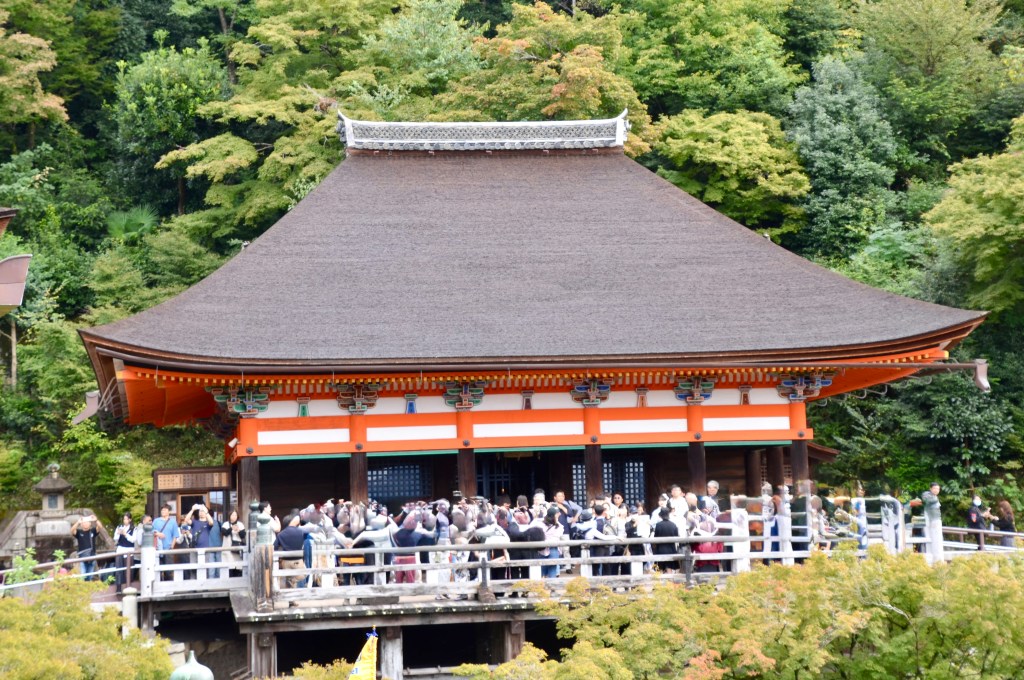
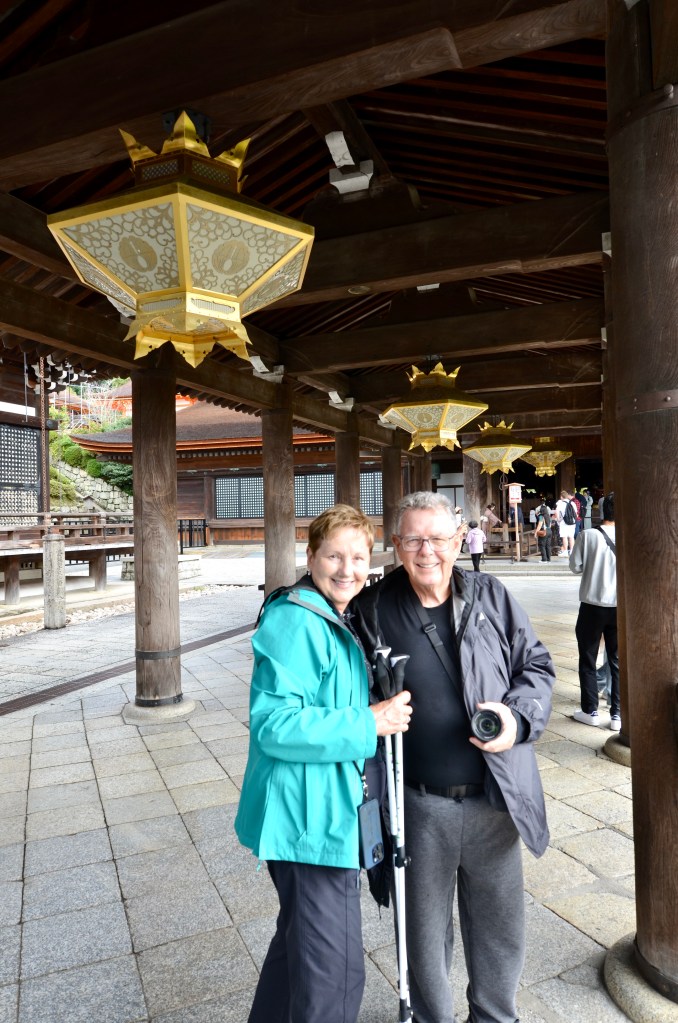
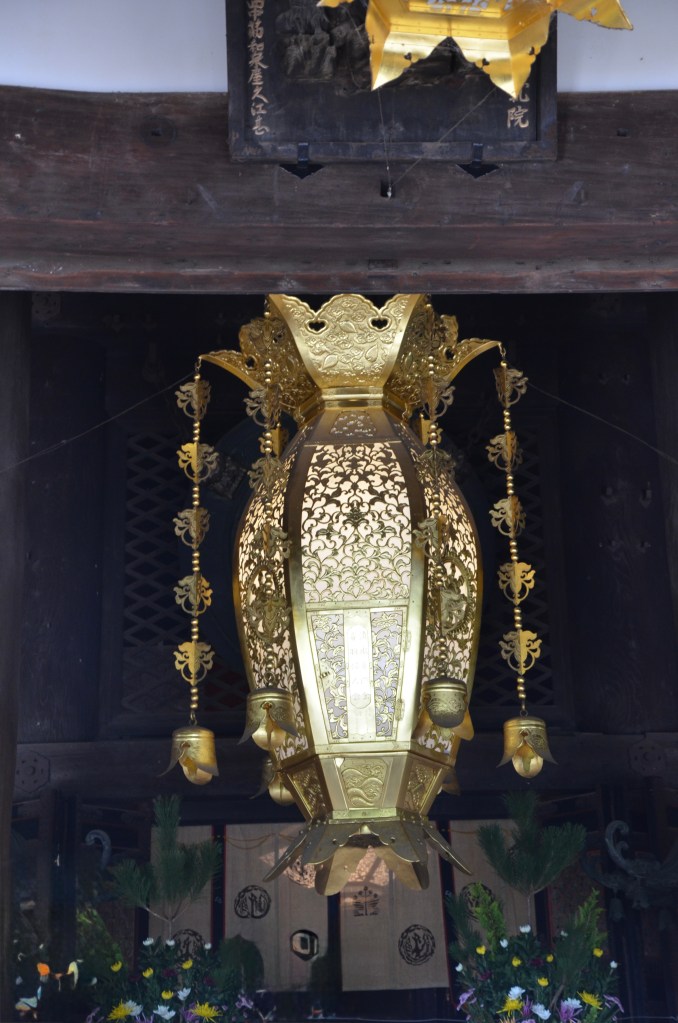
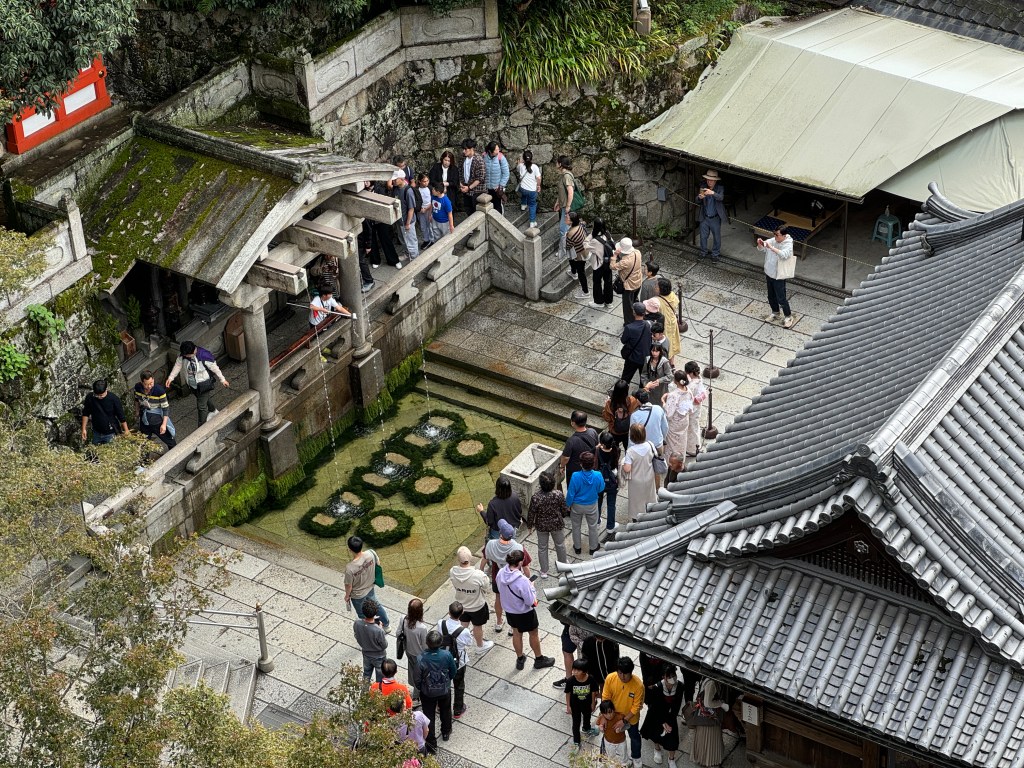
Kiyomizu Temple (“Pure Water Temple”) is one of the most popular Buddhist temples in Japan (lots of visitors when we were there). As you will see from the photos below, it is a large complex.
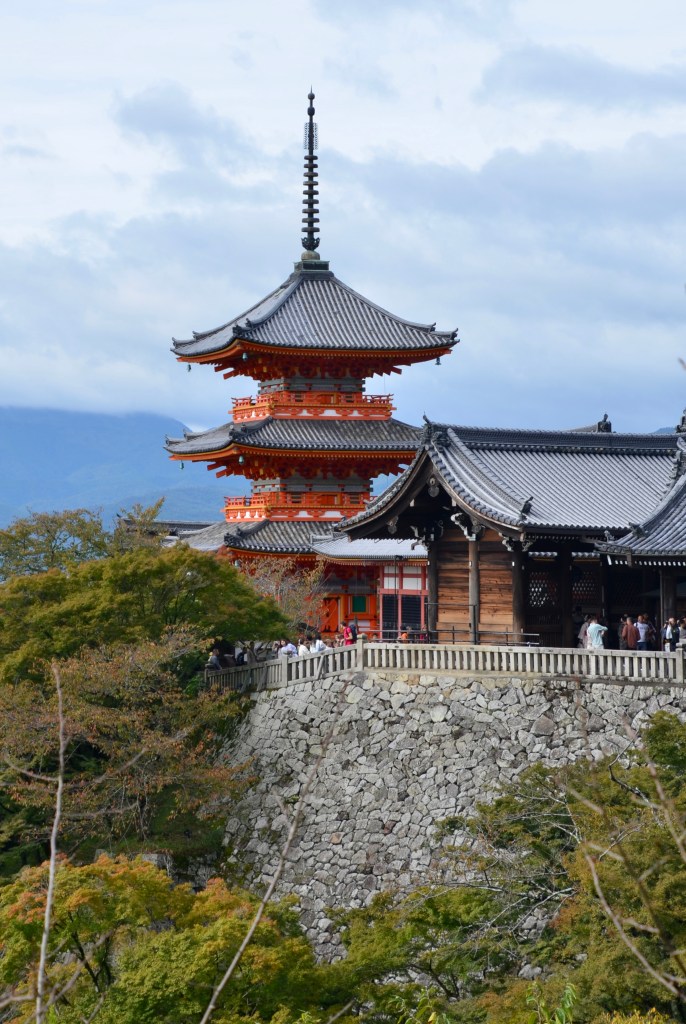
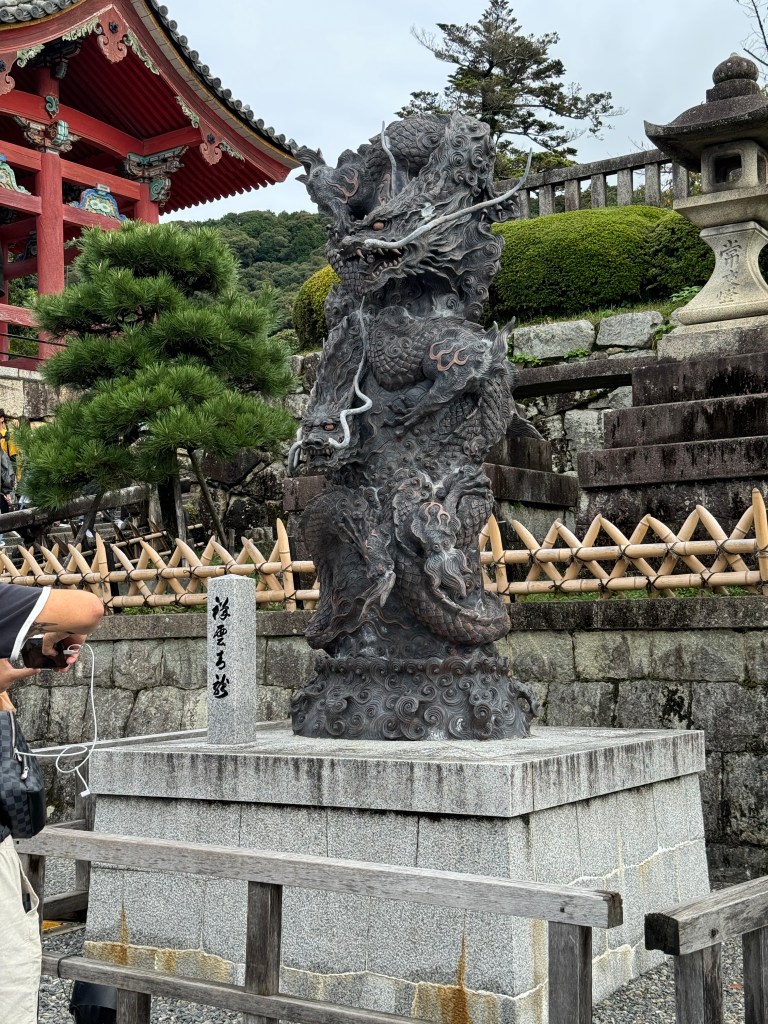
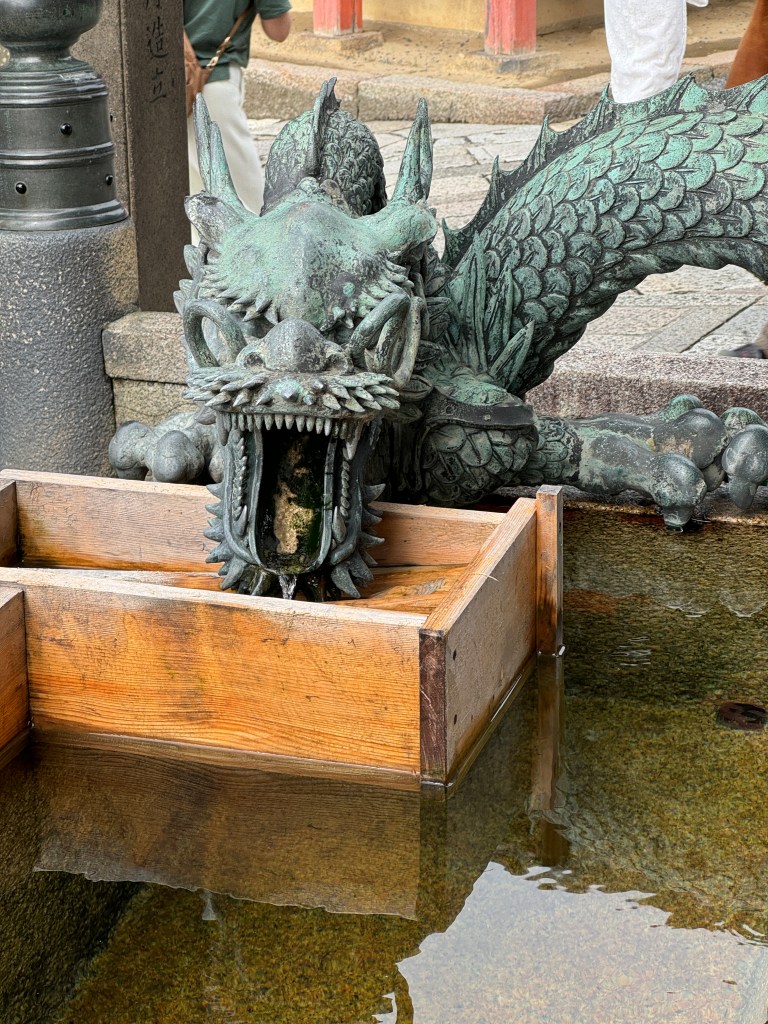
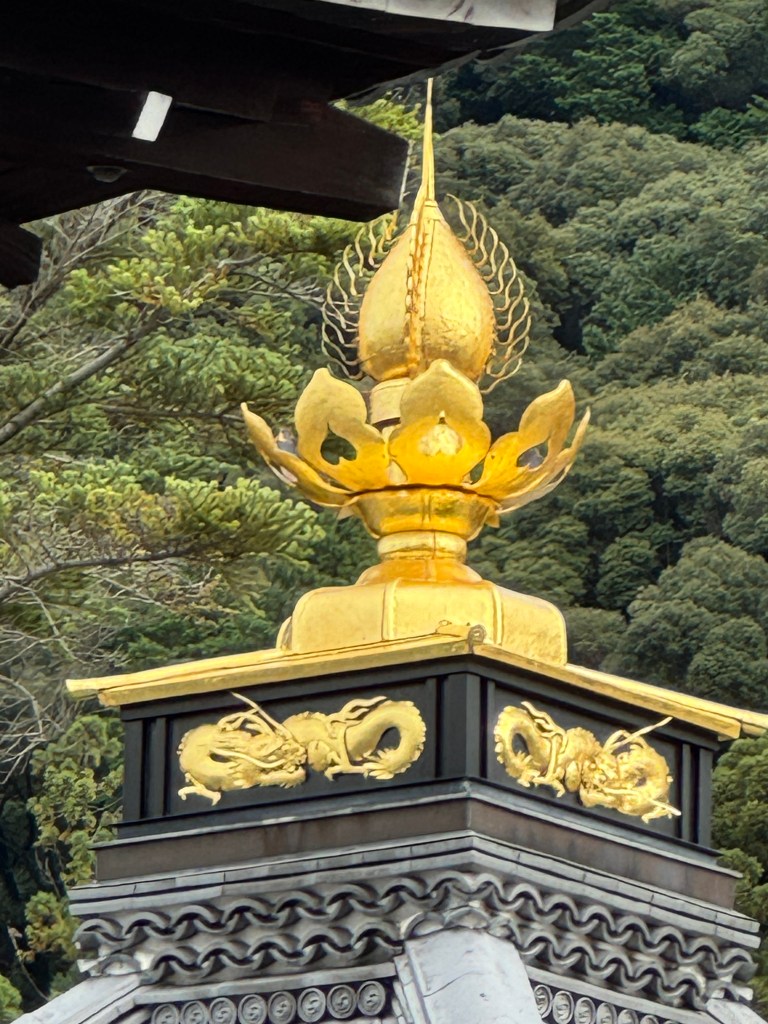
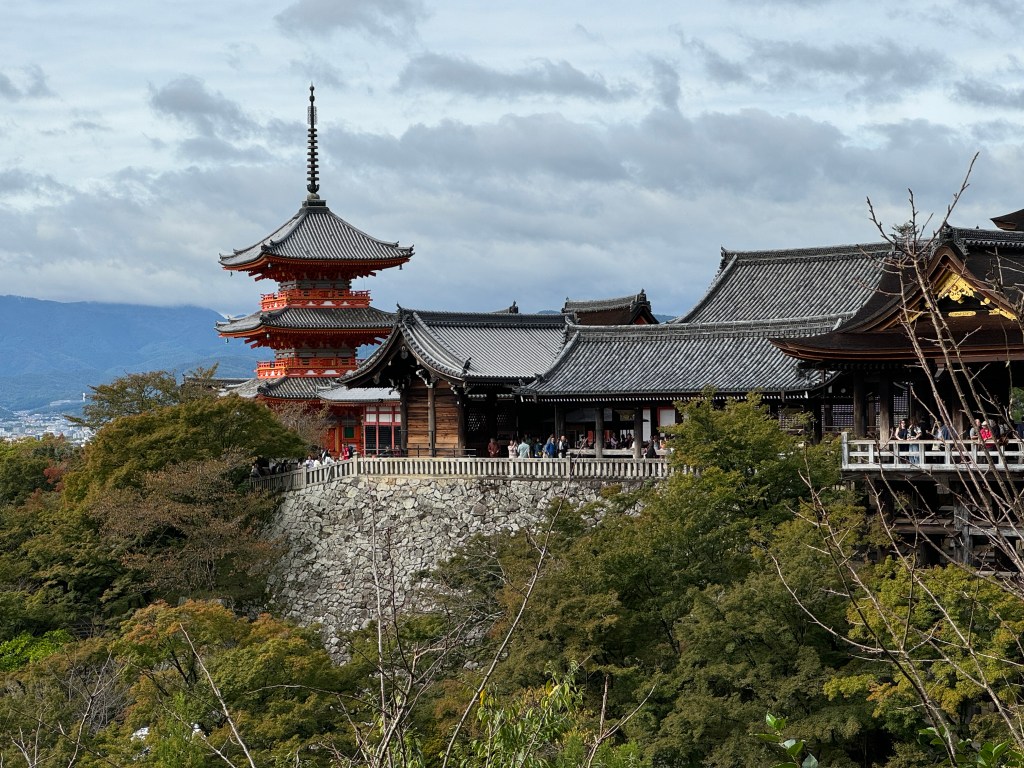
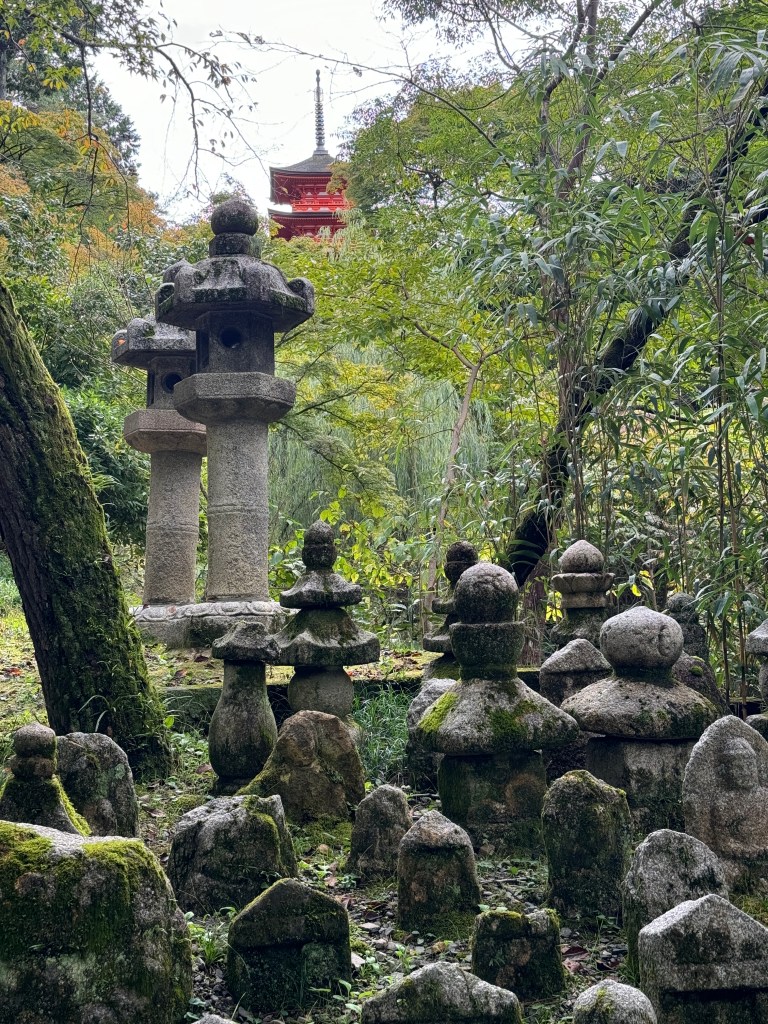
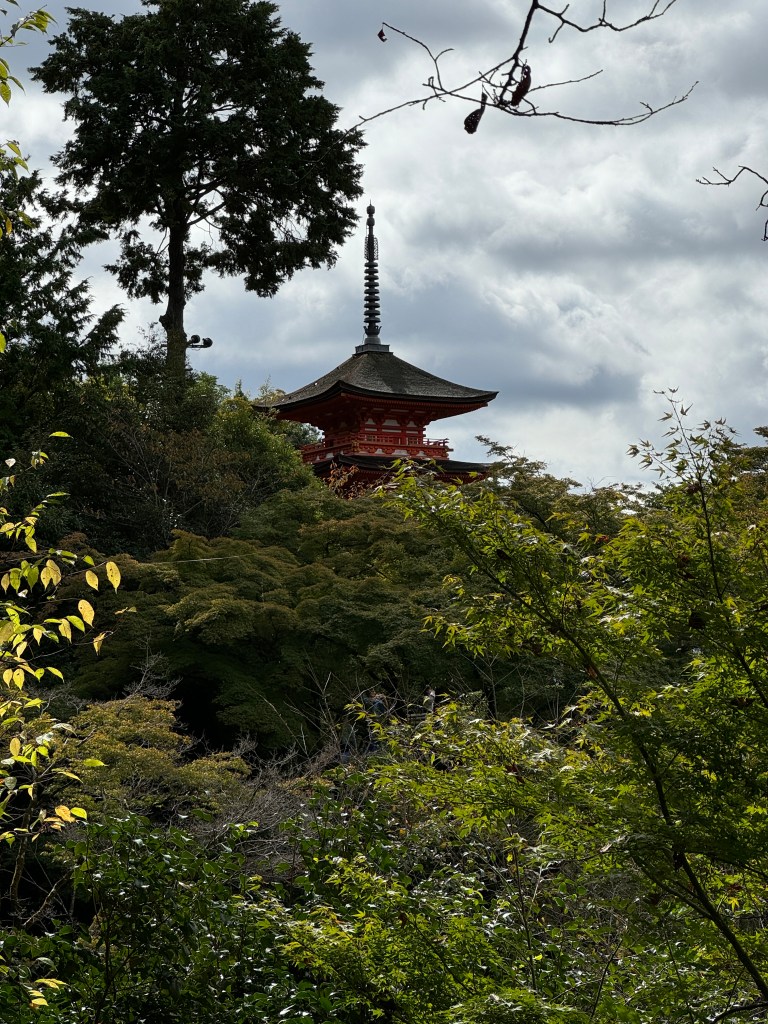
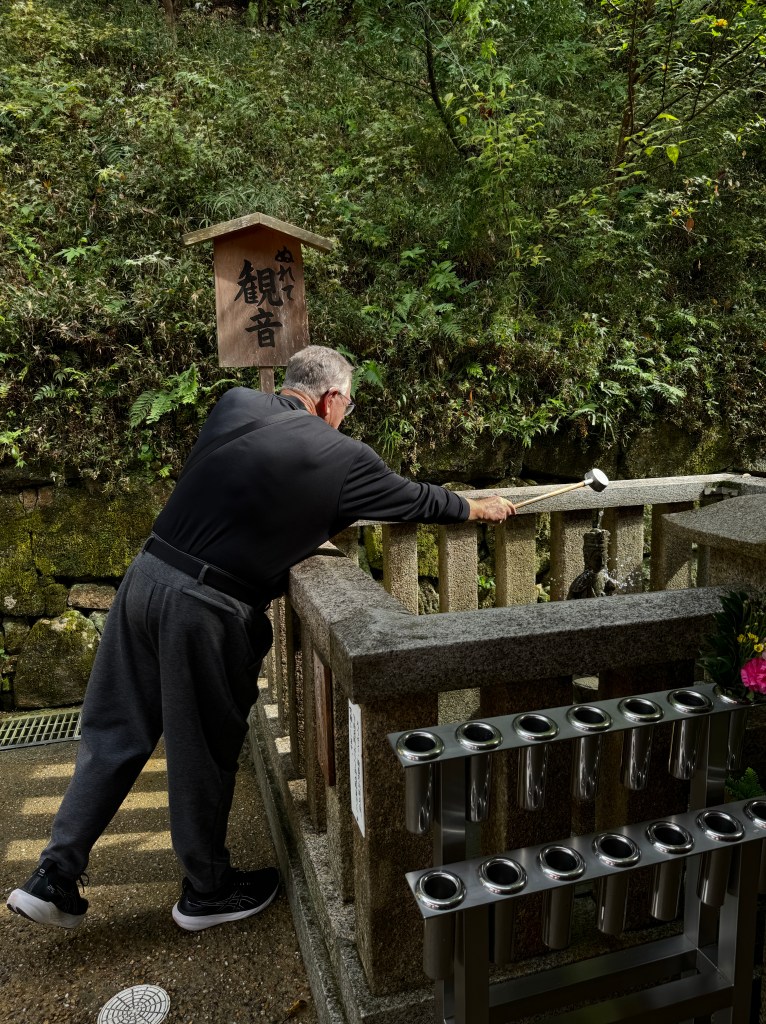
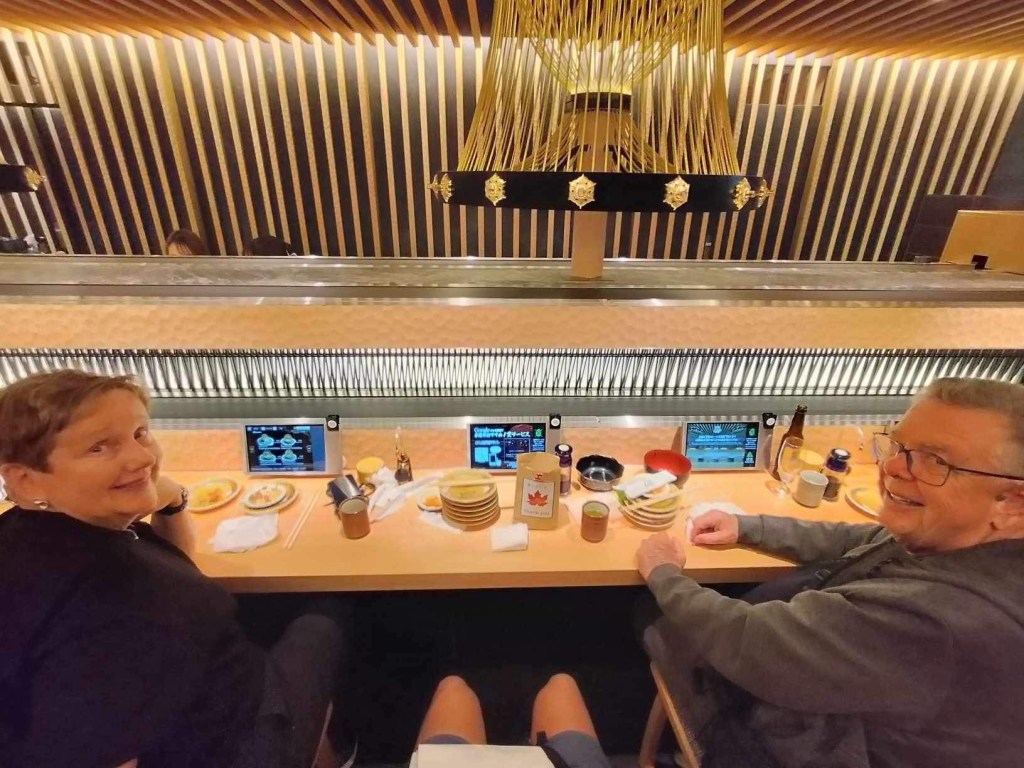
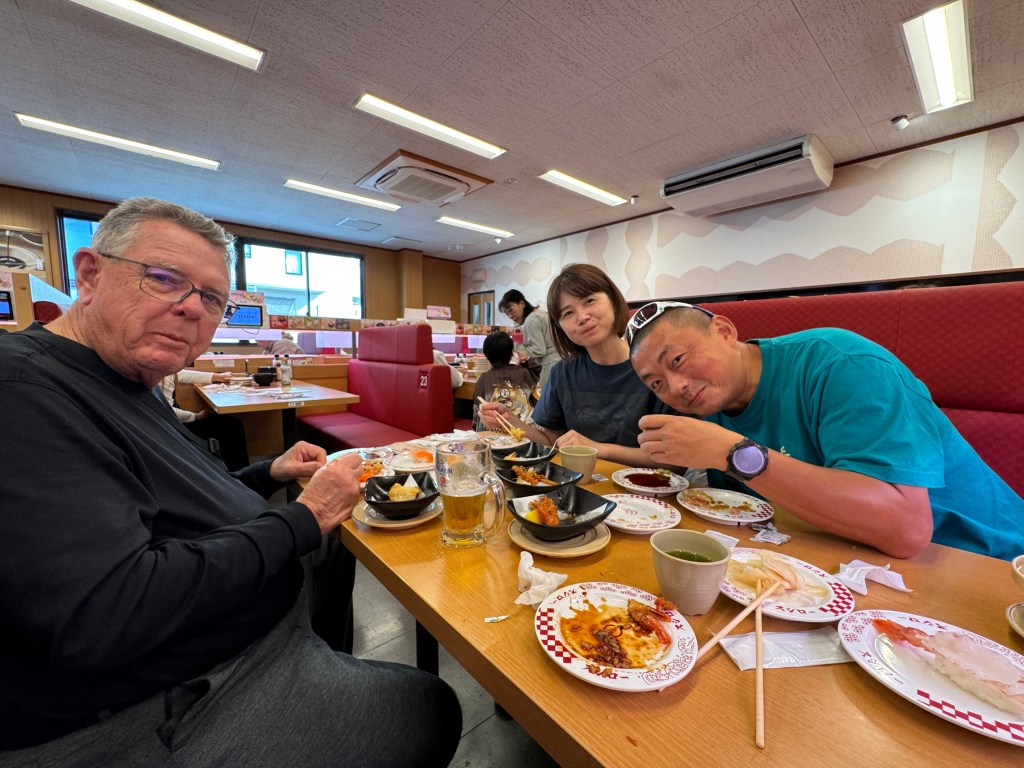
We had a sushi lunch before we headed back to Tokyo on the 3:00 p.m. Bullet train. Although too short a time in Kyoto, Takashi showed us so much! Thank you Takashi and Yuko.
We did visit Kyoto one more time as part of a private tour (PinPoint Tours) with 3 other couples from the ship. Below are the photos from our October 31st visit to Kyoto.
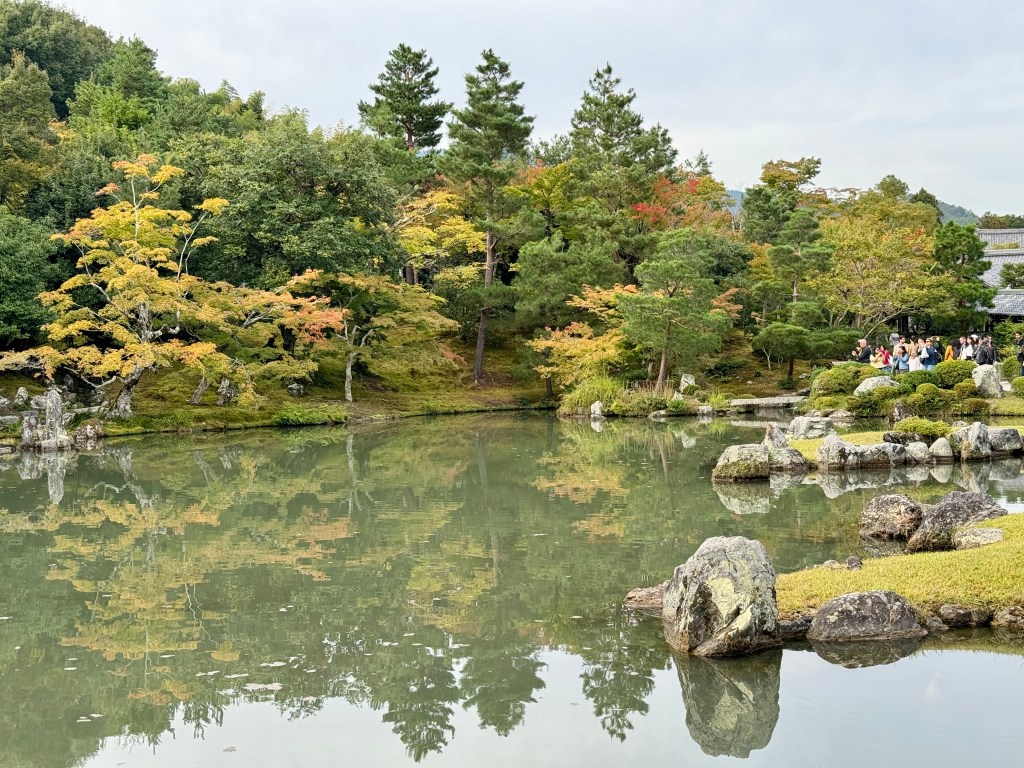
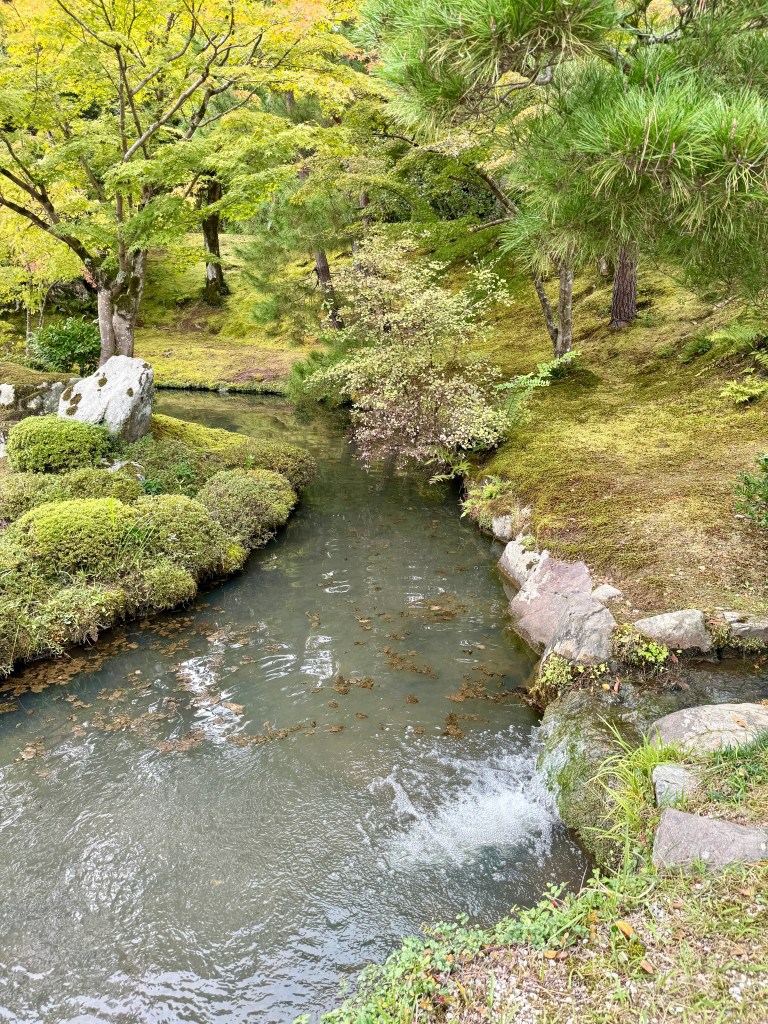
Sogenchi Teien is a garden located in the heart of Kyoto, and is part of the renowned Tenryu-ji Temple complex, a UNESCO World Heritage Site
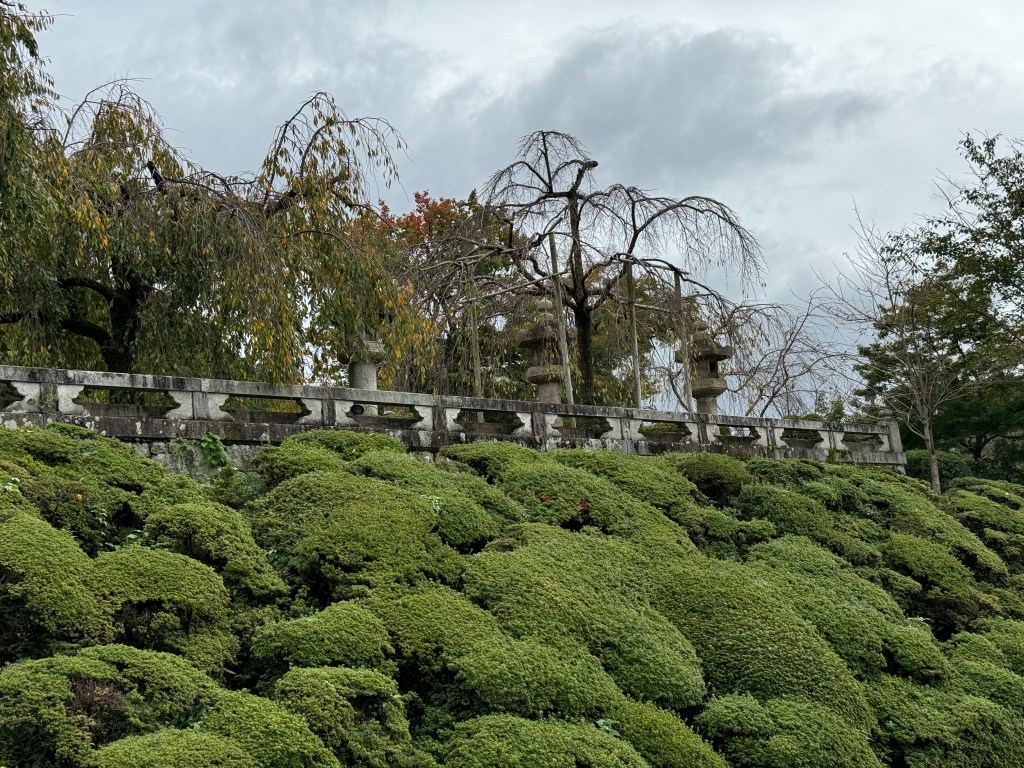
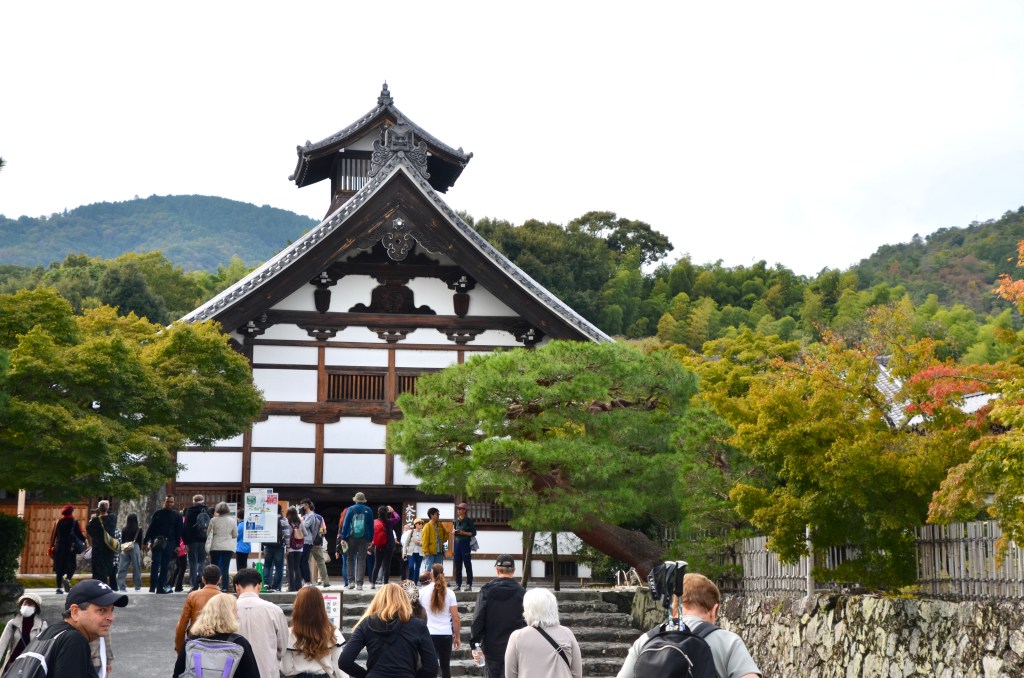
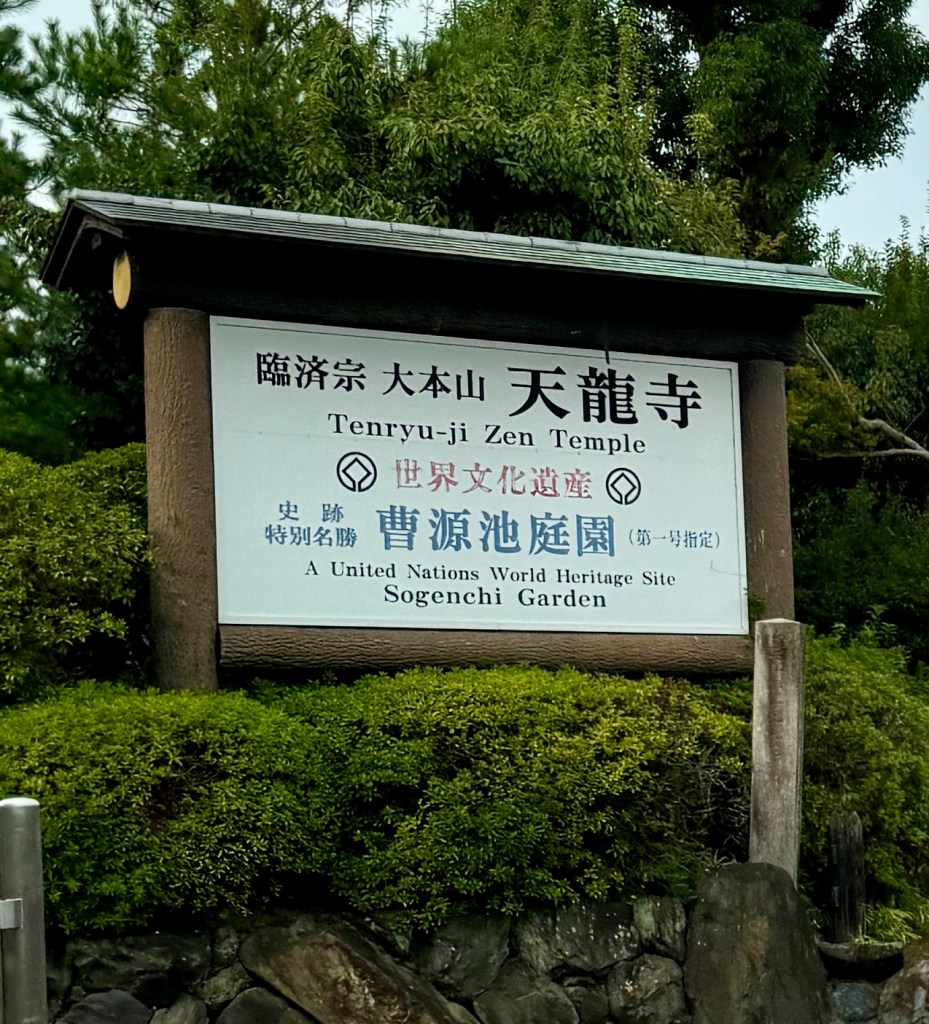
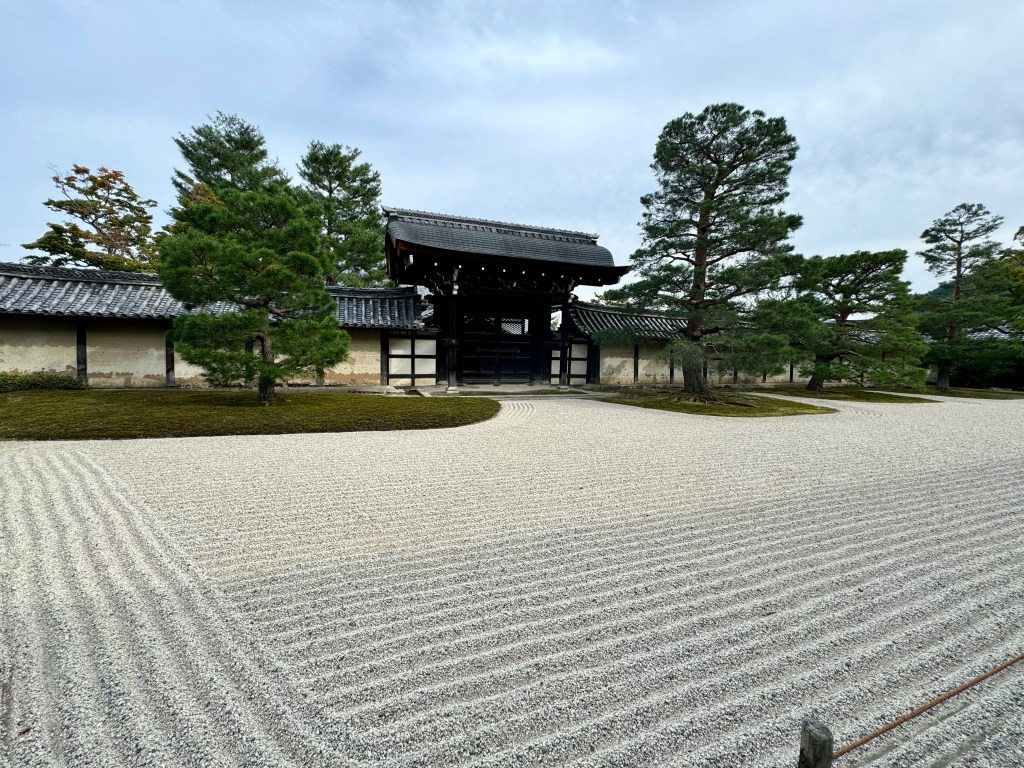
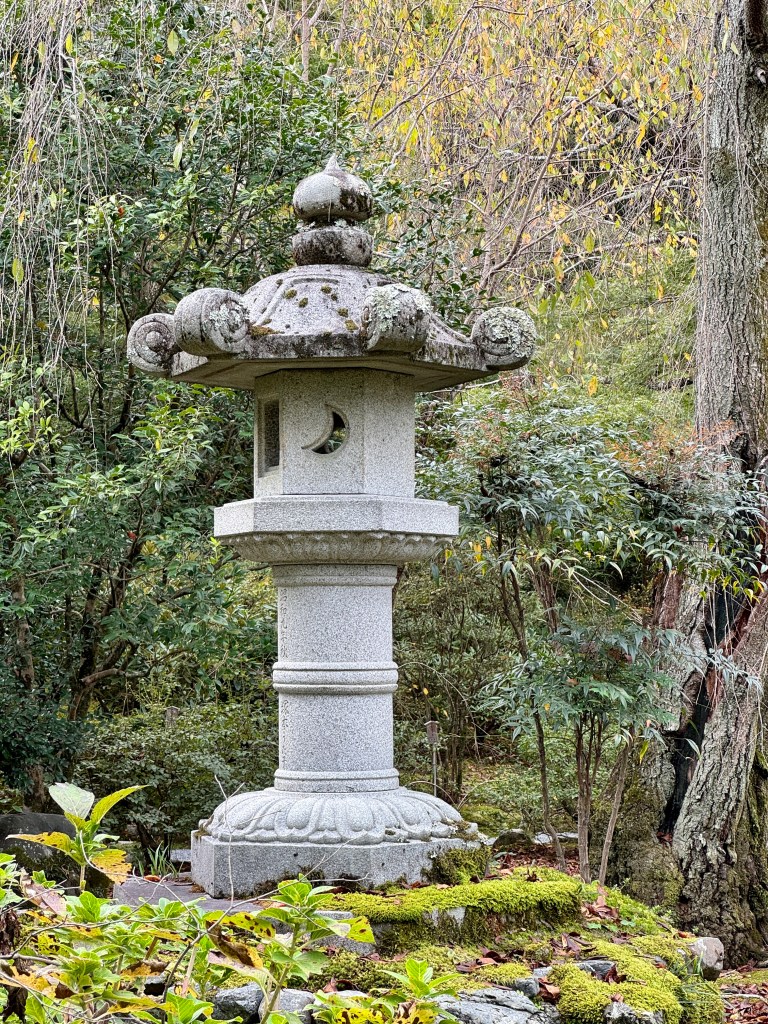
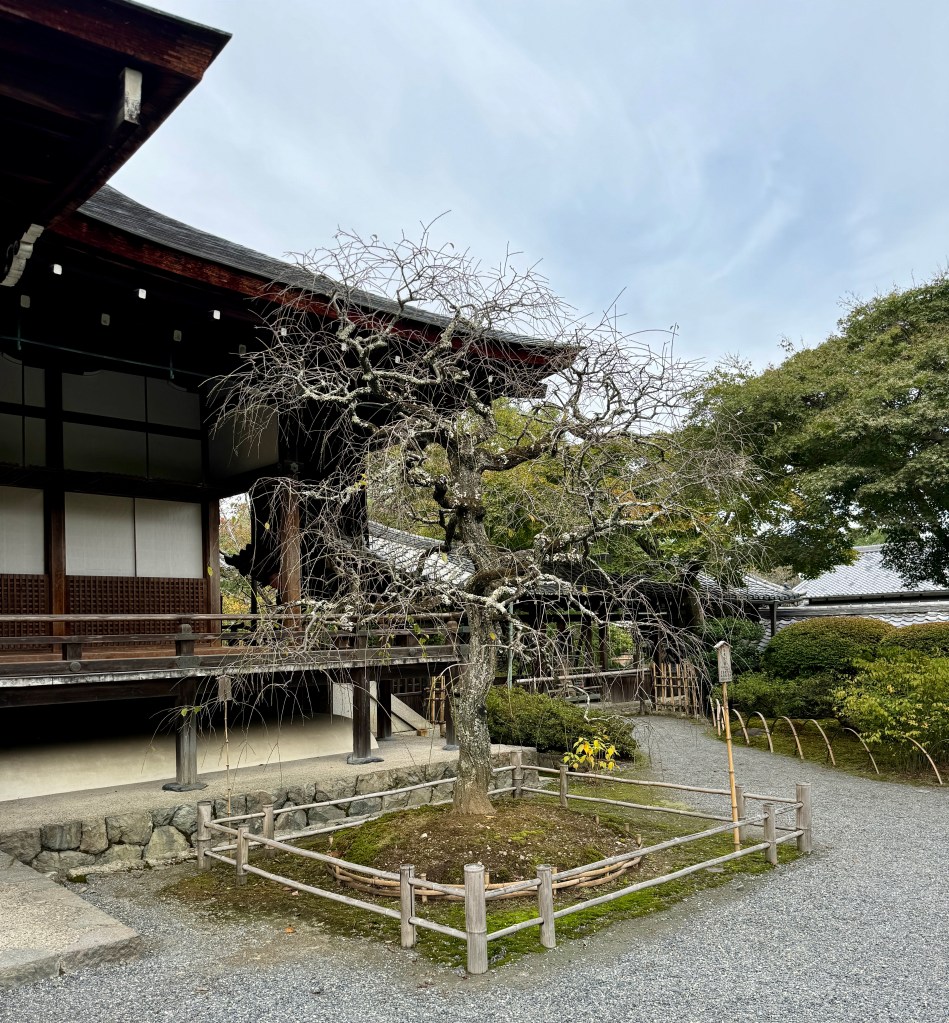
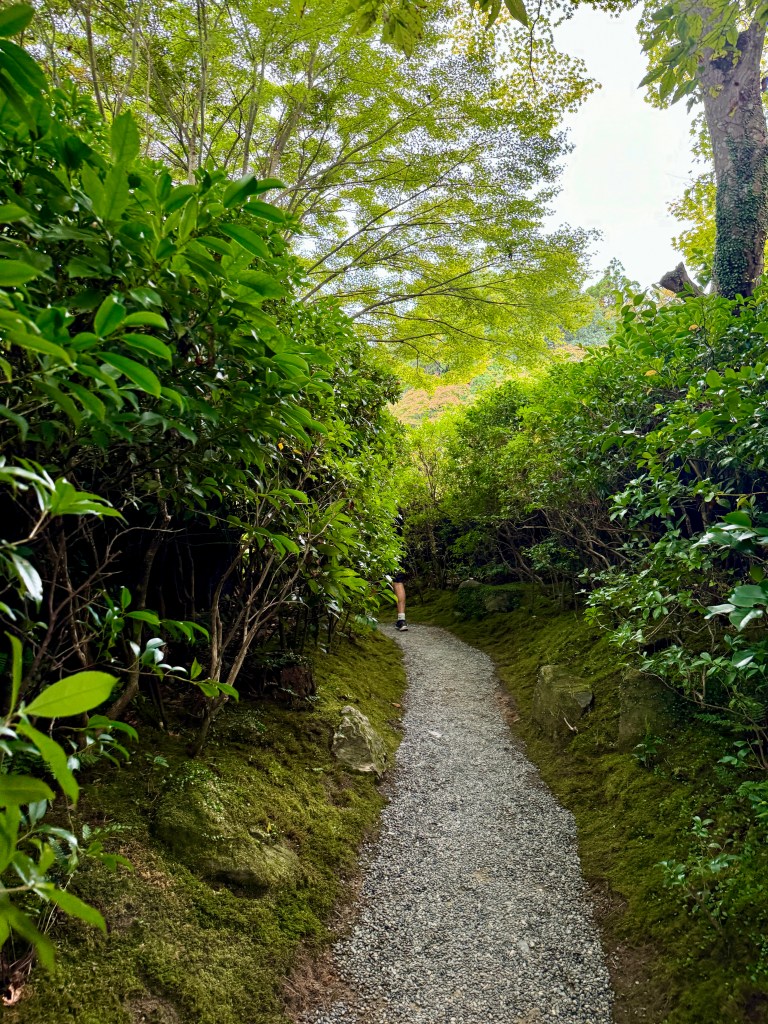
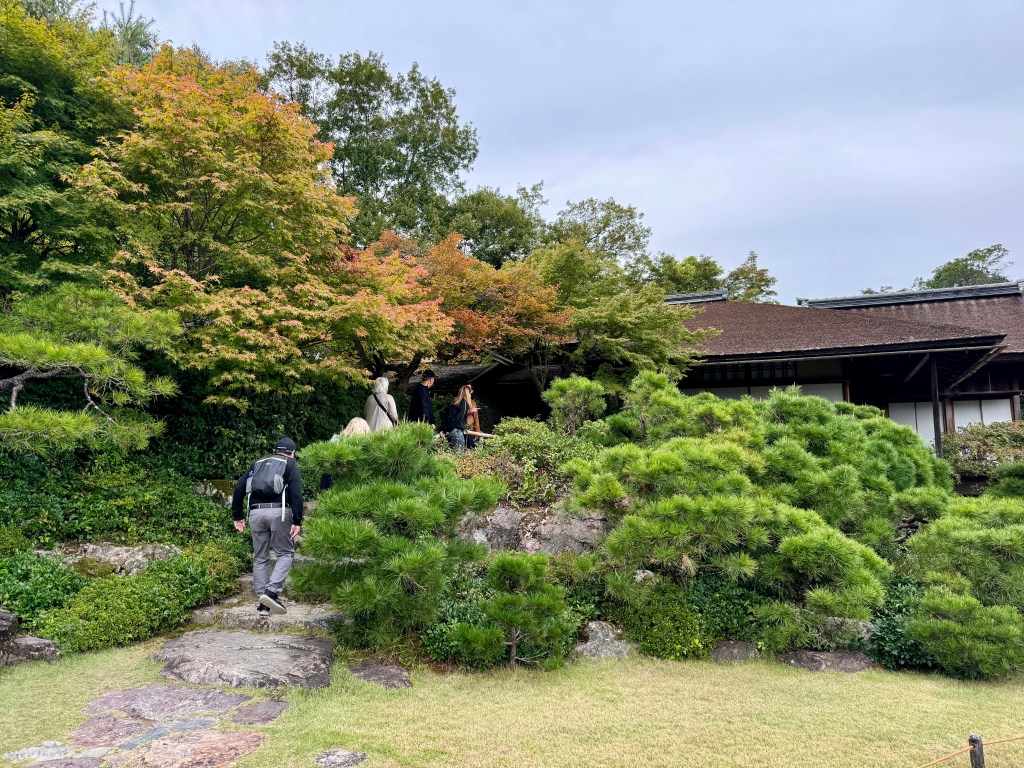
Built by the film star Okochi Denjiro in the early 1900’s to function as the actor’s estate, the Okochi Sanso garden began first with the small Buddhist shrine on the property. We wandered through the paths – very tranquil.
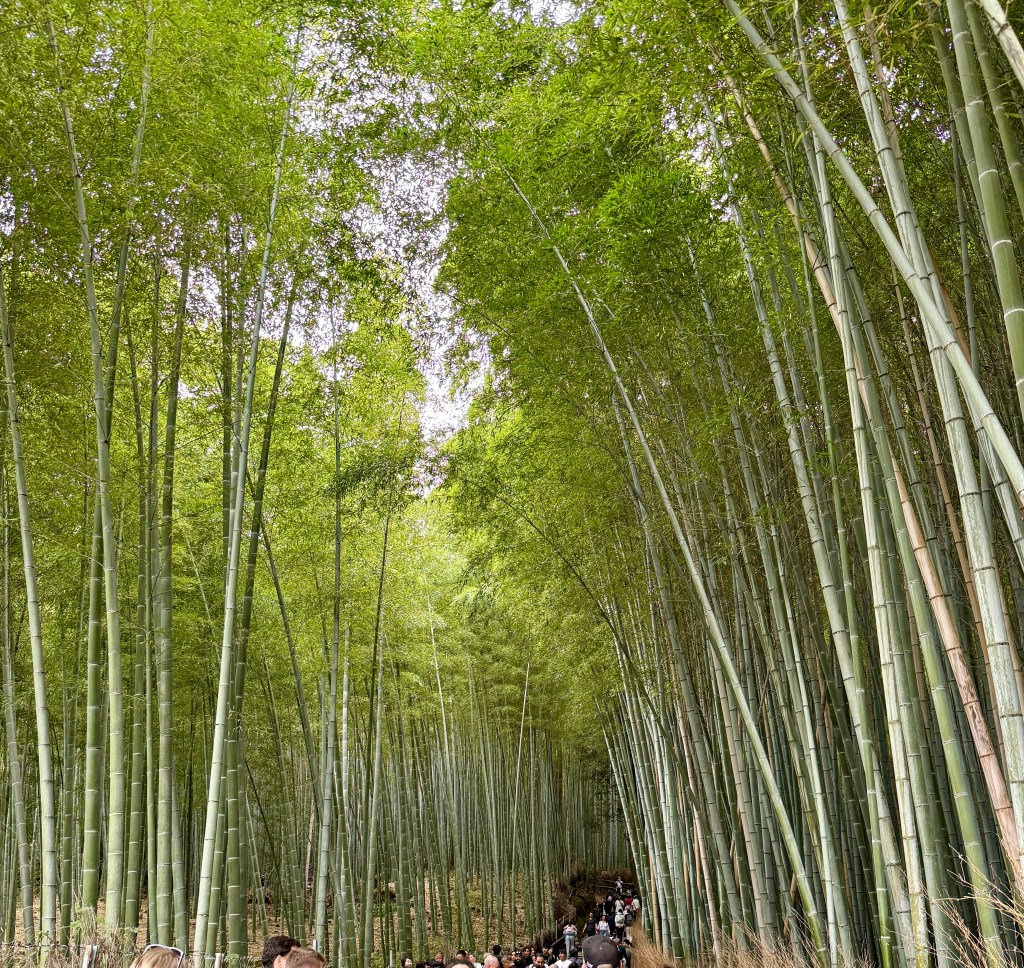
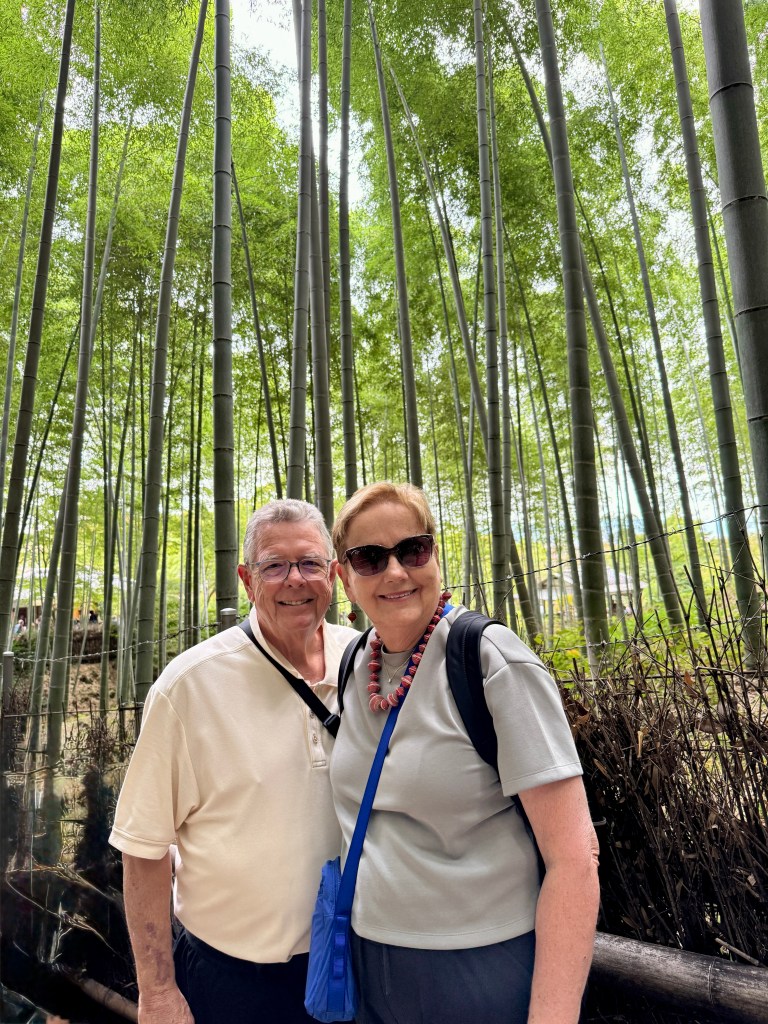
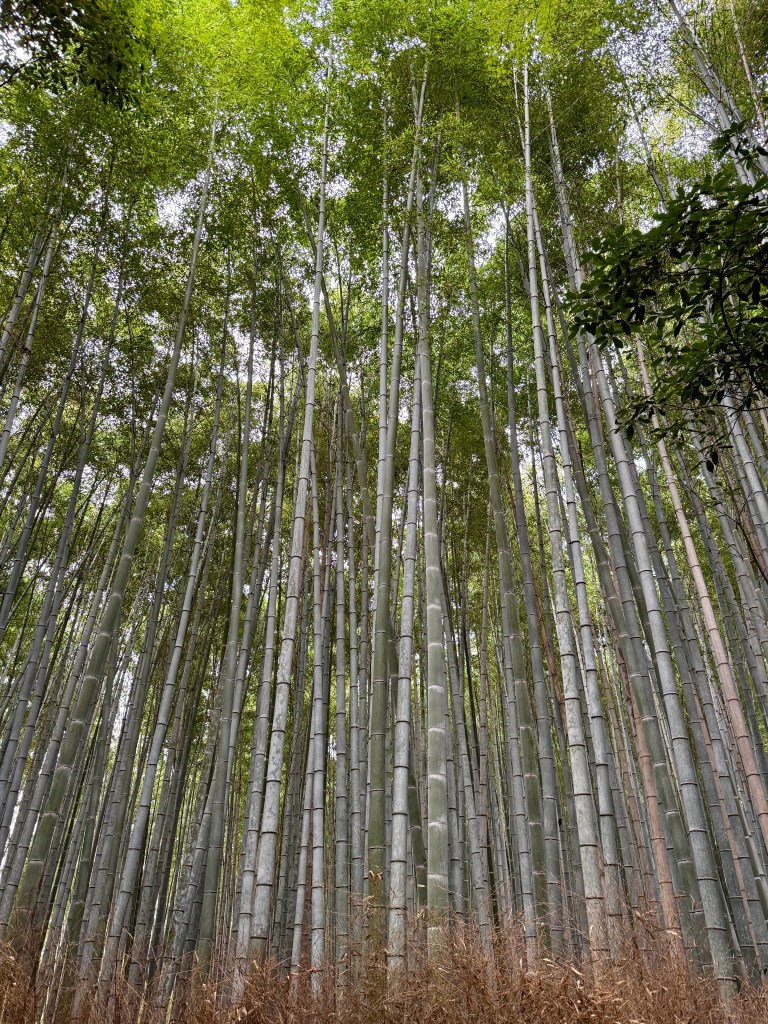
The Bamboo Forest, Arashiyama Bamboo Grove is a natural bamboo forest in Arashiyama. It was very busy, but worth seeing.
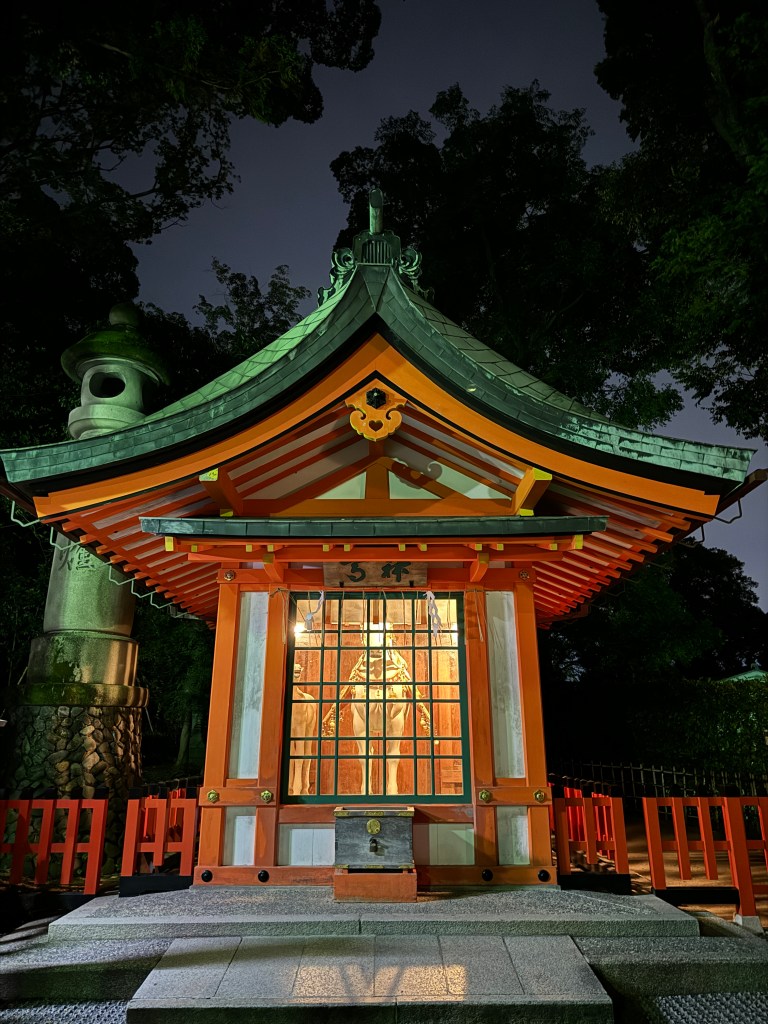
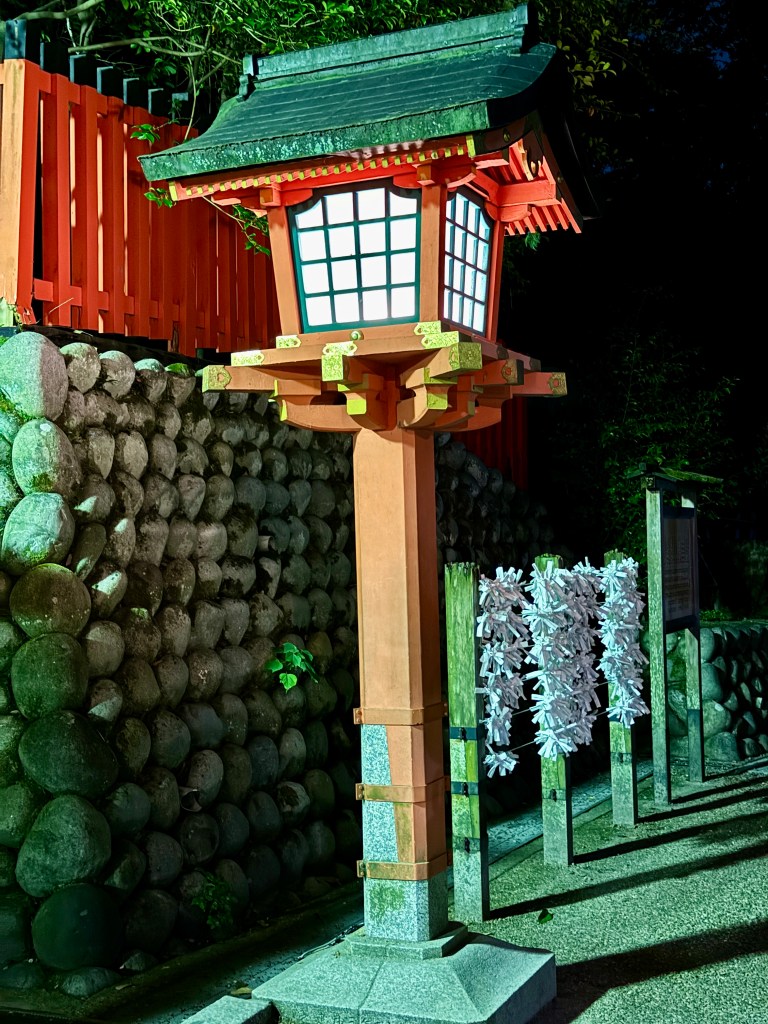
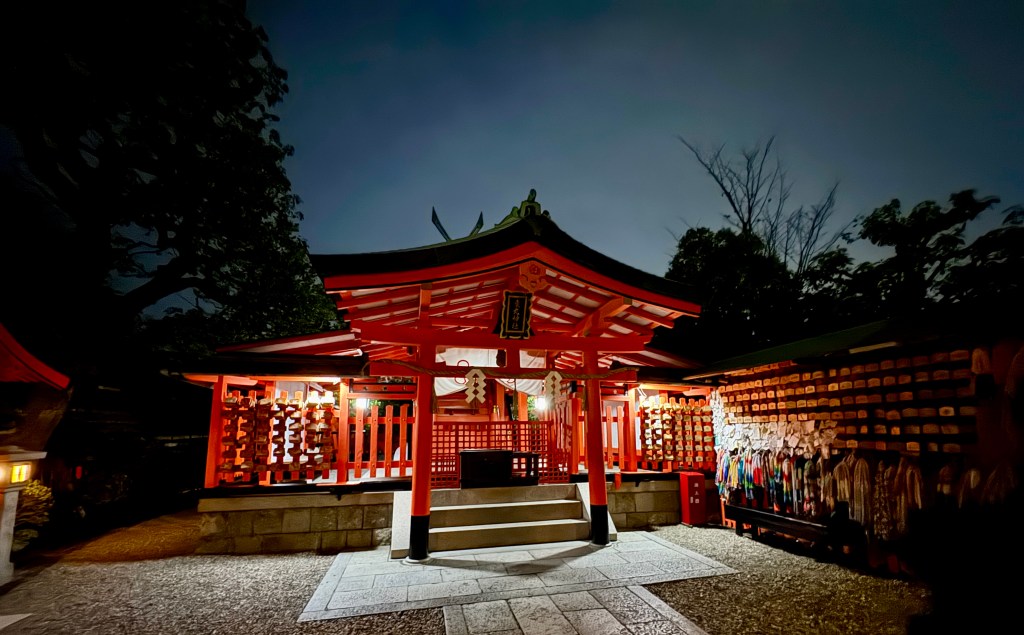
Fushimi Inari is open 24/7 and lanterns decorate the Senbon Torii section – feels very different at night – magical. This was our final stop before heading back to Kobe where the ship was docked overnight.
We would love to visit Kyoto again, but next time stay for 3-4 days.
 ELF Travel To ...