
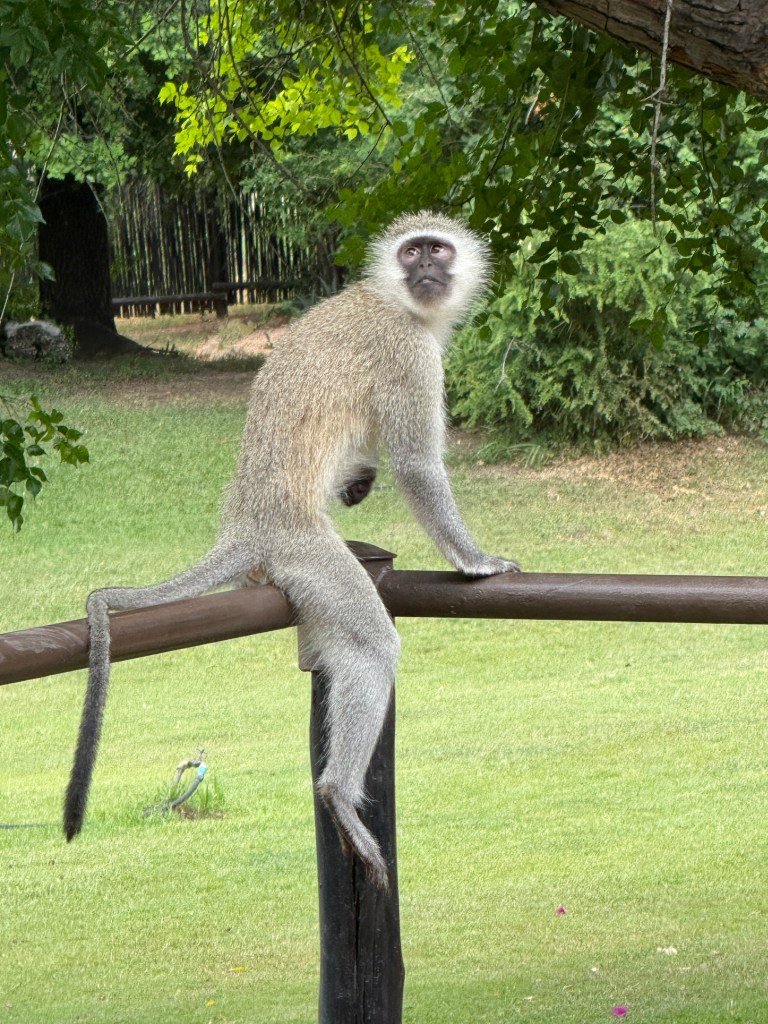
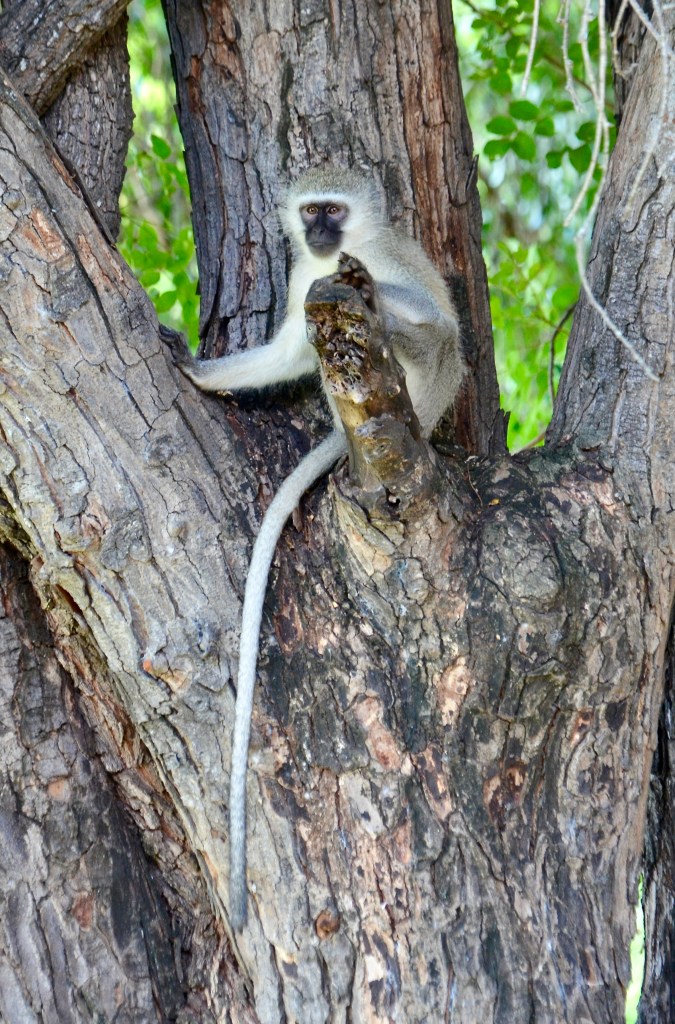
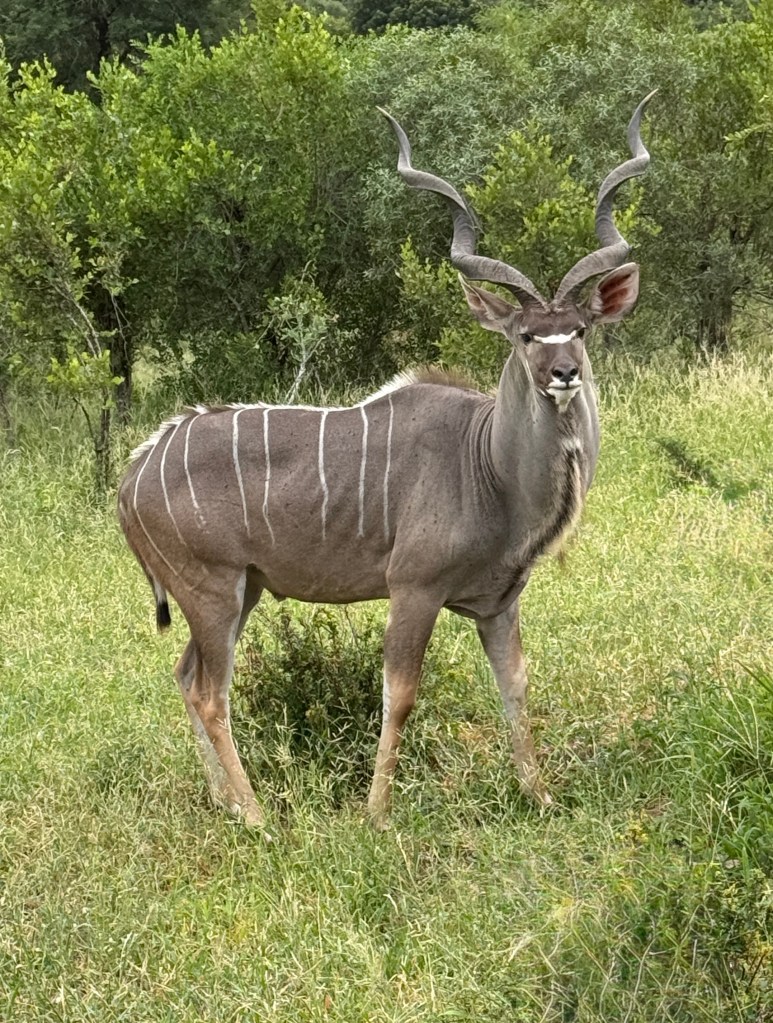
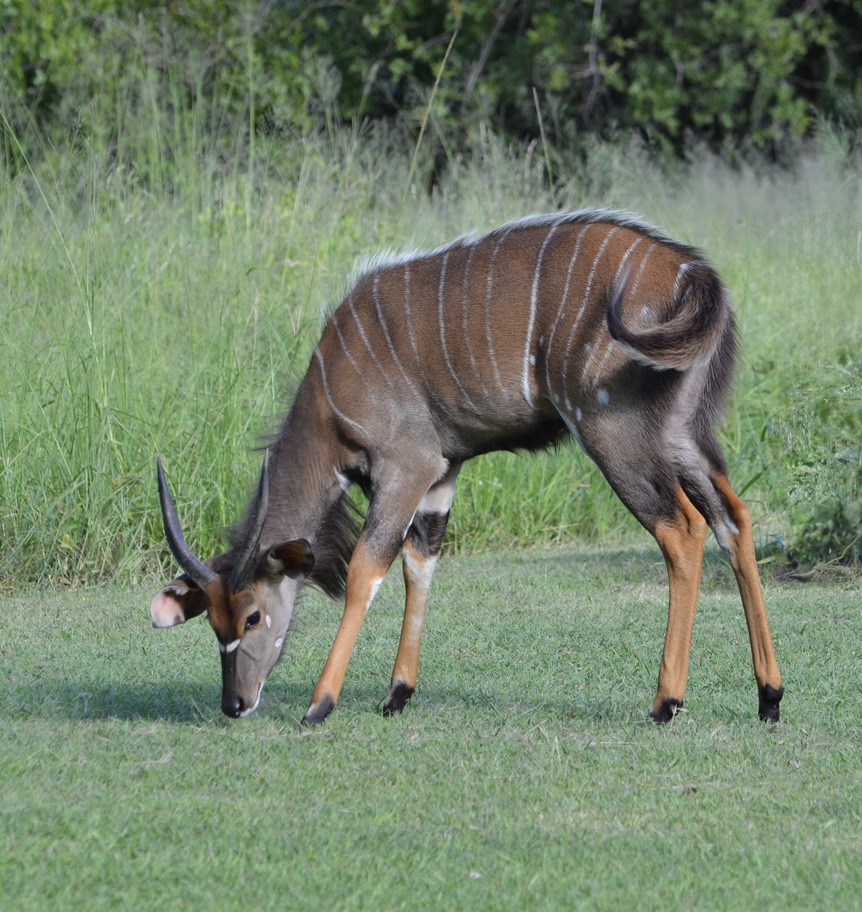
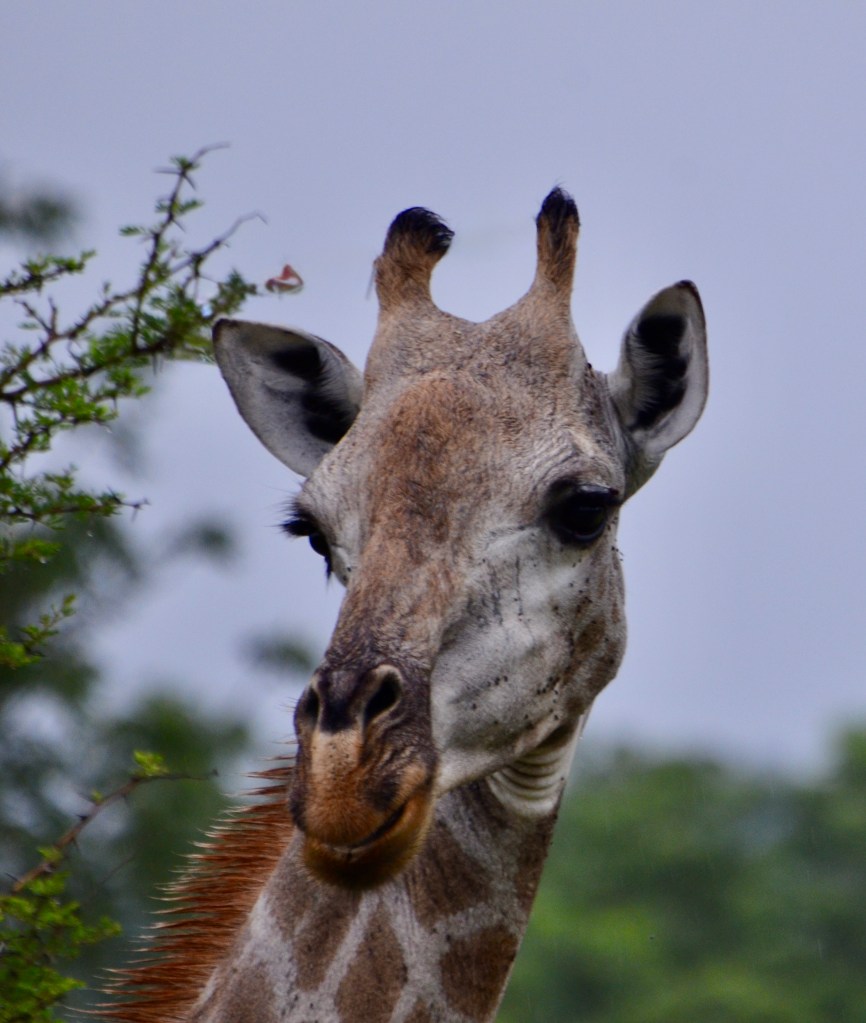
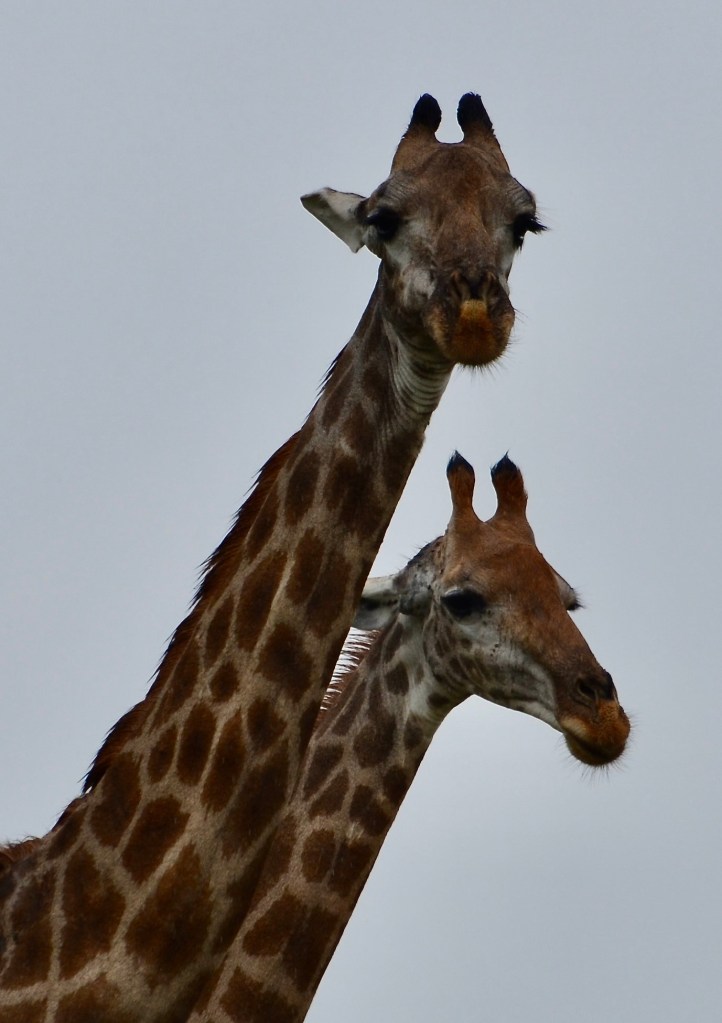
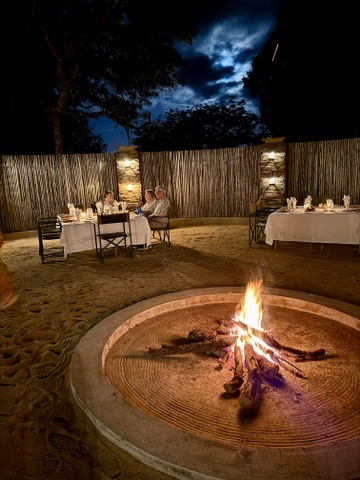
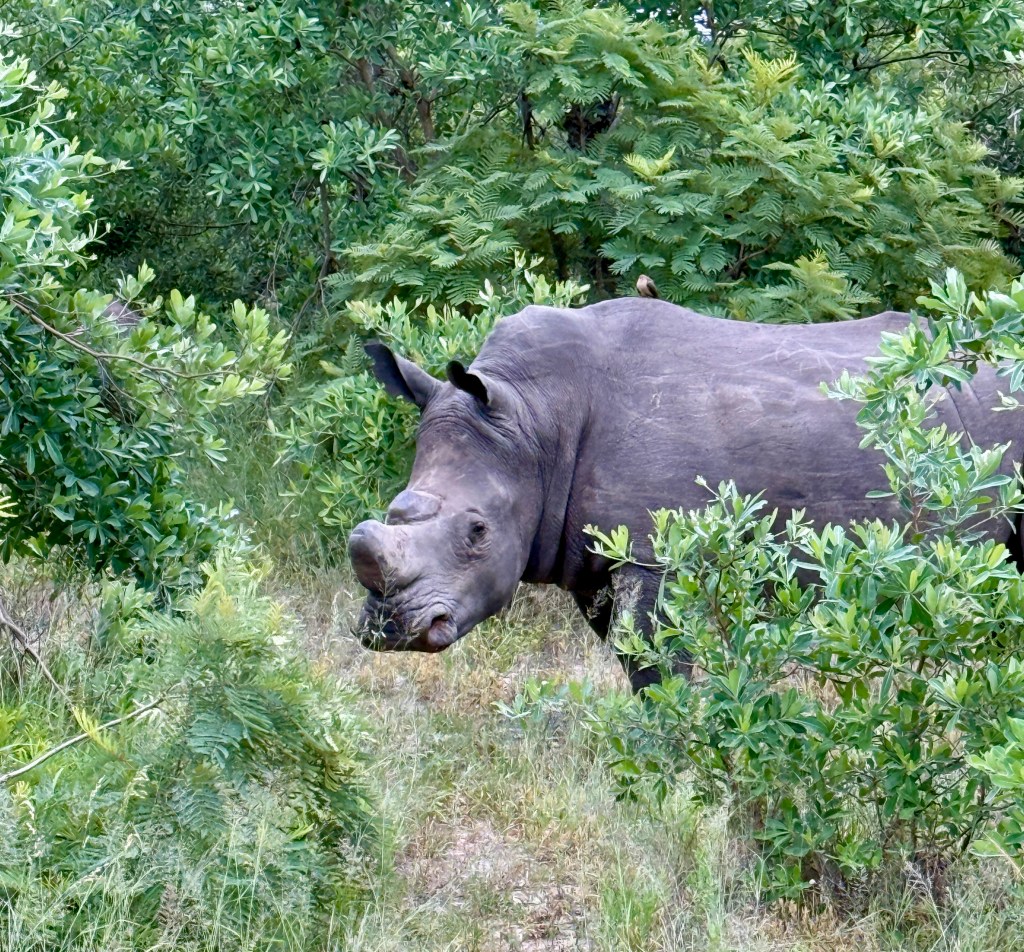
This post will be mainly photos of our time at Inyati. Even when we were not in the safari vehicle, we saw wildlife around the lodge.
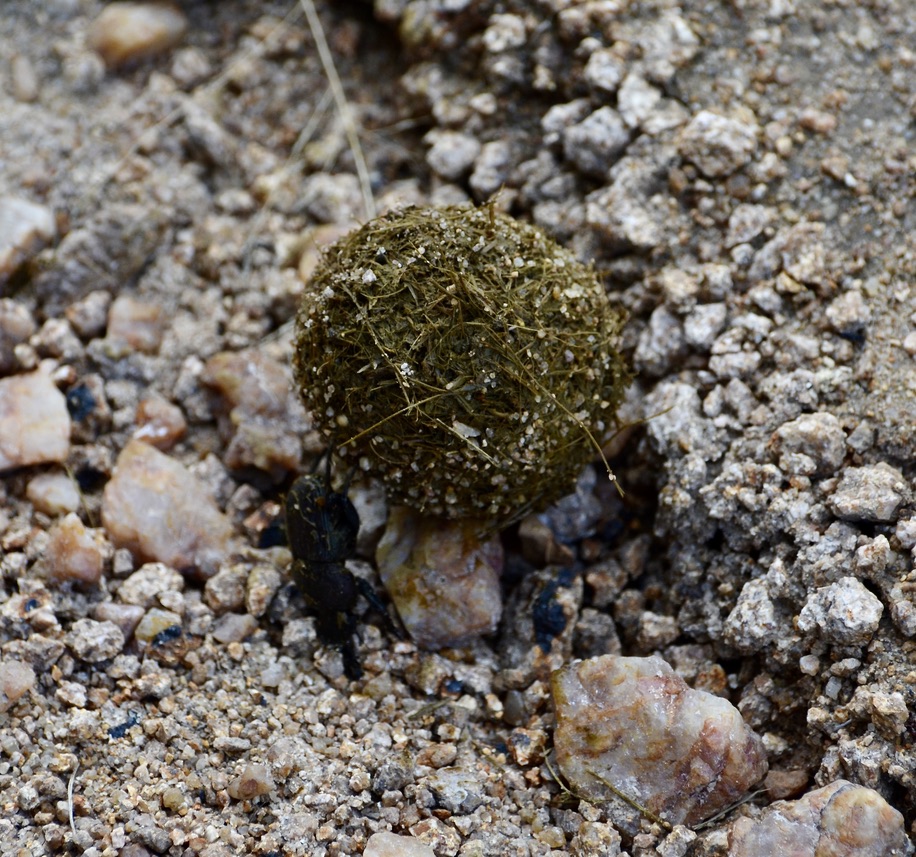
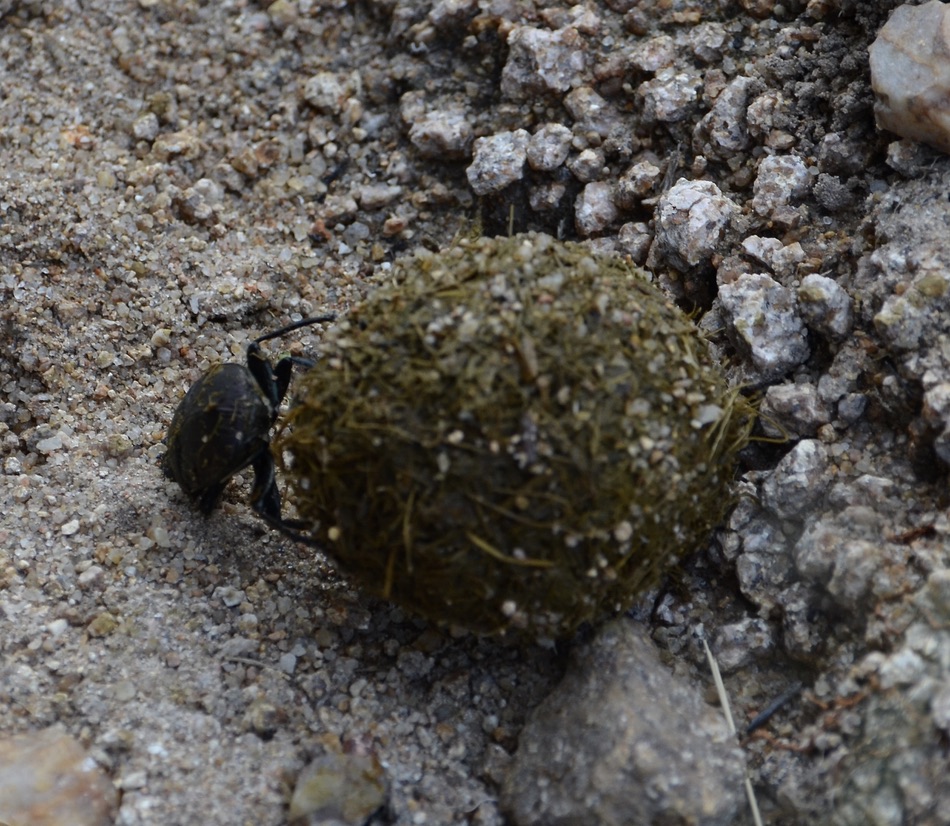
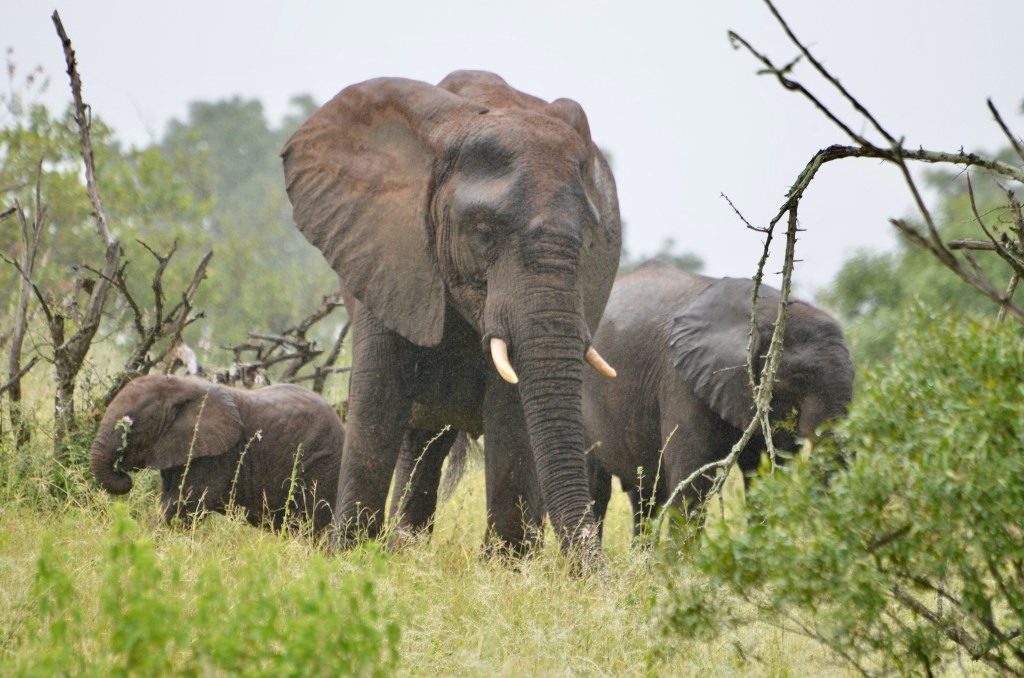
As mentioned, elephants are voracious eaters so it is not surprising that they produce massive amounts of dung. In fact, an elephant can produce up to 150kg (330 pounds) of dung daily. This is where dung beetles come in. These beetles depend on dung for food, both for themselves and their larvae. They roll balls of dung and push them to a suitable spot. Once they find a good location, they dig a hole, place the dung ball inside, and cover it up. Sometimes, they stack several dung balls on top of each other before sealing the hole. The larvae will hatch, feed on the dung, and eventually turn into adult beetles.
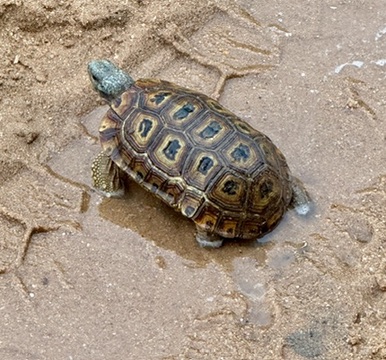
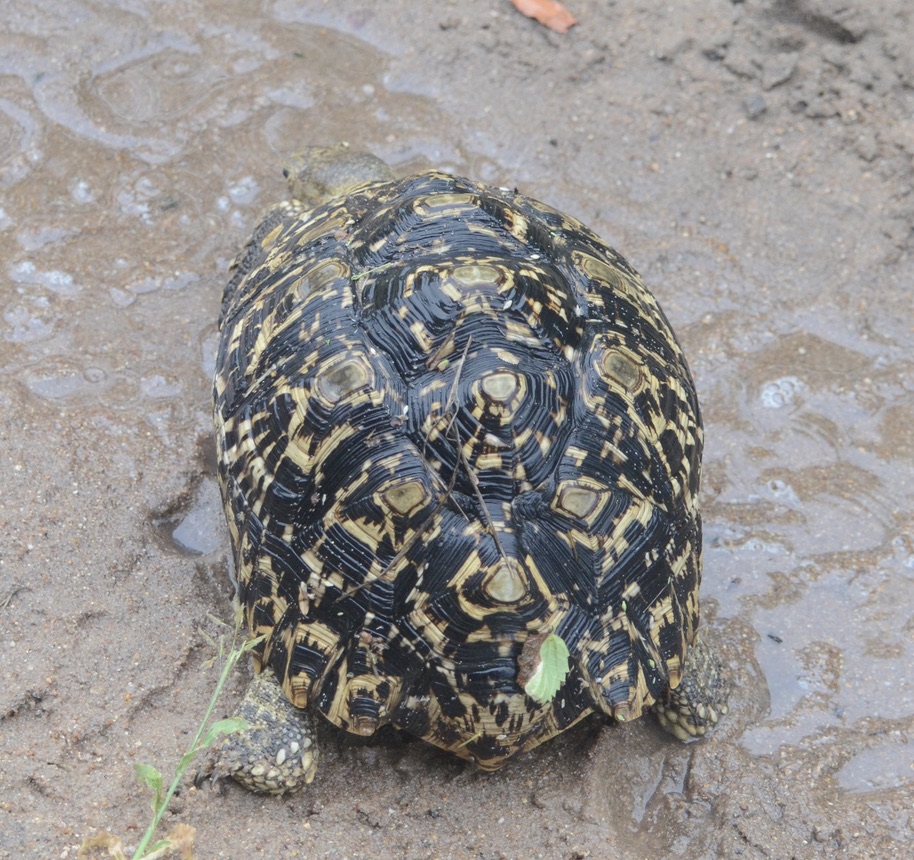
Two types of Tortoise: Angulate Tortoise on the left and the Leopard Tortoise on the right.
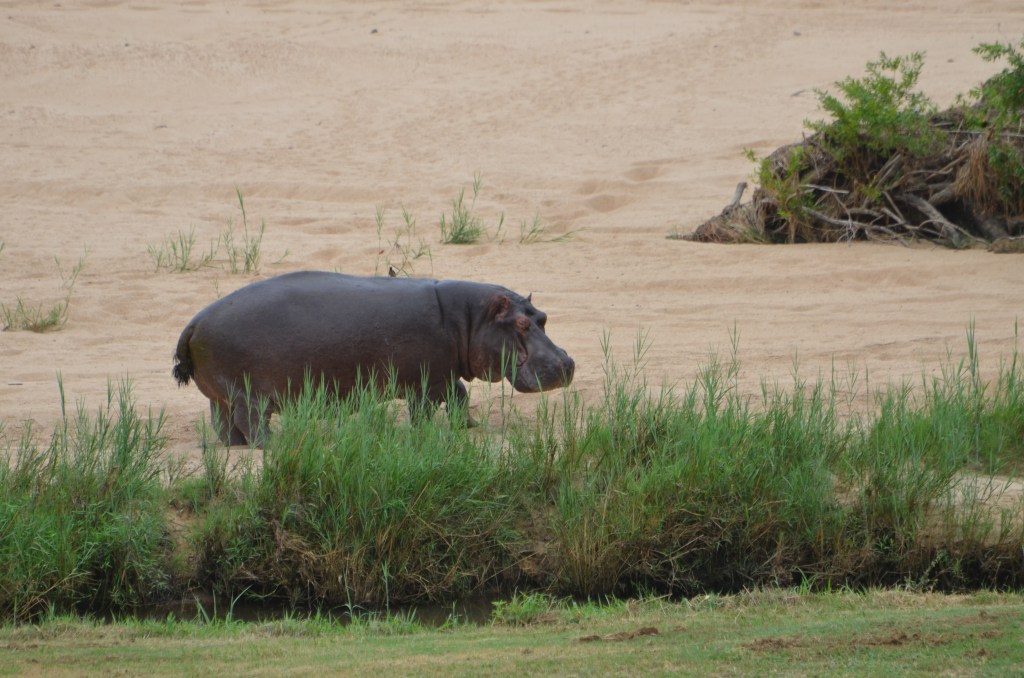
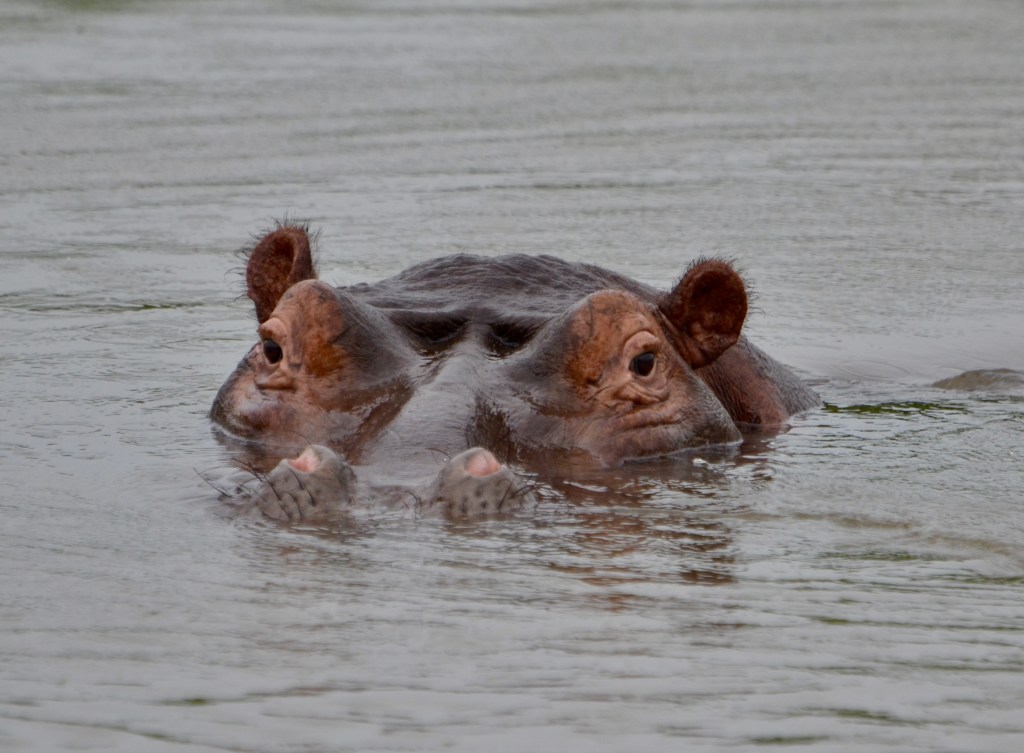
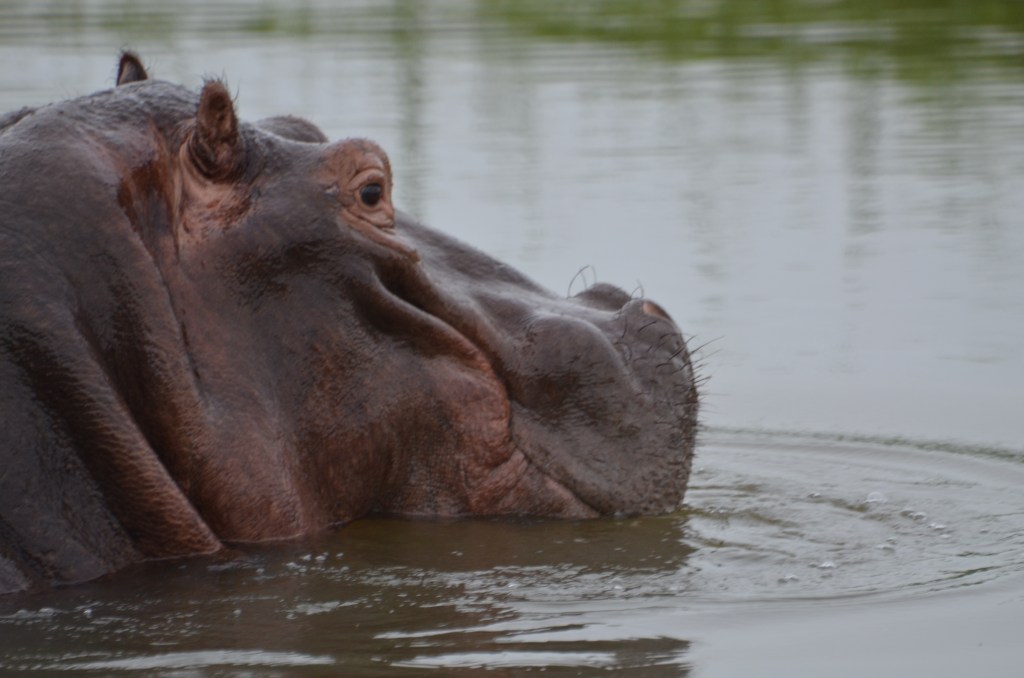
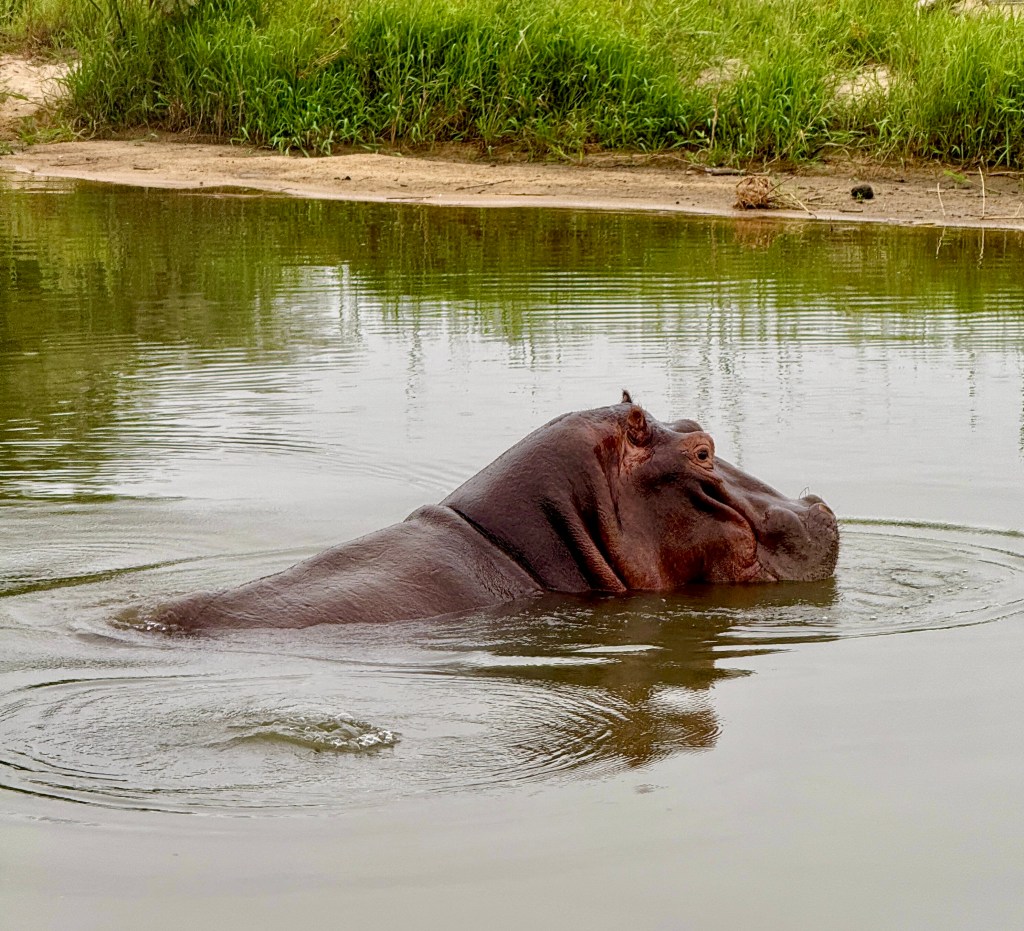
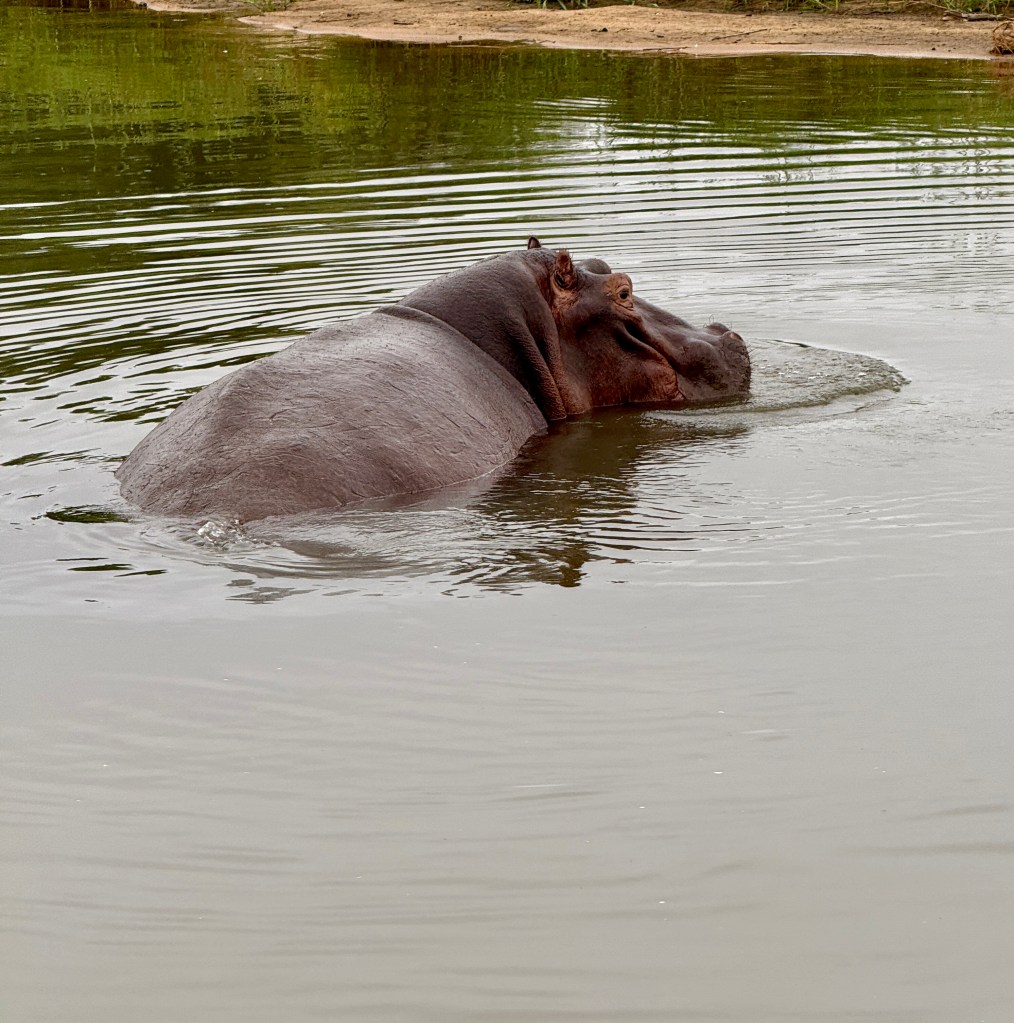
Hippos are the third-largest land mammal, after elephants and white rhinos, weighing in at around 1,480 kg (3,260 lb) for bulls/males. During daylight hours, hippos spend almost all of their time in shallow water so it is always special when we spot them. Once the sun goes down, hippos come out of the water for grazing—hippos eat an average of only 88 pounds (40 kilograms) of food a night which doesn’t seem like a lot based on their weight.
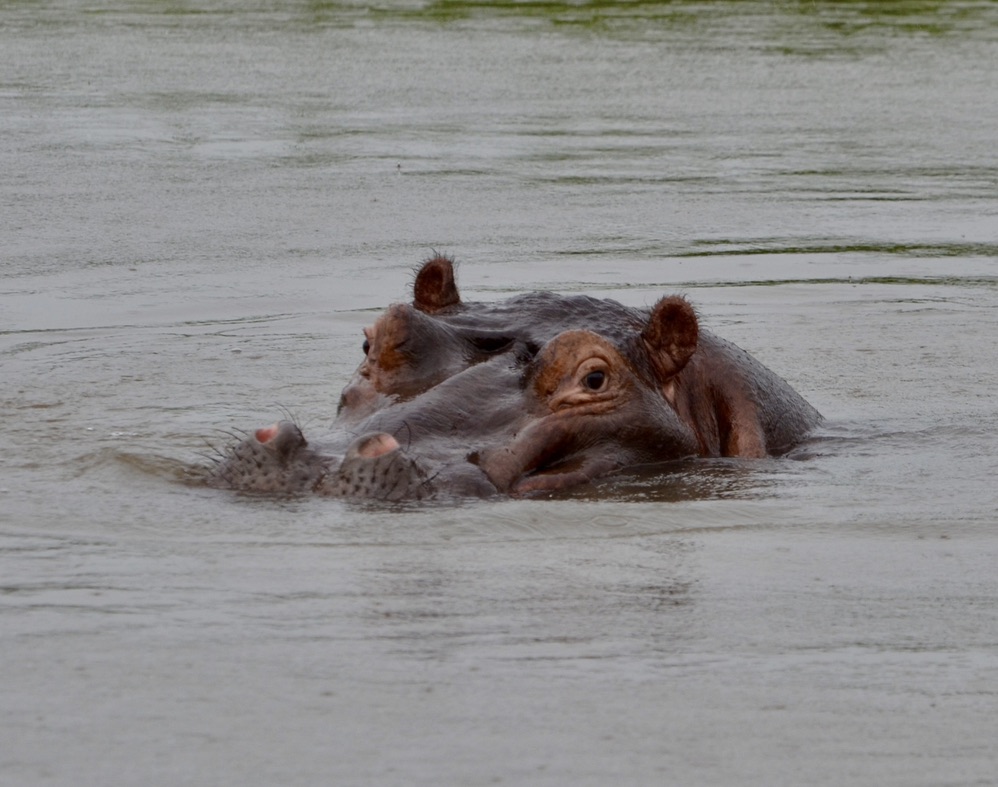
Although hippos spend most of their time in the water, they can’t swim. Their bodies are too dense to float, so they move by pushing off the riverbed or walking along the bottom in a slow-motion gallop. While they don’t look like they could move quickly, hippos are surprisingly fast both in the water and on land.
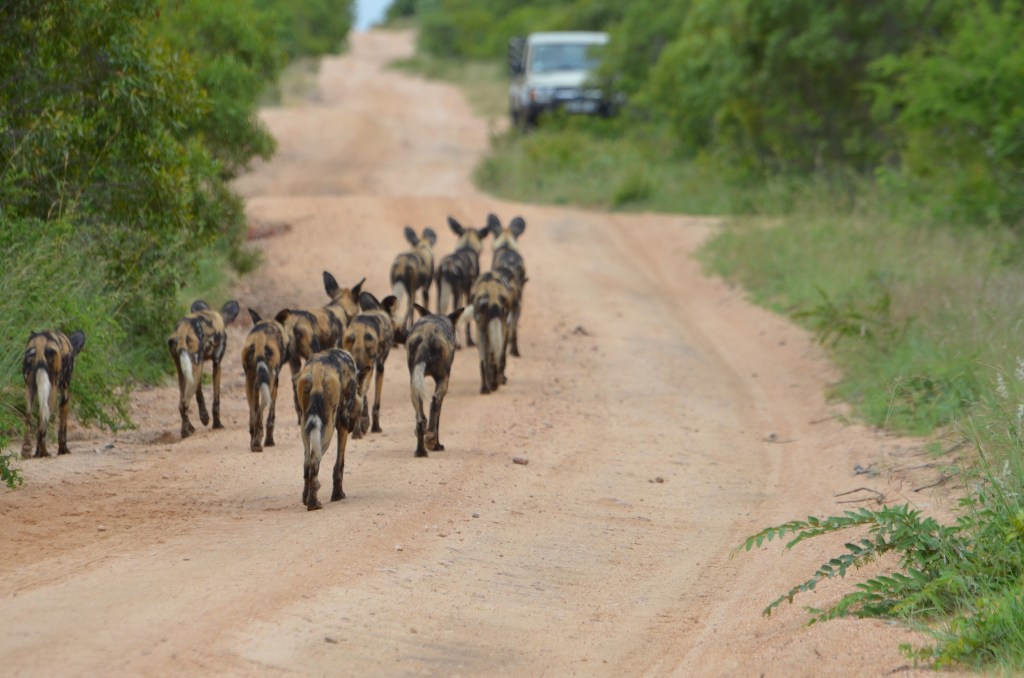
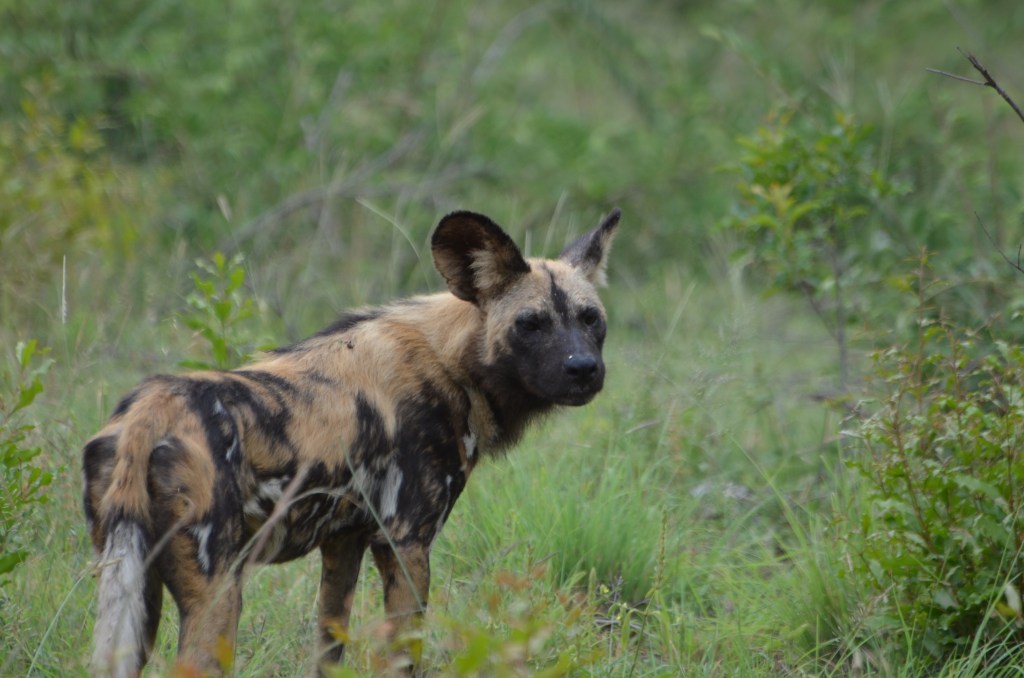
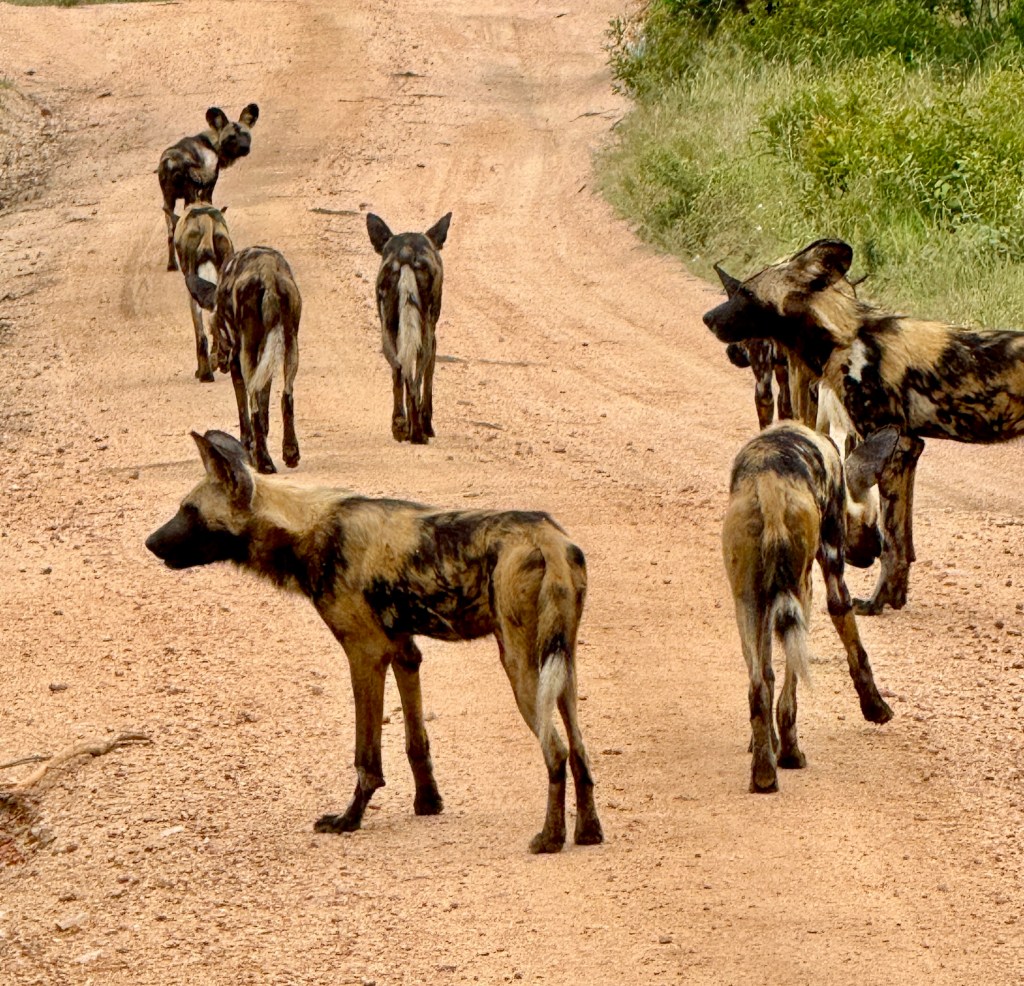
The wild dog is one of the world’s most endangered mammals, so Roger was happy to spot them again after weeks without a sighting. They live in packs of 10 to 20 and are always on the move which makes them difficult to photograph. When they sprint, they can reach speeds over 44 miles per hour, making it impossible to keep up with them in the bush (although we tried).
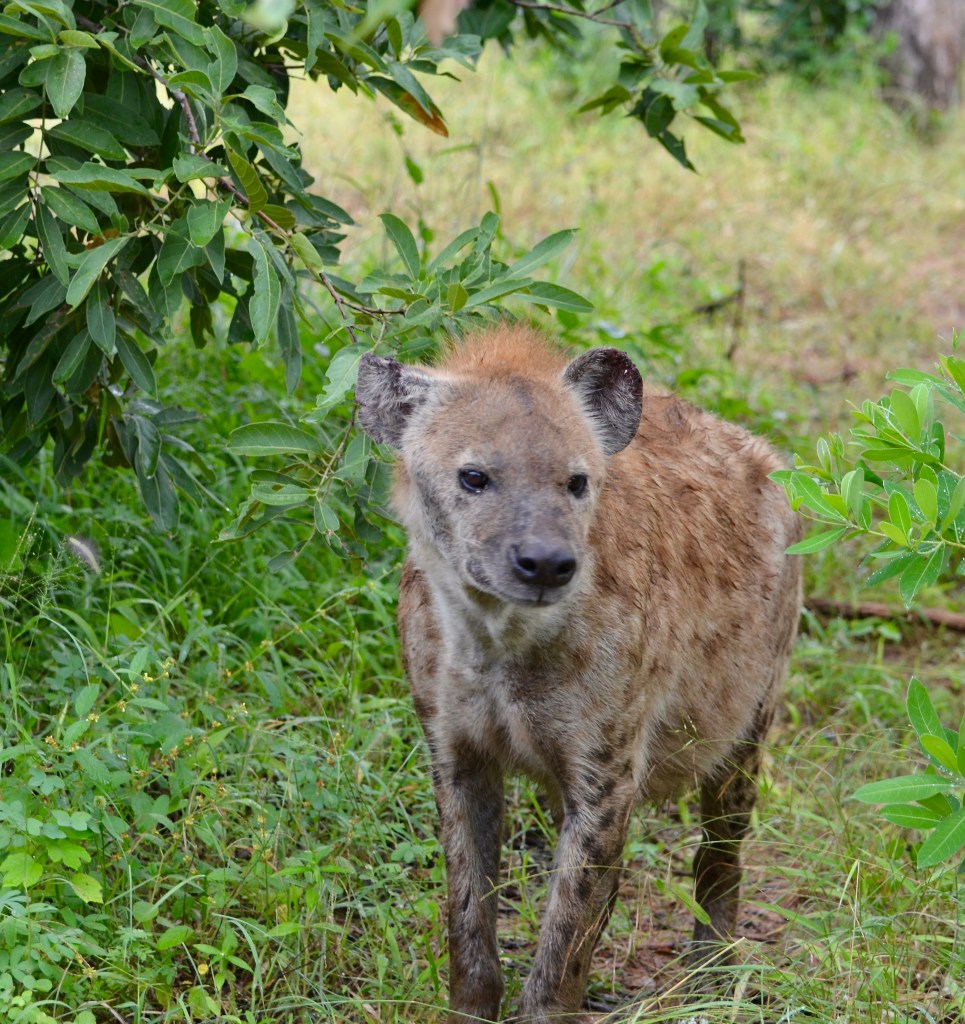
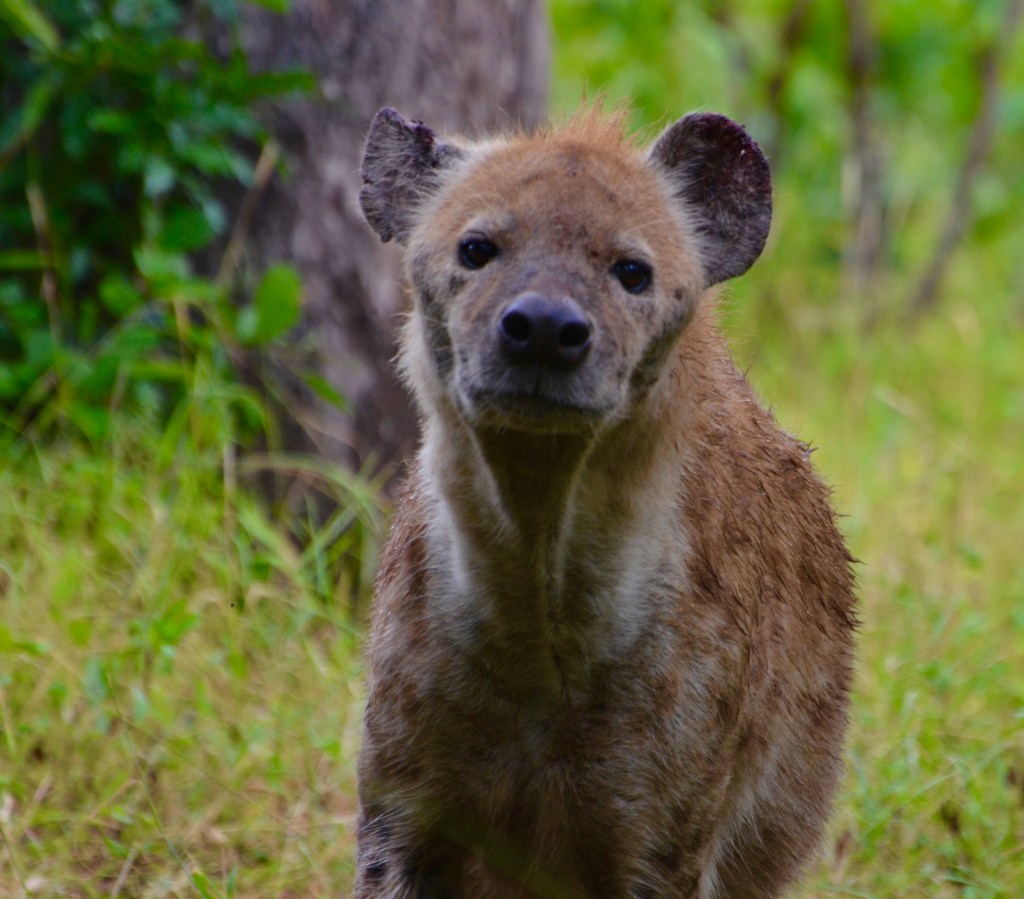
The spotted hyena, with its distinctive sloping back, is part of the dog family. Known as one of the most successful carnivores in southern Africa, hyenas are skilled at both hunting and scavenging. They often feed on kills made by other predators, especially lions and leopards.
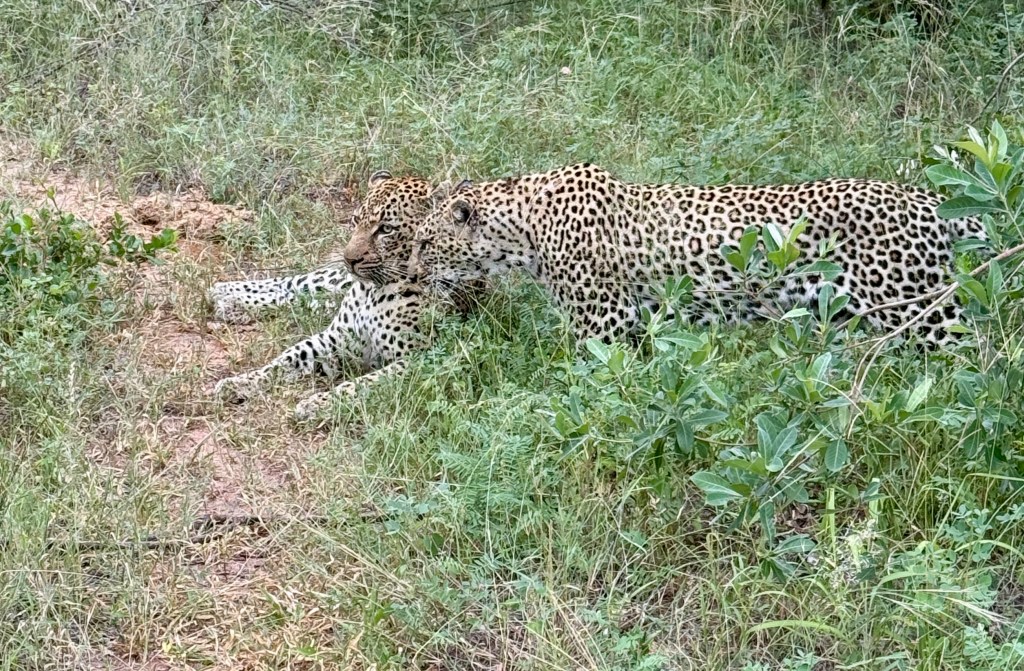
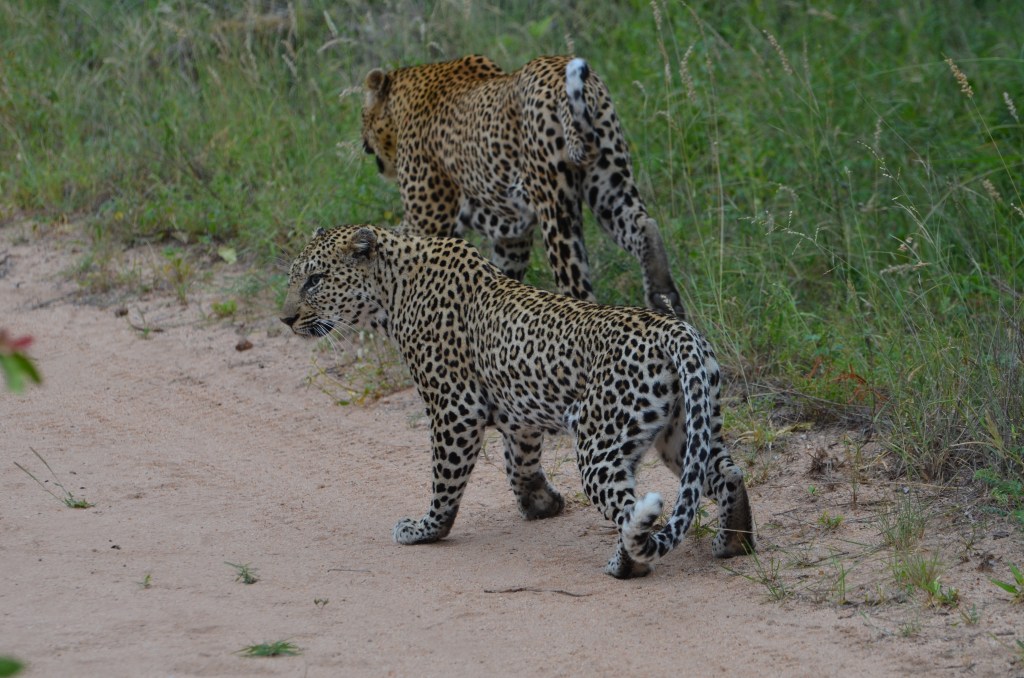
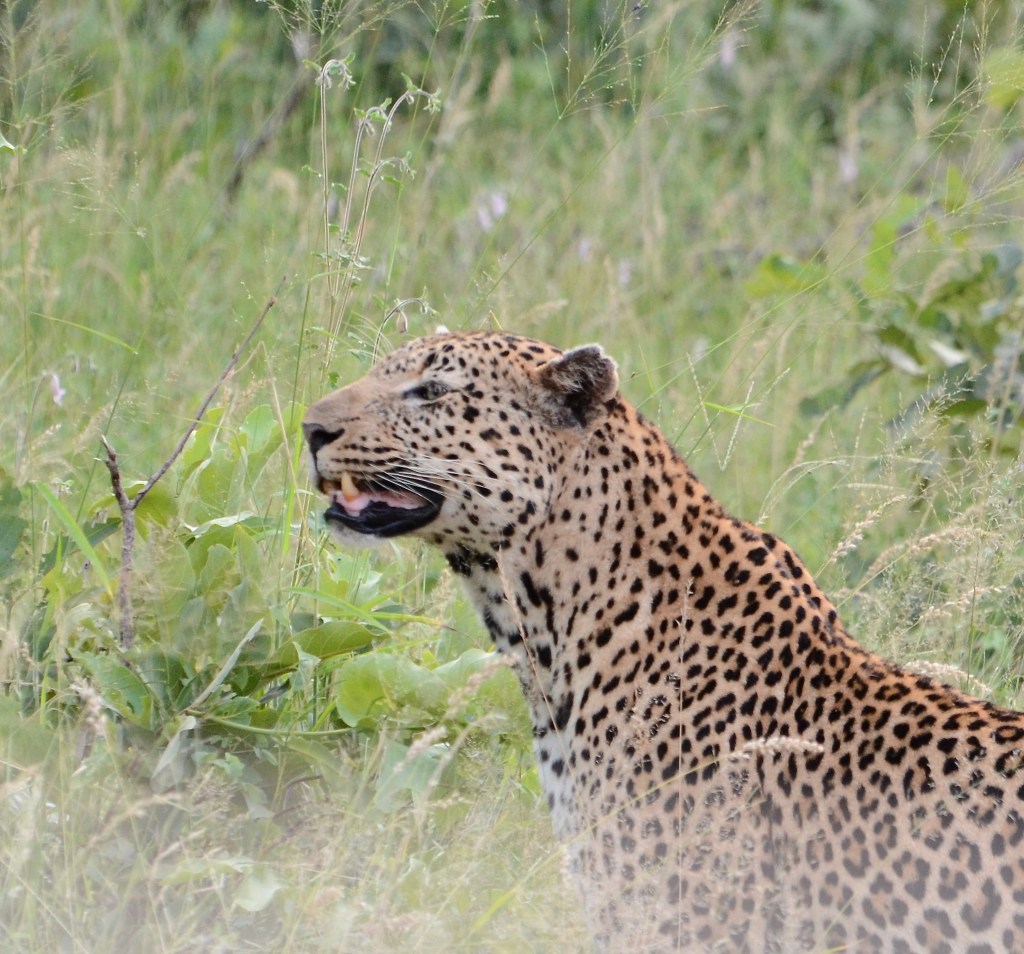
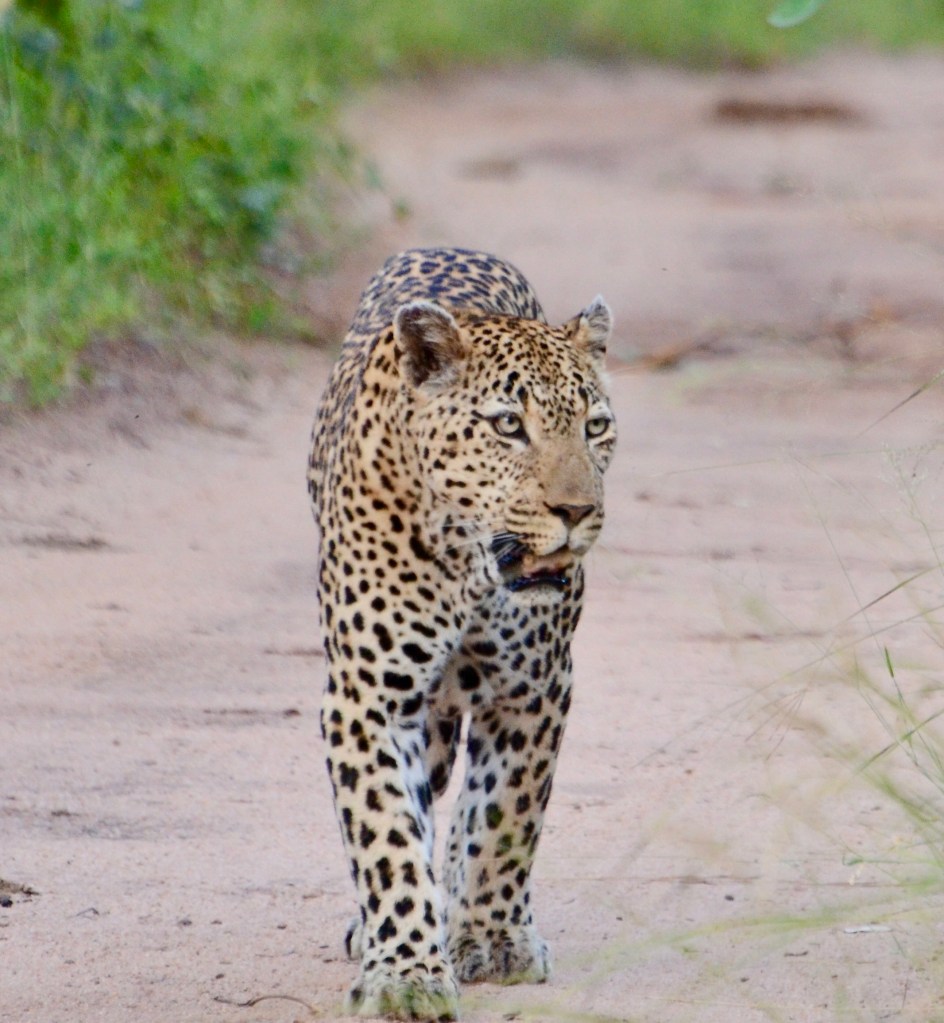
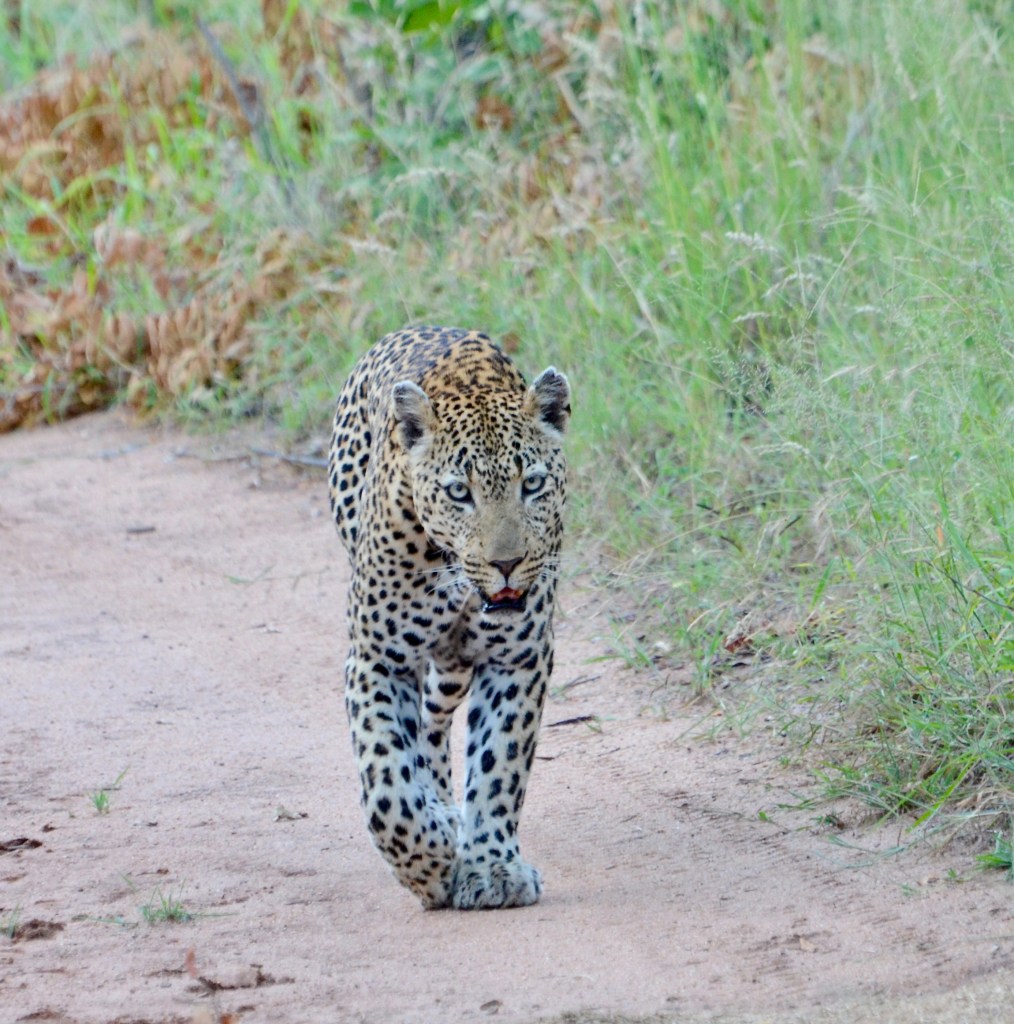
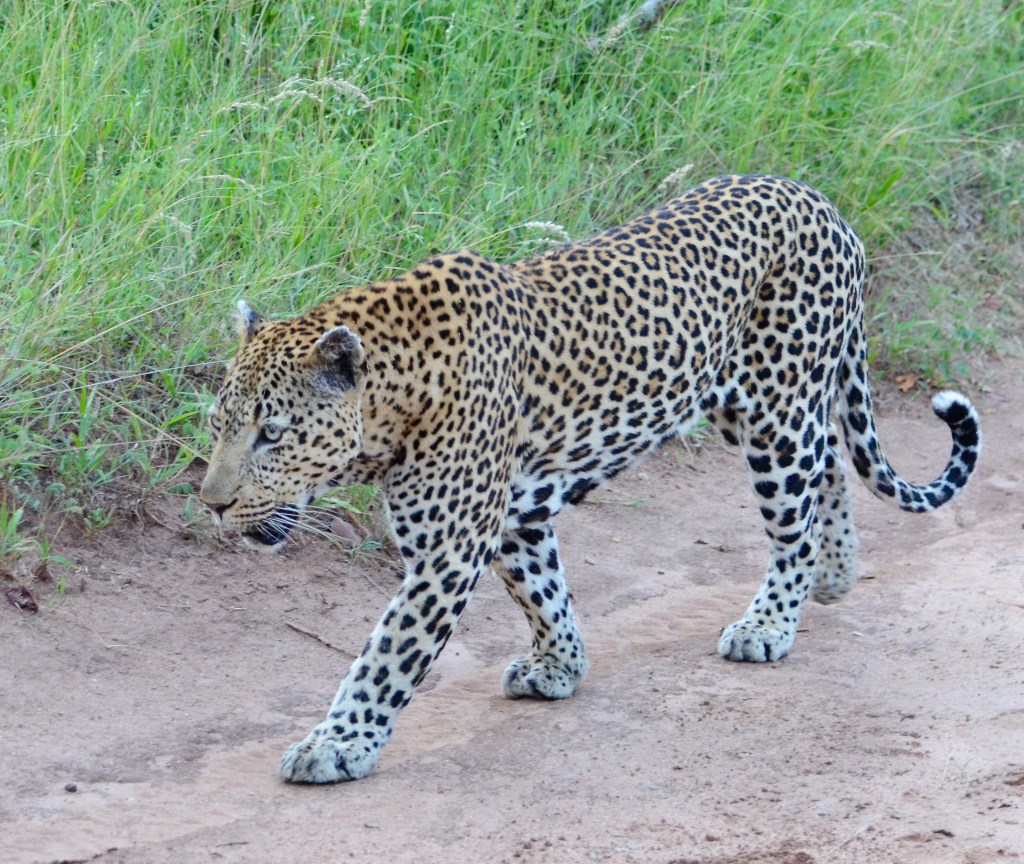
We are ending our blog with not only our favourite safari animal, but also our favourite leopard, Ravenscourt. Ravenscourt is 11 years old, which means he’s getting close to the end of his life (life expectancy is 10 – 14 years for leopards in the wild) which means we may not see him again. Roger mentioned that the young male we saw up in a tree could be the one to take over Ravenscourt’s territory.
Although difficult to locate Ravenscourt, it is always special to spend time with this amazing leopard.
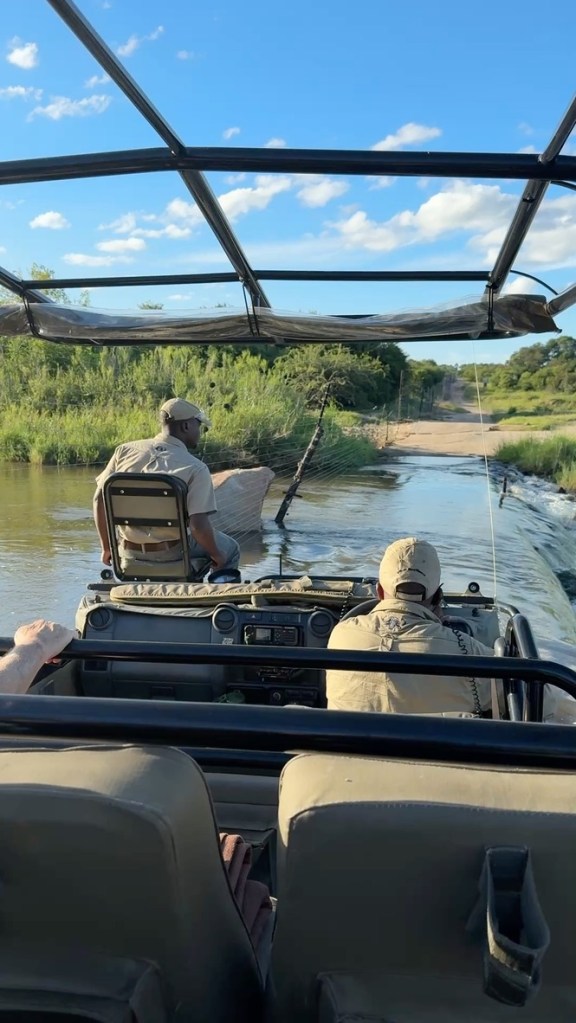
This ends our time in Inyati. Thank you Wendy and Gord for joining us – so many incredible memories.
 ELF Travel To ...