
We knew before we booked the cruise that cruising to Cape Horn National Park is only possible if both the weather and sea conditions permitted safe passage. At the Welcome Reception, the Captain said it looked hopeful but the final decision would not be made until around daybreak. At 6:00 a.m. we were told to go to the meeting area to receive our zodiac instructions – we were going ashore at Cape Horn National Park.
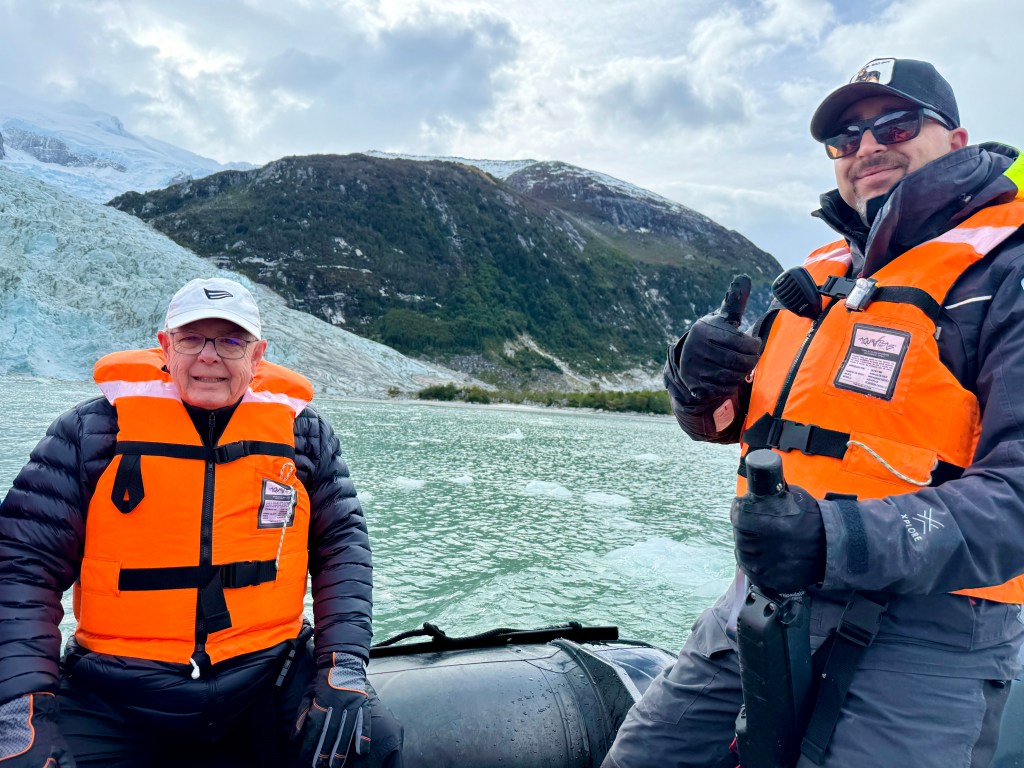
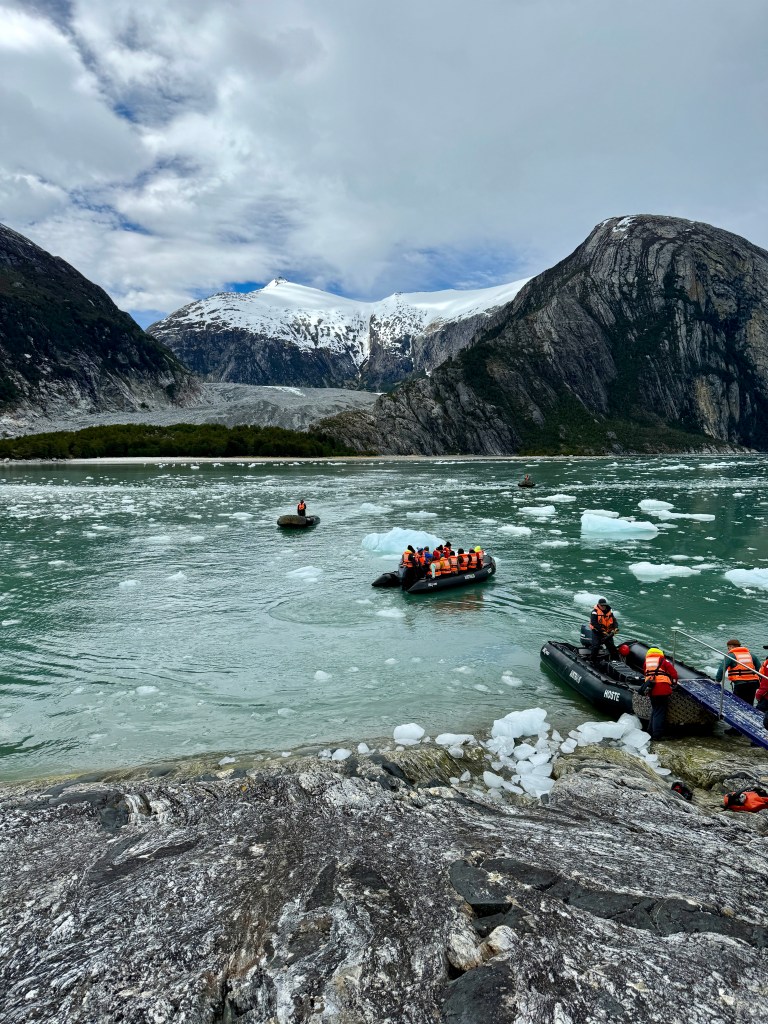
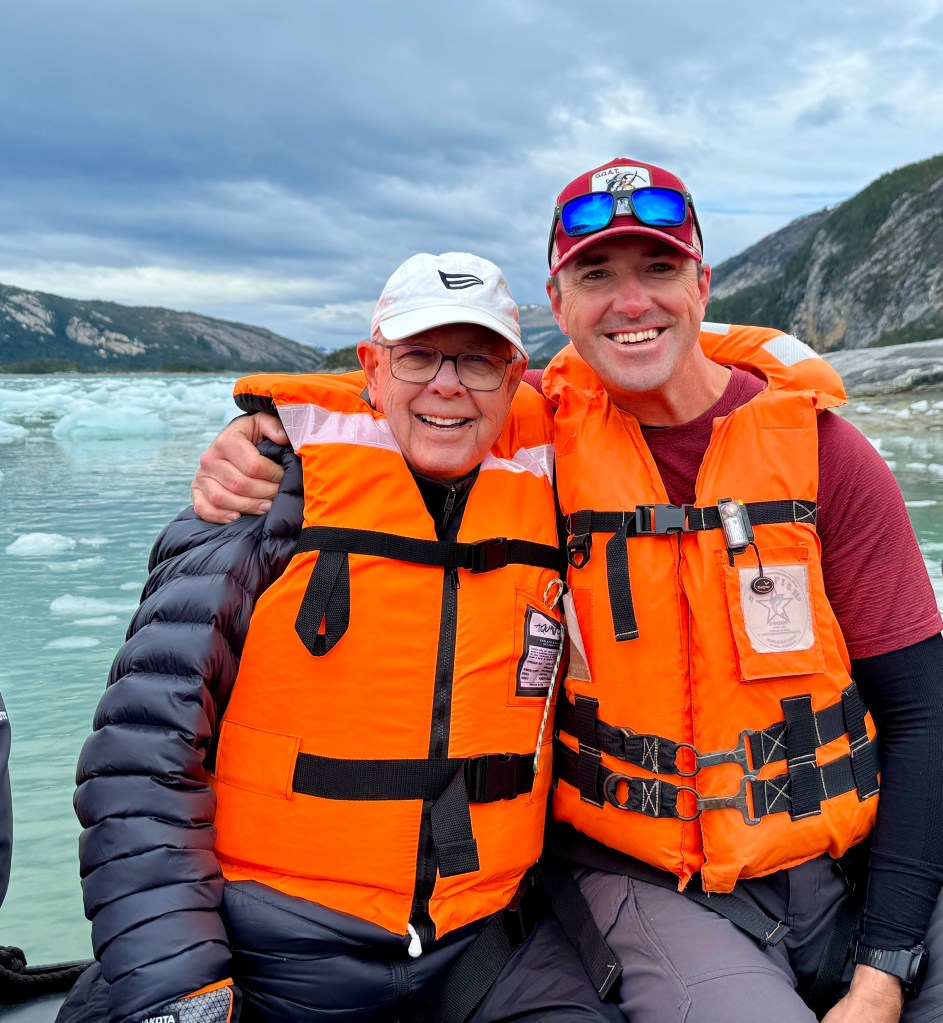
The Australis Expedition Guides gave very specific instructions for boarding the zodiacs – they described it as a “cha, cha, cha” (always 3 steps when boarding or disembarking from the zodiac). The second step was always stepping on the rubber on the front of the zodiac. The first and last step were either a ladder or walkway. There was no walking once in the zodiac – bum on the rubber and slide down was the way to move. Guides were there to help with entry and exit – the key here was to grab the guide forearm to forearm (not by the hand). It worked really well for our 2 zodiac rides a day (morning and afternoon). Normally the zodiacs took us to shore, but twice they were used to get us close to the glaciers (a tour by zodiac).
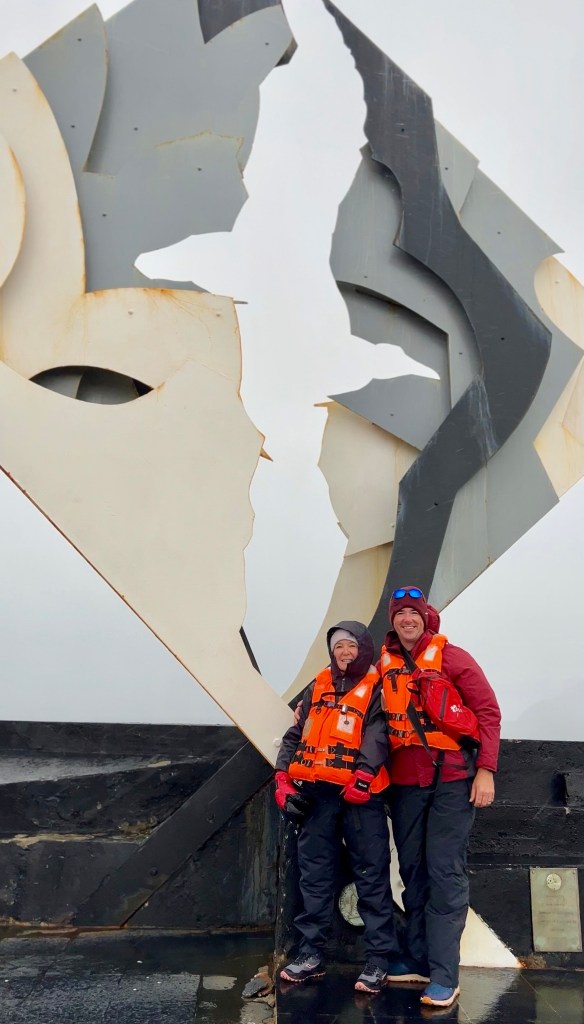
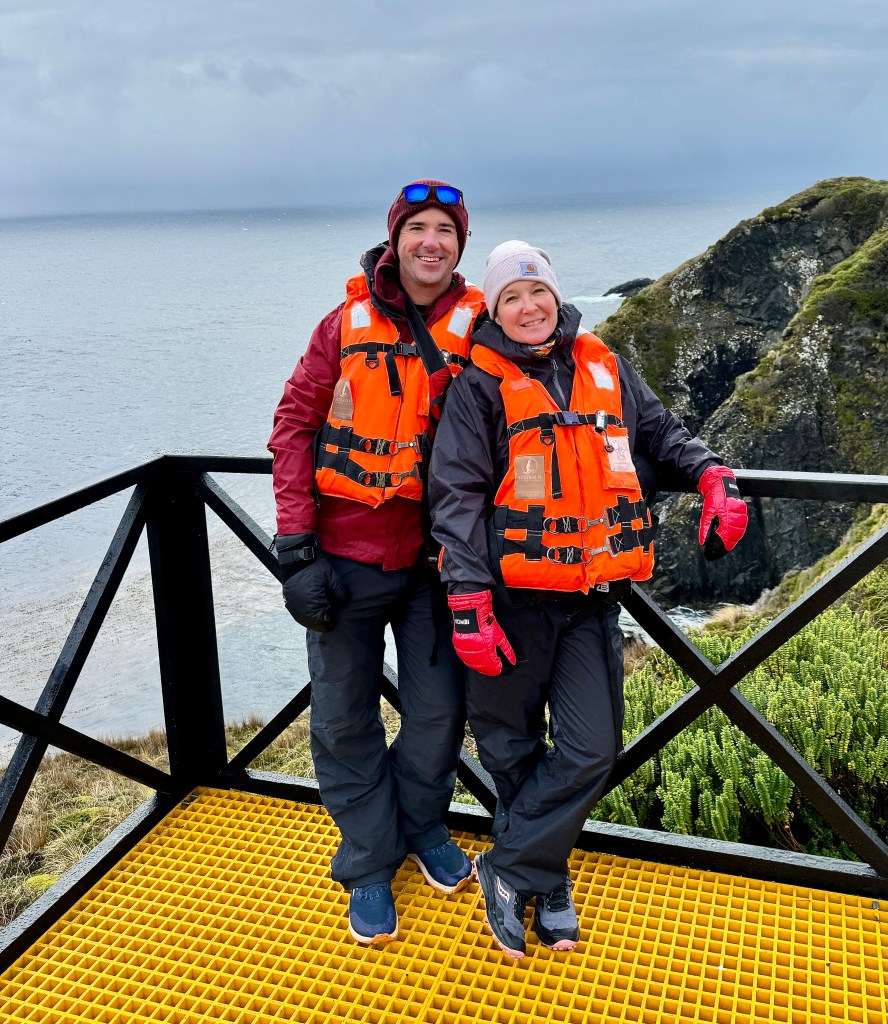
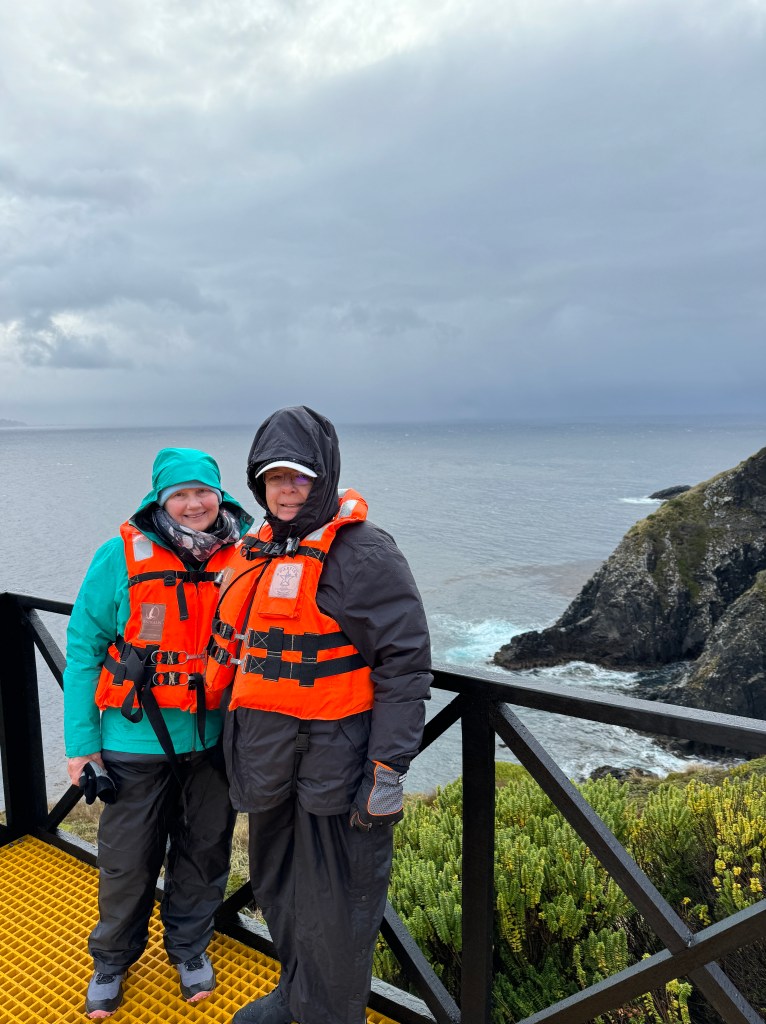
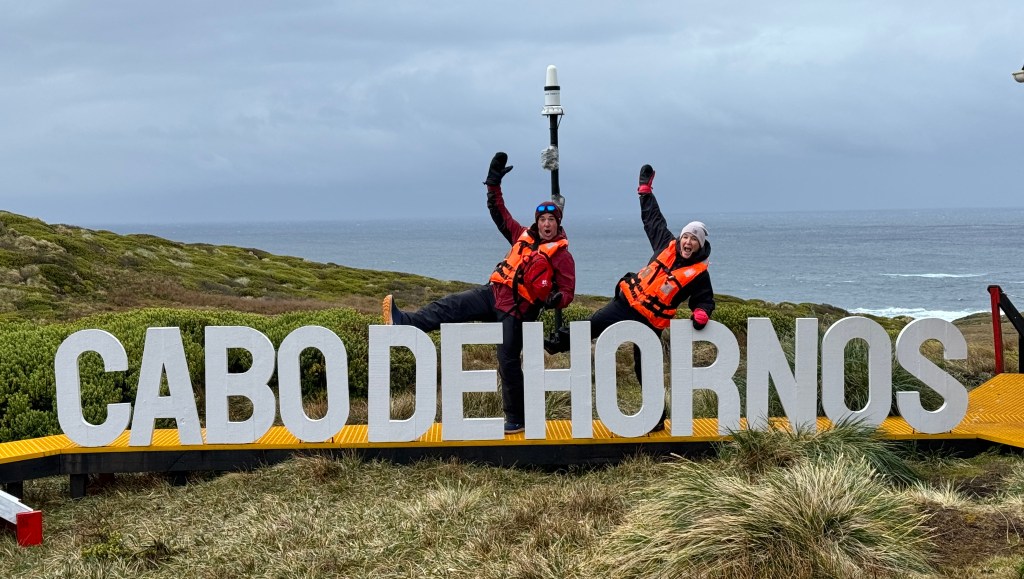
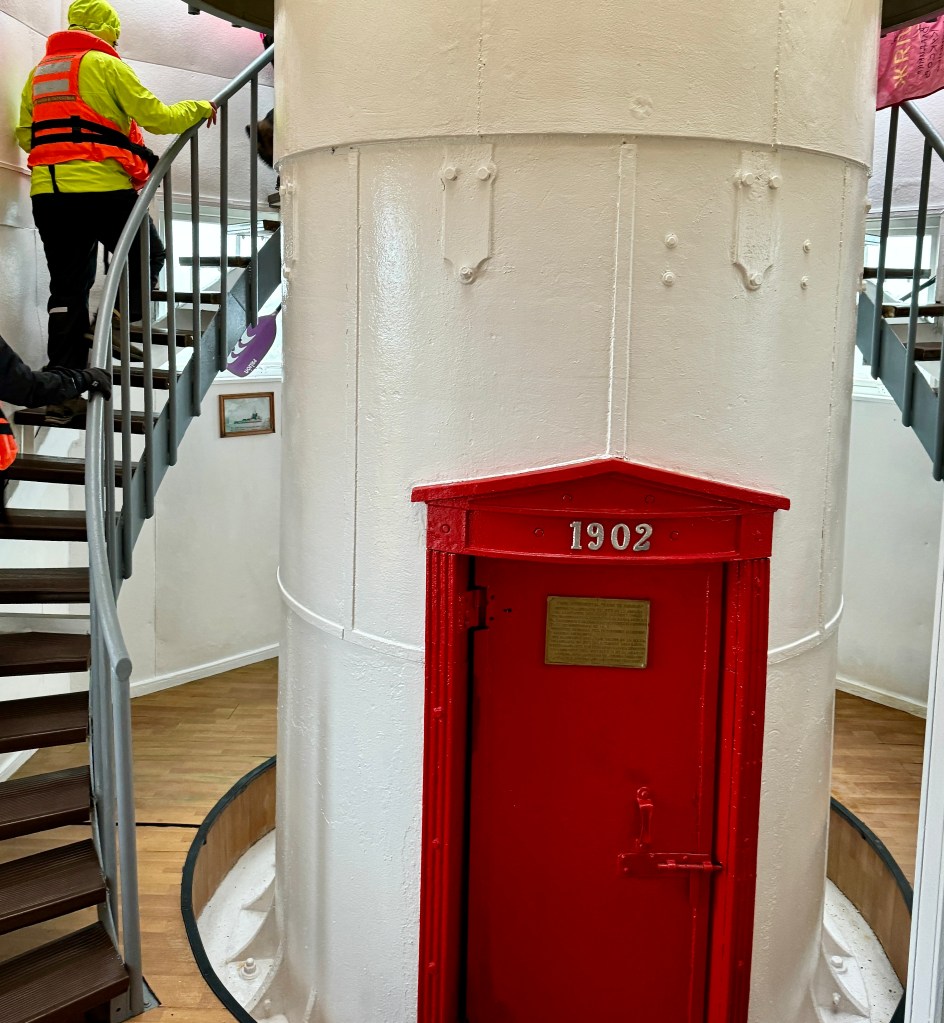
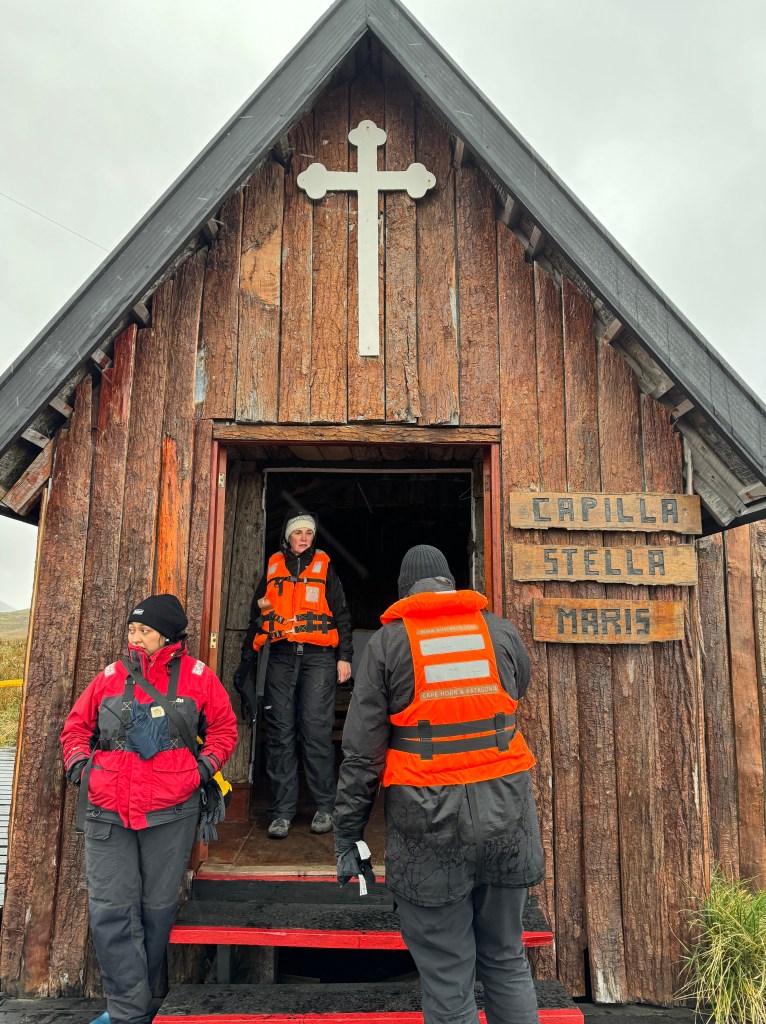
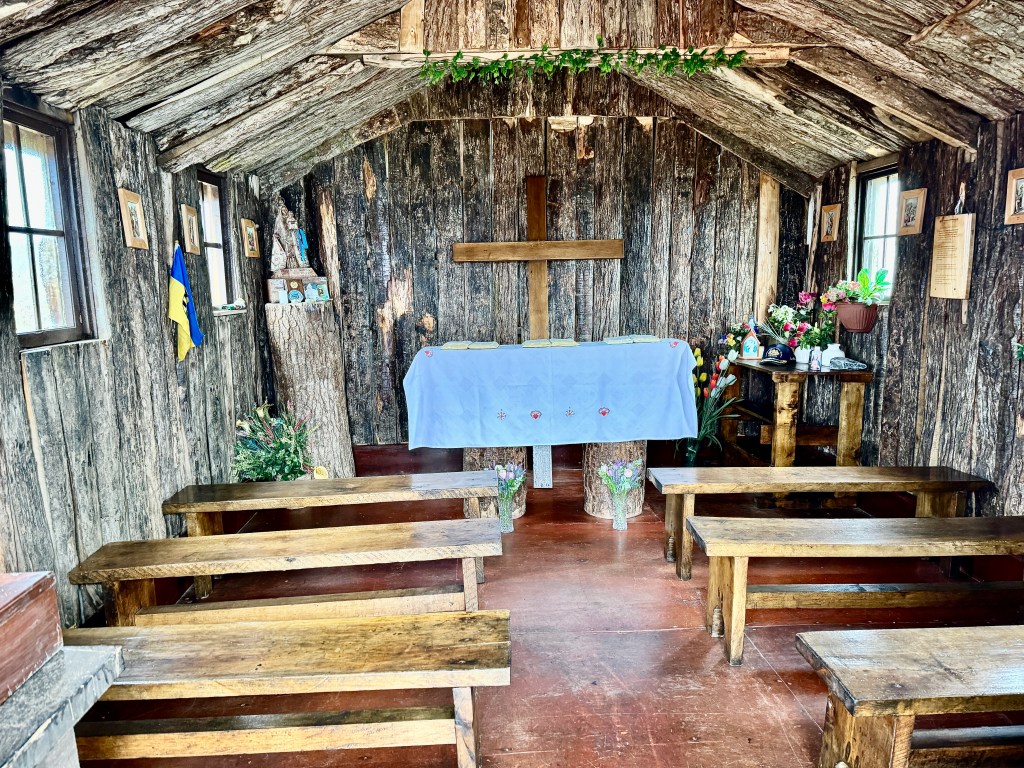
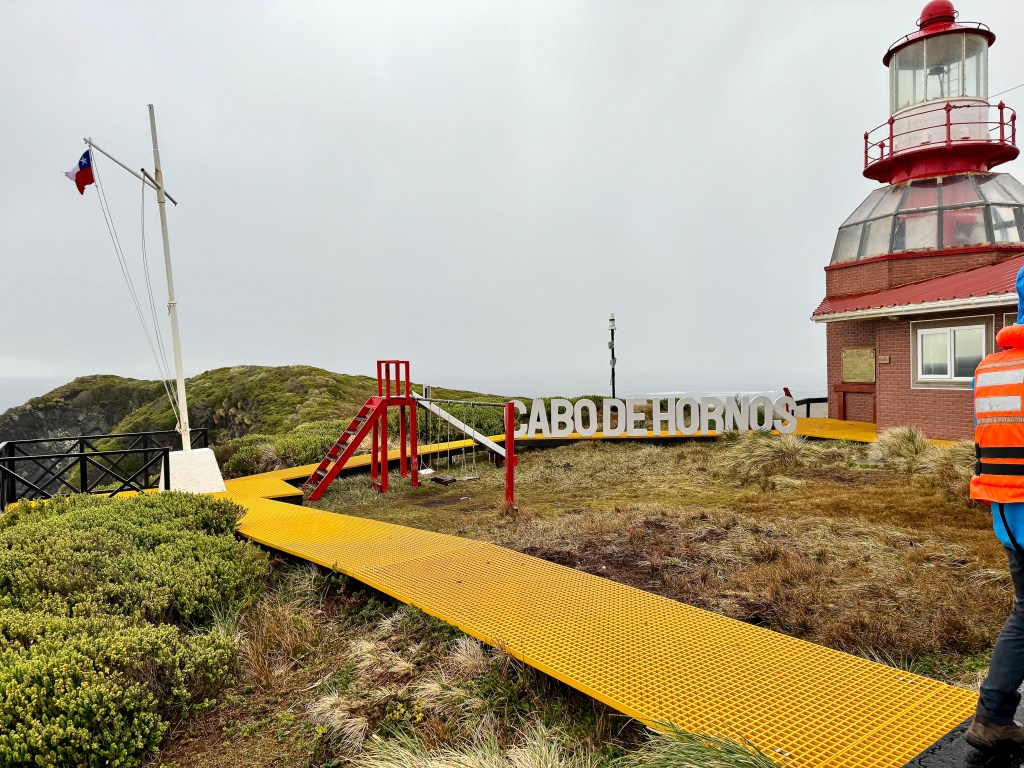
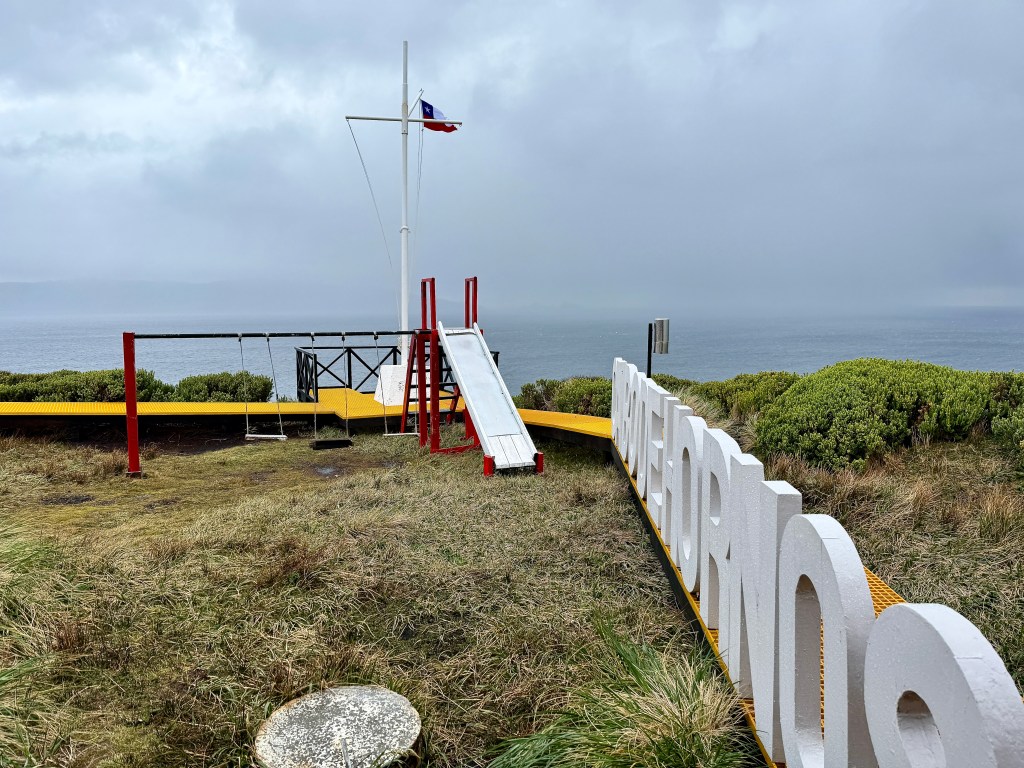
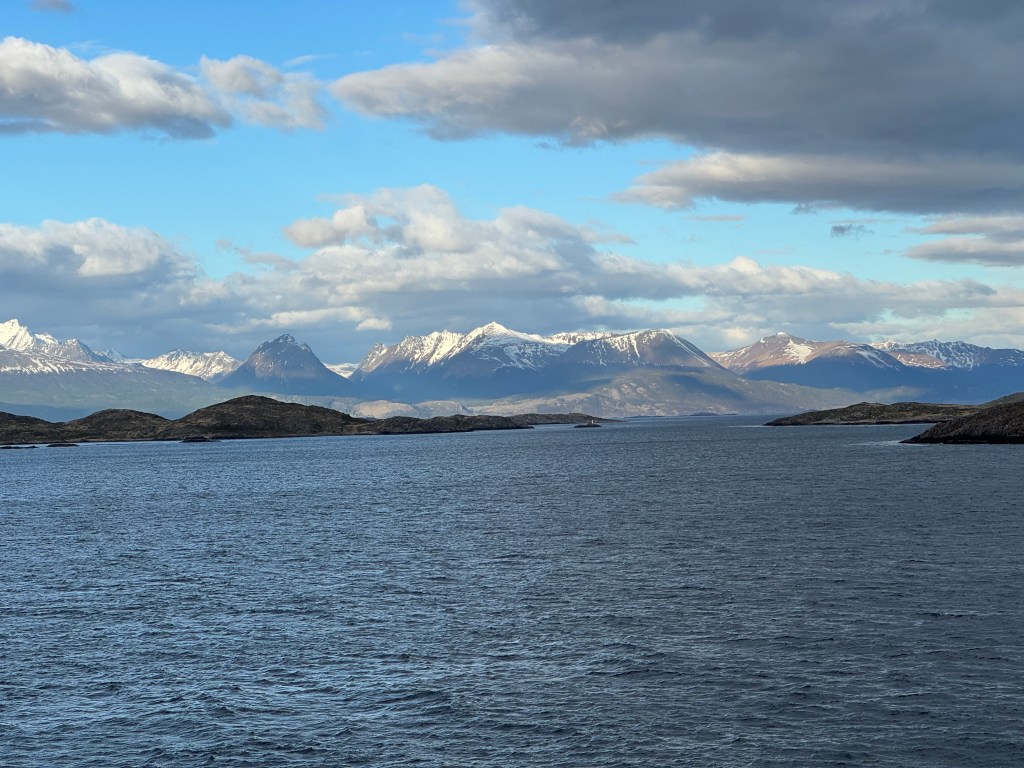
Now for our early morning Cape Horn adventure. Australis crossed Nassau Bay and entered the remote archipelago that comprises Cape Horn National Park. You will see from the pictures that it is a windswept island that harbours the legendary Cape Horn (Cabo de Hornos). Cape Horn is a sheer 425-meter (1,394-foot) high rocky promontory overlooking the turbulent waters of the Drake Passage. For many years it was the only navigation route between the Pacific and Atlantic. The park was declared a World Biosphere Reserve by UNESCO in 2005. The Chilean navy maintains a permanent lighthouse on the island, staffed by a lightkeeper and his family, as well as the tiny Stella Maris Chapel and modern Cape Horn Monument. Normally the lightkeeper stays only one year, but the current lightkeeper wanted to stay an additional year – even the Guides were surprised as it is so remote.
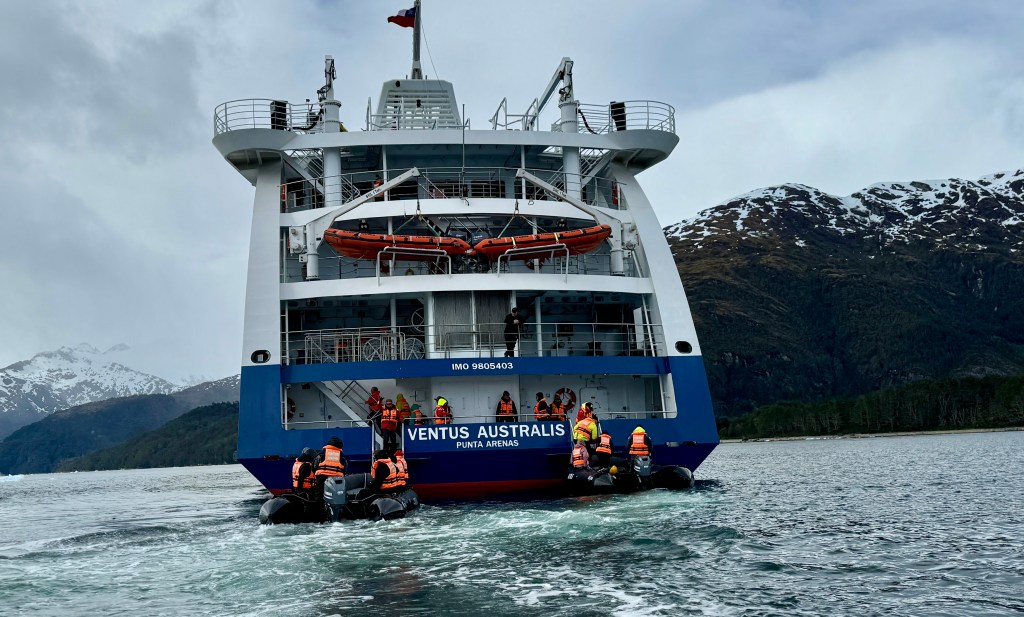
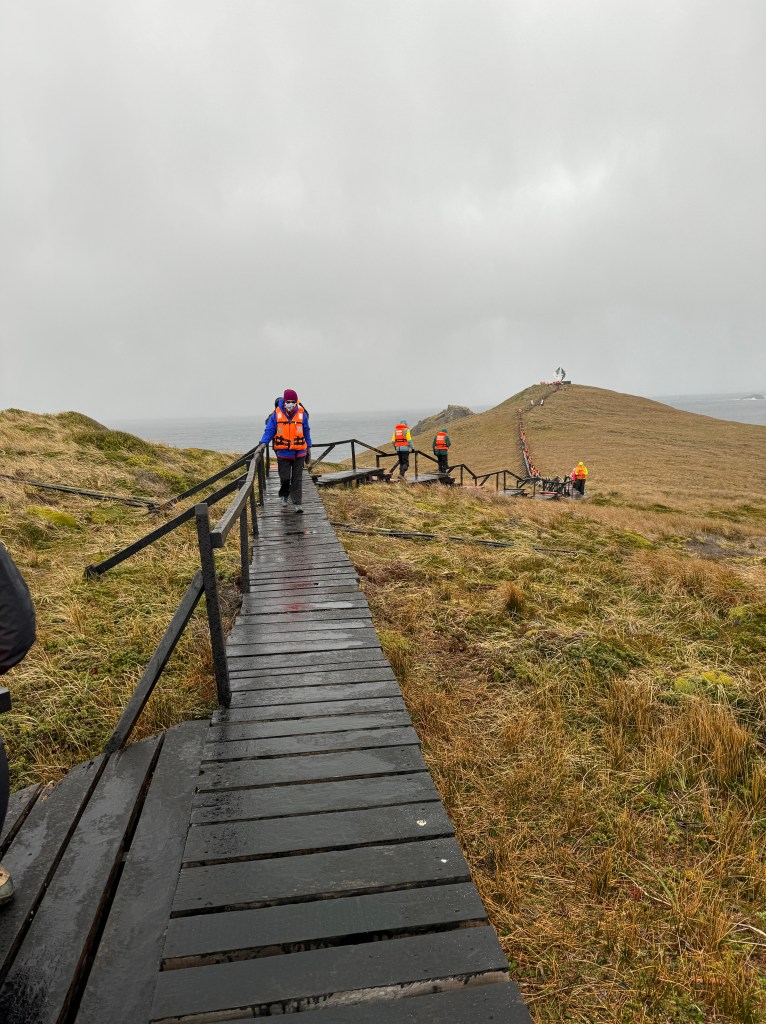
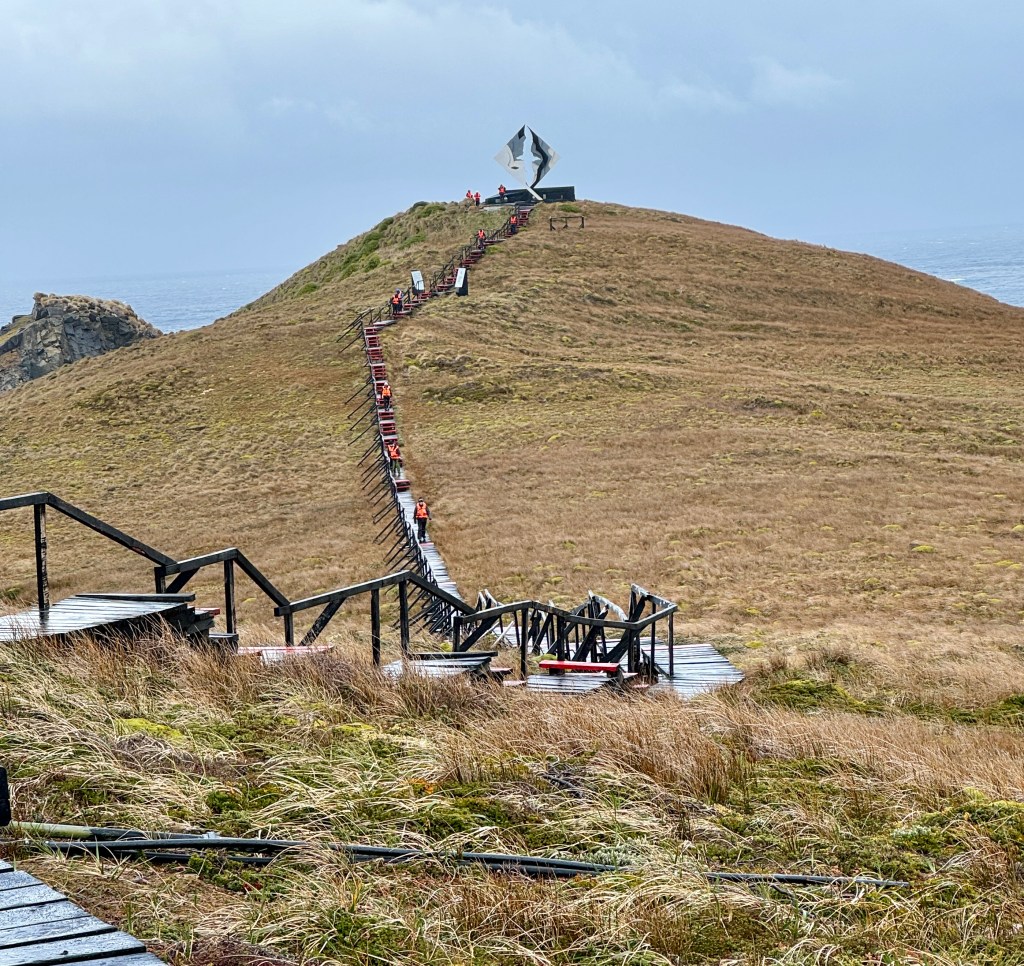
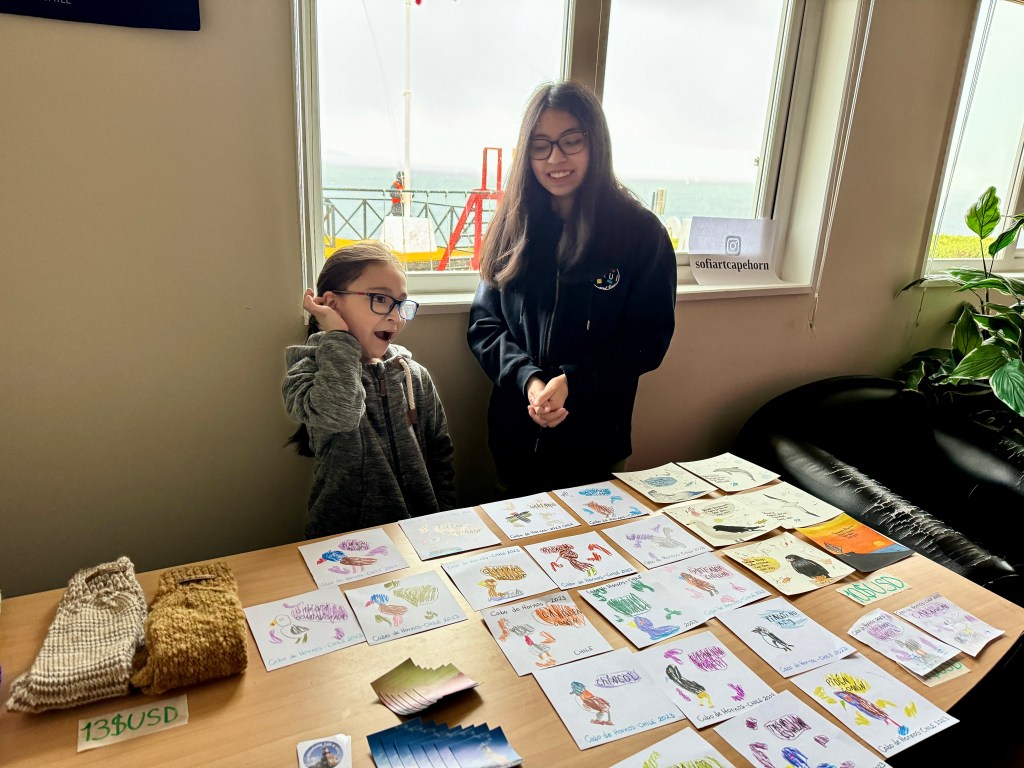
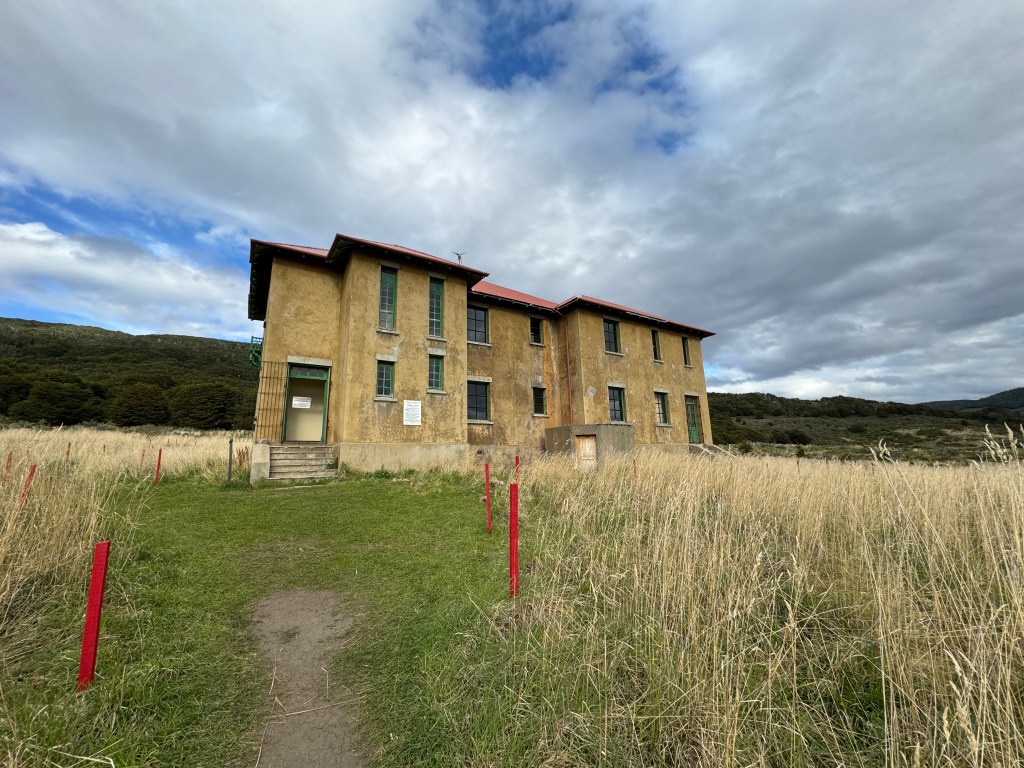
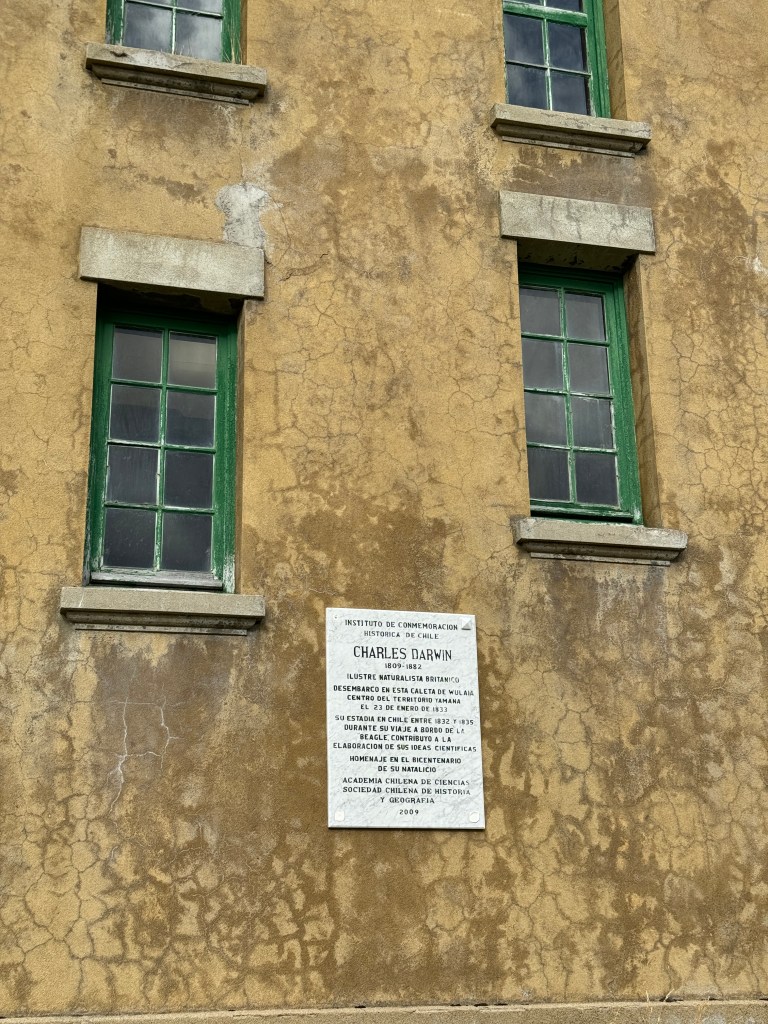
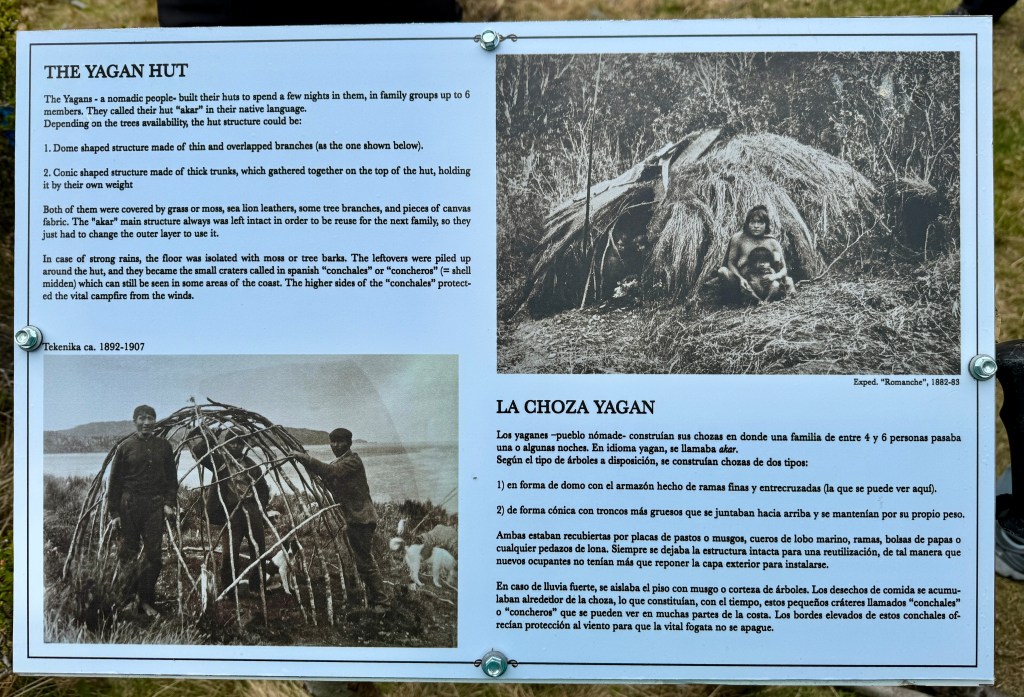
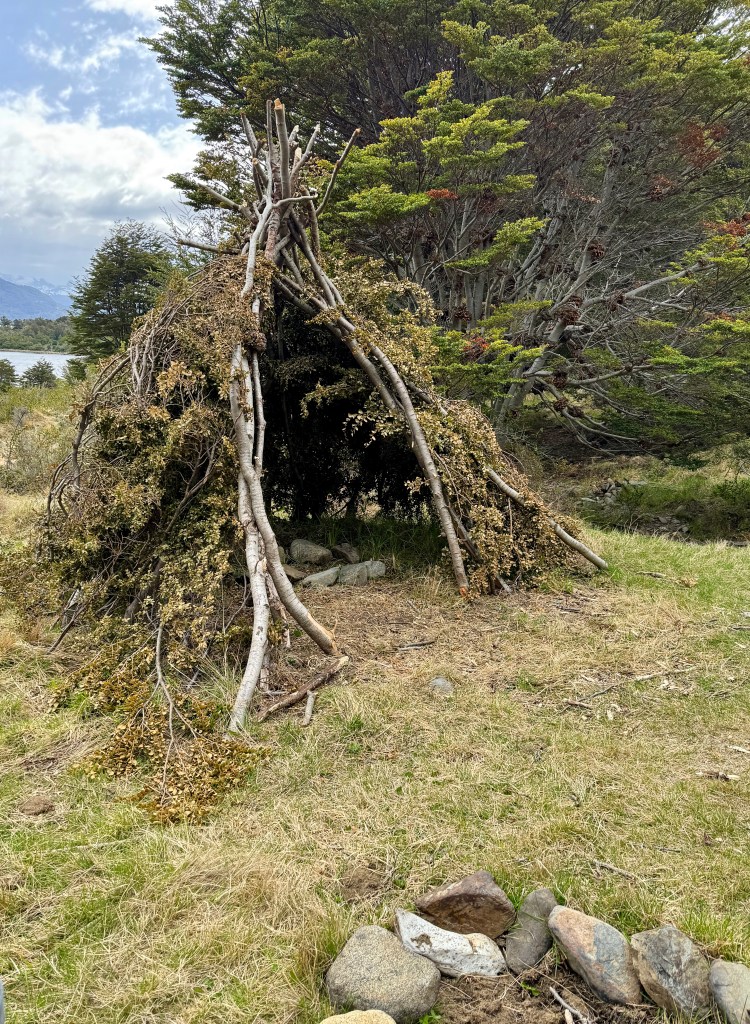
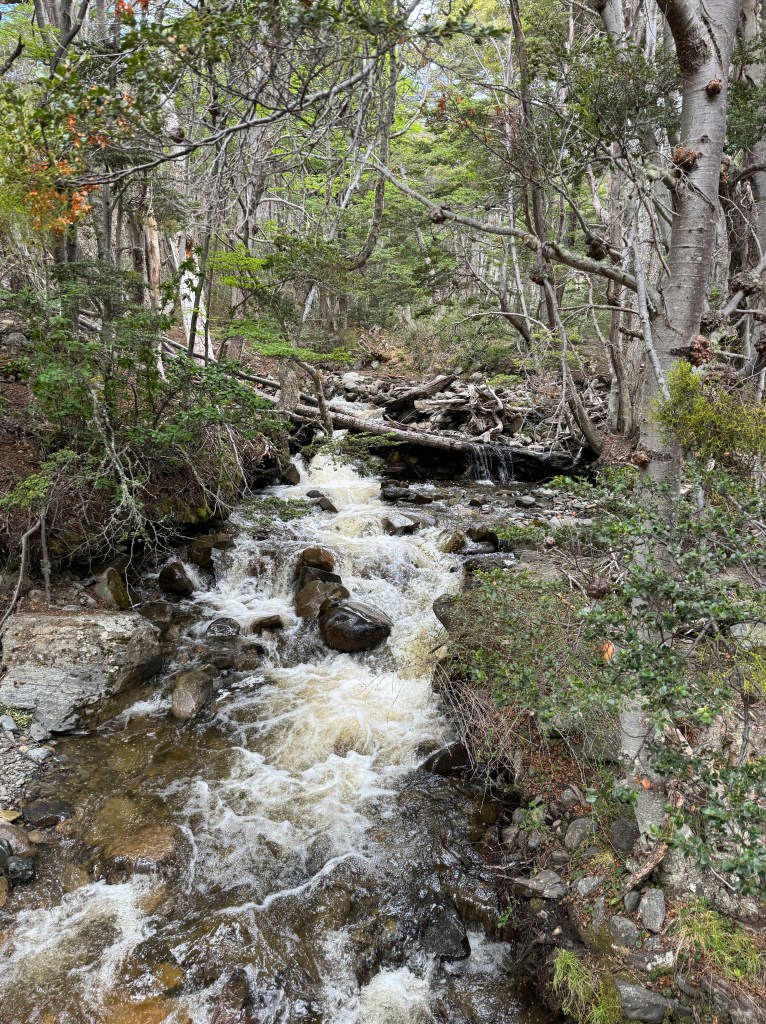
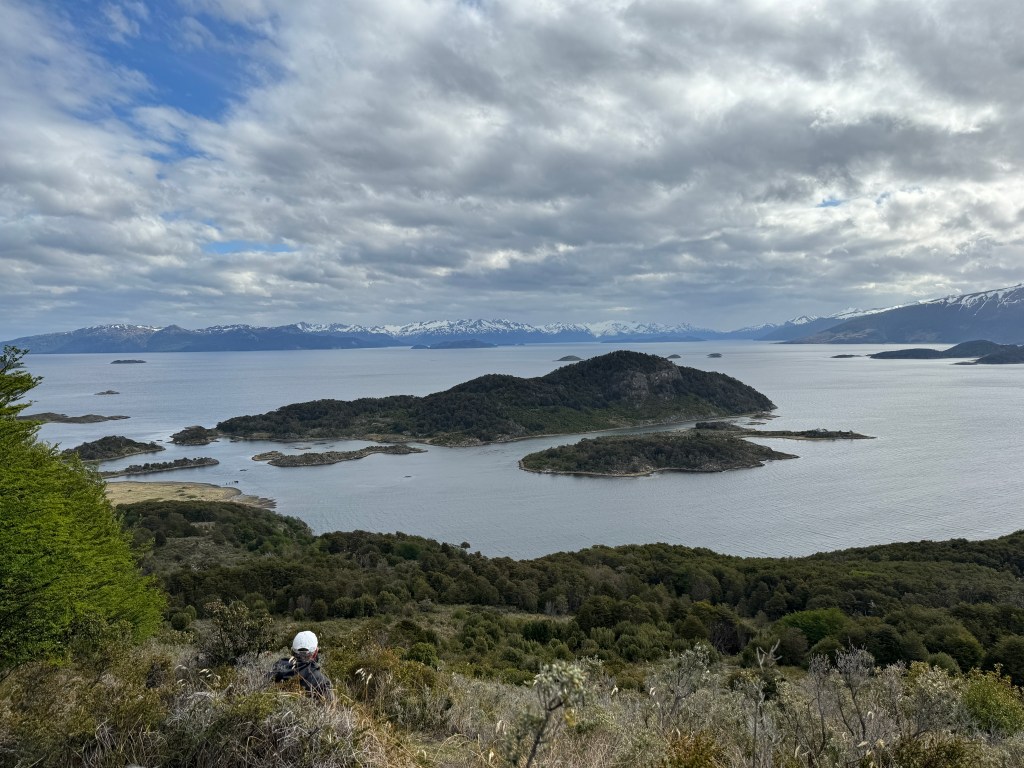
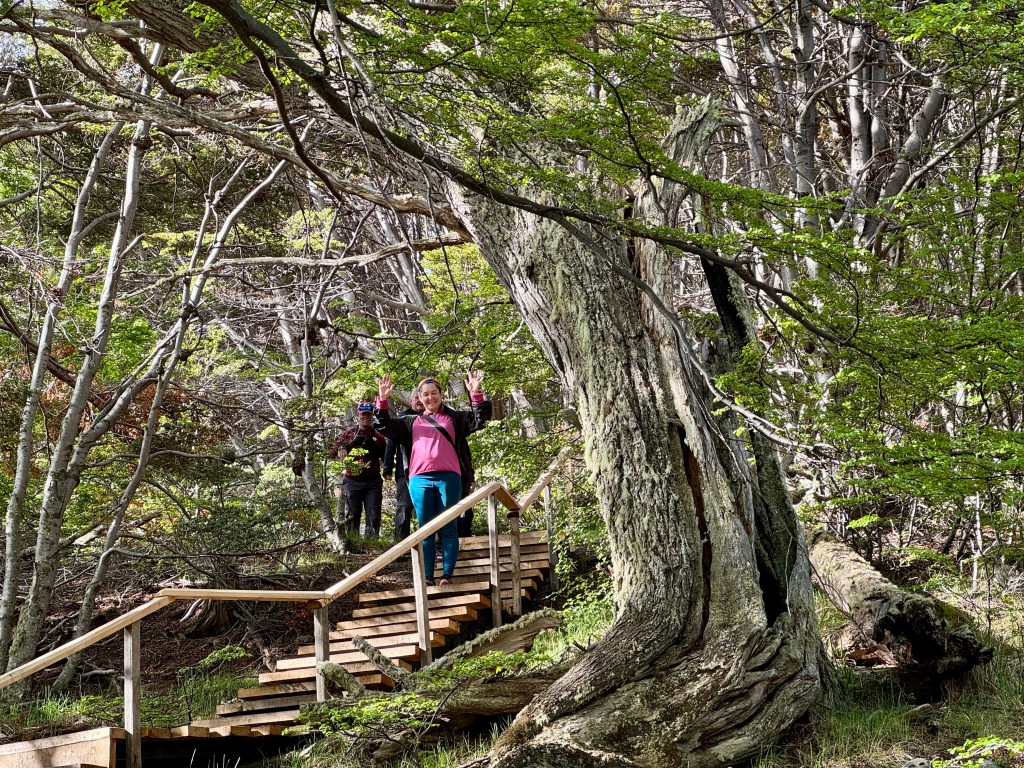
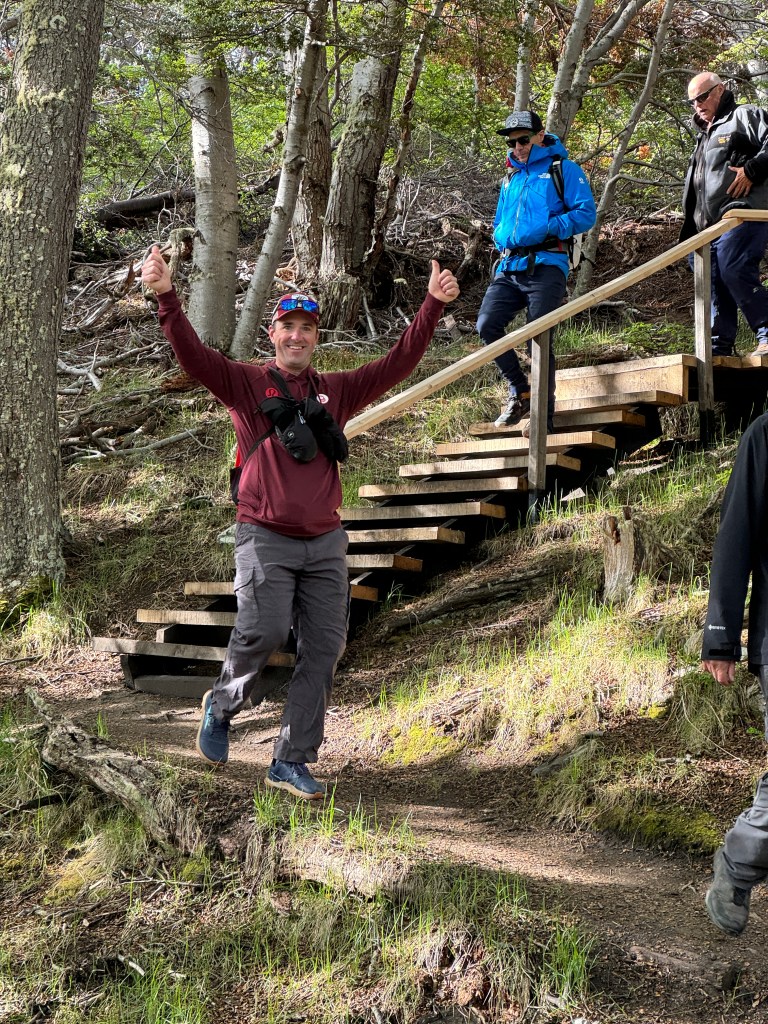
Sailing back across Nassau Bay, we anchored at Wulaia Bay. This was originally the site of one of the region’s largest Yámana aboriginal settlements. We had a choice of three hikes (of increasing degrees of difficulty). Of course, Rich and Deb went for the most difficult. We decided to do the middle one – moderate difficulty which took us to a Lookout. We made it, but it wasn’t easy as it was a steep climb in some parts – but the view was worth it.
 ELF Travel To ...
Love your description and pictures.
LikeLike
This is a memorable day to add to your wonderful memories!
LikeLike