
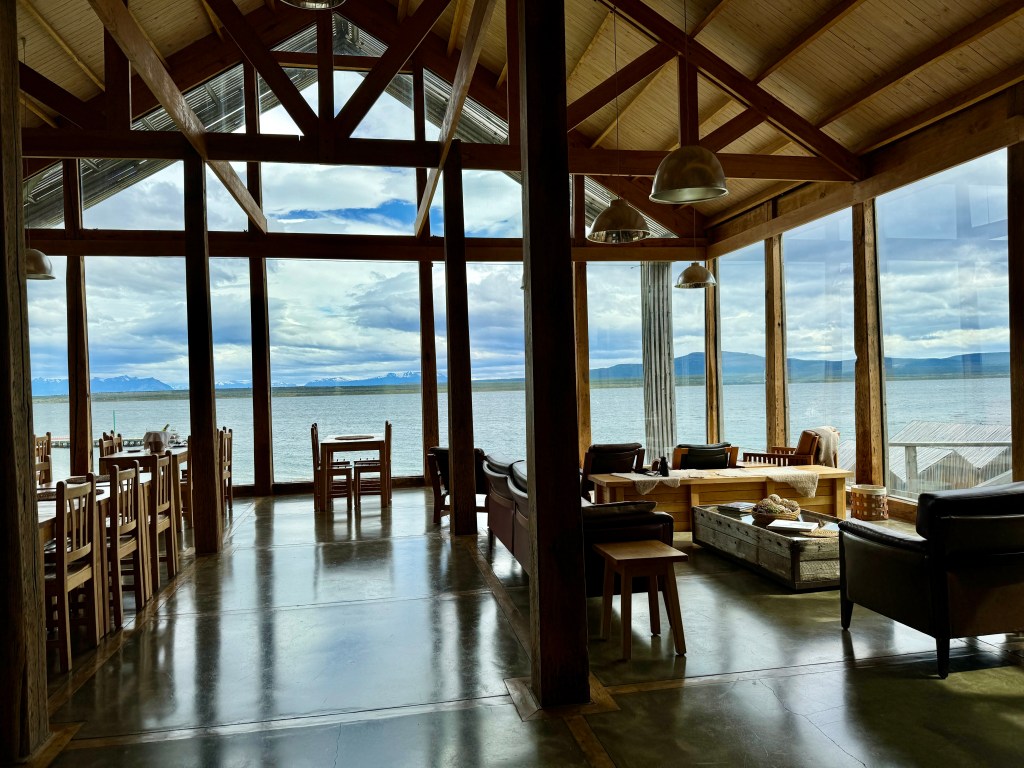
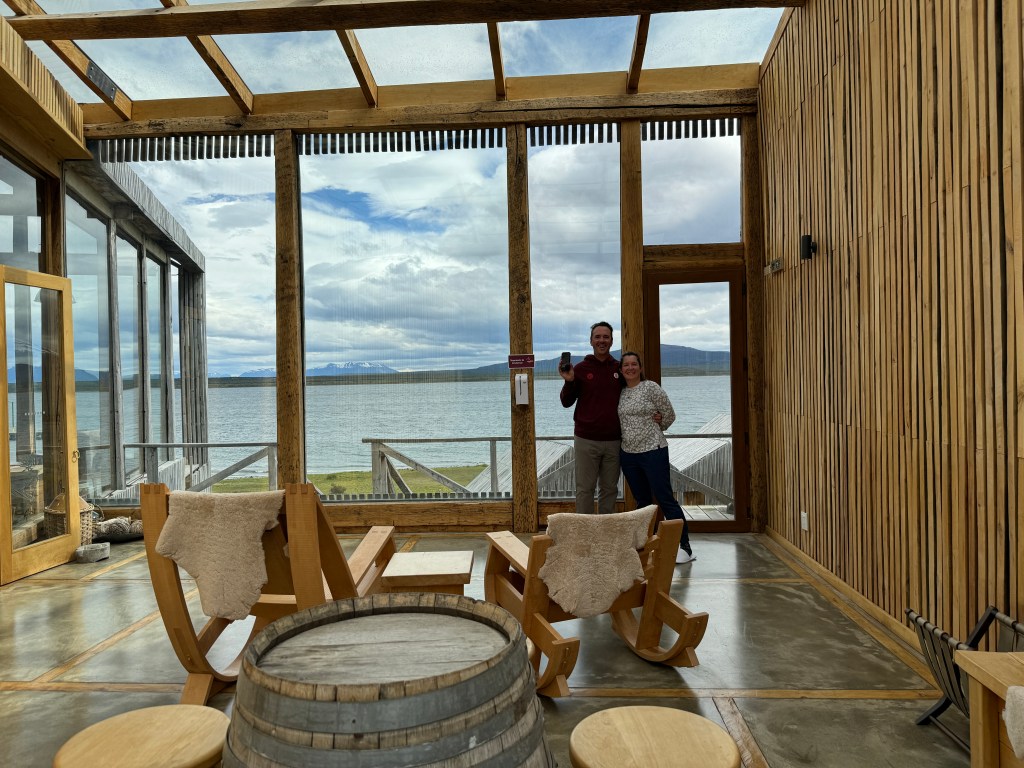
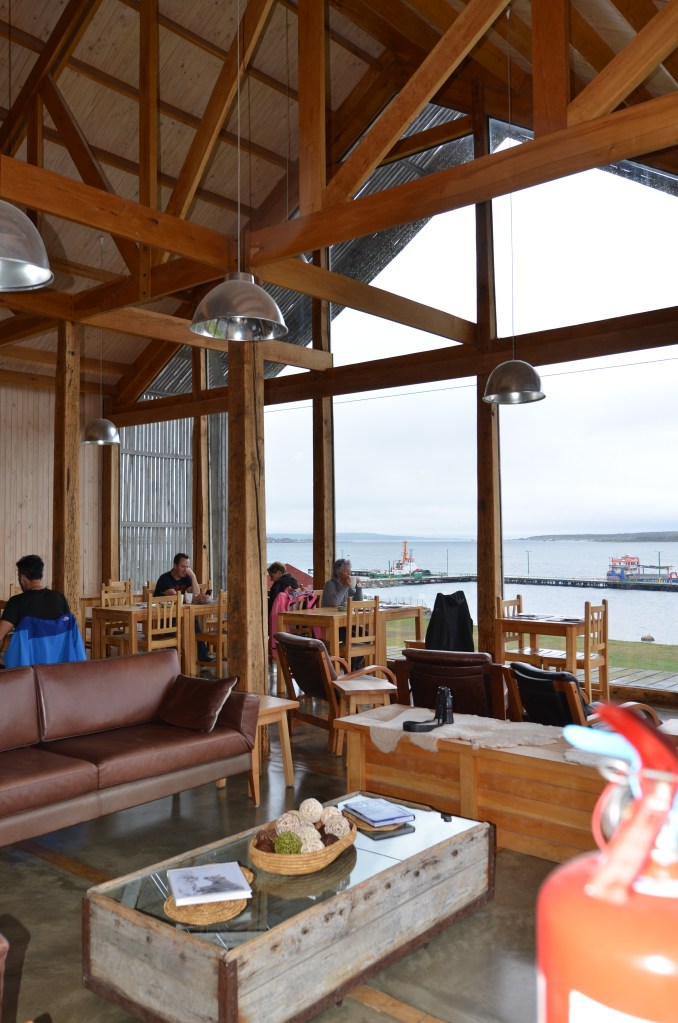
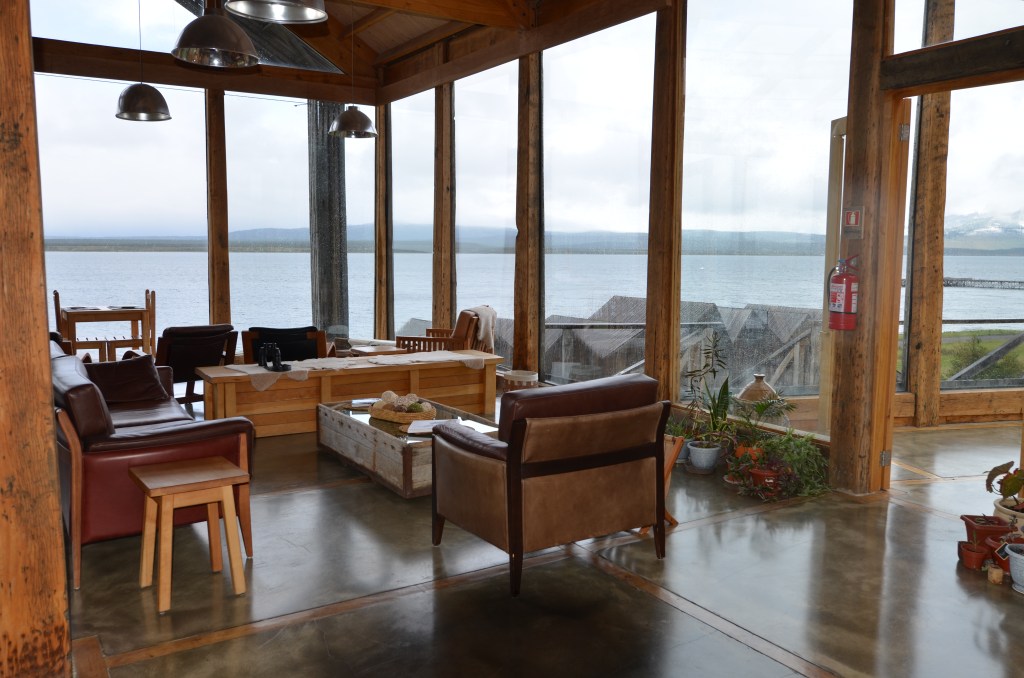
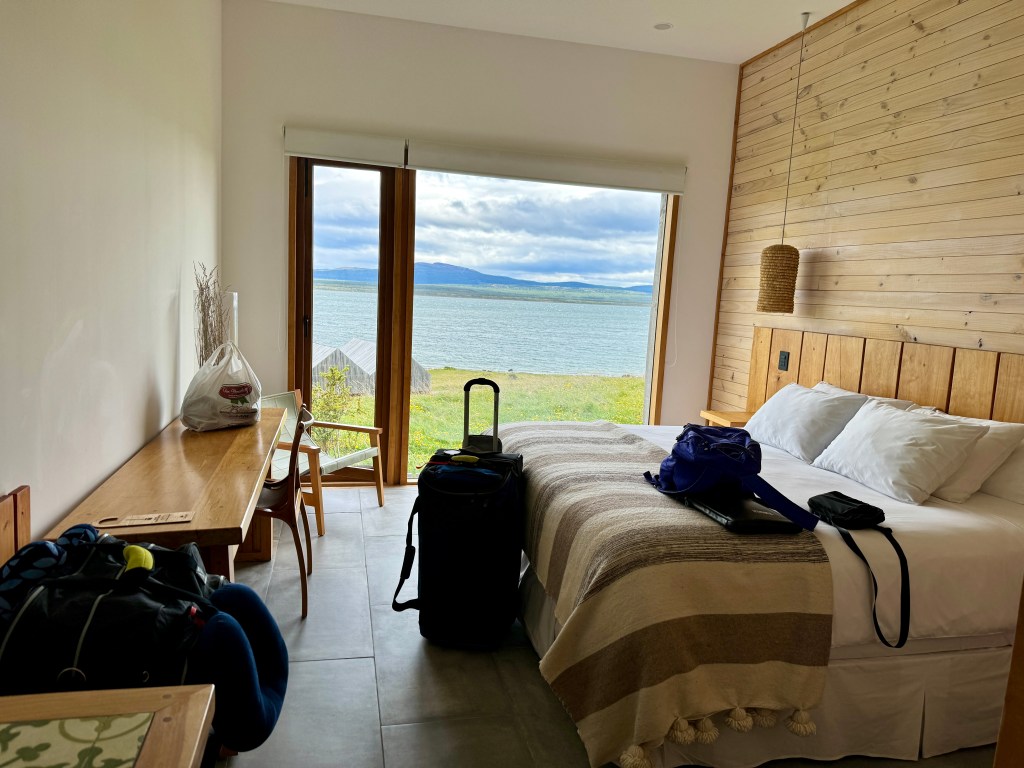
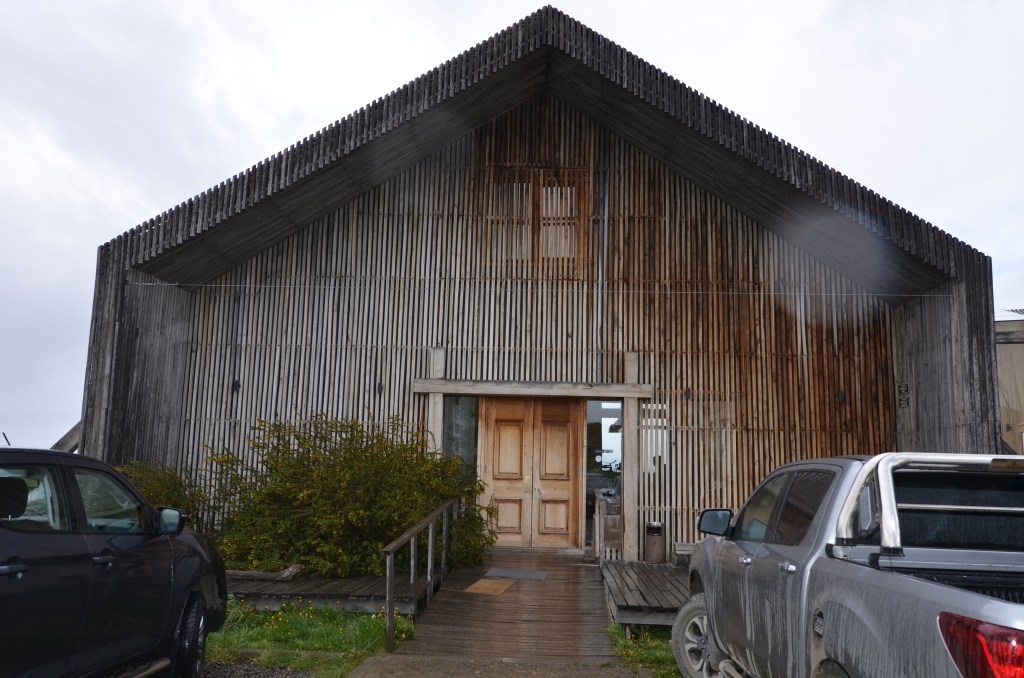
Patagonia Planet Tour Company picked us up at the port in Punta Arenas for our 3+ hour drive to the Hotel Simple in Puerto Natales. We decided to stay outside of Torres Del Paine National Park as prices for hotels inside the park were extremely expensive. For example, the all-inclusive Explora Hotel was $4,200 per night with a 3-night minimum stay and the Tierra Patagonia was $3,600 per night. There were a few hotels with breakfast only, but in the $600 – $1,000 per night. The other option was a hostel or camping in the park – needless to say this was not going to happen. The Simple Hotel was a clean, comfortable family owned hotel and was slightly over a 1 hour drive to Torres Del Paine National Park- it was the right choice for us.
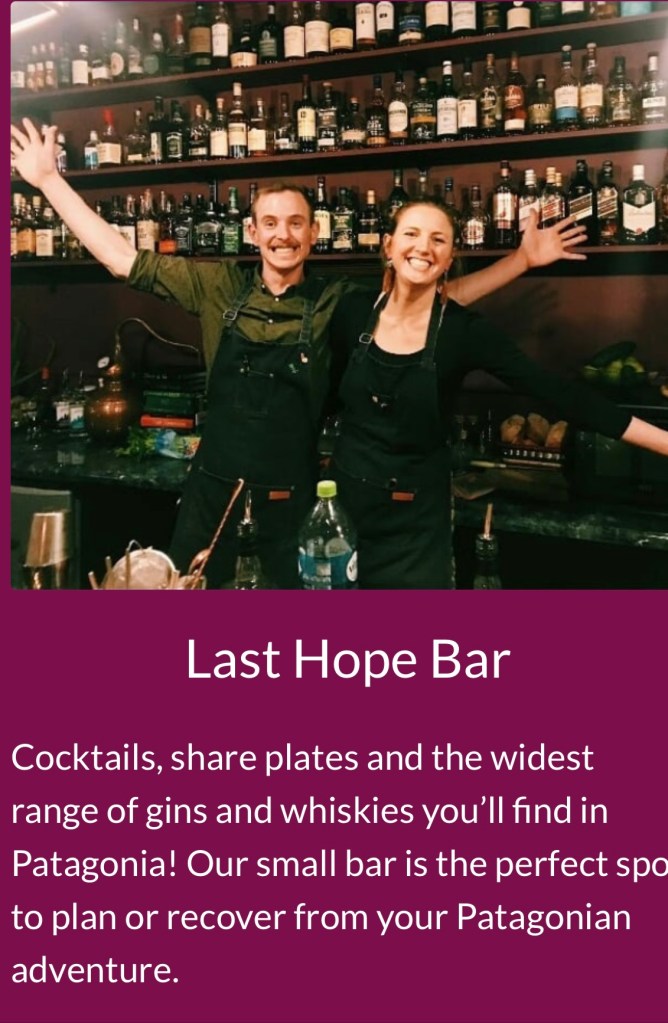
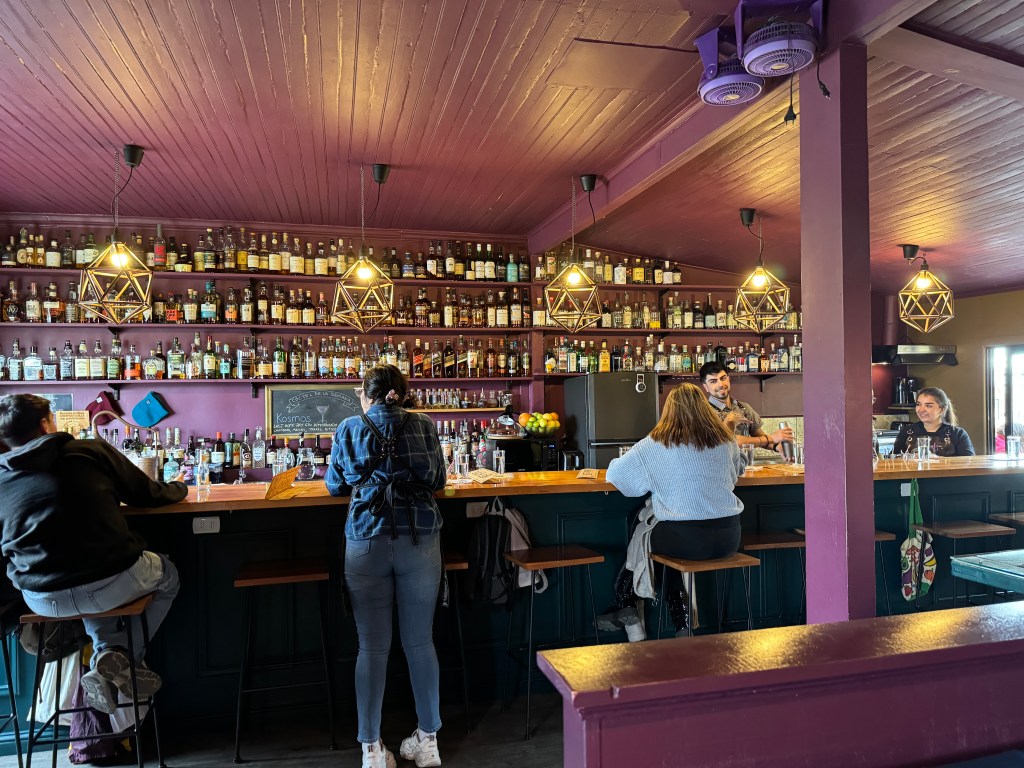
After the long drive Rich and Deb decided to walk to the Last Hope Gin Bar in town (a 1 1/2 hour walk). We took a taxi later and enjoyed the vibe of the bar and dinner later at a local restaurant. The gin bar was established by an Australian couple – it was very busy when we were there. Last Hope is the name of the region, although we do hope that they are successful as it is a fun place, in a town that looks like it is struggling – there were many closed stores and buildings.
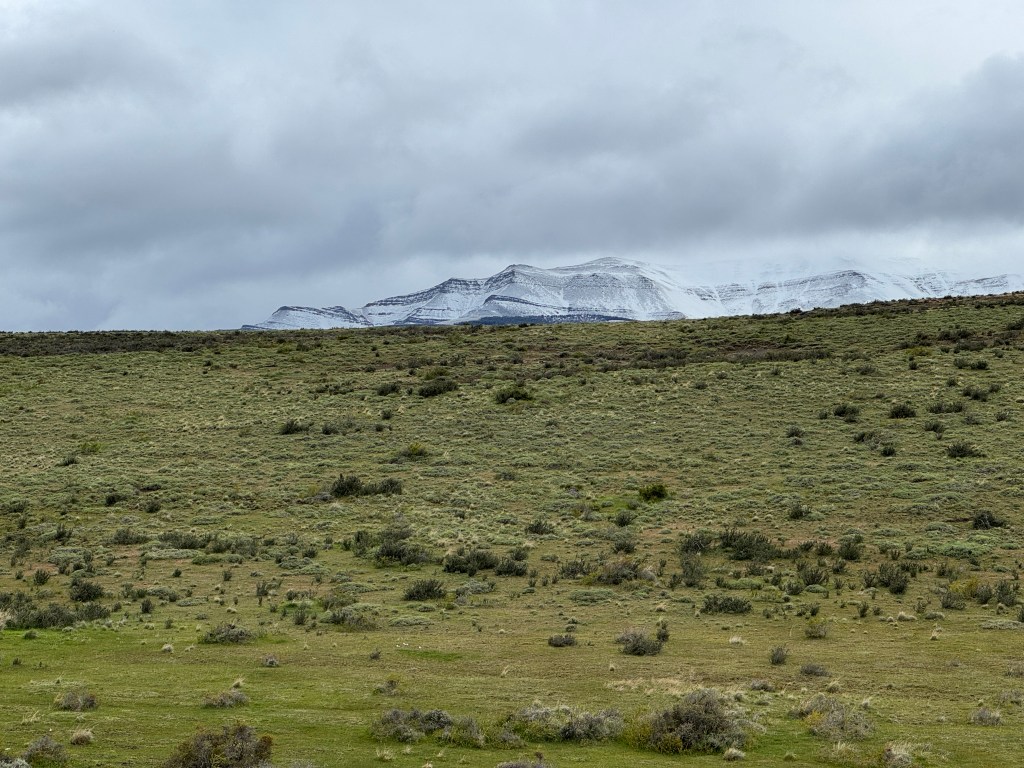
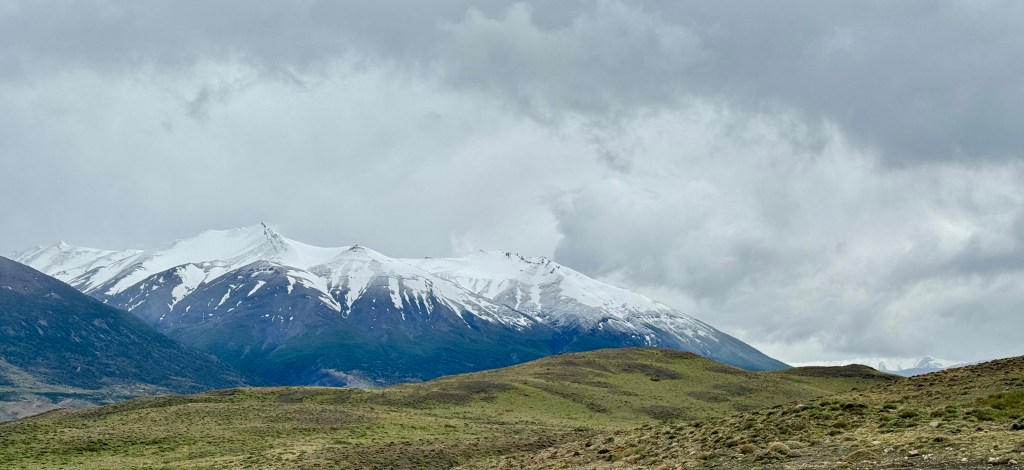
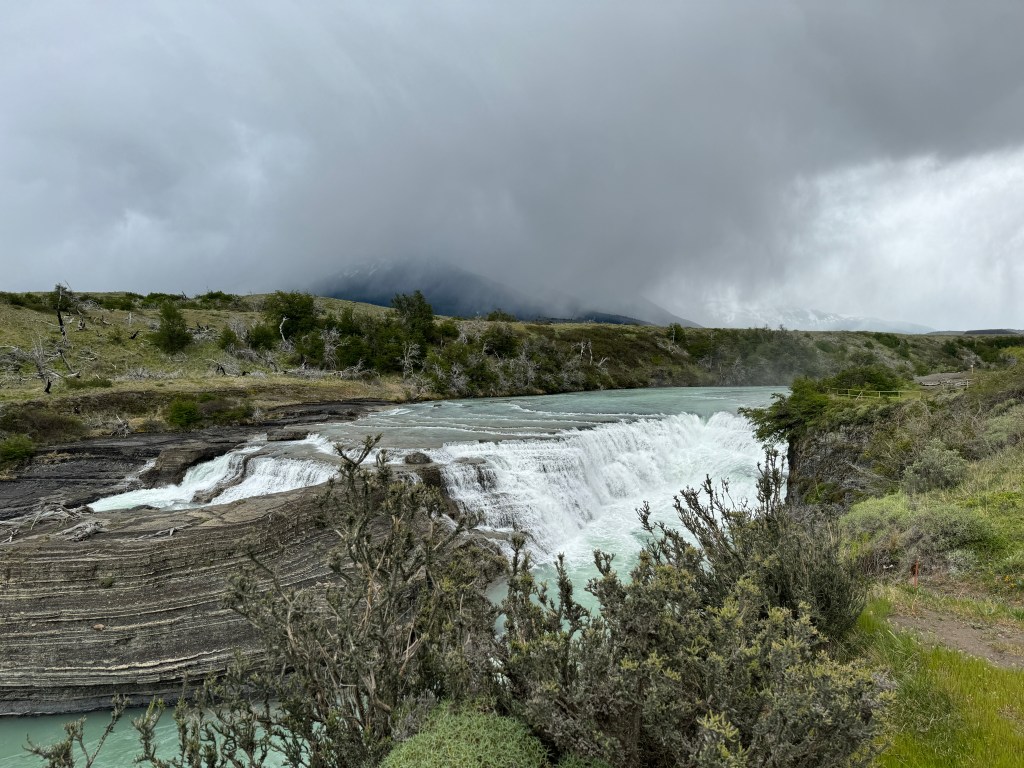
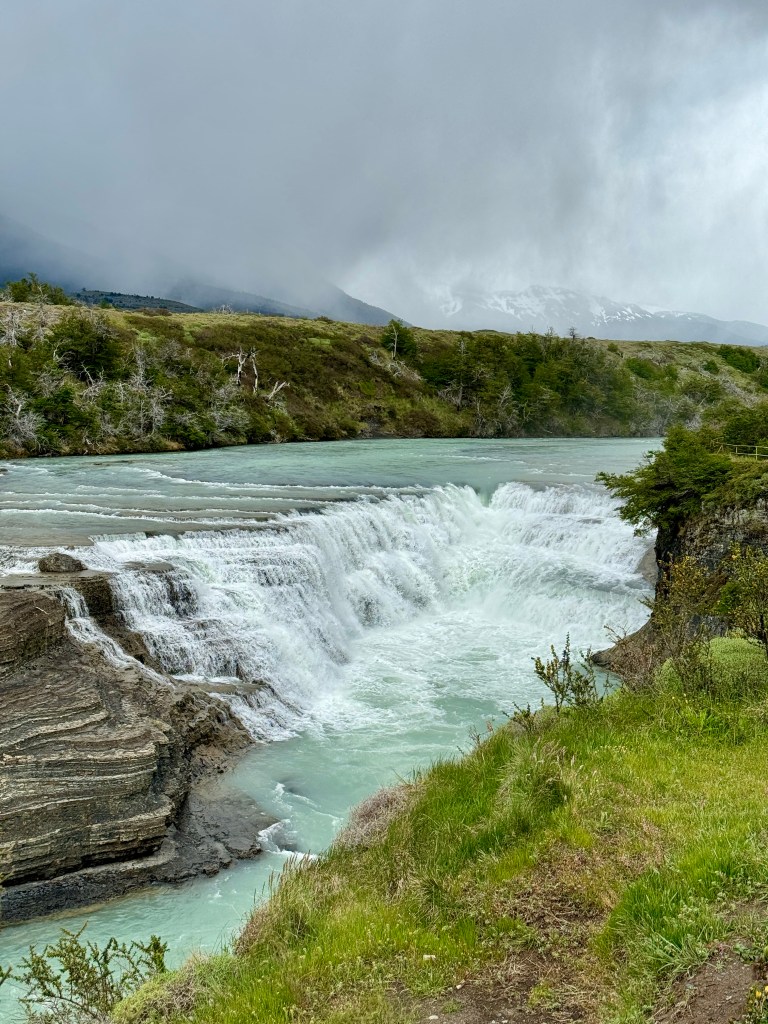
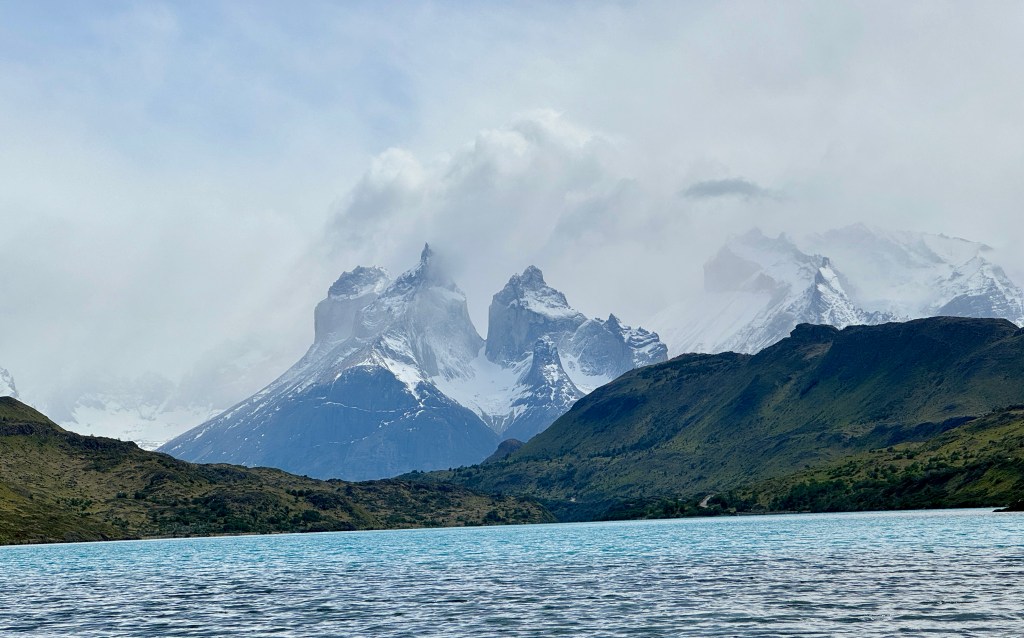
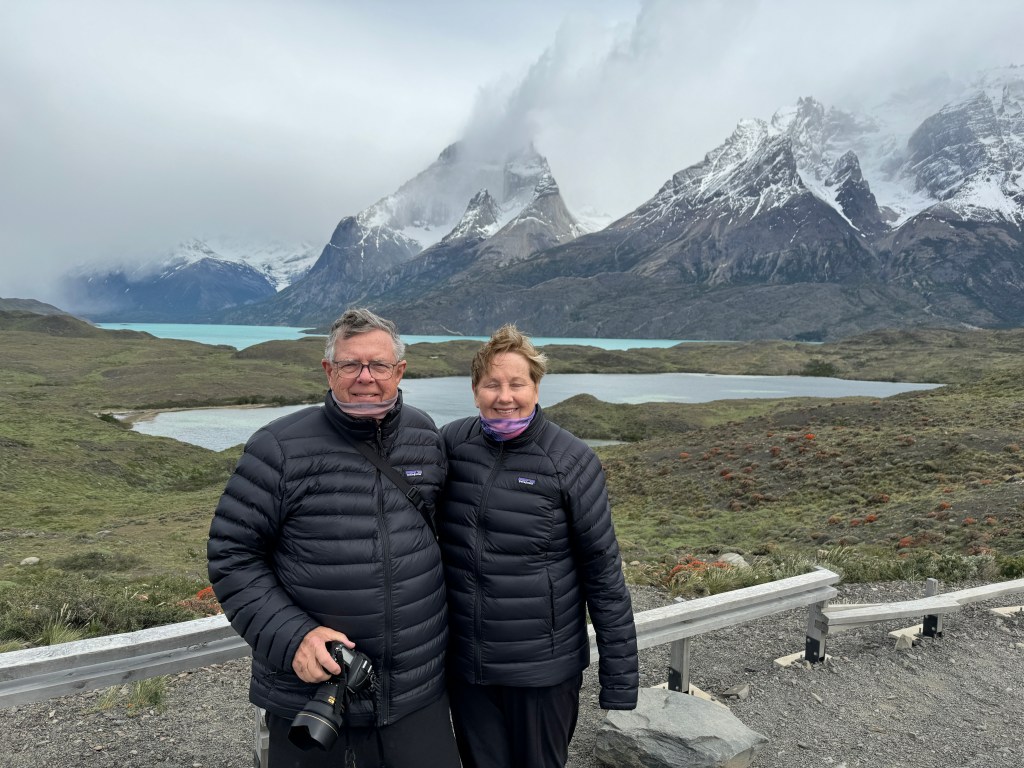
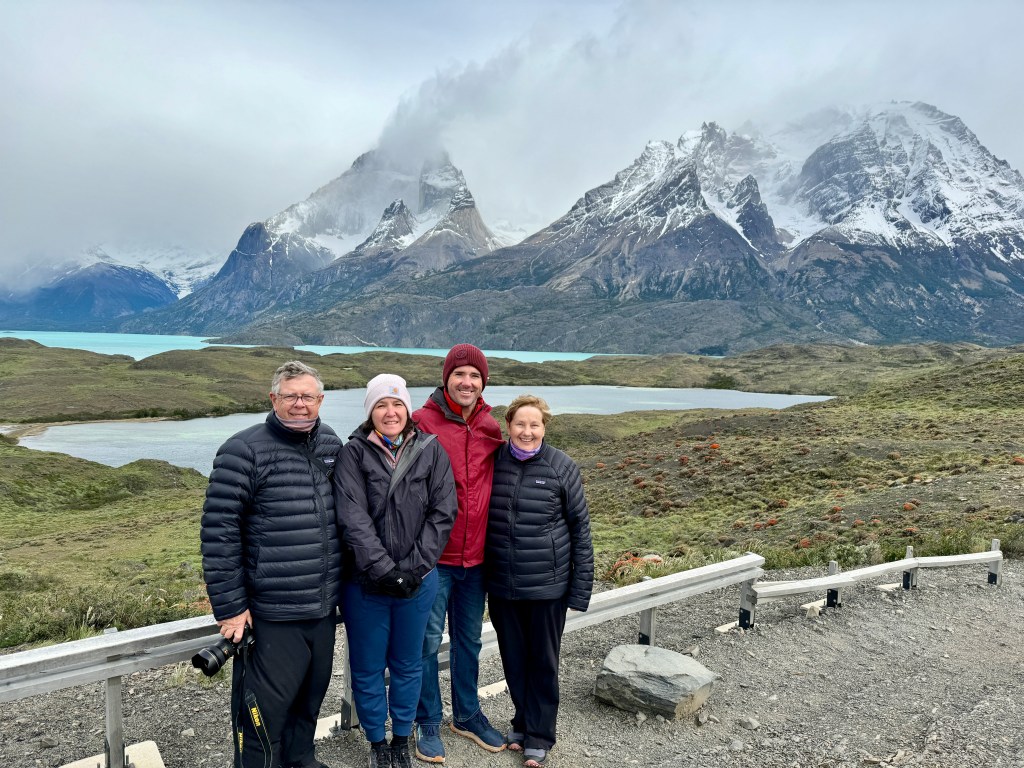
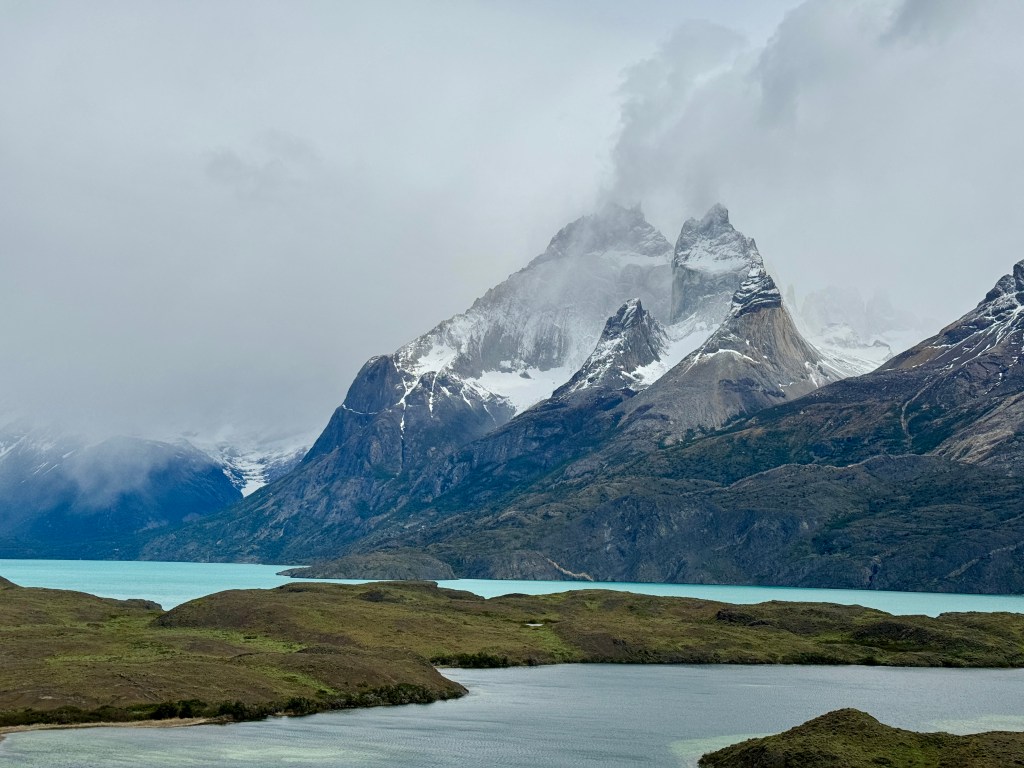
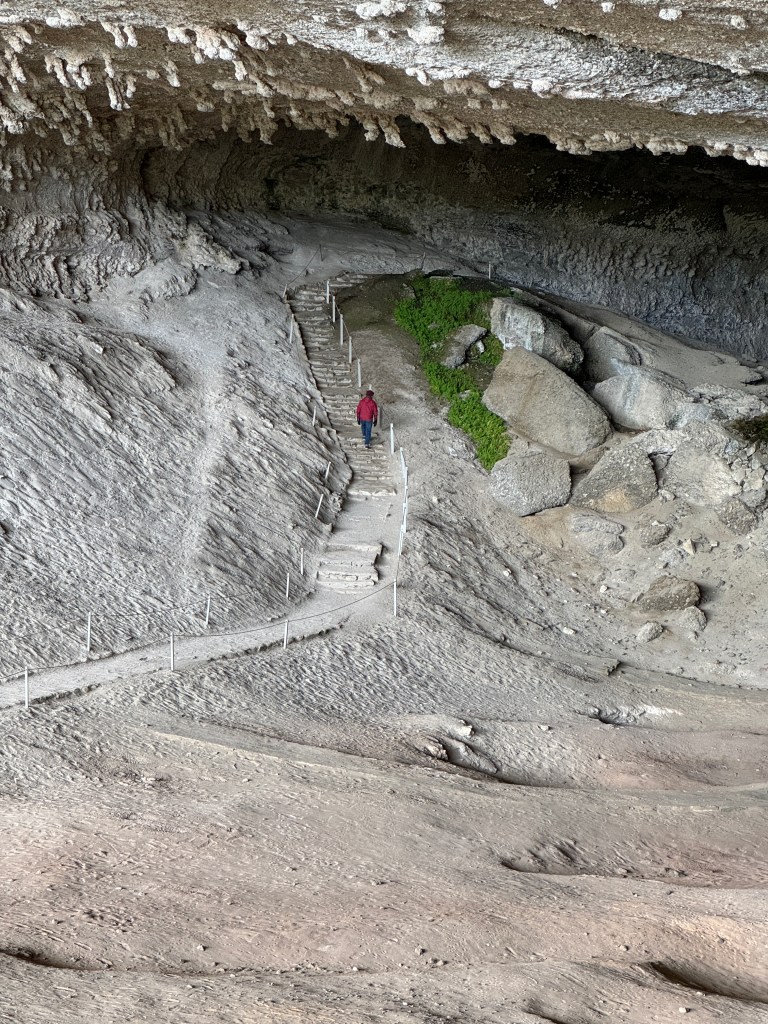
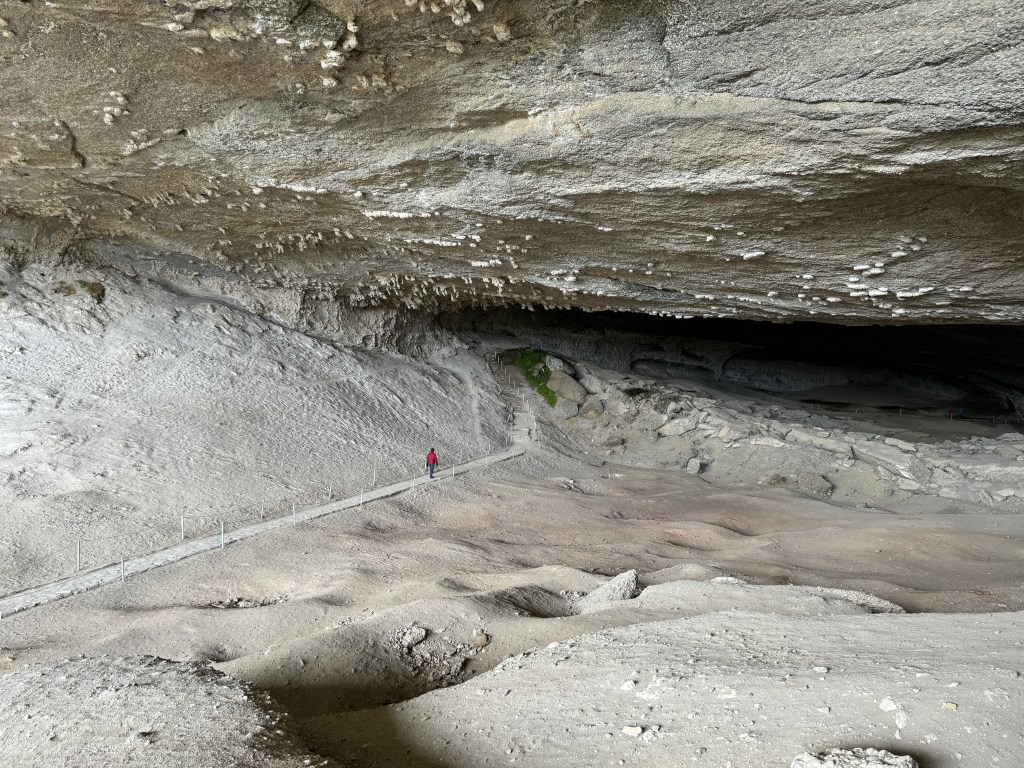
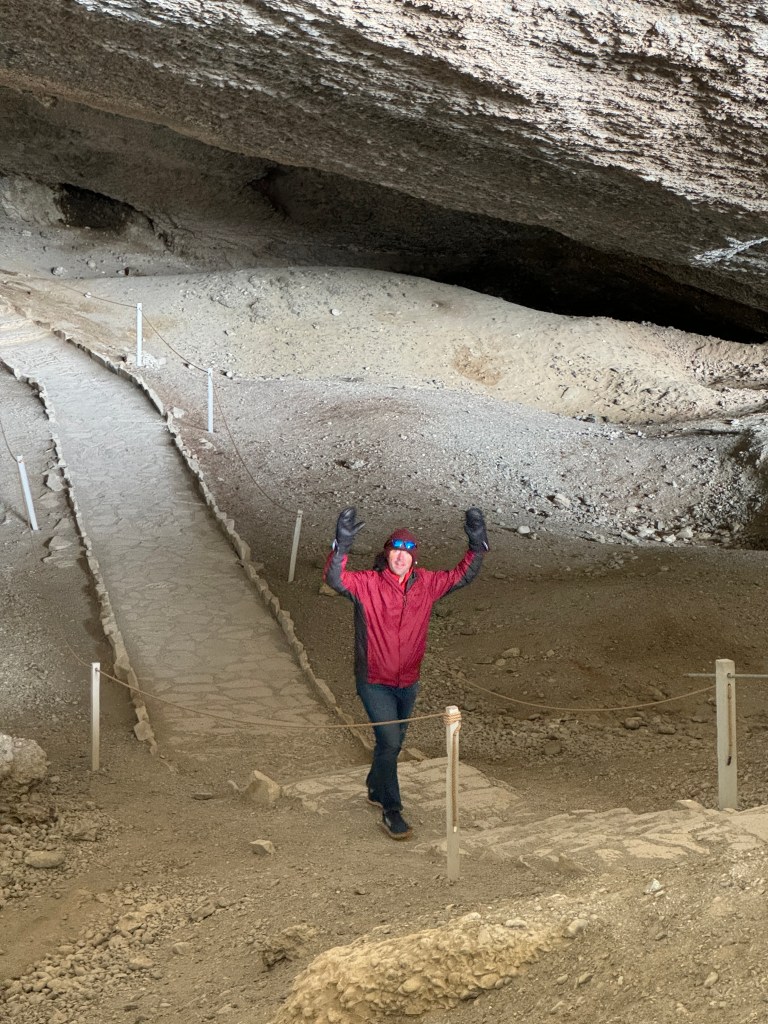
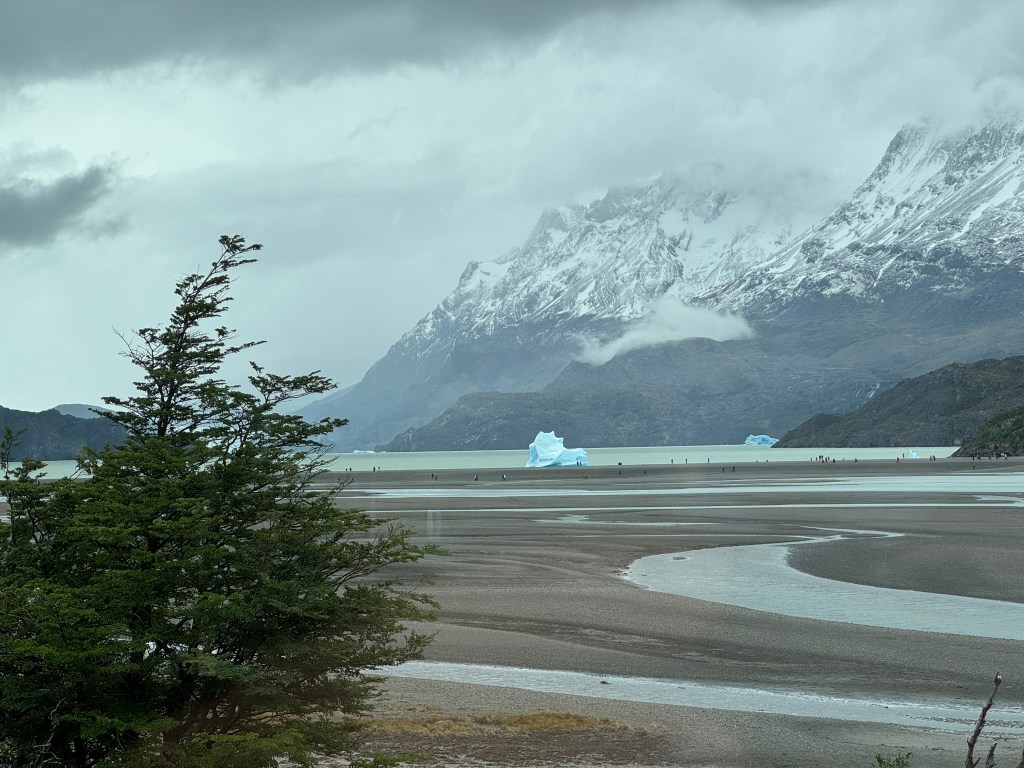
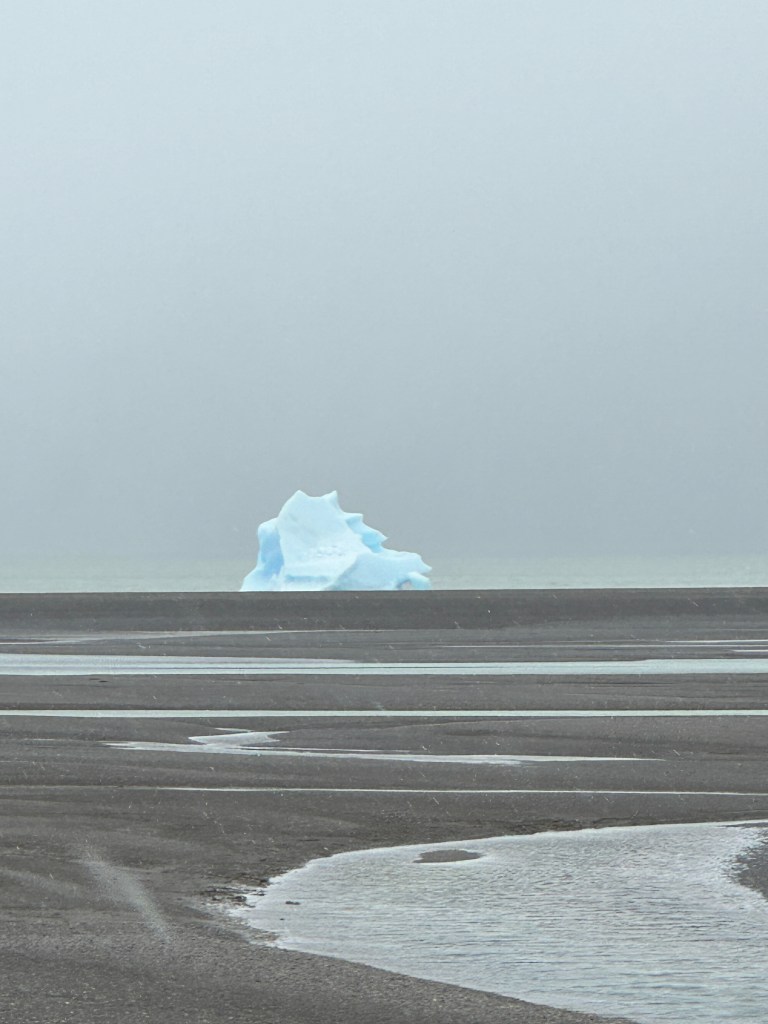
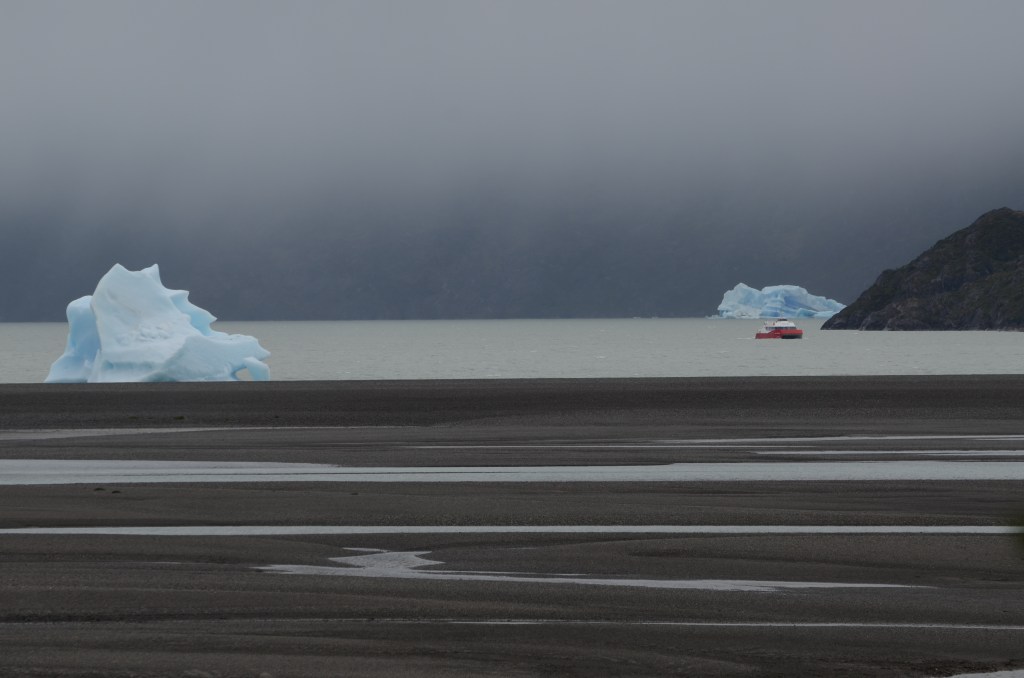
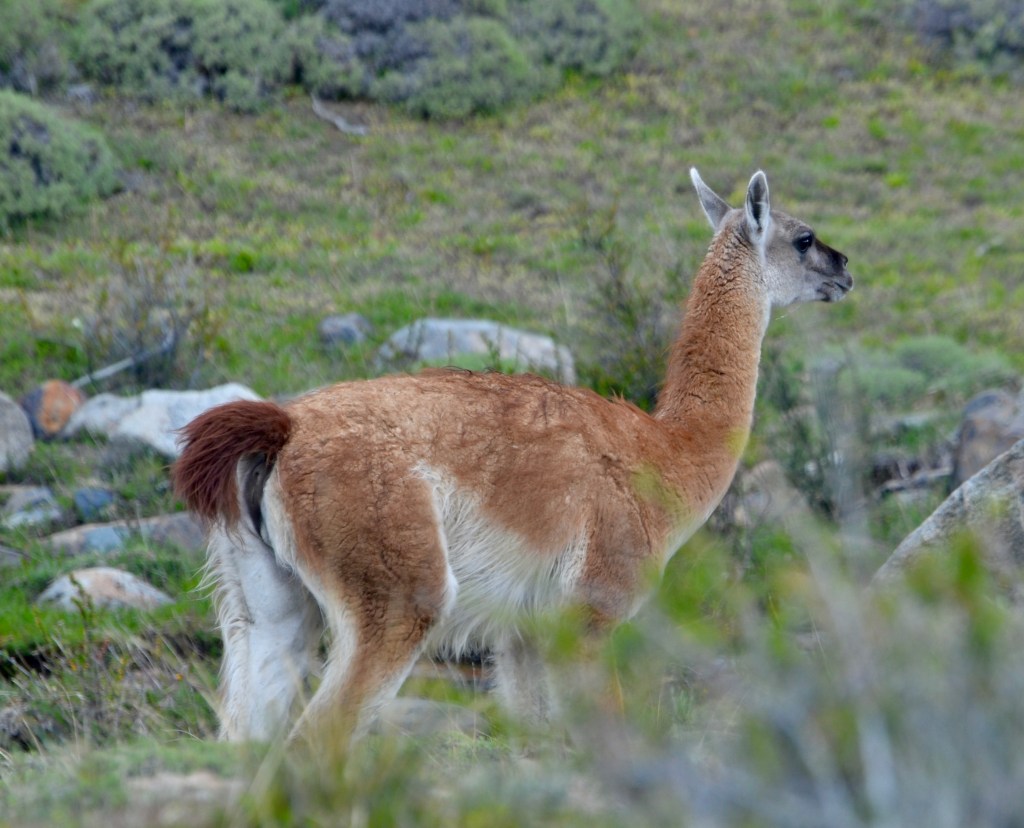
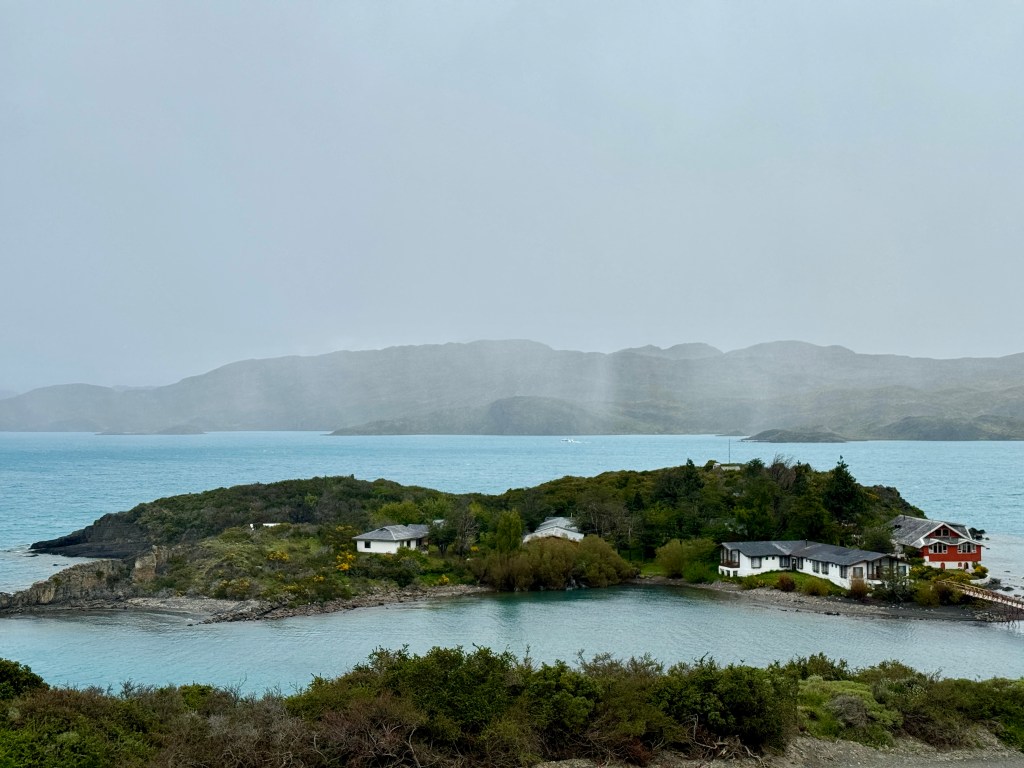
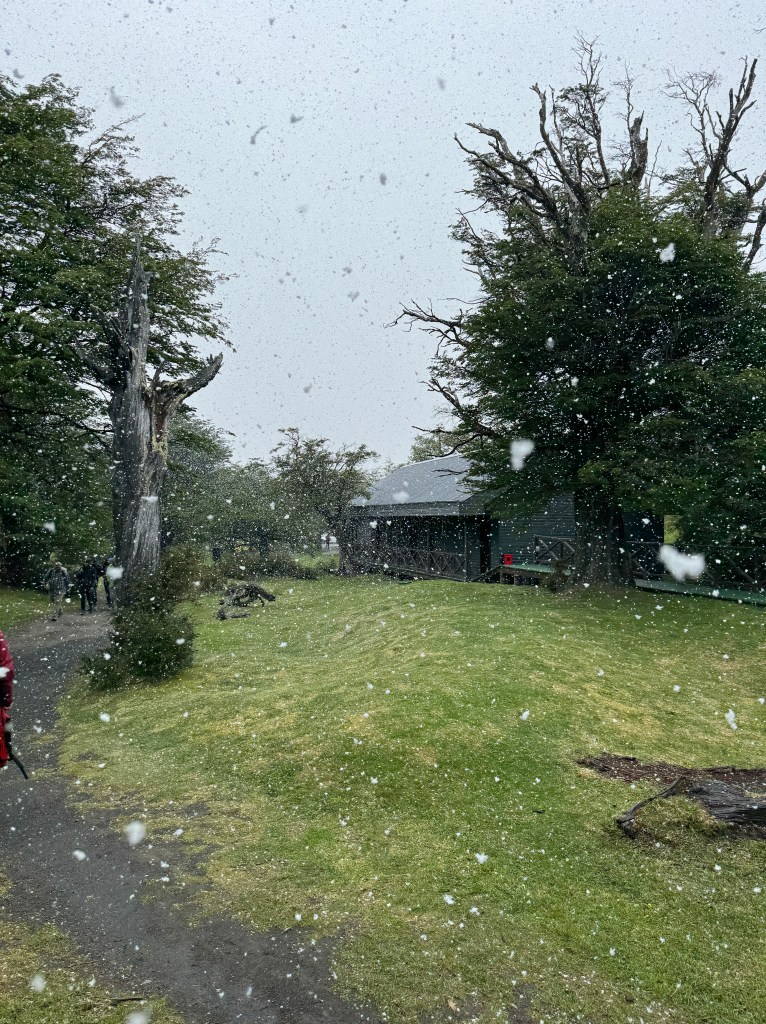
The next day we did a tour with Patagonia Planet into the Torres Del Paine National Park. The weather was not ideal – cold, very windy and cloudy for most of the day with periods of rain, sleet and snow. This is the only poor weather we encountered. It was very cloudy so we did not get good views of the glaciers – unfortunately we did not see Torres Del Paine National Park at its best.
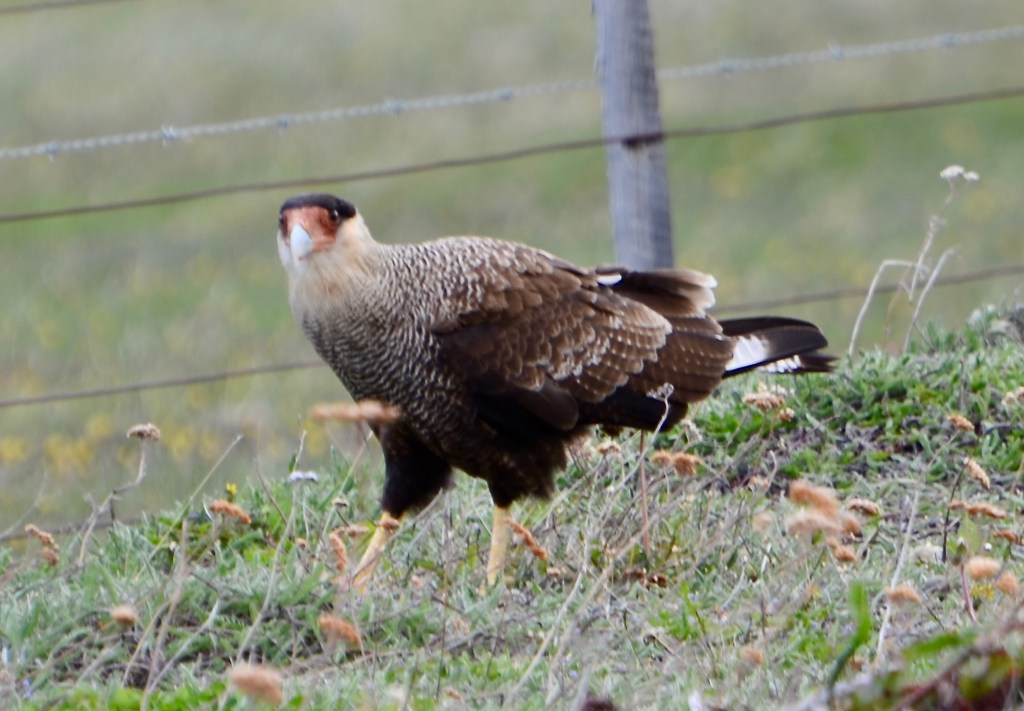
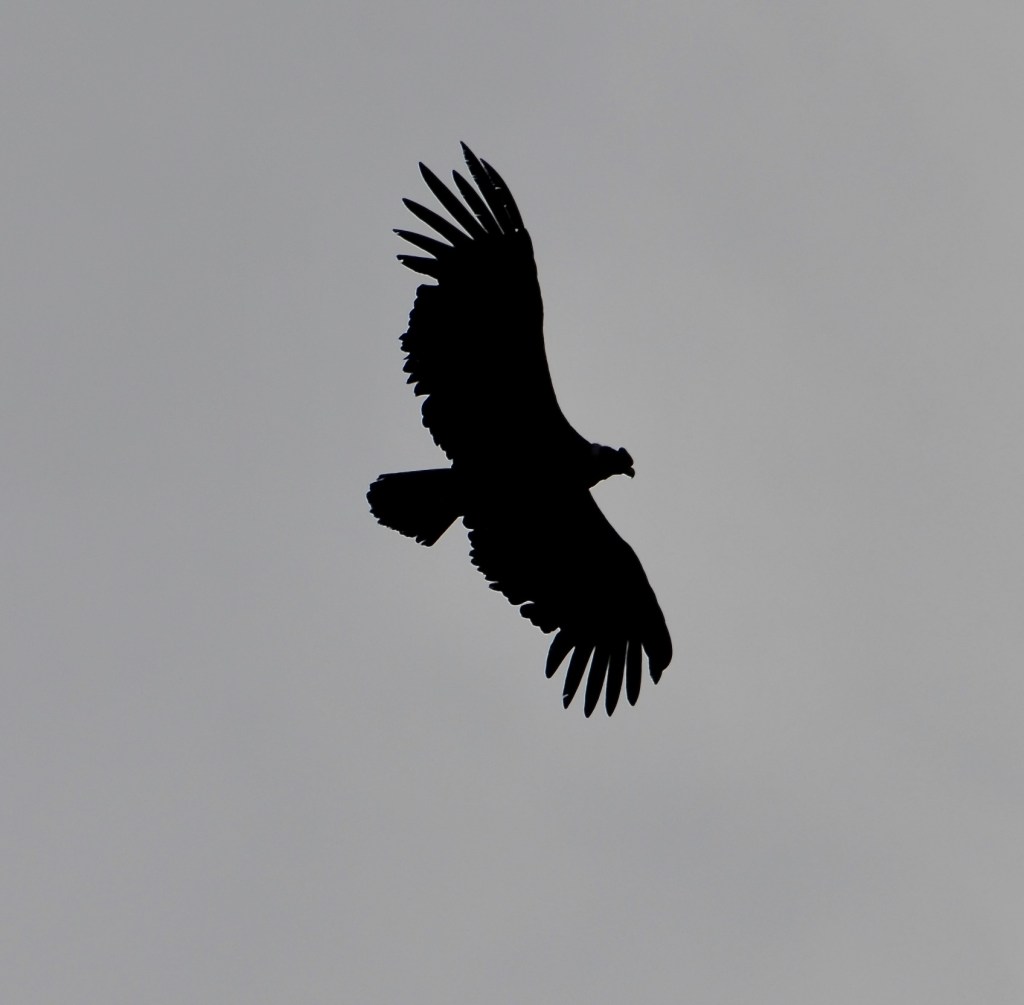
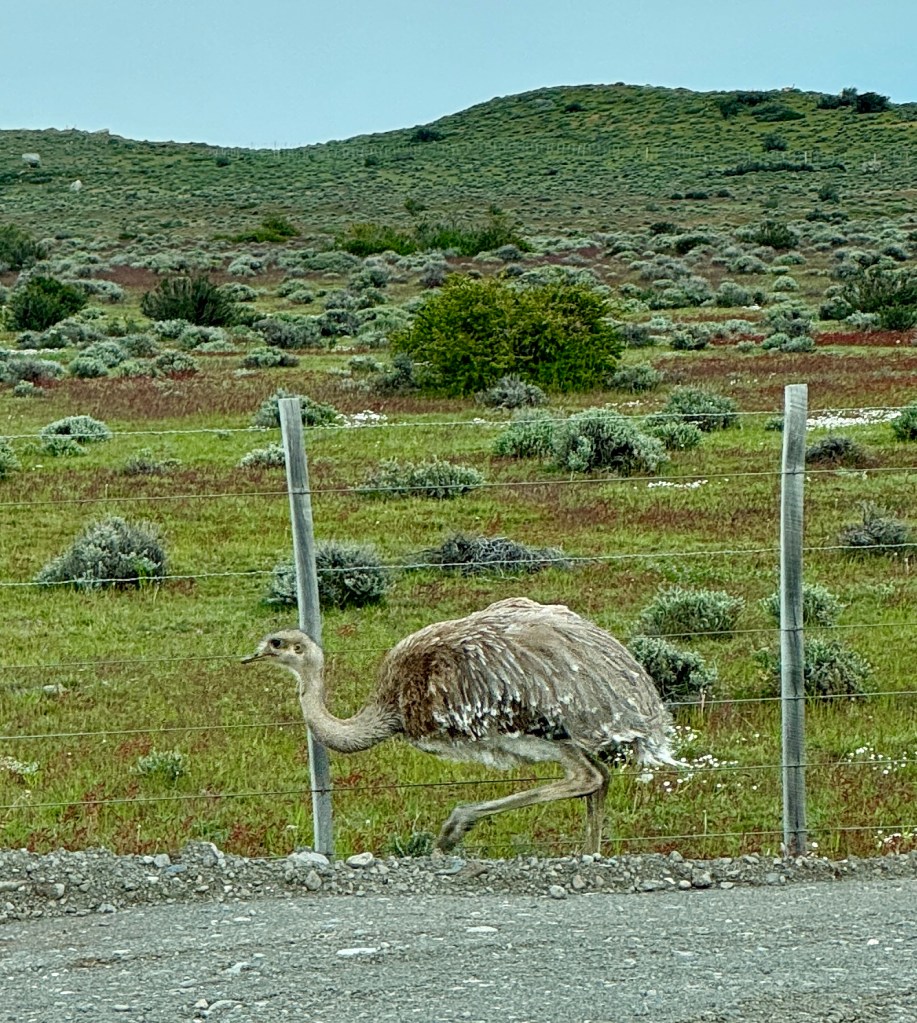
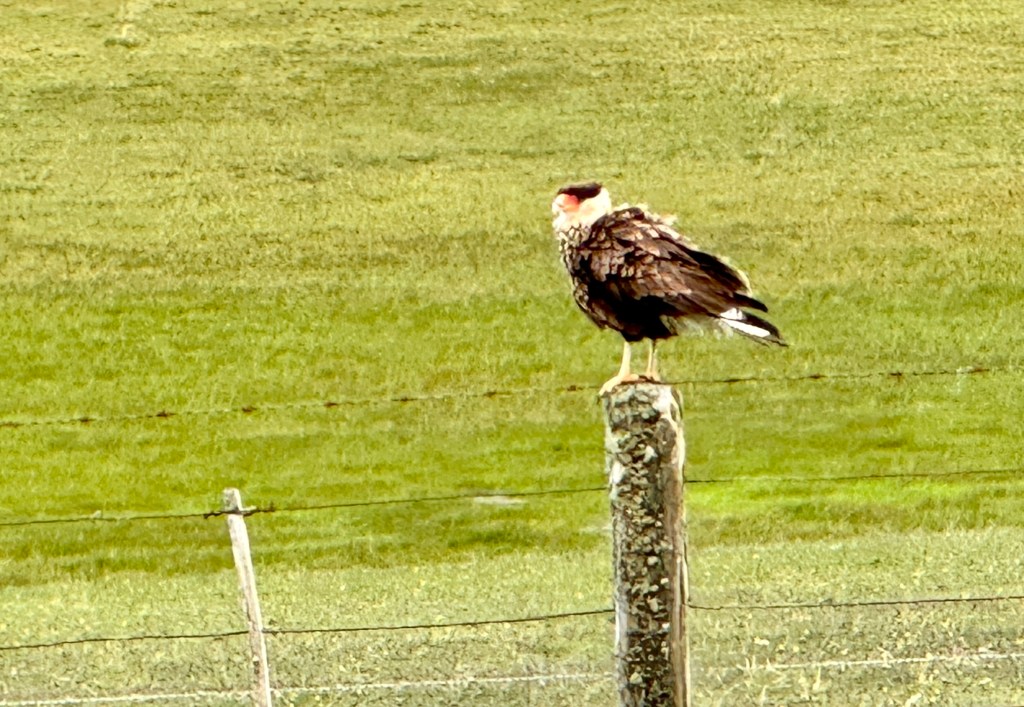
Next post is Santiago where we spent 3 nights before heading home. Deb and Rich headed home directly from Santiago. Before we leave this portion of our trip a few things we found interesting:
- The Beaver Issue: We heard from several guides that beavers were imported from Canada and had become a serious problem. So why would the government import beavers and how are they addressing the issue.
- The beavers were introduced to the area in 1946 due to an effort by the Argentine government to establish a fur trade in the region. Ever since the introduction, the beavers have spread throughout most of Tierra del Fuego and have even been recently spotted on the Brunswick Peninsula, mainland Chile. When the fur trade industry failed, the beavers became problematic and the governments agreed to intervene to wipe them out. Over the years, Chile and Argentina have made halfhearted attempts at curtailing the invasion. A bounty program failed to motivate trappers, while proposed markets for beaver meat never materialized. Recently, though, the two nations have gotten more serious: In 2016, they announced a plan to cull 100,000 — one of the largest invasive-species-control projects ever attempted. Interesting that beavers are described as “invasive species”.
- The Beagle Channel, the Straits of Magellan to the north, and the open-ocean Drake Passage to the south are the three navigable natural passages connecting the Atlantic Ocean to the Pacific Ocean. We touched on all three during our Chilean Fiord trip. Despite its tricky passageways and cold climate, the Strait of Magellan was an important route for ships traveling between the Atlantic and Pacific Oceans, up until the completion of the Panama Canal in 1914. The Strait of Magellan was considered a safer route than the often rough Drake Passage.
- Our guides described the weather as “unstable” as you can experience 4 seasons in a single day – and we did. There were several locations (Cape Horn and Magdalena Island) where going ashore was weather dependent. We were blessed to have such wonderful weather while in the Chilean Fiords so we saw it all (yes it was cold and very windy at times but with several layers of clothes we were comfortable).
 ELF Travel To ...
Hi Larry and Ev, amazing photographs ( and an amazing trip) but I can’t believe the price of the hotel !
Jon
<
div dir=”ltr”>
<
blockquote type=”cite”>
LikeLike