
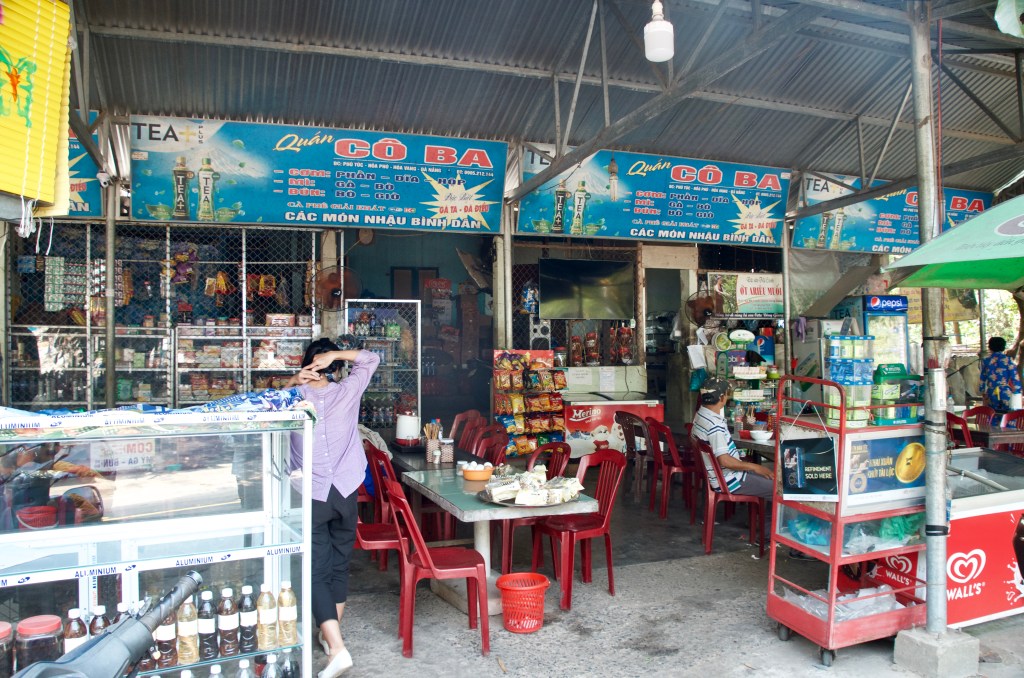
As I mentioned in my last blog, there were challenges – I hadn’t anticipated the food being one of the challenges but it was, especially for me. We now know the difference between local food in a tourist area and local food in non-tourist ethnic area. Much of the food looked or smelt unusual (even chicken didn’t look/taste like our chicken). Their spices and method of cooking were also so different. Thank goodness we brought a lot of hand sanitizer as soap was seldom available in the places we ate. The thought of diarrhea on a bike, in remote areas where “happy rooms” were few and far between, was a great incentive to eat light and clean our hands often. We mostly ate rice and freshly baked crusty bread – and we managed fine for the 3 days.
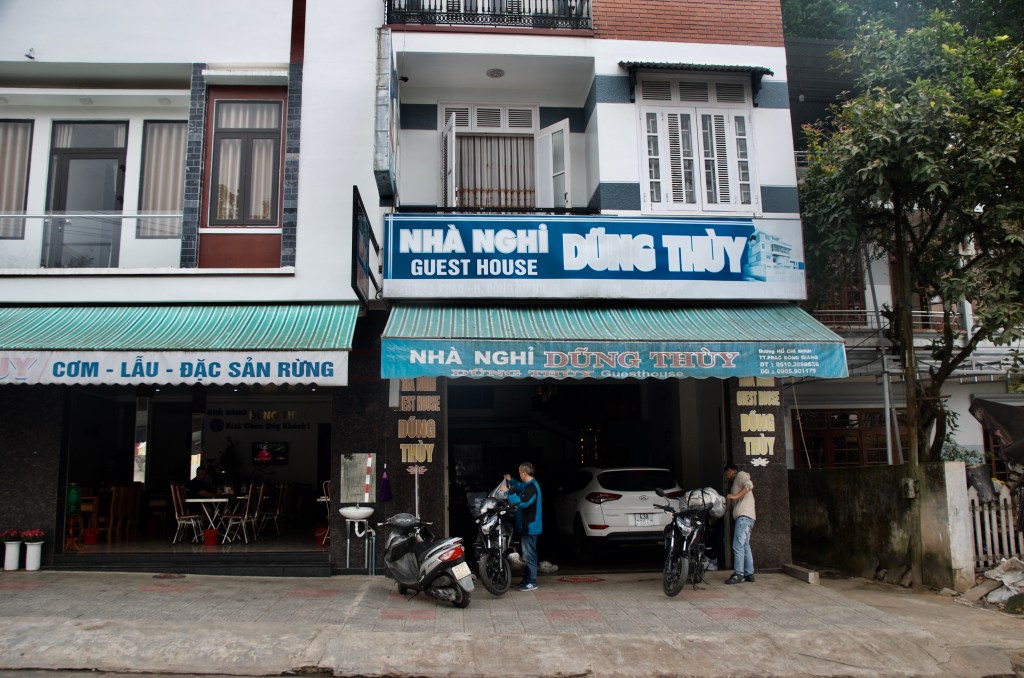
Initially we thought that we would be staying at home stays, but of course there are no home stays in non-tourist areas. We stayed in “guest houses” as there were a few towns along the way. We had our own private room and the “happy room” had a flush toilet so life was good. We brought our own pillows (which we purchased at La Siesta) which made all the difference. I now know that as long as I have a good pillow, I can sleep on a rock hard bed. On day 3, Lar declared that he loved his pillow. This was all part of the adventure.
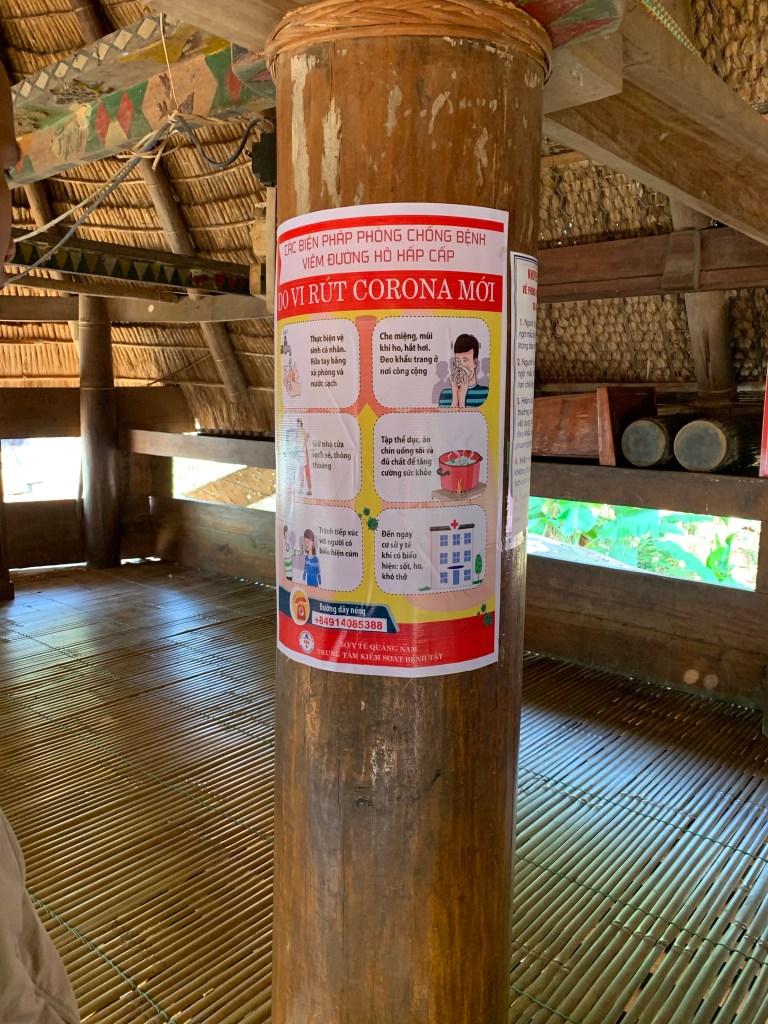
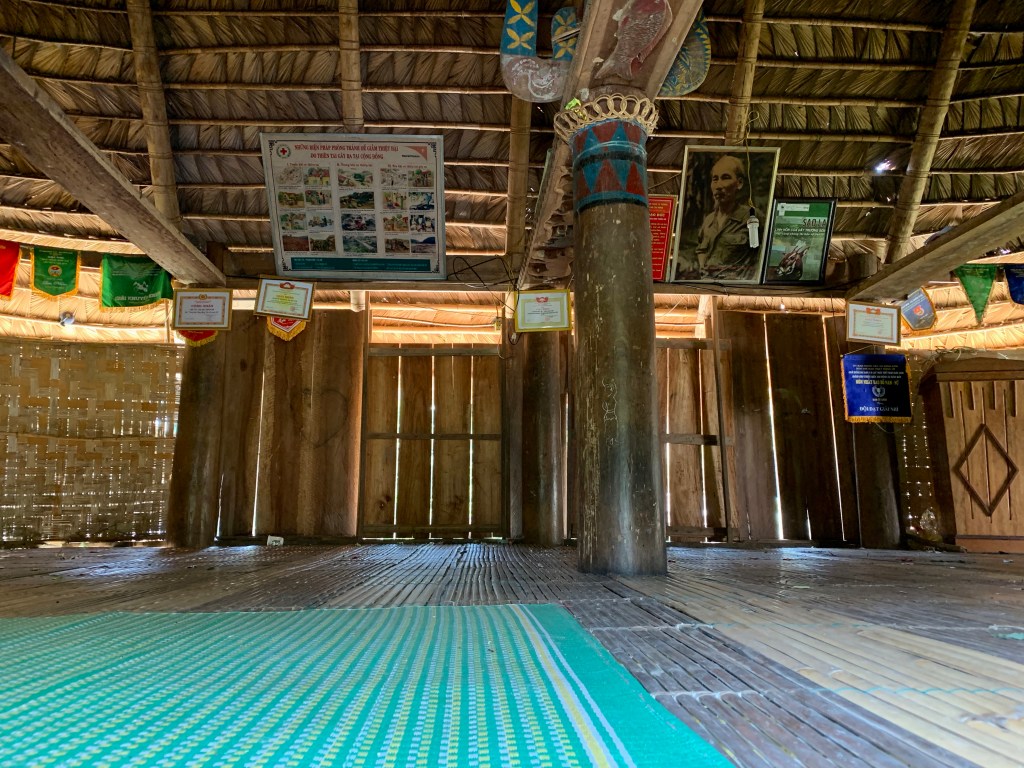
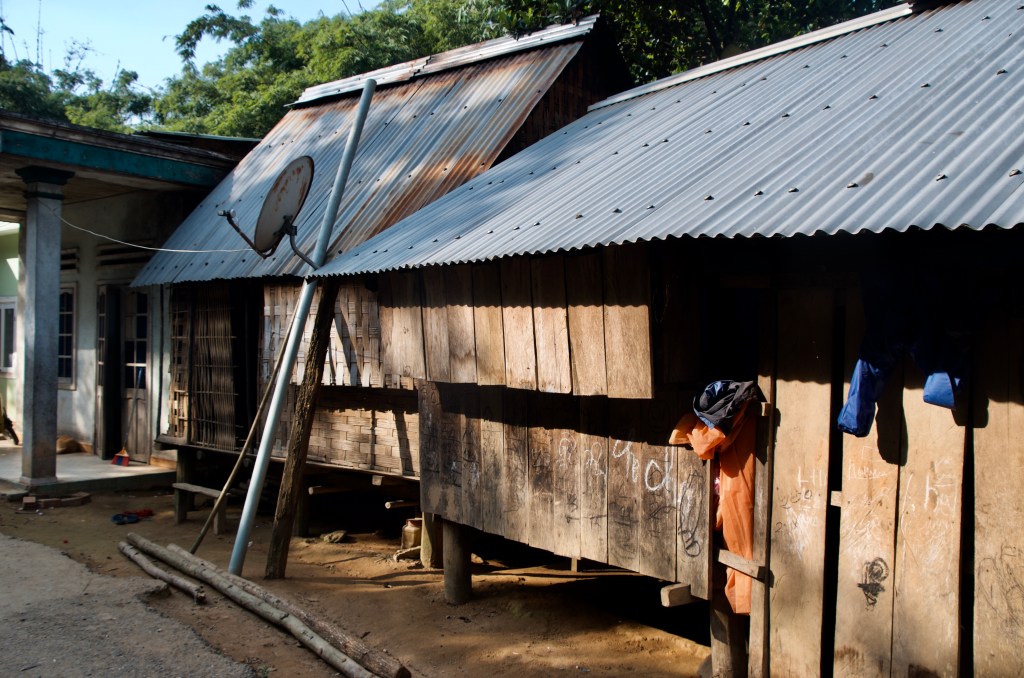
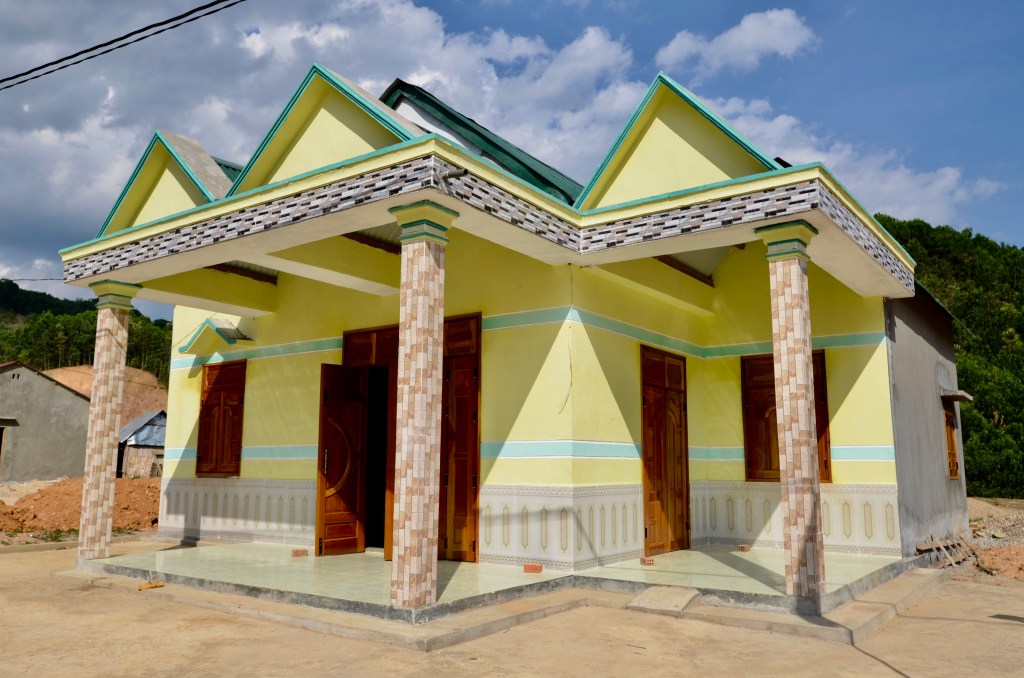
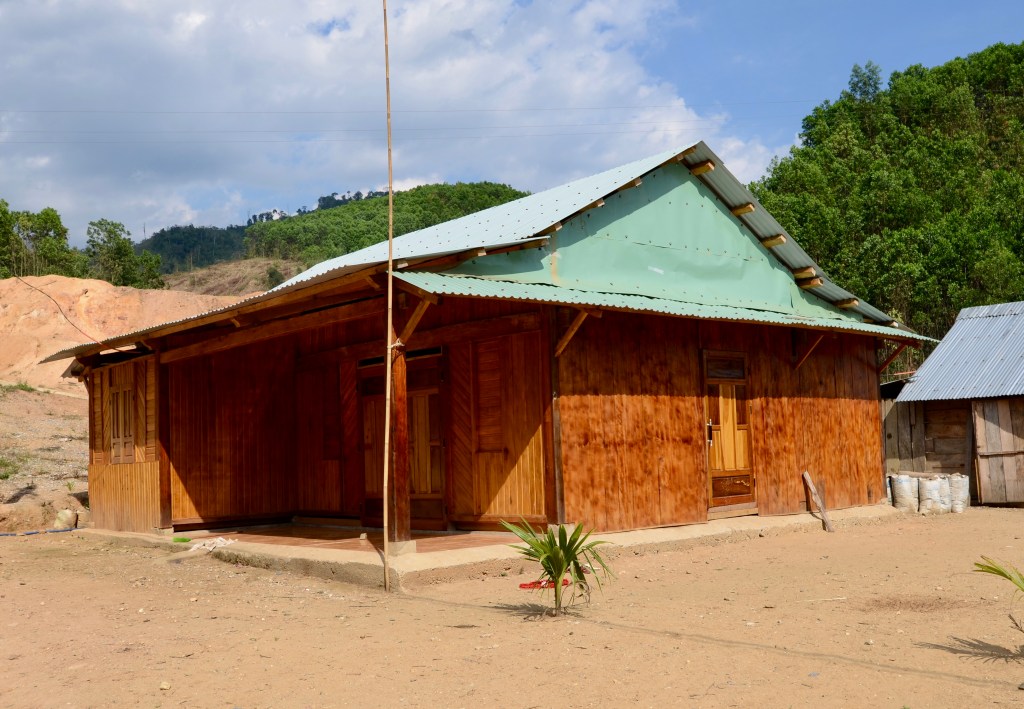
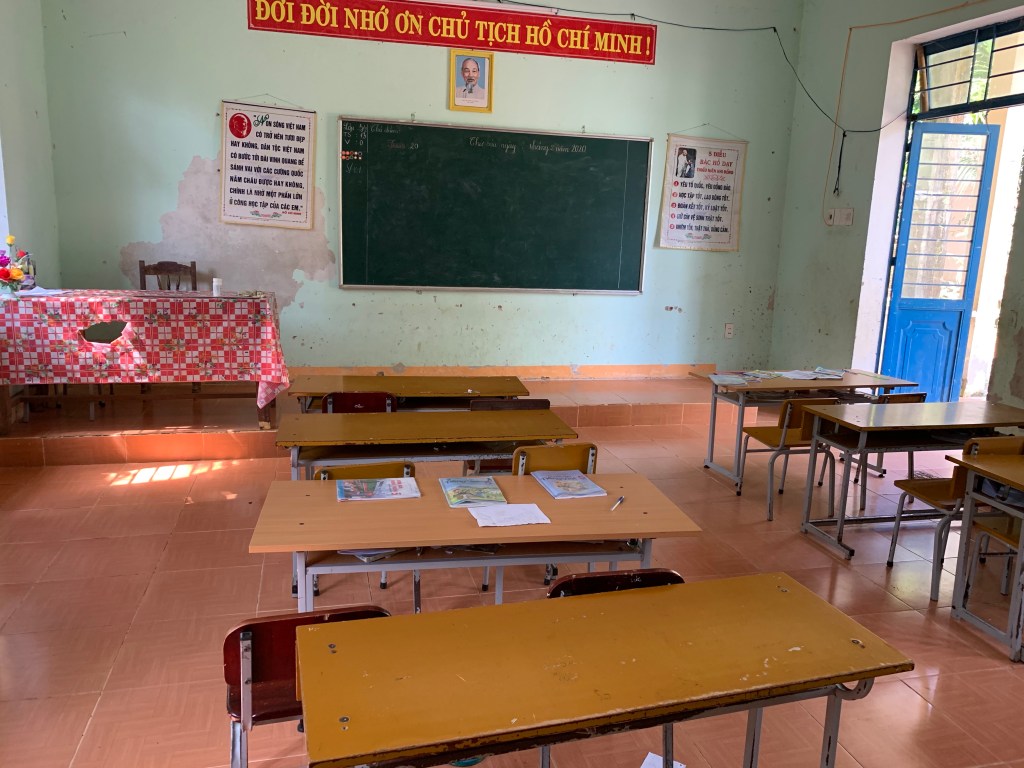
We visited many small ethnic villages over the 3 days. Most of the villages had less than 30 homes and in many cases the families spoke only their own dialect. From the pictures you’ll see that most homes are made of wood. There were also some cement homes that the government built – they did this when they needed the existing village property to build a new hydro electric dam. The government homes were made of poured cement so the village people couldn’t move the homes if they didn’t like their new location. There was always a central meeting house – a large wood structure raised above the ground with a thatched roof. There were schools, but we never saw children in the schools. Phu explained that although the government builds the school and primary school education is free, they can’t get teachers to come to these remote villages. At best a teacher would come a few days a month. We seldom saw the adults in these villages as they would be working in the mountains. Very little litter in the villages – most of their food and water comes from the mountains so no packaging to dispose of which helps.
We loved interacting with the children and people we met along the way. The children were very timid at first – Phu explained that they most likely had not seen “white face” people before. Phu was so good with the children..and the fruit snacks he brought also helped.
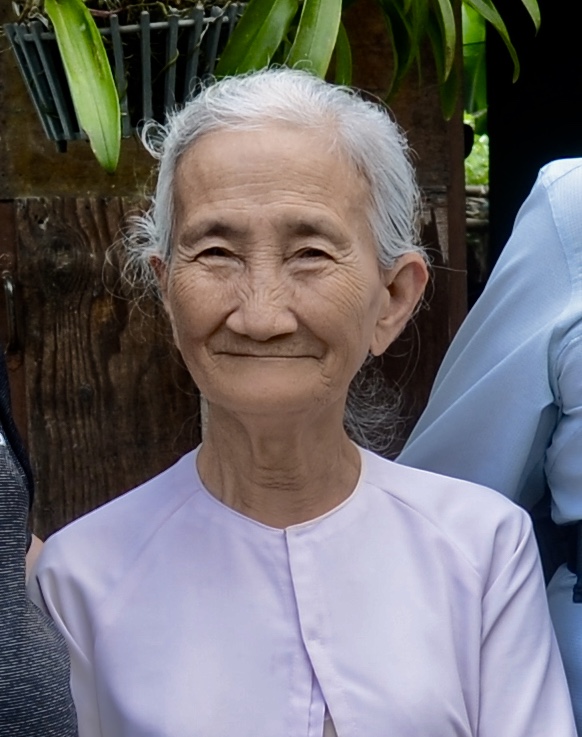
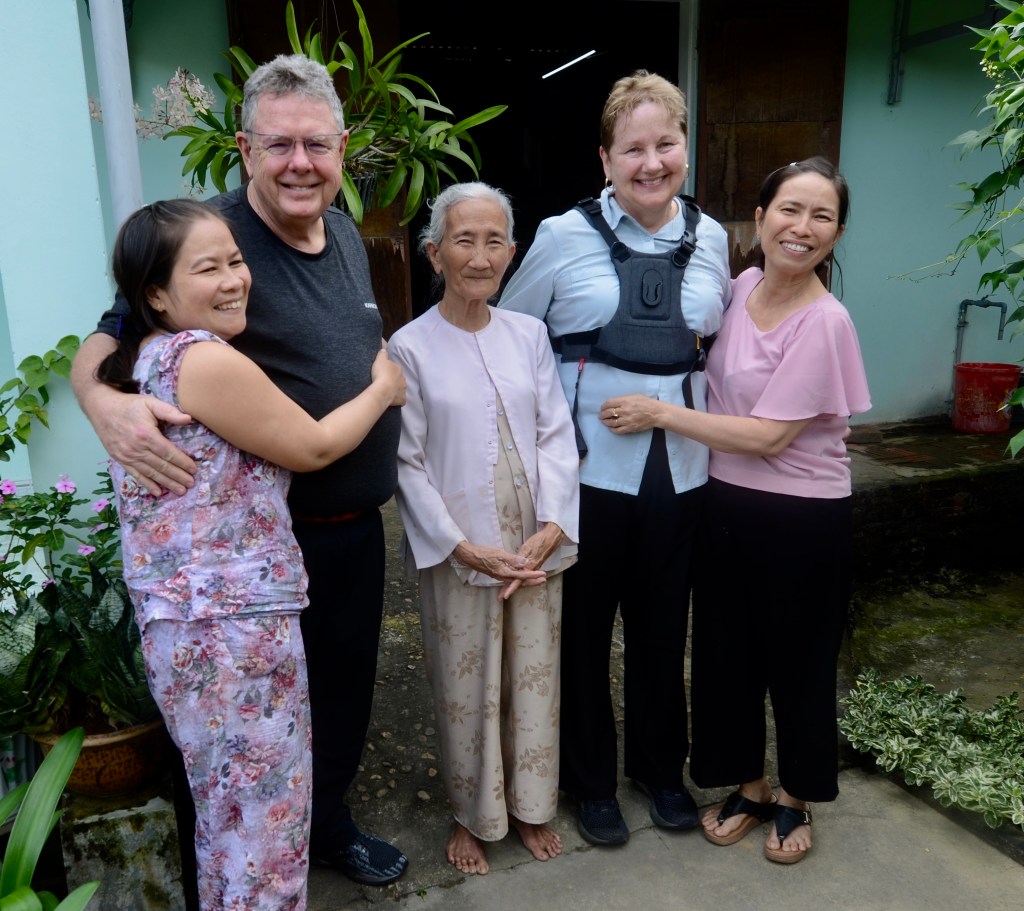
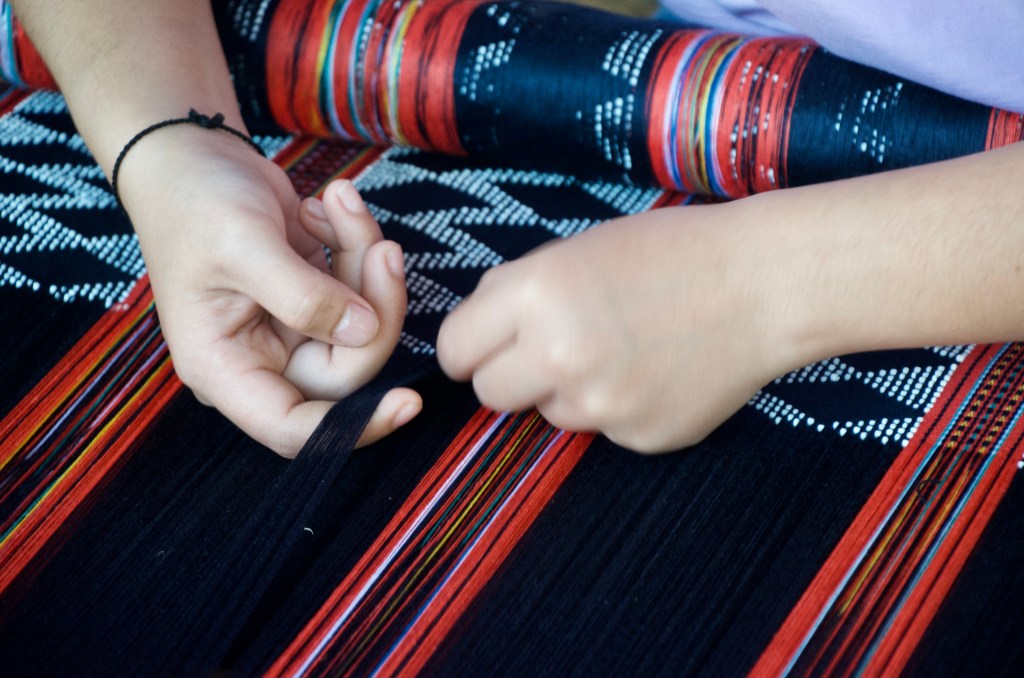
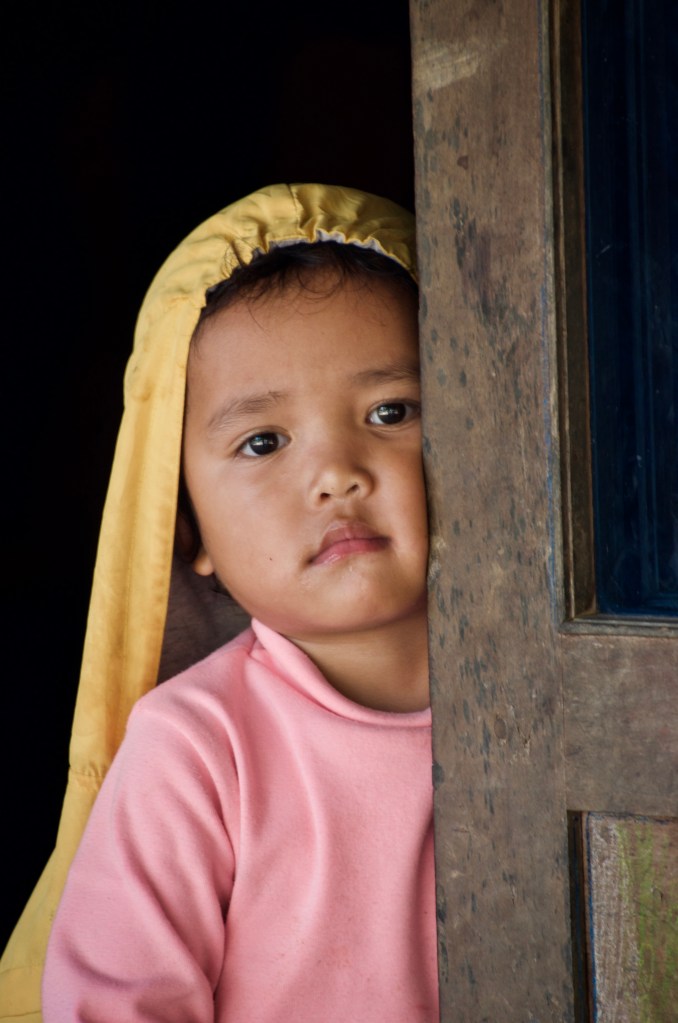
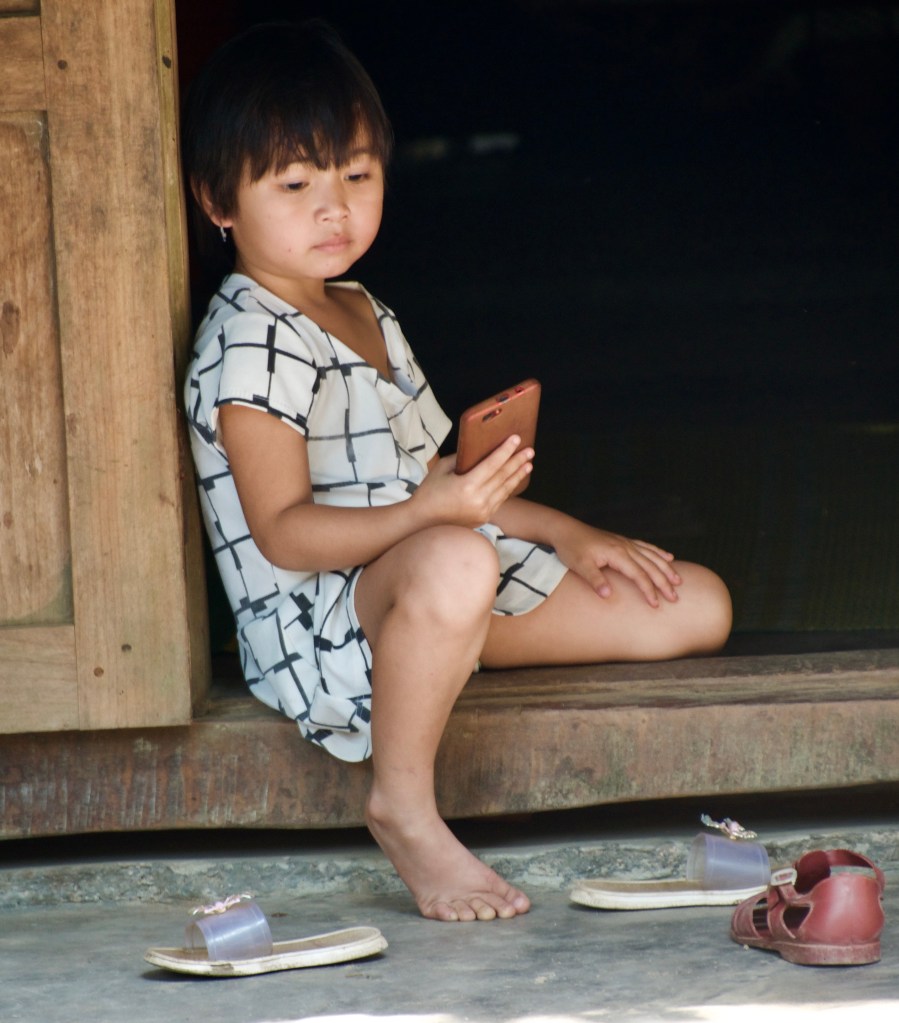
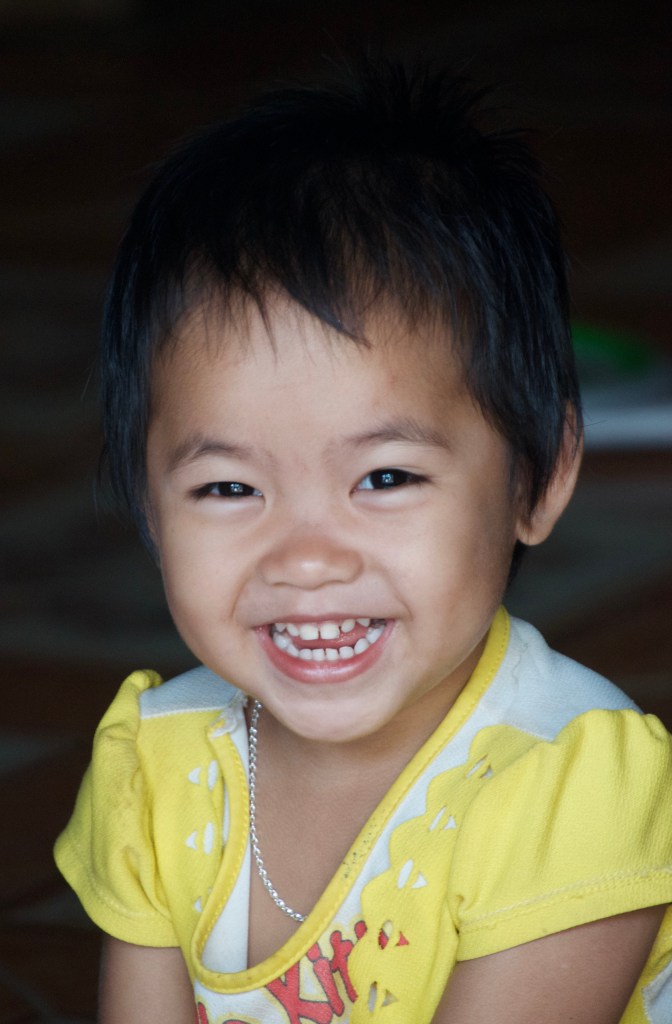
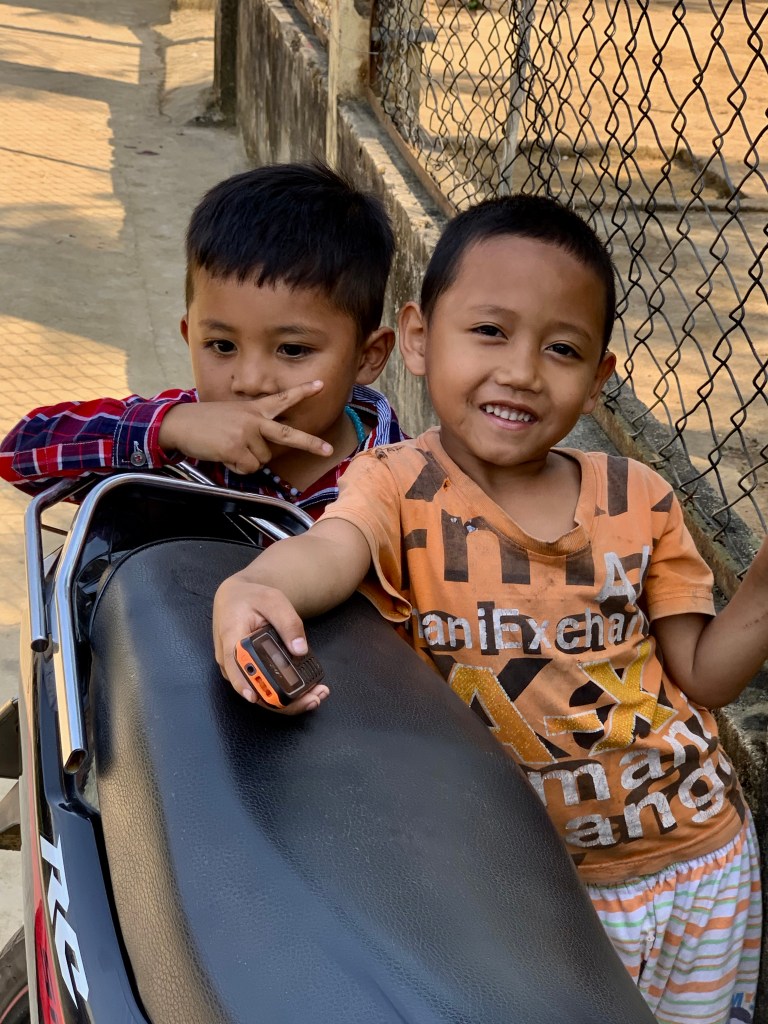
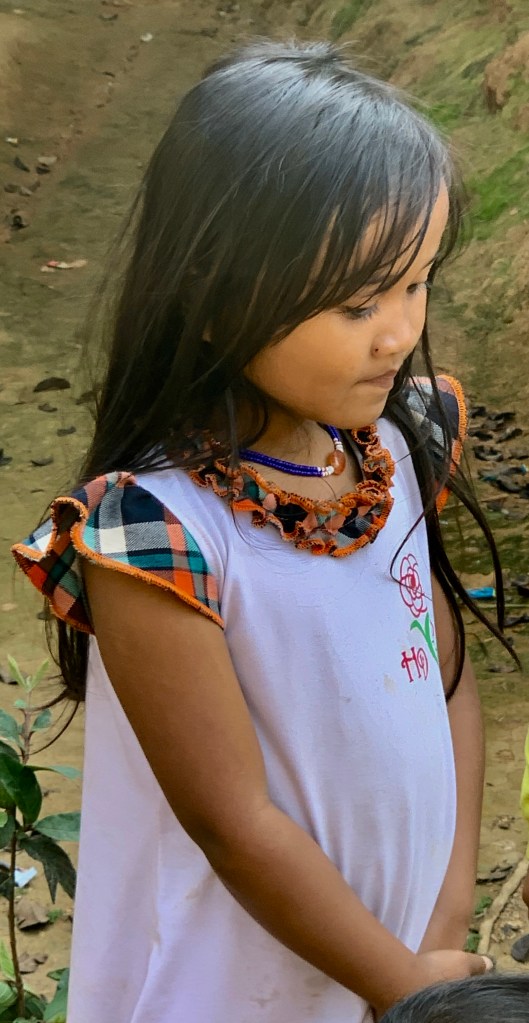
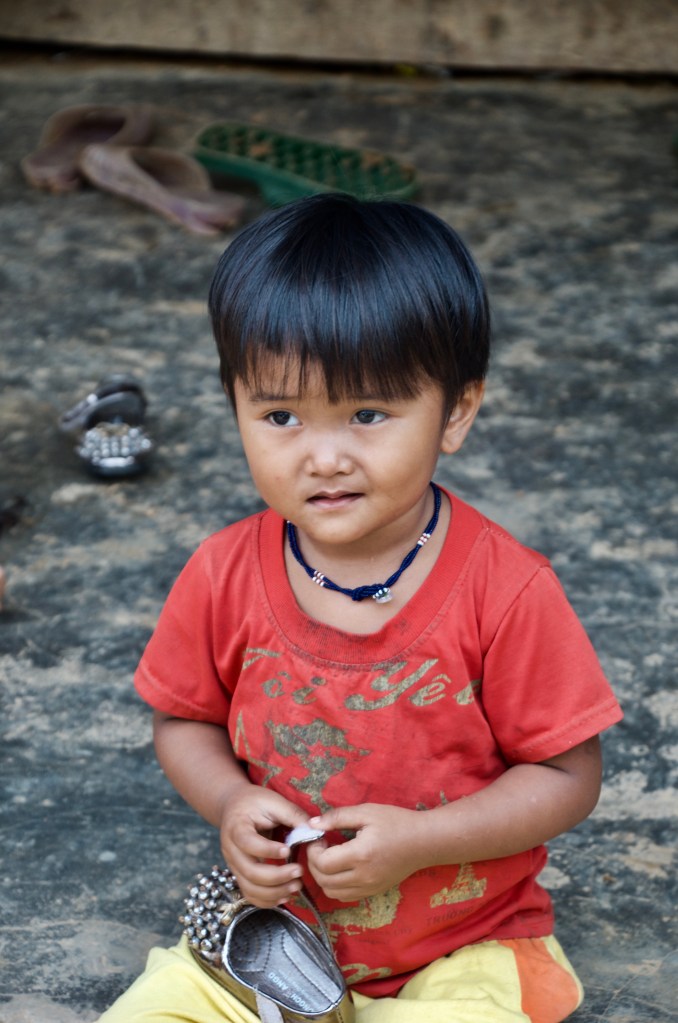
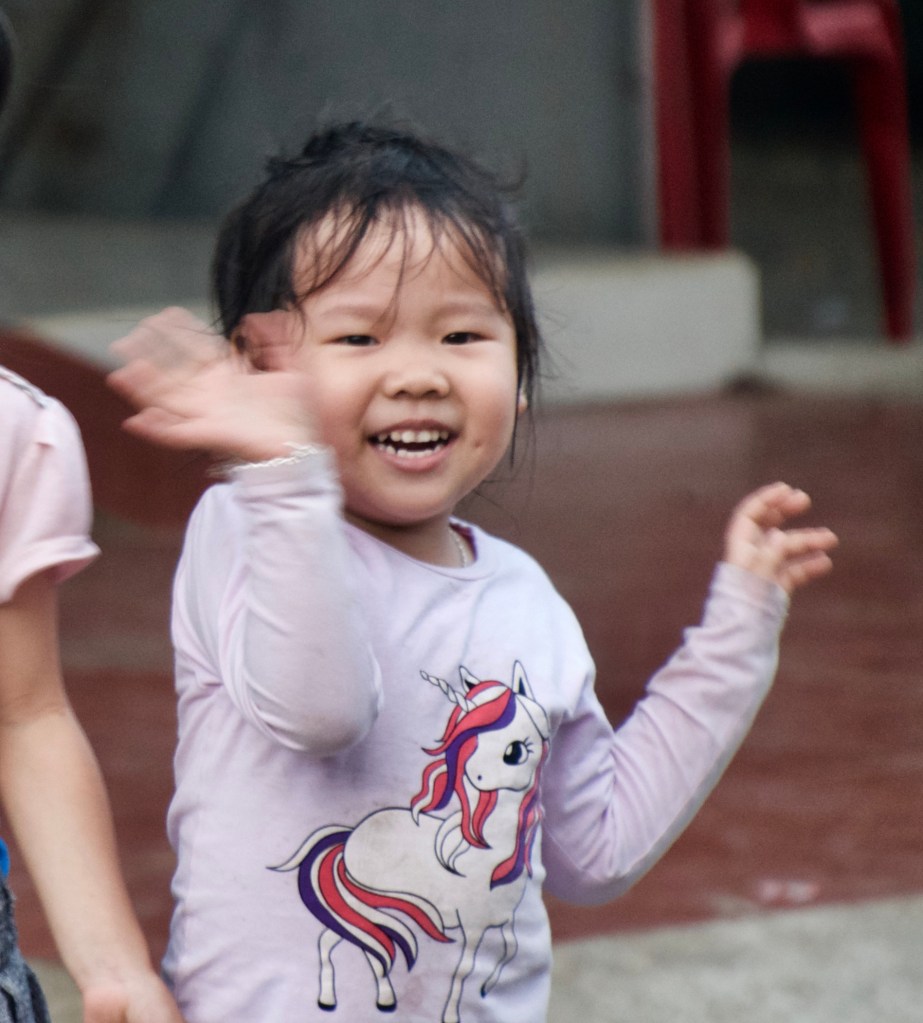
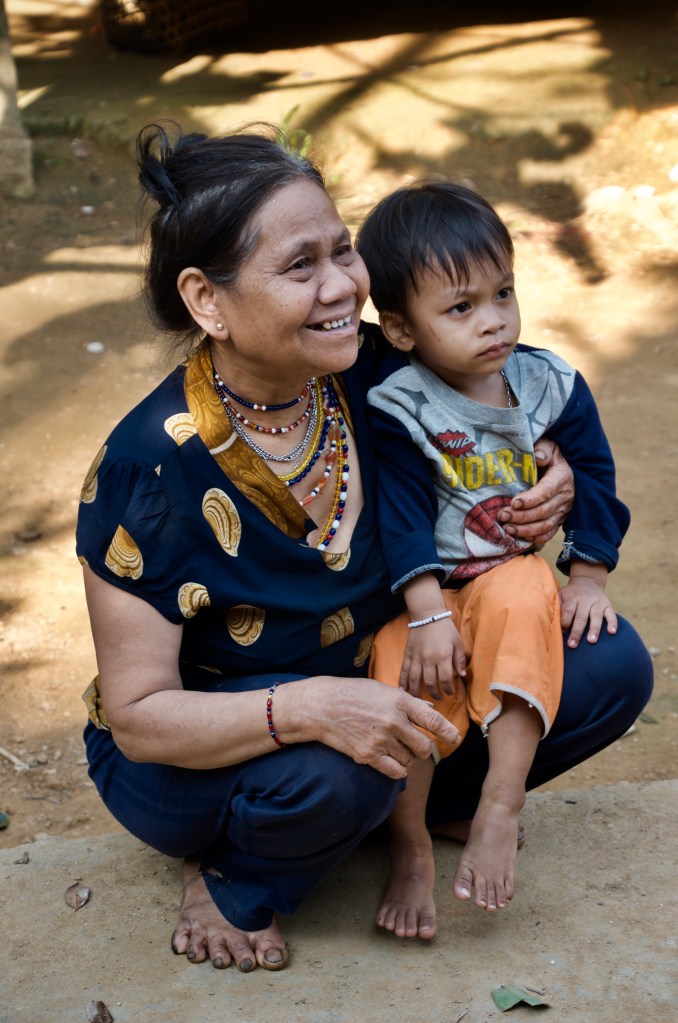
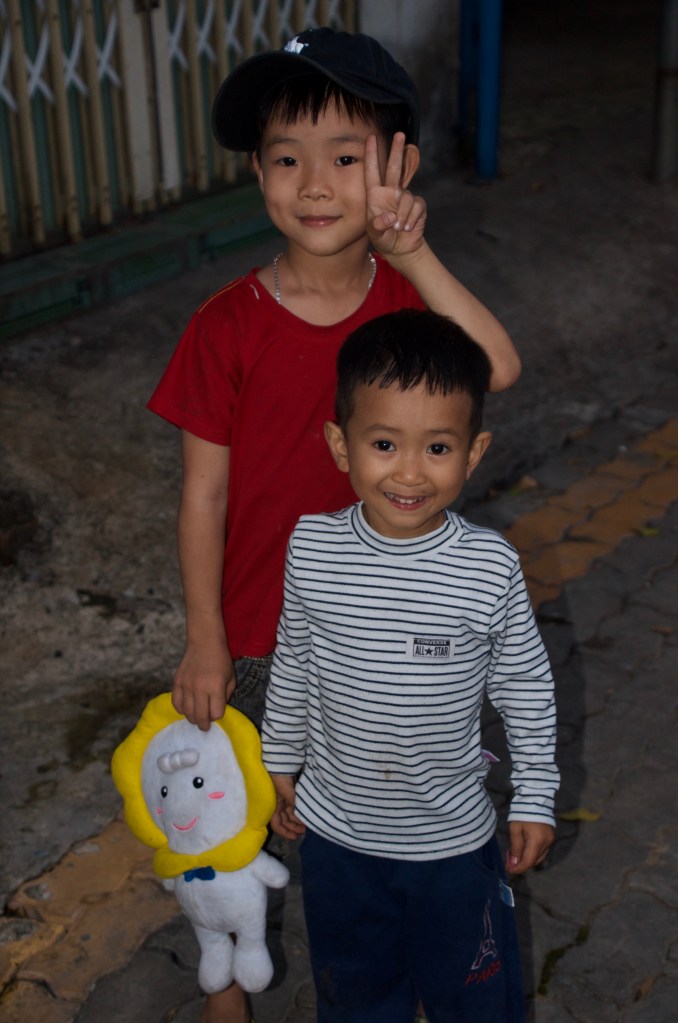
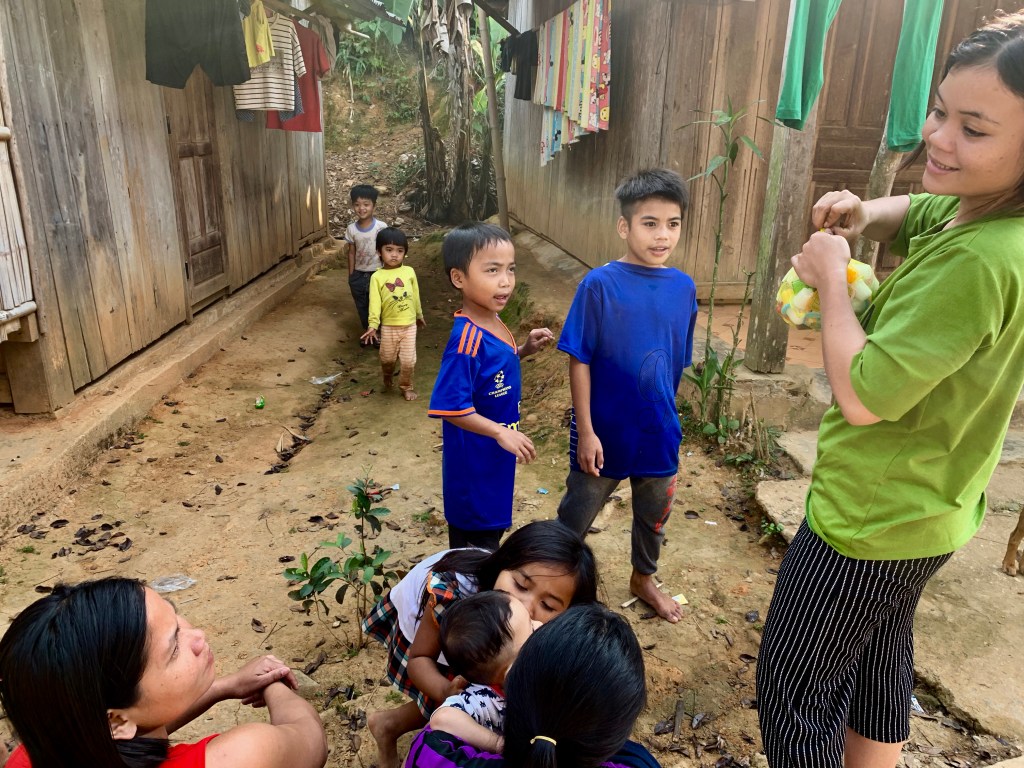
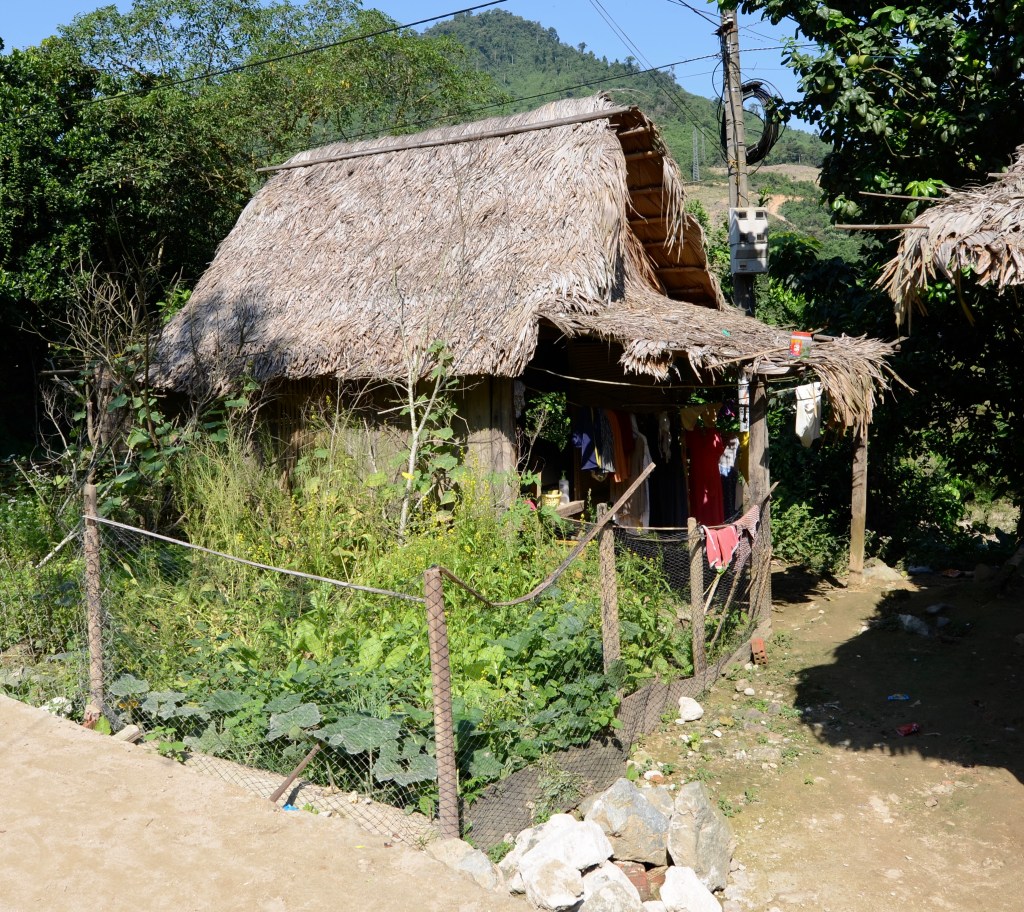
Our 10 days in the Hoi An area have come to an end. We will miss the staff at La Siesta (especially our very special Hien and Phuong) – they took such good care of us – “cam on”…thank you. We got to know Phu after spending 3 days with him – he gave us a great adventure and always made sure that we were “ok”. It is sad to leave this area.
 ELF Travel To ...
Oh my goodness! I would be in heaven when I could get in a hot bath tub after that trip. Our life styles are so far removed from that – certainly something to think about. So happy that you are having a wonderful time experiencing such an adventure.😘
LikeLiked by 1 person
We are loving the adventure. The Hoi An pictures would bring back memories for you and Phil.
LikeLike
A very interesting experience. Such beautiful photography
LikeLiked by 1 person
Thank you for these wonderful faces of children
LikeLiked by 1 person
The photos of the children are wonderful.
LikeLiked by 1 person
outstanding pictures of the people and children. Life seems happy there. A trip of a lifetime. I admire your endurance and sense of adventure. Kevin.
LikeLiked by 1 person
The people do seem very happy. There is always a rice field beside the village, and they get fruits, fish and animals to eat from the mountains so they have enough to eat and the weather is moderate. Thanks for following our blog.
LikeLike
Spectacular!!! Love the adventures and can’t wait to recreate your steps someday
LikeLiked by 1 person
Thank you so much, Evelynn, for the candid stories of your adventure in the small villages! I am so very much enjoying all of the pictures, especially the ones of the people – their expressions, posture, etc. say so much🙏
LikeLiked by 1 person
Afrimoose, thanks for following our travels and for your comments.
LikeLike
Love the pictures!! Sounds like you are having quite the adventure! The pictures of the children brought a smile to my face. Thanks for sharing!
LikeLiked by 1 person
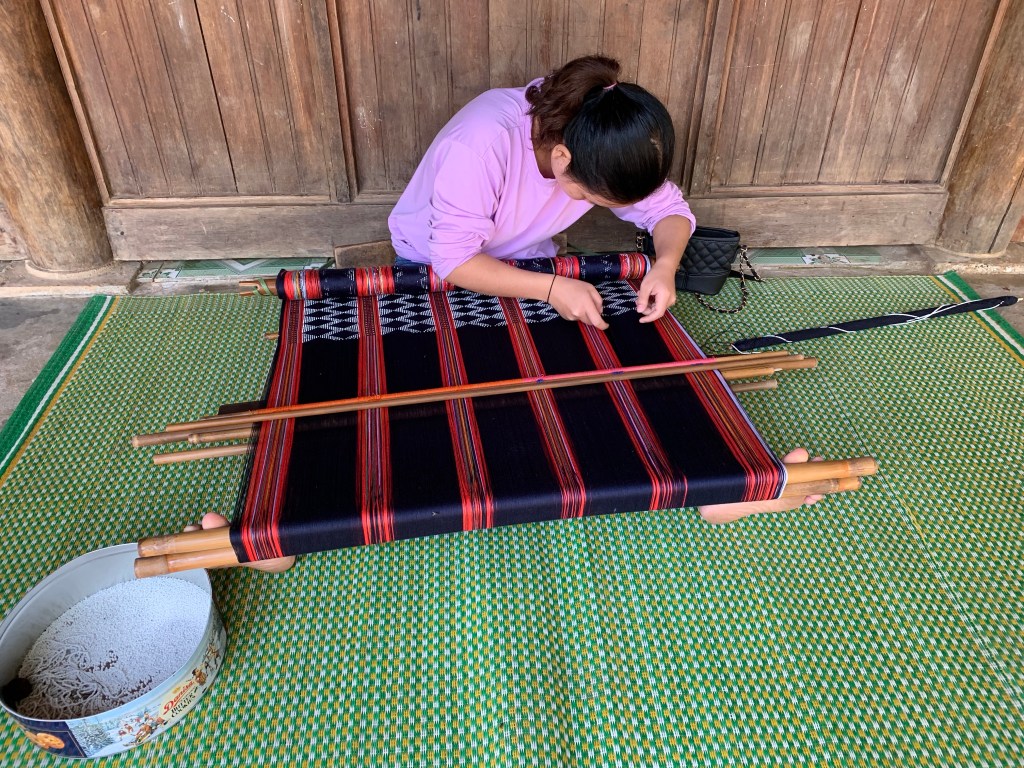
First Happy Birthday Evelynn! This will be one you will never forget! It sounds like an amazing adventure. I am truly envious. Jesse thinks Larry is amazing. You will have so many stories to tell. The pictures are wonderful especially of the children. We also saw some of the ethnic houses, meeting houses, and the woman weaving on our 1 day trip with Phu so it brought back good memories. Continue to enjoy and keep us informed of your adventures. Love Patsy-Ann & Jesse
LikeLike
Thanks Pasy-Ann and Jesse. This is definitely a birthday I will remember. It has been a great 3 days in Phong Nha. I am sitting outside right now enjoying the early morning air.
LikeLike